
Top 30 Moroccan Recipes: Tagine, Couscous and North African Classics
Updated July 2, 2026 · Curated by Chefadora
Moroccan recipes bring together slow-cooked spice, preserved lemon, dried fruit and a genuine mastery of one-pot cooking — the tagine, named for the cone-lidded clay pot it is cooked in, is the dish most associated with the country, but Moroccan cooking is far wider than that single vessel. This collection gathers the dishes people search for most: tagines in dozens of variations, the many forms of couscous, warming soups and flatbreads, and a handful of pastries and street classics.
What defines Moroccan food is a confident, layered use of spice — cumin, ginger, cinnamon, saffron, preserved lemon and ras el hanout, a complex spice blend that can include dozens of ingredients — built into long, slow cooking rather than quick high-heat searing. Sweet and savory sit comfortably together throughout: apricots and prunes turn up in meat tagines, and honey glazes savory pastries, in a way that feels entirely natural once you have tasted it rather than a novelty.
The four groups below cover tagines, couscous dishes, soups and breads, and a wider category of pastries, kebabs and Moroccan favourites. Together they represent both the centerpiece cooking Morocco is known for internationally and the everyday staples — a bowl of harira to break a fast, a stack of mlawi for breakfast — that make up daily eating.
Treat this page as a working reference. Every recipe links through to full ingredients and instructions on Chefadora, and the guides below cover the techniques that matter most in Moroccan cooking — building a tagine properly, steaming couscous the traditional way, working with preserved lemon, and balancing the sweet-and-savory combinations the cuisine is known for.
Moroccan Tagines
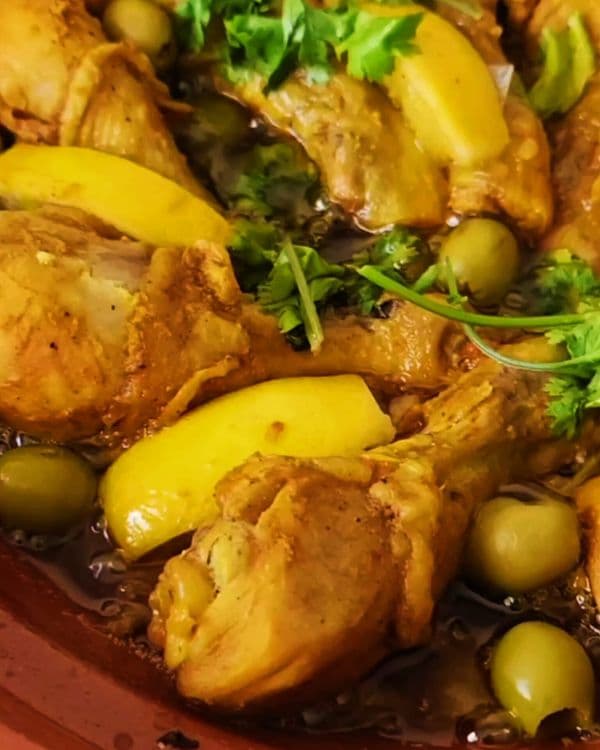
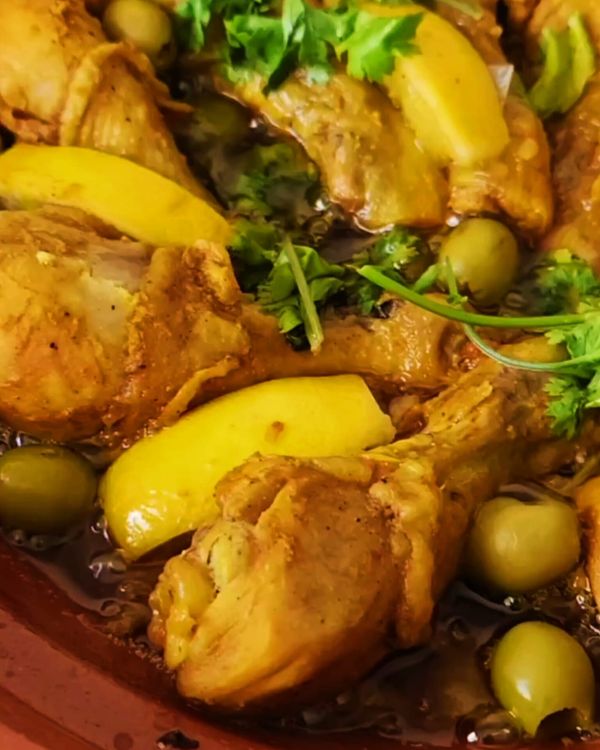
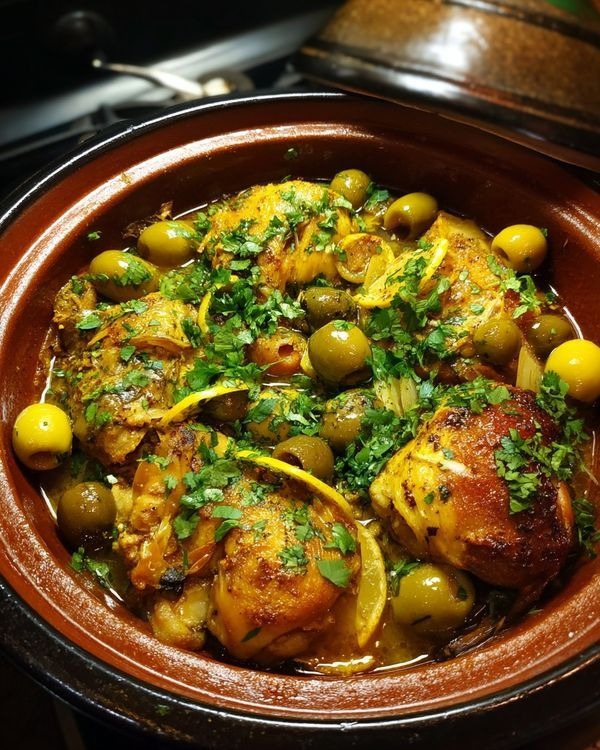
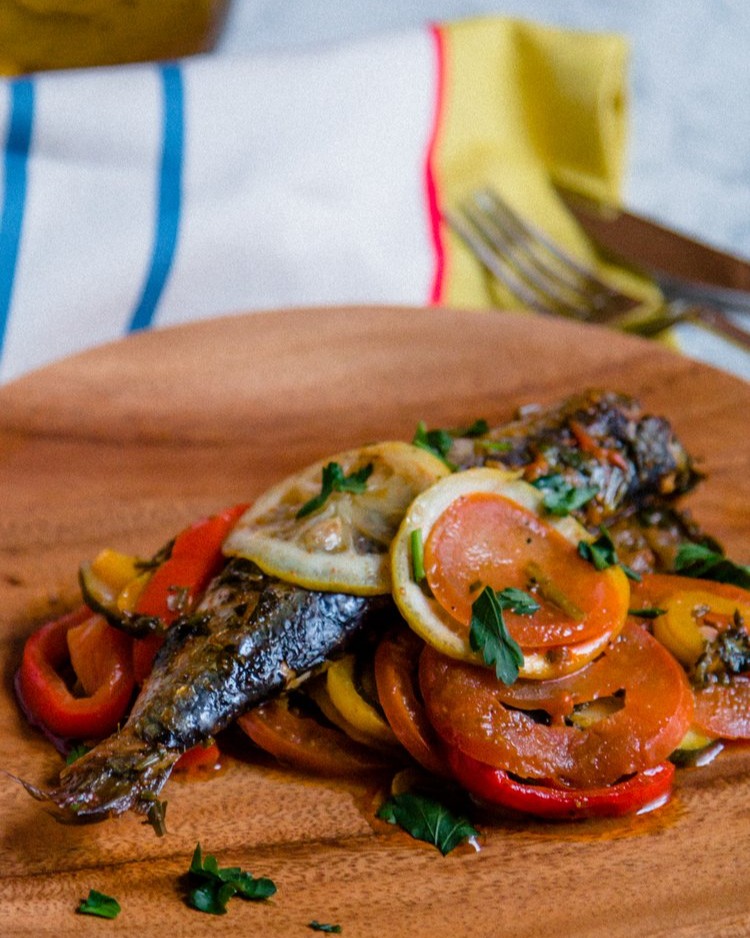
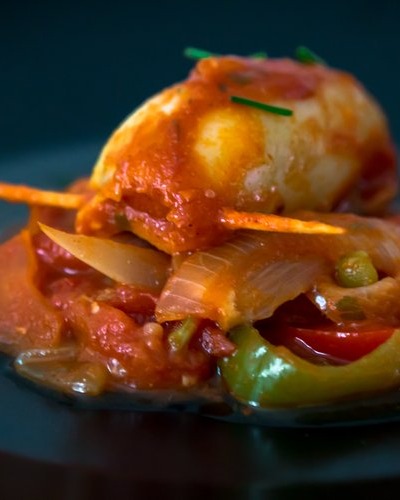
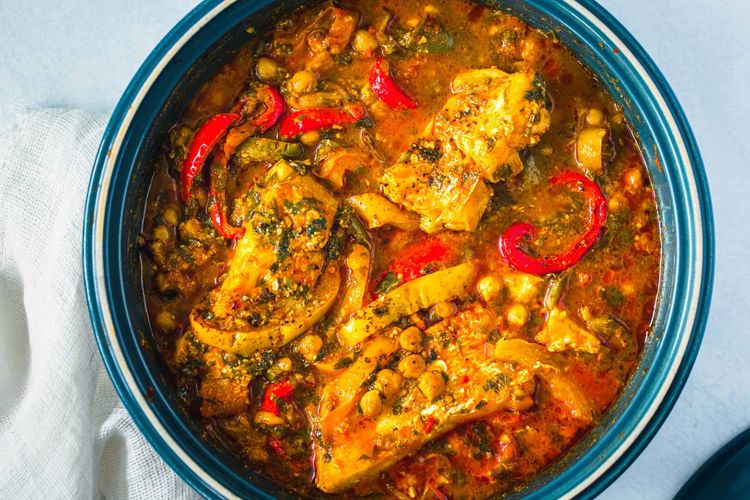
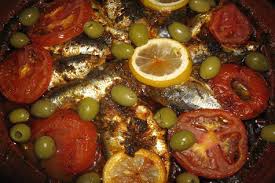
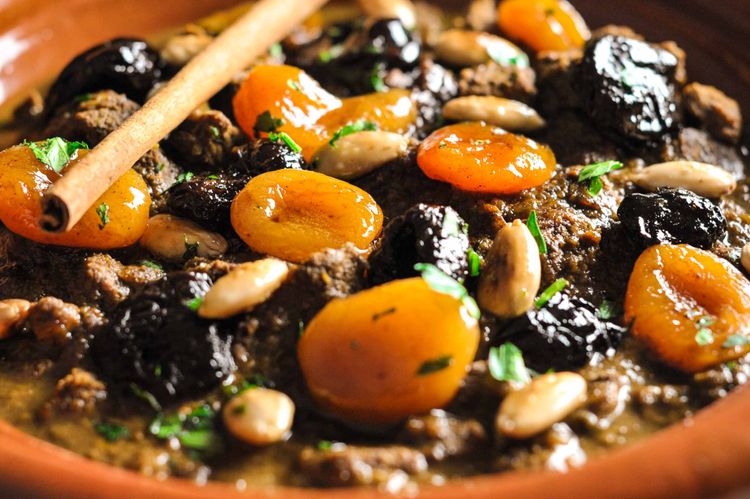
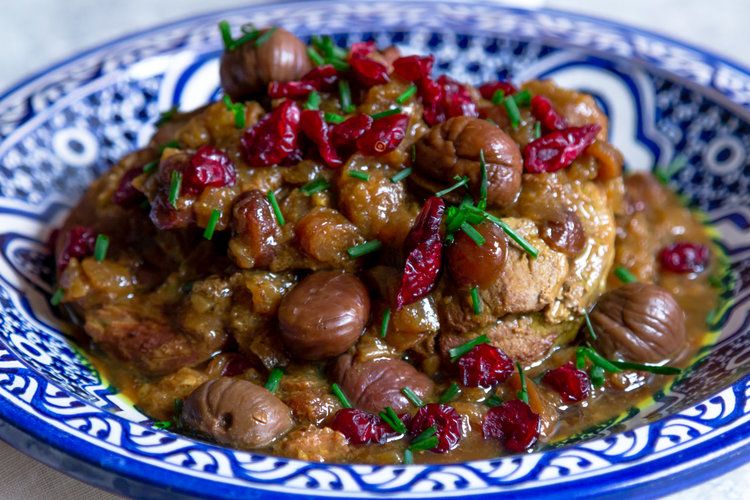
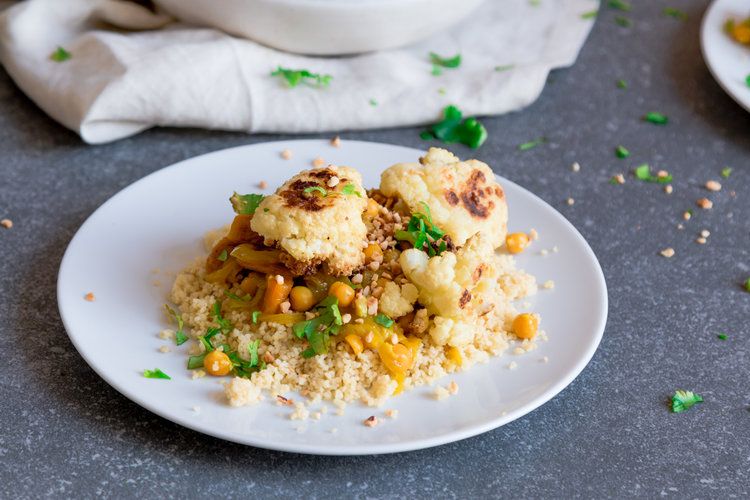
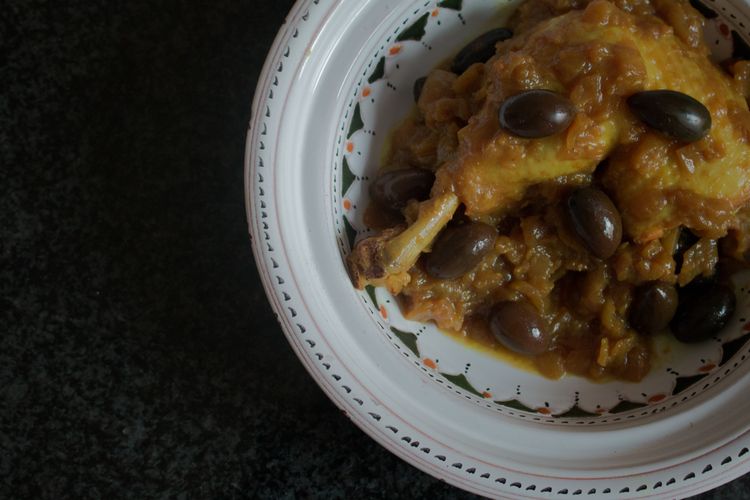
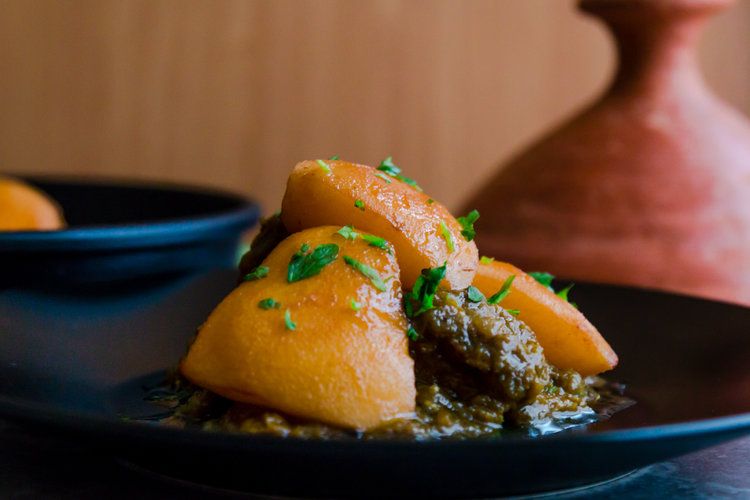
The tagine is both a cooking vessel and the dish that comes out of it, and understanding the pot explains almost everything about the food. Its distinctive cone-shaped lid traps rising steam and funnels the condensation back down onto the food, which means a tagine needs very little added liquid to stay moist over a long, slow cook — the pot essentially bastes itself. This collection of tagines spans the full range of Moroccan cooking: chicken with preserved lemon and olives, one of the most classic combinations in the whole cuisine; lamb paired with dried fruit like apricots, prunes or quince for that signature sweet-savory depth; fish and seafood versions built with chermoula, a bright herb-and-spice paste; and vegetable tagines that lean on chickpeas, cauliflower or artichoke for a meat-free version with just as much character. What unites all of them is the same underlying method — a well-built aromatic base, minimal liquid, and patient, low heat — rather than a fixed ingredient list, which is why the tagine adapts so well to whatever protein or vegetables you have on hand. Leftovers actually improve overnight as the spices settle further into the sauce, which makes a tagine one of the better dishes in this whole collection to cook a day ahead of serving. Standouts here include Moroccan Chicken Tagine with Preserved Lemons and Harissa and Moroccan Chicken Tagine with Potatoes and Olives, plus Sardine Tagine with Chermoula.

- Moroccan
- Non-Vegetarian
- Dinner
- Moroccan
- Non-Vegetarian
- Dinner

- North African
- Pescatarian
- Dinner
- Mediterranean
- Pescatarian
- Dinner
- Moroccan
- Pescatarian
- Dinner
- Moroccan
- Pescatarian
- Dinner
- Moroccan
- Non-Vegetarian
- Dinner
- Moroccan
- Non-Vegetarian
- Dinner
- Moroccan
- Vegan
- Dinner
- Moroccan
- Non-Vegetarian
- Dinner
- Moroccan
- Non-Vegetarian
- Dinner
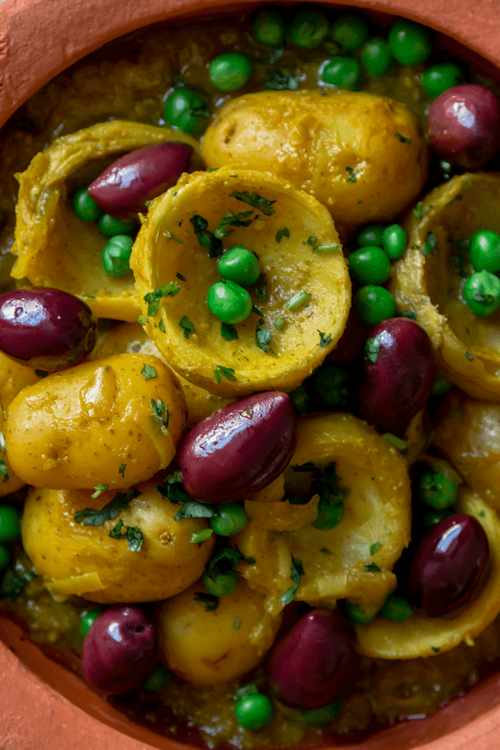
- Moroccan
- Vegan
- Dinner
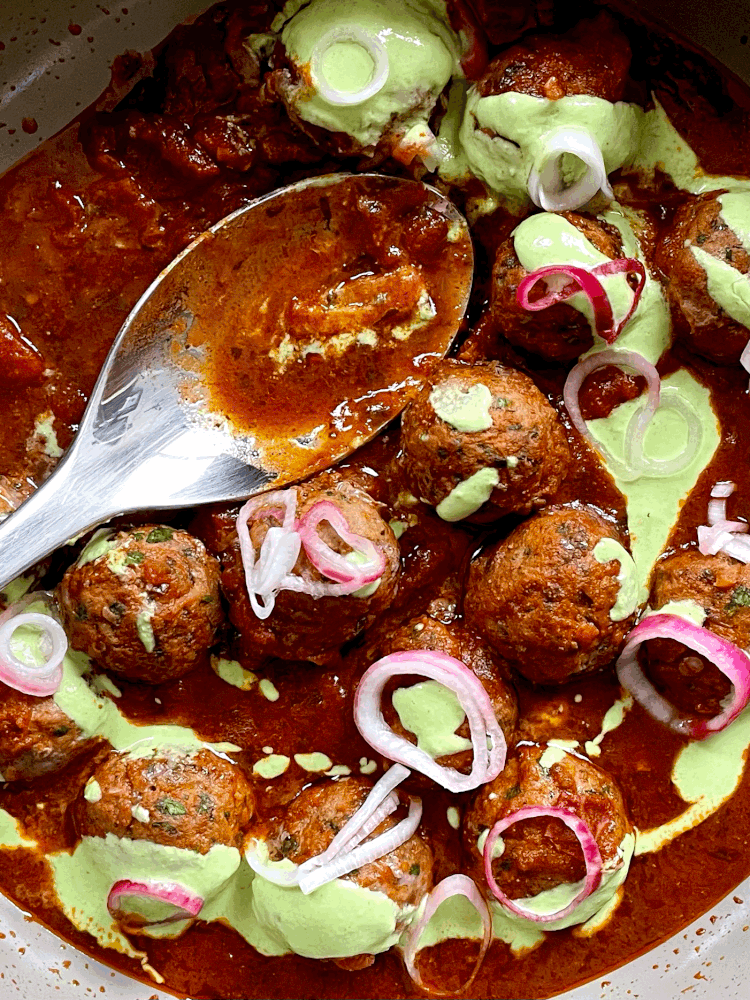
- Moroccan
- Non-Vegetarian
- Dinner
Couscous Dishes
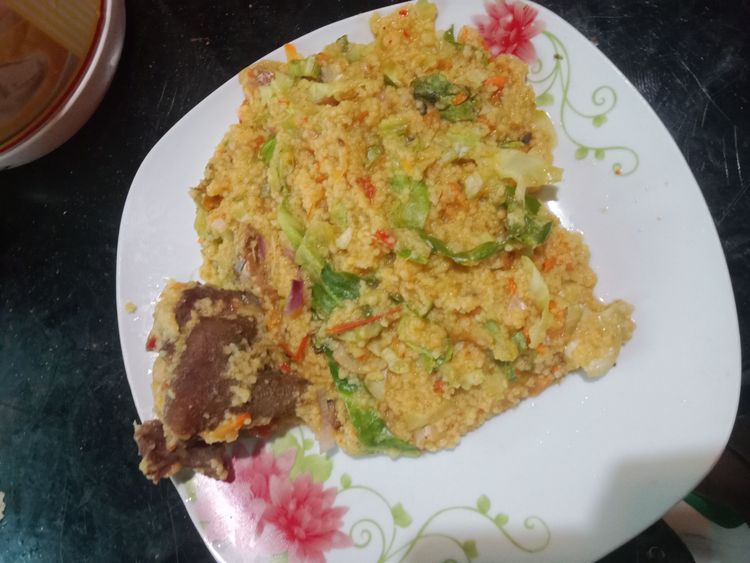
Couscous is often misunderstood outside Morocco as a quick-cooking grain you simply soak in hot water, and while that shortcut works fine for a weeknight side, it is worth knowing that traditional couscous is steamed in stages for a noticeably lighter, fluffier result. This cluster covers couscous both as a warm base for a stew or tagine spooned over the top, and as a standalone dish in its own right — cold, herb-flecked salads built with vegetables and a bright vinaigrette, or a more substantial version studded with chicken and seven vegetables, a dish traditionally associated with Friday family lunches. However you serve it, the technique that matters most is fluffing the grains with a fork and a little oil or butter between steamings, which keeps them light and separate rather than clumped into a dense mass. Couscous is a genuinely versatile base — equally at home under a rich lamb tagine or dressed simply with lemon and herbs for a bright, warm-weather salad. It also keeps well once cooked, refrigerated for a few days and refreshed with a splash of water and a quick re-fluff, which makes the couscous salads in this cluster especially good candidates for make-ahead lunches. Standouts here include Spring Couscous Salad and Couscous with Vegetables, plus Vibrant Couscous Rainbow Salad.
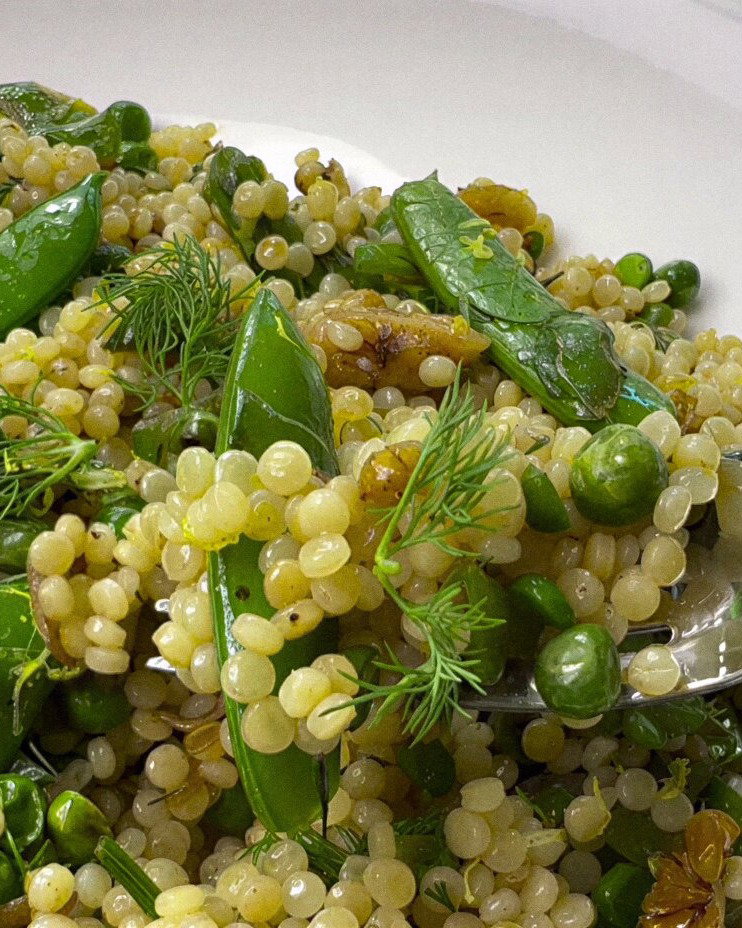

- Vegan
- Salad
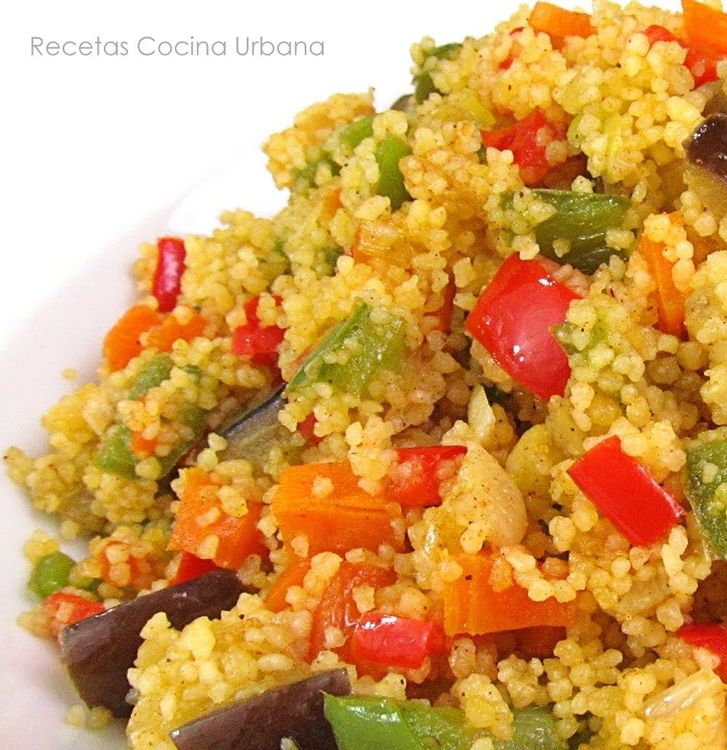
- North African
- Vegan
- Main Course
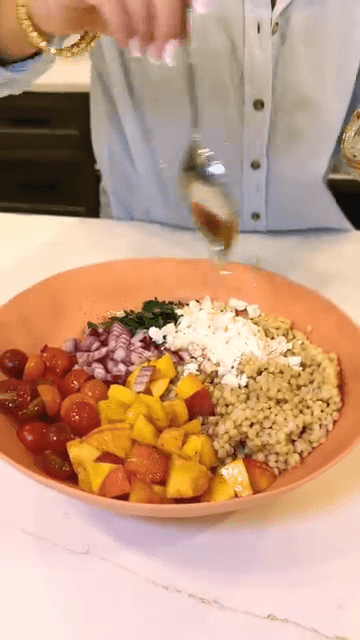

- Mediterranean
- Vegetarian
- Salad
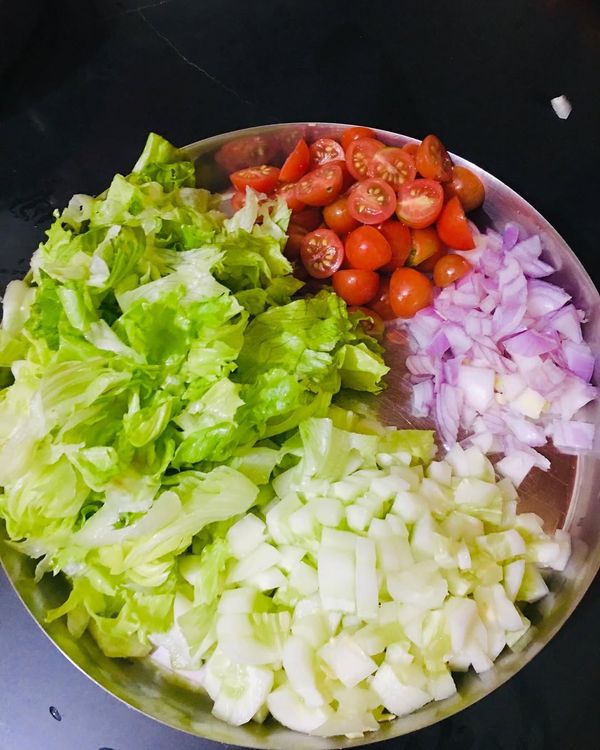
- Mediterranean
- Vegan
- Lunch
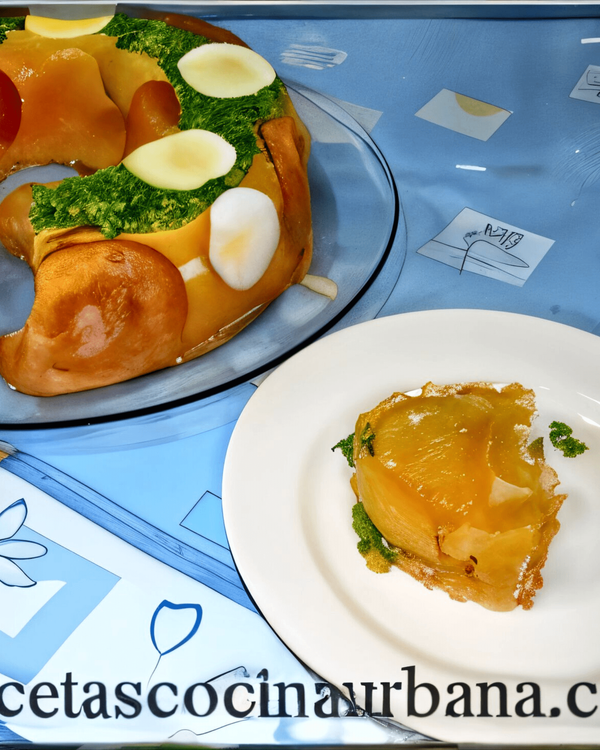
- Brazilian
- Non-Vegetarian
- Lunch
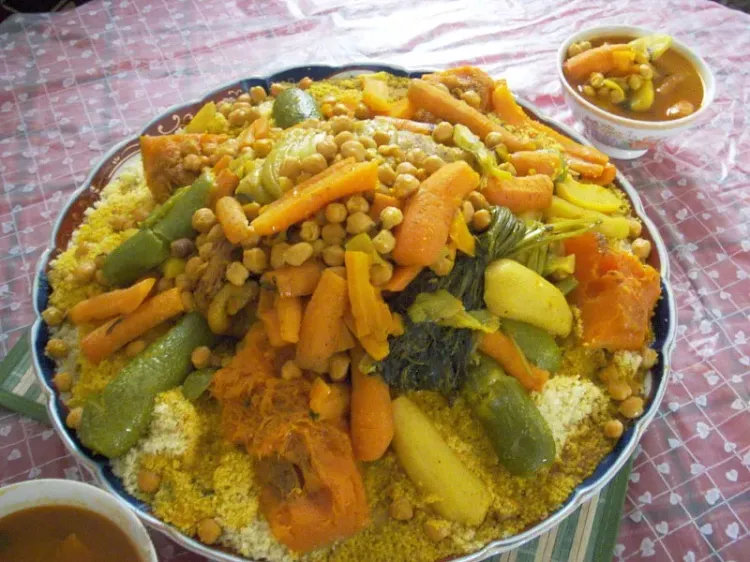
- Moroccan
- Non-Vegetarian
- Dinner
- Mediterranean
- Vegan
- Lunch
Moroccan Soups, Breads & Pancakes
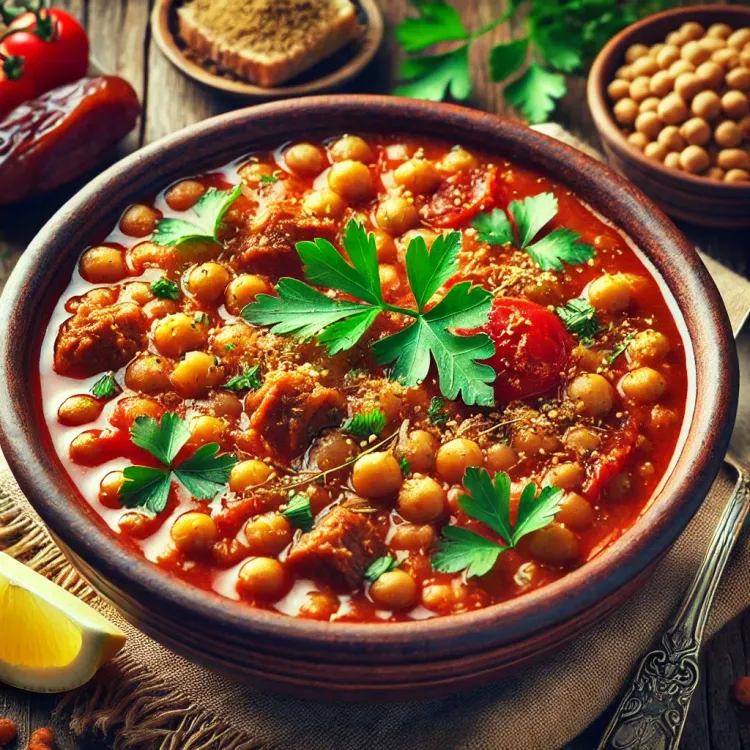
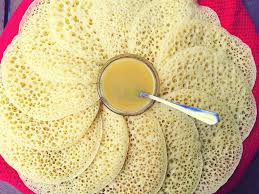
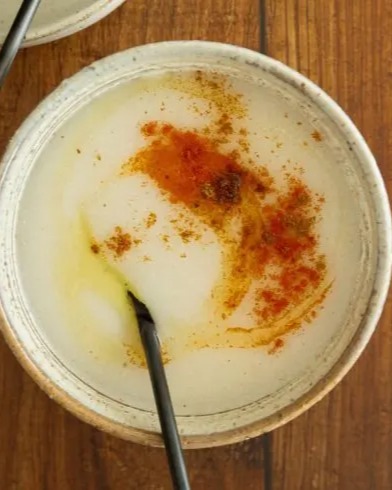
This cluster covers the everyday, comforting side of Moroccan cooking — the soups and breads eaten daily rather than saved for special occasions. Harira, a hearty tomato-and-lentil soup often thickened with a flour slurry and finished with lemon, is the most iconic of the group, closely tied to Ramadan as the traditional dish for breaking the fast at sunset, though it is eaten year-round as a filling, nourishing everyday soup too. Mlawi, a layered, pan-fried flatbread similar in spirit to a laminated pastry, and fluffy, thousand-holed Moroccan pancakes both show the country's love of griddle-cooked breads, usually served for breakfast with honey, jam or a savory dip. B'ssara, a smooth, cumin-scented fava bean soup, rounds out the group as another humble, everyday staple. None of these dishes require a tagine or long braising — they are quicker, simpler cooking, which makes this cluster a good starting point if you want a taste of Moroccan flavor without committing to a long afternoon at the stove. The doughs and batters here also freeze well uncooked, so making a double batch of mlawi or pancake dough ahead of a busy morning is a genuinely useful habit to build. Standouts here include Moroccan soup, often called Harira, is a hearty and flavorful dish and Delicious Mlawi: The Ultimate Guide to Making Moroccan Flatbread, plus Fluffy Moroccan Pancakes: The Secret to Perfect Thousand-Hole Pancakes.
- Moroccan
- Non-Vegetarian
- Breakfast

- Moroccan
- Vegan
- Snack
- Moroccan
- Vegetarian
- Breakfast


- Moroccan
- Non-Vegetarian
- Dinner
- Moroccan
- Vegan
- Main Course
Pastilla, Kebabs & Other Moroccan Favourites
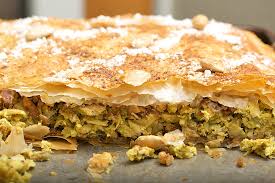
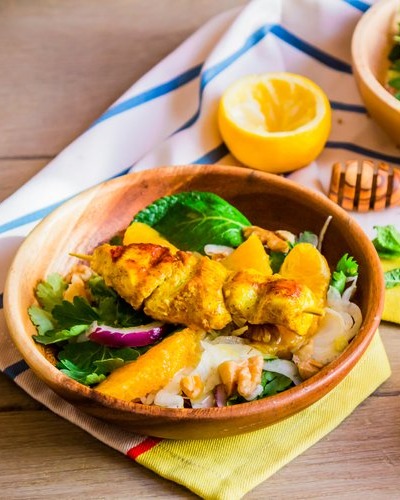
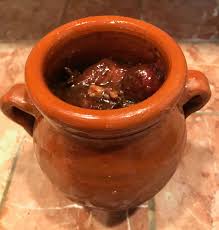
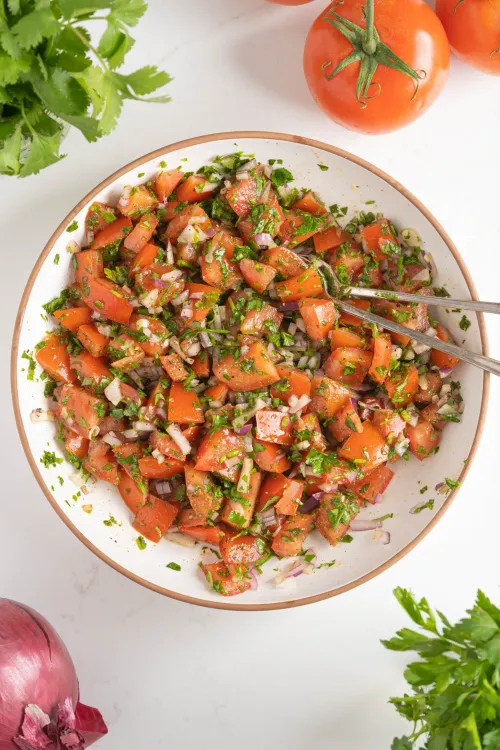
This final cluster gathers the dishes that do not fit neatly under tagine or couscous but are just as central to Moroccan cooking. Pastilla, a savory-sweet pastry of spiced chicken or pigeon wrapped in crisp, thin pastry and dusted with cinnamon sugar, is the most elaborate dish on this whole page and traditionally reserved for celebrations — it takes real time to assemble but showcases the sweet-savory pairing that defines so much of Moroccan food. Briouats, small filled pastry parcels similar in spirit to a spring roll, and skewered kebabs offer a quicker, more everyday version of the same spiced-meat idea. Tanjia, a Marrakech specialty traditionally cooked for hours in the embers of a hammam furnace, is one of the most distinctive slow-cooking methods in the country, producing meat so tender it falls apart at a touch. A simple, bright tomato salad rounds out the group, offering the same acidic counterpoint that shows up throughout Moroccan cooking to balance richer, spiced dishes. Several of these dishes also freeze well once cooked, briouats especially, which makes this cluster worth batch-cooking ahead of a gathering rather than assembling everything at the last minute. Standouts here include Moroccan Spiced Chicken Briouats (Ramadan Special) and Moroccan Chicken Pastilla, plus Moroccan Chicken Kebabs.

- Moroccan
- Non-Vegetarian
- Appetiser
- Moroccan
- Non-Vegetarian
- Dinner
- Moroccan
- Non-Vegetarian
- Dinner
- Moroccan
- Non-Vegetarian
- Lunch
- Moroccan
- Vegan
- Salad
Building a Proper Tagine
A tagine is as much a cooking method as a specific dish — meat, vegetables and spice cooked low and slow in a shallow, wide-based pot with a distinctive cone-shaped lid that traps steam and returns it to the food, basting everything continuously without needing much added liquid. If you do not own the traditional clay vessel, a heavy Dutch oven or any wide pot with a tight-fitting lid will get you most of the way there — the shape and low heat matter more than the specific cookware.
Build the base the same way regardless of what is going into the pot: onion and garlic softened first, spices bloomed in oil or a little butter until fragrant, then the main protein or vegetables added and turned to coat before any liquid goes in. Add liquid sparingly — a tagine is not meant to be swimming in sauce, and the cone lid condensation does a lot of the work that a splash of extra stock would otherwise need to do.
Cook low and slow, generally an hour and a half to two hours for meat tagines, resisting the urge to lift the lid often since every peek releases the trapped steam that is doing the cooking. Add delicate ingredients like olives, preserved lemon or fresh herbs only in the final twenty minutes so they stay bright rather than turning muddy over the long cook. The sauce should reduce to a thick, clinging consistency by the time the lid comes off for good.
Steaming Couscous the Traditional Way
Most couscous sold outside Morocco is pre-steamed and dried, which is why the package instructions call for simply soaking it in hot water or stock — this works fine for a quick weeknight side, but it produces a denser, slightly gummier result than the traditional method. For genuinely light, fluffy couscous, steam it: this takes more time but delivers a noticeably better texture.
The traditional approach uses a couscoussier, a two-part steamer that sits the couscous over a simmering stew so it absorbs aromatic steam as it cooks. Without one, a metal colander or steamer basket set over a simmering pot works nearly as well. Steam the couscous in stages — typically two or three rounds of about twenty minutes each — fluffing and separating the grains with your fingers or a fork between each round, rubbing in a little oil or butter to keep them from clumping.
Whichever method you use, fluff with a fork rather than a spoon once it is done, working air into the grains rather than compacting them. Couscous is traditionally served heaped on a large platter with the tagine or stew spooned over the top and around the sides, rather than portioned separately — it is meant to soak up sauce as you eat, so serve it right away while everything is hot.
Working with Preserved Lemon
Preserved lemon is one of Moroccan cooking's defining ingredients, and it tastes nothing like fresh lemon — the salt-curing process over several weeks mellows the bitterness and intensifies the peel into something deeply savory, floral and only faintly sour. It is used far more for the rind than the pulp, which is often scraped away and discarded before the peel is chopped or sliced into a dish.
Rinse preserved lemon briefly before using to wash off excess surface salt, then scrape away the soft pulp with a spoon if the recipe calls for just the peel. Add it toward the end of cooking a tagine or stew, since its flavor is delicate enough that extended cooking can mute it, though it also holds up fine simmered longer in dishes built specifically around its flavor from the start.
If you cannot find preserved lemon, a rough approximation can be made in a pinch by simmering fresh lemon peel in salted water for a few minutes to soften and mellow it slightly, though the flavor will be brighter and less complex than the real, weeks-cured version. It is worth seeking out or making ahead — jarred, it keeps for months in the fridge and only gets better with time.
Balancing Sweet and Savory
Moroccan cooking layers sweetness into savory dishes more confidently than most cuisines, and the result works because it is balanced rather than heavy-handed — dried apricots, prunes or dates simmered into a lamb or chicken tagine add a rounded sweetness that plays against savory spice and salty olives or preserved lemon, rather than turning the dish into a dessert.
A touch of honey or sugar often finishes a savory tagine at the very end, caramelizing slightly against the meat and dried fruit — add it in the last twenty minutes rather than the start, so it glazes rather than simply melts into the sauce. The same logic extends to pastries like pastilla, traditionally savory chicken or pigeon wrapped in delicate pastry and dusted with cinnamon sugar on top, which sounds unusual until you taste how well the two work together.
Balance the sweetness against acid and salt elsewhere in the dish so nothing tips too far — a squeeze of lemon, a scatter of olives, or a sharper spice like ginger or black pepper keeps a fruit-laden tagine from tasting cloying. Taste as you go and adjust in small amounts; it is much easier to add a bit more honey than to correct a dish that has gone too sweet.
Pro Tips from the Test Kitchen
- Build a tagine's spice base first — onion, garlic and spices bloomed in oil before the meat or vegetables go in.
- Add liquid sparingly to a tagine; the cone lid traps steam and does most of the basting work for you.
- Add olives, preserved lemon and fresh herbs only in the final 20 minutes of a tagine so they stay bright.
- Steam couscous in stages, fluffing between rounds, for a genuinely light texture instead of a dense, soaked result.
- Rub a little oil or butter into couscous while fluffing to keep the grains separate rather than clumped.
- Rinse preserved lemon before using and scrape away the pulp if a recipe calls for just the peel.
- Add honey or sugar to a savory tagine in the last 20 minutes so it glazes instead of just melting in.
- Balance a fruit-heavy tagine with acid or a sharper spice like ginger so the sweetness does not tip too far.
- Resist lifting a tagine's lid often while it cooks — every peek releases the trapped steam doing the work.
- Toast whole spices or a spoonful of ras el hanout in oil before adding liquid for a deeper base flavor.
Frequently Asked Questions
What is a tagine, exactly — the pot or the dish?
Both terms are used interchangeably. A tagine is the traditional cone-lidded clay cooking vessel, but the word also refers to the slow-cooked stew made inside it. The pot shape is specifically designed to trap and recirculate steam as it cooks, basting the food continuously with very little added liquid, which is why the finished dish has such a concentrated, clinging sauce.
Can I make a tagine without the traditional clay pot?
Yes — a heavy Dutch oven or any wide, heavy-bottomed pot with a tight-fitting lid will get you close to the same result. The clay pot shape helps with even heat distribution and steam circulation, but the technique of building spice first, adding liquid sparingly and cooking low and slow matters more than the specific vessel.
What is ras el hanout?
Ras el hanout is a complex Moroccan spice blend, and its name translates roughly to "top of the shop," reflecting how it traditionally combined a spice merchant best offerings. Blends vary widely but often include warm spices like cumin, coriander, cinnamon, ginger and cardamom alongside more unusual additions like rose petals or grains of paradise. It is worth buying from a Moroccan or Middle Eastern grocer for the most authentic depth.
What's the difference between couscous and quinoa or rice?
Couscous is made from semolina wheat rolled into tiny granules, not a grain in itself the way rice or quinoa are — technically it is closer to a tiny pasta. It cooks much faster than rice, typically needing only steaming or a hot soak rather than boiling, and has a light, fluffy texture when prepared properly rather than the individual, chewier grains of rice or quinoa.
How do you make preserved lemon at home?
Quarter lemons without cutting all the way through, pack them generously with salt, and press them into a sterilized jar with more salt and often extra lemon juice to cover. Seal and leave at room temperature for three to four weeks, shaking the jar occasionally, until the peel softens and turns tender. Once opened, keep it refrigerated, where it will keep for months.
Is Moroccan food generally spicy?
Not in the sense of chili heat — Moroccan cooking is warmly spiced rather than fiery, built on cumin, cinnamon, ginger and saffron rather than chili. Harissa, a chili paste often served on the side rather than cooked throughout, is where the real heat lives, and it is usually added to taste at the table rather than baked into the dish itself.
What's the best meat for a tagine?
Lamb and chicken are the most traditional choices, and both suit the technique well — lamb shoulder or shank benefits from the long, slow cooking that breaks down its connective tissue, while chicken, often bone-in and skin-on, cooks a bit faster and stays tender without needing as much time. Fish and vegetable tagines follow the same technique but with shorter cooking times suited to their ingredients.
What is harira and when is it eaten?
Harira is a hearty, tomato-based soup built with lentils, chickpeas and often lamb or beef, thickened with a flour-and-water mixture and brightened with lemon and fresh herbs at the end. It is especially associated with Ramadan, traditionally eaten to break the fast at sunset because it is filling and nourishing after a day without food, though it is enjoyed year-round as an everyday soup too. Many families serve it alongside dates and a hard-boiled egg during Ramadan specifically, a pairing meant to restore energy gently after a full day of fasting.
Can Moroccan tagines be made vegetarian?
Yes, and they work very well — vegetable tagines built on cauliflower, chickpeas, artichoke or root vegetables follow the exact same technique of a spiced base, minimal liquid and a long, gentle cook, with the vegetables absorbing the sauce flavor just as meat would. Dried fruit and preserved lemon carry even more of the flavor load in a vegetarian version since there is no meat richness to balance against. A handful of toasted almonds or a spoonful of chickpeas stirred in near the end also adds welcome texture and protein to a meat-free version.
What is pastilla?
Pastilla, also spelled bastilla or b'stilla, is a savory-sweet Moroccan pastry, traditionally made with pigeon or chicken, almonds and warm spices wrapped in thin, crisp pastry, then dusted with powdered sugar and cinnamon on top. The combination of a savory, spiced filling under a sweet, crisp exterior is a signature Moroccan move, and it is usually served as a special-occasion starter rather than an everyday dish. Warqa, the paper-thin pastry traditionally used, is hard to find outside Morocco, so most home cooks substitute phyllo dough, layering a few sheets together to approximate its delicate, flaky texture.
Moroccan cooking rewards patience and a comfortable relationship with layered spice: a properly built tagine base, couscous steamed rather than just soaked, preserved lemon used with a light hand, and sweetness balanced carefully against savory depth. Learn those fundamentals and the country huge range of dishes — from a simple vegetable couscous to an elaborate pastilla — become far more approachable.
Start with whichever dish draws you in most — a chicken tagine with olives and preserved lemon, a proper steamed couscous, or a bowl of harira for a cold evening — and save your favorites to a Chefadora cookbook as you go. This page is built to be the Moroccan recipe reference you return to again and again.
Related
- Moroccan
- North African
- Tagine
- Couscous
- Mediterranean
- Dinner
- Spiced
Popular Searches
- Best moroccan recipes
- Easy moroccan recipes
- Quick moroccan recipes
- Healthy moroccan recipes
- Simple moroccan recipes
- Homemade moroccan recipes
- Delicious moroccan recipes
- Popular moroccan recipes
- moroccan food
- tagine recipe
- couscous recipe
Marnirni-apinthi Building, Lot Fourteen,
North Terrace, Adelaide, South Australia, 5000
Australia
