
Top 24 Greek Yogurt Recipes: Bowls, Dips, Lassi and Desserts
Updated June 22, 2026 · Curated by Chefadora
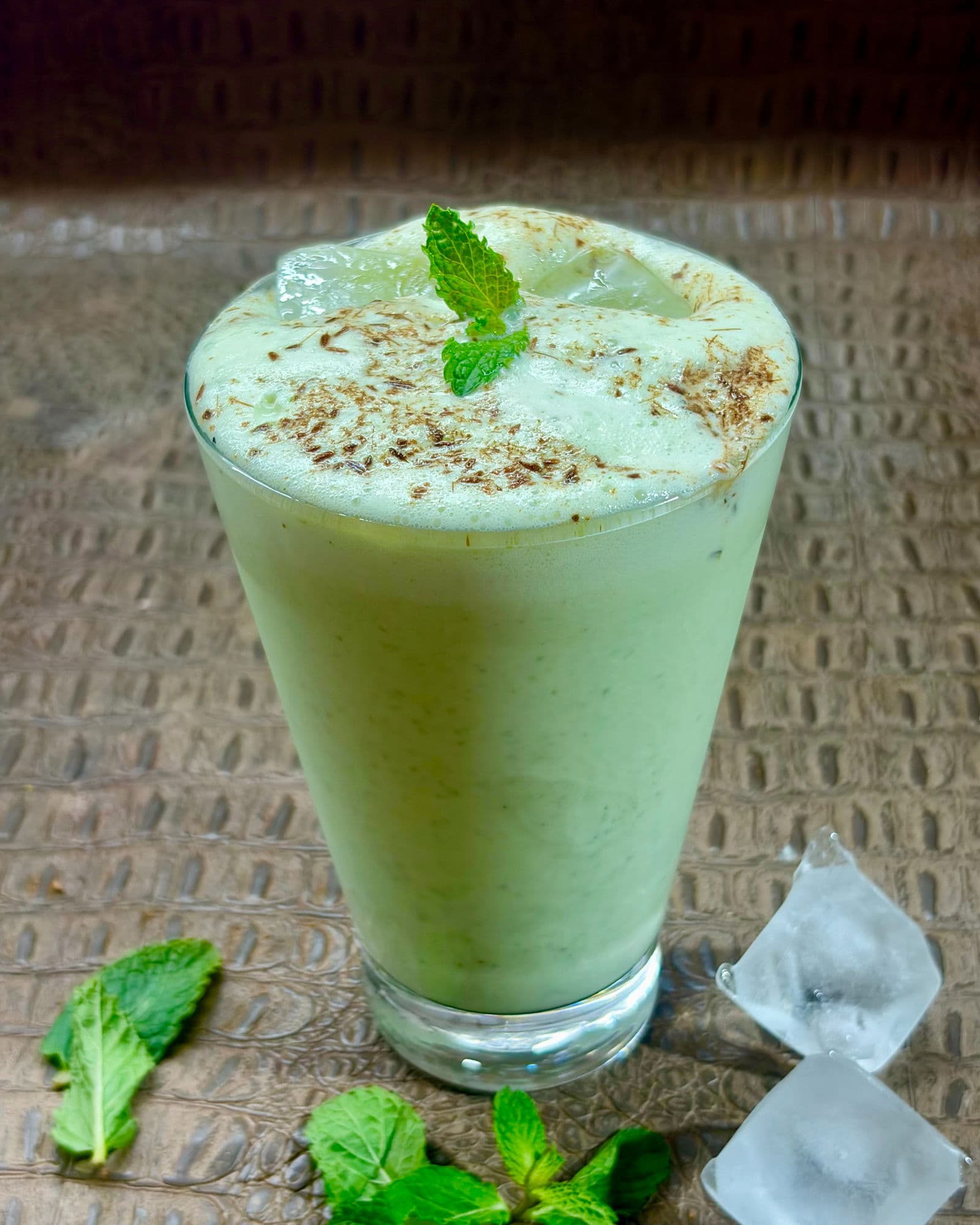
Greek yogurt recipes are the easiest way to add thick, tangy, high-protein creaminess to almost anything — breakfast bowls, refreshing lassi and drinks, savoury dips and marinades, and lighter desserts and bakes. The collection below shows how one tub of strained yogurt stretches across the whole day, from a protein-packed morning bowl to a cooling raita at dinner and a cheesecake-style pudding after.
What makes greek yogurt so useful is that it is simply yogurt with the whey strained out, which leaves it thick, rich and high in protein, and able to stand in for cream, mayo and soured cream at a fraction of the fat. Its tang seasons savoury dishes and balances sweet ones, and its acidity tenderizes meat in a marinade. Anywhere these recipes call for yogurt, thick greek yogurt makes it richer and more protein-packed.
You will find the collection grouped into clusters — high-protein bowls and breakfast, lassi and yogurt drinks, savoury dips and marinades, and greek yogurt desserts and bakes. Standout dishes range from a high-protein Yogurt Bowl and a Mango Lassi to Dahi ke Kebab and a Yogurt Strawberry Tart, each built on the fundamentals the guides below lay out.
Treat this as a working reference. Each recipe links to full ingredients and steps on Chefadora, and the guides cover what actually makes greek yogurt shine — how to keep it from splitting when you cook with it, how to balance its tang, and how to use its protein and thickness to make everything from dressings to desserts lighter and better.
Lassi, Smoothies & Yogurt Drinks
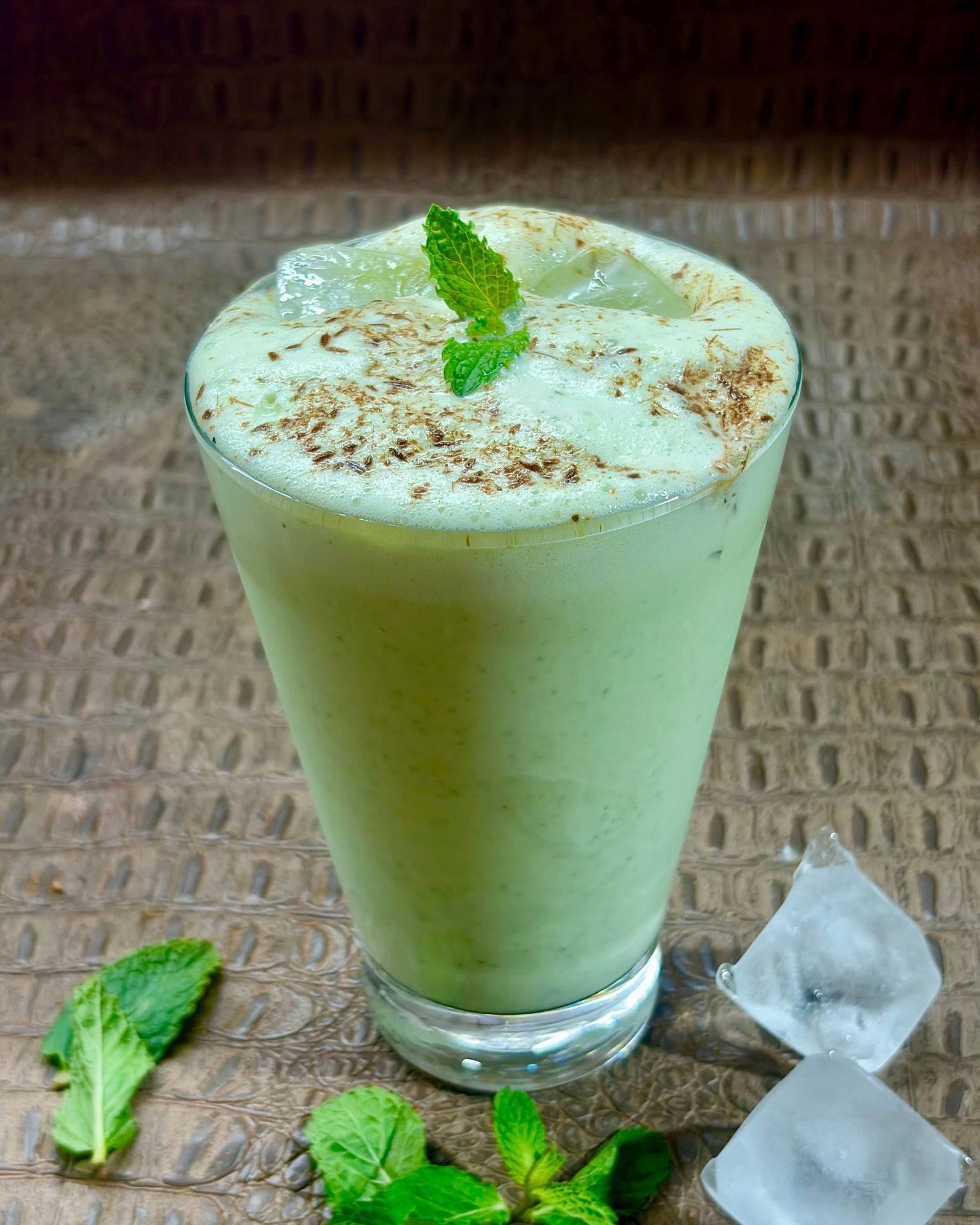
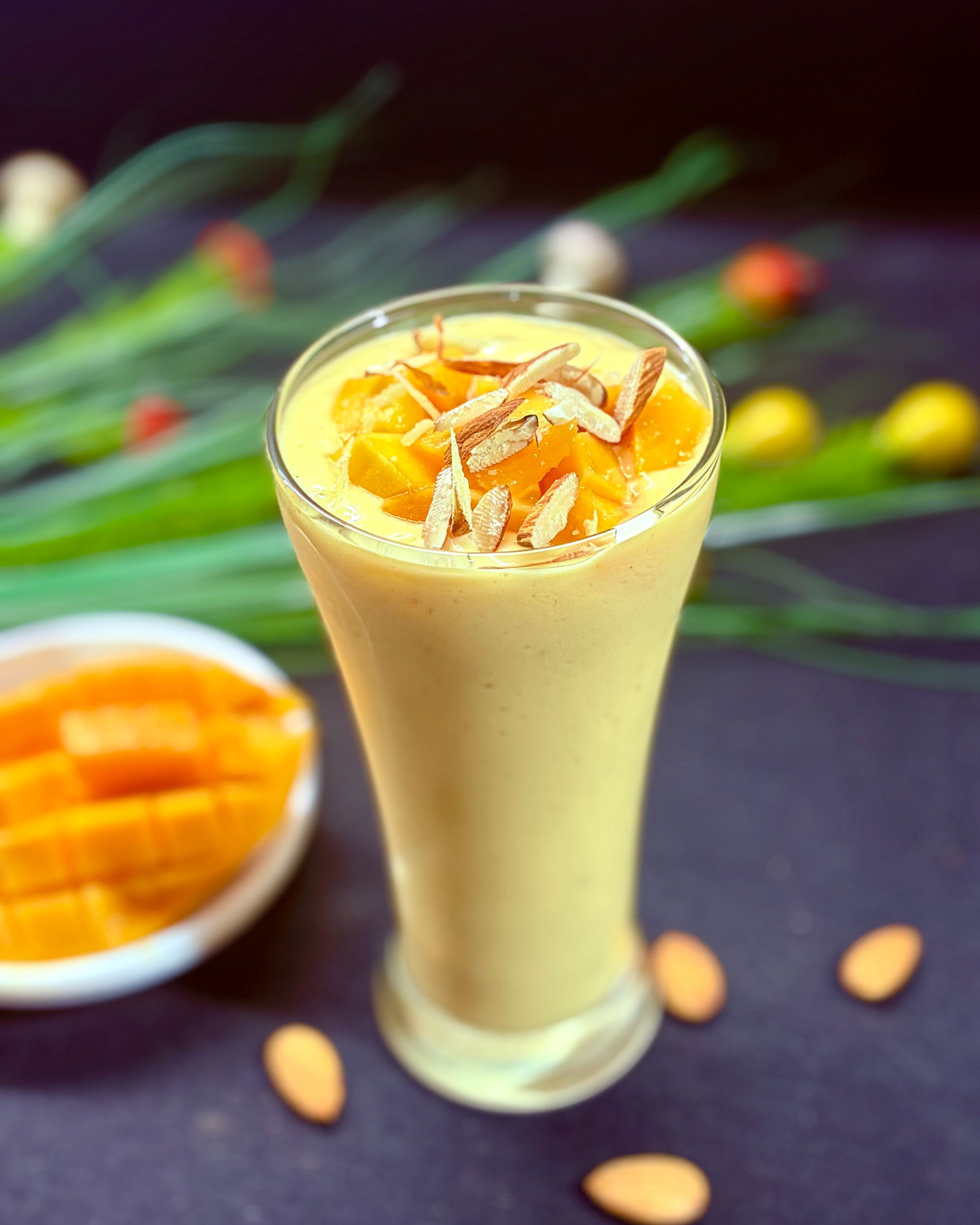
Yogurt blended into a drink is one of the most refreshing things you can make, and greek yogurt's thickness gives these real body. The whole knack is consistency: thick greek yogurt needs loosening with a little milk, water or ice to a sippable texture, blended until completely smooth and served well chilled. From there it splits sweet and savoury. Sweet lassis lean on ripe fruit, especially mango, with just enough sugar or honey to support it and a pinch of cardamom; salted and spiced versions (masala chaas, namkeen lassi) use cumin, salt, mint and green chilli for something cooling and digestive rather than dessert-like. Smoothies take it further, blending greek yogurt with frozen fruit and a little liquid for a thick, high-protein drink that genuinely fills you up rather than just spiking sugar. Taste and adjust before pouring, since chilling and dilution mute flavour, and lean on frozen fruit instead of lots of ice so the drink stays thick and flavourful rather than watery. Keep a tub of greek yogurt in the fridge and a cooling drink is always minutes away. Standouts here include Masala Lassi (Spiced Yogurt Drink) and Easy Mango Lassi (Mango Yogurt Drink), plus Indian Yogurt Drink (Sweet Lassi).

- Indian
- Vegetarian
- Beverage
- Indian
- Vegetarian
- Dessert

- Indian
- Vegetarian
- Beverage


- Indian
- Vegetarian
- Breakfast
Dips, Marinades & Savoury
This is where greek yogurt earns its keep as a savoury workhorse, its thickness and tang doing double duty across raitas, dips, dressings and marinades. Cold preparations are the simplest: whisk the yogurt smooth, season it boldly with salt, herbs, garlic, roasted cumin or chilli, and let it rest so the flavours meld into a raita, tzatziki or creamy dip. Its acidity is the point here, cutting through rich, spiced or fried food and brightening a dressing. As a marinade, yogurt does real chemistry, its acid and enzymes gently tenderizing meat while its body helps the spices cling, which is exactly why tandoori and tikka depend on it; give it at least thirty minutes and ideally a few hours. The one thing to respect is heat: yogurt splits when boiled, so in cooked curries add it off the boil, whisked smooth and ideally stabilized with a little cornflour or besan, and keep the heat moderate. Treat greek yogurt as assertively as you would any savoury ingredient, season it well, and it becomes the cooling, tangy counterpoint that completes a spiced meal. Standouts here include Dahi ke Kebab (Yogurt Cutlets) and Crispy Smashed Potatoes with High-Protein Spicy Yogurt Dip, plus Air Fryer Greek Yogurt Chicken.

- Indian
- Vegetarian
- Appetiser


- Vegetarian
- Appetiser

- International
- Eggetarian
- Snack
High-Protein Yogurt Bowls & Breakfast
A bowl of thick greek yogurt is the easiest high-protein breakfast there is, and building it well is about balance and texture. Start with plain greek yogurt so you control the sugar, then layer in something sweet (fresh fruit, a drizzle of honey) and something crunchy (granola, nuts, seeds), adding the crunchy elements just before eating so they stay crisp rather than going soft in the yogurt. A single generous bowl can carry fifteen to twenty grams of protein, far more satiating than the same calories of sugary cereal, and stirring in a spoon of nut butter or protein powder pushes it higher. Overnight oats and chia puddings made with greek yogurt set thick and creamy and are ready to grab straight from the fridge, making them ideal for busy mornings. Parfaits layer the same components for something prettier. The beauty of this group is how little it asks: no cooking, endless variation, and a genuinely filling, balanced start that takes two minutes to assemble. Prep a few jars at once and a high-protein breakfast is sorted for the whole week. Standouts here include Peanut Butter Chocolate Yogurt Bowl and Butter Caramelised Bananas & Dates Yogurt Bowl, plus Brownie Batter Yogurt Bowl.


- Vegetarian
- Snack


- Vegetarian
- Breakfast

- Vegetarian
- Snack

- Vegetarian
- Dessert

- Gluten-Free
- Dessert
Greek Yogurt Desserts & Bakes
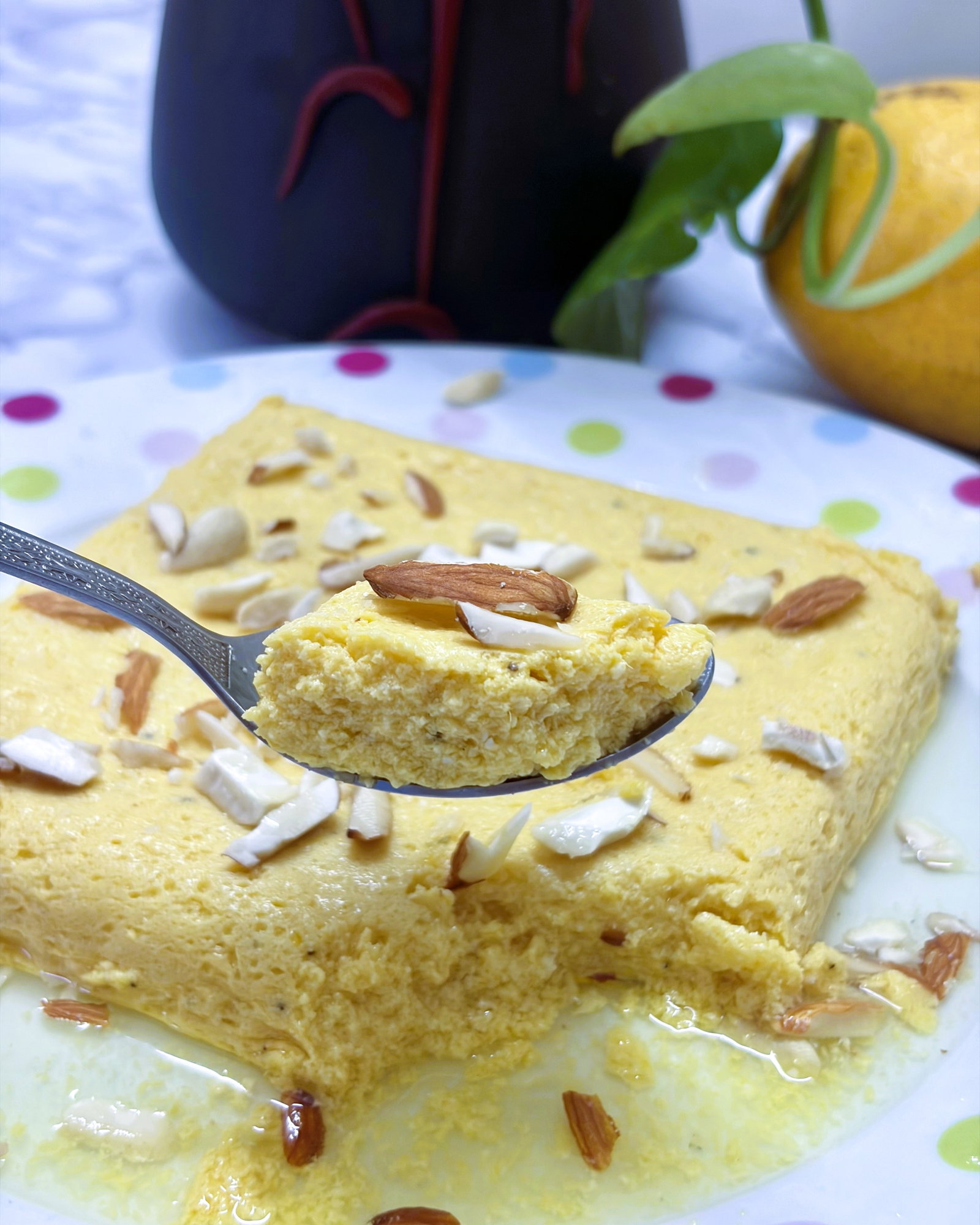
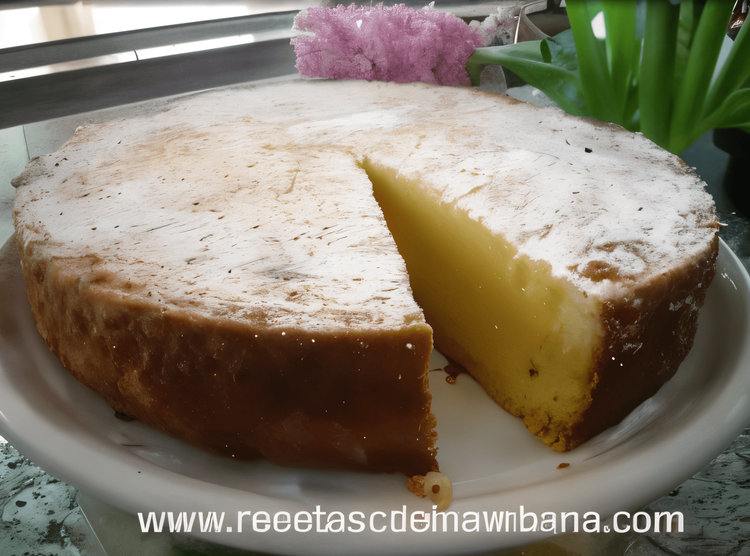
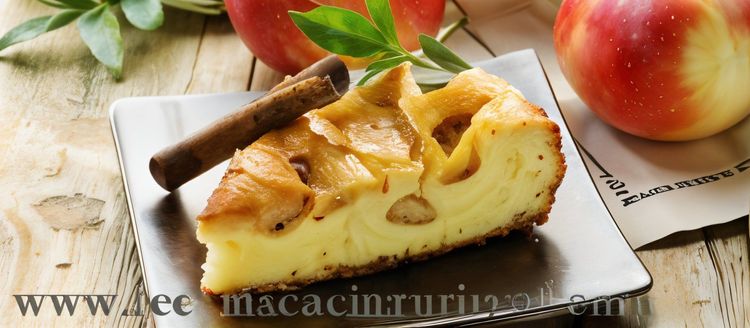
Greek yogurt brings tang, moisture and protein to desserts and bakes, making them lighter without sacrificing richness. In cakes, muffins and scones it works like soured cream or buttermilk, its acidity reacting with the raising agents to give a tender, moist crumb while cutting some of the fat, so yogurt-based bakes stay soft for days. In no-cook desserts it shines blended smooth into puddings, tarts and frozen yogurt, where its tang gives a pleasant, cheesecake-like edge that lighter desserts often lack. The key across all of them is balancing that tang with enough sweetness and a pinch of salt so the result reads as creamy rather than sour, with honey, ripe fruit and vanilla doing much of that work. For the thickest, most luxurious set, use full-fat greek yogurt or strain it further into a hung curd, which is the base of shrikhand and many cheesecake-style sweets. Frozen yogurt and yogurt popsicles are the easy summer wins, blending greek yogurt with fruit and a little sweetener into a creamy, high-protein treat. These are the desserts you reach for when you want something sweet that still feels light. Standouts here include Easy Mango Bhapa Doi (Steamed Bengali Mango Yogurt) and Yogurt and Strawberry Tart, plus Yogurt Pound Cake.
- Vegetarian
- Dessert

- International
- Vegetarian
- Dessert
- International
- Eggetarian
- Snack
- International
- Eggetarian
- Snack

- British
- Vegetarian
- Breakfast
More Greek Yogurt Favourites
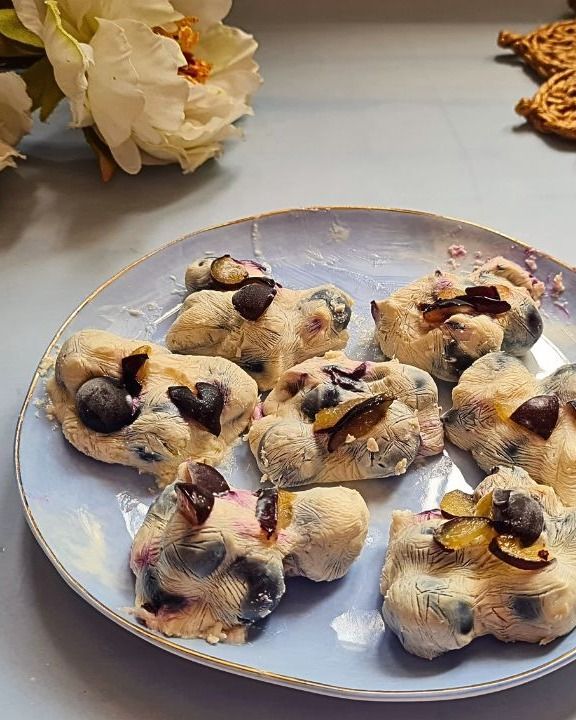
Beyond the main categories, greek yogurt turns up in soups, breads, frostings, sauces and all sorts of clever uses that resist a single label, and this group gathers them. They all rest on the same fundamentals that govern every yogurt dish: lean on its thick, tangy, high-protein creaminess, add it gently and off the heat so it does not split, balance its tang with salt in savoury dishes and sweetness in sweet ones, and reach for it as a lighter swap for cream, soured cream and mayo. Choosing your next use is mostly about the moment, a quick dip or bowl when you want something now, a marinade or a bake when you have a little more time. Remember its real superpower is versatility: it can be the cooling side to a spicy curry, the protein in your breakfast, the tenderizer in your marinade and the richness in your dessert, often in the same day. Keep a tub on hand, season it as confidently as any other ingredient, and branch out one recipe at a time until greek yogurt becomes one of the most useful, do-everything things in your fridge. Standouts here include Spinach Sprouts Chilla with Yogurt Chutney and Frozen Blueberry Yogurt Bites, plus Strawberry and Yogurt Ice Cream.


- Indian
- Vegetarian
- Breakfast

- Fusion
- Vegetarian
- Snack

- International
- Vegetarian
- Snack

- Fusion
- Eggetarian
- Breakfast

- Mediterranean
- Vegetarian
- Snack
Cooking with Yogurt Without It Splitting
Yogurt curdles and splits when it hits high heat, which is the main pitfall in cooked dishes and curries. The fixes are simple: take the pan off the boil before stirring yogurt in, add it gradually and at the end rather than the start, and whisk it smooth first. Greek yogurt, being thicker and lower in whey, is more stable than thin yogurt, but it still needs gentle heat.
For curries and gravies that simmer, stabilize the yogurt so it can take more heat: whisk in a teaspoon of cornflour or a little besan (gram flour) before adding it, which stops it separating, and keep the heat moderate, stirring as it comes together. Bring the yogurt to room temperature first, since fridge-cold yogurt is more likely to split when it meets a hot pan.
In marinades, yogurt is doing chemistry: its acidity and enzymes gently tenderize meat while its body helps spices cling, which is why tandoori and tikka rely on it. Give it time — at least thirty minutes, ideally a few hours — and use thick greek yogurt so the marinade coats rather than runs off. For raitas and dips, no cooking is involved, so just whisk it smooth, season well, and chill.
Balancing Tang and Using It as a Swap
Greek yogurt is tangy, and balancing that tang is the key to using it well. In savoury dishes, that acidity is an asset — it brightens dips, cuts through rich or spiced food, and seasons a dressing. In sweet ones, balance it with enough sweetness (honey, fruit, a little sugar) and a pinch of salt so it reads as pleasantly creamy rather than sour. A splash of vanilla and ripe fruit do a lot of that work.
Its real superpower is as a healthier swap. Thick greek yogurt stands in for soured cream, mayonnaise and even some of the cream or butter in baking and dressings, cutting fat and adding protein while keeping the richness and creaminess. In dips and dressings it is a near-direct swap; in baking it keeps cakes and muffins moist and tender thanks to its acidity reacting with the raising agents.
Choose the right thickness for the job. Full-fat greek yogurt is richest and most stable for cooking and the most luxurious in desserts; low-fat works fine cold in bowls and drinks. If a recipe needs it even thicker (for a dip or a cheesecake feel), strain it further through muslin for an hour to make a quick hung curd. To loosen it for a drink or pourable dressing, thin it with milk, water or a little olive oil.
Protein, Breakfast and Make-Ahead
Greek yogurt is one of the simplest high-protein foods to build meals around — a single cup can carry 15 to 20 grams of protein, which is why it anchors so many breakfasts and snacks. A bowl of thick yogurt with fruit, nuts and seeds is a balanced, filling start with almost no effort, and far more satiating than the same calories of sugary cereal. Choose plain and add your own sweetness to control the sugar.
Build bowls and parfaits for texture and balance: creamy yogurt, something sweet (fruit, a drizzle of honey), and something crunchy (granola, nuts, seeds) added just before eating so it stays crisp rather than going soft. For higher protein still, stir in a spoon of protein powder or nut butter. Overnight oats and chia puddings made with greek yogurt set thick and creamy and are ready to grab in the morning.
Yogurt-based dishes are great for prep. Whisk up raitas and dips a few hours ahead so the flavours meld (they keep two to three days), portion overnight oats and chia jars for the week, and marinate meat in yogurt the night before. Keep yogurt well chilled and covered, since it absorbs other fridge smells, and give separated liquid (whey) a quick stir back in rather than pouring it off, as it is protein-rich.
Pro Tips from the Test Kitchen
- Add yogurt off the boil and at the end of cooking, whisked smooth, so it does not curdle.
- To simmer yogurt in a curry, stabilize it with a little cornflour or besan and keep the heat moderate.
- Bring yogurt to room temperature before adding to a hot pan to reduce the chance of splitting.
- Use thick greek yogurt in marinades — its acidity tenderizes and its body makes spices cling.
- Balance yogurt's tang in desserts with honey or fruit and a pinch of salt.
- Swap greek yogurt for soured cream or mayo in dips and dressings to cut fat and add protein.
- In baking, yogurt keeps cakes and muffins moist and tender; it reacts with the raising agents.
- Strain greek yogurt through muslin for an hour for a thicker hung curd (dips, cheesecake feel).
- Choose plain yogurt and add your own sweetness so you control the sugar.
- Add granola and nuts to yogurt bowls just before eating so they stay crunchy.
Frequently Asked Questions
What are some easy greek yogurt recipes to start with?
Begin with no-cook wins: a high-protein yogurt breakfast bowl with fruit and granola, a quick raita or tzatziki-style dip, a mango lassi, or overnight oats made with greek yogurt. These take minutes and show off its thick, tangy creaminess. From there, use it as a tenderizing marinade for chicken, or fold it into cakes and puddings for a moist, lighter bake. Plain greek yogurt is the most versatile starting point.
How do you keep greek yogurt from curdling when cooking?
Add it off the boil and near the end of cooking, whisk it smooth first, and keep the heat moderate rather than letting it boil hard. For curries that need to simmer, stabilize the yogurt by whisking in a little cornflour or besan (gram flour) before adding it. Bringing the yogurt to room temperature first also helps. Greek yogurt, being thick and lower in whey, is more stable than thin yogurt to begin with.
Is greek yogurt good for high-protein recipes?
Very — greek yogurt is one of the easiest high-protein foods to cook with, often carrying 15 to 20 grams of protein per cup because the straining concentrates it. It anchors high-protein breakfasts, smoothies and dips, and works as a protein-rich swap for cream and mayo. Choose plain to control the sugar, and pair it with fruit, nuts or a grain for a balanced, filling meal or snack.
Can you substitute greek yogurt for sour cream or mayo?
Yes — thick greek yogurt is a near-direct swap for soured cream and a good one for mayonnaise in dips, dressings and toppings, cutting fat and adding protein while keeping the creamy richness. It is tangier, so taste and adjust. In baking it can replace some of the butter, cream or oil, keeping cakes moist and tender. For the closest match to sour cream, use full-fat greek yogurt.
How do you make greek yogurt taste good in desserts?
Balance its tang with enough sweetness and a pinch of salt so it reads as creamy rather than sour. Honey, maple, ripe fruit and a splash of vanilla all round it out, and blending it smooth gives a cheesecake-like richness in puddings, tarts and frozen yogurt. Full-fat greek yogurt is the most luxurious for desserts. Its tang is actually an asset, giving lighter desserts a pleasant, cheesecake-style edge.
What is the difference between greek yogurt and regular yogurt?
Greek yogurt is regular yogurt with much of the watery whey strained out, which makes it thicker, richer, tangier and higher in protein (and lower in sugar) than standard yogurt. That thickness makes it more stable for cooking and more luxurious in dips and desserts. In most recipes you can use them interchangeably, but greek yogurt gives a creamier, more protein-packed result; thin it with a little milk if you need a pourable consistency.
How do you make a thicker, hung-curd style yogurt?
Strain plain yogurt (or greek yogurt for an even thicker result) through a muslin cloth or a fine sieve lined with kitchen paper, set over a bowl in the fridge, for an hour or several depending on how thick you want it. The whey drips out and you are left with a dense, spreadable hung curd ideal for thick dips, shrikhand, and cheesecake-style desserts. Save the drained whey for smoothies or baking, as it is protein-rich.
Can you freeze greek yogurt?
Plain greek yogurt can be frozen but its texture turns grainy once thawed, so it is best used afterward in cooking, smoothies or baking rather than eaten plain. A better use of the freezer is making frozen yogurt or yogurt popsicles, where greek yogurt blended with fruit and a little sweetener freezes into a creamy, high-protein treat. For everyday use, greek yogurt simply keeps well chilled until its date.
The thread through every greek yogurt recipe here is the same: lean on its thick, tangy, high-protein creaminess, add it gently and off the heat so it does not split, and balance its tang with salt in savoury dishes and sweetness in sweet ones. Master those and greek yogurt becomes a do-everything ingredient across bowls, drinks, dips, marinades and desserts.
Pick a few greek yogurt recipes to make this week — a high-protein breakfast bowl, a cooling raita or dip, and a lighter dessert — and save your favourites to a Chefadora cookbook. Keep a tub on hand as a swap for cream and mayo; this page is built to be the greek yogurt reference you reach for all day long.
Related
- Greek yogurt
- High protein
- Healthy
- Breakfast
- Dips
- Vegetarian
- Smoothies
- Low fat
Popular Searches
- Best greek yogurt recipes
- Easy greek yogurt recipes
- Quick greek yogurt recipes
- Healthy greek yogurt recipes
- Simple greek yogurt recipes
- Homemade greek yogurt recipes
- Delicious greek yogurt recipes
- Popular greek yogurt recipes
- greek yogurt
- high protein greek yogurt
- greek yogurt dip
- greek yogurt dessert
Marnirni-apinthi Building, Lot Fourteen,
North Terrace, Adelaide, South Australia, 5000
Australia
