
Top 21 Italian Sausage Recipes: Pasta, Soups, Sheet-Pan Dinners and More
Updated June 29, 2026 · Curated by Chefadora
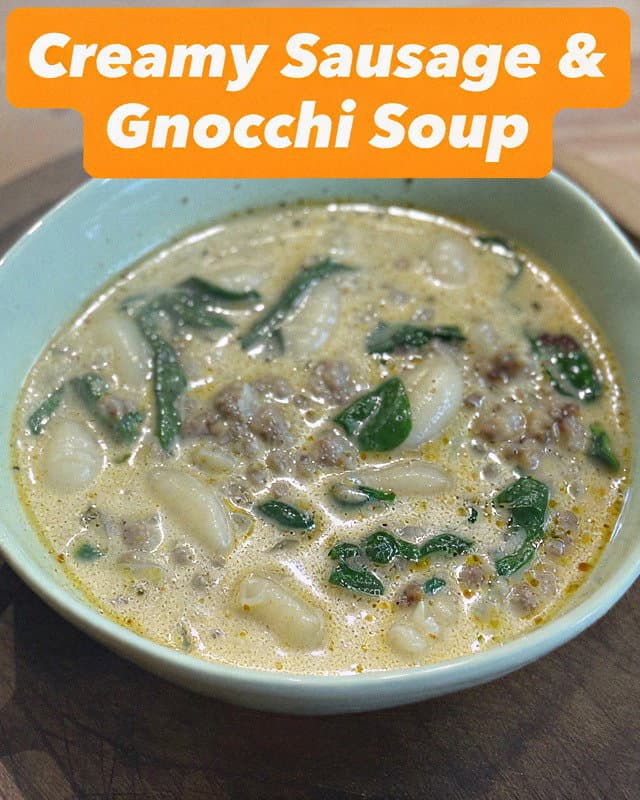
Italian sausage recipes are the shortcut that does not taste like one: a single ingredient already loaded with fennel, garlic, salt and chilli, so a pound of it seasons a whole pot before you reach for another spice. The dishes below were chosen to show that range rather than ten versions of the same red sauce — creamy pastas, soups that eat like a meal, sheet-pan dinners with peppers and onions, and the pizzas, subs and bakes that put sausage next to melted cheese where it belongs.
What makes Italian sausage so useful in the kitchen is that it works two ways. Squeezed out of its casing and crumbled, it browns into savoury, craggy bits that flavour a sauce or soup from the inside out. Left in links, it stays juicy and sliceable, perfect for roasting or grilling. Sweet versions lean on fennel and a touch of sugar; hot versions add crushed red pepper. Knowing which form a dish wants is half the battle.
You will find four clusters here: pasta, soups and stews, sheet-pan and peppers-and-onions, and pizza, sandwiches and bakes. The core moves repeat across all of them — render the fat, build a brown fond, then deglaze and let the dish come together — so once you have browned sausage well for a pasta, the same instinct carries you through a soup or a tray bake.
Treat this as a working reference. Each recipe links to full ingredients and steps on Chefadora, and the guides below cover the decisions that actually change the outcome: how to brown sausage for maximum flavour, whether to keep the casing on, how to balance its generous fat, and how to cook links through without drying them out or splitting the skin.
Italian Sausage Pasta
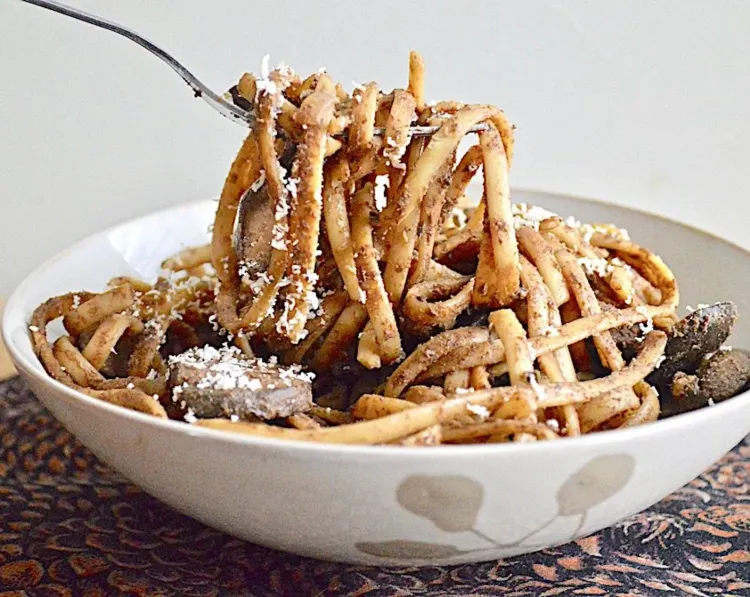
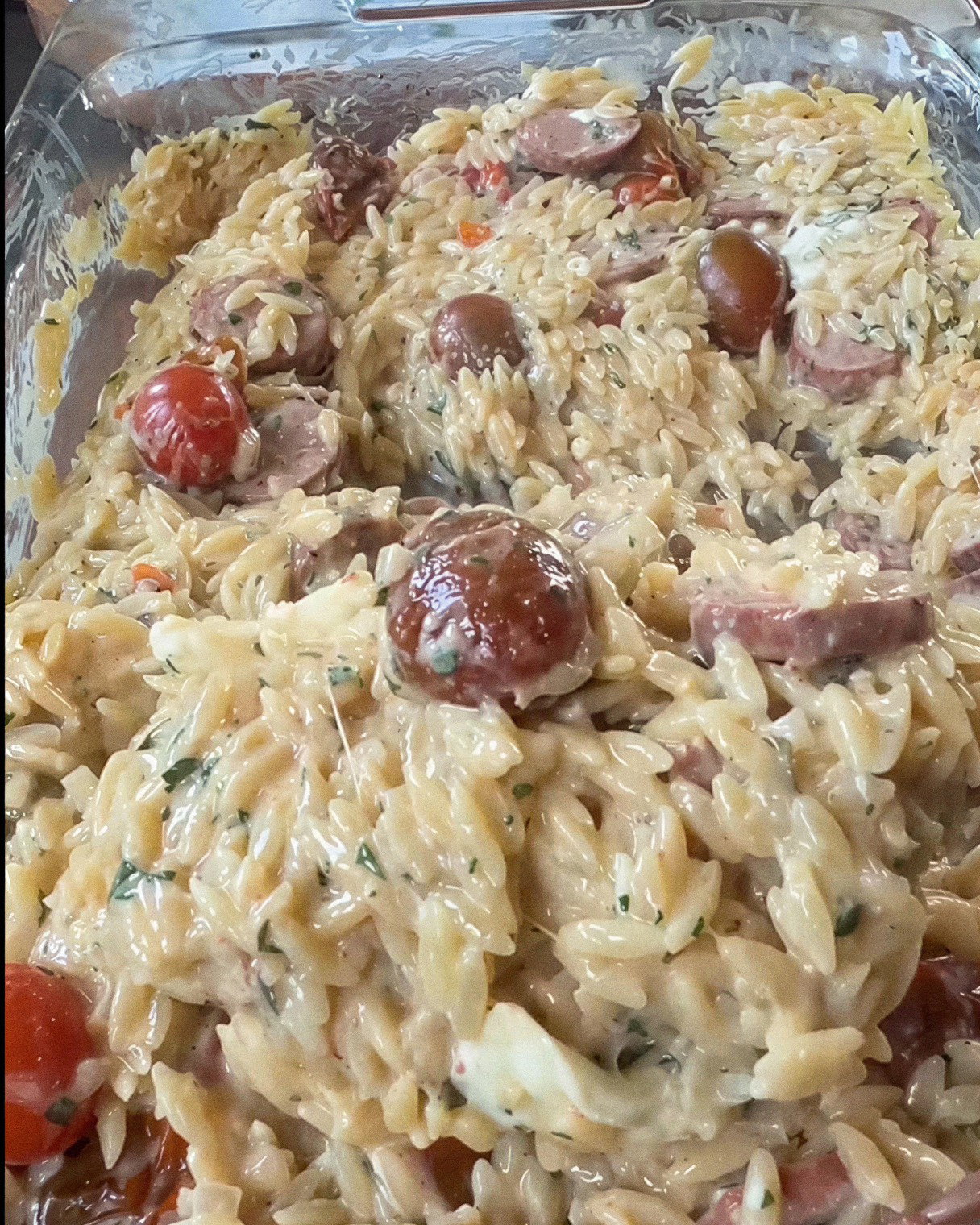
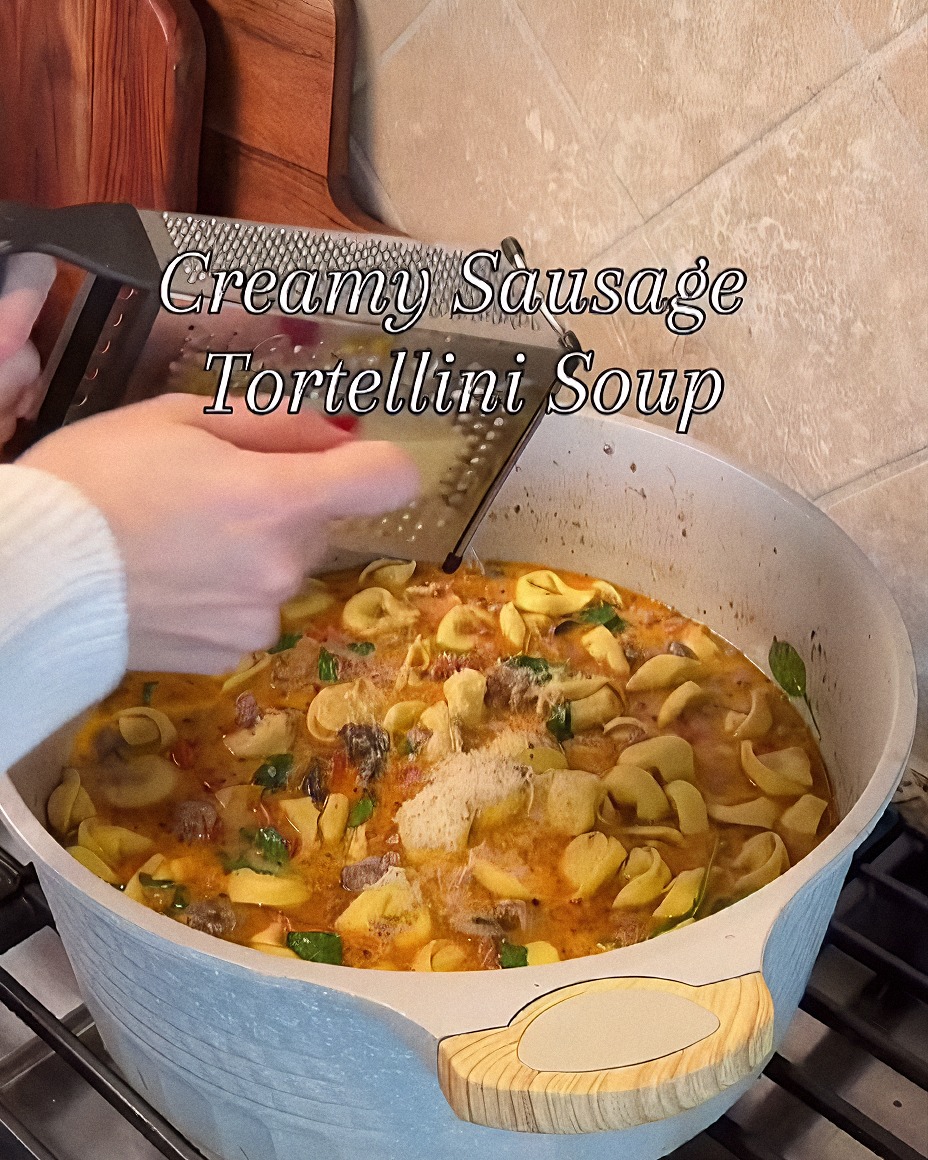
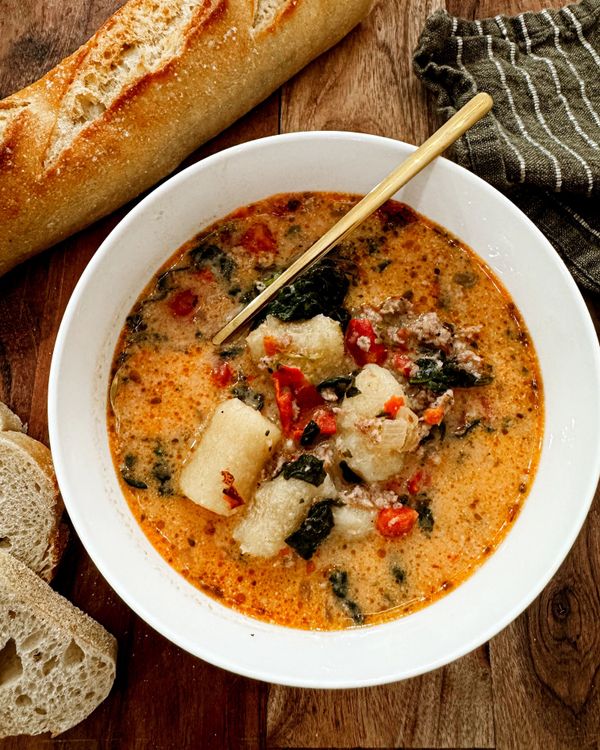
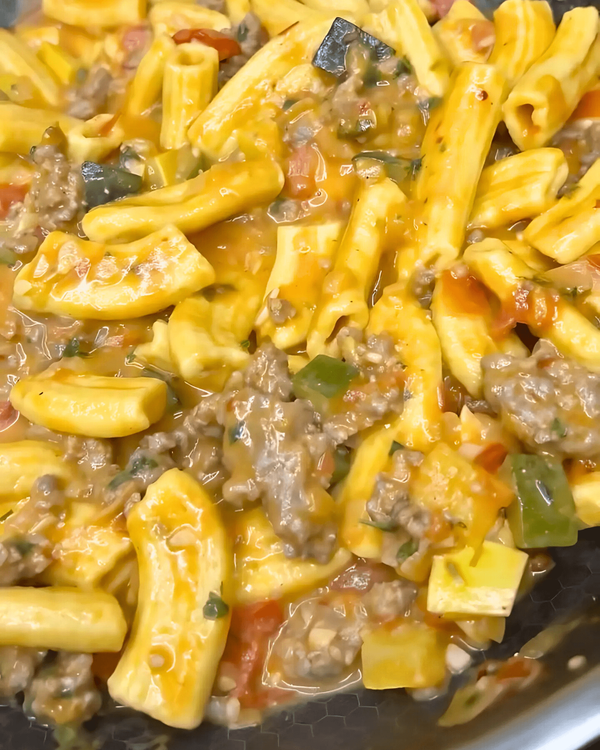
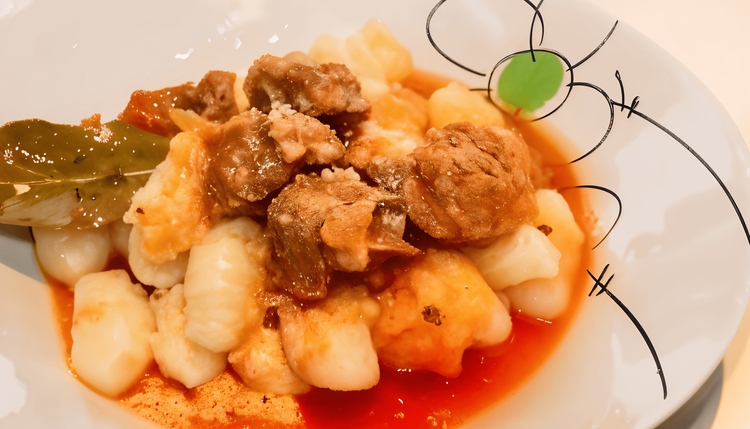
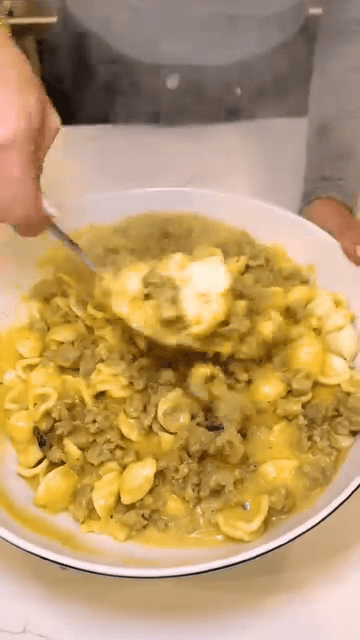
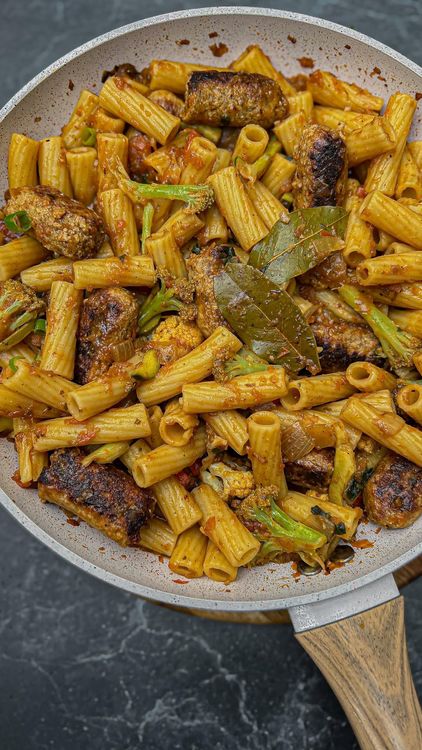
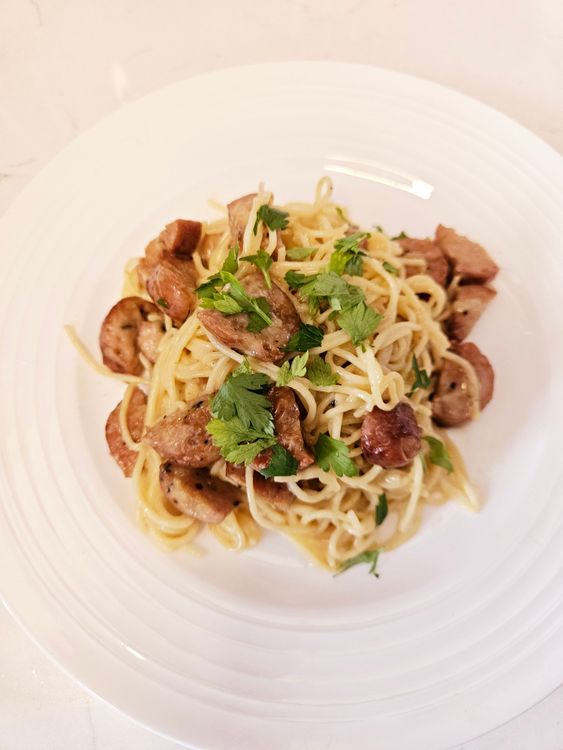
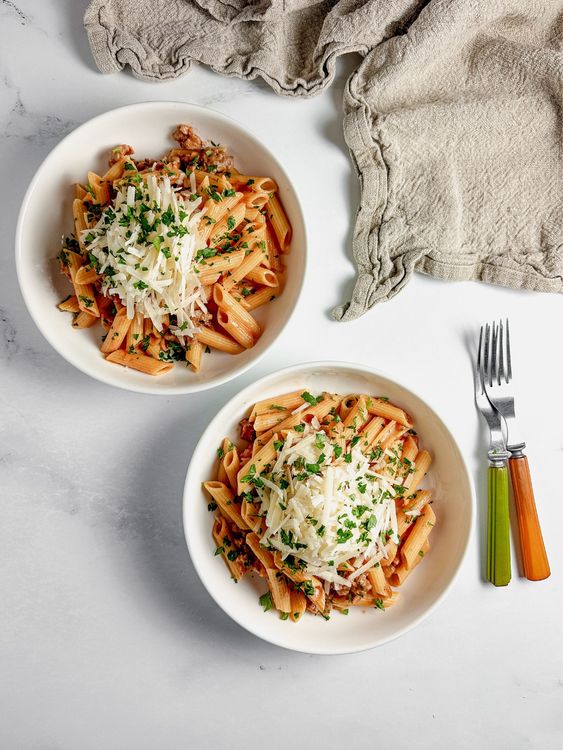
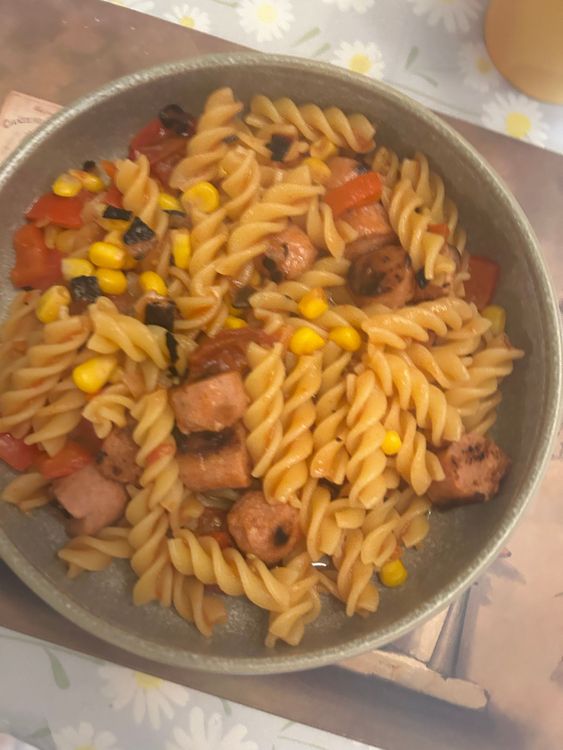
Pasta is where Italian sausage does its best work, because the meat seasons the sauce from the inside out. The move is to crumble it into a hot, wide pan and let it brown hard before you touch it, building a sticky fond on the pan bottom that you will scrape up and dissolve into the sauce later. Uniform, over-stirred crumbles never develop that crust, so break the meat into rough, uneven chunks and leave them alone for the first couple of minutes. Once browned, start your aromatics in the rendered fat, deglaze with a splash of wine or tomato, and let everything simmer together so the pasta has something to drink up. Reach for sturdy shapes with ridges and hollows, rigatoni, penne or ziti, that catch the meaty bits, and finish the pasta in the sauce with a ladle of starchy water so it clings rather than slides. For the creamy versions, pull the pan off high heat before the cream or cheese goes in so it stays silky instead of splitting. Season late, since the sausage and the cheese are both already salty. Standouts here include Creamy Sausage & Gnocchi Soup and Creamy Balsamic Chicken Sausage Linguine, plus 15-Minute Calabrese Pesto Gnocchi with Chicken Sausage.


- Nut-Free
- Soup
- Italian
- Non-Vegetarian
- Dinner


- Non-Vegetarian
- Dinner
- Italian
- Non-Vegetarian
- Dinner
- Italian
- Nut-Free
- Dinner

- American
- Non-Vegetarian
- Lunch

- Italian
- Non-Vegetarian
- Dinner


- Italian
- Non-Vegetarian
- Dinner
- Italian
- Nut-Free
- Dinner
- Italian
- Non-Vegetarian
- Dinner

- Italian
- Non-Vegetarian
- Dinner
- Italian
- Pescatarian
- Lunch

- Italian
- Non-Vegetarian
- Lunch

- Italian
- Non-Vegetarian
- Main Course
- Italian
- Non-Vegetarian
- Lunch
- Italian
- Non-Vegetarian
- Dinner
Pizza, Sandwiches & Bakes
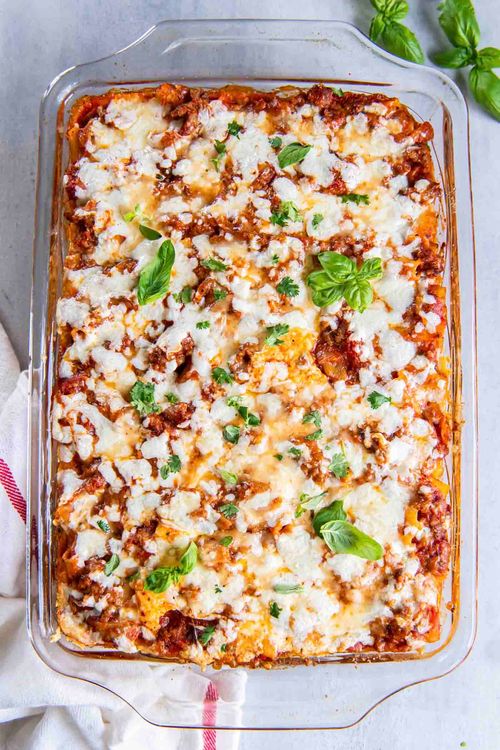
Italian sausage was made for melted cheese and crusty bread, and this group leans all the way into that. The one technique that ties it together is cooking the sausage through before it meets the oven, because raw crumbles scattered on a pizza or folded into a casserole will not finish in the time it takes the cheese to brown. Brown the meat first, drain the excess fat so your pizza does not turn into a grease slick or your bake go soggy, then build. For pizza and calzones, scatter the cooked crumbles in an even layer so every slice gets some, and keep the moisture down so the crust stays crisp. For subs and melts, slice cooked links into coins and pile them with peppers, onions and cheese on bread warmed just enough to hold up without going hard. Bakes and casseroles, sausage with ziti, stuffed shells, stuffed mushrooms or a cheesy bread braid, want a saucier assembly than feels right, since the pasta and bread drink up liquid as they bake; a layer of sauce on the bottom stops sticking. Cover to heat through, then uncover at the end to brown and bubble the cheese, and rest a few minutes before cutting for clean portions. Standouts here include Stuffed Italian Sausage Shells and Italian Sausage Mushroom Mini Quiche, plus Baked Macaroni with Béchamel Sauce, Bacon, and Sausages.
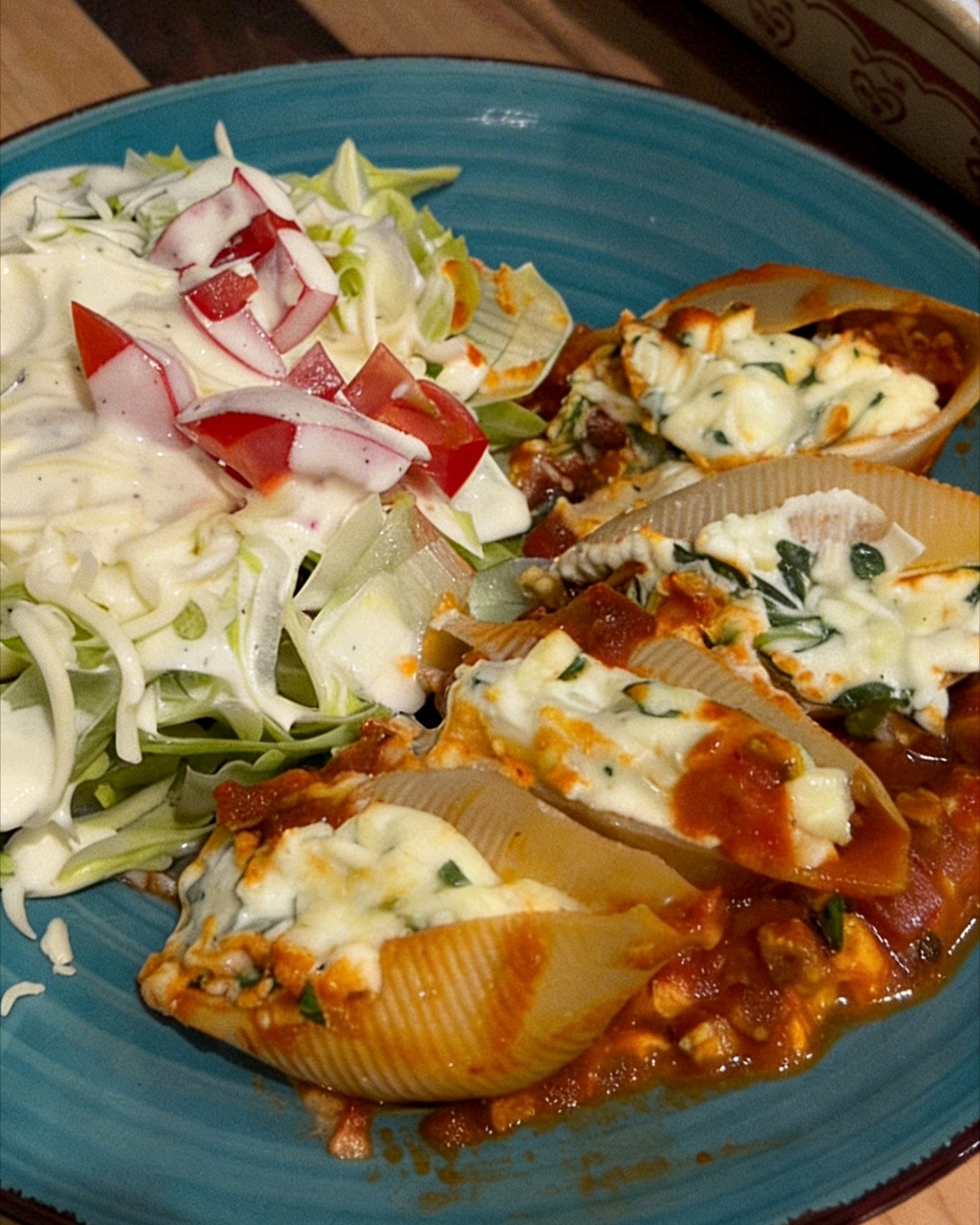

- Italian
- Non-Vegetarian
- Dinner
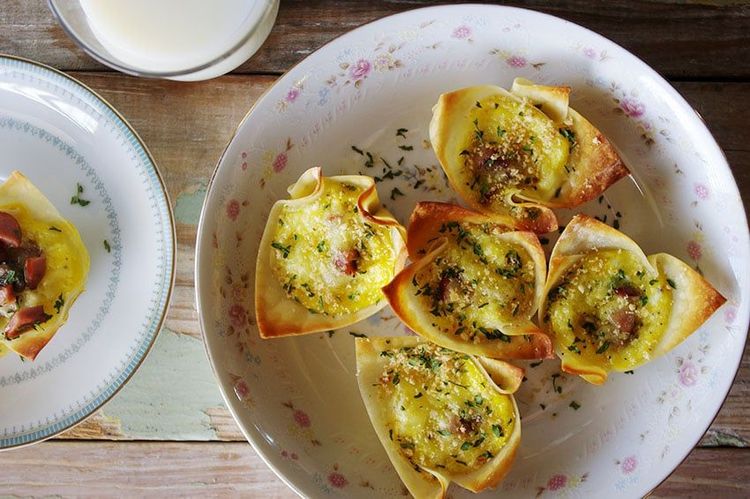
- Italian
- Non-Vegetarian
- Breakfast
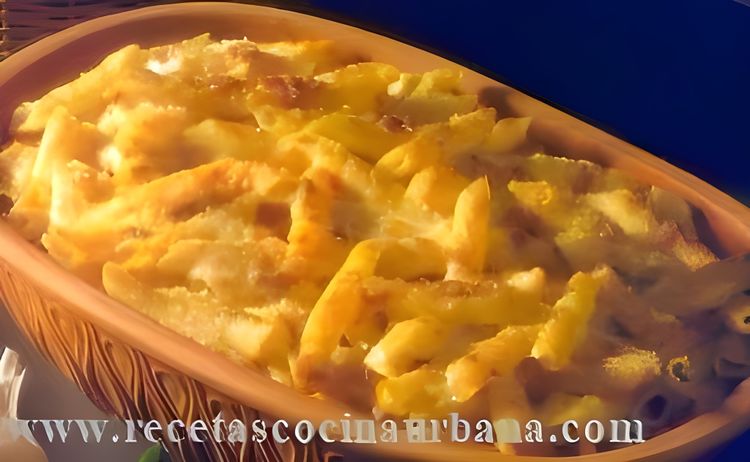
- Italian
- Non-Vegetarian
- Lunch
More Italian Sausage Favourites
A few dishes never quite fit a single category, and these are the ones worth keeping in your back pocket once the staples feel routine. They lean on the same handful of moves you already know, a hard brown for fond, the rendered fat put to work, a careful hand with salt, but steer the sausage toward different textures and formats, from skillet scrambles and stuffed vegetables to soups, dips and slow-cooked numbers. Picking your next one is mostly about matching effort to mood: choose a quick crumble-and-go skillet on a busy night when you want flavour in fifteen minutes, and save the slow-simmered stews and layered bakes for a weekend when you can let things develop. Pay attention to whether the dish wants crumbles or links, since that one choice changes how you handle the meat, and remember to balance the richness with acid, herbs or something faintly bitter so it never feels leaden. Think of this group as the natural next step after the classics, the recipes that quietly earn a regular spot in the rotation once you have tried them. Standouts here include Bacon & Italian Sausage Herb Stuffing and Sheet Pan Sausage and Veggies.

- American
- Non-Vegetarian
- Side Dish
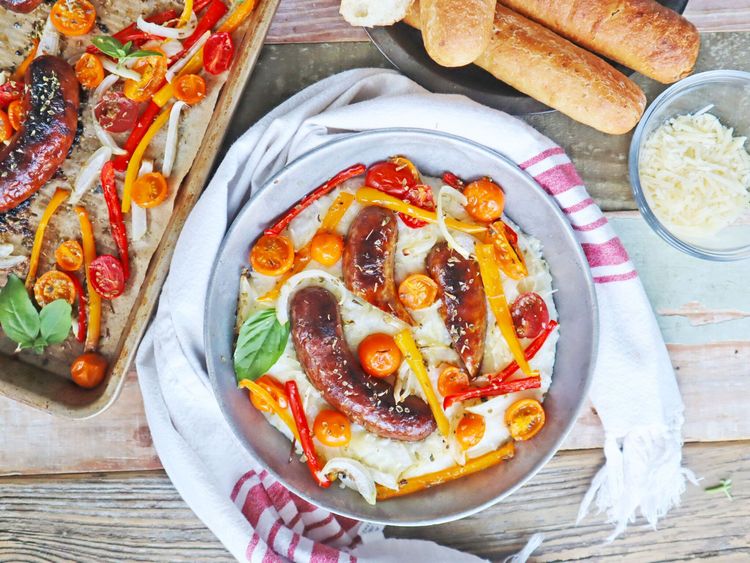
- Italian
- Non-Vegetarian
- Dinner
Choosing and Handling Italian Sausage
Start by deciding sweet or hot. Sweet (mild) Italian sausage is built on fennel and garlic with no heat, which makes it the all-rounder for pasta, soup and bakes; hot Italian sausage adds crushed red pepper and a noticeable kick. Many cooks split the difference, using half of each, or buy sweet and add their own chilli flakes to control the burn. Fennel is the flavour that reads as "Italian sausage," so if a recipe tastes flat, a pinch of toasted fennel seed often fixes it.
Then decide casing on or off. For sauces, soups and most bakes you want the meat loose and crumbled, so slit the casing with a knife and squeeze the filling straight into the pan, discarding the skin. For grilling, roasting whole, or any dish where you want sliceable rounds, leave the links intact — the casing holds the juices and gives a satisfying snap. Buying bulk sausage (no casing) saves the step entirely when you only need crumbles.
Keep sausage cold until it hits the pan and handle it gently. Squeezing and over-working the meat compacts it into dense pellets; for the best texture, break it into rough, uneven chunks and let them brown before you fuss with them. If you are forming patties or meatballs from bulk sausage, a light hand keeps them tender. Always cook Italian sausage fully — to 71C/160F internal — since it is a fresh, raw product, not a cured one.
Browning for Maximum Flavour
The single biggest flavour step is a proper brown. Get a wide, heavy pan genuinely hot over medium-high before the sausage goes in, and resist stirring for the first couple of minutes so the meat can sear and stick before you break it up. That sticking is the fond — the brown crust on the pan bottom — and it is pure concentrated flavour. Crumble the meat into bite-sized, irregular pieces as it cooks; uniform crumbles brown less and look like pet food.
Do not crowd the pan. A pound of sausage dumped into a small skillet steams in its own juices and turns grey instead of brown, which is the most common reason a sauce tastes dull. Work in batches if your pan is narrow, and use the rendered fat to start your aromatics rather than draining it all away — that fat is carrying the fennel and chilli that define the dish. Pour off only the excess if it looks like more than a tablespoon or two.
Once the meat is browned, deglaze. Splash in wine, stock, or a little of the tomatoes and scrape the fond off the bottom with a wooden spoon so it dissolves into the liquid; this is where the deepest savour goes back into the dish. If you pulled the sausage out to brown in batches, return it now along with any resting juices. From here the same browned base can become a pasta sauce, the foundation of a soup, or the filling for a bake.
Cooking Links: Grill, Roast and Pan
For whole links, gentle and steady beats fast and furious. On the grill or stovetop, cook over medium heat and turn the links every few minutes so they colour evenly without the casing splitting and weeping juices into the fire. A common trick is to poach or steam the links partway first — simmer them in a little water or beer in a covered pan for eight to ten minutes — then finish on high heat or the grill for colour. This guarantees they are cooked through without a burnt outside and raw centre.
To roast links, set them on a sheet pan in a hot oven, around 200C/400F, and turn once halfway. They render fat as they go, which is why roasting them alongside peppers, onions and potatoes works so well: the vegetables catch the drippings and caramelize. Give everything room in a single layer so it roasts rather than steams, and pull the sausage when a thermometer reads 71C/160F. Resist piercing the links to "check" them, since every hole lets juice escape.
Slicing matters for serving. Let cooked links rest a few minutes before cutting so the juices settle rather than running out onto the board, then slice on a slight bias for larger, more attractive pieces. For sandwiches and skillet dishes, slicing the links into coins and giving the cut faces a quick sear adds extra browned surface and flavour. If a recipe wants crumbles but you only have links, slit and remove the casing and treat the filling as bulk sausage.
Balancing the Fat, Salt and Acid
Italian sausage is generously fatty and well salted, and both need managing. After browning, taste the rendered fat situation: a thin slick enriches a sauce, but a greasy pool will make a pasta heavy and a soup cloudy, so spoon off the excess before you build. In a soup especially, let it simmer and skim the fat that rises, or chill leftovers and lift the solidified cap the next day. The goal is the sausage flavour without the slick.
Because the meat is already salty, season the rest of the dish lightly and taste before you add more. This catches people out in pasta and soup, where you also have salted pasta water, cheese and stock all contributing. Salt at the end rather than the start, and remember that parmesan, a salty broth or canned beans will push the dish further. It is far easier to add salt than to rescue an over-salted pot of soup.
Richness wants a counterweight, so build in acid and freshness. A splash of wine or a squeeze of lemon, the natural tang of tomatoes, or a scatter of bright herbs at the end all cut through the fat and keep a sausage dish from feeling leaden. Greens are a classic partner for exactly this reason: kale, spinach, escarole or broccoli rabe add a faintly bitter, fresh edge that balances the rich meat. Finish soups and pastas off the heat with herbs, lemon or a grating of hard cheese to lift the whole thing.
Pro Tips from the Test Kitchen
- Slit the casing and squeeze out the filling for sauces and soups; leave links whole for grilling and roasting.
- Brown the sausage hard and undisturbed at first so it builds a fond — that crust is where the flavour lives.
- Do not crowd the pan; a pound of sausage in a small skillet steams grey instead of browning.
- Keep the rendered fat to start your aromatics, but spoon off any excess so the dish does not turn greasy.
- Deglaze with wine, stock or tomato and scrape up the browned bits — that is concentrated flavour going back in.
- Season the rest of the dish lightly and taste late; sausage is already salty, and so are cheese and broth.
- Add a fennel pinch if a dish tastes flat — fennel is the flavour that reads as "Italian sausage."
- Poach or steam links partway, then finish on high heat so they cook through without splitting or burning.
- Pair sausage with bitter greens (kale, escarole, broccoli rabe) to cut the richness.
- Always cook Italian sausage to 71C/160F internal — it is a fresh, raw product, not cured.
Frequently Asked Questions
Should I take Italian sausage out of the casing?
It depends on the dish. For pasta sauces, soups and most casseroles you want loose crumbles, so slit the casing with a knife and squeeze the filling into the pan, then discard the skin. For grilling, roasting whole or any recipe that calls for sliceable rounds, leave the links intact — the casing holds the juices and gives a pleasing snap. Buying bulk sausage skips the step when you only need crumbles.
What is the difference between sweet and hot Italian sausage?
Both are built on the same fennel-and-garlic base, but hot Italian sausage adds crushed red pepper for a noticeable kick, while sweet (mild) has none. Sweet is the all-rounder for pasta, soup and bakes; hot suits anyone who wants heat. Many cooks use a mix of the two, or buy sweet and add their own chilli flakes to dial the spice up to taste.
How do you brown Italian sausage properly?
Heat a wide, heavy pan over medium-high, add the sausage and leave it undisturbed for a couple of minutes so it sears and sticks before you break it up. Crumble it into rough, uneven pieces and let them brown rather than stirring constantly. Do not crowd the pan, or it steams grey instead of browning. The brown crust on the pan, the fond, is pure flavour you will deglaze back into the dish.
What pasta goes best with Italian sausage?
Sturdy shapes with ridges and hollows that catch the meaty sauce work best — rigatoni, penne, ziti and orzo are favourites, and gnocchi suits creamy sausage sauces beautifully. Long strands like spaghetti work too if the sauce is well-emulsified with pasta water. For baked dishes, ziti, shells and lasagne sheets hold up to the oven. Match a chunky sausage ragù to a shape with enough texture to grip it.
What soup is Italian sausage used in?
The most famous is zuppa toscana — a creamy broth with sausage, potatoes, kale and bacon. Italian sausage tortellini soup is another favourite, along with sausage and white bean soup, minestrone with sausage, and sausage-and-kale or escarole soups. The sausage seasons the broth with its own fat and spice, so it builds depth with almost no extra seasoning. Skim the fat as it simmers for a cleaner bowl.
How do you keep Italian sausage from drying out?
For links, cook over medium rather than high heat, turn often, and pull them at 71C/160F rather than overshooting — every extra minute drives out juice. Avoid piercing the casing, which lets the juices escape. Poaching or steaming links partway before a high-heat finish helps them cook through without drying. For crumbles, brown for flavour but then simmer in a sauce or soup so they stay moist.
Can you cook Italian sausage from frozen?
Yes, though it is not ideal. Links can be simmered gently from frozen or baked low and slow until cooked through, but they brown and crisp better thawed. The safest route is to thaw overnight in the fridge, then cook as usual. Never thaw sausage at room temperature. Whatever method you use, cook it to a full 71C/160F internal temperature, since it is a fresh, raw product.
Do you drain the fat from Italian sausage?
Partly. The rendered fat carries the fennel, garlic and chilli, so a thin slick is worth keeping to start your aromatics and enrich the dish. But a greasy pool will make pasta heavy and soup cloudy, so spoon off the excess if it looks like more than a tablespoon or two. In soups, you can also let the fat rise and skim it, or chill leftovers and lift the solidified cap.
What can I substitute for Italian sausage?
Plain ground pork seasoned with fennel seed, garlic, salt, paprika and a pinch of chilli mimics it closely — toast and crush the fennel for the most authentic note. Ground turkey or chicken with the same seasoning makes a leaner version, and plant-based sausage works in sauces and soups where the meat is crumbled. Whatever the base, the fennel is the flavour that makes it read as Italian sausage.
What vegetables go well with Italian sausage?
Peppers and onions are the classic pairing, roasted or sauteed until soft and sweet to balance the rich meat. Potatoes catch the drippings on a sheet pan, and bitter greens — kale, spinach, escarole and broccoli rabe — cut through the fat and are a natural partner in pasta and soup. Mushrooms, fennel, zucchini and tomatoes all suit it too. Lean on something fresh or faintly bitter to offset the richness.
The thread through every Italian sausage recipe here is the same: one well-seasoned ingredient and a proper brown. Master the few moves in the guides — choose sweet or hot, brown hard for fond, deglaze, and balance the fat with acid and greens — and pasta, soup, sheet-pan dinners and bakes all fall into place from the same starting point.
Pick three to cook this week — a creamy pasta, a pot of soup and a sheet-pan dinner — and save your favourites to a Chefadora cookbook. Then work through the rest; this page is built to be the Italian sausage reference you actually come back to.
Related
- Italian Sausage
- Pasta
- Soup
- Italian
- Sheet Pan
- Weeknight Dinner
- Comfort Food
- Pork
Popular Searches
- Best italian sausage recipe
- Easy italian sausage recipe
- Quick italian sausage recipe
- Healthy italian sausage recipe
- Simple italian sausage recipe
- Homemade italian sausage recipe
- Delicious italian sausage recipe
- Popular italian sausage recipe
- italian sausage pasta
- soups with italian sausage
- italian sausage dishes
Marnirni-apinthi Building, Lot Fourteen,
North Terrace, Adelaide, South Australia, 5000
Australia
