
Top 15 Chicken Soup Recipes: Noodle, Creamy, Global and Healing Bowls
Updated June 29, 2026 · Curated by Chefadora
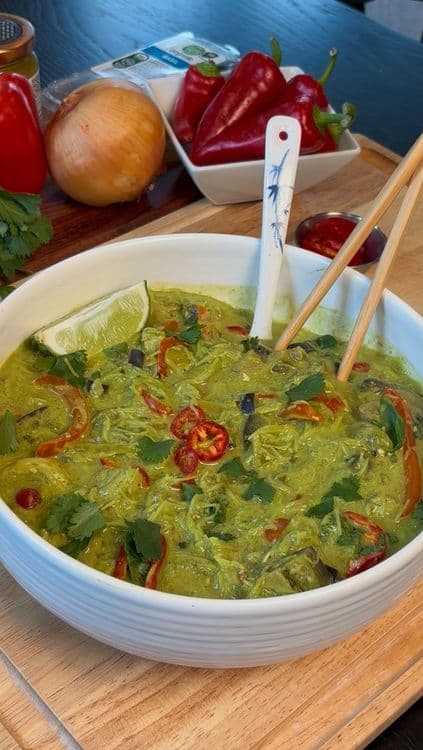
Chicken soup recipes are the most reached-for bowls in any kitchen: a whole meal built from one bird, some aromatics and whatever the season offers. They span continents and moods — the clear, comforting noodle bowl you make when someone is sick, the creamy chowder that anchors a cold night, the bright tortilla and lemon soups that wake up a tired week, and the slow, healing pots that ask little and give a lot. The recipes below were chosen to show that whole range rather than ten gentle variations on the same basic broth, so there is a bowl here for every craving, season and skill level.
What unites them all is the broth, and good broth is mostly patience and a little technique. Simmer bones and aromatics gently — never a hard boil, which turns stock cloudy and greasy — and you draw out a deep, savoury backbone that no bouillon cube can fake. From there, the soup is a matter of what you add and when: noodles late so they do not bloat, cream off the heat so it does not split, a squeeze of acid at the end to make everything taste brighter.
You will find four clusters here: the classic noodle soups, the creamy soups and chowders, a run of global bowls from tortilla to Thai coconut, and the rice, vegetable and healing soups built for restoration. The base skill — coaxing flavour from chicken and broth — carries across all of them, so once you have made one properly, the rest are variations on the same handful of moves: build a broth, cook the meat gently, decide on body, and finish with brightness. Change the aromatics and the add-ins and you change the whole character of the bowl.
Treat this as a working reference rather than a list to read once. Every recipe links to full ingredients and steps on Chefadora, and the guides below cover the decisions that decide whether a chicken soup tastes deep and clean or thin and flat — how to build a stock with real body, how to keep the meat tender instead of stringy, how to thicken a chowder without splitting the cream, and how to season and finish a bowl so it tastes brighter and more savoury than the sum of its parts.
Classic Chicken Noodle Soup
This is the bowl most people picture when they hear chicken soup, and getting it right is mostly about respecting the broth and the timing. Start with a real stock built from bones and aromatics, then poach your chicken gently and pull it the moment it is cooked through so the meat stays soft and shreddable rather than stringy. Soften the holy trinity of onion, carrot and celery in the broth until sweet, season the liquid in stages, and taste until it reads savoury rather than watery, because under-salting is what makes a clear soup taste thin. The single biggest mistake is adding the noodles too early or storing them in the pot, where they bloat, go mushy and drink the broth into a starchy paste; cook them in the last few minutes, or separately, and ladle the hot soup over them in the bowl. Finish off the heat with a handful of chopped parsley or dill and a squeeze of lemon, and you have the comforting, restorative bowl everyone comes home to. Standouts here include Thai Green Curry Chicken Noodle Soup and Blackened Chicken Noodle Soup, plus Rotisserie Chicken Noodle Soup.
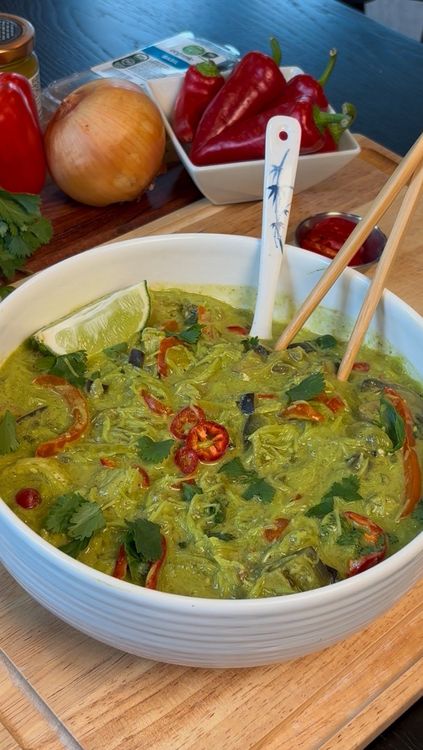

- Thai
- Non-Vegetarian
- Lunch
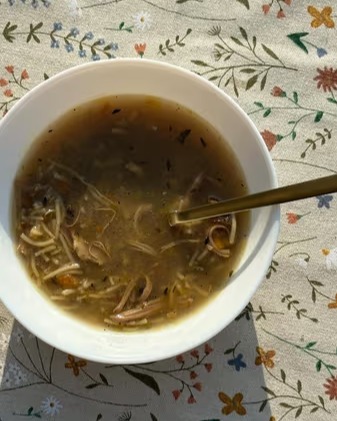

- American
- Non-Vegetarian
- Dinner
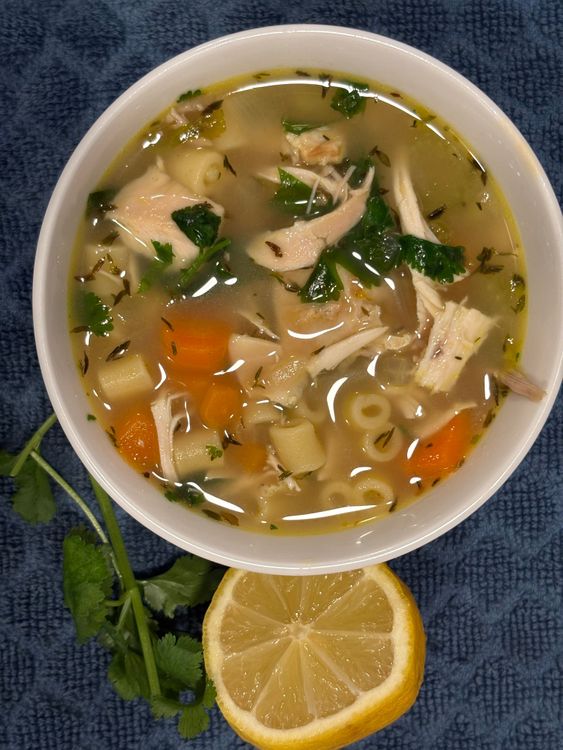

- Non-Vegetarian
- Lunch
Creamy Chicken Soups & Chowders
When chicken soup turns rich and spoonable, you are in chowder territory, and the craft here is all about building body without breaking it. The most reliable thickener is a roux, equal butter and flour cooked together for a minute or two before you whisk in the stock, which gives a stable, velvety base that holds up to reheating far better than a last-minute cornflour slurry. Potatoes, rice or a cup of blended soup stirred back in add body the natural way and keep the bowl tasting of its vegetables rather than flour. The dangerous moment is the dairy: stir cream, milk or cheese in off the direct heat or over the lowest flame, and never let a finished cream soup boil, because high heat curdles the proteins into grainy flecks and splits the whole pot. If your broth carries tomato or wine, temper the cream with a ladle of hot soup first. Aim for a soup that coats the back of a spoon, remembering it tightens as it cools, then finish with pepper, herbs and maybe a little crisp bacon or sweet corn. Standouts here include ✨ Cream of Chicken Soup 🍲 and Cream of Chicken Soup with Garlic Croutons.
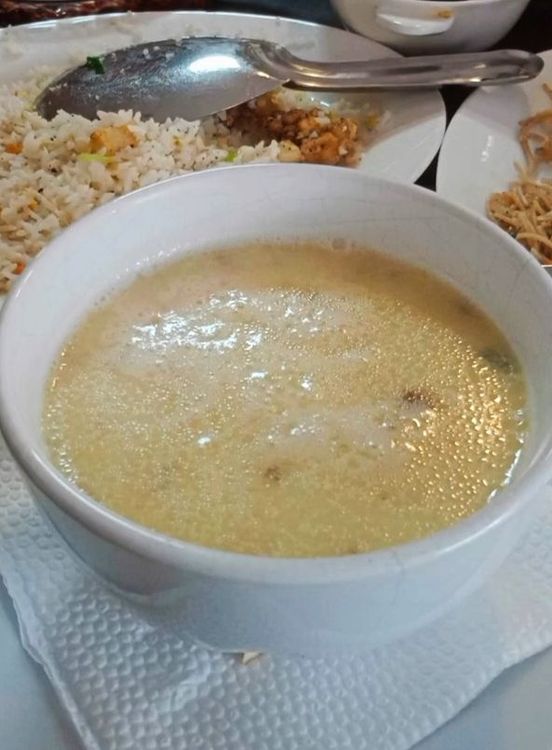

- International
- Non-Vegetarian
- Lunch
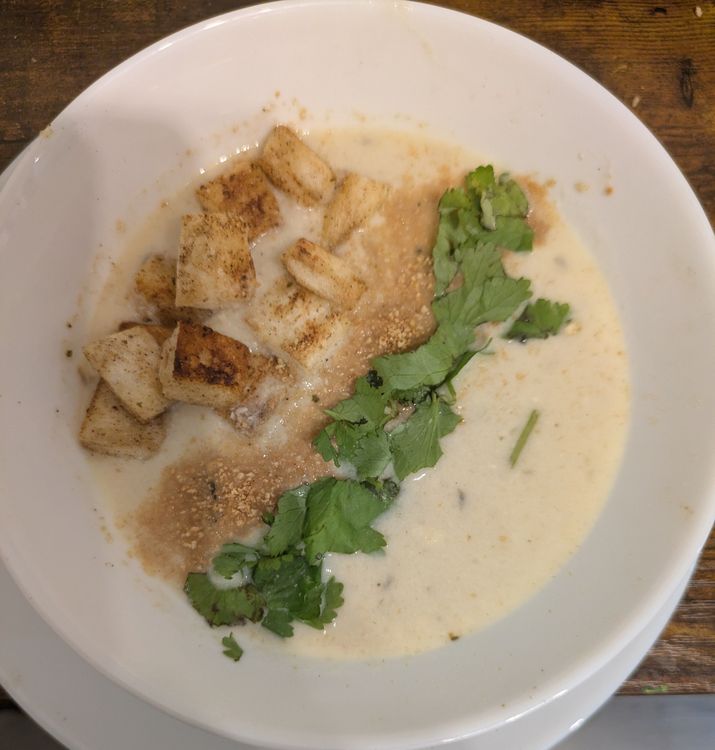
- American
- Non-Vegetarian
- Lunch
Global Chicken Soups
Here the same humble bird travels the world, and the lesson is that great soup does not always come from long reduction; often it comes from bold aromatics and a sharp finish. Mexican tortilla soup leans on charred chillies, tomato and a shower of crisp tortilla strips; Greek avgolemono thickens a lemony broth with eggs whisked carefully so they thicken without scrambling; Thai tom kha builds layers of coconut milk, lemongrass, galangal and lime; and wonton and pho lean on a clean, fragrant stock perfumed with ginger and star anise. The technique that ties them together is treating acid, heat and herbs as primary ingredients rather than garnishes. Bloom your spices and aromatics in fat or toast your chillies before they hit the liquid so their flavour deepens instead of tasting raw, and add the bright, delicate notes, the lime, the fresh herbs, the fish sauce, near the very end so they stay vivid. The common stumble is boiling the coconut milk hard or overcooking the eggs in avgolemono; keep these gentle, taste constantly for the balance of salty, sour and hot, and let the finish carry the dish. Standouts here include Thai Red Curry Style Pumpkin, Coconut and Chicken Soup and Chicken Binakol (Chicken Soup cooked in coconut water and meat..
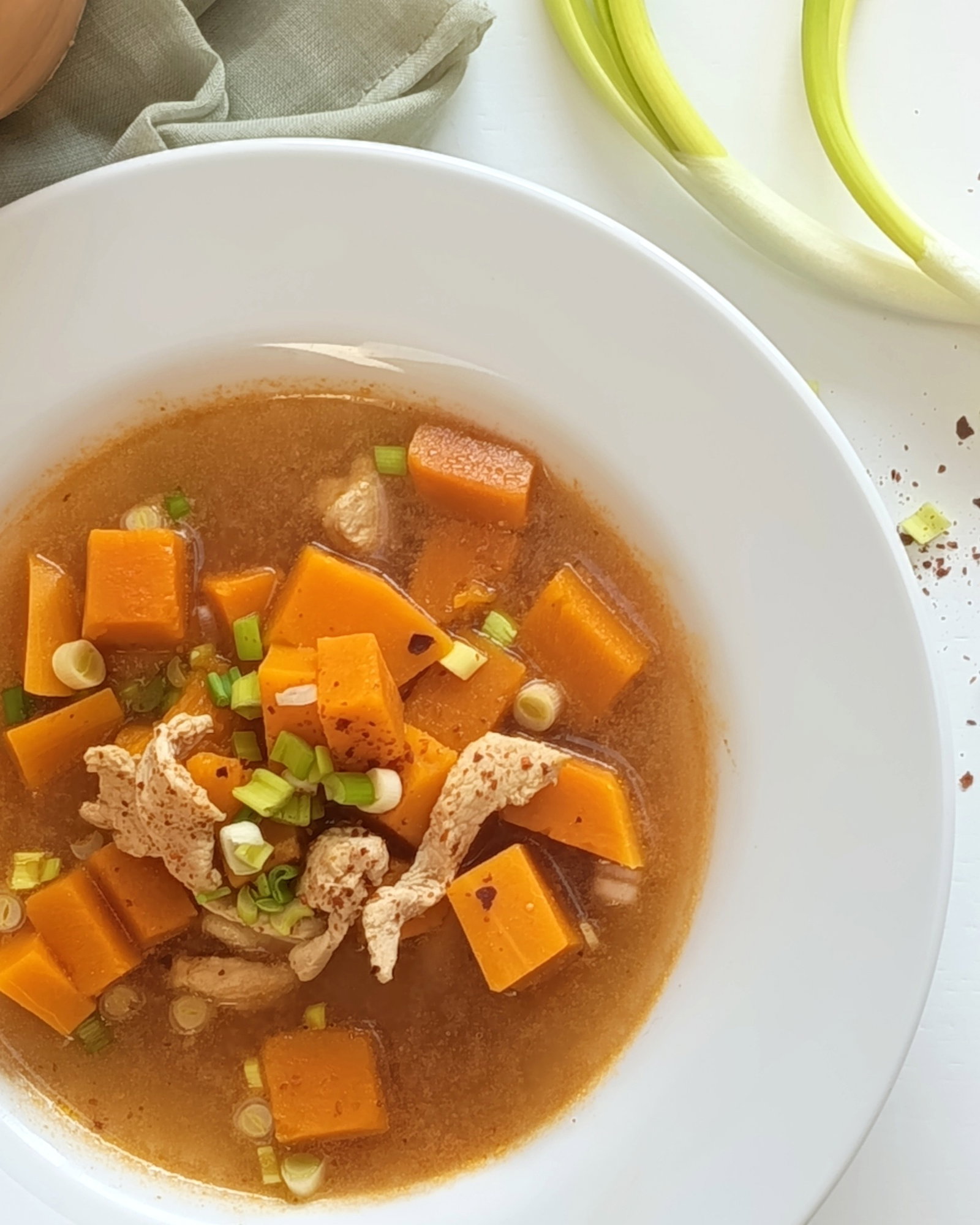

- Thai
- Non-Vegetarian
- Dinner
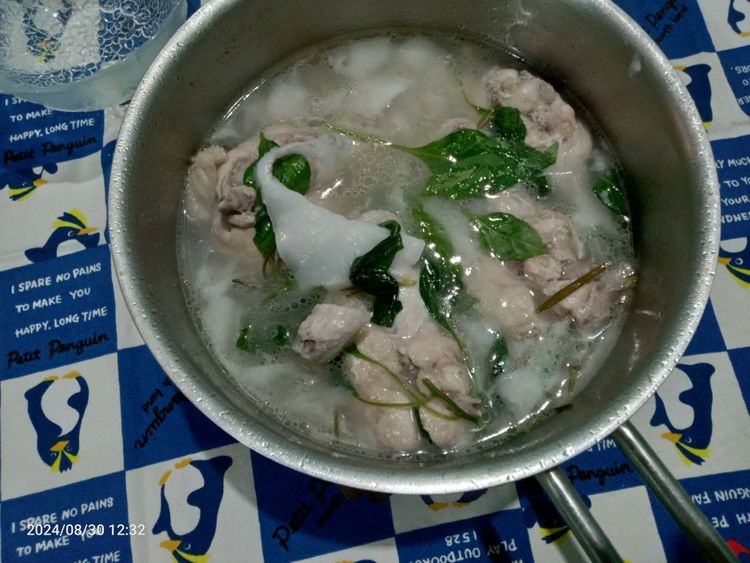

- Filipino
- Non-Vegetarian
- Lunch
More Chicken Soup Favourites
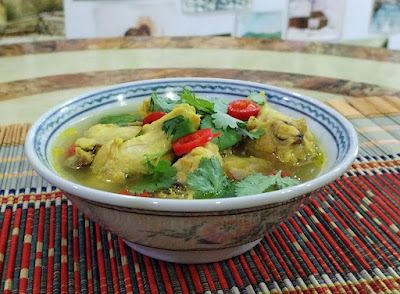
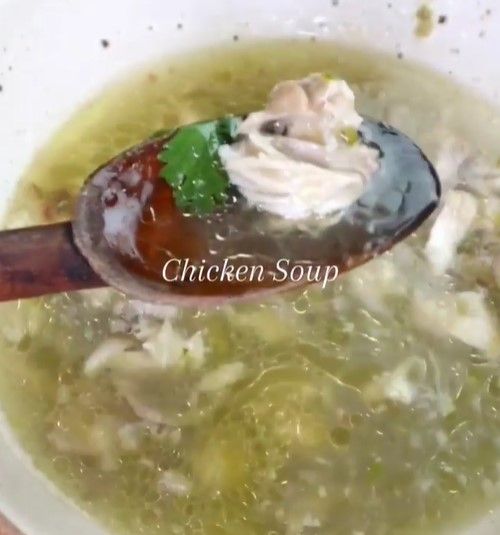
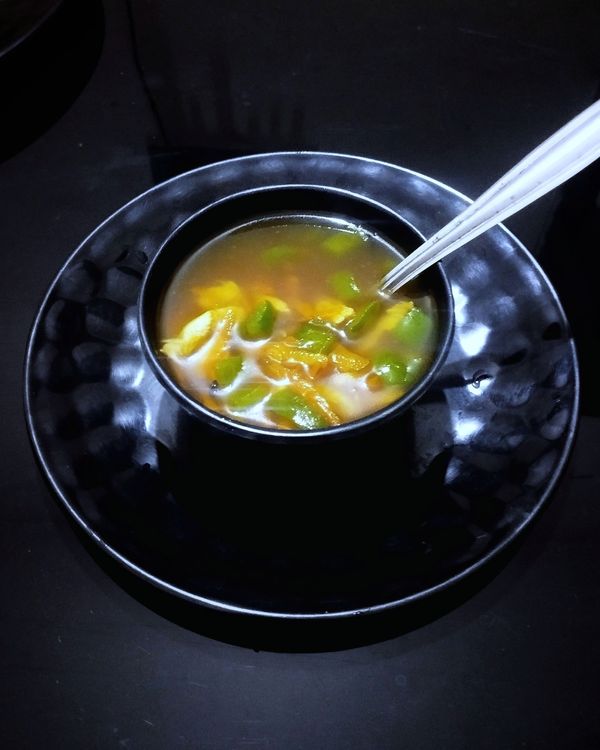
A few chicken soups never quite settle into a single category, and these are the ones worth keeping in your back pocket once the staples feel routine. They lean on the same handful of techniques you already know, a patiently built broth, gently poached and shredded meat, careful thickening, and a bright finish, but steer them toward different textures and flavour profiles so the bowl never tastes the same twice. Picking your next one is mostly about matching effort to mood: reach for a quick brothy bowl from a rotisserie carcass on a busy night when you want dinner in half an hour, and save the slow-simmered, multi-component soups for a weekend when you can let the stock develop properly and layer in cream or roasted vegetables. Pay attention to how you cut and add things, too, since small dice and tender greens cook in minutes while potatoes, beans and tougher grains want a head start. Above all, taste as you go and adjust salt and acid at the end rather than the start. Think of this group as the natural next step after the classics, the recipes that quietly earn a regular spot in your cold-weather rotation. Standouts here include Turmeric Chicken Soup and Chicken Shorba | Mughlai Chicken Soup , plus Chicken Soup.
- Thai
- Non-Vegetarian
- Lunch

- Mughlai
- Non-Vegetarian
- Appetiser

- Indian
- Non-Vegetarian
- Dinner
- Asian
- Non-Vegetarian
- Lunch
- Ecuadorian
- Non-Vegetarian
- Lunch

- Filipino
- Non-Vegetarian
- Lunch
- Indian
- Non-Vegetarian
- Lunch

- Italian
- Lactose-Free
- Dinner
Building a Real Chicken Stock
The broth is the soup, so start there. A carcass, wings or bone-in thighs give far more flavour and body than boneless breast, because the bones, skin and connective tissue release gelatine that gives a stock its silky weight and clean savour. Cover the bones with cold water, bring it slowly to a bare simmer, and skim the grey foam that rises in the first ten minutes — that scum is what makes a finished broth murky and bitter if you let it boil back in.
Keep the heat at a lazy simmer with just a few bubbles breaking the surface; a rolling boil emulsifies the fat into the liquid and turns a clear, golden stock cloudy and greasy. Add a roughly chopped onion, carrot and celery, a few peppercorns, a bay leaf and a handful of parsley stems, but hold the salt until the end so you can season the finished soup precisely. Forty-five minutes gives a light broth; two to three hours pulls everything from the bones.
Strain the stock through a fine sieve and, if you have time, chill it so the fat rises and sets into a cap you can lift off cleanly. Short on time and starting from a rotisserie bird? Simmer the picked carcass for even thirty minutes with aromatics and you will still beat anything from a carton. Good stock freezes beautifully, so make a big batch and bank it for the soups below.
Keeping the Chicken Tender
The fastest way to ruin a chicken soup is to overcook the meat. Chicken poached too hard or too long goes stringy, dry and chalky, no matter how good the broth around it is. The fix is to treat the broth and the meat as two timelines: build flavour with bones and aromatics on a long simmer, but cook the eating-meat gently and pull it the moment it is done.
For the cleanest result, poach bone-in pieces in the simmering broth until just cooked — about twenty to twenty-five minutes for thighs — then lift them out, let them cool enough to handle, and shred or dice the meat off the bone. Returning the shredded chicken to the pot at the end means it warms through without toughening. A rotisserie or leftover roast chicken works the same way: stir it in near the finish, off a hard boil.
Thighs are more forgiving than breast in soup because their extra fat and collagen keep them moist even if the timing slips a little; breast is leaner and turns to cotton fast, so watch it closely. Whichever you use, resist the urge to let the meat ride a long simmer for "more flavour" — the flavour is in the broth by then, and all the extra time does is dry out the chicken you are about to eat.
Thickening, Cream and Body
Creamy chicken soups and chowders get their body from one of a few routes, and knowing which suits your bowl saves a lot of grief. A roux — equal butter and flour cooked together for a minute or two before you whisk in the liquid — gives the most stable, velvety thickness and will not break on a gentle reheat. A slurry of cornflour and cold water stirred in at the end is faster but can turn gluey if overdone. Potatoes, rice or a handful of blended soup add body the natural way.
Dairy is where soups split, so add it carefully. Stir cream, milk or a cheese off the direct heat or over the lowest flame, and never boil a finished cream soup — high heat curdles the proteins into grainy flecks and breaks the sauce. If you are using a more acidic broth (anything with tomato, wine or lots of lemon), temper the cream by stirring a ladle of hot soup into it first, then return the lot to the pot.
For a silkier texture without much cream, blend a cup or two of the cooked soup — potatoes, onions and a little broth — and stir it back in; the starch thickens the bowl while keeping it tasting of vegetables rather than flour. Whatever route you take, thicken gradually and judge as you go: a chowder should coat the back of a spoon, not stand up like gravy, and it will always tighten as it cools.
Seasoning, Acid and the Finish
A bowl of chicken soup that tastes flat is almost always under-seasoned or missing acid, not short on chicken. Salt brings the broth to life, and because you held it back during the stock-making, the finish is where you dial it in — season in stages, taste, and add a little more, because soup needs more salt than you expect to read as savoury rather than watery.
Acid is the secret that separates a good bowl from a memorable one. A squeeze of lemon or lime, a splash of vinegar, or a spoon of the brine from a jar of pickles, stirred in right at the end, lifts every other flavour and cuts the richness of a creamy soup. Avgolemono and tortilla soup lean on this openly, but even a humble noodle soup wakes up with a few drops of lemon just before serving.
Fresh finishes matter as much as the cooking. Stir in soft herbs — parsley, dill, coriander, basil — off the heat so they stay green and fragrant rather than stewed. A grind of black pepper, a swirl of good olive oil or chilli oil, a scatter of crisp tortilla or fried garlic, or a handful of greens wilted in at the last minute all turn a pot of soup into a finished, restaurant-feeling bowl. Garnish in the bowl, not the pot, so every serving stays fresh.
Pro Tips from the Test Kitchen
- Use a carcass, wings or bone-in thighs, not boneless breast — the bones and skin give the broth its body and savour.
- Keep the stock at a bare simmer; a hard boil emulsifies the fat and turns the broth cloudy and greasy.
- Skim the foam in the first ten minutes so the finished soup stays clean and clear.
- Hold the salt until the end — season the finished soup precisely instead of the unfinished stock.
- Add noodles in the last few minutes (or cook them separately) so they do not bloat and go mushy in the leftovers.
- Poach and shred the chicken, then return it at the end so it warms through without turning stringy.
- Thighs forgive overcooking better than lean breast in soup — use them if your timing tends to slip.
- Stir cream and cheese in off the heat and never boil a cream soup, or the dairy curdles into grainy flecks.
- Blend a cup of the cooked soup and stir it back for body without flour or much cream.
- Finish with a squeeze of lemon or a splash of vinegar — acid lifts every other flavour in the bowl.
Frequently Asked Questions
How do you make chicken soup taste better?
Three things fix a flat bowl: a real stock, enough salt, and a hit of acid. Simmer bones and aromatics gently for a deeper broth, season in stages and taste as you go, then finish with a squeeze of lemon or a splash of vinegar to brighten everything. A scatter of fresh herbs and a grind of pepper off the heat lifts it further. Most thin-tasting chicken soup is simply under-seasoned, not short on chicken.
Should I use bone-in or boneless chicken for soup?
Bone-in, skin-on pieces or a carcass make a far better soup. The bones, skin and connective tissue release gelatine and flavour that give the broth its silky body and savour — something boneless breast cannot do. Poach bone-in thighs or wings in the broth, then lift them out, shred the meat and return it at the end. If you only have boneless meat, build the broth with a stock cube or store-bought stock and add the chicken late.
Why is my chicken soup cloudy?
Cloudiness usually comes from boiling the stock too hard, which emulsifies the fat and breaks down impurities into the liquid. Keep the pot at a bare, lazy simmer with only a few bubbles breaking the surface, and skim the grey foam that rises in the first ten minutes before it can boil back in. Straining the finished broth through a fine sieve, and chilling to lift off the fat cap, gives the clearest, cleanest result.
How long should you simmer chicken soup?
It depends on what you are after. For a quick weeknight bowl from a rotisserie carcass, thirty to forty-five minutes draws plenty of flavour. For a deep, gelatine-rich stock from raw bones, two to three hours at a gentle simmer is ideal. The eating-meat is a separate timeline: poach bone-in pieces for about twenty to twenty-five minutes, pull them, and shred — long simmering only dries out the chicken you are going to eat.
When do you add noodles to chicken soup?
Add them in the last few minutes of cooking, just until tender, so they do not turn bloated and mushy. Better still, cook the noodles separately and add them to each bowl, then ladle the hot soup over — this keeps leftovers from becoming a thick, starchy paste, since pasta keeps absorbing broth as it sits. The same goes for rice: cook it on the side if you plan to store the soup.
How do you keep chicken from getting tough in soup?
Cook it gently and pull it early. Poach bone-in pieces in the simmering broth just until cooked through, about twenty to twenty-five minutes for thighs, then lift them out and shred the meat off the bone. Return the shredded chicken at the end so it warms through without toughening. Avoid a hard boil and avoid leaving the meat in for "more flavour" — by then the flavour is in the broth and the extra time only dries the meat.
Can you freeze chicken soup?
Yes, and clear broth-based soups freeze especially well — cool the soup, portion it into airtight containers and freeze for up to three months. Leave the noodles, rice or pasta out and add them fresh on reheating, since they go mushy frozen and thawed. Cream-based soups can separate when frozen, so reheat them gently and whisk well, or thicken with cream only after thawing. Always reheat to a steaming, but not hard-boiling, temperature.
How do you thicken chicken soup?
Several ways, depending on the bowl. A roux of equal butter and flour, cooked briefly before you whisk in the liquid, gives the most stable, velvety body. A cornflour slurry stirred in at the end is faster but can turn gluey if overdone. For a natural route, blend a cup of the cooked soup — potatoes, vegetables and broth — and stir it back in, or simply add rice or potatoes. Thicken gradually; the soup tightens further as it cools.
What is the difference between chicken stock and broth?
In practice the line is blurry, but traditionally stock is made mainly from bones simmered long for body and gelatine, while broth is made from meat (and some bones) for a lighter, more savoury, ready-to-sip liquid. Stock is the richer base you build a soup on; broth is closer to a finished drink. For chicken soup, a stock made from a carcass or bone-in pieces gives the best body, then you season it into a broth to serve.
Is chicken soup actually good for a cold?
There is real, if modest, evidence behind the folk remedy. Hot chicken soup helps thin mucus and ease congestion, the steam soothes airways, and the warm broth keeps you hydrated when appetite is low. Some studies suggest compounds released from the chicken and vegetables have a mild anti-inflammatory effect. It will not cure a cold, but a brothy, ginger- or garlic-forward bowl is genuinely comforting and easy to keep down when you are unwell.
The thread through every chicken soup here is the same: a broth built with patience, meat cooked gently and pulled in time, and a bowl finished with salt, acid and something fresh. Master the moves in the guides — make a real stock, keep the chicken tender, thicken without splitting, and season at the end — and noodle soups, chowders and global bowls all fall into place.
Pick three to cook this season — a classic noodle bowl, a creamy chowder and a bright global soup — and save your favourites to a Chefadora cookbook. Then work through the rest, from healing rice soups to tortilla and Thai coconut; this page is built to be the chicken soup reference you actually come back to.
Related
- Chicken
- Soup
- Comfort Food
- Broth
- One Pot
- Healthy
- Dinner
- Cold Weather
Popular Searches
- Best chicken soup recipes
- Easy chicken soup recipes
- Quick chicken soup recipes
- Healthy chicken soup recipes
- Simple chicken soup recipes
- Homemade chicken soup recipes
- Delicious chicken soup recipes
- Popular chicken soup recipes
- chicken noodle soup
- creamy chicken soup
- easy chicken soup
Marnirni-apinthi Building, Lot Fourteen,
North Terrace, Adelaide, South Australia, 5000
Australia
