
46 Pulao Recipes: From 10-Minute Bowls to Festive Feasts
Updated July 7, 2026 · Curated by Chefadora
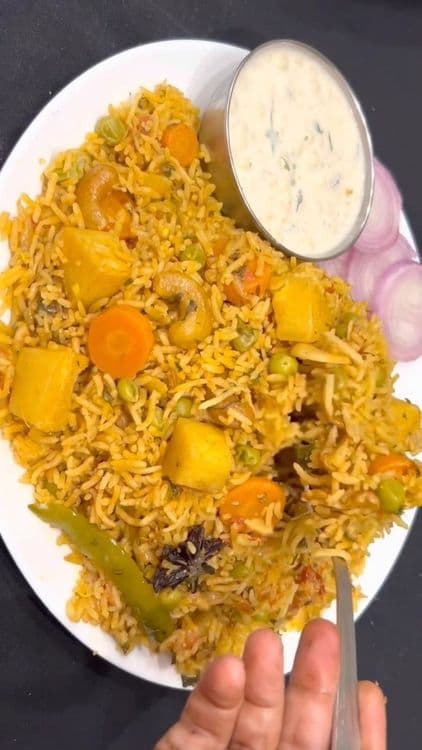
There's a reason a pot of fragrant rice studded with whole spices lands on Indian tables almost every week: it's fast, forgiving and endlessly adaptable. This collection of 46 pulao recipes pulls together everything from a ten-minute weeknight bowl to a slow, saffron-scented feast worthy of a festival table. I've cooked versions of this dish since I was tall enough to see over the stove, and the same handful of techniques carries every single one.
Across these pages you'll find light vegetable pilafs, protein-packed paneer and chicken numbers, regional classics from Kashmir to Bengal, smoky tawa street-style plates, and quick one-pot dinners for the nights you have zero patience. Each recipe is a real, tested dish from the Chefadora community, sorted so you can jump straight to the style you're craving.
Need something to pack in a lunchbox, or a centrepiece for guests? There's a pilaf here for both. Let's get the rice going.
Everyday Vegetable Pilaf for Any Weeknight
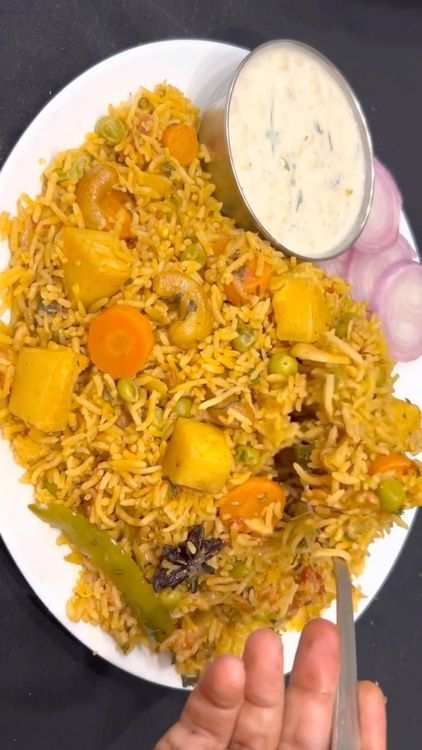
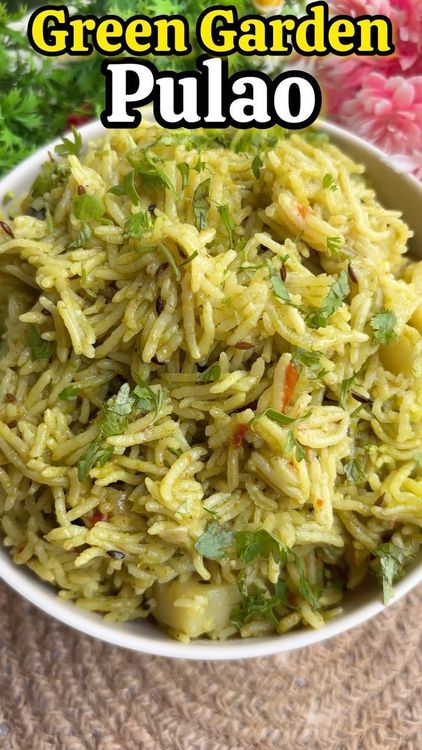
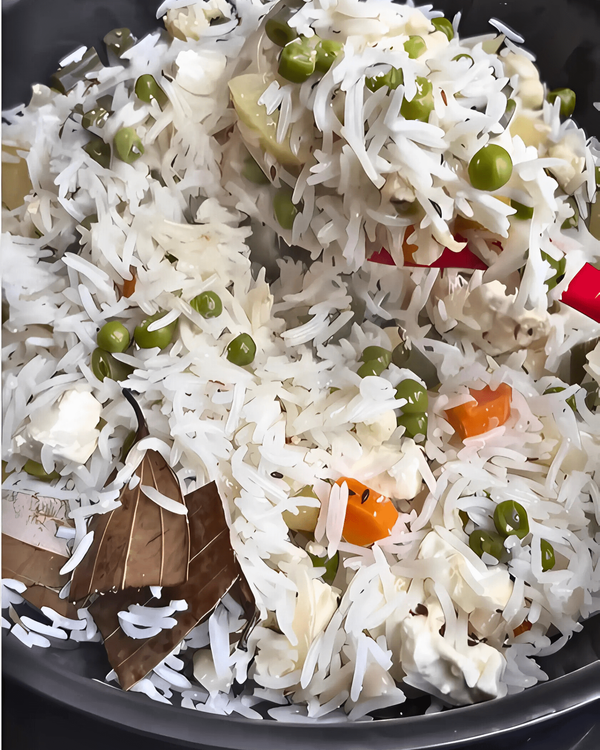
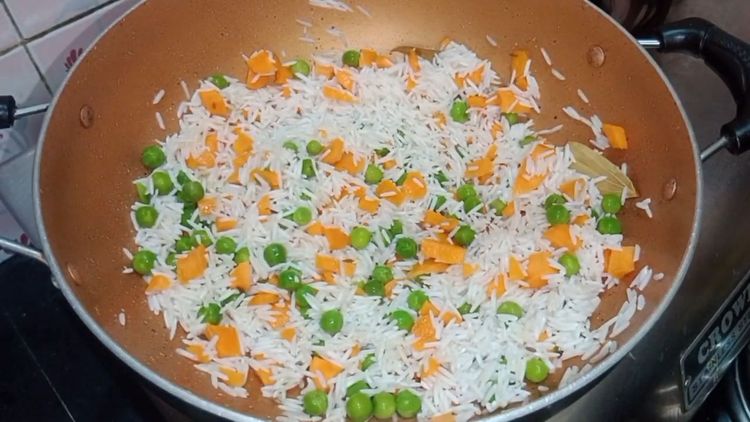
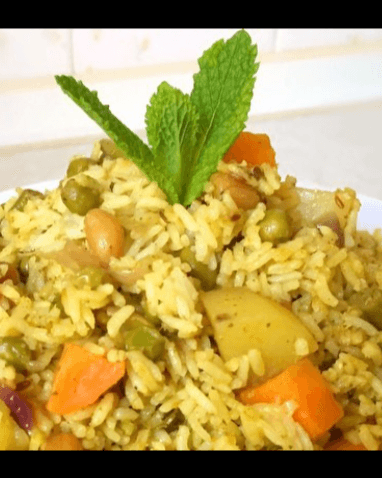
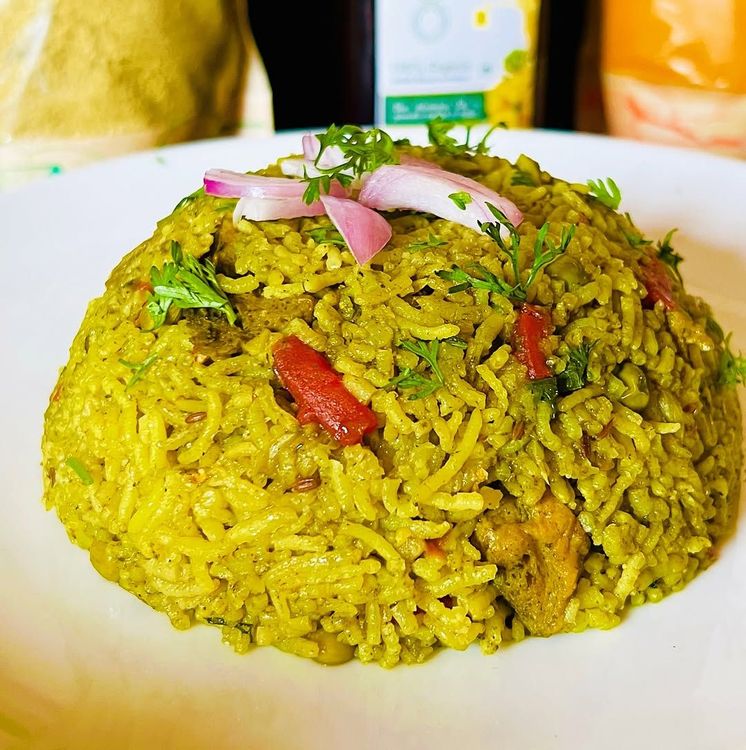
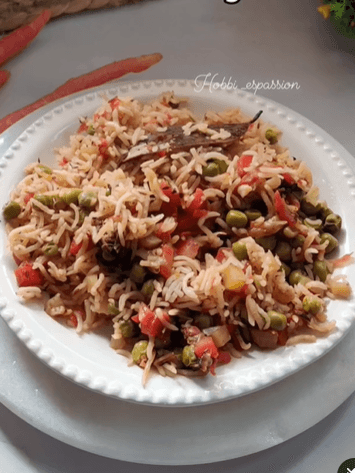
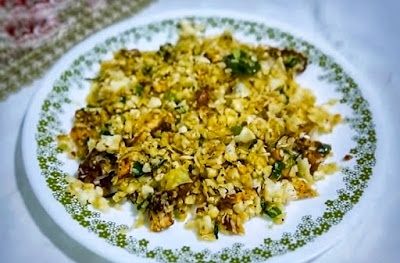
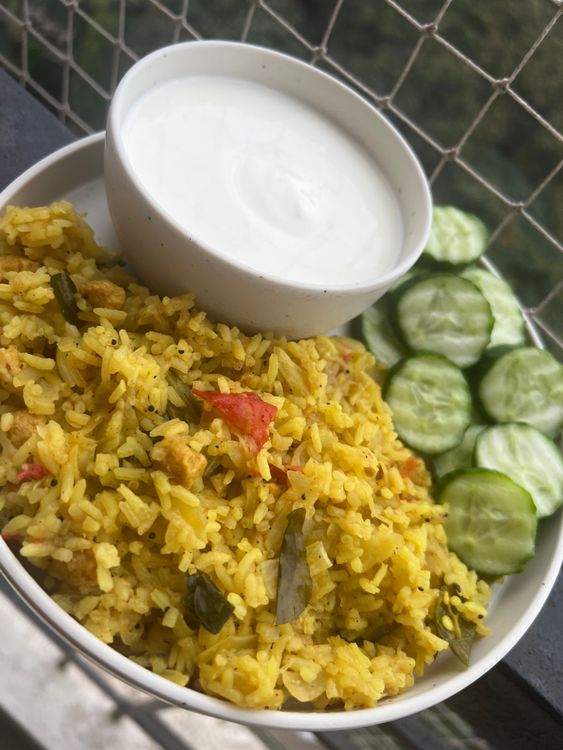
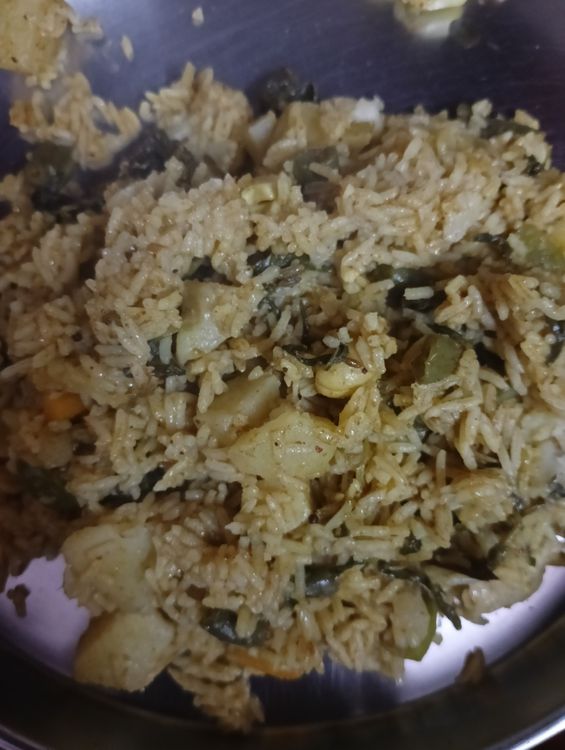
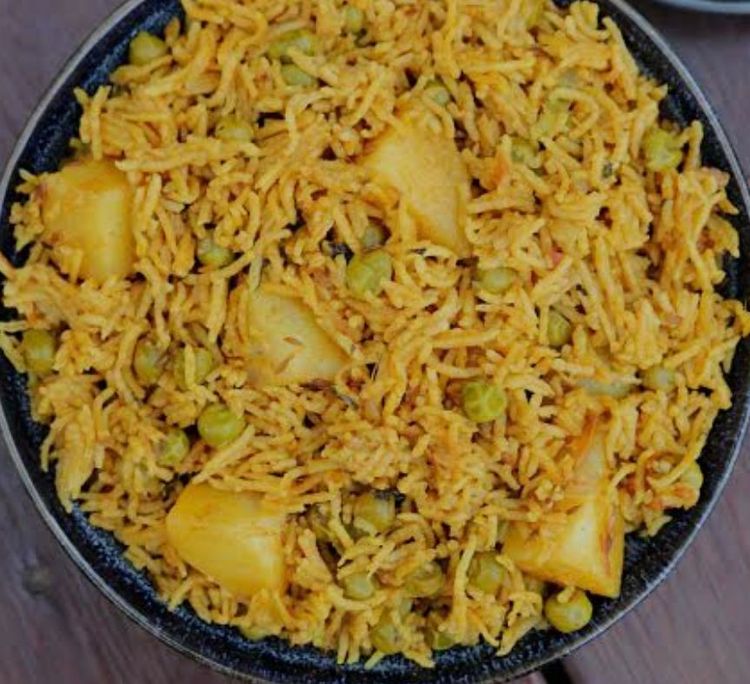
Vegetable pilaf is the workhorse of Indian rice cookery: a handful of diced carrots, beans, peas and potato simmered with basmati until every grain stands apart. These veg pulao bowls range from a bare nine-ingredient weeknight pot to a herb-heavy green garden version and a clever grain-free swap. Keep the vegetables cut evenly so they finish with the rice, and go easy on the water, roughly one and a quarter cups per cup of soaked basmati.

- Indian
- Vegetarian
- Lunch

- Indian
- Vegan
- Lunch
- Indian
- Vegetarian
- Lunch

- Indian
- Vegetarian
- Lunch
- Indian
- Vegan
- Lunch
- Indian
- Vegetarian
- Lunch

- Indian
- Vegan
- Lunch
- Indian
- Non-Vegetarian
- Lunch

- Indian
- Vegan
- Lunch

- Indian
- Vegetarian
- Lunch
Matar, Peas & Jeera-Scented Rice
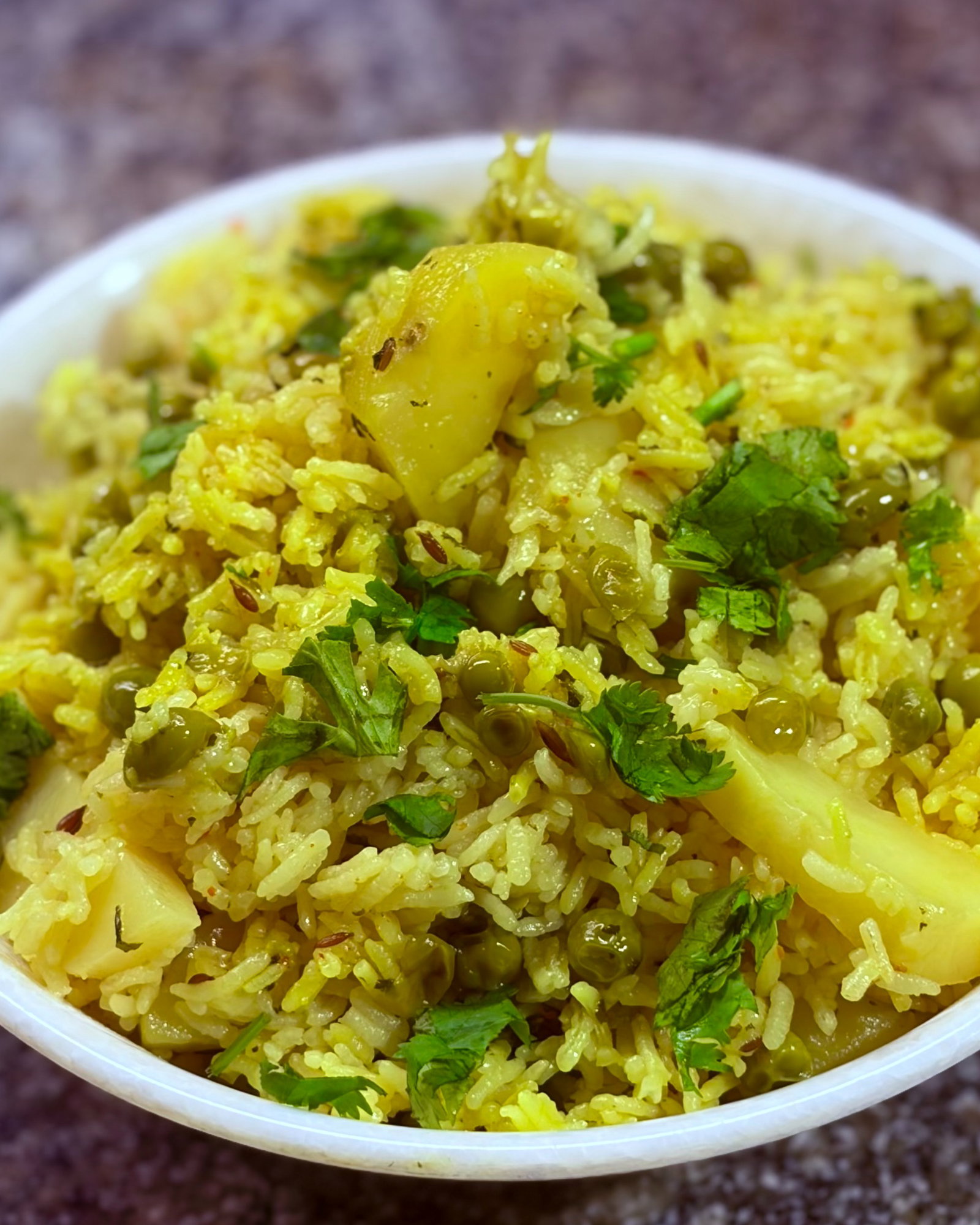
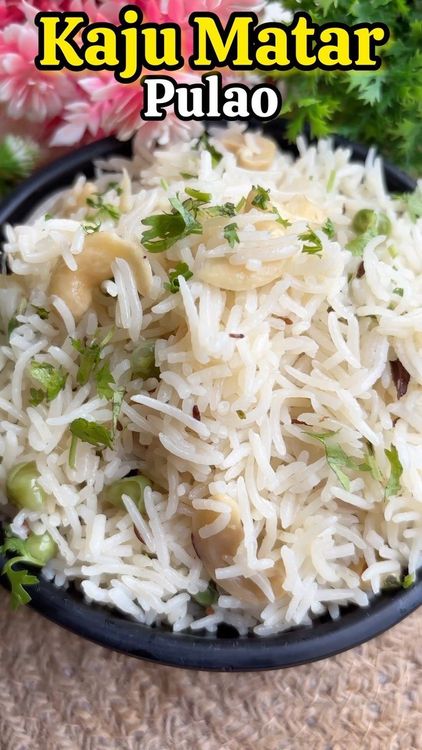
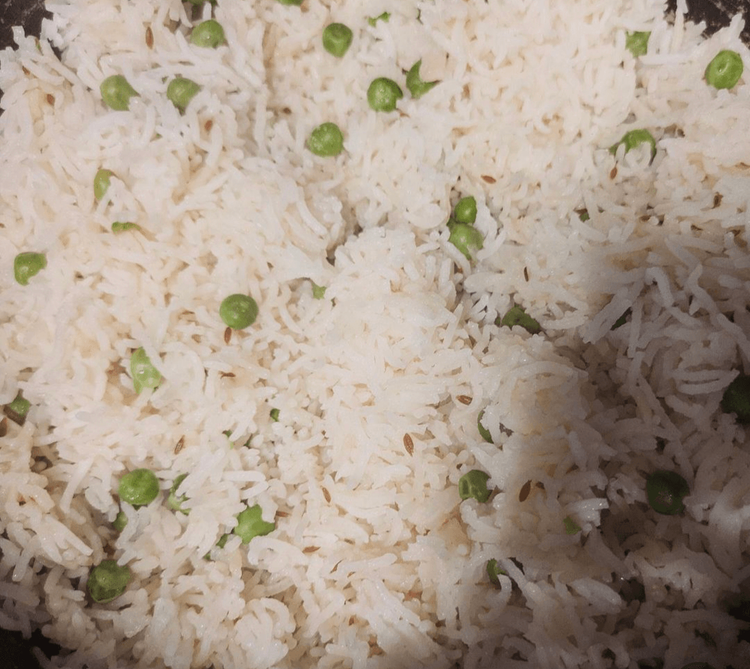
Sweet green peas and a hit of cumin turn plain rice into something crave-worthy. A classic matar pulao leans on peas, whole jeera and a little garam masala, while richer versions fold in cashews or soft paneer. If you're using frozen peas, add them late so they stay bright; fresh winter peas can go in with the rice. A pressure cooker gets any of these on the table in about half an hour.

- Indian
- Vegetarian
- Dinner
- Indian
- Vegetarian
- Lunch
- Indian
- Vegetarian
- Lunch
- Pakistani
- Vegan
- Lunch
Paneer, Chicken & Protein-Rich Pilafs
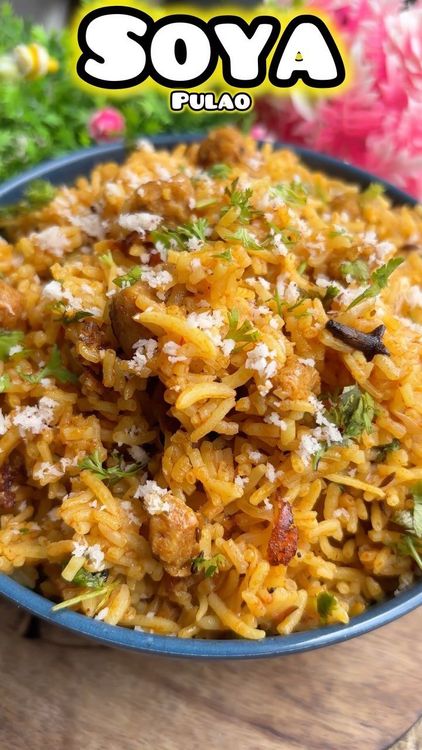
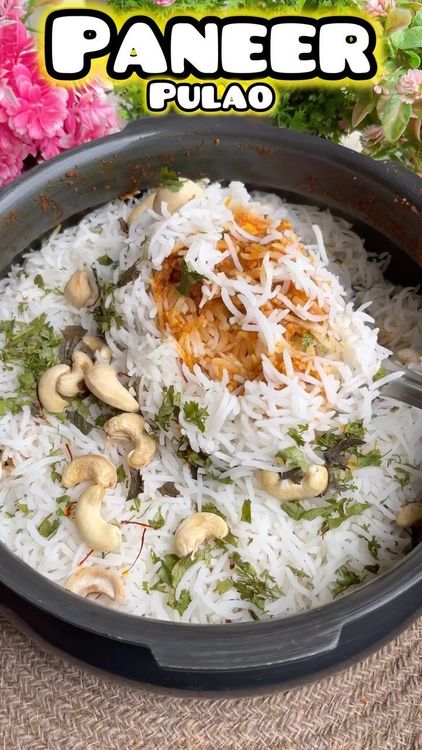
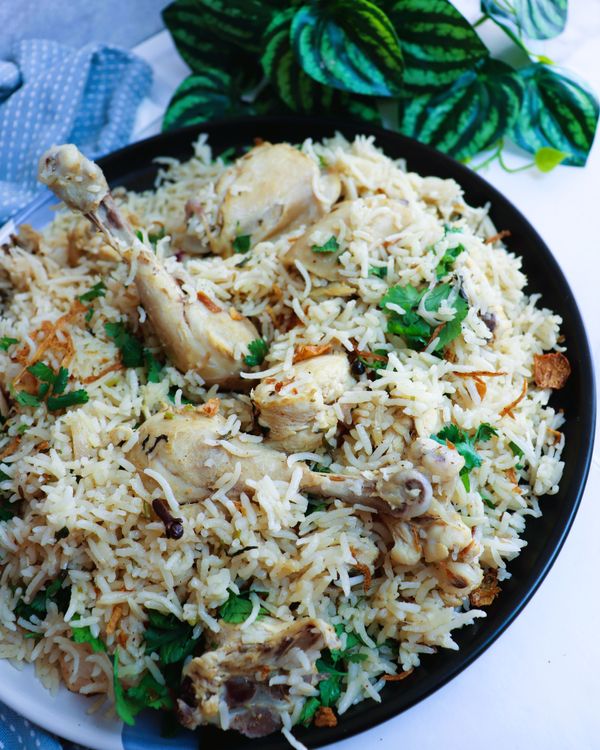
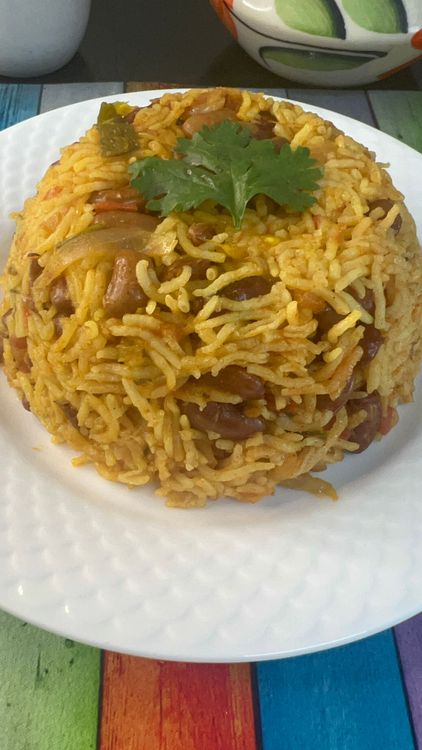
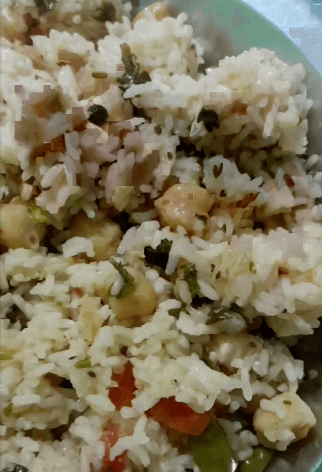
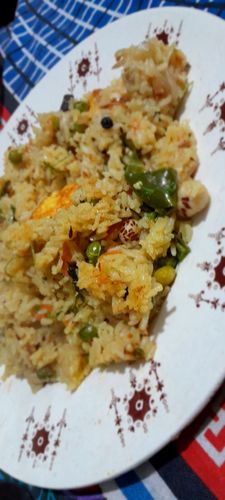
When rice needs to carry the whole meal, protein does the heavy lifting. This group spans golden pan-fried paneer, smoky dhaba chicken, coastal prawns, and plant-based soya chunks, rajma and chickpeas for meat-free days. Brown the paneer or chicken first for colour and depth, then build the rice on that fond. Soya chunks should be soaked and squeezed dry so they drink up the masala instead of watering it down.


- Indian
- Non-Vegetarian
- Dinner

- Pescatarian
- Main Course

- Indian
- Vegetarian
- Lunch
- Indian
- Vegetarian
- Lunch
- Indian
- Vegetarian
- Lunch
- Pakistani
- Non-Vegetarian
- Lunch
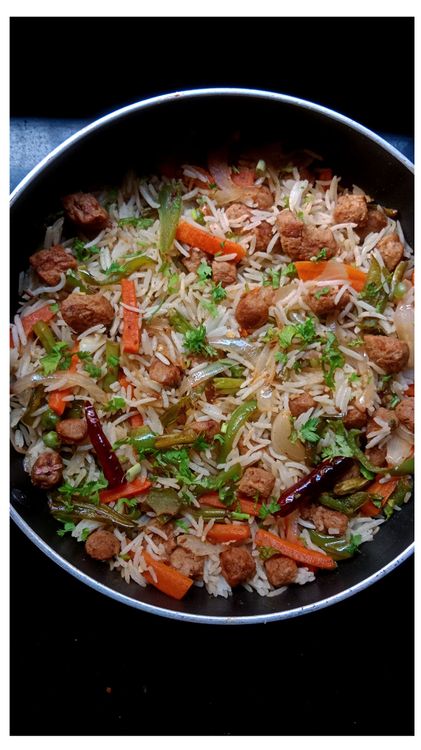
- Asian
- Vegetarian
- Lunch
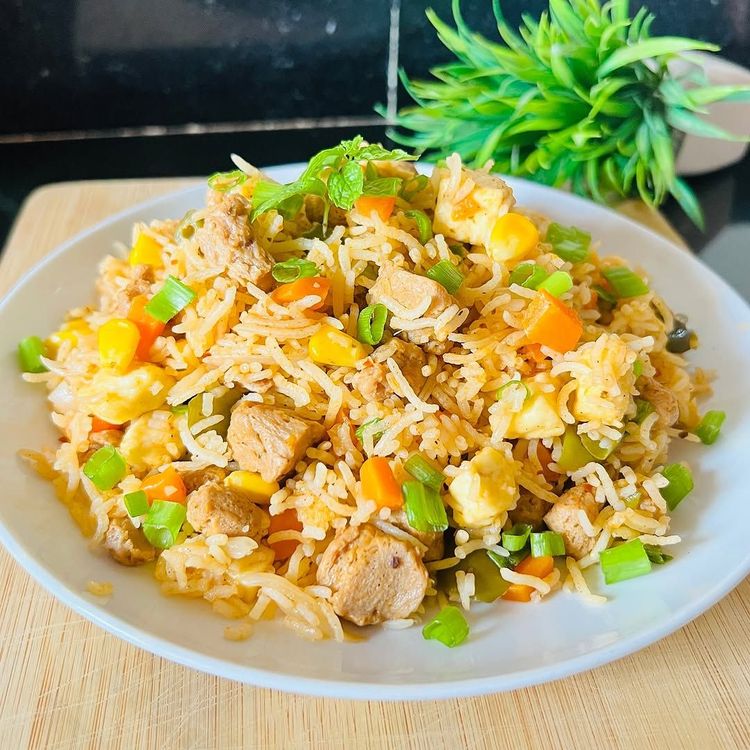
- Indian
- Vegetarian
- Dinner
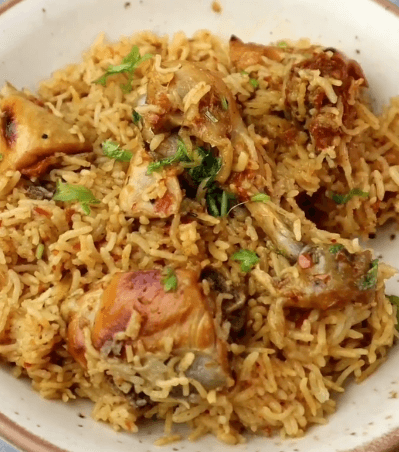

- Indian
- Non-Vegetarian
- Dinner
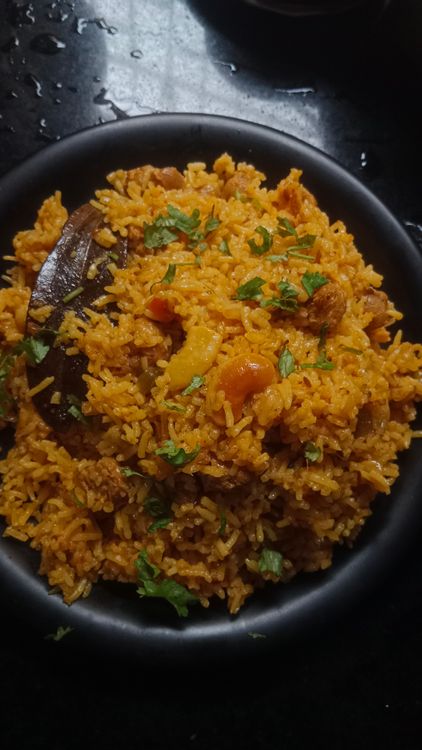
- Indian
- Vegetarian
- Lunch
- Indian
- Vegetarian
- Lunch
- Indian
- Vegetarian
- Lunch
Regional Pulao Recipes From Kashmir to Bengal
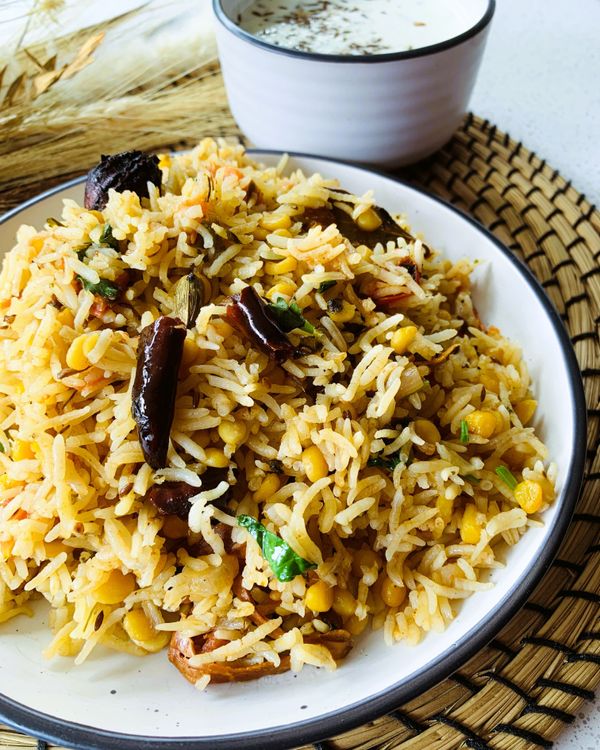
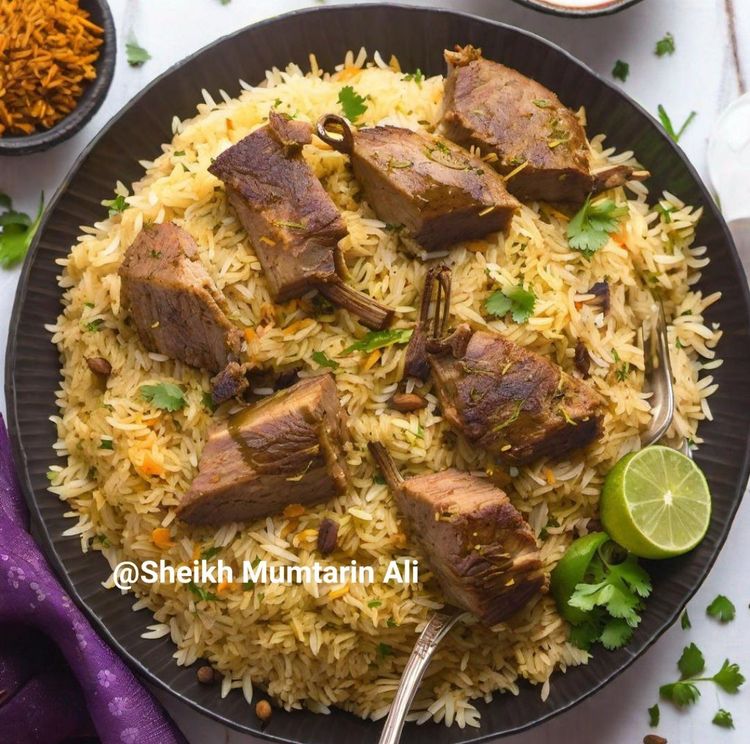
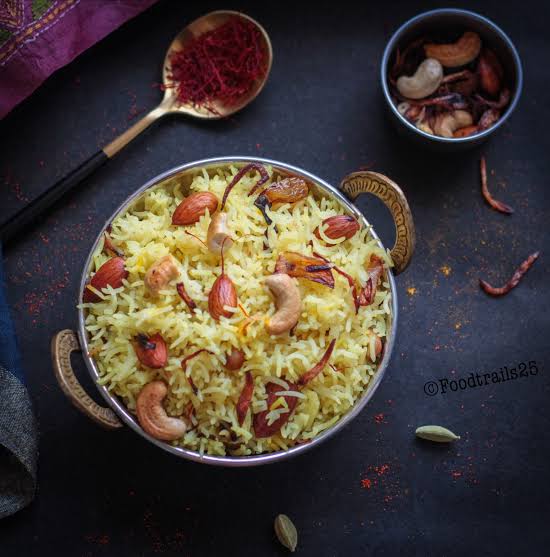
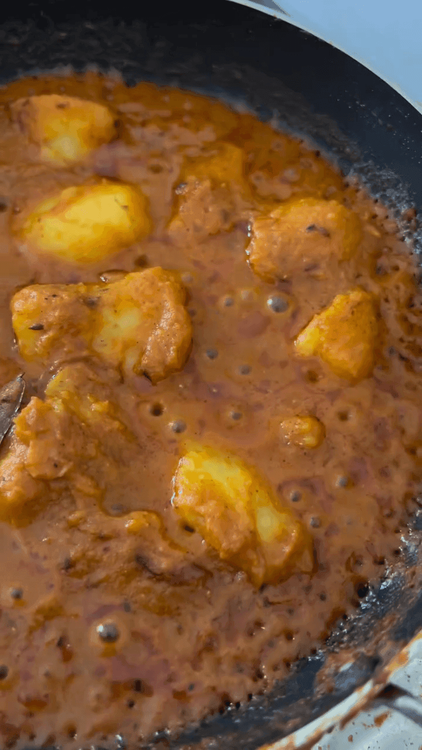
India's regions each spin rice their own way. Here you'll find Kashmiri yakhni simmered in spiced yogurt stock, Awadhi zafrani perfumed with saffron, Bengali bashonti and aloo-dum pairings, and sweet zarda for celebrations. These lean festive and are worth the longer cook. Bloom your saffron in warm milk, and toast the whole spices in ghee first, because that single step is what separates a special-occasion pot from a plain one.
- Indian
- Vegetarian
- Lunch
- Indian
- Non-Vegetarian
- Lunch
- Indian
- Vegetarian
- Lunch

- Indian
- Vegetarian
- Main Course
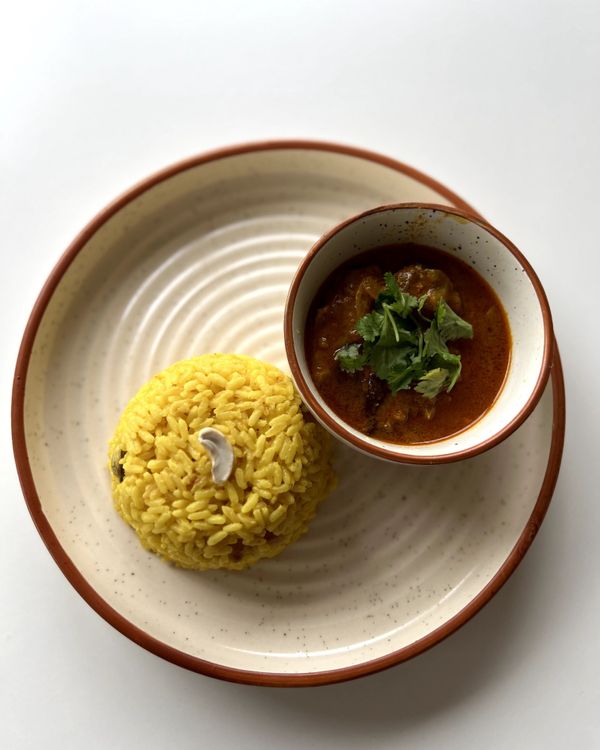

- Bengali
- Vegetarian
- Lunch
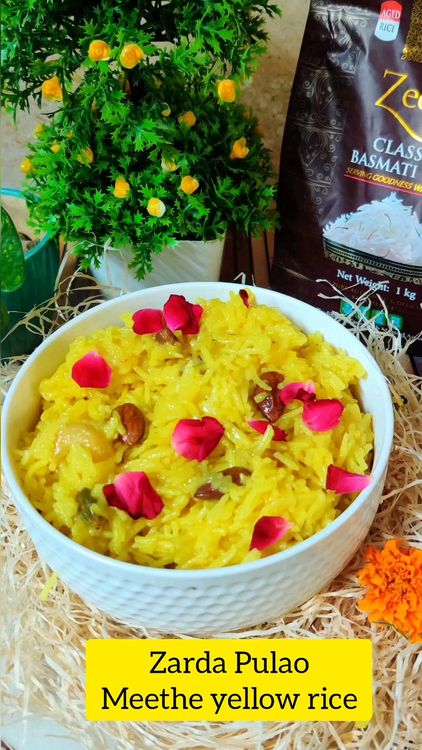
- Indian
- Vegetarian
- Dessert
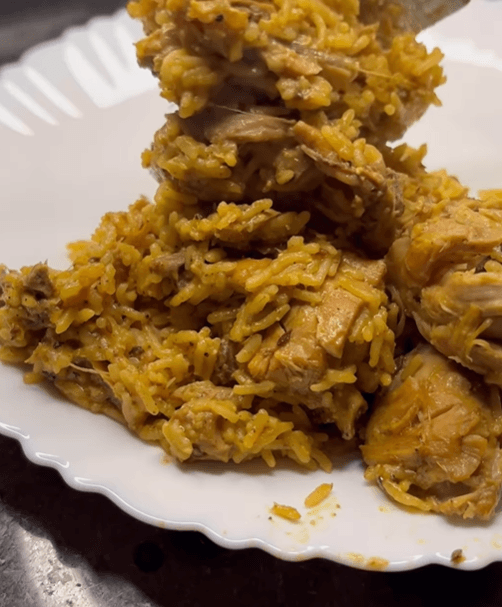
- Indian
- Non-Vegetarian
- Main Course
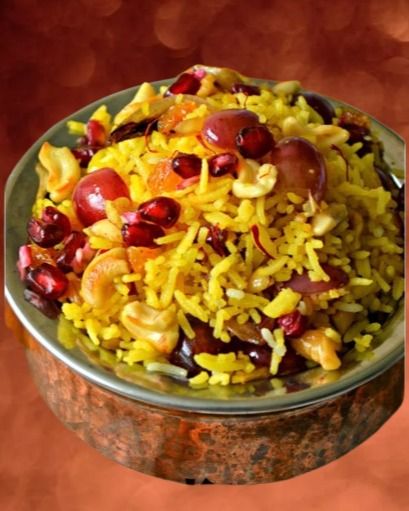
- Indian
- Vegetarian
- Lunch
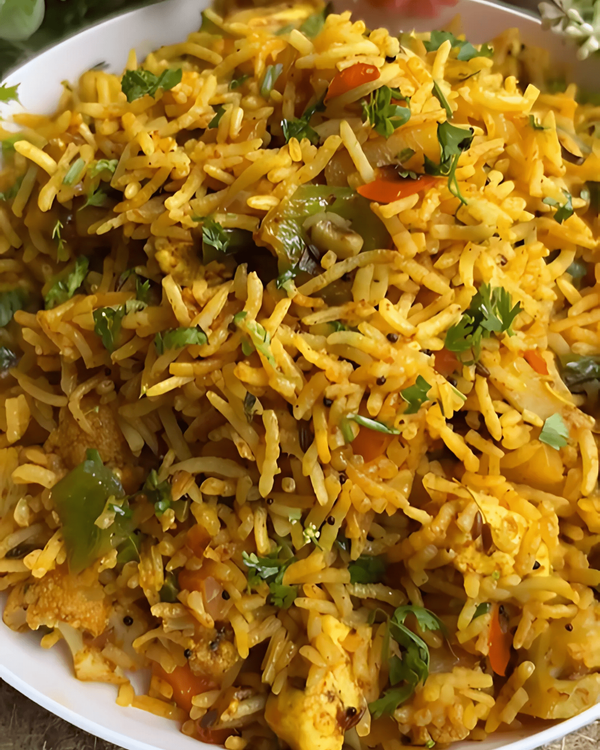
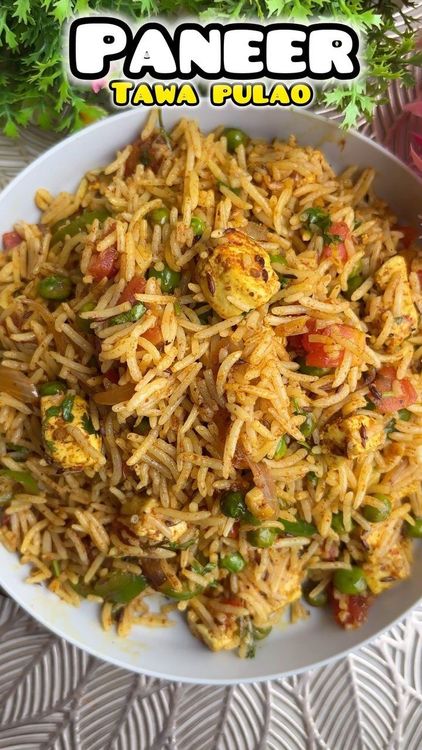
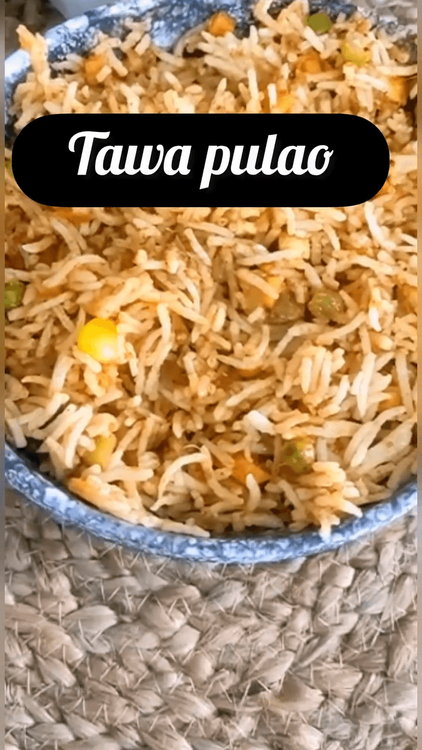
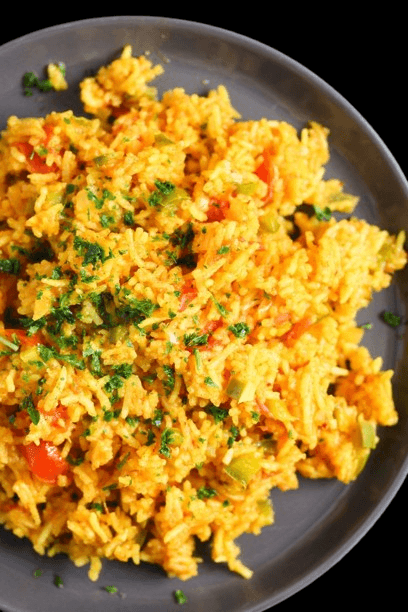
Tawa & Mumbai Street-Style Rice
Born on the flat griddles of Mumbai's street carts, tawa rice is loud, buttery and unapologetically spicy. Cooked grains are tossed on a hot tawa with pav-bhaji masala, capsicum, onion and a squeeze of lime until the edges catch. It's the best way to use up leftover rice, and paneer or extra veg turn it into a full plate. Keep the heat high and the spatula moving.
- Indian
- Vegetarian
- Lunch
- Indian
- Vegetarian
- Lunch
- Indian
- Vegetarian
- Dinner
- Indian
- Vegetarian
- Lunch
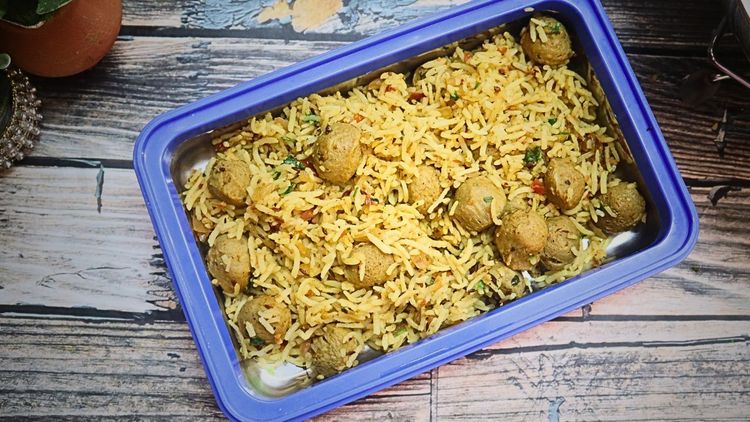
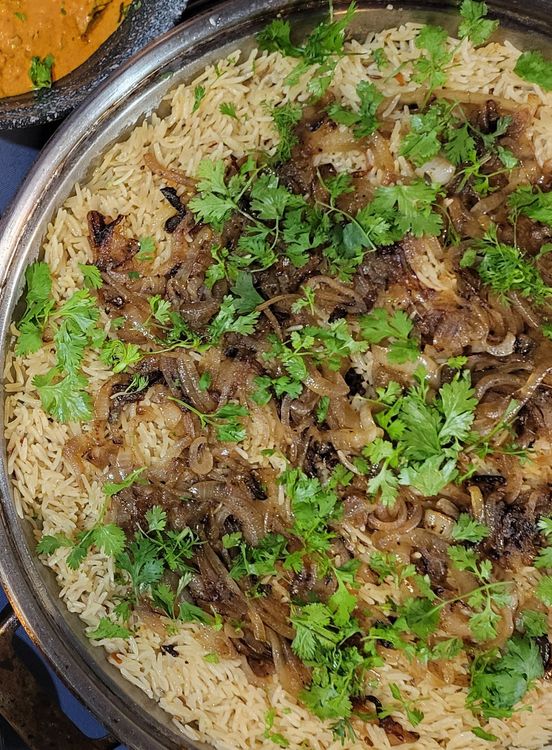
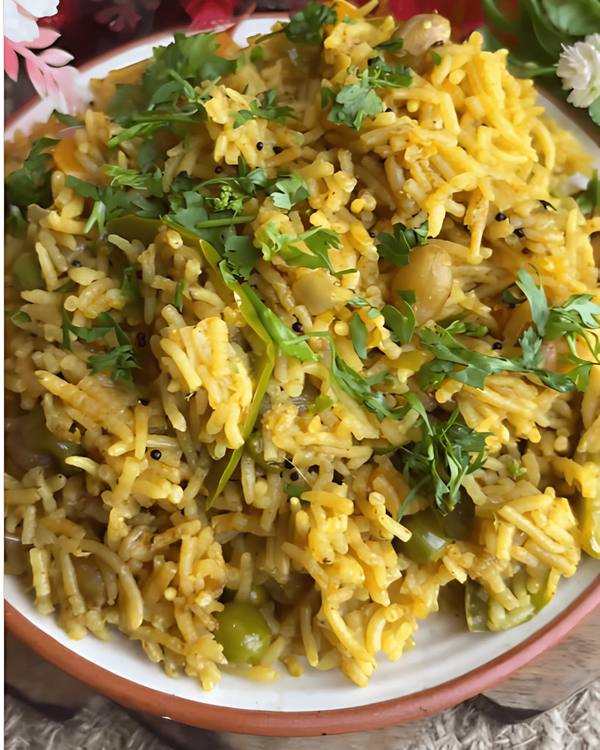
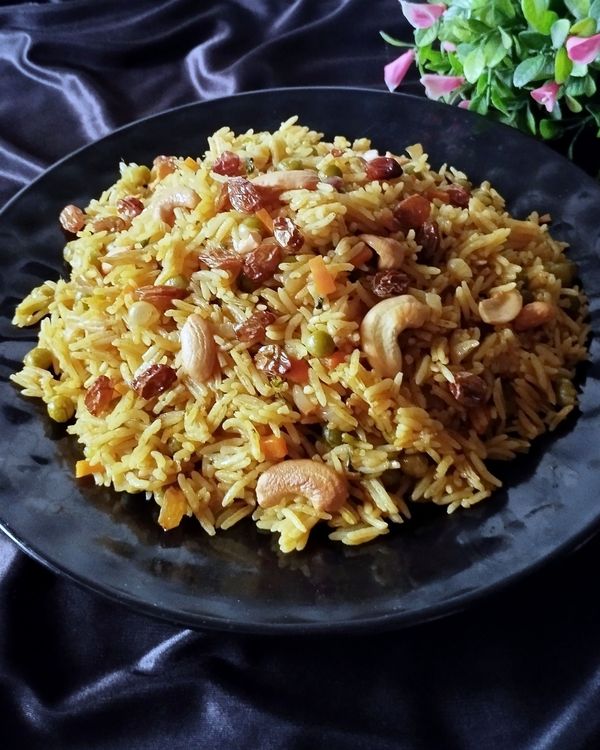
One-Pot & Instant Rice in Under 40 Minutes
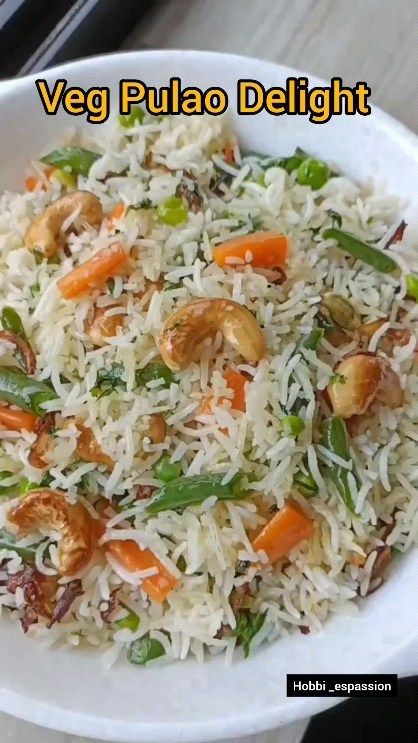
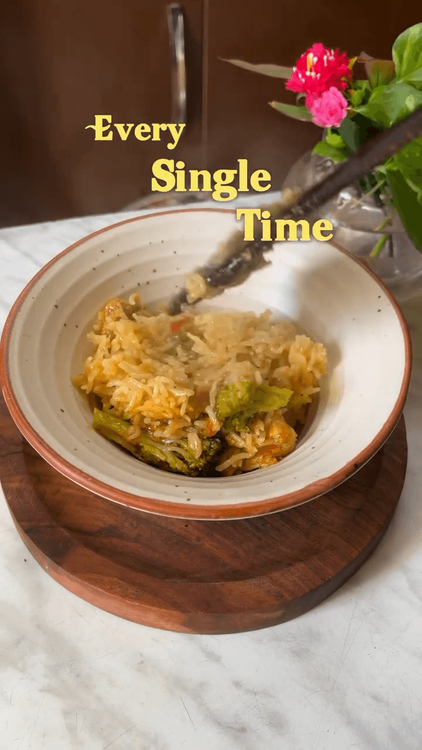
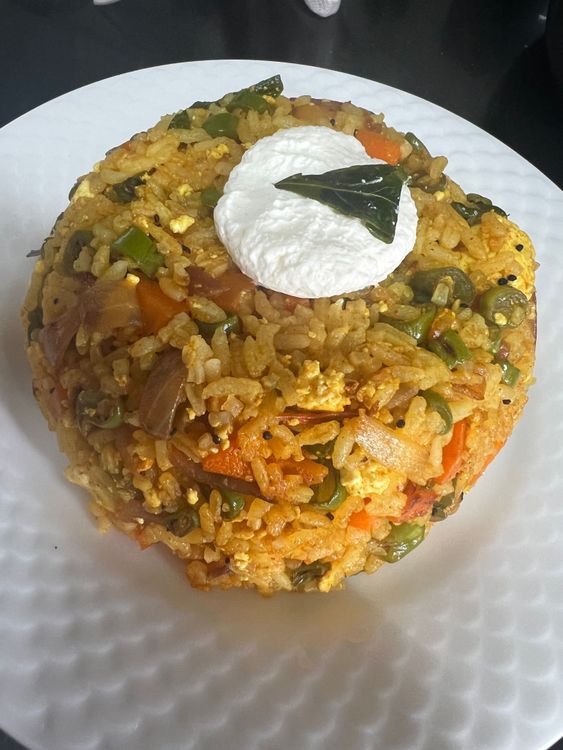
Some nights you want dinner in one vessel and no fuss. These one-pot and pressure-cooker dishes go from raw rice to fluffy in well under 40 minutes, and a couple land in 20. The trick is a quick tadka of whole spices, then rice, water and vegetables together under pressure. A resistant-starch and a moist minimalist option round things out for lighter, lazier days.

- Indian
- Non-Vegetarian
- Lunch

- Indian
- Vegetarian
- Lunch
- Indian
- Vegan
- Lunch
- Indian
- Vegetarian
- Lunch
- Indian
- Vegetarian
- Lunch
- Indian
- Vegan
- Dinner
- Indian
- Vegetarian
- Lunch
How to Cook Fluffy, Separate-Grain Rice Every Time
The difference between gluey rice and a pot where every grain stands proud comes down to three things: the rice, the soak, and the water ratio. Start with good aged long-grain basmati, because the older the harvest, the drier the grain and the more it stretches as it cooks. Rinse it in three or four changes of water until the water runs almost clear; you're washing off surface starch that would otherwise turn to glue. Then soak the grains for 20 to 30 minutes. Soaking lets each one hydrate evenly so it cooks through before the outside blows out.
Get your water ratio right and half the battle is won. For soaked basmati I use roughly 1.25 cups of liquid per cup of rice on the stovetop, and a touch less in a pressure cooker where nothing evaporates. Measure it; don't eyeball it, because guessing is how a lovely pot turns to mush. Salt the water like you would for pasta so the seasoning reaches all the way through the grain rather than sitting on top.
Bloom your whole spices in hot ghee or oil first, then add the drained rice and toss for a minute so each grain gets coated and lightly sealed; this is the quiet step that keeps them separate. Pour in hot water, bring it to a boil, then drop to the lowest possible heat, cover, and leave it completely alone. No stirring. When the time's up, kill the heat and let it rest, still covered, for ten minutes before you fluff gently with a fork rather than a spoon. That rest lets the moisture redistribute so the finished bowl is light instead of wet.
Pulao vs Biryani: What's Actually Different
People use the two words interchangeably, but pulao and biryani are built in fundamentally different ways. The first is an absorption dish: rice and everything else cook together in a measured amount of liquid until it's all drunk up, so the flavour is gentle, even and one-note in the best possible sense. Biryani is layered instead: partially boiled rice and a separately cooked, heavily spiced meat or vegetable masala are stacked and finished on dum, or slow steam, which keeps the two elements distinct and far more intense.
That structural difference shows up clearly on the plate. An absorption-style pilaf is lighter, quicker and more forgiving, a genuine one-pot weeknight dinner you can master on a single attempt. Biryani is a project: more spices, more steps, more washing up, and it's usually reserved for a weekend or a proper celebration. The rice in a pilaf is uniformly coloured and mildly seasoned, whereas biryani rice is deliberately streaky, with plain white grains sitting next to deeply saffron-stained ones.
So which should you cook tonight? If you want dinner in half an hour with one vessel and minimal drama, reach for the absorption method every time. If you've got a free afternoon and people to impress, layer up a biryani. Everything in this collection uses the simpler technique, which is exactly why these dishes are so weeknight-friendly, and why they're a smart place to build your rice confidence before you tackle full dum cooking.
Choosing the Best Rice and Whole Spices
Rice first, because it's the whole show. Long-grain aged basmati is the classic choice: it cooks up dry, fragrant and beautifully separate. Look for 'aged' or 'old' on the bag, since freshly milled basmati holds more moisture and tends to clump. Seeraga samba, the tiny south-Indian grain, is wonderful when you want a more compact, intensely aromatic bowl. Everyday non-basmati works in a pinch too, but rinse it well and cut the water back slightly. Whatever you buy, rinse and soak; that habit matters far more than the brand on the packet.
Whole spices are the backbone of the aroma, so treat them with respect. A dependable base tempering is cumin seeds, a couple of green cardamom pods, a small stick of cinnamon or cassia, two or three cloves, a bay leaf and a few black peppercorns. Bloom them in hot ghee until they sizzle and smell fragrant; that hot-fat step pulls out the volatile oils you simply can't coax from ground spice. Black cardamom and a single star anise push things smoky and are lovely in the meatier regional versions.
A few finishing touches lift almost any pot. A pinch of saffron bloomed in warm milk adds colour and perfume, fried onions, or birista, bring a mellow sweetness, and a scatter of toasted cashews or fresh coriander at the end gives welcome texture. Go easy on ground garam masala: a small pinch stirred in right at the finish is plenty, and too much muddies the clean, spice-scented character that makes this rice so good. Buy whole spices in small amounts and store them airtight, away from heat and light, so they stay lively.
Pro Tips for Better Rice
- Always rinse your rice until the water runs clear, then soak it for at least 20 minutes; this single habit does more for fluffy grains than any fancy ingredient ever will.
- Toast the whole spices in hot ghee before the rice goes in, because the aroma you build in those first thirty seconds ends up flavouring the entire pot.
- Measure your water instead of guessing: about 1.25 cups per cup of soaked basmati on the stove, and a little less under pressure where nothing escapes.
- Let the pot rest, covered and off the heat, for a full ten minutes before you open it, then fluff with a fork so you never mash the delicate grains.
- Brown your paneer, chicken or soaked soya chunks first for colour and depth, and be sure to scrape that flavourful fond into the rice.
- Day-old rice makes the best tawa street-style pilaf, so cook a little extra and fry it hard on a screaming-hot griddle the next day.
Frequently Asked Questions
What is pulao and how is it different from plain boiled rice?
It is rice cooked by the absorption method with whole spices, aromatics and usually vegetables or protein, so every grain carries flavour from the pot itself. Plain rice is simply boiled and drained. The spices bloomed in fat at the start, plus cooking the grains in seasoned water or stock, are what give a pilaf its fragrance and gentle, all-over seasoning.
Which of these pulao recipes is best for a quick weeknight dinner?
For sheer speed, start with the instant and one-pot options; a couple come together in about 20 minutes, and the pressure-cooker versions land in roughly 30. A simple matar or plain vegetable bowl needs little chopping and few ingredients. Keep soaked rice and a basic whole-spice mix on hand and a proper weeknight dinner is genuinely 25 minutes away.
How much water should I use so the rice doesn't turn mushy?
For soaked basmati, use about 1.25 cups of water for every cup of rice on the stovetop, and slightly less, around one cup, in a pressure cooker where no liquid escapes. Measure it rather than eyeballing. Too much water is the number-one cause of a sticky, gluey result, so err on the drier side and let the resting time finish the job.
Can I make these dishes vegan or dairy-free?
Easily. Swap the ghee for a neutral oil and lean on the many plant-based options here; soya chunks, rajma, chickpeas, and the vegetable and palak bowls are all naturally dairy-free. For the paneer versions, firm tofu browns and holds up well in its place. You lose a little richness without ghee, so finish with a spoon of coconut oil or fried onions.
What is the best rice to use for a pilaf?
Aged, long-grain basmati is the gold standard; look for 'old' or 'aged' on the packet, because older grain cooks up drier and more separate. Seeraga samba is a great south-Indian alternative when you want a smaller, aromatic grain. Whatever you choose, rinse it until the water runs clear and soak for 20 to 30 minutes, as that prep matters more than the brand.
Can I make the rice ahead and reheat it later?
Yes, and it is ideal for meal prep. Cool it quickly, store it airtight in the fridge for up to three days, and sprinkle over a little water before reheating so the grains steam back to life instead of drying out. It also freezes well for about a month. In fact, day-old rice is firmer and makes an even better tawa street-style fry-up.
How do I stop the rice sticking to the bottom and burning?
Use a heavy-based pot, get the heat right down to its lowest setting once it comes to a boil, and cover it with a tight lid. A tawa or heat diffuser under the pot helps a lot on fierce burners. Don't stir once the water is in, because stirring releases starch and scorches the base. If you smell toasting, kill the heat and let it rest untouched.
What should I serve alongside to make it a full meal?
A cooling raita, whether cucumber, boondi or plain whisked yogurt, is the classic partner and balances the warm spice. A simple kachumber salad, papad and pickle round out an everyday meal, while a dal or a saucy curry like aloo dum turns a light bowl into a feast. For richer meat versions, a sharp onion-and-lime salad cuts through beautifully.
However you like your rice, whether light and vegetable-flecked, rich with paneer or chicken, or regional and festive, there's a pot in this set of pulao recipes for it. Master the soak, the water ratio and that first fragrant bloom of whole spices, and every one of them becomes genuinely weeknight-easy. Now get the rice on, and enjoy.
Related
- veg pulao
- matar pulao
- kashmiri pulao
- paneer rice
- one-pot rice
- vegetable pilaf
Popular Searches
- Best pulao recipes
- Easy pulao recipes
- Quick pulao recipes
- Healthy pulao recipes
- Simple pulao recipes
- Homemade pulao recipes
- Delicious pulao recipes
- Popular pulao recipes
- veg pulao
- matar pulao
- how to make pulao
- jeera pulao
Marnirni-apinthi Building, Lot Fourteen,
North Terrace, Adelaide, South Australia, 5000
Australia
