
38 Sabudana Recipes for Fasting, Frying and Feasting
Updated July 15, 2026 · Curated by Chefadora
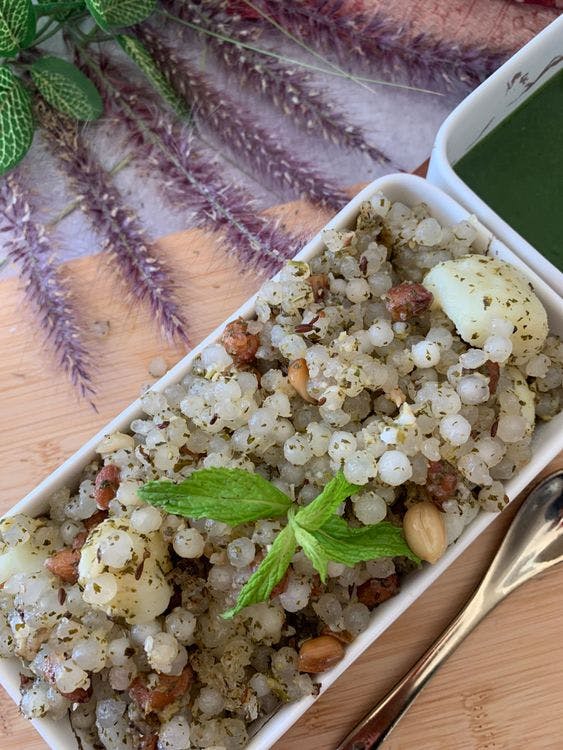
My first attempt at sabudana khichdi came out as one grey, gummy clump — a lesson in what too much water does to tapioca pearls. Twenty years later I soak by feel, and the difference between a sticky mess and a bowl of separate, glossy grains still comes down to about fifteen minutes of attention the night before. These 38 sabudana recipes are the ones I keep returning to: fasting staples, crisp fried snacks, milky puddings, and a few oddities that turned out to be genuinely brilliant.
The collection splits along the lines cooks actually think in. There is khichdi, in eleven versions, from a bare-bones Maharashtrian fast-day plate to a green pesto riff. There are the fried things — vada, tikki, dumplings — where texture is everything. There is kheer and its sweet relatives. And there are the vrat plates that carry you through Navratri without boredom.
Start wherever your pantry points you. Every recipe here is real, cooked and photographed by someone in this community, and I have flagged the ones I would hand to a nervous beginner.
Sabudana Recipes Built Around Khichdi
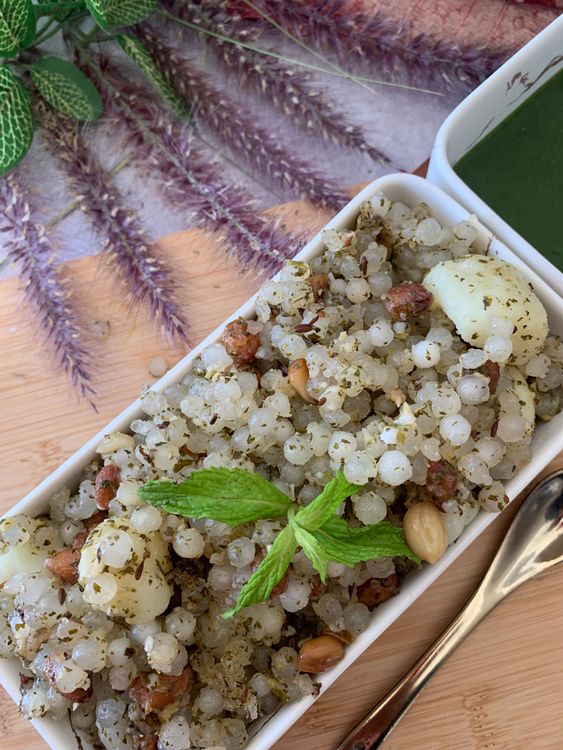
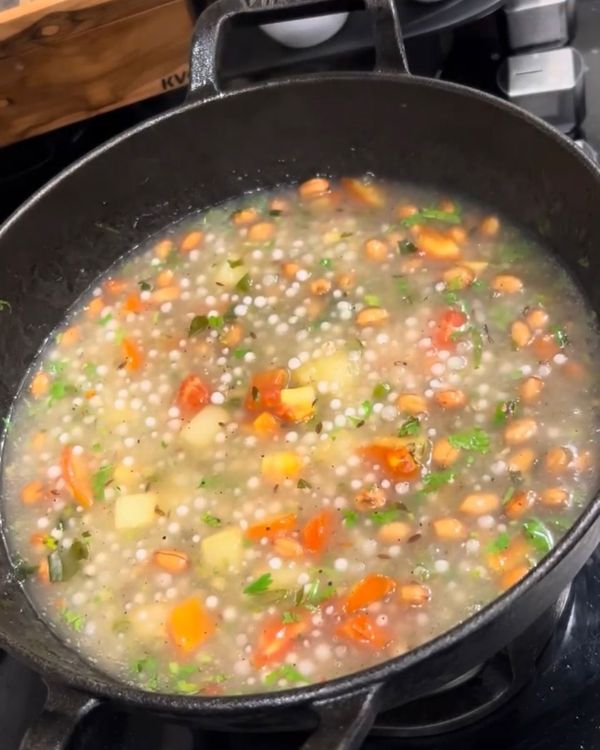
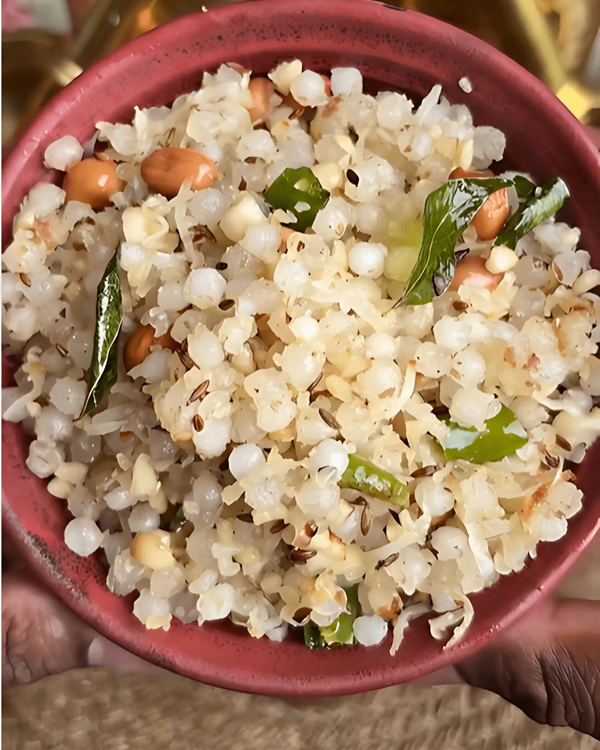
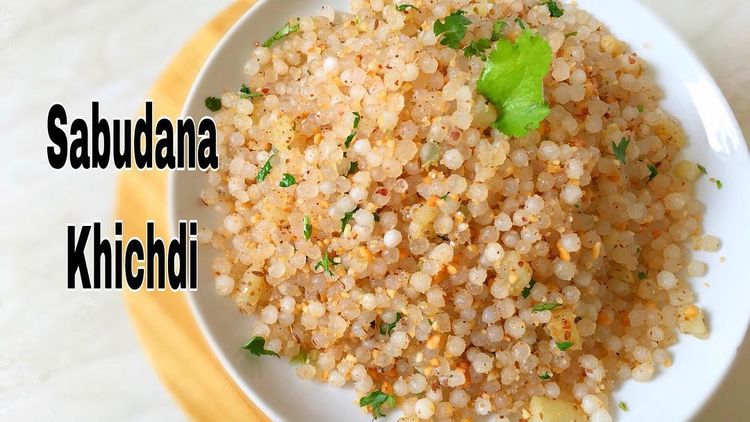
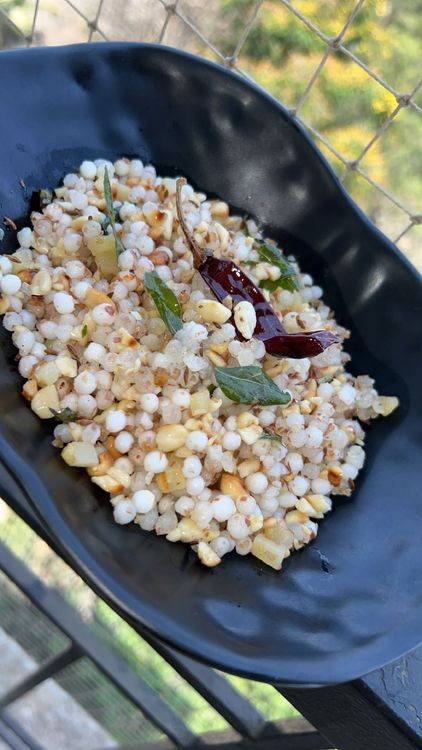
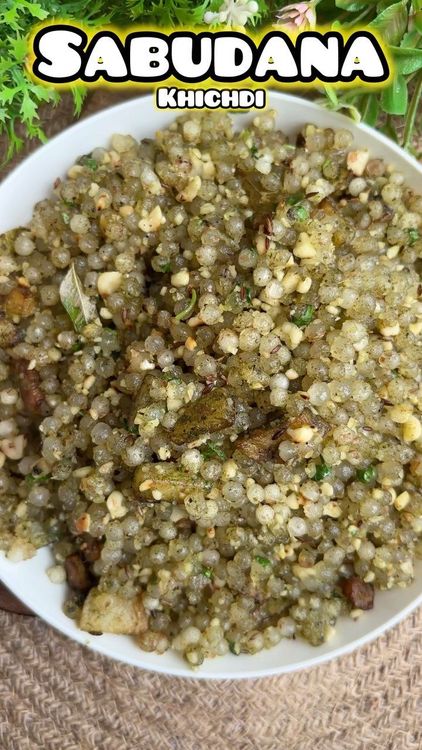
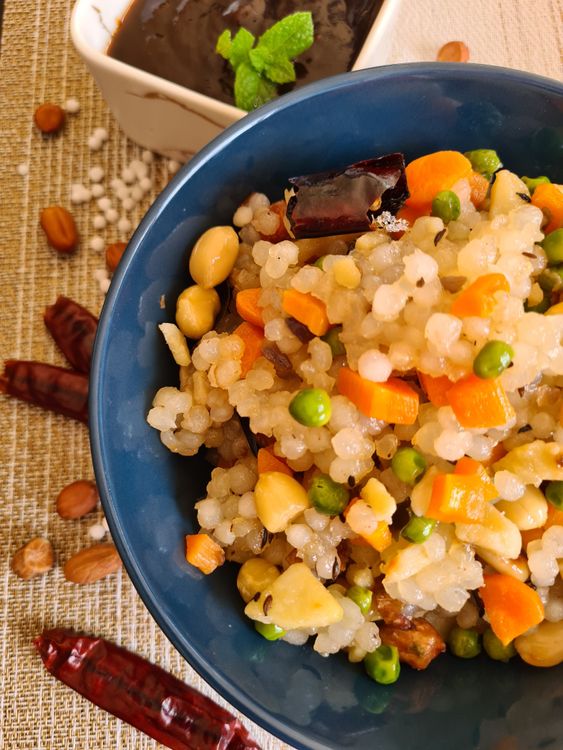
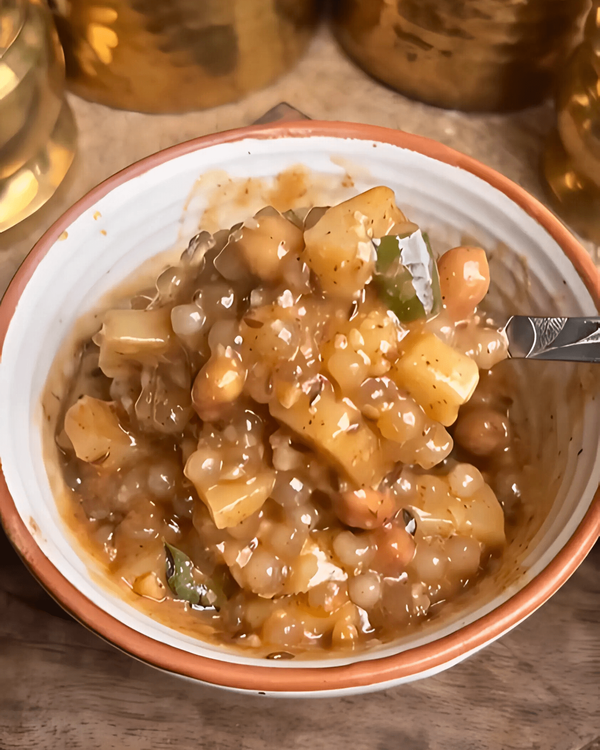
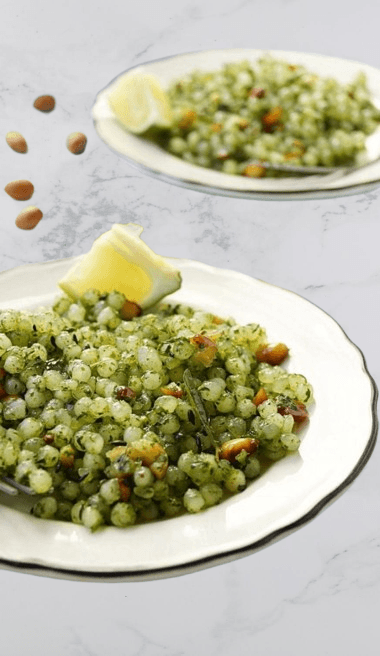
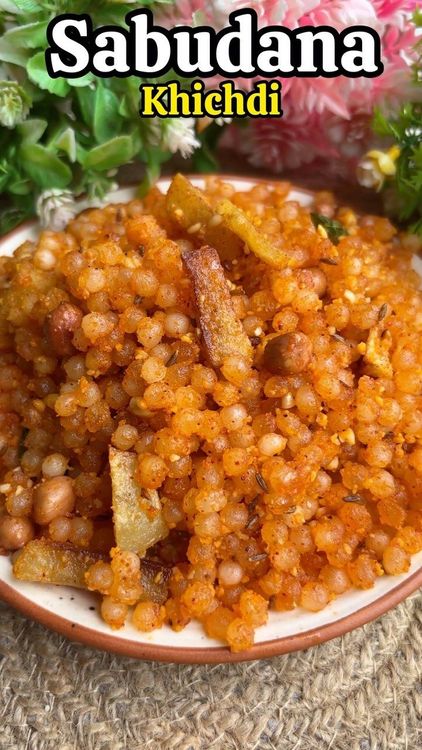
Khichdi is where most people meet these pearls, and it is the dish that punishes sloppy soaking hardest. You want each pearl hydrated all the way through but still distinct — press one between finger and thumb; it should squash with no chalky core. Eleven versions sit here, from the no-onion no-garlic fast-day plate to a coconut-cilantro pesto twist, plus a wet, creamy geeli style and a red one built on tomato. If you have never made sabudana khichdi before, start with the twenty-minute Maharashtrian one and add peanuts generously.

- Indian
- Vegan
- Breakfast

- Indian
- Vegetarian
- Breakfast

- Maharashtrian
- Vegan
- Breakfast


- Breakfast
- Indian
- Vegan
- Breakfast

- Indian
- Vegetarian
- Breakfast
- Indian
- Vegan
- Breakfast
- Indian
- Vegan
- Breakfast
- Indian
- Vegetarian
- Breakfast
- Indian
- Vegetarian
- Breakfast
- Indian
- Vegan
- Breakfast
Crispy Vada, Tikki and Fried Bites
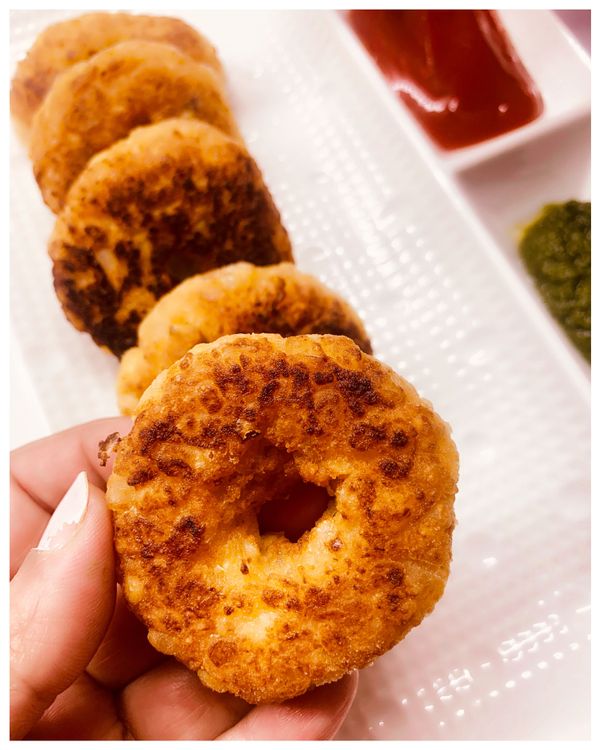
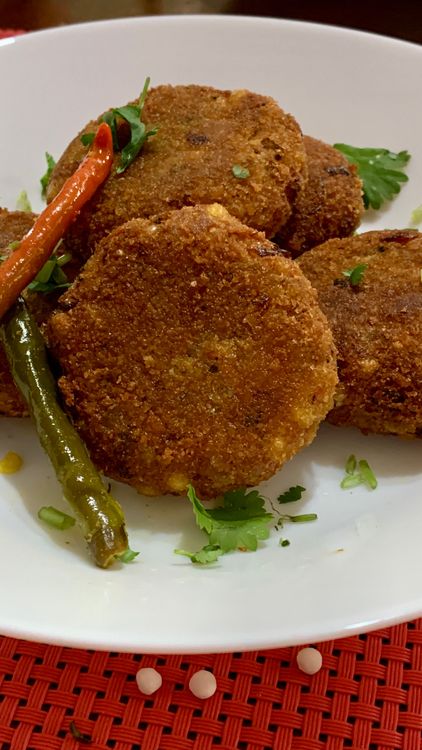
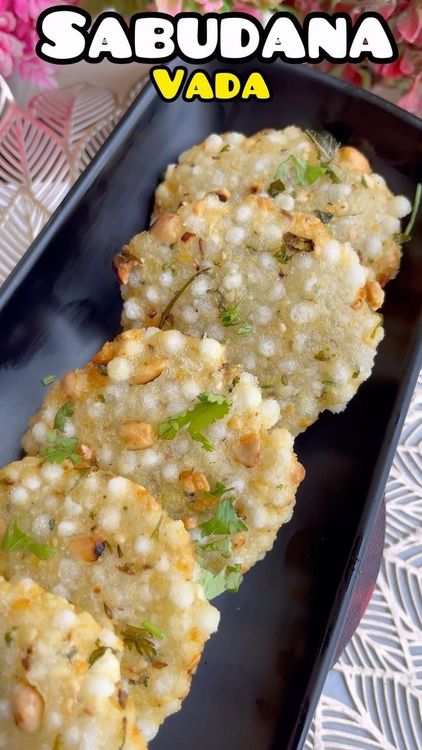
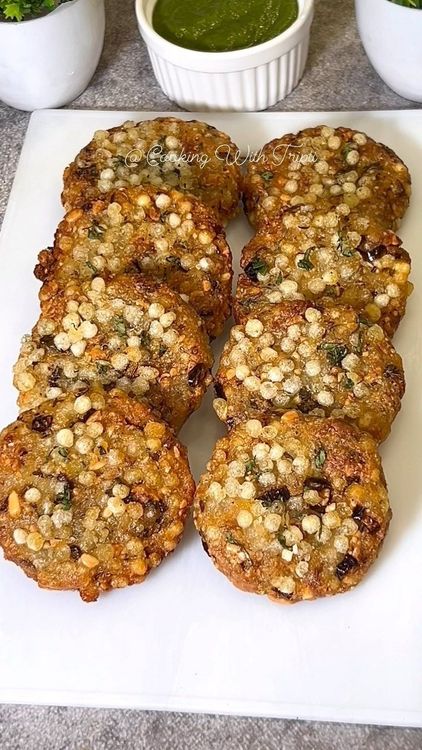
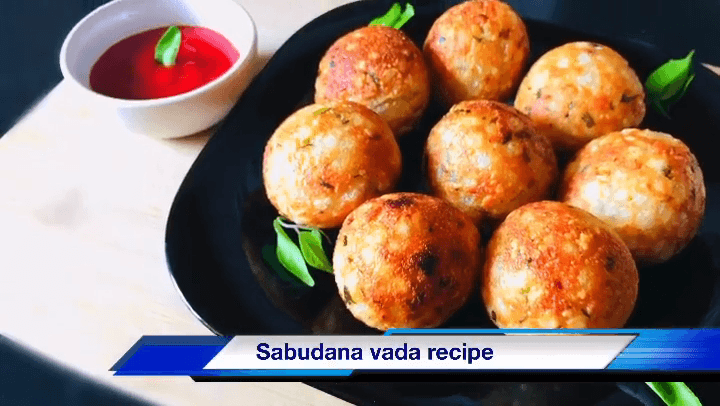
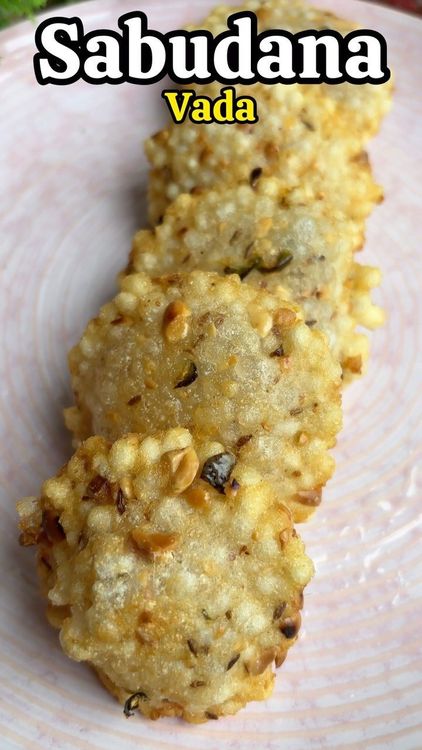
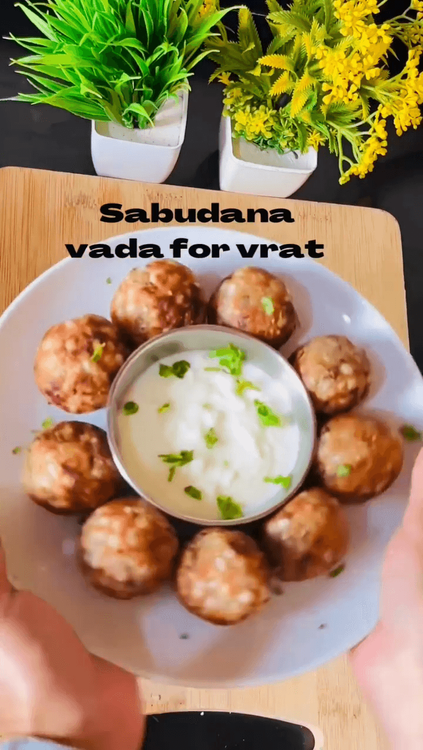
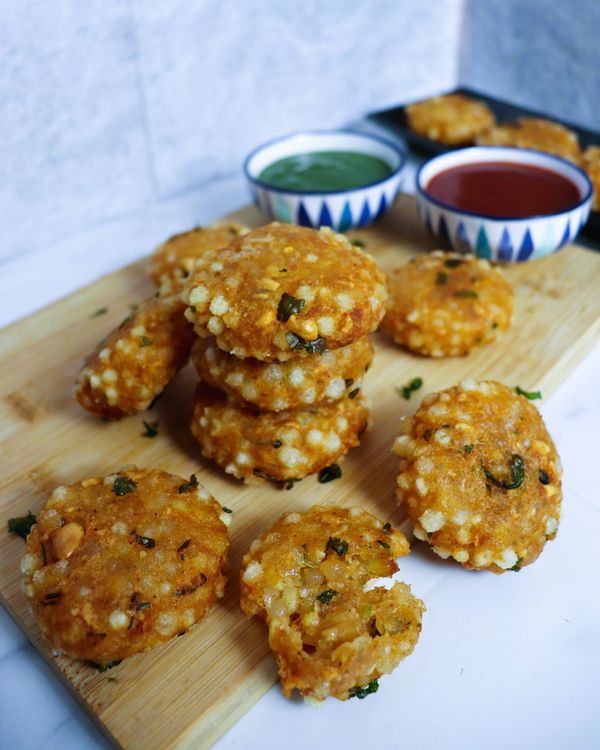
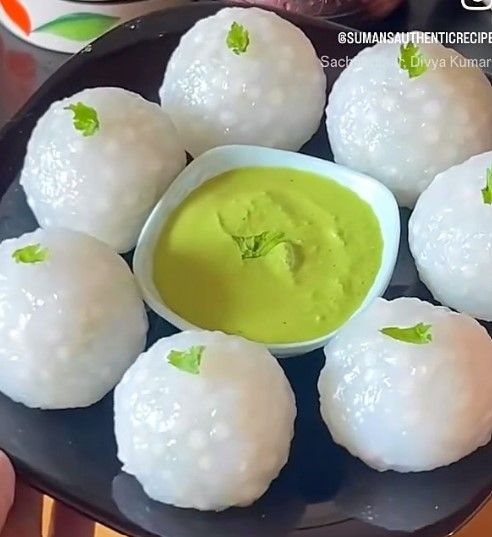
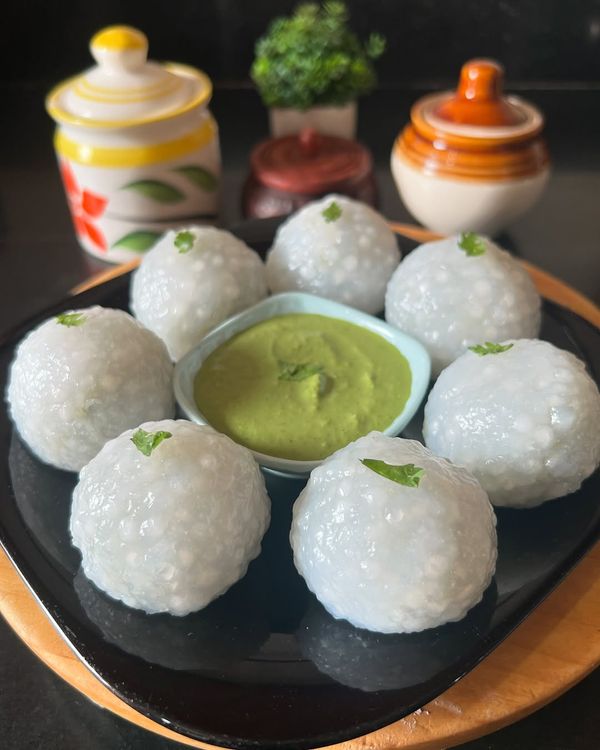
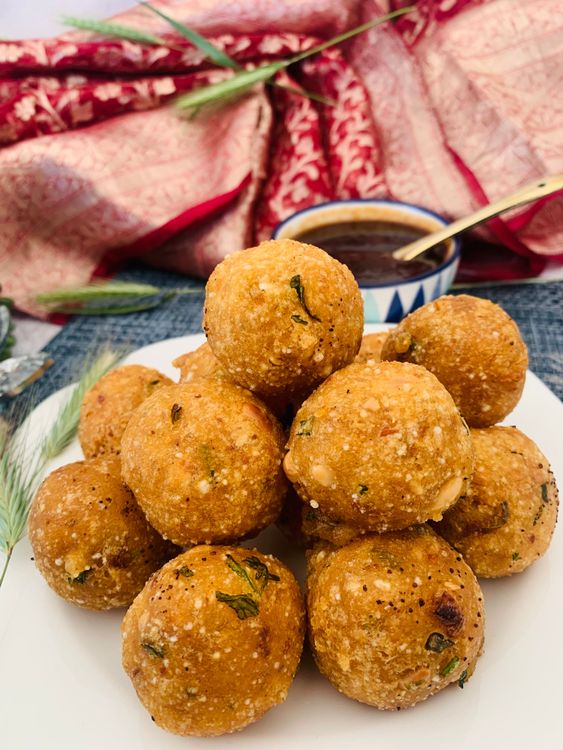
Fried sago snacks live or die on moisture. Too wet and the patty drinks oil and collapses; too dry and it cracks at the edge. The fix is boiled potato — mashed while hot, cooled completely, then bound with crushed peanuts. Fry at 170°C, not hotter, so the inside sets before the crust browns. Chilling the shaped patties for twenty minutes buys you real insurance. Ten recipes here, including an air-fryer sabudana vada that genuinely works and dumplings that come together in seventeen minutes.

- Indian
- Vegan
- Snack
- Indian
- Vegan
- Appetiser
- Indian
- Vegan
- Breakfast
- Indian
- Vegan
- Snack
- Indian
- Vegan
- Appetiser
- Indian
- Vegan
- Snack
- Indian
- Vegan
- Appetiser
- Indian
- Vegan
- Breakfast
- Indian
- Vegan
- Appetiser
- Indian
- Vegan
- Appetiser
Kheer, Puddings and Sweet Sago Drinks
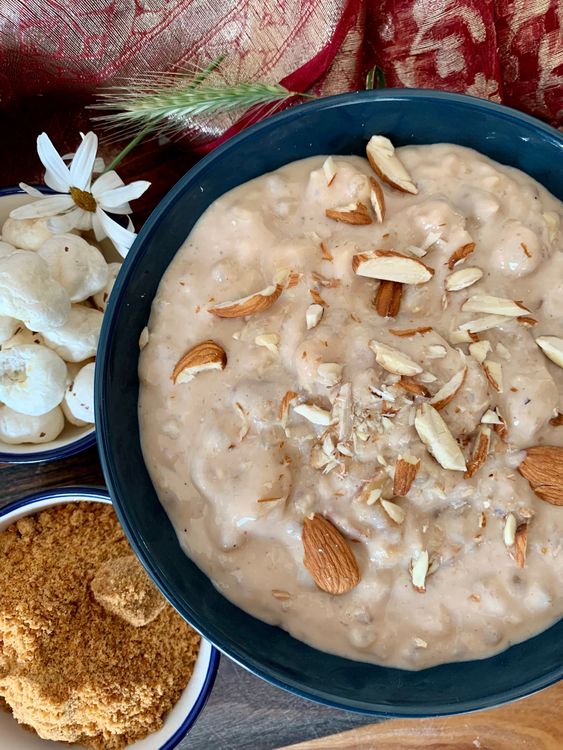
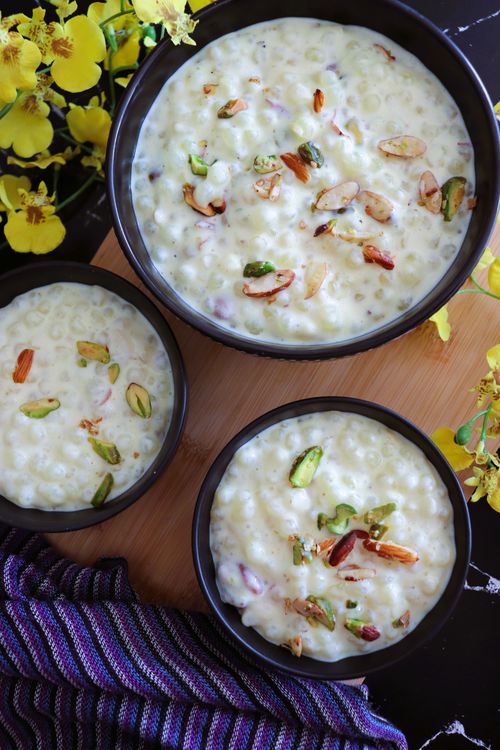
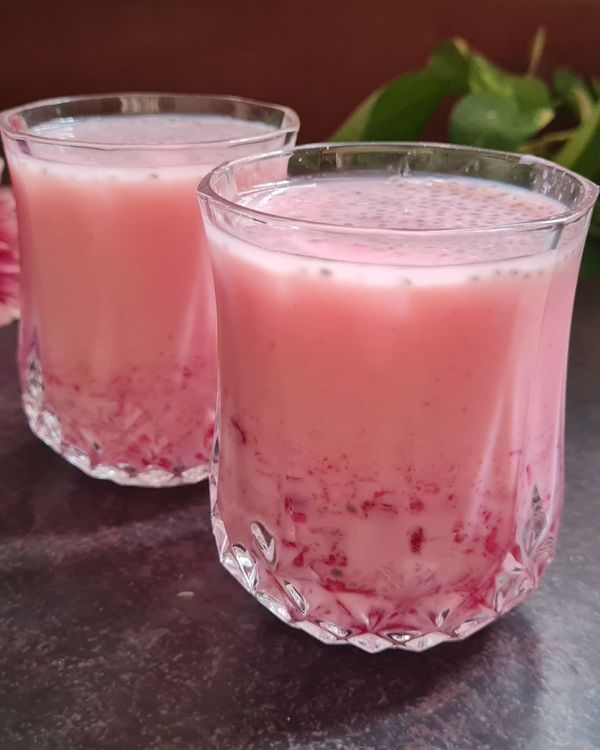
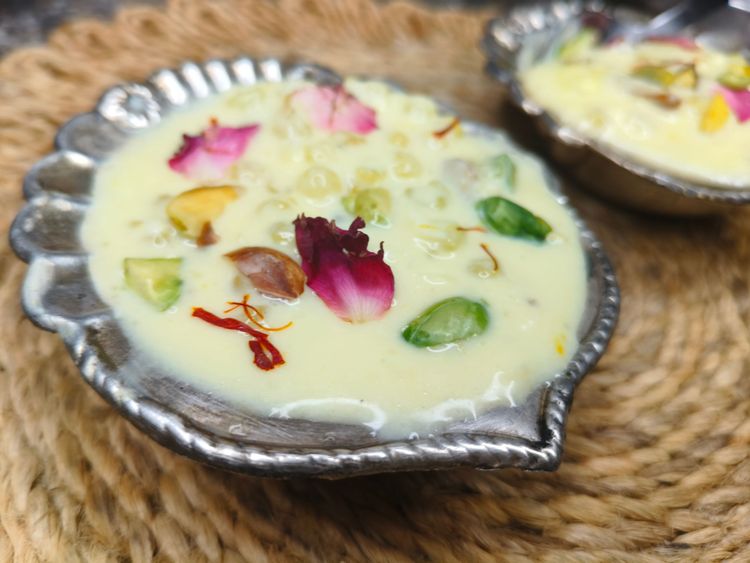
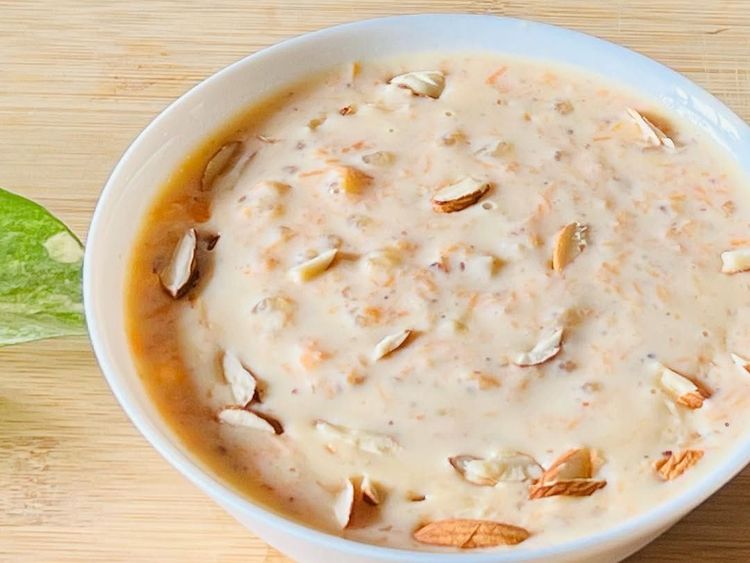
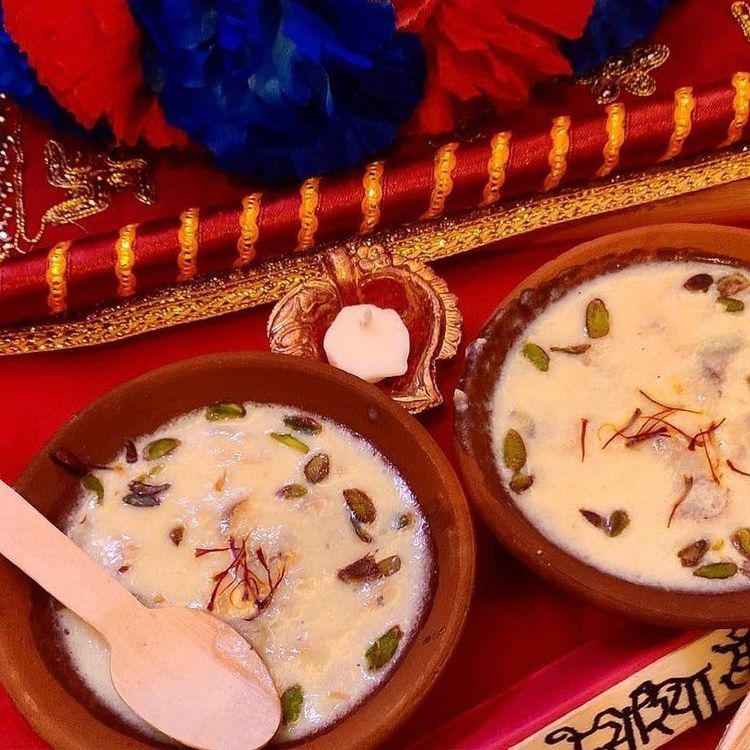
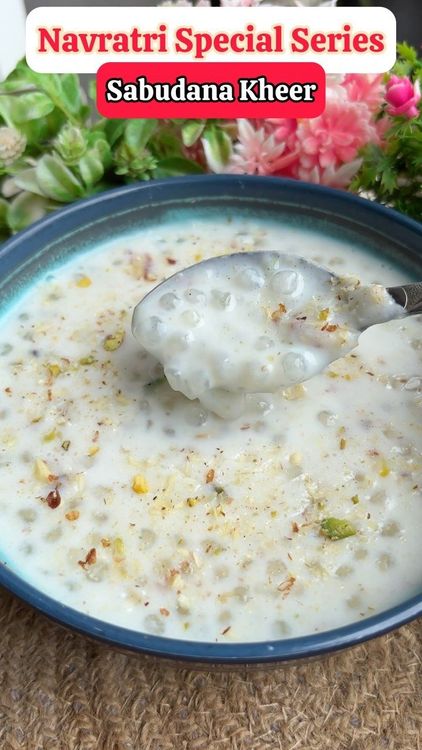
Sweet is the easiest place to start, because here you actually want the starch to release. Simmer the pearls straight in milk rather than water, stir often, and pull the pan the moment they turn translucent — they thicken hard as they cool. Skip the soak here: dry pearls scattered into hot milk cook through in twenty minutes. Eight recipes, including a makhana version, a six-minute carrot one, and a jelly drink my kids ask for all summer. Sabudana kheer is the classic; the milkshake is the surprise.
- Indian
- Vegetarian
- Dessert
- Indian
- Vegetarian
- Dessert

- Indian
- Vegetarian
- Snack

- Indian
- Vegetarian
- Snack

- Indian
- Vegetarian
- Dessert
- Indian
- Vegetarian
- Snack
- Indian
- Vegetarian
- Dessert
- Indian
- Vegetarian
- Dessert
Vrat and Upvas Plates for Navratri
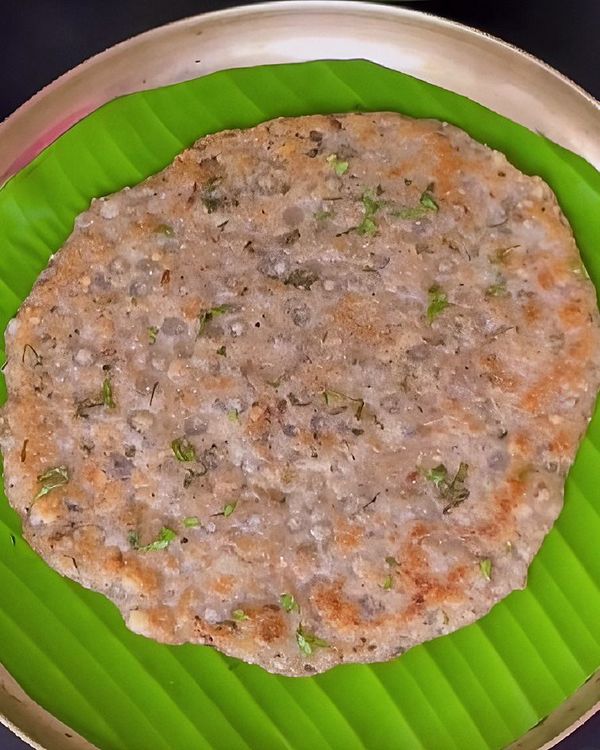
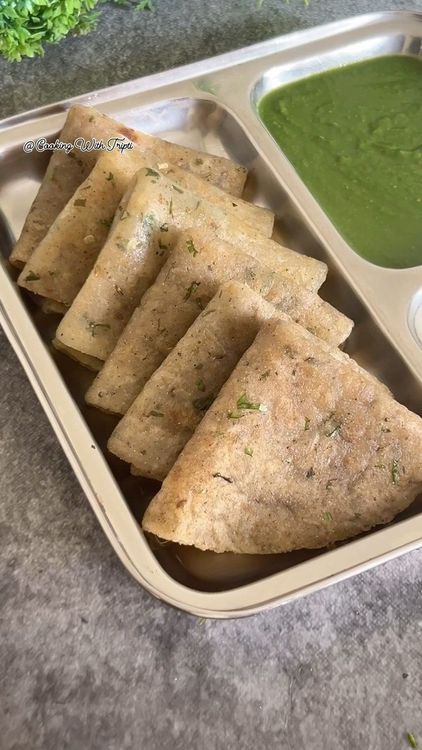
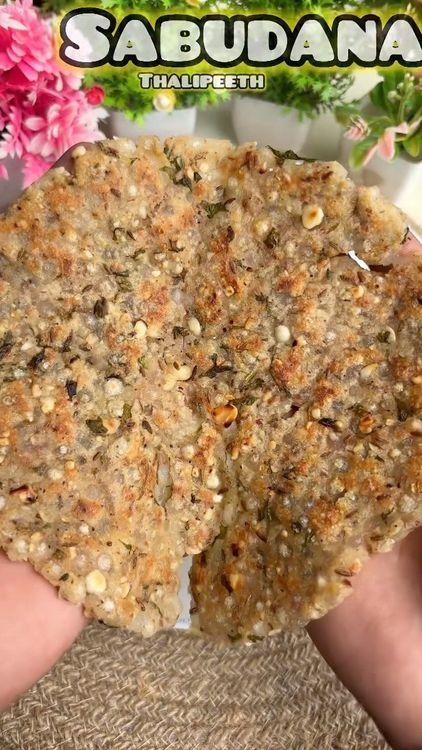
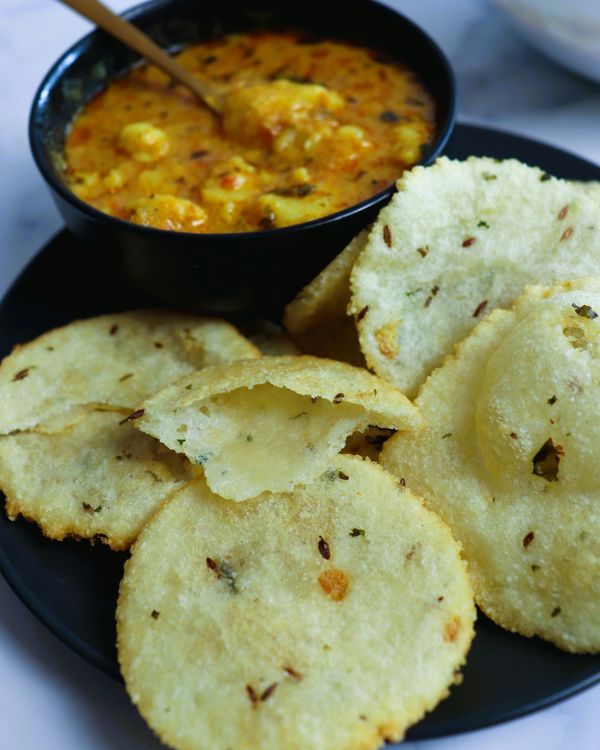
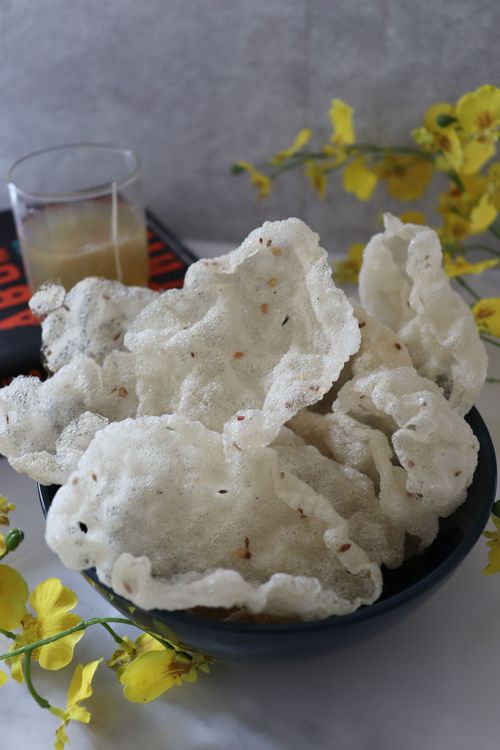
Fasting food gets a bad reputation it does not deserve. These five are full plates: a chilla with vrat chutney, a paratha, thalipeeth, aloo sabzi with poori, and a papad you dry on the terrace. All of them skip onion, garlic and regular salt, leaning on sendha namak, green chilli and cumin instead. Rajgira or singhara flour does the binding where wheat would normally go, and honestly none of it tastes like a compromise. The papad alone will keep you in crackers for months.
- Indian
- Vegan
- Breakfast
- Indian
- Vegan
- Breakfast
- Indian
- Vegan
- Breakfast
- Indian
- Vegetarian
- Breakfast
- Indian
- Vegan
- Snack
Everyday Sago Snacks, Chaat and Namkeen
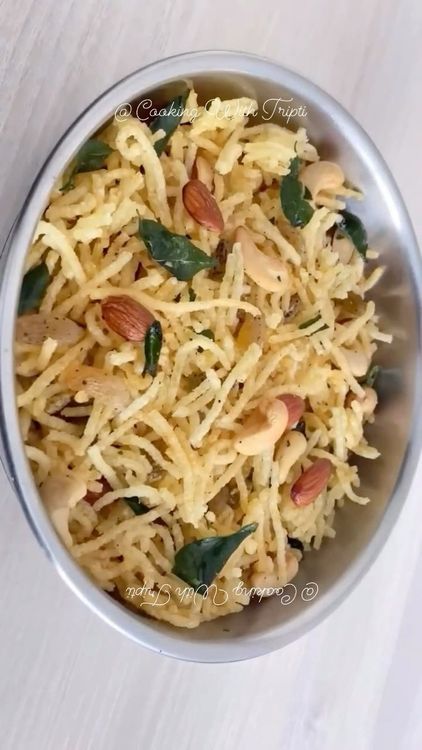
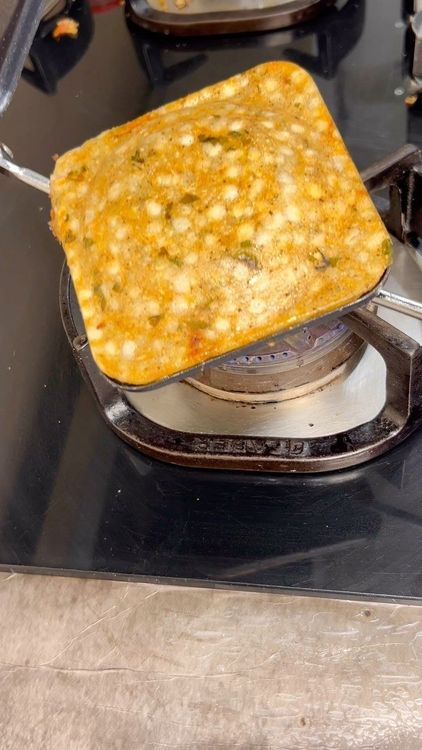
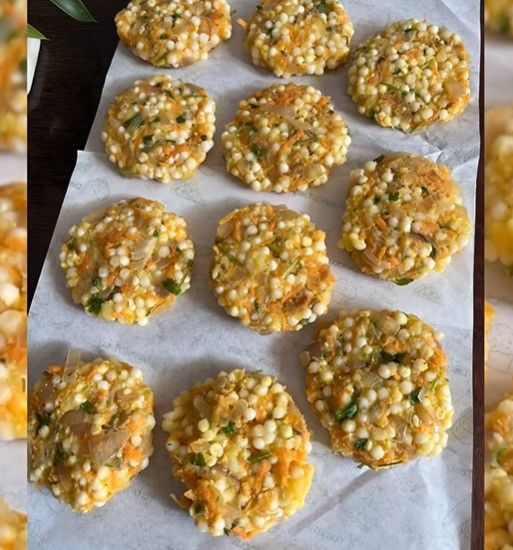
Four odds and ends that do not fit anywhere else, and are better for it. The chaat needs no cooking at all — soaked pearls, pomegranate, chilli, lime, done in twenty-five minutes. The namkeen fries into shards you will eat straight from the pan. There is a sandwich, and there are bites rated a solid five by everyone who has tried them. All four use up leftover soaked pearls, which is how most of them were invented in the first place. Good picnic food, all of it, and cheap.
- Indian
- Vegan
- Appetiser
- Indian
- Vegan
- Snack
- Indian
- Vegetarian
- Breakfast

- Indian
- Vegan
- Appetiser
Soaking Sabudana So It Never Turns Sticky
The whole game is water ratio, and the honest answer is that it depends on your pearls. Start here: rinse in a bowl under running water, swirling with your hand, until the water runs clear instead of milky. That milky stuff is loose surface starch, and it is exactly what glues everything into a paste later. Three or four rinses usually does it. Then drain properly — tip the bowl and let it sit tilted for a minute.
Now add water to sit just level with the top of the pearls — not a finger above, level. Cover, leave it five to six hours or overnight, and do not stir. In the morning the bowl should look dry, the pearls plump and matte. Test one: press it flat between your nails. If it smears cleanly with no white speck in the middle, you are ready. If there is a hard centre, sprinkle two tablespoons of water, wait forty minutes, test again. If the bowl is wet and the pearls are slumping, you have overdone it — drain them, spread them on a tea towel, and let them air-dry for an hour. Fluff with a fork before cooking. That fork matters more than it sounds; it separates the pearls that have clung together overnight and saves you from the single grey lump I made when I was nineteen.
Fasting and Vrat Rules, Explained Plainly
Vrat cooking is not one rulebook. It shifts by region, by family, and by which fast you are keeping — Navratri, Ekadashi, Mahashivratri and Shravan somvar all have their own habits. But the common thread across most North and West Indian households is this: no grains, no lentils, no onion, no garlic, and no ordinary table salt. Tapioca pearls qualify because they come from cassava root, not a cereal grain, which is why they anchor so much fast-day cooking.
Swap regular salt for sendha namak, rock salt, which has a rounder, less aggressive bite — start with three-quarters of what a normal dish asks for. Ghee replaces refined oil in most homes. For flour, reach for rajgira (amaranth), singhara (water chestnut), or kuttu (buckwheat). Permitted vegetables usually mean potato, sweet potato, bottle gourd, pumpkin, cucumber and tomato; permitted spices are cumin, black pepper, green chilli and ginger, while turmeric, mustard seed, asafoetida and coriander powder are commonly left out. Peanuts and their oil are fine almost everywhere. Curd, milk and paneer are fine too.
When in doubt, ask the person whose fast it is — the rules that matter are the ones your household keeps. I have watched two aunts argue about whether tomato counts for a full twenty minutes, and neither of them was wrong. Write down what your family does and you will never have to relitigate it.
Sago Sizes and How to Buy Good Pearls
Not all pearls are the same, and the packet rarely tells you which you have bought. Nylon sago — confusingly, nothing to do with nylon — is the small, hard, glassy sort, roughly 2 to 3 mm, and it is what you want for khichdi and vada. It holds its shape, stays separate, and drinks water predictably. Medium pearls at 4 to 5 mm suit kheer, where a little collapse is welcome. The big 8 mm boba-style pearls belong in drinks and jelly; they need boiling, not soaking, and will never behave in a savoury dish.
In the shop, tip the packet toward the light. Good pearls are uniformly sized, bright white with a faint sheen, and rattle like tiny beads. Reject anything with visible powder in the bag, yellowing, or pearls of obviously mixed diameters — mixed sizes hydrate at different rates, which is the single most common reason a batch turns out half-crunchy and half-mush. Give the bag a squeeze; it should sound dry and clean, not muffled.
At home, store them in a glass jar with a tight lid, somewhere dark. They keep for a year easily, but they do absorb smells, so keep them away from the masala shelf. If you find weevils, throw the lot out — do not try to sift and salvage. Two bay leaves in the jar seem to help, though I have no evidence beyond my grandmother's insistence.
Pro Tips
- Rinse until the water runs clear — that milky cloud is loose starch, and every rinse you skip shows up later as glue at the bottom of the pan.
- Boil potatoes whole and unpeeled, then cool them completely before mashing. Warm potato steams inside the dough and is the number one reason sabudana vada disintegrates in hot oil.
- Crushed roasted peanuts are structural, not a garnish. They soak up stray moisture and give the mix something to hold onto — use roughly one part peanut to three parts pearl.
- Cook sabudana khichdi uncovered and for five minutes at most. A lid traps steam, steam over-hydrates the pearls, and over-hydrated pearls fuse into a single translucent mass.
- Fry at 170°C and test with one patty first. If it browns before you count to sixty, the oil is too hot and the centre will still be raw when the outside looks done.
- A squeeze of lime and a pinch of sugar at the end are not optional in the savoury dishes — sago is bland by nature and needs acid and sweetness to taste like anything at all.
Frequently Asked Questions
How to make sabudana khichdi that doesn't stick together?
Rinse until the water runs clear, then soak with water level to the top of the pearls — no more — for five hours. Drain any excess, fluff with a fork, and cook on medium heat, uncovered, for no more than five minutes once the peanuts and potato are in. Stirring constantly is the other mistake; toss twice, then leave it alone.
Are these sabudana recipes suitable for Navratri fasting?
Most of them, yes. Everything in the vrat section is fast-day safe as written, and the khichdi, vada, kheer and chaat all convert easily: swap table salt for sendha namak, use ghee, and drop turmeric, asafoetida and mustard seed. The sandwich and paratha need vrat-friendly flour. Check against your own family's rules, since they vary by region.
Can I soak the pearls in hot water to speed things up?
You can, and I do when I have forgotten to plan ahead — but it is a compromise. Boiling water for forty minutes gets you edible pearls that are slightly gluier and more prone to clumping. Lukewarm water for two hours is a better middle ground. Neither matches an overnight soak for that clean, separate, bouncy texture.
Why does my sabudana vada fall apart in the oil?
Three usual culprits. The potato was warm when you mixed it, so it released steam into the dough. The mash was too wet — boil potatoes whole in their skins, never cubed in water. Or your oil was too cool, under 165°C, so the patty sat there absorbing fat instead of setting. Chill the shaped patties twenty minutes before frying and they hold.
What is the difference between sago, tapioca pearls and sabudana?
Practically nothing on an Indian shelf — they are the same thing under different names, made from cassava starch. Strictly, true sago comes from sago palm pith and is rare outside Southeast Asia; almost everything sold in India is cassava. Boba pearls are the same starch too, just larger and often coloured with caramel. Cooks swap between the words freely.
How to make sabudana kheer that isn't lumpy?
Do not pre-soak for kheer — rinse and drop the pearls straight into simmering milk. Lumps form when dry pearls hit hot liquid all at once, so scatter them in a slow stream while stirring. Keep the heat low, stir every couple of minutes for twenty, and add sugar only after they turn clear. Sugar added early stops them softening.
Can I make tapioca pearl recipes ahead of time?
Soaked pearls keep three days in a sealed box in the fridge, which is the real time-saver. Shaped vada and tikki freeze raw for a month — fry from frozen, adding two minutes. Khichdi reheats badly; it goes rubbery, so make it fresh. Kheer is the exception that improves overnight, though you will need a splash of milk to loosen it.
Are tapioca pearl recipes gluten-free and diabetic-friendly?
Gluten-free, yes — cassava starch contains none, which is why these dishes suit coeliac cooks well. Diabetic-friendly is a harder no: this is nearly pure starch with a high glycaemic load. If that matters, pair it with peanuts, curd and vegetables to slow absorption, keep the portion to half a cup cooked, and skip the sweet versions entirely.
That is thirty-eight sabudana recipes, and the honest summary is that they all rest on the same fifteen minutes of soaking. Get that right and the rest is seasoning. Start with the khichdi, work up to the vada, and keep the kheer for a night when someone in the house needs cheering up. Come back and tell me how the fork trick went for you.
Related
- Navratri
- vrat food
- Maharashtrian
- sago
- tapioca
- fasting snacks
Popular Searches
- Best sabudana recipes
- Easy sabudana recipes
- Quick sabudana recipes
- Healthy sabudana recipes
- Simple sabudana recipes
- Homemade sabudana recipes
- Delicious sabudana recipes
- Popular sabudana recipes
- sabudana khichdi
- sabudana vada
- sabudana kheer
- how to make sabudana
Marnirni-apinthi Building, Lot Fourteen,
North Terrace, Adelaide, South Australia, 5000
Australia
