
17 Crispy Pakora Recipes for Tea-Time and Rainy Days
Updated July 7, 2026 · Curated by Chefadora
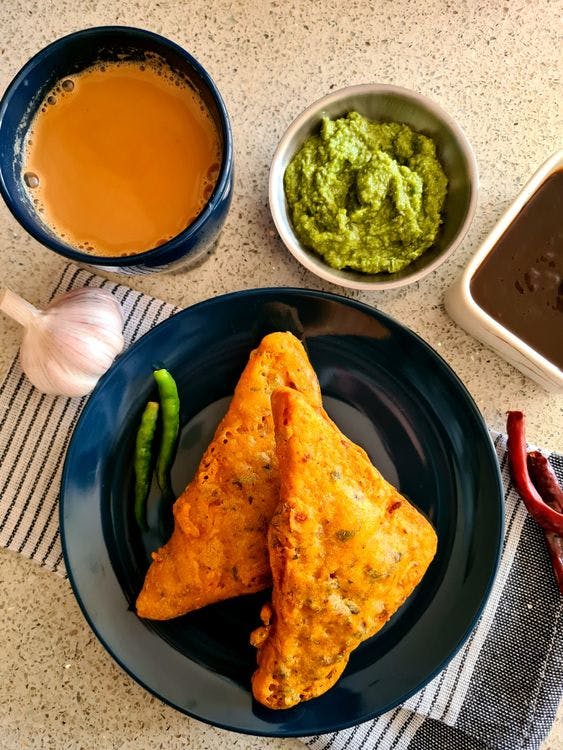
The moment oil starts to shimmer and the first spoonful of batter hits the pan, my kitchen turns into the best kind of chaos. These pakora recipes are the ones I reach for when it rains, when friends drop by unannounced, or when a cup of chai simply refuses to be drunk alone. I have gathered 17 real, tested fritters here, spanning crunchy bread pakora, spiced potato bites, feather-light palak pakoda and slow-simmered kadhi, so there is something for every craving and every skill level.
You will find beginner-friendly recipes that come together in 15 minutes, plus a couple of weekend projects worth the wait. Each one leans on humble pantry staples: besan (gram flour), a pinch of ajwain, green chilli and whatever vegetable is looking good that day. I have grouped them into four sections so you can jump straight to bread and potato, leafy greens, protein-packed dal fritters, or the comforting world of kadhi. Grab a slotted spoon, keep the chutney close, and let's fry.
Classic Bread & Potato Pakora Recipes
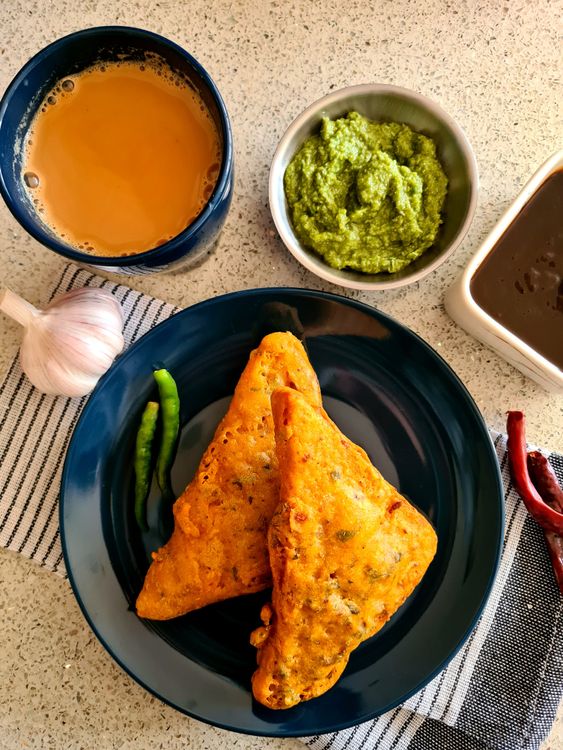
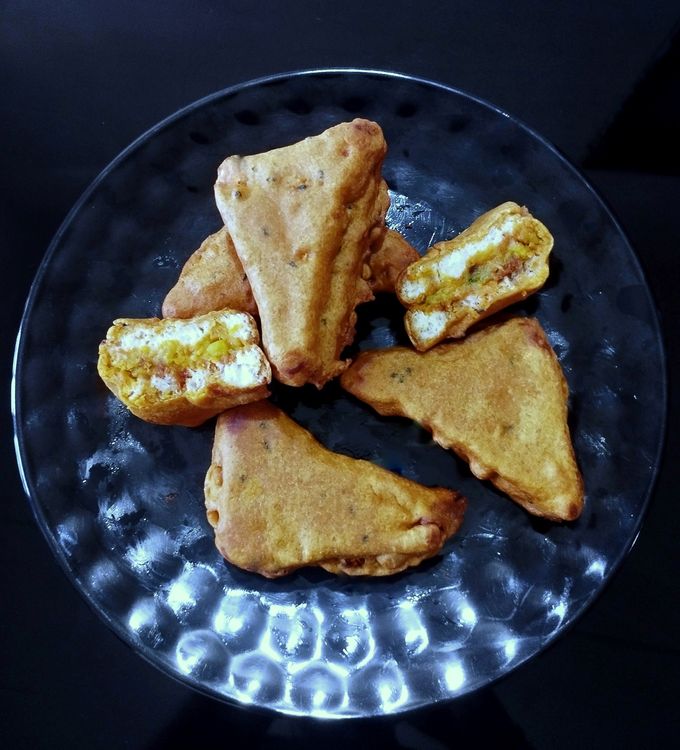
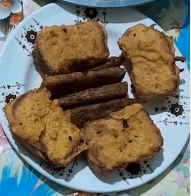
This is the crowd-pleasing corner, the fritters most of us grew up eating from a paper cone at the tea stall. Bread pakora is genius in its simplicity: soft sandwich bread cloaked in seasoned besan batter, fried until the crust shatters and the inside turns pillowy. I love it plain, stuffed with tangy spiced potato, or oozing with melted cheese for a late-night treat. Potato pakoras bring their own comfort, especially the chilli-spiked version with a fiery kick that begs for cold mint chutney. Keep the oil at a steady medium heat here, because thick bread and dense potato need time to cook through without the outside scorching. Cut potatoes thin so they turn tender in the same time the batter crisps. Serve straight from the pan with green chutney and, of course, a strong cup of chai.

- Indian
- Vegan
- Breakfast

- Indian
- Vegetarian
- Appetiser

- Vegetarian
- Snack
- Indian
- Vegetarian
- Snack
- Indian
- Vegan
- Appetiser
- Indian
- Vegan
- Appetiser
Leafy Greens & Vegetable Pakoras
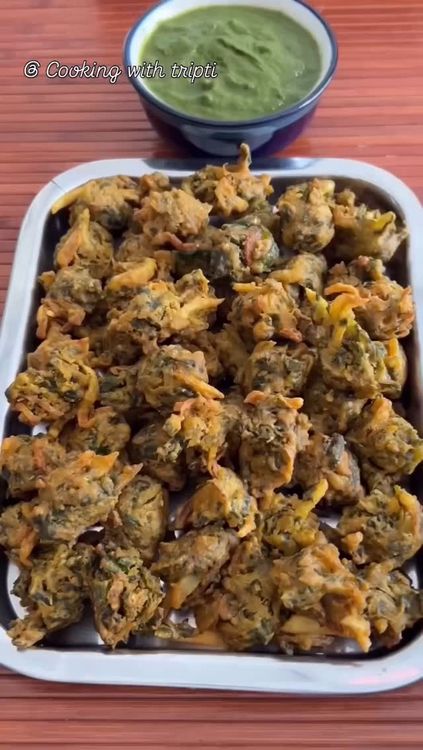
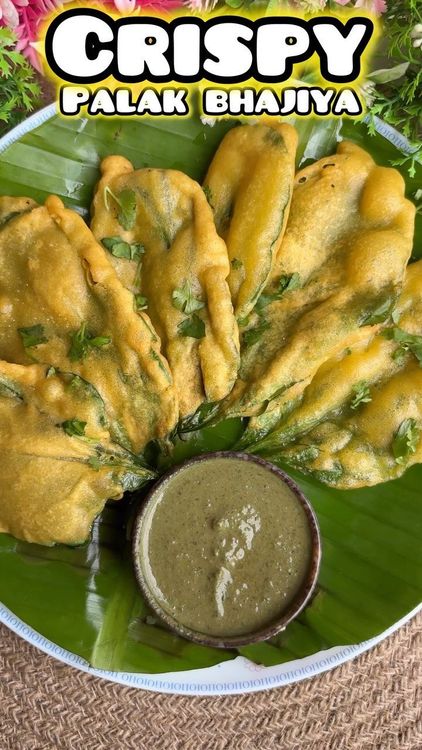
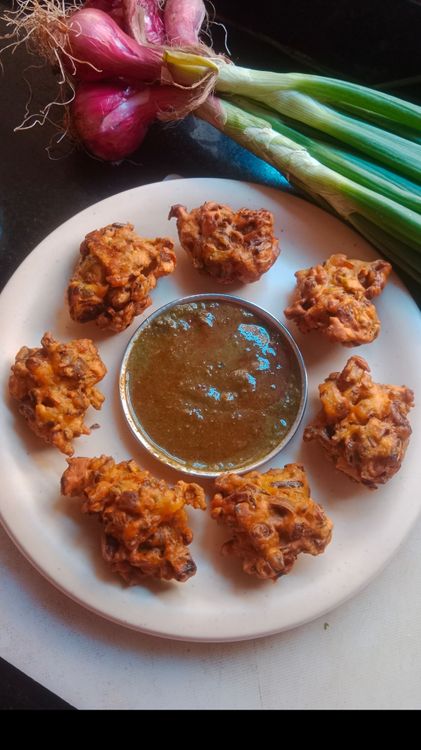
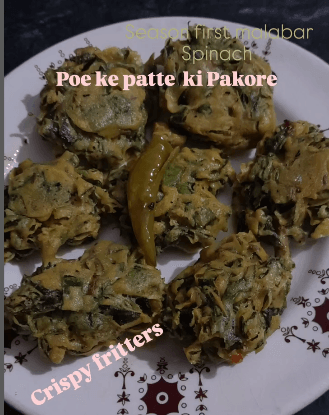
When monsoon clouds roll in, this is the section I cook from most. Spinach and palak pakoda fry up impossibly crisp because the leaves are thin and shed moisture fast, giving you lacy, shattering edges in minutes. Spring onion fritters add a sweet, oniony depth, while Malabar spinach and pumpkin flower pakoras are gorgeous regional gems that turn a foraged handful of greens into something special. The trick with leafy fritters is a thinner batter that just coats the leaves rather than drowning them, so each bite stays delicate and translucent at the edges. Pat the greens dry first, because clinging water thins the coating and makes the oil spit. These are naturally light, mostly gluten-free thanks to besan, and endlessly snackable with a squeeze of lemon and a generous sprinkle of chaat masala over the top.

- Indian
- Vegetarian
- Snack

- Indian
- Vegetarian
- Appetiser

- Indian
- Vegetarian
- Snack
- Indian
- Vegan
- Appetiser

- Indian
- Vegetarian
- Appetiser
Dal & Lentil Pakoras for Extra Crunch
Soak, grind, spice, fry: dal pakoras follow a rhythm that rewards a little planning with an unbeatable crunch. Instead of relying on besan, these fritters use a coarse paste of soaked moong or mixed lentils, which fries into a sturdy, craggy shell with a soft, savoury centre. Grinding the lentils coarse rather than smooth is what gives that signature texture, so stop the blender while there is still some grit. Moong dal pakoras are protein-rich and satisfying enough to anchor a light meal, while Bangladeshi peyaju layers sliced onion through the lentil batter for sweetness and bite. Because the batter is thicker, keep your oil at a true medium so the insides cook before the outsides brown. Batch-fry a big tray, because these disappear faster than any other pakora on the table.
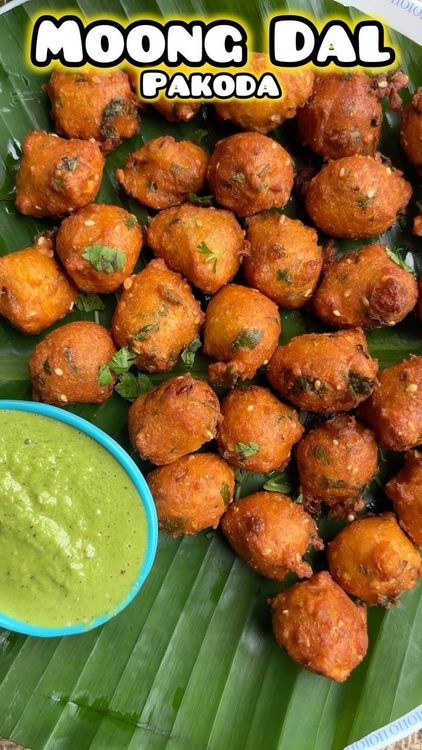
- Indian
- Vegan
- Appetiser
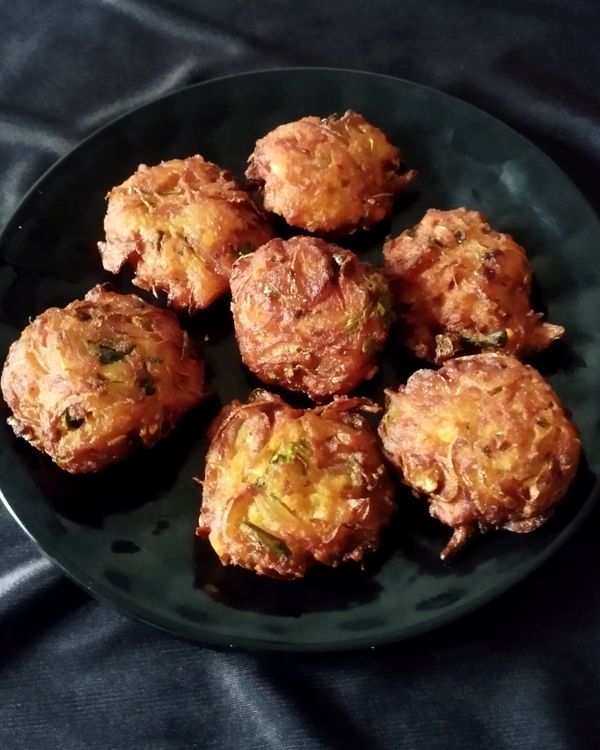
- Indian
- Vegan
- Appetiser
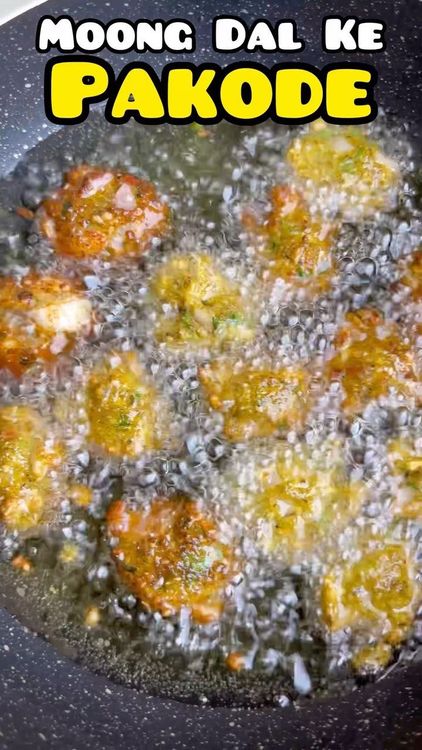
- Indian
- Vegan
- Appetiser
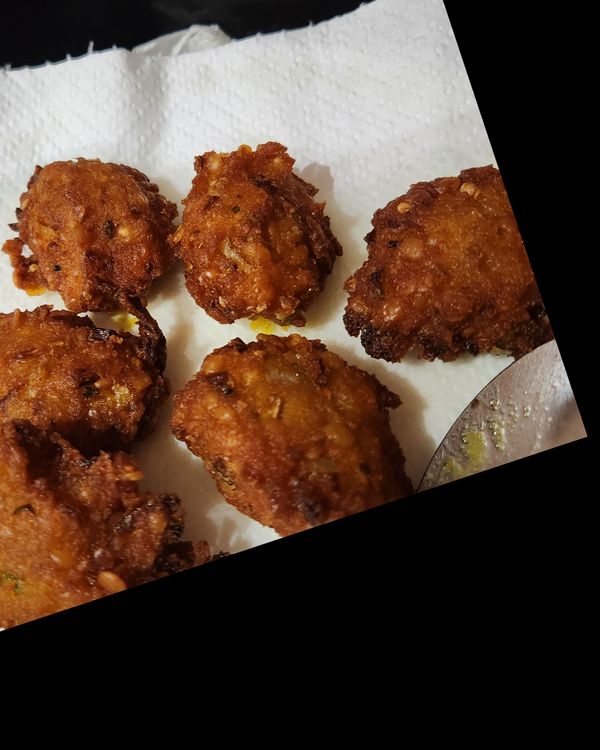
- Bangladeshi
- Vegan
- Appetiser
Kadhi Pakora & Regional Pakoda Favourites
Not every pakora is meant to be eaten crisp and dry. In Punjab, soft besan pakoras are dropped into a tangy, gently spiced yoghurt-and-gram-flour kadhi, where they soak up the golden, turmeric-warmed gravy until they turn meltingly tender. The secret to a smooth kadhi is whisking the yoghurt and besan together cold before it ever touches heat, then simmering it low and slow so it never splits. It is pure comfort food, the kind of one-pot dish that tastes even better the next day once the flavours settle. This section celebrates that slow, saucy side of the pakora world, with a classic Punjabi kadhi pakora and an easy weeknight version. Serve both ladled generously over steamed rice, finished with a smoky tempering of ghee, red chilli and cumin poured over the top just before it reaches the table.
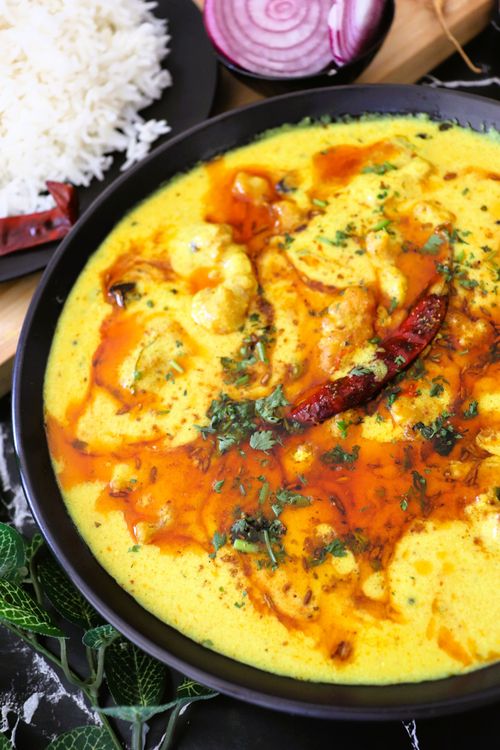
- Punjabi
- Vegetarian
- Lunch
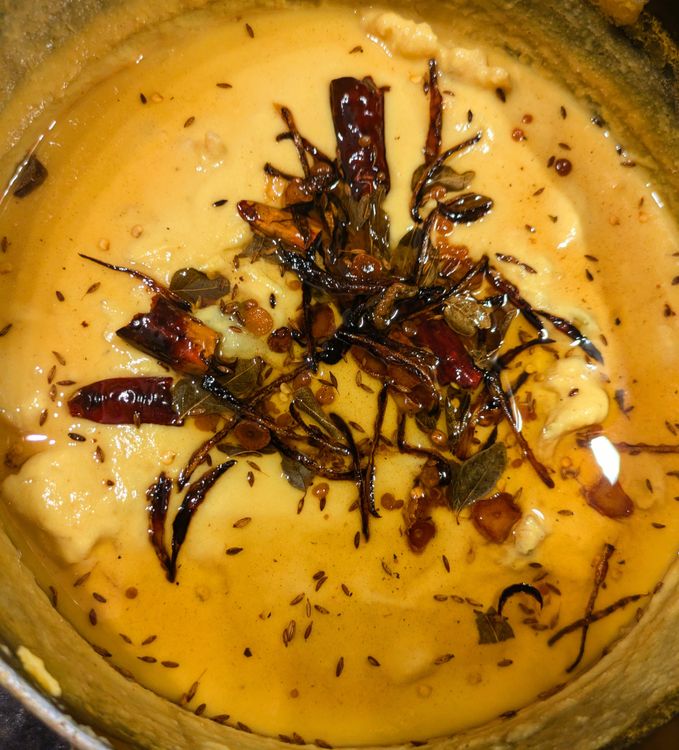
- Indian
- Vegetarian
- Lunch
How to Make Crispy Pakora Batter (Besan Tips)
Great pakora lives or dies by its batter, and besan (gram flour) is the star. Start by sieving the besan to knock out lumps, then season it while it is still dry with salt, red chilli powder, turmeric and a pinch of ajwain (carom seeds), which quietly aids digestion and adds that unmistakable stall aroma. Whisk in water a splash at a time until you reach the consistency of thick single cream: it should coat the back of a spoon and slide off slowly, not gloop.
Two secret weapons keep the crust crisp rather than soggy. First, add a tablespoon of hot oil or a small pinch of baking soda to the batter, which lightens the texture and helps it puff. Second, whisk vigorously for a minute to trap air; a well-beaten batter fries lighter every single time. For extra crunch, replace a spoonful of besan with rice flour or fine semolina (sooji), which crisps up and stays crisp for longer once the fritters are out of the pan.
Consistency matters by vegetable. Leafy greens and onions need a thinner batter that barely clings, so the edges fry lacy and delicate. Dense potato or bread wants a slightly thicker coat for structure. Rest the batter for ten minutes before frying so the flour hydrates fully, then give it a final stir. Season boldly, because frying mutes flavour, and always fry one test fritter first to check the salt, spice and crispness before committing the whole batch.
Flavour boosters make all the difference between a good pakora and a memorable one. Fold in a handful of crushed kasuri methi (dried fenugreek leaves) for a subtle bitterness that plays beautifully against the richness, or a spoon of ginger-garlic paste and a scatter of finely chopped green chilli for heat. A pinch of asafoetida (hing) deepens the savoury base, and a squeeze of lemon in the batter brightens everything. Taste, adjust, and remember that a bland batter can never be rescued once the fritters are fried.
Frying Temperature & the Double-Fry Trick
Oil temperature is the single biggest reason home pakoras turn out greasy or pale. Aim for a steady medium heat, roughly 170 to 180C (340 to 355F). Too cool and the fritters drink oil like a sponge; too hot and they brown before the inside cooks. No thermometer? Drop a pea-sized bit of batter into the oil: it should sink briefly, then rise and sizzle steadily within a couple of seconds. If it browns instantly, pull the heat down and wait.
Fry in small batches so the oil temperature does not crash when cold batter goes in. Crowding the pan is the classic mistake; it drops the heat, steams the fritters and leaves them limp. Slide the pieces in gently away from you, nudge them so they do not stick, and turn them once a golden crust forms. Between batches, let the oil recover its heat and skim out any stray crumbs that would otherwise burn and taint the flavour.
For caterer-level crunch, use the double-fry method that pros swear by. Fry the pakoras first at a slightly lower temperature until just cooked and pale gold, then lift them out and rest for a few minutes. Just before serving, plunge them back into hotter oil for 30 to 60 seconds until deeply crisp and golden. This second fry drives off surface moisture and gives a shatteringly crisp shell that holds up even after the pakoras have sat for a while. Drain on a wire rack, not paper, so steam escapes and the bottoms stay crisp.
Choose your pan wisely, too. A deep, heavy-bottomed kadhai or wok holds heat steadily and lets the fritters bob freely, while a thin pan swings wildly in temperature and invites burning. You only need enough oil to float the pakoras, roughly two to three inches deep. Reuse frying oil once or twice at most, straining it through muslin while warm, and discard it the moment it smells acrid or turns dark and sticky, because tired oil ruins the flavour of even the best batter.
Chutneys & Dips for Pakora
A pakora is only as good as what you dunk it in, and a trio of chutneys covers every mood. Green chutney is non-negotiable: blitz fresh coriander and mint with green chilli, a nub of ginger, lemon juice and salt until bright and smooth. Loosen it with a spoon of water and, if you like it creamier, a little yoghurt. This is the fresh, herby hit that cuts through the richness of anything fried and makes each bite feel lively.
For a sweet-and-sour counterpoint, keep tamarind and date chutney on hand. Simmer tamarind pulp with jaggery or dates, roasted cumin, ginger powder and a pinch of black salt until glossy and pourable. Its molasses-deep tang is the perfect foil for salty, spicy fritters, and it keeps for weeks in the fridge. A quick garlic-tomato chutney or a fiery red chilli-garlic dip works beautifully with heartier bread and potato pakoras when you want more punch.
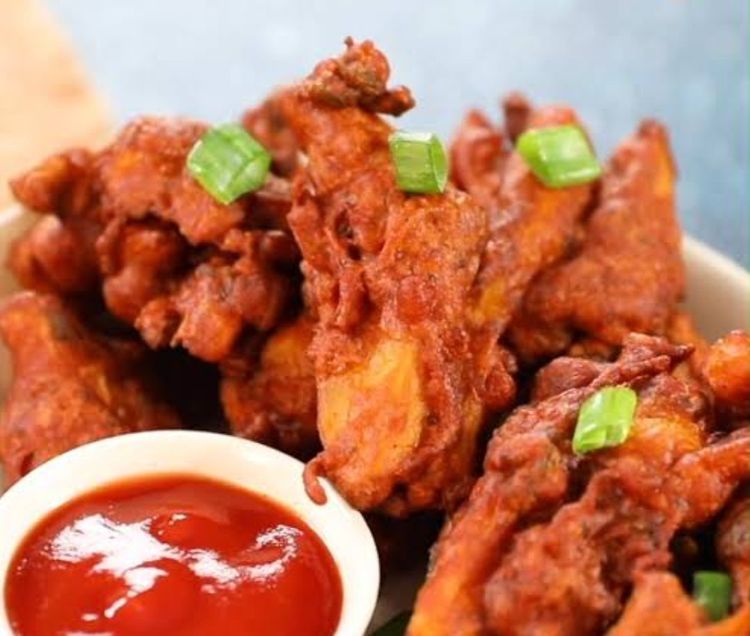
Do not overlook the simplest options. A bowl of lightly salted, spiced yoghurt (raita) cools the palate between spicy bites, while plain tomato ketchup is the unfussy favourite kids reach for first. For a modern twist, whisk sriracha or schezwan sauce into mayonnaise for a creamy, spicy dip that clings well to craggy dal fritters. Set out two or three of these together, add lemon wedges and a sprinkle of chaat masala, and let everyone build their own perfect mouthful.
Pairing the dip to the pakora is a small art. Delicate leafy fritters love the clean lift of green chutney and lemon, while rich, cheesy or potato-heavy pieces stand up to the deeper sweetness of tamarind or a punchy garlic dip. Onion and dal fritters, with their savoury edge, are wonderful with a tangy yoghurt or a coriander-mint chutney loosened with a little water. Make chutneys an hour ahead so the flavours meld, and always taste and adjust the salt and acid just before serving.
Baked & Air-Fryer Pakora
You can absolutely make lighter pakoras without a pan of hot oil, as long as you adjust your expectations and your batter. Air-frying and baking will never give the exact same puffed, deep-fried crunch, but they get impressively close with far less fat, and they are far more forgiving for a nervous cook. The key is a slightly thicker, well-seasoned batter and a generous coating of oil spray, because the dry heat needs a little fat on the surface to crisp things up properly.
To air-fry, preheat the basket to around 180C (355F). Coat your battered vegetables lightly with oil, arrange them in a single layer with space between each piece, and cook for 12 to 15 minutes, flipping halfway and spraying again. Leafy fritters and thin onion pakoras crisp fastest; dense potato takes longer, so cut it thin. For oven baking, use a preheated tray or a wire rack set over a baking sheet at 200C (390F), turning once, so hot air circulates all the way around.
A few tricks close the gap with deep-frying. Add a spoon of rice flour or semolina to the batter for extra crunch, and do not skimp on the oil spray, as this is where crispness comes from in dry heat. Serve air-fried and baked pakoras the moment they are done, because they soften faster than their deep-fried cousins once they cool. They may be a touch less decadent, but with a good chutney alongside, nobody at the table will complain about the swap.
This method genuinely suits some pakoras better than others. Thin, flat fritters like palak pakoda, spring onion and sliced potato crisp up beautifully in dry heat because there is plenty of surface area exposed to the hot air. Denser, moisture-heavy mixes and anything with a molten cheese centre can stay stubbornly pale, so save those for the deep-fryer. If you are cooking for a health-conscious crowd or simply do not fancy a pan of hot oil on a busy weeknight, the air-fryer is a genuinely useful everyday shortcut worth keeping in your back pocket.
Serving, Storing & Reheating
Serve these hot, straight from the oil, with a pot of masala chai and two or three dips on the side — green coriander-mint chutney, sweet tamarind, and a quick garlic yogurt all work beautifully. A squeeze of lemon and a sprinkle of chaat masala just before serving wakes everything up.
Leftovers keep in the fridge for up to two days in an airtight box. Skip the microwave, which turns them soft and rubbery; instead reheat in a hot oven or air fryer at 180C for five to seven minutes so the outside crisps again. You can also freeze them once fried and cooled, then reheat from frozen — handy when guests turn up unannounced.
Pro Tips for Perfect Pakora
- Always fry one test pakora first to check your salt, spice level and oil temperature before committing the whole batch, since a small tweak now saves a full tray later.
- Keep the oil at a steady medium heat and fry in small batches; crowding the pan crashes the temperature and gives you soft, oil-logged fritters instead of crisp ones.
- Add a tablespoon of hot oil and a spoon of rice flour to your besan batter for a lighter, crunchier crust that stays crisp for longer after frying.
- Whisk the batter hard for a full minute to beat in air; a well-aerated batter puffs up beautifully and fries lighter every time.
- Drain finished pakoras on a wire rack rather than paper towels so steam escapes from underneath and the bottoms do not turn soggy.
- Pat wet vegetables like spinach and onion dry before battering, because excess surface water thins the coating and makes the oil spit dangerously.
- For a make-ahead party, half-fry your pakoras earlier in the day, then give them a quick second fry in hot oil just before serving for fresh, shattering crunch.
Frequently Asked Questions
What is the best flour for these pakora recipes?
Besan, or gram flour, is the traditional and best base for pakora because it fries into a crisp, savoury, naturally gluten-free crust and carries spices well. For extra crunch, swap in a spoonful of rice flour or fine semolina. Plain wheat flour alone turns dense and pale, so stick with besan as your foundation across almost all of these recipes.
Why do my pakoras turn out soggy instead of crispy?
Soggy pakoras almost always come down to oil that is too cool or a pan that is too crowded. Cold oil soaks in before a crust forms, and adding too many pieces at once crashes the temperature. Keep the oil at a steady medium, fry in small batches, and drain on a wire rack. A little rice flour in the batter also boosts lasting crispness.
Can I make pakora batter ahead of time?
You can mix the dry spiced besan hours ahead and store it sealed, but only add water 15 to 30 minutes before frying. A batter that sits too long loses its lift and can turn watery as vegetables release moisture. If you must hold wet batter, keep it cold, give it a brisk whisk before using, and adjust the consistency with a little extra besan.
How do I keep pakoras crispy for a party?
Use the double-fry method: fry the pakoras until just cooked and pale, rest them, then fry again in hotter oil for 30 to 60 seconds right before serving. Hold them in a single layer on a wire rack in a warm oven rather than piling them up, which traps steam. Avoid covering them tightly, as trapped heat quickly softens the crust.
Are pakoras vegan and gluten-free?
Most classic pakoras are naturally both, because besan is gluten-free and the batter uses only flour, water and spices with no egg or dairy. The obvious exceptions here are cheesy bread pakora and kadhi pakora, which use dairy, and any bread pakora, which uses wheat bread. Stick to the vegetable, dal and leafy fritters for a reliably vegan, gluten-free snack, and always double-check your asafoetida, as many commercial blends are cut with wheat flour.
What can I serve with pakoras besides chutney?
Pakoras shine alongside a hot cup of masala chai, which is the classic pairing on any rainy afternoon. Beyond green and tamarind chutney, try cooling raita, a spicy mayo dip, or a fresh onion-and-lemon salad. For a fuller meal, serve them with kadhi and rice, or tuck bread pakora into a plate with more chutney for a hearty snack-lunch.
Which oil is best for frying pakora?
Choose a neutral oil with a high smoke point, such as sunflower, groundnut (peanut) or refined vegetable oil, so it holds a steady frying temperature without burning. Mustard oil is traditional in parts of Bengal and Bangladesh and adds a lovely pungency to fritters like peyaju. Whatever you pick, keep it clean between batches by skimming out stray crumbs that would otherwise scorch and turn the oil bitter over a long frying session.
Can I freeze pakoras and reheat them later?
Yes, and they reheat surprisingly well. Fry them until just cooked but still pale, cool completely, then freeze in a single layer before bagging. To serve, reheat straight from frozen in a hot oven or air-fryer at around 200C until crisp and heated through. Avoid the microwave, which turns the crust rubbery and soft rather than restoring that essential crunch.
Whether you fancy a crackly bread pakora with your evening chai, a mountain of palak pakoda on a wet afternoon, or a soothing bowl of kadhi over rice, there is a fritter here for the moment. Master a good besan batter, mind your oil temperature, and keep a bright chutney close, and you will be frying restaurant-worthy pakoras at home in no time. Happy frying.
Save this collection of pakora recipes and come back whenever you need a fresh idea for the week ahead.
Related
- pakora
- fritters
- besan snacks
- monsoon snacks
- Indian street food
- tea-time snacks
Popular Searches
- Best pakora recipes
- Easy pakora recipes
- Quick pakora recipes
- Healthy pakora recipes
- Simple pakora recipes
- Homemade pakora recipes
- Delicious pakora recipes
- Popular pakora recipes
- bread pakora
- vegetable pakora
- dal pakora
- kadhi pakora
Marnirni-apinthi Building, Lot Fourteen,
North Terrace, Adelaide, South Australia, 5000
Australia
