
16 Upma Recipes for Mornings That Start Late
Updated July 15, 2026 · Curated by Chefadora

There is a reason these 16 upma recipes keep showing up in my morning rotation. Most of them go from an empty pan to a warm bowl in under half an hour, they lean on things already sitting in the pantry, and they forgive a cook who is only half awake. Semolina upma is the version most people picture — soft, savoury, flecked with mustard seeds and curry leaves — but the same method carries vermicelli, flattened rice, broken wheat, millets and even cassava.
What follows is grouped the way I actually cook: the classic rava bowls first, then the noodle-thin versions, then the ten-minute rescues, then the heartier grain and tuber bowls for slow Sundays. Every recipe here comes from a Chefadora cook, so the ratios have been tested in real kitchens rather than scaled off a chart.
Below the collection you will find four short guides — roasting, tempering, water ratios and what to serve alongside — that answer most of what people ask when they search how to make upma without lumps.
Classic Upma Recipes Made With Rava
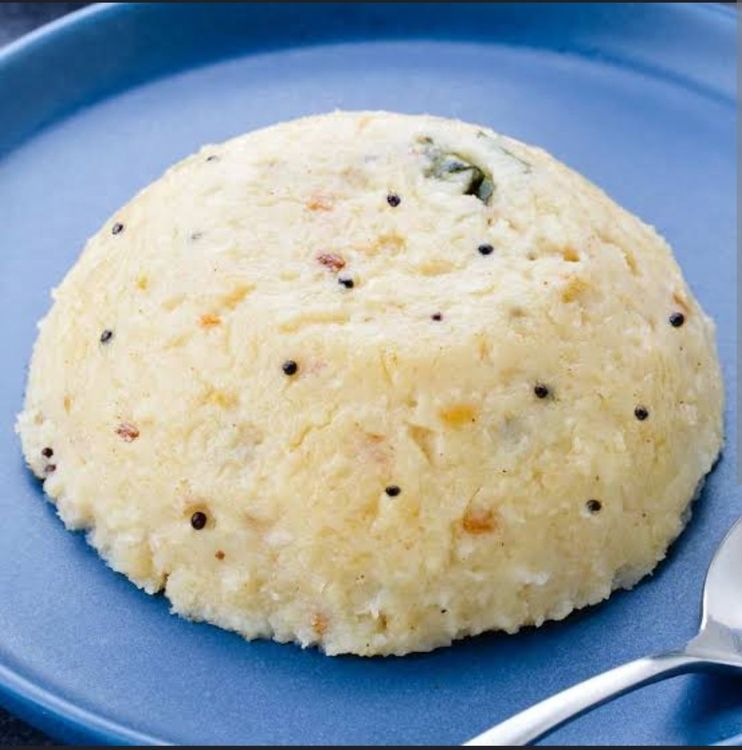
This is the group to start with. Rava upma lives or dies on two things: how deeply you toast the semolina, and how confidently you pour the water. Coarse bombay rava (sooji) gives you distinct grains; fine rava turns porridge-like, which some households actually prefer. The five here run from a 45-minute weekend version carrying a full load of vegetables to a stripped-back weekday bowl with nine ingredients and nothing to spare. If you have never made rava upma before, cook the simplest one first, get a feel for the moment the grains stop drinking water, then start adding cashews, ginger and green chillies to taste. The differences between these five are small on paper and large on the plate.
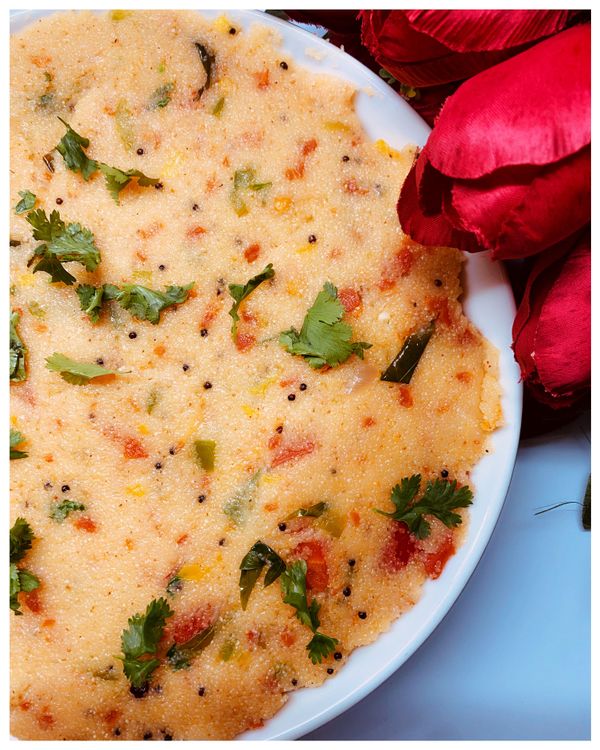

- Indian
- Vegan
- Breakfast

- Indian
- Vegan
- Breakfast
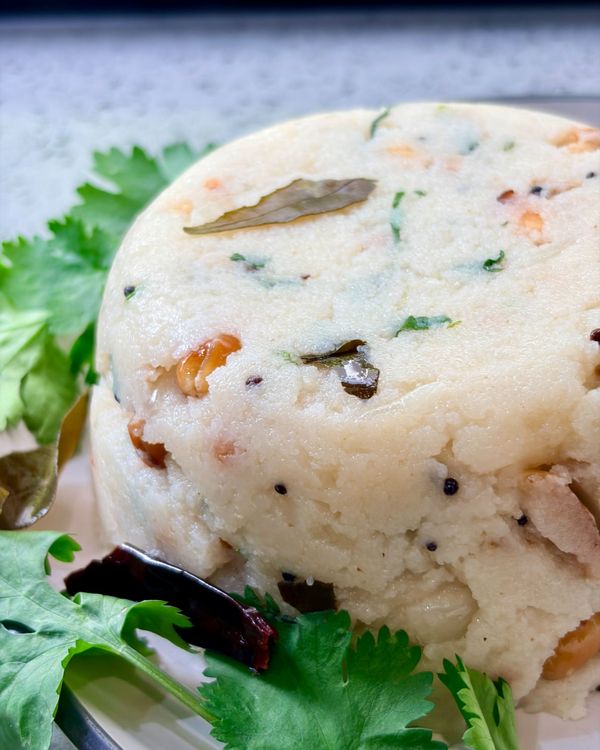

- South Indian
- Vegan
- Breakfast
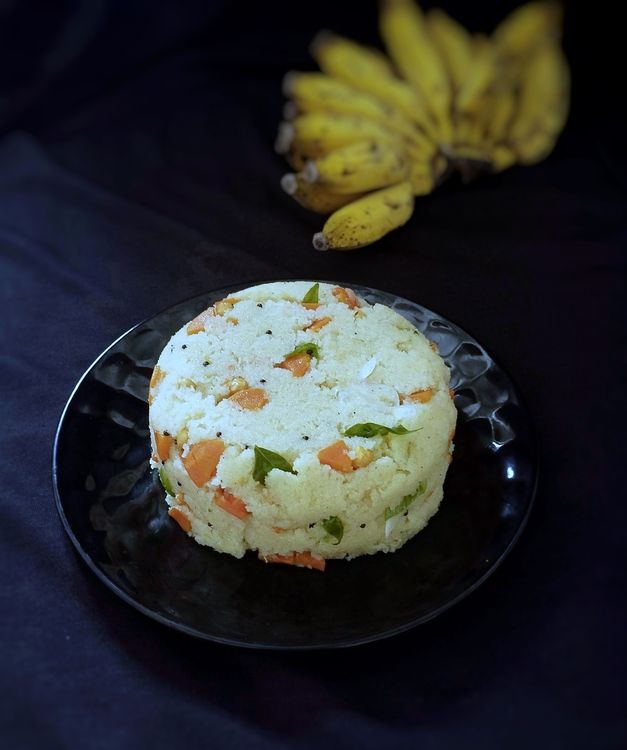
- South Indian
- Vegetarian
- Breakfast
- Indian
- Vegan
- Breakfast
Vermicelli and Millet Noodle Versions
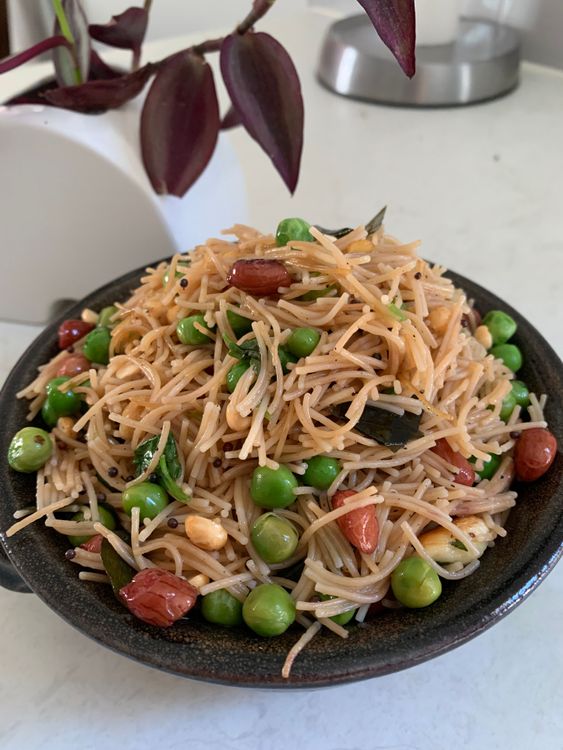
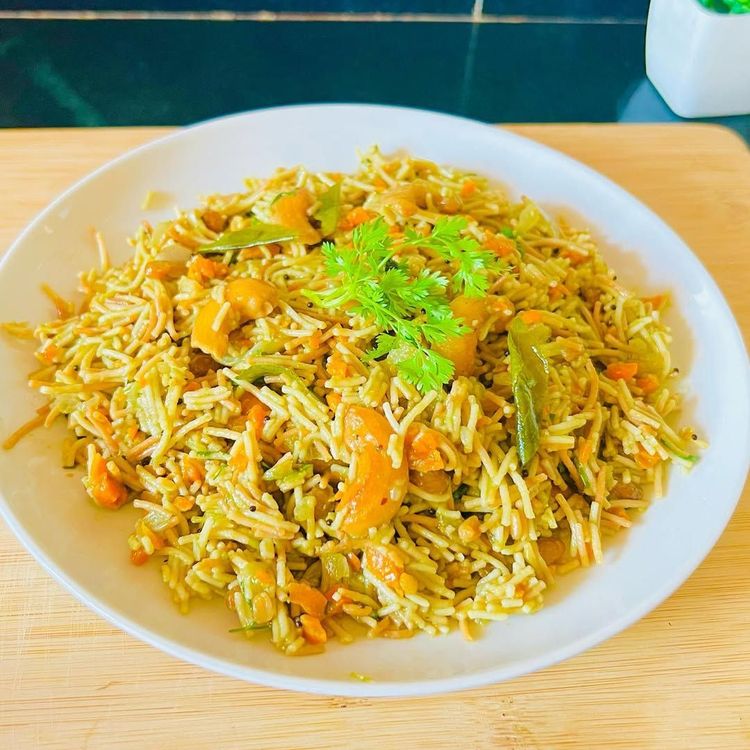
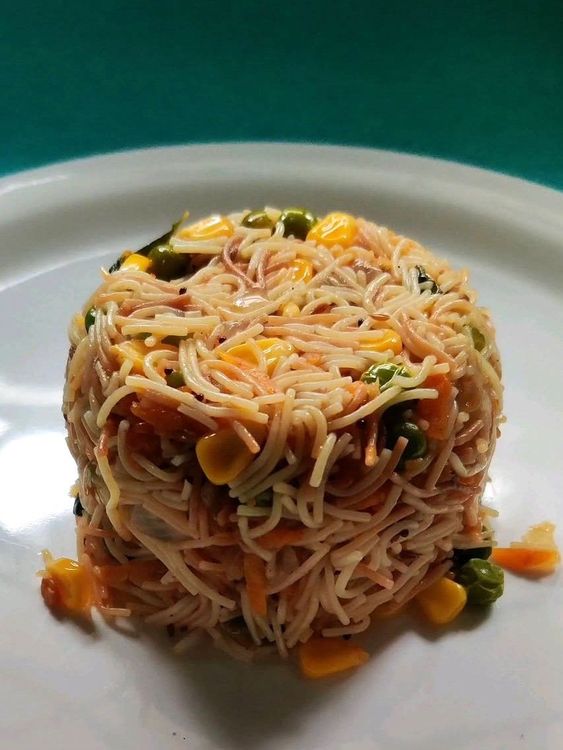
Swap the grain for thin noodles and the whole dish changes character. Seviyan cooks faster than semolina, keeps its strands separate, and takes chilli and lemon better than a soft grain does. Roast the vermicelli in a spoon of ghee until it smells like toasted bread — most packets sell it raw, and skipping that step is why strands clump. The millet version does the same job with a gentler glycaemic load and a coriander-heavy finish. All three land in 25 to 30 minutes, and they reheat better than any other style here, because the strands do not fuse in the fridge. Watch them at the end, though: the window between done and mush is about a minute wide.
- Indian
- Vegetarian
- Breakfast
- Indian
- Vegan
- Breakfast

- Indian
- Vegetarian
- Breakfast
Quick Poha, Premix and Ten-Minute Fixes
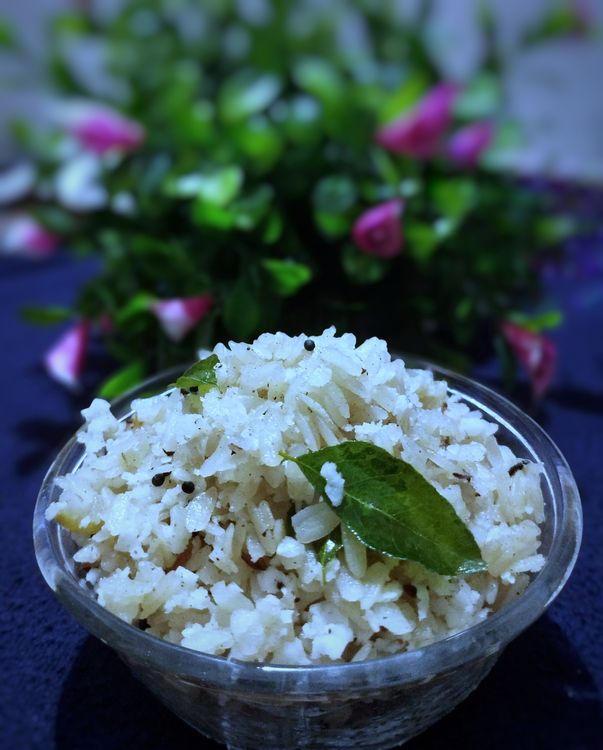
These are the mornings when there is no morning. Aval, or flattened rice, needs a rinse and a squeeze rather than a simmer, so the ten-minute version here is genuinely ten minutes. The premix is the one I would push hardest: roast the semolina with the dals and seasonings in a big batch on a Sunday, jar it, and instant upma becomes a matter of boiling water and waiting five minutes. It travels well, too — I have taken that jar on trains and into hotel rooms with nothing but a kettle. Made properly, instant upma tastes nothing like the sachets sold in shops, because you control the salt, the fat and how far the dals were toasted.


- Vegetarian
- Breakfast

- Indian
- Vegan
- Breakfast
Hearty Grain and Tuber Bowls for Slow Mornings
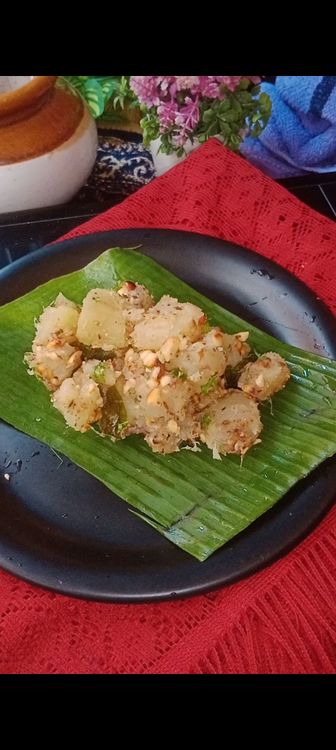
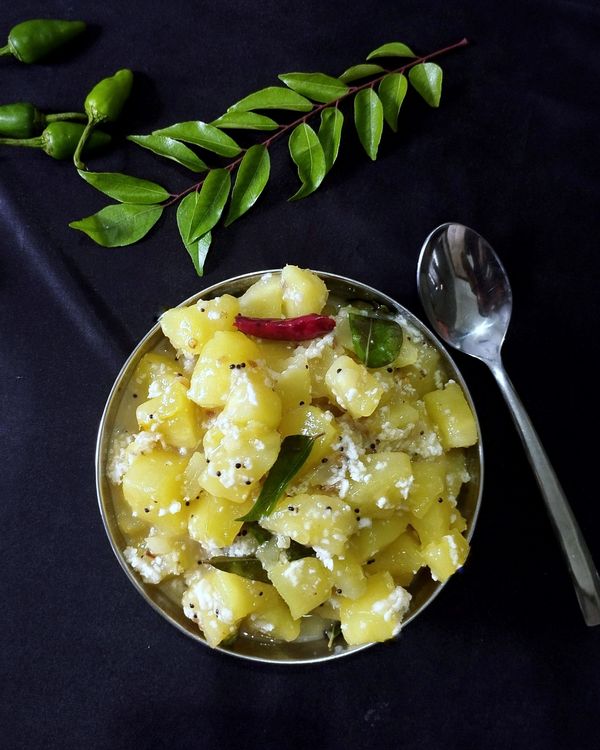
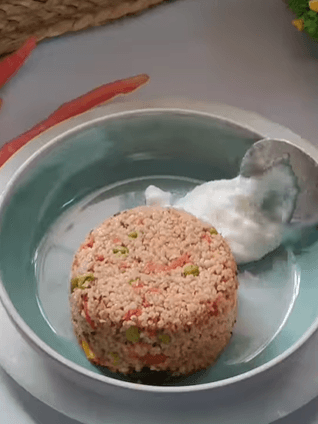
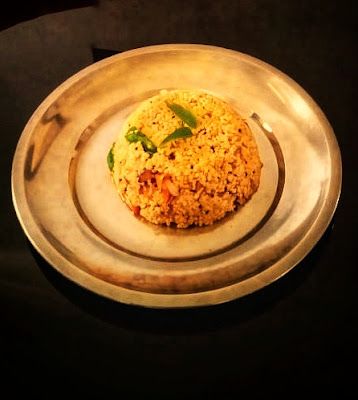
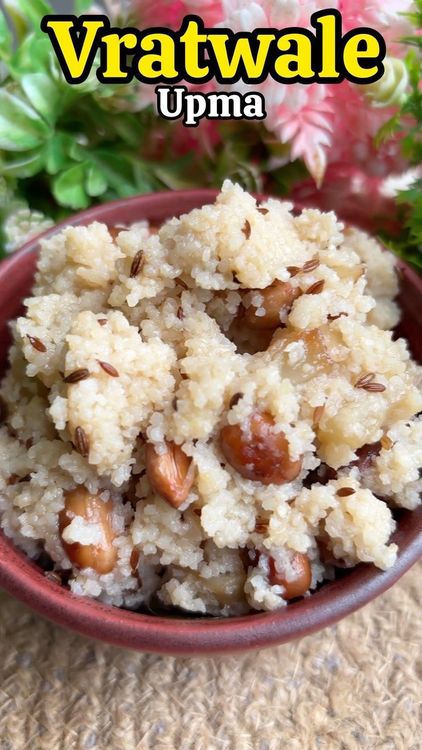
When there is time, or when breakfast has to hold you until three, this is where I go. Broken wheat and daliya bring real fibre and a chewier bite; they want a pressure cooker or a patient 40 minutes. Sweet potato and cassava turn sweet-savoury and creamy in a way semolina never does. The vratwala bowl is built for Navratri, which means no grain and no regular salt — useful far beyond fasting days. Treat these like a vegetable upma with the volume turned up: more carrots, peas and beans, a longer simmer, and a squeeze of lemon at the end to cut the density. None of them are weekday cooking, and none of them pretend to be.
- Indian
- Vegetarian
- Breakfast
- Indian
- Vegan
- Breakfast
- Indian
- Vegetarian
- Breakfast
- South Indian
- Vegan
- Breakfast

- Indian
- Vegan
- Breakfast
Roasting Rava for Non-Sticky Upma
Everything that goes wrong later is decided in the first four minutes. Raw semolina hitting water swells unevenly and glues itself into lumps; roasted semolina keeps its grain shape and drinks water at a predictable rate. Put the rava in a dry, heavy pan over medium-low heat and stir it constantly with a flat spatula — constantly, not occasionally. You are looking for three signals, in order: the dusty smell lifts, the colour moves from chalk-white to the faintest sand, and the grains start to feel loose and sandy rather than packed. That is roughly four to six minutes for coarse bombay rava, less for fine. Do not chase colour. Brown rava tastes bitter and turns the finished bowl a dull grey.
Coarse rava is the right choice for a bowl with separate grains. Fine rava, sometimes sold as chiroti rava, absorbs faster and gives a softer, almost halwa-like body — not a mistake, just a different dish. If you buy in bulk, roast the whole packet at once, cool it completely on a wide plate, and store it in a jar. Warm rava sweats inside a sealed container and goes musty within a week. A pre-roasted jar cuts rava upma down to about fifteen minutes on a weekday, and it is exactly the principle the premix recipe in this collection is built on.
One more thing worth knowing: ghee-roasting instead of dry-roasting gives a rounder, richer semolina upma, but it shortens shelf life. Do that only for the batch you are cooking now. For rava upma you plan to store, keep the roast dry and the jar sealed.
The Tempering (Tadka)
The tadka is not garnish. It is the entire flavour base, and it goes in before the water, in a strict order dictated by how long each thing needs. Heat two tablespoons of oil or ghee until a mustard seed dropped in cracks within a second. Add the mustard seeds first and let them pop properly — if they are still popping when you add the next thing, the seeds underneath will scorch while the ones on top stay raw. Then urad dal and chana dal, which need forty to sixty seconds to turn a pale gold; they are what give the finished bowl its small crunchy interruptions. Cashews, if you are using them, go in alongside the dals.
Curry leaves come next — they will spit, so stand back — followed by green chillies, ginger and a pinch of asafoetida. Onions go in after that and want three or four minutes over medium heat, until translucent rather than browned. Browned onions push the whole dish sweet. For a vegetable upma, the carrots, beans and peas go in here for two minutes before the water arrives; anything longer and they turn olive-drab and lose their bite entirely.
Two mistakes I see often: oil that is not hot enough, which leaves soggy dal and mustard seeds that never pop, and a tadka rushed in thirty seconds flat. Give it three or four minutes and the rest of the cooking is almost automatic. If the dal is still pale rather than gold, wait — the crunch it gives an hour later is worth the extra seconds.
Water Ratios & Texture
The ratio everyone quotes is 1:2 — one cup of grain to two cups of water — and it is a fine starting point for coarse rava if you like a soft, spoonable bowl. I go to 1:2.5 when I want it looser, closer to an Udupi restaurant, and down to about 1:1.75 when I want distinct grains that fall apart on the plate. Fine rava needs less water than coarse. Broken wheat and daliya need more, usually around 1:3, plus a pressure cooker or a long covered simmer. Vermicelli is the outlier: it wants roughly 1:1.5 and goes mushy fast if you overshoot.
Two rules matter more than the number itself. First, the water must be at a rolling boil, and salted, before the grain goes in — cold water is the single biggest cause of lumps in any kitchen I have cooked in. Second, pour the grain in a thin stream with one hand while stirring hard with the other. Dump it in and you get pellets that no amount of stirring will fix. Once it is all in, drop the heat to low, cover, and leave it alone for three to four minutes. Stirring during that rest is what makes rava upma gluey.
Off the heat, rest it covered for five minutes with a spoon of ghee stirred through. It will keep tightening as it cools, so pull it when it looks fractionally wetter than you want it. If it does seize up, a few tablespoons of hot water and a gentle fork — never a spoon pressed down — will bring it back.
Serving & Sides
In most South Indian homes this arrives with coconut chutney and nothing else, and honestly that is the pairing to beat. A plain white coconut chutney with green chilli and a mustard tadka cuts the richness; a roasted-gram version is thicker and clings better to each spoonful. Sambar is the other classic, and the combination has its own name in Karnataka. It is worth doing at least once, even though it takes the meal well past breakfast size and into something you will need an afternoon to recover from.
Beyond the obvious: a spoon of plain sugar on the side sounds strange and is a real Tamil household habit — you alternate a salty bite with a sweet one. Lemon wedges are non-negotiable at my table; acid does for this dish what it does for a rich dal. Grated fresh coconut over the top adds sweetness and fat. Pickle works if the bowl is on the mild side, and thick curd works if it is not. A cup of filter coffee alongside is not a serving suggestion so much as a rule.
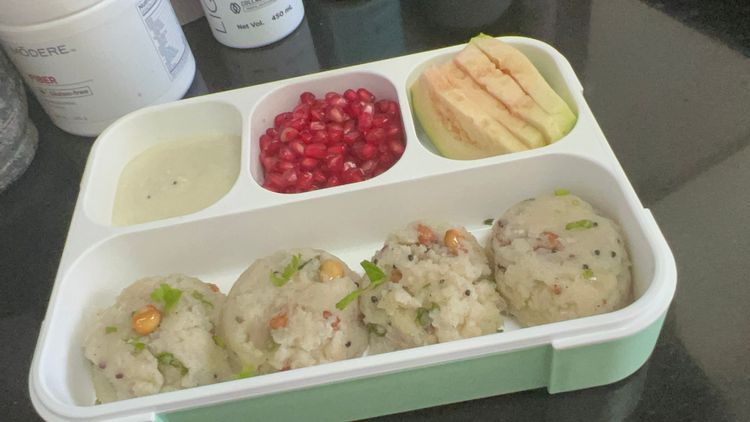
For lunchboxes, pack it slightly wetter than you would serve it and add the lemon at the table rather than in the box, or the whole thing turns dull and faintly metallic by noon. Leftover upma sets into a firm cake in the fridge; press it into a pan, cut it into squares, and shallow-fry them until crisp on both sides. That is the best possible second life for it, and my children ask for it more than the original.
Pro Tips
- Salt the water, not the grain. Salt added to the pan after the semolina goes in never distributes evenly, and you end up chasing it with more salt and making the whole bowl brackish. It goes into the boiling water, tasted and adjusted, before anything else happens.
- Keep a small bowl of hot water next to the stove. Nine times out of ten a bowl that has gone tight is not ruined, it is thirsty, and two tablespoons of boiling water folded in with a fork will rescue it in a matter of seconds. Cold water from the tap will not do the same thing — it seizes the starch and you end up with wet lumps sitting in a dry bowl.
- Grate the ginger rather than chopping it. Chopped ginger gives you occasional aggressive hits; grated ginger disappears into the base and perfumes the whole pan. Same for green chilli — slit it lengthwise rather than dicing it, and pull it out at the end if you are feeding children who object to heat.
- A teaspoon of ghee stirred in off the heat, after the rest, does more for flavour than the same ghee cooked in at the start. Heat strips ghee of most of what makes it interesting, so keep a finishing spoon back and stir it through cold, right at the end.
- If you are doubling a recipe, do not double the pan. A crowded pan steams instead of roasting, and the grain at the bottom cooks while the top stays raw. Two batches in a wide kadai beat one batch in a deep stockpot every single time, and the second batch goes faster because the pan is already hot and seasoned.
- Taste the tadka before the water goes in. That is your last chance to correct chilli, salt and asafoetida while you can still tell what each one is doing on its own. Once the grain is in, everything blends together and you are guessing.
- Cold upma reheats badly in a microwave on its own — it dries at the edges and stays cold in the middle. Sprinkle a tablespoon of water over it, cover the bowl with a plate, and give it ninety seconds; it comes back almost new.
Frequently Asked Questions
How to make upma that stays fluffy instead of sticky?
Three things, in order. Dry-roast the semolina until it smells nutty and feels sandy between your fingers. Add it to salted water that is already at a rolling boil, pouring in a thin stream while stirring hard with the other hand. Then cover it, drop the heat, and stop touching it for four minutes. Skipping the roast or using warm water is behind almost every lumpy bowl I have ever been served.
Which upma recipes work best for lunchboxes?
The vermicelli and flattened-rice versions travel best, because the strands and flakes do not fuse together as they cool. The broken wheat and daliya bowls also hold their shape well and will keep you full for longer. Pack it a little wetter than you would serve it at the table, keep the lemon separate until you eat, and it will still be good five hours later.
What water ratio should I use for rava upma?
Start at one cup of coarse semolina to two cups of water for a soft, spoonable result. Push it to 1:2.5 for the looser restaurant-style bowl, or pull back to 1:1.75 if you want distinct, separate grains. Fine semolina needs slightly less than coarse. Vermicelli sits near 1:1.5, and broken wheat wants roughly 1:3 with a pressure cooker to help it along. Measure it rather than eyeballing the first few times.
Can I make instant upma at home without buying a packet?
Yes, and it is better than the shop version by a distance. Roast semolina with urad dal, chana dal, mustard seeds, curry leaves and salt, cool it completely, and store it in an airtight jar for up to a month. To serve, stir the premix into boiling water, cover, and wait five minutes. The premix recipe in this collection walks through the proportions properly.
How do I add more vegetables without wrecking the texture?
Cut everything small — carrot, beans and peas in roughly five-millimetre dice — and cook them in the tadka for two minutes before the water goes in, never after. A proper vegetable upma can carry about a cup of vegetables per cup of grain before the water ratio needs nudging up by a quarter cup or so to compensate. Frozen peas are the exception — stir those in at the very end, or they collapse.
Is this actually a healthy breakfast?
It can be. Semolina on its own is refined wheat and light on fibre and protein, but the versions built on broken wheat, millet vermicelli, sweet potato or cassava change that picture. Load in vegetables, use a tablespoon of oil rather than three, and finish with peanuts or roasted gram. The tags on each card flag the low-calorie and gut-health options.
Can I make it vegan or gluten-free?
Vegan is easy: swap the ghee for coconut or groundnut oil and skip the curd. Gluten-free needs a change of grain, since semolina and broken wheat are both wheat. The fasting bowl, the sweet potato version and the cassava one are naturally free of it, and millet vermicelli works if the packet is pure millet rather than a blend. Check the label, because most vermicelli sold as millet is cut with wheat flour.
How do I store and reheat leftovers?
It keeps three days covered in the fridge and does not freeze well — the texture goes grainy on thawing. To reheat, sprinkle over a tablespoon of water per serving, cover, and microwave in short bursts, or warm it in a pan with a splash of water and a fork. Or press the cold block into squares and shallow-fry them until crisp on both sides, which is less a rescue than an upgrade.
Pick one of these upma recipes tonight rather than reading all sixteen. Roast the rava properly, boil the water before it ever meets the grain, and give the tadka the three minutes it deserves — those three habits carry every single version on this page. Once the method is in your hands, the grain becomes a choice rather than a rule.
Related
- rava
- south indian breakfast
- semolina
- vermicelli
- poha
- quick breakfast
Popular Searches
- Best upma recipes
- Easy upma recipes
- Quick upma recipes
- Healthy upma recipes
- Simple upma recipes
- Homemade upma recipes
- Delicious upma recipes
- Popular upma recipes
- rava upma
- how to make upma
- vegetable upma
- semolina upma
Marnirni-apinthi Building, Lot Fourteen,
North Terrace, Adelaide, South Australia, 5000
Australia
