
16 Dhokla Recipes You'll Actually Want to Make at Home
Updated July 7, 2026 · Curated by Chefadora
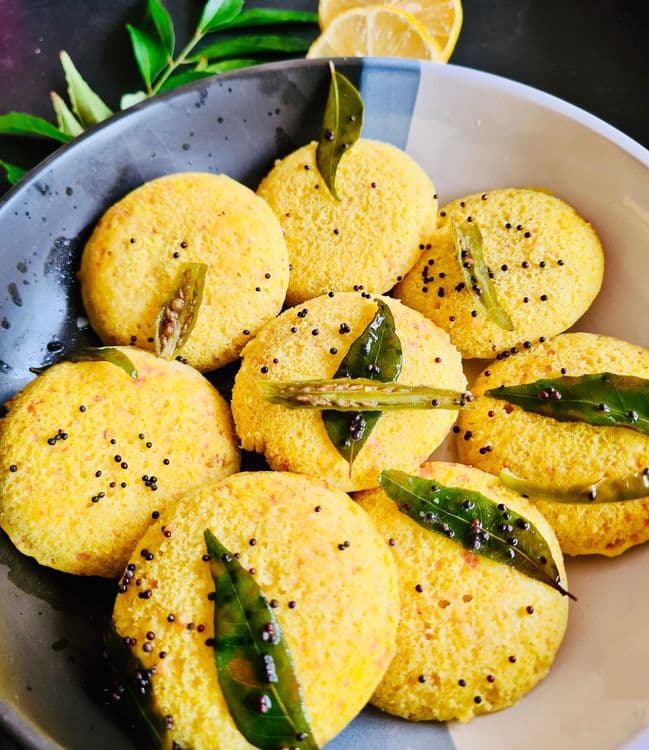
I grew up with a plate of warm dhokla on Sunday mornings, and these dhokla recipes are the ones I keep coming back to. If you have only ever bought the packaged mix, homemade changes everything: the squares turn out lighter, tangier, and far more satisfying. This collection gathers sixteen versions of the beloved Gujarati snack, from the golden besan khaman that jiggles when you press it to rustic dal-and-rice batters that ferment overnight into something wonderfully sour.
Some are ready in twenty minutes; others reward a little patience. I have sorted them so you can find exactly what suits your kitchen and your clock. You will find classic khaman, quick suji and rava versions, protein-rich moong dal steamed cakes, and colourful twists like beetroot and vegan. Along the way I share the small tricks that separate a dense, gummy batch from a cloud-soft one: the right eno timing, the fizz test, and a tempering that soaks in without turning oily. None of it is hard once you know what to watch for. Grab your steamer and let's begin.
Classic Khaman: Soft, Spongy Golden Squares
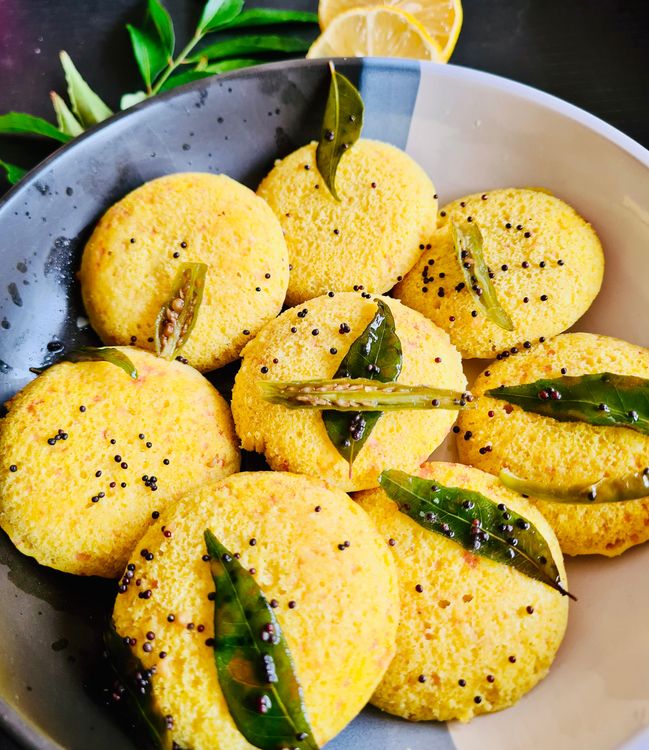
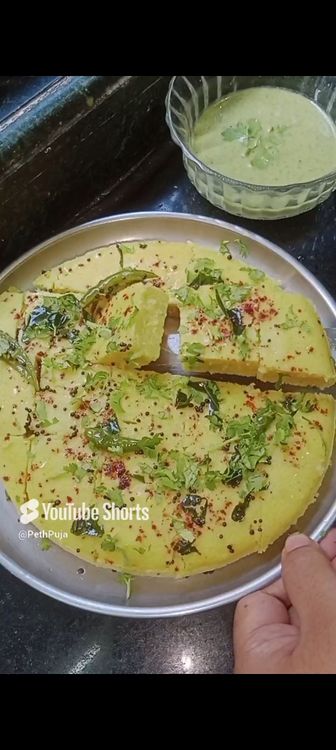
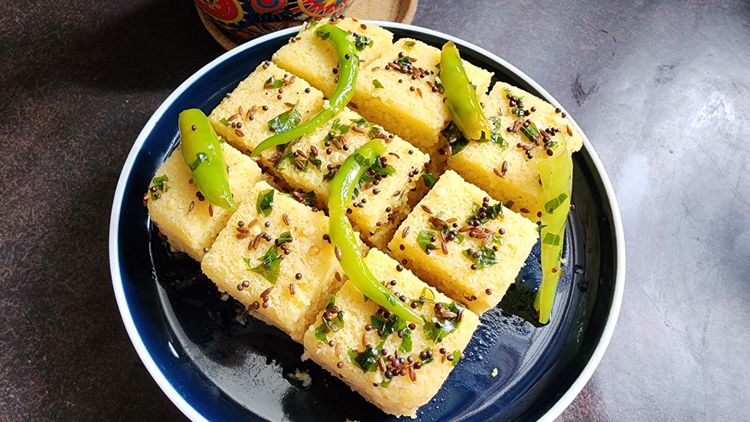
Khaman is the version most people picture first: bright yellow, faintly sweet, sour, and so airy it seems to float. It is made from besan, or gram flour, whisked into a smooth batter, leavened with a pinch of eno right before steaming, then finished with a sizzling tempering of mustard seeds, curry leaves, and a splash of sugar water. The three here range from a twenty-minute weeknight batch to a slightly slower Sunday version, but all share that signature honeycomb crumb. If you have battled dense, rubbery results before, start in this section. I walk you through the fizz, the steam, and the syrupy soak that keeps every piece moist for days. Nail this and everything else feels easy.

- Indian
- Vegan
- Breakfast

- Indian
- Vegan
- Breakfast

- Indian
- Vegetarian
- Breakfast
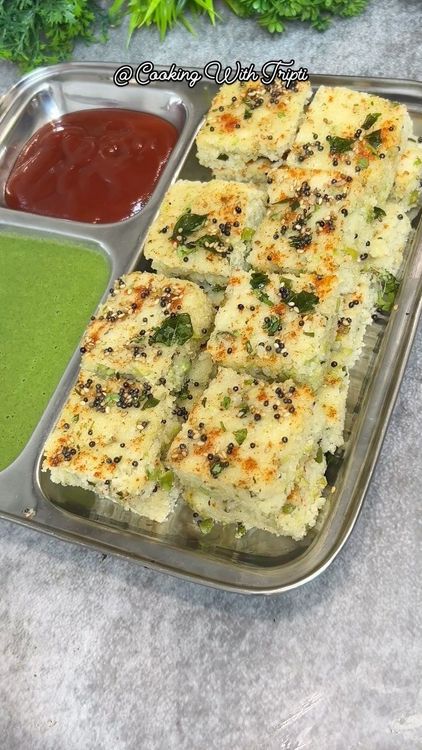
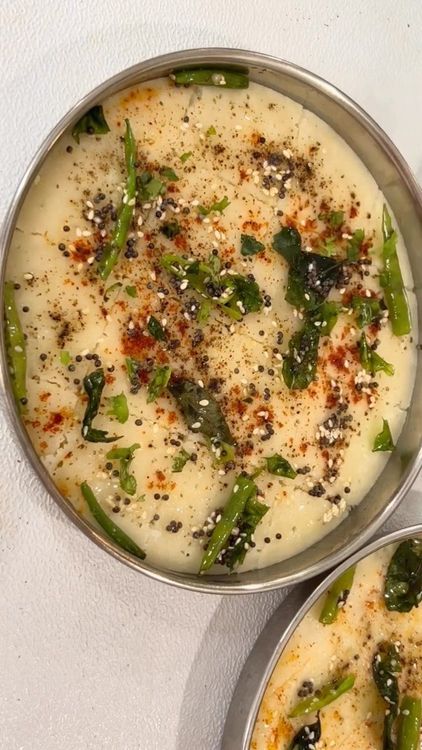
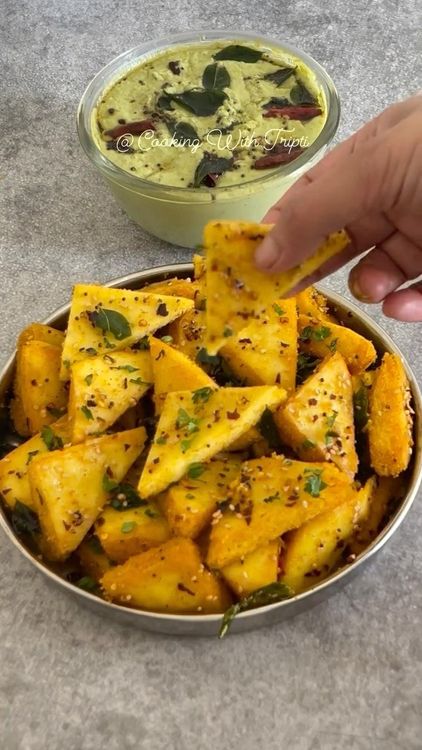
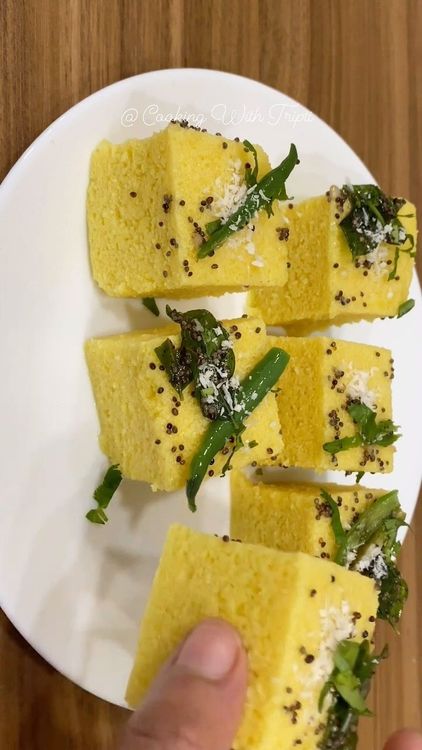
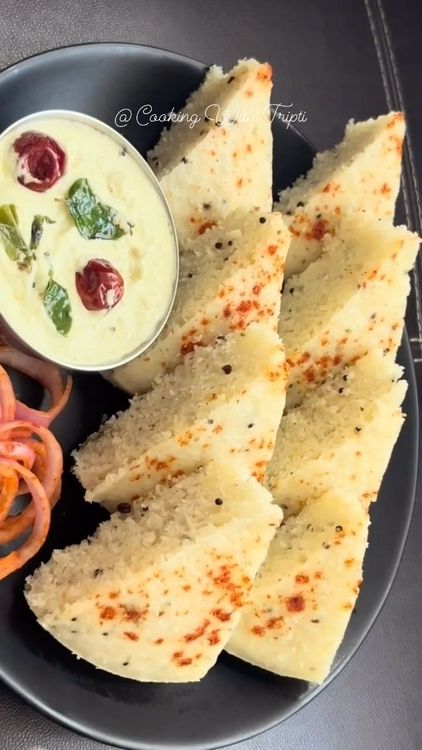
Instant & Rava Dhokla Recipes for Busy Nights
When the craving hits and there is no time to ferment, this is where I turn. Instant batters lean on eno or fruit salt for lift, while rava (semolina, also called suji) brings a pleasant, slightly grainy bite and a tang from yogurt. These five come together in roughly thirty to forty minutes, apart from the rice version that likes a longer rest. Expect sturdier, more forgiving squares than delicate khaman, which makes them brilliant for lunchboxes and picnics. Stir in green peas, grated carrot, or a spoon of ginger-chilli paste to make each batch your own. Steam until a toothpick comes out clean, temper generously, and cut into neat diamonds once cooled. You truly cannot go wrong here.

- Indian
- Vegetarian
- Breakfast
- Indian
- Vegetarian
- Appetiser
- Indian
- Vegetarian
- Breakfast
- Indian
- Vegetarian
- Snack
- Indian
- Vegetarian
- Breakfast
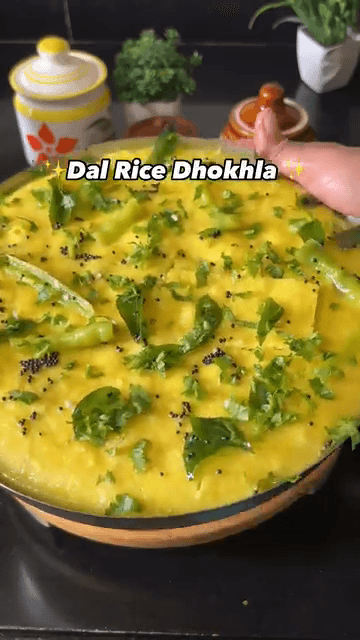
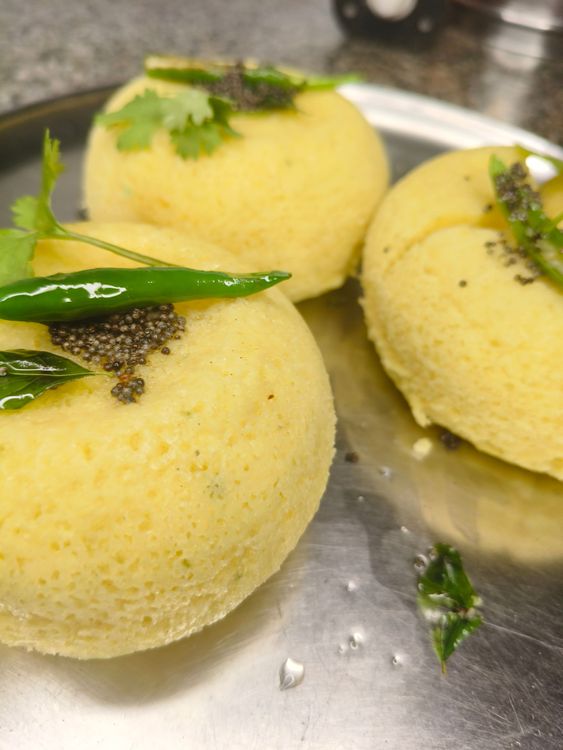
Traditional Dal & Rice Fermented Steamed Cakes
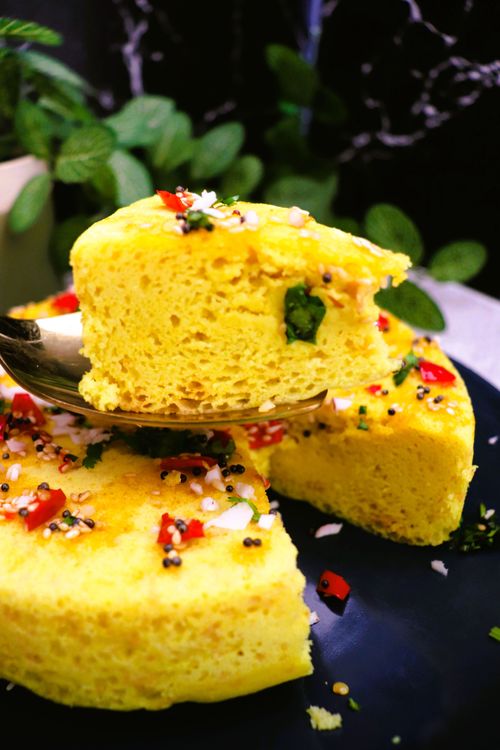
Before fruit salt existed, cooks relied on wild fermentation, and these are the recipes that honour that slower craft. Ground moong dal, or a mix of dal and rice, soaks and then bubbles away on the counter until the batter smells tangy and alive. The reward is a deeper, more complex sourness you simply cannot fake, plus a lighter, more digestible result. Khatta, meaning sour, is the classic white example, while moong dal versions add a gentle protein boost. Yes, they ask for planning, often an overnight rest, but the hands-on work is minimal. I include quicker chutney-topped options too, so beginners can ease into fermentation. Trust the smell, not the clock.
- Indian
- Vegetarian
- Breakfast
- Indian
- Vegetarian
- Side Dish
- Indian
- Vegetarian
- Snack
- Indian
- Vegan
- Breakfast

- Indian
- Vegan
- Appetiser
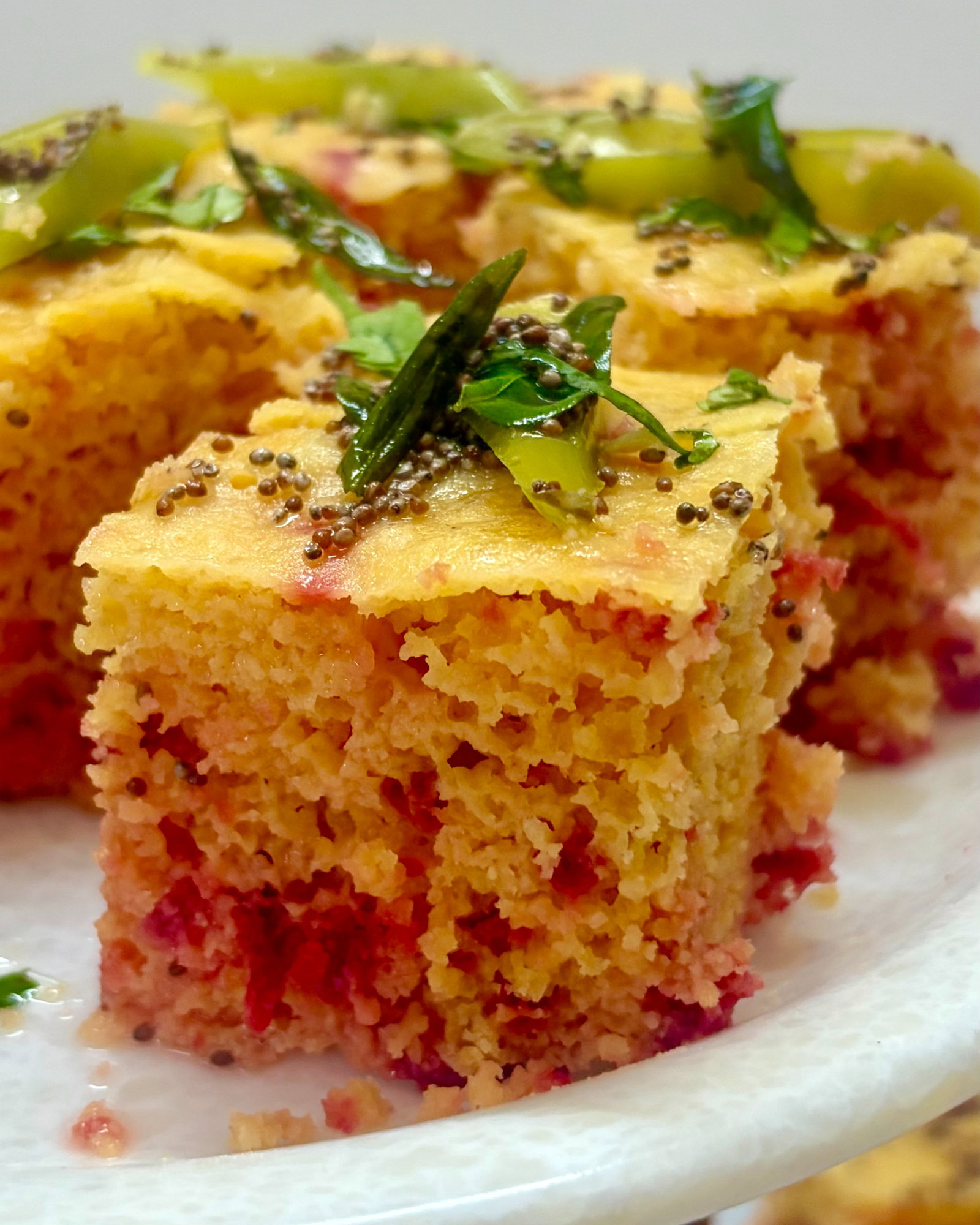
Healthy Twists & Colourful Variations
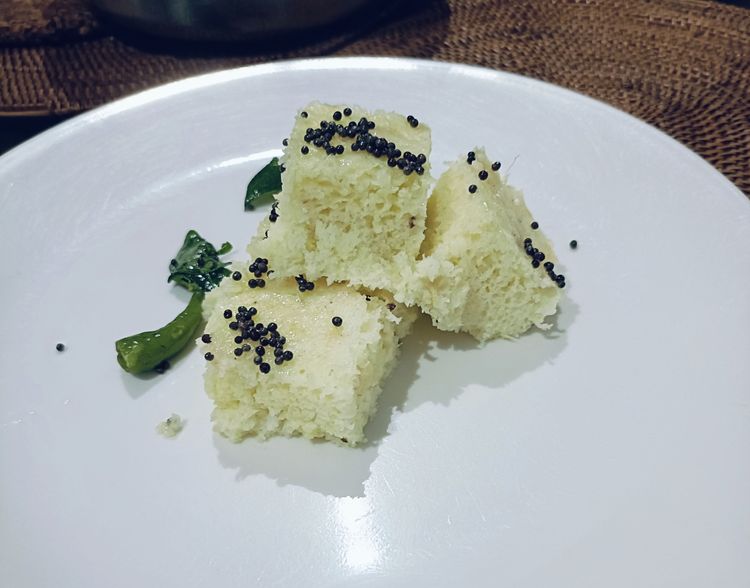
This is the playful corner of the collection, where tradition meets a little imagination. A beetroot batch turns a shocking pink and sneaks extra vegetables past fussy eaters; a fully vegan version swaps nothing you will miss; and a bright, spicy chutney rounds things out for dipping and drizzling. These lighter bites lean on gut-friendly fermentation and low-oil steaming, so they fit neatly into weight-loss and clean-eating plans without tasting like a compromise. I love serving them at brunch, when their colour does half the work of impressing guests. Treat these as a starting point: once you understand the base batter, swapping in spinach, carrot, or corn becomes second nature. Colour, in my kitchen, is its own kind of seasoning.
- Vegetarian
- Breakfast
- Indian
- Vegan
- Breakfast
- Indian
- Vegan
- Breakfast
Soft, Spongy Dhokla Secrets: Eno & Fermentation
The difference between a proud, cloud-soft square and a sad, rubbery one comes down to gas, how much you create and how well you trap it. There are two routes. The traditional path uses wild fermentation: you soak and grind your batter, then leave it somewhere warm for eight to twelve hours until it rises and smells pleasantly sour. Natural yeasts and bacteria do the lifting, and they also make the finished snack easier to digest. In a cold kitchen, tuck the bowl inside an oven with just the light on, or set it near a warm stovetop.
The quick path uses eno fruit salt or a mix of baking soda and citric acid. Here, timing is everything. Add eno only at the very last second, stir gently in one direction for a few seconds until the batter visibly foams, then pour and steam immediately. Beat it too hard, or let it sit and wait, and the bubbles collapse before they ever set. I test readiness with a simple fizz check: a pinch dropped into a spoon of batter should erupt energetically, not lazily.
Steam over rapidly boiling water, lid wrapped in a cloth to catch drips, and resist opening the pot for the first ten minutes. A skewer should emerge clean. Cool for fifteen minutes before cutting, or the warm crumb will tear. One more tip: match your tin size to your steamer so steam can circulate freely around the sides; crammed in tight, the centre stays wet while the edges overcook. Master these two levers and every batch turns out tall, tender, and full of tiny holes.
Khaman vs Dhokla: What's Actually the Difference?
People use the two names interchangeably, and shops only muddy the water by selling yellow khaman under the wrong label. Here is the honest distinction. Khaman is made purely from besan, ground gram flour, which gives it that sunny colour, a soft melt-in-the-mouth texture, and a sweet-sour-savoury balance. It is almost always the instant, eno-leavened style you meet at snack counters. What most Gujaratis call the original, by contrast, is white and made from a fermented rice-and-split-chickpea batter, closer in spirit to idli. It is milder, denser, tangier, and traditionally leavened by overnight fermentation rather than fruit salt.
Why does it matter? Because knowing which you want tells you how to shop and cook. Craving the fluffy yellow squares from your favourite mithai shop? Reach for besan and eno. Want the subtle, sour, rustic kind your grandmother steamed? Plan ahead for soaking and grinding. Flavour, colour, and texture all follow directly from that single choice of base, so it pays to decide before you start.
In this collection I have kept both camps clearly separated so you never grab the wrong one. The classic-khaman section covers the yellow, instant besan style; the fermented dal-and-rice section covers the pale, tangy originals. Everything else, rava, moong dal, beetroot, vegan, borrows techniques from both. Once the vocabulary clicks, the whole tradition suddenly makes far more sense, and the differences in colour, density, and tang stop feeling random. Keep this one distinction in your back pocket and you will shop and cook with real confidence, never again wondering why the yellow squares at one stall taste nothing like the pale ones at the next.
The Tempering & Tadka That Makes It Sing
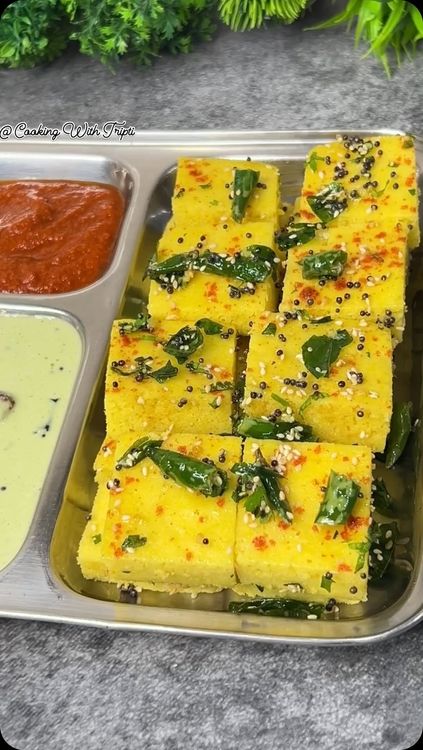
A finished square without tempering is like a song missing its chorus, technically complete, but flat. The tadka is the fragrant oil you pour over the top at the end, and it does three jobs: it seasons, it perfumes, and it keeps the crumb moist. Start with a neutral oil over medium heat. Add mustard seeds first and wait for them to pop; this releases their nutty warmth. Sesame seeds go in next for texture, followed by a generous handful of curry leaves that will crackle and spit, so stand well back.
Now the crucial part for the yellow khaman style: kill the heat, then carefully add water, sugar, and often a squeeze of lemon. The mixture will hiss violently and turn into a sweet, tangy syrup. Spoon this all over the cut squares while they are still warm so it seeps into every hole, plumping the crumb and delivering that unmistakable sweet-savoury contrast on the tongue. Slit green chillies and a pinch of asafoetida add gentle heat and a lovely aroma.
For the tangier fermented and dal styles, skip the sugar water and keep the tempering dry and savoury: mustard, sesame, curry leaves, chilli. Finish either version with a shower of chopped coriander and a scatter of fresh or desiccated coconut. A final note on fat: use just enough oil to carry the spices and no more, roughly a tablespoon for a full tray, so the tempering flavours the crumb without leaving it greasy. Do not rush this step; it is where an ordinary batch becomes genuinely memorable.
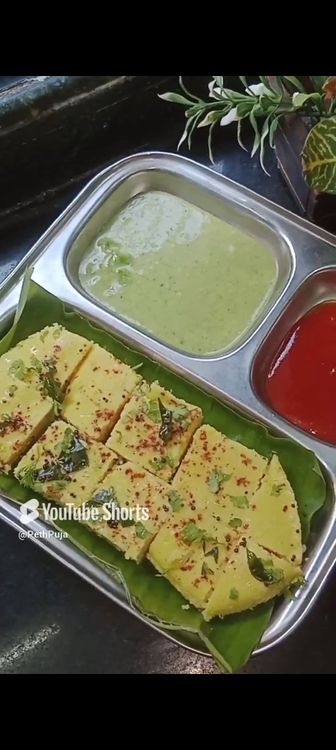
Serving It Right: Chutneys, Chai & More
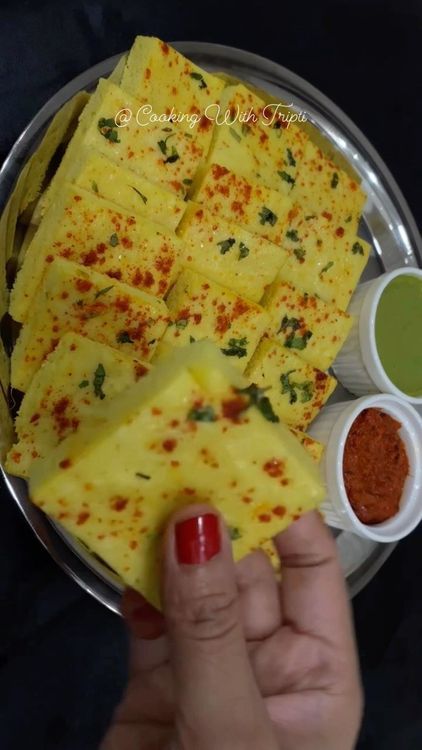
How you serve these steamed cakes matters almost as much as how you steam them. The classic partner is a bright green chutney, coriander and mint blitzed with green chilli, ginger, lemon, and a little sugar for balance. Its fresh, sharp heat cuts through the soft, sweet crumb beautifully. A smooth coconut chutney, thinned with a spoon of yogurt, offers a mellower, cooling alternative that suits the spicier batches. For contrast, many people love a thin, sweet-sour tamarind-date chutney drizzled generously over the top.
Beyond the dip, think about the plate. A cup of masala chai turns an afternoon serving into a proper snack ritual, while a glass of chaas, spiced buttermilk, keeps a summer brunch light. I like to pile the squares on a platter, scatter over pomegranate seeds and sev for crunch, and let people help themselves. That contrast of soft, crunchy, sweet, and tangy in a single mouthful is really the whole point.
These make excellent make-ahead food, too. Steam a batch, cool completely, and refrigerate for up to three days; a quick re-steam or thirty seconds in the microwave under a damp cloth brings back the softness. They travel well in a lunchbox with a small pot of chutney tucked alongside, which is exactly why they are a picnic and potluck staple across western India. Cut them small, into two-bite diamonds, so they stay elegant finger food rather than a heavy course. Leftover chutney keeps happily for a week in the fridge and doubles beautifully as a sandwich spread the next morning. Serve warm or at room temperature, never straight from the fridge, since cold flattens both the aroma and that delicate, springy texture.
Pro Tips for Perfect Results
- Sift your besan before mixing, because even a single stubborn lump traps dry pockets that ruin the smooth, even crumb you are working so hard to achieve.
- Always bring the steamer to a proper rolling boil before the batter ever goes in; a cold, sluggish start gives you flat, sunken, disappointing squares.
- Grease the tin with a proper film of oil and, for extra insurance, line the base with a round of parchment, because nothing is sadder than a perfect batch stuck fast.
- Add the eno or fruit salt at the very last moment and stir it in just one direction, then get the tin into the steamer immediately before all that precious fizz escapes.
- Insert a toothpick at the fifteen-minute mark; if it comes out with wet batter still clinging on, give it five more minutes and patiently check once again.
- Let the steamed slab cool for a full quarter of an hour before you cut it, so the squares keep clean, sharp edges instead of crumbling and tearing apart.
- Pour the hot tempering over while the crumb is still warm, then cover the tray for five minutes so every open hole drinks up that fragrant, tangy, sizzling oil.
Frequently Asked Questions
Which of these dhokla recipes is best for a beginner?
Start with an instant besan khaman or a quick rava batch; both skip overnight fermentation and rely on eno for lift. They are forgiving, ready in about thirty minutes, and hard to mess up so long as you steam over properly boiling water and resist peeking too early. Once you are comfortable with the gentle-stir, fast-steam rhythm and the toothpick test, graduate to the slower fermented dal and rice versions, which reward the extra time with a deeper, more interesting sourness.
Why did my batch turn out hard and rubbery?
Usually one of three culprits: you overbeat the batter after adding eno, the water was not yet boiling when you started, or you simply steamed it too long. Bubbles need to be folded in gently and then set fast, so work quickly and pull the tin the very moment a skewer comes out clean. Too much flour and too little water will also densify the crumb, so measure with real care and aim for a thick but pourable, ribbon-like batter.
Can I make these without eno or fruit salt?
Absolutely. Substitute a mix of baking soda and a sour agent, such as lemon juice, citric acid, or plain yogurt, which react together to create similar lifting bubbles. Better still, ferment the traditional way: leave the batter in a warm spot for eight to twelve hours until it visibly rises and smells pleasantly tangy. Natural fermentation gives a superior, more complex flavour, though it does demand a little patience and a warm corner of the kitchen to work its magic overnight.
What is the ideal steaming time?
For a standard round tin filled about two-thirds deep, count on fifteen to twenty minutes over a strong, steady boil. Thinner layers set noticeably faster, while thicker ones need a good bit longer. Ignore the clock alone and trust a toothpick instead: when it emerges clean and the top springs back to a light touch, the crumb is done. Overcooking simply dries the whole thing out and makes it crumbly, so err on the side of checking a couple of minutes early rather than late.
How do I store and reheat any leftovers?
Cool the squares completely, then keep them in an airtight box in the fridge for up to three days. They firm up when cold, so revive them with a brief re-steam or a thirty-second microwave under a damp paper towel. The moisture and gentle heat together restore that pillowy softness. Freezing works too, for up to a month; thaw at room temperature, then steam briefly, though the texture is always best fresh from the steamer on the day you make it.
Are these steamed snacks actually healthy?
On the whole, yes. They are steamed rather than fried, naturally vegetarian, and often built on protein-rich gram flour or moong dal, which keeps them filling. Fermented versions are especially gut-friendly and easier to digest. Watch the sugar in the tempering syrup and the salt if you are monitoring your intake, but as everyday snacks go, these rank among the lighter, more genuinely nourishing choices you can make at home, and a little coriander chutney adds vitamins for almost no calories.
What is the difference between khaman and the white kind?
Khaman is the soft, bright-yellow, slightly sweet snack made from besan and usually leavened instantly with eno. The white version comes from a fermented rice-and-chickpea batter, so it is decidedly paler, denser, tangier, and closer to idli in spirit. Shops routinely blur the two names, but knowing precisely which base you actually want tells you exactly how to shop for it and how to cook it well.
Can I make these vegan or gluten-free?
Most are naturally vegan already, since the batter needs no dairy at all; just check that any chutney or tempering skips ghee and yogurt, swapping in oil and a squeeze of lemon instead. Besan and moong dal versions are also gluten-free by their very nature. Rava batches use semolina, which contains gluten, so choose a besan, dal, or rice base if you must avoid wheat entirely, and always read your fruit-salt label to be safe.
Whichever you try first, these dhokla recipes prove that a genuinely great snack can be light, wholesome, and ready in about half an hour flat. Keep besan and eno in the pantry, trust your toothpick over the clock, and always pour the tempering while everything is still warm. Steam a batch this weekend, share it around, and watch the plate empty faster than you expected.
Whether you steam a soft khaman dhokla, whip up an instant dhokla on a busy morning, or try rava dhokla and besan dhokla, this collection keeps a light, tangy-sweet snack within easy reach.
Related
- khaman dhokla
- instant dhokla
- rava dhokla
- besan snacks
- gujarati snacks
- steamed snacks
Popular Searches
- Best dhokla recipes
- Easy dhokla recipes
- Quick dhokla recipes
- Healthy dhokla recipes
- Simple dhokla recipes
- Homemade dhokla recipes
- Delicious dhokla recipes
- Popular dhokla recipes
- khaman dhokla
- instant dhokla
- how to make dhokla
- rava dhokla
Marnirni-apinthi Building, Lot Fourteen,
North Terrace, Adelaide, South Australia, 5000
Australia
