
Top 52 Bacon Recipes: Breakfast, Wrapped Bites, Mains and Sweet
Updated June 29, 2026 · Curated by Chefadora
Bacon recipes are the easiest way to make almost anything taste better, which is exactly why a single ingredient earns its own collection. Cured, smoked and sliced from pork belly, bacon brings salt, smoke, fat and crunch all at once, and it works as the star of a plate or the seasoning that lifts everything around it. The recipes below span the full range — crisp breakfasts, party-ready wrapped bites, rich mains and pastas, and the sweet-savoury world of candied bacon — rather than ten variations on a fried strip.
What makes bacon so useful in the kitchen is the rendered fat. As it cooks, the fat melts out and crisps the meat, leaving behind a pool of liquid gold that fries eggs, wilts greens, toasts bread and builds the base of a soup. That same fat is also the thing that goes wrong: cook bacon too hot or too fast and the edges scorch while the center stays flabby and pale. The guides here are built around rendering it slowly and evenly so every strip ends up crisp.
You will find four clusters: bacon breakfasts and egg dishes, bacon-wrapped bites and appetizers, mains and pasta, and the candied, jam and sweet end of the spectrum. The technique carries across all of them — render the fat, manage the heat, and treat the drippings as an ingredient — so once you can cook a perfect strip, every other dish gets easier.
Treat this as a working reference. Each recipe links to full ingredients and steps on Chefadora, and the guides below cover the decisions that matter most: the foolproof oven method for even, hands-off crispness, how to wrap and roast without sogginess, how to render bacon into a pasta sauce, and how to candy it without burning the sugar.
Bacon Breakfasts & Egg Dishes
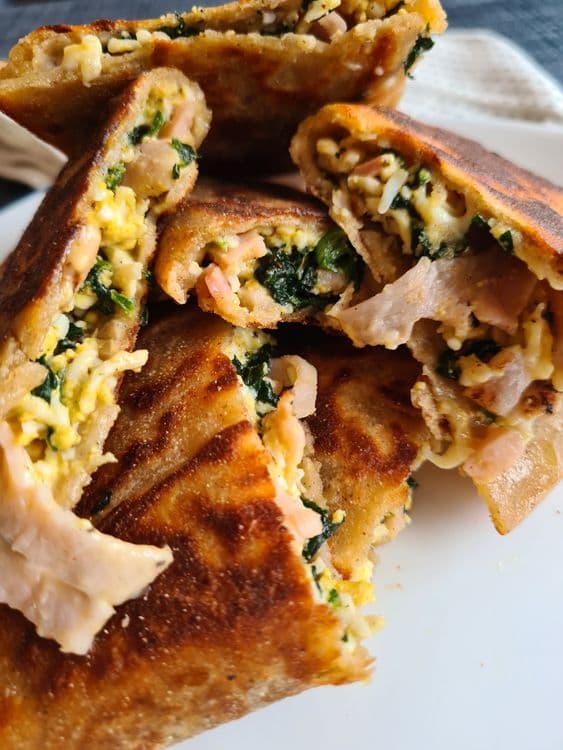
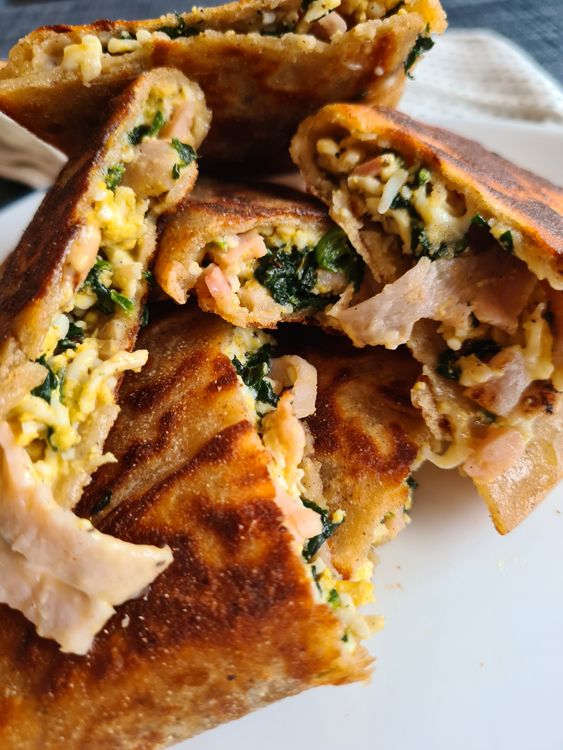
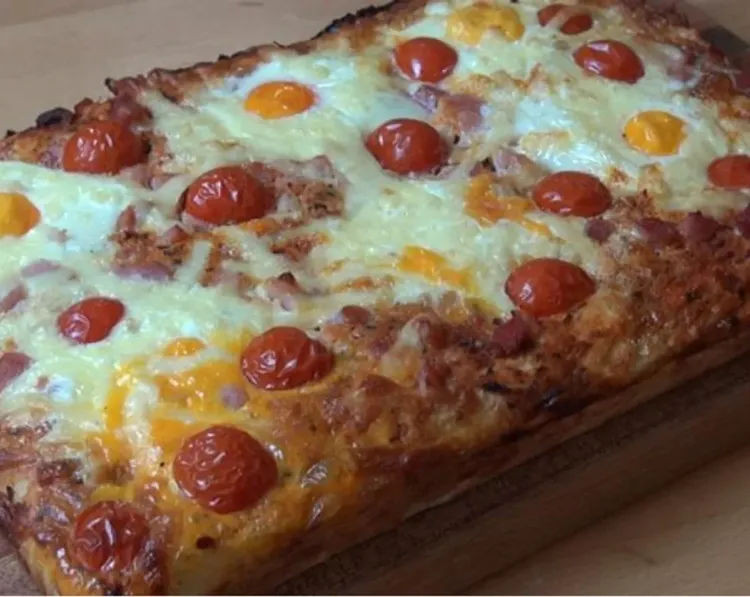
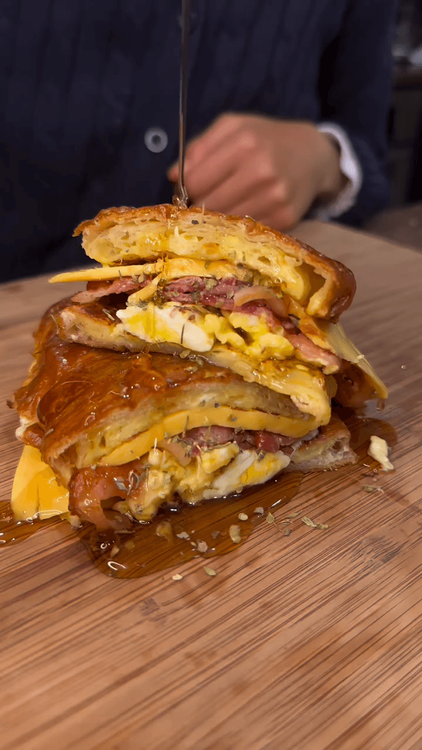
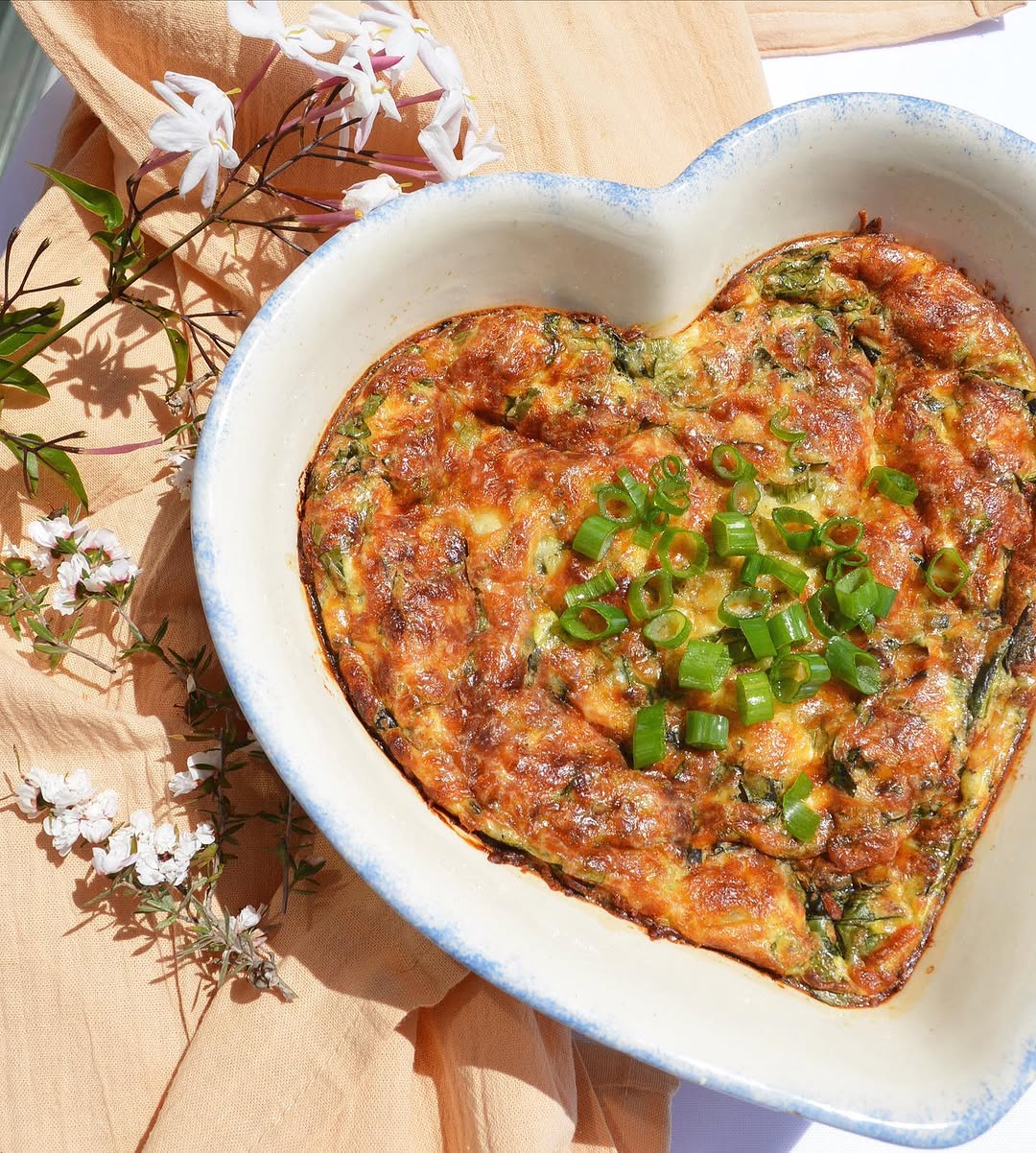
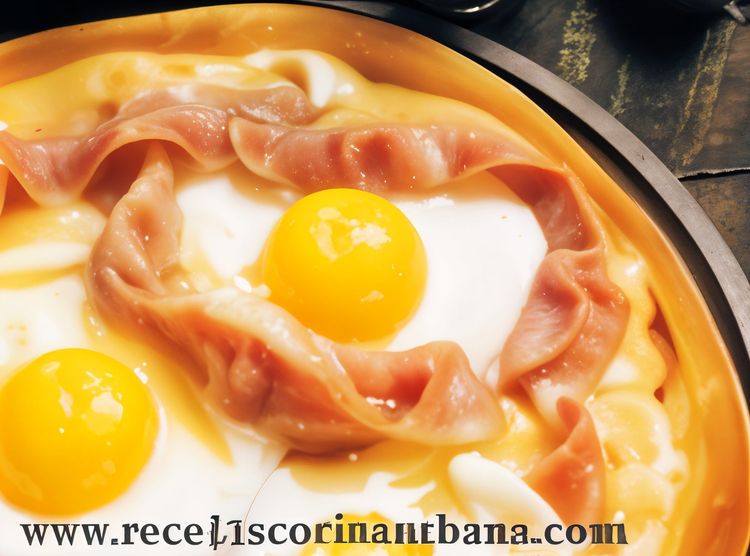
Breakfast is bacon's home turf, and the secret to a great morning plate is treating the rendered fat as the second ingredient. Cook the strips slowly — in the oven on a foil-lined tray, or starting in a cold pan over medium heat — so the fat melts out gradually and the meat crisps flat instead of curling and burning at the edges. Once the bacon is out and draining, that pool of smoky fat is what fries your eggs to lacy, crisp-edged perfection, browns the potatoes in a hash, or wilts greens into a frittata. The most common mistake is cranking the heat to rush things, which scorches the surface while the centre stays pale and flabby; patience and a single layer fix it every time. For baked dishes like quiche, strata and breakfast casseroles, cook the bacon crisp before it goes in so it holds some bite under the custard rather than dissolving into rubbery softness. Crumble it back over the top at the end, too, where it stays crunchy against the soft egg. Drain on paper, season after cooking, and you have the backbone of every great breakfast. Standouts here include Bacon & Egg Paratha and Cheesy Bacon and Egg Breakfast Bake, plus Bacon, Egg, and Cheese Croissant French Toast.

- Indian
- Non-Vegetarian
- Breakfast

- American
- Non-Vegetarian
- Breakfast

- American
- Non-Vegetarian
- Breakfast

- American
- Non-Vegetarian
- Breakfast
- American
- Non-Vegetarian
- Lunch

- American
- Non-Vegetarian
- Breakfast
- American
- Non-Vegetarian
- Breakfast
- American
- Non-Vegetarian
- Appetiser
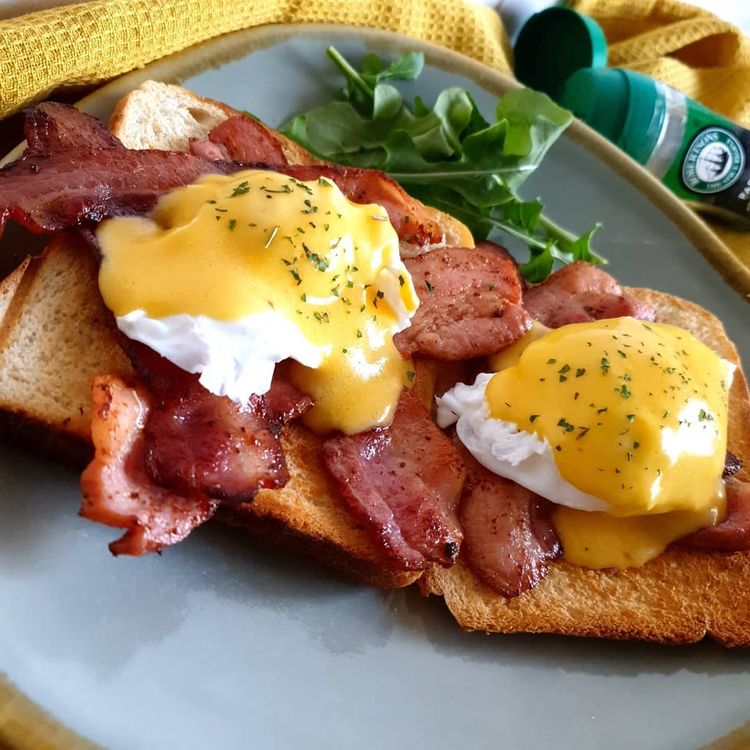
- American
- Non-Vegetarian
- Breakfast
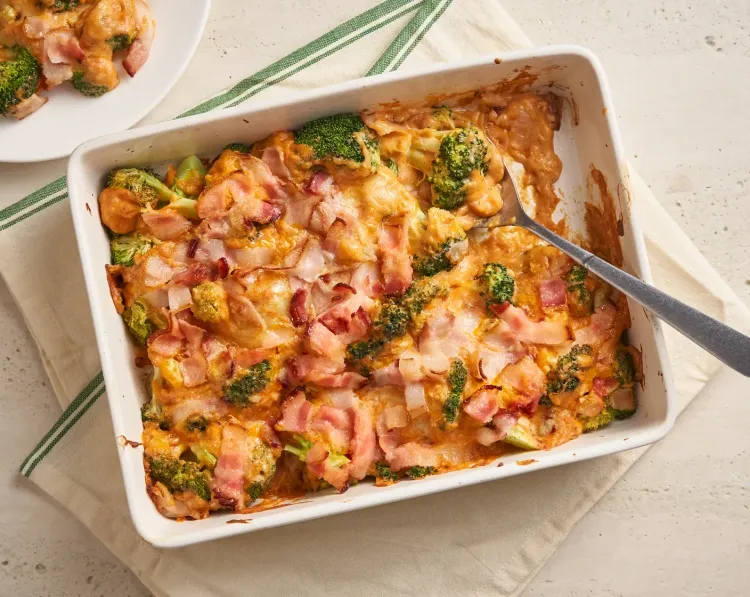
- American
- Non-Vegetarian
- Dinner

- American
- Non-Vegetarian
- Dinner
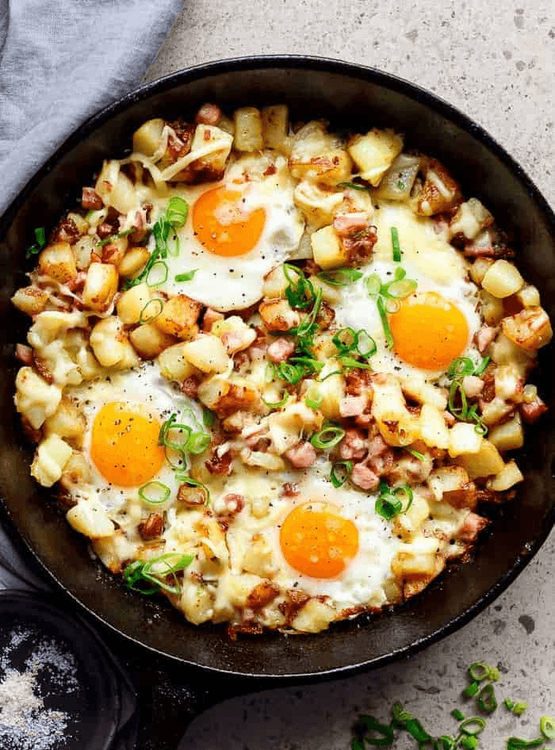
- American
- Non-Vegetarian
- Breakfast
Bacon-Wrapped Bites & Appetizers
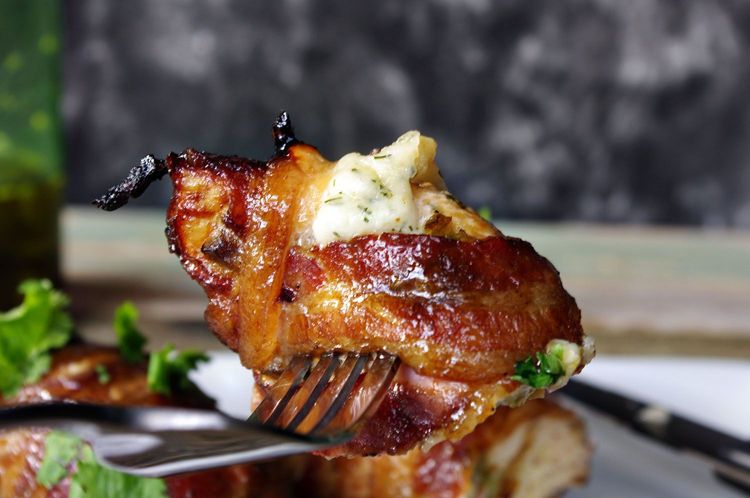
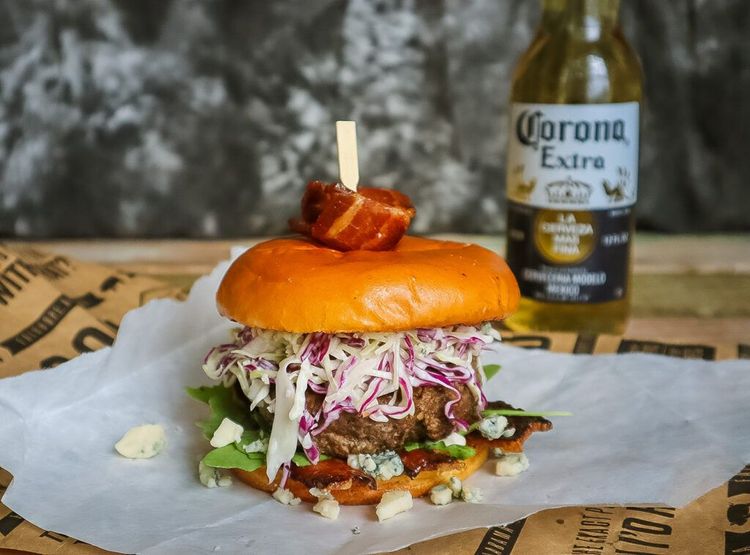
Few party tricks are as reliable as wrapping something in bacon and roasting it until the fat crisps, but the difference between a hit and a greasy disappointment is all in the technique. Reach for thin or regular bacon rather than thick-cut, because the slices need to render and crisp in the same time it takes the chicken, date, water chestnut or jalapeno inside to cook through; thick bacon stays raw and rubbery while the filling overcooks. Stretch each slice gently before you wrap so it shrinks tight around the food, and pin loose ends with a toothpick so they do not spring open in the oven. The single biggest fix is to roast on a wire rack set over a sheet pan: this lets the rendering fat drip away and hot air circulate on all sides, so the underside crisps instead of stewing in a puddle of grease. Roast hot, around 200 to 220C, and finish under the broiler if the tops lag behind. For sweet-glazed versions like brown-sugar smokies or bacon-wrapped dates, add the glaze only in the final few minutes so it caramelises into a sticky lacquer rather than burning. Rest a moment before serving, since the filling is molten. Standouts here include Bacon Wrapped Asparagus with Lemon Tarragon Aioli and Bacon Jalapeno Tequila Jam Burger with Fontina, plus Cream Cheese & Bacon Stuffed Doritos Chicken.
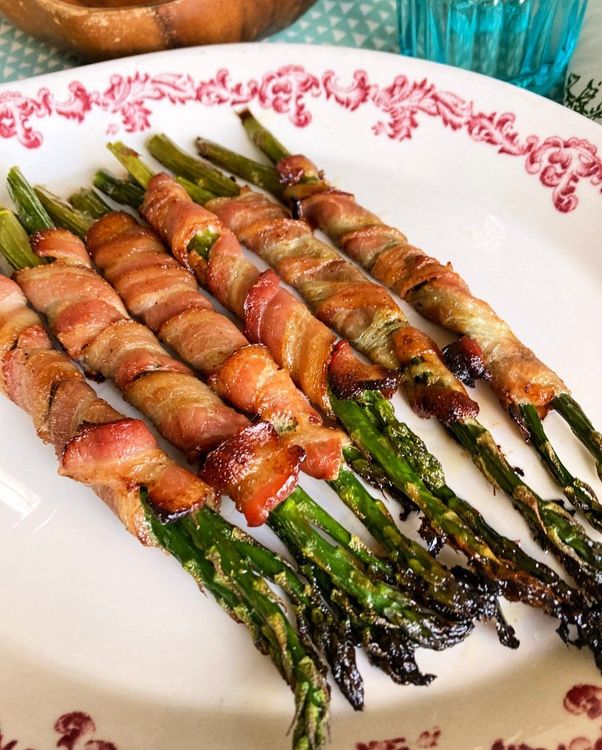

- American
- Non-Vegetarian
- Appetiser
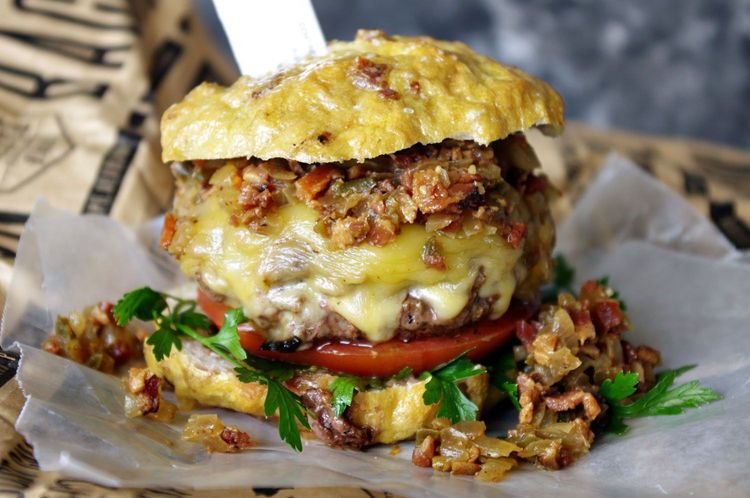
- American
- Non-Vegetarian
- Lunch


- American
- Non-Vegetarian
- Lunch
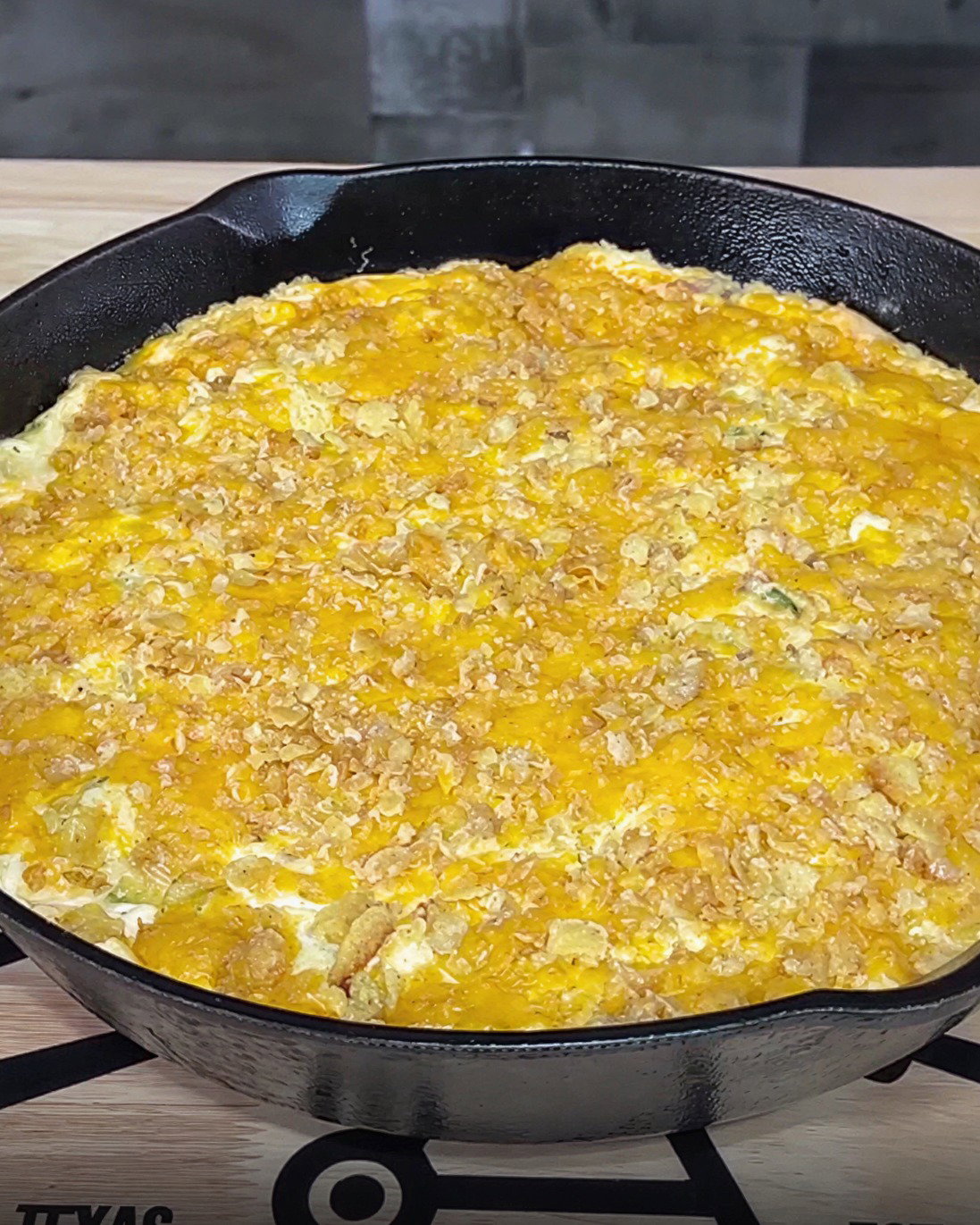

- Gluten-Free
- Appetiser
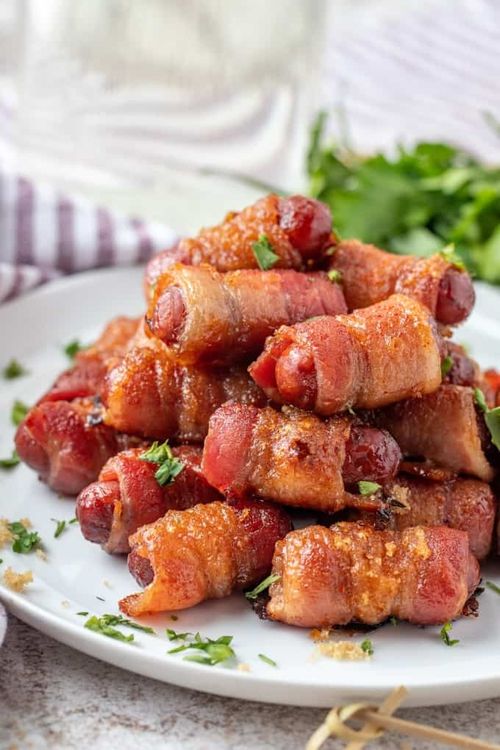
- American
- Non-Vegetarian
- Appetiser


- American
- Non-Vegetarian
- Appetiser
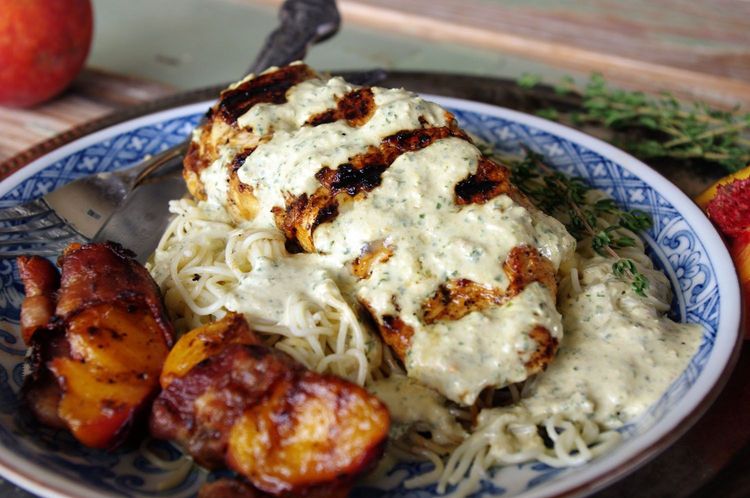
- American
- Non-Vegetarian
- Dinner
- American
- Non-Vegetarian
- Lunch
Bacon Mains & Pasta
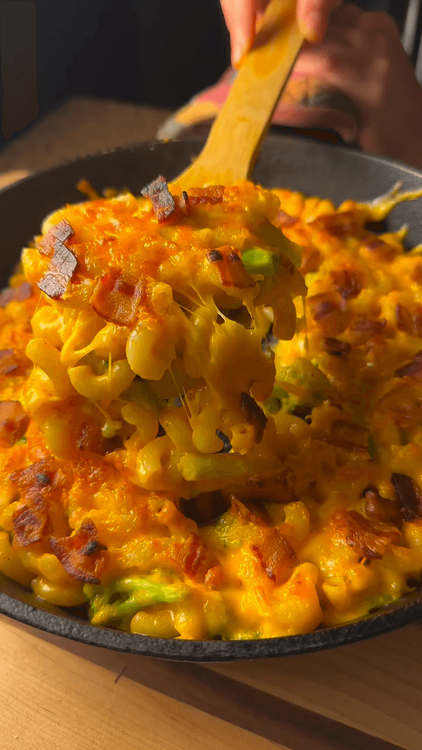
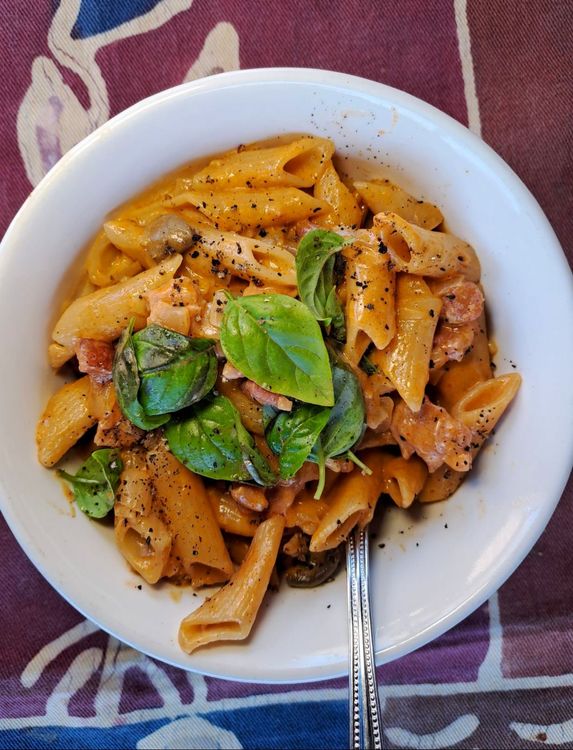
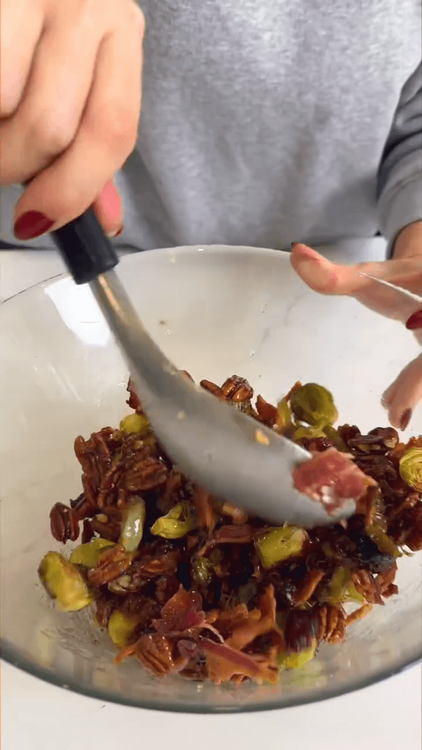
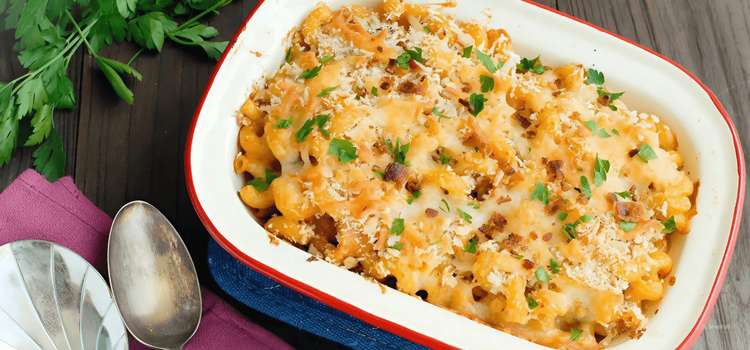
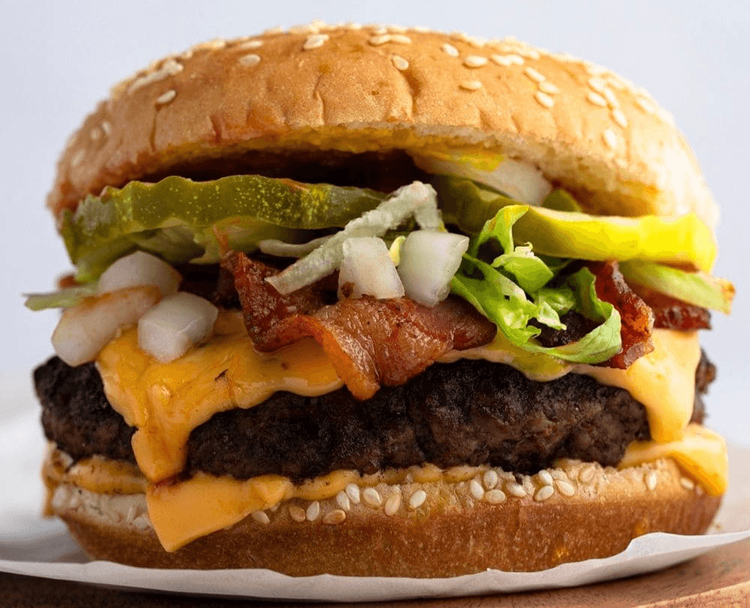
When bacon anchors a main course, you are really cooking with two ingredients at once: the crisp meat and the rendered fat, and the best dishes use both. Render diced or sliced bacon in a cold pan over medium heat until crisp, lift it out to drain, then build the rest of the dish in the smoky fat it leaves behind — onions, greens, potatoes and aromatics all take on a depth that oil simply cannot give. Carbonara is the technique worth mastering here, and despite what many recipes say, it needs no cream: toss hot pasta through the bacon fat, pull the pan off the heat, then stir in beaten egg yolks and grated pecorino loosened with starchy pasta water, working off the flame so the residual heat sets a glossy, clinging sauce instead of scrambling the egg. For a BLT, a bacon cheeseburger or a club, crisp the bacon well so it shatters and gives a soft sandwich its structure, and drain it so it does not turn the bread greasy. In pasta bakes, soups and skillet dinners, crumble the bacon back in near the end so it keeps its bite rather than going soft. Standouts here include Bacon Jam and Burger Sauce Recipe from Corporate to Chef Episode 17 and Creamy Soy Milk and Bacon Miso Soup, plus Bacon Cheddar Mac and Cheese.


- Non-Vegetarian
- Main Course


- Japanese
- Non-Vegetarian
- Dinner
- American
- Non-Vegetarian
- Dinner

- South African
- Non-Vegetarian
- Lunch

- Non-Vegetarian
- Lunch

- American
- Non-Vegetarian
- Side Dish

- American
- Non-Vegetarian
- Lunch


- American
- Non-Vegetarian
- Lunch
- Italian
- Non-Vegetarian
- Lunch


- American
- Eggetarian
- Side Dish

- American
- Non-Vegetarian
- Side Dish
- Fusion
- Non-Vegetarian
- Lunch
- American
- Non-Vegetarian
- Lunch
- American
- Non-Vegetarian
- Lunch
Candied, Jam & Sweet Bacon
Here is where bacon leaves the savoury lane entirely, and the whole game is controlling sugar so it caramelises rather than burns. For candied bacon, coat each strip in brown sugar — often with a pinch of cayenne or black pepper for contrast, or a brush of maple syrup — and bake it lower and slower than plain bacon, around 175C, because sugar scorches fast and the line between glassy amber and bitter is thin. Watch the final minutes closely and pull it just before it looks done. The step everyone forgets is cooling: candied bacon must rest on a wire rack or parchment, never paper towels, because the molten sugar glues it to anything it touches and hardens into a brittle, candy-like shell. Bacon jam takes the same sweet-smoky idea low and slow on the stovetop — crisp bacon, soften onions in the fat, then simmer everything down with brown sugar, vinegar and a hit of coffee, bourbon or maple until it turns thick and dark. Beyond these, the cluster wanders into genuinely unexpected territory: chocolate-dipped strips, bacon brittle, maple-bacon cookies and cupcakes. Treat it as proof that salt, smoke and sugar belong together far more often than most cooks expect. Standouts here include Bacon & Jam Pull Apart Scone Loaf and Chocolate and Bacon Christmas Bark.
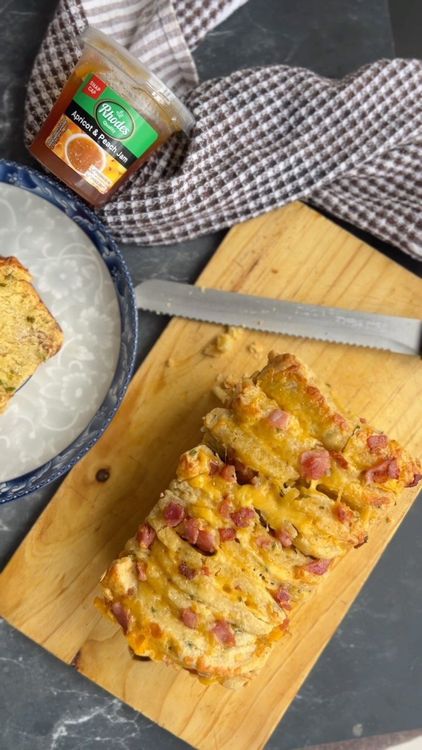
- American
- Non-Vegetarian
- Snack
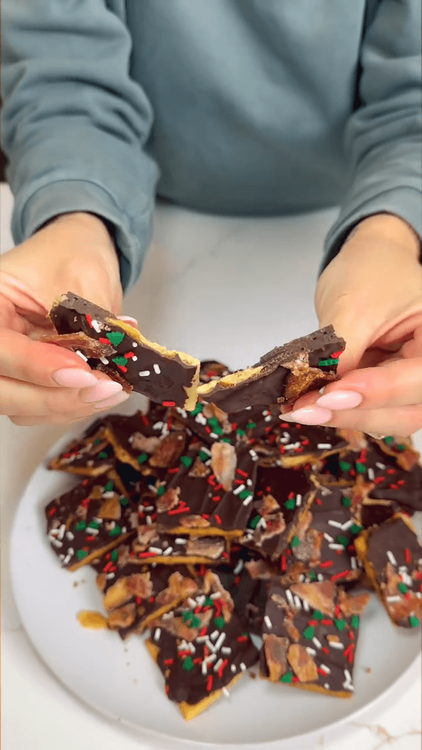
- American
- Non-Vegetarian
- Snack
More Bacon Favourites
A handful of bacon dishes never quite fit a single category, and these are the ones worth keeping in your back pocket once the staples feel routine. They lean on the same core moves you already know — render the fat slowly, manage the heat, treat the drippings as an ingredient — but push bacon toward different textures and roles, from a smoky soup or chowder to loaded potatoes, savoury muffins, dressings and snacking bites. Picking your next one is mostly about matching effort to mood: reach for a quick skillet or a tray of oven strips on a busy night when you want flavour in twenty minutes, and save the slow-simmered jams, braises and bakes for a weekend when you can let things reduce and deepen properly. Pay attention to the cut, too, since thick-cut gives meaty, chewy lardons for soups and salads while thin strips crisp fast for crumbling and garnish. Whatever you cook, render the fat with patience, drain on paper, and keep that jar of strained drippings nearby — it is the quiet ingredient that ties this whole collection together and earns bacon its regular spot in the rotation. Standouts here include Bacon and yam roll and Bacon Cheddar Bay Beef Bake, plus Bacon & Italian Sausage Herb Stuffing.

- Chinese
- Non-Vegetarian
- Dinner

- Non-Vegetarian
- Dinner

- American
- Non-Vegetarian
- Side Dish
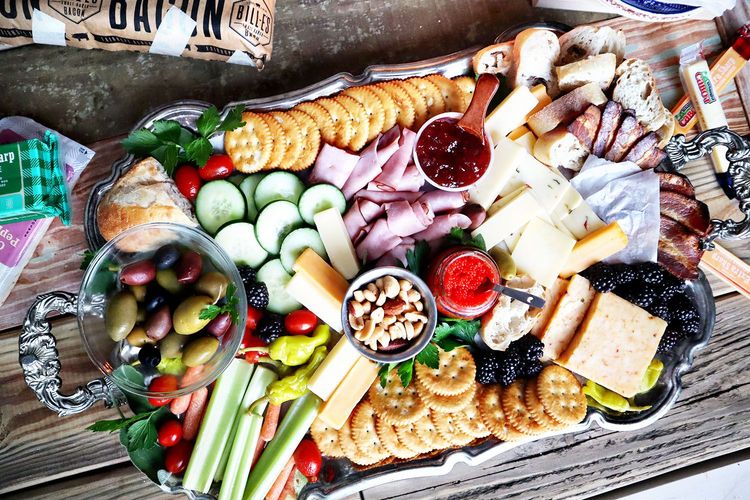
- French
- Nut-Free
- Appetiser

- American
- Non-Vegetarian
- Dinner

- Mexican
- Non-Vegetarian
- Snack
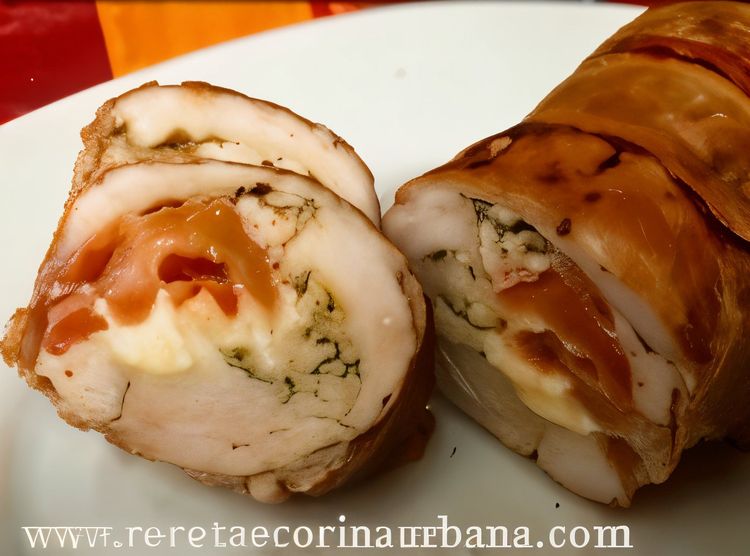
- Greek
- Non-Vegetarian
- Lunch
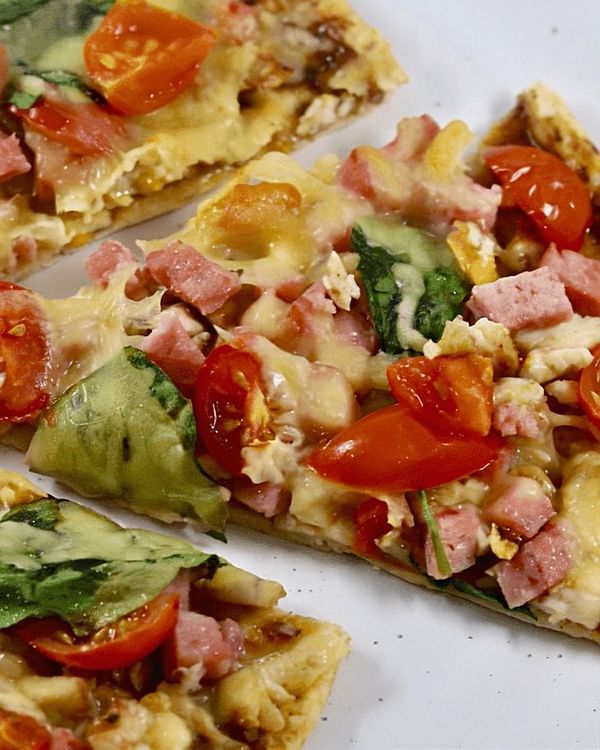
- Fusion
- Non-Vegetarian
- Main Course


- American
- Non-Vegetarian
- Side Dish
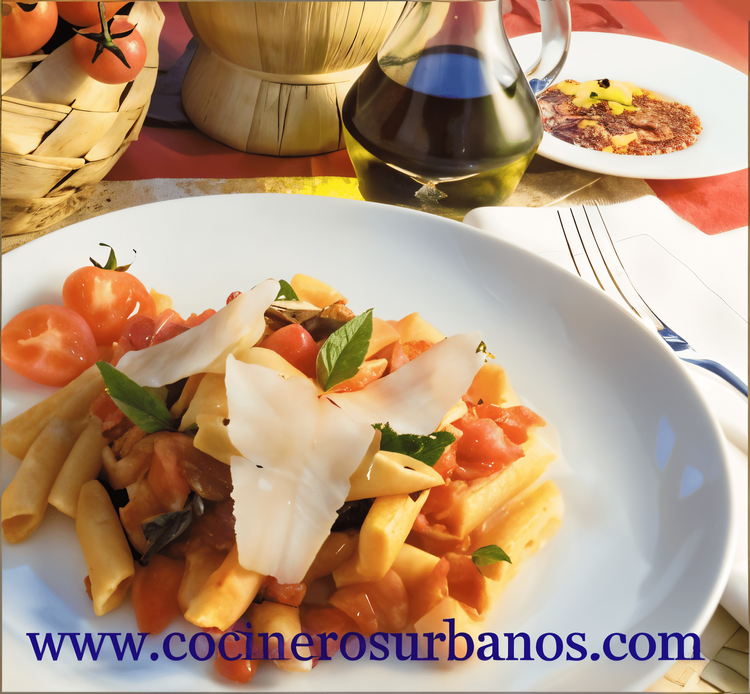
- Italian
- Non-Vegetarian
- Lunch
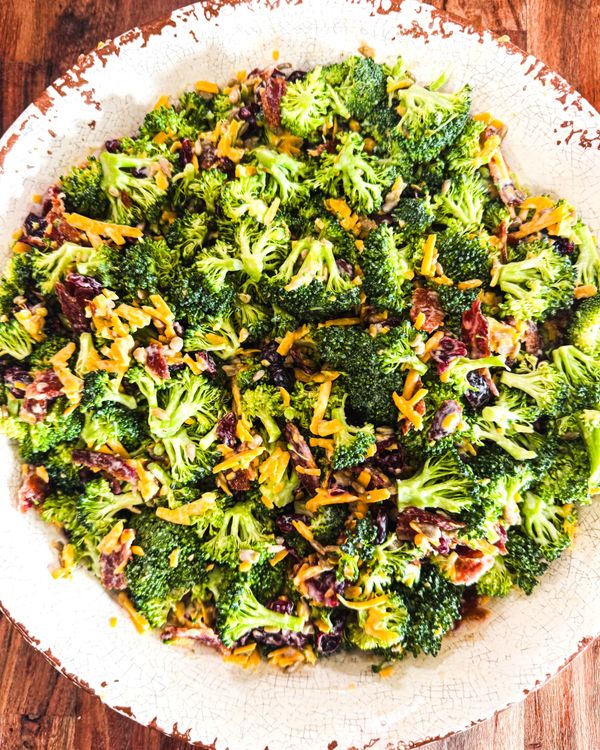

- American
- Non-Vegetarian
- Salad
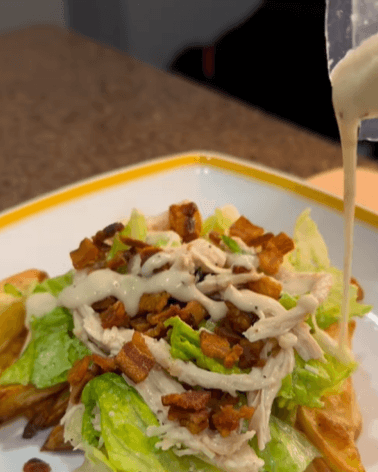
- American
- Non-Vegetarian
- Lunch

- American
- Non-Vegetarian
- Snack
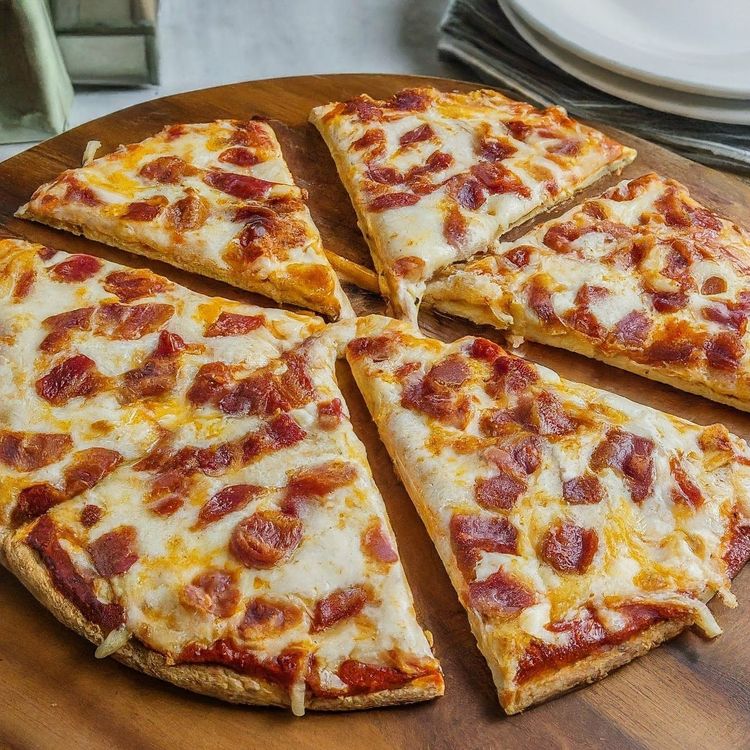
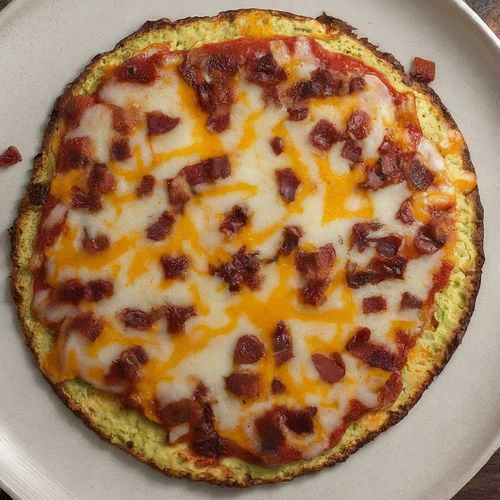
- American
- Non-Vegetarian
- Side Dish
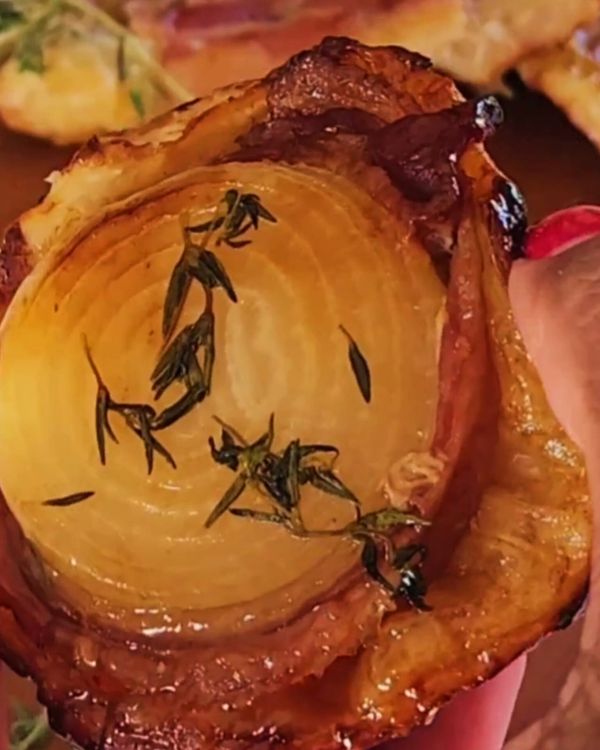

- American
- Non-Vegetarian
- Appetiser

- American
- Non-Vegetarian
- Appetiser
The Oven Method: Crisp Bacon, Hands-Off
The oven is the most reliable way to cook bacon, especially for a crowd, because the heat is even and you do not stand over a spitting pan. Line a rimmed baking sheet with foil for easy cleanup, lay a wire rack on top if you have one so the fat drips away and the strips crisp on both sides, and arrange the bacon in a single layer without overlapping. A rack is optional — bacon laid straight on the foil cooks fine, it just sits in its own fat and needs a flip.
Start the bacon in a cold oven rather than a preheated one. Put the tray in, set the oven to around 200C/400F, and let the bacon come up to temperature with the oven — this renders the fat gradually and gives you flatter, more evenly cooked strips that do not curl and seize. Thin-cut bacon takes roughly 12 to 16 minutes; thick-cut wants 18 to 22. Start checking early, because the line between perfectly crisp and burnt is only a minute or two.
Pull the bacon when it is a shade lighter than you want — it firms and darkens as it cools on the rack or on paper towels. Save the rendered fat: pour it through a sieve into a jar and keep it in the fridge to fry eggs, roast potatoes or start a soup. For stovetop cooking, the same principle applies: start in a cold pan over medium heat so the fat renders slowly, and never crank it to high in a rush, which burns the outside before the inside crisps.
Wrapping and Roasting Without Sogginess
Bacon-wrapped anything is a guaranteed party hit, but the trap is bacon that stays pale and rubbery on the underside while the filling overcooks. The fix starts with the cut: use thin or regular bacon, not thick-cut, because thick slices need far longer to render than the chicken, date or jalapeno inside can survive. Stretch each slice gently before wrapping so it shrinks tight around the food as it cooks rather than unravelling.
Roast wrapped bites on a wire rack set over a sheet pan so the rendering fat drips away and hot air circulates all the way around — bacon sitting in a puddle of its own grease steams instead of crisping. A high oven, around 200C/220C (400F/425F), drives off moisture and crisps the bacon, and a quick finish under the broiler blisters the top if it is lagging behind. Secure loose ends with a toothpick so they do not spring open mid-bake.
For sweet-glazed wraps — bacon-wrapped dates, smokies in brown sugar — add the sugar partway through, not at the start, or it burns long before the bacon is done. Roast the bacon most of the way, then brush or toss with a maple, brown-sugar or barbecue glaze for the final few minutes so it caramelises into a sticky lacquer without scorching. Let wrapped bites rest a couple of minutes before serving; the molten filling needs a moment to stop being lava.
Cooking With Bacon Fat: Mains and Pasta
In a main dish, bacon is two ingredients in one: the crisp meat and the rendered fat. Cook the bacon first in a cold pan over medium heat until it is crisp, lift it out to drain, then build the rest of the dish in the fat left behind. That fat carries deep, smoky flavour into onions, greens, potatoes or aromatics in a way oil never will. Pour off the excess if there is a lot, but leave a couple of tablespoons to cook in — it is the backbone of the dish.
Carbonara is the technique to master here, and it has no cream despite what many recipes claim. Render diced pancetta or bacon, toss the hot drained pasta through the fat, then pull the pan off the heat and stir in a beaten mix of egg yolks and grated pecorino, loosening with starchy pasta water. The residual heat cooks the egg into a glossy, clinging sauce — too much heat and you get scrambled egg, so work off the flame and keep the pasta moving.
For a BLT, a burger or a club, the bacon is about contrast and structure: crisp it well so it shatters rather than bends, and it gives a soft sandwich the textural backbone it needs. Drain it on paper so it does not turn the bread greasy, and build the sandwich at the last moment. For pasta bakes, soups and skillet dinners, crumble the crisp bacon back in near the end so it keeps some bite rather than going soft in the sauce.
Candying Bacon and Making Bacon Jam
Candied bacon is the gateway to the sweet-savoury side, and it is mostly about controlling the sugar. Coat each strip in brown sugar (often with a pinch of cayenne, black pepper or a brush of maple syrup) and bake it on a rack at a moderate 175C/350F. Lower and slower than plain bacon, because sugar burns fast — you want it to melt, bubble and caramelise into a glassy coat, not scorch. Watch it closely in the last few minutes and pull it before the sugar goes past deep amber to bitter.
The critical step everyone forgets: candied bacon must cool on a wire rack or a parchment-lined sheet, not on paper towels, because the molten sugar glues it to anything it touches. As it cools the coating hardens into a brittle, candy-like shell. If you want a lacquered glaze rather than a hard candy, brush with maple syrup and skip the heavy sugar crust. Crumbled, candied bacon tops salads, ice cream, brownies and cocktails.
Bacon jam is the savoury-sweet spread worth making in a batch. Cook chopped bacon until crisp, then soften onions in some of the fat until deeply golden, and simmer everything down with brown sugar, vinegar, coffee or bourbon and a little maple until it turns thick, dark and jammy — usually 30 to 45 minutes of gentle reduction. Pulse it coarse, not smooth. It keeps a couple of weeks in the fridge and transforms burgers, grilled cheese, crackers and roast vegetables.
Pro Tips from the Test Kitchen
- Cook bacon in the oven on a foil-lined tray for even, hands-off results — start it in a cold oven so the fat renders gradually and the strips stay flat.
- Pull bacon a shade lighter than you want; it crisps and darkens as it cools on the rack.
- Save the rendered fat in a jar in the fridge — it fries eggs, roasts potatoes and starts soups beautifully.
- For bacon-wrapped bites, use thin or regular bacon, not thick-cut, so it crisps before the filling overcooks.
- Stretch each slice gently before wrapping so it tightens around the food instead of unravelling.
- Roast wrapped bites on a wire rack so the fat drips away and air crisps all sides; finish under the broiler if needed.
- For carbonara, pull the pan off the heat before stirring in the egg-and-cheese mix, or you get scrambled egg instead of a silky sauce.
- Add sugar or glaze to wrapped and candied bacon partway through, not at the start, so it caramelises rather than burns.
- Cool candied bacon on a rack or parchment, never paper towels — molten sugar glues it down.
- Drain crisp bacon on paper before it goes into a sandwich so it shatters and does not make the bread greasy.
Frequently Asked Questions
How do you cook bacon in the oven?
Line a rimmed baking sheet with foil, lay the bacon in a single layer (on a wire rack if you have one), and put it into a cold oven set to about 200C/400F. Starting cold renders the fat gradually for flatter, evenly crisped strips. Thin-cut takes 12–16 minutes and thick-cut 18–22, but start checking early. Pull it a shade lighter than you want, since it crisps as it cools.
Why start bacon in a cold oven?
A cold start lets the fat render slowly as the oven heats, which keeps the strips flat instead of curling and seizing the way they do when they hit blasting heat. The result is more even cooking, crisper texture and less of the buckling that leaves some bits burnt and others flabby. It also means no preheating, so it is genuinely the easiest, most hands-off way to cook a big batch.
How do you make bacon crispy?
Render the fat slowly and evenly rather than blasting it. Whether in the oven or a pan, start with gentle heat so the fat melts out before the meat browns, keep the strips in a single layer so they crisp rather than steam, and pour off excess grease if it pools. Pat the bacon dry first, do not overcrowd, and pull it just before it looks done — carryover heat finishes the crisping as it cools.
Should you cook bacon-wrapped food at high or low heat?
High, usually around 200–220C (400–425F), so the bacon renders and crisps before the filling overcooks. Use thin or regular bacon rather than thick-cut, set the bites on a wire rack so the fat drips away, and finish under the broiler if the top is still pale. For sweet-glazed versions, add the sugar or glaze only in the last few minutes so it caramelises instead of burning.
How do you make carbonara without it scrambling?
Heat is the enemy. Render the bacon or pancetta, toss the hot pasta through the fat, then take the pan completely off the heat before you stir in the beaten egg yolks and grated cheese. The residual warmth of the pasta cooks the egg into a glossy sauce; direct heat scrambles it. Loosen with a splash of starchy pasta water and keep everything moving so it emulsifies rather than sets.
What is candied bacon and how do you make it?
Candied bacon is bacon coated in brown sugar (often with a little cayenne or maple) and baked low and slow, around 175C/350F, until the sugar melts and caramelises into a glassy, brittle shell. Bake it on a wire rack and watch the final minutes closely, since sugar burns fast. Crucially, cool it on a rack or parchment, never paper towels, because the molten sugar glues it to whatever it touches.
Can you save and reuse bacon grease?
Absolutely, and you should. Pour the warm rendered fat through a fine sieve into a heatproof jar to strain out the burnt bits, then keep it covered in the fridge for several weeks or the freezer for months. Use it to fry or scramble eggs, roast potatoes, wilt greens, pop corn or start the base of a soup or cornbread. It carries a smoky, savoury depth that plain oil simply cannot.
What is the difference between bacon and pancetta?
Both come from pork belly, but bacon is cured and then smoked, giving it that signature smoky flavour, while pancetta is cured and seasoned but not smoked, so it tastes purely of seasoned, salty pork. Pancetta is the traditional choice for carbonara and many Italian dishes, but smoked bacon makes a perfectly good substitute — it just brings a smokier edge to whatever you cook.
How do you store and reheat cooked bacon?
Cool cooked bacon, then keep it in an airtight container in the fridge for four to five days, or freeze it for up to a month. To reheat, a few minutes in a hot oven or a quick blast in a dry skillet brings back the crispness far better than a microwave, which tends to leave it limp. Cooking a big batch ahead and reheating as needed is a great weekday shortcut.
Is bacon fat better than oil for cooking?
It depends on the dish. Bacon fat brings a smoky, savoury depth that is unbeatable for eggs, roast potatoes, greens, cornbread and the base of soups and stews. It has a moderate smoke point, so it suits medium-heat cooking better than high-heat searing. It is high in saturated fat, so use it where its flavour earns its place rather than as an everyday all-purpose oil, and strain it before storing.
The thread through every bacon recipe here is the same: render the fat slowly, manage the heat, and treat the drippings as an ingredient rather than waste. Master the oven method and a few core moves — wrap and roast on a rack, build carbonara off the heat, candy low and slow — and breakfasts, appetisers, mains and sweets all fall into place.
Pick three to cook this week — a crisp oven batch for breakfast, a tray of wrapped bites and a candied or jam project — and save your favourites to a Chefadora cookbook. Then work through the rest; this page is built to be the bacon reference you actually come back to.
Related
- Bacon
- Breakfast
- Pork
- Appetizers
- Brunch
- Comfort Food
- Party Food
Popular Searches
- Best bacon recipes
- Easy bacon recipes
- Quick bacon recipes
- Healthy bacon recipes
- Simple bacon recipes
- Homemade bacon recipes
- Delicious bacon recipes
- Popular bacon recipes
- oven bacon
- bacon wrapped
- candied bacon
Marnirni-apinthi Building, Lot Fourteen,
North Terrace, Adelaide, South Australia, 5000
Australia
