
Top 45 Steak Recipes: Grilled, Pan-Seared, Sandwiches and More
Updated June 30, 2026 · Curated by Chefadora
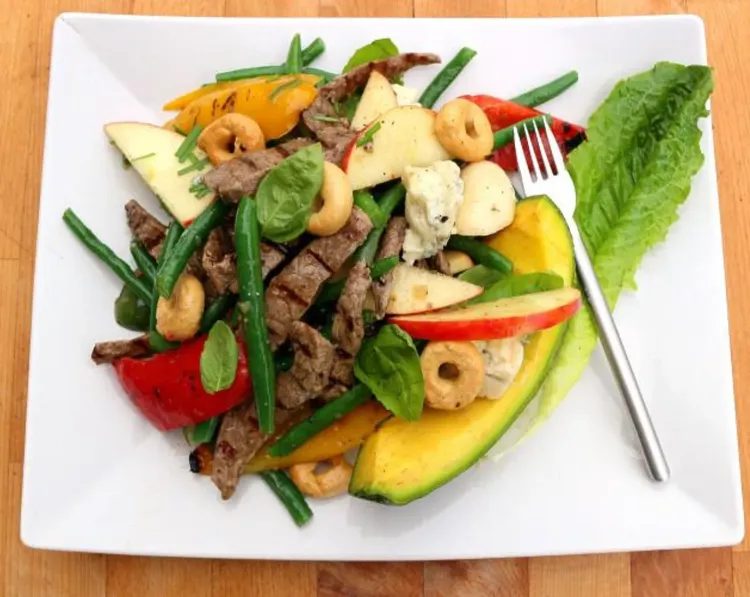
Steak recipes sit at the crossroads of simplicity and technique. A ribeye or flank steak needs very little — salt, heat and time — yet the margin between a memorable result and a disappointing one is narrow. Get the pan properly hot before the meat goes in, keep the surface dry for a genuine sear, and pull the steak at the right internal temperature. Those three moves, more than any ingredient, are what steak cooking is actually about.
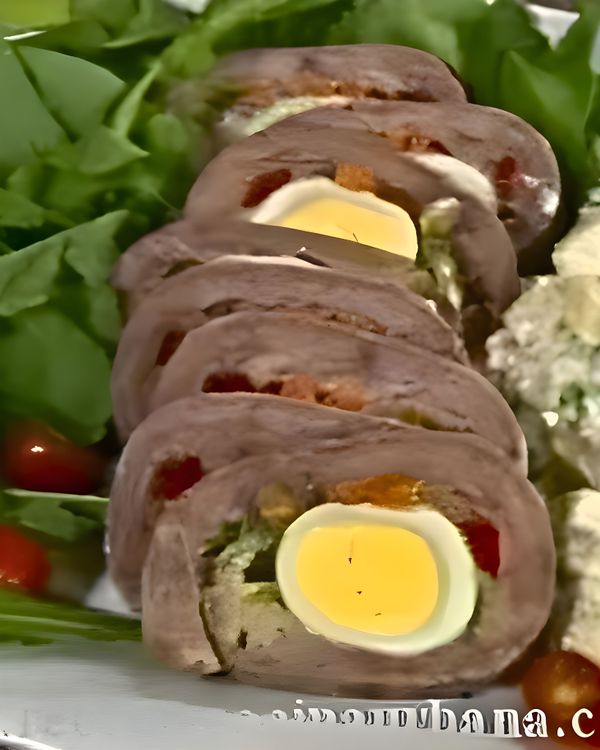
The collection here ranges from pure, no-distraction cuts — a grilled T-bone, a skillet skirt steak finished with garlic butter — to ambitious plates like steak au poivre with crispy fries, chimichurri flank rolled and served as a main, and Philly cheesesteak sliders that turn Sunday's leftover steak into Monday's hit lunch. There are quick weeknight ideas (fifteen-minute stir-fry, steak tacos) and weekend showpieces (filet mignon, tartare dip).
Different cuts call for different approaches. Ribeye and flank are the workhorses: ribeye for its marbling and deep beef flavour over high heat; flank for its lean, intensely beefy slices that benefit from marinade and must be cut against the grain. Skirt steak is the fastest cook — two minutes a side at screaming heat — while filet mignon rewards a slower sear and butter-baste. The guides below cover all of these.
Four clusters organise the recipes: pure grilled and pan-seared steaks; sandwiches and handheld formats; complete dinner plates with sides built in; and sauced and specialty preparations where the sauce earns its place. Use the tips and FAQs at the bottom to solve the problems that come up most often — how hot the pan should be, whether to use butter or oil, how long to rest the meat.
Grilled & Pan-Seared Steaks
Grilled and pan-seared steaks are where the skill of heat management lives. A great grilled ribeye and a great cast-iron skirt steak require the same fundamental discipline: a dry surface, maximum heat, and the patience to leave the meat alone until it releases naturally and a proper crust has formed. The Maillard reaction — the browning chemistry that creates the deep, complex flavour of a seared steak — only happens at temperatures above 140°C on a dry surface. Any moisture prevents it. This cluster includes the full range of cuts and methods: T-bone over coals, chimichurri flank in a grill pan, skirt steak in a cast-iron, and garlic-butter-basted ribeye finished with herbs. Each recipe will specify a target temperature — use an instant-read thermometer and trust it over timing, because oven strength and pan conductivity vary significantly. Standouts here include Grilled T-Bone Steak and Bell Pepper Salad and Grilled Flank Steak with Chimichurri Sauce, plus Grilled Steak.
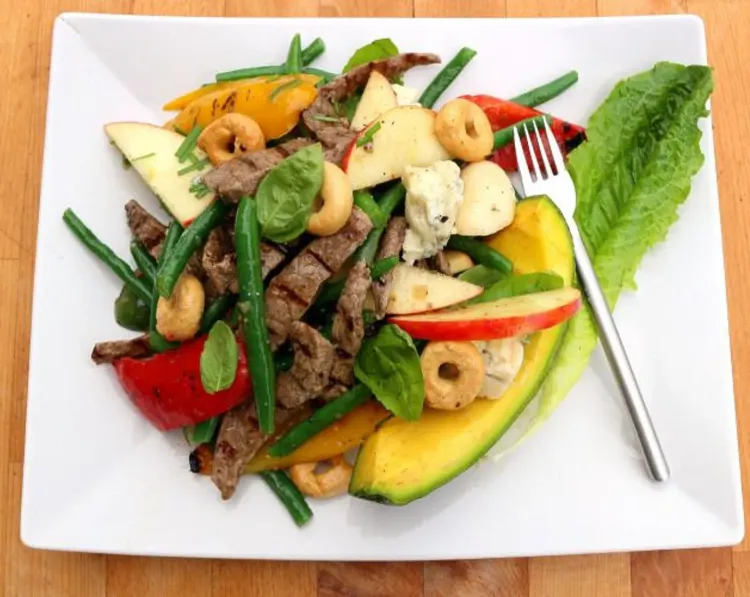

- American
- Non-Vegetarian
- Lunch
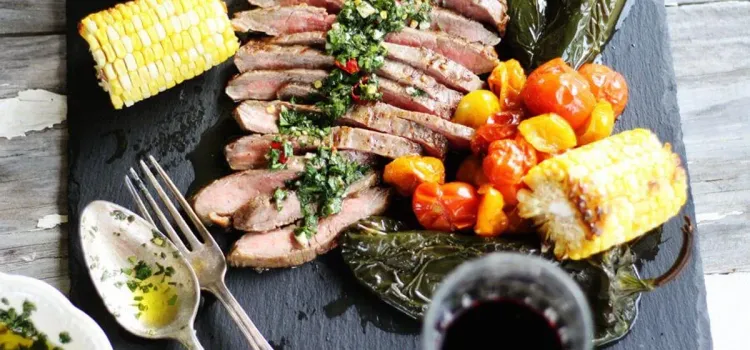
- Argentinian
- Non-Vegetarian
- Dinner
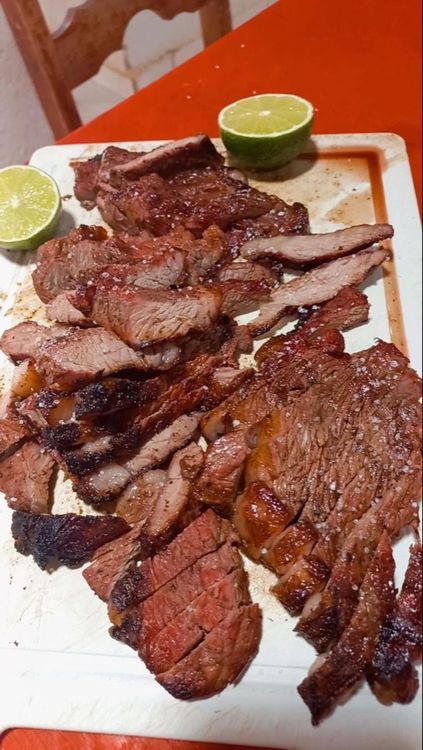

- American
- Non-Vegetarian
- Dinner
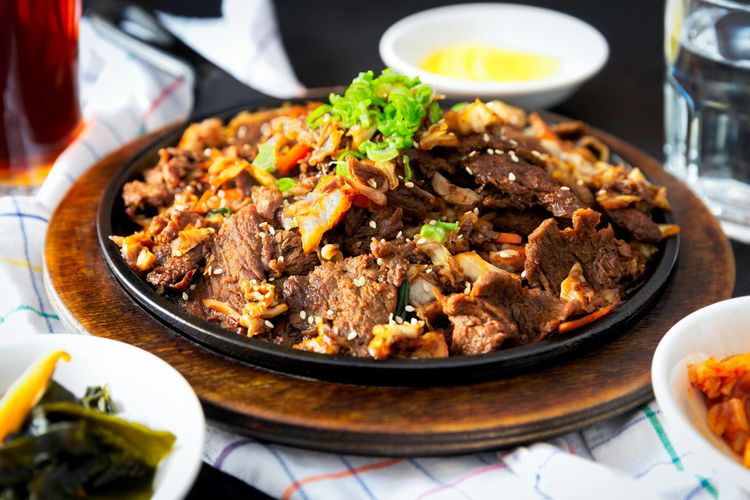
- Asian
- Non-Vegetarian
- Dinner


- American
- Non-Vegetarian
- Dinner


- Non-Vegetarian
- Dinner
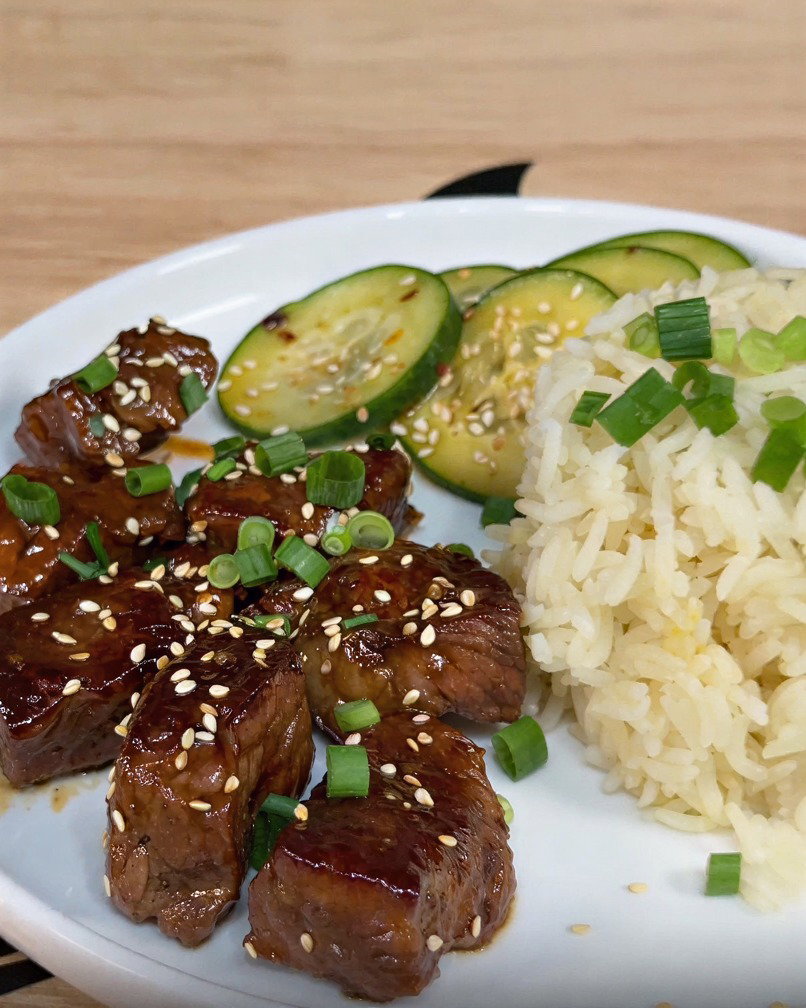

- Non-Vegetarian
- Dinner
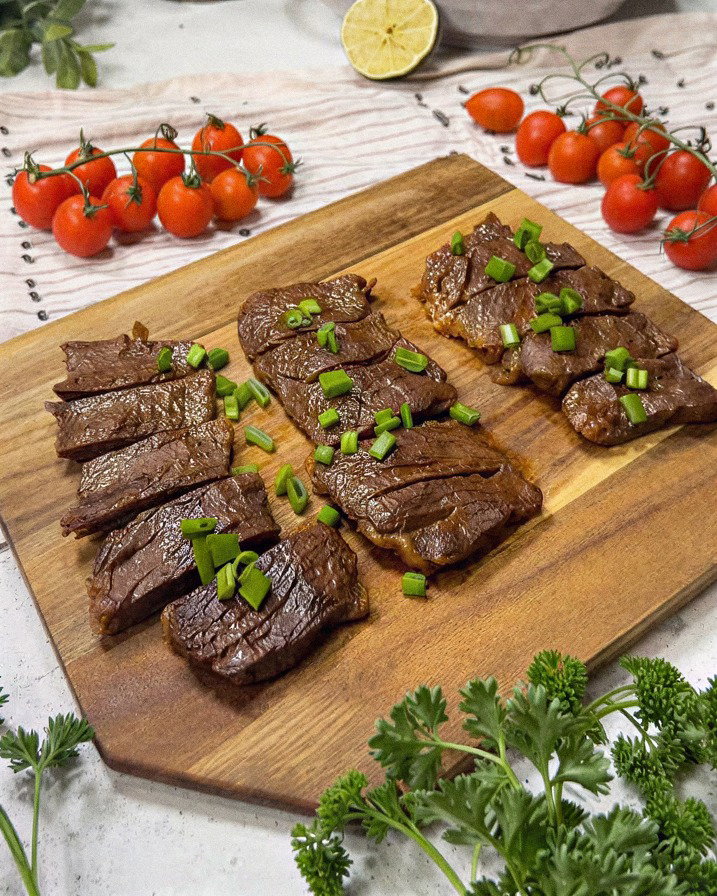

- Non-Vegetarian
- Dinner


- American
- Non-Vegetarian
- Dinner

- Non-Vegetarian
- Dinner

- Non-Vegetarian
- Dinner
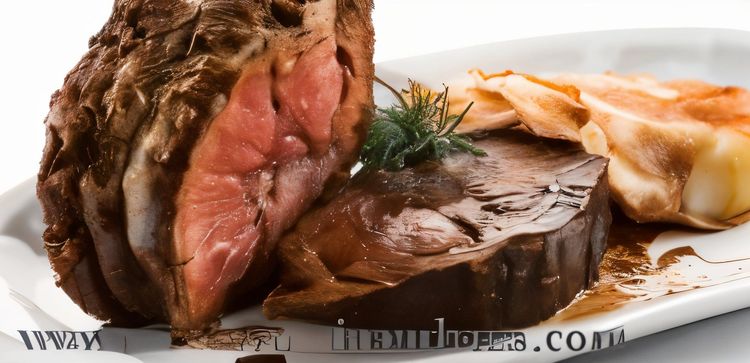
- French
- Non-Vegetarian
- Lunch
- Argentine
- Non-Vegetarian
- Lunch
Steak Sandwiches, Tacos & Wraps
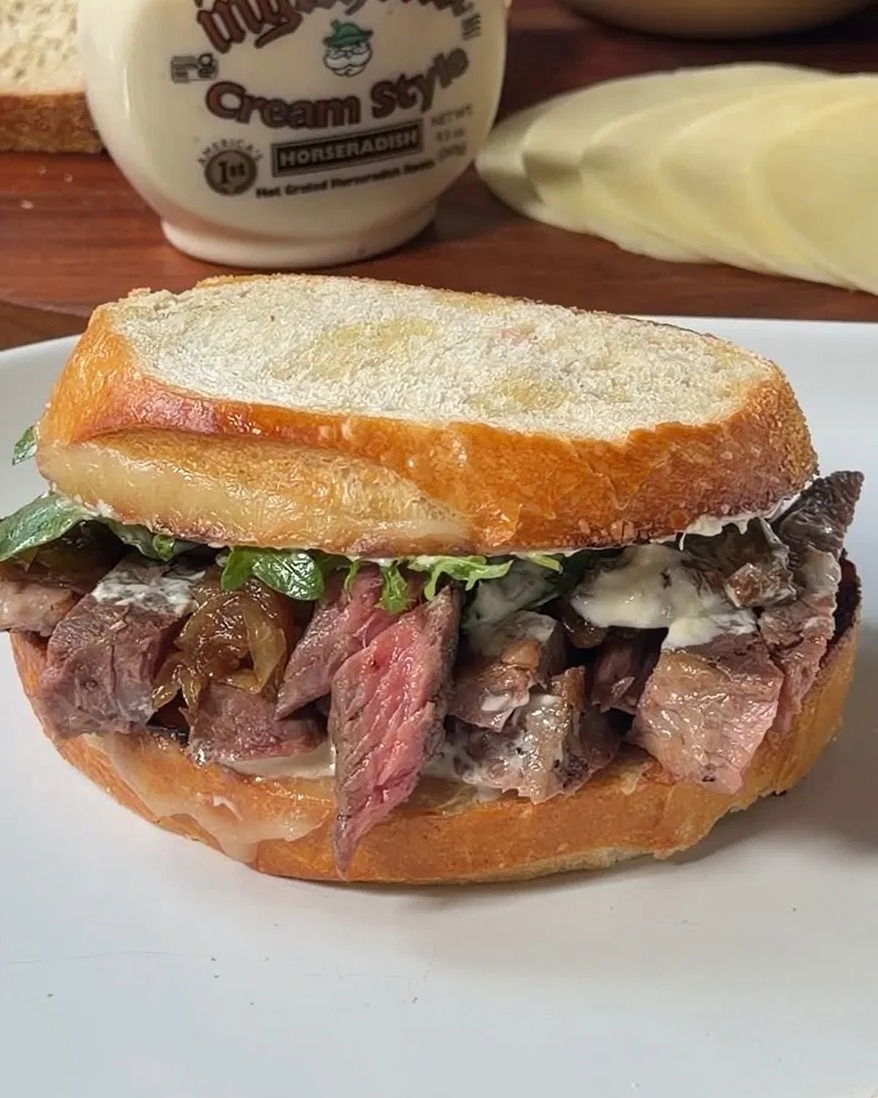
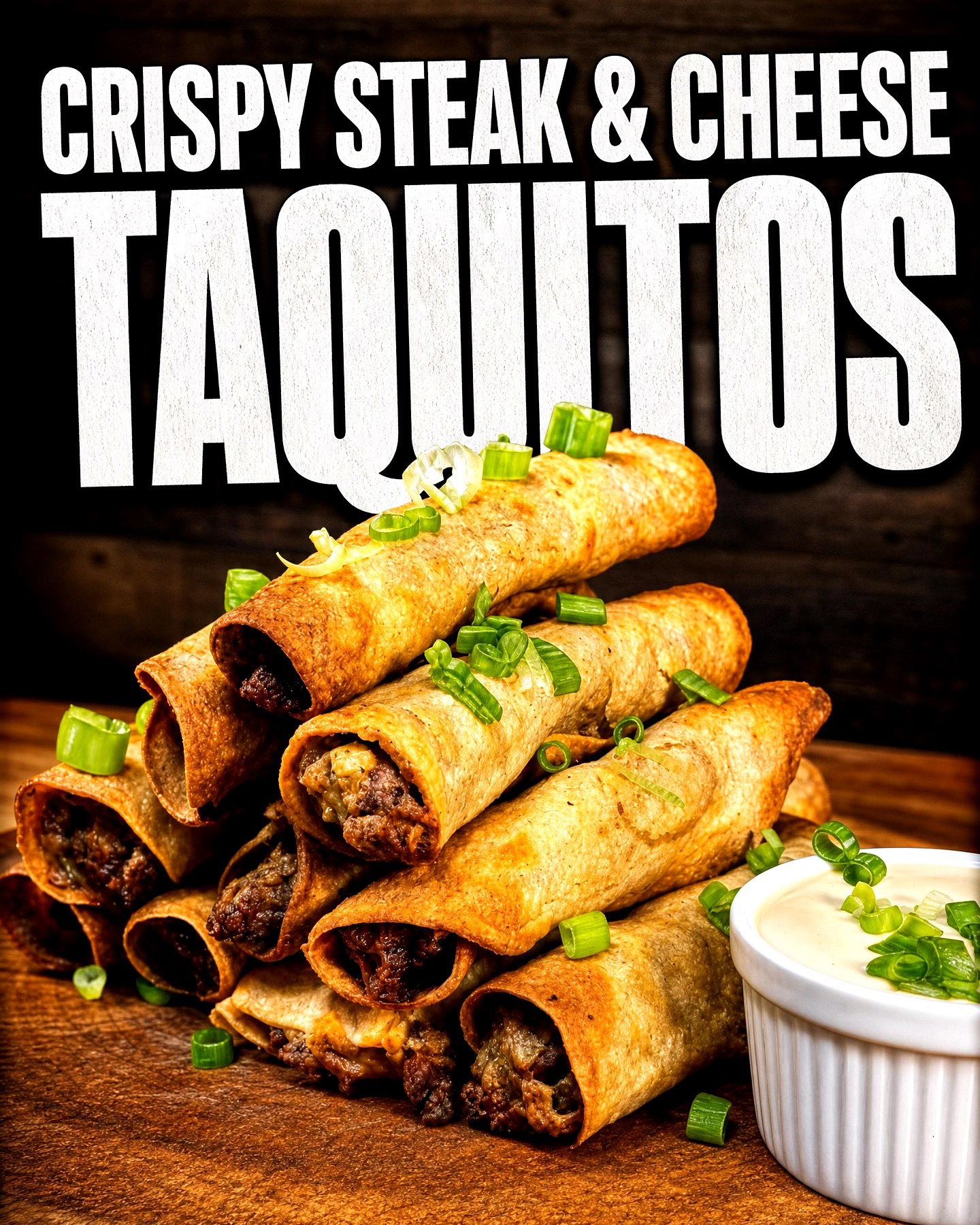
A steak sandwich is one of the most satisfying ways to use either a purpose-bought piece of steak or a leftover piece from the night before. The format is forgiving — almost any cut works, the bread carries the structure, and the sauce ties it together. But there are two non-negotiables: the meat must be sliced thin (against the grain) and the sauce must have enough acid or richness to balance the beef fat. Chipotle aioli, horseradish mayo, chimichurri and provolone are all present in this cluster for that reason. The Philly cheesesteak is the archetype — thin-sliced ribeye on a griddle with onions, peppers and melted cheese — and several recipes here riff on that structure. For taquitos and tostadas, carne asada (citrus-marinated flank) is the cut of choice: it flavours the meat before it hits the heat and means the taco is seasoned all the way through. Standouts here include Steak Sandwich with Chipotle Aioli & Provolone and Ultimate Steak & Egg Breakfast Sandwich, plus Horseradish Mayo Steak Sandwich.

- American
- Non-Vegetarian
- Dinner

- Non-Vegetarian
- Dinner
- Gluten-Free
- Snack
Steak Dinners & Complete Plates
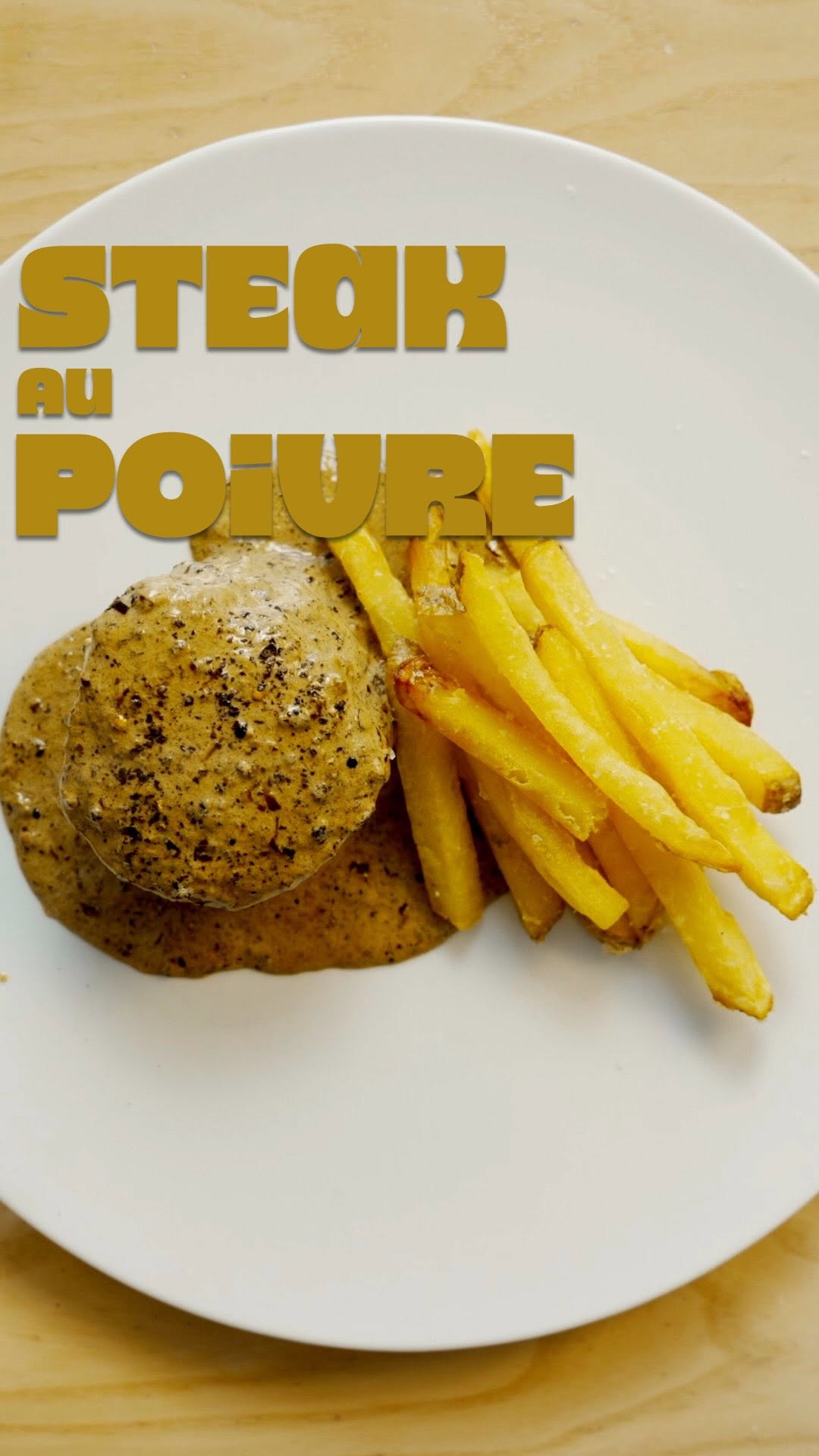
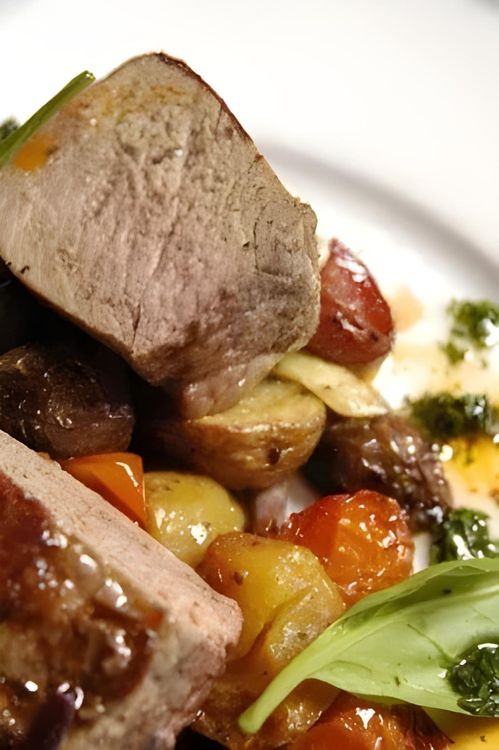
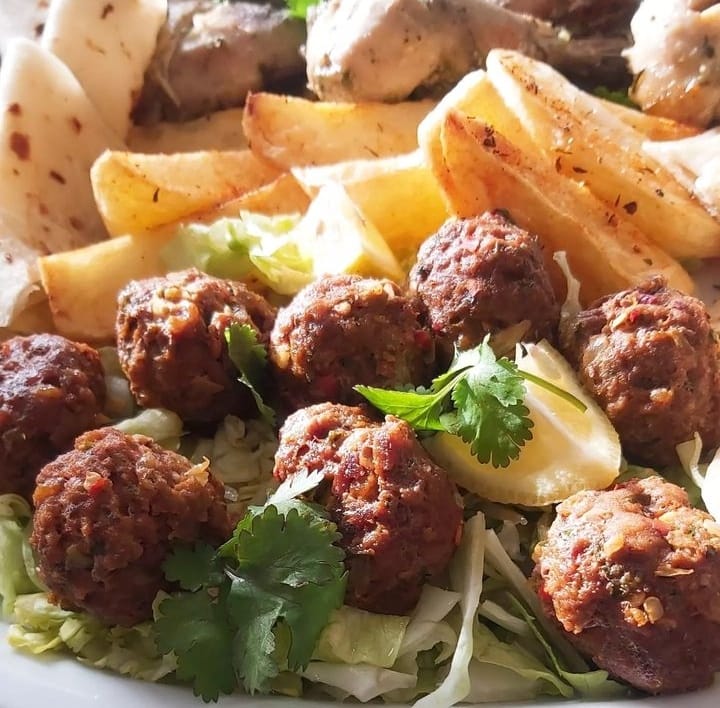
A complete steak dinner requires the same skill as any composed plate: timing. The steak is the fastest element — most steaks cook in six to twelve minutes — while potatoes, pasta or roasted vegetables take twenty to forty-five minutes. Start the sides first, cook the steak while they finish, rest the steak while you pull the sides together, and plate everything hot simultaneously. This cluster ranges from simple (steak and potatoes, steak with egg for breakfast) to more composed (steak au poivre with truffle fries, carne asada bowl, steak pasta). For the pasta recipes, use the steak drippings in the pan to build the sauce — they are the most flavourful part of the whole cook, and wasting them on the washing-up sponge is a genuine loss. Standouts here include Steak Au Poivre with Crispy Parmesan Truffle Fries and Steak & Potato Dish, plus Carne Asada Steak & Potatoes Bowl.

- Non-Vegetarian
- Dinner

- Non-Vegetarian
- Dinner

- Italian
- Non-Vegetarian
- Dinner
- Western
- Non-Vegetarian
- Dinner
- Non-Vegetarian
- Appetiser

- Non-Vegetarian
- Lunch

- Non-Vegetarian
- Main Course
- American
- Non-Vegetarian
- Dinner

- American
- Non-Vegetarian
- Dinner
- Asian
- Non-Vegetarian
- Dinner
- Indian
- Non-Vegetarian
- Appetiser

- American
- Non-Vegetarian
- Lunch
Sauced & Specialty Steaks
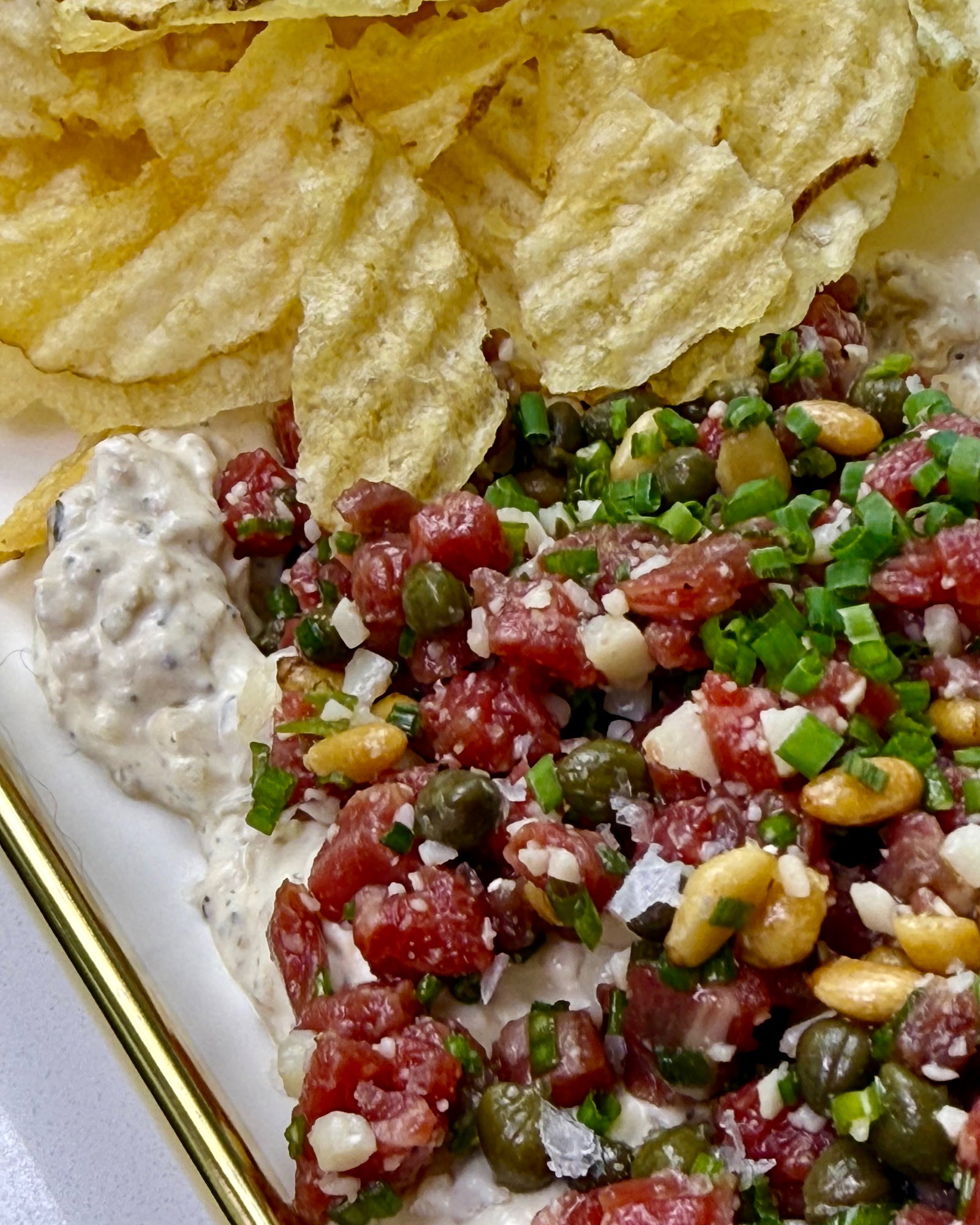
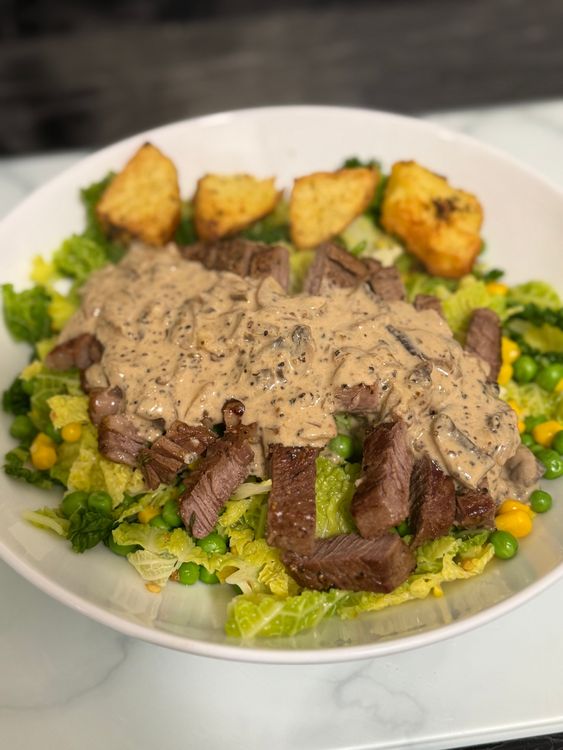
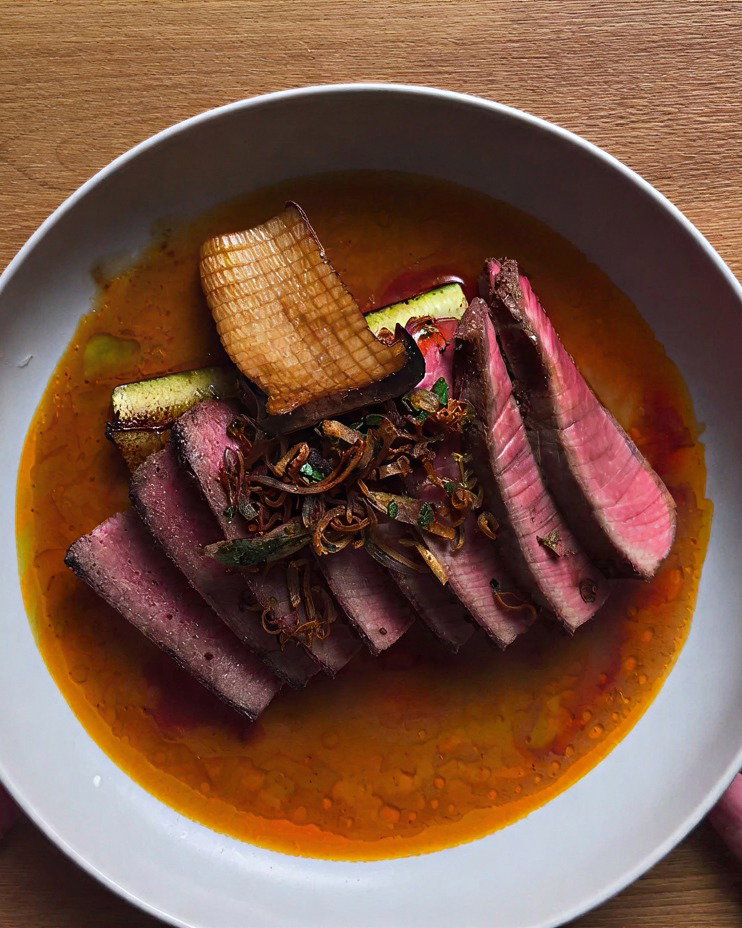
The sauced steak recipes in this cluster are defined by their accompaniment as much as their cut. Au poivre (pepper-crusted, Cognac or whisky pan sauce), Thai dipping sauce, red curry sauce, red wine braised ribeye — each one uses the steak as a canvas for something that requires its own technique. Pan sauces built from steak drippings are the foundation: deglaze the hot pan with spirit or wine, let it bubble and reduce by half, add stock and cream, and season carefully. For chimichurri, the steak is the canvas and the sauce is the flavour. For the tartare dip — raw, finely chopped beef with capers, cornichons and mustard — the quality of the raw beef matters more than any technique. Choose a centre-cut beef fillet or top rump, freshly ground on the day, and keep everything cold throughout preparation. Standouts here include Creamy Pepper Mushroom Sauce with Steak and Steak & Cacio e Pepe Raviolo, plus Steak with Red Curry Sauce.

- French
- Non-Vegetarian
- Dinner

- Non-Vegetarian
- Dinner

- Gluten-Free
- Dinner
- Mexican
- Non-Vegetarian
- Lunch

- Pescatarian
- Dinner
Choosing the Right Cut for the Job
Ribeye is the most forgiving steak for home cooks: its marbling bastes the meat from within and it stays juicy even if you cook it a touch past medium. Buy at least 2.5 cm (1 inch) thick so you get a proper crust before the inside overcooks. Flank and skirt are lean, quick-cooking and deeply beefy — ideal for tacos, sandwiches and stir-fries where you slice thin against the grain. Both benefit from an acidic marinade of thirty minutes to an hour to help tenderise the muscle fibres.
Filet mignon is the tenderest cut but the least flavourful on its own — it rewards a heavy crust, a butter-and-thyme baste, and a pan sauce built from the drippings. T-bone gives you two textures in one: a lean strip on one side, a buttery tenderloin on the other, and the bone conducts heat from below so timing is slightly trickier. For budget-friendly weeknight cooking, flat iron, hanger steak and bavette (flap steak) are underused and genuinely good cuts that behave like more expensive options when cooked right.
Carne asada uses thin-cut flank or skirt steak marinated in citrus, garlic and cumin — a reminder that marinade is a cut's best friend when the meat is lean. For the best results, marinade for at least two hours (not overnight — acid breaks fibres down too far) and cook fast over maximum heat. Trim visible connective tissue from skirt steak before marinating to avoid chewy pockets in the finished dish.
Pan-Searing and Butter-Basting
A cast-iron or stainless-steel pan — not non-stick — is essential for a proper steak sear. Heat it on high for three to four minutes until it is genuinely smoking. Pat the steak completely dry with kitchen paper; surface moisture is your enemy, it turns to steam and prevents browning. Season generously with coarse salt and pepper right before the steak hits the pan — salting earlier draws moisture to the surface.
Add a high-smoke-point oil (not butter yet), then the steak. Press it down gently to ensure full contact, then leave it alone. Resist the urge to move it for at least two to three minutes per side for a 2.5 cm steak. When it lifts easily and has a deep mahogany crust underneath, flip it once. In the last ninety seconds of cooking, add butter, a smashed garlic clove and a sprig of thyme to the pan and tilt it so the butter pools, then spoon it continuously over the steak. This basting adds flavour and brings the surface to a gloss.
Internal temperature is the only reliable measure of doneness. Rare: 52°C (125°F), medium-rare: 57°C (135°F), medium: 63°C (145°F). Pull the steak five degrees below your target — it climbs as it rests. Rest the steak on a warm plate, loosely tented with foil, for five to eight minutes before cutting. Cutting immediately loses all the juice you spent the cooking time building.
Grilling Steak Over Charcoal or Gas
For charcoal, set up a two-zone fire: a hot side (coals piled high) and a cool side with no coals. Sear the steak on the hot side for two to three minutes per side to build the crust, then move it to the cool side and close the lid to finish to your target temperature without burning. This indirect finishing method is especially useful for thick steaks and lets you control the centre independently of the surface.
Gas grills work similarly — preheat all burners on high for ten to fifteen minutes, sear over direct heat, then move to a burner that is off. The key on either grill is that the grates must be clean and hot enough to release the meat rather than tear it. Brush the grates with a wire brush while hot, then wipe with an oiled cloth. A steak that sticks is almost always stuck to dirty or insufficiently hot grates.
Chimichurri is the natural partner for grilled steak — its sharpness from vinegar and parsley cuts through beef fat brilliantly. Make it at least twenty minutes before serving so the flavours meld. For marinated flank steak, let it come to room temperature for twenty to thirty minutes out of the fridge before grilling so the centre cooks evenly. Rest off direct heat, slice against the grain at a slight angle, and serve immediately.
Steak Sandwiches, Pasta and Full Plates
Steak sandwiches live or die by two details: slicing thin against the grain, and a sauce or condiment with enough acid or richness to balance the beef. Chipotle aioli, horseradish mayo, chimichurri and provolone cheese all work well. For a Philly cheesesteak, thinly sliced ribeye cooked on a flat griddle with onions and peppers, then melted cheese piled on, is the formula — the bread should be soft inside with a slight crust to hold the juices.
Steak pasta — a Parmesan and truffle fry companion, a Cacio e Pepe raviolo, or a creamy garlic Parmesan sauce tossed through linguine — is one of the best uses of a smaller piece of steak. Slice it thin, sear briefly in the same pan you used for the pasta sauce, and add it at the very end so it does not overcook. The pan drippings go straight into the sauce.
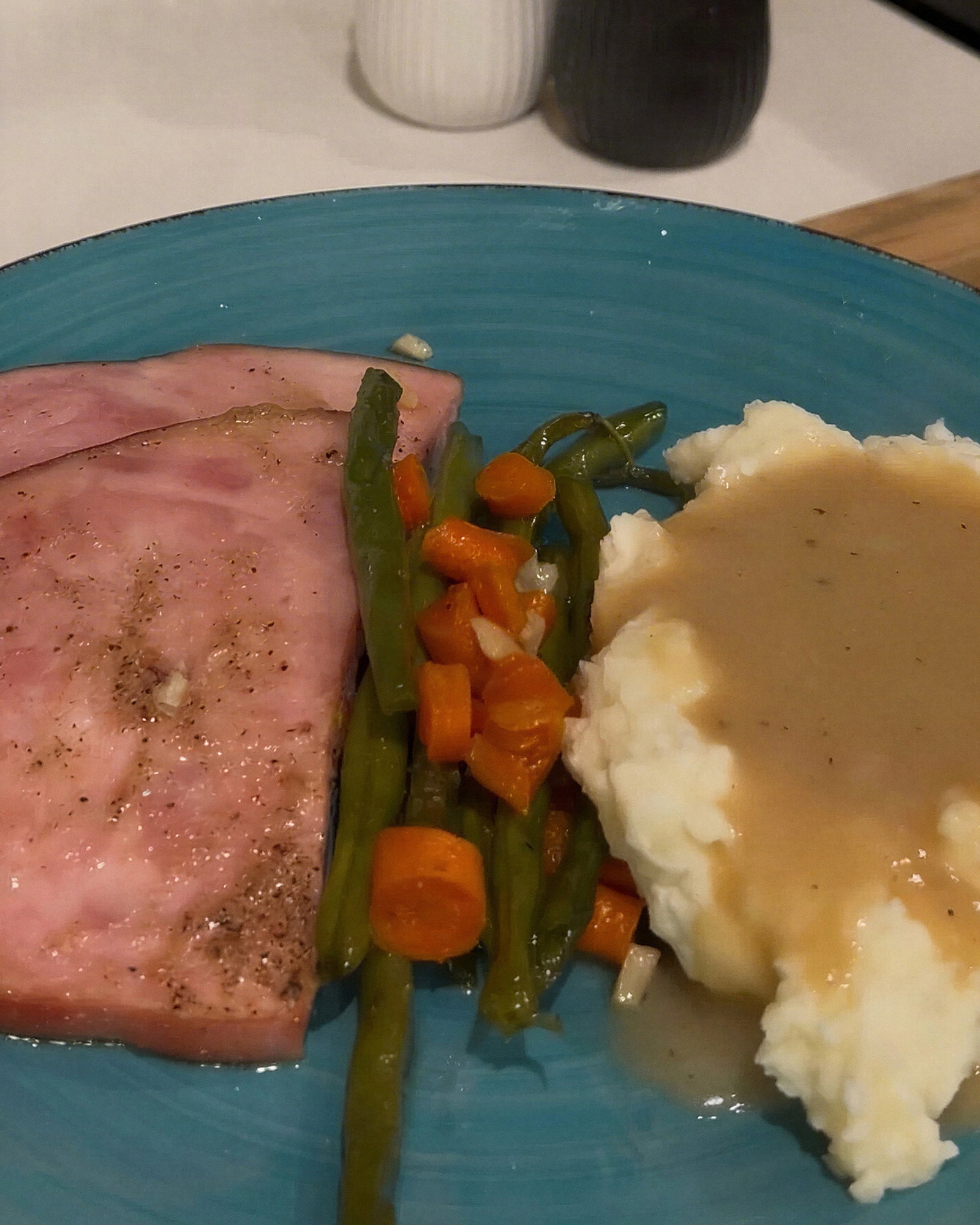
For complete dinner plates — steak with roasted sweet potatoes, garlic butter steak and potatoes, country steak bites with mashed potatoes and gravy — think of the steak as the main event and the sides as the support act. Start the sides first (potatoes take longest), cook the steak while they finish, rest the steak while you make the pan sauce, then plate and serve everything hot together. Timing is the only skill that separates a good steak dinner from a great one.
Pro Tips from the Test Kitchen
- Pat the steak completely dry before searing — surface moisture is what stops a proper crust from forming.
- Heat a cast-iron pan until smoking before the steak goes in; a cold pan means steaming, not searing.
- Pull the steak 5°C (9°F) below your target doneness — it continues cooking as it rests.
- Always rest steak for 5–8 minutes before slicing; cutting immediately loses most of the juice.
- Cut flank and skirt steak against the grain and at a slight angle — this shortens the muscle fibres and makes it noticeably more tender.
- Marinade lean cuts (flank, skirt, carne asada) for 30 minutes to 2 hours in acid and oil; longer breaks fibres down too far.
- Butter-baste in the final 90 seconds with garlic and thyme — this is where the flavour layer comes from, not the sear.
- Season with coarse salt right before cooking, not hours earlier, unless dry-brining overnight in the fridge.
- For steak sandwiches, slice thin and pile high — a thick slab in a sandwich is harder to eat than a generous heap of thin slices.
- Make chimichurri at least 20 minutes ahead so the garlic and vinegar mellow and the parsley flavour blooms.
Frequently Asked Questions
What is the best cut of steak for home cooking?
Ribeye is the most forgiving and consistently satisfying cut for home cooks because its marbling keeps it juicy through a range of temperatures. Flank and skirt steak are the best value options — lean, beefy, quick-cooking and excellent in sandwiches, tacos and stir-fries when sliced against the grain. Flat iron and hanger steak are underrated alternatives in the same price range. Save the filet mignon for a special occasion — it is the most tender but also the most delicate to cook.
How do you get a good crust on steak?
Three things: a completely dry surface, a very hot pan, and not moving the steak. Pat it dry with kitchen paper right before cooking. Heat the cast-iron until you see smoke. Lay the steak down, press gently to ensure contact, and leave it for two to three minutes. If you move it early, it tears off the crust you are building. The crust is a Maillard reaction — it requires dry surface heat over about 150°C — so any moisture prevents it.
What temperature should steak be cooked to?
Medium-rare (57°C / 135°F internal) is the most widely recommended temperature for most cuts — it is hot enough to be safe and renders the fat while keeping the meat juicy and tender. Rare is 52°C (125°F), medium is 63°C (145°F), well-done is 71°C (160°F) and above. A digital instant-read thermometer is the only reliable way to hit these targets. Pull the steak five degrees below your target because the temperature rises as it rests.
Should you oil the steak or the pan?
For pan-searing, oil the pan rather than the steak — it coats the entire surface evenly and you can use a high-smoke-point oil (avocado, refined sunflower) without coating the meat in it. For grilling, oil the grates lightly and you can brush the steak surface if you like. Never use butter as your cooking fat from the start — it burns at high heat. Add butter in the last ninety seconds of cooking only, for basting.
How long should you rest steak after cooking?
At least five to eight minutes for a standard steak of 2–3 cm thickness, and up to fifteen minutes for a very thick steak. Resting allows the muscle fibres to relax and reabsorb the juices that were pushed to the centre during cooking. A steak cut straight from the pan loses a significant portion of its juice onto the board; the same steak rested loses very little. Place it on a warm plate, loosely tent with foil, and rest in a warm spot — not a hot oven.
What is steak au poivre?
Steak au poivre is a French classic — a steak crusted with coarsely cracked black peppercorns, pan-seared in butter, and finished with a pan sauce made from Cognac or brandy, stock and cream. The pepper is pressed into the meat rather than just sprinkled, so it forms a defined, pungent crust that chars slightly at the edges. It is typically made with strip or filet steak. The whisky version swaps Cognac for Scotch and is common in British and Irish cooking.
How do you cook a steak without a grill?
A very hot cast-iron skillet on a gas or electric hob gives results close to — and sometimes better than — a grill. Heat the pan for three to four minutes on high, add high-smoke-point oil, sear the steak two to three minutes per side, then add butter, garlic and thyme and baste continuously for the last ninety seconds. For thick steaks, a reverse sear works well: cook in a low oven (100°C) to your target temperature minus five degrees, then sear in a screaming hot pan for crust.
What makes chimichurri go with steak?
Chimichurri — fresh parsley, garlic, red wine vinegar, olive oil and chilli — provides exactly what grilled beef fat needs: sharpness and freshness. The vinegar cuts through the richness; the raw garlic and parsley add brightness; the olive oil carries it all. It originated in Argentina, where grass-fed beef is grilled over open fire, and the pairing evolved naturally. Make it at least twenty minutes ahead so the flavours integrate and the garlic mellows slightly.
How do you make a Philly cheesesteak at home?
Use thinly sliced ribeye (freeze the steak for thirty minutes first so it is easy to slice), cook on a flat griddle or heavy pan with sliced onions and green peppers until the meat is cooked through. Season with salt, pepper and Worcestershire. Pile onto a toasted hoagie roll and immediately add provolone, American cheese or Cheez Whiz (all traditional in different Philly camps). The key is thin-sliced meat, heavy enough heat to give colour, and a roll soft enough not to tear while you eat it.
What are carne asada steak and potatoes?
Carne asada is thinly sliced, citrus-and-garlic-marinated beef (usually flank or skirt steak) cooked at high heat until charred at the edges. A carne asada bowl combines sliced steak with potatoes (roasted or crispy), often alongside avocado, pico de gallo and lime. It is essentially a deconstructed taco in bowl form — satisfying, high-protein and a great use of flank steak with enough marinade flavour to carry the whole dish.
Steak cooking rewards the same two investments: good quality meat and correct technique. A well-marbled ribeye seared in a screaming-hot cast-iron with butter and thyme is one of the great simple pleasures in a home kitchen. A chimichurri flank steak grilled over coals and sliced thin is another. The recipes here cover both extremes and everything between — from five-minute weeknight stir-fries to weekend showpieces.
Start with the cut that suits your budget and the recipe that suits the occasion. Work through the technique guides for searing and grilling and the tips on resting — these transfers across every steak recipe on this page. Save your favourites to a Chefadora cookbook and return when the occasion calls for something special.
Related
- Steak
- Beef
- Grilling
- Dinner
- High Protein
- Pan-Seared
- Weekend Cooking
Popular Searches
- Best steak recipes
- Easy steak recipes
- Quick steak recipes
- Healthy steak recipes
- Simple steak recipes
- Homemade steak recipes
- Delicious steak recipes
- Popular steak recipes
- how to cook steak
- steak dinner
- pan seared steak
Marnirni-apinthi Building, Lot Fourteen,
North Terrace, Adelaide, South Australia, 5000
Australia
