
Top 41 Cucumber Recipes: Salads, Pickles, Smashed Sides and More
Updated June 29, 2026 · Curated by Chefadora
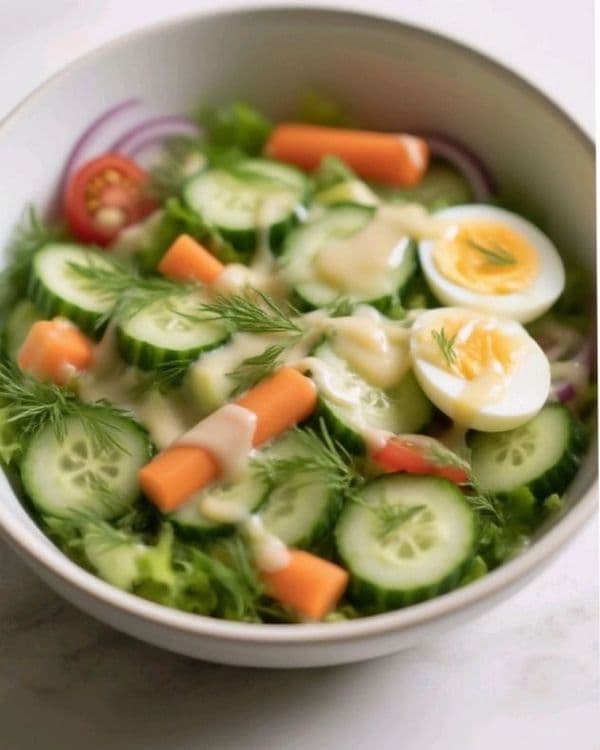
Cucumber recipes are the quiet refreshers of the kitchen: a crisp, watery vegetable that asks for almost nothing and gives back coolness, crunch and a clean grassy bite. The dishes below were chosen to show its range — sharp salads, snappy pickles, fiery smashed sides and cooling dips and drinks — rather than ten near-identical bowls of sliced cucumber in vinegar. Cheap, fast and forgiving, cucumber is the ingredient you reach for when you want contrast on a heavy plate or relief on a hot day.
What makes cucumber both wonderful and tricky is its water. It is over ninety percent water, which is why it cools and hydrates so well — but that same water dilutes dressings, waters down dips and turns a salad to soup within an hour. The single technique that runs through this whole collection is learning to manage that water: salting the slices to draw moisture out before you dress them, so flavors concentrate and the crunch holds.
You will find four clusters here: cool, crunchy salads; quick and traditional pickles; the Asian and spicy smashed school; and the cooling dips, sandwiches and drinks. The handful of moves repeat across all of them — choosing the right cucumber, salting to draw water, cutting for texture — so once you have them, every cucumber dish gets sharper and more reliable.
Treat this as a working reference. Each recipe links to full ingredients and steps on Chefadora, and the guides below cover the things that decide whether cucumber turns out crisp and vivid or limp and watery — which varieties to buy, how to salt and drain, how to smash for maximum surface, and how to balance the sweet-sour-salty edge that makes cucumber sing.
Cucumber Salads
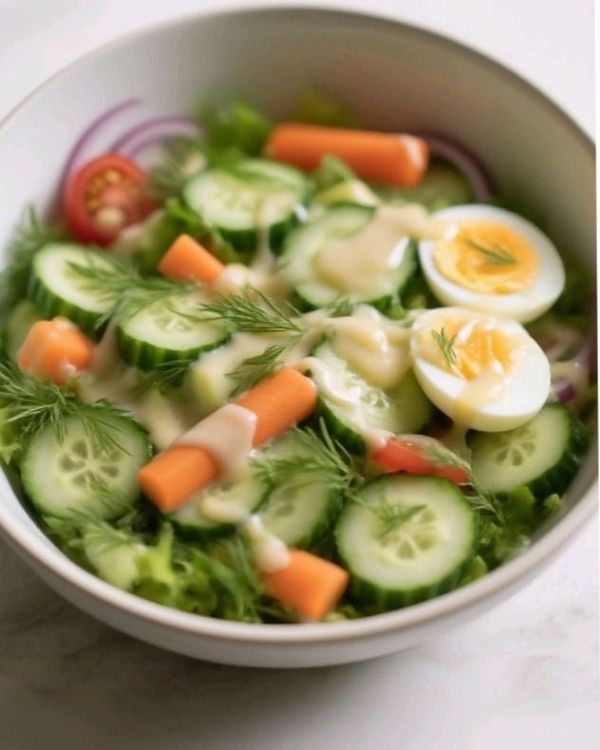
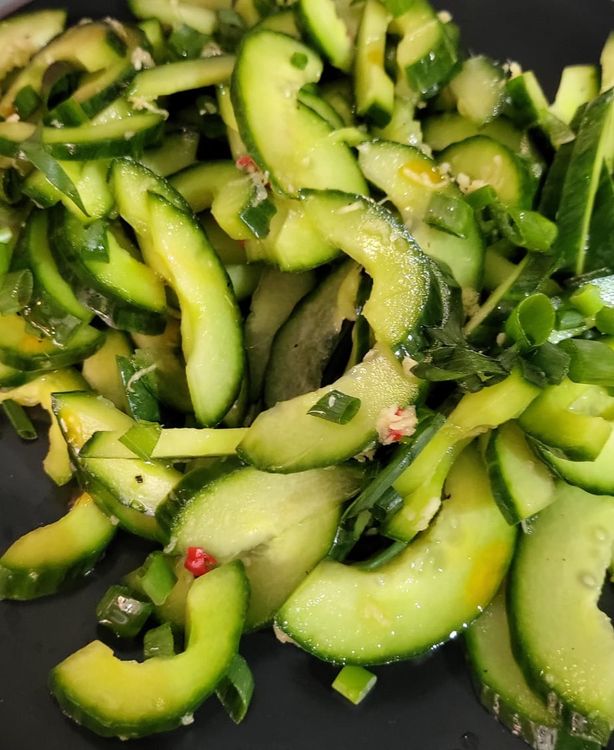
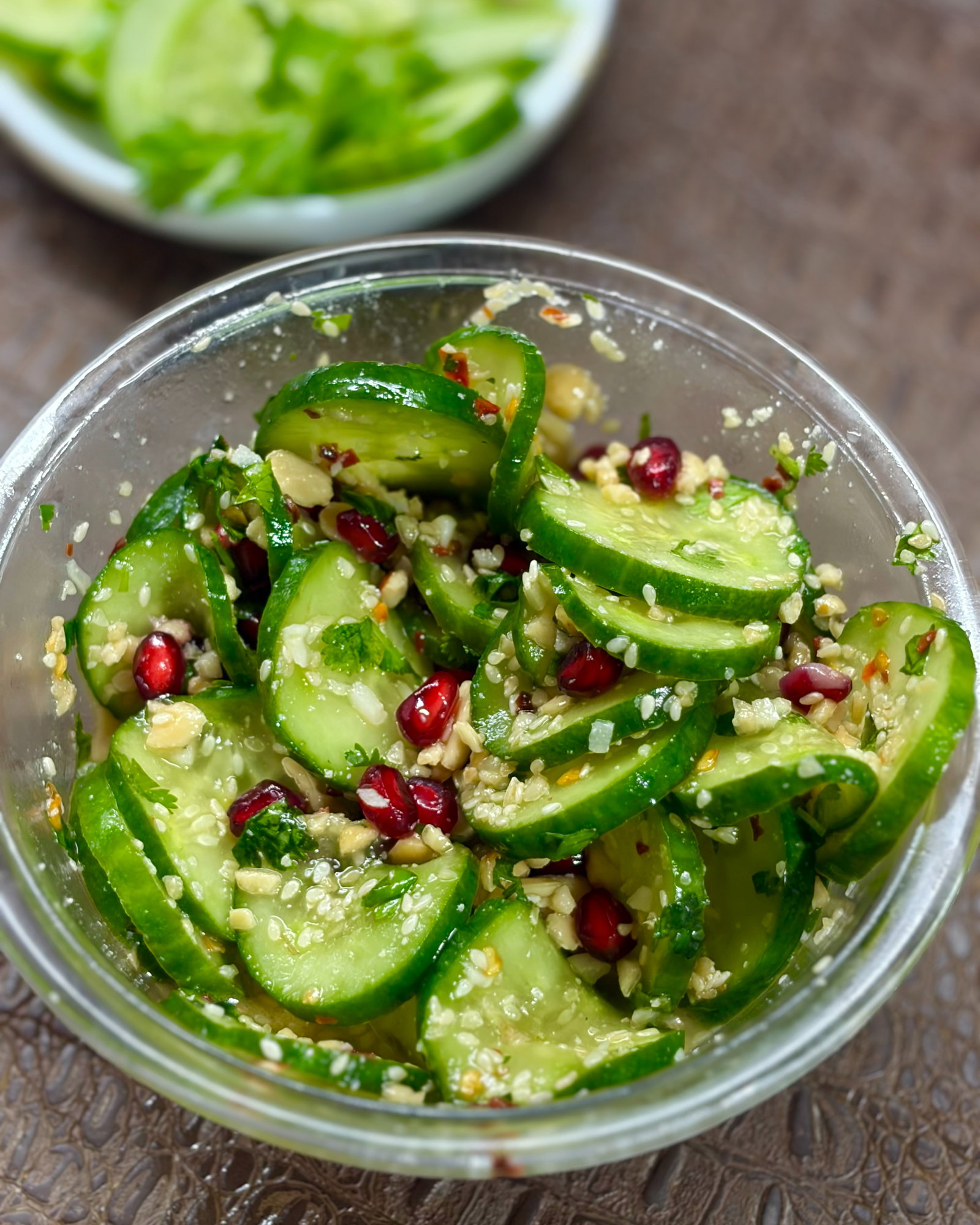
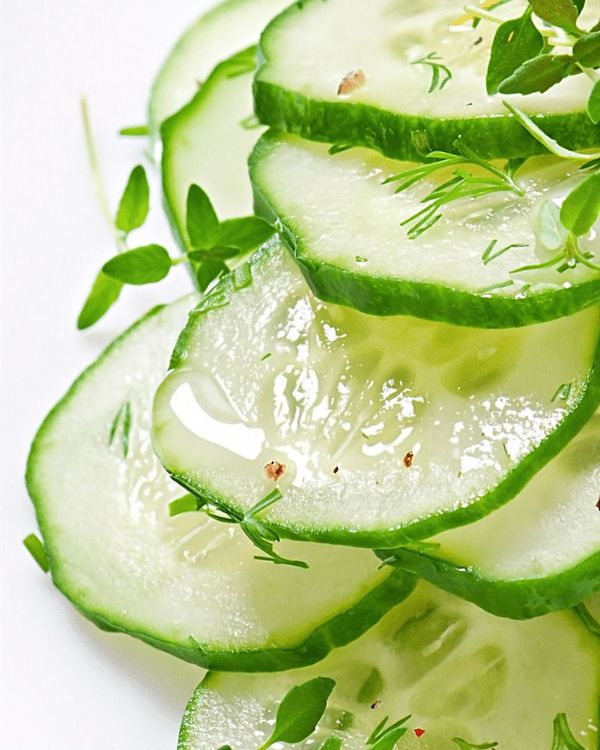
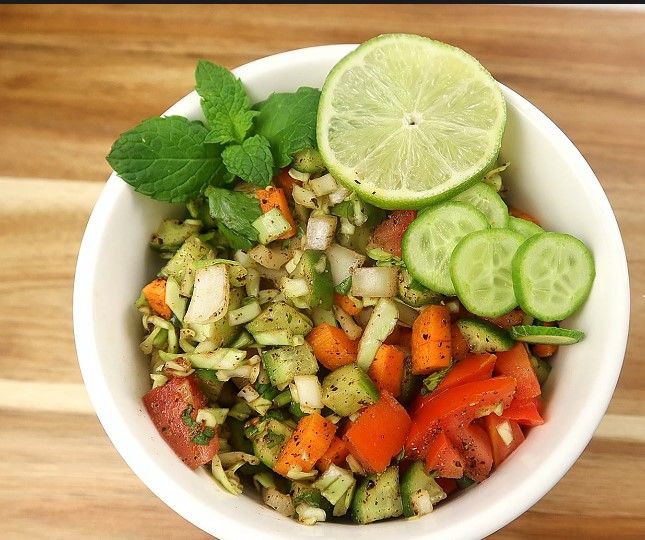
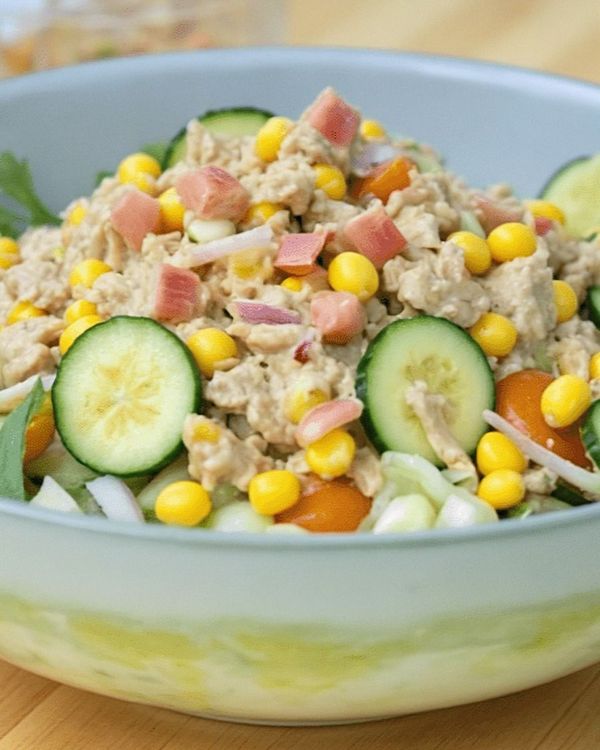
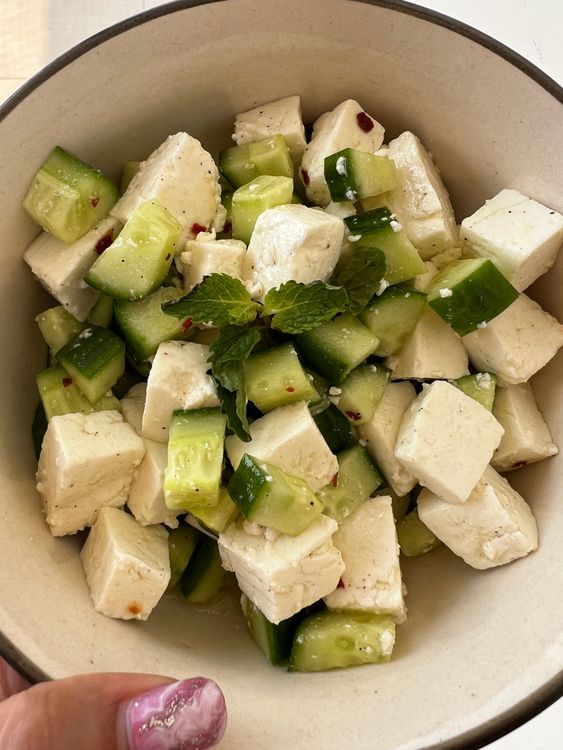
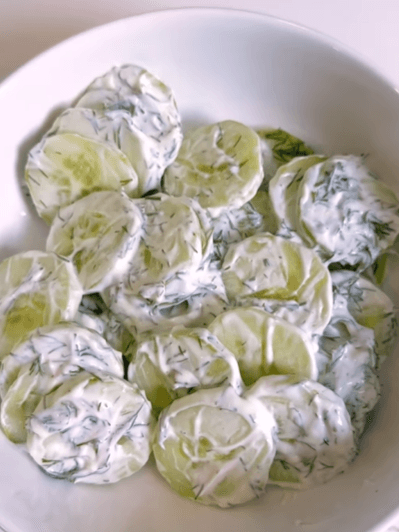
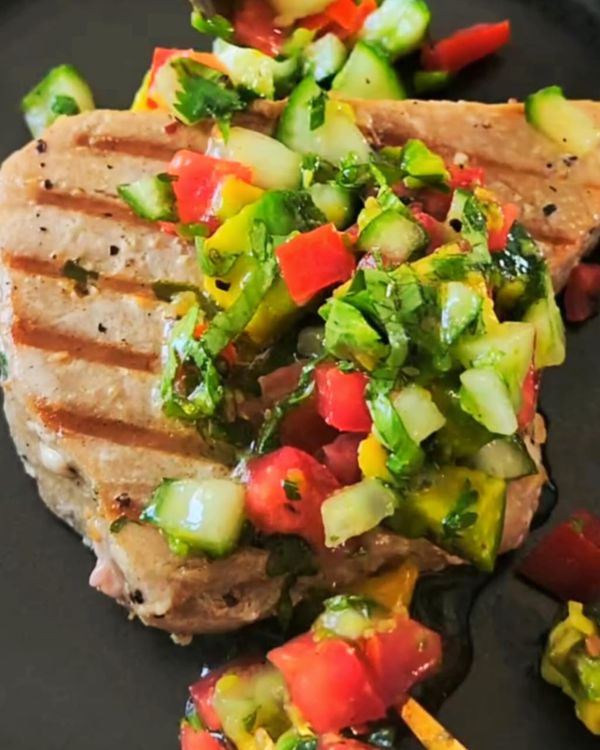
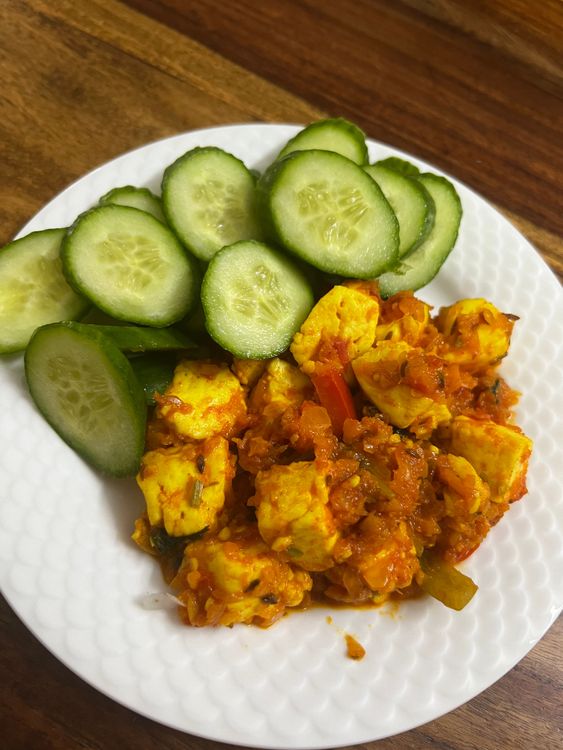
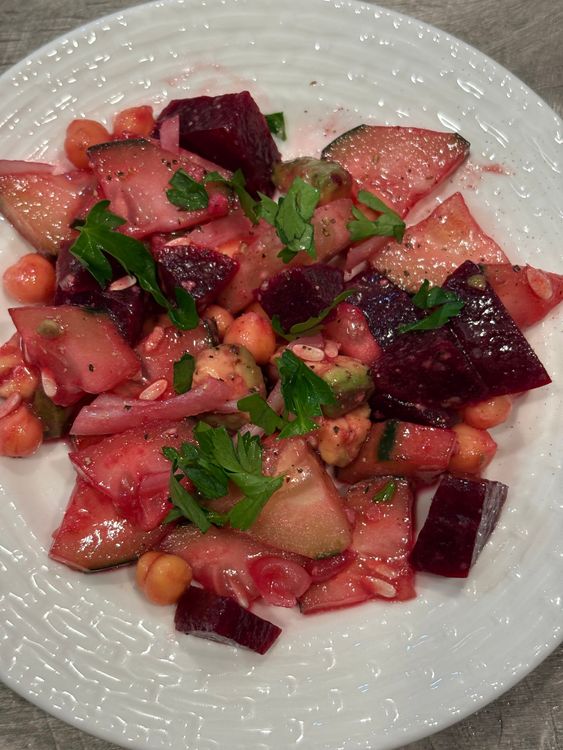
A great cucumber salad is almost entirely about managing water, because the same crispness that makes cucumber refreshing is also what turns a dressed bowl into a puddle within the hour. The fix is to salt first: slice your cucumber, toss it with a generous pinch of salt, and let it drain in a colander for fifteen to thirty minutes before squeezing out the released liquid. That single step concentrates the flavor, seasons the flesh from within, and keeps every piece snappy instead of limp. From there the world opens up, whether you are making a sharp Indian kachumber with tomato and onion, a creamy dill-flecked version, a vinegary German gurkensalat, or a bright Greek bowl with feta and olive oil. The dressing should taste a touch too sharp on its own, since the mild cucumber tames it once tossed. Cut thick for a salad that holds and thin for one eaten right away, dress at the last moment, and finish with fresh herbs and a crack of pepper so the whole thing reads cool, crunchy and alive. Standouts here include Cucumber Salad and Din Tai Fung Cucumber Salad, plus Protein-Packed Cucumber Salad (Healthy & Easy).

- International
- Eggetarian
- Snack

- Chinese
- Vegetarian
- Appetiser

- Vegetarian
- Side Dish


- American
- Vegetarian
- Salad
- International
- Vegan
- Salad
- Fusion
- Vegan
- Salad

- Fusion
- Pescatarian
- Dinner

- Indian
- Vegan
- Snack
- Korean
- Pescatarian
- Appetiser
- Mediterranean
- Pescatarian
- Lunch

- Indian
- Vegetarian
- Lunch


- International
- Eggetarian
- Side Dish

- Polish
- Vegetarian
- Salad

- Asian
- Vegan
- Salad

- International
- Pescatarian
- Lunch
- Indian
- Vegetarian
- Dinner

- Vegan
- Lunch
Dips, Sandwiches & Cooling Drinks
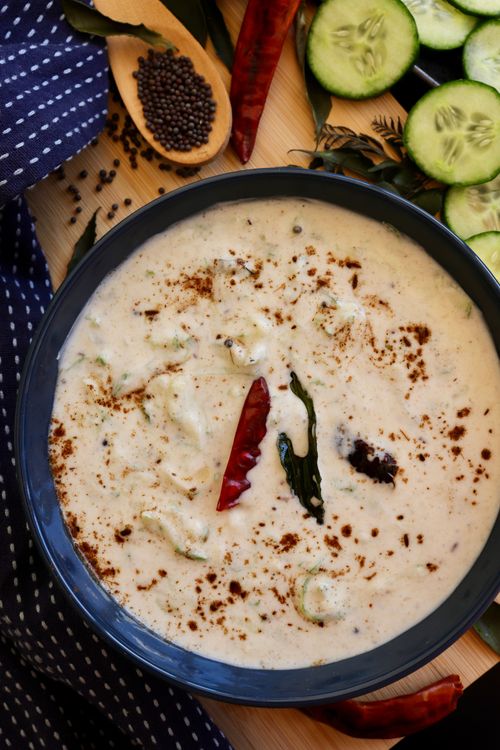
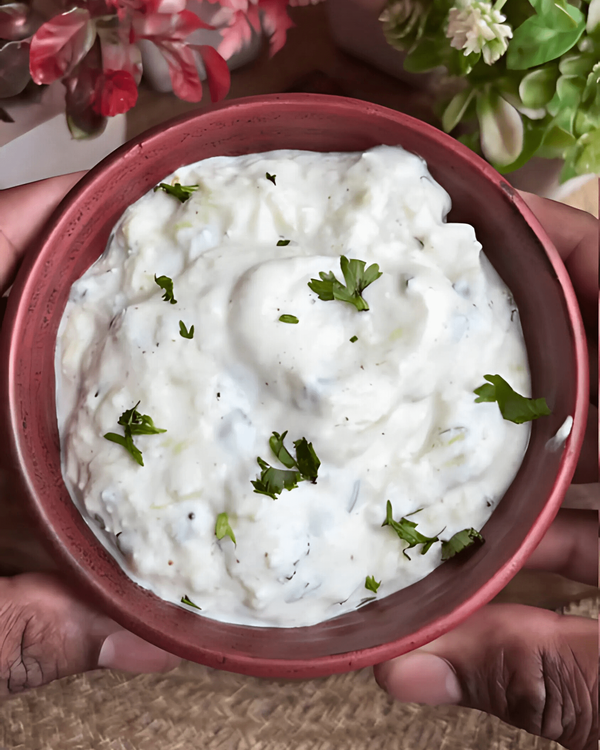
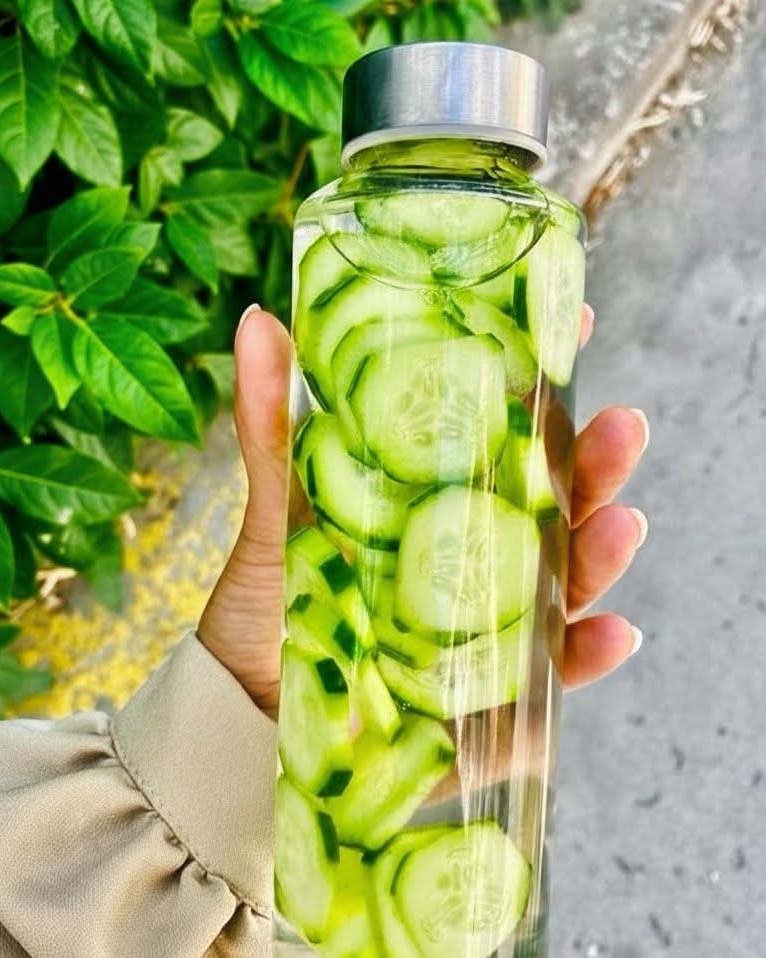
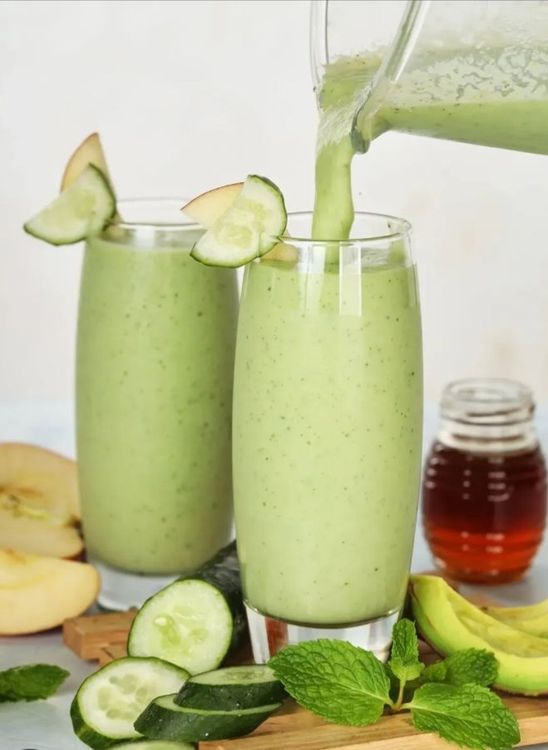
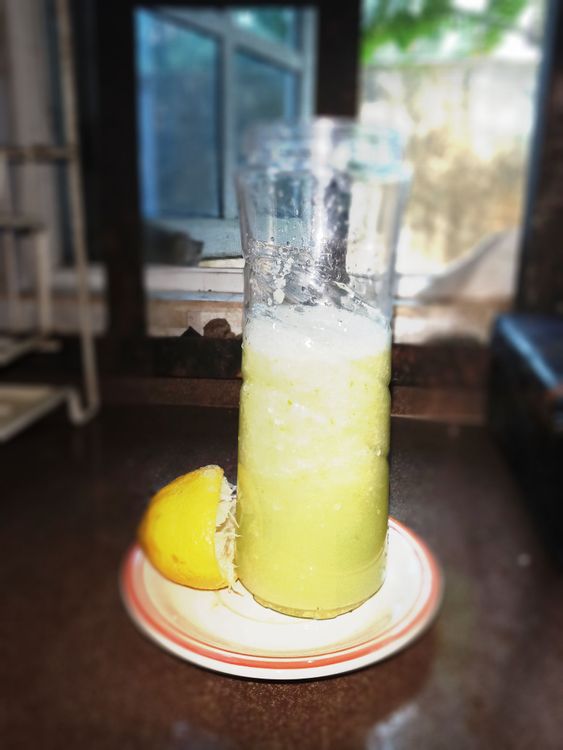
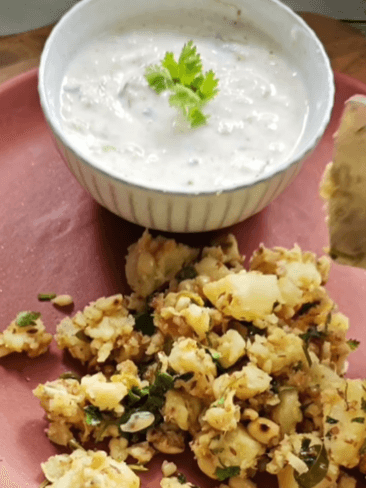
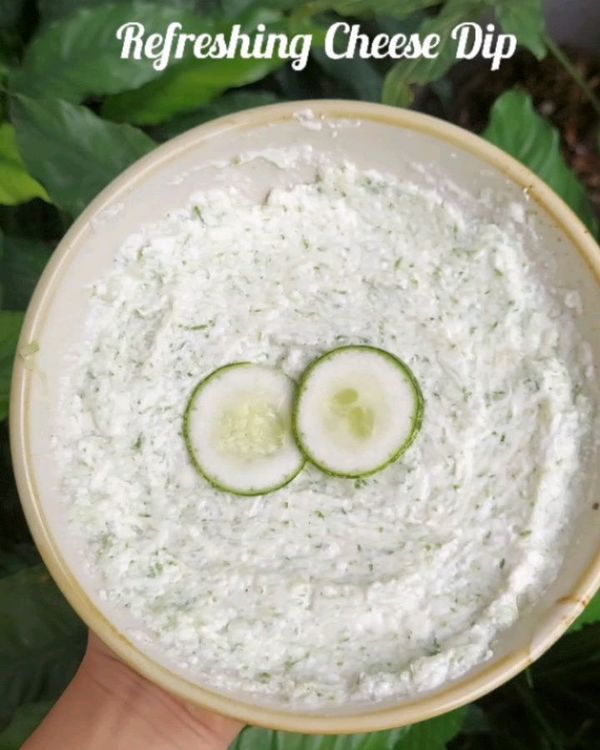
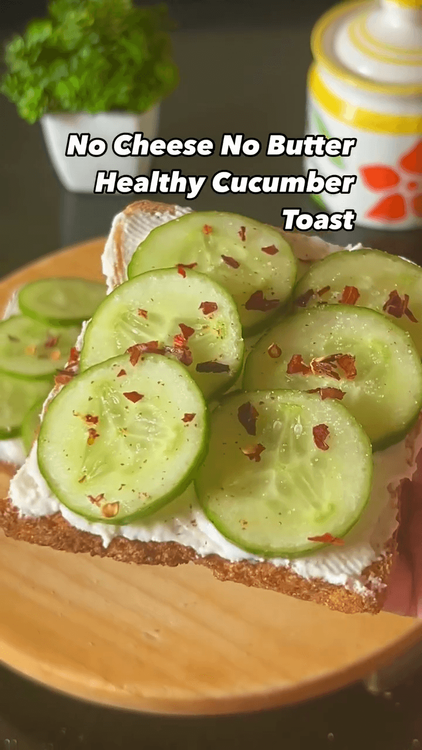
Here cucumber plays the cool foil, its clean, hydrating crunch calming heat and cutting richness rather than taking center stage. Folded into Greek tzatziki or Indian raita, it turns yogurt into the thing that rescues a fiery curry or a charred kebab; the non-negotiable step is grating the cucumber and squeezing out its water hard, or the dip thins to a sad puddle within minutes. The same logic carries the genteel cucumber tea sandwich, where salted, drained slices on buttered bread stay crisp instead of going soggy, and a chilled gazpacho that leans on cucumber for body and freshness. On the drinks side, cucumber shines in spa water, aguas frescas, coolers and green smoothies, where its mild, grassy sweetness reads as pure refreshment and a little goes a long way. Muddle or blend it with mint and lime, strain if you want it clean, and serve it properly cold. Across all of these, the rule is the same one that runs through the whole collection: handle the water and the cucumber rewards you with cool, clean crunch. Standouts here include Cucumber Raita and Cucumber Raita, plus Ribeye Open Face Sandwich with Cucumber, Caramelized Onion, and Sprouts.
- Indian
- Vegetarian
- Side Dish

- Indian
- Vegetarian
- Sauce & Condiment

- American
- Non-Vegetarian
- Lunch


- Health
- Vegan
- Snack
- International
- Vegan
- Beverage


- Vegetarian
- Beverage

- International
- Vegetarian
- Breakfast


- Indian
- Vegetarian
- Breakfast


- International
- Vegan
- Snack
- International
- Vegan
- Snack

- Indian
- Vegetarian
- Snack
More Cucumber Favourites
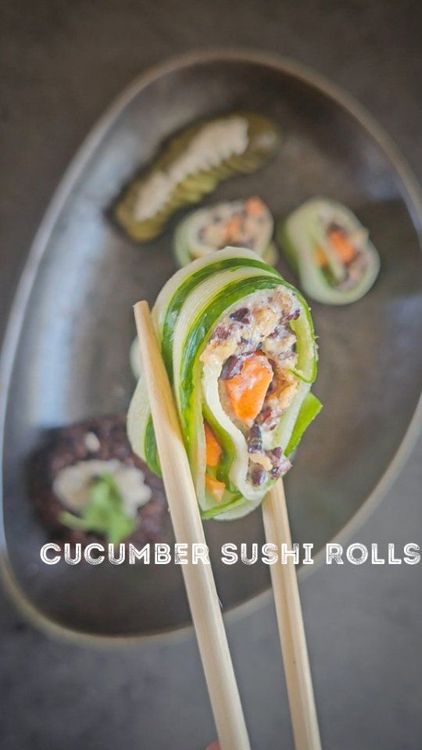
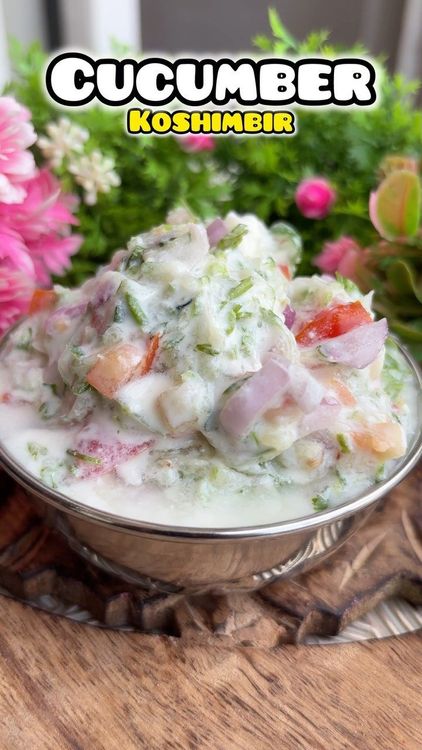
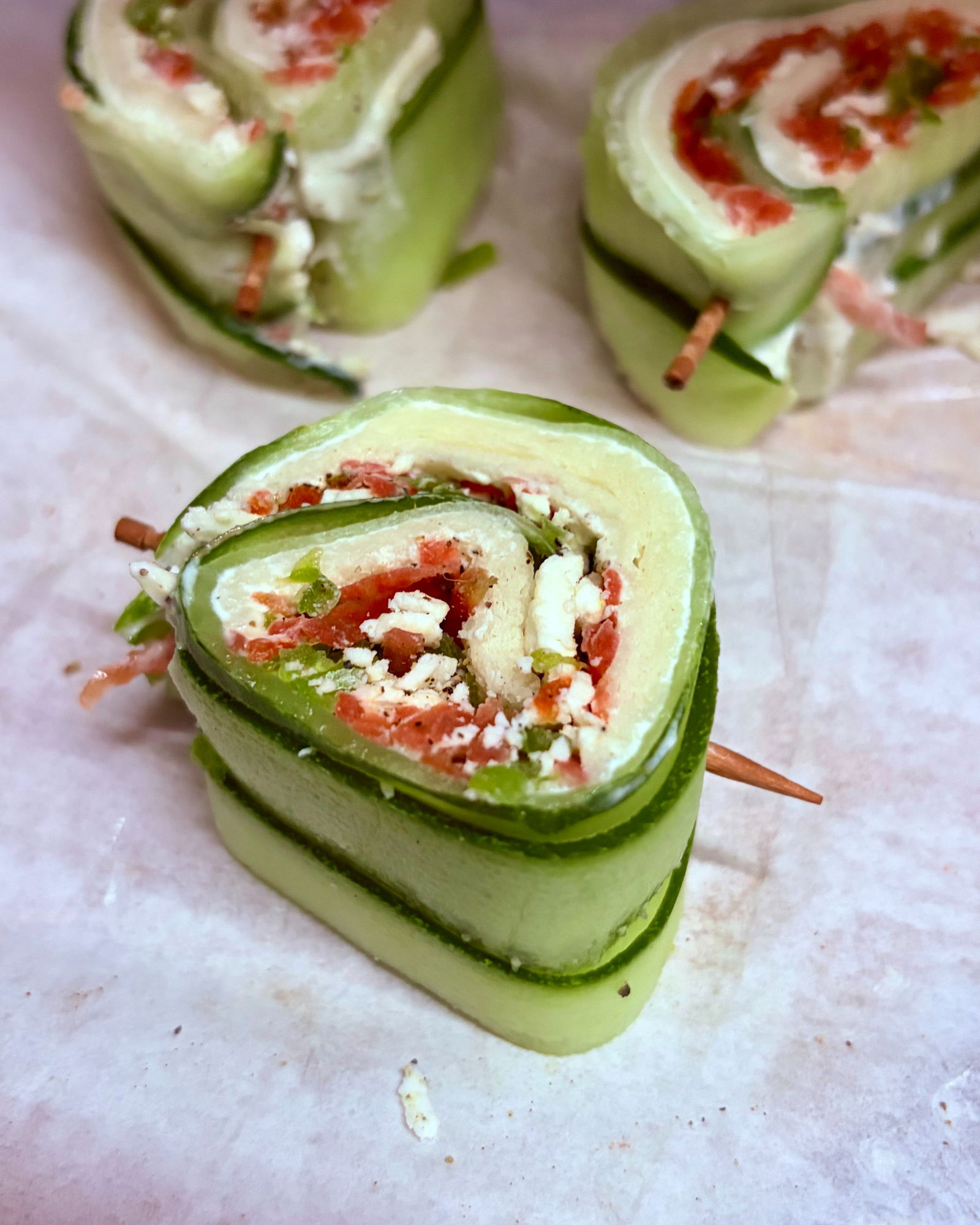
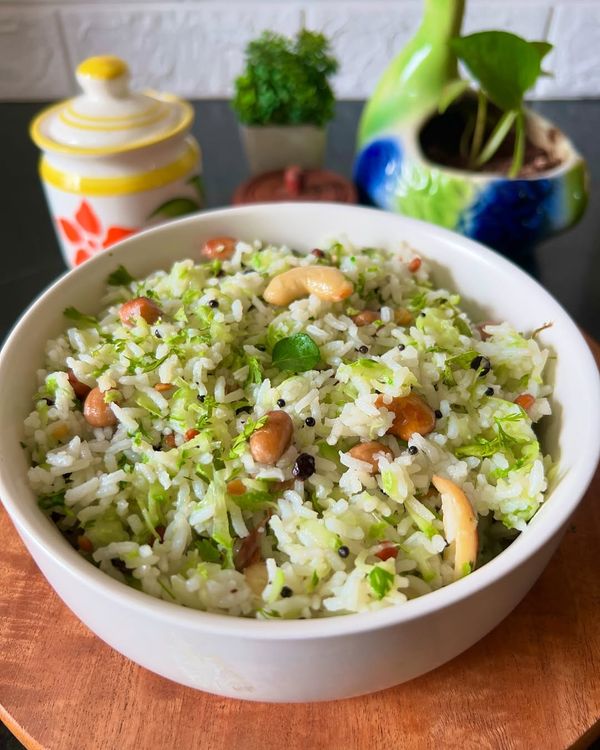
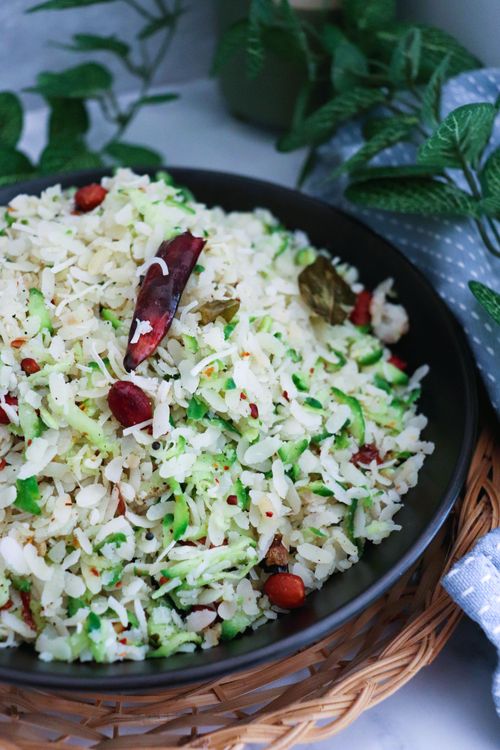
A few cucumber dishes never quite settle into a single category, and these are the ones worth keeping in your back pocket once the salads, pickles and smashed sides feel routine. They lean on the same handful of techniques you already know, salting to draw out water, smashing for craggy texture, balancing a sharp dressing, but steer the humble cucumber somewhere a little different, whether that is a stir-fried hot cucumber side that surprises people who only know it raw, a stuffed-and-rolled appetizer, a cucumber-laced soup, or a quick agua to cool a spicy meal. Picking your next one is mostly about matching effort to mood: reach for a five-minute smashed or sliced number on a hot, busy night, and save the layered or fermented projects for when you have time to let flavors develop. Pay attention to the cut, since thin coins wilt fast while thick chunks and smashed pieces hold their snap. Think of this group as the natural next step after the staples, the recipes that quietly earn a regular spot in the summer rotation once you have tried them. Standouts here include Cucumber Sushi Rolls and Cucumber Koshimbir, plus No-Cook Cucumber Rolls.
- Fusion
- Vegan
- Lunch
- Indian
- Vegetarian
- Side Dish
- Fusion
- Vegetarian
- Appetiser
- Indian
- Vegan
- Lunch

- Indian
- Vegetarian
- Snack


- Indian
- Vegan
- Snack
- Indian
- Vegan
- Breakfast
- Healthy
- Vegetarian
- Breakfast


- Pescatarian
- Lunch

- International
- Vegetarian
- Beverage

- American
- Vegetarian
- Beverage
- Nepali
- Vegan
- Sauce & Condiment

- Fusion
- Non-Vegetarian
- Appetiser
Choosing and Prepping Cucumbers
Not all cucumbers behave the same. The thin-skinned, nearly seedless varieties — English (hothouse), Persian and Japanese — are the workhorses for salads and quick pickles: crisp, mild and no peeling required. Standard slicing cucumbers have a tougher, waxed skin and watery seeds, so peel them and scrape the seeds with a spoon if they are large. Kirby and other small pickling cucumbers have bumpy skin and dense, low-water flesh, which is exactly why they hold their snap in brine.
Buy them firm and heavy for their size, with no soft spots or yellowing — a dull, puffy cucumber is already watery and past its best. Store them barely refrigerated; cucumbers suffer below about 10C and turn slimy faster in the coldest part of the fridge, so the door or a warmer drawer is better than the back wall. Use them within a few days for the best crunch.
How you cut decides texture as much as anything. Thin coins soak up dressing fast and wilt fast; thick half-moons and batons stay crunchy longer. For maximum surface area without thinness, smash them (more on that below). Always taste a slice from the stem end first — that is where bitterness concentrates — and trim it off if it bites back.
Salting to Draw Out Water
This is the most important technique on the page. Because cucumber is mostly water, dressing it directly gives you a puddle within minutes and flavors that taste washed out. Salting first fixes both. Slice or smash the cucumber, toss it with a generous pinch of salt, and let it sit in a colander for fifteen to thirty minutes. Osmosis pulls the water out, the flesh stays crunchy rather than going soggy, and the cucumber seasons from within at the same time.
After salting, squeeze gently or pat the slices dry with a towel — you will be surprised how much liquid comes out. Do not skip the squeeze; the drawn-out water is sitting on the surface and will dilute your dressing if it stays. If you are worried about saltiness, give the slices a quick rinse and then dry them well. The result is cucumber that holds its texture for hours and a dressing that clings instead of pooling at the bottom of the bowl.
A few caveats: for a fresh, last-minute salad you can skip salting if you serve it immediately, but anything that has to sit, travel or hold benefits enormously. Sugar can stand in for or join the salt in quick pickles and Asian sides, drawing water the same way while sweetening. And go easy on added salt in the dressing afterward, since the cucumber has already taken some on board.
Smashing for Texture and Flavor
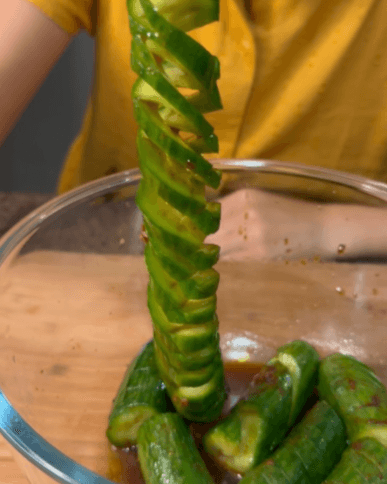
Smashed cucumber — the technique behind the famous Din Tai Fung side and countless Sichuan and Korean dishes — is not just for show. Whacking the cucumber with the flat of a knife or a rolling pin until it splits cracks it into craggy, irregular pieces with far more surface area and torn, porous flesh than clean slices. Those rough edges grab and soak up dressing in a way smooth cuts never do, so every bite carries the chilli, garlic, vinegar and sesame.
Smash on a board, then tear or cut the cucumber into rough bite-size chunks. Salt them and let them drain just as you would slices — smashing releases even more water, so this step matters more here, not less. Squeeze the pieces lightly before dressing. The looser, broken texture also means the cucumber absorbs flavor fast, so these dishes are ready in minutes rather than needing time to marinate.
Dress smashed cucumber boldly. The classic profile is salty, sour, sweet and hot all at once: soy or fish sauce, black or rice vinegar, a little sugar, lots of smashed garlic, chilli oil or fresh chilli, and toasted sesame. Toss right before serving — smashed cucumber weeps quickly once dressed, so it is at its glistening best within the first half hour.
Pickling: Quick and Traditional
The fastest route is a refrigerator (quick) pickle: pack sliced or spear-cut cucumbers into a jar, pour over a warm brine of vinegar, water, salt and sugar with whatever aromatics you like — dill, garlic, mustard seed, peppercorns — and chill. They are tangy and ready in a few hours and crisp for a week or two. Use a firm pickling cucumber if you can, and slice fresh; a tired cucumber makes a hollow, soft pickle.
Crispness is the whole game. Trim the blossom end (it contains an enzyme that softens pickles), keep everything cold, and do not over-process. For true canned dills you process jars in a water bath for shelf stability, but a grape leaf or a pinch of calcium chloride (pickle crisp) helps keep them snappy. Balance the brine — too little vinegar and they spoil or taste flat, too much and they pucker — a roughly 1:1 vinegar-to-water base with salt and sugar is a reliable starting point.
Fermented sour dills are a different, deeper craft: cucumbers submerged in a salt brine and left at room temperature for days to sour through wild fermentation, no vinegar involved. Keep them fully under the brine, skim any scum, and taste as they go. Bread-and-butter pickles swing sweet and use thinner slices; gherkins and cornichons stay tiny and tart. Whichever you make, freshness and a clean, cold jar decide the snap.
Pro Tips from the Test Kitchen
- Salt sliced or smashed cucumber and drain it 15–30 minutes, then squeeze — it stops your salad or dip turning to soup.
- Choose thin-skinned English, Persian or Japanese cucumbers for salads; firm Kirby types for pickles that stay snappy.
- Smash cucumber with the flat of a knife so the craggy, torn edges grab the dressing.
- Taste and trim the stem end, where bitterness concentrates, before using.
- Trim the blossom end of pickling cucumbers — it carries an enzyme that softens the pickle.
- Dress smashed and salted cucumber just before serving; it weeps fast once the dressing goes on.
- Buy cucumbers firm and heavy; a puffy, dull one is already watery inside.
- Store cucumbers in a warmer part of the fridge — below ~10C they turn slimy faster.
- Use sugar as well as salt in quick pickles and Asian sides; it draws water and sweetens at once.
- Keep quick-pickle brine around a 1:1 vinegar-to-water ratio with salt and sugar for reliable tang.
Frequently Asked Questions
How do you keep cucumber salad from getting watery?
Salt it first. Slice the cucumber, toss it with a generous pinch of salt, and let it drain in a colander for 15 to 30 minutes, then squeeze or pat it dry. The salt pulls out the water by osmosis before it can dilute your dressing, and the flesh stays crunchy. Dress only after draining, and if a salad has to sit or travel, this step is essential rather than optional.
Should you peel cucumbers?
It depends on the cucumber. Thin-skinned English, Persian and Japanese cucumbers do not need peeling — the skin is tender and adds color and crunch. Standard slicing cucumbers often have a tough, waxed skin that is worth peeling, and you may want to scrape out large watery seeds too. For pickles, the skin helps the cucumber hold its shape, so leave it on. Taste and decide; the skin also carries a little of the fresh, grassy flavor.
What is the best cucumber for pickling?
Kirby and other small pickling cucumbers. They have bumpy skin, dense low-water flesh and few seeds, which is why they stay crisp in brine instead of going hollow and soft like watery slicing cucumbers. Use them very fresh — pickle within a day or two of buying or picking — and trim the blossom end, which contains a softening enzyme. English cucumbers can make a decent quick pickle but will never be as snappy.
How do you make smashed cucumber?
Whack the cucumber with the flat side of a knife or a rolling pin until it cracks and splits, then tear or cut it into rough bite-size chunks. The craggy, torn surfaces grab dressing far better than clean slices. Salt the pieces and drain them 15 minutes, squeeze gently, then toss with a bold dressing of garlic, vinegar, soy or fish sauce, sugar, chilli oil and sesame. Serve right away, while it is crisp and glistening.
Why is my cucumber bitter?
Bitterness comes from compounds called cucurbitacins, which concentrate at the stem end and just under the skin, and tend to be stronger in stressed or older cucumbers. Taste a slice from the stem end and cut away the bitter part; peeling can help too. Some people rub the cut stem end against the cucumber until a white foam forms, a traditional trick said to draw out bitterness. Choosing fresh, well-grown cucumbers is the surest fix.
How long do quick (refrigerator) pickles last?
Refrigerator pickles keep about two weeks in the fridge and are best in the first week, while they are at their snappiest. They are not shelf-stable like water-bath canned pickles, so they must stay cold the whole time. You will notice they soften gradually as they sit. Keep the cucumbers fully submerged in the brine, use a clean jar, and trust your senses — discard if they smell off, turn slimy or grow anything fuzzy.
Can you freeze cucumber?
Not for fresh use — cucumber is mostly water, so freezing ruptures the cells and you thaw out a limp, mushy mess with no crunch left. The one exception is frozen cucumber for blended drinks, smoothies or infused water, where texture does not matter. If you want to preserve cucumber, pickling or fermenting is the way, not the freezer. For salads and snacking, buy what you will use within a few days.
What is the difference between tzatziki and raita?
Both are cooling cucumber-and-yogurt dips, but the seasoning differs by cuisine. Greek tzatziki uses strained yogurt with grated, squeezed cucumber, garlic, olive oil, lemon and dill or mint. Indian raita uses plain yogurt with cucumber and spices like roasted cumin, black salt and sometimes green chilli or coriander. In both, the key is squeezing the water out of the grated cucumber first, or the dip turns thin and watery within minutes.
How do you cut cucumber for salad?
Match the cut to how long the salad will sit. Thin coins absorb dressing quickly but wilt fast, so use them for salads eaten right away. Thick half-moons, batons or chunks stay crunchy much longer and are better for make-ahead or potluck salads. Smashing gives the most surface area and the craggiest texture for Asian-style dishes. Whatever the cut, salt and drain first if the salad needs to hold its texture.
Are cucumbers good for you?
Cucumbers are very low in calories and high in water, which makes them genuinely hydrating and a satisfying, crunchy snack. The skin carries fiber and some vitamin K, and they bring small amounts of potassium and antioxidants. They are not a powerhouse of nutrients given how much of them is water, but as a low-calorie way to add bulk, crunch and hydration to a meal — and a vehicle for yogurt, herbs and good oil — they earn their place.
The thread through every cucumber recipe here is the same: a cool, crisp, watery vegetable that rewards a little water management and a confident, sharp seasoning. Master the few moves in the guides — pick the right cucumber, salt to draw out water, smash for texture, balance the brine — and salads, pickles, smashed sides and dips all fall into place.
Pick three to make this week — a sharp salad, a jar of quick pickles and a fiery smashed side — and save your favorites to a Chefadora cookbook. Then work through the rest; this page is built to be the cucumber reference you actually come back to all summer.
Related
Popular Searches
- Best cucumber recipes
- Easy cucumber recipes
- Quick cucumber recipes
- Healthy cucumber recipes
- Simple cucumber recipes
- Homemade cucumber recipes
- Delicious cucumber recipes
- Popular cucumber recipes
- cucumber salad
- quick cucumber pickle
- smashed cucumber
Marnirni-apinthi Building, Lot Fourteen,
North Terrace, Adelaide, South Australia, 5000
Australia
