
Top 37 Japanese Recipes: Sushi, Noodles, Teriyaki and More
Updated June 29, 2026 · Curated by Chefadora

Japanese recipes reward precision and restraint more than long ingredient lists, which is exactly what makes them so satisfying to cook at home. The cuisine is built on a few foundations — properly steamed short-grain rice, a clean dashi stock, soy, mirin and miso — and from those handful of building blocks comes everything from a glossy bowl of teriyaki to a plate of lacy tempura. The recipes gathered here were chosen to show that range rather than ten variations on one dish.
What unites Japanese home cooking is an obsession with the integrity of each element. Rice is seasoned and steamed so the grains stay separate and glossy; broth is built to be clear and deeply savory; proteins are grilled, fried or simmered just to the point of doneness and no further. The technique is rarely complicated, but it is exacting — small things like the temperature of frying oil or the moment you stop cooking an egg decide whether a dish sings or falls flat.
You will find four clusters here: rice, sushi and donburi; the everyday noodles of udon, soba and yakisoba; the teriyaki, katsu and tempura mains; and the soups, sides and street food that round out a meal. The same core ingredients thread through all of them, so once you have mastered dashi and a pot of sushi rice, the rest of the cuisine opens up far faster than you would expect.
Treat this as a working reference. Each recipe links to full ingredients and steps on Chefadora, and the guides below cover the make-or-break techniques — how to cook and season sushi rice, how to build dashi from scratch, how to fry tempura and katsu so they stay crisp, and how to balance the sweet-salty sauces that define so much of the food. Cook a few of these and the patterns start to repeat in your hands.
Rice, Sushi & Donburi
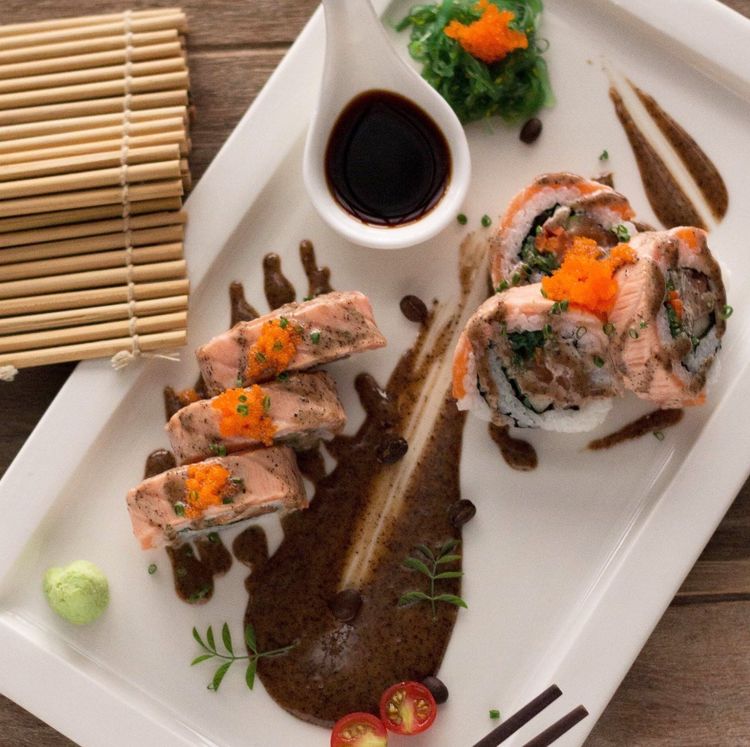
Everything in Japanese cooking begins with the rice, and this is where you learn to treat it as the main event rather than a side. Short-grain japonica is the only choice here, because its stickiness is what lets a maki roll hold together and gives a donburi its satisfying chew. Rinse it until the water runs nearly clear to wash off the loose starch that turns rice gummy, cook it with slightly less water than you would for other rice, and rest it covered for ten minutes off the heat so the grains firm up properly. For sushi rice specifically, fold a warm vinegar-sugar-salt seasoning through the hot grains with a slicing motion while fanning to cool, which gives it that signature gloss and gentle tang. The single most common mistake is overworking the rice into mush or skipping the rest. From this one base flow sushi rolls, hand-pressed onigiri, scattered chirashi and the whole family of rice bowls — gyudon, oyakodon, katsudon — where a quick savory topping turns a pot of rice into a complete, fast weeknight dinner. Standouts here include Quick Vegan Sushi Bowl and Simple Sushi Recipe, plus 5 Minute Sushi Roll in a Bowl.


- Dairy-Free
- Lunch
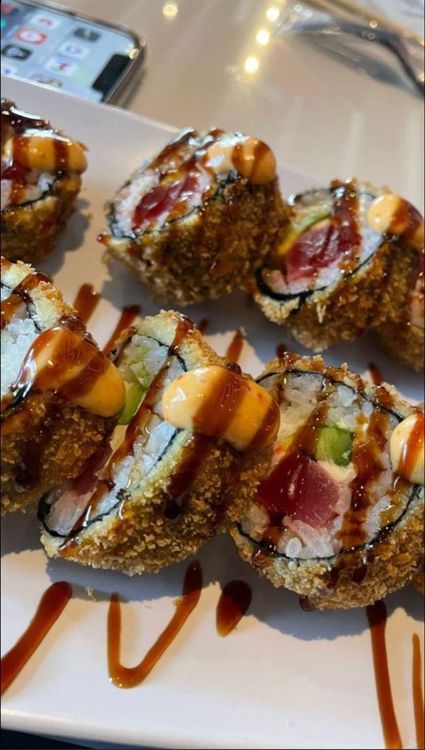

- Japanese
- Pescatarian
- Lunch
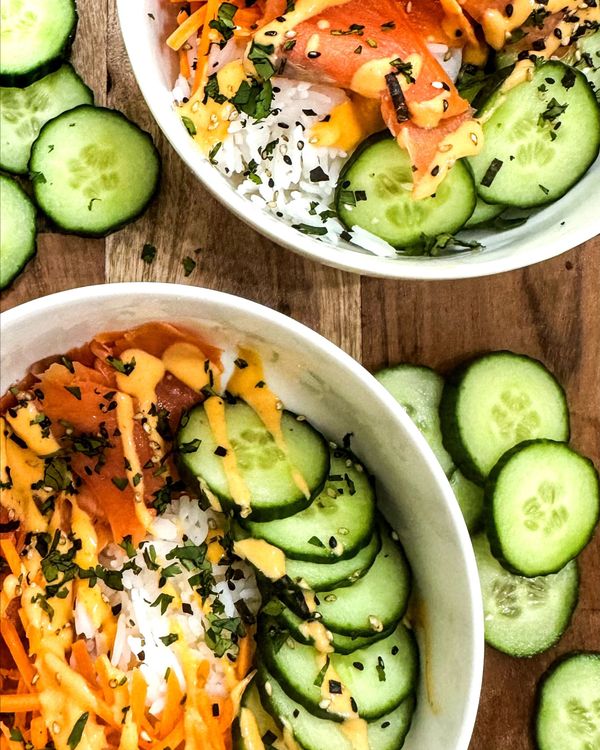

- Japanese
- Pescatarian
- Lunch
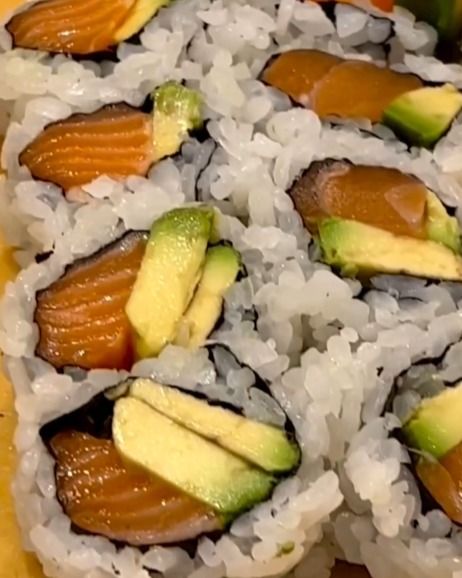
- Japanese
- Pescatarian
- Lunch
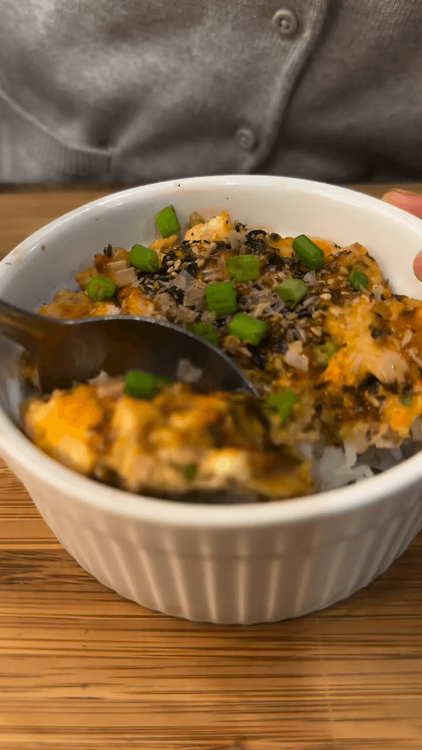

- Japanese
- Pescatarian
- Main Course

- Japanese
- Pescatarian
- Appetiser
Udon, Soba & Yakisoba
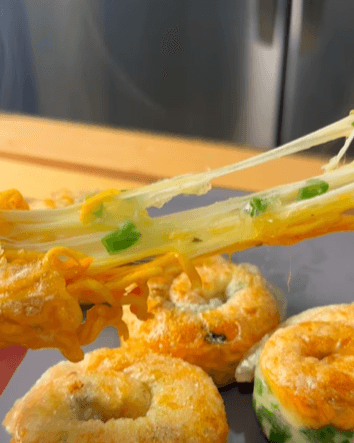
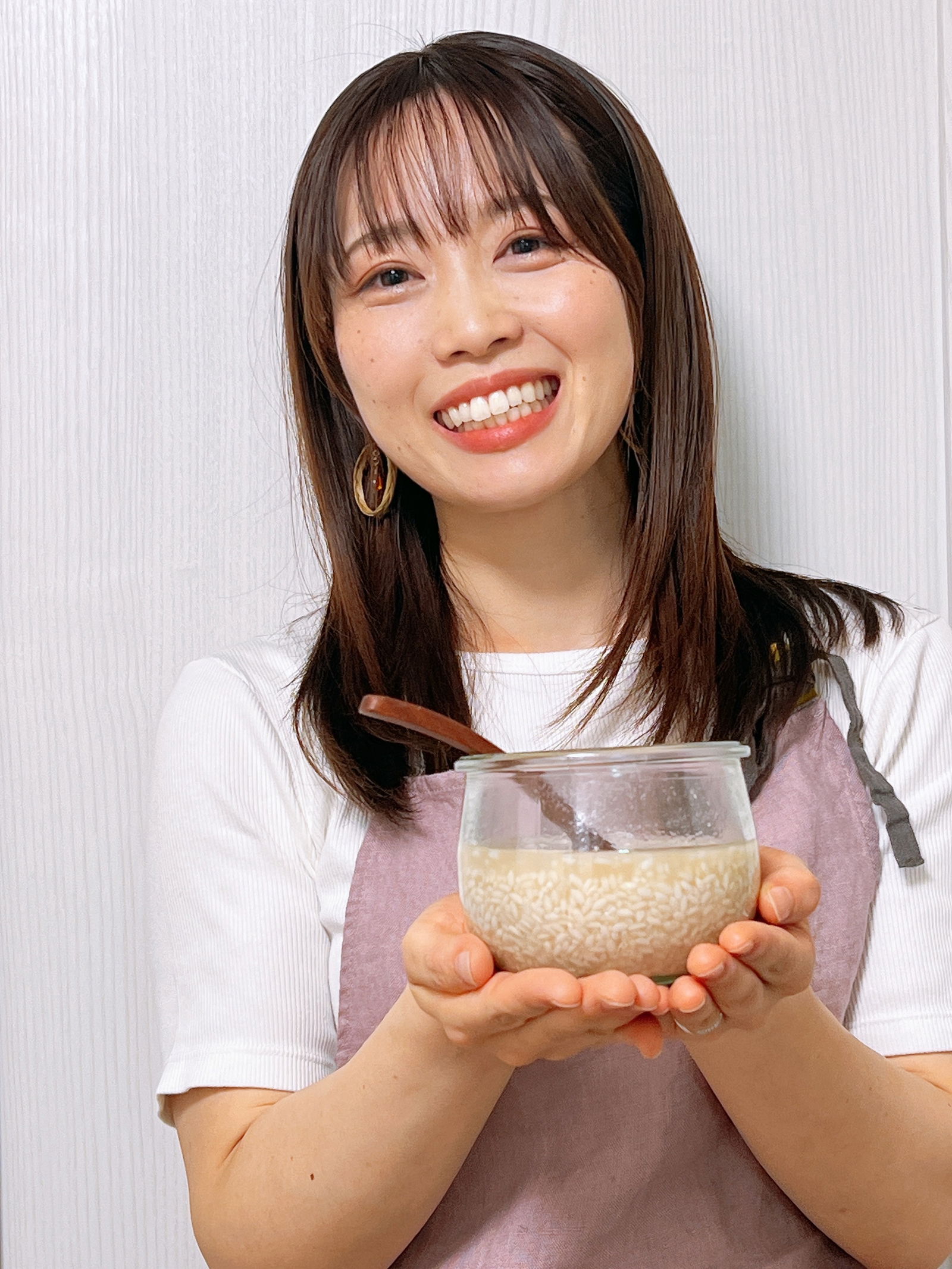
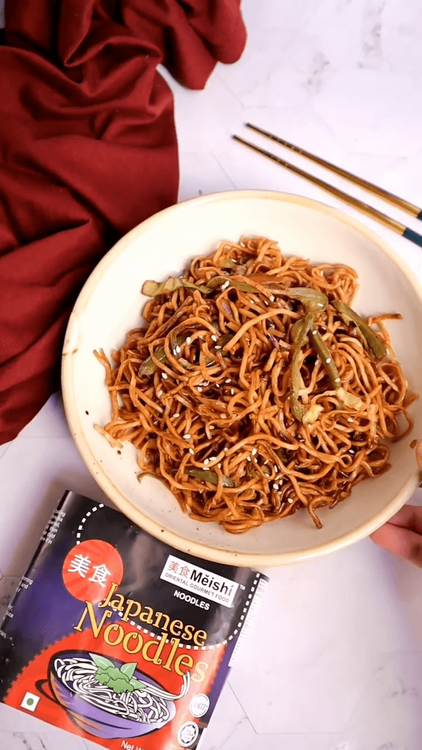
Japanese noodles split into a few clear families, and knowing how each wants to be cooked is most of the battle. Thick, soft udon is comforting and mild, equally happy in a steaming bowl of dashi broth or tossed on a hot griddle; nutty buckwheat soba is lighter and more delicate, served hot in winter or chilled with a soy-dashi dipping sauce in summer; and yakisoba is the griddle-fried street favorite, slicked with a sweet-tangy brown sauce. Across all of them, cook the noodles in plenty of boiling water and, crucially, rinse them under cold running water afterward to wash off surface starch and stop the cooking — this firms them up and keeps them from clumping into a gluey mass. For chilled soba especially, that cold rinse is what gives the clean, springy bite. The frequent error is overcooking, which leaves noodles soft and pasty, so pull them a touch early and taste as you go. For yakisoba, get the pan genuinely hot and add the sauce only at the end, tossing hard so it coats rather than steams everything limp. (Ramen is its own deep world, covered on its own page; here we keep to the everyday noodles a home cook reaches for most.) Standouts here include Cheesy Spicy Ramen Rice Paper Spirals with Furikake Mayo and Nagoya Style: Miso Nikomi Udon, plus Japanese Noodles with Siracha Sauce.
- Japanese
- Eggetarian
- Appetiser

- Japanese
- Non-Vegetarian
- Dinner
- Japanese
- Vegan
- Main Course
Teriyaki, Katsu & Tempura
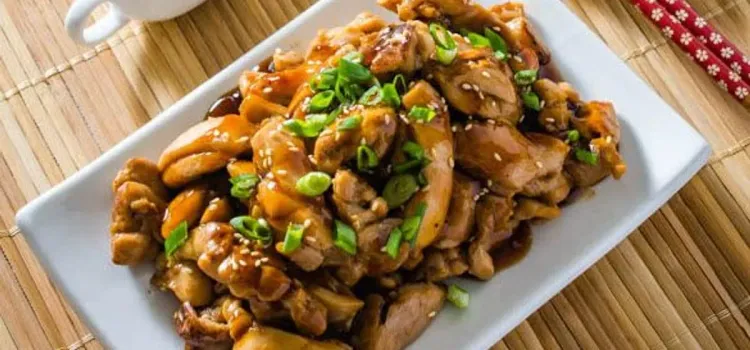
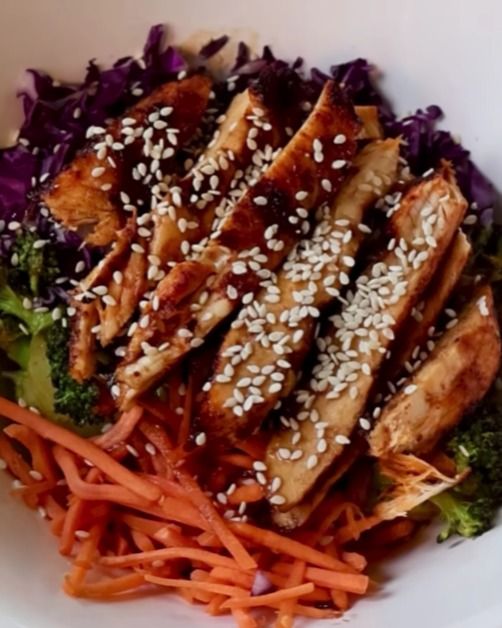
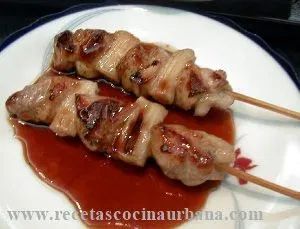
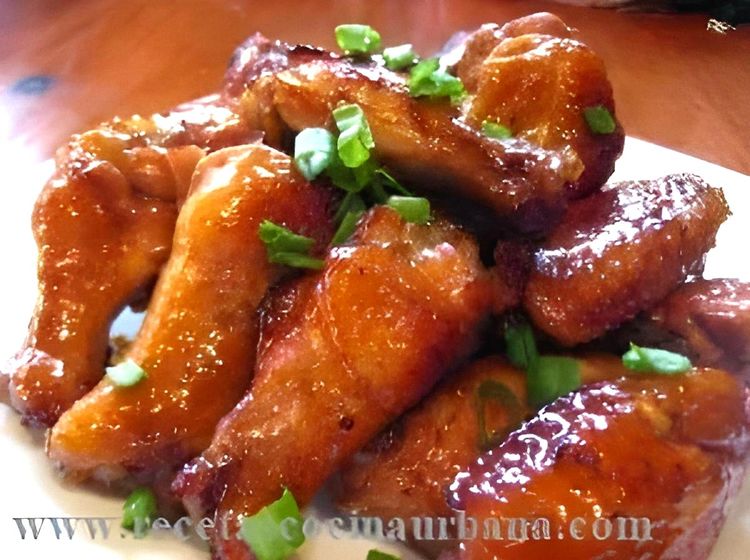
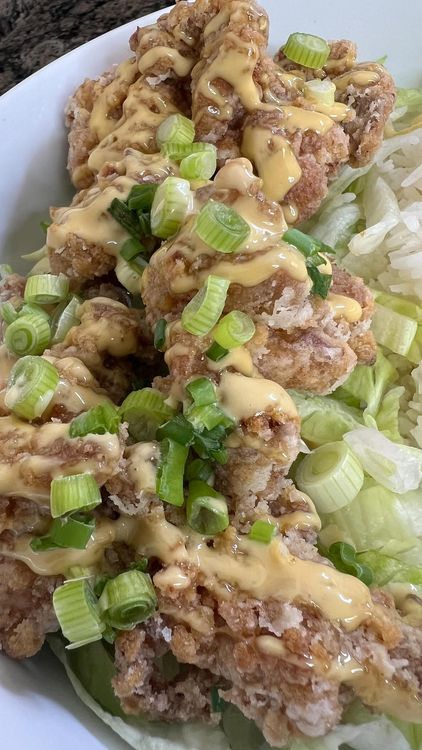
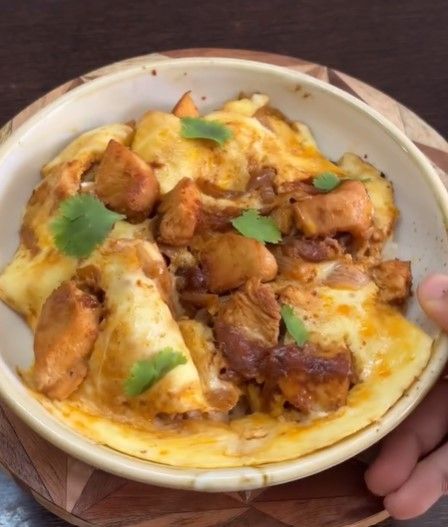
These are the protein dishes that anchor a Japanese dinner, and most of them run on either a hot fryer or a glossy reduction. Teriyaki is the gateway: simmer soy, mirin and sake with a little sugar down to a syrup, then glaze grilled or pan-seared chicken, salmon or tofu near the end of cooking so it lacquers rather than running off thin. Katsu and karaage live and die on the fry — coat the cutlet in flour, egg and coarse panko (or dredge chicken in seasoned potato starch for karaage), and hold the oil steady around 170 to 180C so the crust shatters instead of going greasy. Tempura asks for ice-cold, barely-mixed batter and the same hot, clean oil to come out lacy and light. The common thread, and the most common mistake to avoid, is overcooking: pull salmon while it is still translucent in the center, fry in small batches so the oil stays hot, and let the carryover finish the job. Drain everything fried on a rack, season the moment it leaves the oil, and serve straight away with shredded cabbage, a wedge of lemon, or a little dipping sauce alongside. Standouts here include Teriyaki Chicken and Japanese Fried Chicken (Karaage), plus Chicken Teriyaki.
- Japanese
- Non-Vegetarian
- Dinner

- Japanese
- Non-Vegetarian
- Lunch
- Japanese
- Non-Vegetarian
- Lunch
- Japanese
- Non-Vegetarian
- Appetiser
- Japanese
- Non-Vegetarian
- Lunch
- Japanese
- Non-Vegetarian
- Snack
- Japanese
- Non-Vegetarian
- Dinner


- American
- Non-Vegetarian
- Dinner


- Non-Vegetarian
- Dinner
Soups, Sides & Street Food
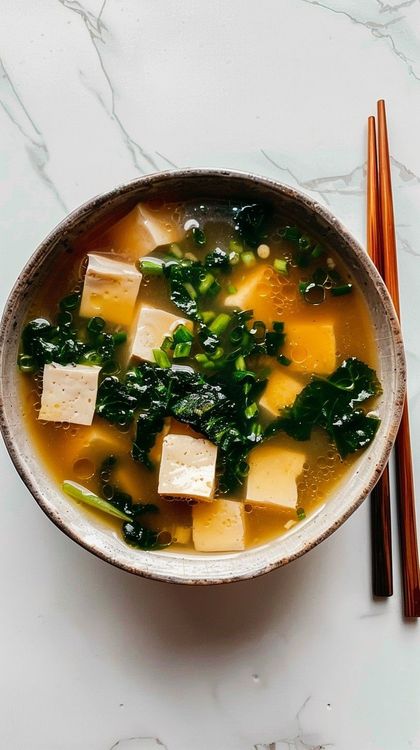
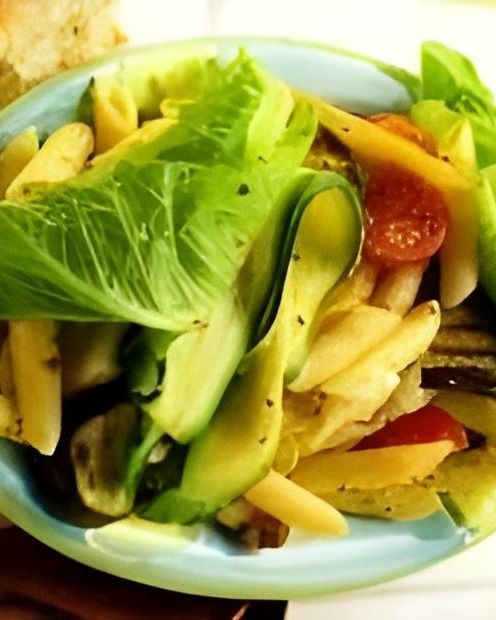
This is the supporting cast that turns a protein and a bowl of rice into a proper meal, plus the festival griddle favorites that are a meal in themselves. Miso soup is the daily anchor: build it on real dashi, whisk the miso paste into a ladle of warm stock before stirring it back, and never let it boil once the miso is in, because high heat dulls its aroma and turns the texture grainy. Pickles and quick salads — tangy sunomono, salted cucumber, crisp edamame — provide the bright, clean counterpoint to richer fried dishes and reset the palate between bites. Then there is the street food: pan-fried gyoza crisped on one side and steam-finished, takoyaki turned in their dimpled pan until molten inside and crisp outside, and okonomiyaki, the savory cabbage pancake griddled and slathered with sauce, mayo and dancing bonito flakes. The technique across the savory snacks is heat management — a properly hot, lightly oiled surface for a good sear, then patience to let the inside cook through. These are the dishes that make a Japanese table feel generous and complete. Standouts here include Japanese Miso Soup and Fluffy Fried Tofu & Sweet Japanese Leek Miso Soup, plus Loaded with Veggies, Spicy, and Piping Hot Miso Ramen.
- Japanese
- Vegan
- Appetiser

- Japanese
- Pescatarian
- Dinner

- Japanese
- Non-Vegetarian
- Dinner
- Japanese
- Vegetarian
- Salad

- Japanese
- Non-Vegetarian
- Dinner
More Japanese Favourites
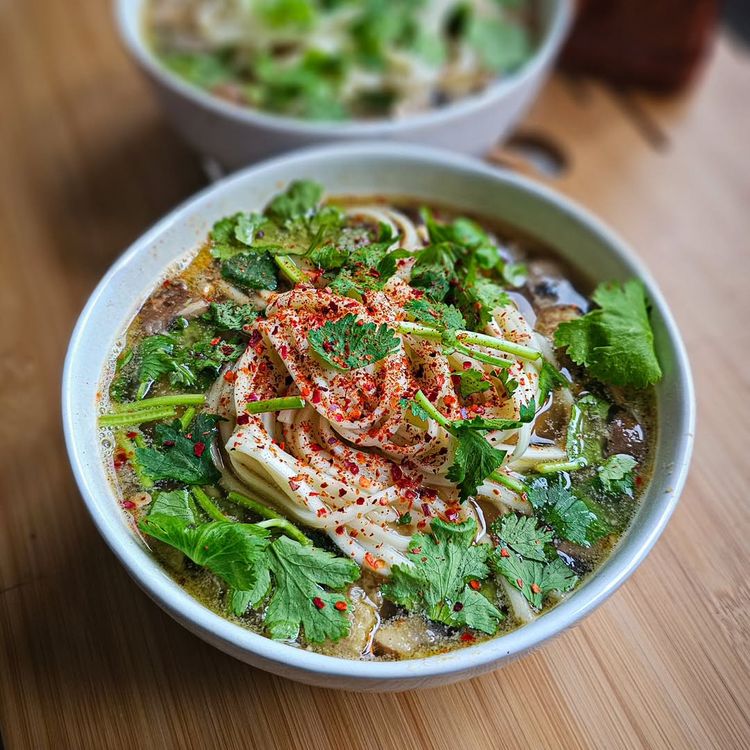
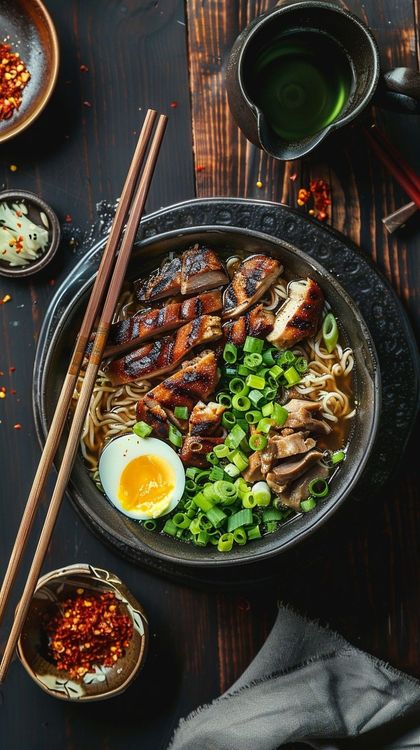
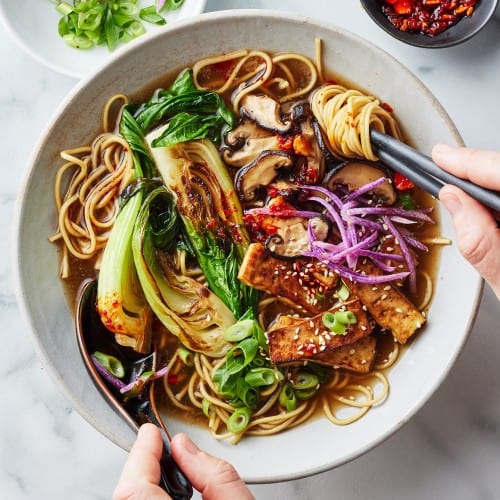
A handful of dishes never sit neatly in one category, and these are the ones worth keeping in your back pocket once the staples feel routine. They lean on the same foundations you already know — a clean dashi, a balanced soy-and-mirin sauce, properly seasoned rice, careful heat control at the pan — but steer them toward different textures and occasions, from a silky steamed chawanmushi custard to comforting simmered nikujaga or a delicate agedashi tofu in its warm broth. Picking your next one is mostly about matching effort to mood: reach for a quick rice bowl or a simple grilled fish with teriyaki glaze on a busy night, and save the multi-step fried or layered dishes for a weekend when you can give the oil and the timing your full attention. Pay attention to seasoning balance above all, tasting and adjusting the soy-mirin-dashi dial as you go, since Japanese cooking lives in those small calibrations rather than in big, bold gestures. Think of this group as the natural next step after the classics — the dishes that quietly earn a regular place in your rotation once you have tried them, and that prove how far a handful of pantry staples really stretches. Standouts here include Easy Vegan Ramen and Japanese Zucchini, plus Omurice (Japanese Fried Rice).
- Japanese
- Vegan
- Lunch

- Japanese
- Vegan
- Side Dish

- Japanese
- Eggetarian
- Dinner
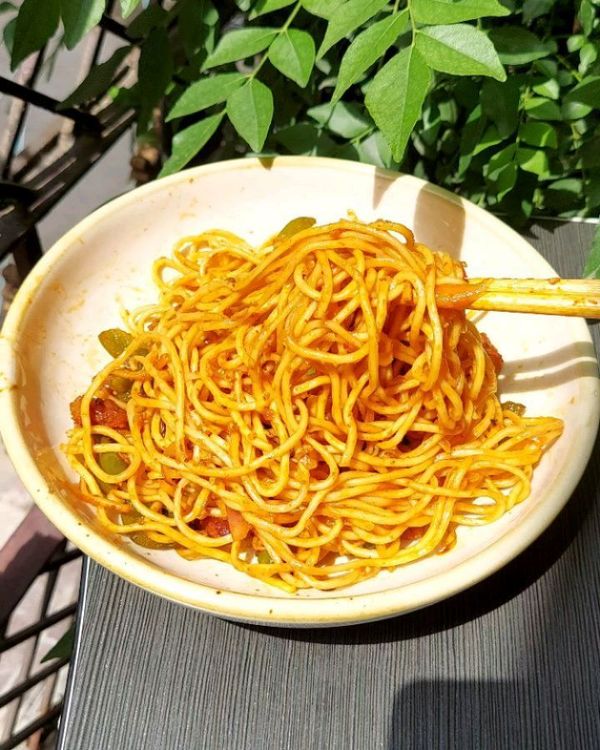
- Japanese
- Vegetarian
- Breakfast
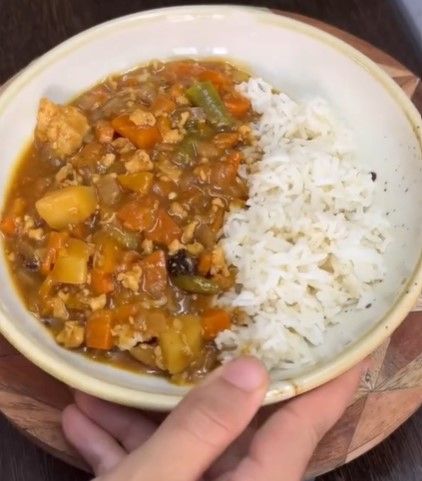
- Japanese
- Non-Vegetarian
- Dinner
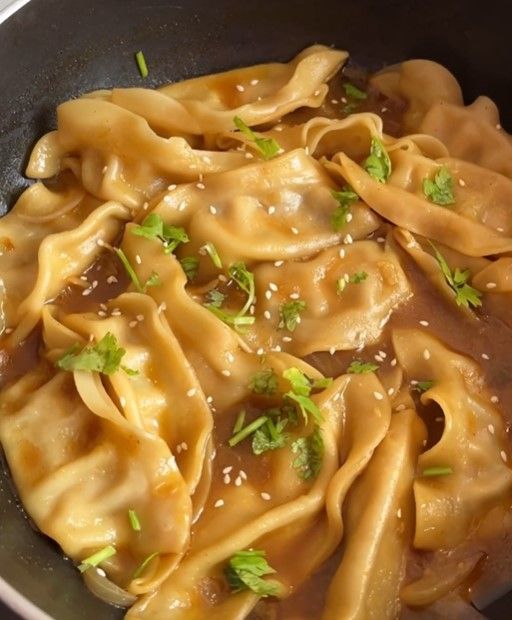
- Japanese
- Non-Vegetarian
- Lunch
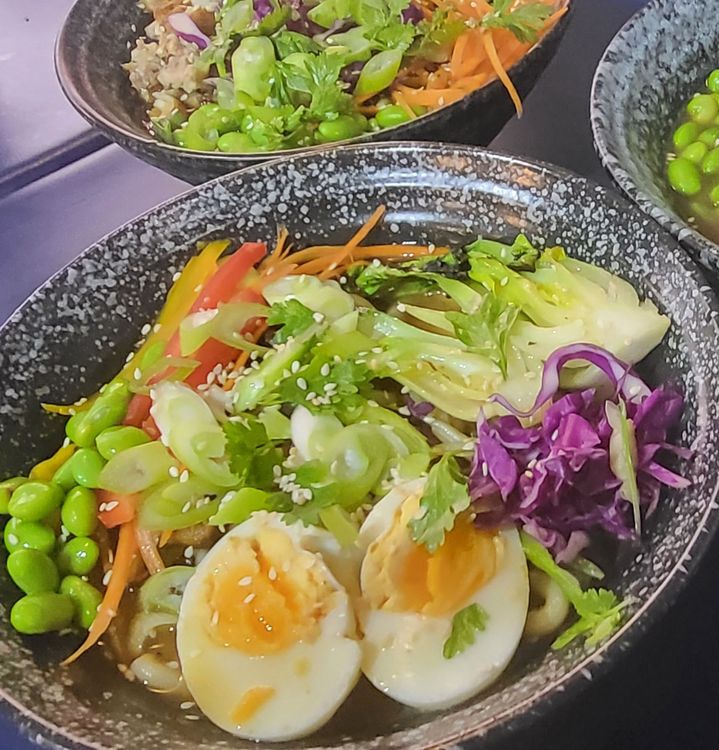



- Japanese
- Eggetarian
- Breakfast
- Japanese
- Non-Vegetarian
- Lunch
- Japanese
- Vegan
- Dinner


- Japanese
- Eggetarian
- Breakfast

- Japanese
- Eggetarian
- Snack
Cooking and Seasoning Sushi Rice
Everything Japanese starts with the rice, and sushi rice in particular is its own small craft. Use short-grain Japanese rice (sometimes labeled sushi rice or japonica) — it is the stickiness and chew that hold a roll together. Rinse it in several changes of cold water, swirling and draining until the water runs nearly clear, to wash off the loose surface starch that would otherwise turn the rice gummy. Then let it drain in the sieve for fifteen minutes before cooking so the grains hydrate evenly.
Cook the rice with slightly less water than usual (roughly 1:1.1 rice to water by volume) so it steams firm rather than soft, and let it rest off the heat, covered, for ten minutes once it is done — this is when the grains finish steaming and firm up. Never skip the rest, and never lift the lid early. While it rests, warm rice vinegar with sugar and salt until they dissolve to make the sushi-zu seasoning.
Tip the hot rice into a wide, shallow bowl, drizzle the vinegar mixture over a spatula to spread it, and fold it through with a slicing, cutting motion rather than stirring, fanning the rice as you go to cool it quickly to body temperature. The fanning gives sushi rice its characteristic gloss. Season to taste — it should read pleasantly tangy and lightly sweet — and keep it covered with a damp cloth so it does not dry out while you assemble.
Dashi: The Stock Behind Everything
Dashi is the savory backbone of Japanese cooking — the stock that underpins miso soup, noodle broths, simmered dishes and dipping sauces. The classic version takes minutes: steep a piece of kombu (dried kelp) in cold water and bring it slowly toward a simmer, pulling the kombu out just before the water boils so it does not turn slimy or bitter. Then add a generous handful of katsuobushi (bonito flakes), kill the heat, and let them steep for a few minutes before straining.
The single most important rule is to never hard-boil dashi. Kombu releases its clean glutamate gently in warm water, and a rolling boil extracts harsh, fishy notes from the bonito instead of its delicate smokiness. Strain through a fine sieve or muslin without pressing the flakes — squeezing them clouds the stock and pushes out bitterness. The result should be a pale gold, almost clear liquid that tastes deeply of the sea without being fishy.
If you are short on time, instant dashi granules (hondashi) are a genuine pantry workhorse and used widely in Japanese homes — just dissolve in hot water and adjust the strength to taste. For a vegan version, a kombu-and-dried-shiitake dashi steeped overnight in cold water gives real depth without the bonito. Whichever route you take, dashi is the difference between a miso soup that tastes flat and one that tastes like a restaurant.
Frying Tempura and Katsu That Stay Crisp
Crisp frying in Japanese cooking is all about cold batter, hot oil and a light touch. For tempura, mix the batter at the last second using ice-cold water and barely combining it — lumps and streaks of dry flour are good, because overmixing develops gluten and gives you a heavy, bready coating instead of a lacy, shattering one. Keep the bowl of batter sitting over ice while you work so it stays cold, which is what creates that delicate, see-through crust.
Hold the oil steady around 170–180C (340–360F). Too cool and the coating drinks oil and turns greasy; too hot and the outside browns before the inside cooks. Fry in small batches so the temperature does not crash when food goes in, and never crowd the pan. For katsu, dredge the cutlet in flour, then egg, then panko, pressing the breadcrumbs on firmly — Japanese panko is coarser and airier than ordinary crumbs, which is why katsu comes out so craggy and crunchy.
Drain everything on a rack rather than paper so steam escapes from underneath and the crust stays crisp instead of going soggy on the bottom. Season the moment it comes out of the oil, while the surface is hot. For tempura, serve immediately with a dipping sauce of dashi, soy and mirin (tentsuyu) and grated daikon; for katsu, slice it and serve with shredded cabbage and a drizzle of the thick, fruity tonkatsu sauce.
Balancing the Sweet-Salty Sauces
A huge swath of Japanese food runs on the same four-ingredient palette: soy sauce for salt and umami, mirin for sweetness and gloss, sake for depth, and sometimes sugar to push the sweetness further. Teriyaki, the glaze on yakitori, the simmering liquid for nikujaga and the broth seasoning for noodles are all variations on this base, adjusted in ratio. Once you understand the dial, you can build most of these sauces from memory.
For teriyaki, simmer equal-ish parts soy, mirin and sake with a little sugar until it reduces to a syrup that coats the back of a spoon — the reduction is what gives it that glossy, clinging shine. Add it to the pan near the end of cooking and let it bubble and thicken around the protein rather than dumping it in cold, which would just leave a thin, watery sauce that never glazes. A final reduction over the meat is what makes it lacquered.
Balance is everything: taste as you reduce, because soy brands vary in saltiness and mirin in sweetness. If a sauce is too salty, a touch more mirin or sugar and a splash of water round it out; too sweet, a few more drops of soy or rice vinegar sharpen it. Grated ginger and garlic deepen teriyaki, while a knob of butter at the end (a modern izakaya trick) gives it richness. Finish with toasted sesame seeds and sliced spring onion.
Pro Tips from the Test Kitchen
- Rinse sushi rice until the water runs nearly clear, then let it drain 15 minutes before cooking, so it steams glossy rather than gummy.
- Rest cooked rice covered for 10 minutes off the heat before seasoning — that pause is when the grains firm up.
- Fold (do not stir) the vinegar seasoning through hot rice with a slicing motion, fanning it to cool quickly for that signature gloss.
- Never hard-boil dashi: pull the kombu out before it simmers and let the bonito steep off the heat to keep the stock clean.
- Mix tempura batter ice-cold and barely combined — visible dry streaks give you a lacy, light crust instead of a bready one.
- Hold frying oil at 170–180C and fry in small batches so the temperature does not crash and the coating stays crisp.
- Press panko on firmly for katsu; the coarse, airy Japanese crumbs are what make it craggy and crunchy.
- Reduce teriyaki to a spoon-coating syrup and add it near the end so it glazes the protein rather than running off thin.
- Drain fried food on a rack, not paper, so steam escapes underneath and the bottom stays crisp.
- Keep instant dashi (hondashi) and a bottle of mirin in the pantry — they turn a flat miso soup or stir-fry into a proper one fast.
Frequently Asked Questions
What rice do I need for Japanese cooking and sushi?
Short-grain Japanese rice, often sold as sushi rice or japonica. Its higher starch makes it sticky and chewy, which is what holds a roll together and gives a rice bowl its satisfying texture. Avoid long-grain or basmati, which cook up dry and separate. Rinse it well to remove surface starch, then cook with slightly less water than usual so the grains stay firm and glossy rather than mushy.
What is dashi and can I make it without bonito?
Dashi is the basic Japanese stock that underpins miso soup, noodle broths and simmered dishes, traditionally made from kombu (kelp) and katsuobushi (bonito flakes). For a vegetarian or vegan version, steep kombu and dried shiitake mushrooms in cold water overnight — the combination gives real savory depth without any fish. Instant dashi granules are also widely used in Japanese homes and make a quick, reliable base.
How do I keep tempura crisp and light?
Three things: ice-cold batter, hot oil and a light hand. Mix the batter with ice water just until barely combined, leaving lumps — overmixing makes it heavy. Fry at 170–180C in small batches so the oil stays hot, and drain on a rack rather than paper towels so steam escapes from underneath. Serve immediately, because tempura softens within minutes of leaving the oil.
What is the difference between udon and soba?
Udon are thick, soft, chewy wheat noodles with a mild flavor, good in hot broth or stir-fried. Soba are thinner buckwheat noodles with a nutty, earthy taste, served hot in broth or chilled with a dipping sauce in summer. Udon leans comforting and filling; soba is lighter and more delicate. Both are cooked in plenty of boiling water and rinsed, though chilled soba especially benefits from a cold rinse to firm it up.
How do I make teriyaki sauce from scratch?
Simmer roughly equal parts soy sauce, mirin and sake with a little sugar until it reduces to a glossy syrup that coats a spoon. The reduction is what makes it cling and shine. Add it to the pan near the end of cooking so it bubbles and thickens around the protein rather than running off thin. Grated ginger and garlic deepen it, and a final pinch of sesame seeds finishes it.
What is the difference between teriyaki and katsu?
They are different techniques entirely. Teriyaki is a cooking method where protein is grilled or pan-cooked and glazed with a sweet-salty reduction of soy, mirin and sake. Katsu is a breaded cutlet — meat coated in flour, egg and panko, then deep-fried until crisp and golden, usually served with shredded cabbage and a thick, fruity tonkatsu sauce. One is glazed and glossy; the other is crunchy and crumbed.
What is donburi?
Donburi simply means a rice bowl — steamed rice topped with a savory protein and sauce, eaten as a quick, complete meal. Popular versions include gyudon (simmered beef and onion), oyakodon (chicken and egg, the name means "parent and child"), and katsudon (a pork katsu simmered with egg over rice). They are home-cooking staples because they come together fast and turn a pot of rice into dinner.
Is Japanese food healthy?
Much of it is. Traditional Japanese cooking leans on fish, vegetables, soy, fermented foods like miso, and modest portions, with dashi providing flavor instead of heavy fats. Steamed rice, grilled fish, miso soup and pickles make a balanced meal. That said, fried dishes like tempura and katsu and salty soy-based sauces are richer, so balance them with the lighter, broth- and vegetable-based dishes that make up most of the repertoire.
What pantry staples do I need to start cooking Japanese food?
A handful go a long way: short-grain rice, soy sauce, mirin, rice vinegar, miso paste and either dashi granules or kombu and bonito for stock. Add sake, sesame oil, toasted sesame seeds and nori as you go. With just rice, soy, mirin and dashi you can already make rice bowls, teriyaki, miso soup and a noodle broth, which is most of a week of dinners.
How do I make good miso soup?
Start with proper dashi rather than just water — it is the foundation. Heat the dashi with your additions (tofu, wakame seaweed, sliced spring onion), then take the pot off the boil and whisk the miso paste into a ladleful of the hot stock before stirring it back in. The key rule is never to boil the soup once the miso is added, because high heat dulls its aroma and can turn the texture grainy. Serve it straight away.
The thread through every Japanese recipe here is the same: master a few foundations and the rest follows. A pot of properly seasoned rice, a clean dashi, the right frying temperature and a balanced soy-mirin sauce are the four moves that unlock sushi, donburi, noodles, teriyaki, katsu and miso soup alike. The techniques are precise but never fussy, and they repeat across the whole cuisine.
Pick three to cook this week — a rice bowl, a plate of teriyaki and a bowl of miso soup — and save your favorites to a Chefadora cookbook. Then work outward into tempura, soba and the street-food griddle dishes. This page is built to be the Japanese-cooking reference you keep coming back to as your hand gets surer.
Related
- Japanese
- Sushi
- Noodles
- Teriyaki
- Asian
- Rice
- Dinner
- Umami
Popular Searches
- Best japanese recipes
- Easy japanese recipes
- Quick japanese recipes
- Healthy japanese recipes
- Simple japanese recipes
- Homemade japanese recipes
- Delicious japanese recipes
- Popular japanese recipes
- sushi rice
- teriyaki chicken
- miso soup
Marnirni-apinthi Building, Lot Fourteen,
North Terrace, Adelaide, South Australia, 5000
Australia
