
Top 33 Peach Recipes: Cobblers, Pies, Grilled Dishes and More
Updated June 29, 2026 · Curated by Chefadora
Peach recipes are summer in a bowl: sweet, fragrant stone fruit that needs almost nothing to taste wonderful and turns generous the moment you cook it down. The dishes below were chosen to show the peach's full range — bubbling cobblers and crisps, flaky pies and tender cakes, smoky grilled halves and bright fresh salads, plus the jams and drinks that stretch the season past its few short weeks. The aim is variety, not ten versions of the same cobbler.
What makes peaches special in the kitchen is also what makes them tricky: they are juicy, delicate and quick to go from rock-hard to mushy. Ripe fruit perfumes a whole kitchen and collapses into syrup when baked, while underripe peaches stay firm and tart. Knowing which to reach for — and how to keep all that juice from drowning a pie or a salad — is most of the skill, and the guides here are built around exactly that.
You will find four clusters: warm cobblers, crisps and crumbles; pies, tarts and cakes; grilled, fresh and savory dishes; and jams, preserves and drinks. A handful of moves repeats across all of them — judging ripeness, peeling cleanly, thickening the juice, balancing sweetness with a little acid — so once you have them, every peach recipe gets easier, whether you start from a basket of ripe ones or a bag from the freezer.
Treat this as a working reference. Each recipe links to full ingredients and steps on Chefadora, and the guides below cover the things that decide whether a peach dish sings or weeps: how to pick and ripen the fruit, when frozen peaches beat fresh, how to peel without a fight, and how to keep cobblers and pies from turning soupy.
Peach Pies, Tarts & Cakes
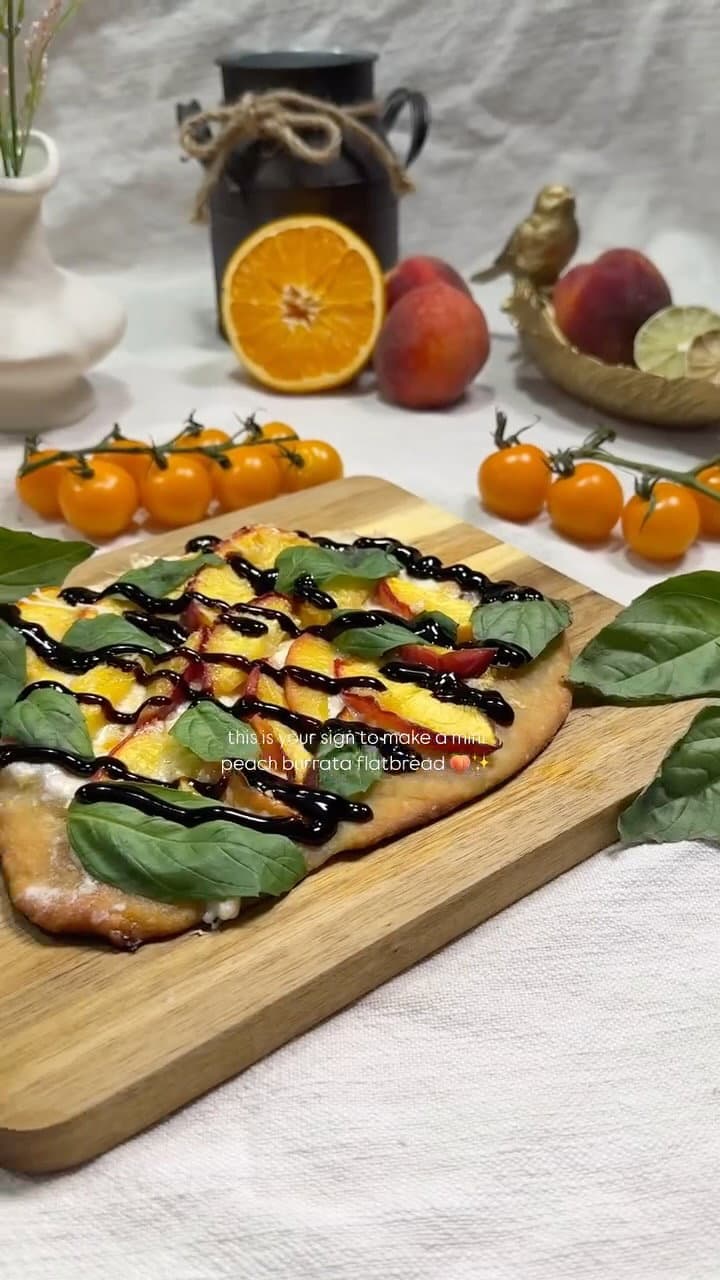
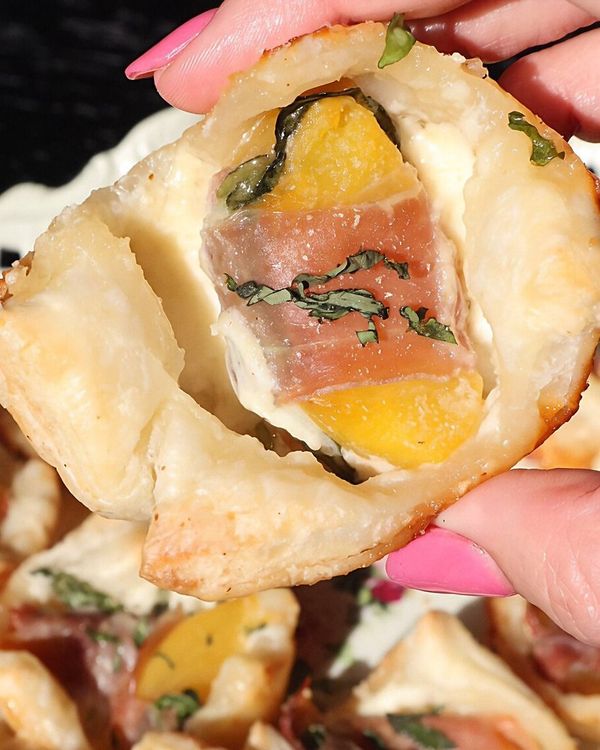
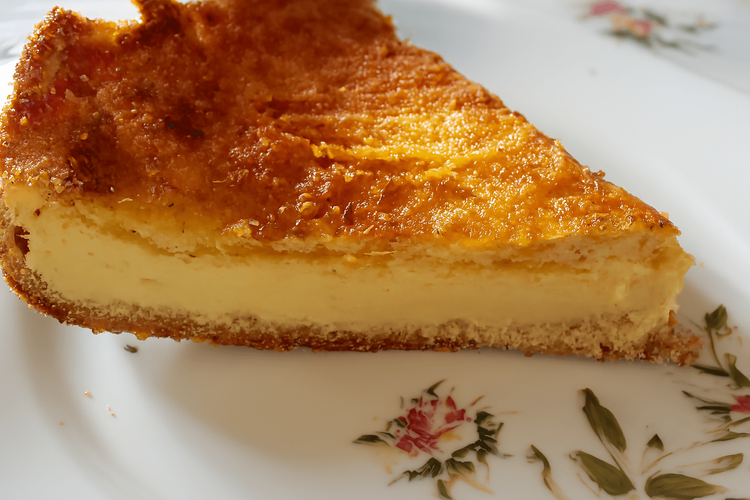
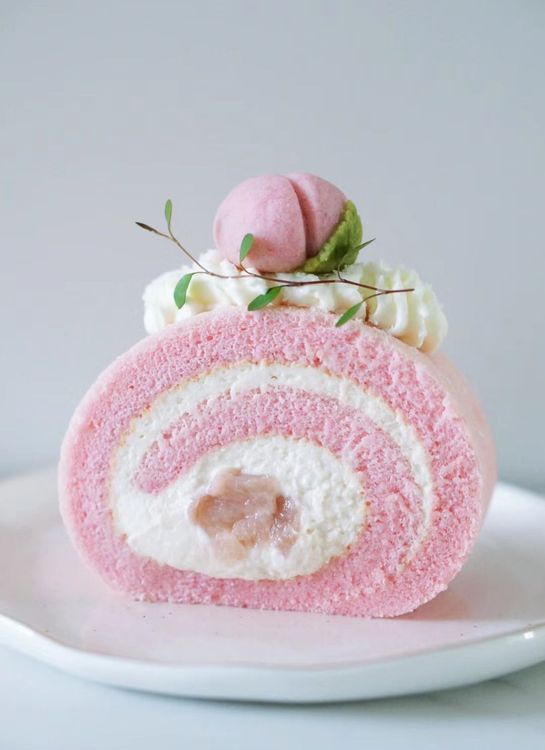
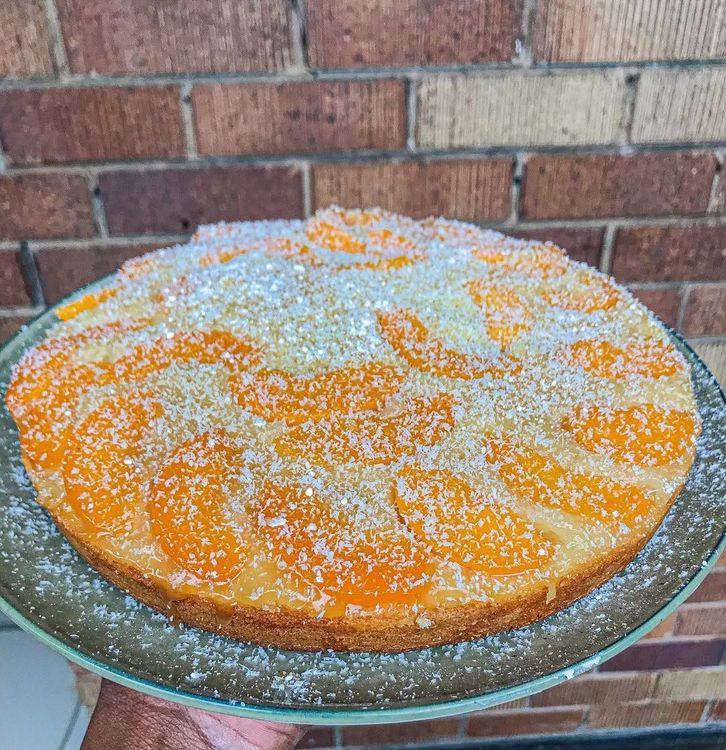
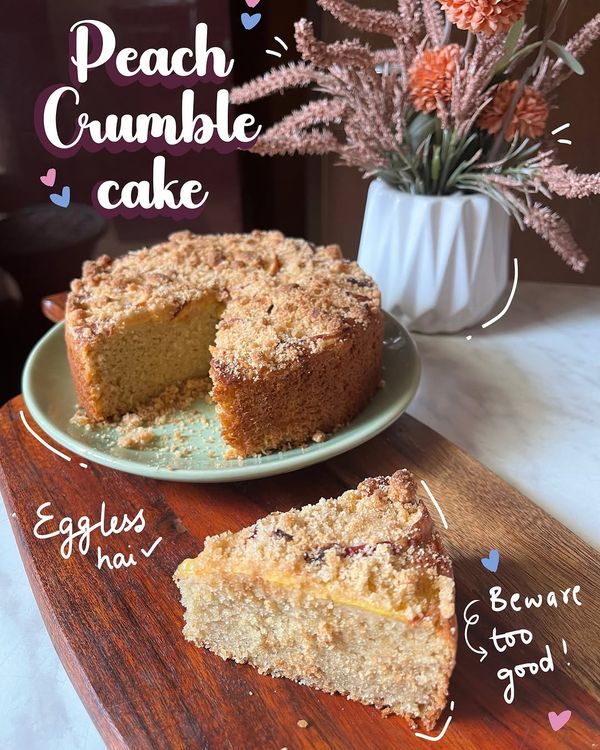
This is the bakery corner of the peach world, where flaky crusts and tender crumbs do the heavy lifting and the fruit gets folded into something a little more composed. Pies and galettes demand cold butter and a thickened filling: keep the dough chilled so it bakes up shattering rather than greasy, and thicken the peaches with cornstarch or instant tapioca so the slices hold together instead of swimming. A galette is the relaxed, free-form cousin that forgives a soupier filling because the rustic fold contains it. Cakes and crumb cakes take the opposite approach, suspending soft peach pieces in batter, where the trick is not to overload them with juicy fruit that sinks and leaves a wet streak; pat the slices dry and toss them in a spoon of the flour first. Upside-down cakes caramelize peaches in butter and sugar at the bottom of the pan, then invert into a glistening crown. Across all of them, a little lemon and a whisper of almond extract sharpen and deepen the peach without overwhelming its delicate perfume, and a fully baked, bubbling result is what separates a clean slice from a sad, runny one. Standouts here include Peach and Burrata Flatbreads and Peach Prosciutto Burrata Tarts, plus Peach Cheesecake.


- Vegetarian
- Snack

- Italian
- Non-Vegetarian
- Appetiser
- American
- Eggetarian
- Dessert

- American
- Eggetarian
- Dessert

- Fusion
- Eggetarian
- Dessert
- American
- Eggetarian
- Dessert

- American
- Vegetarian
- Snack


- American
- Eggetarian
- Dessert
Grilled, Fresh & Savory Peaches
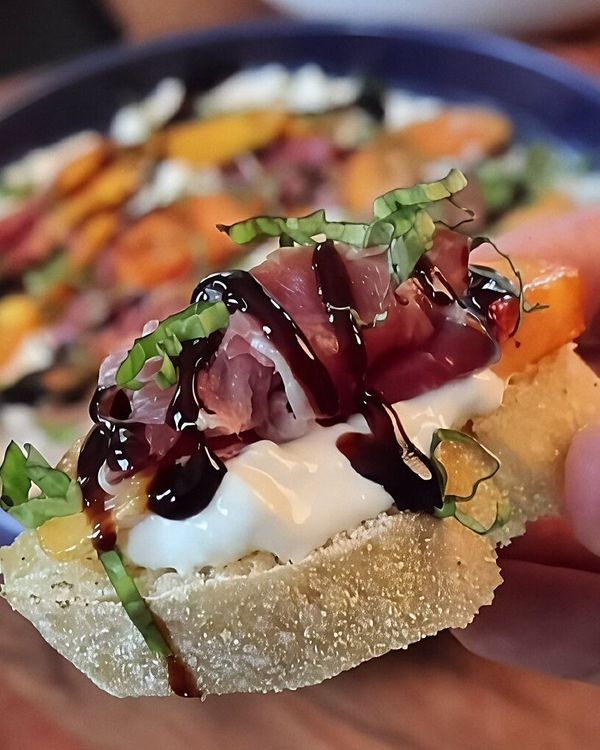
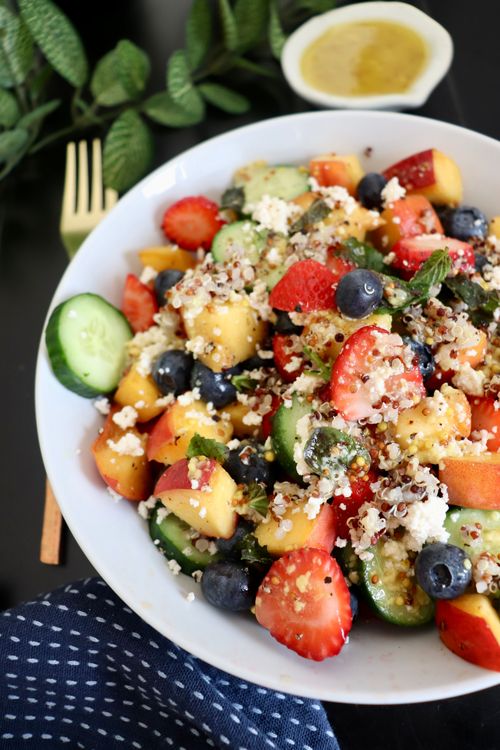
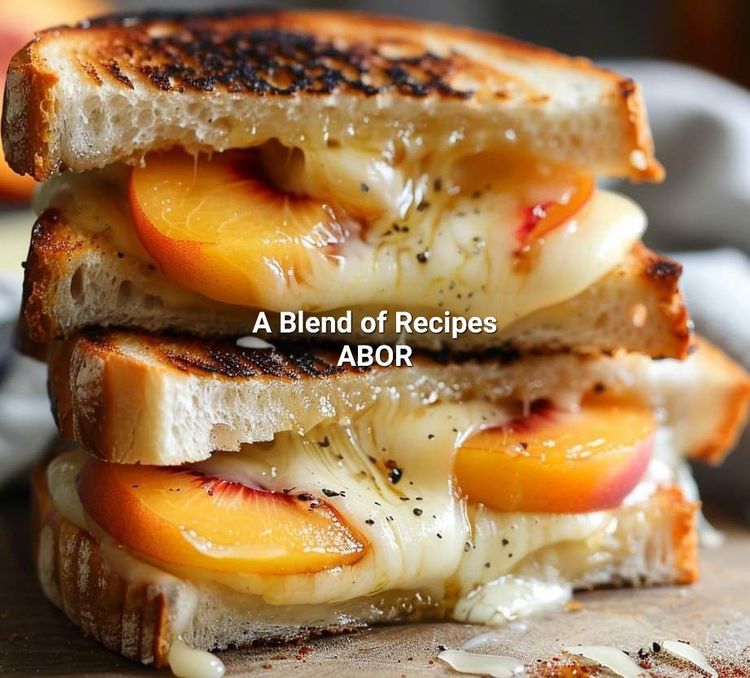
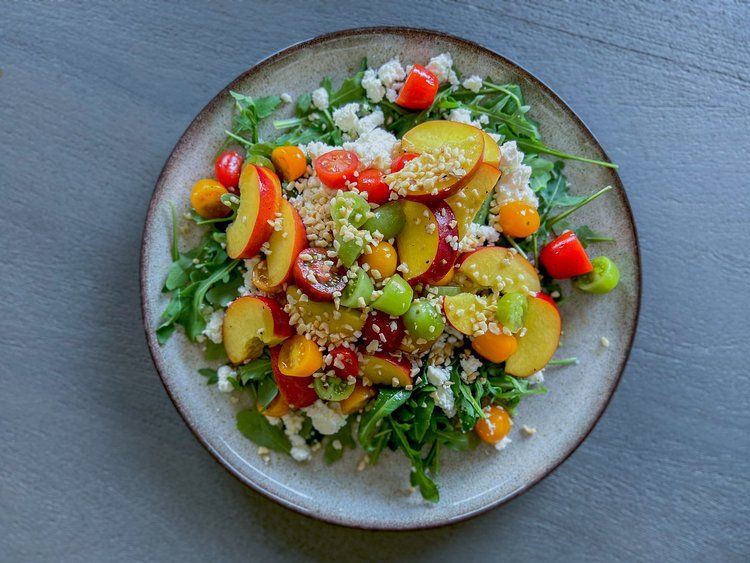
Here the peach steps off the dessert track and shows how savory and versatile it can be. Grilling is the headline act: choose firm-ripe fruit, halve and pit it, brush the cut faces with a little oil or butter, and lay them on a clean, hot, well-oiled grate cut-side down. The hardest discipline is patience, because moving the halves before the sugars caramelize tears the flesh and leaves them sticking; give them three to five minutes undisturbed until deep marks form, then turn. Grilled or roasted peaches gain a smoky, jammy edge that pairs beautifully with goat cheese and greens, with prosciutto and burrata, or alongside grilled pork and chicken. Fresh, uncooked peaches are just as welcome, sliced into salads or diced into a bright salsa with red onion, chilli, lime and cilantro, where their sweetness offsets heat and acid. For anything raw, use firm-ripe freestone fruit so it holds its shape, dress it close to serving so it does not weep or brown, and do not be afraid of a pinch of flaky salt and a grind of black pepper — the savory counterpoint is exactly what makes a peach taste like more than candy. Standouts here include Grilled Peach, Prosciutto, Burrata Dip and Peach Tomato Bruschetta, plus Peach Panzanella Salad.
- Italian
- Non-Vegetarian
- Appetiser

- Vegetarian
- Appetiser

- Vegetarian
- Salad

- Australian
- Vegetarian
- Lunch


- Fusion
- Vegan
- Breakfast

- Pescatarian
- Lunch
- American
- Vegetarian
- Breakfast

- Mediterranean
- Vegetarian
- Salad
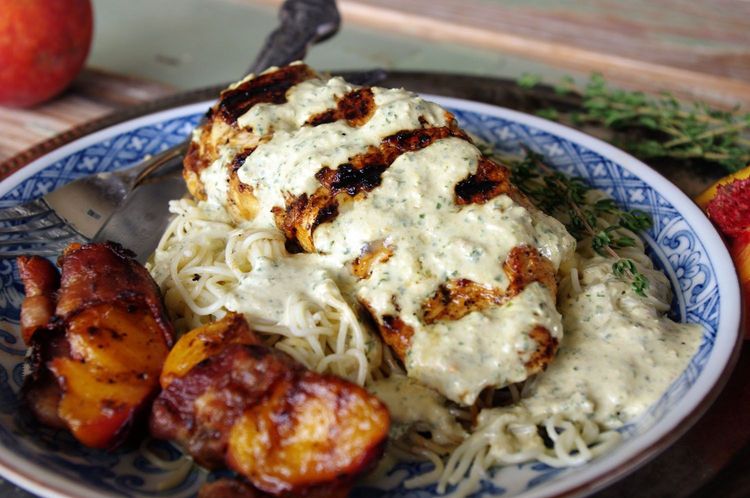

- American
- Non-Vegetarian
- Dinner
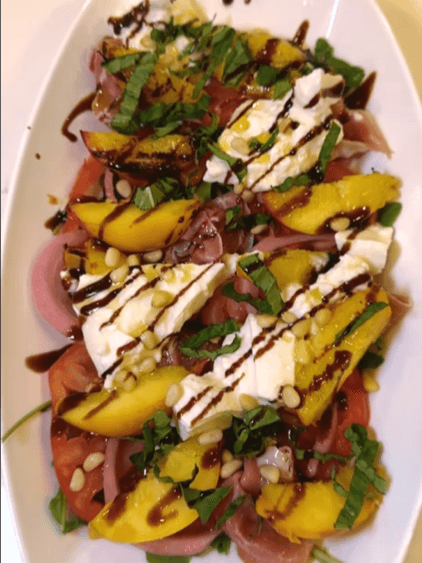
- Italian
- Non-Vegetarian
- Side Dish

- American
- Non-Vegetarian
- Lunch
Peach Jams, Preserves & Drinks
This is how you make summer last past the few short weeks peaches are at their peak: capture them in a jar or a glass. Jams, butters and preserves cook ripe, fragrant fruit down with sugar and lemon until thick and glossy, and ripeness is everything here — soft, aromatic peaches give the deepest flavor and the most natural pectin, so this is the place to use up the bruised and overripe. The classic stumble is rushing the boil or skimping on acid; a squeeze of lemon both brightens the flavor and helps the set, and the jam must reach a proper gel before you jar it. Cook it too far and you get a stiff, caramelized paste, so test as you go. On the drinks side, the same ripe fruit blends into smoothies, muddles into bellinis and sangria, sweetens iced tea and lemonade, or freezes into a clean, intense sorbet. Frozen peaches are ideal for blending, chilling the drink while keeping it intensely fruity. Whether you are sealing jars or shaking a cocktail, taste and balance the sweetness with acid before you finish — a ripe peach can tip cloying fast, and a little lemon or lime is what keeps it bright. Standouts here include Homemade Apricot Peach Jam and Spicy Mango-Peach Chutney with Ginger and Chili, plus Texas Peach Sangria.
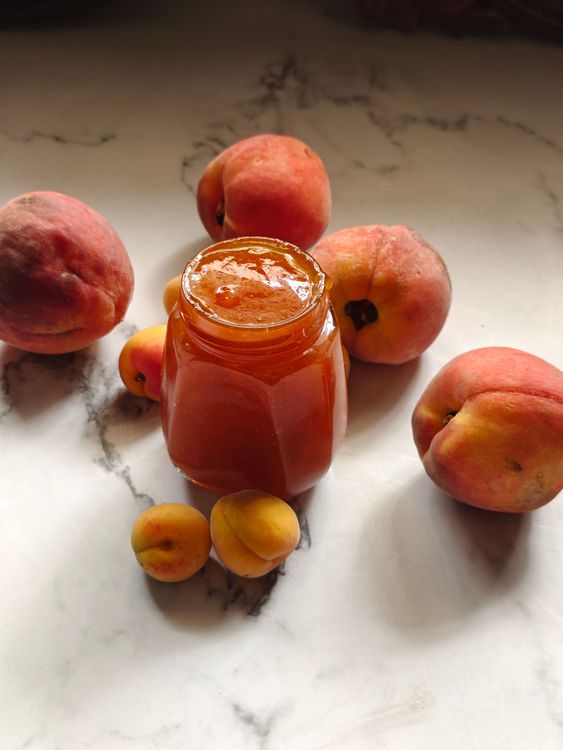

- Global
- Vegan
- Breakfast
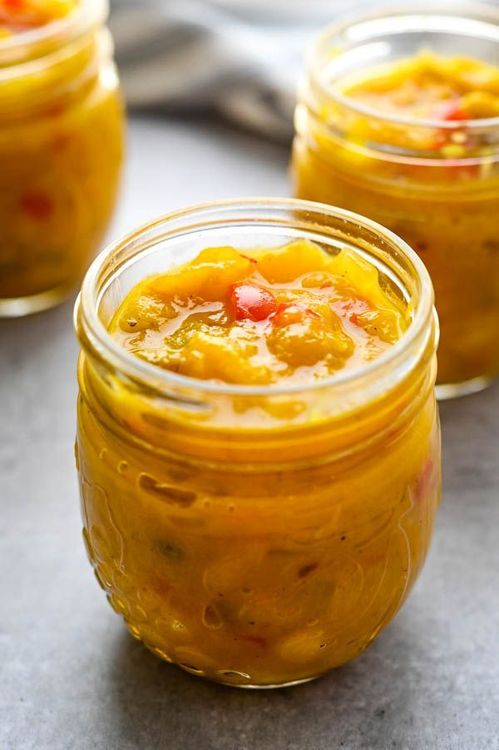
- Indian
- Vegan
- Sauce & Condiment
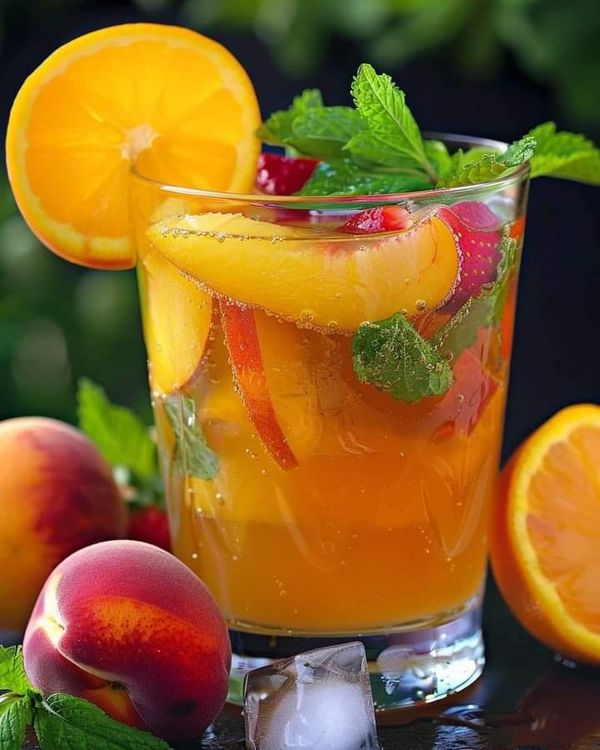
- American
- Vegetarian
- Beverage
More Peach Favourites
A few peach dishes never quite fit a single category, and these are the ones worth keeping in your back pocket once the cobblers and pies feel routine. They lean on the same handful of techniques you already know — judging ripeness by smell and give, peeling with a quick blanch, thickening juicy fruit, balancing sweetness with a squeeze of acid — but steer them toward different textures and formats, so the peach never tastes the same twice. Picking your next one is mostly about matching effort to mood and the fruit you have: reach for a quick no-bake or a blended drink on a hot night when you want something in minutes, and save the multi-step bakes and canning projects for a weekend when you can let things macerate and reduce properly. Pay attention to which peaches you are starting from, too, since firm-ripe fruit holds its shape for slicing while soft, fragrant ones are best cooked down where their juiciness is a virtue. Think of this group as the natural next step after the classics — the recipes that quietly earn a regular spot in the rotation once stone fruit is in season and you have a basket to use up. Standouts here include Peach Strudel and Peach and Meringue Dessert, plus Peach Barbecue Sauce.
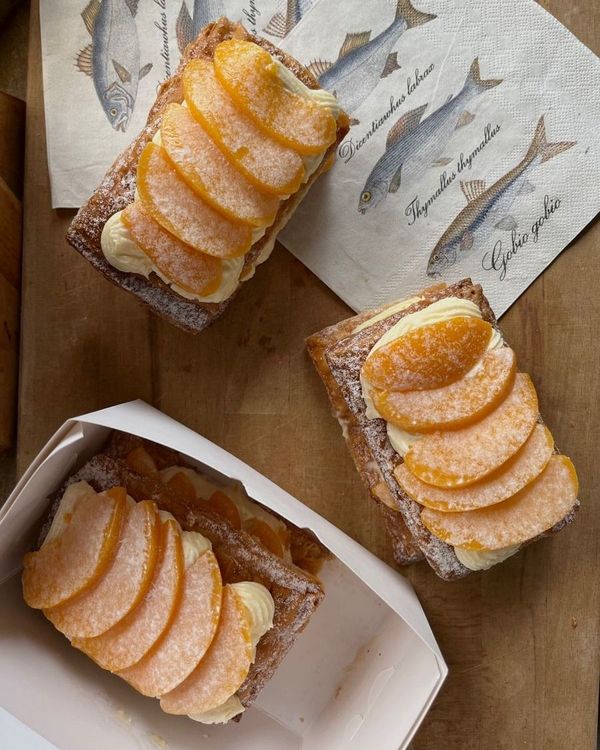

- European
- Eggetarian
- Dessert
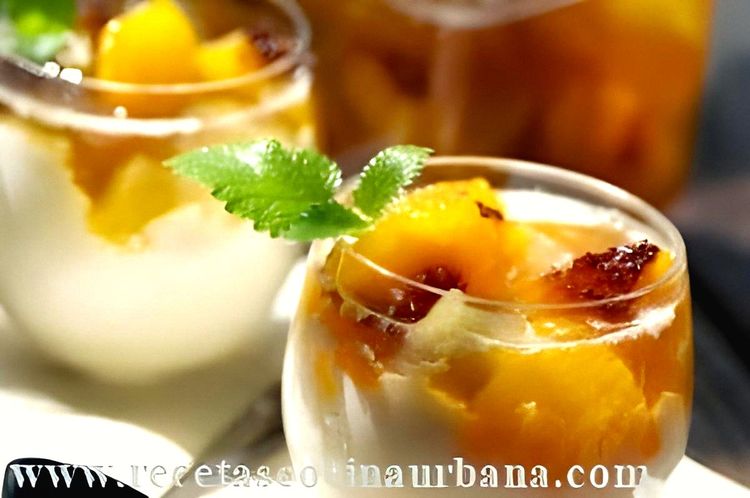
- International
- Eggetarian
- Dessert
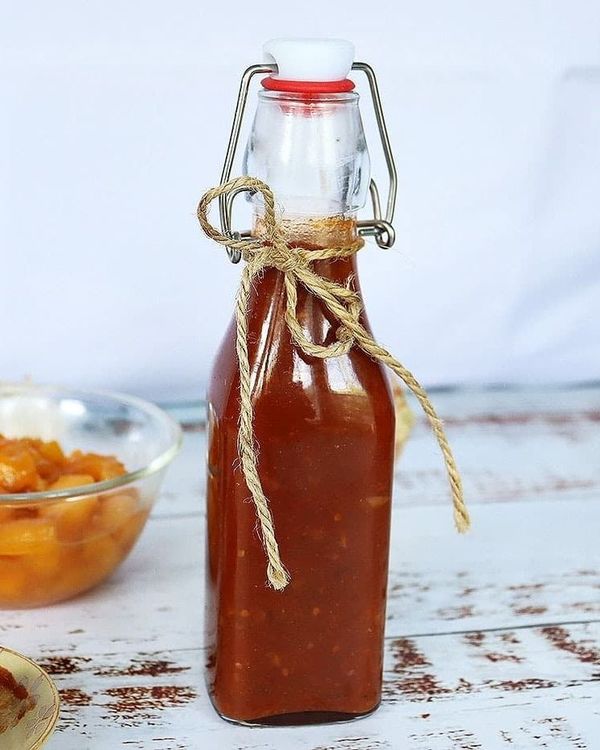
- American
- Vegan
- Sauce & Condiment

- Non-Vegetarian
- Appetiser

- Italian
- Vegetarian
- Dessert
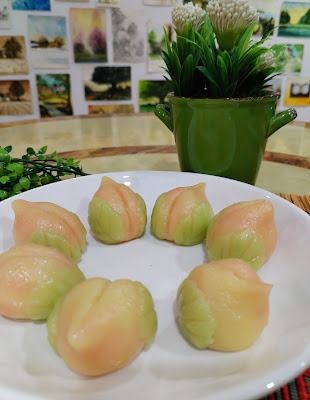
- Asian
- Vegetarian
- Snack
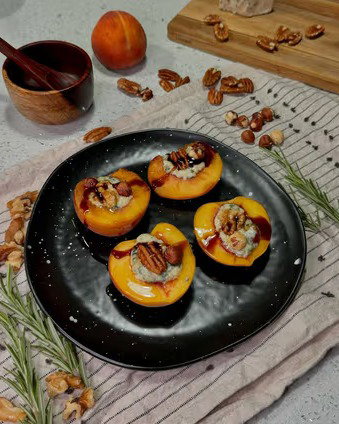
- Vegetarian
- Appetiser
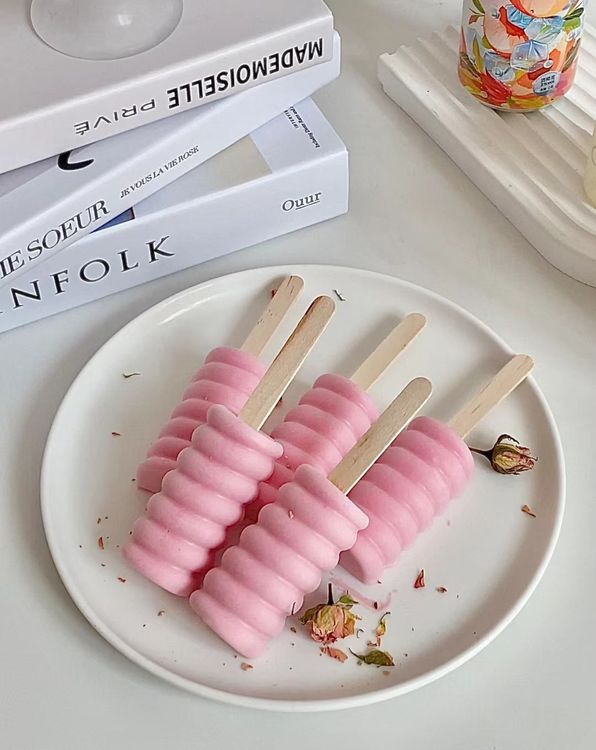
- Chinese
- Vegetarian
- Dessert
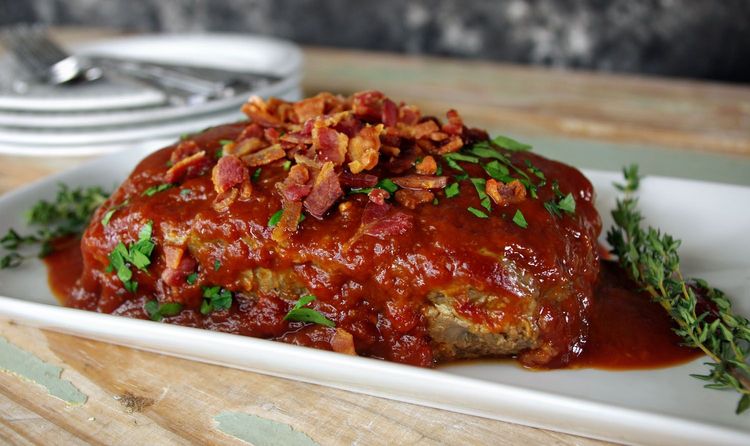
- American
- Non-Vegetarian
- Dinner

- Vegetarian
- Dessert
Choosing, Ripening and Peeling Peaches
A ripe peach gives slightly when you press near the stem and smells sweet and floral right through the skin — color is a poor guide, since the red blush is about the variety, not ripeness. Buy them firm but fragrant and ripen at room temperature on the counter, stem-side down and out of the sun, for a day or two; a paper bag speeds it up by trapping the fruit's own ethylene. Only refrigerate once they are ripe, and even then expect the texture to soften.
To peel cleanly, blanch: cut a small X in the base of each peach, drop them into boiling water for thirty to sixty seconds, then plunge straight into an ice bath. The skins slip off with your fingers. This works beautifully on ripe freestone peaches; very firm or clingstone fruit resists, in which case a sharp vegetable peeler does the job. Whether you peel at all is a matter of taste — skins are fine in a rustic crisp but distracting in a smooth pie or jam.
Freestone peaches release the pit cleanly when you cut around the seam and twist the halves apart, which makes them the easier choice for slicing and baking; clingstone varieties hold tight to the stone and are better cut off in wedges. Toss cut peaches with a little lemon juice to slow browning, and slice them evenly so they cook at the same rate — uneven wedges leave you with some pieces collapsed and others still firm.
Fresh vs Frozen (and Canned) Peaches
Out of season, frozen peaches are often the smarter choice than sad, mealy fresh ones — they are picked and frozen at peak ripeness, so the flavor is genuinely good, and they are ideal for cobblers, crisps, smoothies, jams and anything cooked or blended. The trade-off is texture and water: thawing releases a lot of liquid, so for baking, thaw and drain them well (or use them still-frozen and add a touch more thickener), and never use them where you need firm, distinct slices, such as a fresh salad.
Canned peaches in juice work in a pinch for cobblers and quick crumbles — drain them thoroughly and cut back the added sugar, since they are already sweetened. They are softer and less aromatic than fresh or frozen, so they suit forgiving baked dishes rather than anything where the peach is the star. For grilling, fresh firm-ripe fruit is non-negotiable; frozen and canned simply fall apart on the grates.
Whatever the source, taste before you sweeten. A ripe summer peach needs barely any sugar; an out-of-season or frozen one may want more, plus a squeeze of lemon to lift it. Frozen and canned fruit also runs juicier, so lean toward the higher end of any thickener range. Matching the fruit to the dish — firm and fresh for salads and the grill, ripe or frozen for baking and jam — is the single decision that saves most peach recipes.
Thickening Fillings So They Set, Not Soup
The number one peach-baking failure is a soupy filling, because peaches are mostly water and release floods of it as they heat. The fix is a starch tossed with the sugared fruit before it goes in: cornstarch gives a clear, glossy, firm set; flour is more forgiving but cloudier; tapioca (especially instant/minute tapioca) handles very juicy fruit best and stays clear. Use roughly a tablespoon to a tablespoon and a half of cornstarch per four cups of sliced peaches, more for frozen.
Let the sugared peaches macerate for fifteen to thirty minutes first; they will weep out juice you can then thicken deliberately. Some bakers drain off and reduce that liquid in a pan with the starch to a thick syrup, then fold it back — a near-guaranteed way to avoid a watery pie. Whichever route you take, the filling must actually reach a bubble in the oven for the starch to activate; an underbaked pie stays runny no matter how much cornstarch went in.
A little lemon juice and zest sharpens peach flavor and keeps it from tasting flat-sweet, and a pinch of salt does the same. Warm spices — cinnamon, nutmeg, a little ginger or cardamom, even almond extract, which loves stone fruit — round things out. Go easy: peaches have a delicate perfume that heavy spicing buries. Season, taste the raw filling, and adjust before it ever meets the crust.
Grilling, Roasting and Serving Peaches
To grill, choose firm-ripe peaches — ripe enough to be sweet, firm enough to hold together. Halve and pit them, brush the cut sides with a little oil or melted butter, and lay them cut-side down on a clean, hot, well-oiled grill. Leave them undisturbed for three to five minutes until you have deep grill marks and the sugars caramelize, then turn. Moving them too soon tears the flesh and leaves them sticking; let the sear release them naturally.
Roasting is the gentler, hands-off cousin: halve, dot with butter, sugar and a splash of bourbon or vanilla, and roast hot until soft and bronzed. Both methods concentrate the sweetness and add a savory edge that makes peaches at home in salads with greens and goat cheese, alongside grilled pork or chicken, or simply with a scoop of vanilla ice cream. A pinch of flaky salt and a grind of black pepper on a grilled peach is a small revelation.
For serving and make-ahead, most peach desserts are best warm and fresh the day they are baked, when the topping is still crisp — cobblers and crisps reheat well in a low oven but go soggy in the microwave. Jams and preserves, by contrast, are made to keep: properly canned, they hold for up to a year and capture peak season in a jar. Fresh sliced peaches brown quickly, so dress salads and salsas close to serving.
Pro Tips from the Test Kitchen
- Judge ripeness by smell and a gentle give near the stem, not by the red blush — color is about variety, not ripeness.
- Ripen peaches on the counter in a paper bag; refrigerate only once ripe, since the cold softens texture.
- Peel easily by blanching: an X-cut, 30–60 seconds in boiling water, then an ice bath, and the skins slip off.
- Toss sliced peaches with lemon juice to slow browning and brighten their flavor.
- Use freestone peaches for slicing and baking; they release the pit cleanly, unlike clingstone.
- Out of season, reach for frozen peaches — frozen at peak ripeness, they beat mealy fresh ones for baking and jam.
- Drain thawed or canned peaches well and add extra thickener; they carry far more water than fresh.
- Thicken pie and cobbler fillings with cornstarch, tapioca or flour — about 1–1.5 Tbsp cornstarch per 4 cups of fruit.
- Macerate sugared peaches 15–30 minutes, then thicken the released juice so the filling sets instead of weeping.
- Grill firm-ripe halves cut-side down and leave them undisturbed until caramelized — moving them early tears the flesh.
Frequently Asked Questions
How do you keep peach cobbler or pie from being runny?
Peaches are full of water, so toss the sugared slices with a starch before baking — about a tablespoon to a tablespoon and a half of cornstarch per four cups of fruit, or instant tapioca for very juicy peaches. Let them macerate first and thicken the juice they release. Crucially, bake until the filling actually bubbles, since the starch only sets at a boil. Frozen and canned peaches need more thickener than fresh.
Can you use frozen peaches instead of fresh?
Yes, and out of season they are often better, because they are frozen at peak ripeness. They work beautifully in cobblers, crisps, smoothies, jams and anything cooked or blended. The catch is water: thaw and drain them well (or use them frozen with extra thickener), because they release a lot of liquid. Avoid them where you need firm, distinct slices, such as a fresh salad or grilling, where they fall apart.
How do you peel peaches easily?
Blanch them. Cut a small X in the base of each peach, drop them into boiling water for thirty to sixty seconds, then plunge them straight into an ice bath. The shock loosens the skin, which then slips off with your fingers. This works best on ripe freestone peaches. Very firm or clingstone fruit may resist, in which case a sharp vegetable peeler is the reliable backup.
What is the difference between freestone and clingstone peaches?
In freestone peaches the pit separates cleanly from the flesh when you cut around the seam and twist, which makes them the easy choice for slicing, halving and baking. Clingstone peaches hold tightly to the stone, so you have to cut the flesh off in wedges; they tend to be juicier and are common early in the season and in canning. For most recipes here, freestone is more convenient.
Do you have to peel peaches for cobbler or pie?
It is a matter of taste, not safety. The skins are edible and full of flavor, and in a rustic crisp or cobbler they more or less melt in and go unnoticed. For a smooth, refined pie or a silky jam, peeling gives a cleaner texture without stray bits of skin. If you do peel, blanching is the easiest method; if you leave them on, just wash and slice the fruit as normal.
How do you ripen peaches quickly?
Leave them at room temperature, stem-side down and out of direct sun, and they will ripen in a day or two. To speed it up, put them in a loosely closed paper bag, which traps the ethylene gas the fruit gives off; adding a banana or apple to the bag accelerates it further. Avoid the fridge until they are ripe, because cold halts ripening and can make the flesh mealy.
What spices and flavors go well with peaches?
Peaches love warm spices in moderation — cinnamon, nutmeg, ginger and cardamom — plus vanilla and, classically, almond extract, which has a natural affinity with stone fruit. A little lemon juice and zest sharpens their sweetness and keeps dishes from tasting flat, and a pinch of salt does the same. Go gently: peaches have a delicate perfume that heavy spicing easily overwhelms, so season, taste and adjust.
Can you grill peaches, and which ones work best?
Peaches grill wonderfully, caramelizing into a smoky-sweet side or dessert. Choose firm-ripe fruit — sweet enough to enjoy but firm enough to hold its shape; soft, overripe peaches turn to mush on the grates, and frozen or canned simply fall apart. Halve and pit them, brush the cut sides with oil or butter, and grill cut-side down on a hot, oiled grate undisturbed until you get deep marks, then turn briefly.
How long do peaches and peach dishes keep?
Ripe peaches keep three to five days in the fridge, though they are best eaten soon, as cold dulls their texture. Baked cobblers and pies are best the day they are made and keep a couple of days, reheated in a low oven rather than the microwave to keep the topping crisp. Properly canned peach jams and preserves last up to a year sealed, and a few weeks in the fridge once opened.
What can I do with overripe or too many peaches?
Overripe, fragrant peaches are perfect for cooking, where their softness is an asset rather than a flaw. Cook them down into jam, peach butter or compote; blend them into smoothies, lemonade or a bellini; or bake them into a cobbler or crumble where their juiciness shines. You can also slice and freeze a glut on a tray, then bag the pieces, so peak-season fruit is ready for baking and blending all year.
The thread through every peach recipe here is the same: a juicy, fragrant fruit that rewards good judgment about ripeness and a little discipline with its water. Master the few moves in the guides — pick and ripen well, peel cleanly, thicken the juice, balance sweet with acid — and cobblers, pies, grilled halves and jams all fall into place.
Pick three to cook this season — a bubbling cobbler, a batch of grilled peaches and a jar of jam — and save your favorites to a Chefadora cookbook. Then work through the rest, fresh in summer and from the freezer the rest of the year; this page is built to be the peach reference you actually come back to.
Related
- Peach
- Stone Fruit
- Summer
- Dessert
- Baking
- Fruit
- Cobbler
- Preserves
Popular Searches
- Best peach recipes
- Easy peach recipes
- Quick peach recipes
- Healthy peach recipes
- Simple peach recipes
- Homemade peach recipes
- Delicious peach recipes
- Popular peach recipes
- peach cobbler
- peach pie
- grilled peaches
Marnirni-apinthi Building, Lot Fourteen,
North Terrace, Adelaide, South Australia, 5000
Australia
