

Top 30 Stir Fry Recipes: Noodles, Fried Rice, Chicken and Veg
Updated June 22, 2026 · Curated by Chefadora
Stir-fry recipes are about the fastest route to a hot, satisfying dinner there is: a single pan, a few minutes over high heat, and a handful of ingredients turned glossy and charred at the edges. The dishes below show the real breadth of the wok — smoky tossed noodles, day-old fried rice, seared chicken and beef, crisp-tender vegetables, and the saucy Indo-Chinese classics — rather than one generic recipe stretched thin.
What every great stir-fry has in common is heat and speed. A genuinely hot pan sears and chars food in moments while it stays crisp-tender inside; a lukewarm, crowded pan steams it grey instead. That is why the single most useful habit is getting everything chopped, measured and within arm reach before you light the flame, because once it starts there is no time to stop and prep.
You will find the collection grouped into clusters — stir-fried noodles, fried rice, Indo-Chinese favourites, chicken and meat, and paneer, tofu and vegetables. Each leans on the same handful of moves repeated: hot pan, dry ingredients, cook in the right order, and add the sauce at the very end so it coats rather than pools.
Treat this as a working reference. Each recipe links to full ingredients and steps on Chefadora, and the guides below cover what actually decides whether a stir-fry sings or steams — the wok and the heat, prepping and slicing, building a sauce that clings, and the order you add things to the pan.
Stir-Fried Noodles
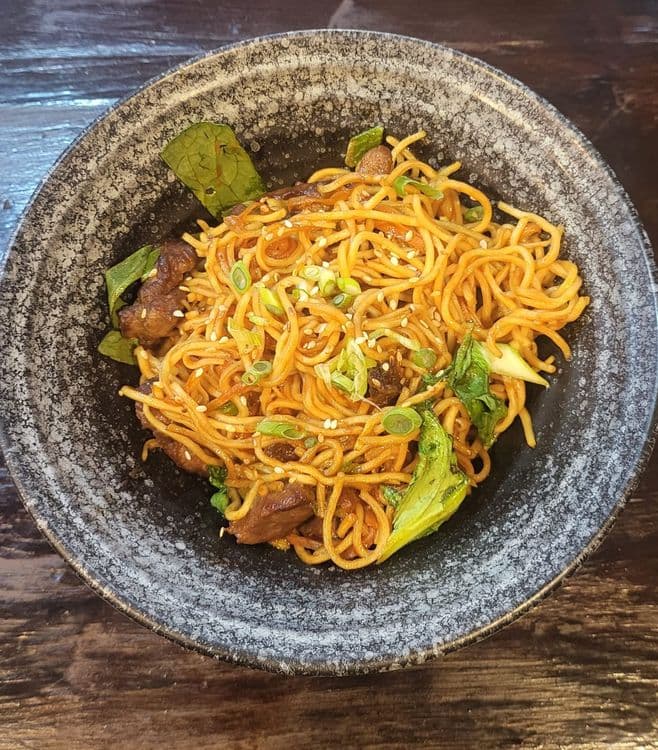
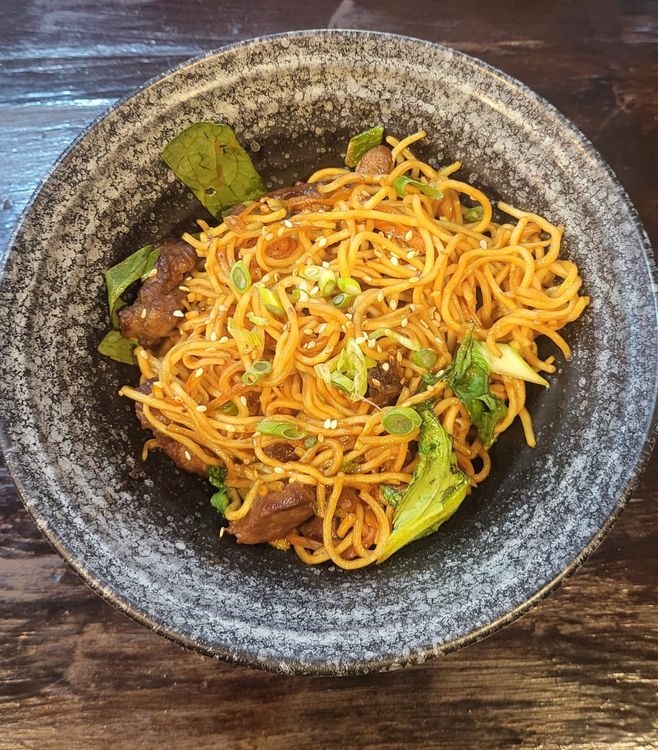
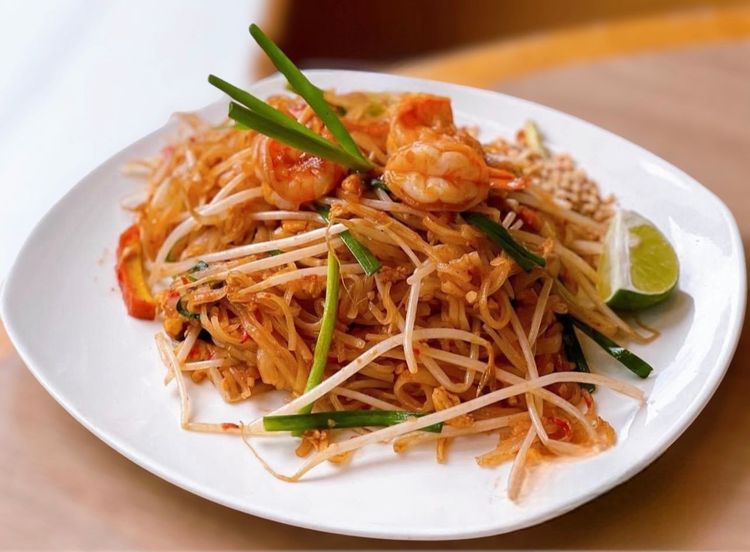
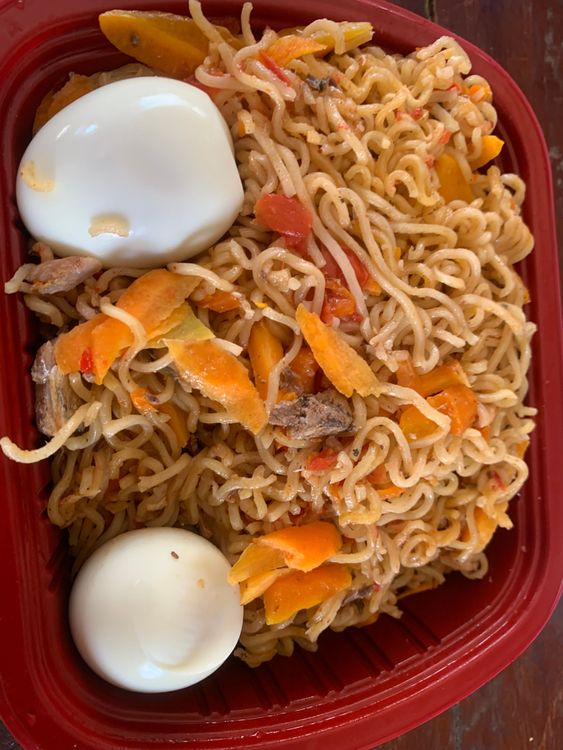
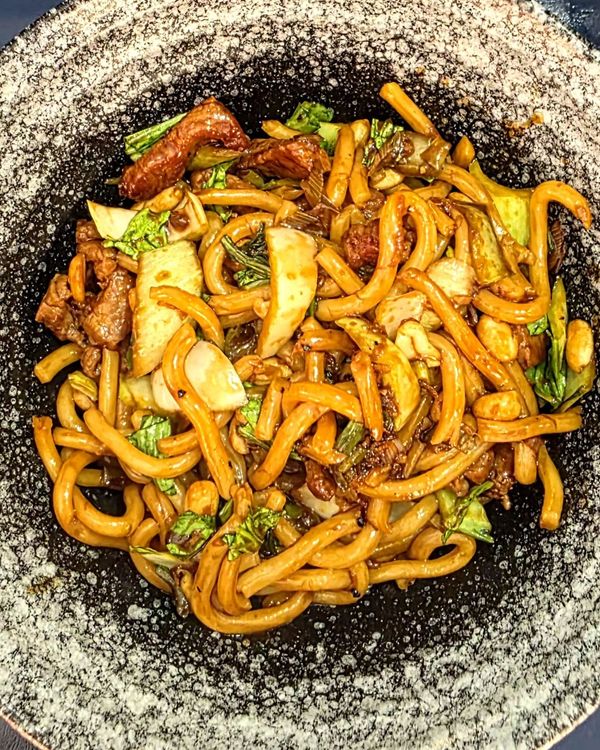
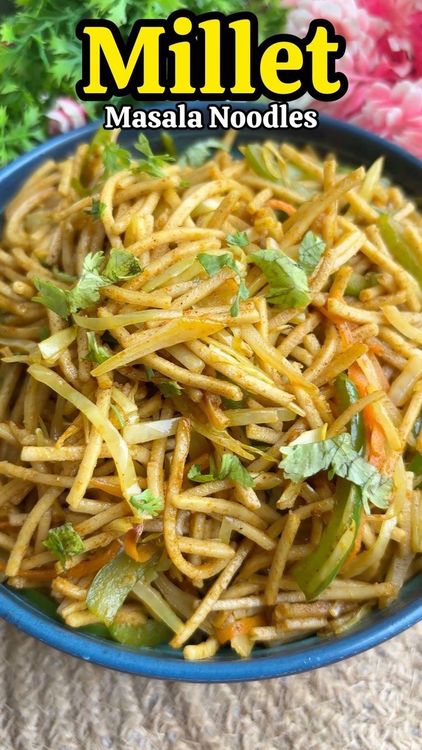
A good noodle stir-fry is built on heat and speed more than any single sauce. Get the wok or widest pan you own genuinely hot before anything goes in, because noodles want to char and toss, not stew. Cook the noodles a touch under, rinse and toss them in a little oil so they do not clump, then add them only after the aromatics and protein are nearly done. The classic mistake is crowding a lukewarm pan, which steams everything into a soft, grey tangle instead of giving you the smoky, slightly crisp edges the best chow mein and hakka noodles are known for. Keep the sauce on the lighter side and add it at the very end, tossing constantly so it coats rather than pools. Work in batches if your burner is weak, and have every ingredient chopped and within reach before you light the flame, because once it starts there is no time to stop and prep. Standouts here include Crispy Beef Chow Mein and Pad Thai Prawn, plus Indomie Noodle Stir Fry with Sardines and Vegetables.

- Chinese
- Dairy-Free
- Lunch

- Thai
- Non-Vegetarian
- Lunch
- Asian
- Pescatarian
- Lunch
- Asian
- Non-Vegetarian
- Lunch

- Indian
- Vegan
- Lunch
Fried Rice
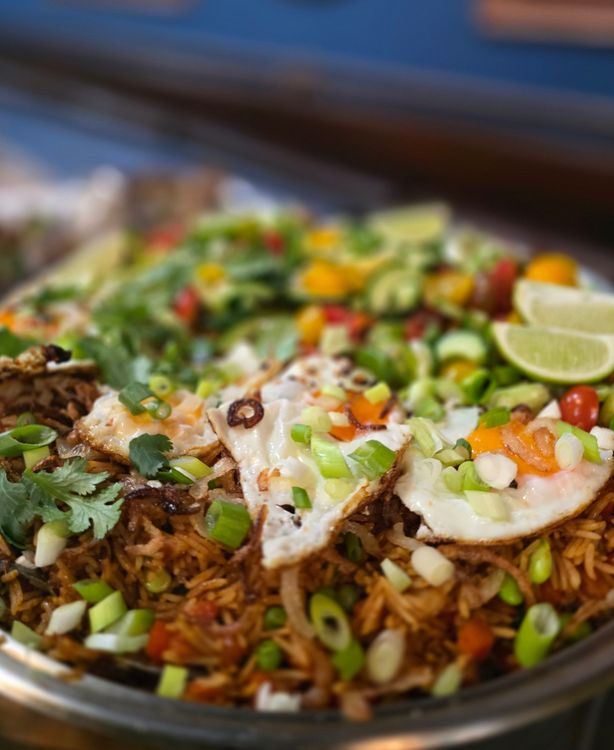
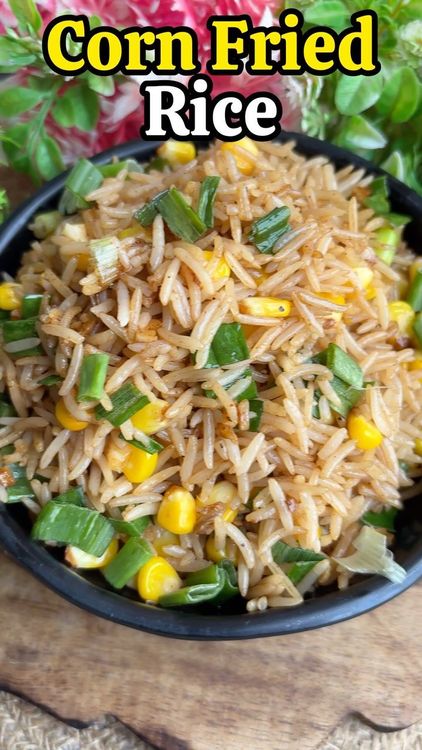
The first rule of fried rice is old rice: day-old, fridge-cold grains have dried out just enough to fry up separate and toothsome instead of clumping into mush. If you only have fresh rice, spread it on a tray and chill it uncovered for an hour first. Beyond that, fried rice lives or dies on a ripping-hot pan and a confident hand. Scramble the egg first and set it aside, blast your aromatics and any protein, then add the rice and press it against the hot metal so it picks up the faint toasty char the Cantonese call wok hei. Season at the end with a splash of soy and a touch of sesame, tossing hard so every grain gets coated. The usual error is dumping in cold rice and a flood of sauce at once, which drops the temperature and turns everything soggy. Add liquids sparingly and keep things moving the whole time. Standouts here include Vegetarian Nasi Goreng and Corn Fried Rice, plus Paneer Fried Rice.
- Indonesian
- Pescatarian
- Lunch
- Chinese
- Vegan
- Lunch
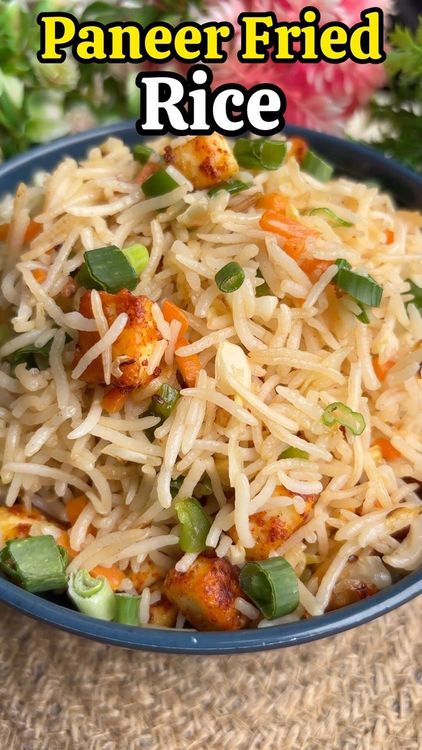
- Chinese
- Vegetarian
- Lunch
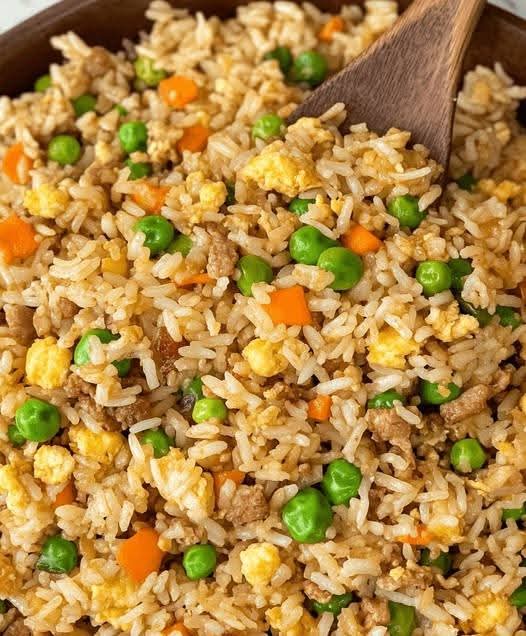
- Asian
- Eggetarian
- Lunch
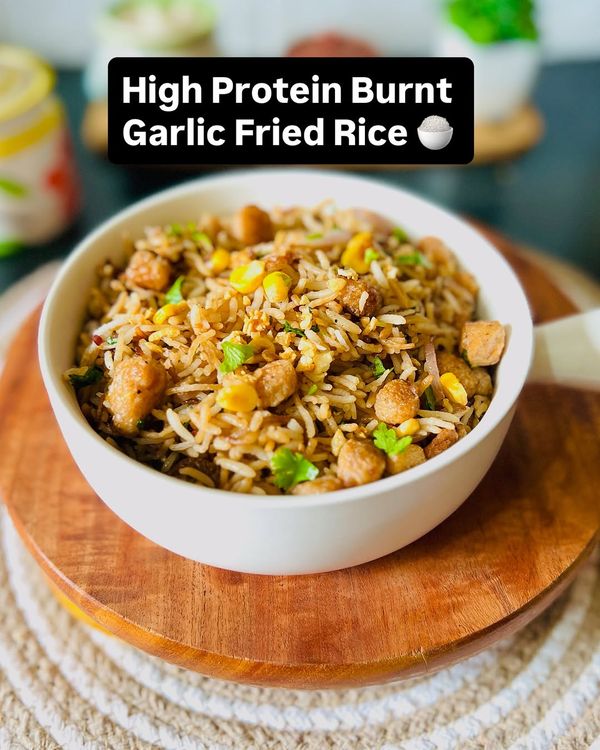
- Chinese
- Vegetarian
- Lunch
Indo-Chinese Favourites
This is the gloriously saucy, garlicky corner of the stir-fry world, born where Chinese technique met Indian spice. Chilli paneer, gobi manchurian, chilli chicken and their cousins all follow the same arc: something is fried or seared crisp, then tossed through a punchy sauce of soy, vinegar, chilli and garlic, usually slicked with a little cornflour slurry so it clings and glosses. The trick is to keep the fried element crisp by adding it to the sauce at the last second and serving immediately, because the longer it sits the soggier it gets. Build the sauce in a hot pan, taste for the sweet-sour-salty-hot balance that defines the style, and do not be shy with the ginger, garlic and green chilli. The most common slip is drowning everything in a thin, pale sauce; you want a glossy, clinging coat, not a soup, so thicken gradually and toss hard at the finish. Standouts here include Chilli Chicken (Restaurant style) and Chilli Paneer , plus Vegetable Manchurian-Restaurant style.
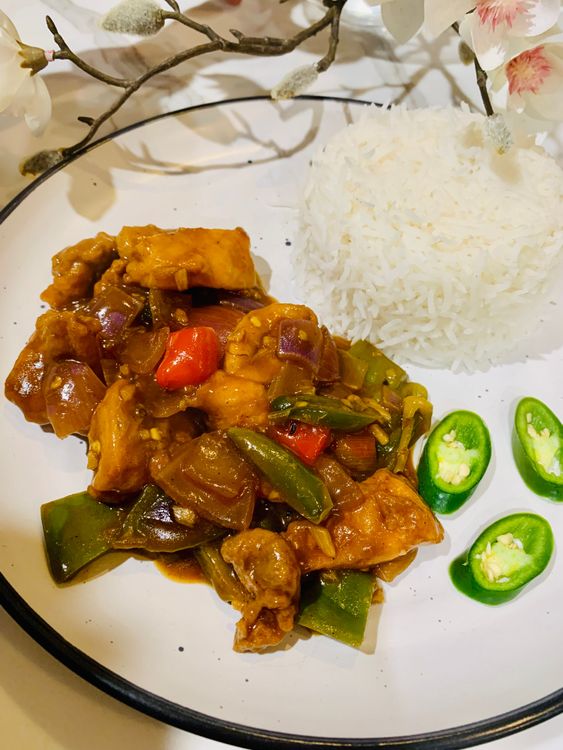

- Indian
- Non-Vegetarian
- Lunch
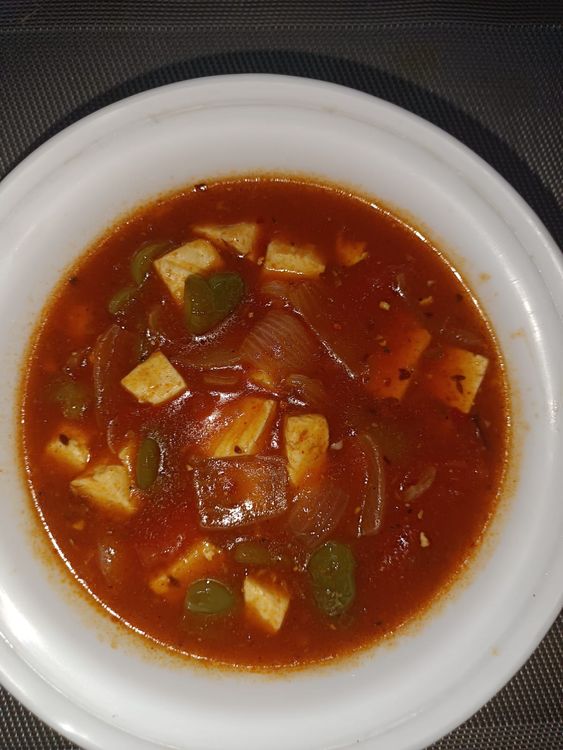

- Chinese
- Vegetarian
- Lunch
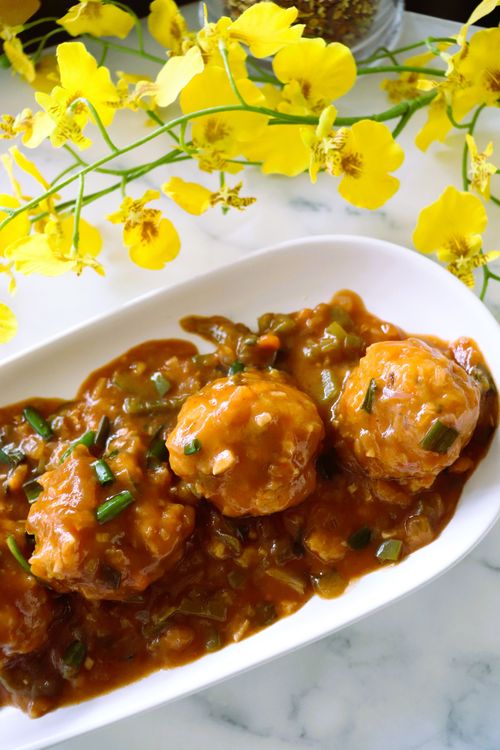
- Indo-Chinese
- Vegan
- Appetiser
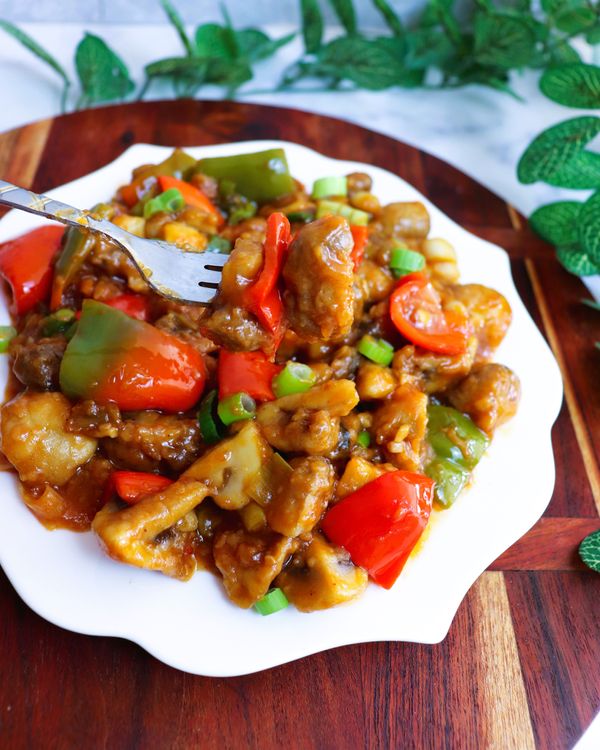
- Asian
- Vegan
- Appetiser
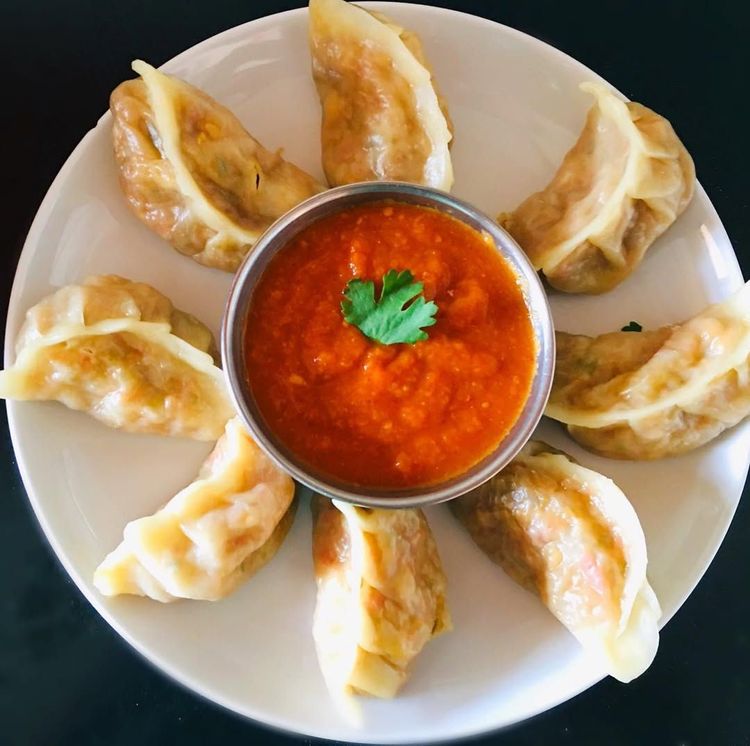
- Nepalese
- Vegan
- Appetiser
Chicken, Meat & Seafood
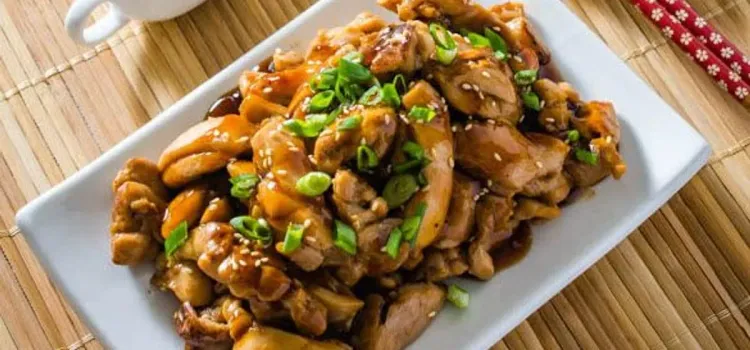
Meat and seafood stir-fries are where high heat pays off most obviously. Slice everything thin and against the grain so it cooks in moments and stays tender, and pat it bone-dry before it hits the pan so it sears rather than steams. A quick marinade of soy, a little cornflour and a splash of oil — the Chinese velveting trick — keeps chicken, beef and pork silky even at blistering temperatures. Cook the protein first in a hot, barely-oiled pan, get real colour on it, then pull it out and set it aside while you do the vegetables, returning it at the end so nothing overcooks. Seafood is the least forgiving: prawns curl and turn opaque in a minute or two, so add them late and pull them early. The mistake to avoid is piling cold, wet meat into a crowded pan, which leeches juices and grey-boils the lot. Sear in batches and keep the heat high throughout. Standouts here include Super Tender Beef Stir-Fry With BBQ SAUCE and Beef Stir Fry with Garlic Ginger Marinade, plus Stir-fried Pork with Garlic.
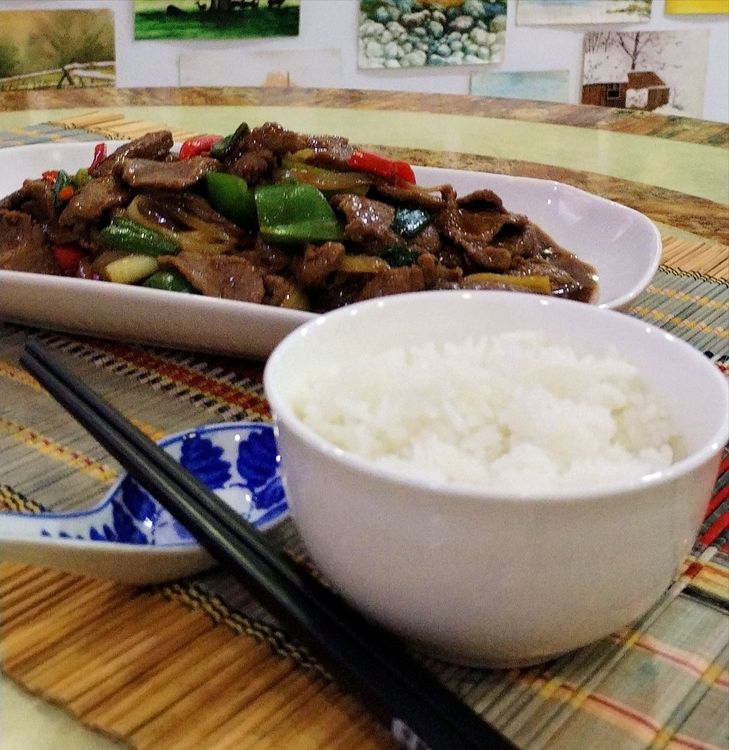
- Chinese
- Non-Vegetarian
- Lunch
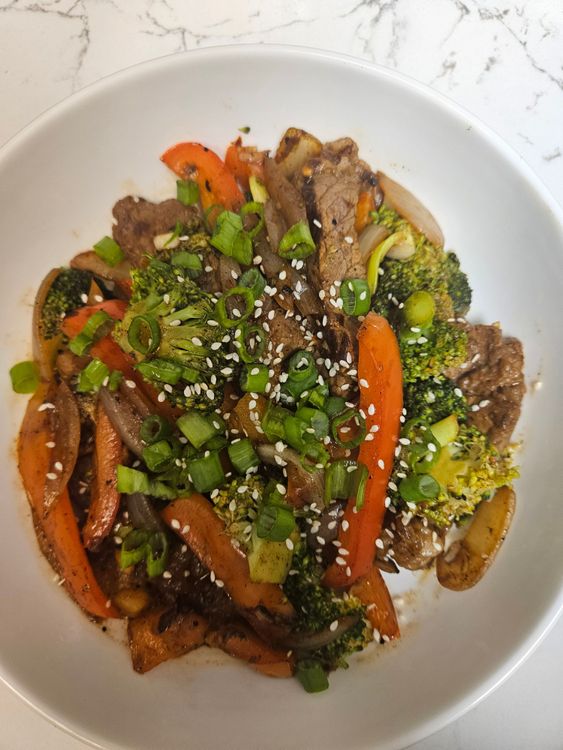

- Asian
- Non-Vegetarian
- Dinner
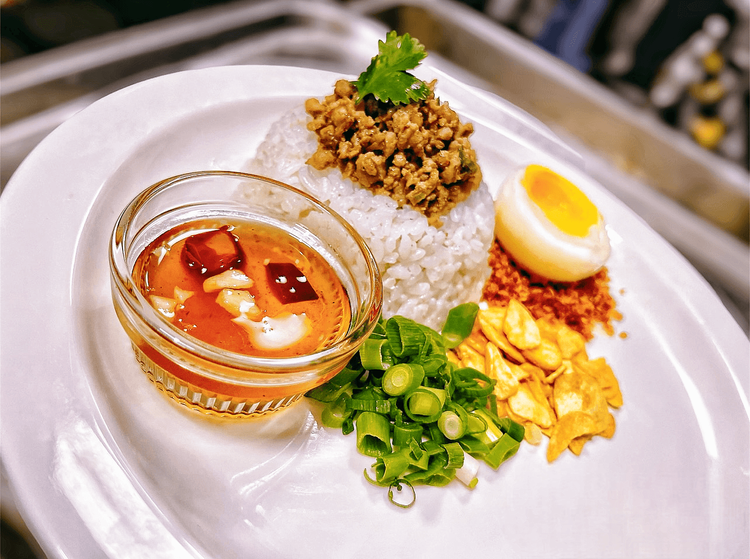
- Thai
- Non-Vegetarian
- Lunch
- Japanese
- Non-Vegetarian
- Dinner

- Asian
- Non-Vegetarian
- Lunch
Paneer, Tofu & Veg
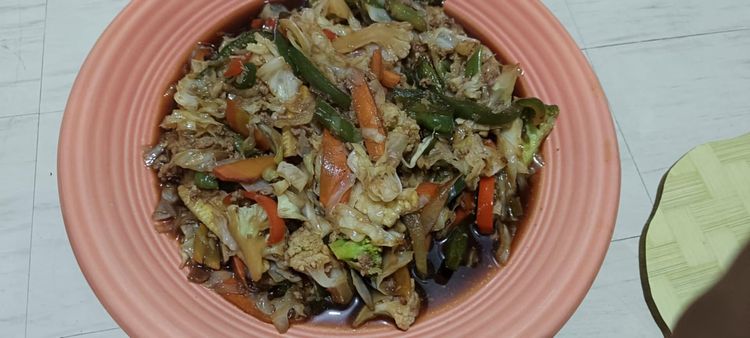
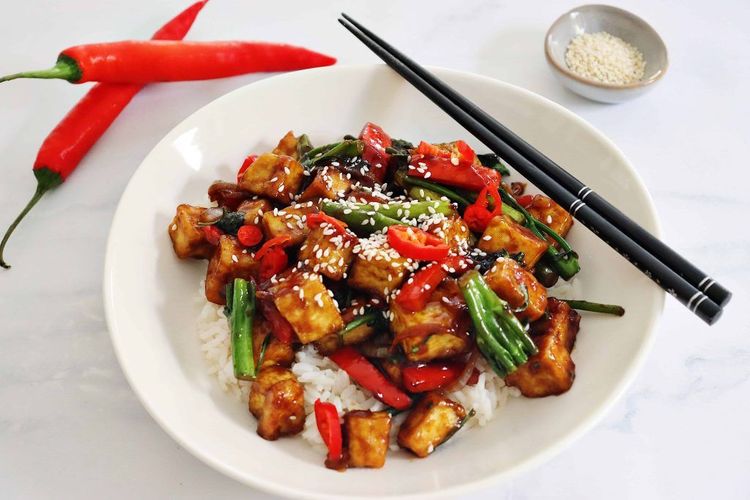
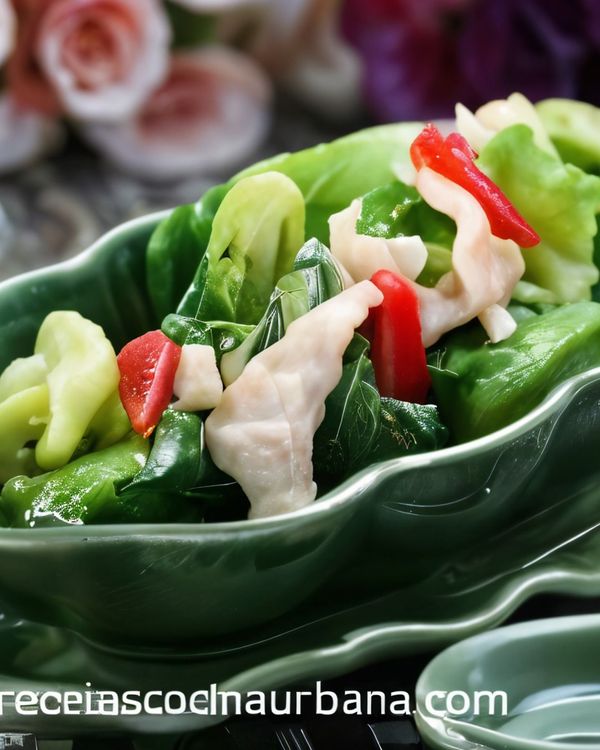
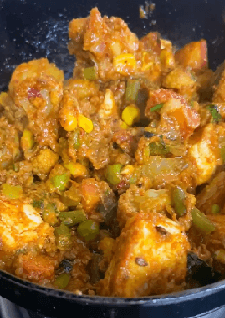
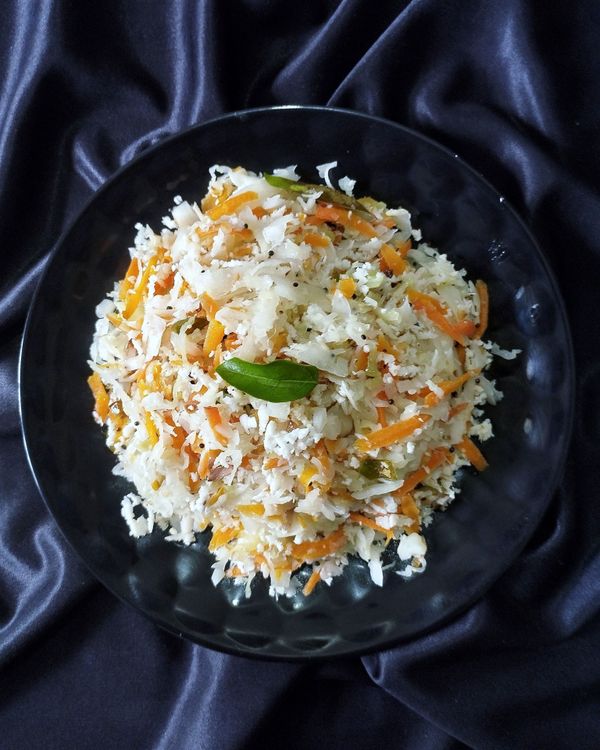
Vegetable, tofu and paneer stir-fries prove you do not need meat for something craveable, but they demand attention to texture. Cut vegetables on the bias into even pieces so they cook at the same rate, and add them in order of hardness — carrots and beans first, peppers and greens later — so nothing turns to mush while something else stays raw. Press tofu well and sear it hard before saucing so it firms into golden cubes rather than crumbling; paneer wants a gentler hand and a quick sear, since overcooking turns it rubbery. The goal across all of them is crisp-tender vegetables with a glossy coat, not a soft, watery braise. Keep the pan hot and moving, season boldly because vegetables can take it, and finish with a splash of sauce and a scatter of spring onion or sesame. The frequent error is low heat and a crowded pan, which steams everything limp. Standouts here include Sticky Tofu and Vegetable Stir-Fry, plus Restaurant Style Mixed Vegetables.
- Asian
- Pescatarian
- Dinner
- International
- Non-Vegetarian
- Side Dish
- Indian
- Vegan
- Lunch
- South Indian
- Vegan
- Lunch
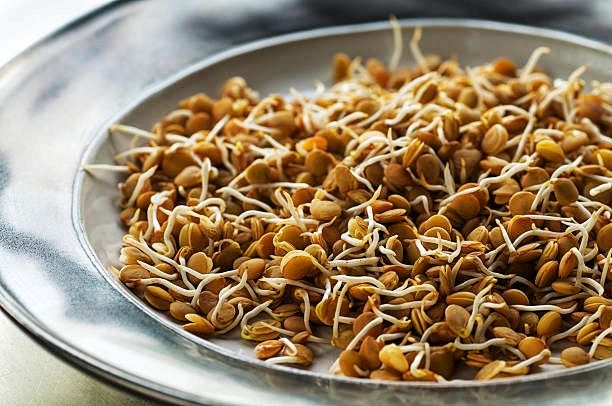
- Indian
- Vegan
- Main Course
More Stir Fry Favourites
Once the core moves feel natural — hot pan, dry ingredients, sauce at the end — the fun is in branching out across the wider world of the wok. The dishes in this group lean on the same fundamentals but wander into different cuisines and formats, from Thai basil and pad thai to one-pan rice plates and saucier gravies. Picking your next cook is mostly about matching effort to mood: reach for a quick noodle toss or fried rice on a busy night, and save the multi-component, fry-then-sauce numbers for when you have a little more time and counter space. Across all of them, the same two habits separate good from great: get everything chopped and lined up before you start, because stir-frying gives you no time to pause, and keep the heat genuinely high so food chars and tosses rather than stewing. Pick one, cook it twice, and let each attempt sharpen your timing. Standouts here include Stir fry Pasta and Easy Bulgur Stir Fry, plus Pineapple and Bell Pepper Stir Fry.
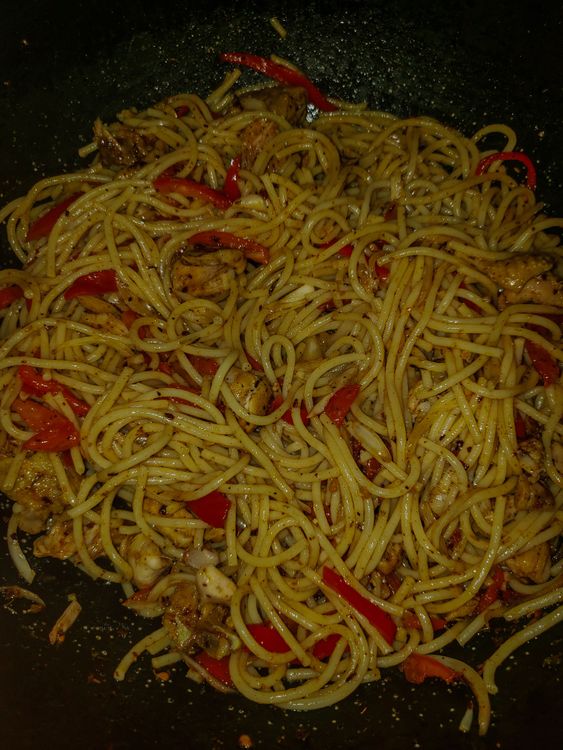

- Nigerian
- Non-Vegetarian
- Lunch
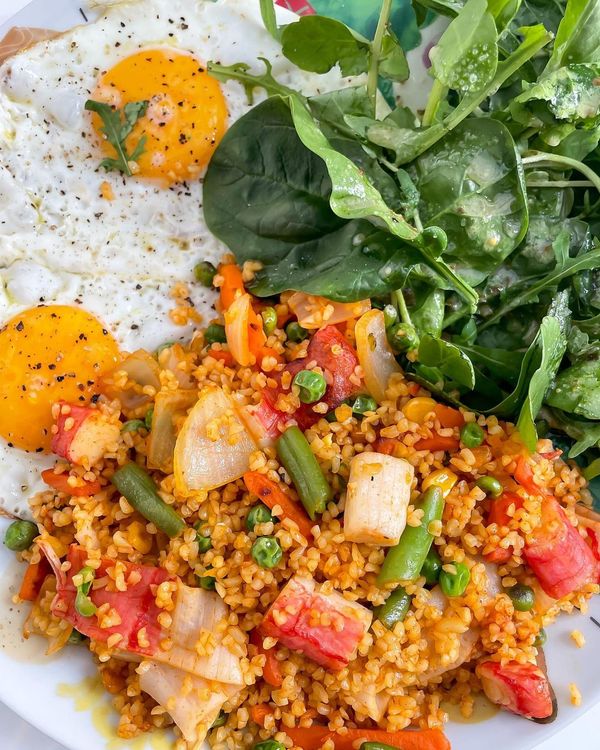
- Pescatarian
- Dinner
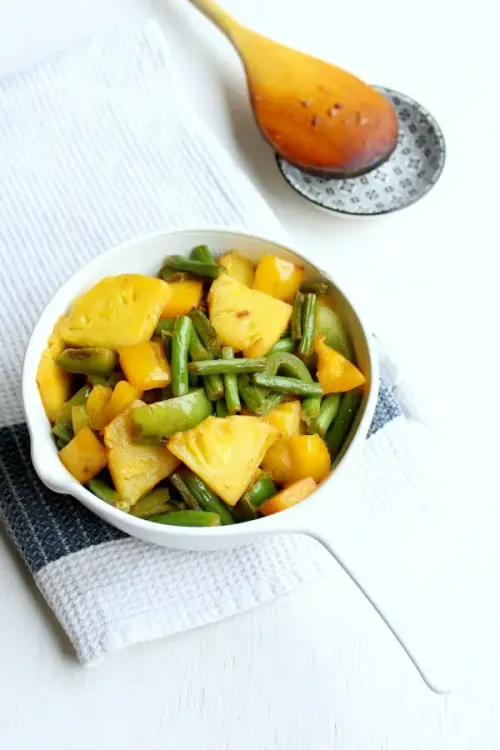
- Fusion
- Vegan
- Side Dish


- Tex-Mex
- Vegetarian
- Dinner
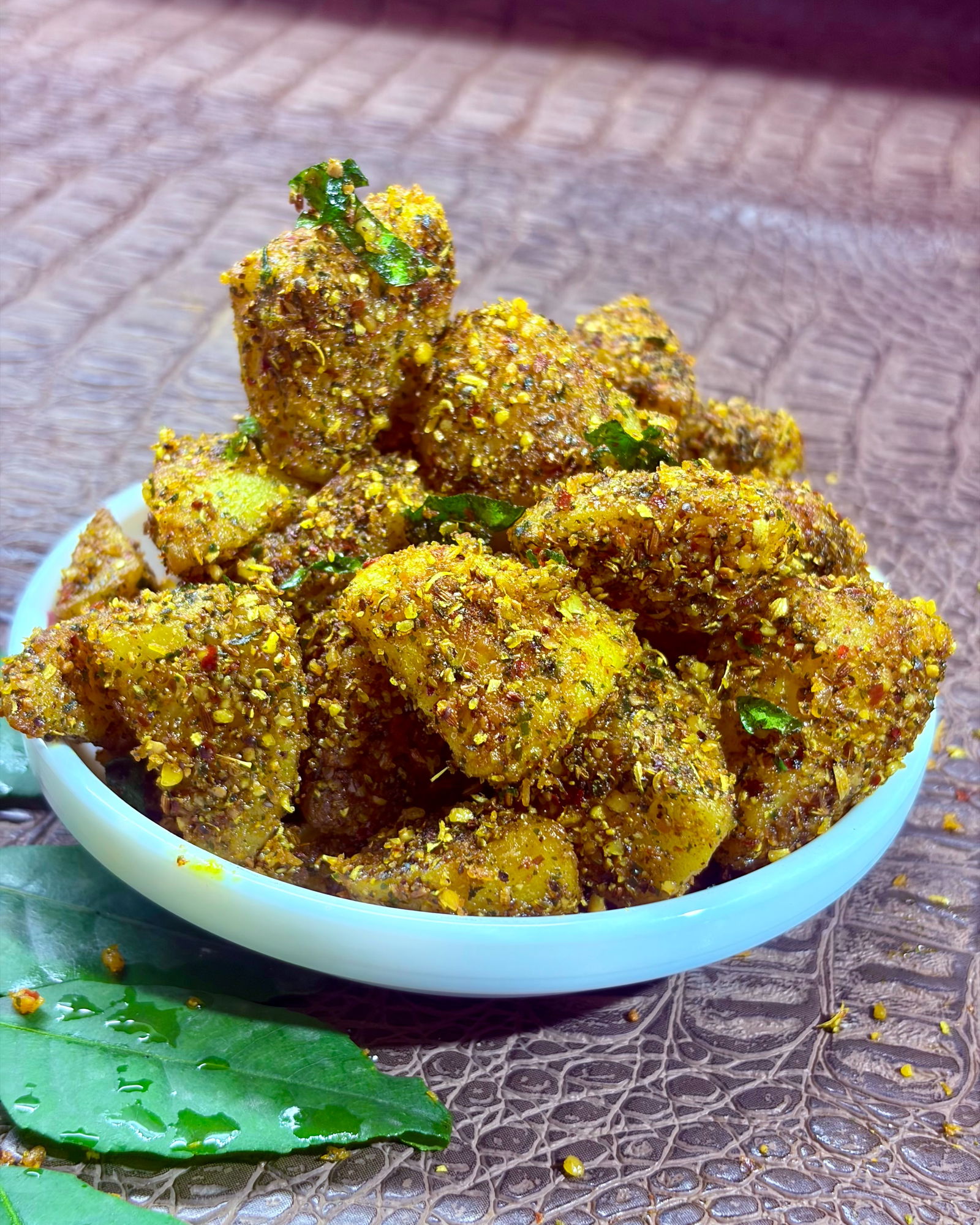
- South Indian
- Vegan
- Side Dish
The Wok and the Heat
Stir-frying is a high-heat technique, so the pan matters more than the recipe. A carbon-steel wok is ideal because it takes and holds fierce heat and its sloped sides make tossing easy, but a wide, heavy skillet works if you keep batches small. What you must avoid is a thin, crowded pan over a timid flame, which never gets hot enough to sear.
Heat the empty pan until it is genuinely smoking before you add oil, then add an oil with a high smoke point — groundnut, vegetable or canola — and swirl to coat. The oil should shimmer and almost smoke. This is what gives food the faint, smoky char the Cantonese call wok hei, and it is impossible to fake at low heat.
Keep the heat high the whole way through and keep the food moving. If your home burner is weak, the fix is small batches: cooking half a pan at a time keeps the temperature up far better than piling everything in at once and watching it stew. Get colour on things, then move on to the next stage.
Prep, Slicing and Marinades
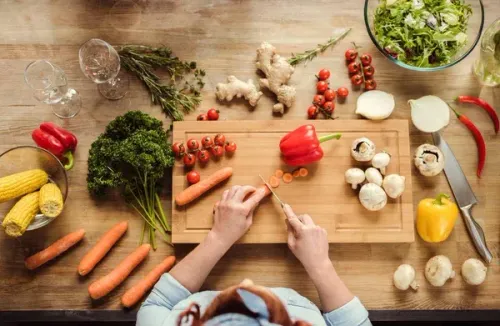
Because the cooking is so fast, almost all the work is prep. Slice meat and firm vegetables thin and on the bias so they cook through in moments and offer more surface to sear. Cut everything to a uniform size within each ingredient so it finishes evenly, and group your ingredients in the order they will go into the pan.
A quick marinade transforms meat. The Chinese velveting trick — tossing thin-sliced chicken, beef or pork with a little soy, cornflour and oil for fifteen minutes — gives it a silky coat that stays tender even at blistering heat. Pat the surface dry just before cooking so it sears rather than steams; a wet surface is the enemy of browning.
Press tofu to expel water before searing, and bring paneer to room temperature so it browns rather than seizing. Have your sauce mixed in a bowl ahead of time, because when the pan is roaring you will not have a spare hand to measure out soy and vinegar.
Building a Sauce That Clings
A stir-fry sauce should coat the food in a glossy sheen, not drown it in a puddle. Most are built from a salty base such as soy or oyster sauce, something aromatic like ginger, garlic and chilli, a little acid or sweetness to balance, and often a cornflour slurry to thicken and gloss. Mix it in advance so you can pour it in with one motion.
Add the sauce only at the very end, once the protein and vegetables are nearly done, and toss hard so it reduces and clings in seconds. If it looks thin, a teaspoon of cornflour slaked in cold water tightens it instantly; if it looks gloopy, a splash of stock or water loosens it. Taste and adjust at the finish, with no heat to spare.
Balance is everything in this style — salty, sweet, sour and hot held in tension. Indo-Chinese sauces lean garlicky and punchy, Thai ones bright with lime and fish sauce, Cantonese ones savoury and subtle. Start conservative with salt, because soy concentrates as it reduces, and finish with a drop of sesame oil or a scatter of spring onion.
Order of Operations and Timing
The sequence is what keeps everything at its best. Cook aromatics briefly so they perfume the oil without burning, sear the protein and set it aside, then cook the vegetables in order of hardness — the firm, slow ones first, the tender, quick ones last. Return the protein at the end, add the sauce, toss and serve.
Add vegetables by how long they take: carrots, beans and broccoli stems early; peppers, greens and sprouts late. This way nothing turns to mush waiting for something else to cook. A splash of water and a quick lid can steam denser vegetables for a few seconds if they need it, but keep it brief or you lose the crispness.
Serve a stir-fry the instant it is done. Unlike a curry, it does not improve sitting around — the textures soften, the sauce dulls, and the char fades. Have the rice or noodles ready and the table set before you start cooking, so the pan goes straight from heat to plate.
Pro Tips from the Test Kitchen
- Get the pan genuinely smoking-hot before the oil goes in — low heat steams instead of sears.
- Chop and measure everything before you light the flame; stir-frying gives you no time to prep.
- Slice meat thin and against the grain, and pat it dry so it browns instead of stewing.
- Velvet chicken or beef in a little soy, cornflour and oil for 15 minutes to keep it silky.
- Use day-old, cold rice for fried rice — fresh rice clumps and turns to mush.
- Cook in batches if your burner is weak; a crowded pan drops the heat and grey-boils food.
- Add the sauce only at the very end and toss hard so it coats rather than pools.
- Add vegetables in order of hardness so nothing overcooks while something else stays raw.
- A cornflour slurry tightens a thin sauce in seconds; a splash of water loosens a gloopy one.
- Serve immediately — a stir-fry softens and dulls the moment it sits.
Frequently Asked Questions
What is the secret to a good stir-fry?
High heat, dry ingredients and speed. Get the pan genuinely hot before anything goes in, do not crowd it, and keep the food moving so it sears and chars rather than steams. Everything else — slicing thin, having ingredients prepped, adding the sauce at the end — exists to support that fast, fierce cook. A lukewarm, crowded pan is the single biggest reason a home stir-fry turns out soft and grey.
What oil is best for stir-frying?
One with a high smoke point, since the pan runs very hot. Groundnut (peanut), vegetable, canola and rice-bran oils all work well and stay neutral. Avoid extra-virgin olive oil and butter, which burn at stir-fry temperatures. Add a drop of toasted sesame oil at the end for aroma rather than cooking in it, as it scorches easily.
Why is my stir-fry soggy?
Almost always a pan that is not hot enough or one that is overcrowded. When too much cold, wet food goes in at once, the temperature drops and everything releases water and steams instead of searing. Cook in smaller batches, pat ingredients dry, and add the sauce only at the end so it does not stew the food. High heat throughout is the fix.
Do you cook the meat or vegetables first in a stir-fry?
Meat first, usually. Sear the protein in the hot pan, get colour on it, then remove it and set it aside so it does not overcook. Cook the vegetables next, adding them in order of how long they take, then return the meat at the end with the sauce to warm through. This keeps both the protein tender and the vegetables crisp.
What can I use instead of a wok?
A wide, heavy skillet or saute pan works well, especially on a home stove where a flat base sits better on the burner than a round-bottomed wok. The key is surface area and the ability to hold high heat, so use the largest heavy pan you own and cook in batches. Avoid thin, lightweight pans, which cannot hold the heat you need.
How do you keep chicken tender in a stir-fry?
Slice it thin against the grain and velvet it: toss the pieces with a little soy, cornflour and oil and let them sit for fifteen minutes before cooking. The cornflour forms a thin coat that protects the meat from the fierce heat, keeping it silky and juicy. Sear it fast in a hot pan, avoid overcooking, and return it to the sauce only at the end.
What is the difference between stir-fry and Indo-Chinese?
Stir-frying is the technique — fast cooking over high heat in a wok — used across many cuisines. Indo-Chinese is a specific style born in India that applies that technique to dishes like chilli paneer, gobi manchurian and chilli chicken, with garlicky, punchy, often thicker sauces built on soy, vinegar and green chilli. So Indo-Chinese dishes are stir-fries, but not all stir-fries are Indo-Chinese.
Can you make a stir-fry without soy sauce?
Yes. Soy adds salt and savoury depth, but you can build flavour with other salty-umami ingredients — fish sauce, oyster sauce, miso, or simply salt plus a little stock. Tamari is a gluten-free swap that tastes almost identical. Adjust gradually and taste as you go, since each base brings its own saltiness and character to the finished sauce.
What vegetables are best for stir-frying?
Anything that cooks fast and stays crisp: bell peppers, broccoli, snow peas, carrots, mushrooms, baby corn, cabbage, beans, bok choy and spring onion all shine. Cut them thin and on the bias, and add them in order of hardness so they finish together. Avoid watery vegetables in large amounts, as they release liquid and steam the pan.
How do you thicken stir-fry sauce?
With a cornflour slurry: mix a teaspoon or two of cornflour with an equal amount of cold water and stir it into the simmering sauce at the end. It thickens and turns glossy in seconds, helping the sauce cling to the food rather than pooling at the bottom. Add it gradually, since it tightens fast, and toss the pan hard as it sets.
The thread through every stir-fry recipe here is the same: high heat, dry ingredients, everything prepped, and the sauce added last. Master those and noodles, fried rice, seared chicken and crisp vegetables all come together in minutes, with the smoky char and glossy coat that make a home stir-fry taste like takeaway done right.
Pick a few to cook this week — a noodle toss, a plate of fried rice and one saucy Indo-Chinese number — and save your favourites to a Chefadora cookbook. Then work through the rest; this page is built to be the stir-fry reference you keep coming back to.
Related
- Stir fry
- Indo-Chinese
- Noodles
- Quick & easy
- Wok
- Weeknight
- Asian
Popular Searches
- Best stir fry recipes
- Easy stir fry recipes
- Quick stir fry recipes
- Healthy stir fry recipes
- Simple stir fry recipes
- Homemade stir fry recipes
- Delicious stir fry recipes
- Popular stir fry recipes
- chicken stir fry
- vegetable stir fry
- stir fry sauce
Marnirni-apinthi Building, Lot Fourteen,
North Terrace, Adelaide, South Australia, 5000
Australia
