
Top 19 Vegetarian Recipes: Hearty Mains, Bowls, Soups and More
Updated June 29, 2026 · Curated by Chefadora
Vegetarian recipes are no longer the side dish or the afterthought — they are some of the most flavour-packed, satisfying cooking you can put on a table. The dishes below were chosen to show that range deliberately: hearty mains that eat like a full dinner, fresh bowls and salads, soups and stews that simmer into comfort, and a whole cluster of high-protein dishes built on paneer, tofu, beans and lentils. The goal throughout is depth and texture, not deprivation, so that nobody at the table misses the meat.
The single biggest thing that separates a great vegetarian dish from a flat one is how you build flavour. Without meat juices and fat to carry the seasoning, you lean harder on browning, aromatics, acid and salt at every stage — caramelising onions, charring vegetables, blooming spices in hot oil and finishing with something bright. Master those moves and the same handful of techniques carry you across curries, stir-fries, grain bowls and soups alike, which is exactly how this collection is organised.
You will find four clusters here: hearty dinners and mains, bowls and salads, soups and stews, and the high-protein group of paneer, tofu, beans and lentils. They overlap on technique by design — a well-built spice base belongs in a curry and a stew, a sharp dressing lifts a salad and a grain bowl — so learning one cluster well makes the next feel familiar rather than foreign.
Treat this as a working reference rather than a list to scroll past once. Every recipe links to full ingredients and steps on Chefadora, and the guides below cover the decisions that actually decide whether a meatless meal lands: how to build savoury depth, how to hit your protein, how to handle vegetables so they keep texture, and how to balance and finish a dish so it tastes complete.
Hearty Dinners & Mains
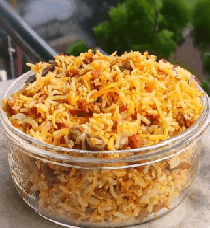
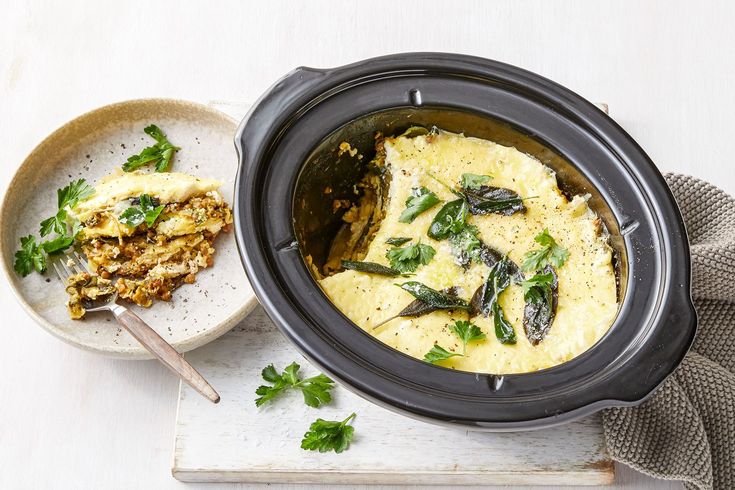
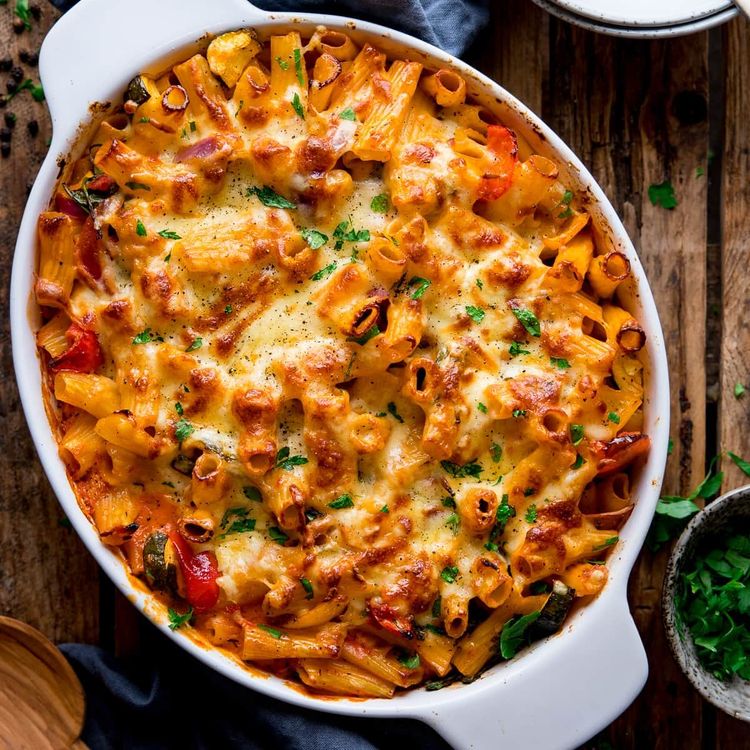
A meatless dinner earns the centre of the table when it is built with the same care you would give any main, and that starts with browning. Whether you are layering a vegetable curry, a baked pasta or a stir-fry, take the onions down to deep gold, fry the tomato paste or masala until the oil glistens at the edges, and sear your vegetables hot and uncrowded so they char instead of stewing. That Maillard colour is the savoury backbone meat would otherwise provide, and skipping it is the single most common reason a homemade vegetarian main tastes thin and pale. From there, lean on umami helpers — seared mushrooms, soy, miso, roasted garlic, a parmesan rind — to stack depth, and keep your vegetables in larger pieces so they hold their shape through the cook rather than collapsing. Finish every one of these the same way: taste for salt, brighten with a squeeze of acid or a scatter of fresh herbs off the heat, and let the dish rest a moment so the flavours settle. Done right, nobody at the table asks where the meat is. Standouts here include Vegetarian Biryani and Vegetarian Pasta Bake, plus Vegetarian Slow Cooker Pumpkin and Spinach Lasagne.
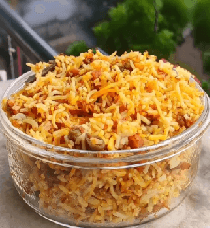
- Indian
- Vegan
- Main Course
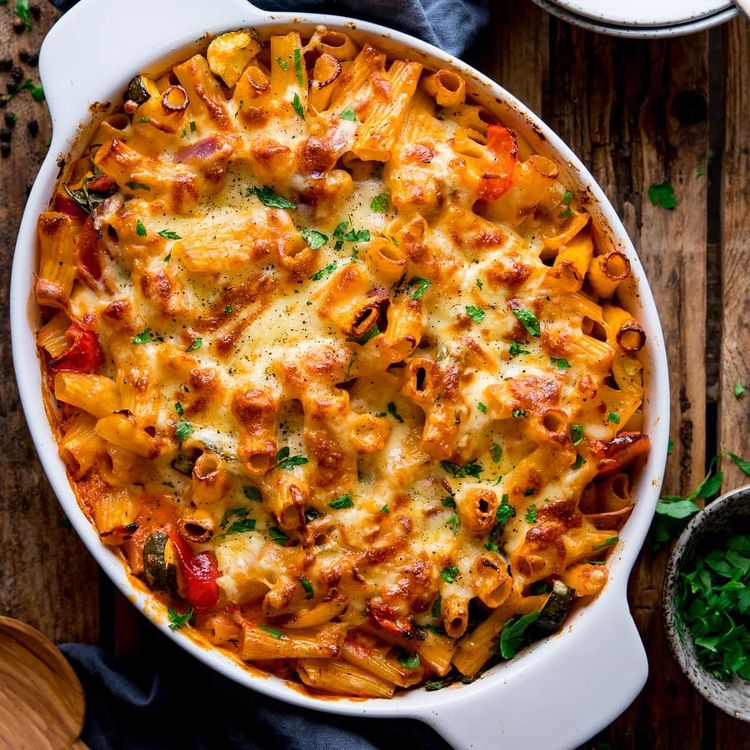
- Italian
- Vegetarian
- Dinner
- Italian
- Vegetarian
- Dinner
- Italian
- Vegetarian
- Dinner
Soups & Stews
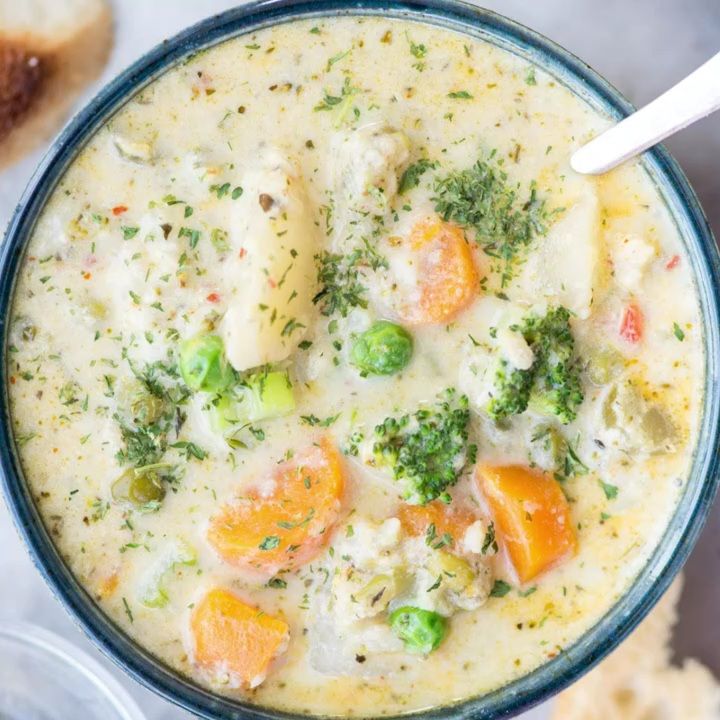
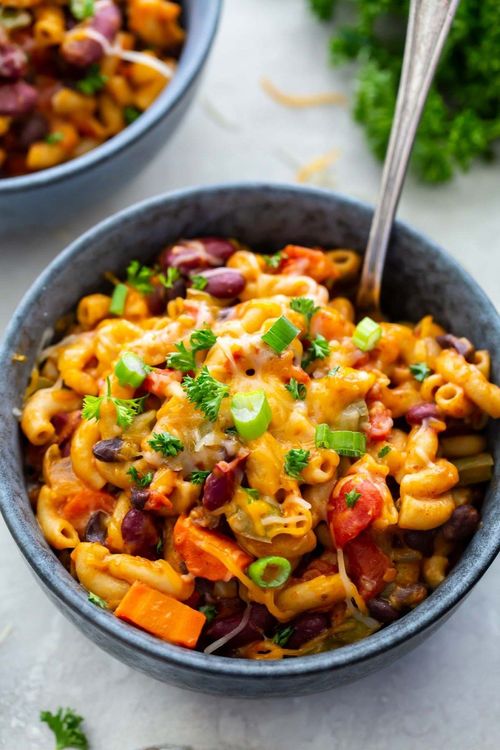
A great pot of soup or stew is mostly patience and a properly built base, not a long list of ingredients. Begin by sweating or browning your aromatics — onions, garlic, ginger, celery or carrot — until soft and deeply fragrant, because that foundation is where most of the flavour comes from in a meatless pot that has no meat juices to lean on. Add ingredients in the order of how long they take to cook: tough vegetables, beans and lentils early so they turn creamy and tender, delicate greens, herbs and quick-cooking elements near the end so they keep colour and freshness. For blended soups, do not drown the vegetables — too much liquid gives a thin, watery result, and you can always loosen a thick puree later. For brothy and hearty styles, a parmesan rind, a splash of soy or a spoon of miso deepens the savoury backbone, and a final hit of acid lifts the whole pot. Season in layers and taste constantly, since soups can taste flat without enough salt. Almost all of these keep beautifully and many improve overnight, which makes them ideal for batch-cooking. Standouts here include Instant Pot Creamy Vegetarian Soup and One-Pot Vegetarian Chili Mac.
- American
- Vegetarian
- Lunch
- American
- Vegetarian
- Dinner
High-Protein: Paneer, Tofu, Beans & Lentils
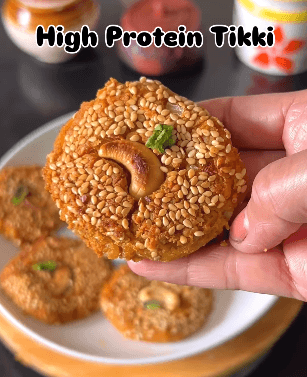
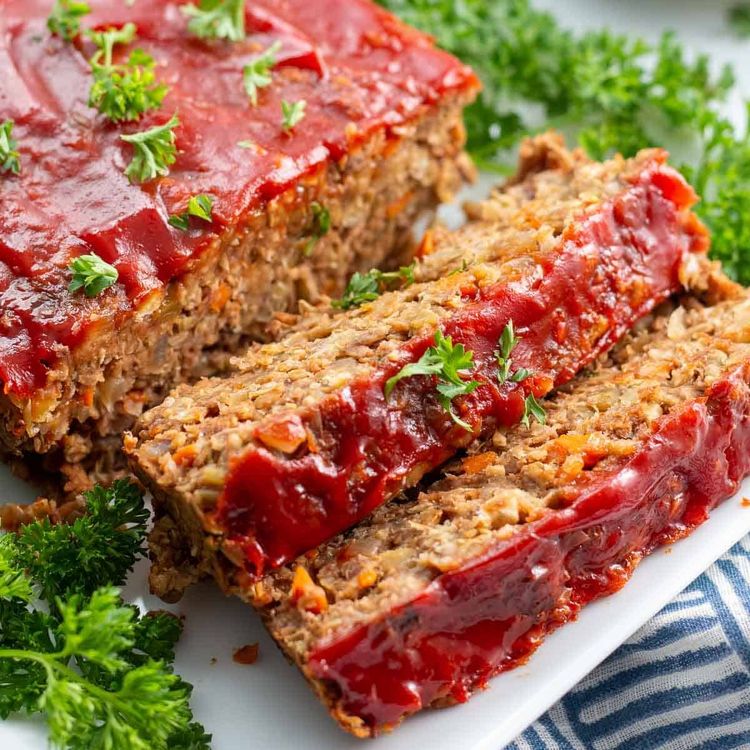
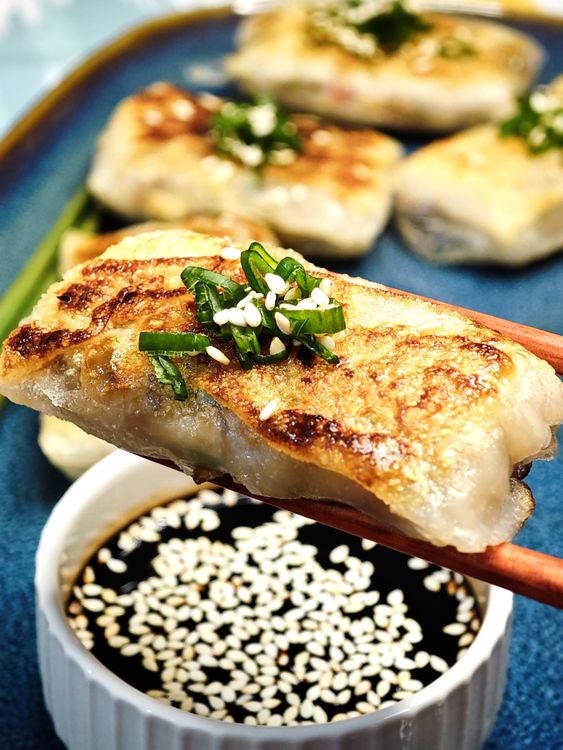
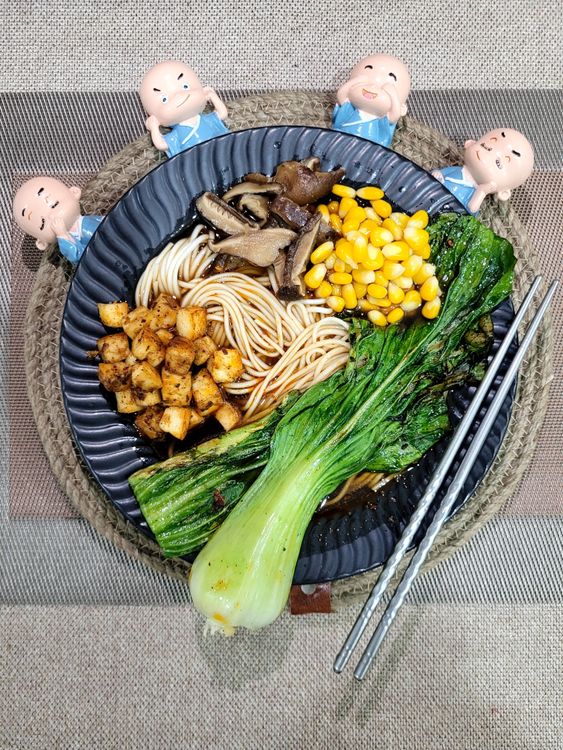
This is the cluster that proves meatless meals can satisfy as the main event, built on paneer, tofu, tempeh, beans, chickpeas and lentils. Each protein rewards a specific technique. Press tofu well and sear or roast it hard so it firms into golden, craveable cubes rather than crumbling and weeping water; a light cornflour dusting crisps it further. Soak store-bought paneer in warm water before cooking and add it to gravies near the end so it stays soft instead of squeaking. Cook lentils to the texture the dish wants — collapsing for a dal, holding shape for a salad — and crisp chickpeas in a hot pan or oven for crunch and bite. The flavour-building rules from the rest of the page apply here too: brown your base properly, bloom spices in hot fat, and finish with acid and fresh herbs. To push the protein higher and the meal fuller, pair these with a grain — dal with rice, beans with a tortilla, hummus with pita — for a complete protein. Treat the protein with real attention and these dishes hold their own against anything with meat. Standouts here include Vegetarian High Protein Tikki and Vegetarian Lentil Loaf.
- Indian
- Vegetarian
- Appetiser
- American
- Vegan
- Lunch
More Vegetarian Favourites
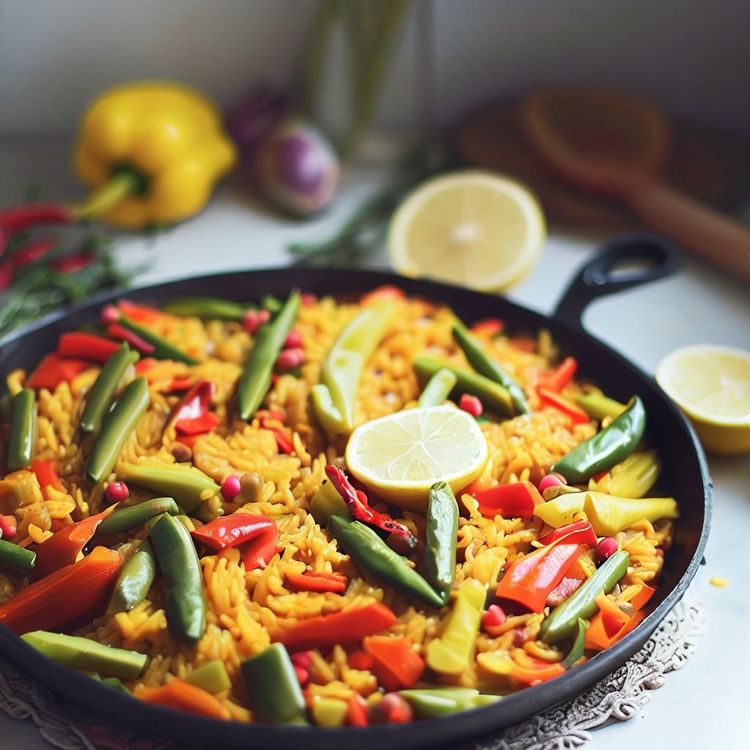
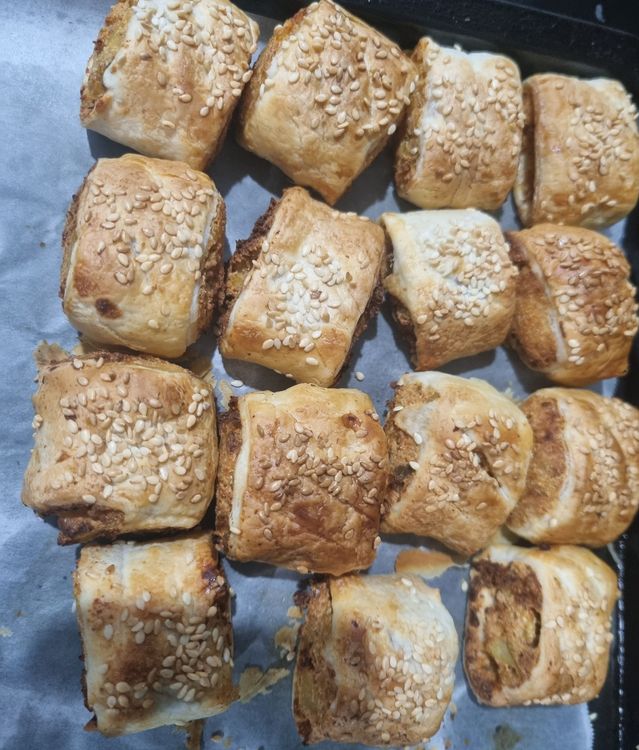
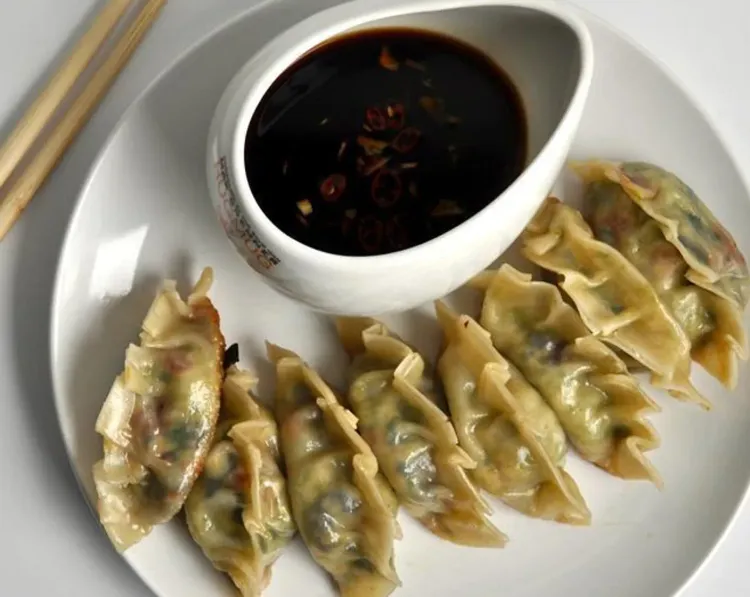
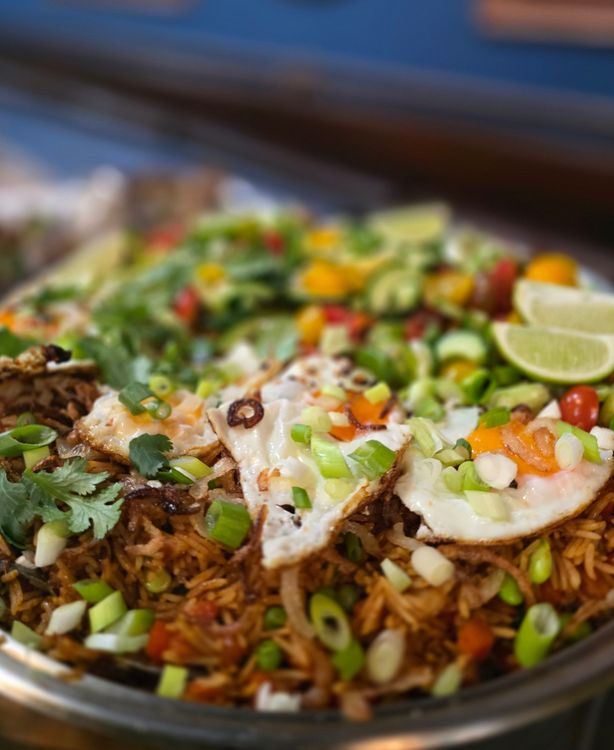
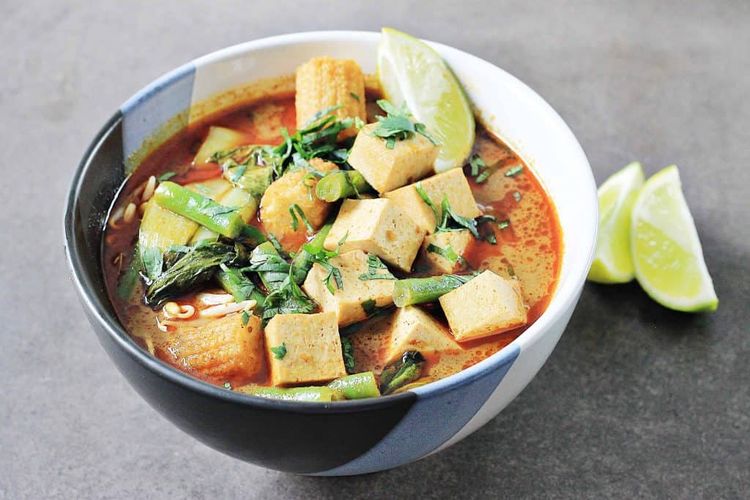
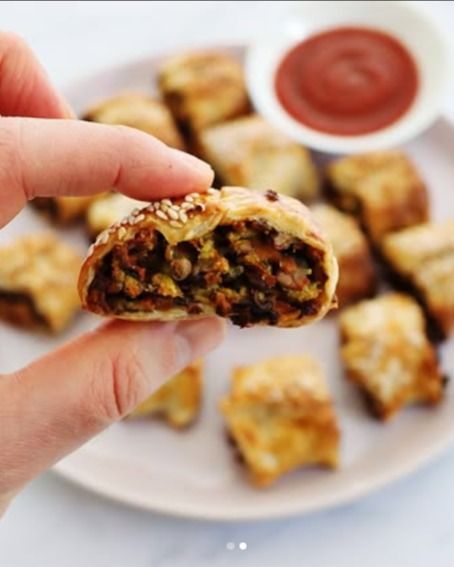
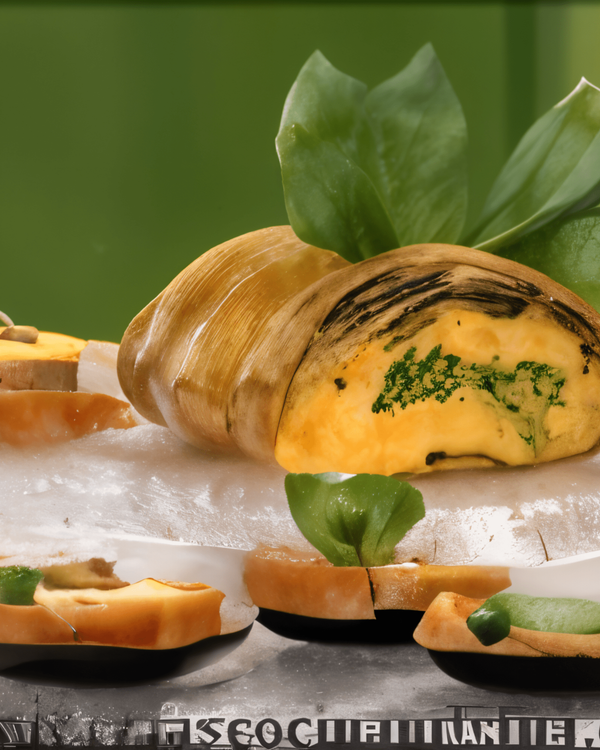
A handful of vegetarian dishes never quite fit a single cluster, and these are the ones worth keeping in your back pocket once the staples feel routine. They lean on the same techniques you already know — a deeply browned base, umami stacked on purpose, vegetables cooked for texture, a bright finish — but steer them toward different cuisines, formats and flavour profiles so dinner never tastes the same twice. Picking your next one is mostly about matching effort to mood: reach for a quick stir-fry, a grain bowl or a pasta toss on a busy weeknight, and save the slow-built stews, layered bakes and multi-component plates for a weekend when you can let things caramelise and the spices bloom properly. Pay attention to where the protein and the texture are coming from in each dish, since that is what keeps a meatless meal genuinely satisfying rather than a collection of soft vegetables. Think of this group as the natural next step after the classics, the recipes that quietly earn a regular spot in the rotation once you have tried them — and a reminder that vegetarian cooking is far broader than any four categories can hold. Standouts here include Vegetarian-Friendly Indonesian Semur and Vegetarian Paella, plus Vegetarian sausage rolls.


- Gluten-Free
- Main Course

- Spanish
- Vegan
- Lunch

- Indian
- Vegetarian
- Lunch
- Asian
- Vegan
- Appetiser

- Indonesian
- Pescatarian
- Lunch
- Asian
- Vegan
- Lunch
- Australian
- Eggetarian
- Appetiser
- Argentinian
- Eggetarian
- Lunch
- Asian
- Vegan
- Appetiser

- Indian
- Vegan
- Lunch
- Asian
- Vegetarian
- Main Course
Building Savoury Depth Without Meat
Meat brings browning and concentrated savouriness for free; vegetarian cooking has to build that on purpose. The good news is the ingredients are everywhere — caramelised onions, tomato paste cooked until it darkens, mushrooms seared hard until they squeak, roasted garlic, soy sauce, miso, a parmesan rind, nutritional yeast, sun-dried tomatoes and a splash of balsamic all stack up real umami. Reach for two or three of these in any dish that tastes thin and it will suddenly taste finished.
Browning is your biggest lever. Take the time to cook onions down to deep gold rather than pale and soft, let tomato paste fry in the oil until it turns brick-red, and sear vegetables in a hot, uncrowded pan so they char instead of steam. That Maillard colour is flavour you cannot add back later. The most common reason a homemade veg dish tastes flat is rushing this stage and ending up with everything pale and stewed.
Finish with contrast. A dish built only on savoury depth still tastes one-note until you add acid, salt and freshness at the end — a squeeze of lemon, a splash of vinegar, a scatter of fresh herbs, a crumble of feta or a spoon of yogurt. Season in layers as you go rather than only at the start, taste constantly, and adjust off the heat. Brightness and salt at the finish are what make a vegetarian plate read as complete rather than worthy.
Hitting Your Protein on a Plant Plate
A common worry about going meatless is protein, and it is easy to solve once you know where it lives: legumes (lentils, chickpeas, beans, peas), soy foods (tofu, tempeh, edamame, soya chunks), dairy like paneer and Greek yogurt, eggs if you eat them, plus whole grains, nuts and seeds. Building a plate around one or two of these — say lentils plus yogurt, or tofu plus edamame — easily reaches the twenty-five to forty grams that genuinely keeps you full.
Technique matters as much as choice. Press tofu well and sear or roast it hard so it firms into golden, craveable cubes rather than crumbling into a watery mess. Soak store-bought paneer in warm water before cooking so it stays soft, and add it to gravies late. Cook lentils to the texture the dish wants — collapsing for a dal, holding shape for a salad — and crisp chickpeas in a hot pan or oven for crunch. The protein is only as good as how you treat it.
Pairing legumes and grains — beans and rice, dal and roti, hummus and pita — gives you a complete protein with all the essential amino acids, which is why those combinations anchor so many traditional vegetarian diets. You do not need to obsess over getting every amino acid in one bite; eating a varied mix across the day covers it. Lean on this and a meatless meal is genuinely filling, not something you are hungry an hour after.
Cooking Vegetables for Texture, Not Mush
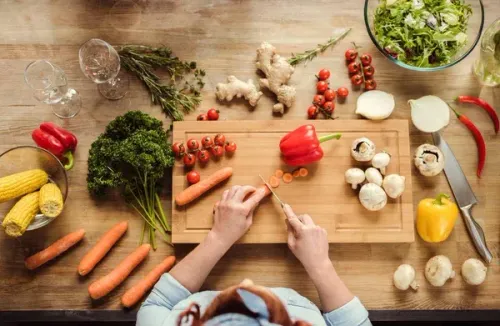
The fastest way to spot a tired vegetarian dish is texture: everything cooked to the same soft, grey mush. The fix is to respect that different vegetables cook at different rates and to add them in order of hardness. Carrots, potatoes and cauliflower want a head start; peppers, courgette and beans go in the middle; leafy greens, peas and herbs come right at the end so they keep colour and bite. Cutting everything to a uniform size for each vegetable helps them finish together.
Heat and crowding decide whether vegetables roast or steam. A hot pan or oven with the pieces in a single layer, tossed in just enough oil to coat, gives you caramelised, blistered edges; a crowded, cool pan traps moisture and you get pale, soft, watery results instead. Roasting at a genuinely high temperature, stir-frying over a ripping flame, or charring under a broiler are all ways to chase that browning. Give the food room and resist the urge to keep stirring.
Match the cut and method to the dish. Vegetables for a stir-fry are sliced thin on the bias to cook fast; those for a stew are cut chunky so they hold through a long simmer; salad vegetables stay raw or barely blanched for crunch. For salads, blanch-and-shock keeps green vegetables vivid and crisp-tender. Knowing how a vegetable behaves — which collapse, which hold, which need acid to stay bright — is half of cooking them well.
Make-Ahead, Batch Cooking and Storage
Much of the best vegetarian cooking is batch-friendly, which makes it ideal for meal prep. Curries, dals, stews, soups and grain bases all keep three to four days in the fridge and many freeze for a couple of months — and they often taste better the next day as the spices settle and the flavours marry. Cook a big pot on the weekend and you have the foundation for several quick dinners and lunches without starting from scratch each night.
Store components separately when texture is at stake. Keep crunchy toppings, fresh herbs, toasted nuts and crisp elements apart from the saucy base so they do not go soft, and dress salads and grain bowls just before eating rather than letting them sit and wilt. Cooked grains, roasted vegetables, a dressing and a protein stored in their own containers can be mixed and matched into different bowls all week, which keeps prep from getting boring.
Reheat with a little care. Saucy dishes thicken in the fridge, so loosen them with a splash of water or stock and warm gently rather than blasting them, which can split a creamy sauce or toughen paneer. A fresh tadka of spices in hot oil, a squeeze of lemon or a handful of fresh herbs stirred in at the end will revive a reheated dish that has gone a little flat. Treat leftovers as a base to refresh, not just to reheat, and they stay genuinely good.
Pro Tips from the Test Kitchen
- Build umami on purpose: caramelised onions, browned tomato paste, seared mushrooms, miso, soy or a parmesan rind add the savoury depth meat would.
- Brown deeply before you add liquid — pale, stewed vegetables are the number one reason a meatless dish tastes flat.
- Press and sear tofu hard so it firms into golden cubes; under-pressed tofu just crumbles and weeps water.
- Soak store-bought paneer in warm water before cooking and add it to gravy late so it stays soft, not rubbery.
- Pair legumes with grains — beans and rice, dal and roti — for a complete protein and a meal that actually fills you up.
- Add vegetables in order of hardness so nothing turns to mush while something else stays raw.
- Roast and stir-fry hot and uncrowded; a packed pan steams vegetables grey instead of charring them.
- Finish with acid and freshness — lemon, vinegar, herbs or yogurt — to lift a dish from savoury-but-flat to complete.
- Crisp chickpeas or lentils in a hot oven or pan for crunch and protein you can scatter over almost anything.
- Dress salads and grain bowls just before eating, and keep crunchy toppings separate from saucy bases so they stay crisp.
Frequently Asked Questions
How do vegetarians get enough protein?
From legumes (lentils, chickpeas, beans, peas), soy foods (tofu, tempeh, edamame, soya chunks), dairy like paneer and Greek yogurt, eggs if you eat them, plus whole grains, nuts and seeds. Building a plate around one or two of these easily reaches the protein a meal needs. Pairing legumes with grains — beans and rice, dal and roti — gives a complete protein, which is why those combinations anchor so many vegetarian diets.
What makes vegetarian food taste good without meat?
Browning and umami. Meat gives savoury depth for free, so vegetarian cooking builds it on purpose: caramelise onions deeply, cook tomato paste until it darkens, sear mushrooms hard, and add miso, soy, roasted garlic or a parmesan rind. Then finish with contrast — acid, salt and fresh herbs. The most common reason a meatless dish falls flat is under-browning the base and skipping that bright finish at the end.
What are the best high-protein vegetarian dishes?
Paneer curries and tikka, tofu and tempeh stir-fries, lentil dals, chickpea curries (chana masala), rajma (kidney bean curry), hummus and falafel, bean chillis and edamame bowls all pack serious protein. This collection has a whole cluster dedicated to them. Combining a protein source with a grain — dal with rice, beans with a tortilla, hummus with pita — pushes the protein higher and makes the meal more filling.
How do you cook tofu so it is not soggy?
Press it first to squeeze out water — wrap firm tofu in a towel under a weight for 15–30 minutes — then pat it dry. Cook it hot: sear cubes in a hot, oiled pan without crowding, or roast at a high temperature, leaving it undisturbed until each side is golden before turning. A light cornflour coating crisps the surface further. Soggy tofu is almost always under-pressed, cooked too cool, or crowded so it steams.
Are vegetarian meals filling enough for dinner?
Absolutely, when you build them around protein and fibre rather than just vegetables. A bean chilli, a lentil dal with rice, a paneer curry or a loaded grain bowl eats every bit as satisfyingly as a meat dinner. The trick is to include a substantial protein (legumes, paneer, tofu) and a whole grain, season boldly, and add healthy fats like nuts, seeds, avocado or a good oil so the meal genuinely keeps you full.
What is the difference between vegetarian and vegan?
Vegetarian diets exclude meat, poultry and fish but typically include dairy and eggs, so paneer curries, cheesy bakes and yogurt-based dishes are all fair game. Vegan diets go further and exclude all animal products, including dairy, eggs and honey. Many recipes here are easily made vegan by swapping dairy for plant alternatives — coconut milk or cashew cream for dairy cream, tofu for paneer — but as written this collection is vegetarian.
How do I add more vegetables to my diet?
Make them the centre of the plate rather than a side. Roast a big tray of vegetables to caramelise their natural sweetness, blend them into soups, fold them into curries and stir-fries, and pile them into grain bowls and salads with a punchy dressing. Cooking them well — hot, uncrowded, properly seasoned, finished with acid — is what makes vegetables crave-able instead of a chore, so technique matters as much as quantity.
Can vegetarian food be made ahead and frozen?
Much of it freezes beautifully. Curries, dals, stews, soups and bean dishes keep three to four days in the fridge and freeze for a couple of months, often tasting better the next day as flavours meld. Store crunchy toppings, fresh herbs and dressings separately, and dress salads and grain bowls only at serving. Loosen thickened dishes with water or stock when reheating, and refresh with lemon or fresh herbs.
What are good quick vegetarian dinners?
Stir-fries, fried rice, pasta tossed with a quick sauce, dal with rice, a chickpea curry, a loaded grain bowl or a big salad with a protein all come together in well under thirty minutes. The key is keeping a stocked pantry — tinned beans and tomatoes, lentils, frozen vegetables, paneer or tofu, grains and aromatics — so you can build a fast, balanced meal without a special shop. Bold seasoning makes quick food taste considered.
How do you keep paneer soft in vegetarian curries?
Soak store-bought paneer cubes in warm (not boiling) water for fifteen to twenty minutes before cooking to soften the block, and add the paneer to any gravy only near the end, simmering gently for about five minutes. Paneer toughens from prolonged high heat in liquid, so brief, gentle cooking keeps it tender. If it has already firmed up, a few minutes in warm water or hot sauce will soften it again.
The thread through every dish here is the same: vegetarian cooking is at its best when you build flavour deliberately and put protein and texture at the centre of the plate. Master the moves in the guides — brown deeply, layer umami, treat your protein well, cook vegetables for texture and finish with brightness — and curries, bowls, soups and stews all fall into place without anyone missing the meat.
Pick three to cook this week — a hearty main, a fresh bowl and something high-protein — and save your favourites to a Chefadora cookbook. Then work through the rest at your own pace; this page is built to be the vegetarian reference you actually come back to, week after week.
Related
- Vegetarian
- High Protein
- Healthy
- Dinner
- Meatless
- Vegan Friendly
- Comfort Food
- Meal Prep
Popular Searches
- Best vegetarian recipes
- Easy vegetarian recipes
- Quick vegetarian recipes
- Healthy vegetarian recipes
- Simple vegetarian recipes
- Homemade vegetarian recipes
- Delicious vegetarian recipes
- Popular vegetarian recipes
- vegetarian dinner recipes
- high protein vegetarian recipes
- easy vegetarian meals
Marnirni-apinthi Building, Lot Fourteen,
North Terrace, Adelaide, South Australia, 5000
Australia
