
Top 12 Irish Recipes: Potato Dishes, Breads, Soups and Mains
Updated June 30, 2026 · Curated by Chefadora
Irish recipes are defined by their honesty — they make something generous and deeply satisfying from a short list of ingredients. The Irish potato, in particular, is the quiet thread running through the national kitchen: boiled, mashed, fried into chips, simmered into porridge, or used as the bulk of a one-pot meal that stretches to feed a family. This collection gathers the best potato dishes alongside Irish breads, warming soups and hearty meat mains.
What makes Irish food interesting is its adaptability. The same humble potato that anchors a creamy mash beside a roast also forms the base of a West African-influenced pepper soup, a corned beef stir-fry or a baked casserole with chicken or fish. The Irish potato has travelled the world with the diaspora and found new kitchens — and many of these recipes reflect that cross-cultural life as much as they do the original farmhouse tradition.
You will find four clusters here: potato sides and snacks ranging from crispy chips to creamy salad; potato-based main dishes and one-pots that make a complete meal; traditional Irish breads and bakes; and meat mains that make full use of slow, gentle cooking. The potato-forward sections are the heart of the collection, as they make up the majority of the recipes on offer.
The guides below cover the practical side of cooking Irish food well — how to get mash truly smooth, how to fry potatoes for the crispest result, how to approach Irish baking, and how to make a warming one-pot from scratch. Every recipe links to full steps and ingredients on Chefadora, so this page is a planning and reference hub as much as a collection.
Irish Meat Mains
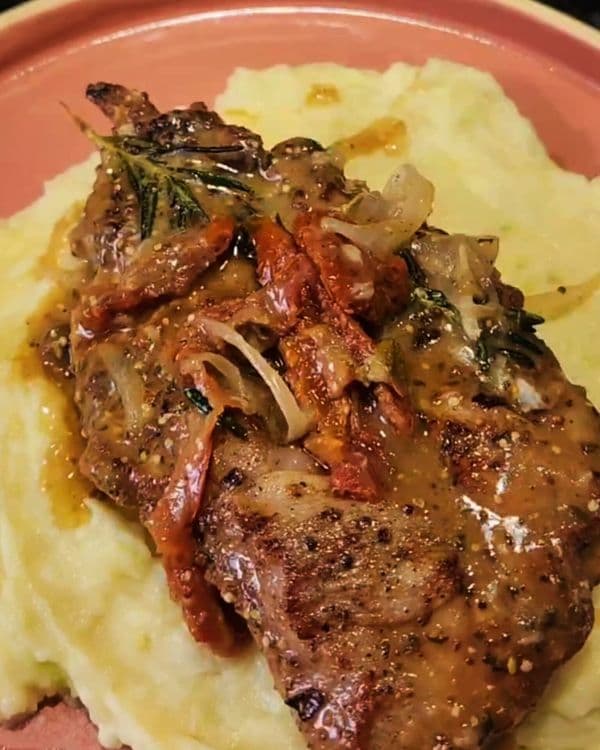
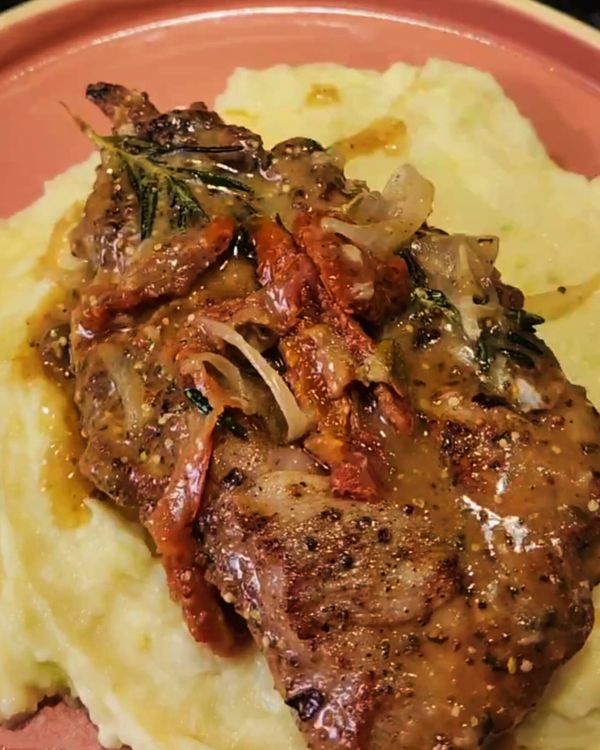
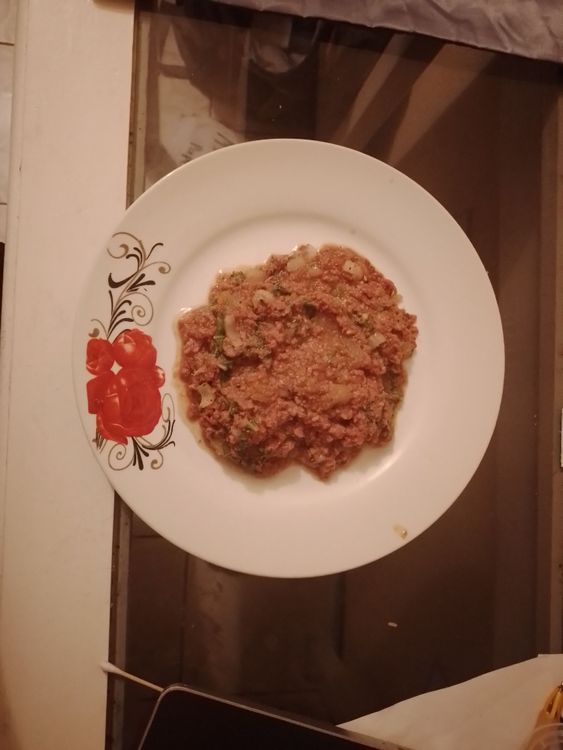
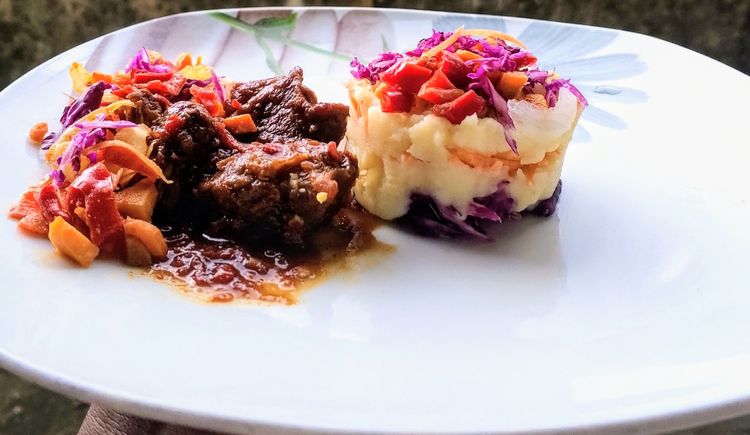
Irish meat mains are defined by slow cooking and restraint in seasoning — the emphasis is on the quality of the meat and the depth that comes from patient braising or roasting, rather than elaborate spicing. Pork shoulder chops braise beautifully in a covered pan, becoming tender and flavoursome in a fraction of the time whole shoulder takes. The creamy mash pairing is essential: it absorbs the cooking juices and ties the dish together. These dishes are naturally make-ahead friendly — the meat benefits from resting in the cooking liquid and reheating gently, which many say improves the flavour. For best results with braised or pan-cooked pork, sear first in a hot pan until deeply golden, then reduce heat and add liquid to braise. The sear builds a fond that flavours the sauce; skipping it produces a paler, less complex result. Serve with the braising liquid reduced slightly as a simple sauce. Standouts here include Succulent Pork Shoulder Chops with Irish-Inspired Creamy Mash and Corned Beef Stir-Fry with Irish Potatoes and Pak Choi.

- Irish
- Non-Vegetarian
- Dinner
- Irish
- Non-Vegetarian
- Lunch
Irish Potato Sides & Snacks
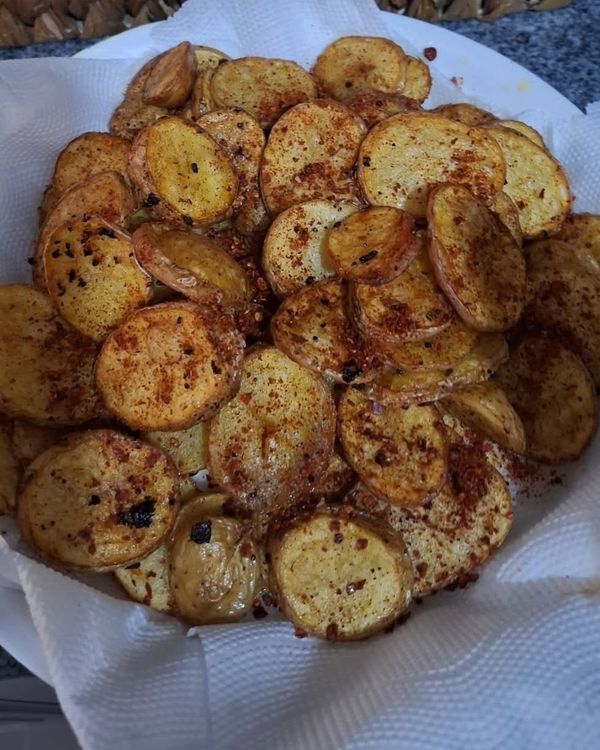
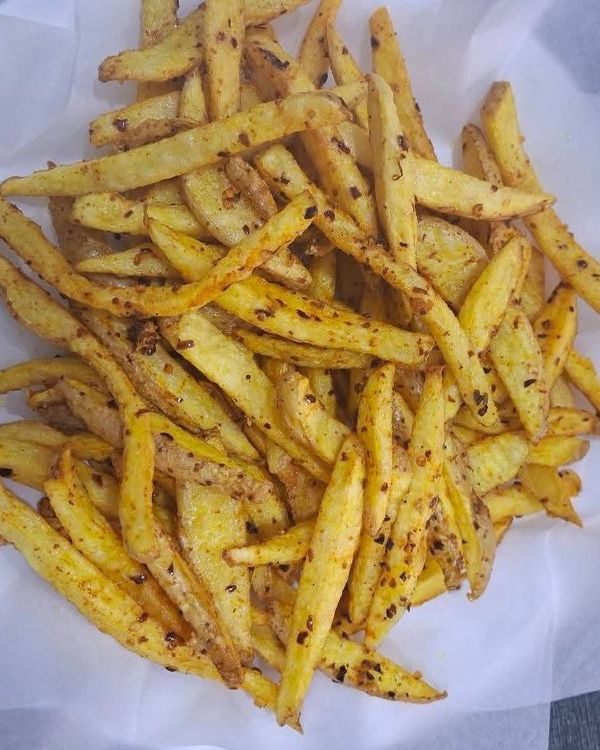
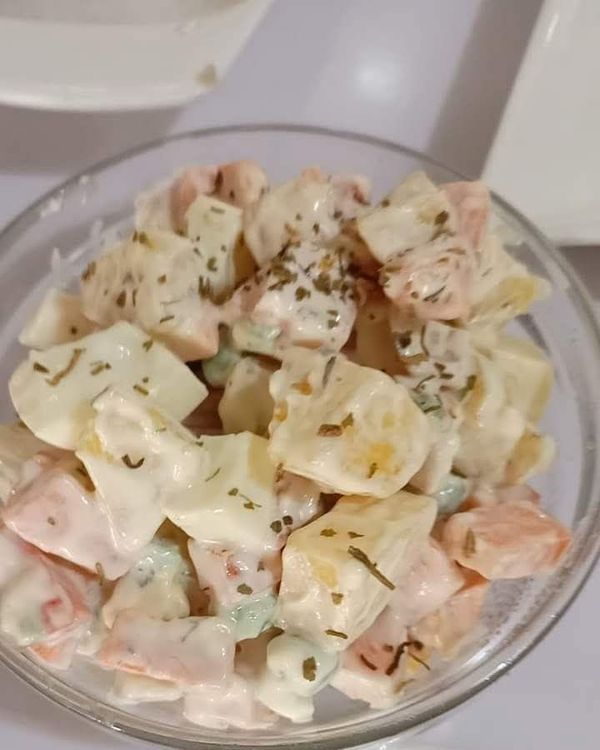
Irish potato sides are the foundation of the cuisine — deceptively simple preparations that, when done well, are deeply satisfying and technically precise. Great mashed potatoes require the right potato variety, proper drying after boiling, warm fat incorporated quickly, and restraint in mixing. Crispy chips and fries demand surface dryness, high oil temperature and cooking in batches small enough to maintain that temperature. Irish potato salad takes the same base ingredient in a cooler direction — boiled and cooled potatoes dressed while still slightly warm so they absorb the seasoning fully, then chilled. What unites all of these is that the potato is the star, not a vehicle for toppings, and it rewards the cook who pays attention to the fundamentals: salt in the cooking water, correct technique for the preparation method, and seasoning while hot. These are the most-made dishes in the Irish kitchen, and the ones that come together with practice until they feel automatic. Standouts here include Irish Potato Fries (Chili Flavor) and Mashed Irish Potatoes, plus Irish Potato Chips (Turmeric Red Pepper Inspired).
- Irish
- Vegan
- Snack

- Dutch
- Vegetarian
- Main Course
- Irish
- Vegan
- Snack
- Fusion
- Eggetarian
- Lunch
Irish Potato Mains & One-Pots
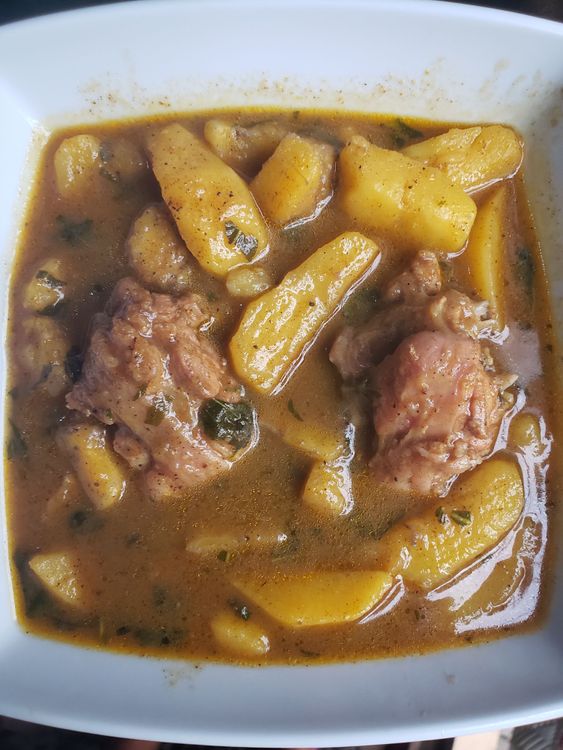
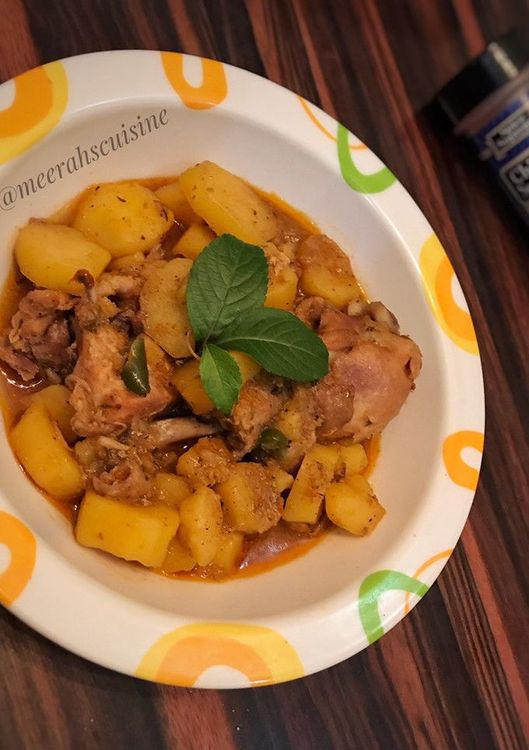
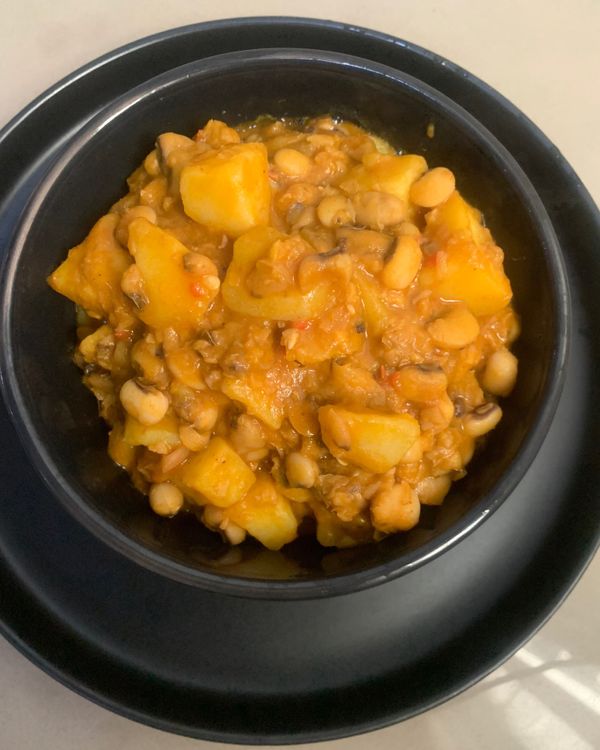
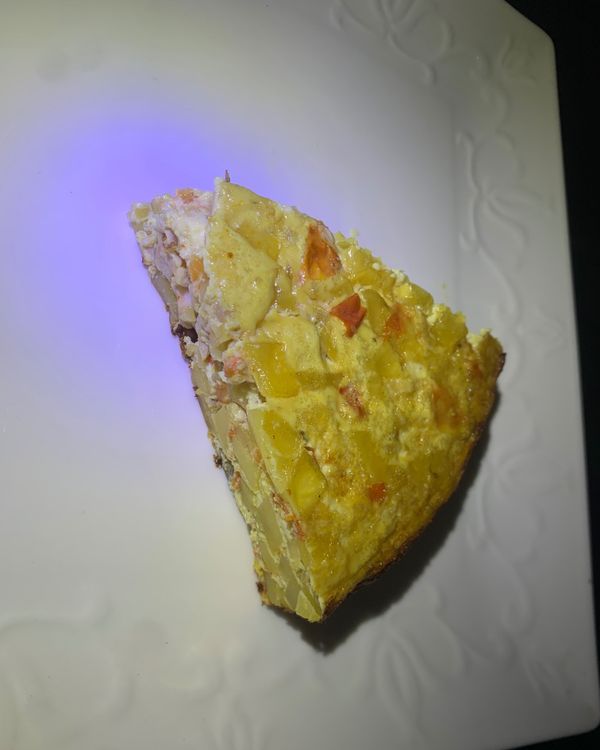
Potato mains in the Irish kitchen are one-pot, one-bowl, complete meals built around the storable and reliable Irish potato. Porridge — the savoury kind, quite different from its breakfast oat counterpart — is the most elemental: a thick, pepper-seasoned, protein-enriched stew where the potato breaks down to thicken the pot while retaining chunks for texture. Bean and potato porridge adds legume protein and fibre in the West African tradition. Casseroles layer protein and potato with aromatics and a little liquid, then let the oven do the work of melding them into something unified and tender. Stir-fries with corned beef bring a quick-cooking weeknight option using a pantry staple. What these dishes share is economy — they stretch modest quantities of protein across a filling, satisfying meal — and the one-pot approach that makes cleanup as minimal as prep. Most improve the next day and are natural meal-prep candidates. Standouts here include Irish potato turkey peppersoup and Irish Potato Porridge, plus Beans and Irish Potato Porridge.

- Nigerian
- Non-Vegetarian
- Dinner

- Irish
- Non-Vegetarian
- Lunch
- African
- Pescatarian
- Lunch
- Irish
- Non-Vegetarian
- Lunch
Irish Breads & Bakes
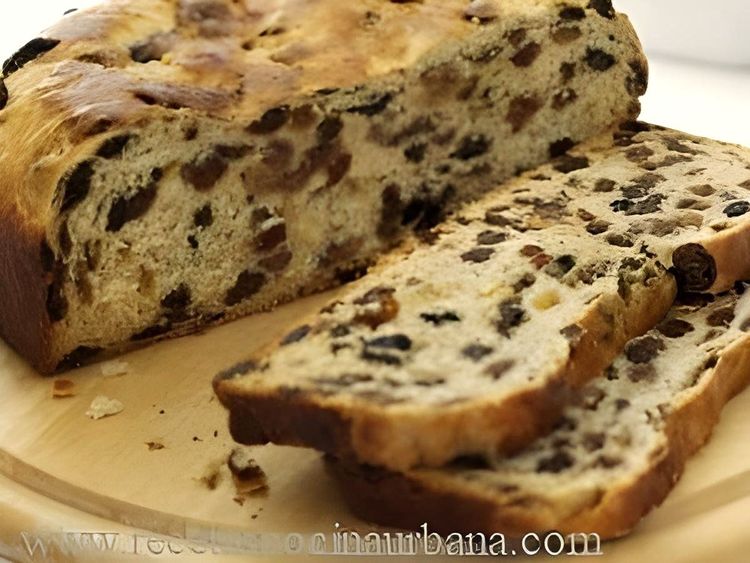
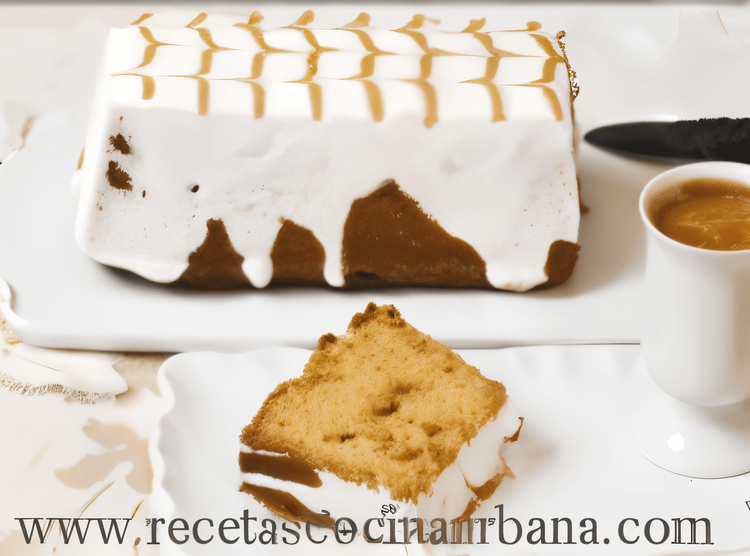
Irish breads and bakes occupy a special place in the tradition: practical, warming, and built to last. Barm brack, the tea-soaked fruit loaf, is the most distinctively Irish — the overnight soak in black tea is what gives the fruit its plumpness and the loaf its moist, dense crumb, and it cannot be rushed or shortcut. Irish cake is simpler, closer to a plain Madeira-style loaf, and forgiving for beginner bakers. What both share is a preference for gentle mixing, a moderate oven and patience during baking. Over-mixing develops gluten and toughens the crumb; under-baking leaves the centre raw and the structure weak. The best results come from checking doneness with a skewer at the stated time rather than relying on timing alone, as oven temperatures vary considerably. Both keep for four to five days wrapped at room temperature — which is why they were practical choices long before refrigeration was standard in Irish households. Standouts here include Irish Barm Brack Bread and Irish Cake.
- Irish
- Eggetarian
- Breakfast
- Irish
- Eggetarian
- Snack
The Art of Perfect Irish Mashed Potato
Perfect mash starts with the right potato — floury varieties like Roosters, Maris Piper or King Edward give the soft, fluffy result that holds butter well, rather than becoming gluey. Boil them from cold salted water, bringing them up gradually so the outside and inside cook evenly. Drain thoroughly and return to the dry pot over low heat for two minutes to steam off excess moisture before mashing.
The method matters as much as the potato variety. A potato ricer or mouli gives a smoother result than a masher because it disrupts fewer starch cells. Work quickly, adding warm (never cold) butter in stages and warm milk or cream, stirring just enough to combine. Overworking activates gluten-like starches and turns mash sticky and heavy — stop as soon as it is smooth.
Season generously with salt and white pepper. Traditional Irish colcannon adds buttered spring onion and kale or cabbage, which lightens the richness and adds colour. Champ is the simpler version, with just spring onions. Both are better than plain mash with roast or braised meats, and both reheat well with a splash of milk stirred through on the stovetop. The traditional serving is with a well of melted butter pooled in the centre — a generous amount, because the butter seeps down through the mash as you eat and seasons every forkful. It is not a subtle dish, and it should not be. The richness is the point, and the accompanying vegetables or meat are the balance.
Crispy Fried and Roasted Potatoes
For genuinely crispy chips and fries, the single most important step is drying the cut potato completely before it hits hot oil. Soak cut chips in cold water for thirty minutes to remove surface starch, then drain and pat bone-dry with a clean towel. Any surface moisture steams the potato and prevents the crust forming. A hot, wide pan with enough oil to come a centimetre up the side is the other requirement.
Cook in batches — crowding drops the oil temperature and leads to soggy, greasy chips rather than crisp ones. Start on medium-high heat to cook through, then turn up at the end for colour. Season immediately out of the oil, not later; salt applied to a hot, oily surface adheres and seasons evenly. Smoked paprika, turmeric or chilli flakes added at seasoning stage add flavour without extra effort.
For oven-roasted potatoes, parboil first until just tender, drain, then roughen the surface by shaking them hard in the dry pot — the ragged edges are what turn golden and crunchy. Coat in hot fat (goose fat is traditional, but a neutral oil works well), spread in a single layer with plenty of space, and roast at 200°C / 390°F without disturbing for the first twenty minutes so a crust can form.
Irish One-Pot Cooking: Porridge, Stews and Casseroles
The Irish one-pot tradition is practical genius — everything goes into a single vessel, which does all the work, and the resulting dish feeds generously from ingredients that individually are unremarkable. Potato porridge (a thick, savoury dish quite different from oat porridge) is the simplest example: potatoes broken down into a broth with whatever protein is to hand, seasoned with pepper and aromatics.
For one-pot potato and bean dishes, soak dried beans overnight and add them early in the cooking so they soften at the same pace as the potatoes. Palm oil or a small amount of a flavoured oil gives depth to the base. Season the broth well from the start, as potatoes absorb salt during cooking and a dish that tastes right before the potato finishes will taste flat by the time it is done.
For casseroles, layer protein and potato rather than mixing, and cover the dish for the first two-thirds of cooking to build steam and tenderness, then uncover at the end to let the top brown. Fish or chicken casseroles with potato need a shorter cooking time than red meat versions — about forty-five minutes in a moderate oven is enough for a baked potato and chicken dish to come together without drying out. The most common mistake with baked casseroles is using too little liquid: the potato absorbs a significant amount of moisture during cooking, so what looks like enough before the dish goes in the oven often leaves the casserole dry by the time it comes out. A rough guide is to use enough liquid to come a third of the way up the potato layer before baking, then check and add a splash more halfway through if the top looks dry.
Irish Baking: Breads and Celebration Cakes
Traditional Irish baking avoids complexity in favour of reliable, warming results. Soda bread — the most famous example — uses bicarbonate of soda and buttermilk as the leavening, which means no waiting for yeast to prove. The same quick-chemistry approach underpins barm brack: a richly fruited tea loaf where the dried fruit is soaked in tea overnight, which plumps the fruit and adds a mellow sweetness without extra sugar.
For barm brack, the tea soak is the key step to get right. Use a strong black tea and soak the fruit for at least eight hours — overnight is best. Drain before folding into the batter, but do not discard the liquid; a few tablespoons stirred back in keeps the crumb moist. Mixed spice (a blend of cinnamon, nutmeg, allspice and cloves) gives the characteristic warm aroma.
Irish cake is simpler: a dense, sweet loaf-style cake with a fine crumb, often flavoured with vanilla and spice. It keeps well for four to five days wrapped at room temperature, which is why it was a practical choice for farmhouse kitchens. For both the bread and cake, avoid overmixing once the flour is added — gentle folding is enough, and overworking develops gluten that makes the crumb tough.
Pro Tips from the Test Kitchen
- Always salt potato cooking water generously — under-salted water produces flat-tasting potato no matter how much you season at the end.
- Steam off boiled potatoes in the dry pot for two minutes before mashing to drive off excess moisture and prevent watery mash.
- Use a ricer rather than a masher for smoother mash — it breaks fewer starch cells and gives a fluffier result.
- Soak cut chips in cold water for 30 minutes before frying to remove surface starch, then pat completely dry before they hit the oil.
- Season fried potatoes immediately out of the oil — salt adheres to a hot, oily surface and seasons through rather than just coating the outside.
- Cook one-pot potato dishes in a heavy-based pot with a tight lid for the first two-thirds of cooking time to build steam and ensure even tenderness.
- Soak dried fruit for barm brack in strong black tea overnight — the longer the soak, the plumper and more flavourful the fruit.
- Avoid overmixing Irish soda bread or cake batter once the flour is added; gentle folding gives a tender crumb.
- Add warm (not cold) butter and milk to mash so it incorporates smoothly rather than cooling the potato and making it seize.
- Roughen the surface of parboiled roast potatoes by shaking hard in the dry pot — the ragged edges are what turn deeply golden and crunchy.
Frequently Asked Questions
What is Irish food known for?
Irish cuisine is celebrated for its hearty, filling approach to simple ingredients — above all, the potato. Traditional Irish dishes lean on root vegetables, dairy, pork and beef, with minimal spicing but excellent technique in building warmth and satisfaction. Breads like soda bread and barm brack, creamy dairy-rich mash, warming stews and slow-cooked meats are all central to the tradition. Modern Irish food has also absorbed global influences, particularly from the diaspora communities that took the Irish potato into new kitchens.
Why is it called an Irish potato?
Outside of Europe, "Irish potato" or simply "Irish" distinguishes the common white potato (Solanum tuberosum) from sweet potatoes and other starchy tubers. The association with Ireland is historical: potatoes became a dietary staple in Ireland from the seventeenth century onward, and the Great Famine of the 1840s was triggered by potato blight — embedding the connection in both history and language. In West African cuisines, "Irish potato" specifically means the white potato, as opposed to yam or sweet potato.
What is barm brack?
Barm brack (báirín breac in Irish) is a traditional Irish tea loaf packed with dried fruit — typically raisins and sultanas — that has been soaked in strong black tea overnight. It has a dense, moist crumb and a lightly spiced sweetness from mixed spice. It is eaten year-round but is especially associated with Halloween, where a ring is baked inside: whoever finds it is said to marry within the year. It keeps well for several days and is traditionally served sliced, buttered.
What is the difference between colcannon and champ?
Both are traditional Irish mashed potato dishes with butter and dairy. Champ (or poundies) is the simpler: mashed potato with generous amounts of butter and milk, stirred through with finely sliced spring onions (scallions). Colcannon is heartier — it adds cooked, chopped kale or green cabbage to the same base, making it a more substantial side dish. Both are traditionally served with a well of melted butter in the centre and are classic accompaniments to boiled ham or sausages.
How do you make Irish potato porridge?
Irish potato porridge is a savoury one-pot dish rather than the sweet oat version — diced potatoes are simmered in a seasoned broth or stock with aromatics (onion, pepper, sometimes palm oil) until some potatoes break down to thicken the pot while others stay in chunks. It can be made with meat, fish or kept vegetarian. The consistency is thicker than soup but thinner than mash, somewhere between the two, and it is eaten as a complete meal.
What meat is used in traditional Irish cooking?
Pork is central to traditional Irish meat cookery — bacon, ham, pork chops and sausages appear throughout the cuisine. Beef is also important, particularly in stews (Irish stew traditionally uses lamb or mutton, though beef versions are common today). Corned beef, made by salt-curing brisket, became especially associated with Irish-American cooking. Lamb is traditional in the eponymous Irish stew alongside potatoes and onions.
Is Irish food spicy?
Traditional Irish food is not spicy in the chilli heat sense — it is mild, dairy-rich and flavoured primarily with black pepper, fresh herbs like parsley and thyme, and warming spices like allspice and cloves in baked goods. However, the Irish potato dishes on this page reflect diaspora cooking, where West African and Caribbean influences have introduced chilli heat, pepper soups and bold spicing into recipes built on the same base ingredient.
What is a typical Irish breakfast?
A full Irish breakfast (the "fry") typically includes back bacon (a cured cut different from streaky American bacon), pork sausages, a fried or poached egg, white and black pudding, grilled or fried tomato, and soda bread or toast. It is a substantial meal and a weekend or occasion dish rather than an everyday one. Black pudding (blood sausage) distinguishes the Irish version from the similar English or Scottish full breakfast.
How long does it take to cook Irish potato dishes?
It depends on the method. Quick preparations like mashed potatoes or fried chips take twenty to thirty minutes from start to finish. Potato porridge and one-pot casseroles typically run forty-five to sixty minutes, most of it unattended simmering time. Baked casseroles are in a similar range. The slow-cooked pork and mash dishes take the longest, usually over an hour, but most of that is hands-off time in the oven or on a low flame.
Can Irish potato dishes be made ahead?
Most of them, yes. Mash reheat well with a splash of warm milk stirred in over a gentle stovetop heat. Potato porridge and casseroles often taste better the next day as the flavours meld. Chips and fries are the exception — they are best freshly cooked and lose their crispness quickly. Barm brack and Irish cake keep for four to five days wrapped at room temperature and actually improve slightly as they settle.
Irish cooking is less about elaborate technique and more about knowing how to treat simple, good ingredients with care — and the potato demonstrates that every time. A well-made mash, a properly crisped chip, a slow-cooked casserole that fills the house with warmth: these are the dishes people cook again and again because they deliver reliably.
Start with one potato dish that suits what you have in the fridge today, then work through the baking and meat sections. Save your favourites to a Chefadora cookbook and come back when you want the full picture. This page is built to be the Irish food reference you actually reach for.
Related
- Irish
- Potato
- Comfort Food
- Bread
- One Pot
- Budget Friendly
- Winter
Popular Searches
- Best irish recipes
- Easy irish recipes
- Quick irish recipes
- Healthy irish recipes
- Simple irish recipes
- Homemade irish recipes
- Delicious irish recipes
- Popular irish recipes
- irish food
- traditional irish recipes
- irish dishes
Marnirni-apinthi Building, Lot Fourteen,
North Terrace, Adelaide, South Australia, 5000
Australia
