
64 Punjabi Recipes: A Real Map of the Cuisine
Updated July 16, 2026 · Curated by Chefadora
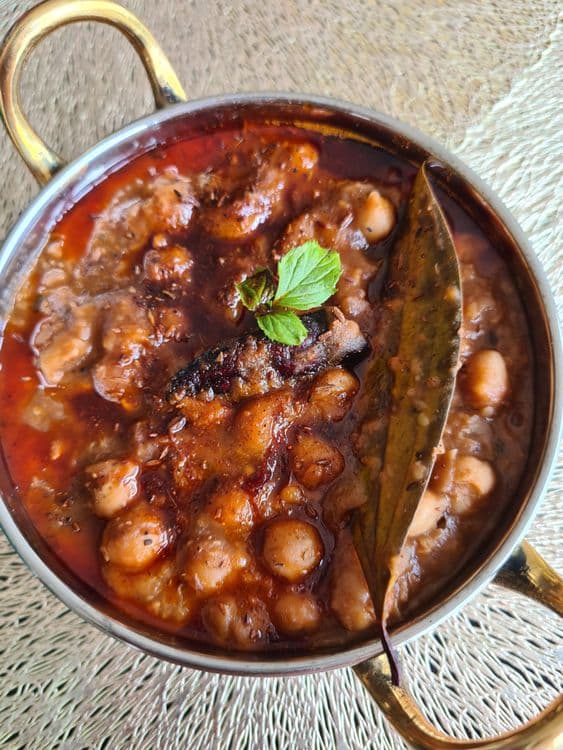
Punjab sits on five rivers and some of the most generous soil in South Asia, and you can taste that geography in every pot. The best punjabi recipes are built from what the land hands over easily: wheat, mustard greens, chickpeas, milk from a buffalo kept in the courtyard, and ghee used with a confidence that startles people the first time they see it go in. This is farming food, portioned for people who worked outdoors all day.
I have pulled together 64 dishes from cooks who grew up eating this way, and the range tends to surprise people. Yes, the chole and the dal makhani are here. So is saag soured with lassi, a dry ginger block eaten in December, gud-and-fennel pancakes, and eleven achaar jars from four different families.
Treat this as a map of the cuisine rather than a dinner plan. Each section explains what holds a family of dishes together — the tadka, the long simmer, the sour note — so you can cook one thing properly and then improvise the way the region always has.
Chole & Rajma: The Chickpea and Bean Classics
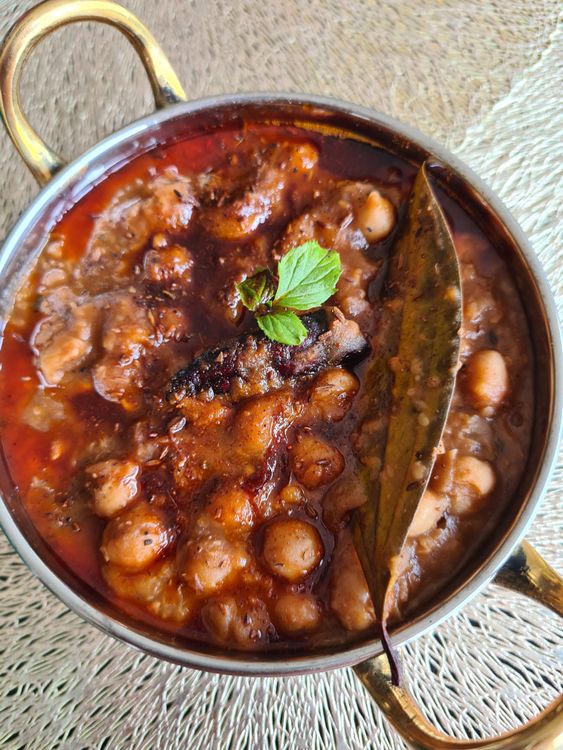
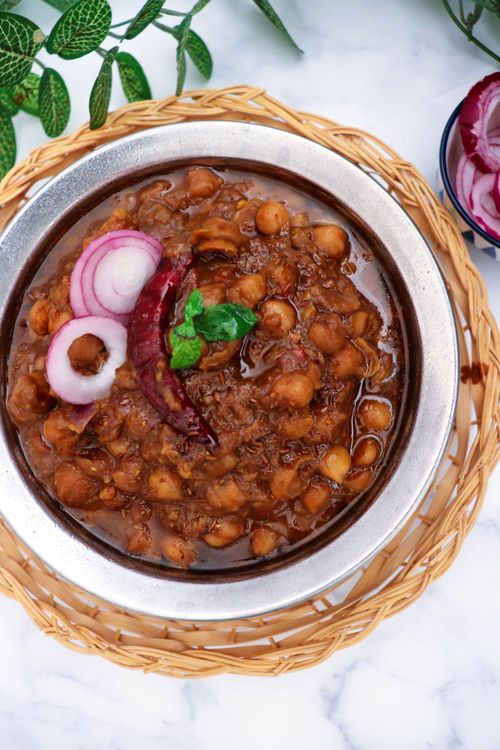
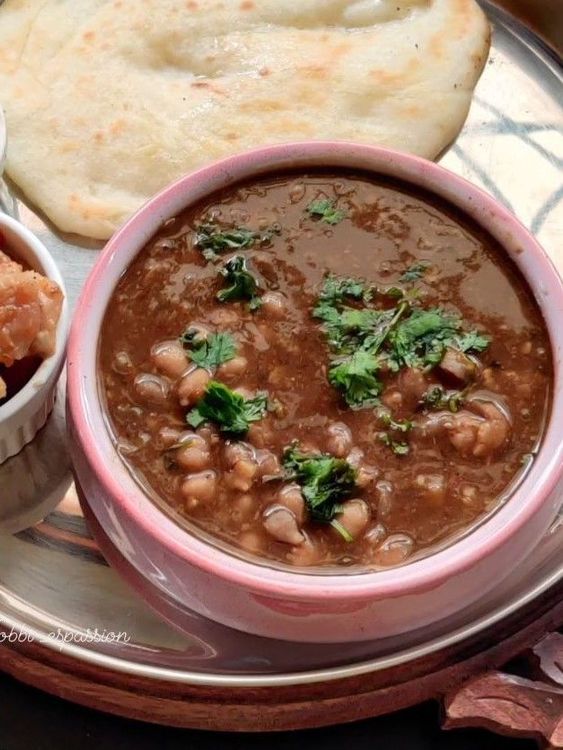
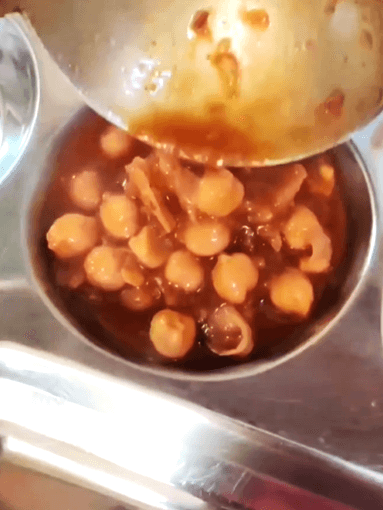
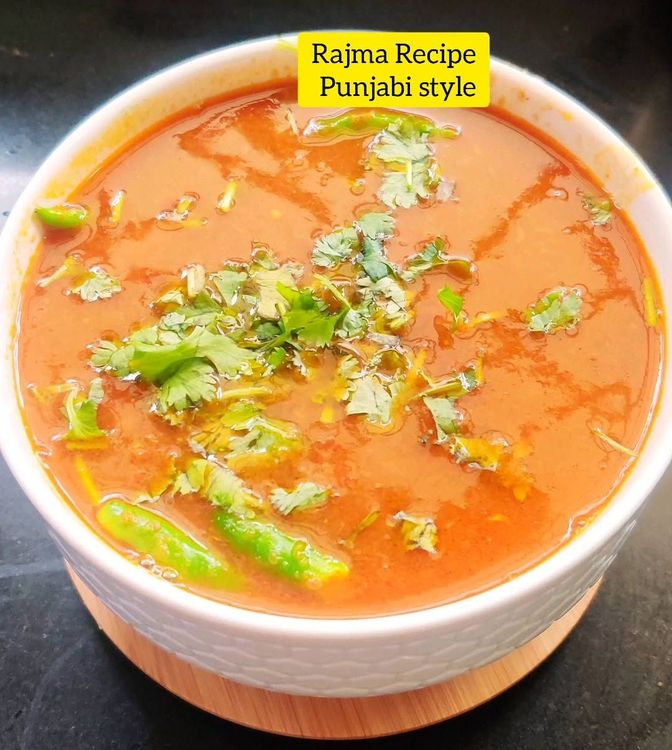
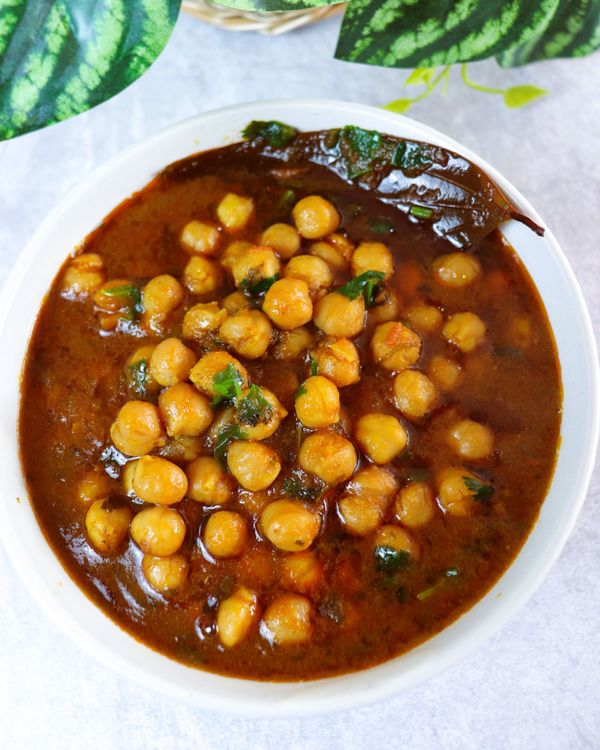
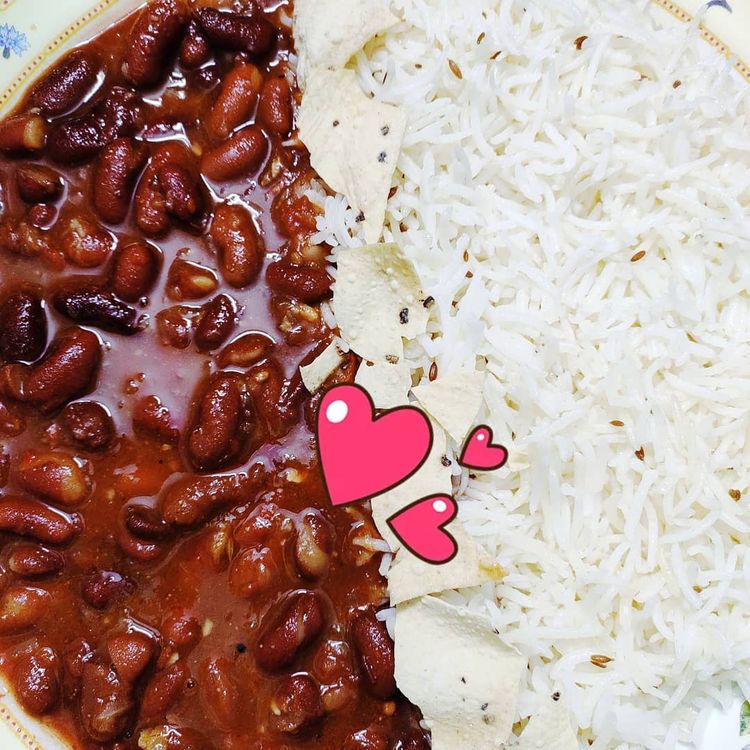
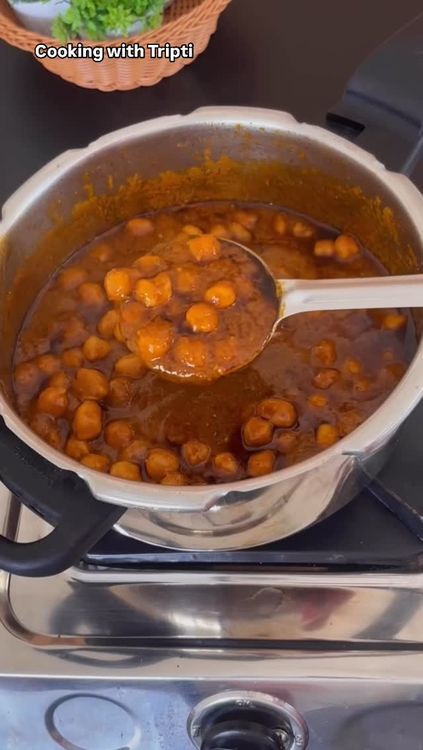
Ten builds of the same two legumes, and the differences matter more than you would think. Watch the timings: the thirteen-hour chole are not being precious, they are letting the soak, the boil and the masala fuse into one thing. Chikkar and chikkad styles get mashed against the pot until the gravy thickens itself, no cream involved. The rajma at forty minutes is the Tuesday version; the one at twelve hours is the Sunday version. Both are legitimate.

- Indian
- Vegetarian
- Lunch


- Vegetarian
- Main Course
- Indian
- Vegetarian
- Dinner

- Punjabi
- Vegetarian
- Lunch
- Punjabi
- Vegan
- Lunch
- Punjabi
- Vegetarian
- Lunch
- Punjabi
- Vegetarian
- Lunch
- Indian
- Vegan
- Lunch
- Punjabi
- Non-Vegetarian
- Lunch

- Indian
- Vegan
- Lunch
Weeknight Punjabi Recipes: Dals, Kadhi & Everyday Curries
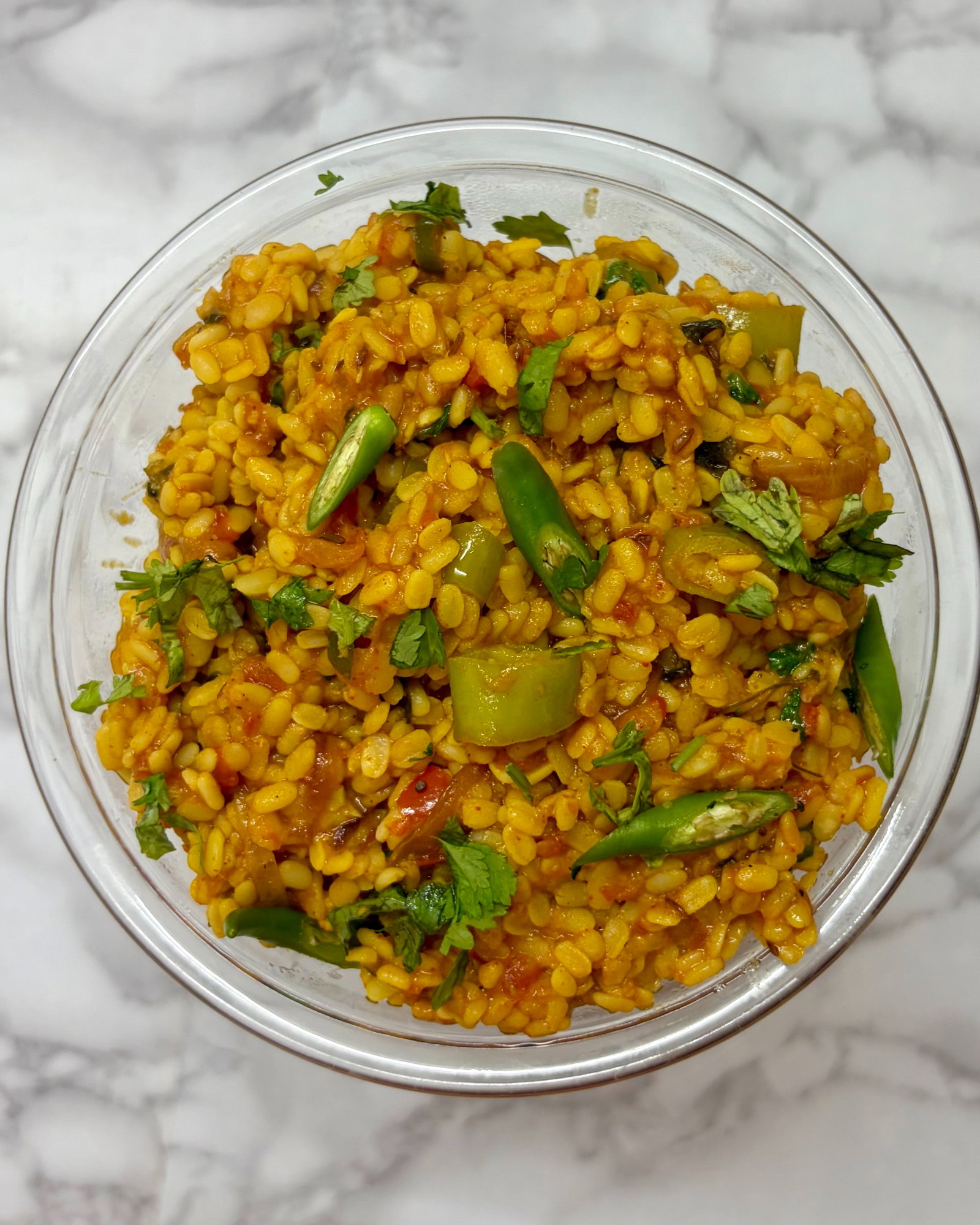
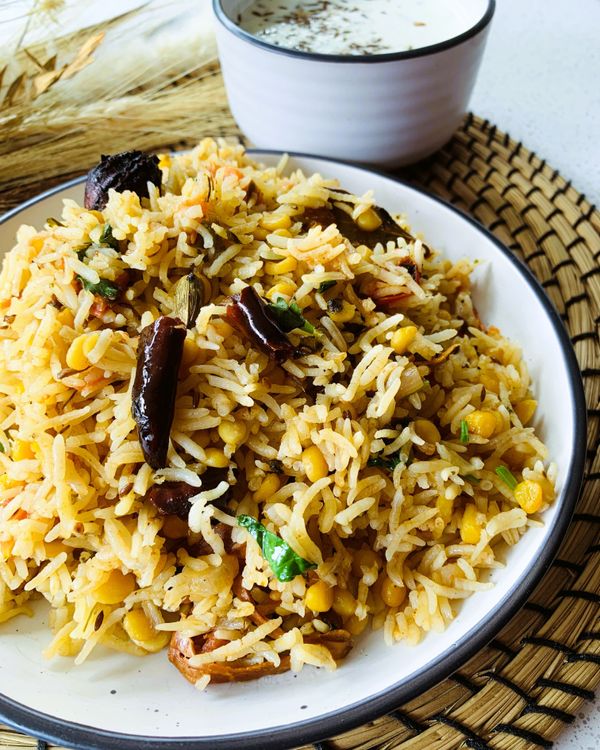
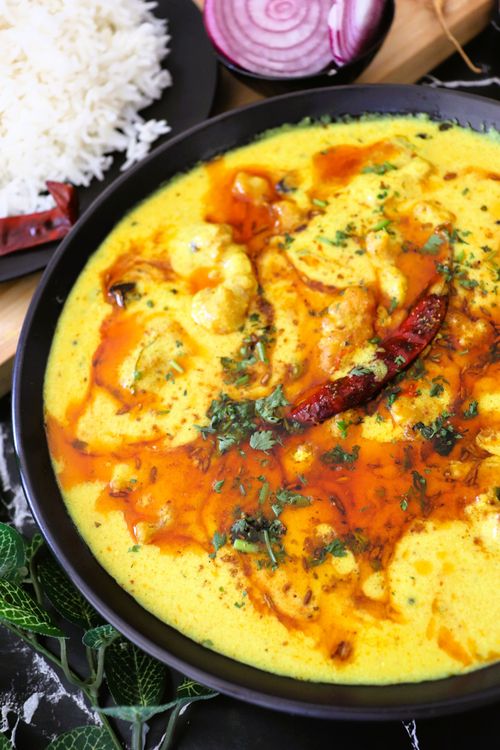
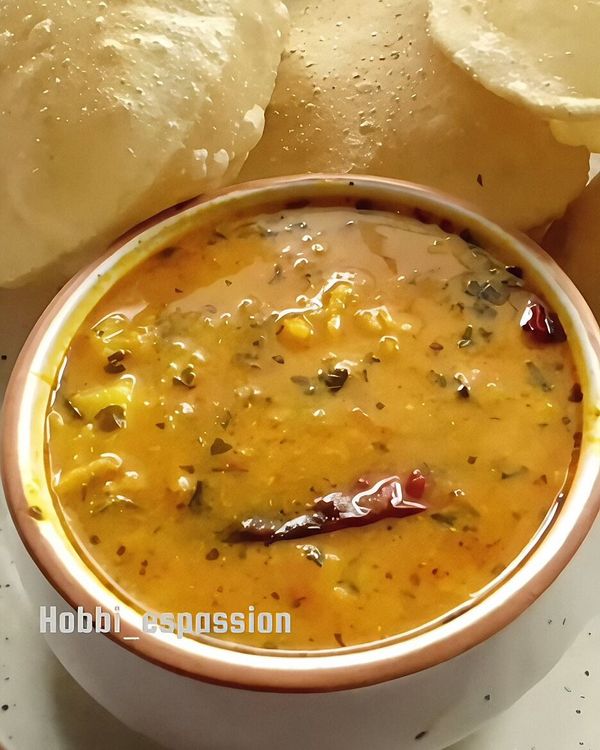
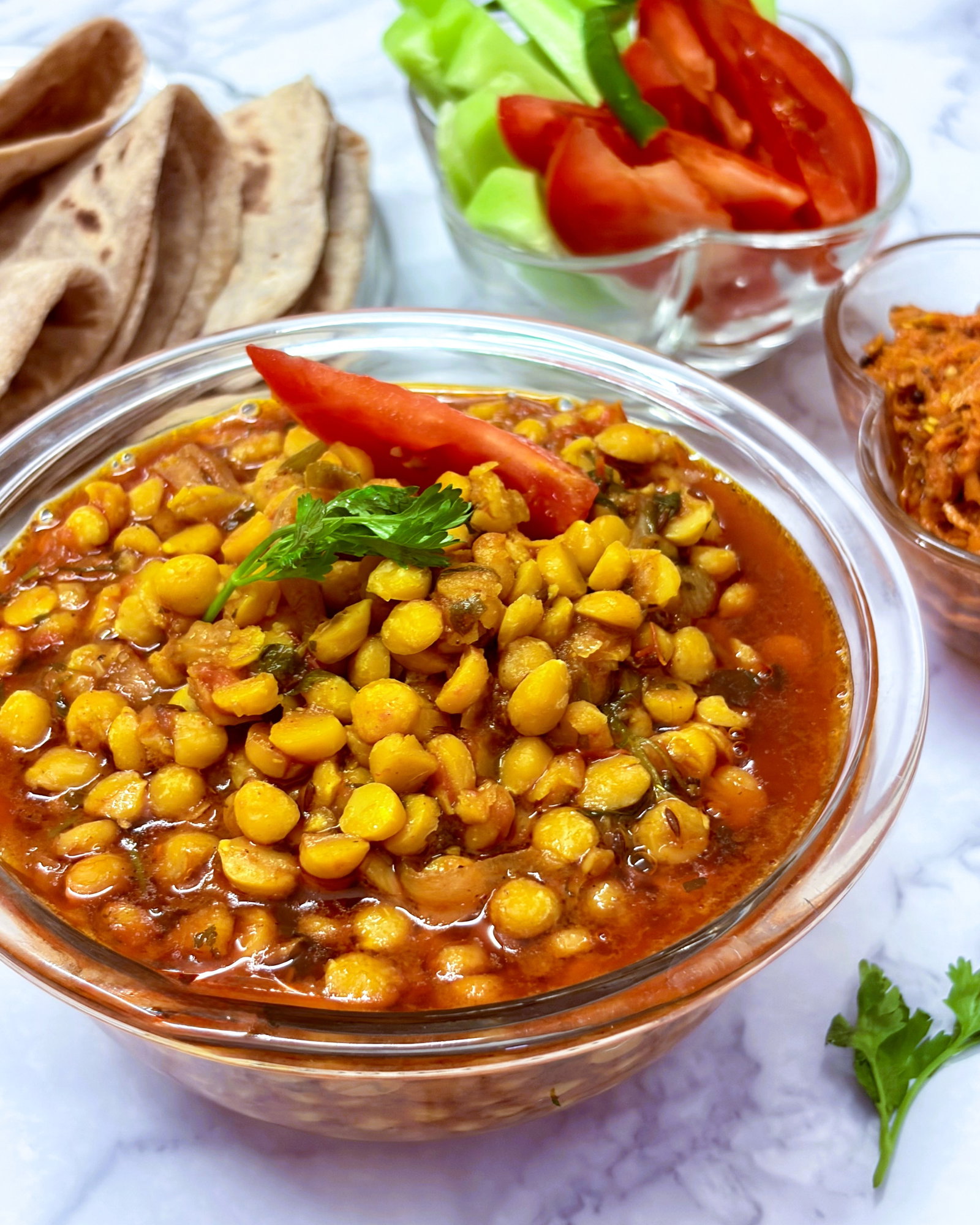
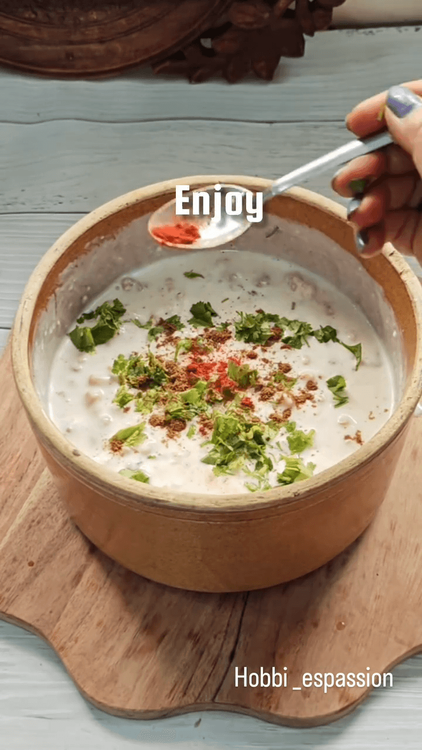
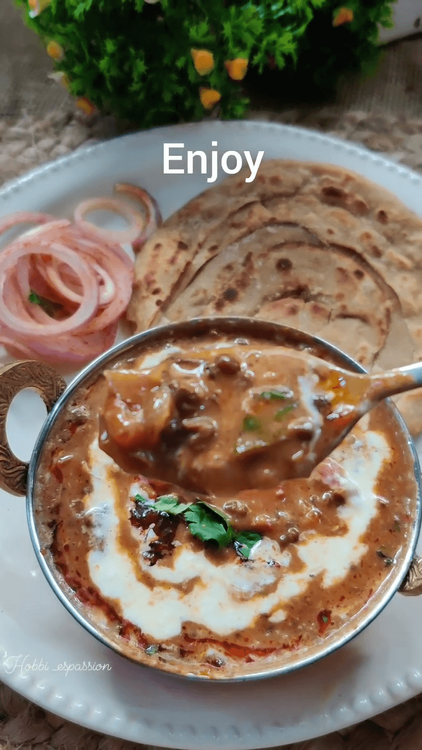
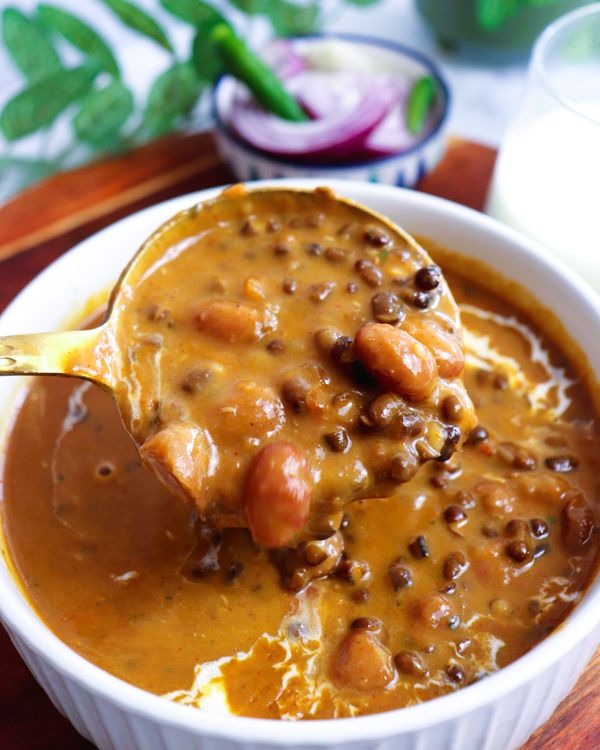
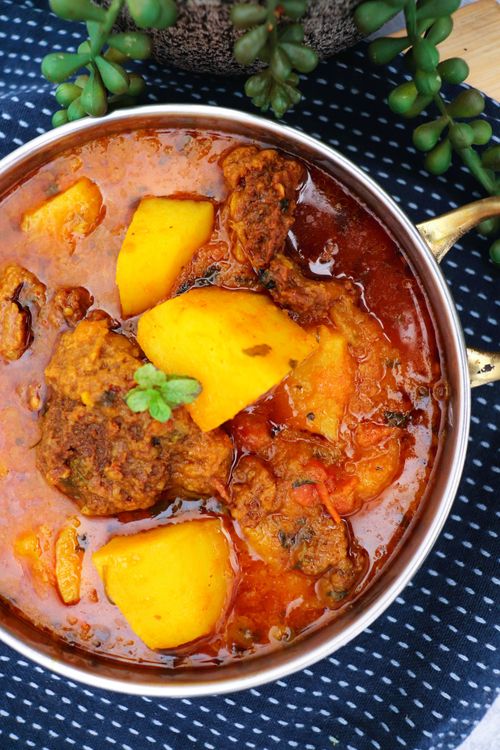
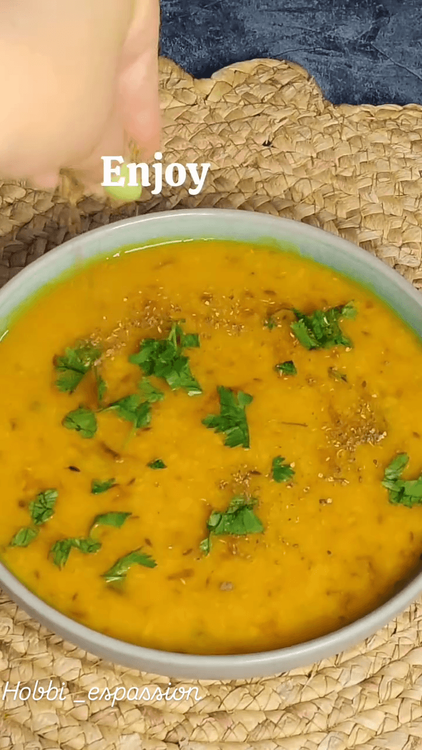
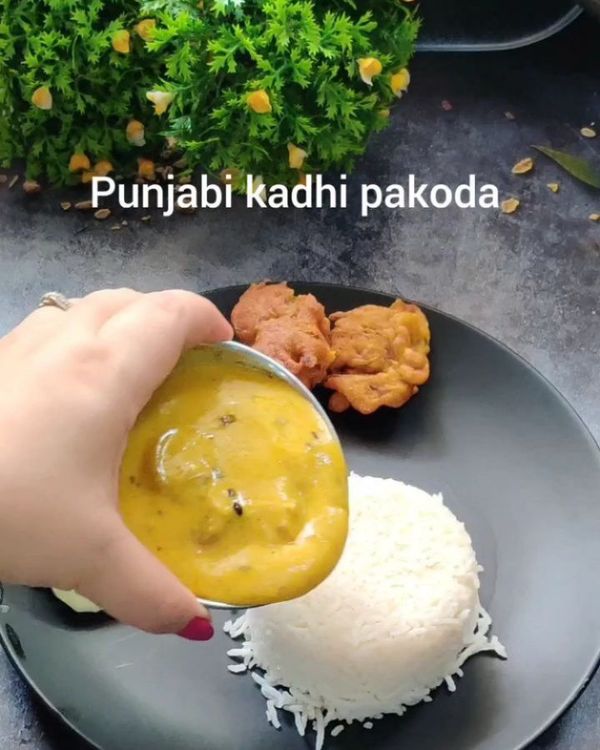
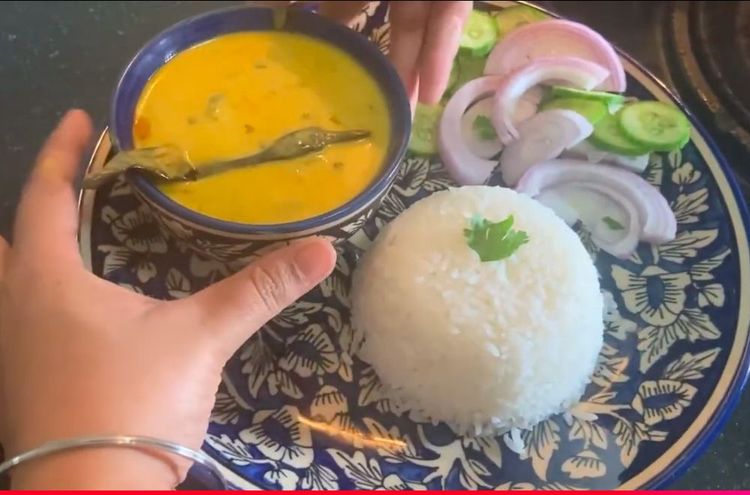
This is the section that feeds an ordinary Wednesday. The dals split into two temperaments: the fast, dry, tadka-driven ones you can have on the table in forty minutes, and the slow black dals that need three hours of low heat to turn glossy. Kadhi belongs here too — a yogurt gravy is not difficult, it is just impatient, and every failure I have seen came from someone adding pakoras before the besan lost its raw edge. A good punjabi dinner is usually one of these plus rice, and the dhaba style recipes in this group reward a base you made on Sunday.
- Vegetarian
- Main Course
- Indian
- Vegetarian
- Lunch
- Punjabi
- Vegetarian
- Lunch
- Punjabi
- Vegetarian
- Lunch
- Vegetarian
- Main Course

- Gluten-Free
- Main Course
- Punjabi
- Vegan
- Snack
- Punjabi
- Vegetarian
- Lunch
- Punjabi
- Vegetarian
- Lunch

- Punjabi
- Vegetarian
- Lunch
- Punjabi
- Vegetarian
- Side Dish
- Indian
- Vegetarian
- Lunch
- Indian
- Vegan
- Lunch
- Indian
- Vegetarian
- Lunch
- Indian
- Vegetarian
- Lunch

- Indian
- Vegetarian
- Lunch
Saag, Sabzi & the Winter Greens Table
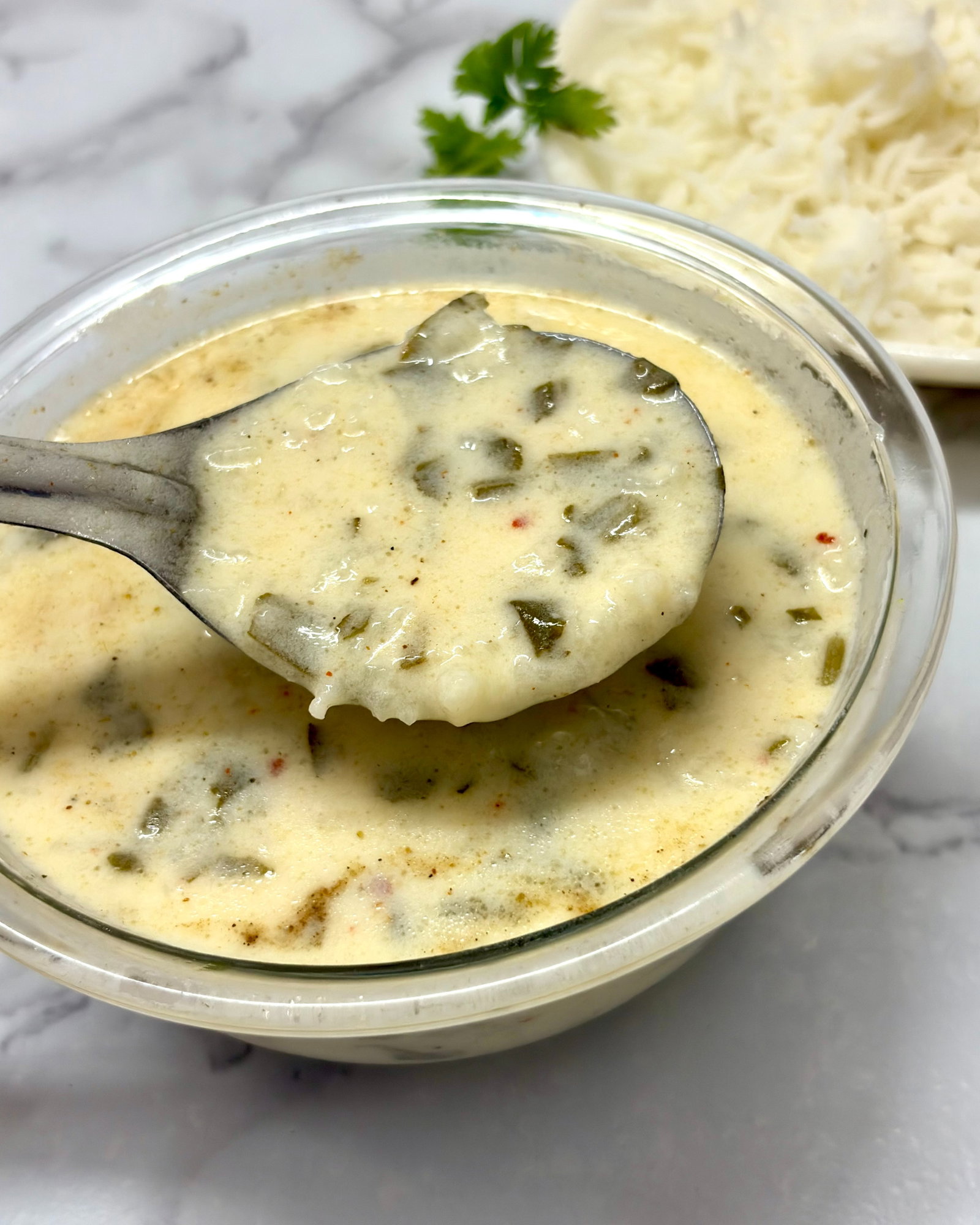
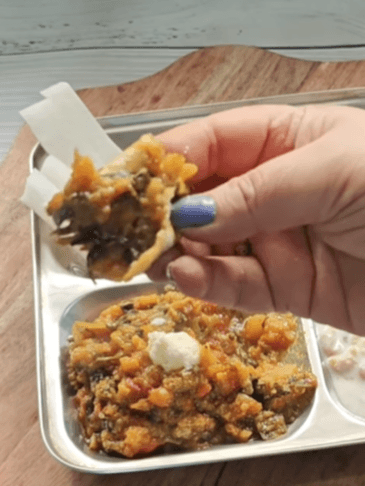
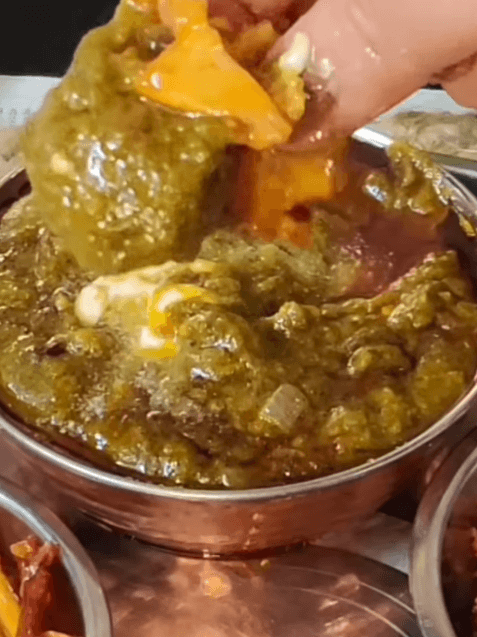
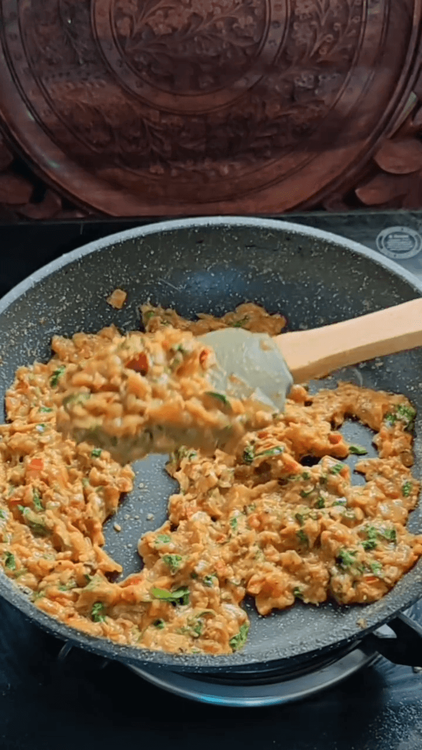
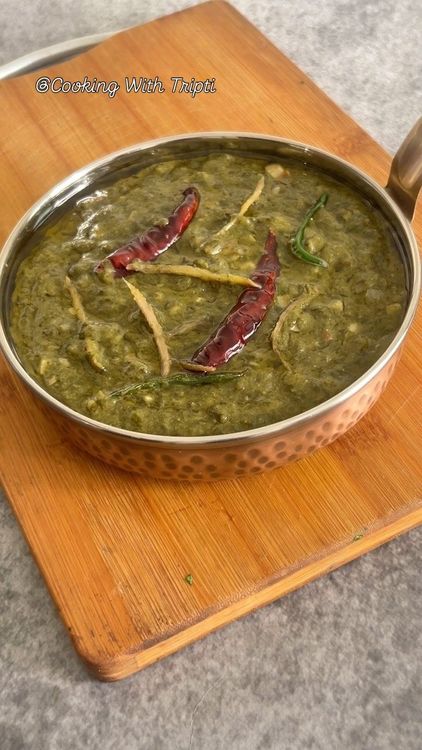
Winter is when the region shows off. Mustard greens come in bitter and fibrous and need two hours of cooking and mashing before they turn silky — there is a pressure-cooker shortcut here that I genuinely rate, and two full-length family versions worth reading side by side. The sabzis around them are drier and faster: okra stir-fried hard so it never slimes, gourds stuffed and left alone, ginger treated as a vegetable rather than a seasoning.
- Vegetarian
- Main Course

- Indian
- Vegan
- Lunch
- Punjabi
- Vegetarian
- Lunch
- Punjabi
- Vegetarian
- Lunch
- Punjabi
- Vegetarian
- Side Dish
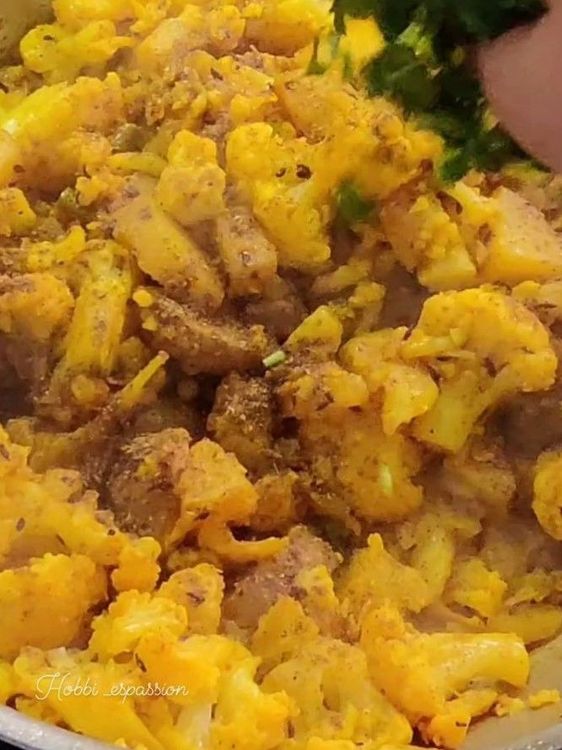
- Punjabi
- Vegan
- Lunch
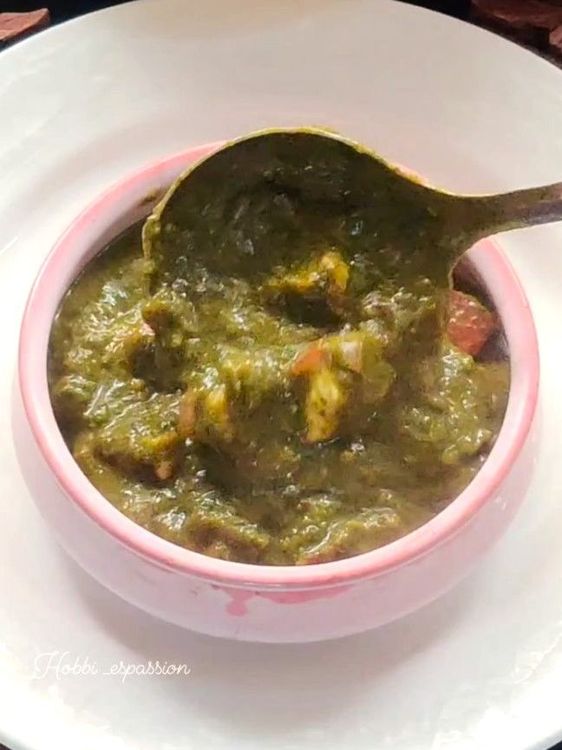
- Punjabi
- Vegetarian
- Lunch
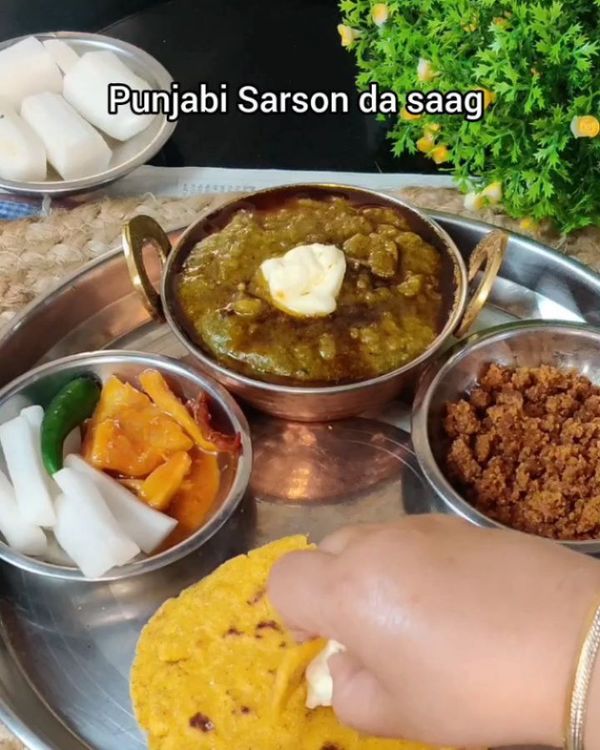
- Punjabi
- Vegetarian
- Lunch
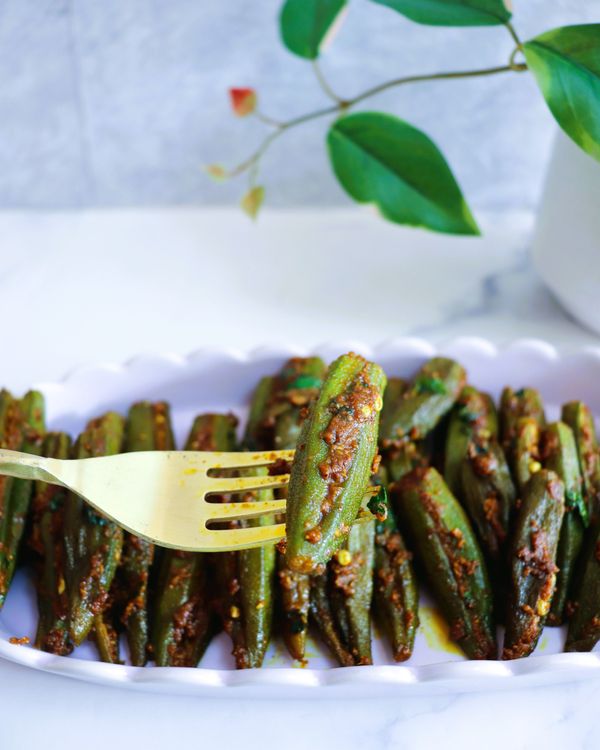
- Indian
- Vegan
- Lunch
- Indian
- Vegetarian
- Lunch
- Indian
- Pescatarian
- Lunch
Parathas, Rotis & the Spice Box
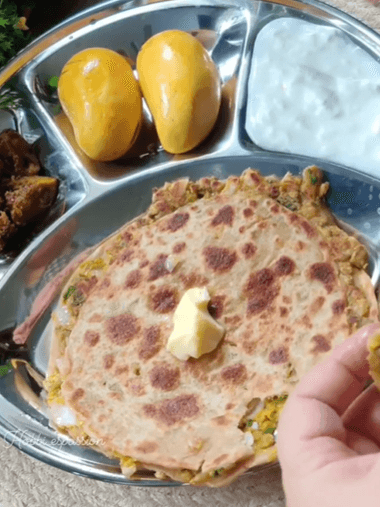
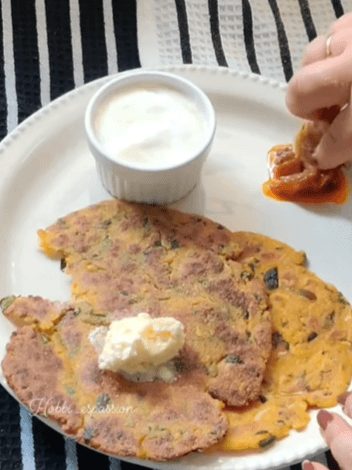
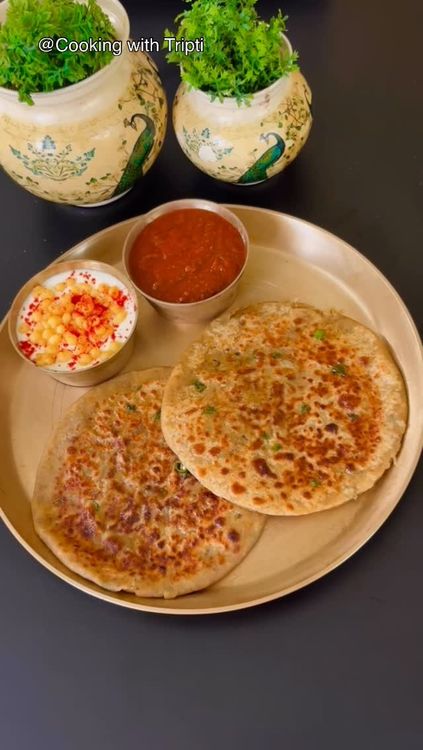
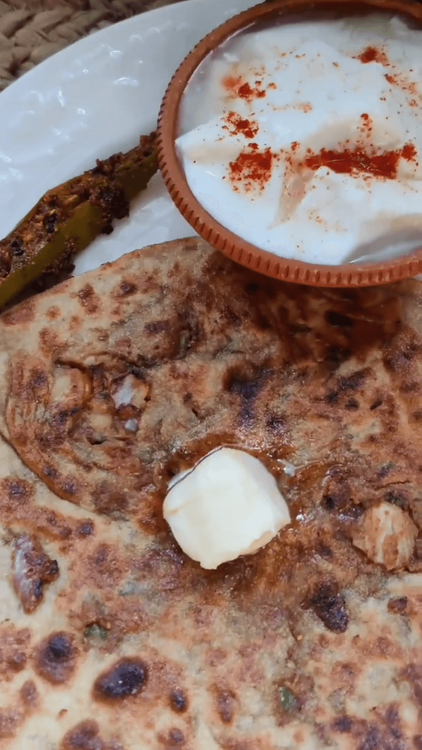
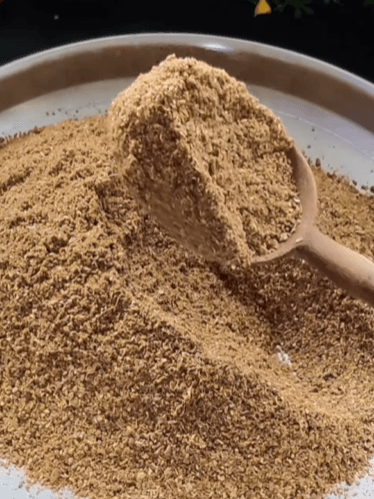
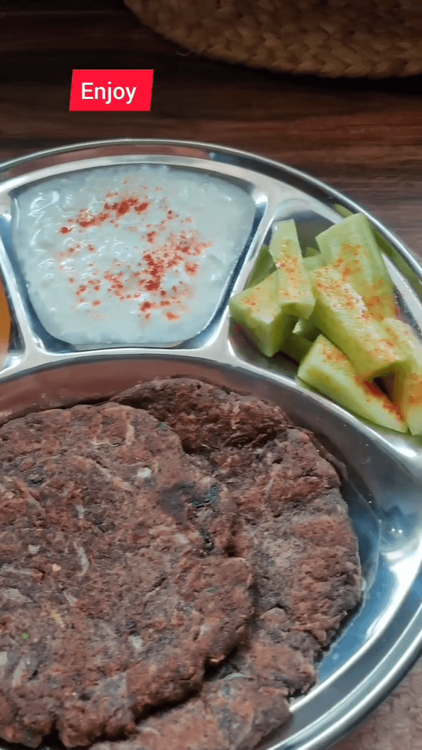
Bread is not a side here, it is the plate. The rule that saves most people: keep the stuffing dry and cold before it goes anywhere near dough, and a paratha will not tear. Makki di roti breaks that rule entirely because cornmeal has no gluten to hold it — you pat it out between your palms and accept the ragged edges. The garam masala at the end of this list quietly changes everything above it, so make it first.
- Punjabi
- Vegetarian
- Breakfast
- Punjabi
- Vegan
- Lunch
- Indian
- Vegan
- Breakfast
- Indian
- Vegan
- Breakfast
- Indian
- Vegan
- Sauce & Condiment
- Indian
- Vegan
- Lunch
Achaar: The Pickle Jars That Run the Table
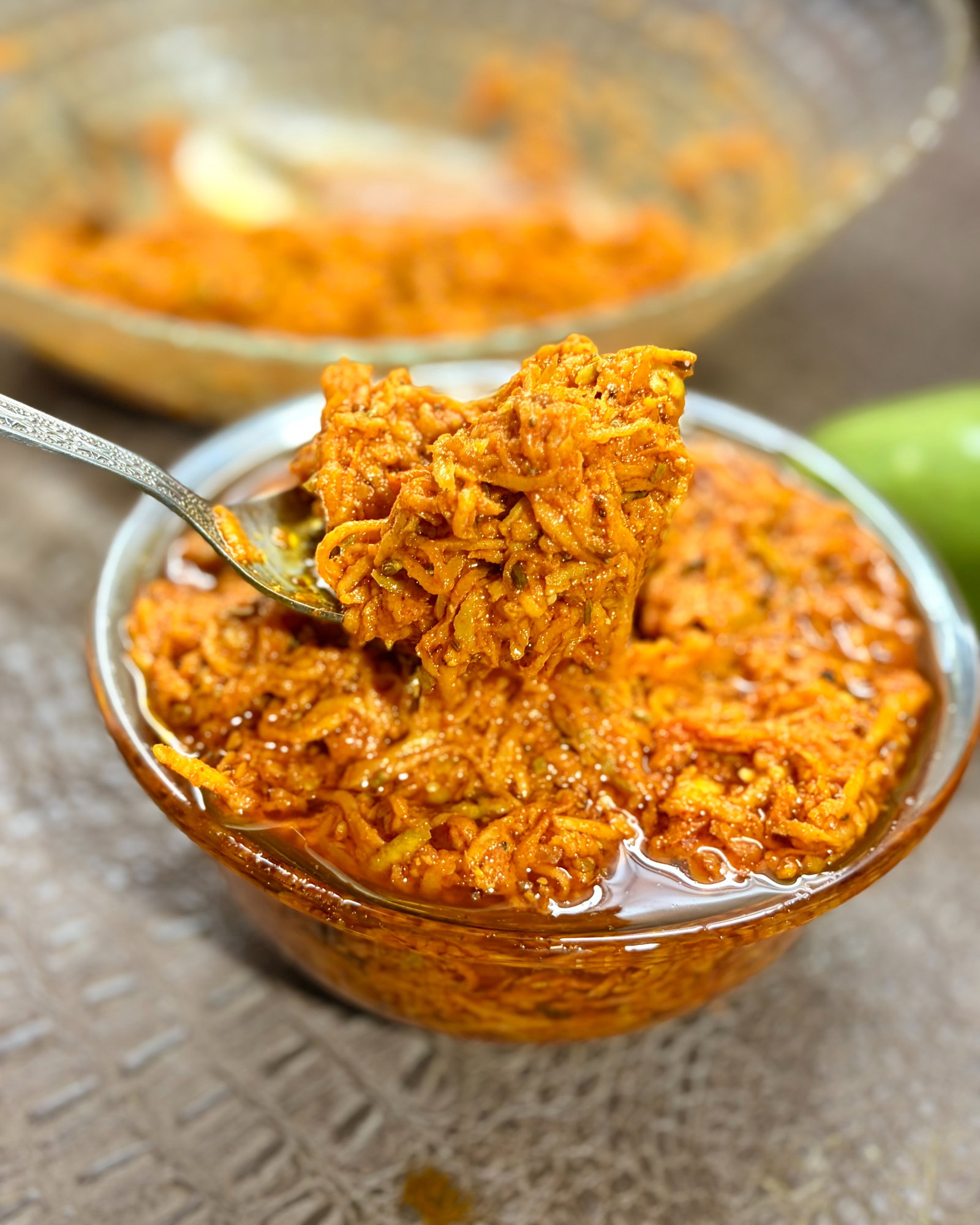
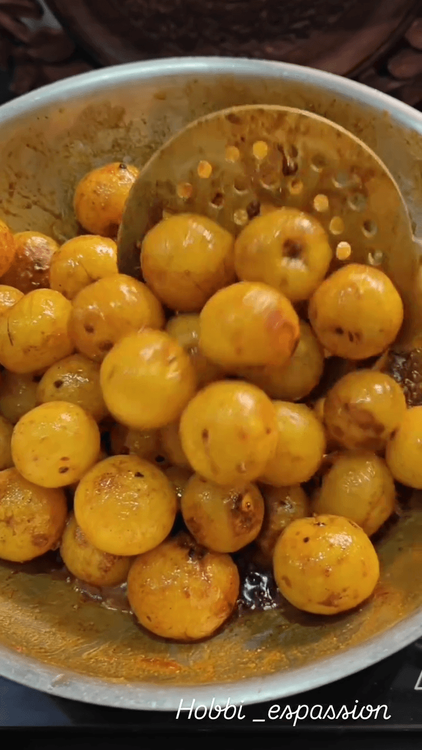
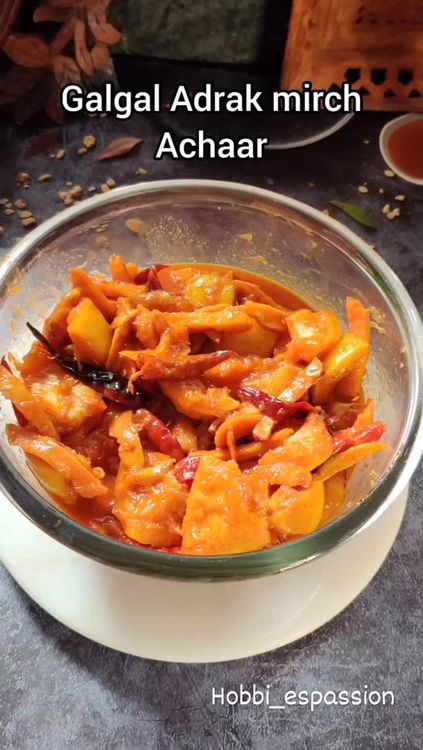
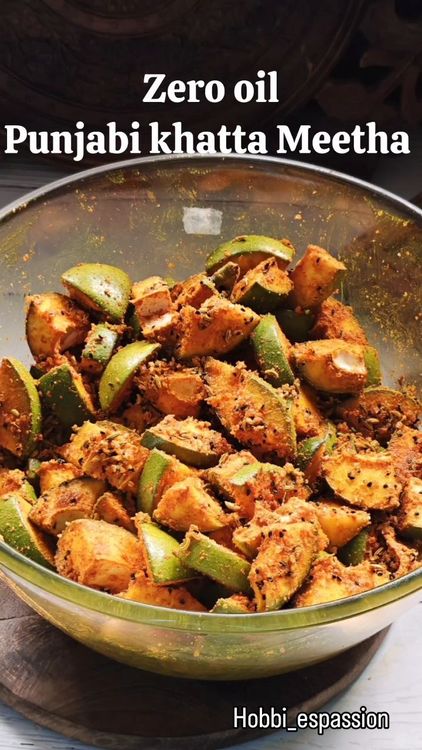
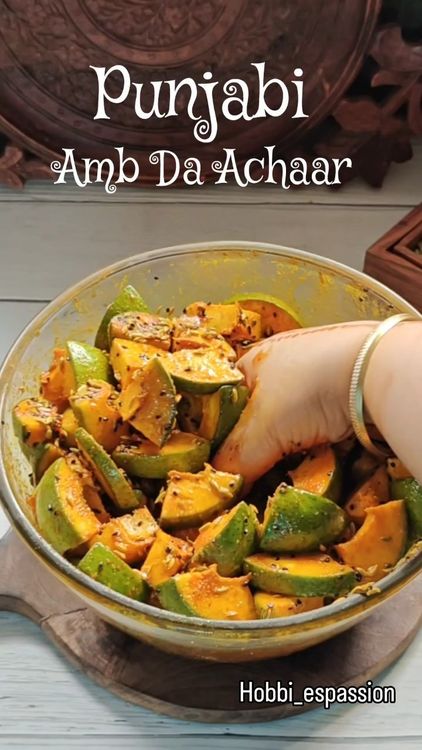
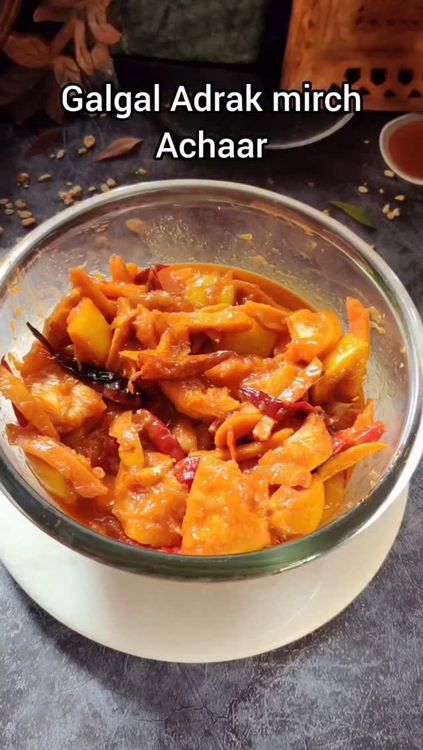
Eleven jars, and they are not garnish. Preserving was how a farming household kept sourness and heat on the table through months when nothing fresh was growing, and the habit stuck. You will find instant pickles ready in twenty minutes and a zero-oil mango that cures for a full week on salt and sugar alone. Two near-identical mango jars sit here on purpose: make both, taste them together, and you will finally understand what fenugreek is doing.
- Vegetarian
- Sauce & Condiment
- Punjabi
- Vegan
- Sauce & Condiment

- Punjabi
- Vegan
- Sauce & Condiment
- Punjabi
- Vegan
- Sauce & Condiment
- Punjabi
- Vegan
- Side Dish
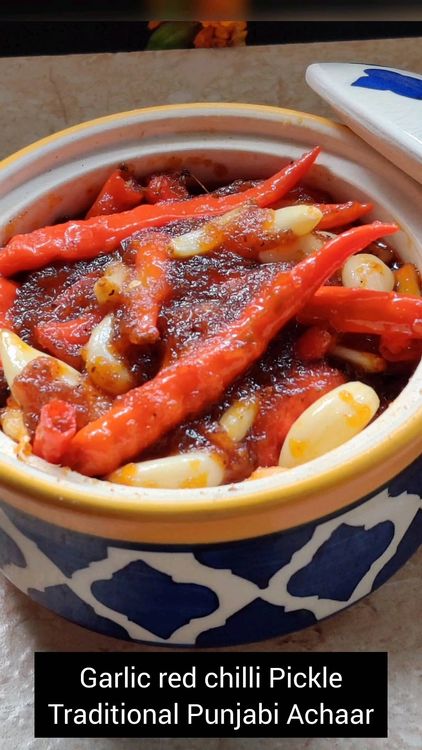
- Punjabi
- Vegan
- Sauce & Condiment
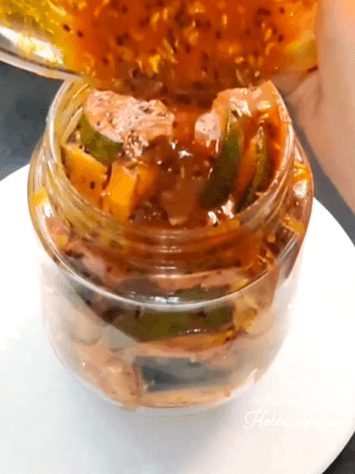
- Punjabi
- Vegan
- Side Dish
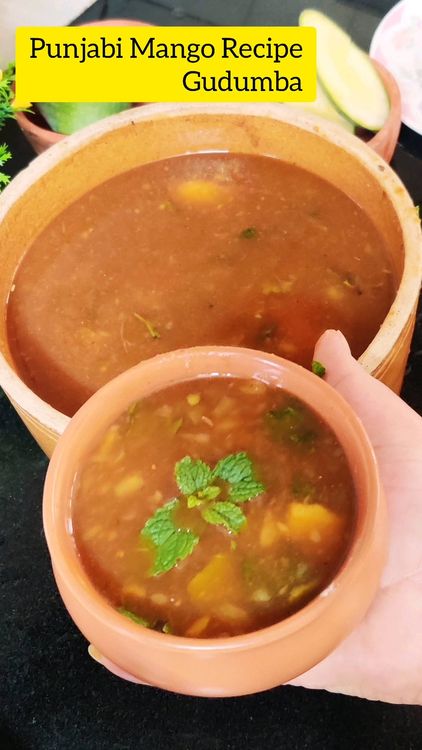
- Punjabi
- Vegan
- Snack
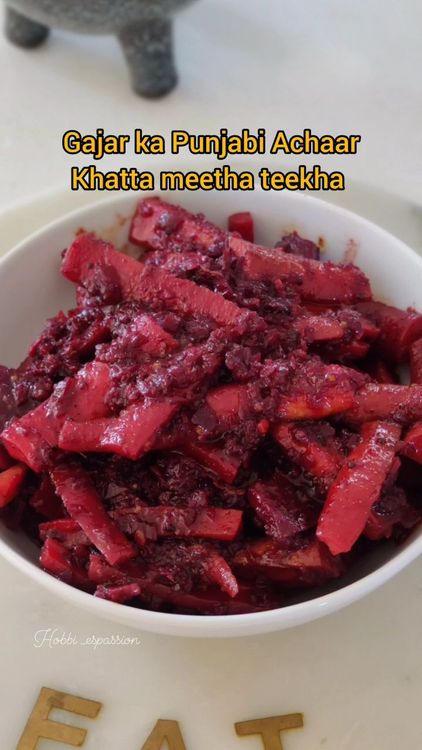
- Punjabi
- Vegan
- Sauce & Condiment
- Punjabi
- Vegan
- Sauce & Condiment
- Indian
- Vegan
- Sauce & Condiment
Pinnis, Kheer & Cold-Weather Sweets
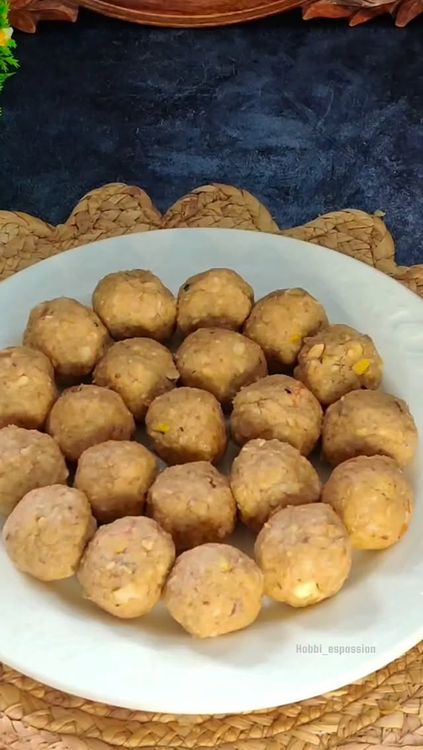
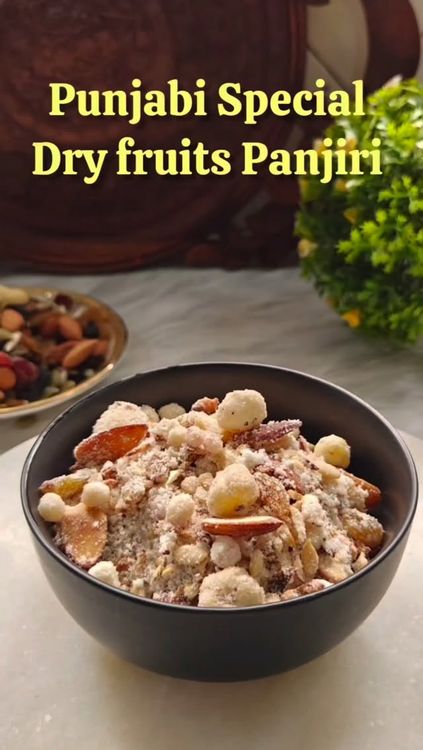
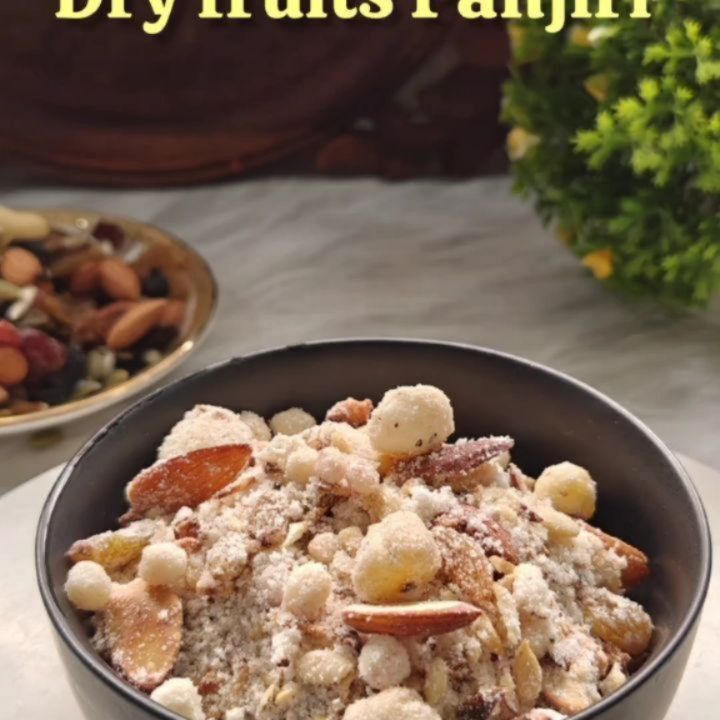
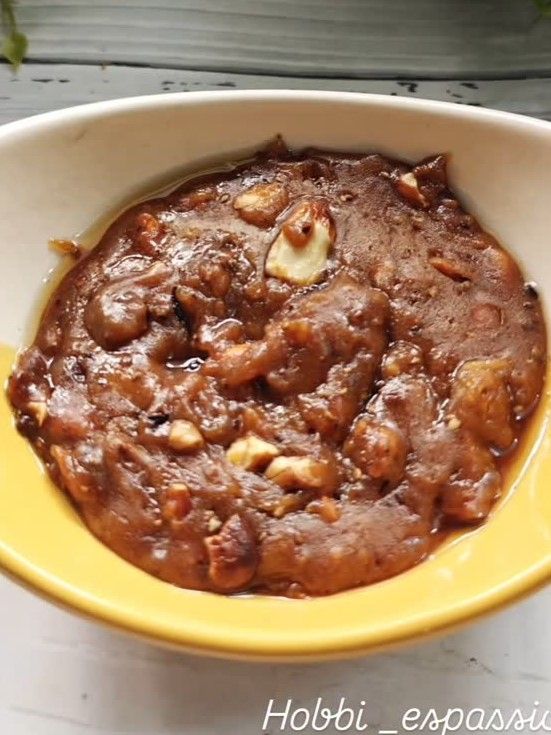
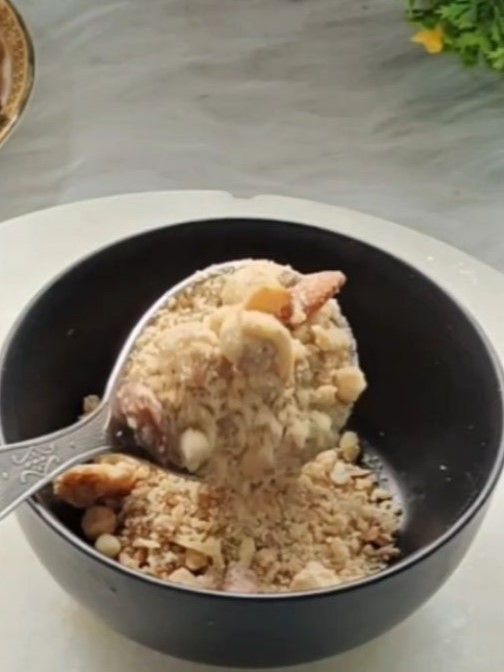
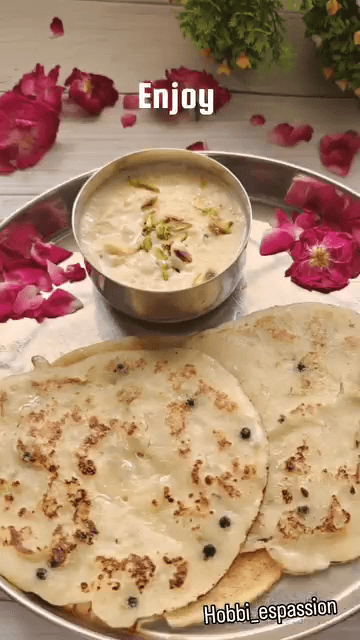
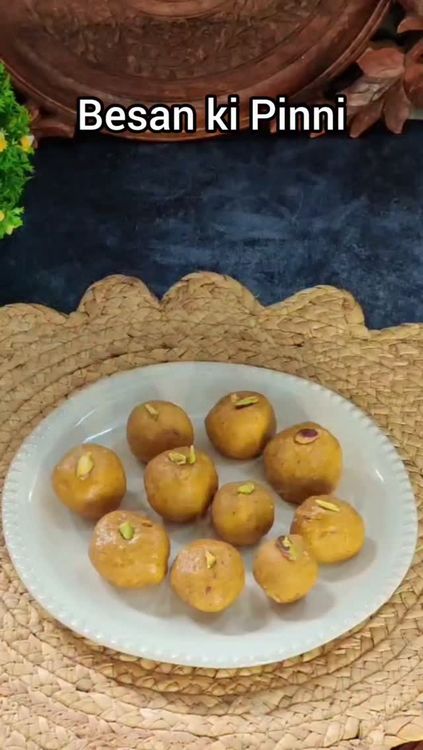
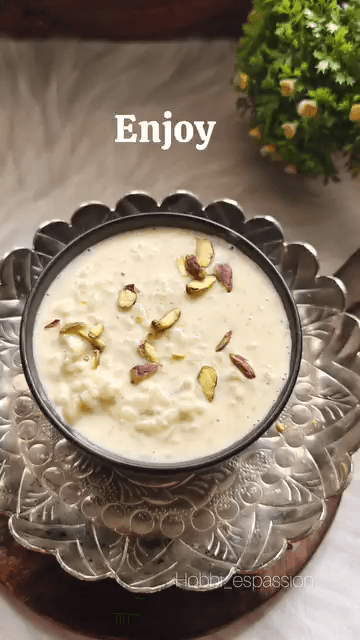
Sweets here are seasonal and unapologetically functional. Pinnis and panjiri get made in December because roasted flour, ghee, gum and nuts are what you feed someone heading out into fog at six in the morning — three panjiri variations sit in this group, and the small differences between them are family signatures, not errors. The kheer and the gajrella both work on the same principle: reduce milk slowly and add sugar late.
- Punjabi
- Vegetarian
- Dessert

- Punjabi
- Vegetarian
- Dessert
- Punjabi
- Vegetarian
- Snack
- Punjabi
- Vegetarian
- Snack
- Punjabi
- Vegetarian
- Snack
- Punjabi
- Vegetarian
- Snack
- Punjabi
- Vegan
- Snack
- Indian
- Vegetarian
- Snack
- Indian
- Vegetarian
- Snack
- Indian
- Vegetarian
- Dessert
Ghee, Tadka and the Tandoor: What Defines Punjabi Food
Three things do most of the work. The first is fat, and specifically ghee. In a region where nearly every household kept milk animals, clarified butter was not a luxury ingredient, it was the cheapest thing in the kitchen. It goes in early to bloom whole spices and again at the end for aroma, and that double hit is why a dal tastes different from the one you made with oil. Halve it if you must, but know what you are giving up.
The second is the tadka. Whole cumin, hing, dried chilli and garlic hit hot fat for thirty seconds, and the fat carries those compounds through the whole pot. Timing is everything — cumin goes from fragrant to acrid in about five seconds, so have the pot open and ready before you start. Many dishes get tempered twice, once at the base and once poured over at the end.
The third is the tandoor, a clay pit fired to well over 400°C. Very few of us have one, and pretending otherwise leads to bad advice. What the tandoor gives is fast, dry, radiant heat: bread that puffs in ninety seconds and chicken that chars before it dries out. Your closest domestic approximation is a cast-iron tawa taken hotter than feels sensible, or a grill preheated for a full twenty minutes.
Dhaba-Style at Home: Chasing the Roadside Flavour
A dhaba is a truck stop, and the cooking is shaped entirely by that fact. One enormous pot of gravy base simmers from dawn, a tawa runs constantly, and everything else is assembled to order. That structure is why the food tastes the way it does, and it is also the part people skip when they try to reproduce it at home.
So borrow the structure. Make your onion-tomato-ginger-garlic base in a large batch, cook it far longer than you think you need — until the oil separates and pools at the edges, forty minutes at least — and refrigerate it. Half the dhaba style recipes on this page collapse into fifteen-minute jobs once that base is sitting in your fridge. The dhaba cook is not working faster than you; the slow part just happened yesterday.
Then get the finishing right. Roadside kitchens are aggressive at the end: a spoon of ghee stirred in off the heat, a scatter of crushed kasuri methi rubbed between the palms, raw ginger julienne, a squeeze of lemon. Heat matters too — those pots sit over serious flame, and the slight scorching at the bottom is a feature. Cook your masala hotter and drier than feels comfortable, and only then loosen it with water. Get that finish right and the dhaba style recipes here stop tasting like a home approximation.
The Wheat Belt, the Buffalo and the Winter Table
Punjabi cuisine makes a lot more sense once you look at what actually grows there. This is the wheat belt, so the staple is roti rather than rice, and the calendar of the kitchen follows the harvest closely. Maize comes in and makki di roti appears. Mustard fields yellow in December and saag takes over every stove for two months. Carrots turn up sweet and red in January, and suddenly there is gajrella and gajar da achaar. The seasonality is not a lifestyle choice, it is just what the fields hand over.
Dairy is the other half of the story. Buffalo milk is richer and fattier than cow's milk, and a household with animals in the yard has yogurt, lassi, paneer, cream and ghee without buying a thing. That abundance explains dishes that look extravagant elsewhere: dal finished with cream, greens soured with buttermilk, a yogurt gravy stretched with gram flour to feed eight people. Note that last one — kadhi is dairy used as thrift, not indulgence.
Winter pulls all of it together. Cold, foggy mornings and outdoor work created a whole category of food designed to be dense, warming and made in advance: gum pinnis, panjiri, dry-ginger blocks, jaggery. It is the most distinctive corner of punjabi cuisine, and the one that restaurant menus leave out almost entirely.
Pro Tips From the Punjabi Kitchen
- Cook your onion-tomato base until the oil visibly separates and pools at the edge of the pan. Almost every complaint about flat-tasting punjabi food traces back to stopping this step ten minutes early.
- Soak chickpeas and rajma overnight in plenty of water with a pinch of baking soda. Old pulses that have sat in the cupboard a year will not soften no matter how long you boil them, and no amount of masala rescues a hard bean.
- For any yogurt gravy, whisk the yogurt with gram flour while it is cold and stir constantly until it comes to a boil. Stop stirring early and it splits, and once split there is no recovery.
- Add salt to greens and dals late. Salt early and the pulses stay stubbornly firm; the same goes for tomato, whose acid will keep chickpeas hard for another forty minutes.
- Crush kasuri methi between your palms directly over the pot at the end. Rubbing wakes up the oils, and this one thirty-second habit is the closest thing to a cheat code in punjabi cuisine.
- Keep whole spices whole for at least the first two months. Grind your own garam masala in small batches; a jar bought last year is mostly dust and will not perfume anything.
Frequently Asked Questions
What makes punjabi food different from other North Indian cooking?
Dairy and wheat, mostly. The region grows wheat rather than rice, so roti and paratha anchor the plate, and households historically kept milk animals, which put ghee, cream, yogurt and paneer within easy reach. The seasoning leans on whole spices bloomed in fat rather than long ingredient lists. It is richer, simpler and considerably more direct than its neighbours.
Do I need a tandoor to cook these punjabi recipes at home?
No, and only a handful of dishes here even want one. A tandoor gives dry radiant heat around 400°C, which you can approximate with a cast-iron tawa heated far longer than feels reasonable, or a grill preheated twenty minutes. Everything in the collection above — dals, chole, saag, kadhi, pickles, sweets — is stovetop food anyway.
Can I cook punjabi cuisine without so much ghee?
You can, and it will still be good, but be honest about the trade. Ghee does two jobs: it carries fat-soluble spice compounds through the pot, and it adds a nutty aroma at the finish. If you cut it, keep the small finishing spoon and reduce the cooking fat instead — that is where you lose the least flavour per calorie saved.
Which dishes are best for a vegetarian punjabi dinner?
Almost all of them. Pick one legume with gravy, one dry vegetable, a bread and a pickle: chole with bhindi and paratha, or dal makhani with gobhi aloo and rice. Two of the potato dishes and one bhindi here skip onion and garlic entirely, which also covers Navratri and no-onion-no-garlic households.
Why do the same dishes appear more than once in this collection?
Because there is no single correct version. Two sarson da saag entries sit here from different cooks, three panjiri variations, and two mango pickles with different spice ratios. These are family signatures, not duplicates. Reading them side by side teaches more about how punjabi cuisine actually works than any single authoritative version could.
What are the essential spices to keep for dhaba style recipes?
A short list covers most of it: cumin seed, coriander seed, turmeric, red chilli powder, garam masala, amchur and kasuri methi. Add anardana for chole and hing for the no-onion dishes. Buy whole where you can, grind small batches, and replace anything older than six months — stale powder is the commonest problem.
How far ahead can I make punjabi food for a party?
Gravies improve overnight, genuinely. Chole, rajma, dal makhani and saag are all better on day two once the masala has settled, and they freeze well for a month. Kadhi is the exception — reheat it gently and thin it, as it thickens hard in the fridge. Breads and fried things must be made to order.
Cook one dish from each section and you will understand this cooking better than any summary could teach you. The punjabi recipes gathered here span twenty-minute pickles and thirteen-hour chickpeas, so start where your week allows. Master the base, respect the tadka, and let the ghee do what it was always meant to do.
Related
- chole
- sarson da saag
- dal makhani
- achaar
- dhaba food
- north indian
Popular Searches
- Best punjabi recipes
- Easy punjabi recipes
- Quick punjabi recipes
- Healthy punjabi recipes
- Simple punjabi recipes
- Homemade punjabi recipes
- Delicious punjabi recipes
- Popular punjabi recipes
- punjabi food
- punjabi cuisine
- authentic punjabi recipes
- dhaba style recipes
Marnirni-apinthi Building, Lot Fourteen,
North Terrace, Adelaide, South Australia, 5000
Australia
