
Top 38 Omelette Recipes: French, Western, Global and Fluffy
Updated June 29, 2026 · Curated by Chefadora
Omelette recipes are the proof that a few eggs and a hot pan are all it takes to make a real meal — breakfast, lunch or a fast dinner — in under ten minutes. The dishes below were chosen to show the full range of the form rather than ten versions of the same fold: the pale, custardy French classic, the loaded Western diner plate, global styles like the Spanish tortilla and Indian masala omelette, and the airy souffle and lean egg-white versions at the light end.
What unites every omelette is the same humble ingredient handled with respect for heat. Eggs are mostly protein and water, and the single thing that decides whether yours turns out silky or rubbery is temperature: cook them too hot or too long and the proteins squeeze tight and weep liquid, leaving a tough, grey-brown disc. Keep the heat gentle and pull the pan a beat early, and the same eggs stay soft, glossy and just set.
You will find four clusters here: the classic French and cheese omelettes, the hearty loaded and Western fold, global styles from around the world, and the fluffy souffle and egg-white versions. The base move — beat, pour, agitate, fold — is shared across all of them, so once you can turn out one clean omelette, every other style is a variation on the same rhythm and a different filling.
Treat this page as a working reference. Each recipe links to full ingredients and steps on Chefadora, and the guides below cover the decisions that actually make the difference between a good omelette and a tough one — how to beat and season the eggs, how to control the pan, how to fill and fold without tearing, and how to keep everything tender by cooking low and not a second too long.
Classic French & Cheese Omelettes
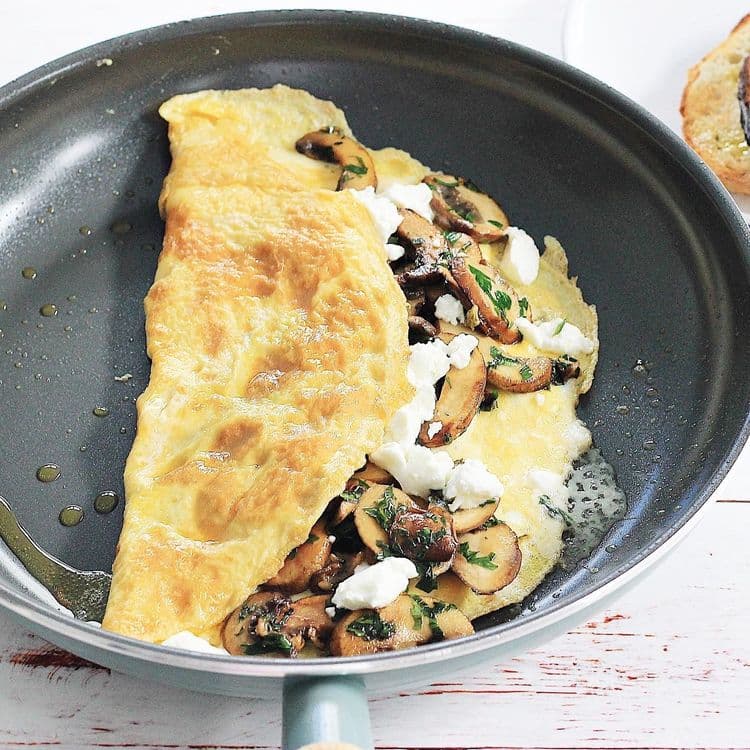
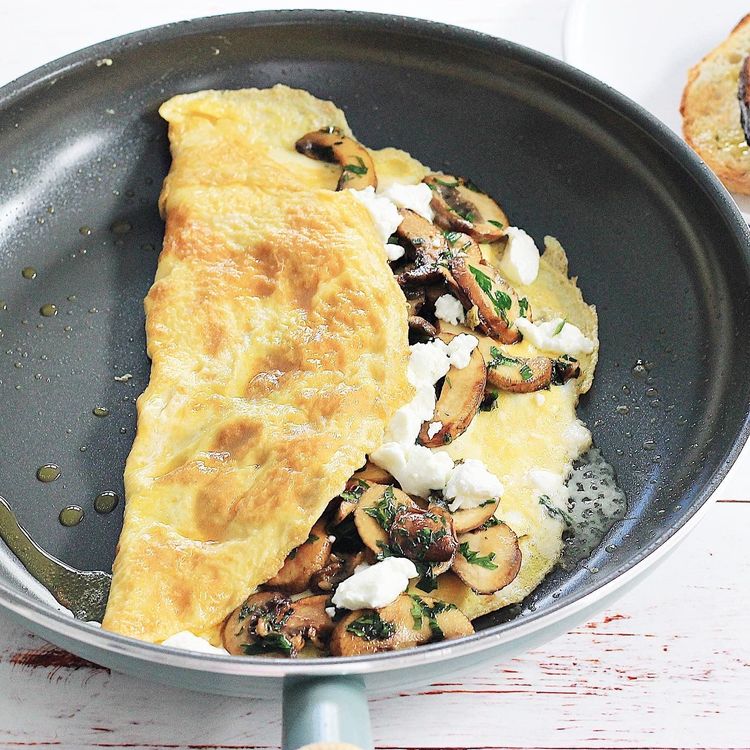
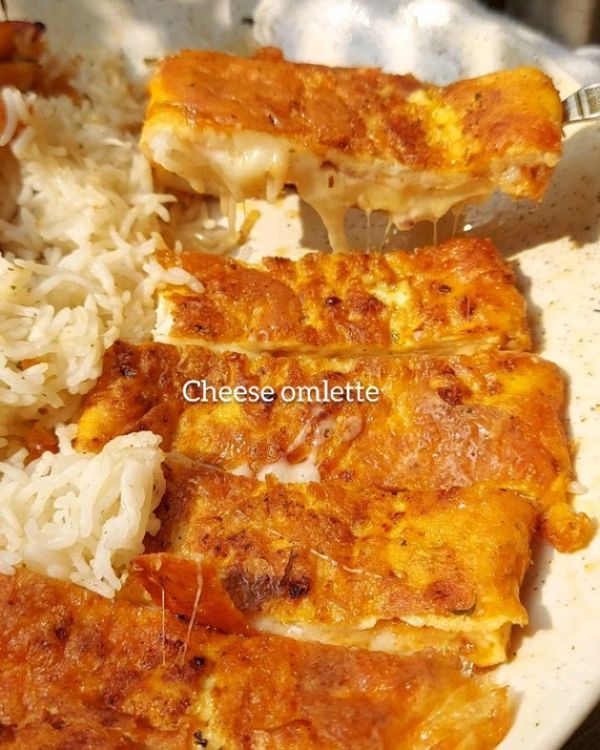
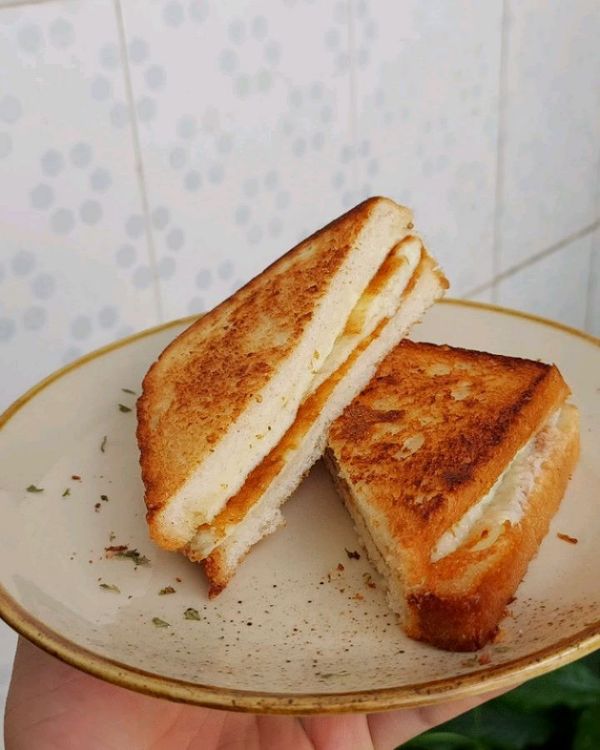
This is where omelette technique is born, and the whole point is restraint. A classic French omelette is little more than eggs and butter, cooked fast over gentle heat with constant movement until you get a pale, custardy roll with no brown on it anywhere. Beat the eggs only until uniform, never frothy, and pour them into butter that is foaming but has not coloured. From there it is all wrist work: stir with the flat of a fork while shaking the pan, dragging the setting curds to the centre so raw egg runs to the edges, building a fine, soft texture in under a minute. The single most common mistake is cranking the heat to speed things up, which browns and toughens the eggs before the inside sets. Keep it low. For cheese versions, grate finely and add it while the top is still glossy and slightly wet so it melts in the residual warmth, then fold and roll out onto a warm plate seam-side down. Pull the pan a beat early every time, because carryover heat finishes the job. Standouts here include Mushroom and Goat’s Cheese Omelette and Cheese Omelette, plus Cheese Omelette.
- Western
- Eggetarian
- Breakfast
- International
- Eggetarian
- Breakfast
- Japanese
- Eggetarian
- Breakfast
- Indian
- Eggetarian
- Breakfast
- Pakistani
- Eggetarian
- Breakfast
Loaded & Western Omelettes
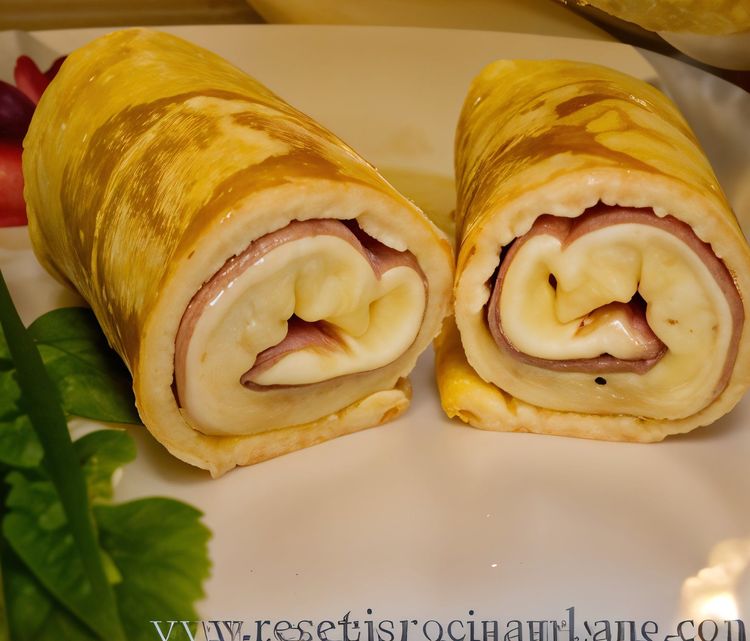
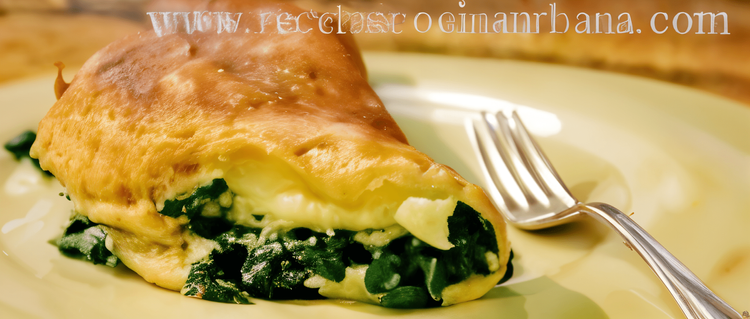
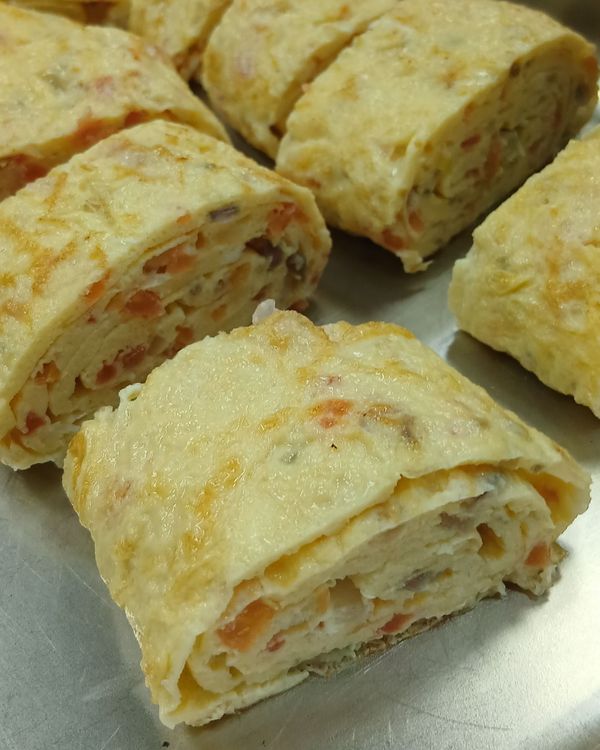
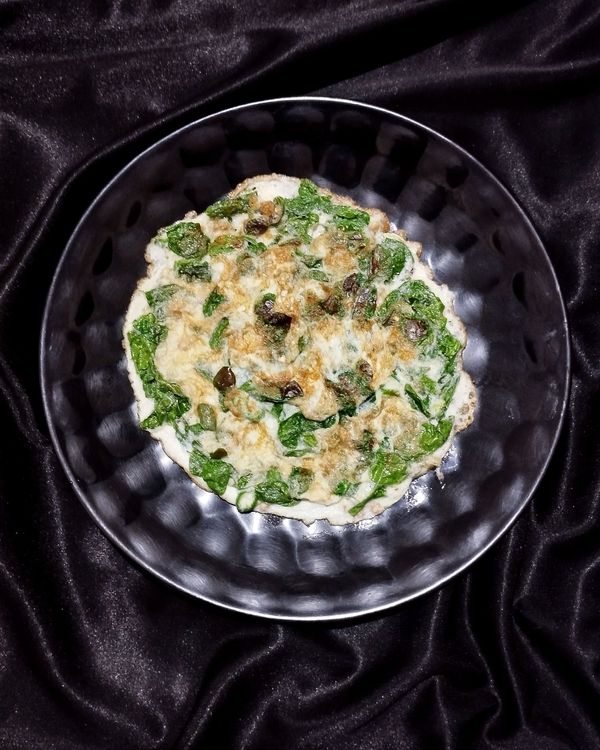
The hearty, diner-style omelette is all about generous fillings, and the trick is getting them into the fold without wrecking the eggs. Ham, peppers, onions, mushrooms, sausage and cheese all want to go in, but every one of them carries moisture or needs cooking, so the cardinal rule is to pre-cook and drain your fillings before the eggs ever hit the pan. Sauté the vegetables until any liquid has cooked off, warm the meat through, and grate the cheese ready to scatter. Cook these omelettes as a set sheet rather than the stirred French style — pour the eggs into a gentle medium pan, let the base set while you draw the edges in and tilt raw egg underneath, then lay the fillings over one half while the top is still slightly wet. The usual error is overloading a thin omelette so it splits when you fold, or piling in watery, uncooked vegetables that steam everything soggy. Keep the heat moderate, the fillings dry and modest, and fold gently into a half-moon. A faint gold on the base is fine here; a hard brown crust is not. Standouts here include Omelette and Ham Rolls and Light Spinach Omelette, plus Veggie Omelette.
- International
- Non-Vegetarian
- Lunch
- International
- Non-Vegetarian
- Breakfast
- American
- Eggetarian
- Breakfast
- Global
- Eggetarian
- Breakfast
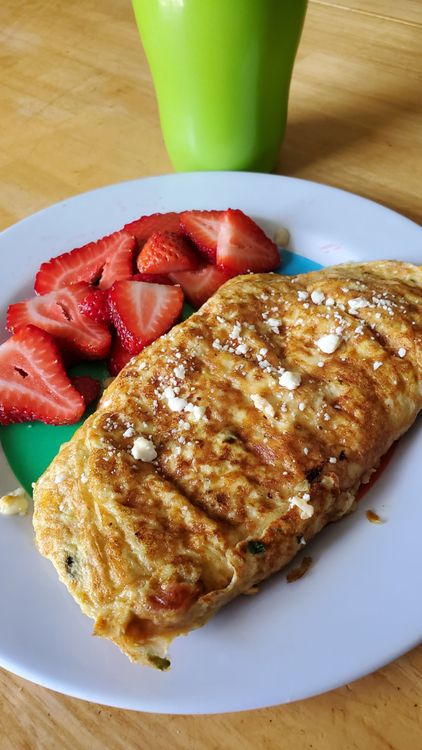

- American
- Non-Vegetarian
- Breakfast
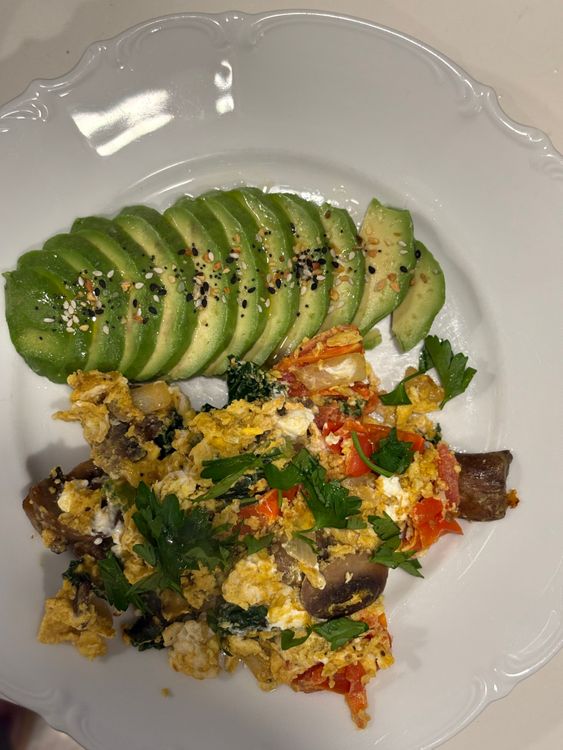

- Eggetarian
- Breakfast
Fluffy, Souffle & Egg-White Omelettes
The light end of the omelette spectrum splits two ways, and both reward a gentle hand. For a souffle omelette, you separate the eggs, whip the whites to soft peaks, then fold the lightly beaten yolks through without knocking the air out — the whole appeal is a cloud-like puff you can almost cut with a spoon. Cook it in a buttered pan over low heat, covered so the trapped steam sets the airy interior, or finish it briefly under a grill until just set. The mistakes here are overfolding, which deflates the whites back into a flat batter, and too much heat, which browns the outside before the inside puffs. The egg-white and healthy versions ask for the same care for a different reason: whites alone are leaner and higher in protein but set faster and toughen more easily, so keep the heat low and pull the pan early. Lean on sautéed vegetables — spinach, peppers, tomato, mushroom — for flavour and bulk, cook in a non-stick pan with just a spritz of oil, and you get a light, protein-rich omelette that still stays soft rather than turning to rubber. Standouts here include VIRAL Fluffy Omelette and Fluffy Creamy Omelette (Home-Style), plus Fluffy Omelette.


- Global
- Eggetarian
- Breakfast

- Indian
- Eggetarian
- Breakfast
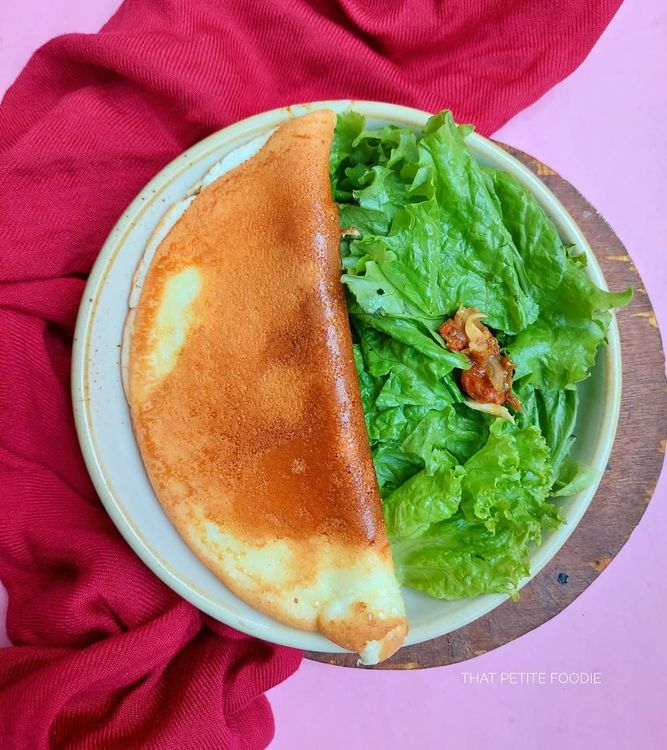
- American
- Eggetarian
- Breakfast
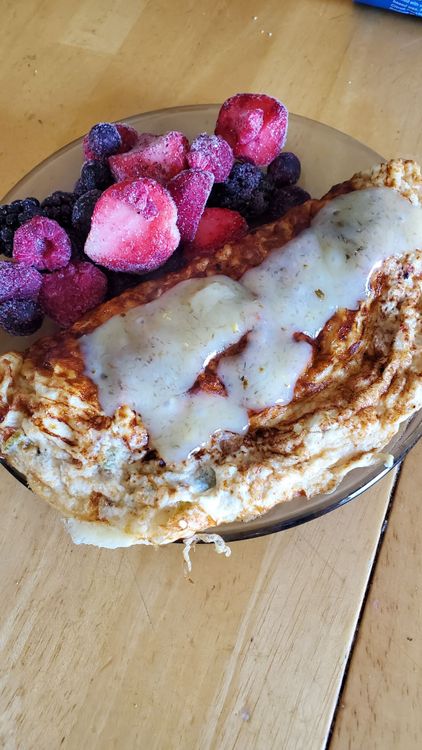
- American
- Eggetarian
- Breakfast
More Omelette Favourites
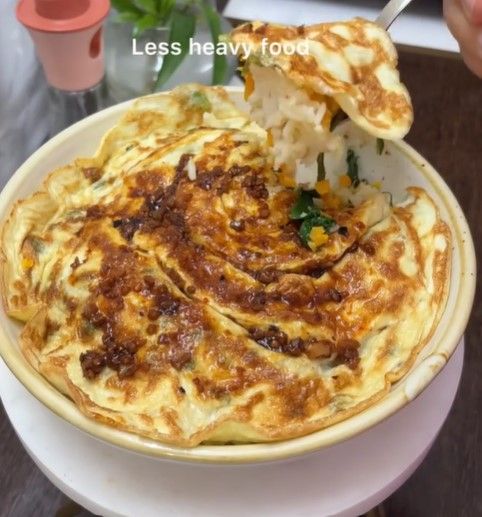
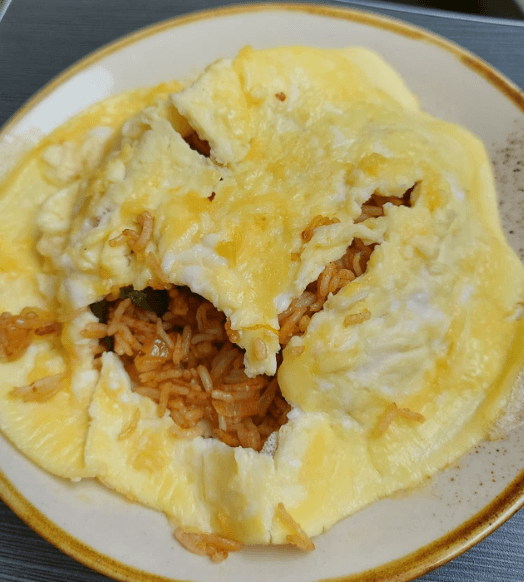
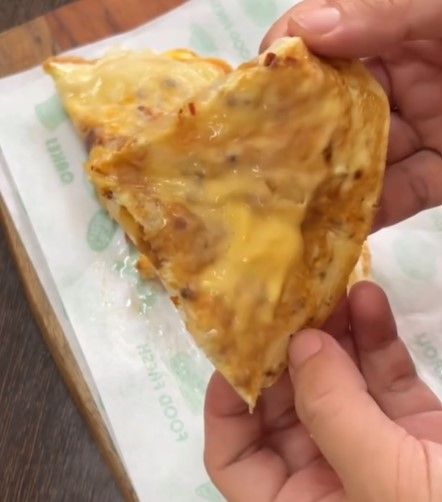
A few omelettes never quite fit one box, and these are the ones worth keeping in your back pocket once the staples feel routine. They lean on the same handful of moves you already know — beat, pour, agitate, fold, all over gentle heat — but steer the eggs toward different textures and flavours, so breakfast never tastes the same twice. Picking your next one is mostly about matching effort to mood: reach for a quick rolled cheese omelette on a busy morning when you want food in two minutes, and save the layered tamagoyaki or a slow Spanish tortilla for a weekend when you can give it proper time and attention. Pay attention to how thick you pour the eggs, too, since a thin sheet sets and folds fast while a thicker pour wants a lower flame and a lid so the centre cooks through before the base browns. The one rule that carries across all of them is the rule that carries across this whole page: cook low, do not overcook, and pull the pan while the eggs are still a touch wet. Think of this group as the natural next step after the classics — the omelettes that quietly earn a regular spot in the rotation once you have tried them. Standouts here include Eggplant Omelette and Omelette Rice with Chilli Oil, plus Omelette Pizza.
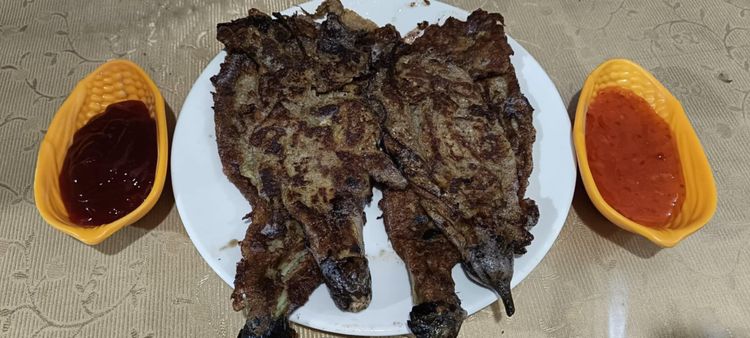

- Philippine
- Eggetarian
- Breakfast
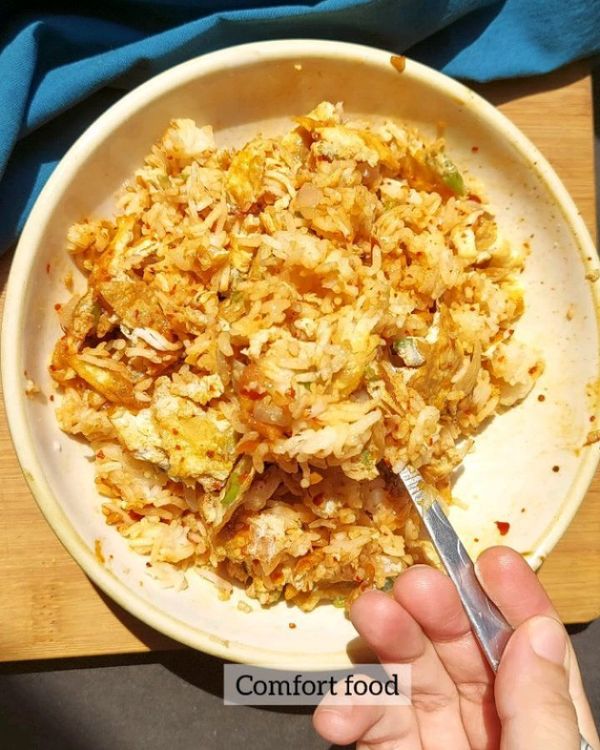
- Asian
- Eggetarian
- Dinner
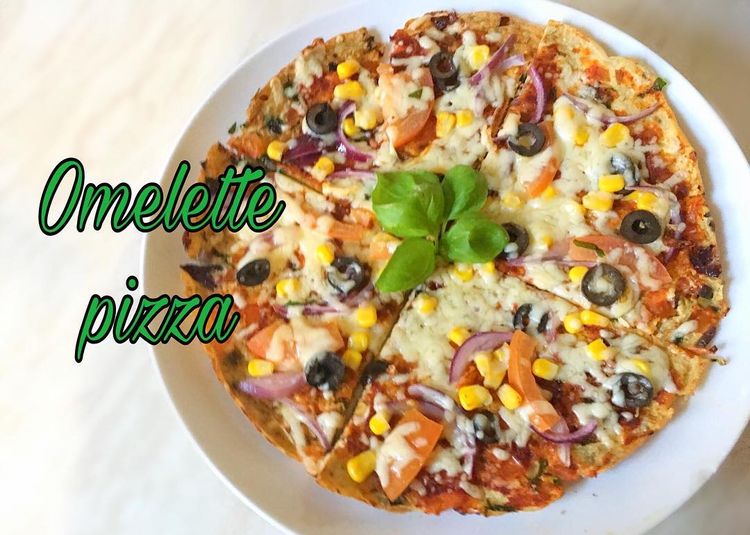
- Italian
- Eggetarian
- Breakfast
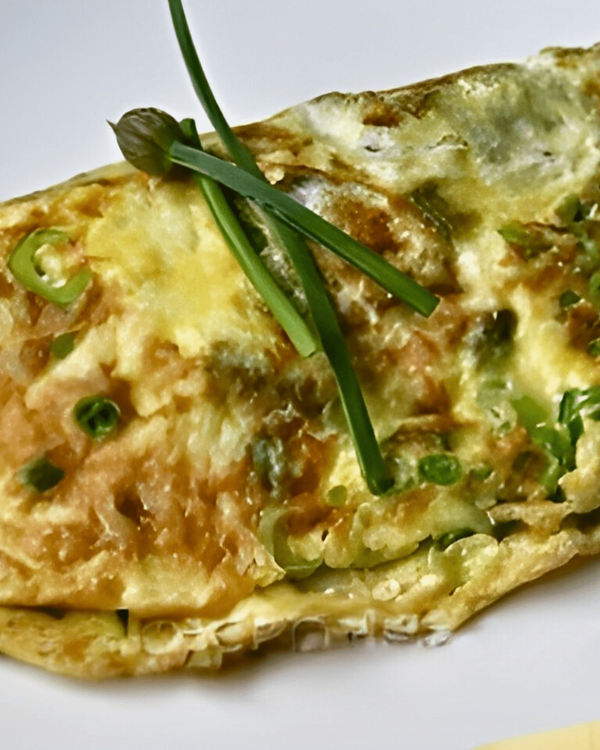
- European
- Non-Vegetarian
- Breakfast


- African
- Non-Vegetarian
- Breakfast
- Indian
- Eggetarian
- Breakfast
- African
- Eggetarian
- Breakfast
- Spanish
- Pescatarian
- Lunch
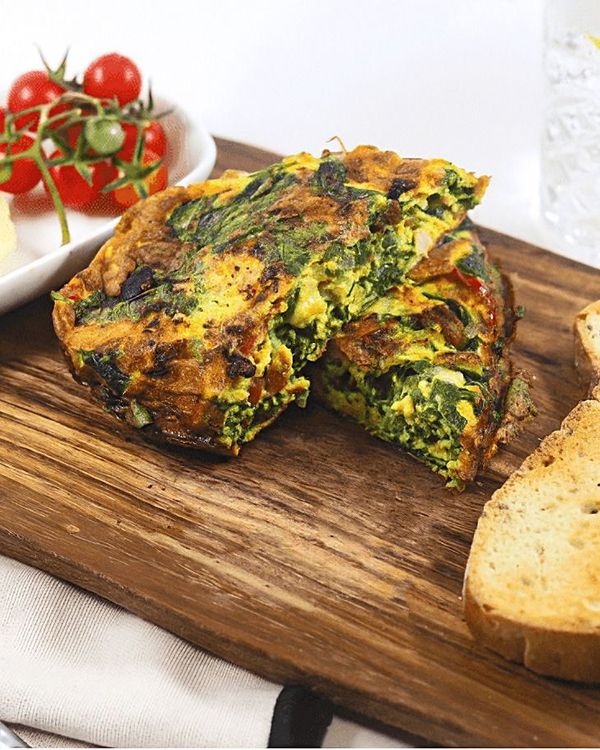
- Western
- Non-Vegetarian
- Breakfast


- Eggetarian
- Breakfast
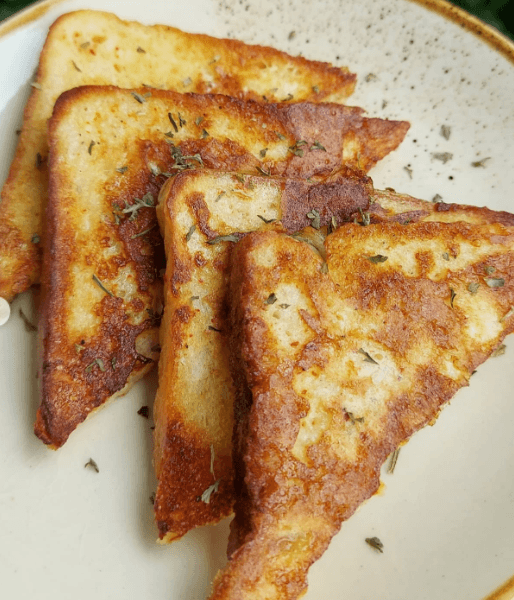
- Indian
- Eggetarian
- Breakfast
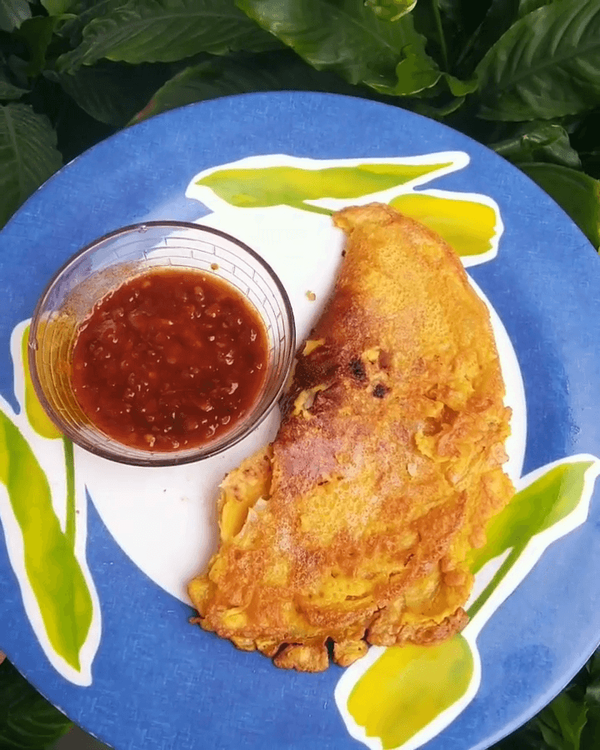
- Indian
- Vegan
- Breakfast
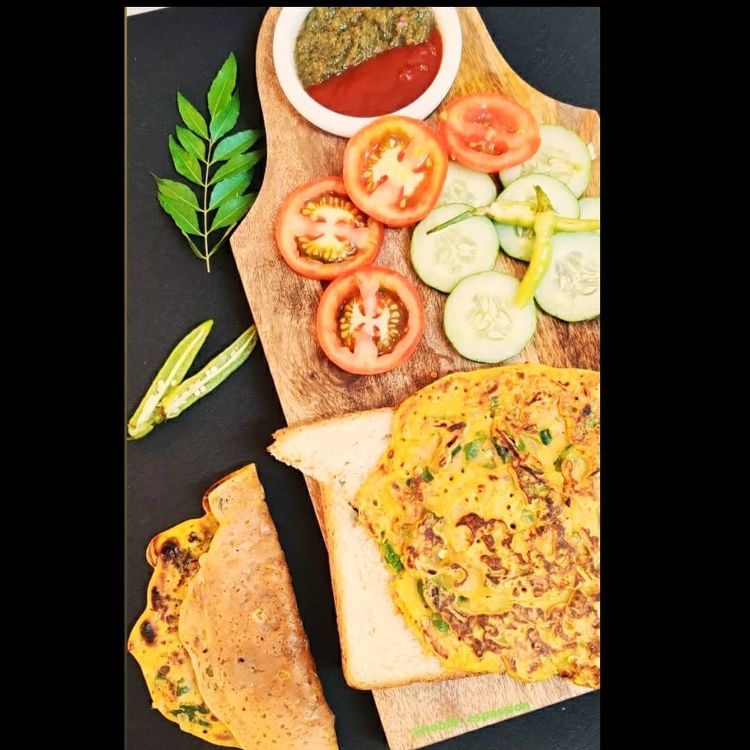

- Indian
- Vegetarian
- Breakfast
- Indian
- Eggetarian
- Breakfast
- Indian
- Eggetarian
- Breakfast
- Vietnamese
- Vegetarian
- Breakfast
- Asian
- Eggetarian
- Breakfast
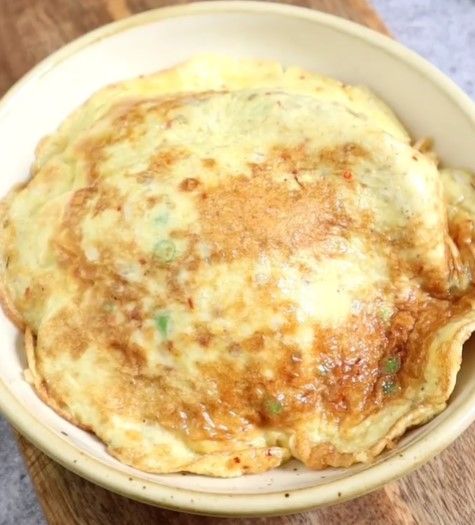
- American
- Eggetarian
- Breakfast

- Eggetarian
- Breakfast
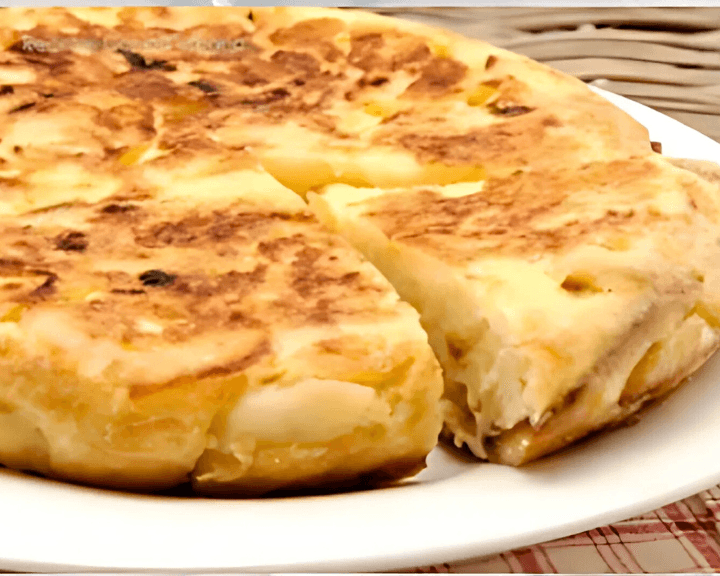
- Spanish
- Eggetarian
- Breakfast
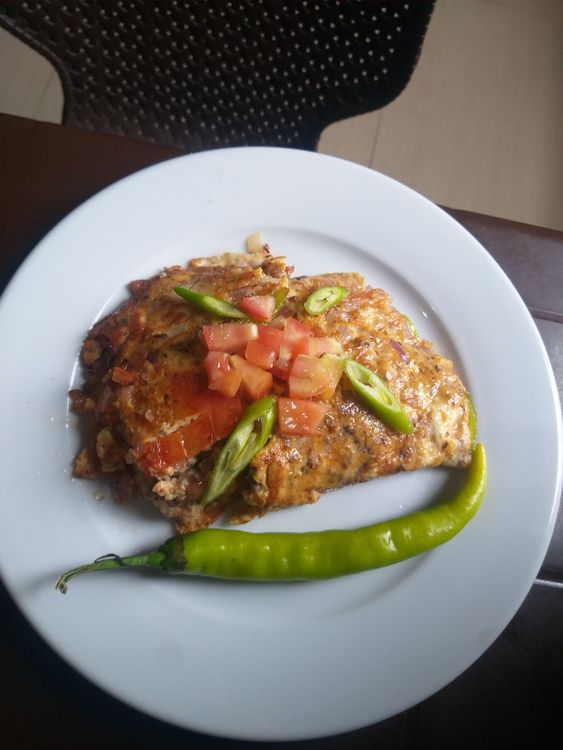
- Filipino
- Pescatarian
- Breakfast
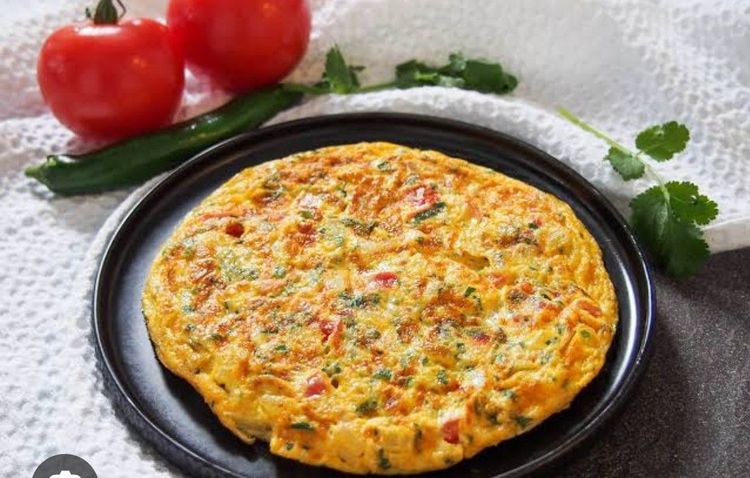
- Indian
- Eggetarian
- Breakfast
- Spanish
- Eggetarian
- Breakfast
Beating, Seasoning and Prepping the Eggs
Crack the eggs into a bowl and beat them just until the yolks and whites are fully combined and the mix is a uniform pale yellow — twenty to thirty seconds with a fork is plenty. Over-beating until frothy does little for a classic omelette; you want the eggs homogeneous, not aerated, unless you are deliberately making a souffle style. A splash of water (not milk) loosens the mix and helps it stay tender, since the water turns to steam and lightens the curds.
Season the beaten eggs with salt just before they hit the pan. Salting too far ahead can break the proteins down and turn the cooked omelette slightly watery and grey, so a pinch of fine salt and pepper stirred in at the last moment is the safe move. Bring the eggs to room temperature if you can — cold eggs straight from the fridge drop the pan temperature and cook unevenly, fighting the gentle, low-heat approach an omelette wants.
Have everything ready before you pour, because an omelette cooks faster than you can chop. Pre-cook and drain any fillings, grate the cheese, warm the plate, and set your spatula within reach. The whole dish lives or dies in about two minutes, so there is no time to dice an onion once the eggs are in the pan. Mise en place is not a fussy chef habit here — it is the difference between a folded omelette and a scramble.
Controlling the Pan: Heat, Fat and Movement
Use a small non-stick or well-seasoned pan — eight to ten inches for a two-or-three-egg omelette — and keep the heat at medium or lower. This is the rule that matters most: an omelette is cooked gently. High heat browns and toughens the eggs before the centre sets, which is exactly the rubbery result you are trying to avoid. Let the pan warm slowly, add butter, and wait until it foams but has not browned before the eggs go in.
For a French omelette, pour the eggs into the foaming butter and immediately start moving — stir with the flat of a fork or shake the pan in small circles while dragging the setting curds toward the centre, letting raw egg run to the edges. This constant agitation is what builds the fine, soft curd and the pale, custardy interior. For a Western or filled omelette you move less, letting a sheet set, but the heat stays just as gentle.
Watch the surface, not the clock. When the top is still a touch wet and glossy — barely set, what the French call baveuse — it is time to fill and fold, because carryover heat finishes the cooking off the flame. The instinct to wait until the eggs look completely dry is the most common mistake; by then they are overcooked. A properly cooked omelette should have no brown colour at all on a French version, and only the faintest gold on a Western fold.
Filling, Folding and Plating
Keep fillings light, dry and pre-cooked. Watery vegetables like mushrooms, peppers, tomatoes and spinach release liquid that steams the eggs and makes the fold soggy or split, so sauté them first and drain off any liquid before they go anywhere near the pan. Cheese should be grated finely so it melts in the residual heat rather than sitting in a cold lump; add it just before folding so it warms through without forcing you to overcook the eggs.
To fold a classic omelette, scatter the filling over one half or down the centre while the eggs are still slightly wet, then tilt the pan and use a spatula to fold the omelette over the filling — a half-moon for a simple fold, or the rolled tri-fold of a French omelette where you flip one third in, then roll it out onto the plate seam-side down. Work quickly and gently; the egg sheet is fragile and a heavy hand tears it.
Plate immediately and, for a French omelette, smooth the top with a little butter for shine and let it rest a few seconds so the centre settles. An omelette waits for no one — it keeps cooking on a hot plate and dries out within a minute or two, so serve it the moment it leaves the pan. Build the rest of the meal, the toast and the coffee, before you cook the eggs, never after.
Global & Set-Style Omelettes vs the Folded Classic
Not every omelette is folded. The Spanish tortilla, the Indian masala omelette cooked thick, the Italian-leaning frittata and the Japanese tamagoyaki are all set rather than rolled, and they trade the soft French interior for a sturdier, sliceable body. These styles cook longer and lower, often finishing covered or under a grill, and many are designed to be served at room temperature — which makes them ideal for feeding a crowd or packing for lunch.
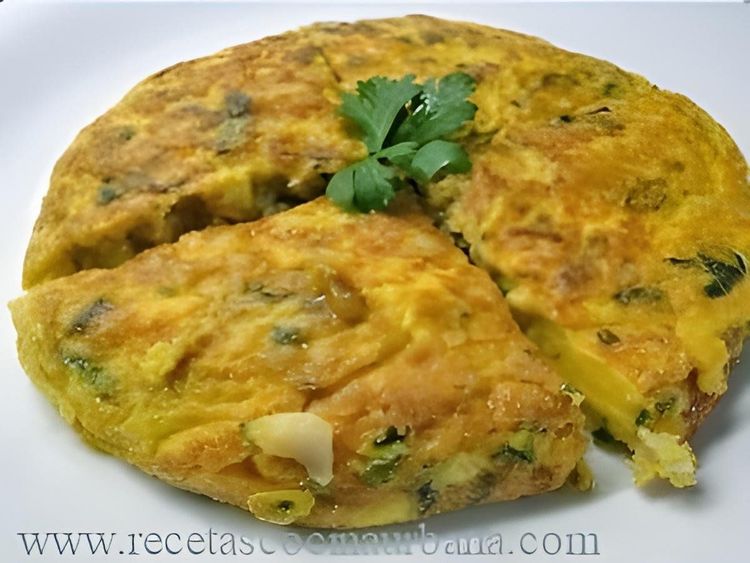
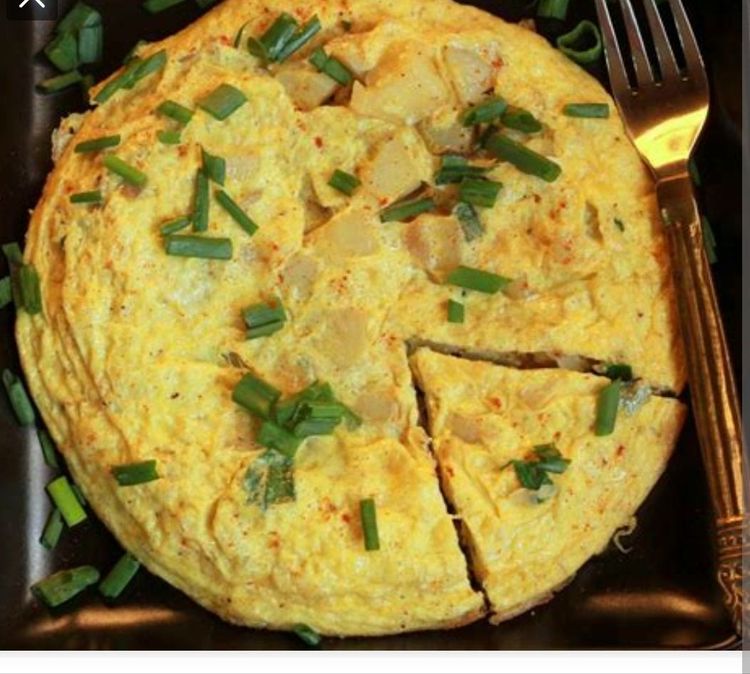
A Spanish tortilla, for instance, is poached potatoes and onion bound in egg and cooked slowly in a generous slick of olive oil until just set, then flipped to finish — the goal is a custardy, barely-set centre, not a dry cake. A frittata starts on the stove and finishes in the oven, while tamagoyaki is built from thin layers of sweetened, dashi-spiked egg rolled up in a square pan. Each has its own rhythm, but the low-and-slow principle holds throughout.
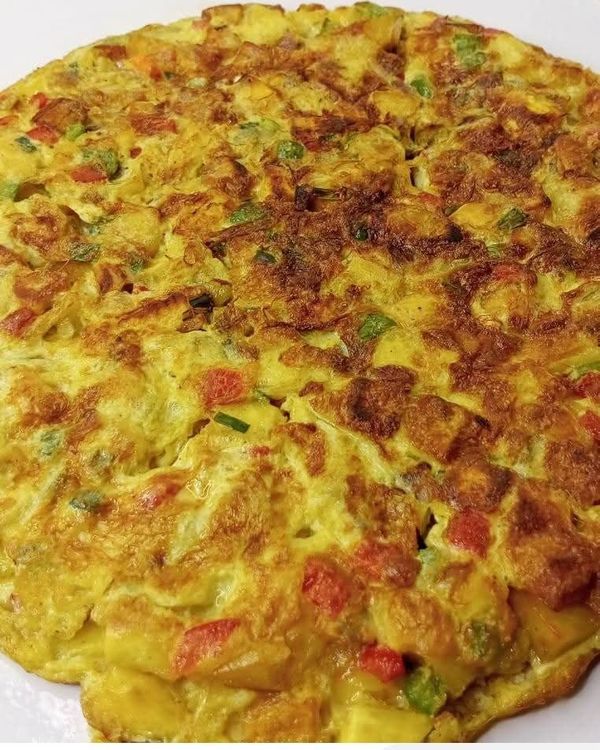
The Indian masala omelette is the great exception that still proves the rule: it is cooked a little firmer and browned more than its French cousin, packed with onion, chilli, coriander and spice, because that robust, savoury flavour and a sturdier texture is the point. Even here, though, you cook it on a steady medium rather than a screaming pan, flipping once so both sides set evenly without scorching. Match the heat to the style and none of them turns rubbery.
Pro Tips from the Test Kitchen
- Cook omelettes on medium or lower heat — high heat browns and toughens the eggs before the centre sets.
- Beat the eggs just until uniform and pale; froth is only for souffle styles, not the classic.
- Add a splash of water (not milk) to the eggs — it steams and keeps the curds light and tender.
- Salt the eggs just before cooking; salting too early can make the cooked omelette watery and grey.
- Pull the pan while the top is still slightly wet (baveuse) — carryover heat finishes it off the flame.
- Pre-cook and drain wet fillings like mushrooms, peppers and spinach so they do not steam the eggs.
- Grate cheese finely and add it just before folding so it melts in the residual heat.
- Use a small non-stick pan sized to the eggs — too big and the omelette spreads thin and overcooks.
- Have every filling chopped and ready before you pour; an omelette cooks faster than you can prep.
- Serve immediately — an omelette keeps cooking on a hot plate and dries out within a minute.
Frequently Asked Questions
How do you make an omelette soft and not rubbery?
Heat is everything. Cook on medium or lower, use a knob of foaming (not browned) butter, and pull the pan while the top is still slightly wet — carryover heat finishes it off the flame. A rubbery omelette is almost always overcooked or cooked too hot, which squeezes water out of the egg proteins. Beating in a splash of water and salting only at the last moment also help keep the curds tender.
What is the difference between a French and an American omelette?
A French omelette is cooked fast over gentle heat with constant stirring, then rolled into a smooth, pale, custardy cylinder with no browning — minimal or no filling, just butter and maybe herbs. An American or diner omelette is cooked as a set sheet, loaded with fillings like cheese, ham and vegetables, then folded in half. The French version is about technique and texture; the American is about generous fillings.
Should you add milk or water to an omelette?
Water is the better choice for a tender omelette. A splash turns to steam as it cooks and lightens the curds without adding richness or weighing them down. Milk and cream are sometimes added for flavour, but they can make the eggs heavier and more prone to weeping liquid. For a classic French omelette, purists add nothing at all — just eggs, butter and salt — and let technique do the work.
What heat should you cook an omelette on?
Medium or lower. This is the single most important rule of omelette-making. High heat browns the bottom and toughens the proteins before the centre has set, giving you a rubbery, grey result. Gentle heat lets the eggs set slowly and evenly so they stay soft and glossy. Let the pan warm slowly, add butter, and wait until it foams but has not browned before pouring in the eggs.
How many eggs go in an omelette?
Two or three eggs is standard for a single serving, cooked in an eight-to-ten-inch pan. Two eggs make a delicate French omelette; three give you more body for a filled Western style. Sizing the pan to the eggs matters — too large a pan spreads the eggs thin and overcooks them, while too small a pan leaves the omelette thick and slow to set in the middle. Keep the ratio of pan to eggs sensible.
What is the best filling for an omelette?
Cheese is the classic — grated cheddar, gruyere, feta or parmesan — added just before folding so it melts in the residual heat. Beyond that, pre-cooked ham, sautéed mushrooms, peppers, onions, spinach and fresh herbs are all favourites. The key with any filling is to keep it dry and not overload the omelette; too much wet or heavy filling steams the eggs, tears the fold, and makes the dish soggy rather than light.
Why does my omelette stick to the pan?
Usually the pan was not hot enough before the eggs went in, or there was too little fat. Use a good non-stick or well-seasoned pan, let it warm gently, and add enough butter or oil to coat the surface and foam before pouring. Adding the eggs to a cold or dry pan is the main cause of sticking and tearing. Moving the curds early also keeps them from bonding to the metal.
What is a Spanish omelette (tortilla)?
A Spanish tortilla, or tortilla española, is a thick, set omelette of potatoes and onion poached gently in olive oil, then bound in beaten egg and cooked slowly until just set, flipping to finish both sides. Unlike a folded French omelette, it is sliceable and often served at room temperature as a tapa or in wedges. The best ones have a soft, custardy centre rather than a dry, fully cooked cake — low heat is again the secret.
Can you make a healthy omelette?
Yes. An egg-white or part-white omelette cuts the fat and cholesterol while keeping plenty of protein, and packing it with sautéed vegetables — spinach, peppers, tomato, mushroom — adds fibre and bulk for few calories. Cook it in a non-stick pan with just a spritz of oil rather than a knob of butter. Egg whites set faster and toughen more easily, so be especially careful to keep the heat low and pull the pan early.
How do you make a fluffy souffle omelette?
Separate the eggs, whip the whites to soft peaks with a pinch of salt, then fold the lightly beaten yolks through gently so you keep the air. Cook in buttered pan over low heat, covered, so the trapped air puffs the omelette into a cloud, or finish it briefly under a grill. The two rules are gentle folding so you do not deflate the whites, and low heat so the outside does not brown before the airy inside sets.
The thread running through every omelette here is the same: eggs are delicate, and gentle heat with a quick hand is what keeps them soft. Master the few moves in the guides — beat and season at the last moment, cook low, pull the pan while the centre is still wet, and fold without tearing — and the French classic, the loaded Western fold, the global styles and the airy souffle all fall into place.
Pick three to cook this week — a clean French omelette, a loaded Western plate and one global style like a tortilla or masala omelette — and save your favorites to a Chefadora cookbook. Then work through the rest; this page is built to be the omelette reference you actually come back to.
Related
- Omelette
- Eggs
- Breakfast
- Brunch
- Quick
- High protein
- Vegetarian
- French
Popular Searches
- Best omelette recipes
- Easy omelette recipes
- Quick omelette recipes
- Healthy omelette recipes
- Simple omelette recipes
- Homemade omelette recipes
- Delicious omelette recipes
- Popular omelette recipes
- french omelette
- cheese omelette
- masala omelette
Marnirni-apinthi Building, Lot Fourteen,
North Terrace, Adelaide, South Australia, 5000
Australia
