
Top 37 Thai Recipes: Curries, Noodles, Soups, Salads and Street Food
Updated June 29, 2026 · Curated by Chefadora
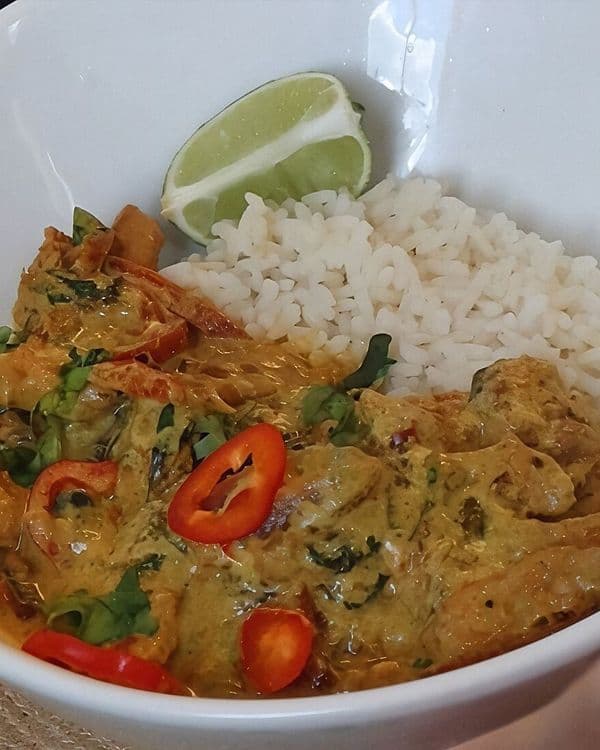
Thai recipes run on one idea repeated endlessly: balance. Every good dish chases the same four-way harmony of salty, sour, sweet and hot — fish sauce, lime, palm sugar and chilli — tuned by taste until none of them shouts and all of them sing. The recipes below were chosen to show that range across the table: fragrant coconut curries, smoky wok noodles, hot-and-sour soups, sharp pounded salads and the street snacks that hold it all together, rather than ten versions of the same takeaway dish.
What makes Thai cooking so rewarding at home is that the flavour lives in fresh aromatics, not long cooking. Lemongrass, galangal, kaffir lime leaf, garlic, chilli, coriander root and shrimp paste do the heavy lifting, pounded into pastes or bruised into broths so their oils release. Once you have those building blocks, most dishes are fast — a curry simmers in twenty minutes, a stir-fry in five — and the real skill is seasoning at the end rather than slaving over a stove.
You will find four clusters here: the coconut and chilli curries, the wok-fired noodles and stir-fries, the bright soups and salads, and the rice plates and street food. The same handful of moves — frying a paste until it splits, balancing a sauce, keeping the wok hot, finishing with herbs and lime — repeats across all of them, so learning one cluster well makes the next far easier.
Treat this as a working reference. Each recipe links to full ingredients and steps on Chefadora, and the guides below cover the things that decide whether a Thai dish tastes flat or alive — how to build and fry a curry paste, how to balance the four flavours, how to get wok hei at home, and which substitutions actually work when you cannot find galangal or holy basil.
Thai Curries
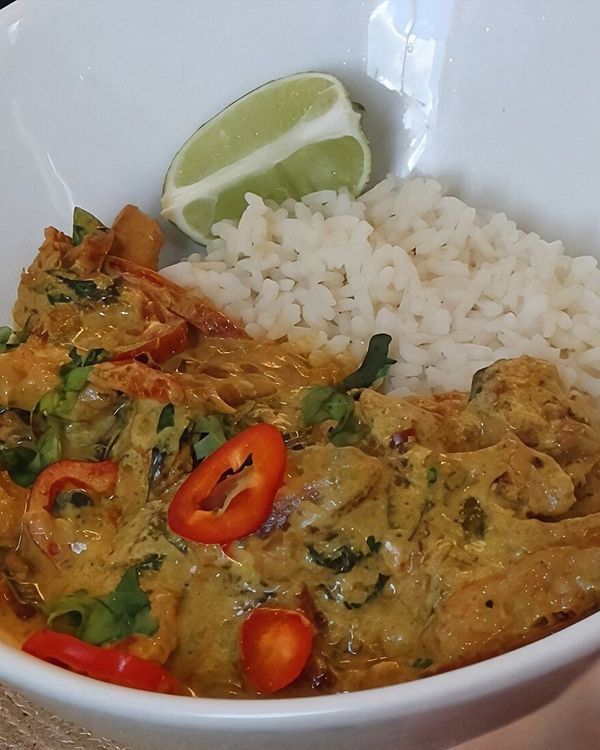
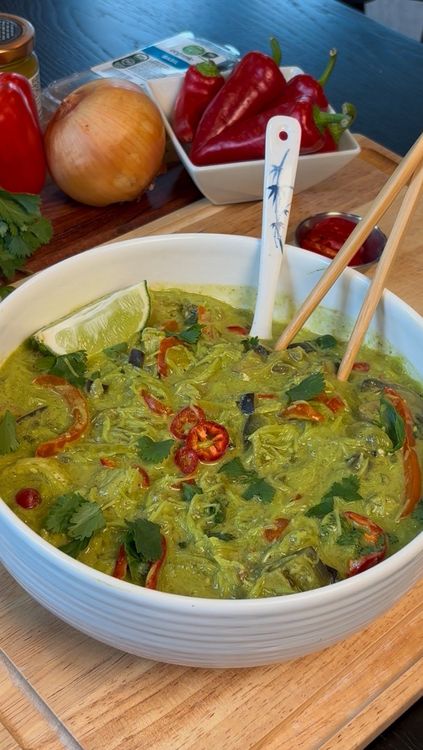
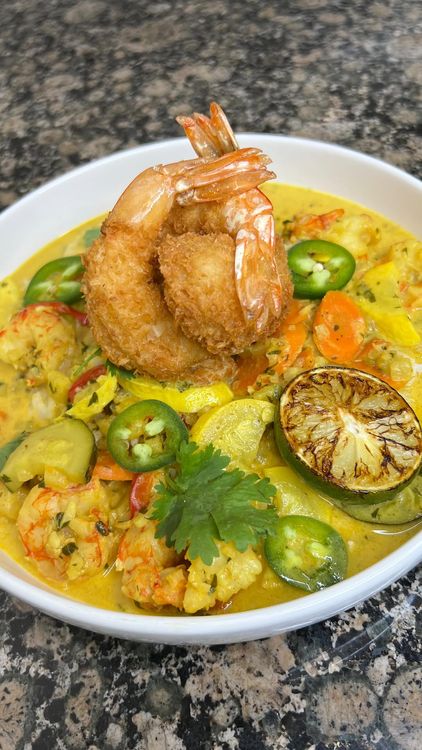
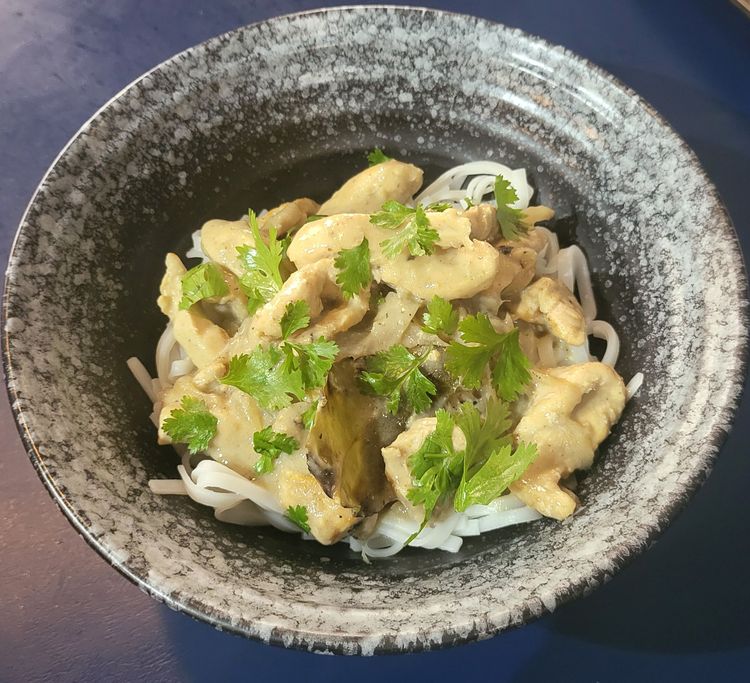
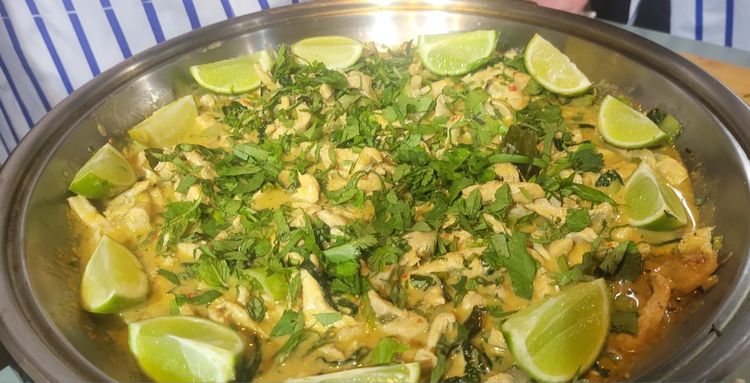
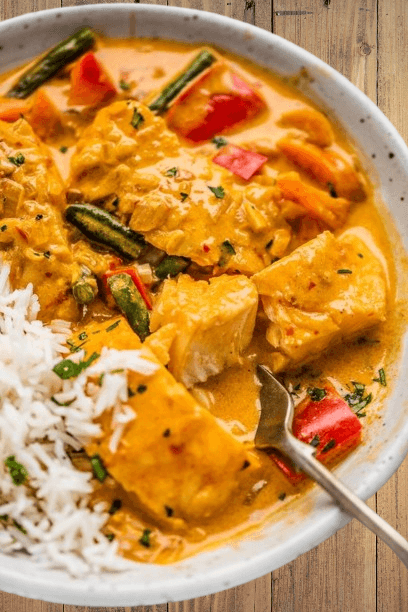
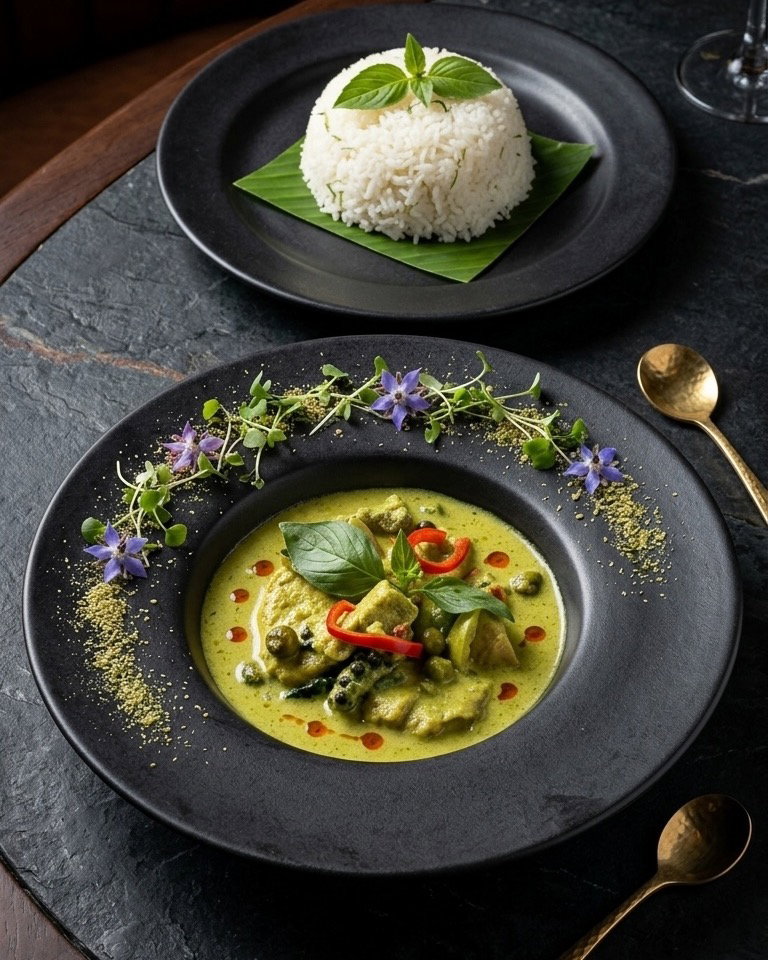
A real Thai curry is made or broken before the protein ever goes in, at the moment you fry the paste. The technique that separates a perfumed curry from a thin, harsh one is cracking the coconut cream: simmer the thick top-of-the-can cream over medium heat until the oil splits and pools, then stir in your paste and fry it hard for several minutes until it darkens and smells deeply toasted rather than raw. That bloom in hot fat is everything. Only then do you loosen the pot with thinner coconut milk and stock and add what you are cooking. Keep the simmer gentle, never a rolling boil, which can split a coconut sauce and dull the aromatics. Whether you are building a fiery green, a rounder red, a sweet massaman with its warm spices and peanuts, or a thick panang, the rhythm is identical — fry the paste, loosen, simmer gently, then balance at the very end with fish sauce, palm sugar and a squeeze of lime, finishing with kaffir lime leaf, Thai basil and a swirl of reserved cream for shine. Standouts here include Creamy Thai Coconut Chicken Curry and Spicy Thai Coconut Curry Shrimp, plus Thai Green Curry Pot Pie.

- Thai
- Non-Vegetarian
- Lunch


- Thai
- Eggetarian
- Dinner
- Thai
- Non-Vegetarian
- Lunch


- Vegetarian
- Soup
- Thai
- Non-Vegetarian
- Lunch

- Thai
- Non-Vegetarian
- Dinner
- Thai
- Pescatarian
- Dinner

- Thai
- Dairy-Free
- Dinner

- Thai
- Non-Vegetarian
- Lunch
- Thai
- Non-Vegetarian
- Lunch
- Thai
- Pescatarian
- Dinner
- Non-Vegetarian
- Lunch
Noodles & Stir-Fry
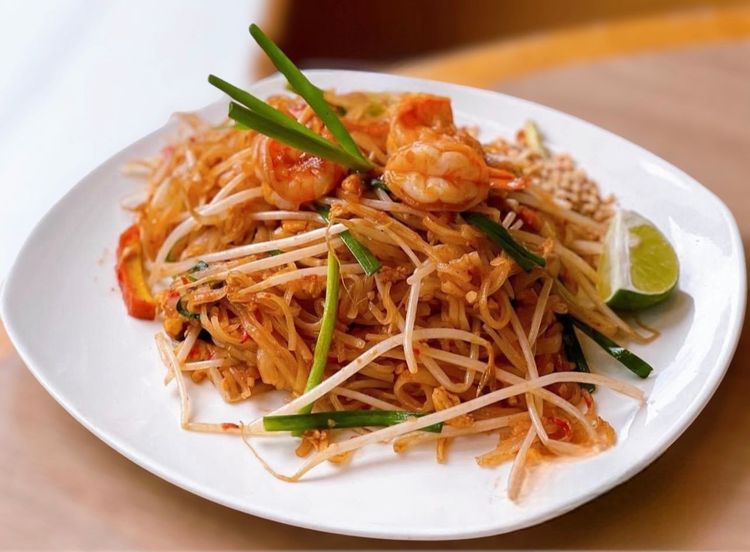
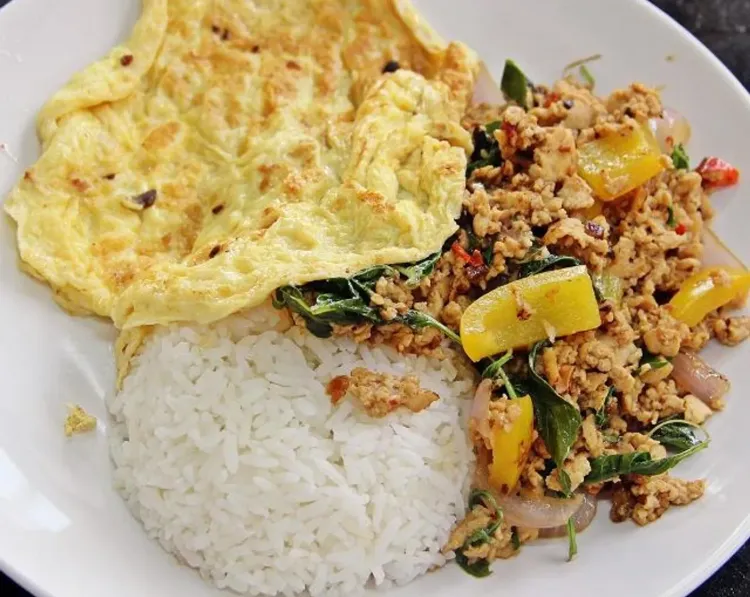
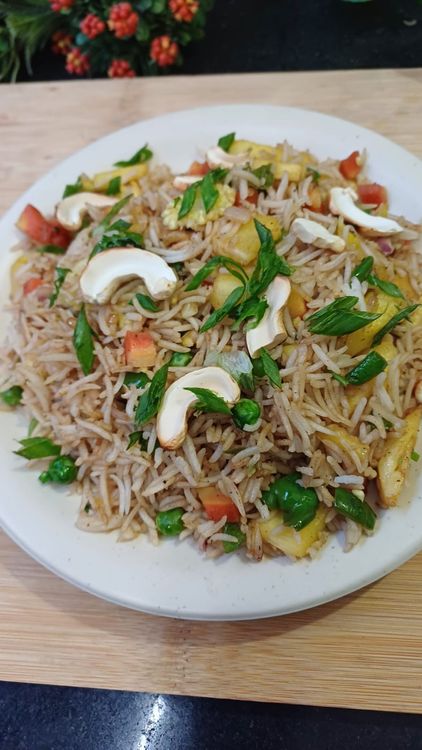
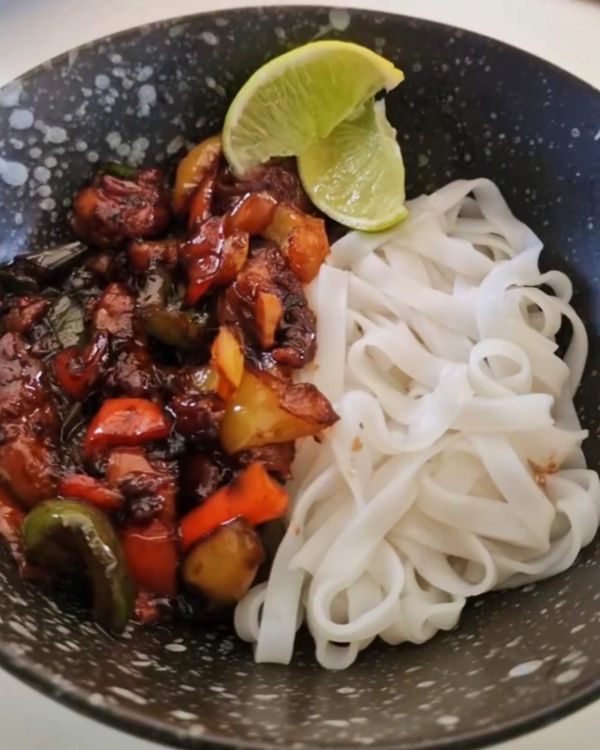
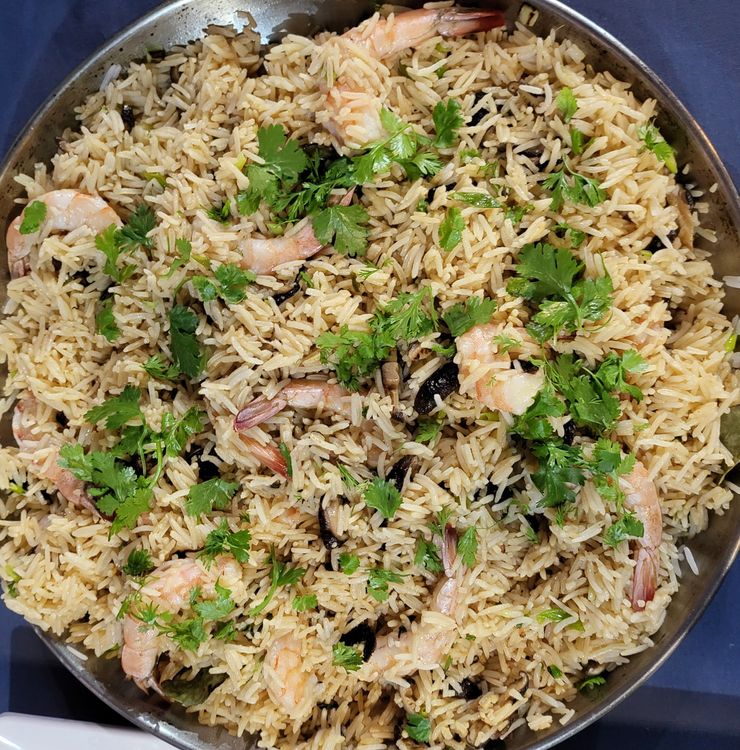
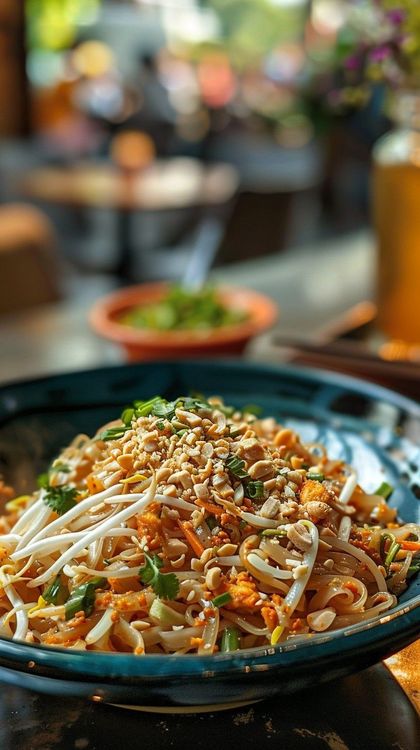
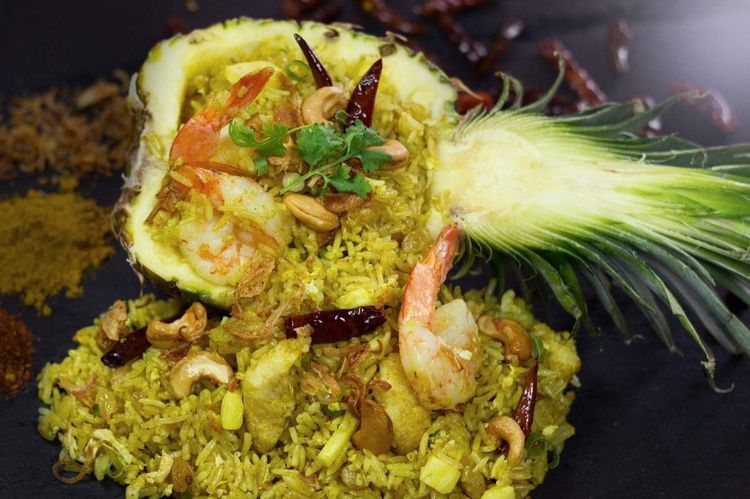
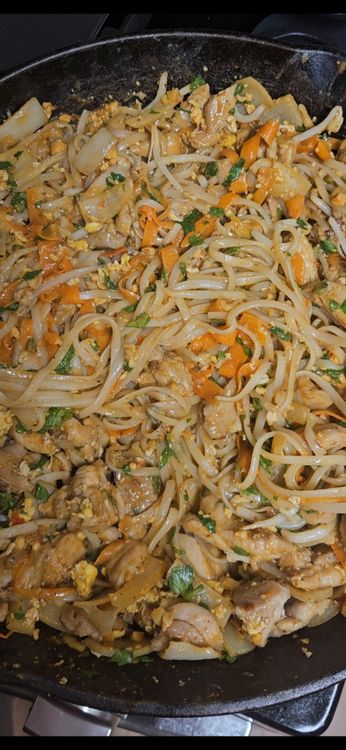
This is the fast, high-heat corner of the Thai kitchen, where everything depends on a ripping-hot wok and total prep. Get the pan genuinely smoking and have every ingredient chopped, every sauce mixed and everything within arm's reach, because once it starts there is no time to pause. The classic mistake is crowding a lukewarm pan, which steams a pad see ew or drunken noodles into a soft grey tangle instead of giving you the charred, faintly smoky edges — the wok hei — that the best versions are known for. Cook in the right order: aromatics first and fast so they do not scorch, protein seared and often pulled out, then noodles or vegetables tossed constantly against the hot metal. For pad thai and other rice-noodle dishes, soak the noodles only until pliable and still firm, never boil them soft, because they finish cooking in the pan as they drink up the sauce. Add the sauce at the end and toss hard so it coats rather than pools, resist over-saucing, and serve the second it leaves the heat while the edges are still crisp and the herbs still bright. Standouts here include Pad Thai Prawn and Thai Basil Tofu Stir Fry with Egg Omelet, plus Thai Pineapple Fried Rice.
- Thai
- Non-Vegetarian
- Lunch
- Thai
- Eggetarian
- Lunch

- Thai
- Vegan
- Lunch

- Thai
- Non-Vegetarian
- Dinner
- Thai
- Pescatarian
- Lunch
- Thai
- Non-Vegetarian
- Lunch
- Thai
- Pescatarian
- Lunch
- Thai
- Vegan
- Lunch

- Thai
- Non-Vegetarian
- Dinner
Soups & Salads
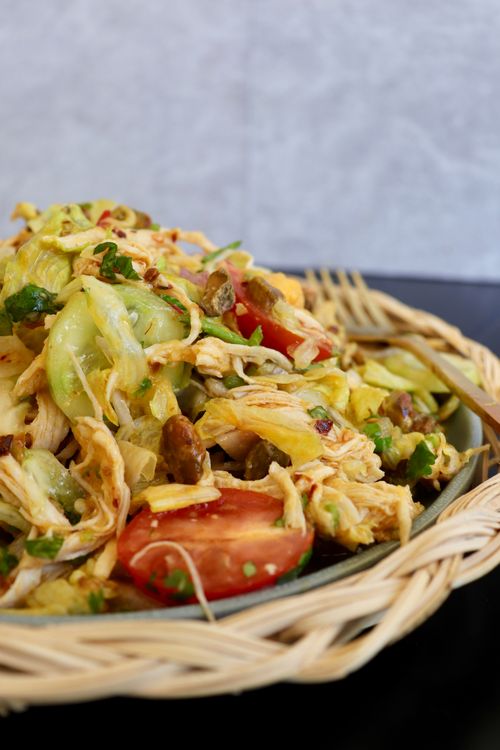
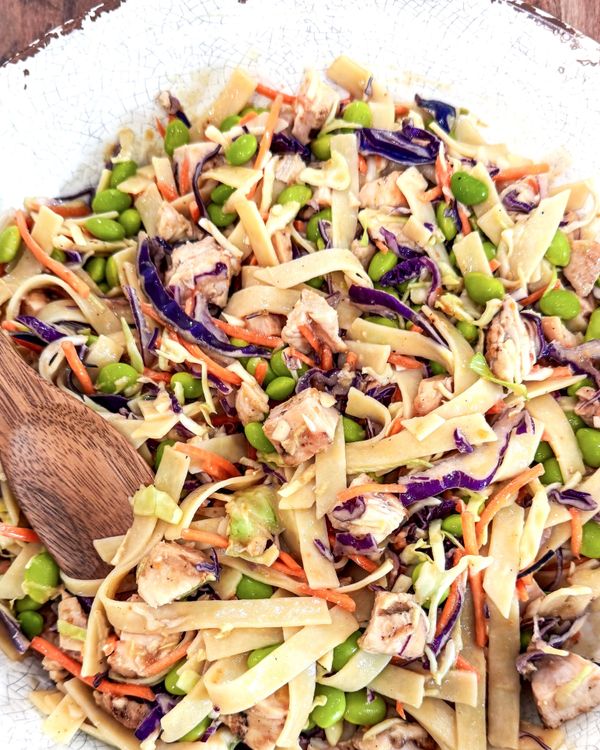
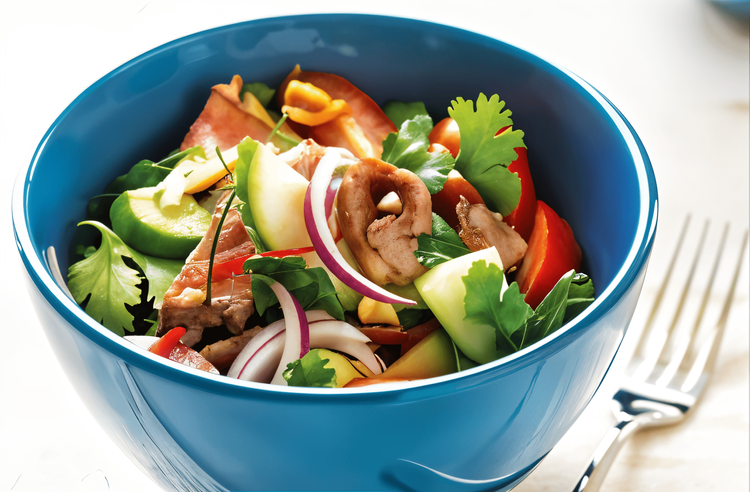
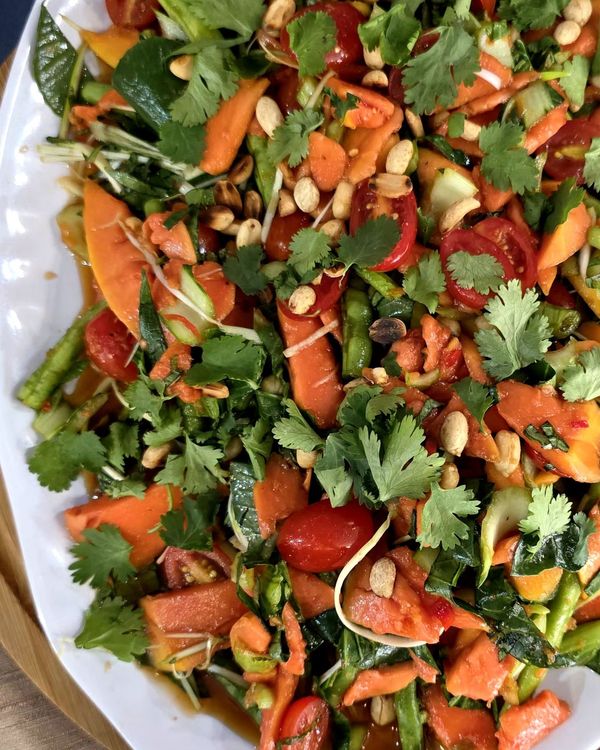
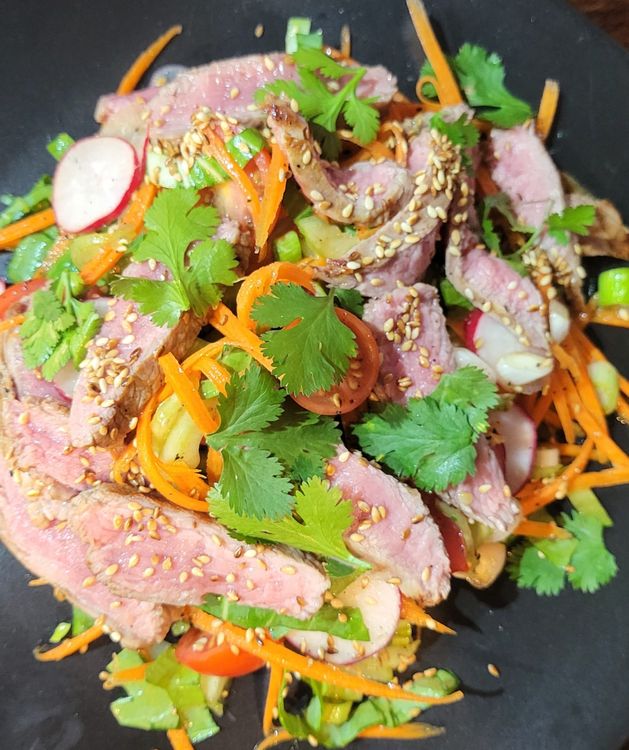
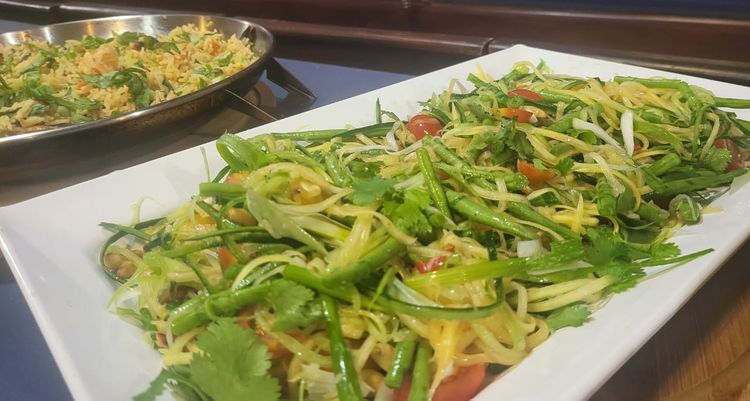
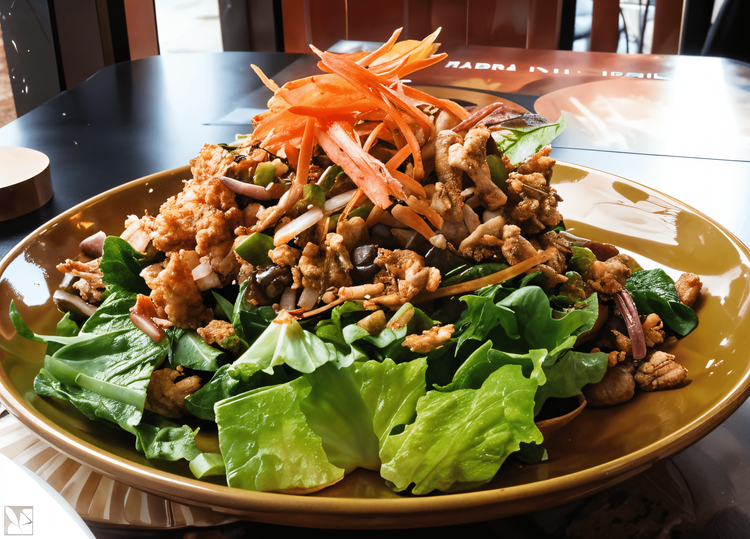
Here is the loud, bright, unapologetically punchy side of Thai cooking — the hot-and-sour soups and the sharp pounded salads that wake up the whole table. The soups, tom yum and tom kha among them, are built on bruised aromatics: lemongrass, galangal, kaffir lime leaf and chilli simmered just long enough to release their oils, then balanced with fish sauce and a generous hit of lime added off the heat so it stays fresh rather than turning bitter. Tom yum stays clear and fiery; tom kha softens the same base with coconut milk. The salads work differently but chase the same balance — som tum is pounded in a mortar so the dressing bruises into the green papaya, while larb tosses minced meat with toasted rice powder, lime, fish sauce and a fistful of herbs. The common thread is acidity and freshness layered in at the very end. The mistake to avoid is cooking the citrus and herbs into submission; add lime, coriander, mint and Thai basil last, taste aggressively for the sour-salty-hot harmony these dishes prize, and let the brightness carry them. Standouts here include Thai Mango Chicken Salad and Trader Joe's Thai Peanut Chicken Pasta Salad, plus Thai Salad with Meat.

- Thai
- Non-Vegetarian
- Lunch

- Thai
- Non-Vegetarian
- Lunch
- Thai
- Non-Vegetarian
- Salad
- Thai
- Pescatarian
- Appetiser
- Thai
- Non-Vegetarian
- Lunch
- Thai
- Pescatarian
- Salad
- Asian
- Non-Vegetarian
- Salad

- Pescatarian
- Soup
Rice & Street Food
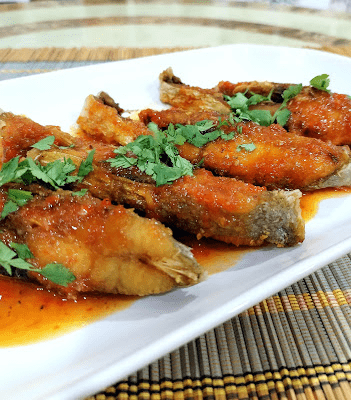
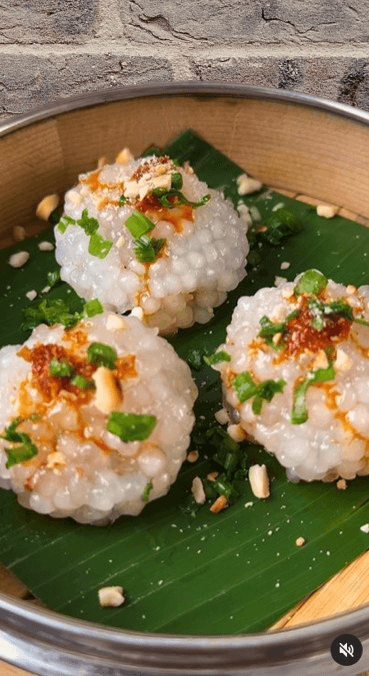
This is the everyday, hand-to-mouth heart of Thai eating — the one-plate meals and market snacks that fuel the day. Coconut rice and jasmine rice anchor the plate, soaking up curry and balancing heat, while glutinous sticky rice, steamed and eaten by hand, partners grilled meats and salads and forms the bed for mango sticky rice. The street snacks lean on a few repeatable techniques: satay skewers want a turmeric-and-lemongrass marinade and a hot grill, with the meat pulled before it dries; spring rolls and fish cakes (tod mun) want oil held steady around 170 to 180C so they crisp and set without going greasy. The frequent error with anything fried is crowding the pan, which crashes the temperature and leaves you with pale, oil-logged results, so work in small batches and let the oil recover between them. Most of these are built for grabbing on the go, so they reward bold seasoning and a good dipping sauce — a sweet chilli, a tamarind dip, a peanut sauce — that does as much work as the snack itself. Treat this group as the comforting, portable backbone the rest of the meal is built around. Standouts here include Thai Fried Fish with Sweet And Sour Tamarind Sauce and Steamed Thai Sago Peanut Dumplings with a Spicy Tamarind Dip.
- Thai
- Pescatarian
- Lunch
- Thai
- Vegan
- Appetiser
More Thai Favourites
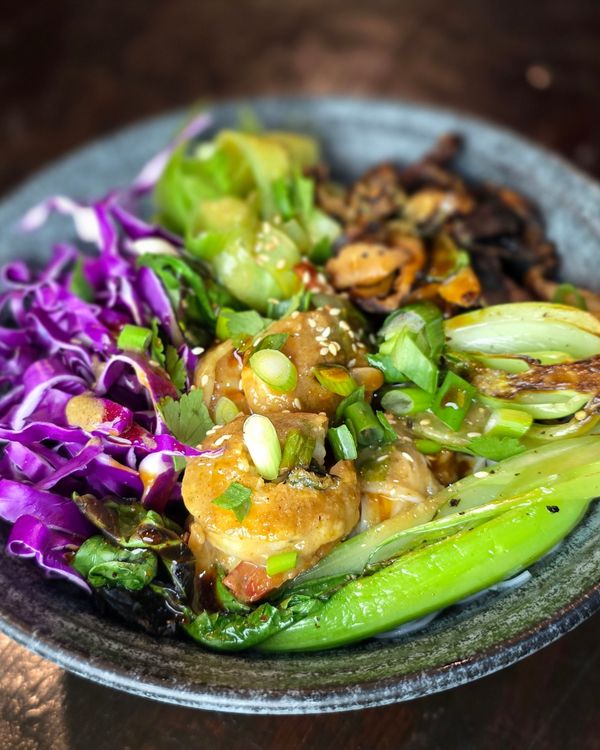
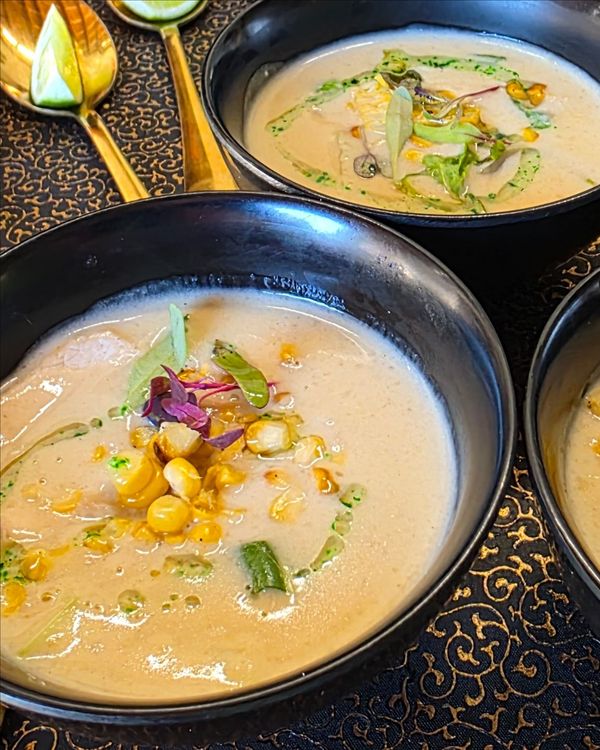
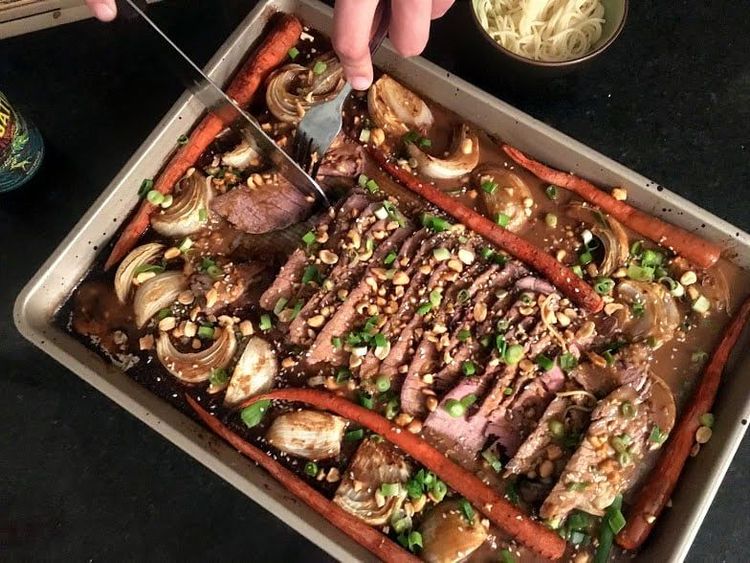
A few dishes never sit neatly in a single category, and these are the ones worth keeping in your back pocket once the staples feel routine. They lean on the same handful of techniques you already know — a paste fried until it splits, a sauce tuned by taste, a wok kept genuinely hot, a finish of herbs and lime — but steer them toward different textures and flavour profiles so the table never tastes the same twice. Picking your next one is mostly about matching effort to mood: reach for a quick stir-fry or a noodle toss on a busy night when you want dinner in fifteen minutes, and save the from-scratch curry pastes, slow-built broths and pounded salads for a weekend when you can take your time. Pay attention to where each dish wants to sit on the salty-sour-sweet-hot spectrum, since that target balance is what tells you when it is done, and keep your aromatics — lemongrass, galangal, kaffir lime, Thai basil — prepped and within reach so the actual cooking stays fast. Think of this group as the natural next step after the classics, the recipes that quietly earn a regular spot in the rotation once you have tried them. Standouts here include Thai Prawn Poke Bowl and Thai Chicken & Corn Chowder, plus Sheet Pan Thai Peanut Beef.
- Thai
- Pescatarian
- Lunch
- Thai
- Non-Vegetarian
- Lunch

- Thai
- Non-Vegetarian
- Dinner
- Thai
- Non-Vegetarian
- Dinner


- Non-Vegetarian
- Dinner
Building and Frying a Curry Paste
A great Thai curry starts with the paste, and a paste made from scratch tastes nothing like a jar. Pound dried or fresh chillies, lemongrass, galangal, garlic, shallot, coriander root and shrimp paste in a heavy mortar, hardest and most fibrous ingredients first, until you have a smooth, fragrant mass. A pestle bruises and releases oils in a way a blender cannot; if you must use a machine, add a splash of liquid and accept a slightly coarser result.
The single most important move is to "crack" the coconut cream and fry the paste in it. Simmer thick coconut cream (the firm part at the top of the can) over medium heat until it splits and the oil pools, then stir in the paste and fry it hard for several minutes until it darkens and smells deeply toasted rather than raw. This blooms the spices in fat and is the difference between a flat curry and a perfumed one. Skip it and the curry tastes thin and harsh.
Only then loosen with the thinner coconut milk and stock, add your protein and vegetables, and simmer gently — never at a rolling boil, which can split a coconut sauce and dull the aromatics. Season at the very end with fish sauce for salt, palm sugar for roundness and lime or tamarind for sour, tasting as you go. Finish with kaffir lime leaf, Thai basil and a swirl of reserved coconut cream for richness and shine.
Balancing Salty, Sour, Sweet and Hot
Thai food is seasoned by taste, not by recipe. The four pillars are salty (fish sauce, soy, shrimp paste), sour (lime juice, tamarind), sweet (palm sugar) and hot (fresh and dried chilli), and a finished dish should hold all four in tension so no single note dominates. The mistake home cooks make is measuring once at the start and walking away; you must taste at the end and adjust, because every lime and every batch of fish sauce is different.
Work in small increments and chase what is missing. If a dish tastes flat, it usually needs salt (fish sauce) or sour (lime) before it needs more chilli. If it is too sour or too salty, a little palm sugar rounds the edges. If it is harsh or one-dimensional, a touch more sugar and a squeeze of lime almost always pulls it together. Add heat last, since you can always add more chilli but cannot take it back.
Different dishes sit at different points on that spectrum: a som tum salad leans hard sour and hot, a massaman curry leans sweet and mild, a tom yum is sour and fiery, a pad thai is sweet-sour and savoury. Learn the target balance for each style, then trust your palate. Once you internalise this, you stop needing exact measurements — you taste, you adjust, and the dish tells you when it is right.
Wok Heat and Stir-Fry Technique
Thai stir-fries and noodles want real heat and total prep. Get your wok or widest, heaviest pan genuinely smoking before anything goes in, and have every ingredient chopped, every sauce mixed, and everything within arm's reach, because once the cooking starts there is no time to pause. A weak domestic burner is the usual reason home stir-fries come out grey and steamed instead of charred and smoky.
Cook in the right order and do not crowd the pan. Aromatics — garlic, chilli — go in first and fast so they do not burn; protein gets seared and often removed; then noodles or vegetables hit the hot metal and are tossed constantly. Crowding drops the temperature and steams everything, so work in batches if your stove is weak, and keep the food moving so it chars in spots rather than sitting and sweating. That faint smoky edge is wok hei, and it is what you are chasing.
For noodle dishes like pad thai and pad see ew, soak rice noodles until just pliable but still firm — never boil them soft — because they finish cooking in the pan as they absorb the sauce. Add the sauce at the end and toss hard so it coats rather than pools, and resist over-saucing, which turns a stir-fry into a soggy braise. Serve the second it comes off the heat, while the edges are still crisp.
Ingredients, Substitutions and Make-Ahead
A few Thai ingredients are worth seeking out because nothing quite replaces them: fish sauce, palm sugar, lemongrass, galangal, kaffir lime leaves, Thai (holy or sweet) basil and good curry paste. Many keep well — fish sauce and palm sugar are pantry-stable, and lemongrass, galangal, kaffir lime leaves and Thai basil all freeze beautifully, so buy them when you see them and stash them rather than hunting each time you cook.
When you are stuck, some swaps work and some do not. Ginger can stand in for galangal at a push (it is sharper, less piney), regular lime zest approximates kaffir lime leaf, and brown sugar replaces palm sugar acceptably. Sweet basil or even mint can sub for holy basil in a pad krapow, though the flavour shifts. Fish sauce, however, has no real substitute for its funky depth — light soy plus a pinch of salt is the nearest vegetarian approximation, and a good vegetarian fish sauce is better still.
Curry pastes and stocks are the make-ahead heroes. A batch of homemade paste keeps a week in the fridge under a film of oil, or months frozen in an ice-cube tray, so an afternoon of pounding pays off for weeks. Most curries also taste better the next day as the flavours meld; stir-fries and crisp street snacks, by contrast, are strictly cook-and-eat. Prep your aromatics and sauces ahead, and the actual cooking stays fast.
Pro Tips from the Test Kitchen
- Fry the curry paste in cracked coconut cream until the oil splits and it smells toasted — this is what perfumes the whole curry.
- Season Thai dishes at the end and by taste: chase salty (fish sauce), sour (lime), sweet (palm sugar) and hot (chilli) until balanced.
- If a dish tastes flat, reach for fish sauce or lime before more chilli — under-seasoning, not under-spicing, is usually the problem.
- Soak rice noodles until just pliable, never boil them soft; they finish cooking in the wok as they drink up the sauce.
- Get the wok genuinely smoking and prep everything first — stir-frying gives you no time to chop or measure once it starts.
- Do not crowd the pan; a packed wok steams food grey instead of charring it. Cook in batches on a weak burner.
- Pound curry pastes hardest-and-most-fibrous first; a mortar releases oils a blender cannot.
- Freeze lemongrass, galangal, kaffir lime leaves and Thai basil when you find them — they keep their punch for months.
- Simmer coconut curries gently, never at a hard boil, or the sauce can split and the aromatics turn dull.
- Add fresh herbs, a final squeeze of lime and a swirl of coconut cream off the heat so they stay bright and fragrant.
Frequently Asked Questions
What are the four main flavours in Thai cooking?
Salty, sour, sweet and hot — delivered mainly by fish sauce, lime juice (or tamarind), palm sugar and chilli. The art is balance: a finished Thai dish holds all four in tension so none dominates. You season by taste at the end rather than by exact measurement, adjusting in small increments, because every lime, chilli and bottle of fish sauce varies. Once you cook this way you rarely need a recipe.
What is the difference between red, green and massaman curry?
They differ mainly by paste. Green curry uses fresh green chillies, making it bright, herbaceous and often the hottest; red curry uses dried red chillies for a deeper, rounder heat. Massaman is a mild, sweet, Muslim-influenced curry with warm spices like cinnamon, cardamom and clove, plus peanuts and potato. Panang sits between, thick and rich. Same base technique — fry the paste, loosen with coconut, balance at the end.
How do you make authentic pad thai?
Soak rice noodles until pliable but firm, never soft. Make a sauce of tamarind, fish sauce and palm sugar, then stir-fry hot and fast: aromatics, protein and egg, then the drained noodles tossed with the sauce until it coats and the noodles finish cooking. Add bean sprouts, garlic chives and crushed peanuts near the end. Serve with lime, extra peanuts and chilli flakes so each person tunes their own balance.
Can I make Thai food without fish sauce?
Yes, though fish sauce gives a savoury, funky depth that is hard to replace. The closest vegetarian approximation is light soy sauce with a pinch of salt, or better, a dedicated vegetarian or vegan fish sauce made from seaweed or fermented soy. For shrimp paste in curry pastes, miso or a little extra salt and umami can stand in. The dish shifts slightly but stays recognisably Thai.
What can I use instead of galangal, lemongrass or kaffir lime leaves?
Ginger substitutes for galangal at a push, though it is sharper and less piney. For lemongrass, the zest of a lemon plus a little lime gives a hint of its citrus, but the fragrance is muted. Kaffir lime leaves are best approximated by lime zest. None are perfect, which is why it is worth buying these aromatics when you see them and freezing them — they all keep their punch frozen for months.
Why does my coconut curry taste flat or thin?
Usually the paste was not fried properly. You need to crack the thick coconut cream — simmer it until the oil splits — then fry the paste in that fat until it darkens and smells toasted, which blooms the aromatics. Skipping this leaves a thin, harsh curry. The other common culprit is under-seasoning at the end: taste and adjust fish sauce, palm sugar and lime until the four flavours balance.
How hot is Thai food, and can I make it milder?
It ranges widely — som tum and jungle curry can be fiery, while massaman and many coconut curries are mild and sweet. Heat comes from fresh and dried chillies, so you control it easily: use fewer chillies, deseed them, or choose milder varieties. Coconut milk and palm sugar also temper heat. Add chilli last and taste as you go, since you can always add more but cannot take it back.
What is the difference between tom yum and tom kha?
Both are hot-and-sour Thai soups built on the same aromatics — lemongrass, galangal, kaffir lime leaf, chilli and lime. Tom yum is a clear (or chilli-paste-tinted) broth, sharp, sour and fiery. Tom kha adds coconut milk, making it creamy, mellow and slightly sweet, with the sour and spicy edges softened. Tom kha gai (with chicken) is the classic. Choose tom yum for punch, tom kha for comfort.
What rice should I serve with Thai food?
Thai jasmine rice is the standard partner for curries and stir-fries — fragrant, slightly sticky and perfect for soaking up sauce. For grilled meats, salads like som tum and the northeastern dishes, glutinous (sticky) rice steamed and eaten by hand is traditional. Coconut rice pairs beautifully with spicy curries and is the bed for mango sticky rice. Rinse jasmine rice before cooking and use a touch less water than for basmati.
Which Thai dishes are good for beginners?
Start with a stir-fry like pad krapow (Thai basil chicken) or a coconut curry from a good shop-bought paste — both are fast and forgiving and teach you to balance fish sauce, sugar and lime. Pad thai and a simple tom kha soup are natural next steps. Save the from-scratch curry pastes and pounded som tum for once you are comfortable tasting and adjusting; the technique is the same, just more hands-on.
The thread through every Thai recipe here is balance and freshness: a few potent aromatics, a sauce tuned by taste rather than by measure, and quick, confident cooking. Master the core moves in the guides — fry the paste properly, balance the four flavours, keep the wok hot, finish with herbs and lime — and curries, noodles, soups and salads all fall into place.
Pick three to cook this week — a coconut curry, a wok noodle and a bright soup or salad — and save your favourites to a Chefadora cookbook. Then work through the rest; this page is built to be the Thai reference you actually come back to.
Related
- Thai
- Southeast Asian
- Curry
- Noodles
- Coconut
- Spicy
- Street Food
- Dinner
Popular Searches
- Best thai recipes
- Easy thai recipes
- Quick thai recipes
- Healthy thai recipes
- Simple thai recipes
- Homemade thai recipes
- Delicious thai recipes
- Popular thai recipes
- thai curry
- pad thai
- tom yum soup
Marnirni-apinthi Building, Lot Fourteen,
North Terrace, Adelaide, South Australia, 5000
Australia
