
Top 26 Indonesian Recipes: Nasi Goreng, Sambal and Comfort Classics
Updated July 2, 2026 · Curated by Chefadora
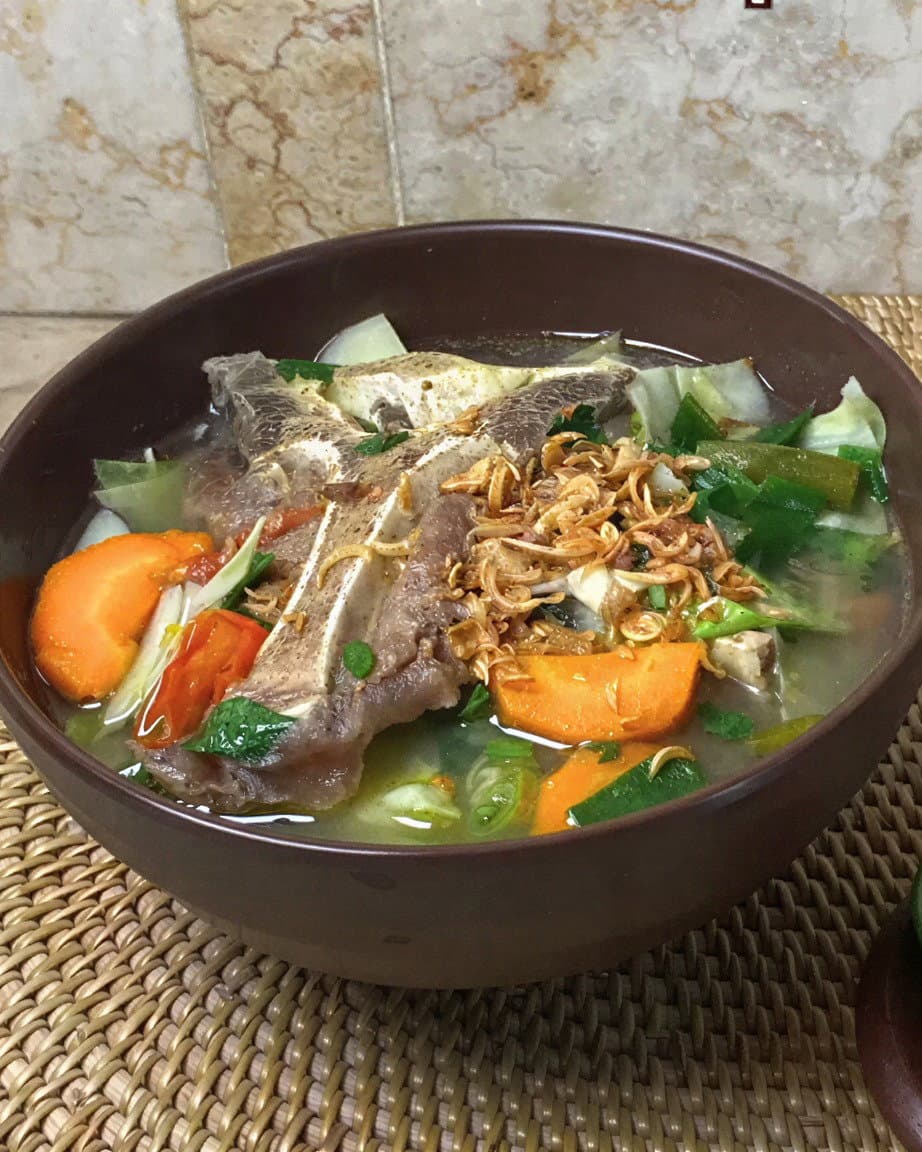
Indonesian recipes cover an enormous amount of ground for a single country's cuisine — thousands of islands, dozens of distinct culinary traditions, and a shared love of chili, coconut, and deeply savory, slow-built flavor. This collection focuses on the dishes people cook and search for most at home: fragrant fried rice, punchy sambals, slow-simmered soups and the fritters, salads and street snacks that fill out an everyday table.
What ties Indonesian food together despite that regional variation is a handful of foundational ingredients used again and again — chili (cabai), shallot, garlic, candlenut, palm sugar, tamarind and shrimp paste (terasi). Learn to build a proper sambal or a bumbu, or spice paste, base and a huge number of Indonesian dishes, from a simple nasi goreng to a full peanut-sauced gado-gado, become straightforward rather than mysterious.
The four groups below are soups and stews, rice dishes, sambals and peanut sauces, and the wide category of snacks, salads and street food. Together they represent the everyday backbone of Indonesian cooking — the fried rice you make with whatever is in the fridge, the fiery condiment that goes on almost everything, and the fritters and salads that turn a simple meal into a fuller spread.
Treat this page as a working reference. Each recipe links through to full ingredients and steps on Chefadora, and the guides below cover the techniques that make the biggest difference to Indonesian cooking at home — building a proper sambal, getting fried rice right, working with tempeh and tofu, and balancing a peanut sauce for gado-gado or a classic satay.
Indonesian Soups & Stews
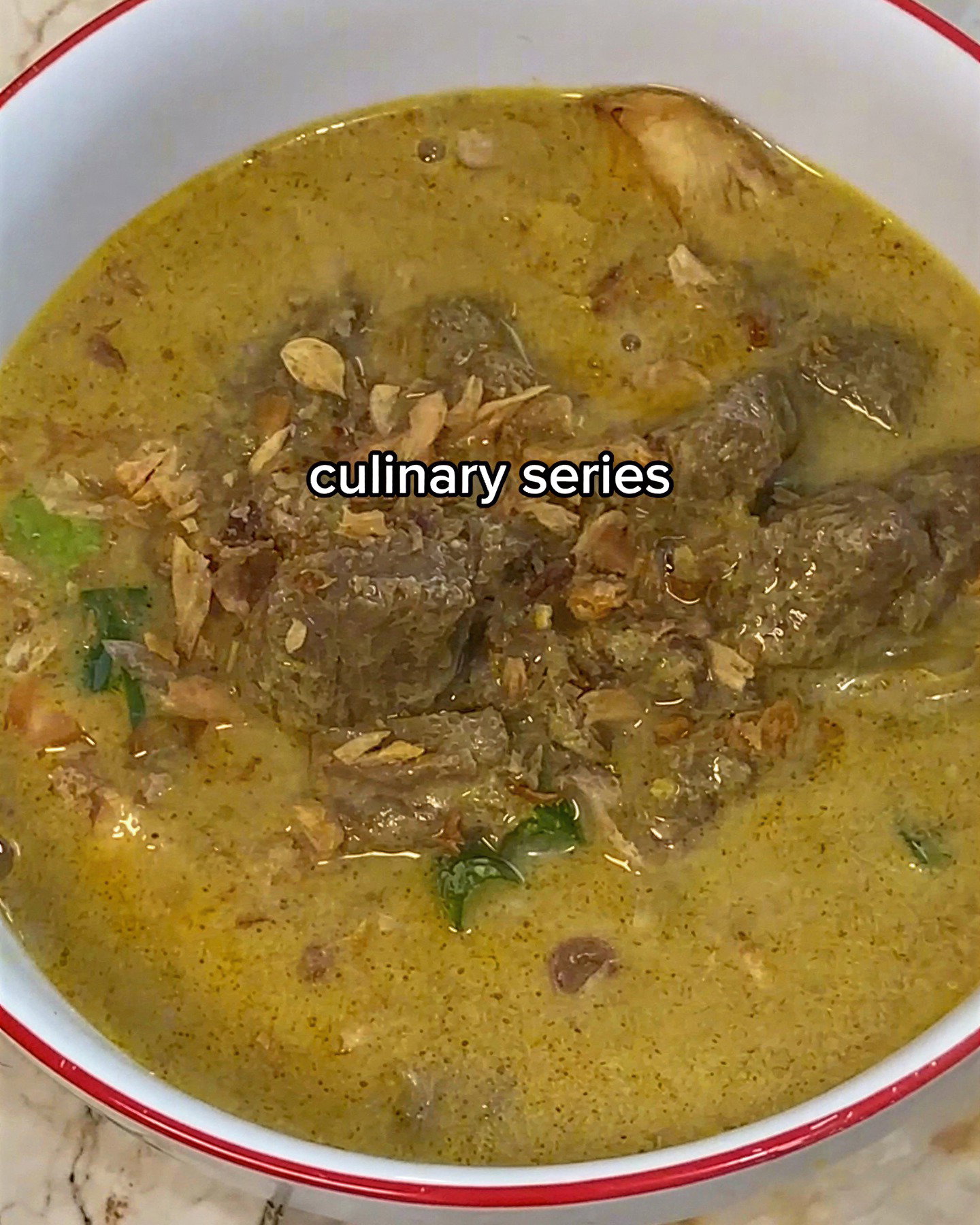
Indonesian soups and stews take their time, and that patience is exactly what makes them worth cooking. Oxtail soup, or sop buntut, simmers for hours until the meat falls off the bone and the broth turns rich and slightly gelatinous, seasoned simply with aromatics rather than a heavy spice blend so the beef flavor stays front and center. Beef rendang, often grouped with curries elsewhere but really a dry stew at heart, cooks low and slow in coconut milk and a spice paste until almost all the liquid reduces away, coating the meat in a thick, deeply spiced glaze rather than sitting in a pool of sauce — it is one of the few dishes in the world where the cooking time is measured in hours rather than minutes and the result genuinely depends on that patience. Soto, a broader family of Indonesian soups, varies by region but usually builds on a turmeric-yellow or clear aromatic broth with chicken or beef, rice or noodles, and a scattering of fresh herbs and fried shallots on top. These are the dishes to start on a weekend when you have the time to let them do their slow work properly. Most of them also improve overnight in the fridge, so cooking a big pot ahead of a busy week is genuinely a good strategy rather than a compromise. Standouts here include Indonesian Oxtail Soup (Sop Buntut) and Indonesian Beef Stew (Rendang) — with Instant Pot, plus Vegetarian-Friendly Indonesian Semur.


- Gluten-Free
- Soup

- Vegetarian
- Dinner

- Gluten-Free
- Main Course
- Non-Vegetarian
- Soup
Indonesian Rice Dishes
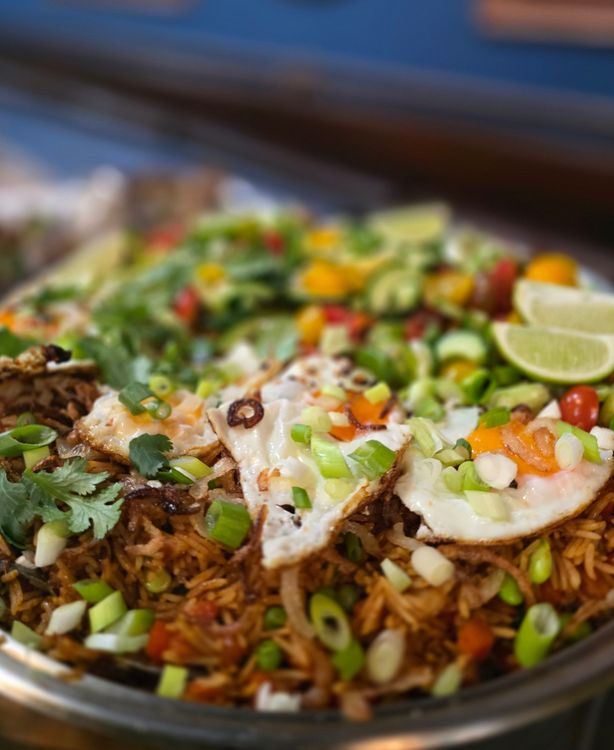
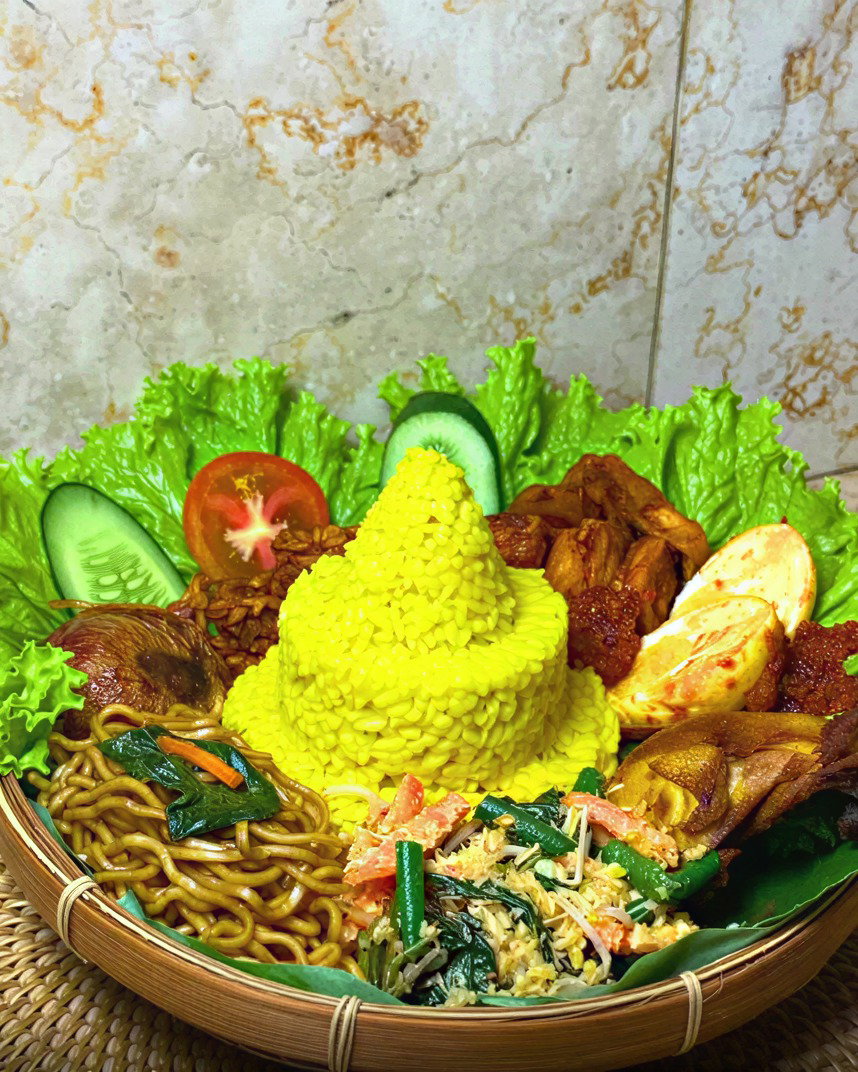
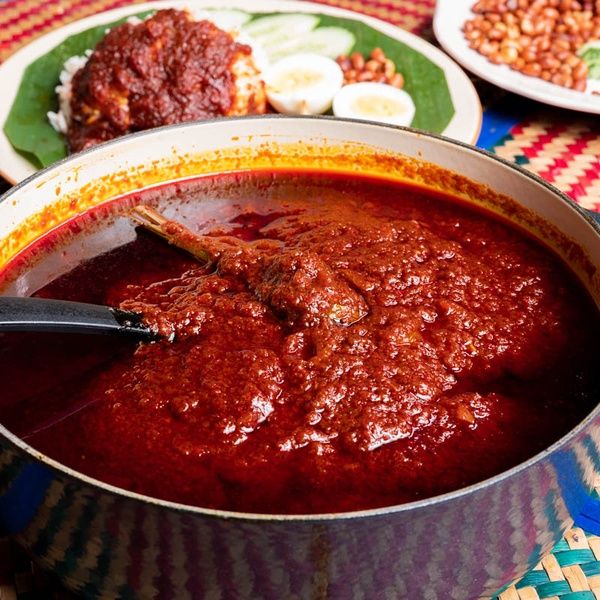
Rice sits at the center of nearly every Indonesian meal, and this cluster covers the dishes built directly around it rather than served alongside it. Nasi goreng, Indonesia's fried rice, is probably the most internationally recognized dish in this whole collection — built on day-old rice, a fried chili-shallot paste and a generous hit of kecap manis for that distinctive dark, sweet-savory character. Nasi uduk takes rice in a different direction entirely, steaming it in coconut milk with pandan and other aromatics until it turns fragrant and slightly rich, meant to be served with a spread of sides rather than eaten plain. Yellow rice, colored and flavored with turmeric, shows up at celebrations and alongside richer dishes that benefit from something bright underneath them. Across all of these, the technique that matters most is using rice that is properly cooked and, for fried versions, properly dried out and cold before it hits the pan — that single detail decides whether the rice separates into distinct grains or clumps into a sticky mass. Leftover plain rice from another meal works perfectly here, which makes this cluster one of the more practical, waste-conscious corners of Indonesian cooking to lean on midweek. Standouts here include Vegetarian Nasi Goreng and Nasi Uduk Pandan, plus Indonesian Yellow Rice.

- Indonesian
- Pescatarian
- Lunch

- Vegetarian
- Main Course
- Vegetarian
- Side Dish
- Indonesian
- Pescatarian
- Side Dish
Sambal & Peanut Sauces
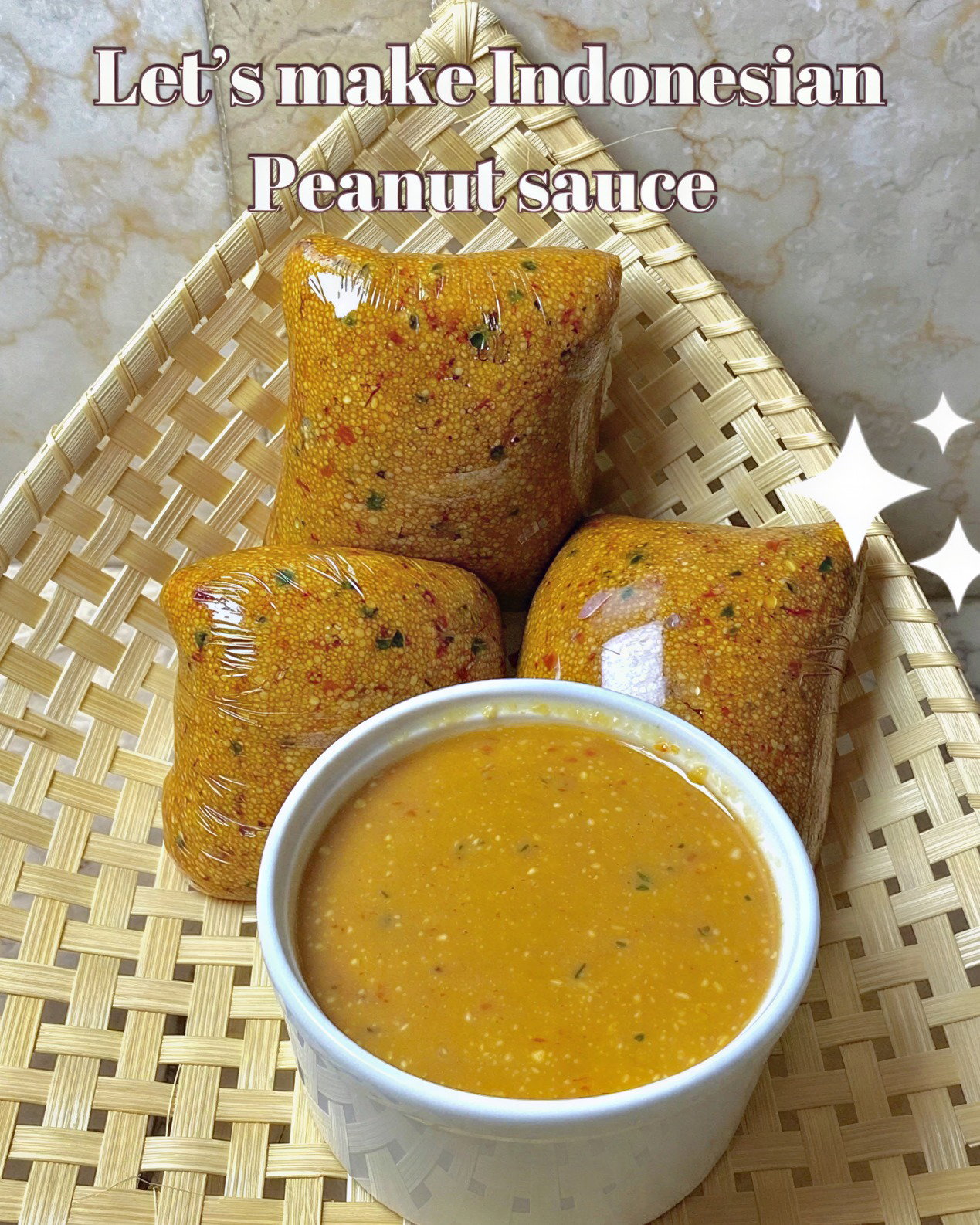
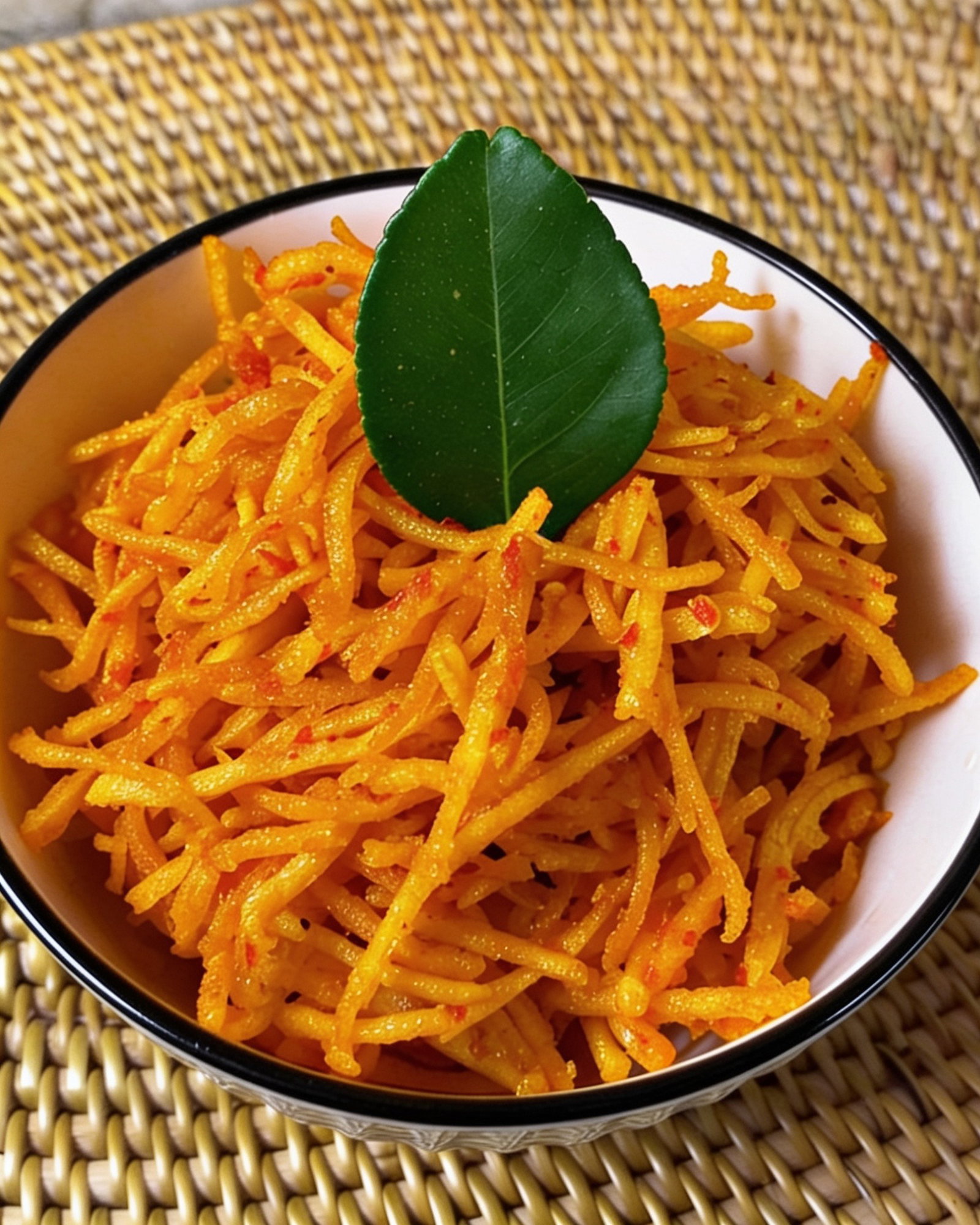
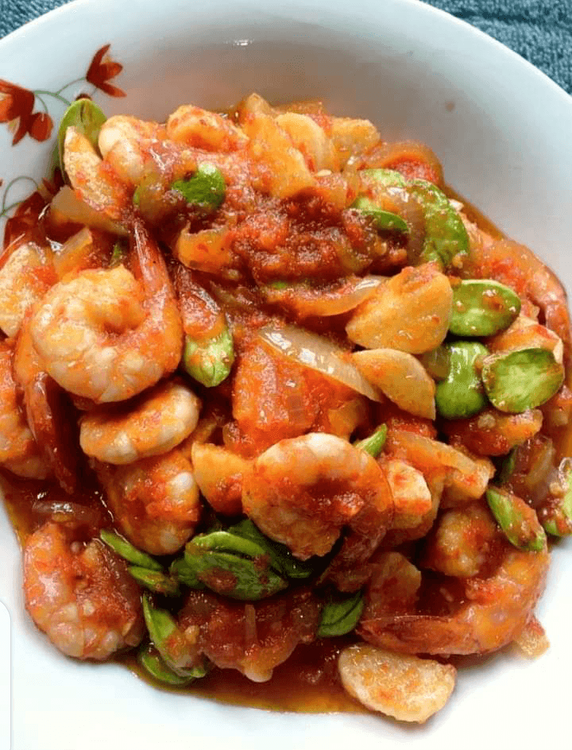
If there is one thing that defines Indonesian cooking more than any other single element, it is sambal — the family of chili condiments that shows up on nearly every table, in nearly every form, from fiery and fried to raw and relish-like. Sambal hijau, made from green chilies, is grassier and often milder than the deep red, cooked sambals built for long shelf life; sambal dabu-dabu stays raw and chunky, tossed with lime and tomato rather than pounded smooth. Peanut sauce belongs in this same conversation despite being a completely different base, since it plays the same role of tying a meal together — spooned over gado-gado's blanched vegetables, brushed onto grilled satay, or served alongside fried tofu and tempeh as a dip. Both sambal and peanut sauce keep well and only improve after a day or two in the fridge, which makes this cluster one of the most practical to cook ahead: a batch of either turns a plain plate of rice and vegetables into something genuinely craveable. Scale the chili quantity to your own tolerance rather than following a recipe rigidly here — sambal is meant to be adjusted to taste, and even Indonesian households vary their own heat level from one cook to the next. Standouts here include Indonesian Peanut Sauce and Sambal Hijau (Indonesian Green Sambal), plus Kentang Mustofa (Indonesian Crispy Potato Chips with Sambal).
- Vegetarian
- Sauce & Condiment

- Vegetarian
- Sauce & Condiment
- Vegetarian
- Snack
- Gluten-Free
- Salad

- Gluten-Free
- Salad

- Gluten-Free
- Sauce & Condiment
- Indonesian
- Pescatarian
- Dinner
Indonesian Snacks, Salads & Street Food
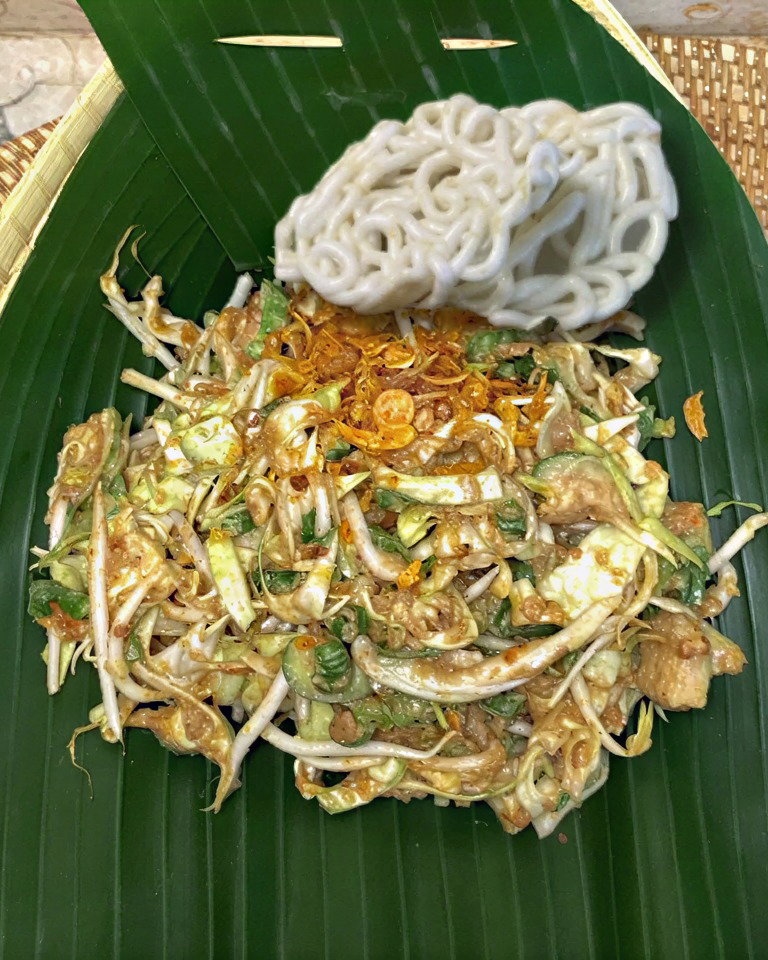
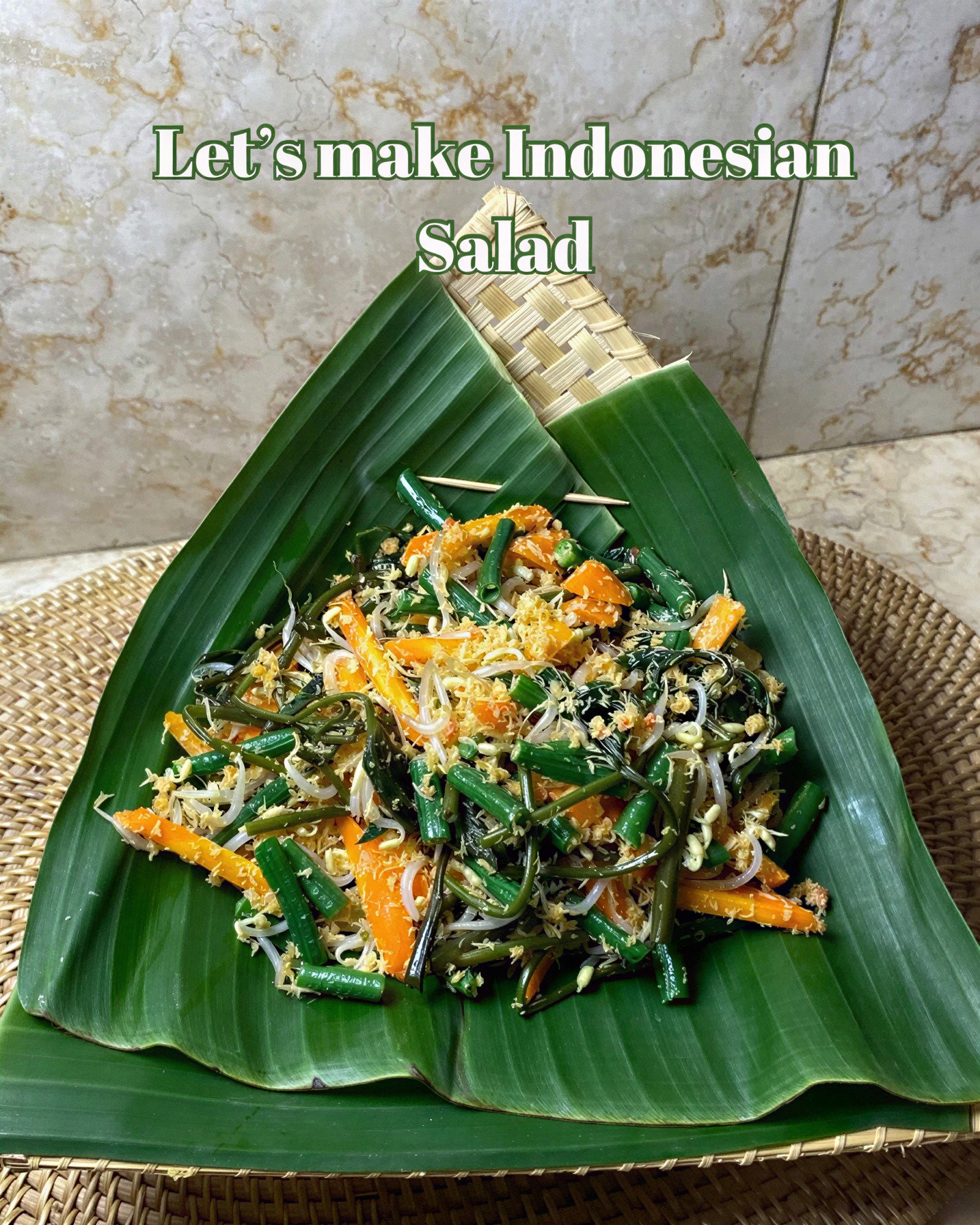
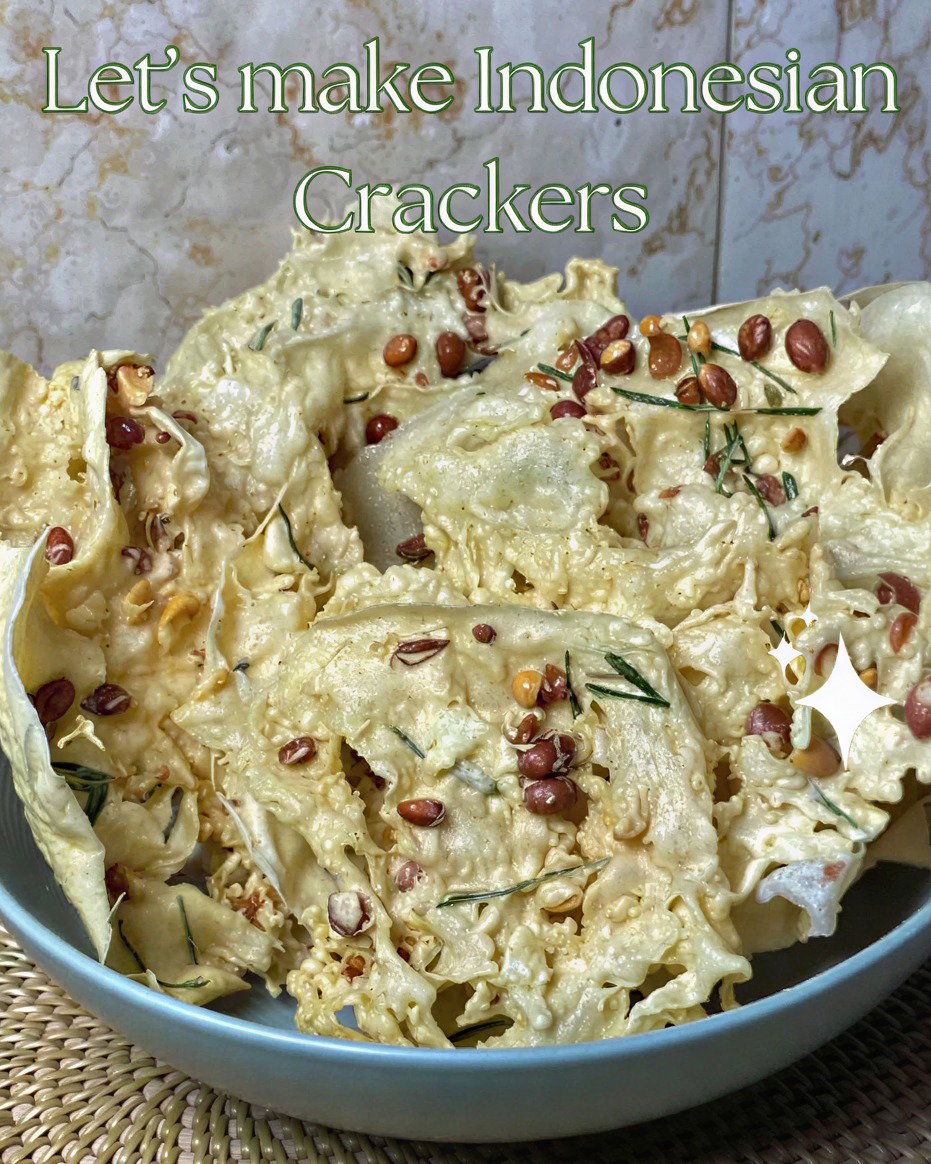
This is the broadest cluster on the page, and it covers the fritters, salads, crackers and street snacks that Indonesians eat between meals as much as at them. Tahu isi, or stuffed tofu fritters, and tempeh mendoan show off two very different textures from the same soy base — one crisp and hollow, the other thin, battered and still slightly soft in the middle. Gado-gado and other peanut-dressed salads bring vegetables and protein together in one bowl, while crackers like rempeyek add crunch to almost any spread. A few sweeter items round out the group, including coconut-filled pancake rolls and chilled dessert drinks that show Indonesian cooking's lighter, more playful side. None of these dishes require much equipment or time individually, which makes this cluster the easiest place to start if you want to taste a wide range of Indonesian flavors without committing to a long-simmered main. Many of them also travel well and hold up at room temperature for a few hours, which is part of why they show up so often as street food sold from carts and stalls rather than only cooked at home. Standouts here include Indonesian Salad (Urap) and Indonesian Chicken, plus Indonesian Fritter (Stuffed Tofu Fritter / Tahu Isi).
- Vegetarian
- Salad

- Vegetarian
- Dinner

- Vegetarian
- Snack

- Vegetarian
- Dessert

- Vegetarian
- Snack

- Vegetarian
- Street Food

- Non-Vegetarian
- Snack

- Pescatarian
- Main Course
- Gluten-Free
- Snack

- Vegetarian
- Main Course

- Dairy-Free
- Dessert
Building a Proper Sambal
Sambal is less a single recipe than a whole family of chili condiments, but most start the same way: chilies, shallot and garlic either pounded in a mortar and pestle or blitzed in a small food processor, then fried in oil until the raw edge cooks off and the mixture turns fragrant and slightly darker. Frying the paste properly, for several minutes over medium heat, is the step people skip most often, and it is what separates a flat, raw-tasting sambal from a deep, savory one.
Shrimp paste, or terasi, shows up in many sambals and needs its own quick cooking too — toast it briefly in a dry pan or wrap it in foil and char it before adding, since raw shrimp paste tastes sharp and unpleasantly fishy. A little palm sugar and a squeeze of lime or a splash of tamarind water at the end balances the heat, and salt should go in gradually since terasi already carries a lot of it.
Different sambals lean different directions: sambal hijau uses green chilies for a brighter, grassier heat; sambal dabu-dabu stays raw and chunky, more relish than paste, tossed with tomato and lime rather than fried; sambal terasi is the deep, dark, cooked style used as an all-purpose condiment. Make a batch and keep it in the fridge for a week or more — sambal only gets better as the flavors meld, and a spoonful improves almost any plain rice or grilled protein.
Getting Nasi Goreng and Fried Rice Right
Good nasi goreng starts with cold, day-old rice — freshly cooked rice is too moist and turns gluey in the pan, clumping instead of separating into distinct grains. Break up any clumps with your hands before it goes anywhere near the wok, and have every other ingredient prepped and within reach, since the actual cooking happens fast over high heat.
The flavor base is usually a paste of shallot, garlic and chili fried in oil until fragrant, followed by a spoonful of kecap manis, or sweet soy sauce, which is what gives Indonesian fried rice its distinctive dark color and caramelized sweetness that separates it from Chinese-style fried rice. Add the rice in batches if your pan is small, tossing constantly so each grain gets coated and lightly charred rather than steamed.
Push cooked additions like egg, shredded chicken or shrimp to one side rather than cooking them separately and folding in at the end — this builds more flavor into the rice itself. Finish with a fried egg on top, sliced cucumber and tomato on the side, and crispy shallots for crunch. The same high-heat, well-prepped approach applies to nasi uduk and other Indonesian rice dishes, even the ones that are steamed rather than fried.
Working with Tempeh and Tofu
Tempeh, fermented whole soybeans pressed into a firm cake, has an earthy, slightly nutty flavor that benefits from a marinade before cooking — a quick soak in a mixture of soy sauce, garlic and coriander for even fifteen minutes takes the edge off any bitterness and helps it absorb flavor all the way through, since tempeh is far more porous than tofu.
For bacem-style cooking, simmer tempeh or tofu in a sweet, spiced coconut-palm-sugar broth until the liquid reduces and clings to the surface, then finish with a quick fry to crisp the outside — this two-stage method of braising then frying is what gives bacem its deeply savory-sweet character and firm, slightly caramelized crust. Skipping the simmer and going straight to frying leaves the inside bland.
Tofu fritters like tahu isi work best with firm or extra-firm tofu, drained and pressed to remove excess water before stuffing or battering — wet tofu makes soggy fritters no matter how hot the oil is. Fry in batches at a steady 175-180C, and serve fritters immediately with a dipping sambal; like most fried snacks in this cuisine, they lose their crispness fast.
Balancing a Peanut Sauce
A good Indonesian peanut sauce, the kind served with satay or tossed through gado-gado, balances four things at once: the richness of ground peanuts, the sweetness of palm sugar or kecap manis, the tang of tamarind or lime, and the heat of chili. Roast raw peanuts yourself if you can — the flavor is noticeably deeper than using pre-roasted, salted peanuts straight from a jar.
Grind or blend the peanuts to a coarse-to-smooth paste depending on preference, then loosen it with coconut milk or water while cooking gently over low heat, stirring often so it does not catch and burn on the bottom of the pan — peanut sauce scorches easily because of its natural oil and sugar content. Add aromatics like garlic, shallot and chili fried first in a little oil for a deeper base rather than raw.
Taste and adjust at the end more than with most sauces — peanut sauce needs real seasoning to sing, usually more salt and acid than feels intuitive against all that richness. It should coat the back of a spoon but still pour; thin with a little warm water if it stiffens as it cools. Extra sauce keeps well in the fridge for up to a week and is worth doubling.
Pro Tips from the Test Kitchen
- Fry sambal paste for several minutes until it darkens and turns fragrant — a raw sambal tastes flat and sharp.
- Char or toast shrimp paste, or terasi, before using it; raw terasi tastes unpleasantly sharp and fishy.
- Use cold, day-old rice for nasi goreng — fresh rice is too moist and clumps instead of separating.
- Add kecap manis, or sweet soy sauce, to fried rice for the dark color and caramelized sweetness that defines the dish.
- Marinate tempeh briefly before cooking — it is porous and takes on flavor much faster than tofu.
- Simmer bacem-style tofu or tempeh in spiced coconut broth first, then fry to crisp — do not skip the braise.
- Press and drain tofu well before making fritters; excess water is what makes fried fritters soggy.
- Roast your own peanuts for peanut sauce when you can — pre-roasted salted peanuts give a flatter flavor.
- Cook peanut sauce over low heat and stir often — its natural oil and sugar make it scorch easily.
- Keep a jar of homemade sambal in the fridge; it improves over a week and lifts almost any plain rice or protein.
Frequently Asked Questions
What is the difference between nasi goreng and regular fried rice?
Nasi goreng is Indonesia's version of fried rice, distinguished mainly by kecap manis, a thick, sweet soy sauce that gives it a darker color and a caramelized sweetness not found in Chinese-style fried rice. It is also typically built on a fried chili-shallot-garlic paste rather than just aromatics tossed in loose, and is usually topped with a fried egg, crispy shallots and sliced cucumber and tomato on the side.
What is sambal and how is it different from hot sauce?
Sambal is a broad family of Indonesian chili condiments, usually made by pounding or blending chilies with shallot, garlic and other aromatics, then often frying the mixture to deepen its flavor. Unlike a typical bottled hot sauce, which is usually vinegar-forward and pourable, sambal is thicker, more paste-like, and varies enormously by region and style — some are cooked and deep, others raw and chunky like a relish.
Can I make satay-style peanut sauce without a grill?
Yes — the peanut sauce itself has nothing to do with grilling and is made entirely on the stovetop by blending roasted peanuts with aromatics, palm sugar, tamarind and coconut milk. If you do not have an outdoor grill for the skewered meat, a hot grill pan, broiler or even a hot oven will get you a similar char, especially if you baste with a little of the marinade partway through cooking.
What is tempeh and how is it different from tofu?
Tempeh is made from whole fermented soybeans pressed into a firm, dense cake, giving it a nutty, earthy flavor and a noticeably chewier, more textured bite than tofu. Tofu is made from coagulated soy milk and has a much softer, more neutral texture that takes on the flavor of whatever it is cooked in. Both are common in Indonesian cooking, often in the same dish, but they behave quite differently in a pan.
Is Indonesian food very spicy?
It varies a lot by dish and region — some sambals are genuinely fiery, while many everyday dishes like nasi goreng or bacem are more savory-sweet than hot, with heat added at the table via a side of sambal rather than cooked throughout. This makes Indonesian cooking easy to adjust for spice tolerance: cook the base dish mild and let people add sambal to taste.
What can I substitute for terasi, or shrimp paste?
Terasi has a distinct funky depth that is hard to fully replace, but a small amount of fish sauce or a vegetarian alternative like miso paste will get you closer than leaving it out entirely. If cooking for someone avoiding shellfish or fish products, several sambal and gado-gado recipes work fine without it — the dish will taste a little less complex but still balanced.
What is gado-gado?
Gado-gado is an Indonesian salad of blanched and raw vegetables, boiled egg and often tofu or tempeh, all tossed in a rich peanut sauce. The name roughly translates to "mix-mix," which describes the dish well — it is meant to be a varied, textural combination rather than a fixed list of vegetables, and is one of the best introductions to Indonesian peanut sauce for anyone new to the cuisine. Leftover vegetables from the fridge work well here, which makes it a practical way to use up odds and ends without the dish feeling like a compromise.
How long does homemade sambal keep?
A properly fried, oil-based sambal keeps well in the fridge for one to two weeks in a sealed jar, and the flavor generally improves after the first day or two as everything melds. Raw, relish-style sambals like sambal dabu-dabu are best eaten within a few days since they lack the cooked oil that helps preserve the fried versions longer.
What rice is best for Indonesian cooking?
A medium-grain white rice, cooked slightly firmer than usual, works well across most Indonesian dishes, especially fried rice where day-old, slightly dried-out rice fries up best. For dishes like nasi uduk, rice is cooked in coconut milk with aromatics, which calls for the same medium-grain rice but a different cooking liquid and method entirely. Jasmine rice is a reasonable everyday substitute if medium-grain is not available, though it will not hold quite the same firm bite once fried.
What are the most essential ingredients to stock for Indonesian cooking?
Kecap manis, shrimp paste, palm sugar, tamarind, candlenuts (or macadamia as a substitute), fresh chilies, shallots, galangal and coconut milk cover the vast majority of recipes in this collection. Once you have that pantry in place, most Indonesian dishes come down to varying the ratios and technique — frying a paste, building a sauce, or simmering something slowly — rather than needing entirely new ingredients each time. Most of these keep well in the pantry or freezer, so it is worth stocking up rather than buying small quantities each time a recipe calls for them.
Indonesian cooking rewards a handful of foundational skills more than a long shopping list: a properly fried sambal paste, day-old rice for a fried rice that actually separates, a peanut sauce balanced across sweet, sour, salty and hot. Once those techniques feel familiar, the huge variety of dishes across the islands becomes much less daunting to cook at home.
Start with whichever pulls you in most — a quick nasi goreng for a weeknight, a jar of sambal to keep in the fridge, or a full gado-gado spread for the weekend — and save your favorites to a Chefadora cookbook as you go. This page is built to be the Indonesian recipe reference you keep coming back to.
Related
- Indonesian
- Southeast Asian
- Spicy
- Rice
- Tofu
- Tempeh
- Dinner
Popular Searches
- Best indonesian recipes
- Easy indonesian recipes
- Quick indonesian recipes
- Healthy indonesian recipes
- Simple indonesian recipes
- Homemade indonesian recipes
- Delicious indonesian recipes
- Popular indonesian recipes
- indonesian food
- nasi goreng
- satay recipe
Marnirni-apinthi Building, Lot Fourteen,
North Terrace, Adelaide, South Australia, 5000
Australia
