
Top 25 Mexican Recipes: Tacos, Salsa, Rice and Sweets
Updated June 22, 2026 · Curated by Chefadora
Mexican recipes are some of the most generous, flavour-packed cooking you can put on a table — fresh salsas, warm tortillas piled into tacos, slow-simmered mole, rice and beans, and rustic sweets scented with cinnamon. The dishes below were chosen to show real range beyond the takeout cliché, from a five-minute restaurant-style salsa to a long-cooked mole and a tray of enchiladas.
What defines Mexican food is layered, earthy depth, and most of it comes from a few core ingredients used well: dried and fresh chiles, corn in every form, beans, lime, cilantro and warm spices. Toasting and charring — chiles on a dry pan, tomatoes under a broiler, rice in oil before the liquid — is the move that turns simple components into something with genuine smoky complexity.
You will find the collection grouped into clusters — tacos and tortillas, salsas and mole, rice and beans, hearty mains, and Mexican sweets. Standout dishes range from Restaurant-Style Salsa and Traditional Mexican Mole to Mexican Enchiladas, Mexican Rice and Mexican Wedding Cookies, each built on the fundamentals the guides below lay out.
Treat this as a working reference. Each recipe links to full ingredients and steps on Chefadora, and the guides cover what actually decides whether Mexican food tastes flat or vivid — handling chiles and building salsa, warming tortillas, and cooking rice and beans so the whole plate comes together with real depth.
Mexican Sweets & Treats
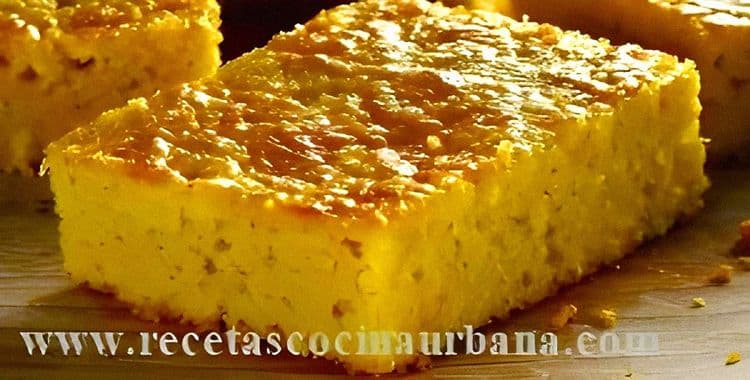
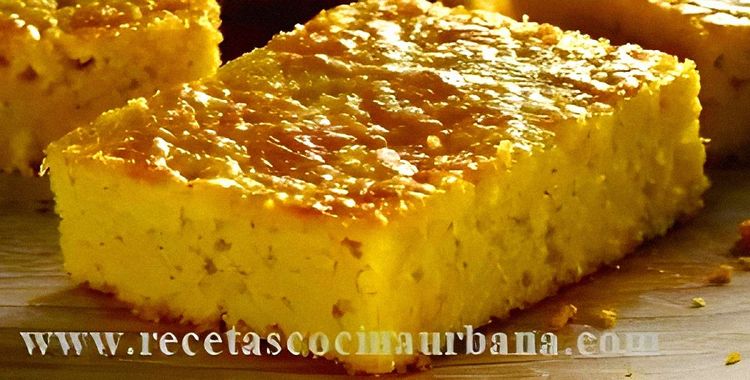
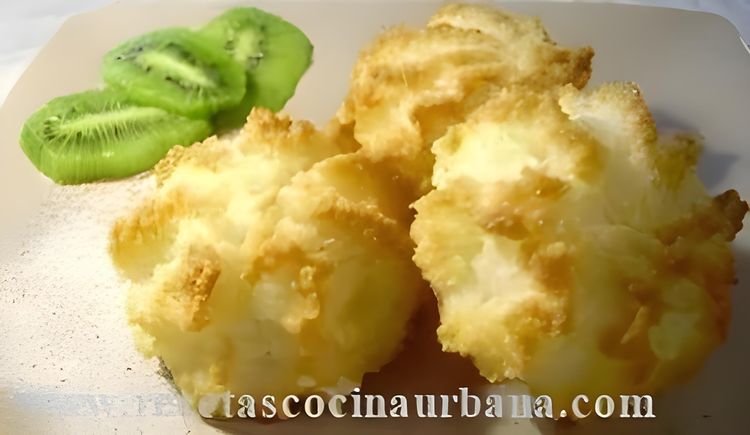
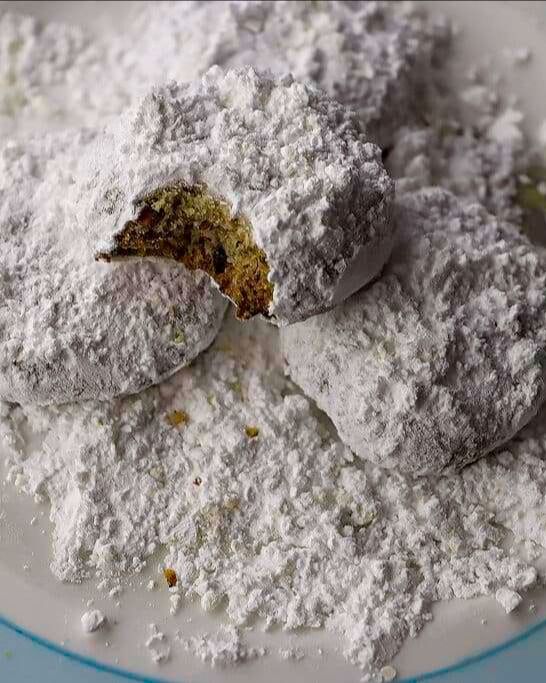
Mexican desserts are mostly rustic, shareable and built on a few warm, comforting flavours — cinnamon, dulce de leche, coconut, vanilla and corn. They are not about fussy patisserie technique; they are about getting a handful of honest ingredients right. The recurring move is restraint with sweetness and generosity with spice, so cinnamon and a pinch of salt do as much work as the sugar. For milk-and-caramel sweets, cook low and stir attentively because dairy and sugar scorch fast once they thicken, and pull them just before they look done since they firm up as they cool. Corn-based treats want the corn flavour to lead rather than be buried, and coconut sweets reward gentle toasting to deepen their aroma. Whether it is a tray of wedding cookies dusted in sugar, a slab of cocada or a simple corn cake, keep the approach homely and unhurried. These are the sweets you make to round off a big, generous spread, so let them taste warm and familiar rather than precious. Standouts here include Mexican Corn Cake and Mexican Cocada, plus Mexican Tart.
- Mexican
- Eggetarian
- Breakfast
- Mexican
- Eggetarian
- Breakfast

- Mexican
- Non-Vegetarian
- Dinner
- Mexican
- Vegetarian
- Snack
Salsas, Mole & Seasoning
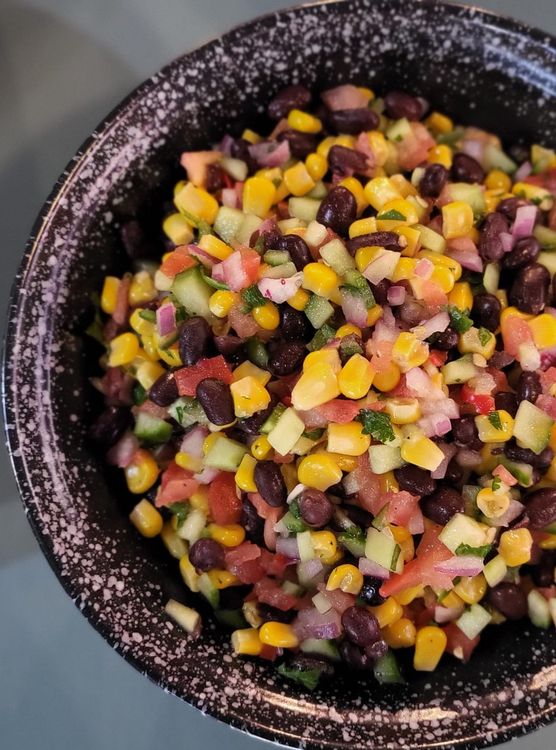
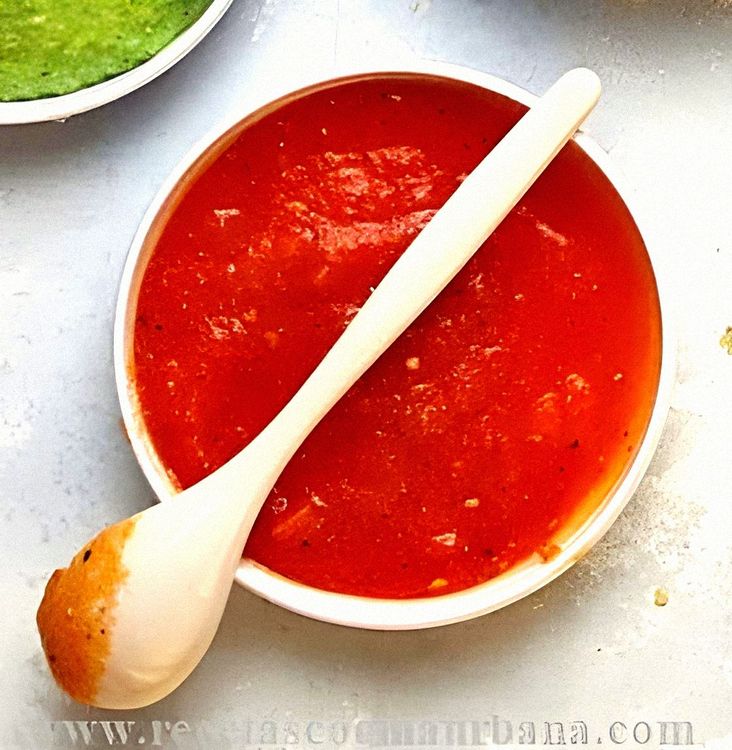
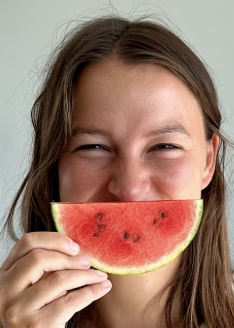
A great Mexican meal is won or lost on its salsa, and the difference between a thin, raw blend and a deep, smoky one is almost entirely about char. For a roasted salsa, blacken tomatoes, chiles, onion and garlic on a dry pan or under the broiler until they are spotted and softened, then blend with salt and lime — those charred bits are where the smoky depth lives. For a fresh pico de gallo, the opposite approach works: chop everything crisp and dress it with lime and salt for brightness. Dried chiles deserve their own step, toasted briefly until fragrant then soaked and blended into the paste that forms the base of most cooked sauces and mole. Across all of them, balance is struck at the end — taste for salt and acid and adjust, since an under-seasoned salsa tastes flat no matter how good the chiles were. Mole is the patient showpiece of this group, a long layered simmer of toasted chiles, nuts, seeds and spice, and it is well worth making in a batch and freezing. Standouts here include Mexican Corn & Bean Salsa and Viral Easy Fresh Mexican Restaurant-Style Salsa, plus Two Mexican Salsas: Chil-Tomato Salsa and Cilantro Jalapeño Salsa.

- Mexican
- Vegan
- Snack


- Mexican
- Vegan
- Appetiser
- Mexican
- Vegetarian
- Snack
- Mexican
- Non-Vegetarian
- Lunch

- Mexican
- Vegan
- Sauce & Condiment
Tacos, Tortillas & Nachos
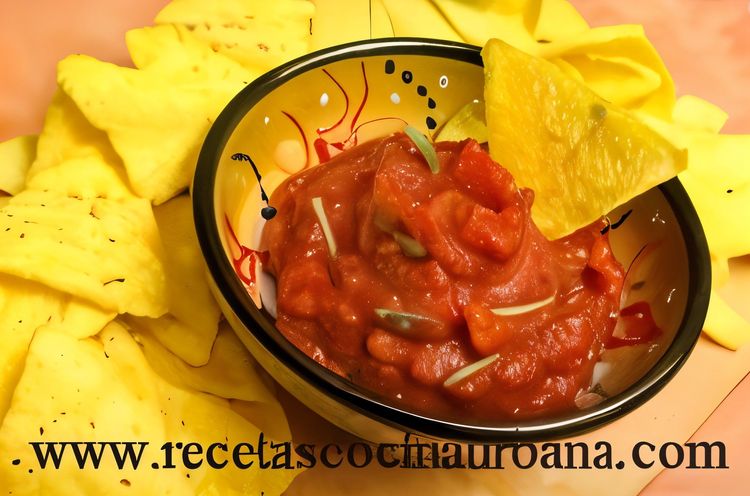
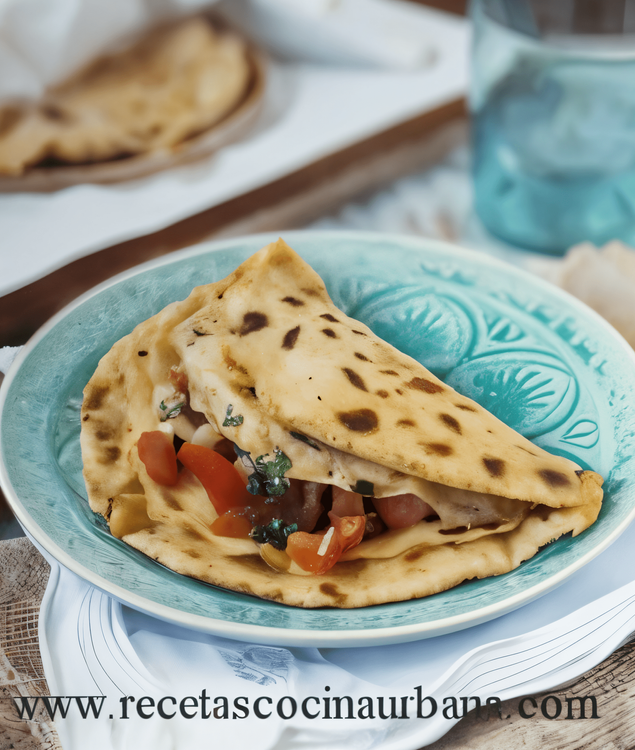
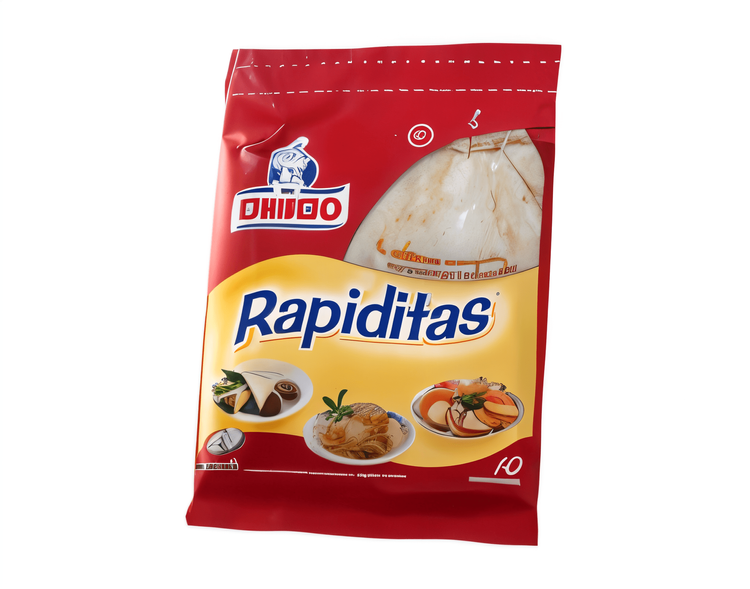
Everything in this group starts with the tortilla, and warming it properly is the step most home cooks skip to their cost. Heat tortillas one at a time on a dry comal or skillet until they are soft, pliable and lightly toasted, then keep them wrapped in a clean cloth so they stay warm and foldable — a cold, stiff tortilla cracks the moment you fill it. Corn tortillas bring earthy flavour and are naturally gluten-free, while flour ones are softer and stretchier for burritos and quesadillas, so match the wrapper to the dish. For crisp tostadas, nachos and chips, fry or bake until rigid and season the second they come out. The fillings themselves are forgiving: well-spiced meat or beans, a little raw onion and cilantro, a squeeze of lime, and a spoon of salsa. Resist overstuffing, which makes everything fall apart; a restrained, balanced taco eats far better than an overloaded one. Set the components out and let everyone build their own. Standouts here include Mexican Nachos and Mexican-Inspired Corn Tortillas, plus Famous Bimbo 'Rapiditas' (Mexican Flour Tortillas).
- Mexican
- Vegetarian
- Appetiser
- Mexican
- Eggetarian
- Appetiser
- Mexican
- Vegan
- Snack
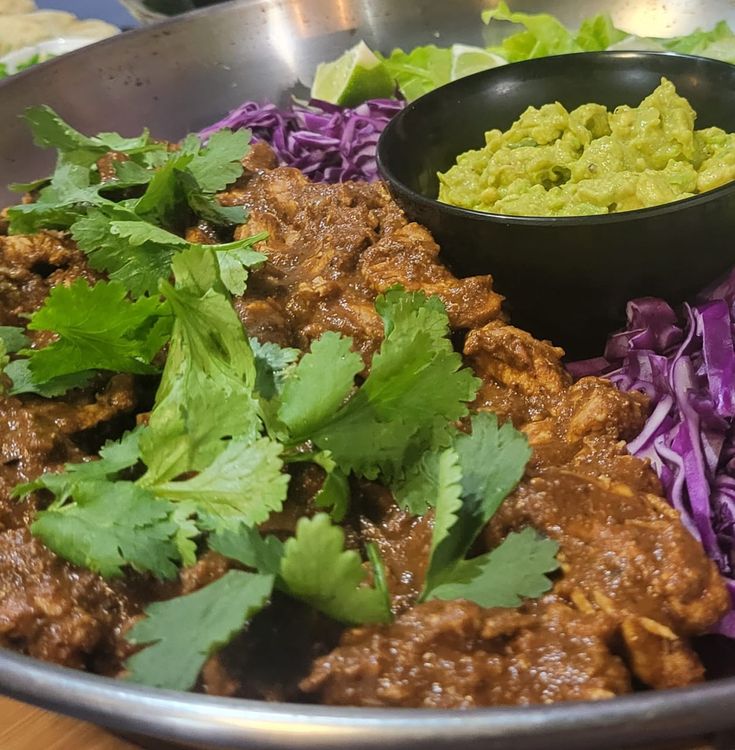
- Mexican
- Non-Vegetarian
- Dinner
Mexican Rice, Beans & Skillets
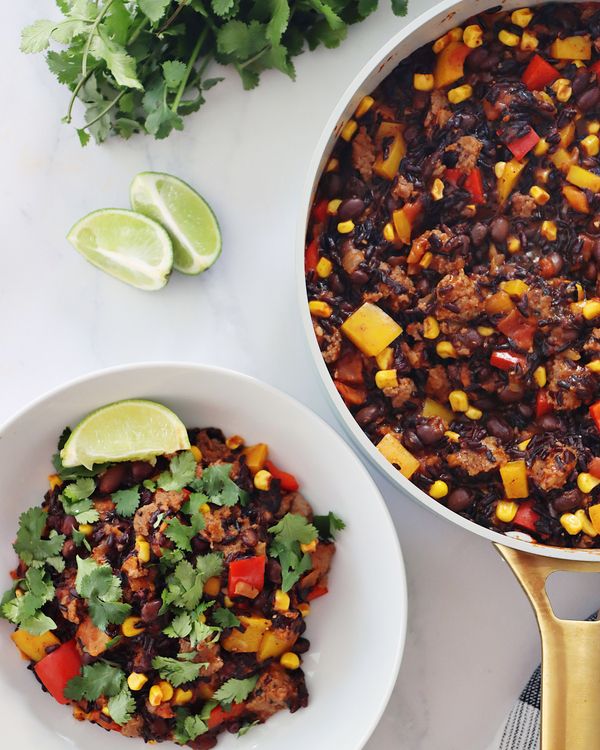
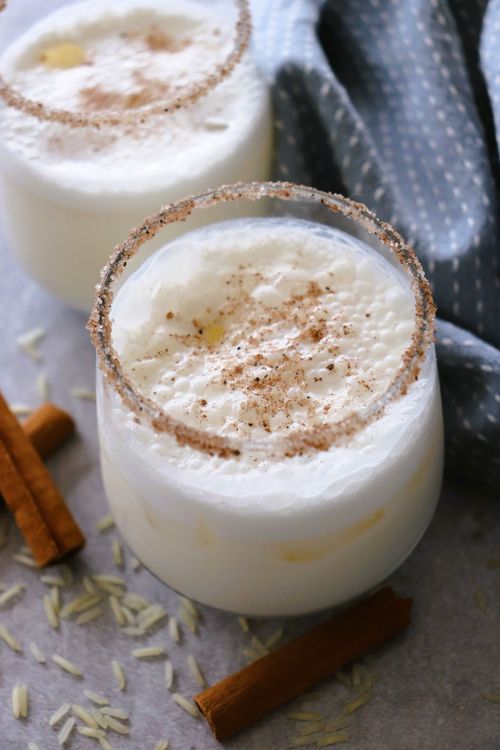
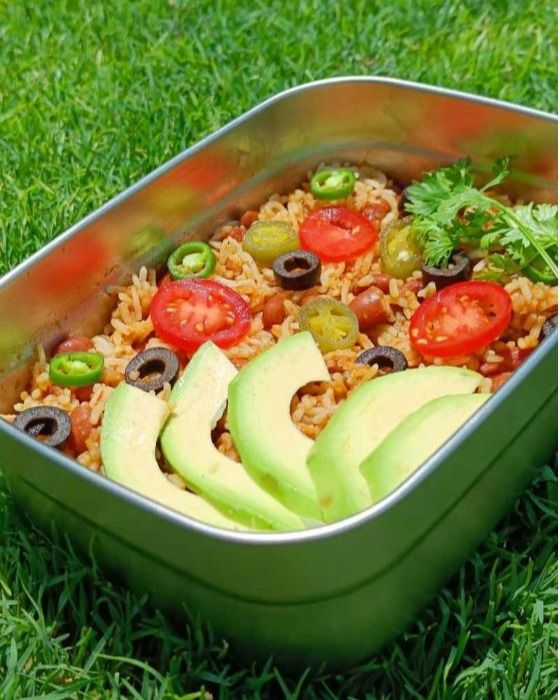
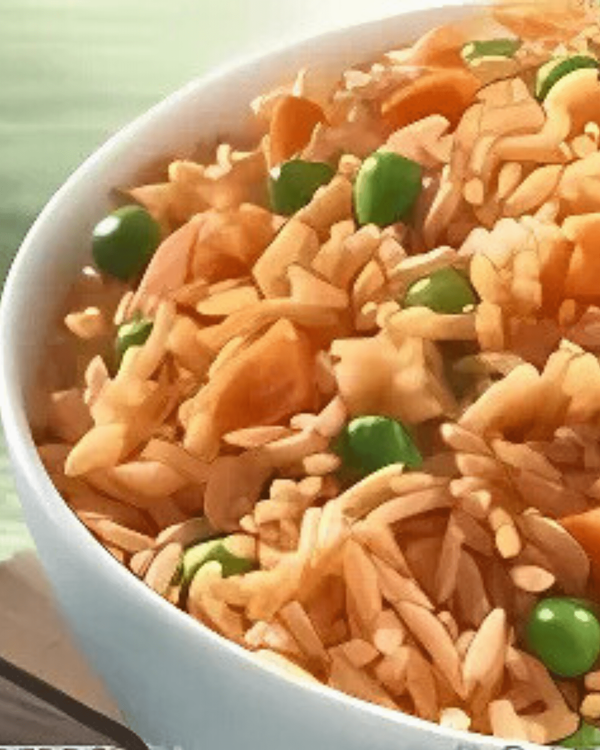
Rice and beans are the dependable backbone of the Mexican table, and both reward a little technique over guesswork. For Mexican rice, the non-negotiable step is toasting: fry the dry grains in a little oil until they smell nutty and turn opaque before any liquid goes in, which coats them so they steam up separate and fluffy rather than sticky. Then add a tomato-and-broth liquid, cover, and leave it undisturbed to absorb — lifting the lid or stirring midway is what turns it gummy. Beans want the opposite of speed: cooked from dried, low and slow, until the insides go genuinely creamy, and salted properly so they taste seasoned all the way through rather than bland with a salty surface. Whether whole, brothy or refried, they are better made in a big batch and kept for the week. Together, a pot of well-toasted rice and a pot of creamy beans will anchor taco night, fill a burrito, or stand on their own as a satisfying plate. Standouts here include Mexican Beef & Black Bean Rice and Mexican Beef & Rice Skillet, plus Horchata- Mexican Rice Drink .
- Mexican
- Non-Vegetarian
- Lunch

- Mexican
- Vegetarian
- Snack

- Mexican
- Vegetarian
- Lunch
- Mexican
- Non-Vegetarian
- Lunch
Mexican Mains
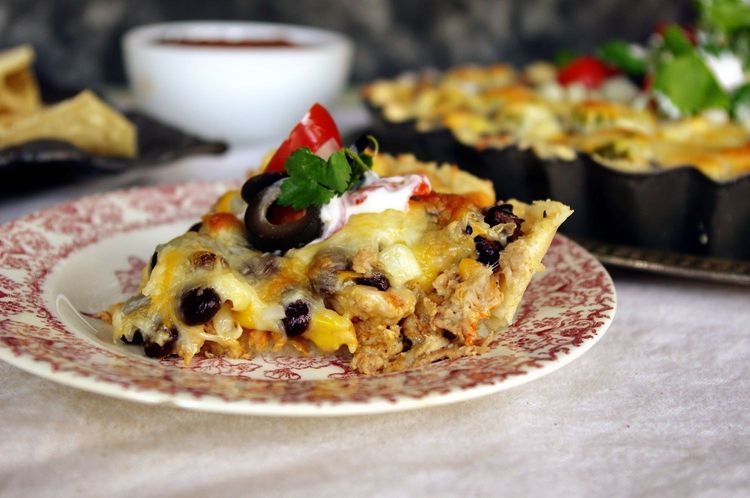
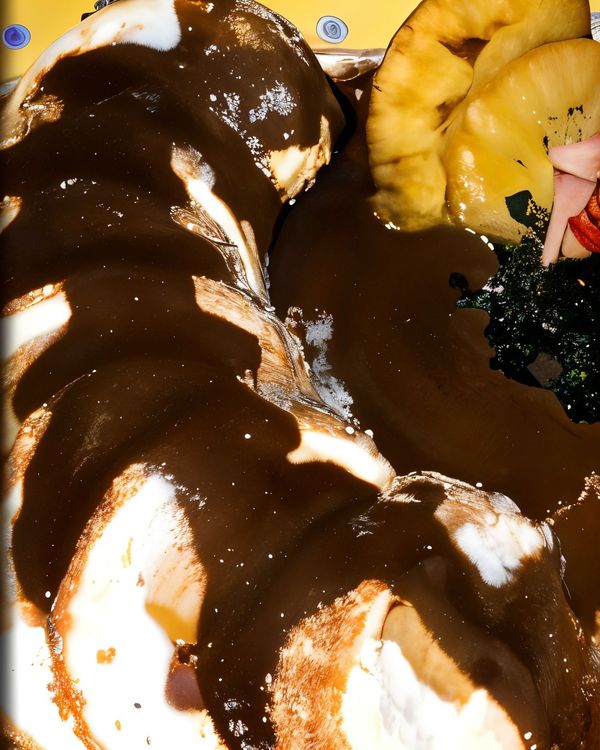
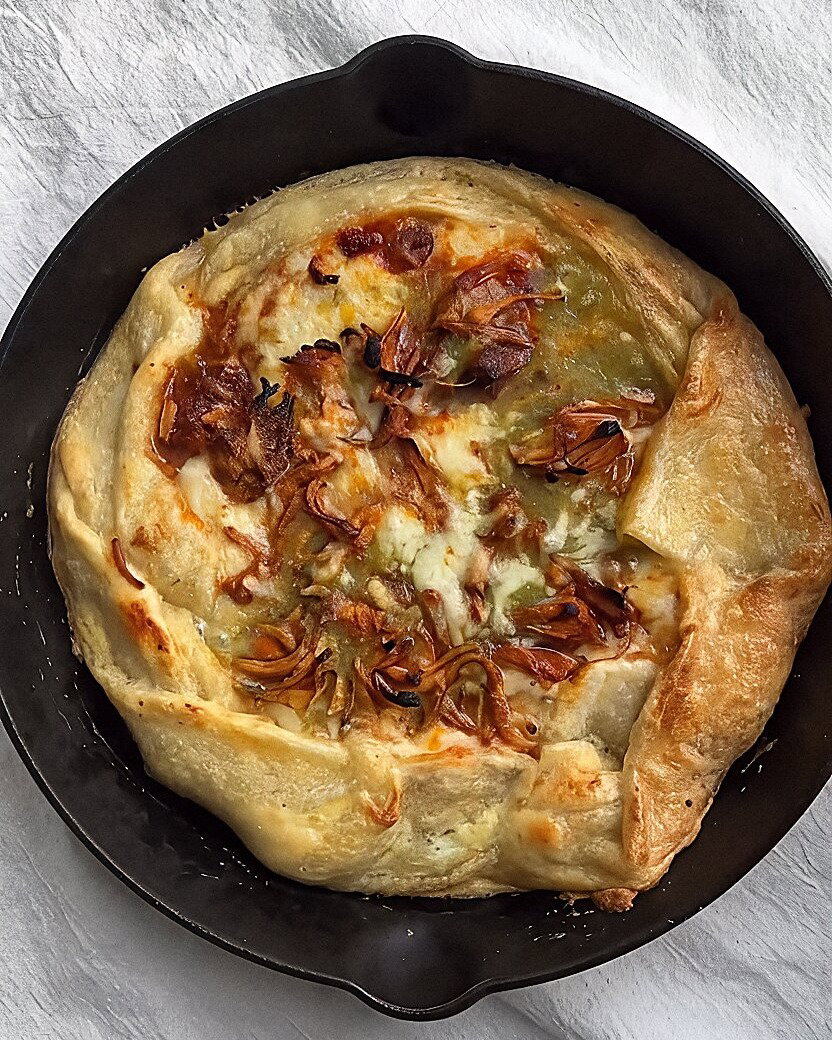
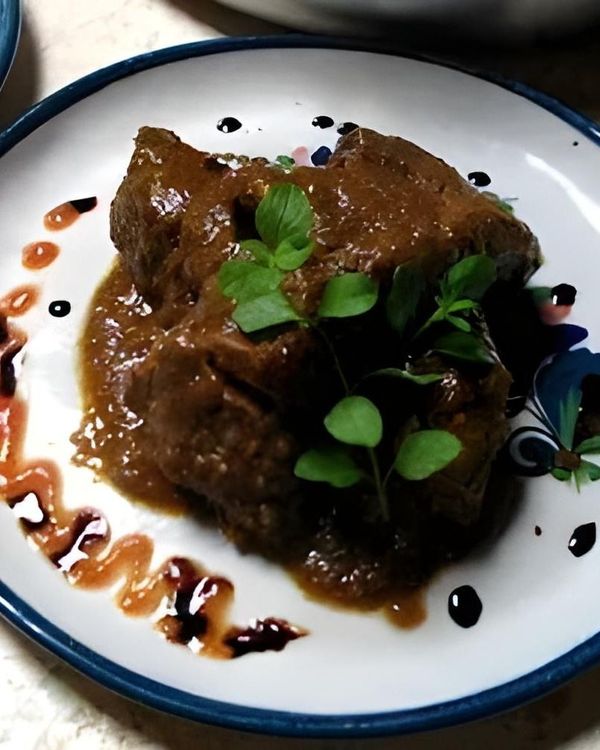
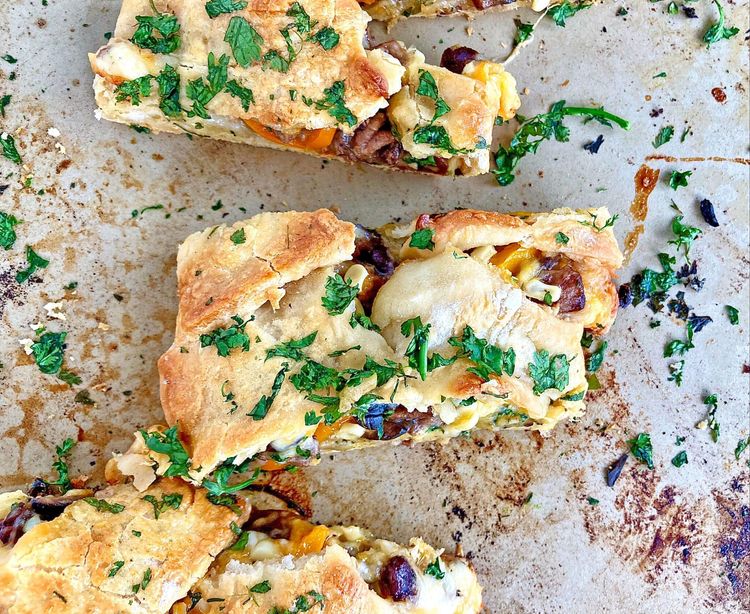
The hearty centre of the Mexican table is built on patience: enchiladas baked under a chile sauce, meats slow-cooked until they shred, casseroles and bakes that meld in the oven. The thread across them is letting chiles and spices bloom into something deep and savoury rather than rushing raw flavour into a pan. For shredded and pulled meats, low and slow is the whole game — a long, gentle cook breaks down the connective tissue and lets the adobo or chile sauce penetrate, so the meat ends up tender enough to pull with a fork. For baked dishes like enchiladas and casseroles, keep the assembly a little saucier than feels right, since the tortillas and fillings drink up liquid in the oven and a dry bake is a sad one. Season in layers, finish with fresh cilantro, onion and lime to cut the richness, and rest baked dishes a few minutes before cutting so they hold together. These are the make-ahead crowd-pleasers worth cooking when you have a little time. Standouts here include Mexican-Inspired Savory Galette and Mexican Lasagna, plus Mexican Meat in Pasilla Chile Sauce.
- Mexican
- Vegetarian
- Dinner

- Mexican
- Non-Vegetarian
- Dinner
- Mexican
- Non-Vegetarian
- Lunch
- Mexican
- Non-Vegetarian
- Lunch
- Mexican
- Non-Vegetarian
- Lunch
More Mexican Favourites
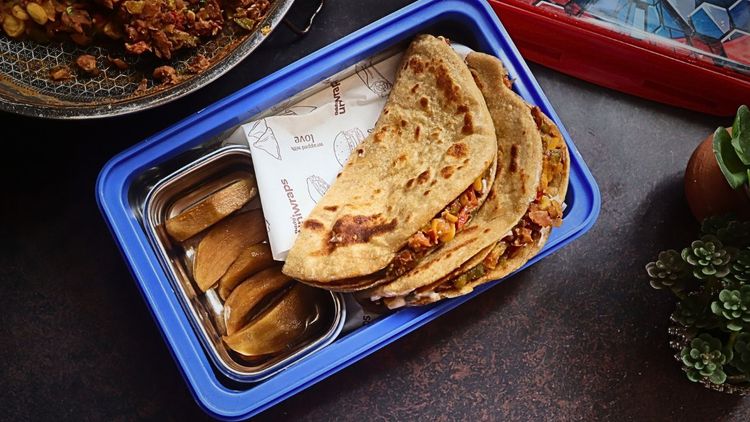
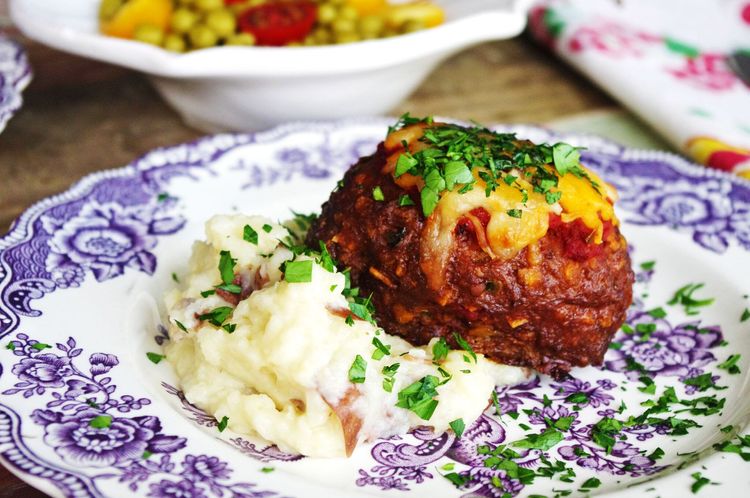
Beyond the headline categories, Mexican cooking sprawls into fusion plates, snacks and clever one-offs that do not slot neatly into a single box, and this group gathers them. They all lean on the same fundamentals as everything above: toast and char your chiles and aromatics for depth, balance richness with fresh acid and herbs, and warm your tortillas so the dish comes together properly. Choosing your next cook is mostly about matching effort to the evening — a quick salsa-and-tortilla assembly on a busy night, or a longer-simmered, layered dish when you have time to let the flavours build. Pay attention to the balance on the plate, aiming for something warm and savoury, something fresh, something rich, and always a hit of lime, since that contrast is what makes Mexican food so satisfying. Build a handful of reliable favourites across the categories, then branch out one dish at a time until the smoky, citrusy rhythm of this cooking feels like second nature. Standouts here include Mexican Parantha and Mini Mexican Meatloaves.

- Mexican
- Vegan
- Lunch
- Mexican
- Non-Vegetarian
- Dinner
Chiles, Corn and the Mexican Pantry
Chiles are the soul of Mexican cooking, and they come in two camps: fresh (jalapeño, serrano, poblano) for bright heat and dried (ancho, guajillo, chipotle, pasilla) for deep, smoky, almost fruity flavour. The single best habit is to toast dried chiles briefly on a dry pan until fragrant, then soak them in hot water and blend into a paste — that toasting wakes up oils a raw chile never releases and is the base of most sauces and moles.
Corn shows up everywhere, above all as the tortilla. Corn (masa) tortillas are naturally gluten-free and carry a distinct flavour; flour tortillas are softer and stretchier for burritos. Beyond tortillas, corn turns up in salsas, cakes, and as the thickener and backbone of many dishes. Beans — pinto and black — are the other staple, best cooked from dried, low and slow, until creamy and properly salted.
Round out the pantry with limes (acid is non-negotiable in Mexican food), fresh cilantro and onion, cumin and Mexican oregano, tomatoes and tomatillos, and cotija or queso fresco for finishing. With those on hand, most of the recipes here come together fast, because the depth is already built into a few toasted, blended, well-salted core ingredients.
Salsa, Mole and Building Flavour
Salsa is where a Mexican meal is won. For a roasted salsa, char tomatoes, chiles, onion and garlic on a dry pan or under the broiler until blackened in spots, then blend with salt and lime — the char is what gives it smoky depth instead of tasting raw and thin. For a fresh pico de gallo, simply chop tomato, onion, chile and cilantro and dress with lime and salt. Either way, taste and balance acid and salt at the end.
Mole is the showpiece sauce — a long, layered blend of toasted chiles, nuts, seeds, spices and sometimes chocolate, simmered patiently into something glossy and complex. It rewards time and is well worth making in a batch and freezing. The principle behind it scales down to everyday cooking: toast, blend, and simmer your aromatics rather than dumping raw spice into a pot.
Adobo and seasoning blends carry flavour into meats and beans. A simple homemade Mexican seasoning — chilli powder, cumin, oregano, garlic, paprika — beats a packet and lets you control the salt. Bloom it in a little oil or rub it into meat ahead of time, and lean on lime and fresh cilantro at the end to keep everything bright rather than heavy.
Tortillas, Rice and Assembling the Plate
Warm tortillas properly and everything else falls into place: heat them one at a time on a dry comal or skillet until soft, pliable and lightly toasted, and keep them wrapped in a cloth so they stay warm and foldable. Cold, stiff tortillas crack and ruin a taco. For crisp shells, tostadas and chips, fry or bake them until rigid; for soft tacos, warmth and pliability are the goal.
Mexican rice (arroz rojo) is a technique worth learning: toast the dry rice in oil until it smells nutty and turns opaque, then add a tomato-and-broth liquid, cover, and cook undisturbed until fluffy. Toasting first is what keeps the grains separate rather than gummy. Beans, whether refried or whole, want long gentle cooking and generous salt to taste creamy rather than bland.
Assembly is about contrast and freshness: something warm and savoury (the meat or beans), something fresh (salsa, onion, cilantro), something rich (cheese, crema, avocado) and always acid (lime). Set up the components and let people build their own. Most elements — salsas, beans, stewed meats, seasoning — keep well or improve overnight, so a Mexican spread is ideal for making ahead and assembling fast.
Pro Tips from the Test Kitchen
- Toast dried chiles on a dry pan until fragrant, then soak and blend — that is the smoky base of most sauces and mole.
- Char tomatoes, chiles and onion before blending a salsa; the blackened bits are where the depth comes from.
- Warm tortillas one at a time on a dry comal and keep them wrapped in a cloth so they stay soft and foldable.
- Toast Mexican rice in oil until nutty and opaque before adding liquid — that keeps the grains separate, not gummy.
- Cook beans from dried, low and slow, and salt them properly so they taste creamy rather than bland.
- Acid is non-negotiable — finish almost everything with a squeeze of fresh lime.
- Make your own seasoning (chilli, cumin, oregano, garlic, paprika) so you control the salt and freshness.
- Mole and stewed meats freeze well and taste better the next day — make them in a batch.
- Use corn tortillas for flavour and gluten-free tacos, flour for soft, stretchy burritos.
- Set out components and let people assemble — warm savoury, fresh salsa, something rich, and lime.
Frequently Asked Questions
What are the most popular Mexican recipes to start with?
Begin with the building blocks: a fresh restaurant-style salsa, warm tacos with a simple spiced filling, and a pot of Mexican rice and beans. These teach the core moves — charring and blending for salsa, warming tortillas, toasting rice — without fussy timing. From there, enchiladas, a slow-cooked meat and eventually a proper mole are natural next steps once the basics feel comfortable.
What chiles do I need for Mexican cooking?
A small set covers most dishes: fresh jalapeño or serrano for bright heat, poblano for mild roasting, and dried ancho, guajillo and chipotle for deep, smoky flavour. Toast dried chiles on a dry pan, soak them, and blend into a paste — that is the base of most sauces and moles. You can adjust heat freely; the depth comes from the variety and toasting, not just the burn.
How do you make authentic Mexican salsa?
For a roasted salsa, char tomatoes, chiles, onion and garlic on a dry pan or under the broiler until blackened in spots, then blend with salt and lime — the char gives the smoky depth that separates real salsa from a thin, raw blend. For pico de gallo, chop the same ingredients fresh and dress with lime and salt. Taste and balance the acid and salt at the very end.
What is the difference between corn and flour tortillas?
Corn tortillas are made from masa, are naturally gluten-free, and have a distinct earthy flavour that suits tacos, tostadas and enchiladas. Flour tortillas are softer, stretchier and larger, which makes them ideal for burritos and quesadillas. Both should be warmed before use — corn for flavour and tradition, flour for foldable, pliable wraps. Use whichever the dish calls for.
How do you make Mexican rice that is not mushy?
The key is toasting: fry the dry rice in a little oil until it smells nutty and turns opaque before adding any liquid. Then stir in a tomato-and-broth mixture, bring to a simmer, cover, and cook undisturbed until the liquid is absorbed. Toasting coats the grains so they stay separate and fluffy, and leaving the lid on while it steams stops it turning sticky and gummy.
What is mole and is it hard to make?
Mole is a rich, complex Mexican sauce built from toasted chiles, nuts, seeds, spices and sometimes chocolate, simmered patiently until glossy and deep. It is more involved than everyday cooking but not difficult — just a sequence of toasting and blending followed by a long, gentle simmer. It freezes beautifully, so most cooks make a big batch at once and enjoy it over several meals.
Can Mexican recipes be made vegetarian?
Very easily — beans, corn, rice, cheese, vegetables and chiles are central to the cuisine, so much of it is naturally meat-free. Swap meat for beans, roasted vegetables, mushrooms or paneer in tacos and enchiladas, and use vegetable broth in rice and sauces. The salsas, mole base and seasonings are typically vegetarian already, so the flavour backbone stays exactly the same.
What do you serve with Mexican food?
Build the plate around contrast: warm tortillas or Mexican rice and beans as the base, a fresh salsa or pico de gallo, something rich like guacamole, crema or cheese, and always lime. A simple cabbage slaw, pickled onions or a corn salsa add crunch and brightness. The idea is to balance the warm, savoury main with fresh, acidic and creamy elements alongside it.
How do you make Mexican food ahead of time?
Mexican cooking is excellent for prep because most components improve on standing: salsas, mole, stewed and shredded meats, beans and seasoning blends all keep for days and often taste better the next day. Make those ahead, then warm tortillas and assemble fresh at the table. Keep crisp elements — chips, tostada shells, fresh garnishes — separate until serving so nothing goes soft.
The thread through every Mexican recipe here is the same: toast and char your chiles and aromatics for depth, balance richness with fresh acid and herbs, and warm your tortillas so the whole plate comes together. Master those and tacos, salsas, rice and beans, mains and sweets all flow from one shared, smoky foundation.
Pick a few Mexican recipes to cook this week — a fresh salsa, a tray of tacos and a pot of rice and beans — and save your favourites to a Chefadora cookbook. Then work up to mole and enchiladas; this page is built to be the Mexican cooking reference you keep coming back to.
Related
- Mexican
- Tacos
- Salsa
- Tex-Mex
- Vegetarian
- Spicy
- Dinner
- Party food
Popular Searches
- Best mexican recipes
- Easy mexican recipes
- Quick mexican recipes
- Healthy mexican recipes
- Simple mexican recipes
- Homemade mexican recipes
- Delicious mexican recipes
- Popular mexican recipes
- mexican food
- mexican foods
- mexican dishes
- authentic mexican recipes
Marnirni-apinthi Building, Lot Fourteen,
North Terrace, Adelaide, South Australia, 5000
Australia
