
Top 23 Carrot Recipes: Halwa, Cake, Soup and Sabzi
Updated June 25, 2026 · Curated by Chefadora
Carrot recipes stretch across the whole meal in a way few vegetables manage, from the warm, milky decadence of gajar halwa to a brightly spiced sabzi, a velvety roasted soup, a crunchy slaw and a tray of caramelised roasted carrots. The collection below shows that full range: one humble, naturally sweet root that turns up as dessert, as a weeknight side, as a fresh salad and as a tangy fermented pickle, season after season.
What makes carrots so versatile is sugar and water. They are one of the sweetest common vegetables, and slow cooking concentrates that sweetness while gentle heat caramelises it into something almost candy-like; roasting at 200C or simmering grated carrot down in milk both coax it out. Grate them fine for halwa and cake so they cook through and disappear into the texture, cut them thick for roasting so the edges char while the centres stay tender, and shred them raw and dress them sharp for salads.
You will find the collection grouped into four clusters — gajar halwa, cake and sweet carrots; carrot sabzi and curries; carrot soups and salads; and carrot snacks, pickle and sides. Standout dishes range from a slow-cooked Gajar ka Halwa and a moist Carrot Cake to a Carrot Beans Poriyal, a Roasted Carrot Soup, a crunchy Carrot Kosambari and a fermented Gajar ki Kanji, each built on the fundamentals the guides below lay out.
Treat this as a working reference. Each recipe links to full ingredients and steps on Chefadora, and the guides below cover what actually decides whether carrots turn out sweet and tender or pale and watery — choosing and prepping the right carrots, coaxing out their natural sweetness through roasting and slow reduction, and keeping raw carrots crisp and bright in salads, slaws and quick pickles.
Gajar Halwa, Cake and Sweet Carrots
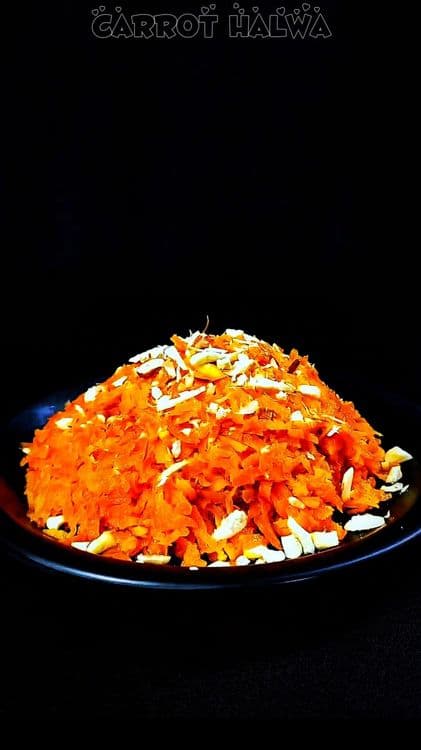
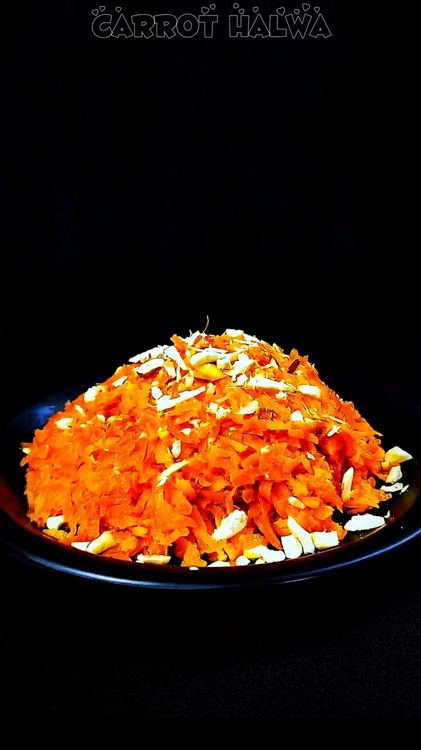
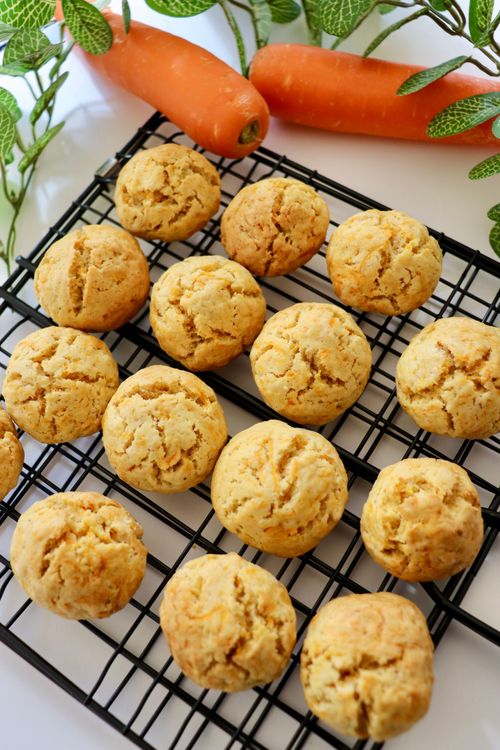
Sweet carrot cooking is all about coaxing out and concentrating the root's own sugar, and nothing does that better than time. For gajar halwa, the traditional showstopper, grate the carrot fine and cook it down slowly in full-fat milk over a low to medium flame, stirring often as the milk reduces and the carrot turns soft and jammy. The single biggest mistake is adding sugar too early; sugar pulls water out of the carrot and stalls the reduction, so wait until the milk has almost gone and the carrot has collapsed before sweetening, then enrich with ghee, cardamom and toasted nuts. Red Delhi or Punjabi winter carrots give the richest, sweetest result. In cakes, muffins and loaves the same fine grate keeps the crumb moist and tender while almost disappearing, pairing naturally with cinnamon, nutmeg and a cream-cheese finish. Across barfi, ladoo and kheer the principle holds: cook the carrot patiently so its sweetness deepens, balance it with cardamom or saffron, and let a slow, gentle heat do the work that no shortcut can fake. Standouts here include Delicious Carrot Halwa and Carrot Cookie Cake, plus Carrot & Fruit Loaf Cake.
- Indian
- Vegetarian
- Dessert

- American
- Eggetarian
- Snack
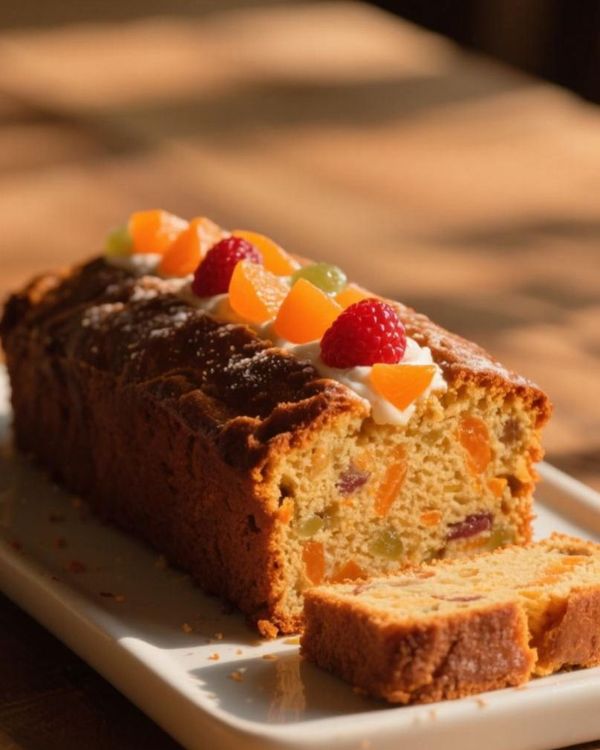

- International
- Eggetarian
- Snack


- Vegetarian
- Dessert
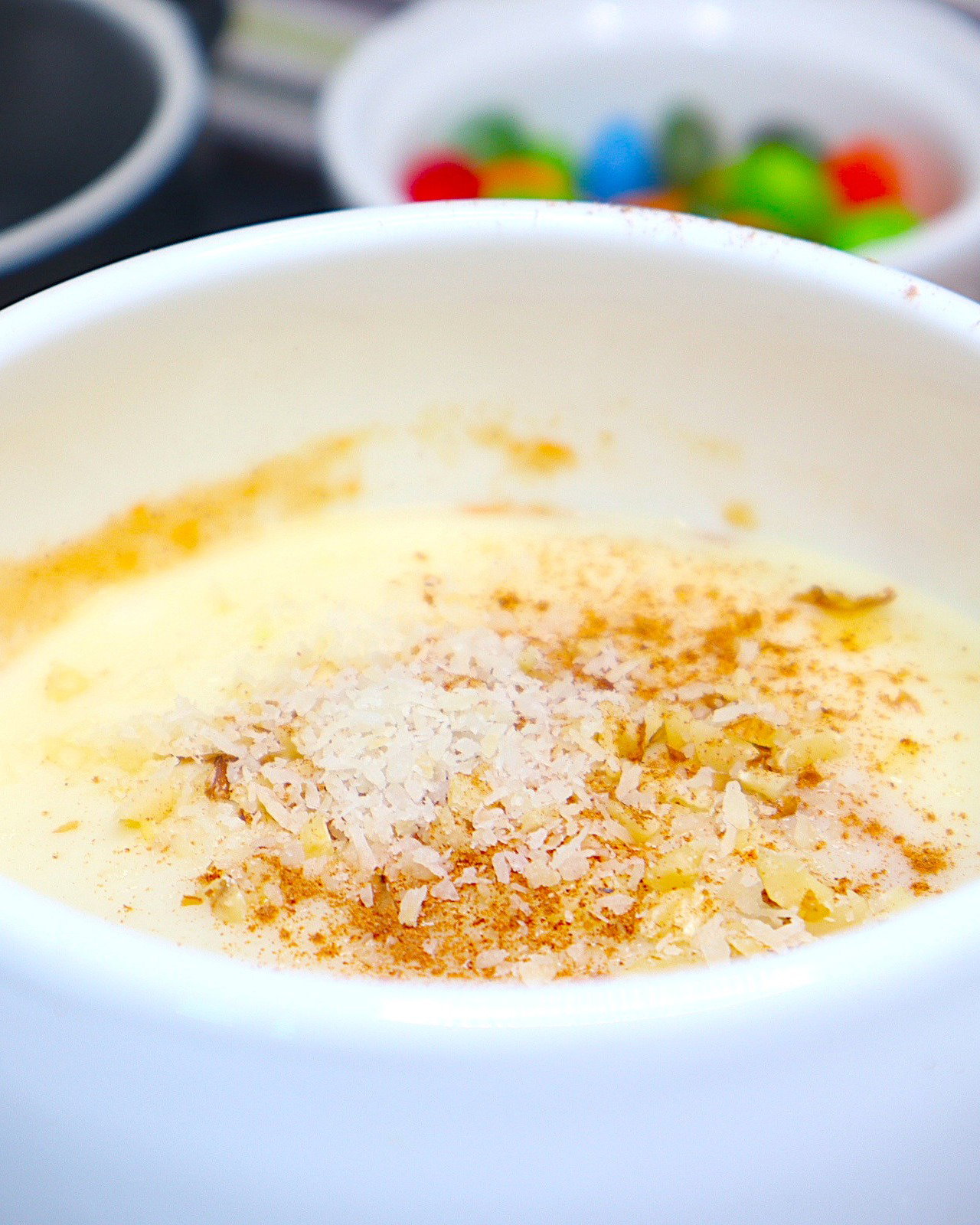

- American
- Vegetarian
- Dessert
Carrot Sabzi and Curries
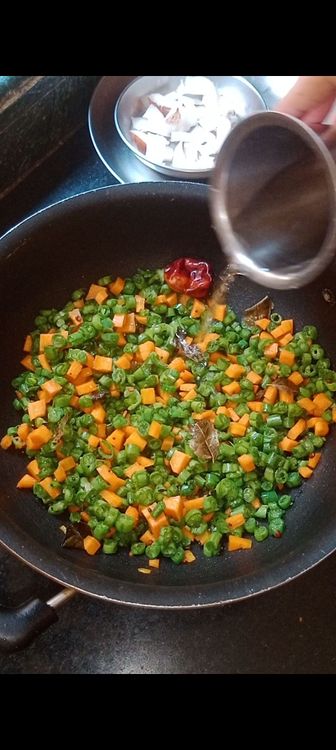
Savoury carrot cooking turns on tempering and timing more than any long list of spices. Heat your oil or ghee until it shimmers, crackle mustard or cumin seeds and any curry leaves, garlic and dried chilli so they bloom and smell cooked rather than raw, then add the carrot cut to an even size so every piece softens at the same rate. The aim in most sabzis, poriyals and thorans is carrot that is just tender with a little remaining bite, not boiled to mush, so cook it covered on a gentle heat with only a splash of water and check it often. Carrots pair beautifully with beans and peas, whose colours and textures play off the sweet orange root, and a scatter of fresh or roasted coconut at the end gives the South Indian versions their signature finish. For wetter curries and kurmas, let the carrot take a little colour in the pan before the gravy goes in, which rounds out and sweetens the base. Season at the end and finish with fresh coriander, a squeeze of lime or a pinch of garam masala off the heat so the flavours stay bright. Standouts here include Carrot Peas Pulao and Carrot Cabbage Stir Fry / Thoran, plus Carrot Bean Poriyal - Onam Sadya Recipe .
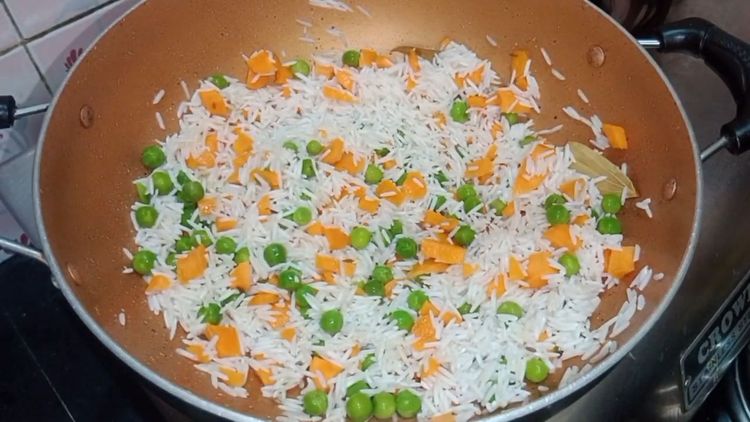

- Indian
- Vegetarian
- Lunch
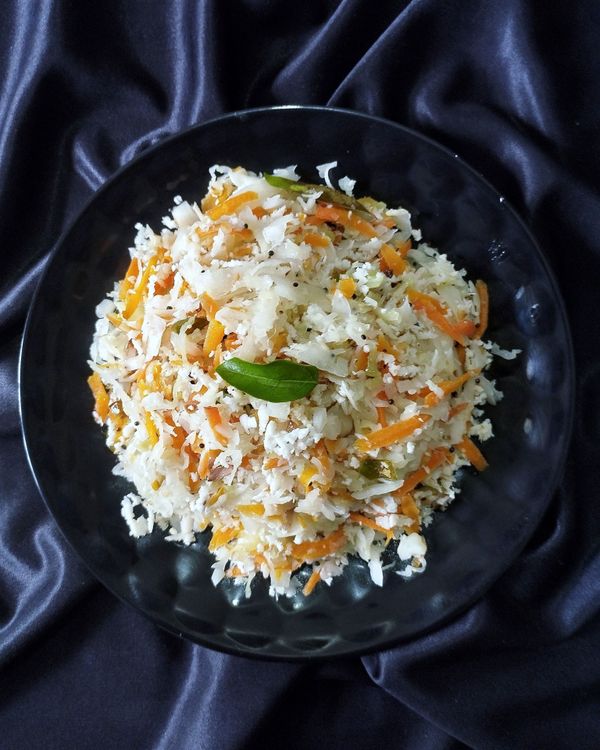
- South Indian
- Vegan
- Lunch
- Indian
- Vegan
- Side Dish
Carrot Soups and Salads
Carrot soups and salads sit at opposite ends of the heat dial but share one rule: respect the carrot's sweetness and balance it. For soup, the single biggest upgrade is to roast the carrots before blending rather than simply boiling them; roasting at 200C caramelises their sugars and builds a deep, naturally sweet flavour that no amount of cream can imitate. Simmer the roasted carrot with onion, a little ginger or warming spice and good stock, then blend until silky and adjust the body with a splash of cream or coconut milk. For salads and slaws, the carrot stays raw, so freshness and acidity rule. Grate or julienne it finely so a dressing clings, and dress it at the last minute, because salt and acid leach water from grated carrot and a slaw dressed too early goes limp and watery. A South Indian kosambari brightens the carrot with lemon, green chilli, fresh coconut and a mustard-seed tempering; a Western slaw leans on a tangy yogurt or vinaigrette base. Either way the sharp acid is what stops the sweetness tasting flat and keeps every bite lively and crisp. Standouts here include Viral Carrot Salad with Peaches and Hard-Boiled Eggs and Daikon, Carrot, and Poached Egg Miso Soup, plus Carrot Soup.


- Fusion
- Vegan
- Breakfast

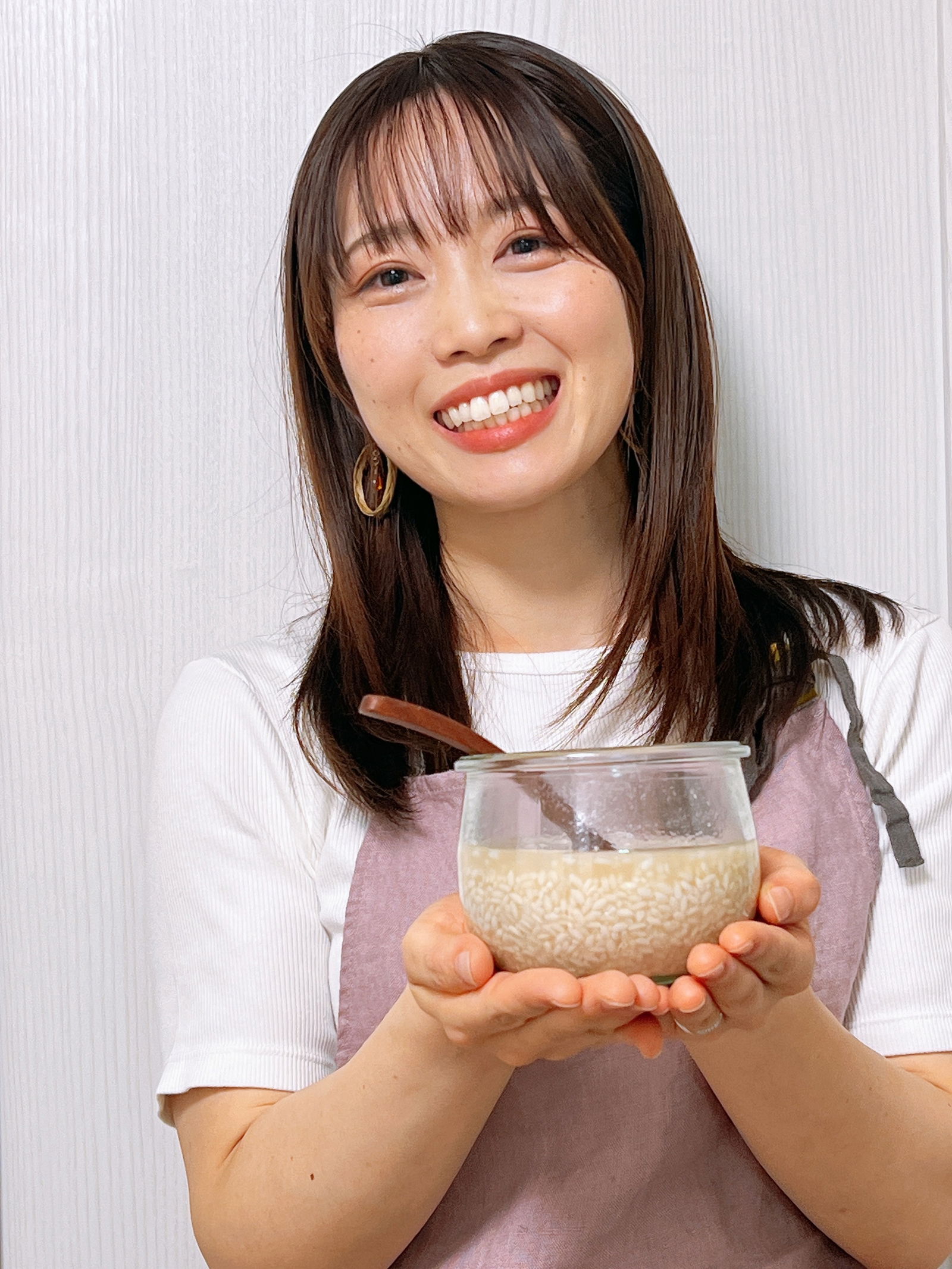
- Japanese
- Pescatarian
- Dinner
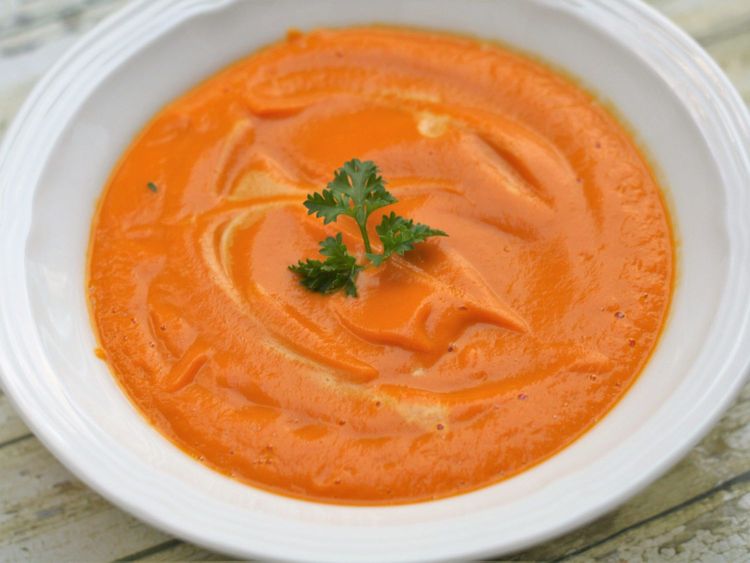
- International
- Non-Vegetarian
- Lunch
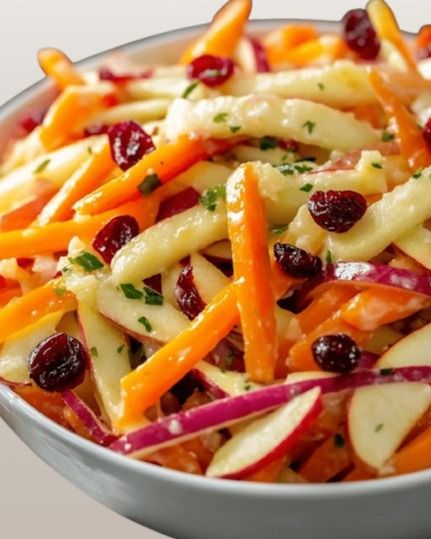
- International
- Vegetarian
- Snack
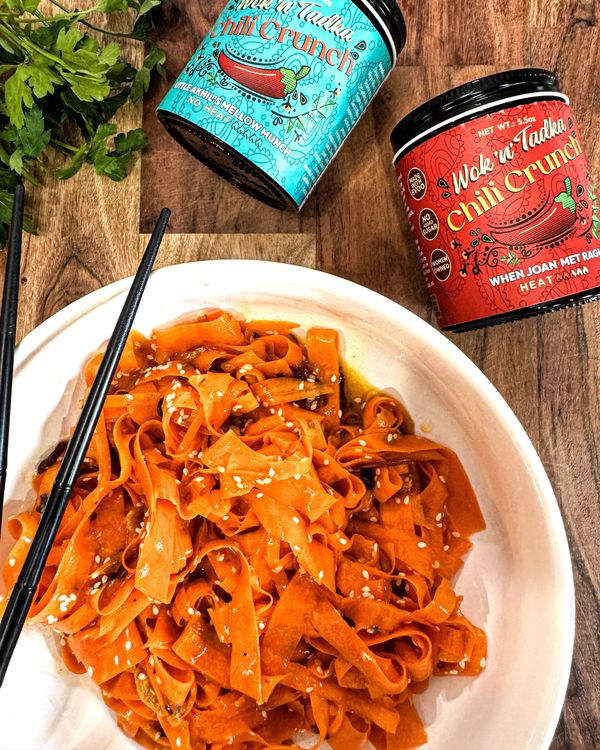

- Asian
- Vegan
- Snack
Carrot Snacks, Pickle and Sides
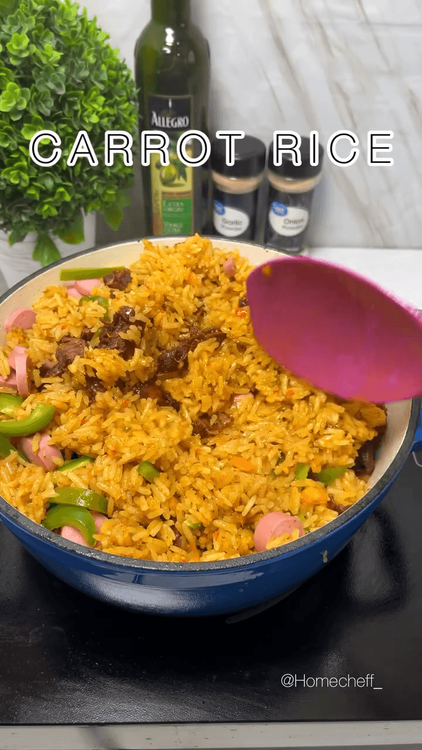
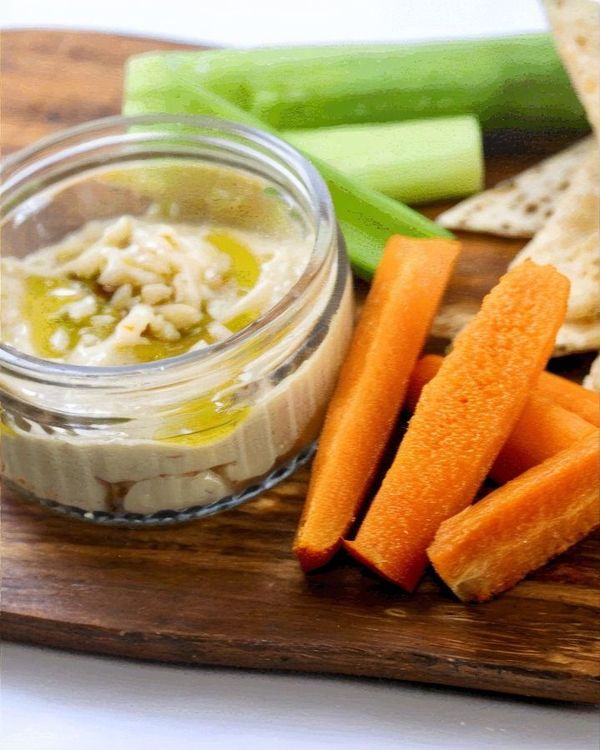
Carrot snacks, sides and pickles are where the root shows its range, from crisp fritters and cutlets to comforting paratha and tangy ferments. The key to anything fried is moisture: squeeze grated carrot dry before folding it into a fritter or cutlet batter, or the mix turns slack and the result steams pale and soft instead of crisping golden. Bind with just enough gram flour or breadcrumb, season boldly, and fry in genuinely hot oil so the outside sets fast and the inside cooks through without going greasy. For carrot paratha and carrot rice, keep the grated carrot on the drier side so the dough or grains stay distinct rather than soggy, and let whole spices bloom in the fat first. Pickles and ferments are the other great use: an instant Punjabi carrot pickle softens batons in mustard oil, salt and spice over a day or two, while gajar ki kanji ferments carrots in salted, mustard-spiced water over several warm days into a tangy, probiotic drink. In both, salt does the heavy lifting — it seasons, draws out water and keeps things safe — so use clean dry jars and keep everything submerged under the brine or oil. Standouts here include Quick Carrot & Radish Pickle and Carrot Fried Rice, plus Carrot Rice.
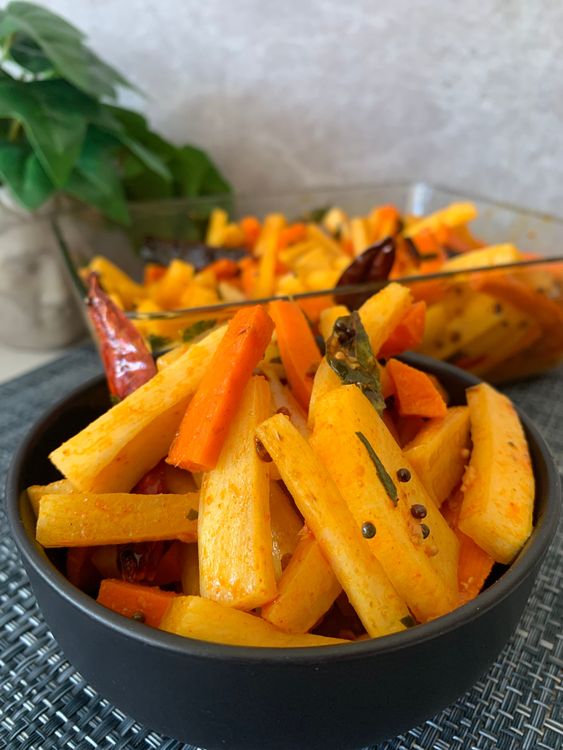
- Indian
- Vegan
- Side Dish
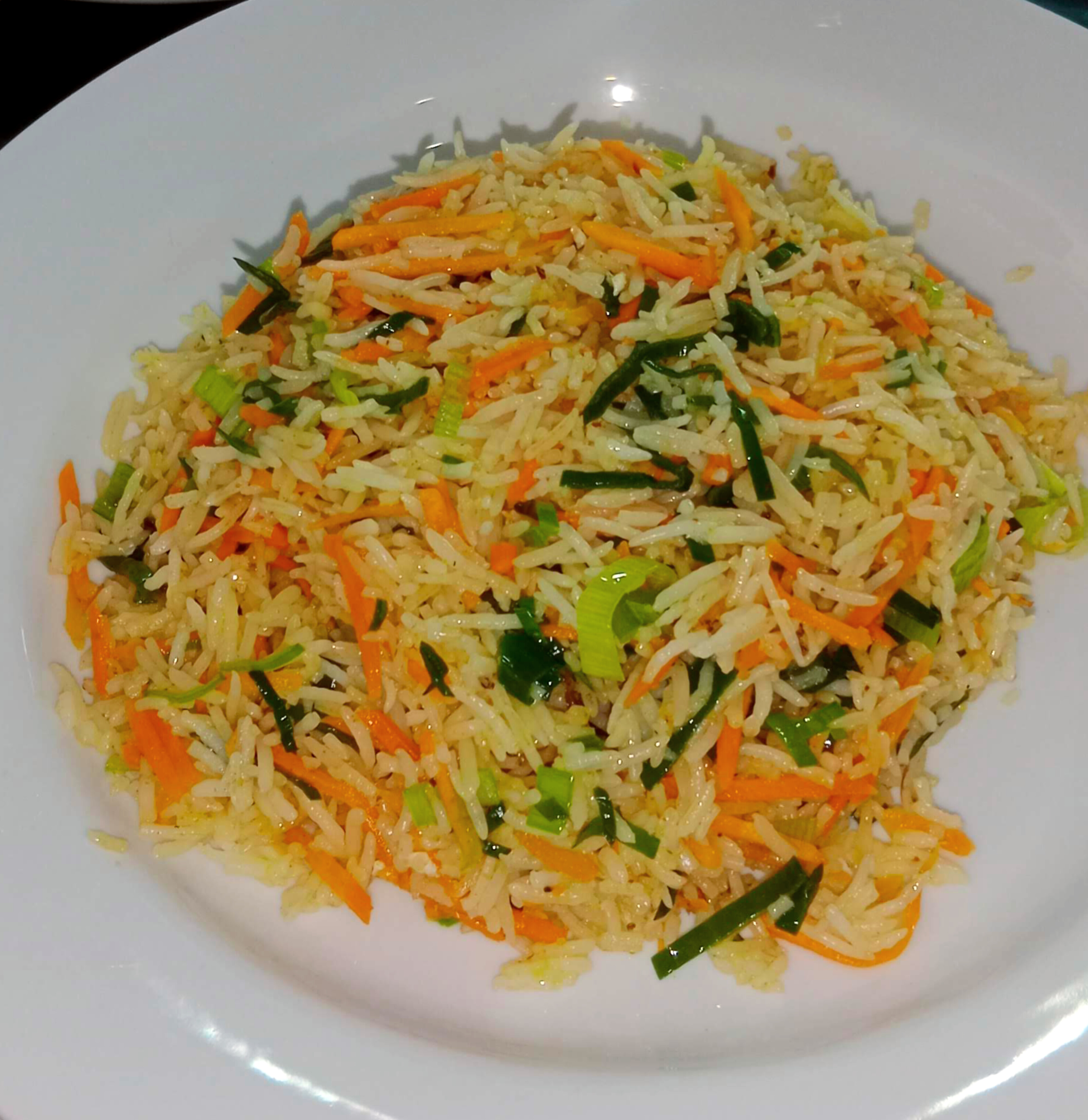
- Indian
- Vegan
- Lunch

- Fusion
- Non-Vegetarian
- Main Course
- Mediterranean
- Vegan
- Snack

- Indian
- Vegan
- Side Dish
More Carrot Favourites
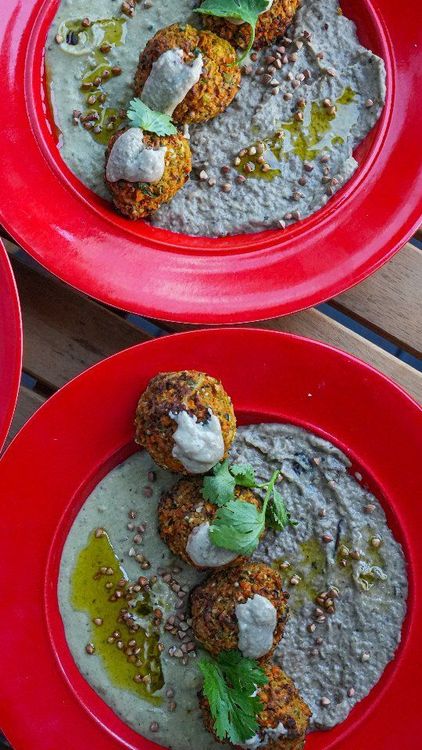
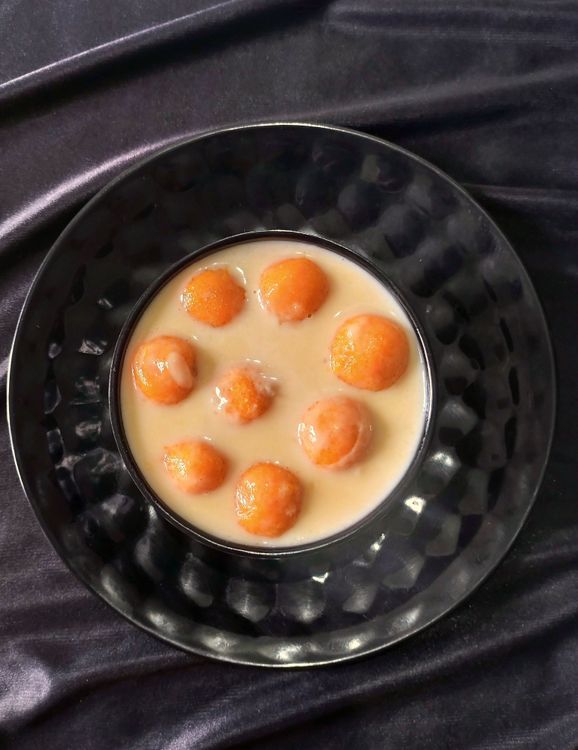
A few carrot dishes never sit neatly in a single category, and these are the ones worth keeping once the staples feel routine. They lean on the same handful of techniques you already know — a patient reduction, a quick tempering, a hot roast, a sharp raw dressing — but steer the carrot toward different textures and flavour profiles, from glazed honeyed carrots and carrot juice to fusion bakes and global sides, so the vegetable never tastes the same twice. Choosing your next one is mostly about matching effort to mood: reach for a quick grate-and-dress salad or a fast roast on a busy night, and save the slow-simmered halwa or a multi-step cutlet for a weekend when you can give it proper attention. Pay attention to how you cut the carrot too, since a fine grate cooks fast and melts away while chunky pieces stay distinct and caramelise at the edges. Think of this group as the natural next step after the classics, the recipes that quietly earn a regular spot in the rotation once you have tried them, and proof that one sweet, humble root can carry a meal from the first bite clear through to dessert. Standouts here include Carrot & Split Pea Falafels and Carrot Soufflé, plus Carrot Jamun.
- Lebanese
- Vegan
- Appetiser

- French
- Non-Vegetarian
- Lunch
- Indian
- Vegetarian
- Dessert


- Vegetarian
- Soup
- African
- Non-Vegetarian
- Lunch
Choosing and Prepping Carrots
Not all carrots behave the same, and matching them to the dish helps. Slim young carrots are tender and sweet and roast or steam beautifully whole; large maincrop carrots have a woodier core and more sugar, which makes them ideal for halwa, soup and anything cooked down. The deep red Delhi or Punjabi carrots that appear in winter are the traditional choice for gajar halwa because they are softer, juicier and sweeter than the everyday orange kind, and they break down into that signature jammy texture.
Prep is mostly about how you cut. For halwa and cake, grate the carrot on the fine side of a box grater so it cooks through quickly and melts into the texture rather than staying stringy. For sabzis and stir-fries, cut even batons or coins so everything cooks at the same rate. For roasting, leave pieces chunky — halved or quartered lengthways — so the edges caramelise while the middle turns tender. You rarely need to peel young or organic carrots; a good scrub keeps the nutrients and colour just under the skin.
Freshness shows in the texture. Choose firm carrots with smooth skin and no soft, bendy ends, and twist off any leafy tops before storing, since the greens pull moisture from the root and turn it limp. Keep them in the fridge in a bag or container, away from apples and other ethylene-producing fruit that make them go bitter. Limp carrots are not lost — a soak in cold water for an hour revives their crunch, which is handy before grating them raw for a salad or slaw.
Coaxing Out Carrot Sweetness
The whole pleasure of cooked carrots is their sweetness, and heat is what unlocks it. Roasting is the simplest route: toss chunky pieces in a little oil, season, and roast at 200C/400F until the edges are deeply browned and a little crisp, around 25 to 35 minutes. That browning is caramelisation and the Maillard reaction working on the carrot's sugars, turning a plain root into something nutty and almost sweet enough for dessert. Give the pieces room on the tray so they roast rather than steam, and resist stirring too often so they get proper colour.
For gajar halwa, the magic is slow reduction. Cook finely grated carrot in full-fat milk over a low to medium flame, stirring often, until the milk almost entirely evaporates and the carrot turns soft and jammy, which can take 40 minutes to an hour and cannot really be rushed. Only then add sugar — adding it early makes the carrot release water and stall the cooking — followed by ghee, cardamom and nuts. The long, patient simmer is what concentrates the carrot and gives halwa its rich, grainy, milky depth.
Even in savoury cooking, a little caramelisation pays off. Let carrots take some colour in the pan before you add liquid to a soup or curry, and they bring a rounder, sweeter base than carrots simply boiled. For soup, roasting the carrots first rather than just simmering them is the single biggest upgrade — it builds a deep, sweet flavour that no amount of cream can fake. A pinch of sugar is rarely needed when you let the carrot's own sugars do the work first.
Keeping Raw Carrots Crisp and Bright
Raw carrots are at their best when they are cold, crunchy and freshly cut, so prep them close to serving. For salads and slaws, grate or julienne the carrot finely so the dressing clings and every forkful has flavour, and dress it just before eating — carrots leach water once salted and dressed, so an early dressing leaves a slaw sitting in a watery puddle. If you must prep ahead, keep the grated carrot and the dressing separate and combine them at the last minute.
Acid and salt are what make raw carrot sing. A South Indian kosambari leans on lemon, green chilli, fresh coconut and a mustard-seed tempering; a North Indian kachumber on lemon and chaat masala; a Western slaw on a tangy yogurt or vinaigrette base. The bright acidity balances the carrot's sweetness and stops it tasting flat. Toast and crush any whole spices or temper mustard seeds and curry leaves in a little hot oil first, then fold them through, so the aromatics actually register rather than sitting raw.
Quick pickles and ferments are the other great use for raw carrots. Gajar ki kanji ferments carrots in salted, mustard-spiced water over several warm days into a tangy, probiotic drink, while an instant Punjabi carrot pickle softens batons in mustard oil, salt and spice in a day or two. Salt is doing the heavy lifting in both — it draws out water, seasons, and keeps things safe — so do not skimp on it, use clean dry jars, and keep everything submerged under the brine or oil to ward off spoilage.
Pro Tips from the Test Kitchen
- Use red Delhi or Punjabi winter carrots for gajar halwa — they are softer, juicier and sweeter than everyday orange ones.
- Grate carrots finely for halwa and cake so they cook through and melt into the texture instead of staying stringy.
- Cook the grated carrot down in milk fully before adding sugar to halwa — early sugar releases water and stalls the cooking.
- Roast carrots at 200C/400F in chunky pieces with room on the tray so they caramelise instead of steaming.
- Roast the carrots before blending them into soup for a deep, sweet flavour no cream can fake.
- Cut carrots into even batons or coins for sabzis so they all cook at the same rate.
- Dress carrot salads and slaws just before serving so they stay crisp and do not go watery.
- Balance raw carrot's sweetness with acid — lemon, vinegar or chaat masala keeps salads bright.
- Scrub rather than peel young or organic carrots to keep the colour and nutrients just under the skin.
- Revive limp carrots by soaking them in cold water for an hour before grating them raw.
Frequently Asked Questions
What are the best carrot recipes to start with?
Start with a recipe that shows off the carrot's natural sweetness. A slow-cooked gajar halwa, a tray of caramelised roasted carrots, and a blended roasted carrot soup are forgiving and rewarding. For something fresh and quick, a crunchy carrot kosambari or a slaw takes minutes. From there branch into spiced sabzis, a moist carrot cake, fritters and a tangy carrot pickle. Each leans on the same idea — concentrate the sweetness when cooked, balance it with acid when raw.
What are some easy carrot recipes for weeknights?
For fast midweek cooking, lean on the savoury side. A carrot and beans poriyal or a simple carrot sabzi comes together in fifteen minutes with a quick mustard-seed tempering. Roasted carrots need only oil, salt and a hot oven, and a grated carrot salad is barely any cooking at all. A carrot paratha or carrot rice turns a single root into a meal. These easy carrot recipes use pantry spices and one main vegetable, so they suit a busy evening.
How do you make gajar halwa rich and not watery?
The secret is patience and order. Cook finely grated carrot in full-fat milk over low to medium heat, stirring often, until the milk almost fully evaporates and the carrot turns soft and jammy — this can take 40 minutes to an hour. Only add the sugar after the carrot has cooked down, because adding it early makes the carrot release water and stops it reducing. Finish with ghee, cardamom and nuts. Red winter carrots and a long, slow reduction give the richest result.
How do you roast carrots so they caramelise?
Cut the carrots into chunky, even pieces — halved or quartered lengthways — toss them in a little oil and season well. Roast at 200C/400F for 25 to 35 minutes, giving each piece room on the tray so it roasts rather than steams, and turning once or twice for even colour. That deep browning is the carrot's sugars caramelising, which is what makes roasted carrots taste sweet and nutty. A drizzle of honey, a scatter of cumin or a squeeze of lemon at the end lifts them further.
How do you keep carrot salad and slaw from going soggy?
Dress it at the last minute. Salt and acid pull water out of grated carrot, so a slaw dressed too early sits in a watery puddle and loses its crunch. Grate or julienne the carrot finely, keep it and the dressing separate if you are prepping ahead, and combine them just before serving. A drier dressing base, such as a thick yogurt or a light vinaigrette rather than a watery one, also helps. Serve cold for the crispest bite.
Can I substitute carrots in carrot cake or use them in baking?
Carrots are ideal for baking because their moisture and sugar keep cakes and muffins tender and sweet without overpowering. Grate them finely so they bake in evenly and almost disappear into the crumb, and squeeze out excess liquid if the carrots are very juicy so the batter is not too wet. They pair naturally with cinnamon, nutmeg, walnuts and a cream-cheese frosting. You can fold grated carrot into loaves, muffins and pancakes too, where it adds moisture, colour and a gentle sweetness.
Are carrots healthy and how should I cook them to keep nutrients?
Carrots are very nutritious — a strong source of beta-carotene, which the body converts to vitamin A, plus fibre, potassium and antioxidants. Lightly cooking them, by roasting or steaming, actually makes the beta-carotene easier to absorb, and a little fat such as oil or ghee helps that absorption further. Raw carrots keep more vitamin C and a satisfying crunch. Scrubbing rather than peeling retains nutrients near the skin. Eating them both raw and cooked across the week gives you the full benefit.
How do you make a carrot pickle or fermented gajar kanji?
For a quick Punjabi carrot pickle, toss carrot batons with salt, mustard oil and spices like fennel, mustard and chilli, then leave them a day or two to soften and turn tangy. For gajar ki kanji, submerge carrots in salted water spiced with ground mustard and let it ferment in a warm spot for several days until pleasantly sour and fizzy. In both, salt is essential — it seasons, draws out water and keeps things safe — so use clean dry jars and keep everything under the brine or oil.
How should I store carrots to keep them fresh?
Twist off any leafy tops first, since the greens pull moisture from the root and make it go limp. Keep the carrots in the fridge in a bag or sealed container to hold in moisture, and away from apples, pears and other ethylene-producing fruit, which can turn carrots bitter over time. Stored this way they keep for several weeks. If they do go floppy, a soak in cold water for an hour revives the crunch, which is especially useful before grating them raw for a salad.
The thread through every carrot recipe here is sweetness and how you handle it. Cook carrots low and slow or roast them hot to concentrate and caramelise their natural sugars for halwa, soup and sides; cut them to suit the dish; and balance that sweetness with sharp acid and salt when you serve them raw in salads, slaws and pickles. Get those right and carrots turn out sweet, tender and bright exactly as each dish intends.
Pick a few carrot recipes to cook this week — a slow gajar halwa, a tray of roasted carrots and a crunchy kosambari — and save your favourites to a Chefadora cookbook. From dessert to a weeknight side to a tangy ferment, there is a carrot dish for every craving and season; this page is built to be the carrot reference you keep coming back to.
Related
- Carrot
- Vegetarian
- Indian
- Dessert
- Sides
- Salad
- Healthy
- Winter
Popular Searches
- Best carrot recipes
- Easy carrot recipes
- Quick carrot recipes
- Healthy carrot recipes
- Simple carrot recipes
- Homemade carrot recipes
- Delicious carrot recipes
- Popular carrot recipes
- gajar halwa
- carrot cake
- carrot soup
- carrot salad
Marnirni-apinthi Building, Lot Fourteen,
North Terrace, Adelaide, South Australia, 5000
Australia
