
Top 20 Oatmeal Recipes: Overnight, Baked, Stovetop and More
Updated June 29, 2026 · Curated by Chefadora

Oatmeal recipes are the quiet backbone of a good breakfast routine: cheap, filling, endlessly adaptable, and forgiving of whatever is in the fruit bowl. The dishes below were chosen to show the full range of what a bag of oats can do — cold jars you build the night before, custardy bakes you slice all week, creamy stovetop bowls, and the cookies, bars and savory plates that prove oats are not only a breakfast food. The aim is range, not ten versions of the same bowl.
The single thing that changes everything in oat cooking is which oat you reach for. Rolled (old-fashioned) oats are the all-rounders — steamed and pressed flat, they soften in minutes on the stove and soak beautifully overnight. Steel-cut oats are the whole groat chopped into pieces; they take longer and cook up chewy and nutty, never mushy. Quick oats are rolled thinner for speed but turn pasty if you push them. Match the oat to the method and most of the work is done.
You will find four clusters here: overnight and no-cook jars built the night before, baked oatmeal and grab-and-go oat cups, creamy stovetop and flavored bowls, and the wider world of oatmeal cookies, bars, granola and savory oats. The underlying moves — getting the liquid ratio right, hydrating the oats fully, stirring just enough, and seasoning even sweet dishes with a pinch of salt — repeat across all of them, so learning one cluster well makes the next one far easier and quietly turns you into a confident oat cook.
Treat this page as a working reference rather than a list to read once. Each recipe links to full ingredients and step-by-step instructions on Chefadora, and the guides below cover the decisions that actually decide whether oatmeal turns out creamy and satisfying or gluey and bland: which oats to buy and how they differ, how much liquid to use for each method, how to bake oats so they set without drying out, and how to prep a whole week of breakfasts in a single session.
Overnight & No-Cook Oats
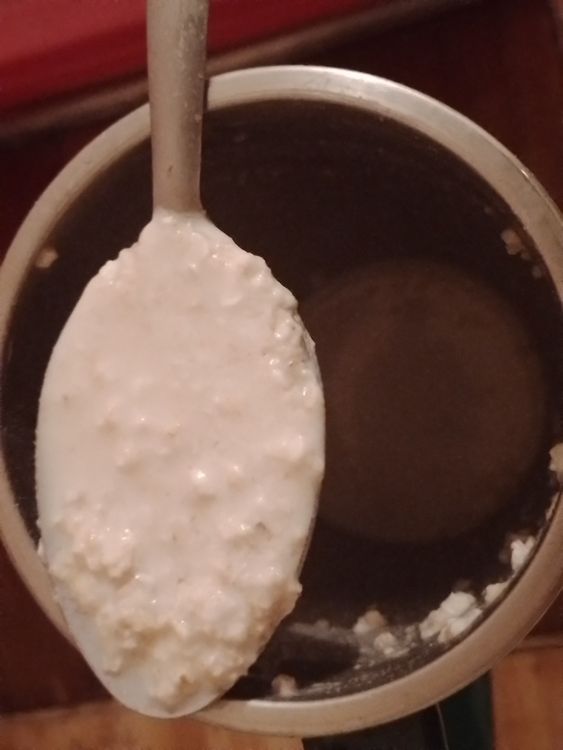
The whole appeal of a no-cook jar is that the fridge does the work while you sleep. Stir rolled oats together with roughly an equal measure of milk — plus a spoon of yogurt for tang and chia seeds if you want a thicker, pudding-like set — cover, and leave it overnight. By morning the oats have drunk up the liquid and softened into a creamy, spoonable breakfast you can eat straight from the jar, cold, with zero effort. The one rule that matters most is using the right oat: rolled (old-fashioned) oats hydrate perfectly, steel-cut stay stubbornly hard, and quick oats collapse into mush, so reach for rolled every time. Build jars in batches to set up several days at once, and keep watery toppings like fresh berries or sliced banana off until serving so they do not bleed and water everything down; sturdier mix-ins like nut butter, cocoa, dried fruit and seeds can go in from the start. If a jar firms up too much overnight, loosen it with a splash of milk before you eat. Many people swear they taste even better on the second day, once the flavors have had time to settle and marry. Standouts here include Overnight Oatmeal and Quick and Easy Cold Peanut Butter Almond Milk Oatmeal.


- American
- Vegetarian
- Breakfast
- Fusion
- Vegan
- Breakfast
Baked Oatmeal & Oat Cups
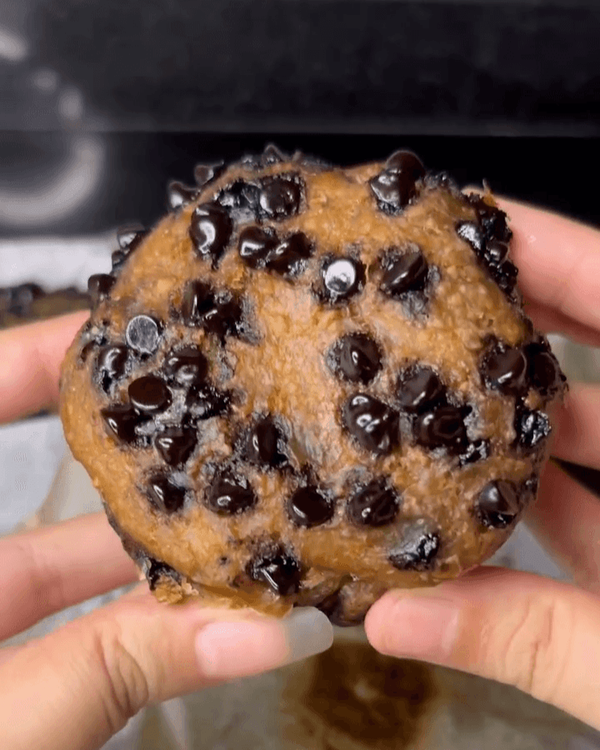
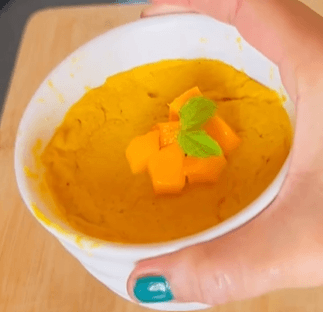
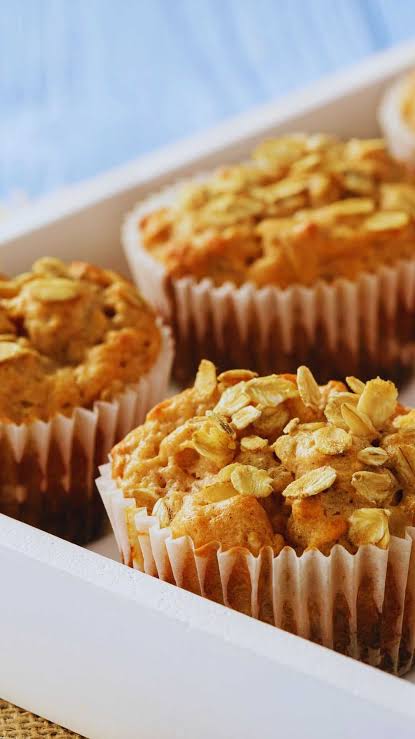
Think of baked oatmeal as a loose custard that the oats soak up in the oven, setting into something between porridge and cake. You bind rolled oats with egg, milk, a little fat and sweetener, pour it into a dish, and bake until the centre is just set — the egg gives it a sliceable, almost cakey structure while the milk keeps it moist and tender. The technique that makes or breaks it is mixing the wet and dry ingredients separately and combining them only just before baking, so the oats do not over-soak and turn dense and heavy. Bake at a moderate heat, around 175C/350F, and pull it the moment the top is golden and the centre still has a faint jiggle; carryover heat finishes the middle as it rests, and overbaking is the fastest route to dry, crumbly oatmeal. Water-rich fruit like berries or grated apple keeps it soft, and a scatter of sugar or nuts on top gives a lightly crisp lid. Let it rest at least ten minutes before cutting so it slices cleanly. Bake the same batter in a muffin tin and you get grab-and-go cups; either way, one Sunday bake is a week of easy breakfasts. Standouts here include Banana Oatmeal Bake and Mango Oatmeal Healthy Cupcake, plus Oats muffin .

- American
- Vegetarian
- Breakfast
- Indian
- Vegetarian
- Breakfast
- Vegetarian
- Breakfast
Stovetop & Flavored Bowls
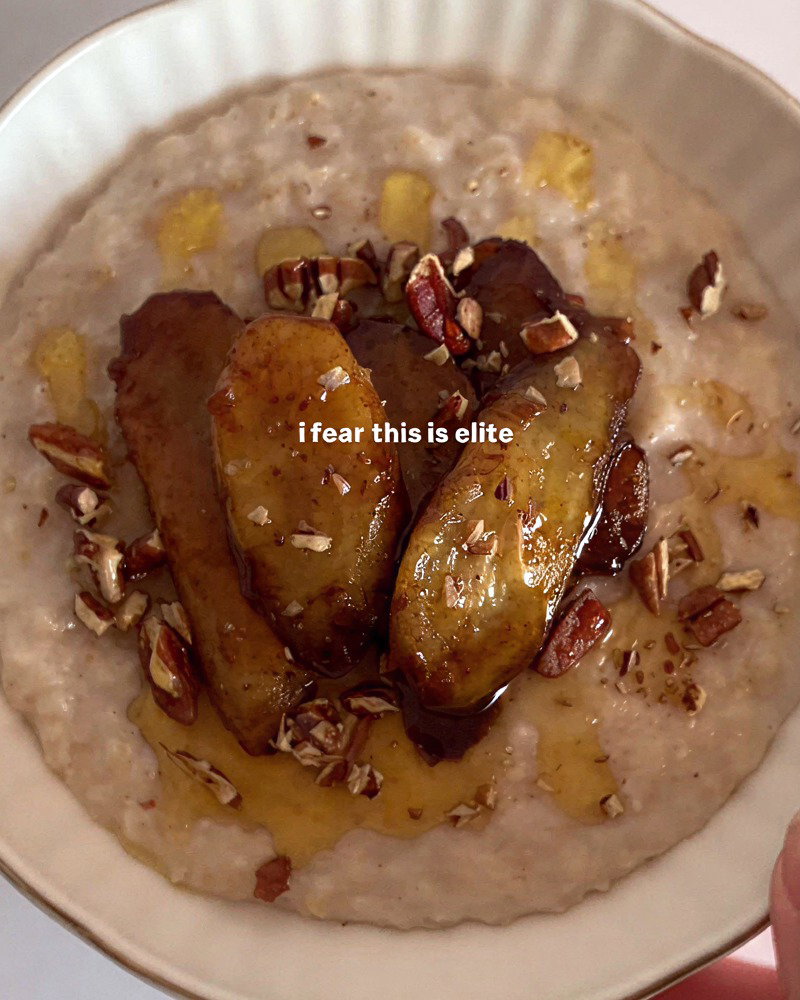
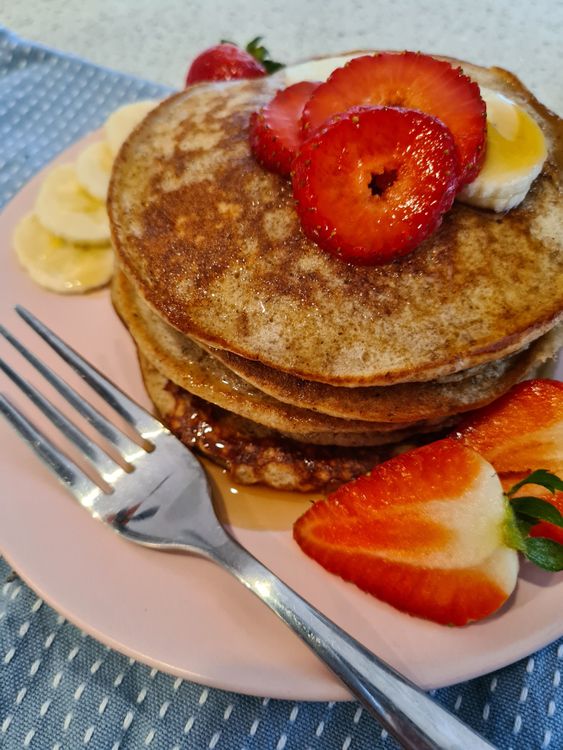
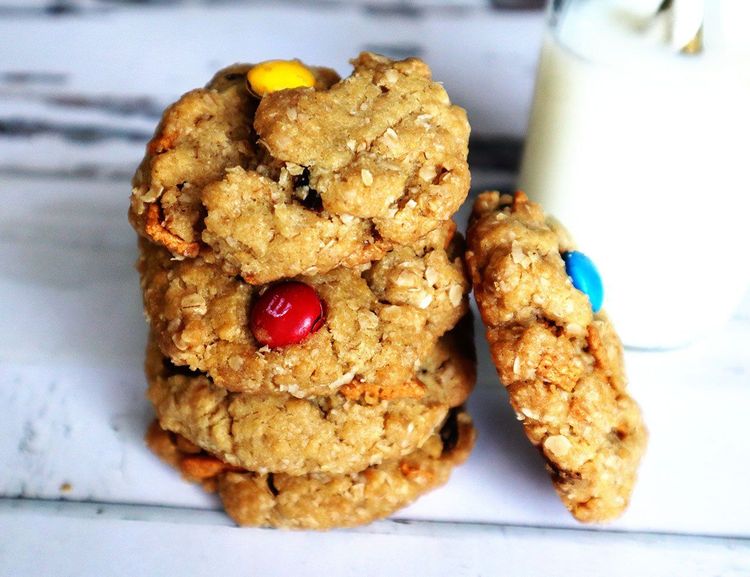
This is oatmeal at its most classic: oats simmered in liquid until thick and creamy, then dressed up to taste. For the best bowl, cook rolled oats in milk rather than water — the fat and proteins give real body and a rounder flavor — starting them in cold liquid you bring up to a gentle simmer together. A pinch of salt is non-negotiable even in a sweet bowl; it is the single thing that takes oatmeal from flat to full. Simmer about five minutes until tender and loosely thickened, stirring now and then but not constantly, since a little stirring builds creaminess while too much releases starch and turns the bowl gluey. Season from within as it cooks with cinnamon, vanilla or a spoon of peanut butter, then finish off the heat with fruit, a drizzle of maple or honey, and something crunchy on top. Steel-cut oats belong here too, for those who want chew: toast them in butter first, then simmer low and slow with plenty of liquid, soaking them overnight to cut the morning time. From banana and cinnamon to apple, pumpkin and chocolate, the base move never changes — only what you stir in does. Standouts here include Caramelised Banana Oatmeal and Healthy Banana Oatmeal Pancakes , plus Chocolate Oatmeal Crunch Cookies.

- Vegetarian
- Breakfast

- American
- Eggetarian
- Breakfast

- American
- Eggetarian
- Snack


- Global
- Vegan
- Breakfast
- International
- Vegetarian
- Breakfast


- Vegetarian
- Breakfast
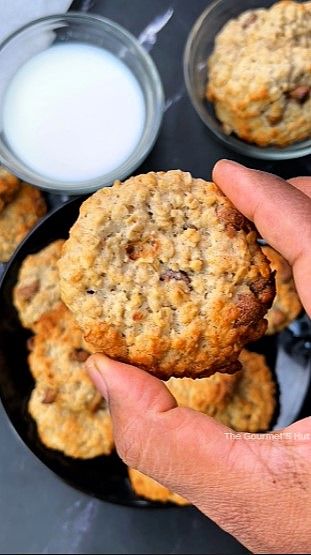

- American
- Vegetarian
- Snack
Oatmeal Cookies, Bars & Savory Oats
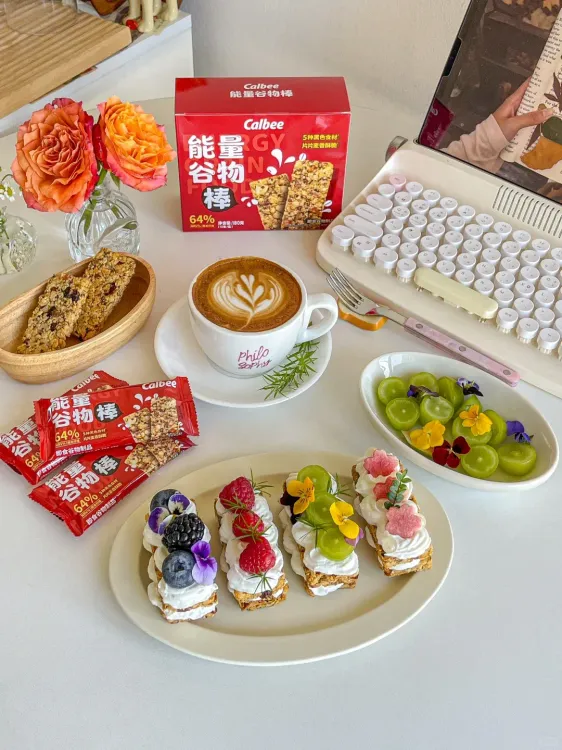
Oats are not only a breakfast food, and this is the cluster that proves it. The same rolled oats that thicken a bowl give chewy oatmeal cookies their hearty bite, bind no-bake energy bars and bites, and toast into clusters of crunchy granola. The trick across the baked versions is balancing moisture: oats drink up liquid as a dough or batter rests, so a mix that looks slightly wet going into the oven often bakes up just right, while an already-dry one turns to sawdust. For no-bake bars, lean on a sticky binder — nut butter with honey or melted dates — pressed firmly into the tin and chilled until it holds. Then there is the savory side, an under-explored pleasure: oats simmered in stock instead of milk, finished with a soft egg, grated cheese, sauteed greens or a spoon of chilli crisp, eat like a creamy risotto or congee and make a genuinely satisfying lunch. Season savory oats boldly, the way you would any grain, and do not be shy with fat and acid. Whether sweet or savory, the lesson is the same: oats are a blank, fibre-rich canvas that stretches far past the breakfast bowl. Standouts here include Choco Oatmeal Pancakes! and Oatmeal and Cheese Patties, plus Raspberry Oatmeal Bars.
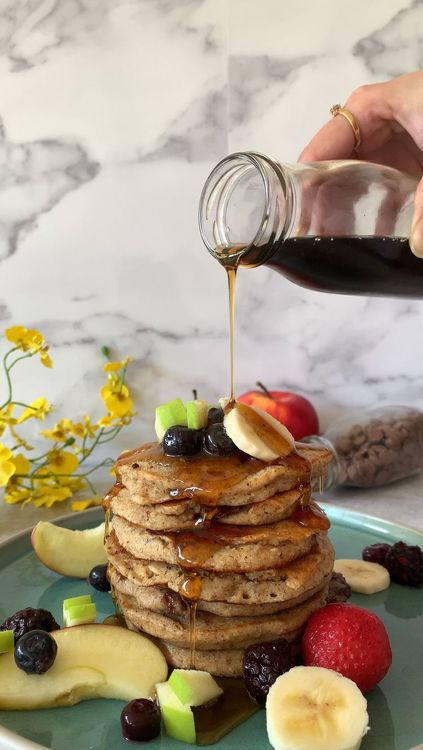
- American
- Eggetarian
- Breakfast
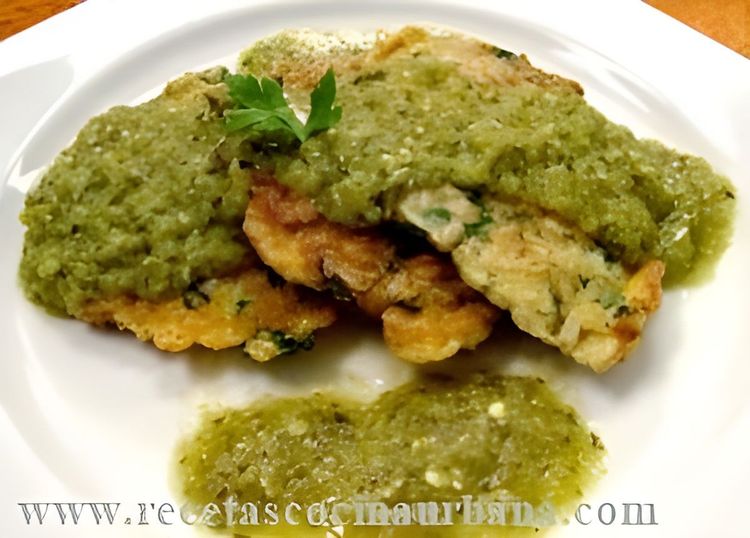
- Mexican
- Eggetarian
- Appetiser
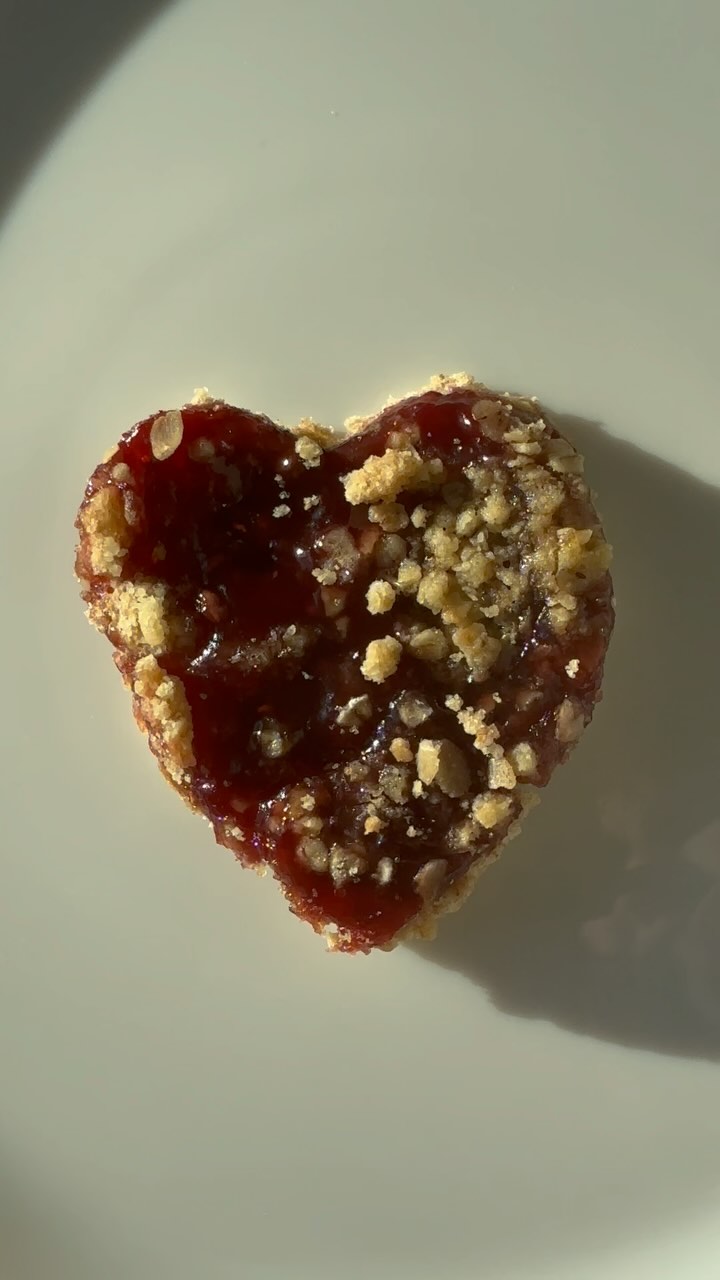

- American
- Vegetarian
- Breakfast

- Fusion
- Vegetarian
- Snack
More Oatmeal Favourites
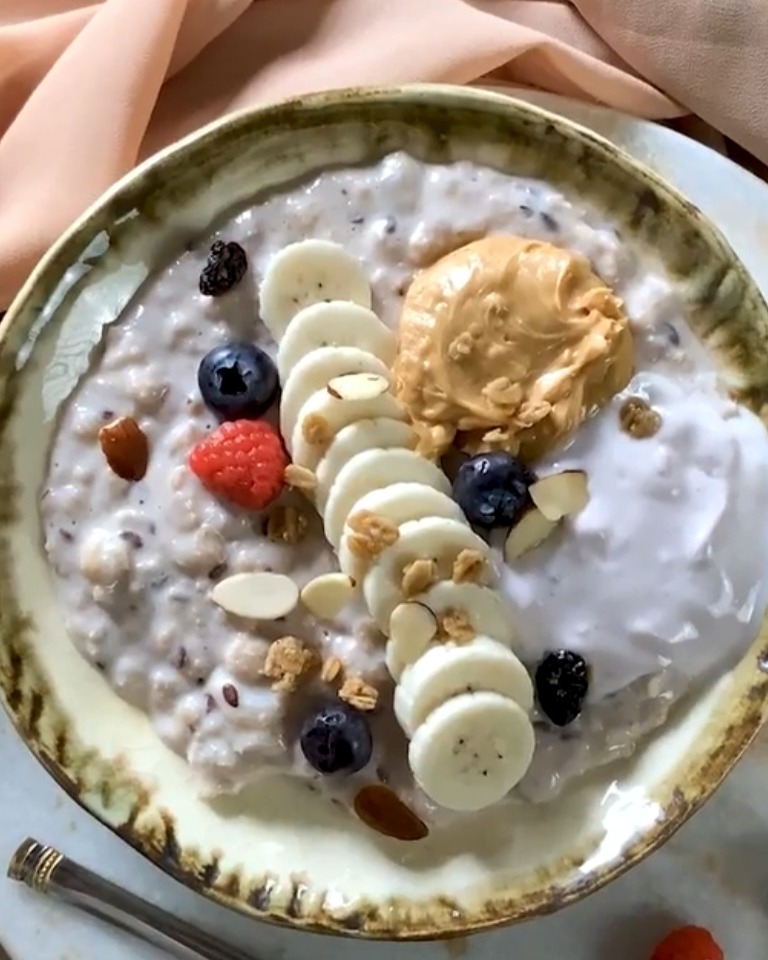
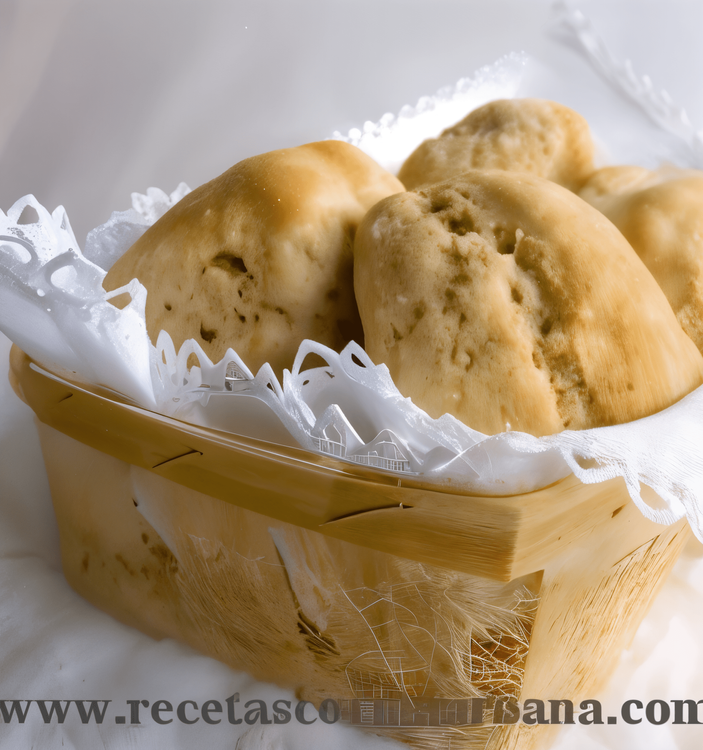
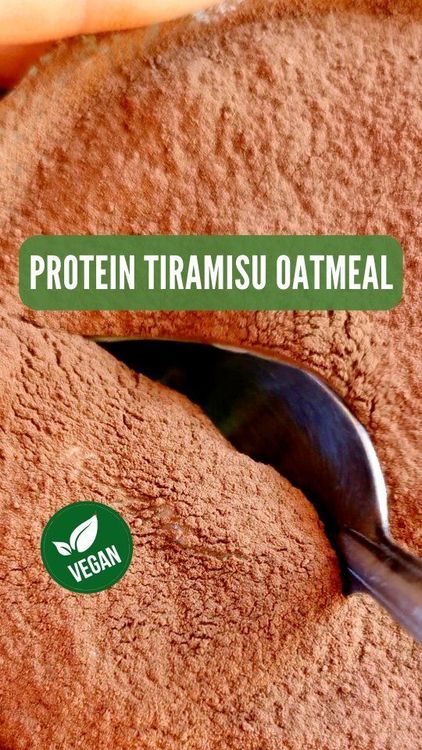
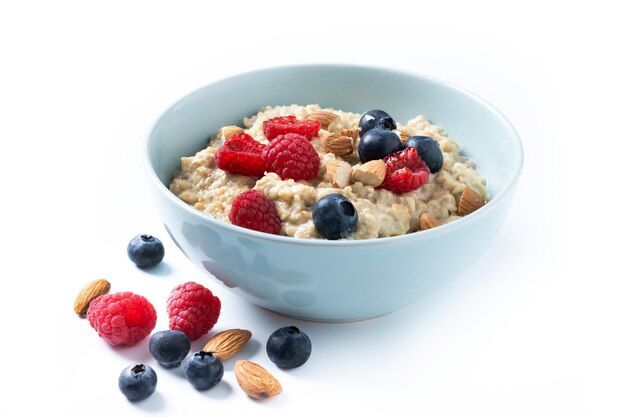
A handful of oat dishes never quite fit a single category, and these are the ones worth keeping in your back pocket once the staples feel routine. They lean on the same fundamentals you already know — pick the right oat, respect the liquid ratio, hydrate fully, and season even sweet dishes with a little salt — but steer the grain toward different textures and formats, from pancakes and crumble toppings to flapjacks and skillet bakes. Picking your next one is mostly about matching effort to mood: reach for a quick stir-and-soak or a one-bowl batter on a busy morning, and save the slower bakes and toasted granolas for a weekend when you can let the oven do its thing. Pay attention to how finely the oats are processed, too, since blended oat flour behaves very differently from whole rolled oats in a batter, thickening faster and baking denser. A good move is to keep a jar of toasted oats or homemade granola on the counter as a ready topping for any of the bowls above. Think of this group as the natural next step after the classics — the recipes that quietly earn a regular spot in the rotation once you have tried them. Standouts here include Oatmeal and Wheat Germ Rolls and High Protein Vegan Tiramisu Oatmeal, plus Oatmeal with Berries and Nuts.
- European
- Vegetarian
- Breakfast
- Fusion
- Vegetarian
- Breakfast
- American
- Vegetarian
- Breakfast


- International
- Vegetarian
- Breakfast
Knowing Your Oats: Rolled, Steel-Cut and Quick
Rolled oats — also sold as old-fashioned oats — are oat groats that have been steamed soft and pressed flat. That flattening is why they cook in five minutes on the stove and why they drink up liquid so well overnight. They are the default for most of the recipes here: creamy stovetop bowls, baked oatmeal, cookies and overnight jars all work with rolled oats, which makes a single bag the most useful thing in the cupboard.
Steel-cut oats (also called Irish or pinhead oats) are the whole groat chopped into a few coarse pieces rather than rolled. They keep more of their structure, so they cook up chewy, nutty and distinctly toothsome — but they need fifteen to thirty minutes of simmering and far more liquid. They do not behave like rolled oats in a quick recipe, so do not swap them one-for-one. Quick oats sit at the other end: rolled even thinner for a one-minute cook, fine in a pinch but prone to turning soft and pasty.
A useful rule of thumb on liquid: stovetop rolled oats want roughly two parts liquid to one part oats, steel-cut closer to three or four to one, and quick oats slightly less than rolled. Overnight oats sit around one-to-one because they only need to hydrate, not boil down. Knowing which oat you have — and adjusting the liquid to match — fixes the great majority of texture complaints before you even start cooking.
Creamy Stovetop Bowls Without the Glue
For a genuinely creamy bowl, cook rolled oats in milk (dairy or plant) rather than water — the fat and proteins give body and a rounder flavor — and start them in cold liquid that you bring up to a simmer together, stirring now and then. A pinch of salt is non-negotiable even in a sweet bowl; it is the difference between flat and full-flavored. Simmer gently for about five minutes until the oats are tender and the liquid has thickened to a loose porridge that will set as it cools.
Stir to taste, not constantly. Frequent stirring releases starch and makes oats creamier, which is wonderful up to a point and gluey past it; let the bowl tell you. If it tightens too far, loosen it with a splash of hot milk off the heat rather than reheating hard. For steel-cut oats, toast them in a little butter first until they smell nutty, then simmer low and slow with plenty of liquid — a brief overnight soak the night before cuts the morning cook time roughly in half.
Build flavor in layers rather than only at the end. Cinnamon, a little vanilla or a spoon of nut butter stirred in while the oats cook seasons the whole bowl from within; fresh or cooked fruit, a drizzle of maple or honey, and a crunchy topping go on after, off the heat. A handful of toppings with contrasting texture — toasted nuts, seeds, fruit — is what turns plain porridge into something you actually look forward to.
Baking Oatmeal So It Sets but Stays Moist
Baked oatmeal is essentially a loose custard that oats soak up in the oven. The core ratio is generous: rolled oats bound with egg, milk and a little fat and sweetener, poured into a dish and baked until just set in the centre. Egg is what gives it a sliceable, almost cakey structure; the milk keeps it moist. Mix the wet and dry separately, then combine just before baking so the oats do not over-soak and go dense.
Bake at a moderate temperature — around 175C/350F — until the top is golden and the centre is set but still has a faint jiggle, usually 30 to 40 minutes depending on the dish. Pull it before it dries; carryover heat finishes the middle as it rests. A water-rich fruit like berries or grated apple keeps it tender, while a sprinkle of sugar or nuts on top gives a lightly crisp lid. For grab-and-go cups, divide the same batter into a muffin tin and shorten the bake.
Let baked oatmeal rest at least ten minutes before cutting so it firms up and slices cleanly rather than crumbling. It keeps beautifully — four or five days in the fridge — and reheats in the microwave with a splash of milk, or eats cold straight from the tin. This is the cluster to lean on if mornings are rushed: one bake on Sunday is a week of breakfasts that only get easier to grab as the days go on.
Meal Prep, Overnight Jars and Storage
Overnight oats are the lowest-effort breakfast there is: combine rolled oats with milk (and often yogurt and chia for thickness) in roughly equal parts, stir, cover and refrigerate at least four hours or overnight. The oats hydrate cold into a soft, spoonable, pudding-like texture — no cooking, no heat. Chia seeds are the secret to a thicker jar; they swell and gel, pulling everything together. Use rolled oats here, never steel-cut, which stay hard, and avoid quick oats, which go to mush.
Build jars in batches to set up several days at once. Keep wet, watery toppings like fresh berries or banana off until serving so they do not bleed and soften the whole jar; layer in sturdier mix-ins (nut butter, cocoa, dried fruit, seeds) from the start. Overnight oats keep three to four days covered in the fridge, and many people find they taste better on day two as the flavors settle. Adjust the liquid before serving — a splash of milk loosens a jar that has firmed up overnight.
Cooked stovetop oats and baked oatmeal both refrigerate well for four to five days; portion them into containers warm and reheat with a little extra liquid, since oats keep absorbing as they sit. Granola, bars and energy bites store at room temperature for a week or more in an airtight tin. The whole point of oatmeal as a system is that almost every form of it is make-ahead — so cook once, store smart, and eat well all week.
Pro Tips from the Test Kitchen
- Match the oat to the method: rolled for almost everything, steel-cut only when you want chew and have time, quick oats only in a real pinch.
- Add a pinch of salt even to sweet oatmeal — it makes the whole bowl taste fuller, not saltier.
- For overnight oats use roughly equal parts oats and liquid; a spoon of chia thickens the jar into a pudding.
- Cook stovetop rolled oats in milk, not water, for a creamier, rounder bowl.
- Never use steel-cut oats in overnight oats — they stay hard; never push quick oats hard or they go pasty.
- Toast steel-cut oats in butter before simmering for a nutty depth, and soak them overnight to halve the morning cook.
- Stir stovetop oats to taste, not constantly — some stirring builds creaminess, too much turns them gluey.
- Mix wet and dry separately for baked oatmeal and combine just before baking so it does not turn dense.
- Pull baked oatmeal when the centre still has a faint jiggle; carryover heat sets it without drying it out.
- Keep watery toppings like fresh berries off overnight jars until serving so they do not bleed into the oats.
Frequently Asked Questions
What is the difference between rolled, steel-cut and quick oats?
All three start as the same oat groat. Steel-cut oats are the groat simply chopped into pieces, so they cook slowest and stay chewiest. Rolled (old-fashioned) oats are steamed and pressed flat, cooking in about five minutes and soaking well overnight. Quick oats are rolled even thinner for a one-minute cook but turn soft and pasty easily. Rolled oats are the most versatile and work in nearly every recipe here.
How do you make overnight oats?
Combine rolled oats with milk in roughly equal parts — many people add yogurt for tang and a spoon of chia seeds for thickness — stir, cover, and refrigerate at least four hours or overnight. The oats hydrate cold into a creamy, spoonable, pudding-like texture with no cooking required. Use rolled oats, not steel-cut (which stay hard) or quick oats (which go to mush). Loosen with a splash of milk before eating if needed.
Why is my oatmeal gluey or gummy?
Usually too much stirring, too little liquid, or the wrong oat. Vigorous, constant stirring releases starch and makes oats slick and gluey; stir only now and then. Quick oats are especially prone to pastiness, so do not over-cook them. Make sure your liquid ratio fits the oat — about two parts liquid to one part rolled oats — and loosen a too-thick bowl with a splash of hot milk rather than cooking it longer.
What is the best liquid ratio for oatmeal?
For stovetop rolled oats, use roughly two parts liquid to one part oats. Steel-cut oats need more, around three to four parts liquid, because they cook longer and absorb more. Quick oats want slightly less than rolled. Overnight oats sit close to one-to-one because they only hydrate rather than boil down. Adjust at the end with extra liquid if needed, since oats keep thickening as they cool and sit.
Can you make oatmeal ahead of time?
Yes — oatmeal is one of the best make-ahead breakfasts. Overnight oats are built specifically to sit, keeping three to four days in the fridge. Baked oatmeal keeps four to five days and reheats with a splash of milk or eats cold from the tin. Cooked stovetop oats also store well; portion them warm and add liquid when reheating, since they absorb more as they sit. Granola and bars keep at room temperature for a week or more.
Are oats and oatmeal healthy?
Oats are a whole grain high in soluble fibre, especially beta-glucan, which is linked to lower cholesterol and steadier blood sugar, and they keep you full for hours. They also bring protein, iron and a range of minerals. The grain itself is naturally wholesome; what changes the picture is what you add — heavy sugar, syrups and butter add up fast. Lean on fruit, nuts and a little natural sweetness to keep a bowl genuinely good for you.
Is baked oatmeal supposed to be soft or firm?
It should be set and sliceable but still moist — think custardy and cakey, not dry or crumbly. The egg gives it structure so it holds a clean cut, while the milk keeps it tender. Pull it from the oven when the top is golden and the centre still has a faint jiggle; it firms up as it rests. Always let it sit at least ten minutes before slicing so it sets properly rather than falling apart.
Can you eat oatmeal cold?
Absolutely. Overnight oats are designed to be eaten cold straight from the jar, and baked oatmeal is excellent chilled — many people prefer it that way. Even cooked stovetop oatmeal is fine cold, though most reheat it with a little milk to loosen the texture, since it sets firm in the fridge. Cold oats are a genuine convenience: a jar made the night before is breakfast you can eat at your desk with no prep at all.
What can I add to oatmeal to make it taste good?
Build flavor in two stages. While the oats cook, season from within with a pinch of salt, cinnamon, vanilla or a spoon of nut butter. After cooking, off the heat, add toppings with contrasting texture and a hit of sweetness: fresh or cooked fruit, toasted nuts and seeds, a drizzle of maple or honey, a scatter of chocolate or coconut. The combination of creamy oats and a crunchy, fruity topping is what turns plain porridge into a bowl you look forward to.
Are oats gluten-free?
Oats are naturally gluten-free, but they are very commonly grown and processed alongside wheat, barley and rye, so standard oats are frequently cross-contaminated. If you are coeliac or sensitive to gluten, buy oats specifically labelled certified gluten-free, which are grown and milled to avoid that contact. For everyone else, ordinary oats are fine. The recipes here work identically with certified gluten-free oats, so the whole collection adapts easily.
The thread through every oatmeal recipe here is the same: a humble, fibre-rich grain that rewards the right oat, the right liquid ratio and a little seasoning. Master the few moves in the guides — pick your oat, get the liquid right, salt even the sweet bowls, and lean on make-ahead — and overnight jars, bakes, stovetop bowls and oat cookies all fall into place.
Pick three to make this week — a jar for busy mornings, a Sunday bake, and a creamy stovetop bowl — and save your favorites to a Chefadora cookbook. Then work through the rest; this page is built to be the oatmeal reference you actually come back to.
Related
- Oatmeal
- Breakfast
- Overnight Oats
- Healthy
- Meal Prep
- High Fiber
- Whole Grain
- Vegetarian
Popular Searches
- Best oatmeal recipes
- Easy oatmeal recipes
- Quick oatmeal recipes
- Healthy oatmeal recipes
- Simple oatmeal recipes
- Homemade oatmeal recipes
- Delicious oatmeal recipes
- Popular oatmeal recipes
- overnight oats recipe
- baked oatmeal
- stovetop oatmeal
Marnirni-apinthi Building, Lot Fourteen,
North Terrace, Adelaide, South Australia, 5000
Australia
