
Top 18 Beef Ground Meat Recipes: Beef, Turkey, Chicken, Pork and Lamb
Updated June 29, 2026 · Curated by Chefadora
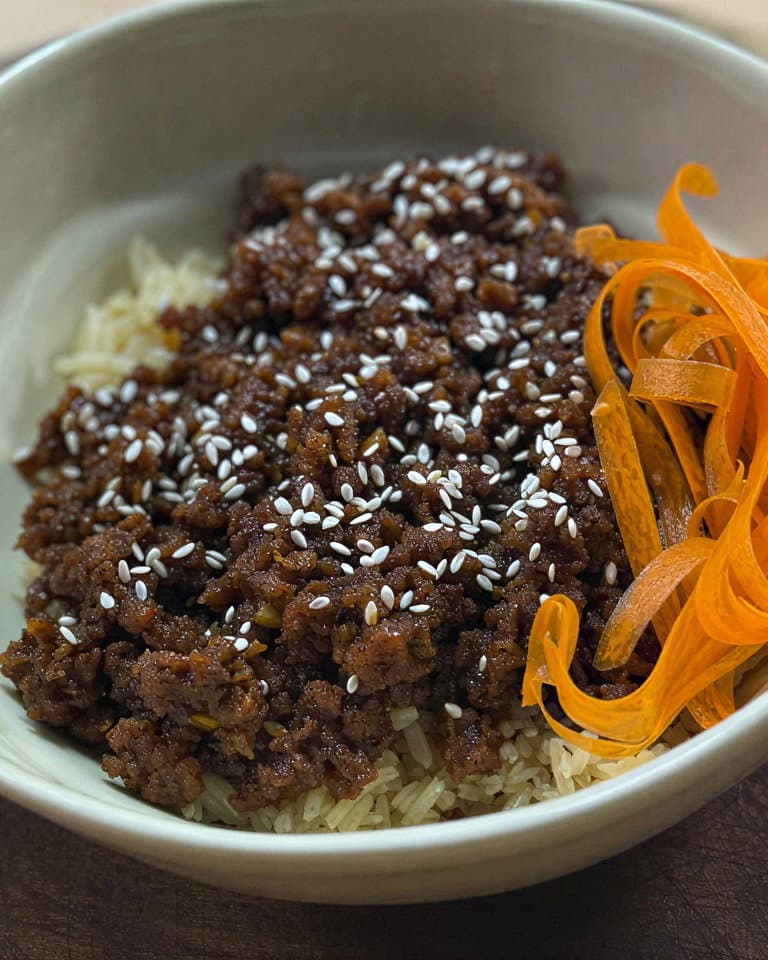
Ground meat recipes are the quiet engine of home cooking everywhere: cheap, fast, endlessly adaptable, and able to carry whatever seasoning you throw at them. A single pound of mince becomes tacos on Tuesday, a tray of meatballs on Wednesday and a casserole on Sunday. This collection deliberately spreads across every common grind — beef, turkey, chicken, pork and lamb — rather than treating one of them as the default, because the moves you learn on one transfer straight to the next.
What unites them all is that ground meat is mostly surface area. That is its gift and its trap. All that exposed surface means it browns fast, soaks up spice and cooks in minutes, but it also means it dries out the moment you overwork it or push the lean cuts too hard. The difference between flat, grey, pebbly mince and a deeply savory dish almost always comes down to fat content, a real sear, and a light hand when you mix.
You will find four clusters here. The first sorts dishes by meat type, so you can play to each grind's strengths. The second gathers the great global dishes ground meat anchors — kofta, bolognese, tacos, keema, larb and stir-fries. The third is the casserole and bake territory of weeknight dinners, and the fourth covers the hands-on classics: meatballs, burgers, kebabs and patties.
Treat this as a working reference rather than a list to scroll past. Every recipe links to full ingredients and steps on Chefadora, and the guides below cover the decisions that actually change the result — how to pick the right fat ratio, how to get a proper brown instead of a steam, how to season and bind so nothing turns rubbery, and how to swap one meat for another without ruining the dish.
Recipes by Meat Type
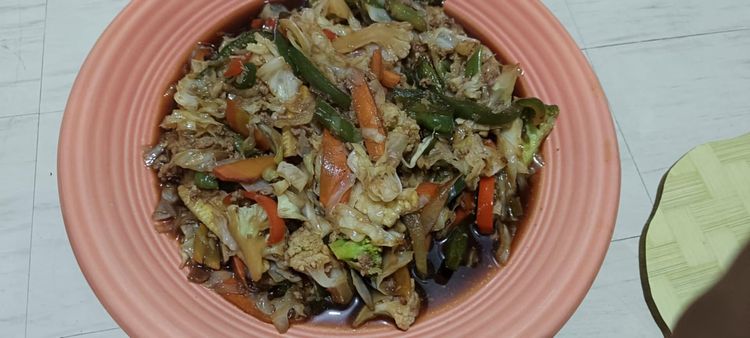
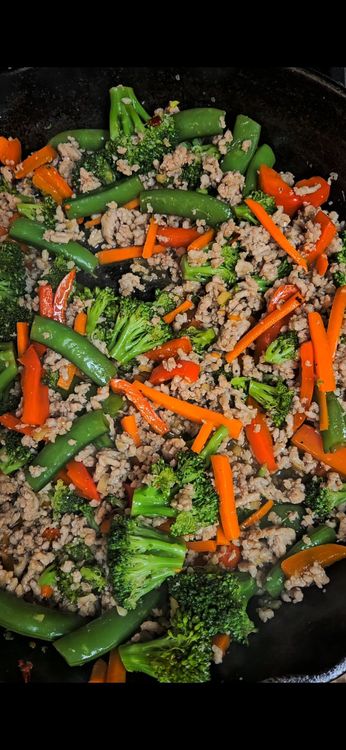
The smartest way to cook ground meat is to stop treating every grind the same and start playing to what each one does best. Beef brings the richest, most savory backbone and forgives a heavy hand, which is why it anchors burgers, chili and ragu. Turkey and chicken are lean and mild, so they take on whatever you season them with but punish overcooking; reach for thigh over breast, build moisture back with oil, grated onion or a panade, and pull them off the heat the second the pink disappears. Pork is sweet and fatty, made for sausage profiles, dumplings and anything that wants a little richness, while lamb is bold and gamy and loves cumin, mint and garlic. The common mistake is cooking lean poultry exactly like 80/20 beef and ending up with dry, pebbly crumbles. Match the fat to the cooking method, season to the meat in front of you, and the same recipe transforms depending on which grind you reach for. These dishes are organized so you can cook with whatever is in the fridge. Standouts here include Gochujang Ground Beef Bowls and Stir-Fried Mixed Vegetables with Ground Pork (Chopsuey), plus Ground Beef with Honey and Sriracha Mayo.


- Dairy-Free
- Dinner

- Asian
- Non-Vegetarian
- Lunch


- American
- Non-Vegetarian
- Dinner

- American
- Non-Vegetarian
- Lunch

- Non-Vegetarian
- Dinner
- Mexican
- Non-Vegetarian
- Appetiser
- Venezuelan
- Non-Vegetarian
- Lunch
- Cuban
- Non-Vegetarian
- Dinner
- Non-Vegetarian
- Dinner

- American
- Non-Vegetarian
- Dinner
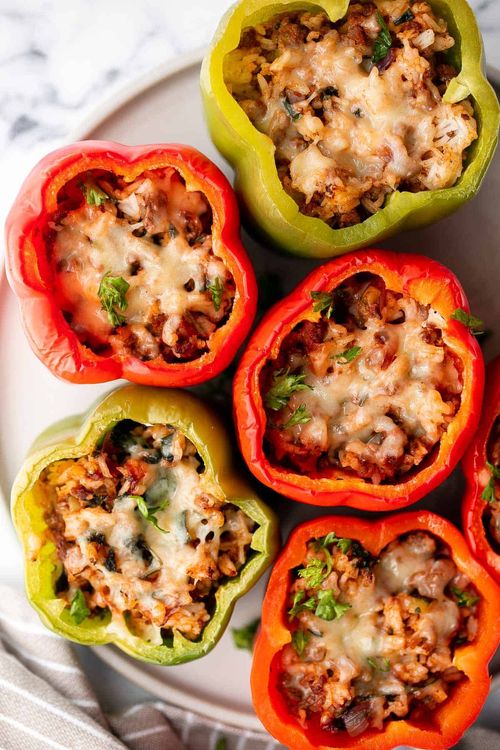
- American
- Non-Vegetarian
- Dinner
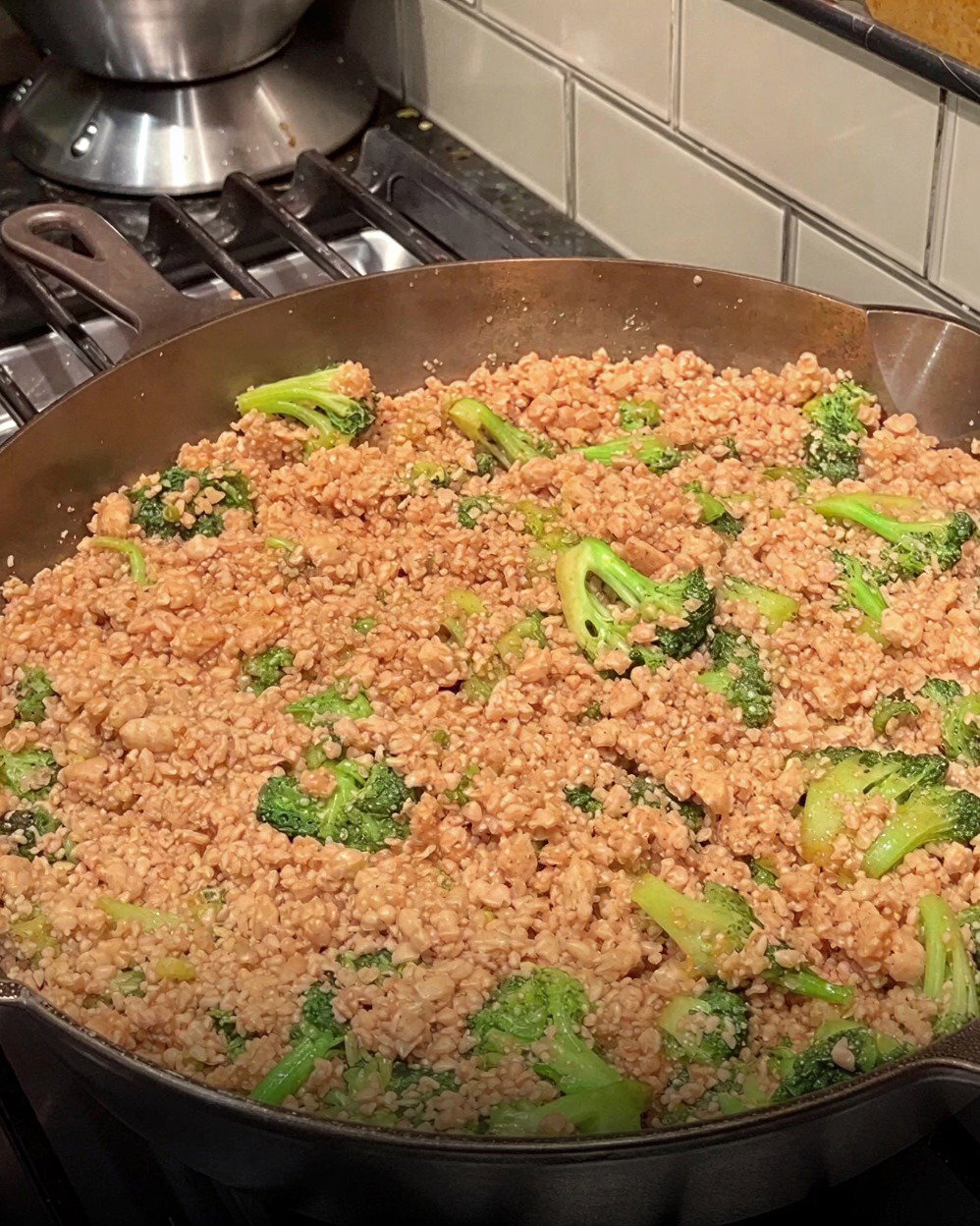
- Gluten-Free
- Main Course

- American
- Non-Vegetarian
- Dinner
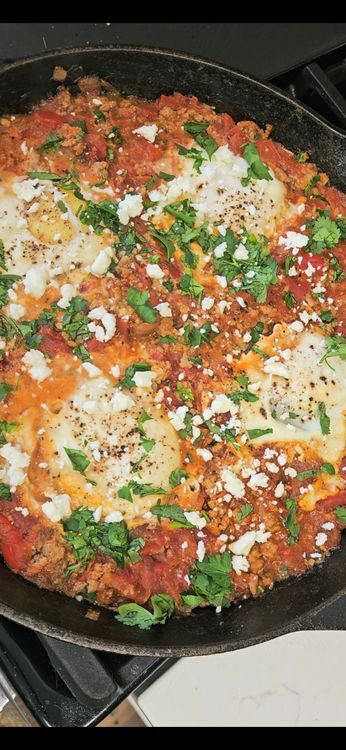

- Mediterranean
- Non-Vegetarian
- Lunch
- Asian
- Non-Vegetarian
- Dinner
- Filipino
- Non-Vegetarian
- Dinner
- Filipino
- Non-Vegetarian
- Lunch
- Filipino
- Non-Vegetarian
- Lunch
Choosing the Right Meat and Fat Ratio
Fat is flavor and moisture, so the ratio on the label matters more than the animal. For burgers and standalone patties you want around 80/20 beef (or fattier lamb and pork) — leaner than that and they cook up dry and crumbly. For sauced dishes like bolognese, chili or tacos where the meat simmers in liquid, 85/15 is a sweet spot, and very lean 93/7 works because the sauce supplies the moisture. Match the grind to how it will be cooked, not out of habit.
The lean grinds — turkey breast and chicken — are where most people go wrong, because they bring almost no fat to the party. Reach for ground turkey or chicken thigh rather than breast when you can; it stays far juicier. If all you have is breast meat, compensate: add a glug of olive oil, grated onion, a panade of bread and milk, or a spoon of yogurt, and pull it off the heat the instant it loses its pink, since lean poultry overcooks in seconds.
Freshness and handling count too. Good mince smells clean and looks bright, not grey-brown and slick; buy it cold and use it within a day or two, or freeze it flat in a thin slab so it thaws fast and evenly. Let it sit out for ten or fifteen minutes before cooking so it is not fridge-cold, which helps it brown rather than seize, and keep your hands and bowls cold when you shape it so the fat does not smear.
Browning: Getting Color, Not Steam
The single biggest upgrade to any ground-meat dish is a genuine brown — the deep, savory crust the French call the fond. To get it you need a hot, wide pan and patience. Heat the pan and a little oil until it shimmers, add the meat, then break it into a few large chunks and leave them alone for two or three minutes before stirring. Resist the urge to crumble it small immediately; let one side crust first, then break and turn.
Crowding is what kills browning. A heap of cold mince dumped into a pan releases a flood of water that cannot evaporate fast enough, so the meat boils grey in its own juices instead of searing. Cook in two batches if your pan is small, drain off excess liquid if it pools, and let it cook back down until you hear the sizzle change from a wet bubble to a dry crackle — that sound is your cue that browning has finally started.
Build flavor in the right order. Many cooks add onions and garlic at the same time as the raw meat, which steams everything; instead, brown the meat first, push it aside or remove it, then soften the aromatics in the rendered fat before bringing it all together. Drain off only the excess grease, not all of it — a couple of spoonfuls carries spice and seasons whatever you add next. Salt early enough to season, but know that a heavy early salting can draw out moisture and slow the sear.
Seasoning, Binding and Keeping It Tender
Ground meat is bland on its own and wants assertive seasoning, but the secret to a tender meatball, burger or kebab is a panade — a paste of bread (or breadcrumbs) soaked in milk, buttermilk or stock. The starch traps moisture and physically holds the proteins apart so they cannot squeeze into a dense, springy puck as they cook. A panade is why a good meatball stays pillowy while a bare meat-and-egg one turns to rubber. Use roughly a slice of bread per pound.
Mix with the lightest possible hand. Overworking ground meat develops the same proteins that give sausage its bouncy snap, which is the last thing you want in a burger or loaf. Combine the seasoning, binder and egg first, then fold in the meat just until it comes together — no more. Cold hands or a fork beat warm palms, because body heat smears the fat and gives you a greasy, tight texture. For burgers especially, handle as little as humanly possible and dimple the center so they cook flat.
Season the meat itself, not just the sauce. Salt the mix, but also lean on aromatics that dissolve into it: grated (not chopped) onion and garlic, fresh herbs, warm spices like cumin and coriander for kofta and keema, fennel and chili for an Italian sausage profile. Always cook off a tiny test patty and taste before you shape the whole batch — it is the only reliable way to check seasoning in raw meat, and it takes ninety seconds.
Swapping Meats, Make-Ahead and Storage
Most ground-meat recipes are forgiving about which grind you use, as long as you adjust for fat. Swapping beef for turkey or chicken means adding fat or moisture and cooking more gently; going the other way, from poultry to pork or lamb, means you can ease off the added oil. Lamb brings a bigger, gamier flavor that loves cumin, mint and garlic, while pork is sweet and pairs with fennel, sage and Asian aromatics. Treat the recipe as a template and season to the meat in front of you.
Ground meat is built for batch cooking. Brown a big pan of seasoned mince and it becomes the base for tacos, a quick ragu, a stuffed-pepper filling and a casserole across the week. Cooked, seasoned ground meat keeps three to four days in the fridge and freezes beautifully for two to three months — portion it flat in bags so it thaws and reheats fast. Shaped raw meatballs and patties also freeze well; open-freeze them on a tray first so they do not clump, then bag them.
Reheat gently to keep things juicy. Saucy dishes — chili, bolognese, keema — actually improve overnight as the flavors meld, and reheat well with a splash of water or stock to loosen. Dry items like burgers and loaf slices are best revived covered, with a little liquid, rather than blasted in the microwave until they squeak. Always reheat ground meat fully to steaming, and when cooking from raw, take beef, pork and lamb to 71C/160F and poultry to 74C/165F.
Pro Tips from the Test Kitchen
- Match fat to the dish: 80/20 for burgers and patties, 85/15 for sauces, lean 93/7 only where a sauce adds the moisture.
- Choose ground turkey or chicken thigh over breast — it stays far juicier; if using breast, add oil, grated onion or a panade.
- Brown in a hot, wide pan and leave the meat alone for 2–3 minutes before stirring so it crusts instead of steaming.
- Never crowd the pan; cook in batches so the released water can evaporate and the meat can actually sear.
- Drain off only the excess fat, not all of it — a couple of spoonfuls carries seasoning into whatever you add next.
- Use a panade (bread soaked in milk) in meatballs, burgers and loaf to keep them tender instead of rubbery.
- Mix shaped meat with a light hand and cold fingers; overworking makes it dense and springy.
- Cook and taste a tiny test patty before shaping a whole batch to check the seasoning.
- Grate onion and garlic rather than chopping when they go into the raw mix, so they melt in instead of staying crunchy.
- Cook beef, pork and lamb to 71C/160F and poultry to 74C/165F; freeze cooked mince flat for fast weeknight dinners.
Frequently Asked Questions
What is the best fat ratio for ground meat?
It depends on the dish. For burgers and standalone patties, 80/20 beef (or naturally fatty pork and lamb) gives juicy, cohesive results. For sauced dishes like chili, tacos or bolognese, 85/15 is ideal, and very lean 93/7 works too because the sauce supplies moisture. Leaner than 90/10 in a dry application tends to cook up crumbly and dry, so save the lean grinds for anything that simmers in liquid.
How do you keep ground turkey and chicken from drying out?
Lean poultry has almost no fat, so build moisture back in. Use thigh meat rather than breast when you can. Add a glug of olive oil, grated onion, a panade of bread soaked in milk, or a spoon of yogurt to the mix, season generously, and most importantly do not overcook it — pull it off the heat the moment it loses its pink, as it goes from juicy to dry in seconds at 74C/165F.
Why is my ground meat grey and watery instead of browned?
You are steaming it, not searing it. That happens when the pan is not hot enough or is overcrowded, so the water the meat releases cannot evaporate and it boils in its own juices. Fix it by using a hot, wide pan, cooking in batches, and leaving the meat undisturbed for a couple of minutes before stirring. Wait until the sizzle turns from a wet bubble to a dry crackle, then let it brown.
Do you drain the fat after browning ground meat?
Drain the excess, but not all of it. If a puddle of grease pools in the pan, tip most of it off so the dish is not greasy, but leave a couple of spoonfuls behind — that rendered fat carries flavor and seasons the onions, garlic and spices you add next. For very fatty pork or 73/27 beef you will drain more; for lean turkey there may be nothing to pour off at all.
Can I substitute one ground meat for another?
Almost always, as long as you adjust for fat. Swapping beef for turkey or chicken means adding oil or a panade and cooking more gently, since the lean grinds dry out faster. Going from poultry to pork or lamb, you can cut back on added fat. Lamb is bolder and pairs with cumin and mint; pork is sweet and loves fennel or Asian aromatics. Treat the recipe as a template and season to the meat you have.
What is a panade and why does it matter?
A panade is a paste of bread or breadcrumbs soaked in milk, buttermilk or stock that you mix into ground meat for meatballs, burgers and meatloaf. The starch traps moisture and holds the meat proteins apart so they cannot tighten into a dense, rubbery texture as they cook. It is the single biggest reason a good meatball stays pillowy and tender. Use about one slice of bread, soaked, per pound of meat.
Why are my meatballs or burgers tough?
Usually overmixing, too little fat, or both. Working ground meat hard develops the springy proteins you want in sausage but not in a tender meatball or burger. Mix the seasoning and binder first, then fold in the meat just until combined with cold hands. Use an 80/20 grind or add a panade for moisture, and avoid pressing burgers flat on the grill, which squeezes the juices right out.
What are the most popular ground meat dishes?
Across cuisines: tacos, spaghetti bolognese, chili, meatballs, burgers, meatloaf, shepherd's and cottage pie, stuffed peppers and cabbage, lasagne, sloppy joes, kofta and kebabs, keema, larb and picadillo. This collection spans all of them, sorted into recipes by meat type, global skillet and sauced dishes, baked casseroles, and the hands-on meatball, burger and patty classics.
Is ground meat safe to cook from frozen?
Yes, though it browns better thawed. From frozen, browning takes longer and you will get more released water, so expect to drain it and cook past the steaming stage before color develops. The safer and tastier route is to thaw it in the fridge or, if you froze it flat in a thin slab, in a sealed bag in cold water. Whichever way, cook beef, pork and lamb to 71C/160F and poultry to 74C/165F.
How long does cooked ground meat keep?
Cooked, seasoned ground meat keeps three to four days in an airtight container in the fridge and freezes well for two to three months. Portion it flat in freezer bags so it thaws and reheats quickly. Saucy dishes like chili and bolognese often taste better the next day and reheat beautifully with a splash of water or stock. If raw mince smells sour or turns slimy and grey, throw it out.
The thread through every recipe here is the same handful of moves: pick a fat ratio that fits the dish, brown the meat hard for real flavor, season the mix itself, and handle shaped meat as little as possible. Get those right and it barely matters whether you reach for beef, turkey, chicken, pork or lamb — the technique carries across all of them, and the dish follows.
Pick three to cook this week from different corners of the page — a global skillet dish, a make-ahead casserole and a batch of meatballs or burgers — and save your favorites to a Chefadora cookbook. Then work through the rest by meat type. This page is built to be the ground-meat reference you actually come back to.
Related
- Ground Meat
- Ground Beef
- Ground Turkey
- Weeknight
- Meatballs
- Burgers
- Dinner
- Budget
Popular Searches
- Best beef ground meat recipes
- Easy beef ground meat recipes
- Quick beef ground meat recipes
- Healthy beef ground meat recipes
- Simple beef ground meat recipes
- Homemade beef ground meat recipes
- Delicious beef ground meat recipes
- Popular beef ground meat recipes
- ground turkey meat recipes
- ground meat dishes
- pork ground meat recipes
Marnirni-apinthi Building, Lot Fourteen,
North Terrace, Adelaide, South Australia, 5000
Australia
