
48 Chicken Curry Recipes for Every Craving, From Punjabi to Thai
Updated July 7, 2026 · Curated by Chefadora
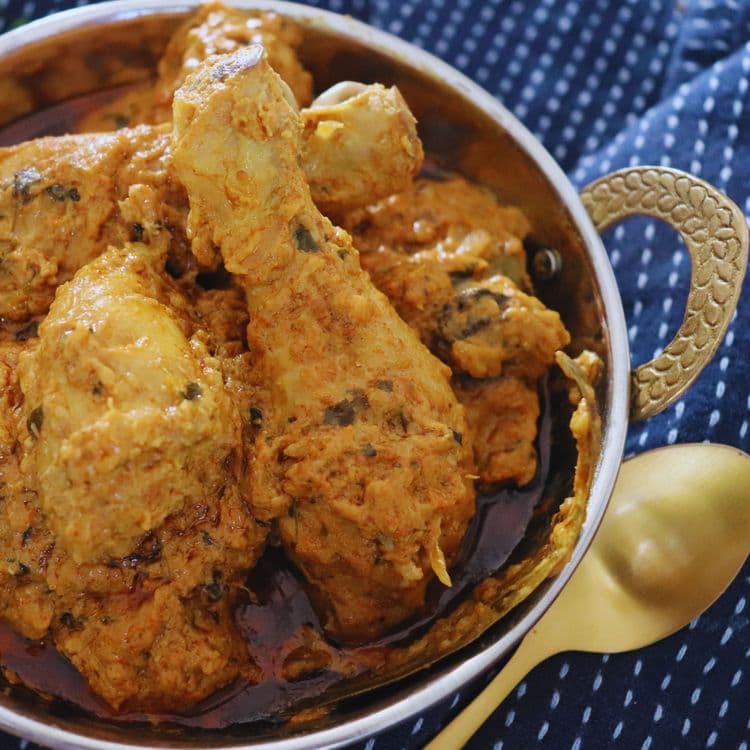
I have cooked chicken curry more nights than I can count, and I still find something new in it every week. This collection of chicken curry recipes pulls together 48 versions I keep coming back to, from a jammy-onion Punjabi base you could make with your eyes closed to a bright Thai red curry that tastes like a holiday. Some are ready in 20 minutes; others reward a slow Sunday.
What ties them together is technique rather than one fixed flavour. Once you understand how to brown onions properly, bloom whole spices, and judge when the oil splits back from the masala, you can cook almost any curry here with confidence.
So use this as a map. Dip into the region you fancy, the heat level you can handle, or the time you actually have, and let the recipes do the rest.
Classic North Indian & Punjabi Chicken Curries
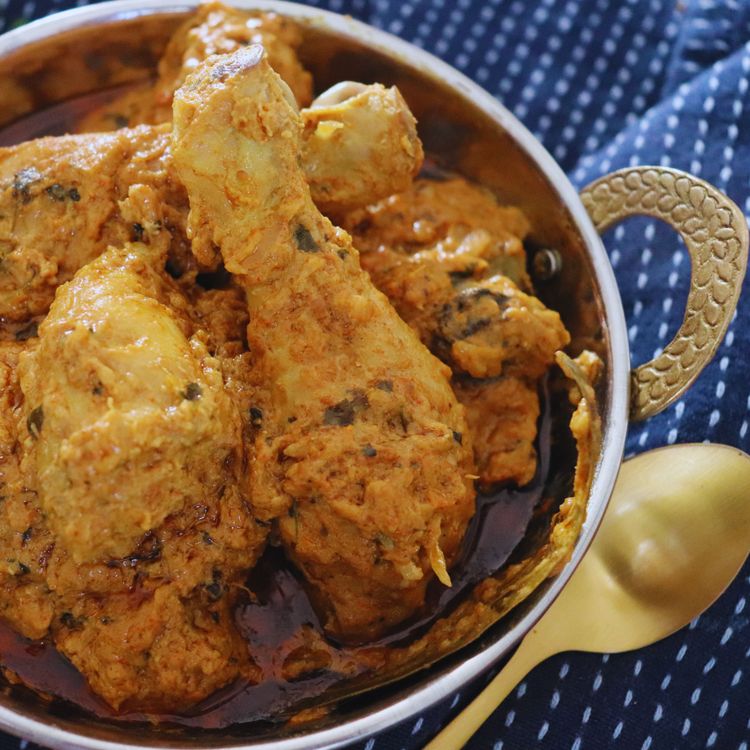
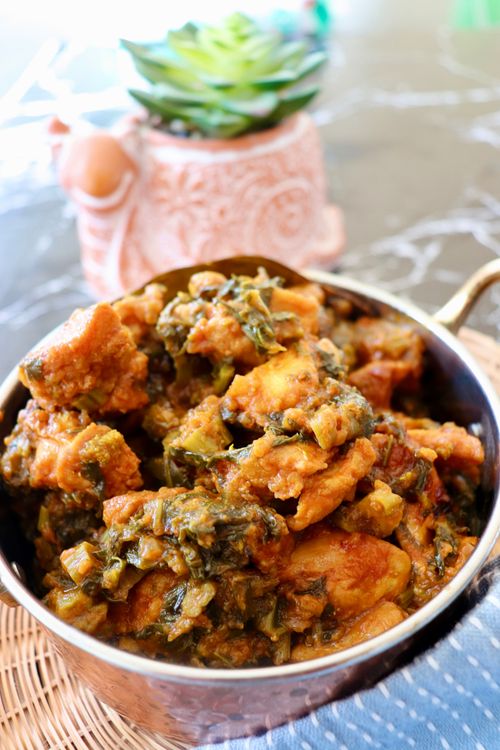
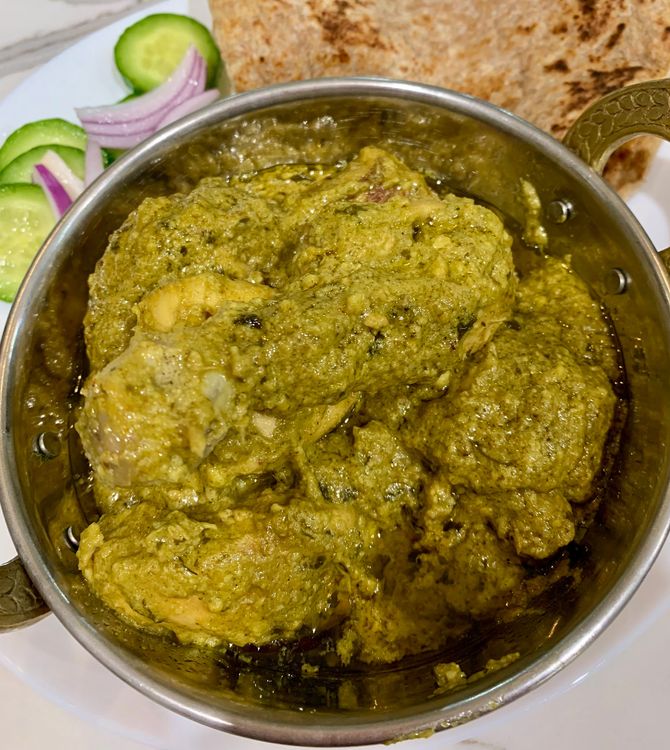
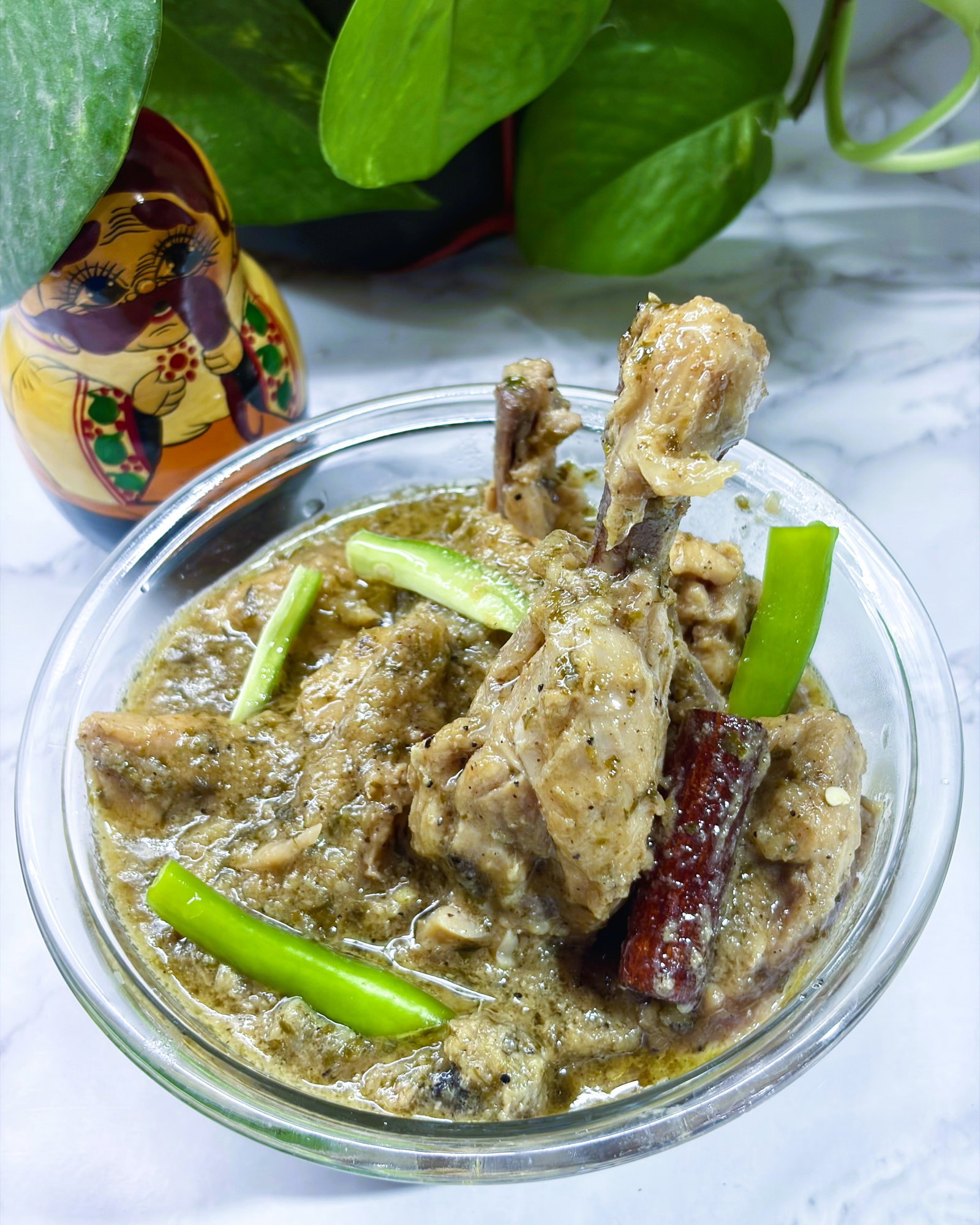
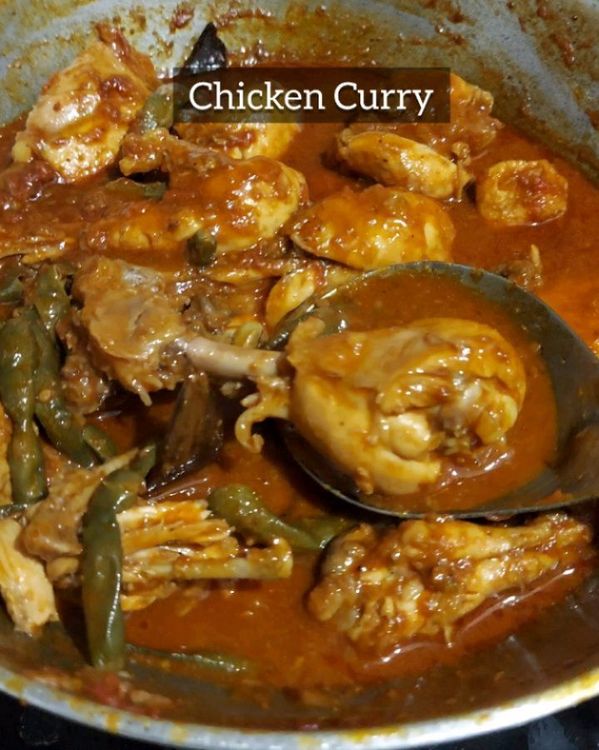
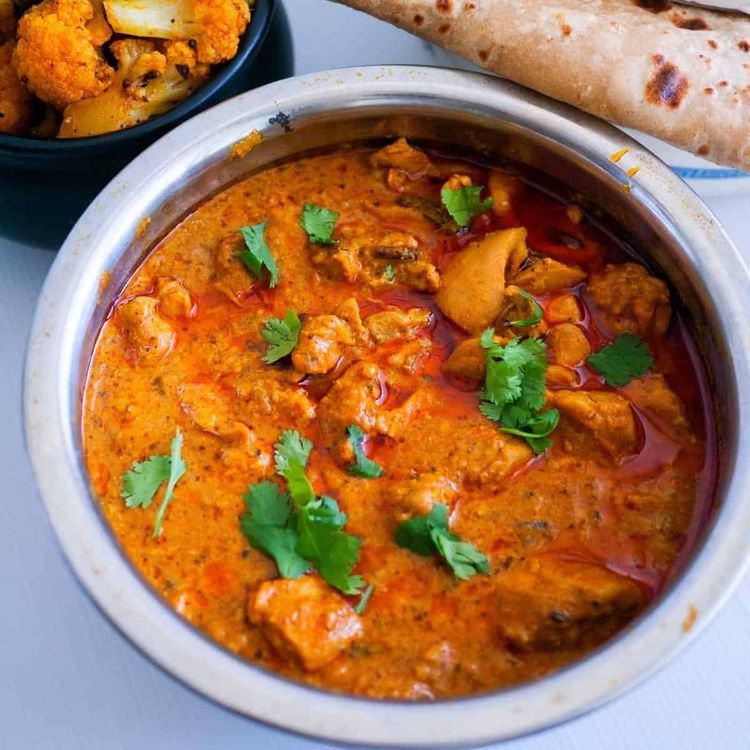
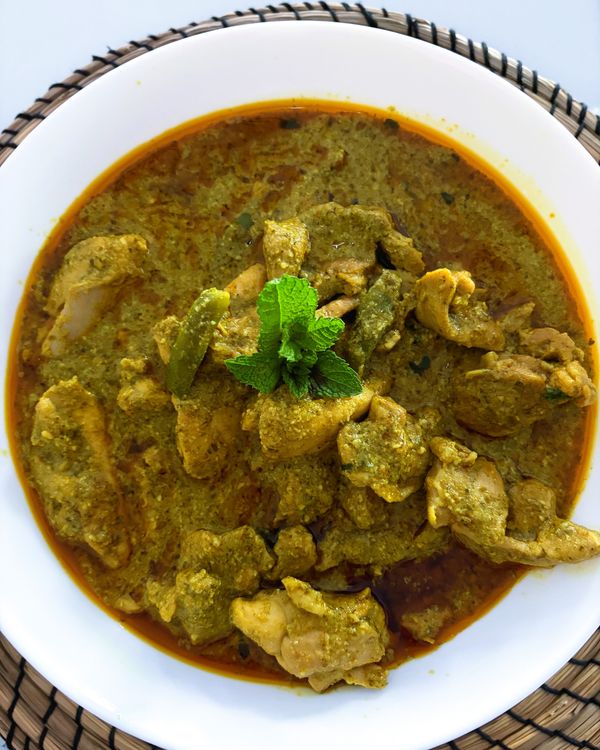
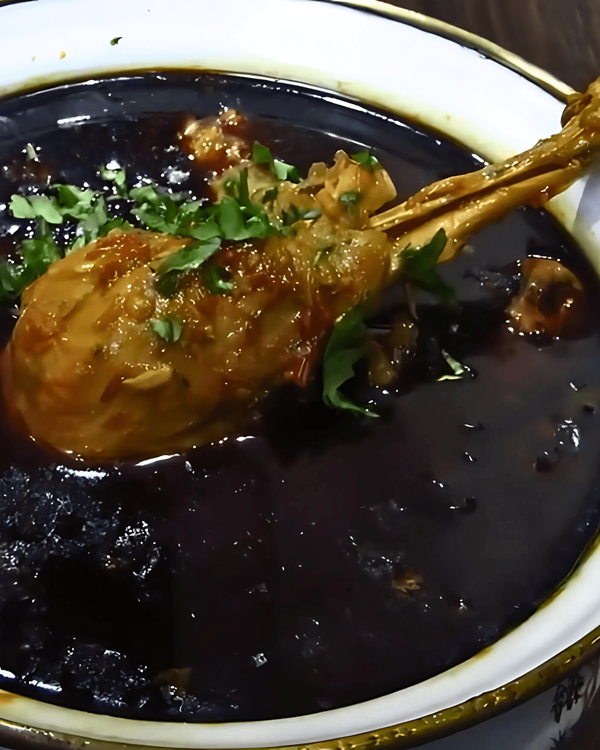
This is home-style curry as most of us first meet it: onions cooked low and slow to a deep brown, ginger-garlic paste, tomatoes, and a familiar warmth of cumin, coriander and garam masala. These Punjabi and North Indian curries are forgiving and endlessly tweakable, happy with bone-in pieces or boneless thigh. Start here if you want to learn the base once and then improvise forever. Serve with hot roti, jeera rice, or simply a spoon.

- Indian
- Non-Vegetarian
- Lunch
- Indian
- Non-Vegetarian
- Lunch
- Indian
- Non-Vegetarian
- Lunch
- Gluten-Free
- Main Course

- Indian
- Non-Vegetarian
- Dinner
- Indian
- Non-Vegetarian
- Dinner
- Indian
- Non-Vegetarian
- Lunch
- Indian
- Non-Vegetarian
- Lunch

- Indian
- Non-Vegetarian
- Lunch
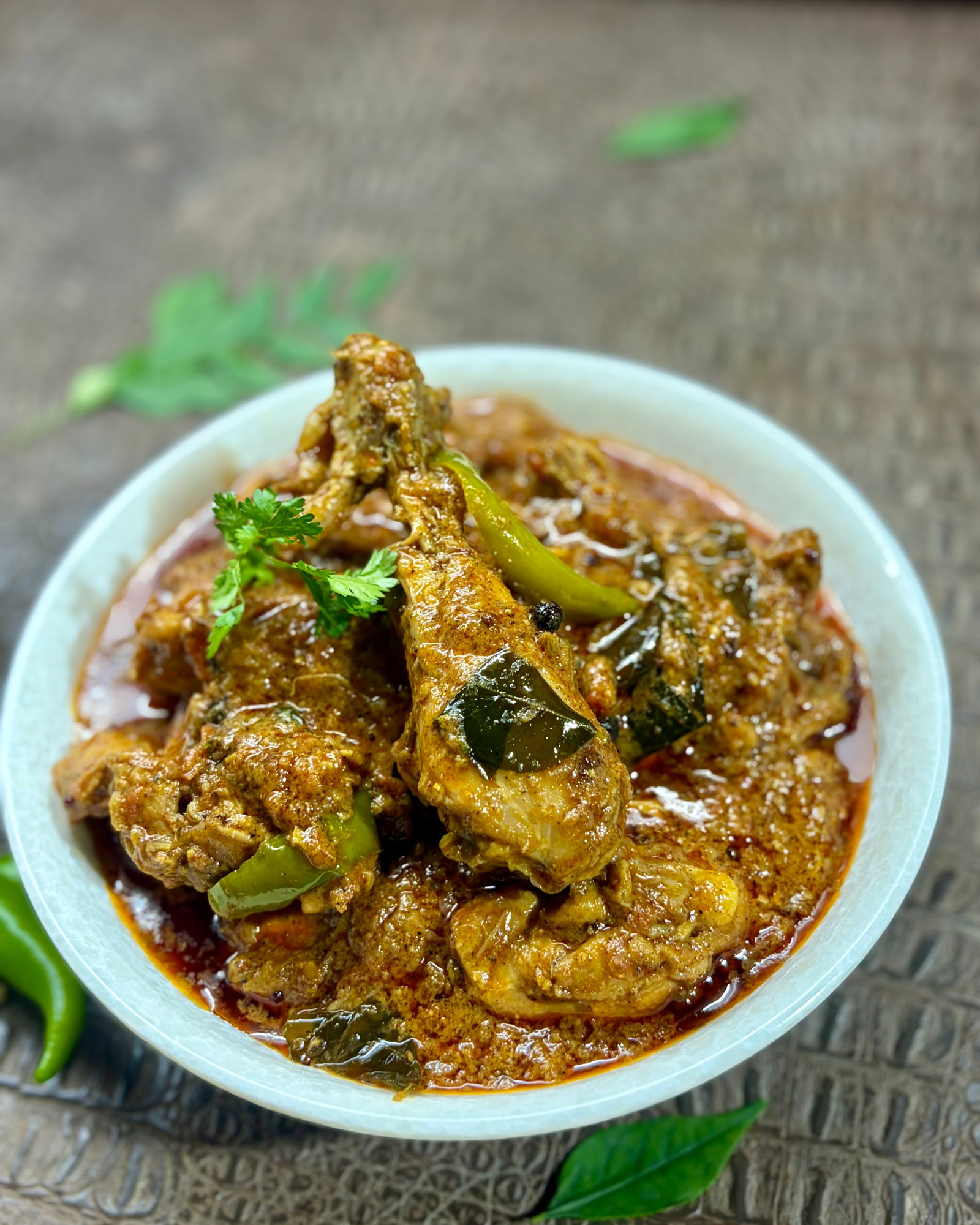
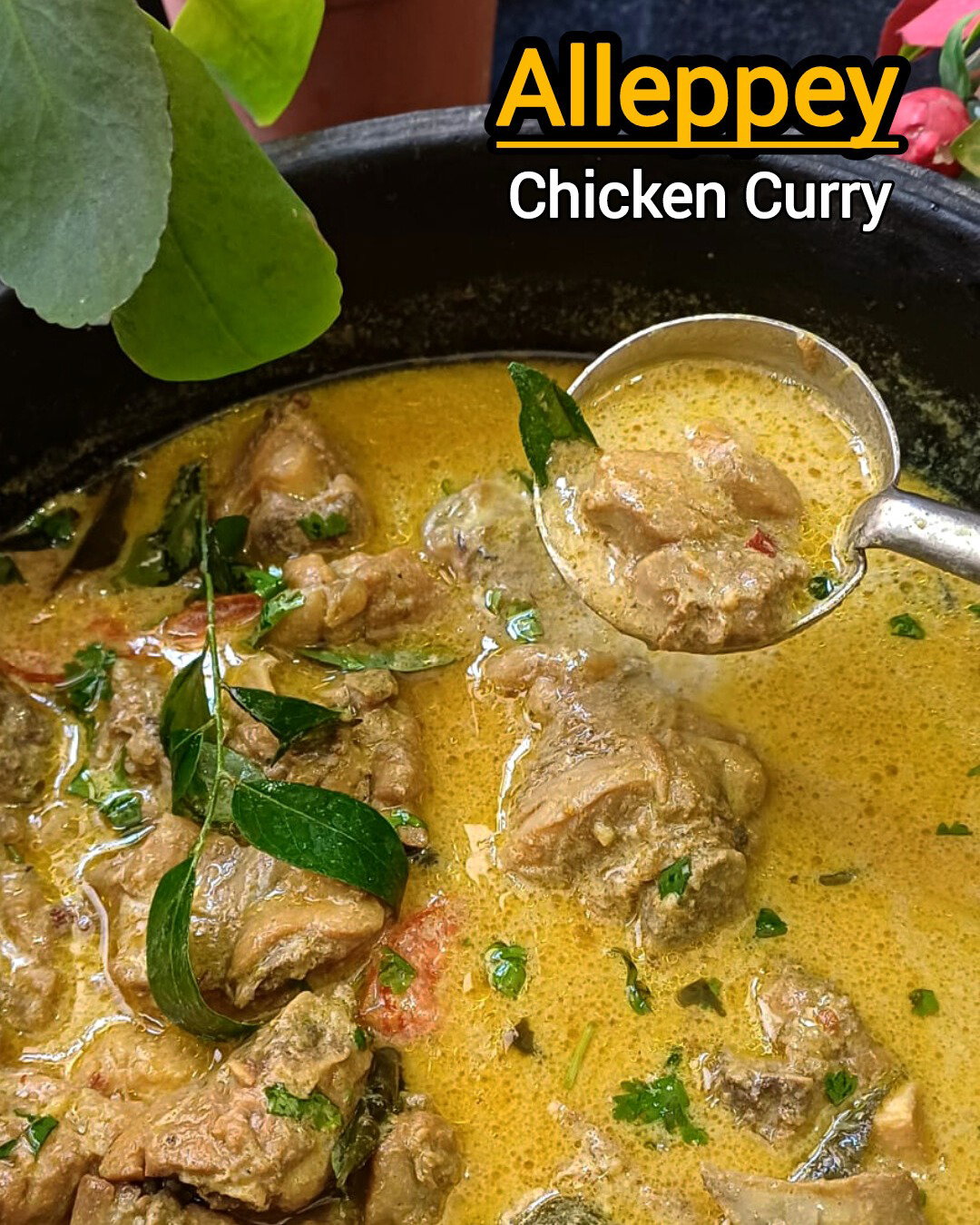
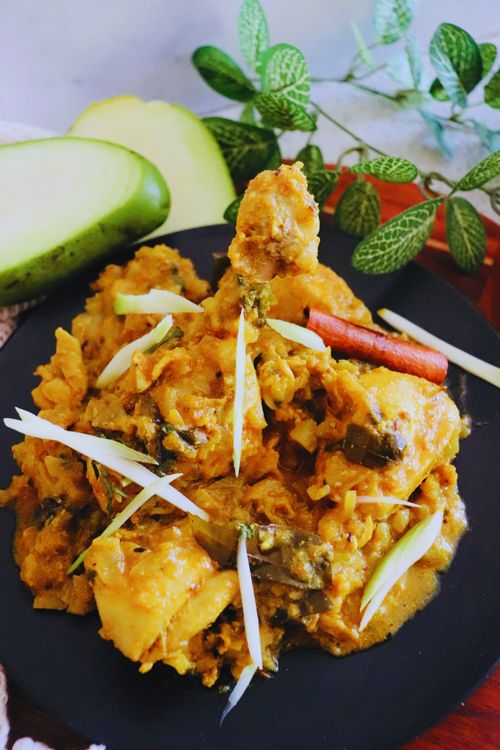
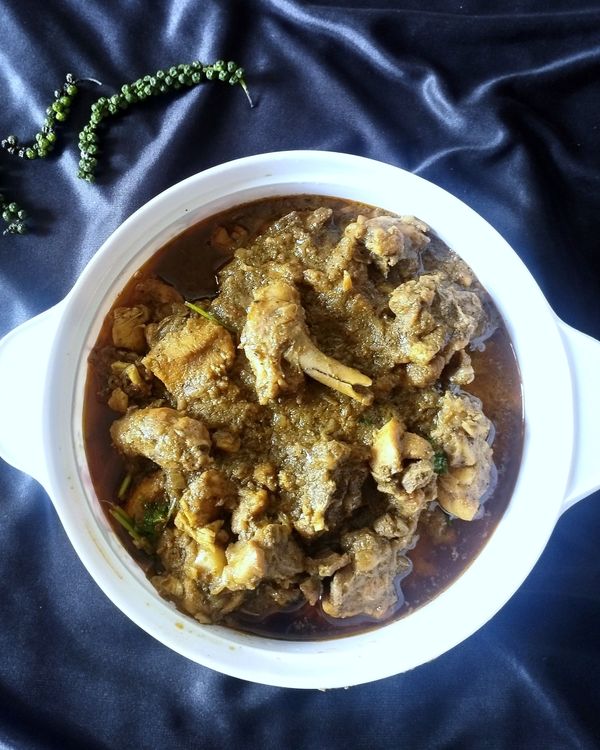
Coconut & Kerala-Style Coastal Curries
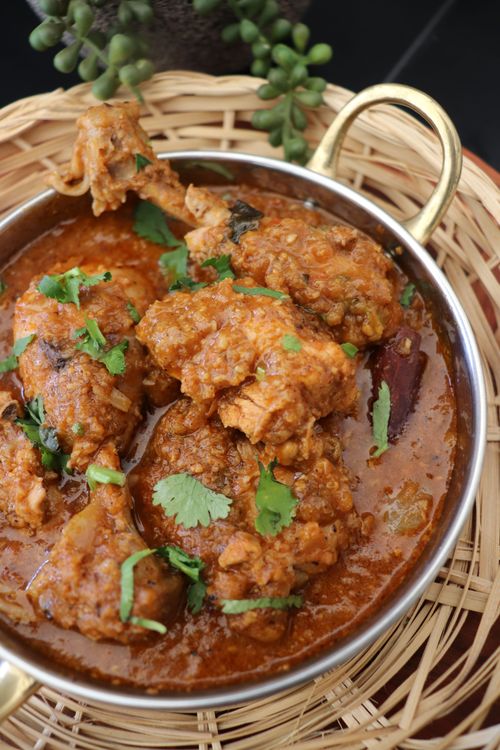
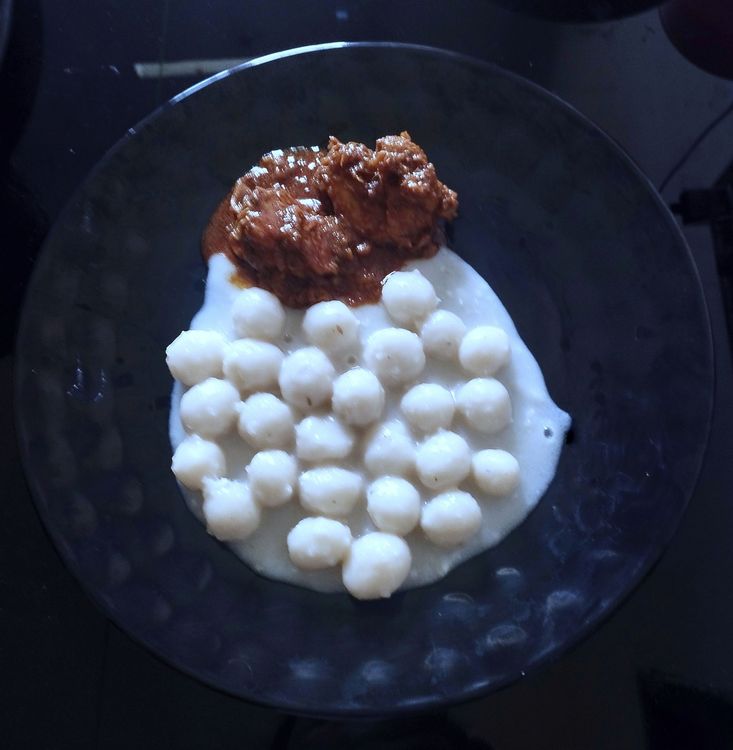
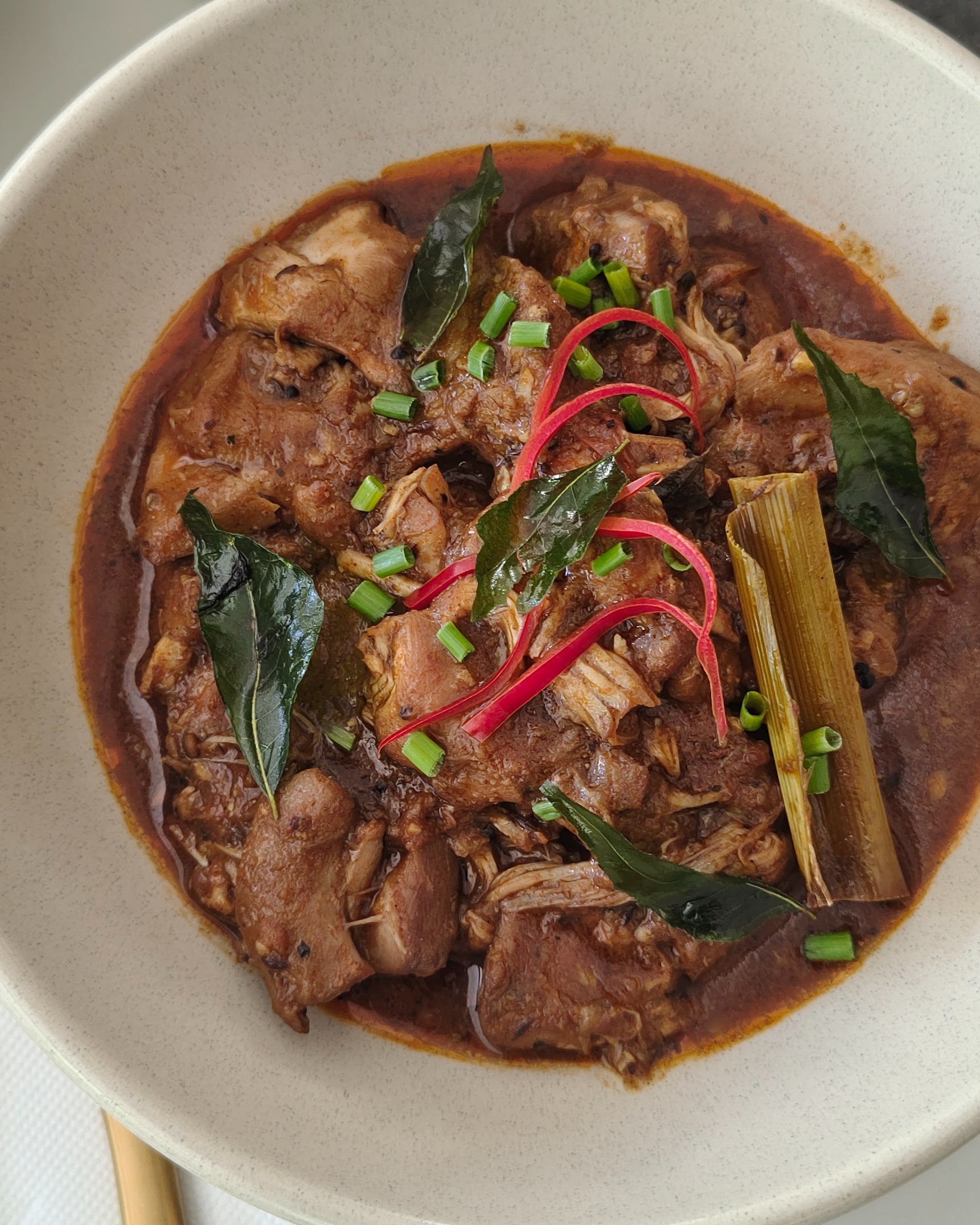
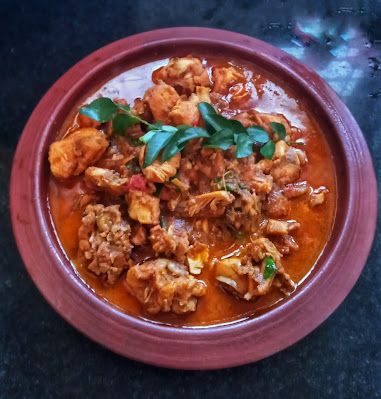
Along India's southwestern coast and across to Sri Lanka, coconut does the heavy lifting, whether as creamy milk, freshly grated flesh, or a dark roasted-and-ground paste. Expect curry leaves crackling in coconut oil, tamarind for sourness, and gentle sweetness balancing the heat. These curries tend to be thinner and more aromatic than their northern cousins, built for pouring over rice, appam or dosa. If you love layered, fragrant gravies, this is your section.
- Indian
- Non-Vegetarian
- Lunch
- Indian
- Gluten-Free
- Dinner

- Non-Vegetarian
- Lunch
- Indian
- Non-Vegetarian
- Lunch
- Indian
- Non-Vegetarian
- Lunch
- Indian
- Gluten-Free
- Lunch

- Sri Lankan
- Non-Vegetarian
- Dinner
- Indian
- Non-Vegetarian
- Lunch
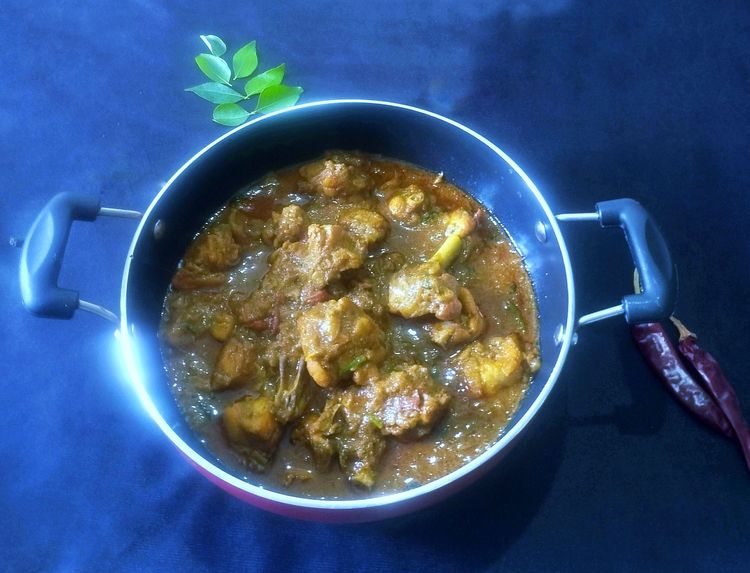
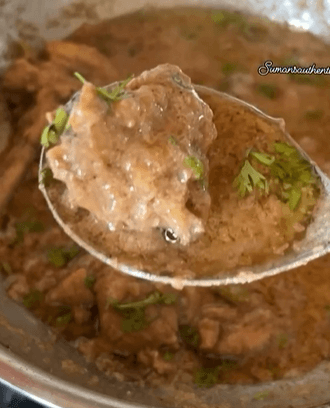
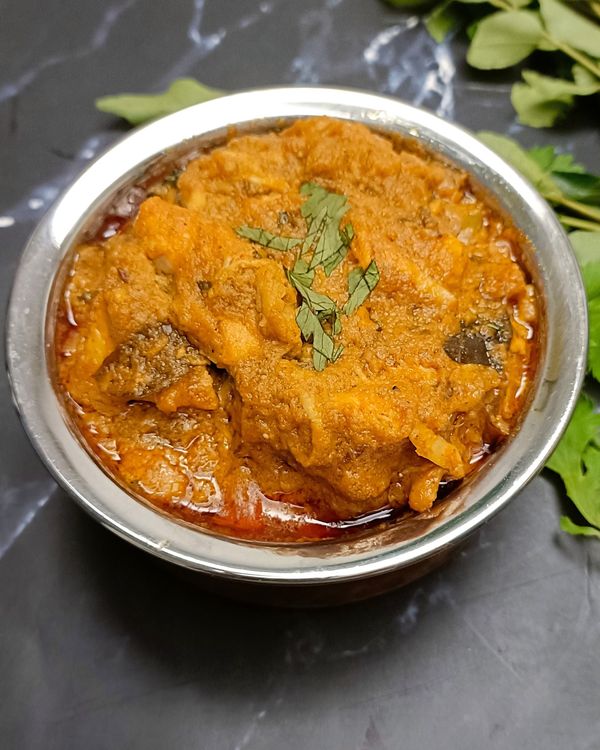
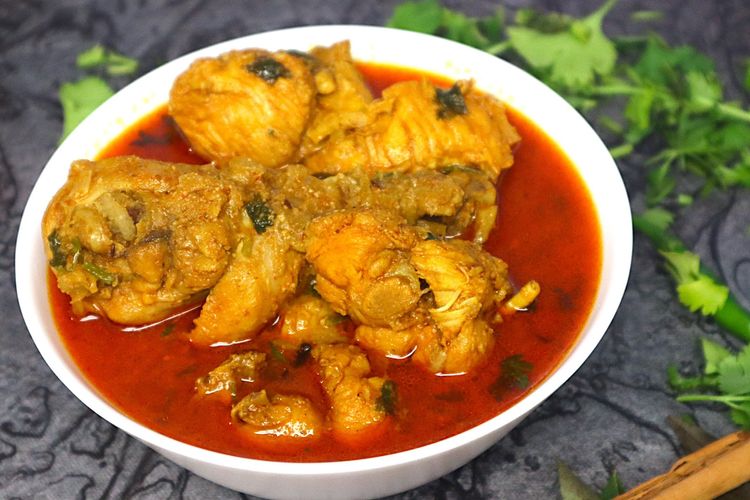
Fiery South Indian: Chettinad, Andhra & Konkani
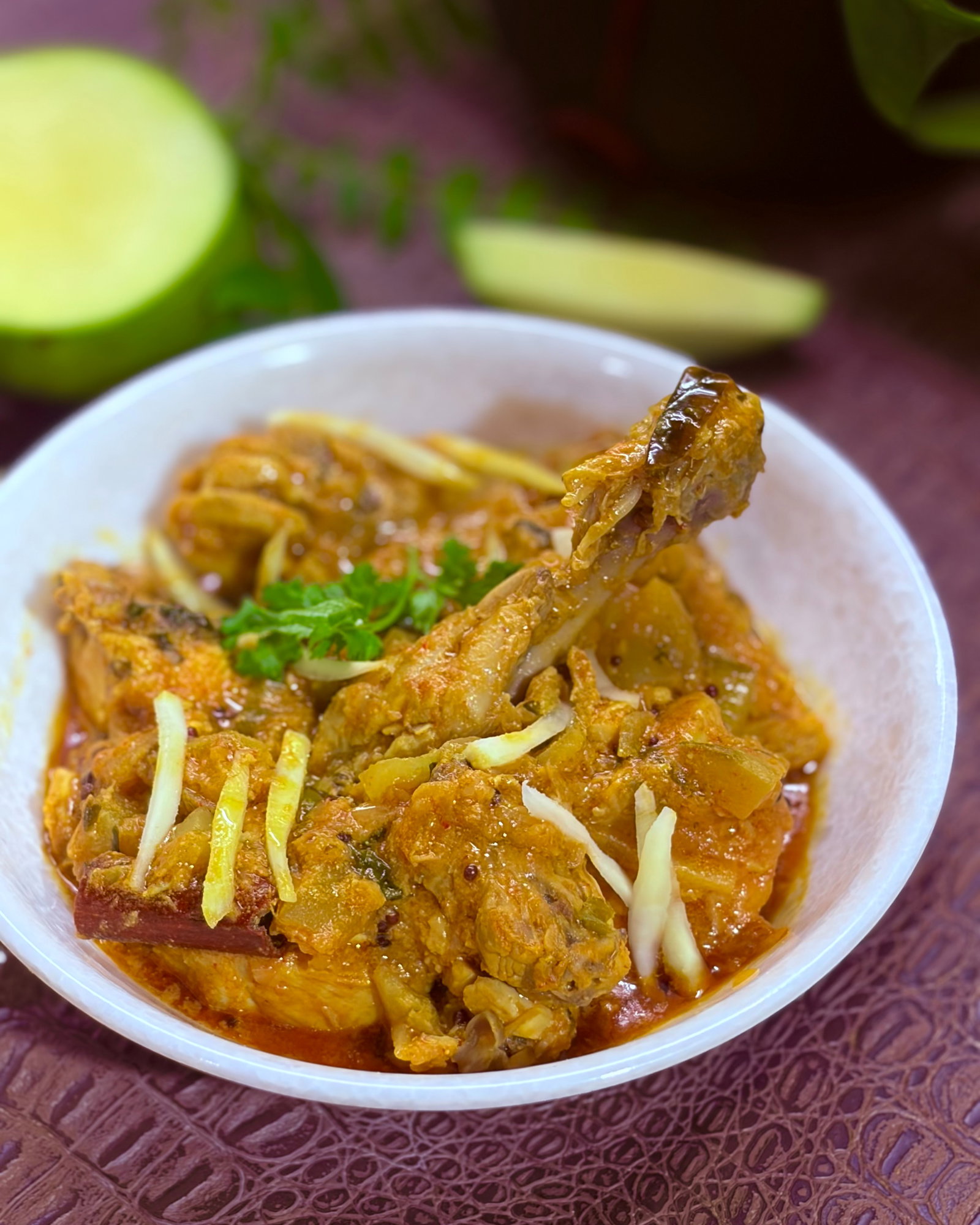
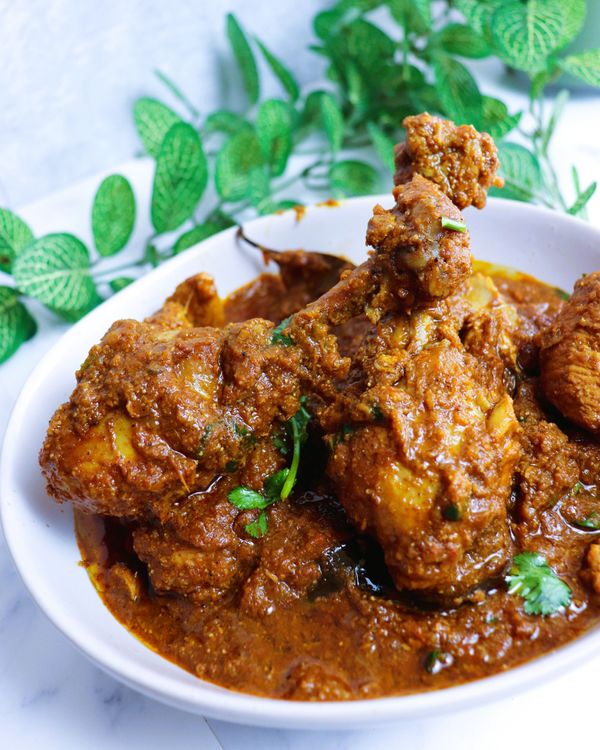
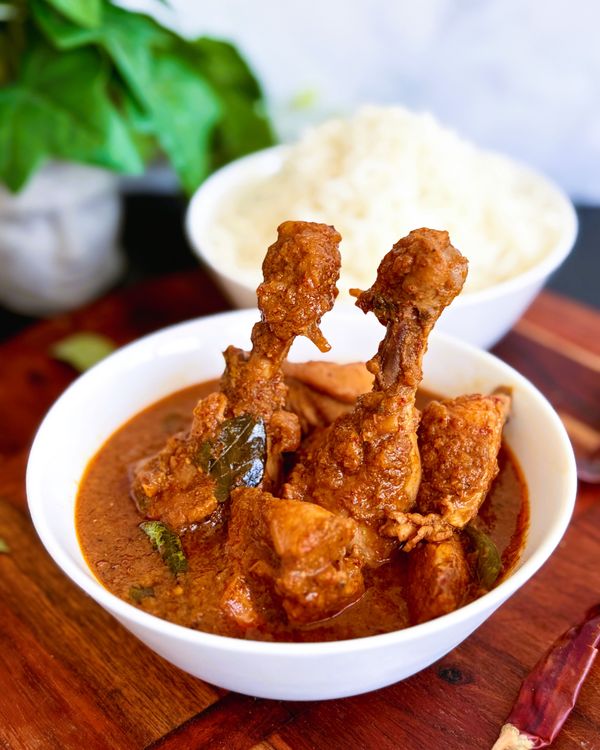
Turn the heat up here. Chettinad's stone-ground spice pastes, Andhra's unapologetic chilli, and the sour-hot coastal curries of the Konkan all live in this cluster. Black pepper, dried red chillies, fennel and curry leaves are the signatures, often toasted whole and freshly ground for maximum punch. These are gutsy, deeply spiced curries that reward a good stovepot and plenty of rice alongside. Keep yogurt or a cooling raita close if you are heat-shy.
- Indian
- Non-Vegetarian
- Dinner

- Non-Vegetarian
- Dinner
- Indian
- Non-Vegetarian
- Lunch
- South Indian
- Non-Vegetarian
- Lunch
- Manipuri
- Non-Vegetarian
- Dinner
- Indian
- Non-Vegetarian
- Lunch
- Indian
- Non-Vegetarian
- Dinner

- South Indian
- Non-Vegetarian
- Lunch
- Indian
- Non-Vegetarian
- Lunch
Restaurant-Style & Rich, Creamy Curries
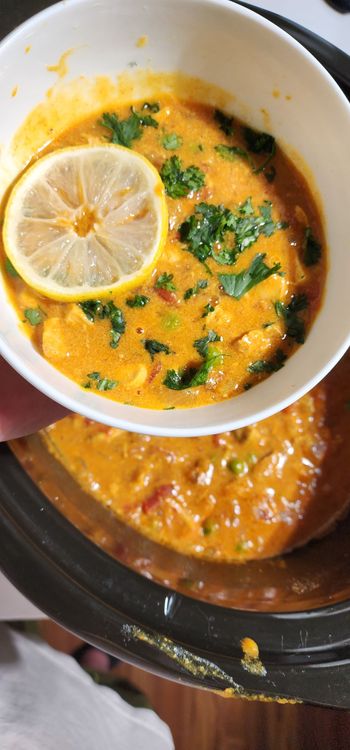
These are the special-occasion curries, the ones you usually order out. Think Mughlai richness from cashew and cream, banquet-red Hyderabadi gravies, and a hands-off slow-cooker butter chicken. They lean silky and mellow rather than fiery, with warm garam masala and a glossy finish. Yes, they take a little longer and a slightly heavier hand with the dairy, but the payoff is a gravy that feels genuinely celebratory. Save these for guests, birthdays or a treat-yourself weekend.
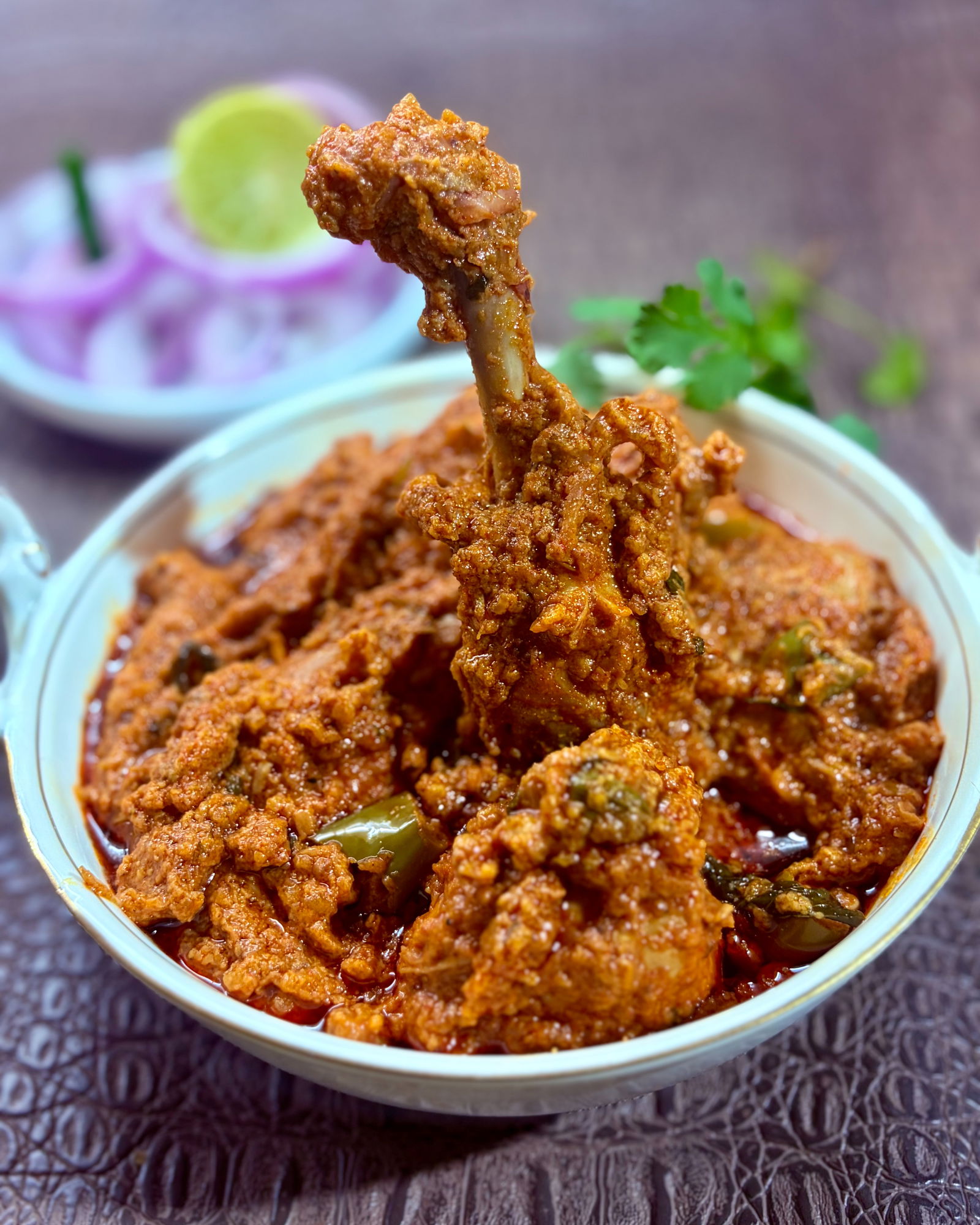
- Hyderabadi
- Non-Vegetarian
- Dinner
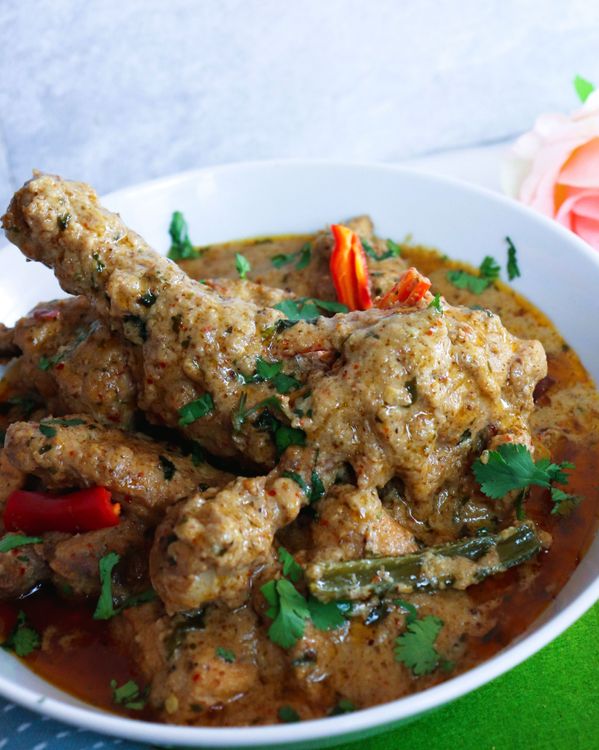
- Indian
- Non-Vegetarian
- Lunch

- Non-Vegetarian
- Lunch
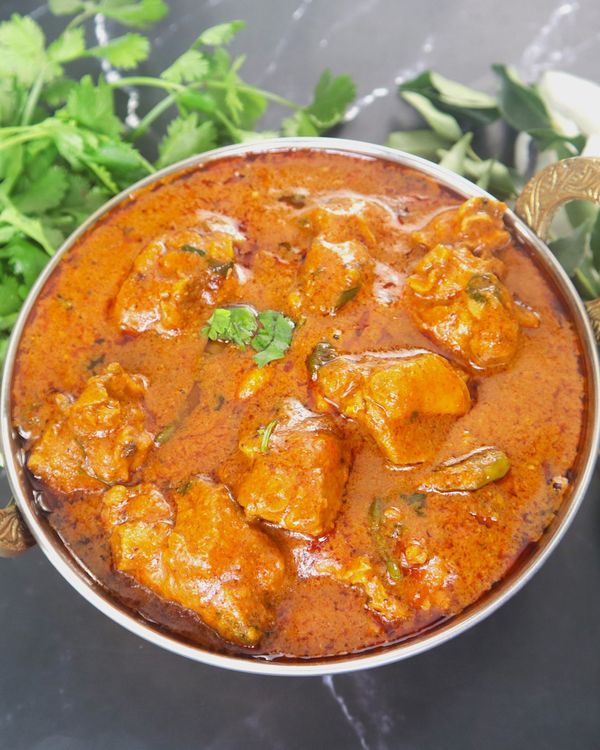
- Indian
- Non-Vegetarian
- Lunch
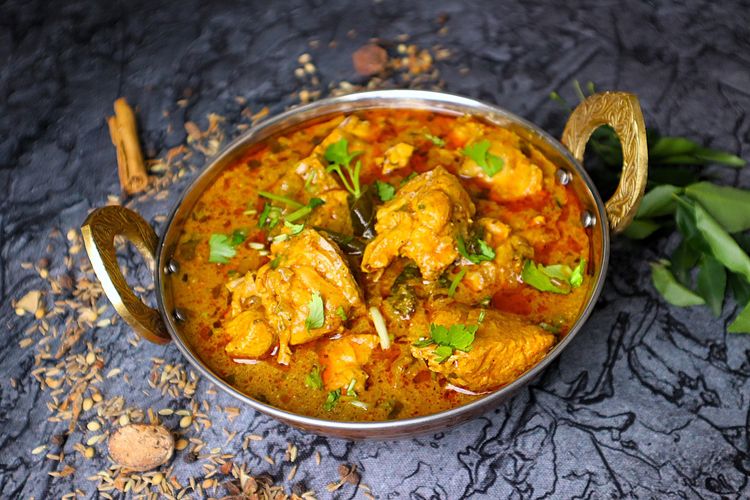
- Indian
- Non-Vegetarian
- Lunch

- Indian
- Non-Vegetarian
- Dinner
Thai & Global Chicken Curries
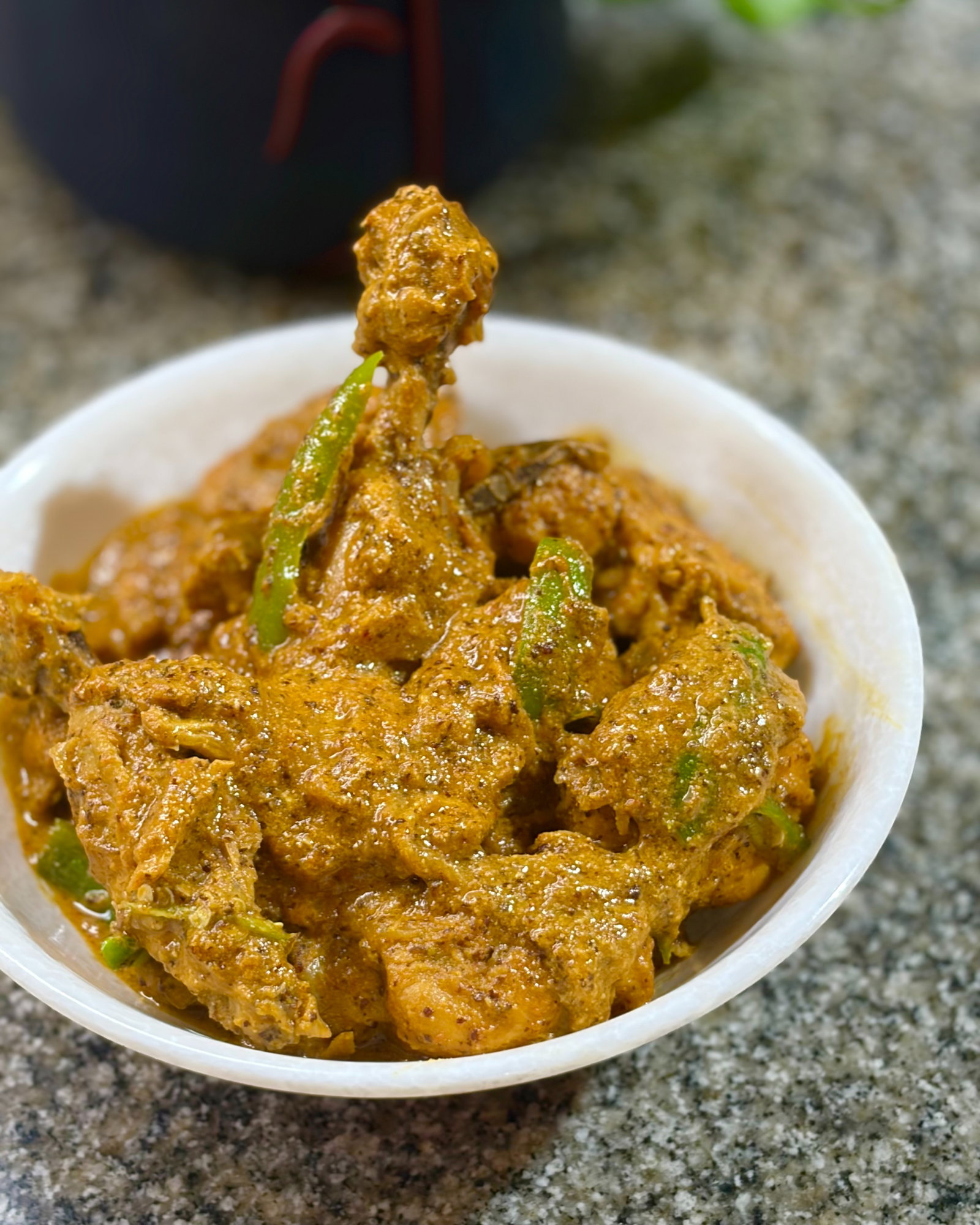
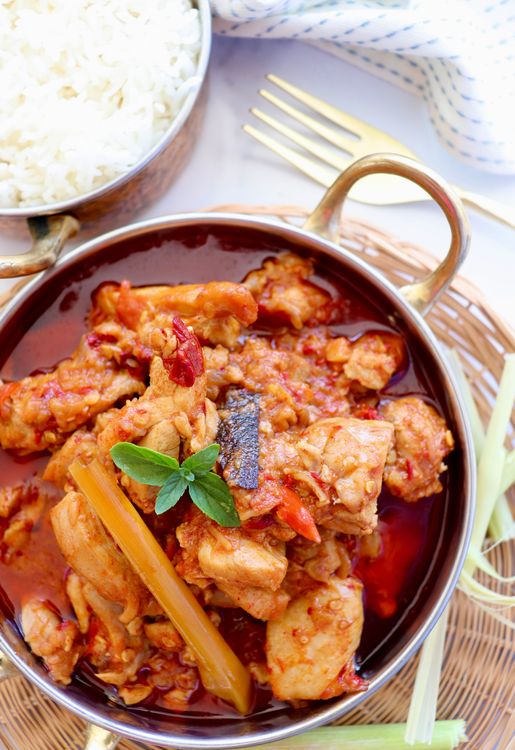
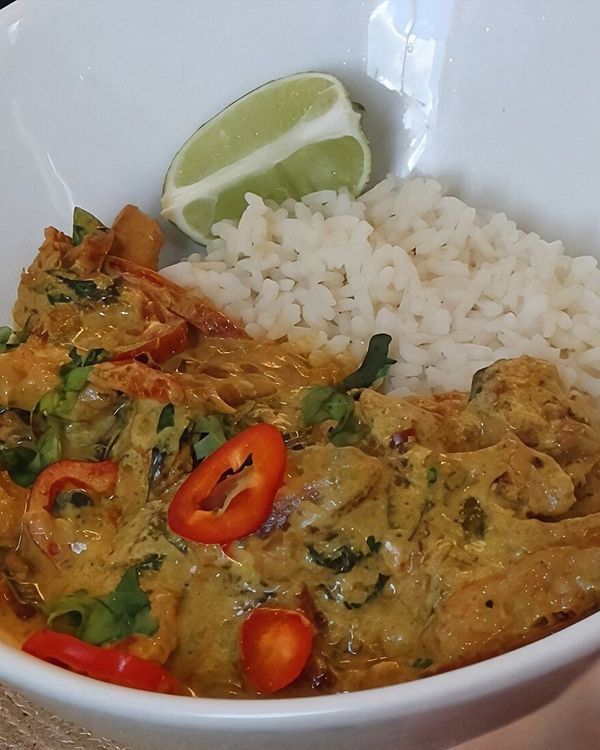
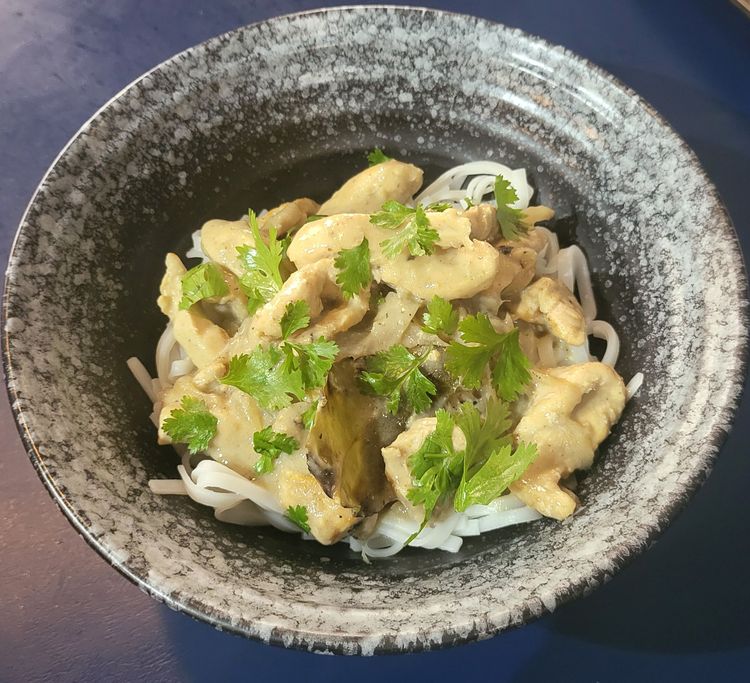
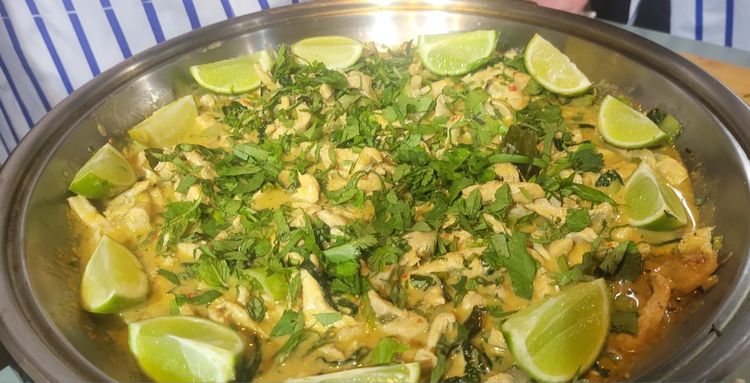
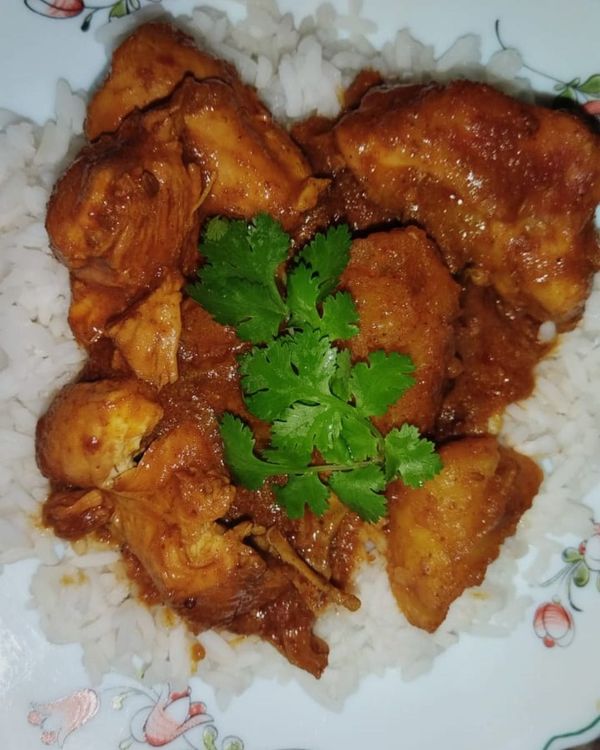
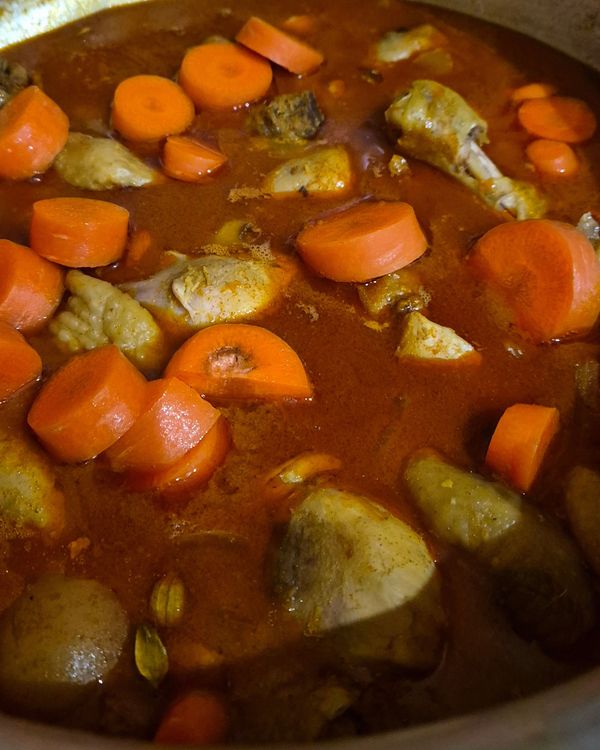
Curry is a world traveller, and this cluster follows it out of India. There are lemongrass-scented Thai coconut curries, a Bengali mustard shorshe, a Durban-Indian South African number, homely Bangladeshi pots, and even a curried pot pie under flaky biscuits. Ingredients shift, kaffir lime here, mustard oil there, but the instinct to simmer chicken in a spiced, savoury sauce is universal. Cook through this section for the widest flavour tour of the whole collection.
- Gluten-Free
- Lunch
- Indian
- Non-Vegetarian
- Lunch

- Thai
- Non-Vegetarian
- Lunch

- Thai
- Dairy-Free
- Dinner

- American
- Non-Vegetarian
- Dinner
- Thai
- Non-Vegetarian
- Lunch
- South African
- Non-Vegetarian
- Lunch
- Bangladeshi
- Non-Vegetarian
- Lunch
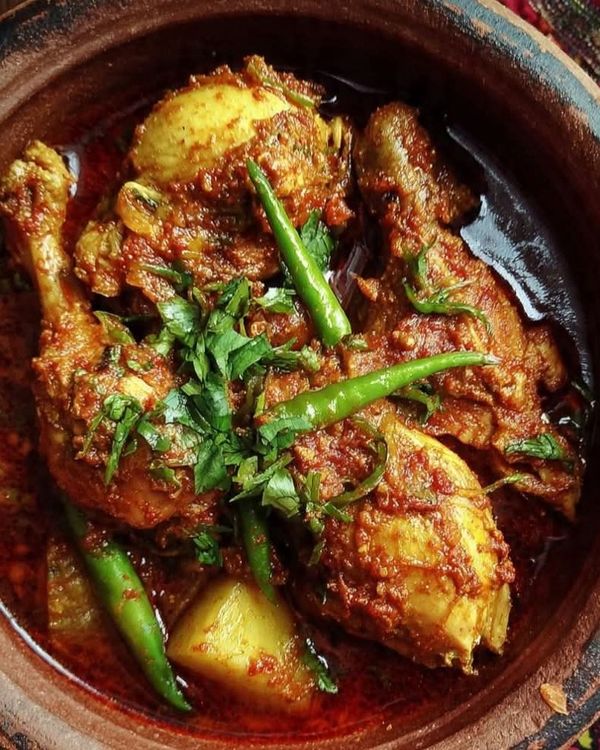
- Bangladeshi
- Non-Vegetarian
- Lunch
Quick Weeknight Chicken Curry Recipes
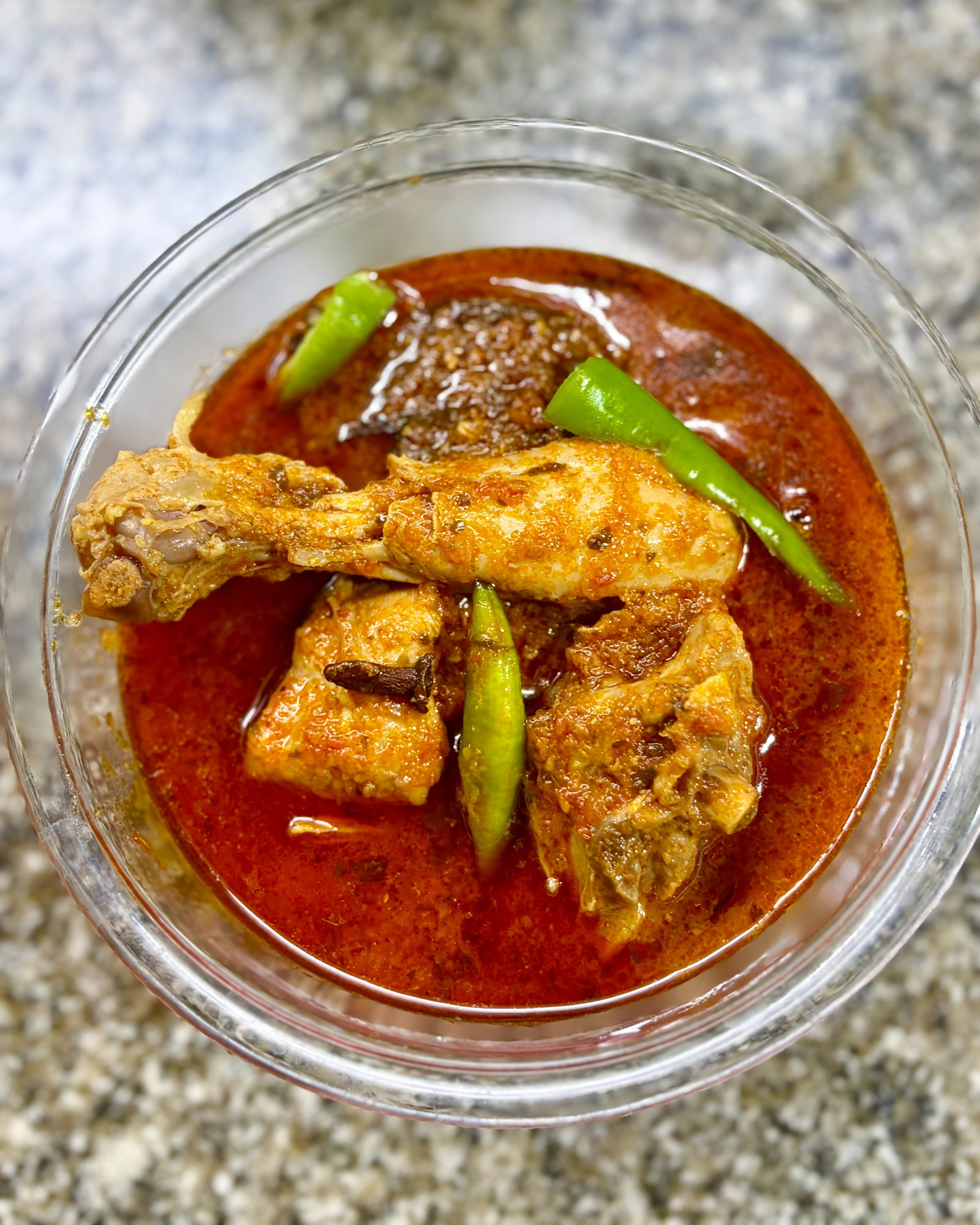
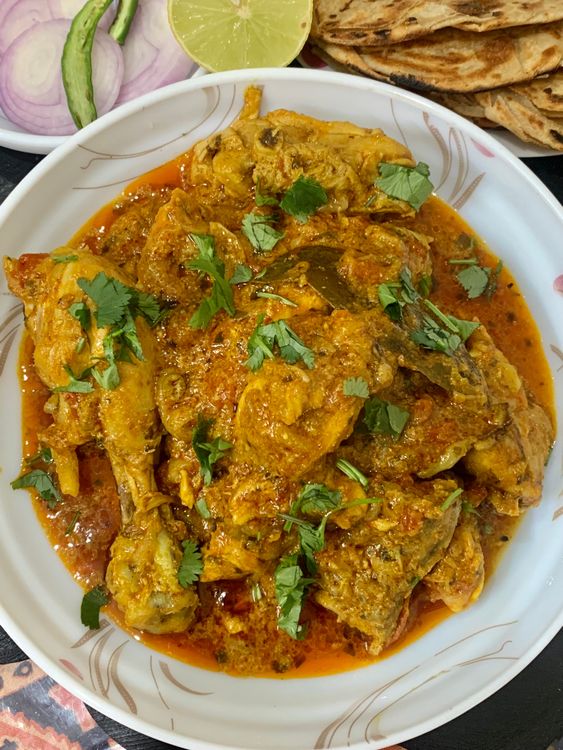
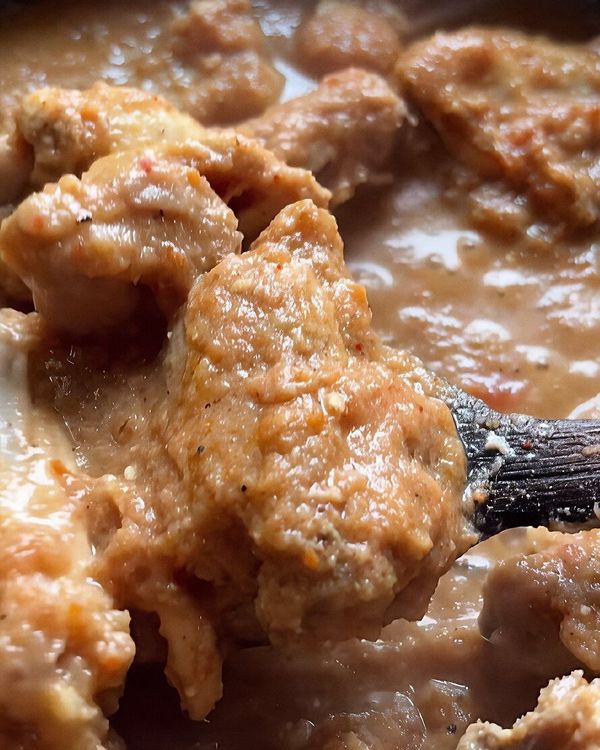
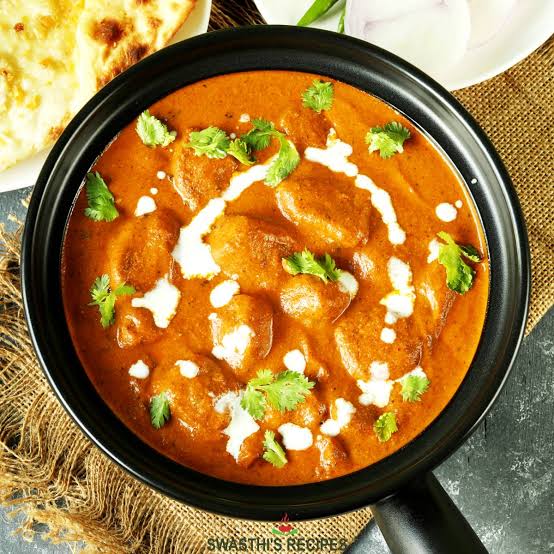
Some nights you just need dinner, fast. Every curry here is built for speed: one-pot methods, pressure cookers, boneless chicken and pantry spices that skip the long simmer without skipping the flavour. Most land on the table in 20 to 45 minutes, and several fold the rice right into the pot. These are the recipes I lean on after a long day, when I want something that tastes cooked-with-care but really wasn't much work at all.
- Non-Vegetarian
- Lunch
- Indian
- Non-Vegetarian
- Lunch
- Indian
- Non-Vegetarian
- Lunch
- Indian
- Non-Vegetarian
- Dinner
- Indian
- Non-Vegetarian
- Dinner
- Asian
- Non-Vegetarian
- Main Course
- Non-Vegetarian
- Breakfast
How to Build a Great Chicken Curry Base
Almost every curry in this collection starts the same way, and getting the base right matters far more than any single spice. Begin with a generous amount of thinly sliced or finely chopped onion in hot oil or ghee. Do not rush this. You want the onions to go past translucent, past pale gold, to a genuine deep brown that takes 12 to 15 minutes over medium heat. That colour is flavour: it is where the sweetness and body of the gravy come from. Stir often, and add a splash of water if they threaten to catch.
Once the onions are down, add ginger-garlic paste and let it fry until the raw smell lifts, usually a minute or two. Now bloom your ground spices, turmeric, chilli, coriander and cumin, in the oil for thirty seconds so they toast rather than steam. Tomatoes go in next, cooked until they collapse and the oil begins to separate and pool at the edges. That splitting is your signal that the masala is properly cooked and ready for the chicken.
Add the chicken and stir it through the masala so every piece is coated before any liquid goes in. Sear it in that thick base for a few minutes, then add just enough hot water or stock to make your gravy. Simmer gently, taste, and adjust salt and acid at the end. Master this sequence once and you can cook nearly any curry on this page.
Whole Spices vs Curry Powder: Getting the Flavour Right
One of the biggest differences between a flat curry and a fragrant one is how you treat your spices. Pre-blended curry powder is convenient and has its place, especially in Sri Lankan, South African and quick weeknight cooking, but it is already ground and starts losing its aroma the moment the tin is opened. Whole spices, toasted and ground as you cook, taste noticeably brighter and more alive.
For most Indian curries here, I keep two categories in mind. Whole spices, cinnamon, cardamom, cloves, bay and cumin seed, go into the hot oil first to infuse it, a step called tempering. Ground spices go in later, once the onions and aromatics are cooked, because they burn easily and turn bitter if added to bare hot oil. Chettinad and Kerala recipes take this further by dry-roasting whole spices and grinding them fresh into a paste, which is exactly why those gravies smell so intense.
If you only change one habit, buy whole cumin, coriander and black pepper and grind small batches yourself. And whatever you use, always cook your spices for at least thirty seconds so the raw, dusty edge cooks off. A good curry should smell toasted and rounded, never sharp or powdery.
Storing, Freezing & Reheating Chicken Curry
This curry is one of the great make-ahead dishes, and most versions here genuinely improve after a night in the fridge as the spices settle and marry. Cool leftovers quickly, within about two hours of cooking, then store them in an airtight container in the fridge for up to three days. Keep the gravy and any rice separate so the rice does not go soft and the curry does not dry out.
For longer storage, curry freezes beautifully, with one caveat: gravies built on coconut milk or cream can split slightly on thawing. They still taste great and usually come back together with a gentle stir over low heat, but if you are batch-cooking a creamy curry to freeze, you can hold back the dairy and add it fresh when you reheat. Freeze in flat, portion-sized bags for up to three months and label them, because every brown curry looks identical at month two.
Reheat gently on the stovetop rather than blasting it in the microwave, adding a splash of water or stock to loosen the gravy back to the consistency you want. Make sure the chicken is piping hot all the way through before serving, and only reheat any given portion once.
Pro Tips for Better Curries
- Salt the chicken lightly before it goes in and season the gravy again at the end; layering salt at two stages gives a far rounder flavour than a single dump at the finish.
- Bone-in, skinless pieces reward you with a richer, more gelatinous gravy, while boneless thigh is faster and more forgiving; skip chicken breast for slow curries as it dries out quickly.
- If your curry tastes flat despite plenty of spice, it almost always needs acid or salt, not more chilli; a squeeze of lime, a spoon of yogurt or a little tamarind wakes everything up.
- Let the oil visibly split back from the masala before adding liquid; that separation is the clearest sign your onion-tomato base is fully cooked and no longer raw.
- Toast and grind whole spices in small batches rather than buying big tins of pre-ground powder, which loses its aroma within weeks of opening.
- For creamy curries, temper yogurt by whisking it smooth and adding it off the heat or on a low flame, or it will curdle into unappetising strings.
- Finish with something fresh, chopped coriander, a swirl of cream, fried curry leaves or a knob of butter, to lift the whole pot right before it hits the table.
Frequently Asked Questions
Which of these chicken curry recipes is best for a beginner?
Start with one of the Punjabi one-pot options or the 30-minute curry. They rely on a single, forgiving onion-tomato base and pantry spices, so there is no special equipment or hard-to-find ingredient. Once you are comfortable browning onions and cooking out the masala, every other recipe here becomes much easier to tackle.
What is the best cut of chicken for curry?
Bone-in, skinless thighs and drumsticks are ideal because the bones and connective tissue melt into the gravy and keep the meat juicy through a long simmer. Boneless thigh works well when you want speed. I avoid chicken breast for slow-cooked curries, as it tends to turn dry and stringy before the flavours fully develop.
How do I make my curry less spicy without losing flavour?
Cut the fresh green chillies and swap hot chilli powder for mild Kashmiri chilli, which brings colour and depth without much heat. Stirring in coconut milk, cream or whisked yogurt tames the burn while adding body. A little sugar and a squeeze of lime also balance the heat, so the curry still tastes complex rather than simply muted.
Can I make these curries ahead of time?
Absolutely, and most of them taste better for it. The spices settle and deepen overnight, so cooking a day ahead is a genuine advantage rather than a compromise. Store the cooled curry in the fridge for up to three days, keeping rice separate, and reheat gently on the stove with a splash of water to loosen the gravy.
Do I have to use coconut milk in chicken curry?
Not at all. Coconut is central to the Kerala, Sri Lankan and Thai curries here, but plenty of North Indian versions get their richness from browned onions, yogurt and tomatoes instead. There is even a dedicated coconut-free recipe in the collection. Choose based on the flavour and texture you want rather than any hard rule.
What should I serve with chicken curry?
Steamed basmati or jeera rice is the default, and it suits almost everything in this collection. Northern curries also love hot roti, naan or paratha for scooping, while coastal Kerala gravies pair beautifully with appam, dosa or plain rice. Add a simple cucumber raita or a sharp onion salad to cut through the richer, creamier dishes.
How is Filipino-style chicken curry different from Indian versions?
Filipino-style curry, which home cooks search for as lutong pinoy or panlasang pinoy, is milder and lightly sweet, made using coconut milk, curry powder, potatoes and bell peppers instead of a freshly ground masala. Cooks in Tagalog and across the Philippines want this gentler pinoy style, whereas classic Indian food and Indian dishes lean on toasted whole spices for deeper, hotter results.
How can I thicken a curry that turned out too watery?
First, simmer it uncovered for a few minutes to reduce and concentrate the gravy naturally. If it still needs help, blend a spoonful of the cooked onions and sauce and stir it back in, or add a little ground cashew or coconut paste. Avoid cornflour in Indian curries, as it dulls the flavour and gives a gluey texture.
Can I freeze chicken curry?
Yes, and it freezes very well for up to three months. Cool it completely, then freeze in flat, portion-sized bags so it thaws quickly. Cream and coconut-based gravies may split slightly when reheated but usually come back together with a gentle stir. For best results, thaw overnight in the fridge and reheat slowly on the stovetop until piping hot.
Forty-eight curries is a lot of dinners, but that is rather the point: once the base technique lives in your hands, these chicken curry recipes become less a set of instructions and more a way of cooking. Pick a region, match the heat and time to your evening, and keep the ones your household asks for on repeat.
Related
- chicken curry
- indian curry
- coconut curry
- weeknight dinner
- one pot
- thai curry
Popular Searches
- Best chicken curry recipes
- Easy chicken curry recipes
- Quick chicken curry recipes
- Healthy chicken curry recipes
- Simple chicken curry recipes
- Homemade chicken curry recipes
- Delicious chicken curry recipes
- Popular chicken curry recipes
- chicken curry
- indian chicken curry
- coconut chicken curry
- easy chicken curry
Marnirni-apinthi Building, Lot Fourteen,
North Terrace, Adelaide, South Australia, 5000
Australia
