
37 Maharashtrian Recipes, From Kolhapuri Misal to Puran Poli
Updated July 16, 2026 · Curated by Chefadora
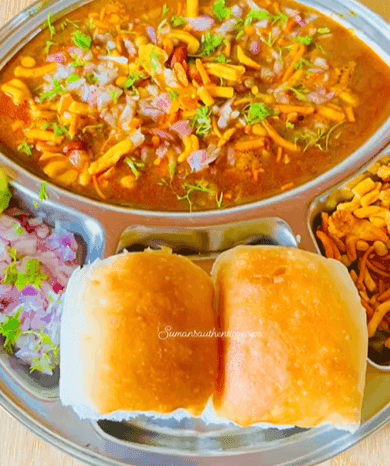
I learned that Maharashtrian recipes aren't one thing the first time I ate misal in Kolhapur and then, two days later, in Pune. Same dish, same name. One had me reaching for water after the third spoon; the other tasted almost sweet by comparison. That gap is the whole point. Maharashtra runs from the Konkan coast, where coconut and kokum do the heavy lifting, up across the Deccan plateau to Vidarbha, where the chilli is blunt and the oil floats red on top.
So the 37 dishes below are grouped the way people actually cook them: the misal and usal plates, the Mumbai snacks, the poha-and-thalipeeth mornings, the everyday bhaji-and-bhakri table, and the sweets that only come out for Ganpati and Holi. Some take twenty minutes. One takes six hours. Marathi recipes reward patience with the puran and speed with the poha, and I've flagged which is which.
Start wherever you're hungriest. Nothing here needs a pan you don't own, and if you only ever cook one of them, make it the misal pav recipe.
Misal, Usal & the Kolhapuri Heat
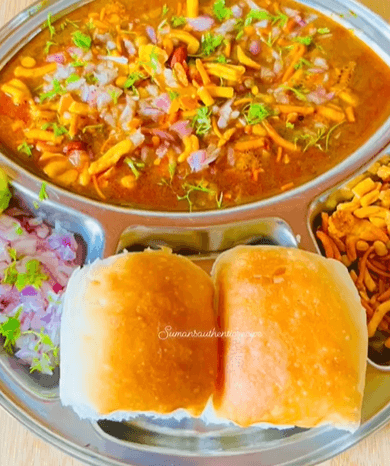
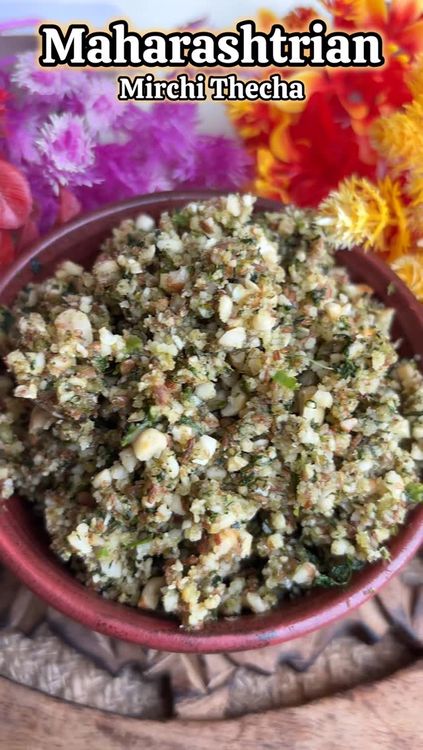
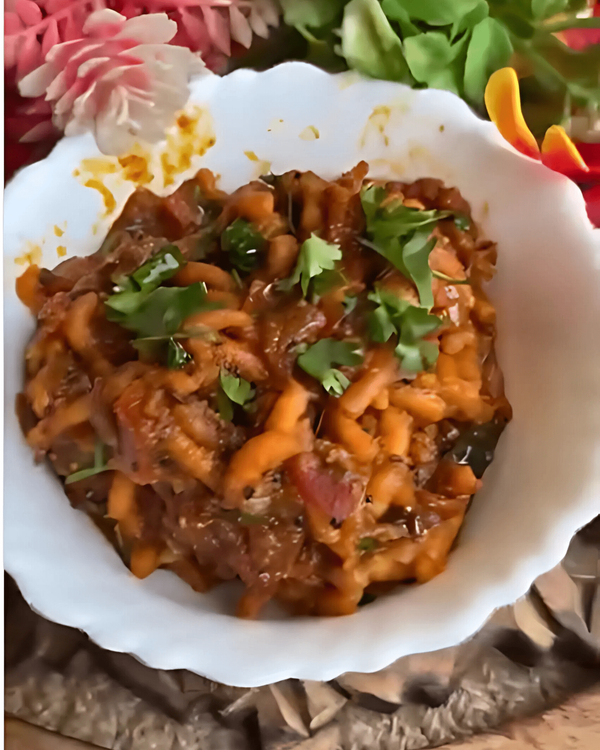
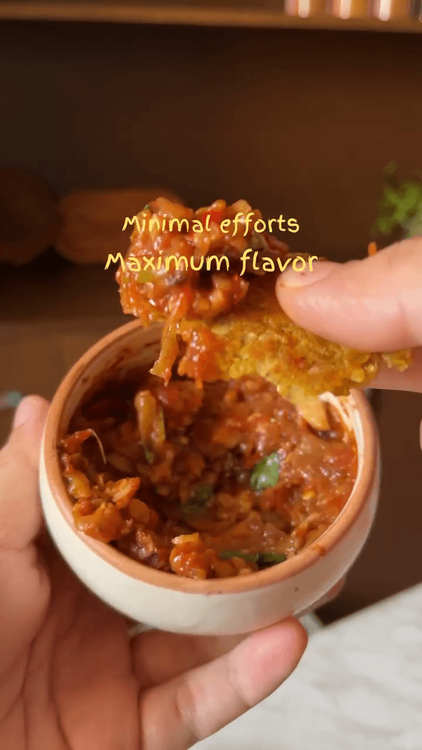
Misal is a stack, not a stew: usal at the bottom, farsan on top, raw onion and coriander, and tarri — that orange-red oil slick — poured over at the table. Get the usal right and everything else follows. Kolhapur builds its tarri on kanda-lasun masala and does not apologise; Pune pulls the chilli back and lets the sprouts speak. A good misal pav recipe lets you dial that yourself: cook the tarri separately and ladle it to taste. Thecha and dry chutney belong in this section too, because they are how you adjust the heat after the fact.
- Indian
- Vegan
- Breakfast


- Vegetarian
- Main Course

- Gluten-Free
- Lunch
- Indian
- Vegan
- Snack


- Indian
- Vegan
- Sauce & Condiment
Vada Pav & Mumbai Street Snacks
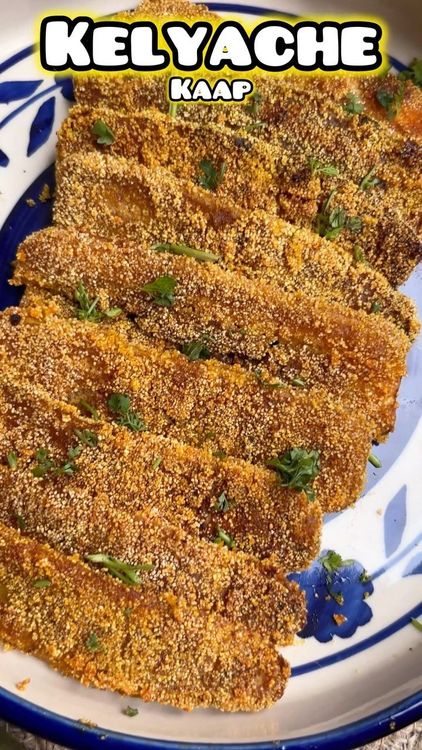
The best maharashtrian snacks were built for one hand and a moving train. Vada pav is the whole thesis: spiced potato, besan armour, soft pav, dry garlic chutney. Kothimbir wadi and kelyache kaap come from the same instinct — cheap, crisp, eaten standing up. The trick with all of them is temperature. Oil too cool and the besan drinks it; too hot and the coating browns before the inside sets. Aim for 175°C and fry in batches small enough that you can actually turn them. Shev sabzi is that same crunch, moved indoors and dropped into gravy.

- Indian
- Vegan
- Snack

- Indian
- Vegetarian
- Snack
- Maharashtrian
- Vegan
- Snack

- Indian
- Dairy-Free
- Appetiser
- Maharashtrian
- Vegan
- Lunch
Poha, Thalipeeth & the Morning Table
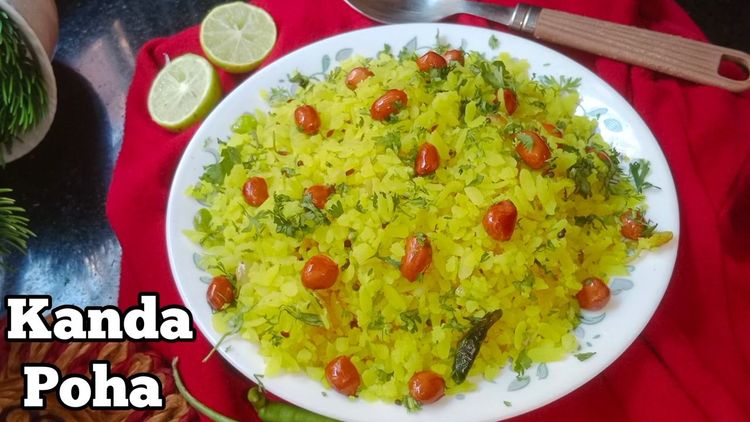
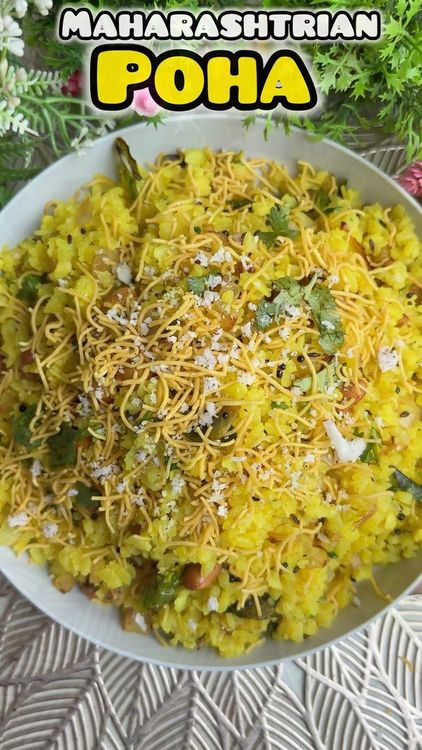
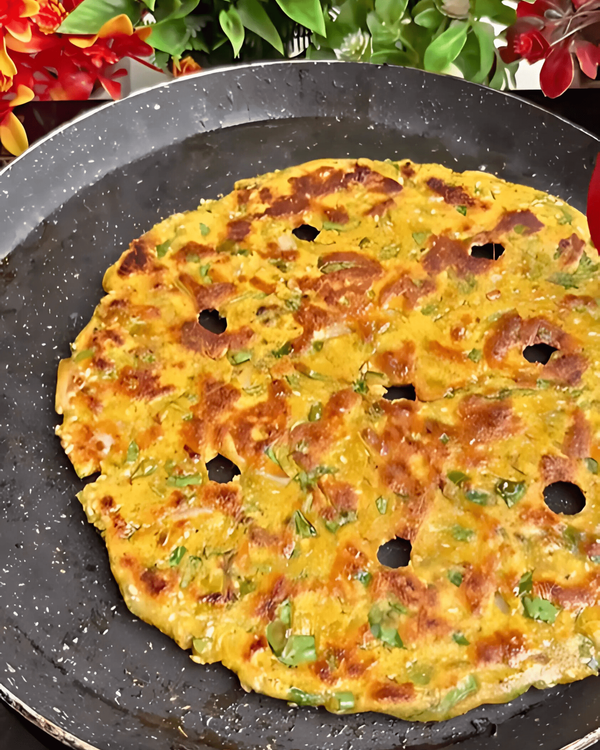
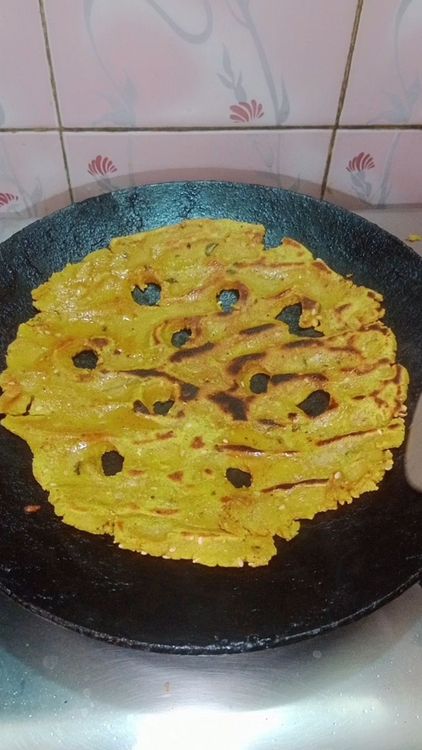
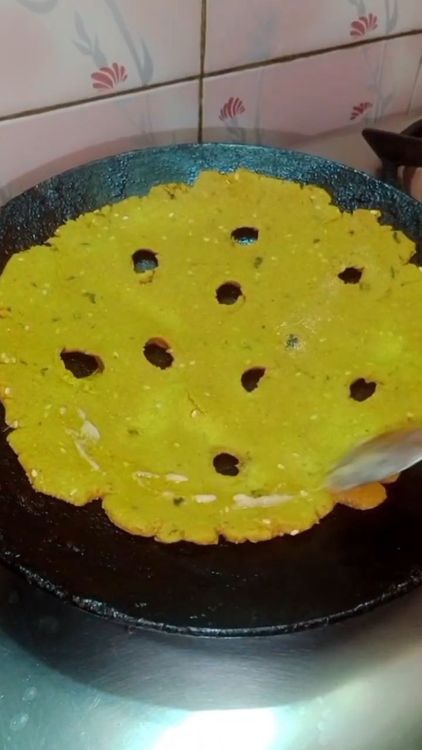
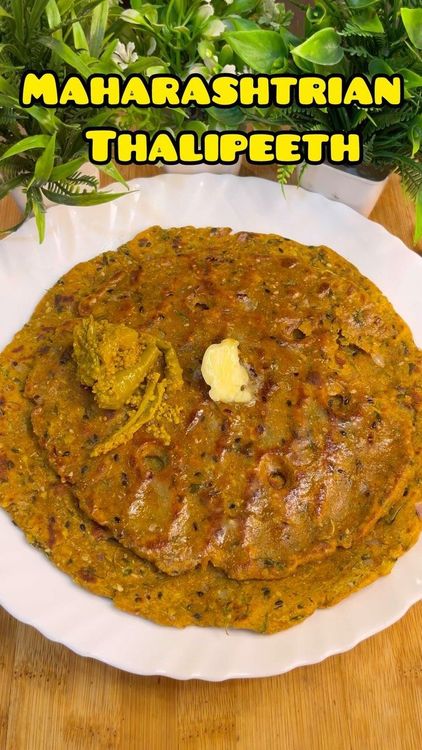
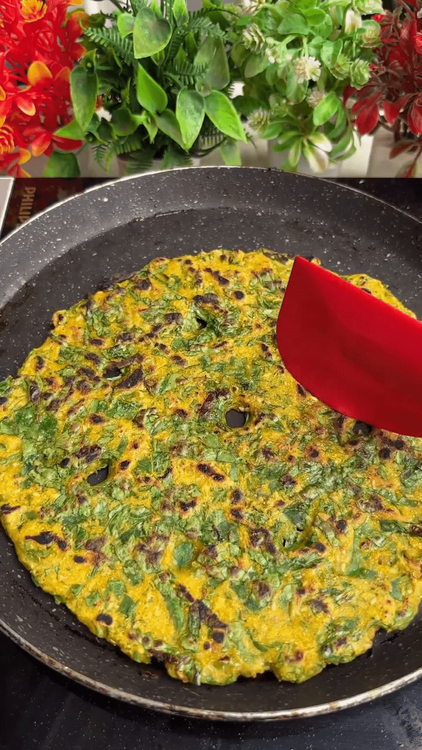
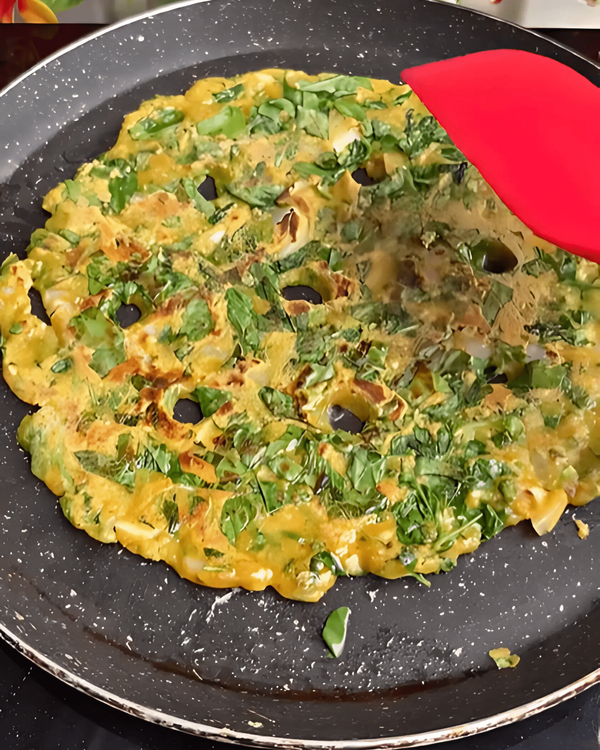
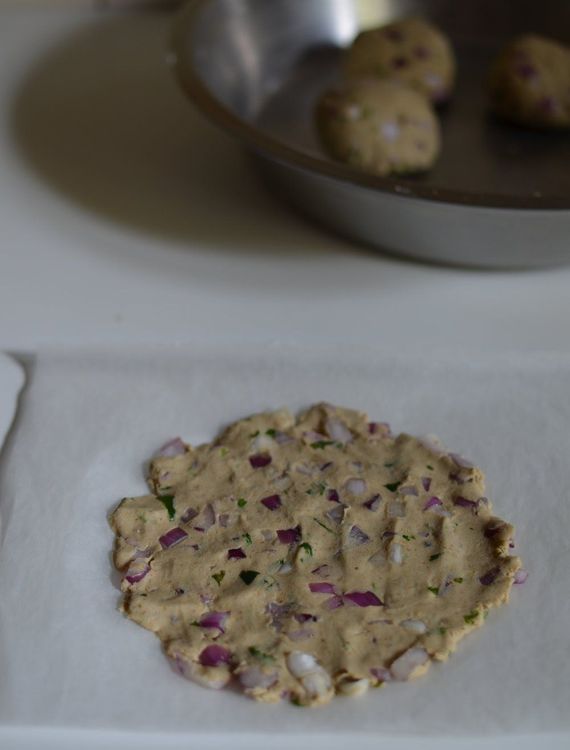
A proper maharashtrian breakfast is fast or it doesn't happen. Kanda poha is twenty minutes: rinse the flattened rice in a colander, never a bowl, then let it sit until a grain crushes clean between your fingers. Thalipeeth is the other pillar — bhajani flour, onion, coriander, patted straight onto the tawa with wet fingers, because a rolling pin will tear it every time. Nine versions sit below, from plain to paneer to methi to palak, and they differ mostly in how much moisture the add-in brings. Sabudana khichdi joins them on fasting days, when the rest of the kitchen goes quiet.
- Indian
- Vegan
- Breakfast
- Indian
- Vegan
- Breakfast
- Maharashtrian
- Vegetarian
- Breakfast
- Indian
- Vegetarian
- Breakfast
- Indian
- Vegetarian
- Breakfast
- Maharashtrian
- Vegetarian
- Breakfast

- Breakfast
- Indian
- Vegan
- Breakfast
- Maharashtrian
- Vegan
- Breakfast
- Indian
- Vegan
- Breakfast
- Indian
- Vegan
- Breakfast

- Breakfast
Everyday Maharashtrian Recipes: Bhaji, Amti & Bhakri
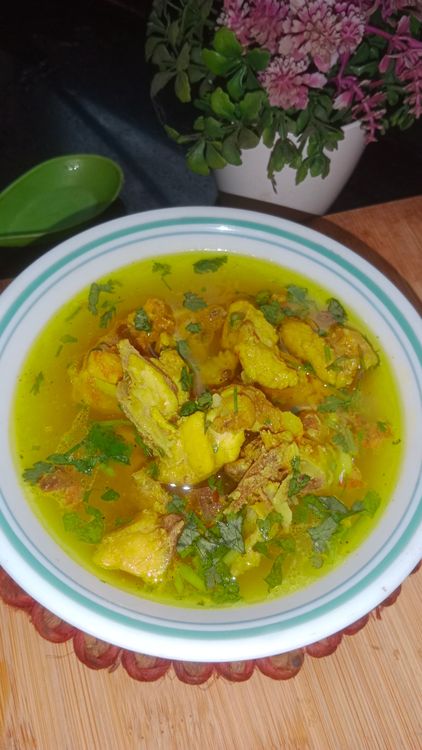
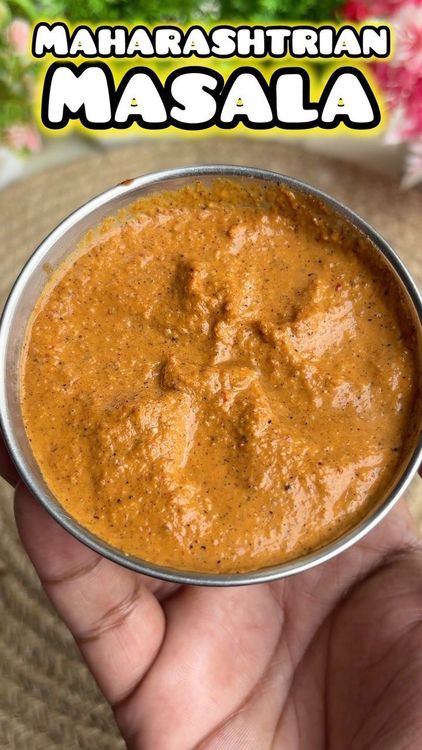
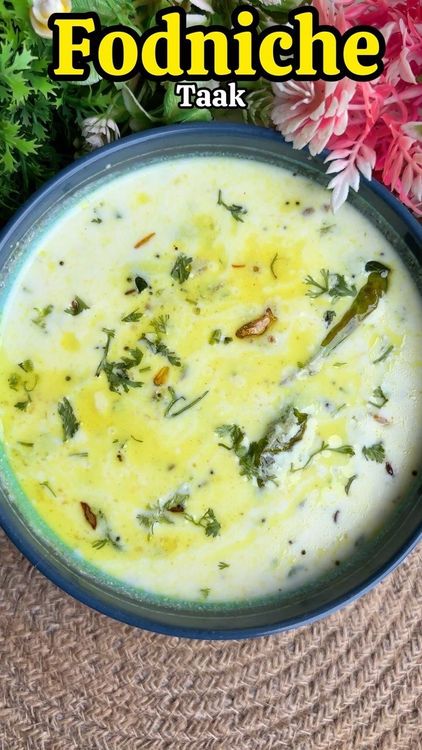
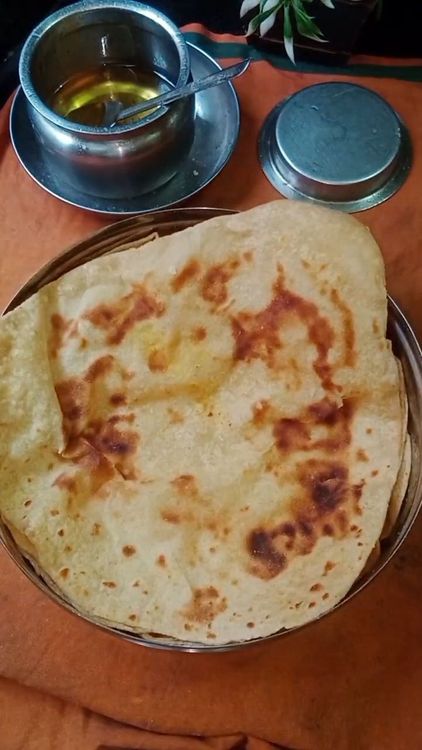
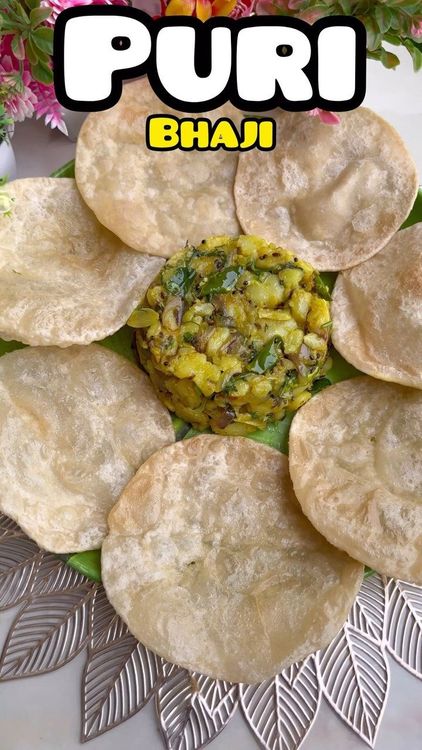
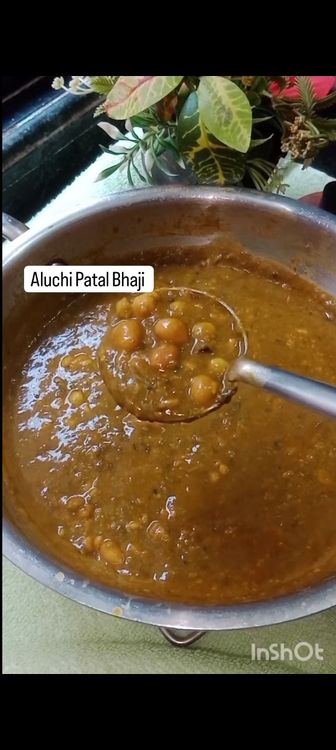
This is the table on a Tuesday: one bhaji, one amti or gravy, bhakri or chapati, and something sharp on the side. Nothing here is showy, and that's the appeal — this is what maharashtrian food actually looks like most nights. The besan bhaji uses whichever greens are cheap that week; the masala gravy is a base you make once and freeze in blocks. Bhakri is the skill worth practising: rice flour, boiling water, and hands you're willing to burn a little. Fodniche taak closes the meal in summer the way a hot amti closes it in winter.

- Vegetarian
- Lunch
- Indian
- Non-Vegetarian
- Dinner

- Vegetarian
- Lunch
- Maharashtrian
- Vegan
- Sauce & Condiment
- Maharashtrian
- Vegetarian
- Lunch

- Indian
- Vegan
- Dinner
- Maharashtrian
- Vegetarian
- Side Dish
- Indian
- Vegan
- Breakfast
- Indian
- Vegan
- Breakfast
- Indian
- Vegan
- Lunch
Puran Poli, Modak & Festive Sweets
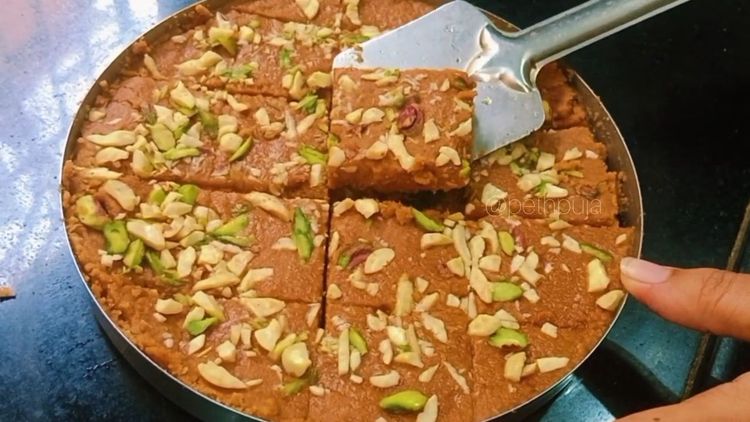
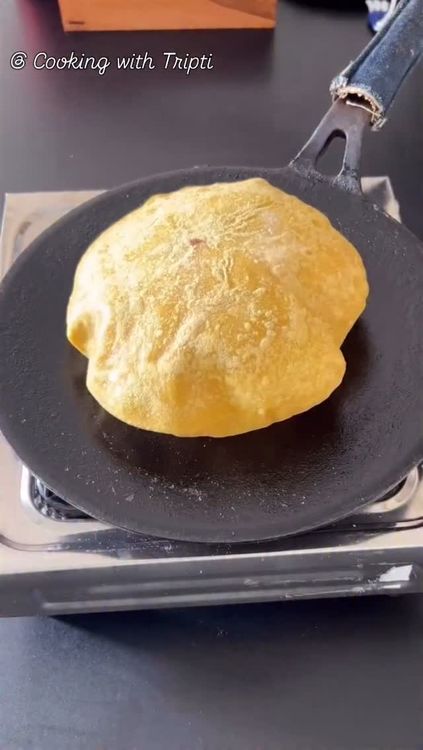
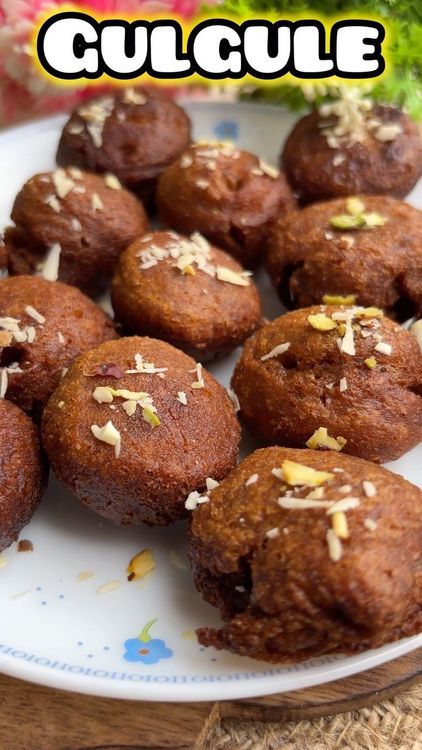
Sweets here are calendar-bound. Modak belong to Ganpati — eleven or twenty-one on the plate, because the count matters — and puran poli comes out for Holi and Gudi Padwa. The engineering is real: puran has to be dry enough to roll but soft enough not to tear the poli, which means cooking the chana dal and jaggery well past the point you think is done. Gul papdi and gulgule are the weekday cousins, thirty minutes and no drama, and they're the reason a jaggery bag lives in most Marathi kitchens year-round.

- Indian
- Vegetarian
- Dessert
- Maharashtrian
- Vegetarian
- Dessert

- Indian
- Vegetarian
- Snack
- Indian
- Vegetarian
- Snack

- Indian
- Vegetarian
- Snack
Goda Masala & Kala Masala: The Two Souls of the Spice Box
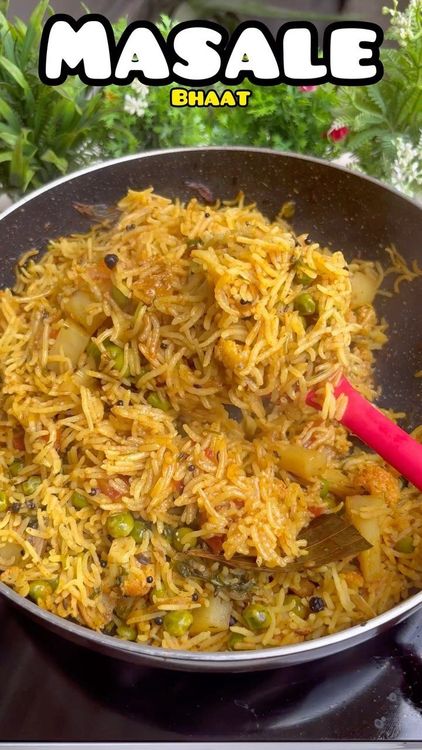
Two blends define Maharashtrian cooking, and neither of them is garam masala. Goda masala is the sweet one — goda means sweet in Marathi, though nothing in it tastes like sugar. The sweetness is dagad phool (stone flower lichen), dried coconut toasted dark, sesame, and a lot of coriander seed. It goes into masale bhaat, into amti, and into most vegetable bhaji west of Nashik. Kala masala — black masala — belongs to Vidarbha and Kolhapur: more chilli, more clove, toasted until the whole mix goes near-black and the kitchen becomes uninhabitable for ten minutes.
Both are dry-roasted blends, and both die fast — a lot of marathi recipes live or die on how fresh that tin is. A store-bought one loses its dagad phool note within about three months of opening, so I buy small tins and keep them in the freezer. If you grind your own, roast each spice separately — coconut and sesame burn in seconds while coriander is still pale — then cool everything completely before it goes near a grinder. Warm spice grinds to paste, not powder.
The swap people ask about most: garam masala is not goda masala. It runs sweeter, in the cinnamon-and-cardamom direction, and carries none of the coconut. If you're stuck, grind two tablespoons of toasted desiccated coconut and one of white sesame into your garam masala — close enough for a weeknight bhaji, nowhere near close enough for masale bhaat you're serving to somebody from Pune.
Mumbai Street Food at Home
Vada pav is the most exported maharashtrian food on earth, and the gap between a stall one and a home one is rarely the recipe. It's the pav, the chutney, and the fryer. Pav should be ladi pav: soft, square, joined at the sides, faintly sweet. Burger buns are not it — too enriched, and they fight the potato instead of carrying it. If your bakery doesn't stock ladi pav, a plain dinner roll steamed for thirty seconds gets you most of the way there.
The dry lasun chutney is non-negotiable, and it is where the flavour actually lives: roasted garlic, dried coconut, red chilli and salt, ground coarse so it stays powdery rather than pasty. Make a full jar. It keeps a month in the fridge and it turns any leftover into a sandwich. The green chutney should be thin enough to smear with a knife, which means coriander, green chilli, a little lime, and no yoghurt bulking it out.
For frying, use a deep narrow pan and less oil than you think — depth matters more than volume. Hold the oil at 175–180°C and drop three vadas at a time; six will crash the temperature and you'll pull out grease-logged besan. Fry the green chillies last, in the same oil, until they blister and go slack. Then eat within about four minutes. Street food has a shelf life measured by the walk home, and reheating a vada pav has never once worked.
Festive Maharashtrian Sweets
Puran poli is the exam. Everything else — modak, karanji, gul papdi — is coursework. The puran is chana dal cooked soft and drained (save that water; it becomes katachi amti), then cooked down with jaggery until a spatula will stand up in it. Under-cook the puran and the filling weeps into the dough as you roll. Over-cook it and it sets to candy that cracks the poli from the inside.
Roll on rice flour, never wheat. Rice flour doesn't get absorbed into the dough, which lets you push the poli genuinely thin — thin enough that light passes through it — without tearing. Cook it on a medium tawa, and add ghee only after it comes off the heat, never during. Ghee in the pan fries the surface and stops it staying soft.
Modak split the field. Talniche (fried) modak use a wheat shell and will forgive most mistakes; ukadiche (steamed) use rice flour and forgive nothing. For Ganpati the plate carries eleven or twenty-one of them — an odd number, always. Karanji shares the fried modak's coconut-jaggery filling inside a semolina-flecked shell. Gul papdi and gulgule ask nothing of you but thirty minutes and a bag of jaggery, which is exactly why they get made all year and puran poli mostly doesn't.
Pro Tips From the Marathi Kitchen
- Rinse poha in a colander under running water, never soaked in a bowl. Thirty seconds, then leave it ten minutes to swell. If it turns to porridge, you soaked it.
- Pat thalipeeth directly onto the tawa with wet fingers, or onto a greased banana leaf you invert over the pan. A rolling pin tears multigrain dough every single time.
- Sprout matki properly: soak eight hours, drain hard, tie it in damp muslin, leave it somewhere warm overnight. Wet beans rot, damp beans sprout — the whole difference is drainage.
- Cook the tarri separately from the usal and ladle it over at the table. Everyone eats at their own heat level, and Kolhapuri stays Kolhapuri without an argument breaking out.
- Bhakri needs boiling water and immediate kneading. Let the dough cool first and the starch won't gelatinise, so you'll spend the evening patching cracks instead of patting circles.
- Freeze your goda masala. The dagad phool and toasted coconut fade first, and those are the exact notes you bought it for. Small tins, cold storage, no exceptions.
Frequently Asked Questions
What makes Maharashtrian recipes different from other Indian cuisines?
Three things, mostly: goda masala, groundnut and kokum. Wheat, jowar and rice flatbreads carry the meal instead of naan. The Konkan coast leans on coconut and kokum's sour edge, while the plateau leans on peanut, sesame and chilli. And the heat is strictly regional — Kolhapur and Vidarbha cook genuinely hot, whereas plenty of Pune households don't.
What is the difference between misal and usal?
Usal is the dish itself: sprouted beans, usually matki, simmered in a thin gravy. Misal is the whole plate built on top of it — usal at the base, farsan for crunch, raw onion, coriander, lemon, and tarri, the spiced oil, poured over at the last second. Pav on the side. Every usal can become misal; not every misal is only usal.
What is a typical maharashtrian breakfast?
Kanda poha or thalipeeth, most mornings, with strong tea alongside — a Maharashtrian morning runs on one of those two. Poha wins on weekdays because it's twenty minutes and forgiving of distraction. Thalipeeth turns up at weekends, served with white butter or thick dahi. Sabudana khichdi appears on fasting days, and upma or sheera fills the gaps. Almost nothing takes longer than half an hour.
How spicy is a proper misal pav recipe?
It depends entirely on where you're standing. A Kolhapuri version will make you sweat and is meant to: the tarri carries whole dried chilli and kanda-lasun masala. Puneri misal is noticeably milder and slightly sweet. Because the tarri is poured on separately, you control the outcome — make it full strength, then ladle carefully and stop early.
Can I substitute garam masala for goda masala?
Not really, but you can fake it. Goda masala gets its character from dagad phool, dark-toasted coconut and sesame, none of which live in garam masala. In a pinch, grind two tablespoons of toasted desiccated coconut and one of white sesame into your garam masala. It'll pass in a weeknight bhaji. It will not pass in masale bhaat.
What are the best maharashtrian snacks to make for a party?
Kothimbir wadi, because you can steam it a day ahead and fry the slices as guests arrive. Vada pav scales badly for a crowd — the vadas go soft while you assemble. Kelyache kaap fries in minutes and stays crisp longer than you'd expect. Set out thecha and dry lasun chutney, then let people build their own heat.
Why does my thalipeeth crack when I pat it out?
Multigrain dough has almost no gluten, so there's nothing holding it together structurally. Fix it two ways: knead in a grated onion or a boiled potato for moisture and bind, and pat with genuinely wet fingers, re-wetting between each push. Work on the greased tawa itself rather than transferring — a thalipeeth that gets moved is a thalipeeth that breaks.
How do marathi recipes differ between the Konkan and Vidarbha?
Geography, mostly. Konkan sits on the coast: coconut, kokum, fresh fish, rice and rice bhakri, gentler chilli overall. Vidarbha is inland and dry, so it runs on jowar bhakri, peanuts, savji-style meat curries and a blunt, unignorable heat. Kolhapur sits between the two and takes chilli further than either. Pune and Nashik cook sweetest, with goda masala doing the work.
Thirty-seven Maharashtrian recipes, one state, and an argument about chilli that will never be settled. Start with kanda poha tomorrow morning and a jar of dry lasun chutney this weekend — both take under half an hour, and both make everything else on this list easier to reach for. The puran poli can wait until you have a whole Sunday to hand it.
Related
- marathi recipes
- misal pav
- thalipeeth
- puran poli
- konkan food
- mumbai street food
Popular Searches
- Best maharashtrian recipes
- Easy maharashtrian recipes
- Quick maharashtrian recipes
- Healthy maharashtrian recipes
- Simple maharashtrian recipes
- Homemade maharashtrian recipes
- Delicious maharashtrian recipes
- Popular maharashtrian recipes
- maharashtrian food
- marathi recipes
- maharashtrian breakfast
- maharashtrian snacks
Marnirni-apinthi Building, Lot Fourteen,
North Terrace, Adelaide, South Australia, 5000
Australia
