
30 Raita Recipes That Cool Down Any Indian Meal
Updated July 15, 2026 · Curated by Chefadora
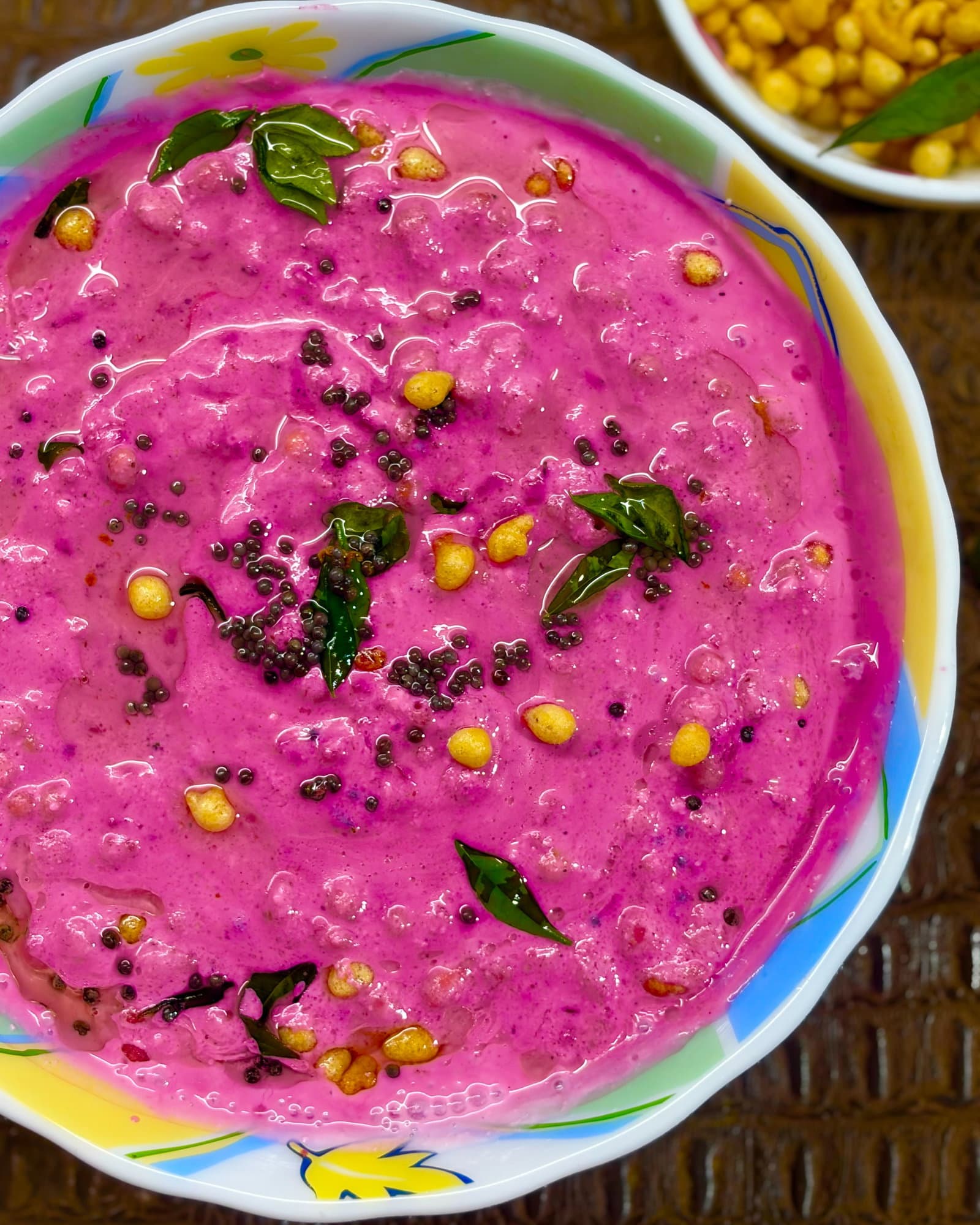
I keep a bowl of chilled dahi on the counter almost every night from March onward, because a hot Indian meal without something cool alongside is only half a meal. The best raita recipes are not really recipes at all. They are ratios, and once you know them you stop measuring. Thick curd, whisked smooth. Something crunchy or watery folded in. Salt, roasted cumin, a pinch of chilli. That is the whole architecture.
What changes is everything else: grated beetroot for colour, fried gram-flour pearls for texture, pomegranate for a sweet snap, smoked eggplant for depth. This collection pulls thirty bowls from the Chefadora community and clusters them the way I actually cook them, which is to say by what night it is and what is already sitting in the fridge.
Start with the section that matches your meal rather than working top to bottom. Nobody makes all thirty. You make the same three for years, then one August you get curious about pomegranate and the rotation shifts a little.
Boondi Bowls for Biryani Nights
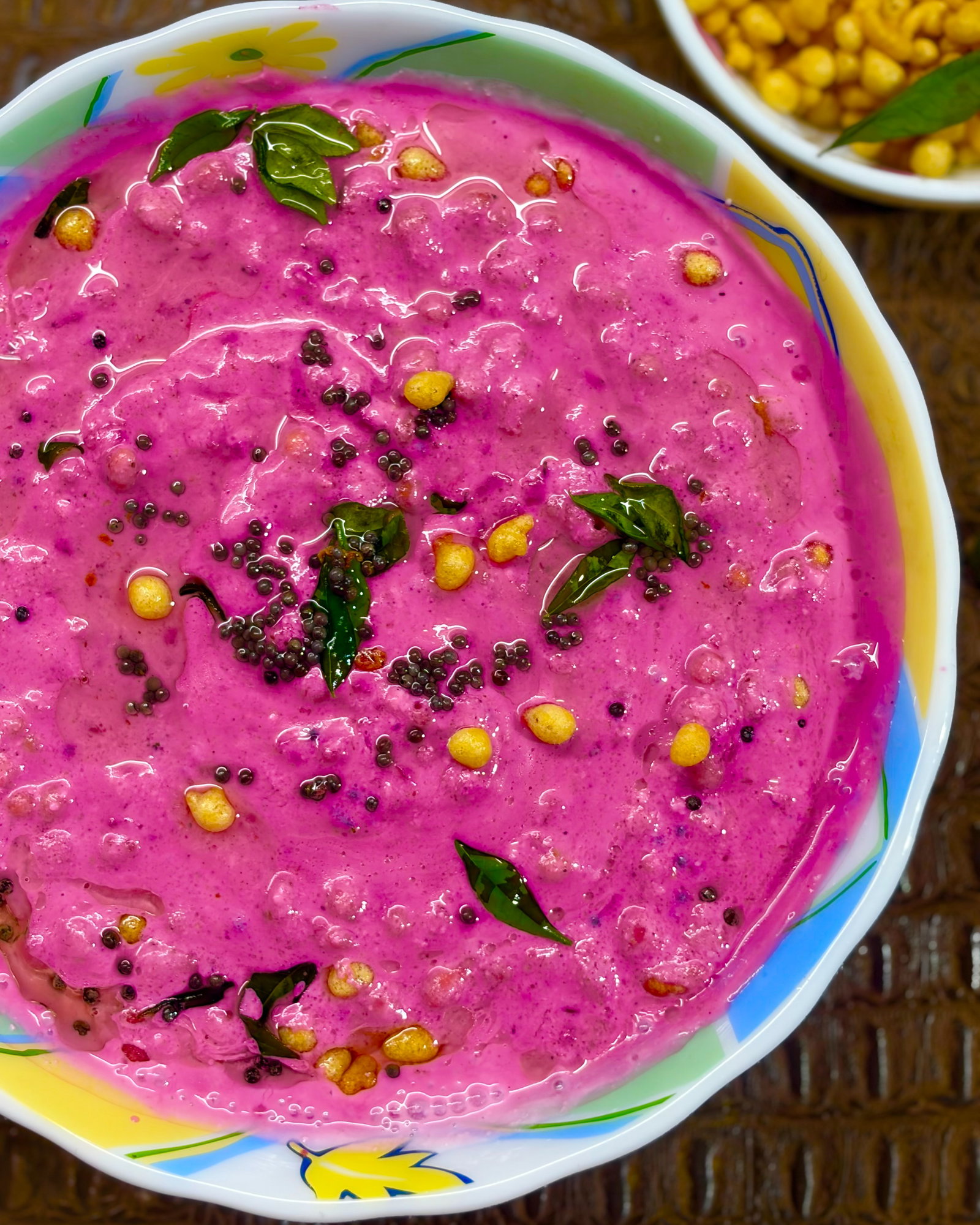
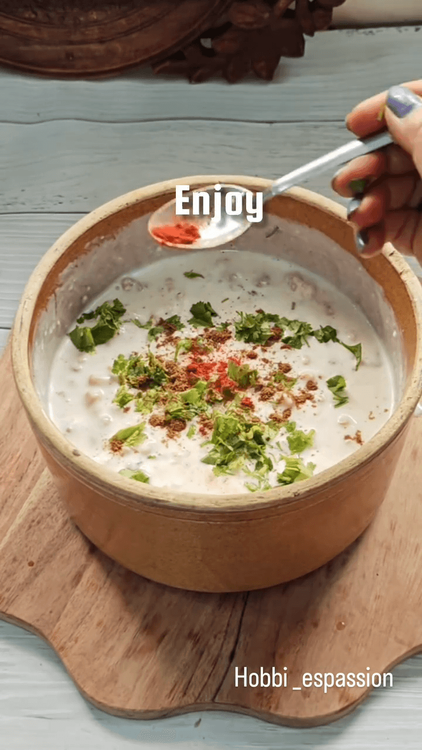
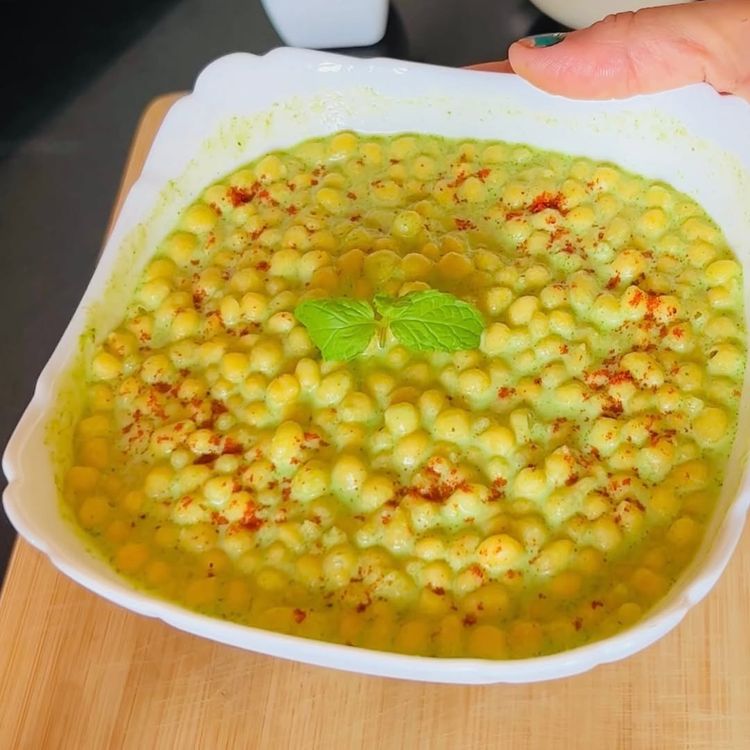
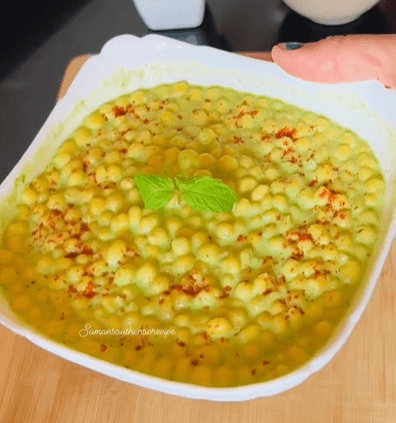
Boondi raita is the one everyone orders out and almost nobody makes properly at home. The trick is timing. Drop the fried gram-flour pearls into the curd too early and they dissolve into mush, too late and they crunch like gravel. Two to ten minutes, depending on how fine they are. Rinse them in warm water first if the packet tastes of stale oil; it makes a bigger difference than any spice. This is the raita for biryani, unarguably, and the one to batch-cook when twelve people are coming.

- Indian
- Vegetarian
- Snack

- Punjabi
- Vegetarian
- Lunch
- Indian
- Vegetarian
- Side Dish
- Indian
- Vegetarian
- Sauce & Condiment

- Indian
- Vegetarian
- Side Dish
Quick Cucumber and Onion Raita Recipes for Everyday Meals
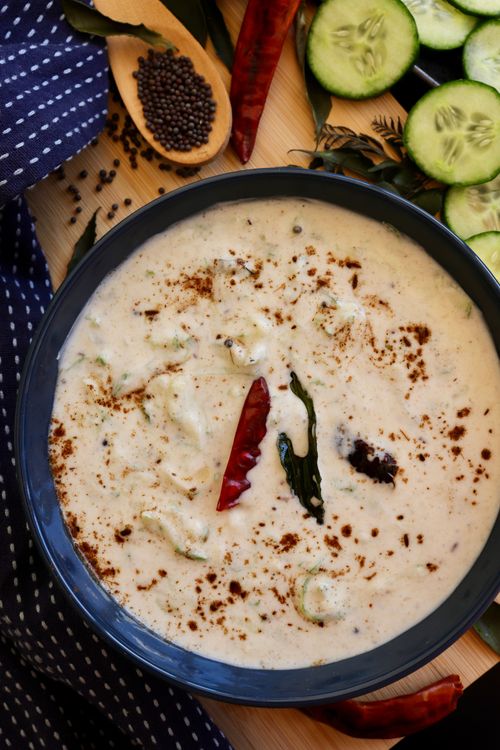
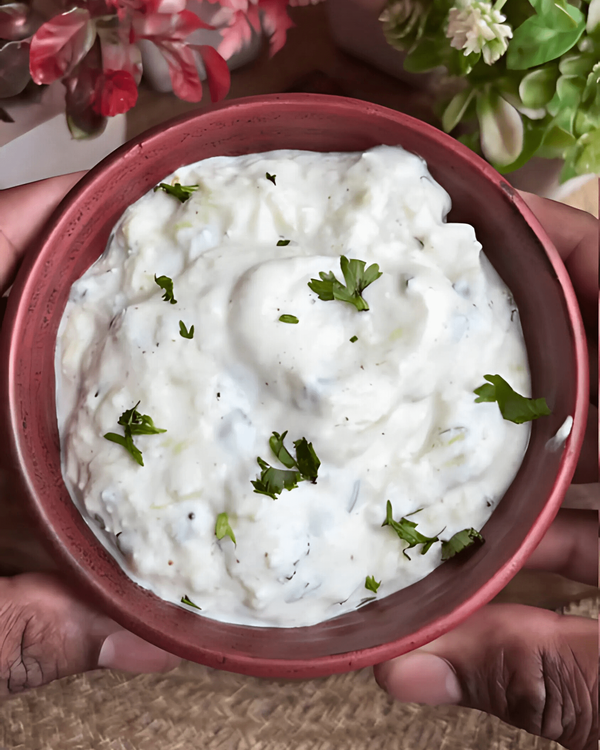
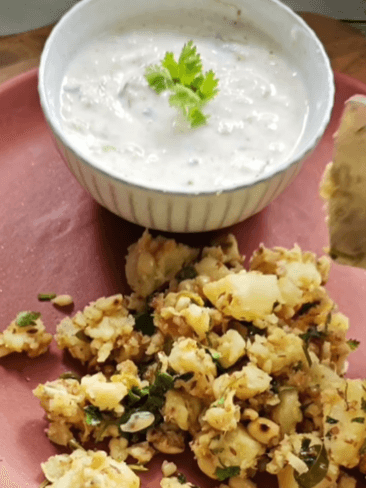
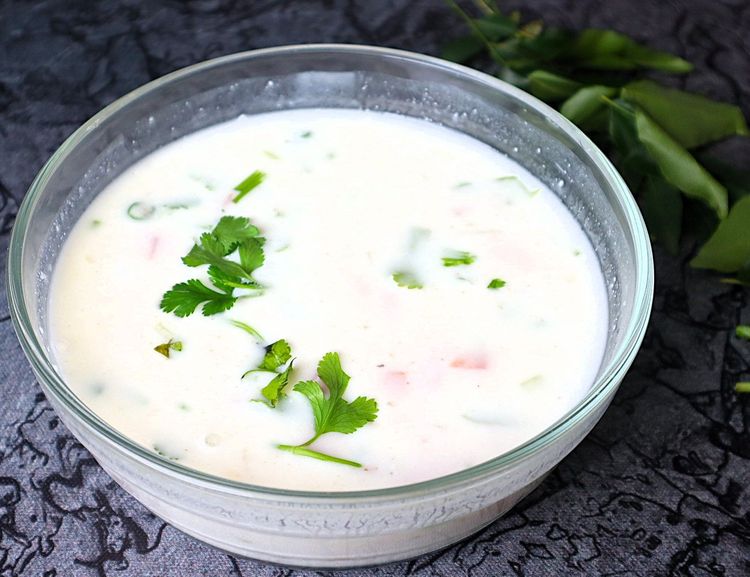
Cucumber raita is the weeknight default, and the only real decision is grate or chop. Grated gives you a loose, almost drinkable bowl that spreads across rice. Chopped keeps a bite that stands up next to a dry sabzi. Either way, salt the cucumber, wait five minutes, then squeeze it hard over the sink; skip that and you will be eating soup by dinnertime. Onion raita works the opposite way. Soak the sliced onion in cold water for ten minutes, drain it properly, and it stops fighting the curd.
- Indian
- Vegetarian
- Side Dish

- Indian
- Vegetarian
- Sauce & Condiment
- Indian
- Vegetarian
- Snack

- Indian
- Vegetarian
- Side Dish

- Indian
- Vegetarian
- Side Dish
Beetroot, Radish and Smoked Vegetable Bowls
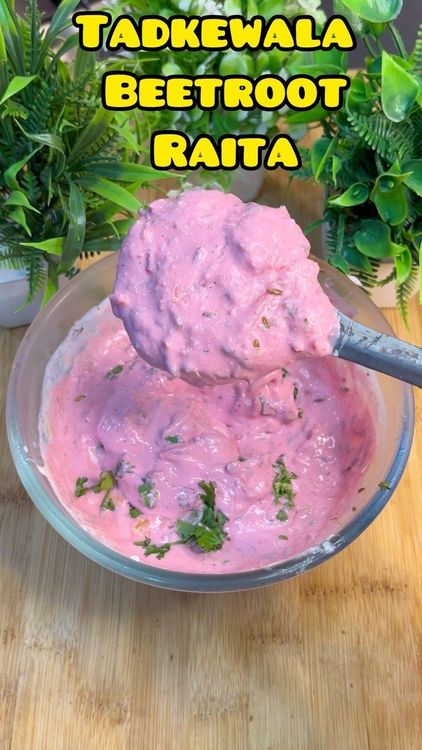
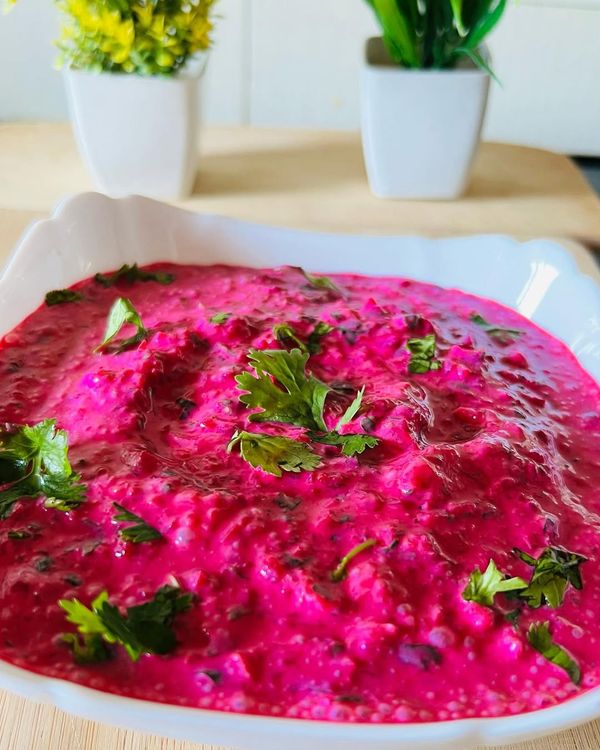
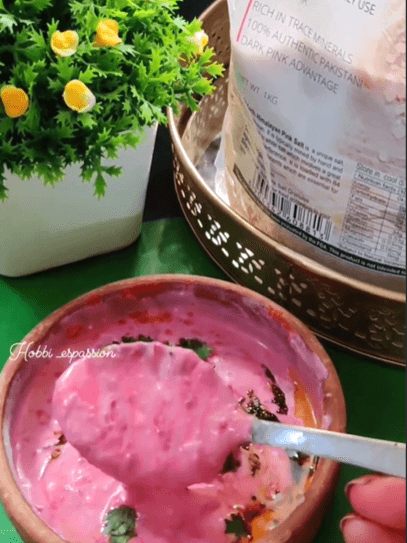
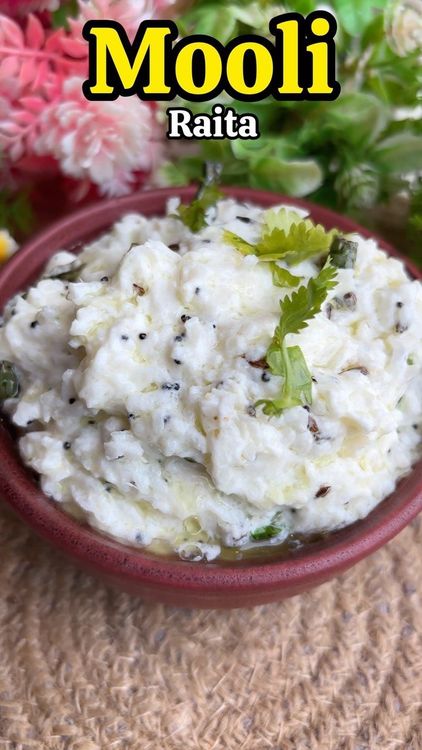
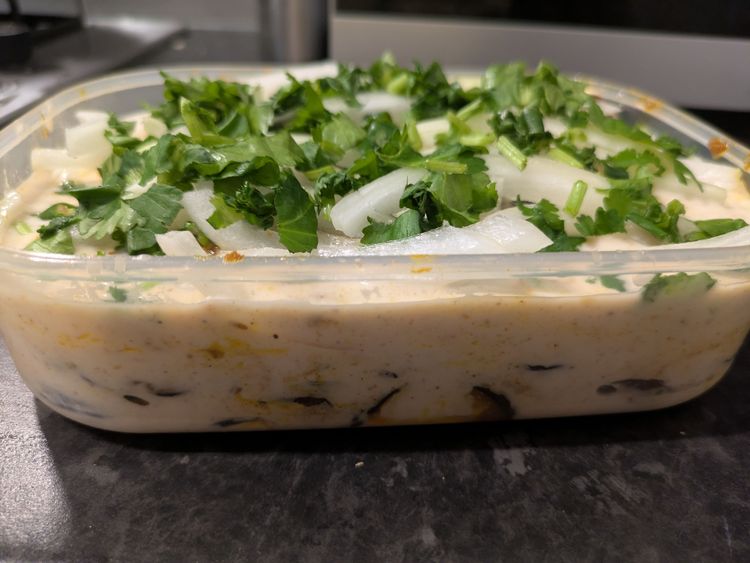
Root vegetables are where curd gets genuinely interesting. Beetroot goes two directions: raw and grated for an earthy crunch, or pressure-cooked until soft and sweet, which turns the bowl a magenta no filter improves on. Mooli is pungent and honestly does help you through a heavy meal, but grate it and wring the water out or it will thin everything by morning. Smoked eggplant is the sleeper here. Char it over a live flame until the skin blisters and collapses, and it tastes like it took an afternoon.

- Indian
- Vegetarian
- Side Dish
- Indian
- Vegetarian
- Snack
- Indian
- Vegetarian
- Sauce & Condiment
- Indian
- Vegetarian
- Snack
- Indian
- Vegetarian
- Side Dish
- Pakistani
- Vegetarian
- Side Dish
Fruit, Fasting Bowls and Make-Ahead Shortcuts
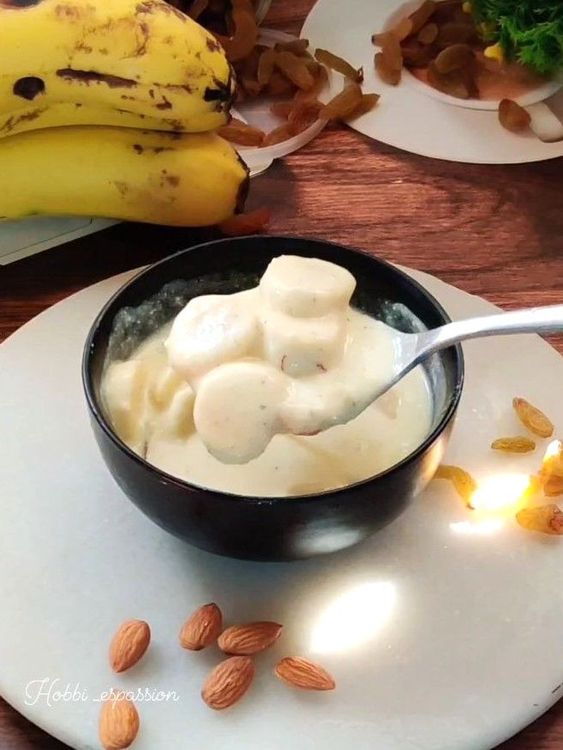
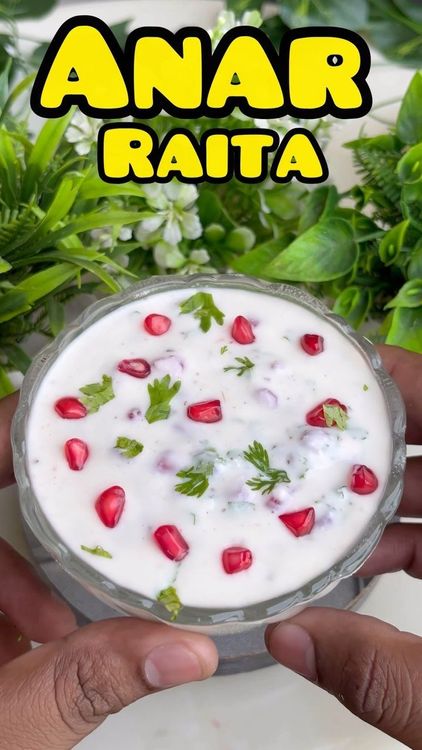
This is the improvisation section. Pomegranate and banana lean sweet, which sounds wrong on paper until you eat a spoonful next to a chilli-heavy curry and it clicks. The vrat bowls swap table salt for sendha namak and drop onion and garlic entirely, which reads as restrictive and eats as elegant. Two entries here are not bowls at all: a jar of ground spice blend and a tray of frozen herb cubes. Both answer how to make raita on a night when you have four minutes.
- Punjabi
- Vegetarian
- Dessert
- Indian
- Vegetarian
- Side Dish
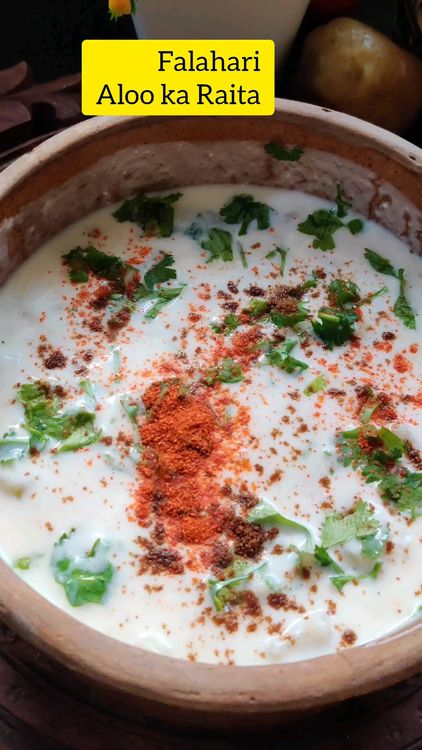
- Indian
- Vegetarian
- Lunch
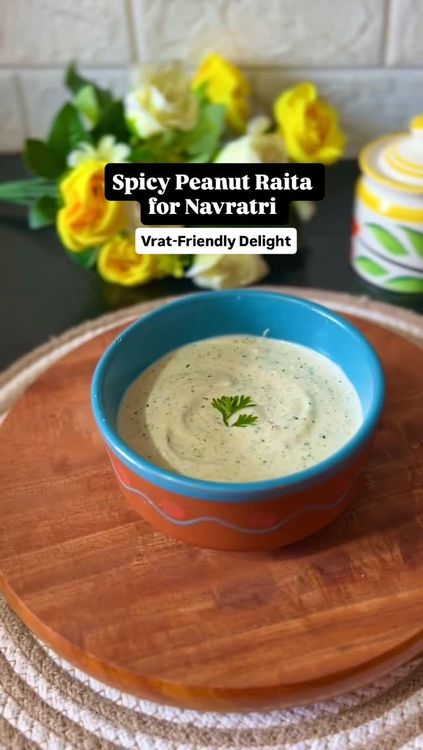
- Indian
- Vegetarian
- Sauce & Condiment

- Indian
- Vegan
- Sauce & Condiment
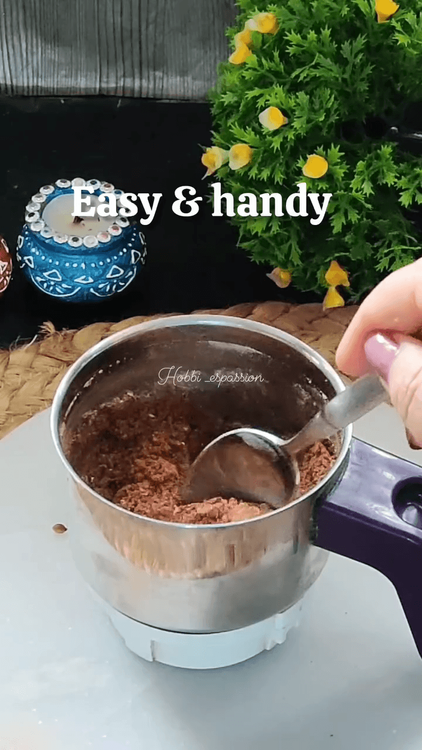
- Indian
- Vegan
- Sauce & Condiment
Full Meals Built Around a Yogurt Side
Sometimes the bowl is the point of the meal rather than the accompaniment to it. These are parathas, chillas and cheelas that arrive with their curd side already worked out: spinach pancakes, soybean flatbreads, poha-softened dough, a moong dal dosa crisped thin enough to shatter. Most run thirty-five to fifty minutes and most pack into a lunchbox the next morning without going sad. If you want dinner to be a single plate instead of a spread of four dishes, start here.

- Indian
- Vegetarian
- Breakfast


- Indian
- Vegetarian
- Breakfast

- Indian
- Vegetarian
- Breakfast

- Indian
- Vegetarian
- Breakfast

- Indian
- Vegetarian
- Breakfast

- Indian
- Vegetarian
- Breakfast

- Indian
- Vegetarian
- Breakfast
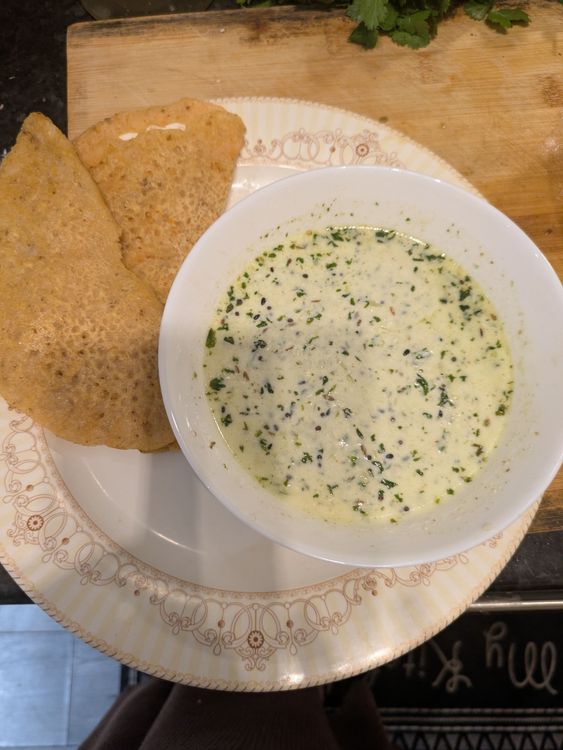
- Indian
- Vegetarian
- Breakfast
How to Make a Yogurt Side That Never Turns Watery
Nearly every failure comes down to water, and the water arrives from two places: the curd itself and the vegetable you fold into it. Start with dahi thick enough to hold a spoon upright for a second or two. If yours is loose, hang it in muslin over a bowl for twenty minutes and you will pour off a genuinely surprising amount of whey, ending up somewhere near Greek yogurt. Whisk it on its own, before anything else goes in, until it turns glossy and completely smooth. Lumpy curd cannot be rescued later, because once the vegetables are in they physically block the whisk.
The vegetable is the second leak, and the bigger one. Cucumber, radish and raw beetroot are mostly water, and salt will pull that water out whether you planned for it or not. So do it on purpose and on your own schedule: grate, salt lightly, wait five minutes, then squeeze in your fist over the sink and throw the liquid away. Season the curd separately and fold the vegetable in at the very end, not before.
If the bowl still loosens overnight in the fridge, and it will loosen slightly, stir through a spoonful of fresh dahi rather than reaching for cornflour or hung curd to thicken it. That is essentially the whole of how to make raita that survives two hours on a buffet table without collapsing into a puddle around the serving spoon.
Choosing, Souring and Storing Your Curd
Full-fat dahi, always. Low-fat sets thin and sours faster, and in a bowl this simple there is nowhere for a mediocre ingredient to hide. If you set your own, pull it out of the warm spot the moment it holds together, usually six to eight hours in Indian summer heat and closer to twelve in winter. Every extra hour past that point buys you sourness you did not ask for. Shop-bought curd is fine, but taste it before you commit, because a tub that is already sharp on day one will be aggressive by the time cumin and salt sharpen it further.
Sourness is fixable in one direction only. A tablespoon of cream, a spoon of milk, or a small pinch of sugar will blunt an over-sour batch without making it taste sweet. Nothing will make bland curd tangy except time, so if yours is flat, leave it on the counter for an hour before whisking and check it every twenty minutes.
Storage is where good bowls quietly die. Two to three days in an airtight box is the honest limit, and you should store the components apart if you can manage it: curd in one box, tempering in a small jar, anything fried or crunchy in a bag at room temperature. A finished cucumber raita will not survive as well as an unmixed one, and a boondi bowl stored overnight is simply a different, softer dish by the morning.
Tempering, Roasting and the Spice Jar That Saves You
A tadka takes forty seconds and changes the entire register of a bowl. Heat a tablespoon of oil or ghee until it shimmers, add mustard seeds, and wait for them to pop properly, which takes about thirty seconds over a medium flame. Cumin follows, then curry leaves, which will spit at you, then a dried red chilli or a pinch of hing off the heat. Pour it over the surface of the cold curd and resist stirring it in. You want the aroma to hit on the first spoonful and the flavour to bloom slowly through the rest of the bowl as people eat.
Roasting your own cumin is the cheapest upgrade available to anyone. Dry-toast the whole seeds in a pan over low heat, shaking constantly, until they darken a shade and smell like a bakery rather than a spice rack, then crush them coarsely in a mortar. Pre-ground jeera powder tastes like dust next to this, and the difference shows up most clearly in a plain cucumber raita where there is nothing else going on to hide behind.
Then make the jar. Roasted cumin, coriander seed, black salt and a little dried mint, ground together and kept within arm's reach of the stove, collapses a five-spice job into a single spoon. It is the honest answer to how to make raita on a Tuesday when the meal is already late and you have run clean out of patience.
Pro Tips
- Roast cumin seeds whole in a dry pan until they smell like a bakery, then crush them coarsely by hand rather than in a grinder. Pre-ground jeera powder tastes flat by comparison, and this is the single biggest upgrade available to you for about thirty seconds of actual work. Do a month's worth at once and keep it in a small airtight jar away from the light.
- Salt immediately before serving rather than before storing. Salt keeps drawing water out of the vegetables for hours after it goes in, so a bowl you seasoned confidently at noon will be visibly thinner, paler and sadder by eight in the evening. If you must prep ahead, season the curd and hold the vegetables separately until the last moment.
- Black salt is not a substitutable ingredient here. That faint sulphur note is exactly what makes a bowl taste like the restaurant version rather than a home approximation, so add a quarter teaspoon alongside your regular salt rather than instead of it. It smells faintly of eggs in the jar and none of that carries through to the finished bowl.
- Serve it genuinely cold, straight from the fridge, ideally in a bowl you chilled first. Room-temperature curd next to hot rice is the whole difference between refreshing and cloying, and it is usually why the restaurant version tastes better than yours. Thirty minutes in the coldest part of the fridge is the minimum worth bothering with.
- Grate on the coarse side of the box grater, never the fine one. Fine grating turns cucumber and beetroot into pulp that bleeds water continuously, while a coarse shred keeps enough structure to still read as a distinct texture against the curd. The same logic applies to onion, which wants slicing thin rather than mincing.
- Taste after chilling, never before. Cold mutes salt and acid noticeably, so a bowl that tasted perfectly seasoned at room temperature will come out of the fridge tasting like plain yogurt with a few things floating in it. Correct it cold, in small increments, and keep tasting as you go.
Frequently Asked Questions
Which raita recipes go best with biryani?
Boondi raita is the traditional pairing and the one served in most biryani houses, because the soaked pearls carry spiced rice without competing with it. Onion raita is the other standard, sharper and cheaper, and it cuts straight through the ghee. Skip the fruit bowls here: pomegranate or banana against a heavily spiced biryani reads as confused rather than clever, and the sweetness fights the masala.
How long does a yogurt side keep in the fridge?
Two to three days in an airtight container, though it loosens a little each day as salt keeps pulling water out of the vegetables. Anything with fried boondi is best eaten within a few hours, since the pearls soften continuously once they hit the curd. To revive a day-old bowl, pour off any separated whey and stir through a spoonful of fresh dahi, then re-season it from scratch.
Can I use Greek yogurt instead of Indian dahi?
Yes, and it solves the watery problem before it even starts, but it is thicker and more sour than most Indian dahi. Slacken it with two or three tablespoons of milk or water per cup until it drops off a spoon rather than clinging to it. Then taste before you add lemon or amchur, because you may not need any extra acid at all.
How do I keep boondi from going soggy?
Time it deliberately. Soak the pearls in warm water for two minutes, squeeze them gently between your palms, and fold them into the curd no more than ten minutes before the meal. For a party, keep the seasoned curd in one bowl and the boondi raita topping in another, then combine the two as the food actually goes out. Nobody has ever complained about assembling it at the table.
What can I use instead of onion and garlic for a fasting bowl?
Nothing, and that is rather the point. Vrat bowls lean on rock salt, roasted cumin, black pepper and green chilli for their backbone, with boiled potato, cucumber or crushed peanuts for substance. Fresh coriander does most of the aromatic work that onion would otherwise handle, so use far more of it than feels reasonable, and stir it in just before serving rather than an hour ahead.
Can I make a dairy-free version?
Thick coconut or cashew yogurt works well; unsweetened almond yogurt does not, because it is too thin and reads faintly sweet. Coconut brings a flavour of its own that sits comfortably with cumin, mustard seed and curry leaves. Add a squeeze of lemon to replace the tang that dairy fermentation gives you for free, and season more aggressively than you would dahi, since plant yogurts swallow salt.
Why is my bowl always bland even when I salt it properly?
Almost certainly missing acid or roasted spice rather than salt. Cold food needs more seasoning than warm food does, because chilling mutes both salt and sourness noticeably. Add freshly roasted cumin, a quarter teaspoon of black salt and a small pinch of chaat masala, then taste it cold rather than at room temperature. A squeeze of lemon usually sharpens the whole thing at once.
Should the vegetables be raw or cooked?
Raw for crunch and a clean, sharp flavour; cooked for sweetness and depth. Beetroot genuinely works both ways and tastes like two unrelated dishes depending on which you pick. Eggplant has to be cooked and properly charred or it is inedible. Radish and cucumber are always raw, and both need salting and squeezing first, or they will flood the bowl within the hour.
Thirty bowls, five minutes to fifty-five, and not one of them asks for a technique you do not already have. Pick the raita recipes that match tonight's meal instead of working through the list in order: the boondi one for biryani, cucumber on a weekday, beetroot when the plate looks beige. Whisk the curd first. Salt it last. That is genuinely most of the job.
Related
- yogurt sides
- indian sides
- boondi
- cucumber
- no cook
- summer cooling
Popular Searches
- Best raita recipes
- Easy raita recipes
- Quick raita recipes
- Healthy raita recipes
- Simple raita recipes
- Homemade raita recipes
- Delicious raita recipes
- Popular raita recipes
- boondi raita
- cucumber raita
- onion raita
- how to make raita
Marnirni-apinthi Building, Lot Fourteen,
North Terrace, Adelaide, South Australia, 5000
Australia
