
27 Indian Vegetarian Recipes for Comforting Everyday Meals
Updated July 7, 2026 · Curated by Chefadora
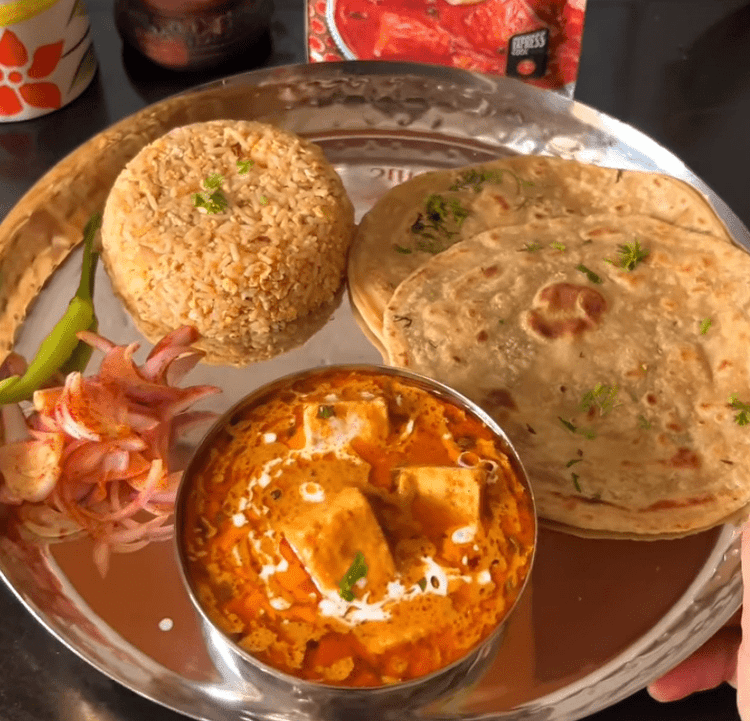
There is a reason Indian vegetarian recipes have fed families for generations: they turn a handful of pantry spices, a few humble vegetables and some lentils or paneer into meals that feel generous, warming and complete. This collection of Indian vegetarian recipes gathers 27 dishes I keep coming back to, from creamy paneer curries and everyday sabzi to soul-soothing dal and potato dishes that anchor any plate. Every dish here is fully meat-free, and nothing needs a specialist ingredient you cannot find at a regular grocery store.
I have grouped them the way I actually cook through a week: rich paneer mains for when you want something special, quick dry sabzi for busy nights, filling aloo dishes, protein-forward dal and soya, and festive rice with crispy starters for weekends. Whether you are new to Indian veg cooking or you grew up on it, you will find something reliable here, with real guidance on spices, timing and what to serve alongside so dinner comes together without stress.
Paneer Mains: The Heart of Indian Vegetarian Recipes
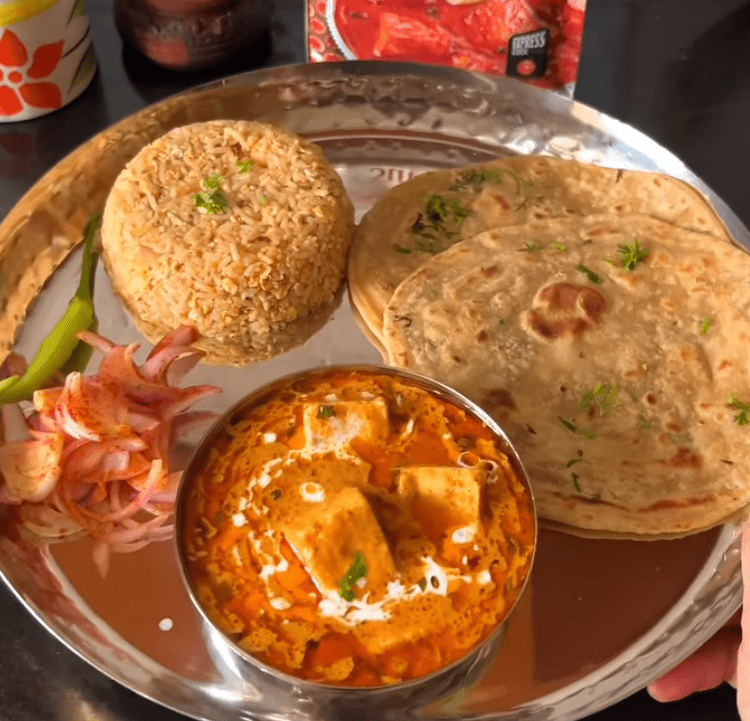
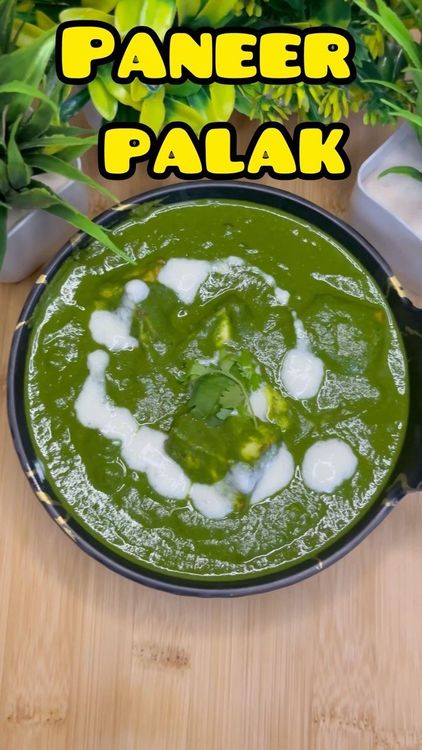
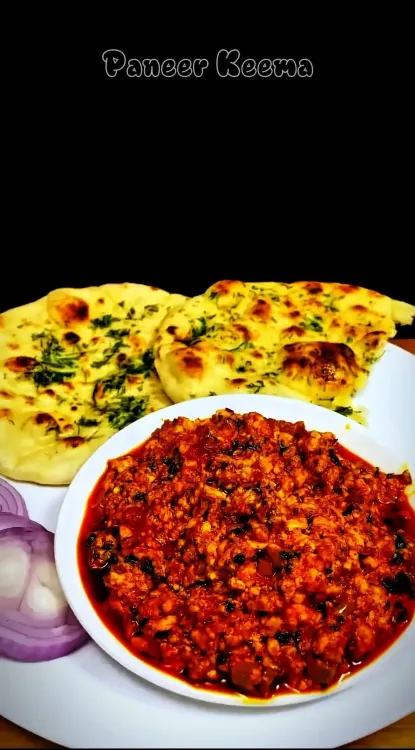
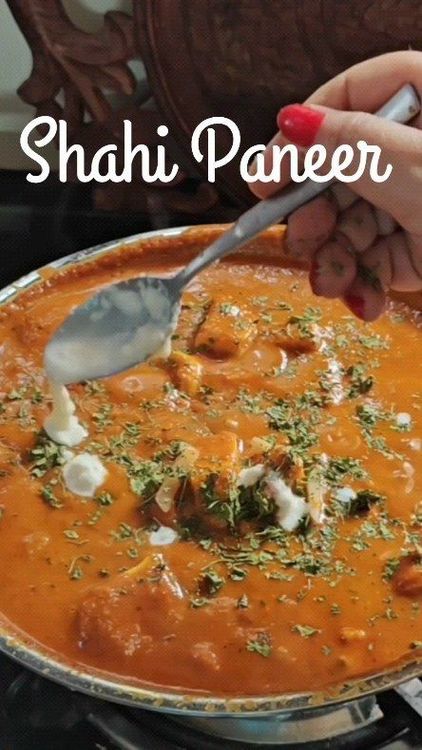
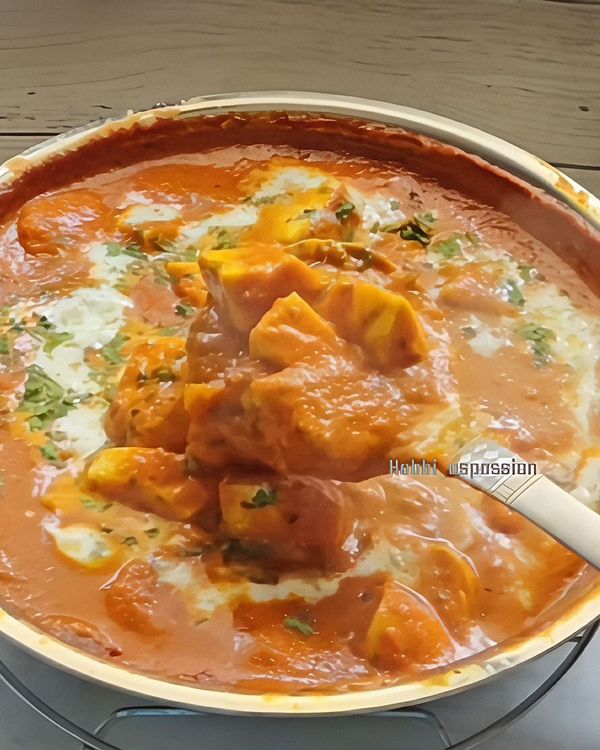
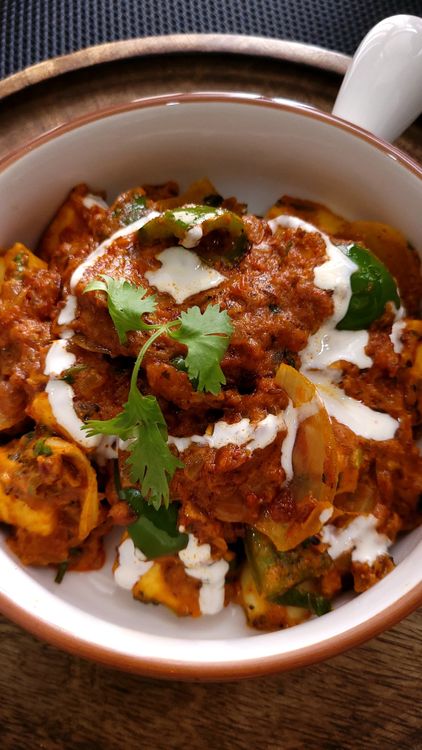
Paneer is the workhorse of North Indian vegetarian cooking, and these six curries show its range. Butter masala and shahi paneer lean sweet and creamy with cashew and tomato, while kadhai paneer stays bold and peppery from freshly pounded coriander seeds. Palak paneer folds soft cubes into silky spinach, and paneer keema crumbles it into a quick, high-protein bhuna you can spoon into wraps. The trick across all of them is not overcooking the cheese: add paneer near the end so it stays pillowy rather than rubbery, and let the gravy do the heavy lifting.
- Indian
- Vegetarian
- Lunch

- Indian
- Vegetarian
- Lunch
- Indian
- Vegetarian
- Lunch

- Indian
- Vegetarian
- Lunch
- North Indian
- Vegetarian
- Lunch
- Indian
- Vegetarian
- Lunch
Everyday Sabzi and Dry Vegetables
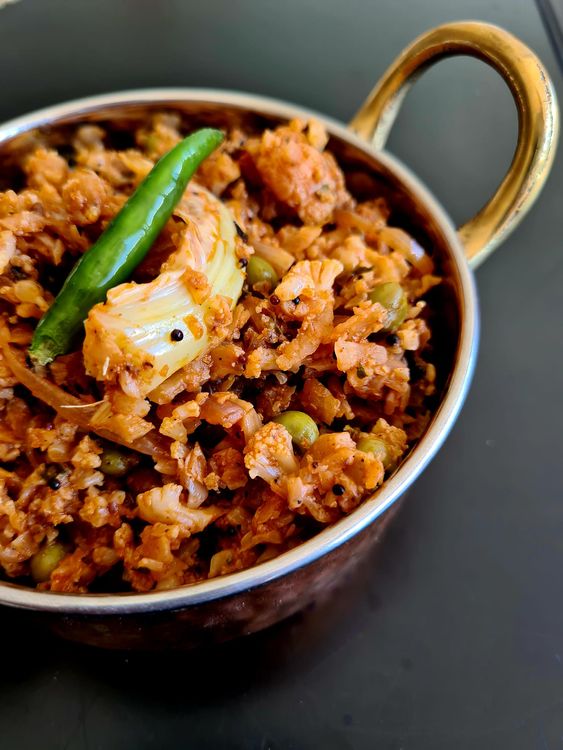
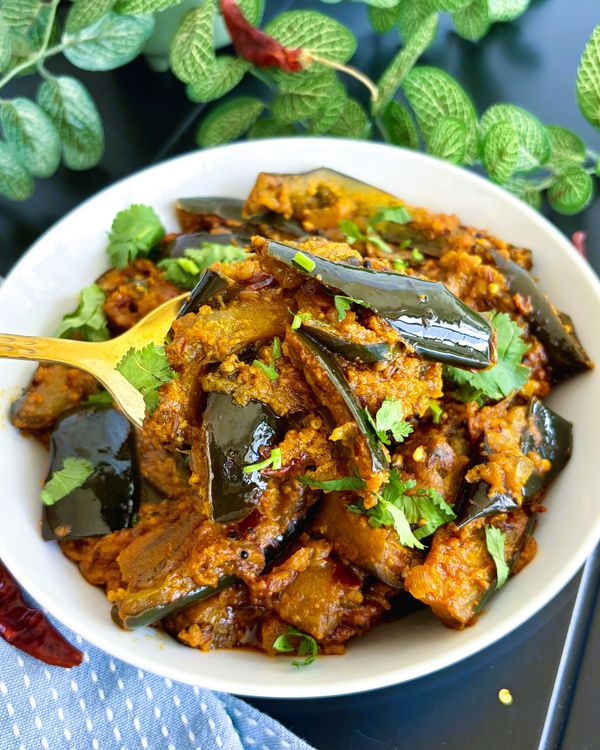
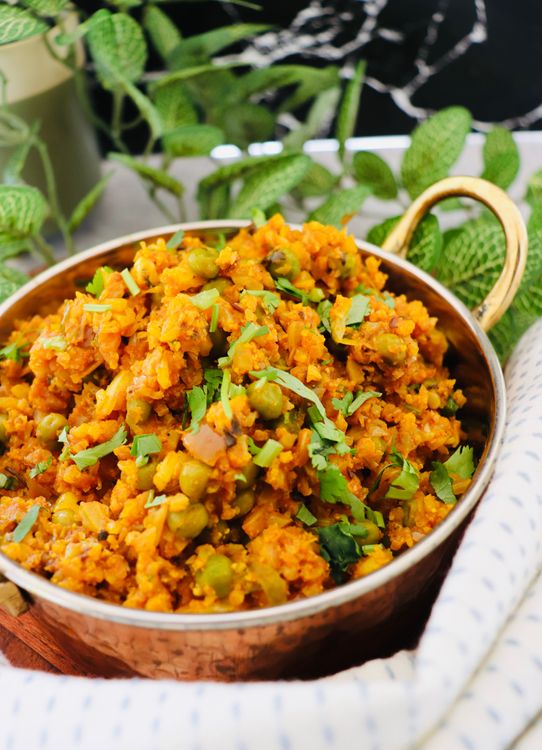
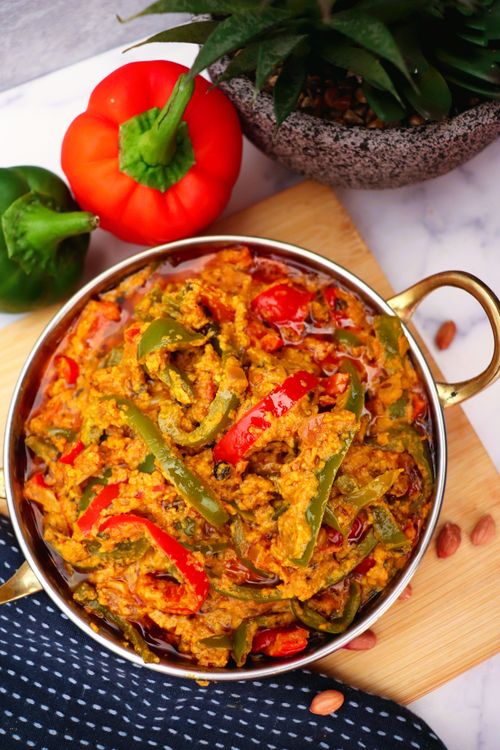
This is the food that actually fills tiffins and weeknight thalis across India: quick, dry-ish vegetable dishes built on a simple onion-tomato-spice base. You get smoky baingan masala, crisp-edged Punjabi bhindi, a mild creamy capsicum sabzi, and two clever keema-style dishes where minced cauliflower stands in for meat completely. There is even a rustic no-tomato jackfruit curry for something meatier in texture. Most cook in a single kadhai in well under an hour, reheat beautifully, and pair with nothing more than hot phulka, dal and a little yoghurt on the side.

- Indian
- Vegan
- Lunch

- Indian
- Vegetarian
- Dinner

- Indian
- Vegan
- Lunch
- Indian
- Vegan
- Lunch
- Indian
- Vegan
- Lunch
- Indian
- Vegetarian
- Lunch
Aloo and Potato Dishes
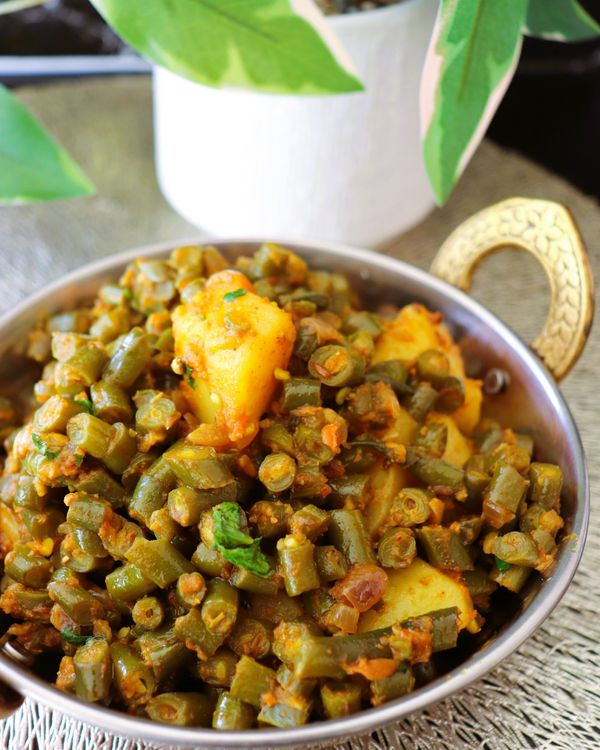
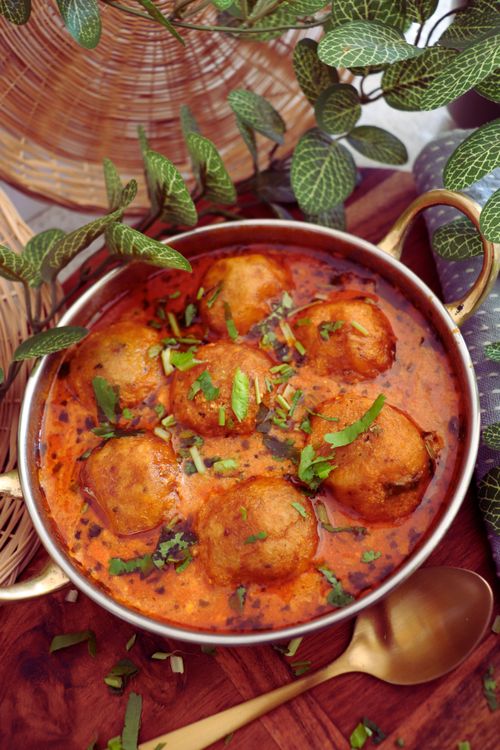
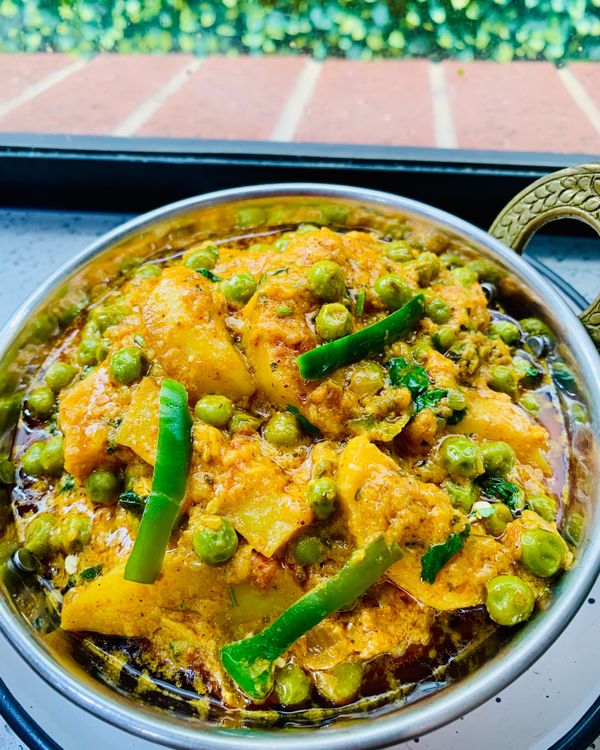
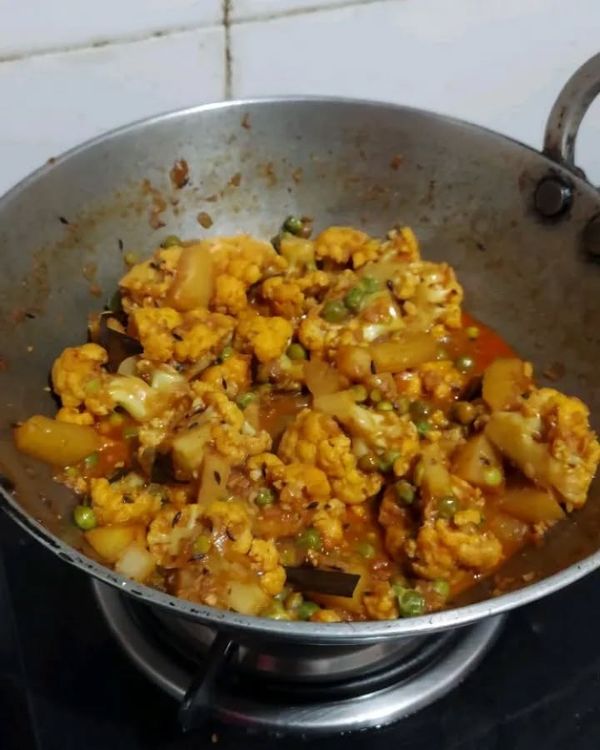
No Indian veg kitchen runs without potatoes, and these six prove how far a few aloo can stretch. Masala aloo needs just six ingredients, aloo matar and gobi matar aloo turn peas and cauliflower into full curries, and aloo kofta shapes them into soft dumplings for a dinner-party gravy. Bharwa karela aloo tames bitter gourd, while aloo beans keeps things light and tangy. Boil potatoes until just fork-tender, never mushy, and finish dry sabzis on higher heat so the edges catch colour and pick up that faintly roasted, savoury depth.

- North Indian
- Vegan
- Dinner
- Indian
- Vegan
- Lunch
- Indian
- Vegetarian
- Lunch
- North Indian
- Vegetarian
- Lunch

- Indian
- Vegan
- Dinner

- Indian
- Vegan
- Breakfast
Dal, Tofu and Plant Protein
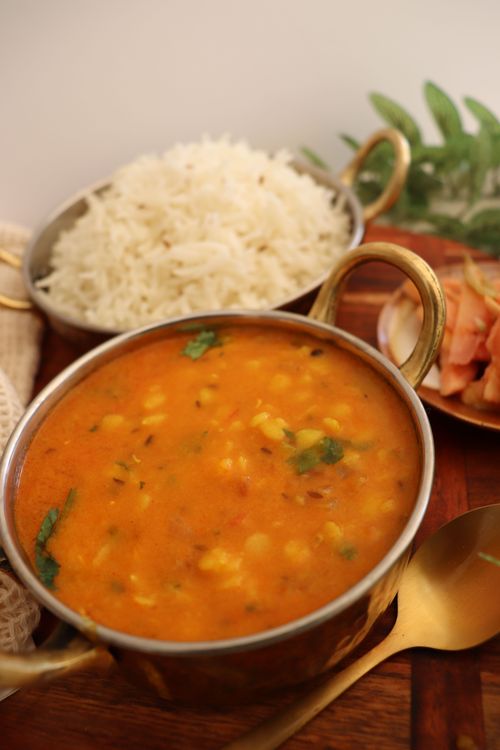
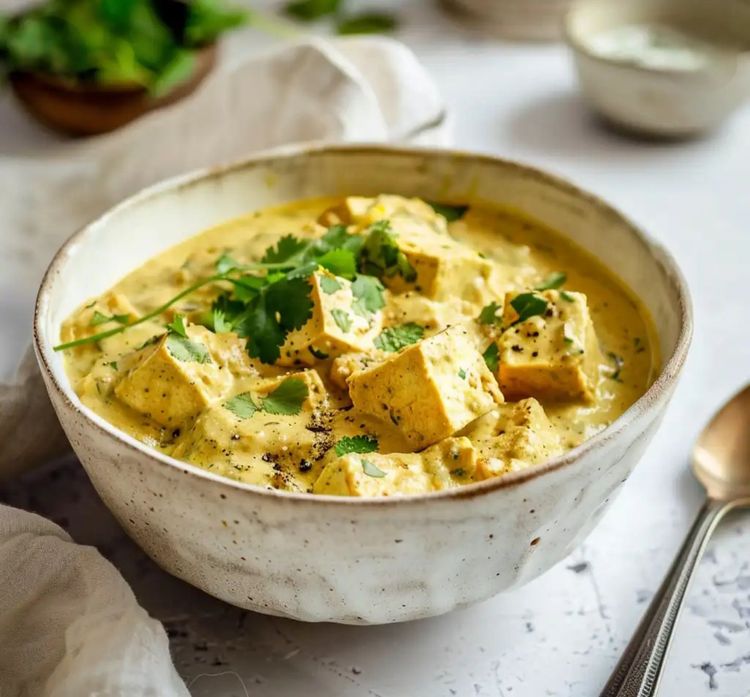
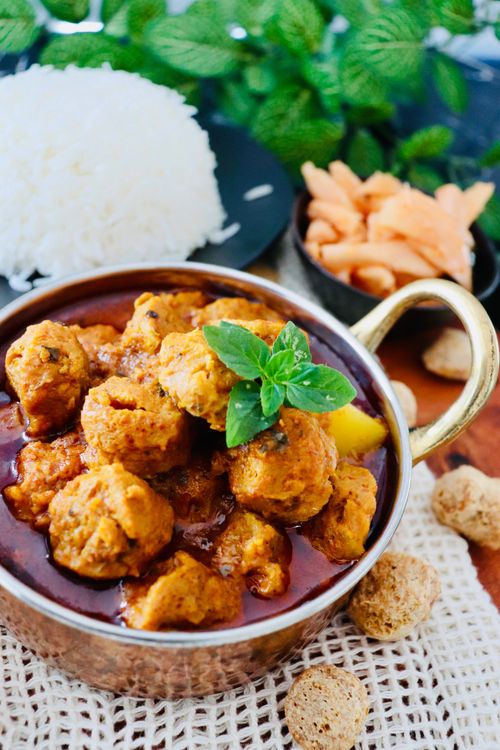
When you want protein without paneer, this trio delivers. Arhar dal tadka is the everyday classic, toor dal simmered soft then hit with a sizzling ghee tempering of cumin, garlic and red chilli. Tofu korma swaps dairy for a cashew-onion gravy that stays completely plant-based, and soya aloo turns humble soya chunks into a hearty, muscle-building winter curry. All three are budget-friendly and batch-cook well. The key with dal is the final tadka poured over just before serving, and with tofu and soya it is squeezing out moisture so they drink up the masala.
- Indian
- Vegetarian
- Lunch

- Indian
- Vegetarian
- Lunch
- Indian
- Vegan
- Lunch
Festive Rice and Crispy Starters
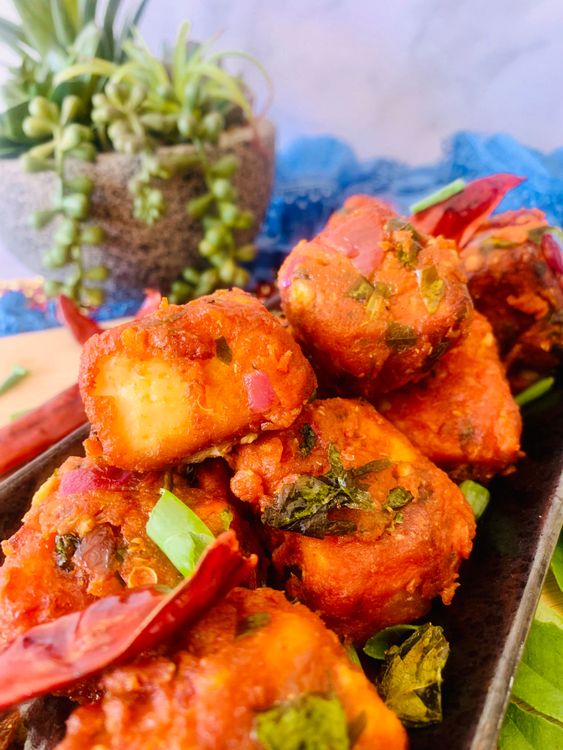
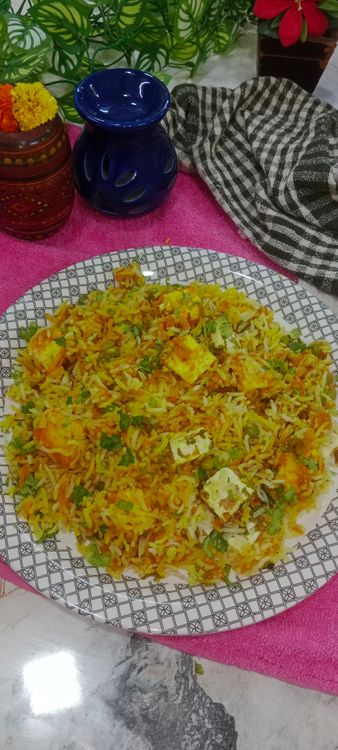
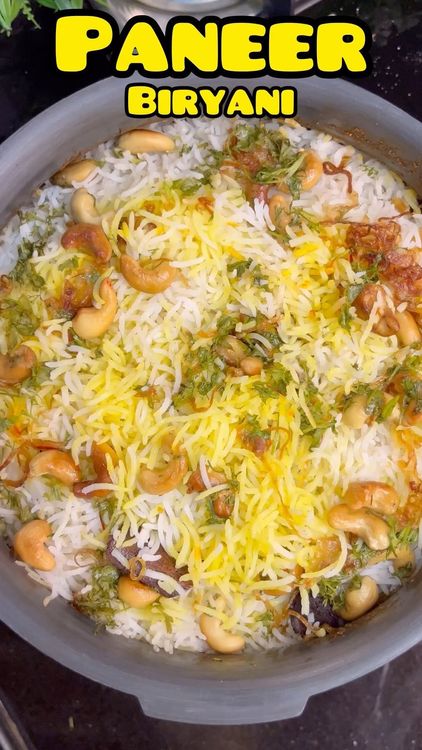
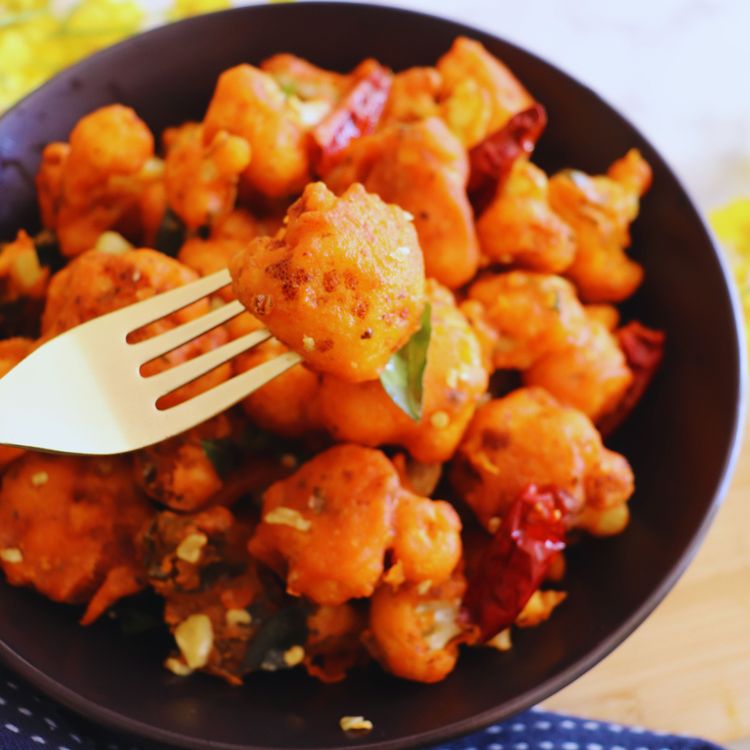
For weekends and celebrations, this group brings the drama: two paneer biryanis layered with saffron and fried onions, a 20-minute veg pulao for when time is short, and three crunchy fried starters. Paneer 65 and Gobi 65 are the vegetarian answer to the famous South Indian bar snack, all crisp coating and tangy curry-leaf heat, while Mc Aloo tikki gives you crisp spiced patties for burgers and chaat. Fry in small batches so the oil stays hot and the coating shatters, and rest biryani covered for ten minutes before you open it up.
- Indian
- Vegetarian
- Appetiser

- Indian
- Vegetarian
- Dinner
- Indian
- Vegetarian
- Lunch
- Indian
- Vegetarian
- Appetiser

- Indian
- Dairy-Free
- Snack
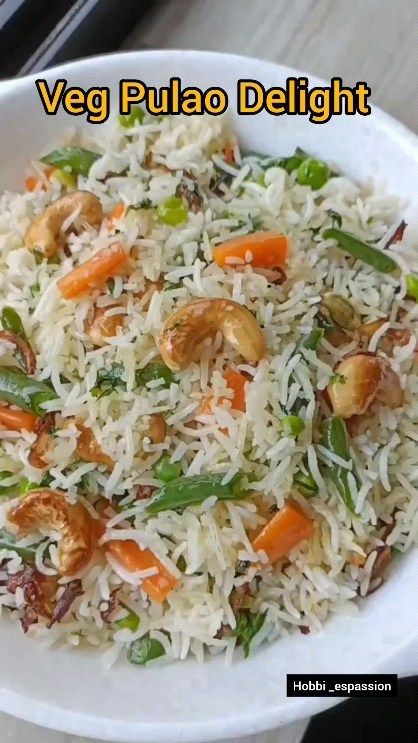
- Indian
- Vegetarian
- Lunch
Building Blocks of Indian Vegetarian Cooking
Almost every dish on this page starts from the same foundation, and once you learn it you can improvise endlessly. It begins with a base: hot oil or ghee, then onions cooked slowly to golden, ginger-garlic paste, and finally tomatoes cooked down until the fat separates and glistens at the edges. That separation, what cooks call the oil leaving the masala, is your signal the raw taste is gone and the gravy has real body. Rush it and everything downstream tastes flat.
The vegetables and proteins you add next are surprisingly interchangeable. Paneer, tofu, soya chunks, potatoes, cauliflower, peas, beans and eggplant all sit happily on the same masala; you simply adjust cooking time to each. Firm things like potato and jackfruit need a head start, while paneer and peas go in last so they stay tender. Keep a few staples stocked, onions, tomatoes, ginger, garlic, green chillies, and a bag of frozen peas, and you are always ten minutes from dinner.
Finishing matters as much as building. A handful of chopped coriander, a squeeze of lemon or a pinch of amchur for tang, a swirl of cream or a knob of butter for richness, and a scatter of garam masala off the heat all lift a dish from good to memorable. Taste and adjust salt and acid right at the end, because that final balancing is what makes home cooking sing.
Consistency is the last thing to master, and it is entirely in your control. If a gravy looks too thin, let it bubble uncovered for a few minutes to reduce, or stir in a spoon of cashew or tomato paste for a curry that clings to rice. If it turns too thick, loosen it with a splash of hot water rather than cold, so you do not shock the spices and mute them. Dry sabzis want almost no liquid at all, so keep the lid off and the heat lively; wet curries want a gentle, covered simmer so the flavours marry slowly. Once these instincts become second nature, you can cook most of this vegetarian collection without ever glancing at exact measurements.
Essential Spices and the Tadka Technique
You do not need a wall of jars to cook well; six spices carry most Indian veg food. Cumin seeds and mustard seeds for tempering, turmeric for colour and earthiness, red chilli powder for heat, coriander powder for body, and garam masala to finish. Add ground spices to the wet masala rather than to bare oil, where they scorch and turn bitter in seconds. Whole spices like bay leaf, cloves and cardamom go into hot fat first, in rice dishes and richer gravies, to perfume the oil before anything else joins.
Tadka, the sizzling tempering, is the single technique that most transforms a dish, and it appears everywhere from dal to raita. Heat ghee or oil until shimmering, drop in cumin or mustard seeds and wait for them to pop and dance, then add garlic, dried red chillies, curry leaves or a pinch of asafoetida and let them bloom for just a few seconds until fragrant. Pour this crackling mixture over cooked dal or vegetables and cover immediately to trap the aroma.
Timing is everything with a tadka: seeds should sputter within moments of hitting the fat, and garlic should turn pale gold, never dark brown. If it burns, start again, because scorched tempering will taint the whole pot. Toasting and grinding your own coriander and cumin, even occasionally, gives a fragrance that pre-ground powders simply cannot match, and it is the small habit that separates competent food from craveable food.
Heat control is what ties the whole spice game together. Ground spices love a moderate flame and a little moisture, so I often lower the heat and add a splash of water before the chilli and coriander powders go in, which lets them cook without catching. Whole spices, by contrast, want that first burst of high heat to release their oils. Store everything away from light and warmth in tight jars, and buy ground spices in small quantities, because turmeric and garam masala fade fast once opened. Fresh, well-kept spices are honestly the cheapest upgrade you can make to any vegetarian kitchen, and the difference on the plate is unmistakable.
Planning a Balanced Vegetarian Thali
A great Indian meal is rarely one dish; it is a small, considered spread where textures and flavours play off each other. The classic template is simple to remember: a dal or legume for protein, one dry sabzi for texture, one gravy dish for richness, a grain like rice or roti, and something fresh and cooling on the side. You do not need many dishes, just a thoughtful contrast between soft and crisp, rich and light, spicy and calm.
Use this collection as a mix-and-match kit. Pair a creamy shahi paneer or aloo matar with a sharp, dry bhindi and a bowl of arhar dal, and suddenly you have a balanced plate that hits every note. On a busy night, a single one-pot dish like veg pulao or matar paneer biryani plus a bowl of yoghurt raita is a complete, satisfying meal on its own. The goal is variety across the plate, not effort in the kitchen.
Think about protein and colour when you plan. Combining lentils or beans with rice gives you complete protein, a real advantage of eating this way, and a plate that spans green spinach, orange dal, red tomato gravy and white rice simply tastes more alive. Round it off with a spoon of pickle, some sliced onion and lemon, and warm bread straight off the tawa, and even a weeknight dinner feels like a small celebration.
Scaling up for guests follows the same logic, just with more contrast. Anchor the table with one showpiece, a shahi paneer, an aloo kofta or a biryani, then surround it with lighter, quicker dishes so no single flavour dominates. A crisp starter like gobi 65 to open, a rich main, a simple dal, a dry sabzi and a cooling raita will feed a crowd generously while keeping your workload sane, because most of these dishes can be made ahead and gently reheated. Plan one or two things you can cook in advance and only one that needs last-minute frying, and you will actually get to sit and eat with everyone instead of hovering at the stove.
Pro Tips for Better Indian Veg Cooking
- Soak paneer in warm salted water for ten minutes before you cook it; it turns soft and springy again and stops it from going rubbery in the gravy.
- Always cook onions and tomatoes until the oil visibly separates at the edges before adding your main vegetable, because that step is what removes the raw, sharp taste from any curry.
- Add garam masala and fresh coriander off the heat at the very end; heating them for too long dulls their fragrance and wastes their whole purpose.
- For crisp bhindi and other dry sabzis, keep the pan uncrowded and the heat high, and resist stirring constantly so the vegetables get a chance to brown rather than steam.
- Press tofu and squeeze soaked soya chunks firmly to remove excess water, so they drink up the masala instead of diluting it and staying bland.
- When frying starters like paneer 65 or gobi 65, work in small batches to keep the oil temperature high, which gives you a shatteringly crisp coating instead of an oily, soggy one.
Frequently Asked Questions
What makes these Indian vegetarian recipes suitable for beginners?
Many dishes here are tagged beginner-friendly and share one simple base of onion, tomato and everyday spices, so the skills transfer from one recipe to the next. Several, like masala aloo and paneer butter masala, use short ingredient lists and cook in under 30 minutes, which makes them a forgiving, confidence-building place to start. Once that base becomes second nature, the more involved biryanis and koftas feel far less intimidating.
Are Gobi Keema and Paneer Keema actually vegetarian?
Yes, completely. Keema simply means minced, and in these dishes the mince is finely grated cauliflower or crumbled paneer rather than any meat. They are cooked keema-style with the same warm spices you would use for a meat version, which gives that familiar texture and depth while staying fully meat-free and vegetarian. They are a clever way to win over anyone who thinks they will miss meat.
How do I keep paneer soft instead of rubbery?
The two biggest fixes are soaking and timing. Soak store-bought paneer in warm, lightly salted water for about ten minutes before cooking to soften it, and add it to the gravy near the end rather than boiling it for long. Overcooking is what squeezes out moisture and turns those cubes tough and chewy. If you shallow-fry the cubes first, drop them straight into the warm soaking water afterward to keep them tender.
Which of these dishes can I make ahead or freeze?
Gravy-based curries are ideal make-ahead food. Dal tadka, aloo matar, shahi paneer and the keema-style sabzis all freeze and reheat well, often tasting better the next day as flavours settle. Dry, crisp items like bhindi and fried starters are best eaten fresh, since freezing softens their texture and dulls the crunch. Cool everything fully before freezing, and thaw curries overnight in the fridge for the best results.
What can I serve alongside these vegetarian mains?
Keep it simple with a grain, a bread and something cooling. Steamed basmati, jeera rice or warm roti and paratha cover the base, while yoghurt raita, sliced onions with lemon, and a spoon of pickle add freshness and cut through richer gravies. A single dal plus one sabzi and rice already makes a balanced, complete plate, and a papad or a small salad rounds things out when you want a little more.
How can I make these Indian veg dishes vegan?
It is easier than you might expect. Swap paneer for firm tofu, as the tofu korma already does, use oil in place of ghee for tempering, and finish creamy gravies with cashew paste or coconut milk instead of dairy cream. Dal, most sabzis and the pulao are naturally vegan or need only that one small tweak, so an entire vegan spread comes together without much extra effort at all.
Do I need a lot of special equipment?
Not at all. A heavy kadhai or deep frying pan handles almost everything on this page, and a pressure cooker speeds up dal, soya and potatoes if you own one. A simple spice box, a blender for smooth gravies, and a sturdy ladle are all the extras you really need to cook this food comfortably at home. A tawa for rotis is a nice addition, but never essential to get started.
Which recipes are best for meal prep and lunchboxes?
Look for the dry, sturdy sabzis. Gobi matar aloo, aloo beans, bharwa karela aloo, masala aloo and the keema-style dishes all pack neatly, hold their texture for hours, and reheat without going watery. Paired with roti or rice, they make satisfying lunchbox meals you can batch-cook once and enjoy across several busy days. Carry any raita or chutney separately so nothing turns soggy before lunch.
These Indian vegetarian recipes prove you never need meat to put a rich, varied and deeply satisfying dinner on the table. Start with one paneer curry or a comforting dal, get the base and the tadka right, and the rest follows naturally. Mix and match across the clusters, lean on the make-ahead dishes when weeknights get busy, cook them often, and let this collection become your everyday go-to for meat-free meals.
Related
- paneer
- dal
- sabzi
- north indian
- meat-free
- weeknight dinner
Popular Searches
- Best indian vegetarian recipes
- Easy indian vegetarian recipes
- Quick indian vegetarian recipes
- Healthy indian vegetarian recipes
- Simple indian vegetarian recipes
- Homemade indian vegetarian recipes
- Delicious indian vegetarian recipes
- Popular indian vegetarian recipes
- vegetarian indian food
- paneer recipes
- dal recipes
- indian veg curry
Marnirni-apinthi Building, Lot Fourteen,
North Terrace, Adelaide, South Australia, 5000
Australia
