
15 High Protein Breakfast Recipes That Keep You Full
Updated July 7, 2026 · Curated by Chefadora
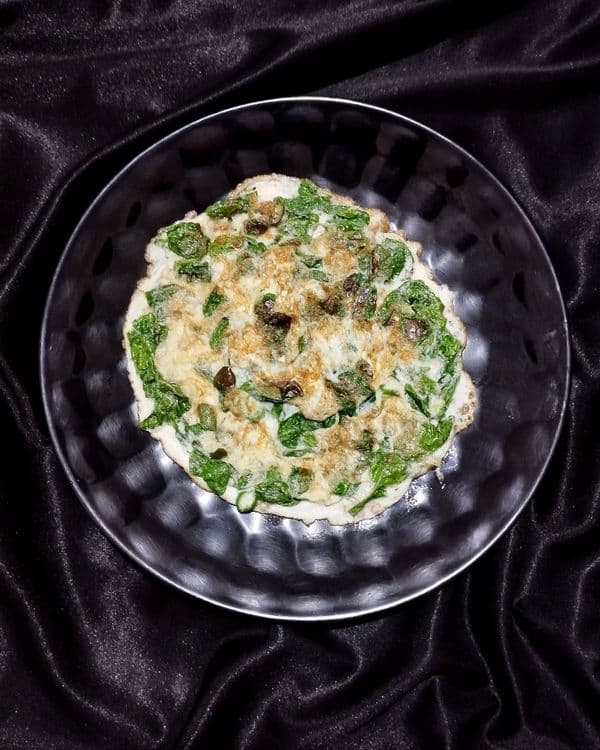
A good high protein breakfast is the difference between coasting until lunch and raiding the snack drawer by 10am. I built this collection of 15 recipes around one simple idea: the first meal of the day should give you enough protein to steady your energy, blunt mid-morning cravings, and actually taste like something you look forward to. You will not find sad, rubbery egg whites here.
Because this is a smaller, hand-picked set, every recipe earns its spot. There are fluffy omelettes and scrambled egg toast for savory mornings, creamy chia puddings and protein oats you can stir together the night before, a five-minute smoothie for busy days, and make-ahead options like a breakfast casserole and cottage cheese pancakes for weekend batch cooking.
I have grouped them into four clusters so you can jump straight to whatever your morning needs. Skim the blurbs, read the guides on hitting 30 grams of protein, and steal the pro tips at the bottom. Whether you have four minutes or forty, there is a filling breakfast in here with your name on it.
Egg & Omelette High Protein Breakfast Recipes
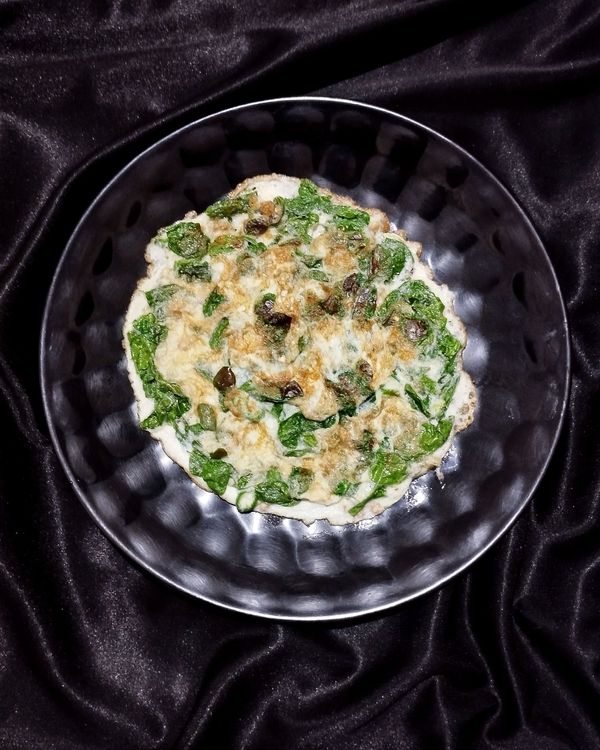
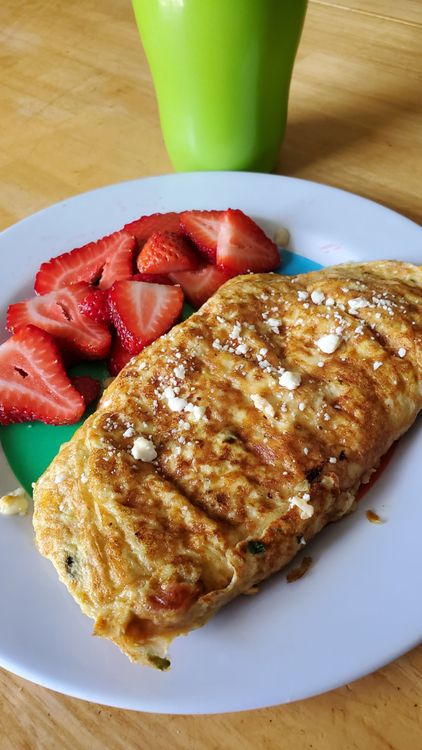
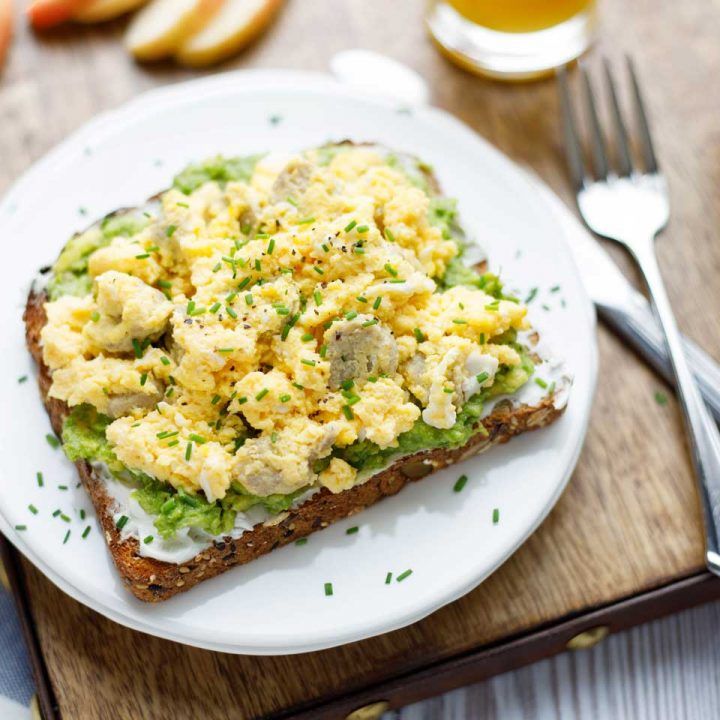
Eggs are the workhorse of any protein-forward morning, and this cluster leans into everything they do well. You get a fragrant moringa omelette, a hearty turkey and spinach egg-white omelette, avocado toast crowned with soft scrambled eggs, and a make-ahead casserole for feeding a crowd. The trick with all of them is low, patient heat: pull eggs off the stove while they still look a touch underdone, because carryover heat finishes the job and keeps them creamy instead of squeaky. Season in layers, fold in greens or lean meat for extra staying power, and you have a savory breakfast that lands around 20 to 30 grams of protein without much effort. If you are new to omelettes, start with the moringa version, which is forgiving, then graduate to the turkey and spinach fold once you trust your pan.
- Indian
- Eggetarian
- Breakfast

- American
- Non-Vegetarian
- Breakfast

- American
- Non-Vegetarian
- Breakfast

- Non-Vegetarian
- Breakfast
Protein Oats & Overnight Oats
Oats are the easiest way to sneak both protein and slow-burning fiber into breakfast, especially when you stir in a scoop of protein powder or a spoon of nut butter. This cluster covers dessert-inspired favorites: Reese's-style peanut butter oats, spiced Biscoff overnight oats, a rich brownie-batter bowl, and a savory Indian-style oats sandwich for when you want something crisp and hot. Overnight versions need nothing more than oats, milk, protein powder and a jar left in the fridge; by morning the oats have softened and the mixture thickens to a spoonable, pudding-like texture. Warm them or eat them cold straight from the jar. Use rolled oats rather than instant for the best body, and if the mix looks too thick in the morning, loosen it with a splash of milk before you dig in.


- Vegetarian
- Breakfast

- Vegetarian
- Breakfast

- Vegetarian
- Breakfast

- Indian
- Vegetarian
- Breakfast
Chia Puddings & Protein Smoothies
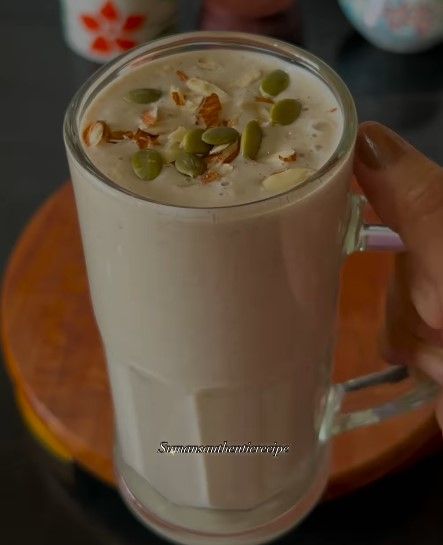
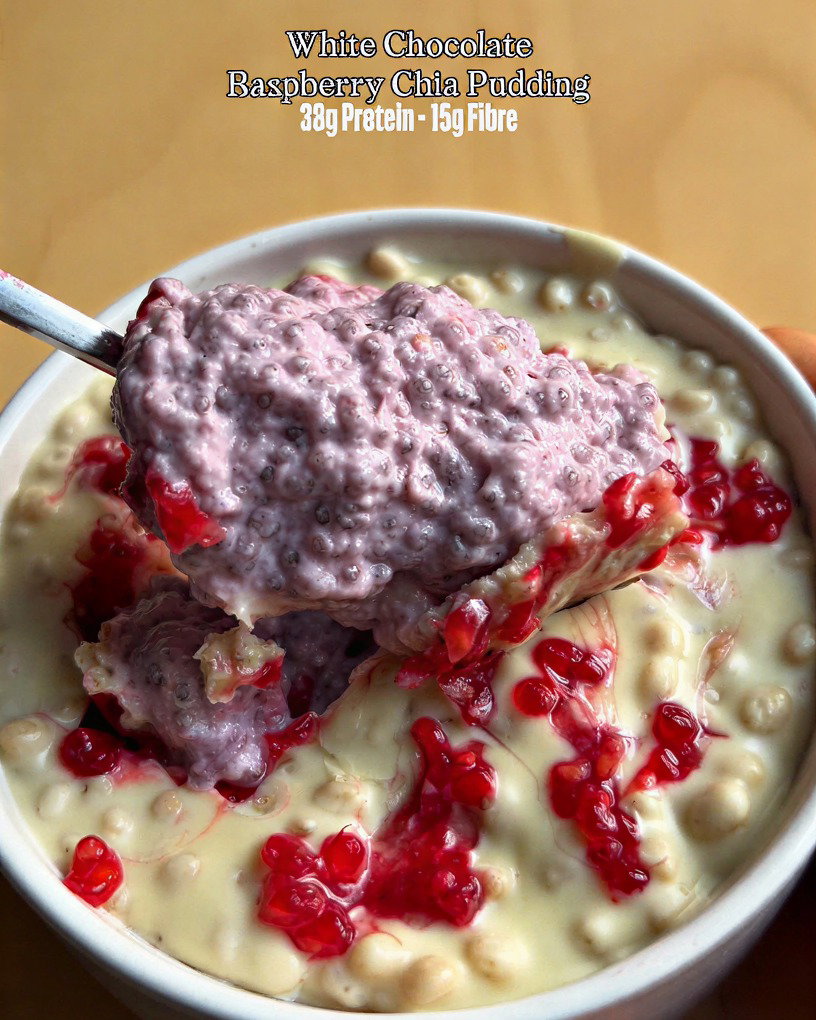
When you want breakfast to do the work while you sleep, chia is your friend. These recipes gel overnight into a thick, tapioca-like pudding that carries whatever flavor you love, from Reese's peanut butter and coffee to raspberry white chocolate and Kinder Bueno. The golden ratio is roughly three tablespoons of chia to one cup of liquid; stir once, wait five minutes, stir again to break up clumps, then refrigerate. Rounding out the group is a five-minute blender smoothie for mornings you cannot spare a fork. Add Greek yogurt or a scoop of protein powder to push any of them past 20 grams of protein. Chia keeps its gel for four or five days, so make a couple of jars at once and rotate flavors through the week rather than facing the same pudding every single morning.
- International
- Vegetarian
- Breakfast

- Vegetarian
- Breakfast

- Vegetarian
- Breakfast
- Breakfast

- Breakfast
Cottage Cheese & Grab-and-Go Breakfasts
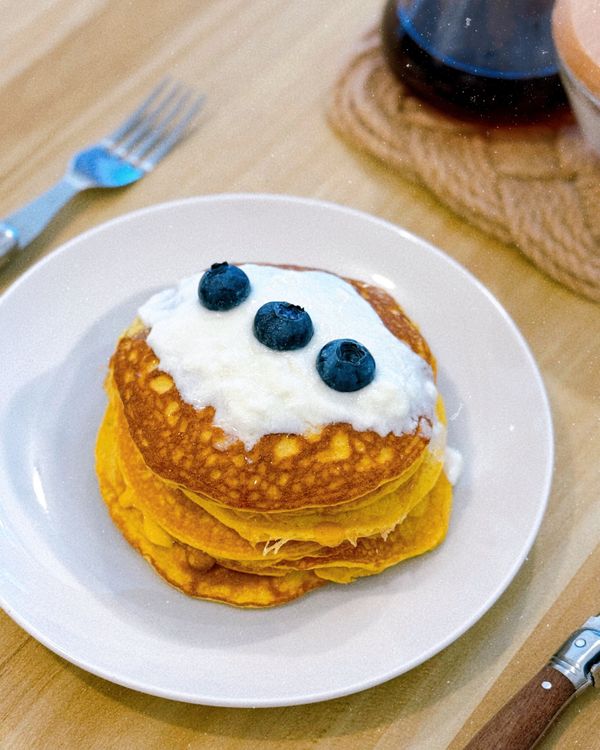
Some mornings you need protein you can eat with one hand on the way out the door. This cluster delivers two crowd-pleasers built on cottage cheese and pantry staples: tender cottage cheese pancakes that stay soft and custardy inside, and portable high-protein breakfast cookies you can batch on Sunday and grab all week. Cottage cheese is quietly one of the best breakfast proteins going, blending into batter without a curd in sight while adding around 12 grams of protein per half cup. Both freeze beautifully, reheat in seconds, and keep kids and adults equally happy. If you want to stretch this cluster further, serve the pancakes with a dollop of Greek yogurt and berries, or tuck a couple of cookies into a lunchbox alongside a piece of fruit for a balanced, portable second breakfast.

- Gluten-Free
- Breakfast
- International
- Eggetarian
- Breakfast
Why Protein at Breakfast Matters
If you only make one change to your mornings this year, make it this: front-load your protein. Most people eat the bulk of their protein at dinner and barely any at breakfast, which is backwards. Protein is the most satiating macronutrient, meaning it keeps you feeling full longer than carbs or fat. Eat a carb-heavy breakfast like a bagel or a bowl of sugary cereal and your blood sugar spikes, then crashes, and by mid-morning you are hungry and reaching for a snack.
A protein-rich first meal flattens that curve. It slows digestion, steadies your energy, and takes the edge off cravings so you make calmer food choices at lunch. If you train, the morning is also a smart time to start feeding your muscles after an overnight fast, since your body has gone eight or more hours without amino acids to work with.
There is a practical angle too. Protein takes deliberate effort to hit, while carbs and fat tend to show up on their own. Anchoring breakfast around eggs, cottage cheese, Greek yogurt, protein oats or a scoop of powder means you bank a meaningful chunk of your daily target before the day gets busy and derails your good intentions. Every recipe in this collection is designed to make that first deposit easy, whether you have four minutes for a smoothie or a lazy weekend for a casserole.
Spreading protein evenly across the day also helps your body use it more efficiently than dumping most of it into one large dinner. Muscles can only put so many amino acids to work at a time, so a solid 25 to 30 grams at breakfast, lunch and dinner tends to beat a tiny breakfast followed by an enormous evening meal. Starting strong in the morning sets that rhythm and makes the rest of the day fall into place.
How to Hit 30g of Protein Before Noon
Thirty grams is the number nutritionists often point to as a satisfying, muscle-supporting target for a single meal, and it is easier to reach at breakfast than you might think once you know what your ingredients bring to the table. Three large eggs give you roughly 18 grams. Half a cup of cottage cheese adds about 12. A single scoop of protein powder stirred into oats or a smoothie contributes 20 to 25. Three-quarters of a cup of Greek yogurt lands around 15.
The strategy is stacking. One egg omelette alone will not get you there, but pair it with a slice of whole-grain toast and a side of yogurt and you are past 30 without trying. A bowl of protein oats made with milk instead of water, topped with a spoon of peanut butter, quietly climbs into the high twenties. A smoothie built on milk, yogurt and a scoop of powder can clear 35 grams in one glass.
Keep a mental shortlist of protein boosters you actually like: egg whites, cottage cheese, Greek yogurt, protein powder, nut butters, hemp seeds and edamame. When a recipe looks a little light, stir one in. The recipes here already do most of this stacking for you, but knowing the numbers lets you adjust any breakfast on the fly and hit your target without a calculator.
One caution worth mentioning: do not chase the number so hard that breakfast becomes a chore you dread. Thirty grams is a helpful anchor, not a rigid rule, and a slightly lower-protein meal you look forward to beats a perfect one you skip. Build your morning around foods you genuinely enjoy first, then use these boosters to top it up. Consistency, day after day, matters far more than nailing an exact figure on any single plate.
Best High-Protein Breakfast Ingredients
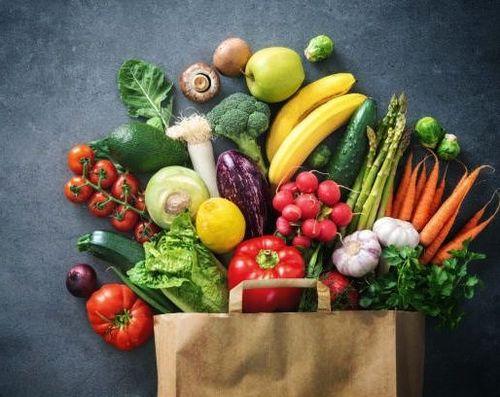
A great protein breakfast is really just a short shopping list you keep stocked. Eggs are the obvious anchor: cheap, versatile, and complete in their amino acid profile. Keep a carton on hand and you are never more than ten minutes from an omelette, scramble or bake. Egg whites are useful when you want to bump protein without the extra fat, which is why they show up in leaner omelettes.
Dairy pulls a lot of weight too. Cottage cheese blends invisibly into pancake batter and bakes, adding protein and moisture at once, while Greek yogurt brings tang and creaminess to bowls, smoothies and chia puddings. If you tolerate it well, whole milk instead of water in oats and smoothies is a free protein upgrade. For plant-forward mornings, chia seeds, hemp seeds, oats and nut butters combine fiber with a respectable protein hit.
Then there is protein powder, the fastest shortcut of all. A single scoop transforms plain oats, a smoothie or a mug of chia into a 20-plus-gram meal. Whey blends smoothly into cold liquids; plant blends work better when soaked overnight. Round out your cart with berries, bananas, spinach, avocado and a good peanut or almond butter, and you can build every recipe in this collection without a special trip to the store.
A quick word on quality and flavor pairings. Buy the cottage cheese and yogurt in their fuller-fat versions if satiety is your goal, since the extra fat slows digestion and keeps you fuller longer. Choose a protein powder you genuinely like the taste of, because a chalky one will sabotage every smoothie and bowl you make. And keep a couple of flavor anchors on hand, like cocoa powder, cinnamon, vanilla and a jar of nut butter, so a plain base can become a Reese's, Biscoff or brownie-batter breakfast in seconds.
Make-Ahead High-Protein Breakfast Meal Prep
The single best way to guarantee you actually eat a protein breakfast on a hectic weekday is to make it before the week starts. Meal prep turns a good intention into a grab-and-go reality, and most of the recipes here were chosen because they hold up beautifully in the fridge or freezer. Sunday evening, an hour of light work, and you are covered until Friday.
Overnight oats and chia puddings are the poster children for this. Portion them into jars, stir in your milk, protein powder and mix-ins, and they keep for four to five days, thickening and improving as they sit. Line up three or four flavors so you are not eating the same jar every morning. A breakfast casserole is the batch-cook champion: bake it once, cut it into squares, and refrigerate or freeze individual portions that reheat in the microwave in about a minute.
Pancakes and breakfast cookies freeze well too. Cook a double batch of cottage cheese pancakes, cool them completely, then freeze in a single layer before bagging so they do not stick; reheat straight from frozen in a toaster or skillet. Store breakfast cookies in an airtight container at room temperature for a few days, or freeze for longer. Label everything with a date, keep a rotation going, and mornings stop being a decision and start being a habit.
A few food-safety habits keep all this prep working in your favor. Cool cooked items fully before you seal and refrigerate them, since trapping steam invites sogginess and shortens their life. Stick to a three-to-four-day window for anything egg-based in the fridge, and lean on the freezer for anything you want to keep longer. Finally, prep in variety rather than volume: four different jars will get eaten, while seven identical ones tend to languish until you are sick of the sight of them.
Pro Tips for the Best Protein Breakfasts
- Cook eggs low and slow, and pull them off the heat while they still look slightly wet, because residual heat keeps scrambling and finishes them into something creamy rather than dry.
- Stir chia pudding twice, once right after mixing and again five minutes later, to break up the clumps that otherwise sink and gel into rubbery pockets at the bottom of the jar.
- Make oats and smoothies with milk or a milk-yogurt blend instead of water, an effortless swap that adds five to ten grams of protein without changing your routine.
- Bloom protein powder into cold liquid gradually, adding it in two additions and whisking between, so it dissolves smoothly instead of leaving chalky lumps in your oats or shake.
- Salt your sweet breakfasts lightly, since a pinch in oats, chia or pancake batter sharpens the chocolate, peanut butter and vanilla flavors and stops them tasting flat.
- Batch-cook on Sunday and portion into single servings, because a fridge already stocked with breakfast is the only reliable defense against grabbing a pastry on a busy morning.
- Toast your oats or nuts for a couple of minutes before assembling puddings and bowls; the extra step deepens the flavor and adds a welcome bit of texture to soft breakfasts.
Frequently Asked Questions
What counts as a high protein breakfast?
As a rough rule, aim for at least 20 grams of protein in the meal, with 25 to 30 grams being an ideal target for staying full until lunch. That looks like three eggs plus toast, a bowl of protein oats made with milk, cottage cheese pancakes, or a smoothie built on yogurt and a scoop of powder. Any recipe in this collection can be nudged there with one protein booster.
How much protein is in one scrambled egg?
One large scrambled egg contains roughly six grams of protein, along with healthy fats and important nutrients like choline and vitamin B12. Cooking style does not change the number much, so a two-egg scramble gives you about 12 grams and a three-egg version around 18. Add cheese, cottage cheese or a side of yogurt to push a simple egg breakfast comfortably past 25 grams.
Can I get enough protein at breakfast without eggs?
Absolutely. Cottage cheese, Greek yogurt, protein powder, chia seeds, oats and nut butters all deliver serious protein without a single egg. A jar of overnight protein oats, a chia pudding made with yogurt, or a blended smoothie can each land between 20 and 30 grams. Several recipes in this collection, from the protein oats to the chia puddings, are naturally egg-free and easy to adapt further.
How do you make a fluffy cheese omelette?
Whisk the eggs thoroughly to work in air, then cook them in butter over medium-low heat. As the edges set, gently push them toward the center and tilt the pan so raw egg runs underneath. Add your cheese while the surface is still slightly wet, fold, and slide it out. Low heat and pulling it early are what keep an omelette tender and fluffy instead of browned and tough.
Are overnight oats actually high in protein?
Plain oats alone give you only about five grams per half cup, so the protein comes from what you add. Make them with milk instead of water, stir in a scoop of protein powder or a few spoons of Greek yogurt, and top with nut butter or seeds. Done that way, a jar easily reaches 20 to 25 grams, which is why the oats recipes here are built around those boosters.
What is the best make-ahead protein breakfast for busy mornings?
Overnight oats, chia puddings, and a baked breakfast casserole are the strongest performers because they keep for days and reheat or eat cold with zero fuss. Prep a few jars on Sunday and slice a casserole into portions, and you have grab-and-go breakfasts all week. Cottage cheese pancakes and protein breakfast cookies also freeze well and reheat in seconds for the mornings you are truly out of time. The key is doing the work once, on a quieter day, so your weekday self only has to open the fridge and eat rather than cook, measure and clean up when you are already short on time.
Is cottage cheese good for breakfast?
It is one of the best breakfast proteins going, offering around 12 grams per half cup along with a creamy texture that disappears into pancakes, bakes and bowls. You can eat it sweet with berries and honey or savory with tomato and pepper, and it blends smoothly into batter without any curd showing. The cottage cheese pancakes in this collection are a great, kid-friendly place to start.
How can I make my breakfast more filling without adding lots of calories?
Lean on protein and fiber, which are the two most satiating parts of a meal. Choose eggs, egg whites, cottage cheese or protein powder for protein, and pair them with oats, chia, berries or vegetables for fiber. Drink water and go easy on added sugar, which digests fast and leaves you hungry again. Most recipes here are already built on that protein-plus-fiber formula to keep you full on modest calories.
However your mornings run, there is a high protein breakfast in these 15 recipes to fit them, from a four-minute smoothie to a weekend casserole you portion for the week. Pick two or three to start, prep a couple of jars this Sunday, and let the habit build. Eat well early, and the rest of your day gets easier to steer.
Related
- high protein
- breakfast
- meal prep
- eggs
- cottage cheese
- overnight oats
Popular Searches
- Best high protein breakfast
- Easy high protein breakfast
- Quick high protein breakfast
- Healthy high protein breakfast
- Simple high protein breakfast
- Homemade high protein breakfast
- Delicious high protein breakfast
- Popular high protein breakfast
- high protein breakfast recipes
- protein breakfast ideas
- high protein breakfast with eggs
- cottage cheese breakfast
Marnirni-apinthi Building, Lot Fourteen,
North Terrace, Adelaide, South Australia, 5000
Australia
