
Top 63 Lentil Recipes: Soups, Dal, Salads, Curries and More
Updated June 29, 2026 · Curated by Chefadora
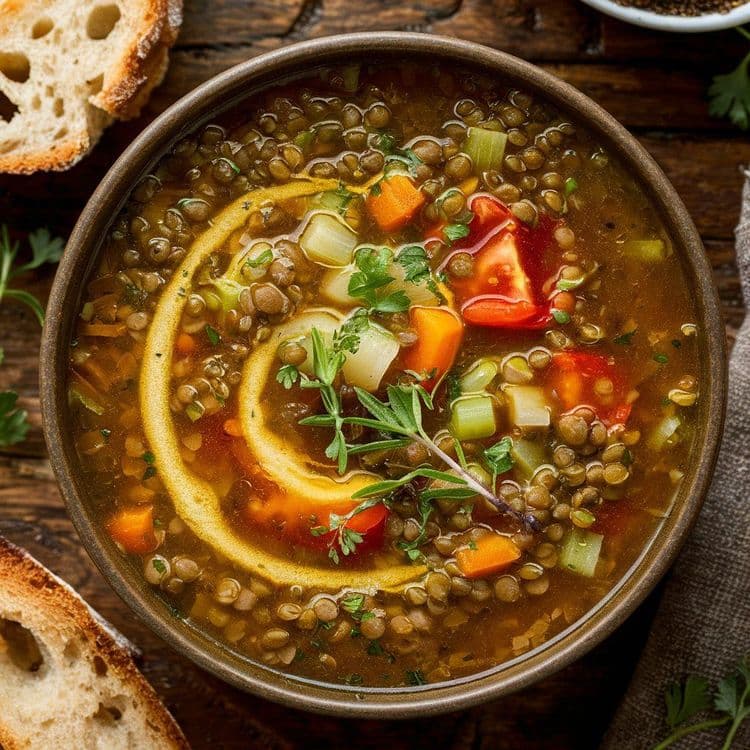
Lentil recipes are some of the most useful in any kitchen: cheap, fast, plant-packed with protein and fibre, and quietly satisfying in a way few pantry staples manage. Unlike most dried pulses, lentils need no overnight soak and cook in twenty to forty minutes, which makes them a weeknight workhorse as much as a slow-Sunday project. The dishes below were chosen to show their global range — hearty soups, spiced Indian dal, fresh salads and rich curries — rather than ten versions of the same brown stew.
What trips most people up is treating "lentils" as a single ingredient when they are really a family with very different behaviour. Red and yellow split lentils collapse into a creamy purée, perfect for soup and dal; green and brown lentils soften but hold a little shape; and Puy, French and black beluga lentils stay firm and distinct, ideal for salads. Pick the wrong type for the dish and even a careful cook ends up with mush where they wanted bite, or hard pellets where they wanted comfort.
You will find four clusters here: warming soups and stews, Indian-spiced dal, fresh salads and sides, and curries, mains and vegan dishes. The base skill — knowing which lentil to use and stopping the moment it hits the texture you want — carries across all of them. Learn it once and every lentil recipe on the page gets easier and more reliable, whether you are after a smooth, comforting bowl or a bright salad with real bite. The same handful of moves, repeated, is all it takes.
Treat this as a working reference. Each recipe links to full ingredients and steps on Chefadora, and the guides below cover the decisions that actually determine whether a lentil dish sings or sulks: which variety to reach for, when soaking helps and when to skip it, how to avoid both the chalky undercooked centre and the blown-out mush, and how to season earthy pulses with fat, aromatics and acid so they genuinely taste of something rather than sitting there beige and bland.
Lentil Soups & Stews
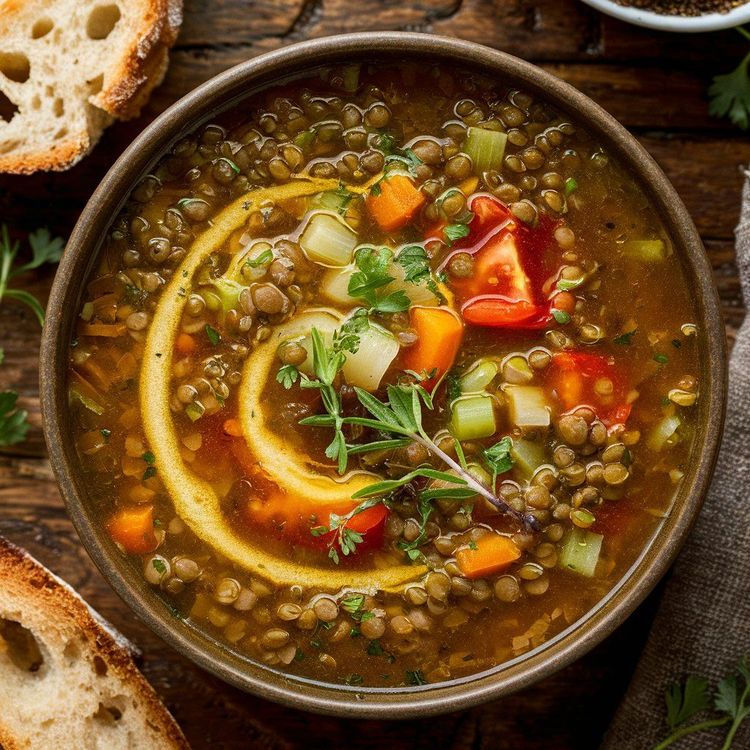
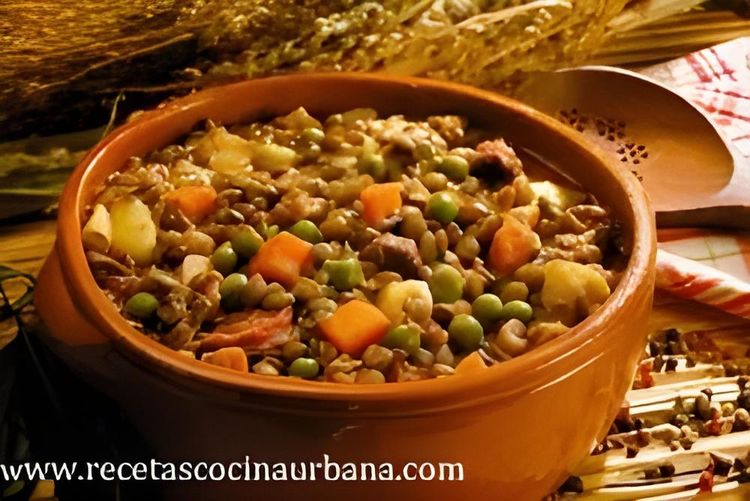
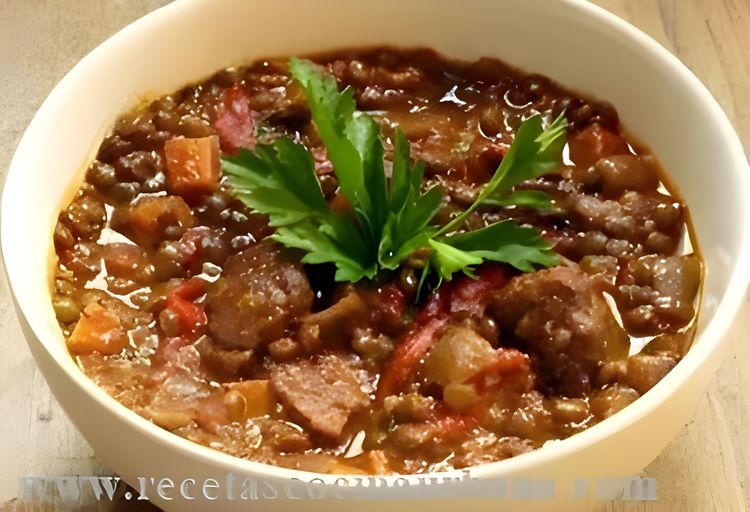
A pot of lentil soup is about the most forgiving cooking there is, which is exactly why it rewards a couple of deliberate choices. The first is which lentil: split red and yellow lentils dissolve into a thick, velvety base in around twenty minutes and need no soaking, while green and brown lentils hold their shape for a chunkier, more rustic bowl. Many of the best soups use both, some red to body the broth and some green for bite. Start by sweating an onion-carrot-celery base slowly in oil until sweet, because that quiet foundation is where the depth comes from, then add your rinsed lentils and plenty of stock. Simmer gently rather than boiling hard, which keeps green lentils intact and stops the pot turning to glue. The most common mistake is forgetting that lentils keep drinking liquid as they sit, so a soup that looks perfect in the pan thickens to sludge an hour later; cook it looser than you think and loosen leftovers with hot stock. Finish with lemon or a swirl of yogurt to lift the earthiness, and a Parmesan rind or smoked paprika simmered in gives real savoury weight. Standouts here include Turmeric-Ginger Coconut Lentil Soup and Lentil Soup, plus Lentil Stew.

- Fusion
- Vegan
- Lunch

- International
- Non-Vegetarian
- Lunch

- Spanish
- Non-Vegetarian
- Lunch


- Vegetarian
- Soup

- International
- Non-Vegetarian
- Lunch
- South Indian
- Vegan
- Main Course

- Mediterranean
- Vegan
- Lunch
- American
- Non-Vegetarian
- Dinner
Dal & Indian-Spiced Lentils
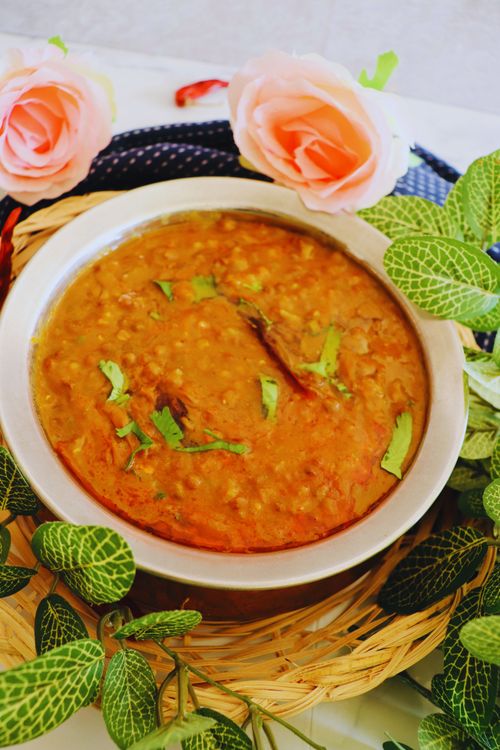
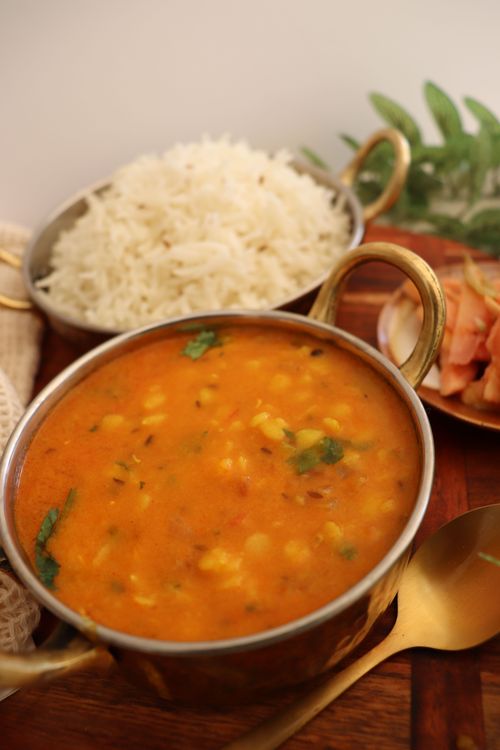
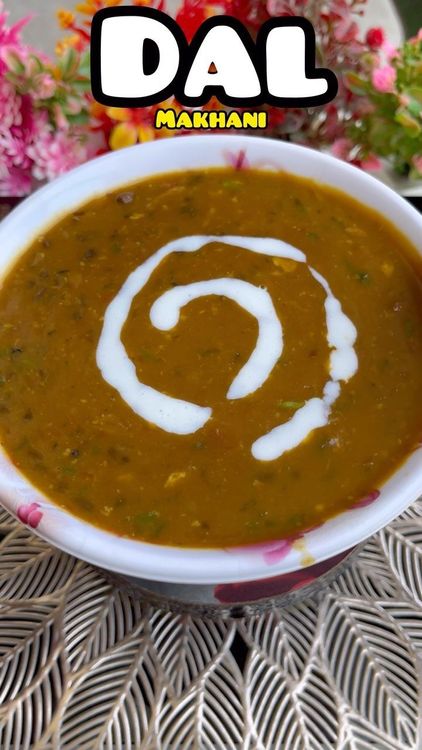
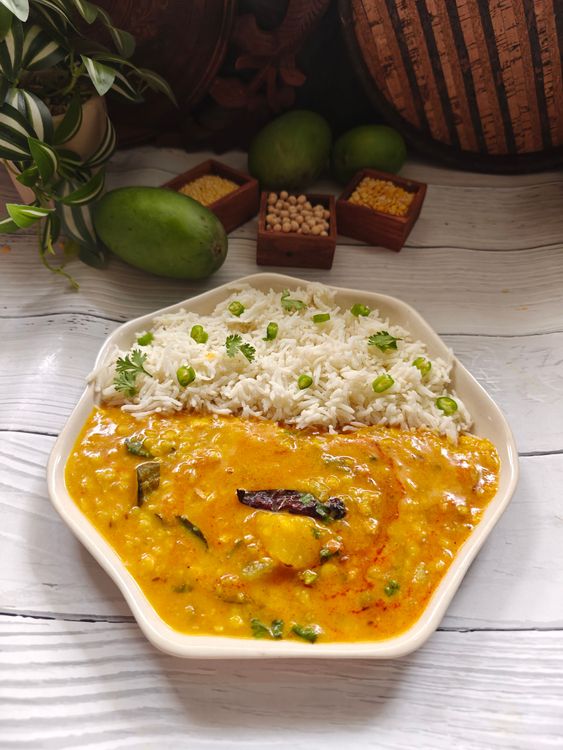
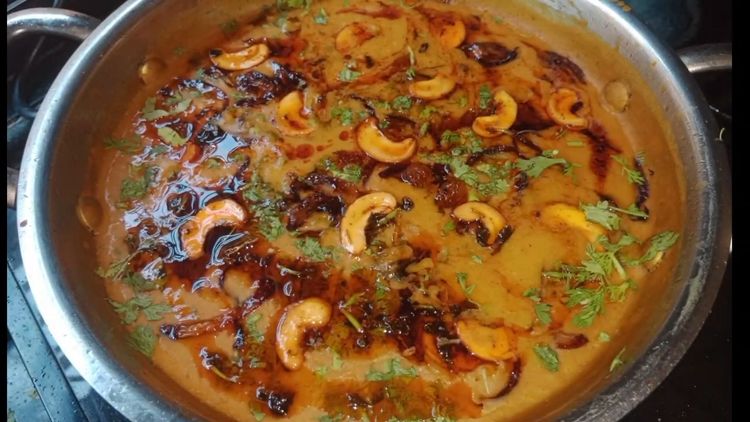
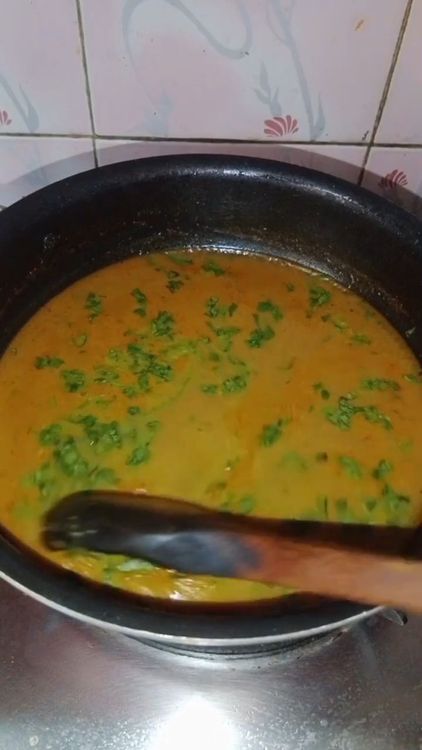
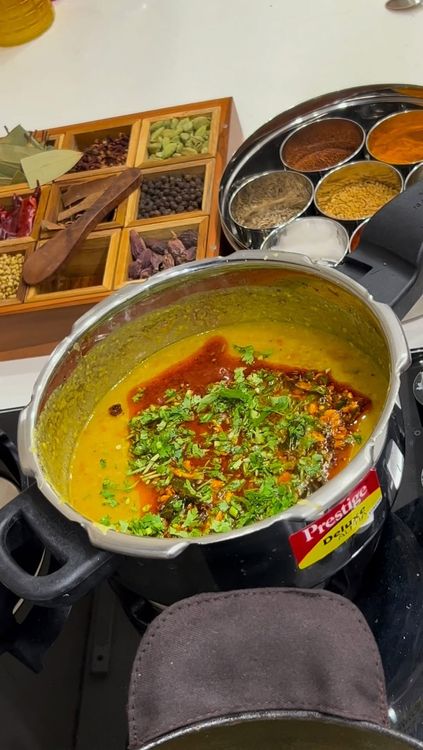
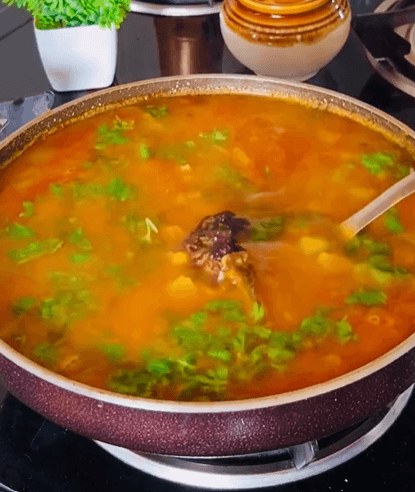
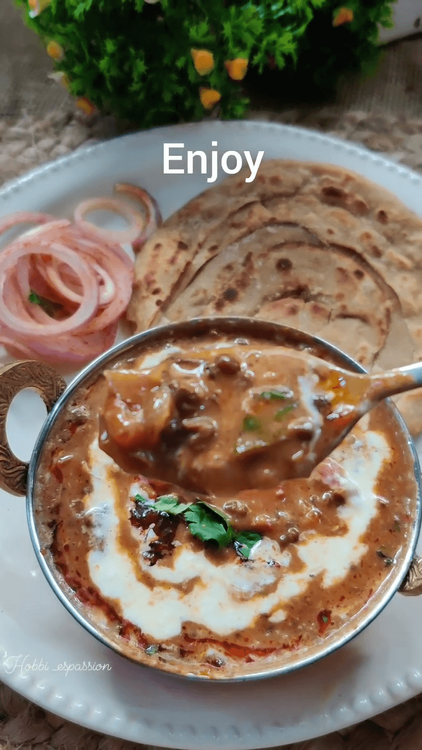
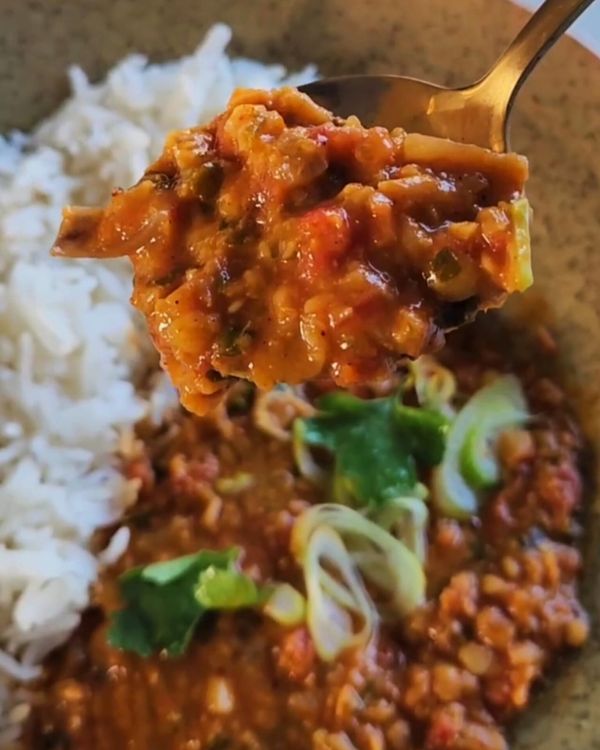
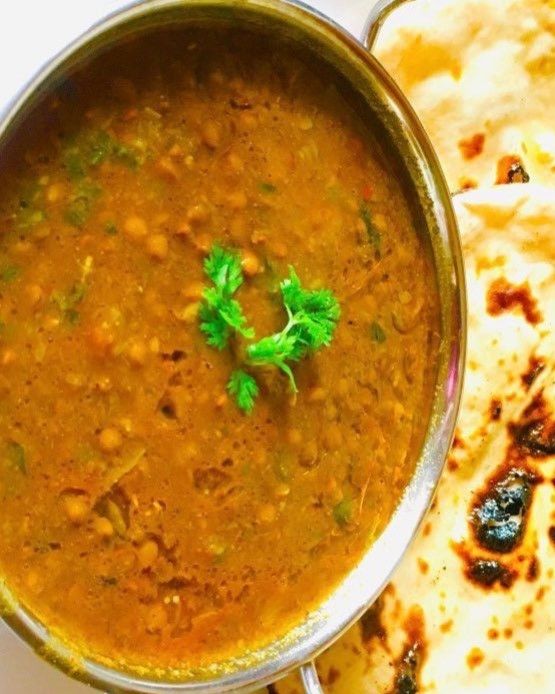
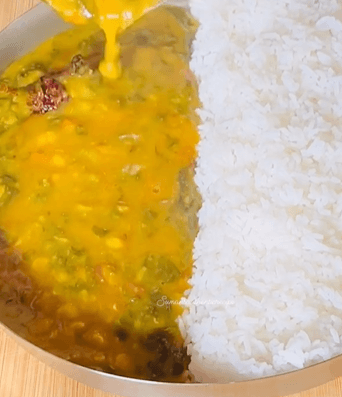
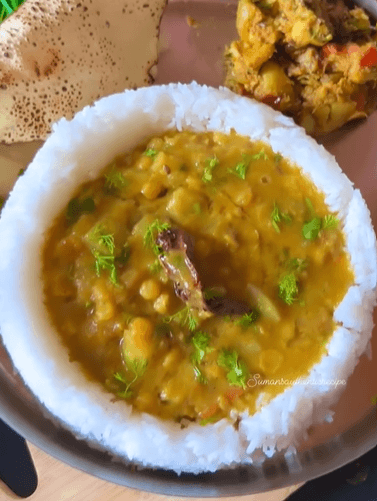
Indian-spiced lentils are where a cheap bag of pulses becomes genuinely crave-able, and the whole trick lives in the tempering. Split red masoor and yellow moong are the go-to here because they cook soft in fifteen to twenty minutes without soaking and collapse into the smooth, comforting texture dal is meant to have. Cook them first in water with a little turmeric, simmering gently and skimming the foam, until they break down to the softness you like, then season once they are tender. The flavour comes from the tadka: heat ghee or oil until it shimmers, crackle whole spices such as cumin and mustard seed with a pinch of asafoetida, then add garlic, ginger and chilli cooked just to gold, and pour the sizzling lot over the pot so it blooms and perfumes everything. The single most common error is burning that tempering, which turns the whole dish bitter, so keep the heat moderate and pull the pan the moment the garlic colours. Many cooks coax coconut milk, curry leaves or tomato into the base for regional depth. Finish with fresh coriander and a squeeze of lemon, and serve with rice or flatbread for a complete, nourishing meal. Standouts here include Lentil (Dal) Paratha and Masoor Dal (Brown Lentil Curry), plus Arhar Dal Tadka.


- Indian
- Vegan
- Breakfast
- Indian
- Vegetarian
- Lunch
- Indian
- Vegetarian
- Lunch

- Indian
- Vegetarian
- Lunch

- Indian
- Vegetarian
- Lunch


- Indian
- Vegetarian
- Lunch

- Rajasthani
- Vegetarian
- Lunch

- Indian
- Vegan
- Appetiser
- Indian
- Vegetarian
- Lunch

- Indian
- Vegan
- Dinner


- Indian
- Vegetarian
- Appetiser

- Indian
- Vegetarian
- Lunch

- Indian
- Vegan
- Breakfast
- Mughlai
- Vegetarian
- Lunch
- Indian
- Vegan
- Lunch
- Indian
- Vegetarian
- Lunch
- Indian
- Vegan
- Lunch
- Punjabi
- Vegetarian
- Lunch

- Sri Lankan
- Vegan
- Appetiser

- Indian
- Vegan
- Lunch

- Fusion
- Non-Vegetarian
- Dinner
- Indian
- Vegan
- Lunch
- Indian
- Vegetarian
- Dinner

- Indian
- Vegan
- Breakfast
- Indian
- Vegetarian
- Lunch

- Indian
- Vegetarian
- Breakfast
Lentil Salads & Sides
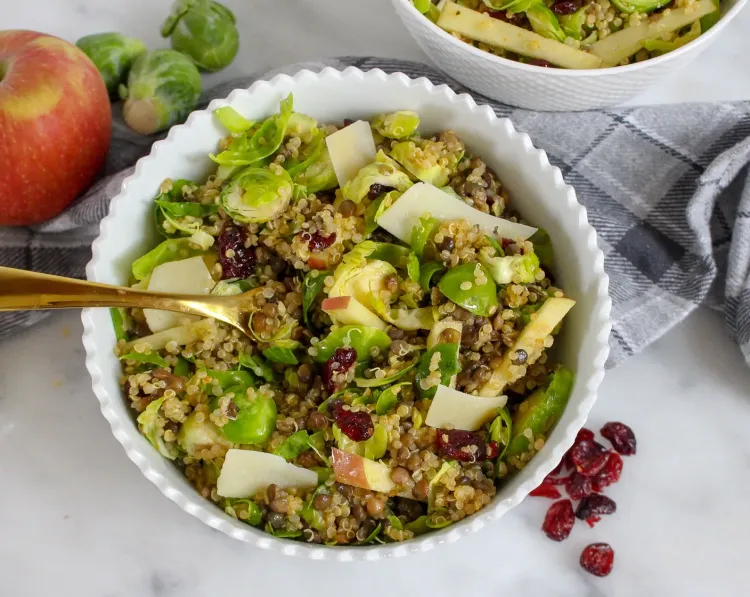
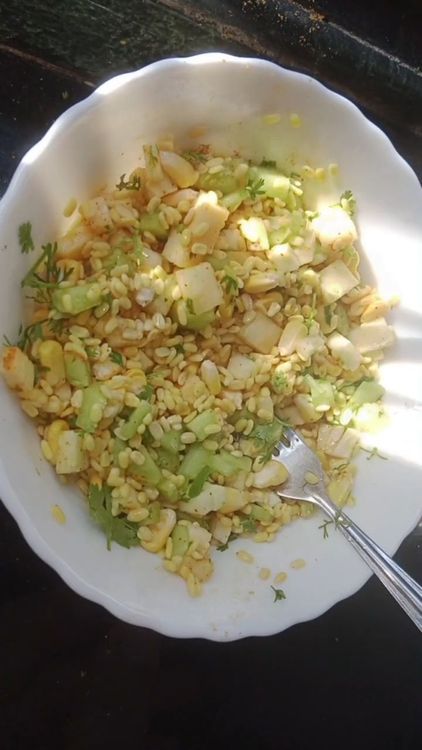
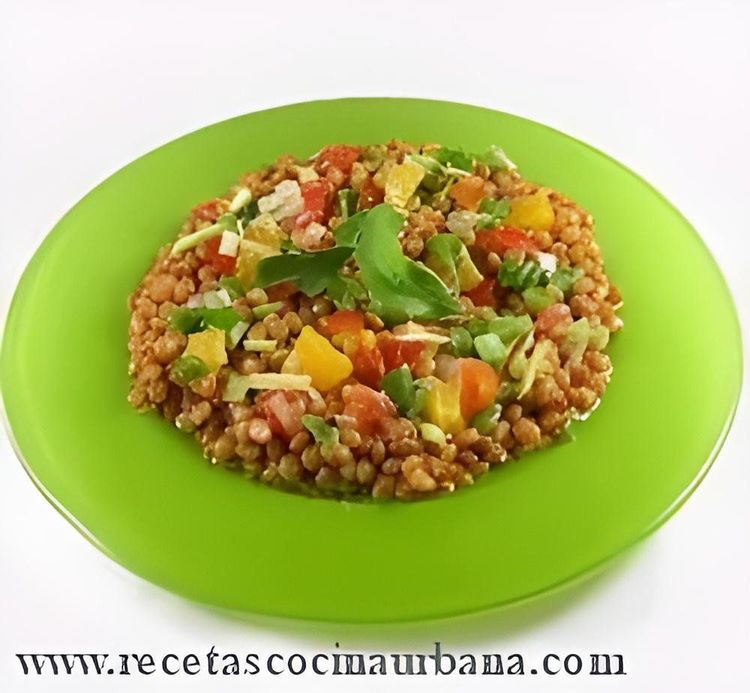
This is the cluster that converts lentil sceptics, because a good lentil salad is nothing like a beige stew. The non-negotiable here is variety: reach for Puy, French green or tiny black beluga lentils, the firm, peppery types that stay separate, glossy and intact rather than red or yellow lentils that would turn to paste. Cook them in plenty of plain water — no salt or acid yet, since both keep firm lentils from softening — and start tasting early, draining the moment they are tender but still hold a distinct shape, then spreading them out so residual heat does not push them past it. The crucial move that most people miss is dressing the lentils while they are still warm, because warm lentils drink up a sharp vinaigrette and emerge seasoned all the way through rather than blandly coated. Build from there with bright, contrasting elements: crumbled feta or grilled halloumi, roasted vegetables, plenty of fresh herbs, toasted nuts and something sharp like preserved lemon or red onion. Add delicate leaves and cheese only just before serving so they stay fresh, and cool the lentils fully before fridging so a make-ahead bowl keeps its texture. Standouts here include Lentil and Quinoa Salad with Brussels Sprouts and Apple and Yellow Split Lentil Salad, plus Lentils with Vinaigrette.
- American
- Vegetarian
- Lunch
- Asian
- Vegan
- Snack
- Mediterranean
- Vegan
- Salad
- Mediterranean
- Pescatarian
- Salad
Lentil Curries, Mains & Vegan Dishes
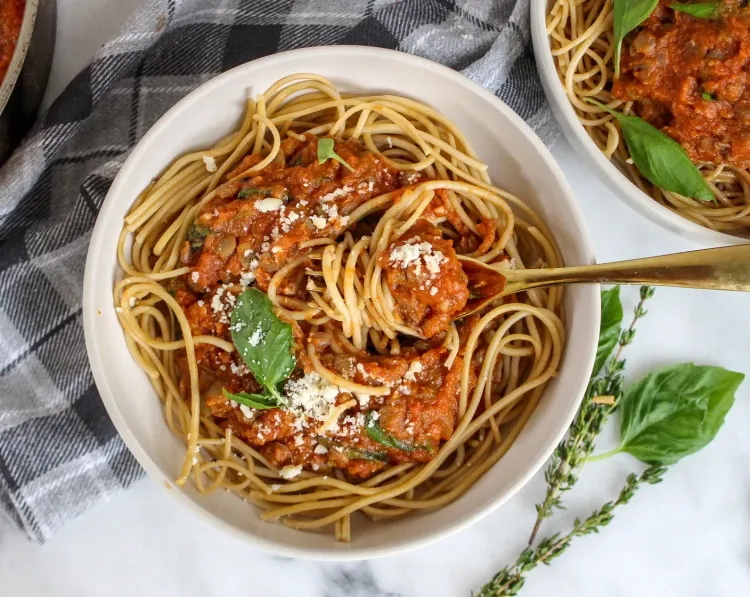
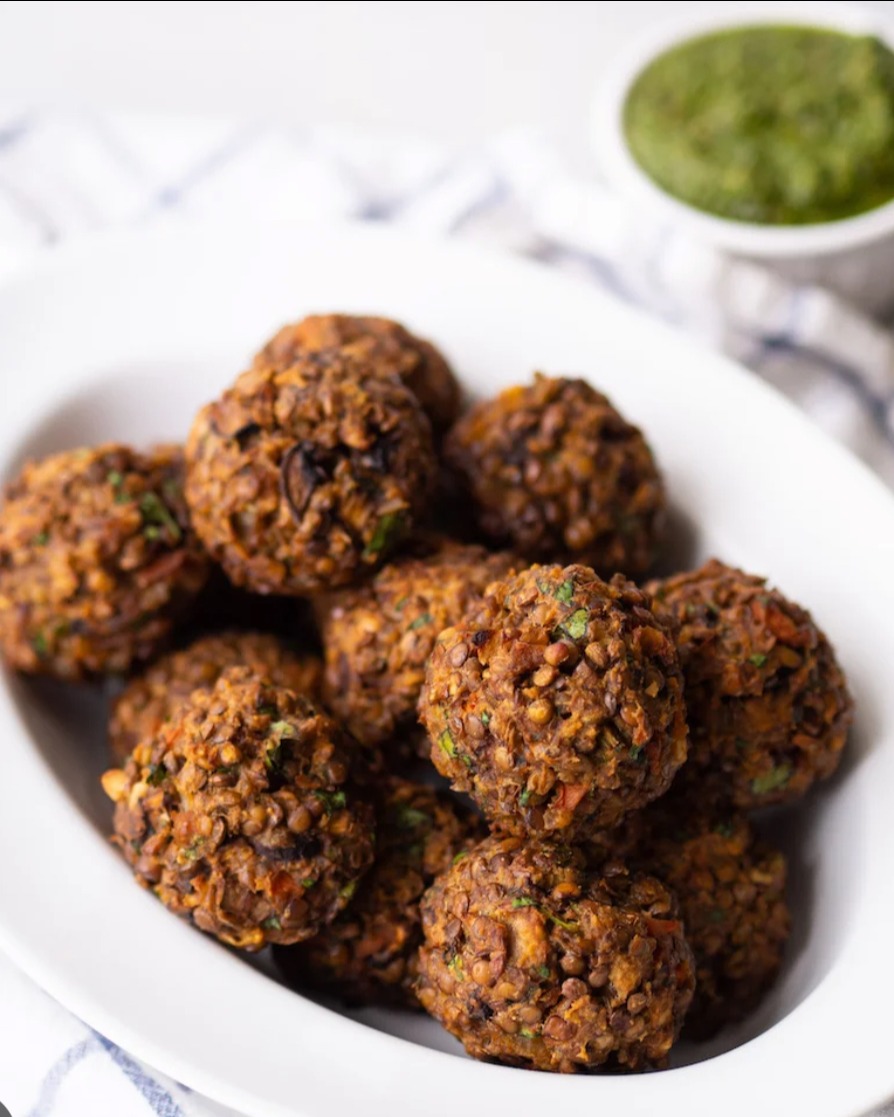
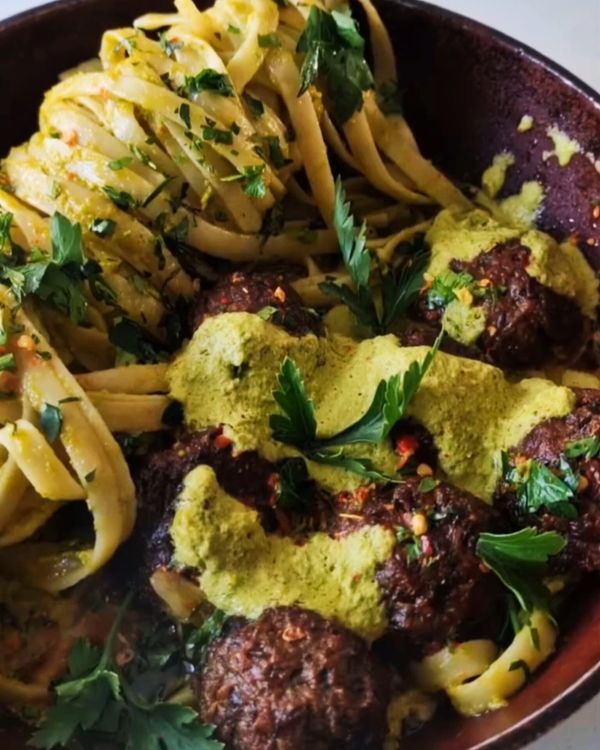
When lentils stop being a side and become the centre of the plate, you get some of the most satisfying plant-based cooking around — hearty, protein-rich and genuinely filling without trying to imitate meat. The cluster spans coconut-rich curries, a vegan bolognese or ragù, lentil loaves, shepherd-style pies and patties, and the move that makes all of them convincing is building deep, savoury flavour. Brown lentils and green lentils are the usual choice for anything that wants structure and a little bite, while red lentils suit a curry where you want the sauce thick and almost saucy around them. Fry a spoon of tomato paste until it darkens, brown your aromatics properly, and bloom spices in fat so the base tastes meaty and cooked rather than raw. For curries, simmer the lentils in coconut milk and spice until just tender and let the sauce reduce to cling; for loaves and burgers, keep the mix on the drier side and bind it well so it holds together. The classic stumble is under-seasoning a vegan dish, since lentils are mild — be generous with salt, umami from soy or mushrooms, and a final hit of acid to make everything pop. Standouts here include Pumpkin Lentil Bolognese with Spaghetti and Lentil and Spinach Curry (Pressure Cooker Recipe), plus Homemade Vegan Lentil Patties.
- Italian
- Vegan
- Dinner
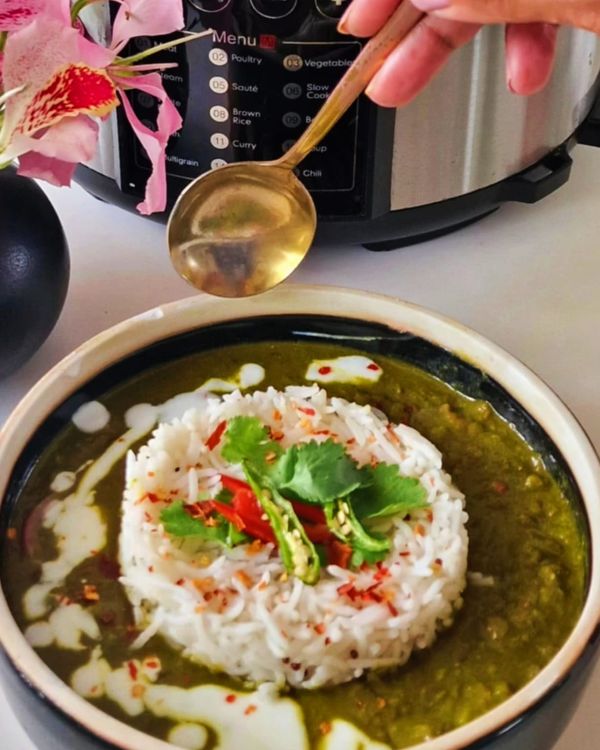
- Indian
- Vegan
- Lunch

- Fusion
- Vegan
- Lunch
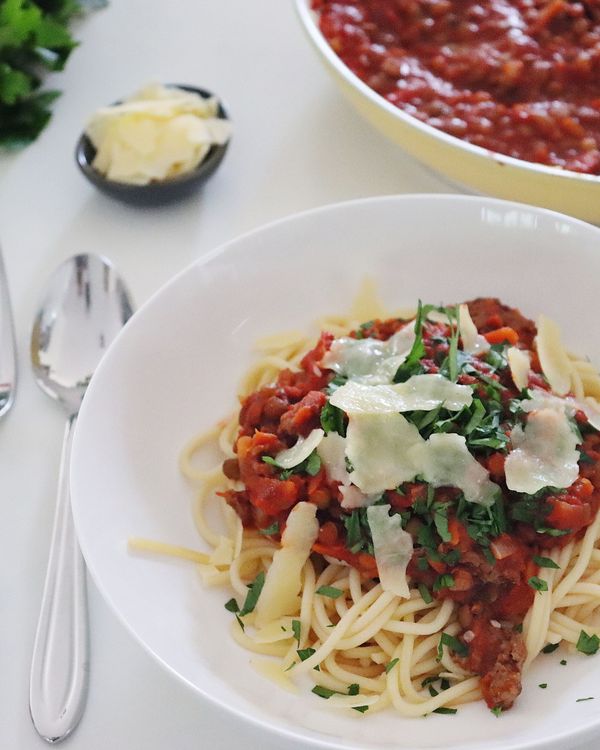
- Italian
- Non-Vegetarian
- Lunch
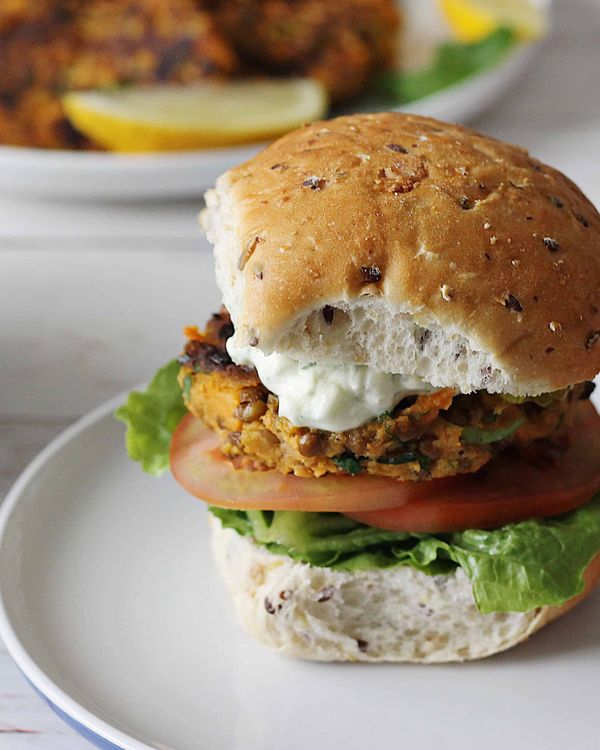
- Mediterranean
- Eggetarian
- Lunch
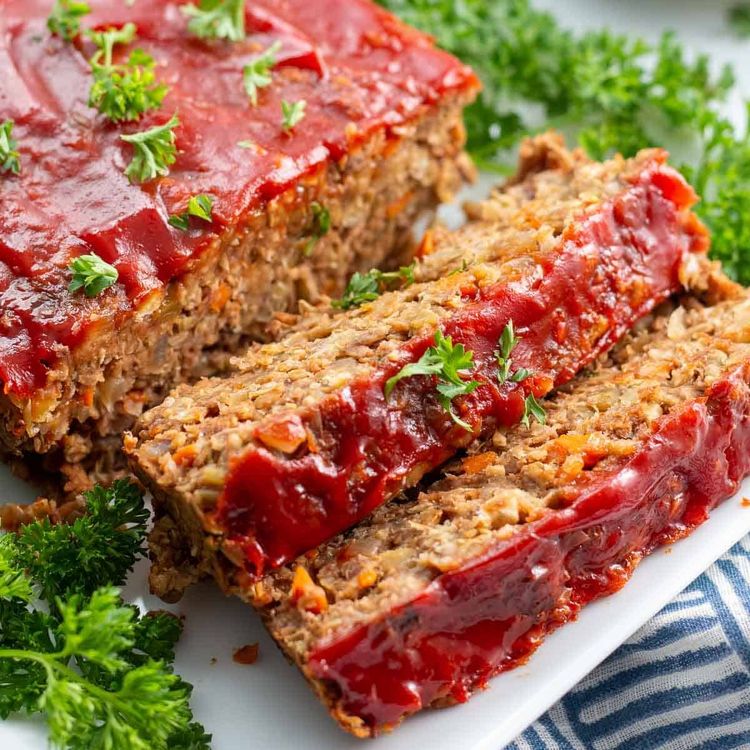
- American
- Vegan
- Lunch

- American
- Vegan
- Lunch
More Lentil Favourites
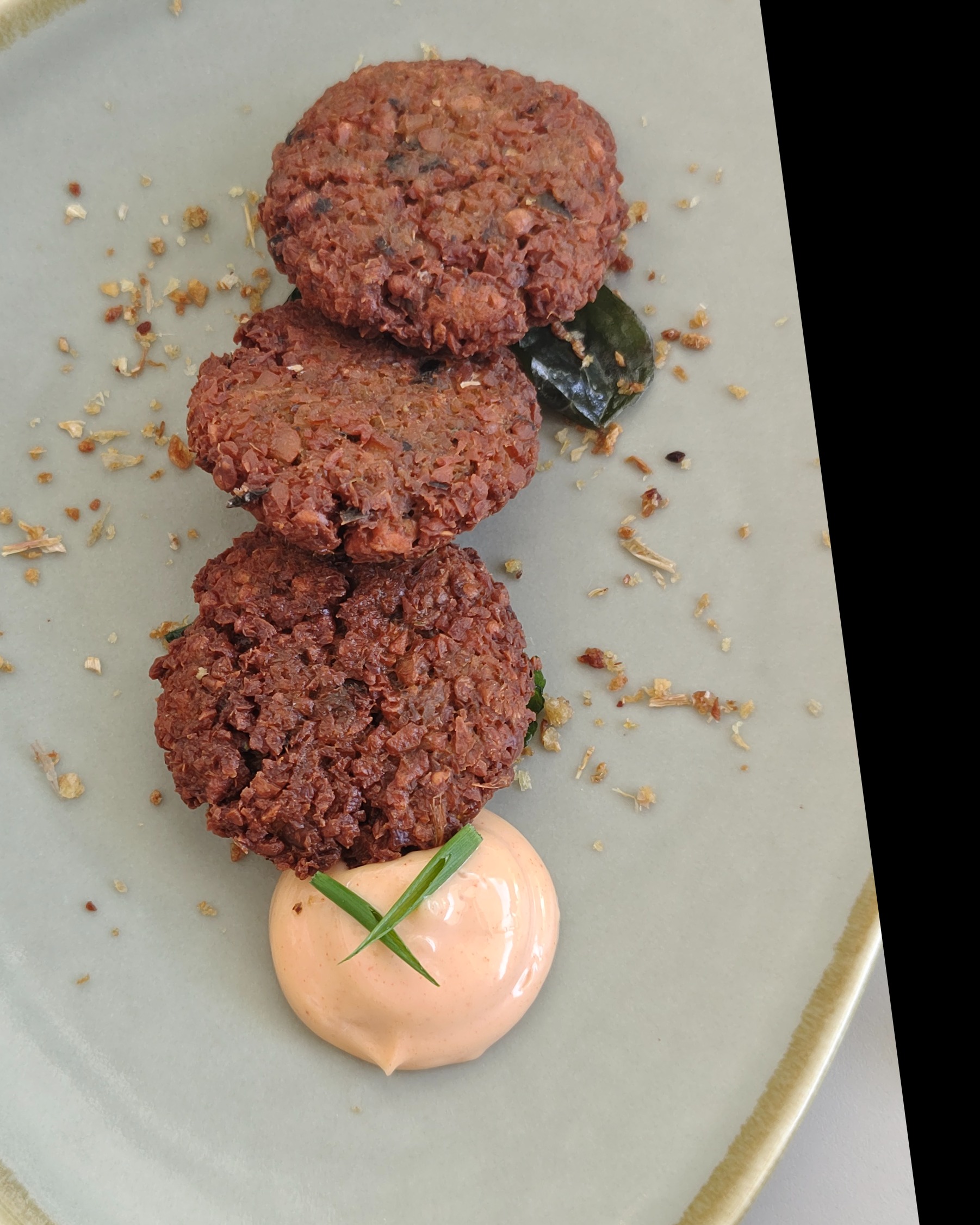
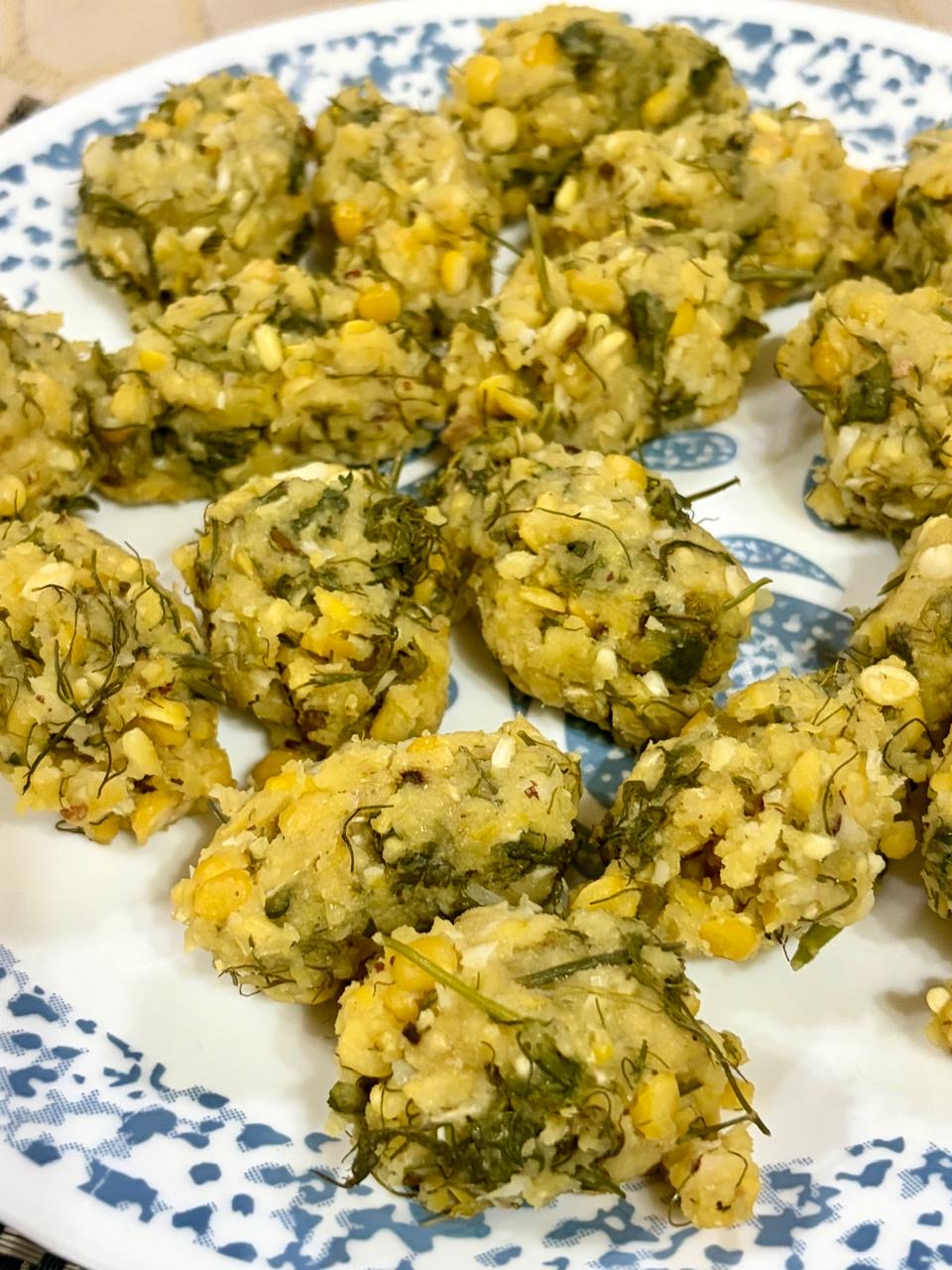
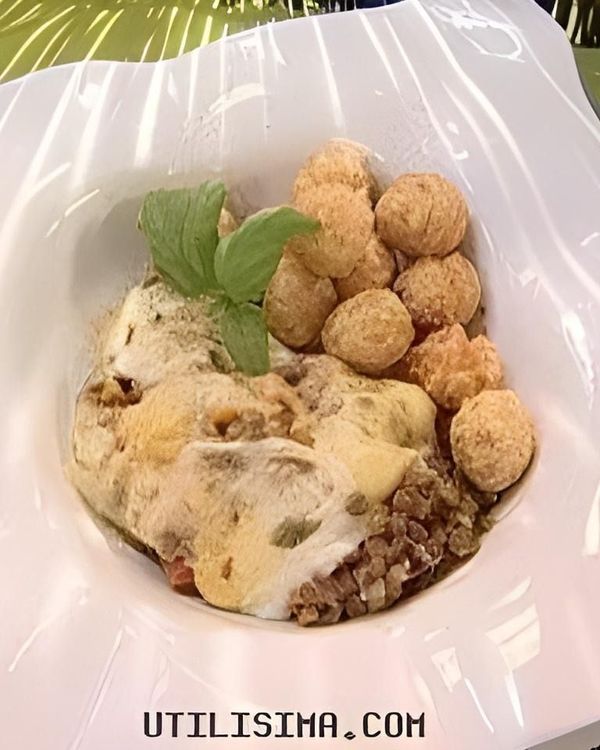
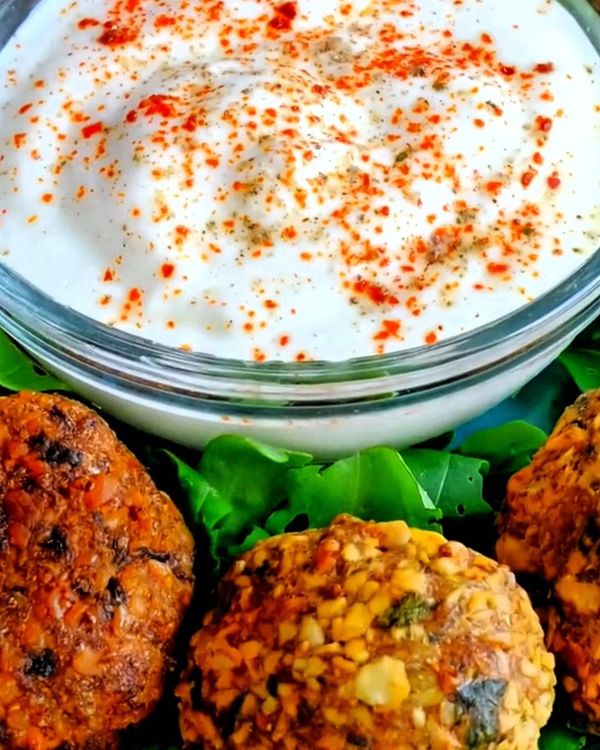
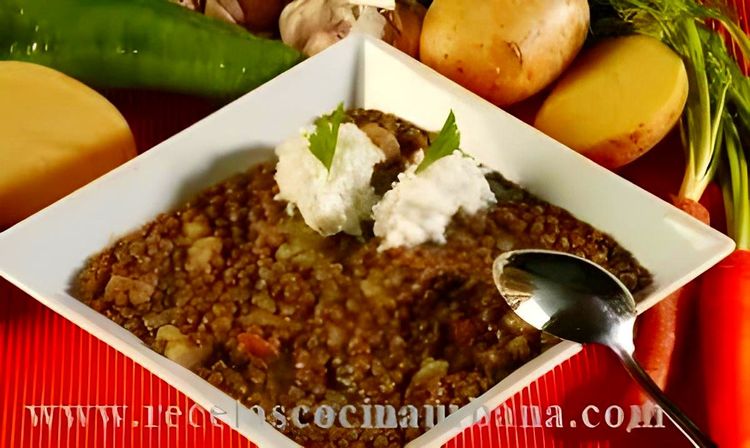
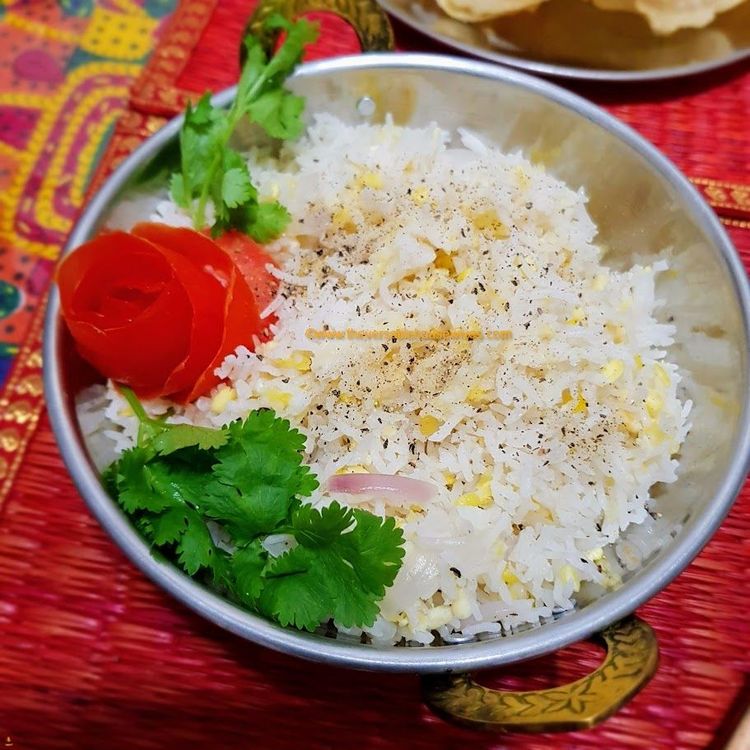
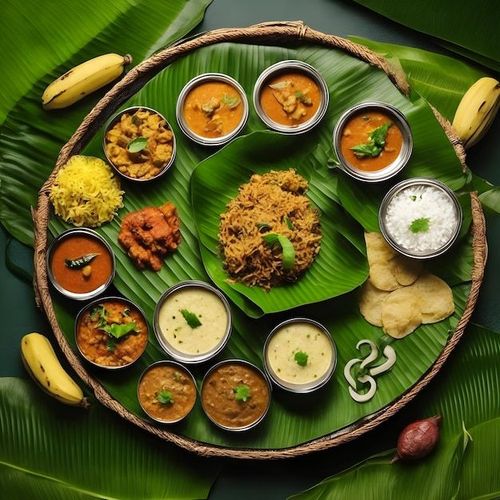
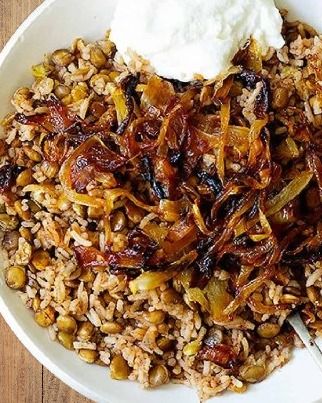
A handful of lentil dishes never quite fit a single category, and these are the ones worth keeping in your back pocket once the staples feel routine. They lean on the same fundamentals you already know — pick the right lentil for the texture you want, simmer gently to just-tender, build flavour with fat and aromatics, and finish with acid — but steer the humble pulse toward different cuisines and formats, from Middle Eastern mujadara and stuffed vegetables to stews, fritters and brunch plates. Choosing your next cook is mostly about matching effort to mood: reach for a quick split-red-lentil dish on a busy night when you want dinner in twenty minutes, and save the slower, layered braises and bakes for a weekend when you can let things simmer and the flavours settle. Pay attention to which variety a recipe wants, since swapping a firm Puy lentil for a split red one (or the reverse) is the fastest way to end up with the wrong texture entirely. Cook a big batch of plain lentils first and several of these come together fast from that base. Think of this group as the natural next step after the classics — the recipes that quietly earn a permanent spot in the rotation once you have tried them. Standouts here include Lentil-Cacao Waffles and Nucchina Unde (Lentils Steamed Snack), plus Lentil Dish with Cheese Fritters.

- Fusion
- Vegan
- Breakfast

- Indian
- Vegan
- Snack
- Mediterranean
- Eggetarian
- Lunch
- Mediterranean
- Vegan
- Dinner
- Italian
- Vegan
- Lunch

- Fusion
- Vegan
- Breakfast

- French
- Vegan
- Appetiser
- International
- Vegan
- Lunch
- Spanish
- Vegan
- Lunch

- Fusion
- Vegan
- Breakfast
- Mexican
- Non-Vegetarian
- Lunch
- Spanish
- Non-Vegetarian
- Lunch
- Indian
- Vegetarian
- Lunch
- Asian
- Vegan
- Lunch

- Bangladeshi
- Vegan
- Appetiser
- Middle Eastern
- Vegan
- Lunch
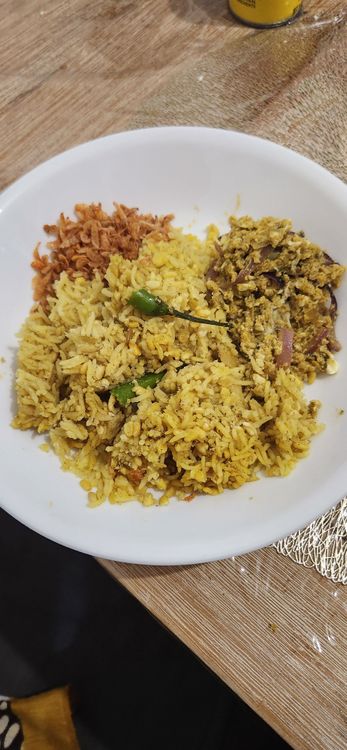
- Bangladeshi
- Vegetarian
- Brunch
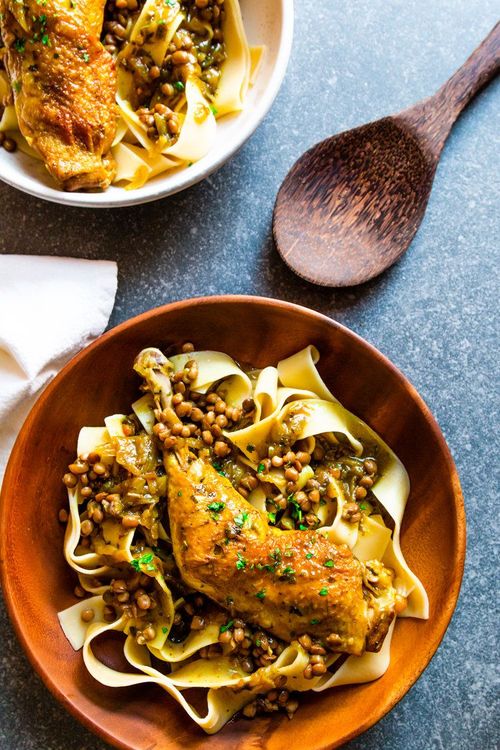

- Moroccan
- Non-Vegetarian
- Dinner
Knowing Your Lentils: Red, Green, Brown, Puy and Black
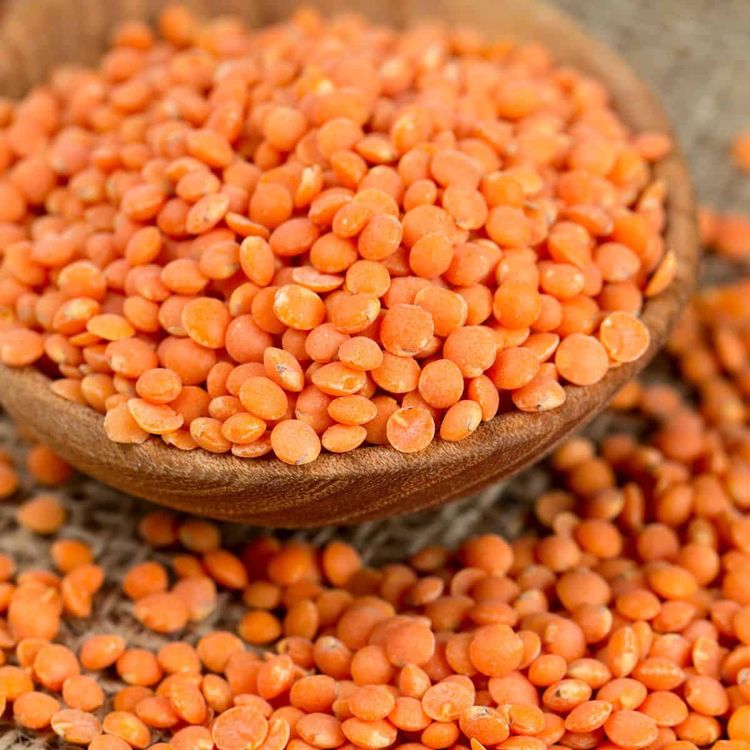
The single most useful thing to know about lentils is how each type cooks. Red and yellow lentils (split masoor and moong) are dehulled, cook in fifteen to twenty minutes, and break down into a soft, creamy purée — perfect for soups, dal and anything you want thick and smooth. They will never give you a distinct, bouncy lentil, so do not reach for them when you want bite.
Green and brown lentils are the all-rounders: they soften in twenty-five to thirty-five minutes and hold a gentle shape, good for stews, lentil loaves and rustic salads. Puy lentils (the prized French green from Le Puy), their lookalike speckled cousins, and tiny black beluga lentils are the firm, peppery ones that stay separate and glossy — these are your salad and side lentils, where you want each lentil intact and dressing-ready.
Match the variety to the result you are after and half the battle is won. If a recipe just says "lentils," look at the texture in the photo: smooth and soupy means red or yellow; visible, individual lentils means green, Puy or beluga. Buying lentils that are not too old also matters — very old, long-stored lentils can refuse to soften no matter how long you cook them.
To Soak or Not, and How to Cook Them Through
Unlike beans and chickpeas, lentils do not require soaking, which is much of their appeal — you can go from cupboard to bowl in well under an hour. A short thirty-minute soak can shave a few minutes off the cook and is sometimes used for the firmer green and Puy types or for easier digestion, but it is genuinely optional. What is not optional is a good rinse: tip the lentils into a sieve, pick out any small stones or grit, and rinse under cold water until it runs clear.
Cook lentils in plenty of unsalted or lightly salted water or stock, bring to a boil, then drop to a gentle simmer — a hard rolling boil knocks them about and makes them split and blow out. Skim any foam at the start. For firm salad lentils, start testing early and drain them the moment they are tender but still hold their shape, then spread them out to stop the carryover cooking. For soups and dal, simply cook on until they collapse to the softness you want.
Salt and acid timing is the classic gotcha. Adding salt early is largely fine for split red and yellow lentils, but salting whole green, brown and Puy lentils too soon — and especially adding acidic tomatoes, vinegar or lemon at the start — can keep the skins firm and stop them softening. The safe rule: cook lentils until tender first, then season and add the acid. That way you control the texture and the flavour separately.
Building Flavour: Tempering, Aromatics and Acid
Lentils on their own are mild and earthy, so flavour is something you build, not something you wait for. The two great traditions both start with fat. The Indian tadka — whole spices such as cumin and mustard seed, plus garlic, chilli and a pinch of asafoetida sizzled in hot ghee or oil and poured over the pot — perfumes a whole dal in seconds. The European route is a soffritto base of onion, carrot and celery cooked down slowly in oil until sweet, which gives soups and stews their backbone.
Aromatics do the heavy lifting in between. Garlic browned just to gold, ginger, bay, thyme, cumin, coriander, smoked paprika and a Parmesan rind or a piece of bacon or ham all give lentils savoury depth. Brown your onions properly and bloom ground spices in fat off direct heat so they taste cooked rather than raw and dusty. A spoon of tomato paste fried until it darkens adds the same kind of deep, almost meaty richness that makes vegan lentil dishes so convincing.
Acid at the end is the move most home cooks miss. Because lentils are earthy and a little flat, a squeeze of lemon, a splash of red wine vinegar or a spoon of yogurt stirred in just before serving lifts the whole dish and makes the flavours pop. Add it late, off the heat, both so it does not toughen the lentils and so its brightness survives. Taste, then balance with salt and acid before you reach for more spice — under-seasoning, not under-spicing, is the usual reason a lentil dish tastes dull.
Texture, Make-Ahead and Storage
Texture is a choice you make at the end. For a silky soup or dal, blend all or part of the pot and stir it back, or simply whisk and mash the lentils against the side. For a chunkier, more rustic bowl, leave them whole. Remember that lentils keep drinking liquid as they sit, so a soup that is perfect in the pan will be noticeably thicker an hour later — cook it slightly looser than you think you want, and loosen reheated portions with hot stock or water.
Lentils are superb make-ahead food and most dishes taste better the next day once the spices settle and the flavours meld. Cook a big batch of plain lentils at the weekend and they become the base of soups, salads and grain bowls all week. Plain cooked lentils keep four to five days in the fridge and freeze beautifully for up to three months, so it is worth always making more than you need.
When reheating, warm soups and dal gently with a splash of liquid and, for an Indian dal, consider a fresh tadka spooned over the top to wake it up. Dress salad lentils while they are still warm so they soak up the vinaigrette, but add delicate herbs, leaves and cheese only just before serving so they stay fresh. Drain and cool firm lentils fully before fridging a salad, or they go soft sitting in their own residual heat.
Pro Tips from the Test Kitchen
- Match the lentil to the dish: red/yellow for smooth soups and dal, green/brown for stews and loaves, Puy and beluga for salads that need bite.
- Skip the soak — lentils cook in 20–40 minutes — but always rinse and pick out stones first.
- Simmer gently, never at a hard rolling boil, or the lentils split and blow out into mush.
- For salad lentils, start tasting early and drain the moment they are tender but still hold their shape.
- Add salt and especially acid (tomato, vinegar, lemon) only after firm lentils are tender — early acid keeps them hard.
- Bloom whole spices in hot fat for a tadka, or cook an onion-carrot-celery base slowly, before the lentils go in.
- Fry a spoon of tomato paste until it darkens for deep, meaty richness in vegan lentil dishes.
- Finish with a squeeze of lemon or splash of vinegar off the heat — earthy lentils need brightness to come alive.
- Cook soups and dal slightly looser than you want; lentils keep absorbing liquid as they sit and thicken on standing.
- Batch-cook plain lentils: they keep 4–5 days in the fridge and freeze for up to 3 months.
Frequently Asked Questions
Do you need to soak lentils before cooking?
No — that is one of the best things about them. Unlike beans and chickpeas, lentils cook through in twenty to forty minutes straight from the packet, so soaking is optional. A short thirty-minute soak can slightly shorten the cook for firmer green or Puy lentils and may aid digestion, but it is not required. What you should always do is rinse them in a sieve and pick out any small stones or grit before cooking.
Which lentils are best for soup?
For a smooth, creamy soup, use red or yellow split lentils — they break down completely into a thick, velvety base in about twenty minutes. For a chunkier, more textured soup or stew where you want to see individual lentils, use green or brown lentils, which soften but hold their shape. Many cooks combine both: some red lentils to thicken the broth and some green ones for body and bite.
How do you stop lentils going mushy?
Two things. First, pick a variety that holds its shape — Puy, French green, brown or black beluga lentils — rather than red or yellow split lentils, which are meant to collapse. Second, simmer them gently rather than boiling hard, start testing early, and drain them the instant they are tender but still firm. Spreading drained lentils out stops residual heat from cooking them further into mush.
Why are my lentils still hard after cooking?
Usually one of three things: the lentils are very old and have dried out beyond saving, you added salt and especially acid (tomatoes, vinegar, lemon) too early, or the water is very hard. Acid in particular keeps lentil skins firm, so cook them until tender in plain water first and add tomatoes or lemon only at the end. If your lentils are simply stale, no amount of extra simmering will fully soften them.
Are lentils healthy?
Very. Lentils are an excellent plant source of protein and fibre, rich in iron, folate and potassium, and naturally low in fat. The fibre and protein keep you full and help steady blood sugar, which is part of why they anchor so many vegetarian and vegan diets. Paired with rice or bread they form a complete protein. They are also among the most affordable and sustainable proteins you can cook.
What is the difference between lentils and dal?
Dal is both an ingredient and a dish. As an ingredient, "dal" refers to split, dehulled pulses — including many lentils such as split red masoor and yellow moong. As a dish, dal is the Indian preparation of those pulses simmered soft and finished with a tempering of spices fried in hot fat. So all dal lentils are lentils, but "lentil recipes" spans far more, from French salads to Italian soups, than dal alone.
How long do cooked lentils last?
Cooked lentils keep four to five days in an airtight container in the fridge, and many dishes — especially soups and dal — taste better on the second day once the flavours settle. They also freeze very well for up to about three months, so it is worth cooking a big batch. Cool them quickly before storing, and reheat with a splash of liquid since they thicken and dry out as they sit.
Can you cook lentils in a slow cooker or Instant Pot?
Yes to both. In an Instant Pot or pressure cooker, split red lentils take only a few minutes at pressure and whole green or brown lentils around eight to ten, with a natural release for the softest result. In a slow cooker, lentils do well over a few hours on low for soups and stews — just keep acidic ingredients like tomatoes added later if you want green lentils to soften fully, and check the liquid level.
How do you season lentils so they are not bland?
Build flavour in layers. Start with fat and aromatics — a tadka of spices bloomed in ghee, or a slow-cooked onion-carrot-celery base in oil. Add depth with garlic, herbs, smoked paprika, cumin or a Parmesan rind, and a spoon of tomato paste fried until dark. Most importantly, finish with acid: a squeeze of lemon or splash of vinegar off the heat. Earthy lentils almost always need brightness and proper salt rather than just more spice.
What can I make with leftover cooked lentils?
Plenty. Stir them into a soup or stew for instant body, toss warm lentils with vinaigrette, herbs and feta for a quick salad, fold them into a grain bowl, or mash them into veggie burgers and lentil loaf. They also make a great taco or shepherd-pie filling in place of mince. Because cooked lentils keep and freeze so well, leftovers are a head start rather than an afterthought — always cook extra.
The thread through every lentil recipe here is the same: choose the right type for the texture you want, cook it gently until just-tender, and season boldly with fat, aromatics and a final hit of acid. Get those moves down and soups, dal, salads and curries all stop being guesswork — a humble bag of lentils turns into a week of genuinely good, affordable meals.
Pick three to cook this week — a creamy soup, a fresh Puy lentil salad and a spiced dal or curry — and save your favourites to a Chefadora cookbook. Then work through the rest; this page is built to be the lentil reference you actually keep coming back to.
Related
- Lentil
- Vegetarian
- Vegan
- High protein
- Soup
- Healthy
- Budget
- Dinner
Popular Searches
- Best lentil recipes
- Easy lentil recipes
- Quick lentil recipes
- Healthy lentil recipes
- Simple lentil recipes
- Homemade lentil recipes
- Delicious lentil recipes
- Popular lentil recipes
- lentil soup
- red lentil curry
- lentil salad
Marnirni-apinthi Building, Lot Fourteen,
North Terrace, Adelaide, South Australia, 5000
Australia
