
Top 45 Dinner Party Recipes: Impressive Mains, Showstoppers and Easy Entertaining
Updated June 30, 2026 · Curated by Chefadora
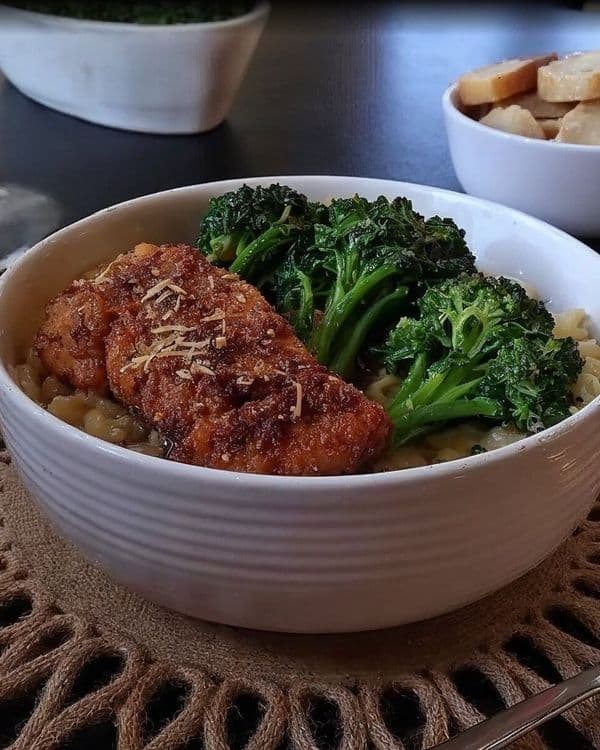
Dinner party recipes occupy a specific and demanding brief: impressive enough to honour the occasion, achievable enough that the cook is not still in the kitchen when the first guest arrives, and scalable enough to feed eight comfortably without quadrupling the stress. The collection here was built around that brief — these are dishes that photograph well on the table, taste as good as they look, and come with clear techniques for getting them right.
What makes a dinner party recipe different from a weeknight main is usually time and composition rather than difficulty. A beef Wellington is not technically harder than a burger — it is more sequential, with more components that need coordination. The skill the recipes in this collection demand is mostly organisation: reading the recipe in full before starting, preparing components in advance where possible, and trusting that the dish can wait briefly for the guests rather than the other way around.
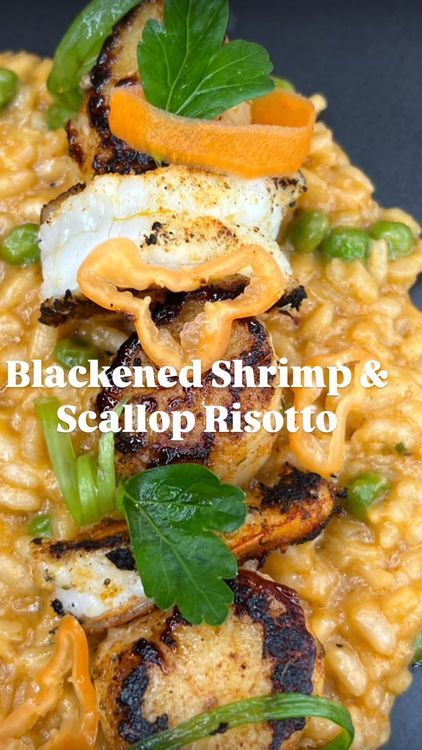
Four clusters cover the main options: seafood centrepieces from grilled salmon to scallop risotto; beef, lamb and impressive roasts for occasions when meat is the centrepiece; chicken and poultry in their most celebratory forms; and the grand rice and pasta dishes — biryani, paella, ragu ravioli — that turn feeding a crowd into a genuine celebration. The guides below address the practical challenges unique to dinner party cooking: making ahead, timing a multi-course meal, plating for a crowd.
Use this page before you plan the menu, not after. The guides will tell you which dishes hold well, which must be cooked to order, and how to structure the evening so the cooking is as enjoyable as the meal. The FAQs cover the most common dinner party anxieties — what to cook for large groups, how to handle dietary restrictions, what to make when you need to impress without complexity. Read them first.
Seafood Centrepieces
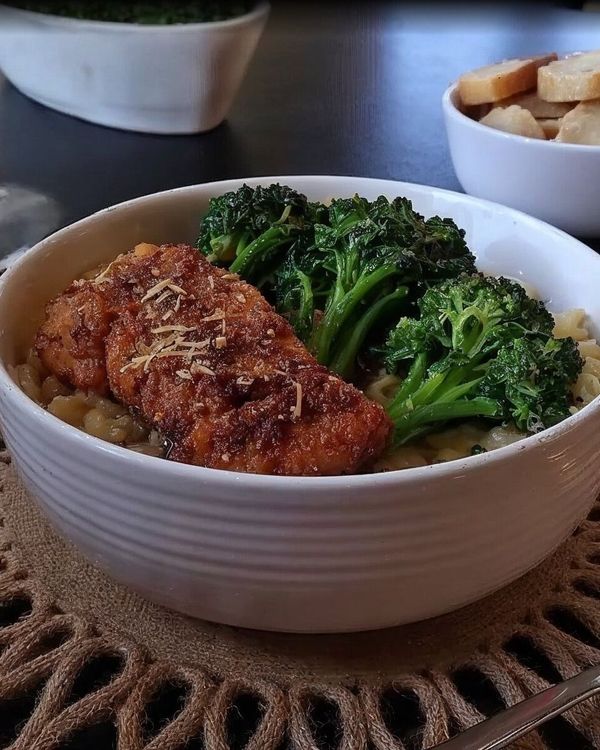
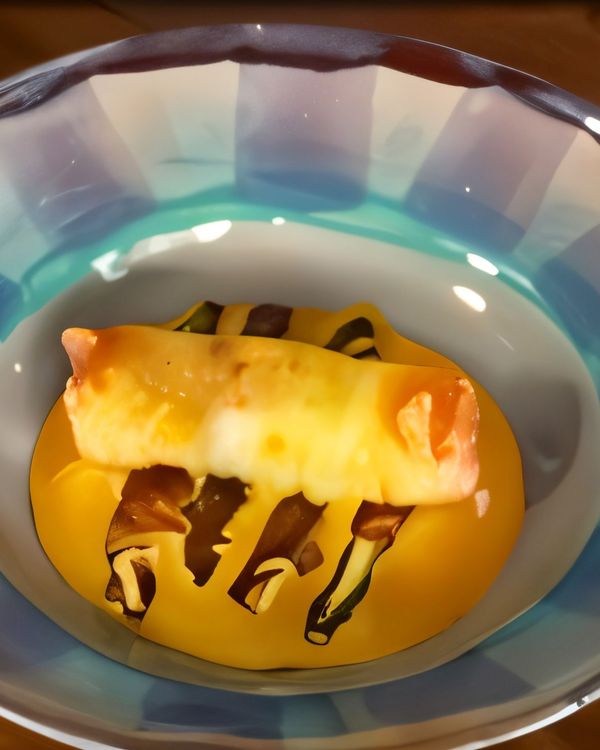
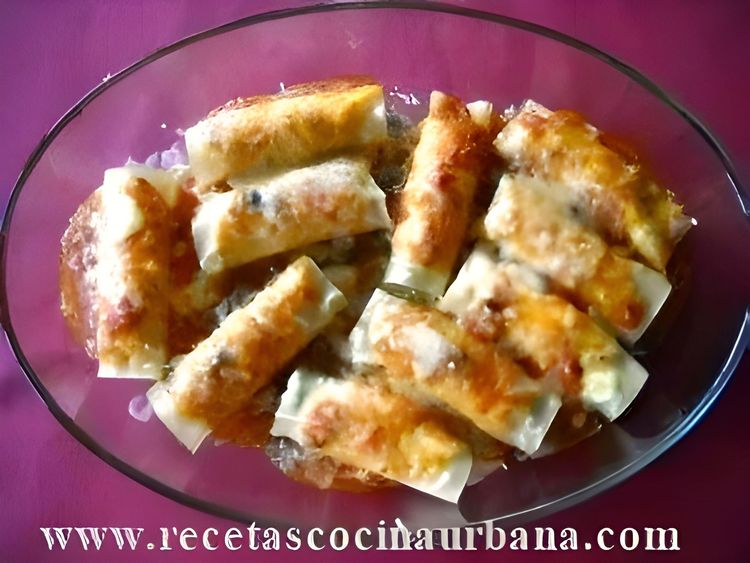
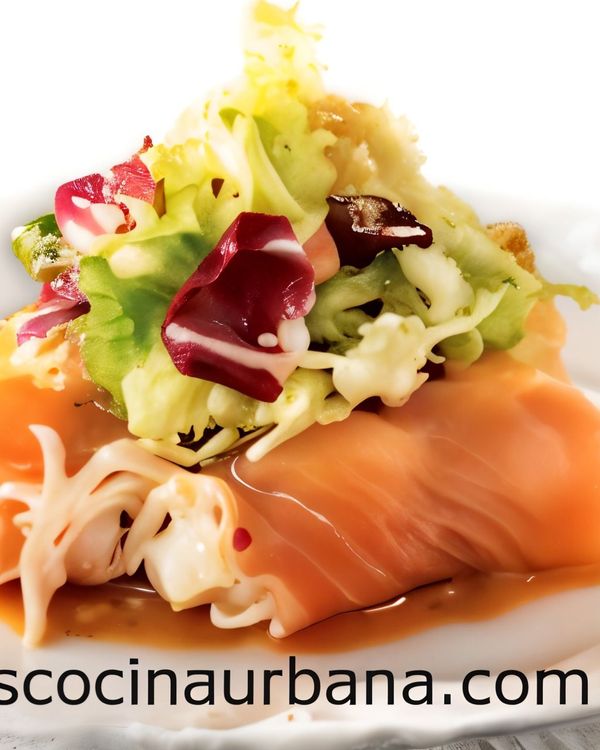
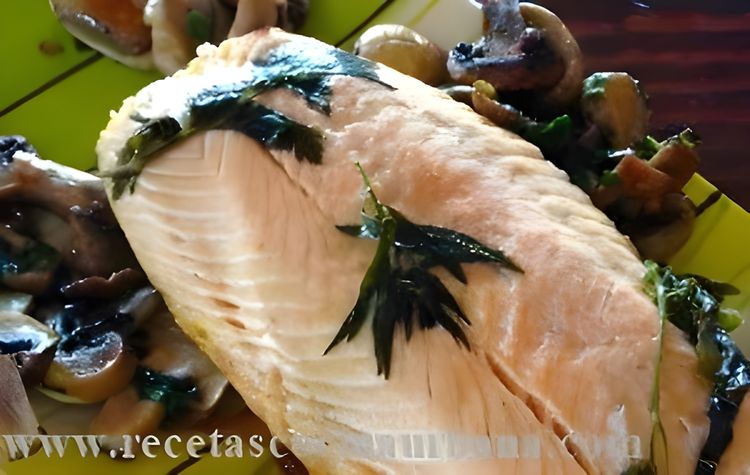
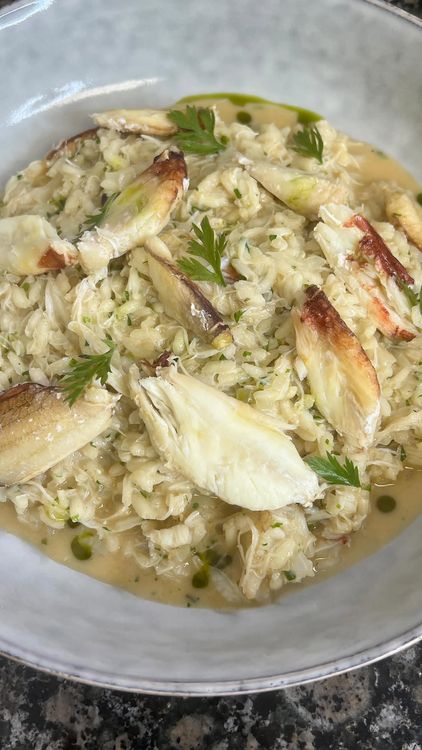
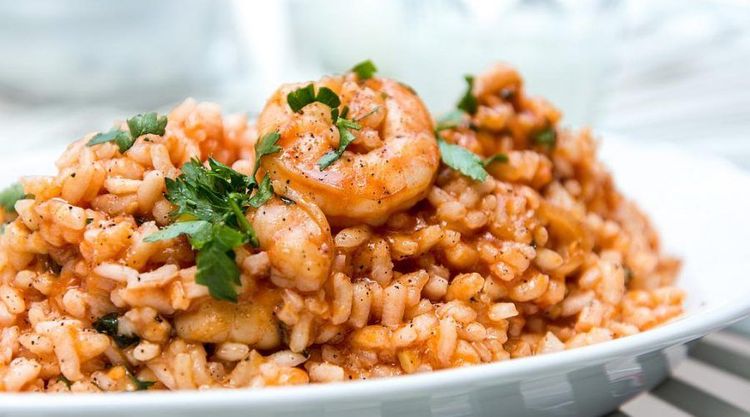
Seafood is the fastest luxury you can bring to a dinner party table — a properly seared scallop, a beautifully glazed salmon fillet or a grand seafood paella arrives looking spectacular and costs a fraction of the time of a slow-cooked roast. The cluster here spans the full range: from salmon crudo and carpaccio (assembled cold, no cooking required) to a multi-step seafood paella that feeds eight from a single pan. The consistent challenge with seafood at a dinner party is the timing — the window between perfect and overcooked is narrow for almost every ingredient in this group. Scallops have ninety seconds per side. Salmon fillets are done in ten to twelve minutes. The solution is mise en place: everything prepped, measured and at room temperature before any heat goes on, so the cooking itself is fast and confident. For a larger gathering, paella and risotto formats are more forgiving than individual fish portions because the dish comes to the table as one thing rather than eight separate ones. These are also the recipes where quality of the raw ingredient matters most — the best salmon you can buy, the freshest prawns, the freshest crab available on the day. Standouts here include Pan-Seared Scallops on Creamy Tarragon Risotto and Salmon Crudo with Green Sauce Base, plus Lemon Herb Crusted Salmon with Creamy Ditalini Pasta.

- American
- Pescatarian
- Dinner
- International
- Pescatarian
- Dinner
- French
- Pescatarian
- Dinner
- American
- Pescatarian
- Dinner
- Ecuadorian
- Pescatarian
- Dinner
- International
- Pescatarian
- Main Course
- Chilean
- Pescatarian
- Dinner
- Italian
- Pescatarian
- Dinner


- Spanish
- Pescatarian
- Lunch
- Italian
- Pescatarian
- Lunch
- Mediterranean
- Pescatarian
- Dinner
Beef, Lamb & Impressive Roasts
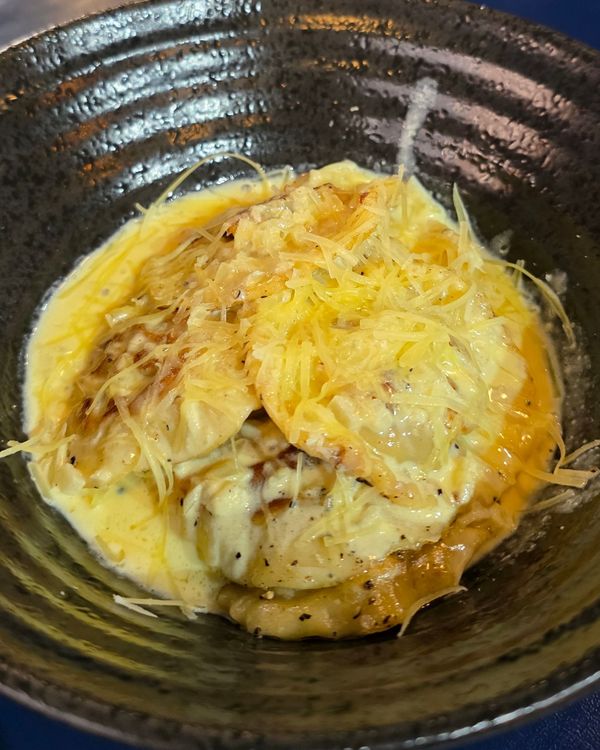
Beef Wellington, braised short ribs, a slow-cooked lamb shoulder, a steak tataki — these are the dishes that announce the occasion from the moment they arrive on the table. They are not the fastest recipes in this collection, but they are the ones guests talk about afterwards, and most of them are made almost entirely in advance. A well-executed braise improves overnight; a Wellington can be assembled and refrigerated the day before; a slow roast is unattended for most of its cooking time. The skill this cluster demands is less technique than organisation and nerve: reading the recipe in full before starting, buying a probe thermometer and trusting it, and resisting the urge to open the oven or lift the pot lid. Beef Wellington is the most technical (the pastry, the moisture issue, the precise internal temperature), but it is also one of the most forgiving for timing — it holds at rest for fifteen minutes without losing quality. Short ribs braised in red wine or soy and brown sugar are the most fool-proof: they cook for three to four hours at a low temperature, require almost no attention, and come out falling-apart tender every time. Standouts here include Beef Ragu Ravioli and Beef Wellington with Red Wine Reduction, plus Creamy Garlic Parmesan Steak Pasta.

- Italian
- Non-Vegetarian
- Lunch

- Italian
- Non-Vegetarian
- Dinner
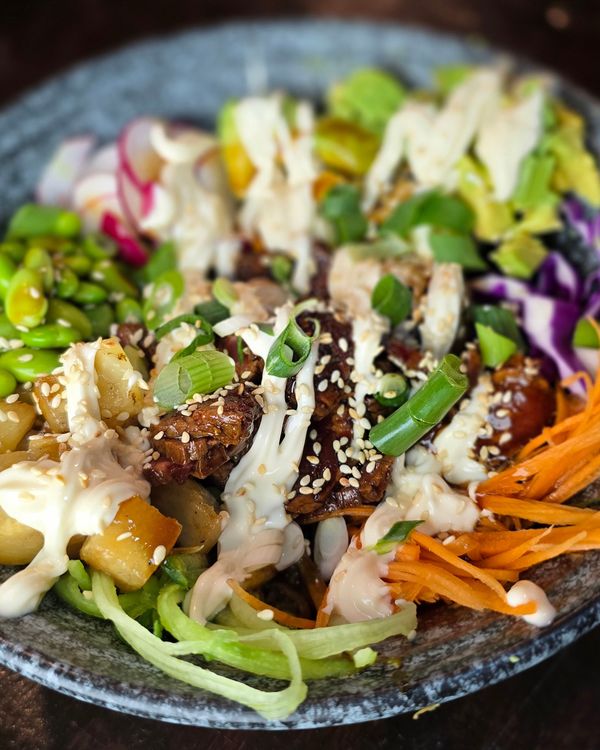
- Japanese
- Non-Vegetarian
- Lunch
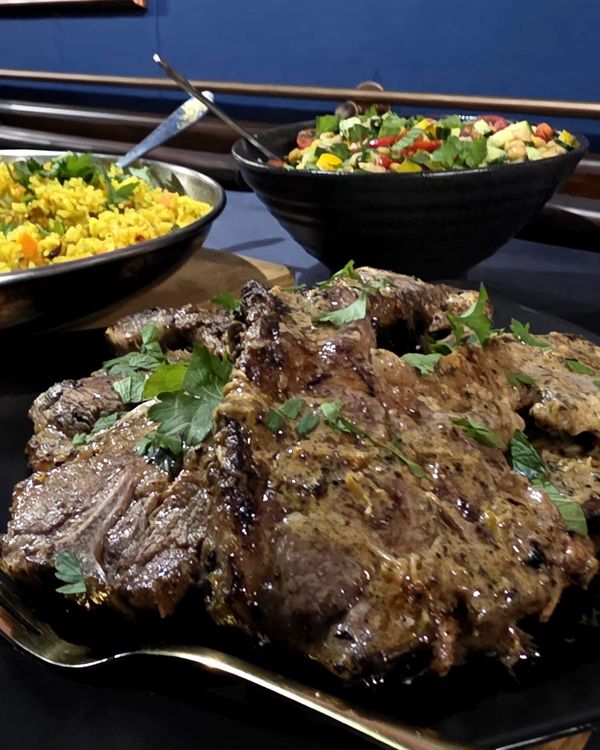
- Middle Eastern
- Non-Vegetarian
- Dinner
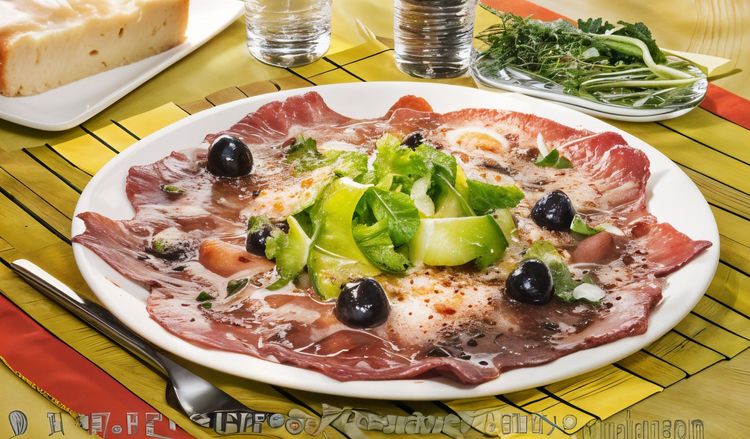
- Italian
- Non-Vegetarian
- Appetiser
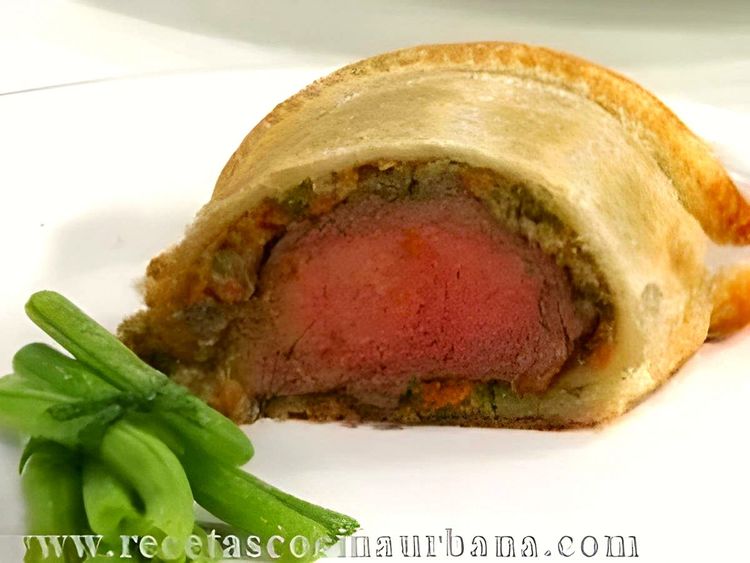
- British
- Non-Vegetarian
- Dinner
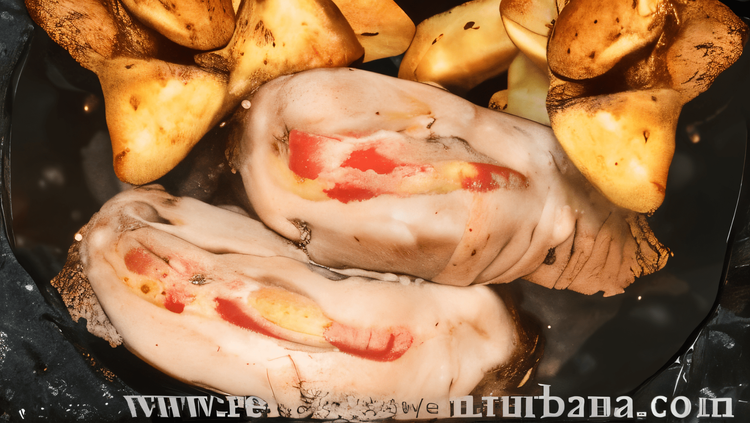
- International
- Non-Vegetarian
- Dinner
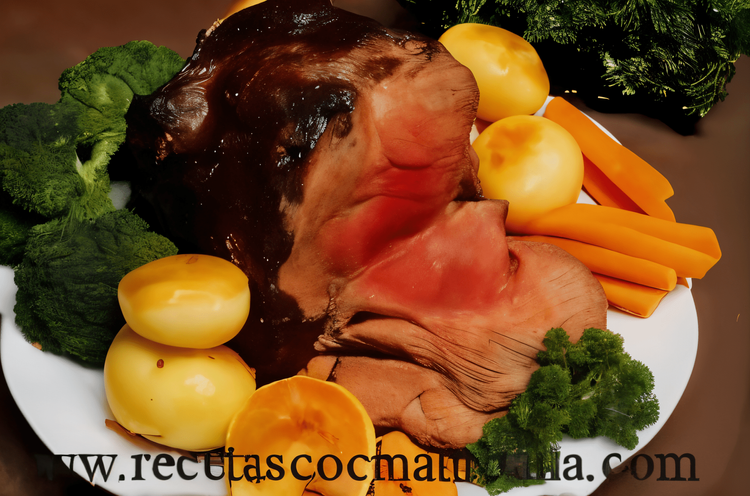
- English
- Non-Vegetarian
- Dinner

- Indian
- Eggetarian
- Dinner

- Chinese
- Non-Vegetarian
- Dinner
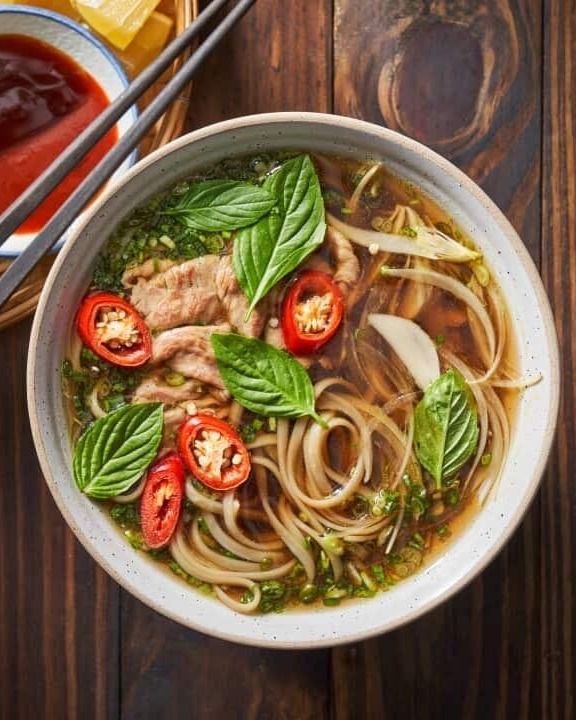
- Vietnamese
- Non-Vegetarian
- Lunch
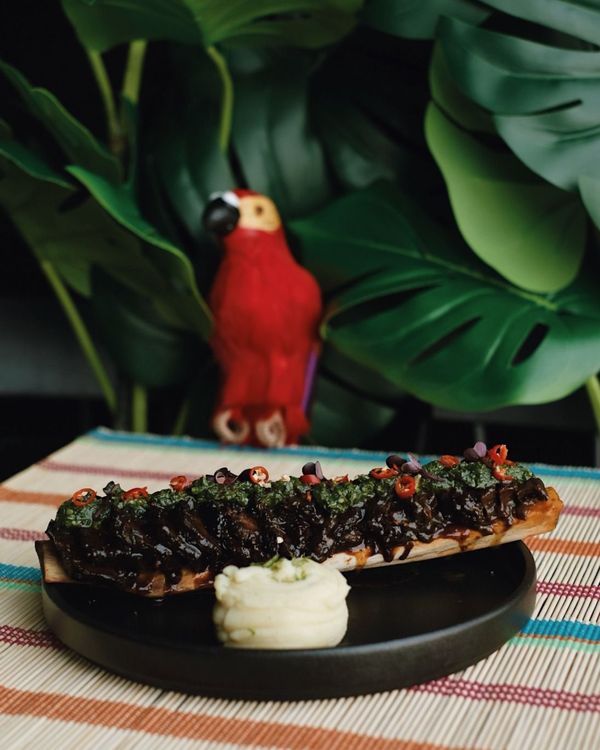
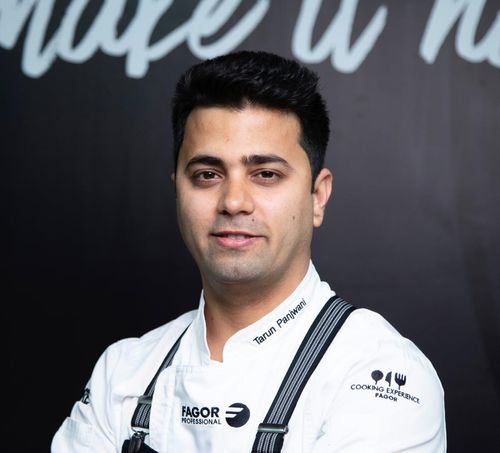
- Fusion
- Non-Vegetarian
- Dinner
Chicken & Poultry Mains
Chicken at a dinner party is often underestimated, but the recipes in this cluster show what happens when the bird is treated as an occasion rather than a default. Pistachio-crusted chicken provides drama and crunch; a Mughlai or Maharani curry offers restaurant-level richness and spice; a sticky chicken poké bowl bridges casual and elegant. The consistent advantage of chicken over beef or seafood at a dinner party is its tolerance for advance preparation — marinated overnight, roasted ahead and rested, or braised and reheated, chicken handles the extended timeline of hosting better than most proteins. The curries in this cluster particularly benefit from being made the day before: the spices meld and deepen, and reheating on the evening takes fifteen minutes rather than ninety. For roasted chicken preparations, the key variable is resting time — a stuffed or crusted bird needs at least fifteen minutes off the heat before slicing, or all the juices that accumulated during cooking run out the moment the knife goes in. Salted egg yolk fried chicken wings are the most casual entry in this cluster but also one of the most crowd-pleasing: they can be made ahead and held warm, and they disappear fast at any table. Standouts here include Pistachio Chicken and Maharani Chicken Curry (Restaurant-Style), plus Mughlai Chicken Curry Recipe| Restaurant Style Mughlai Chicken Curry at Home.
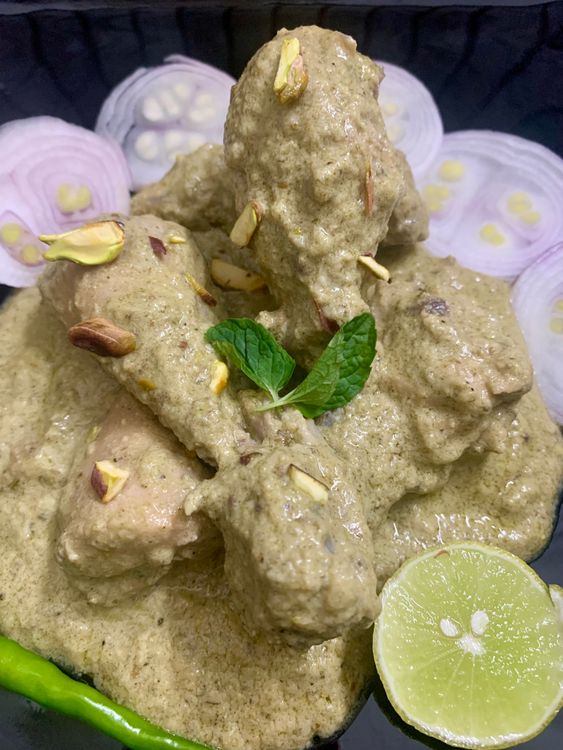

- Indian
- Non-Vegetarian
- Lunch
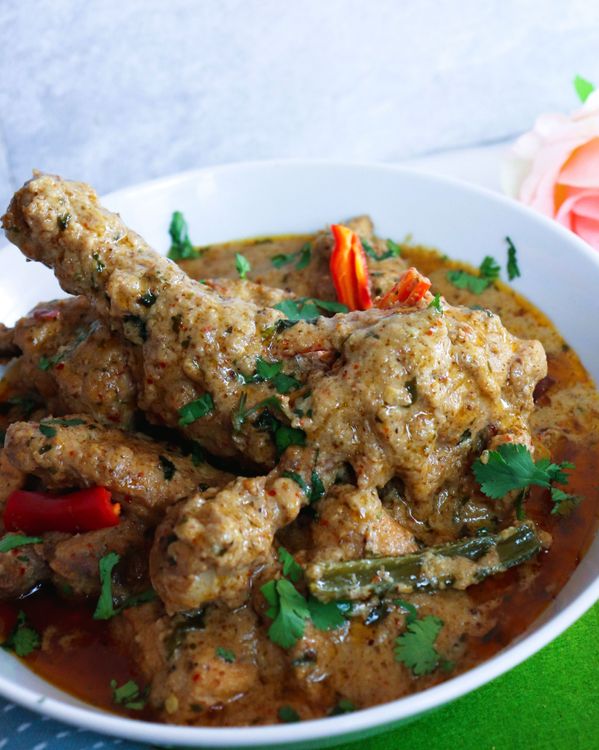
- Indian
- Non-Vegetarian
- Lunch
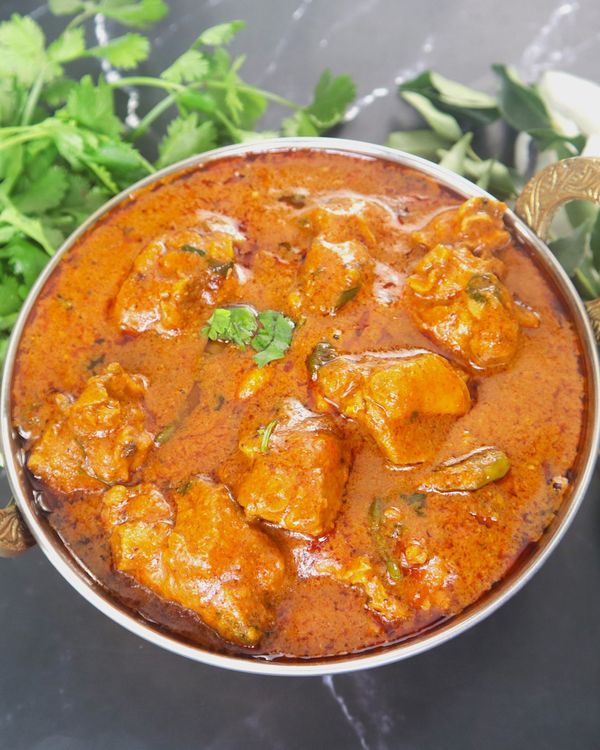

- Indian
- Non-Vegetarian
- Lunch
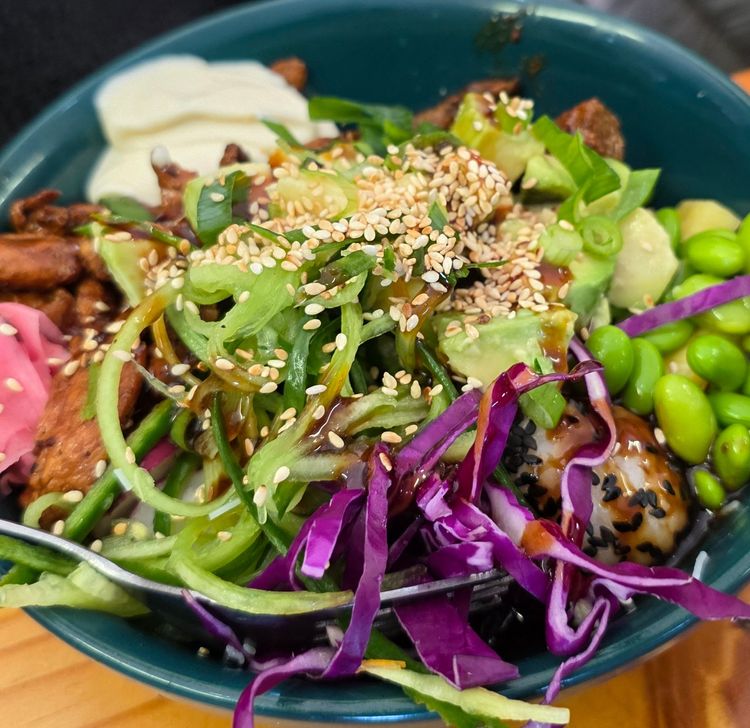
- Asian
- Non-Vegetarian
- Lunch
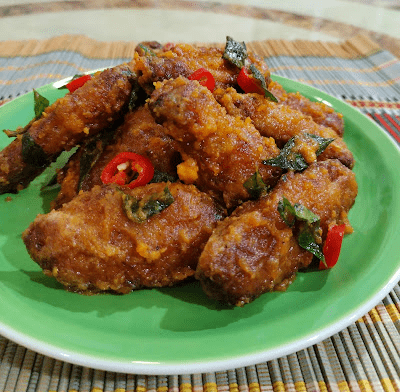
- Asian
- Non-Vegetarian
- Lunch
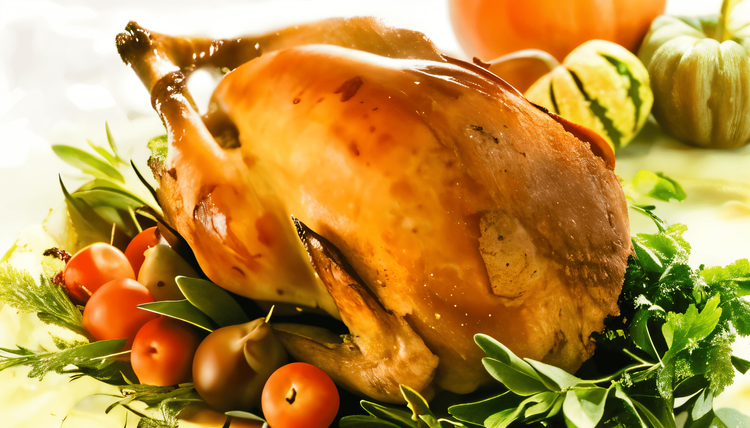
- International
- Non-Vegetarian
- Lunch
Biryani, Pasta & Grand Rice Dishes
A layered biryani arriving at the table in a sealed pot — opened in front of guests so the steam and aroma release together — is as impressive as any roast and feeds a crowd with a single vessel. This cluster collects the grand rice and pasta dishes of the collection: three regional biryani styles (Lucknowi, Malabar, Kolkata), a ragu ravioli that takes hours but produces something restaurant-worthy, a tomato and basil pici pasta for a more relaxed Italian evening, and a salmon cannelloni that straddles seafood and pasta. What unites them is ambition and reward — these are not quick weeknight dishes, but the effort is front-loaded and the result justifies it. For the biryanis, most of the work is in the marinating and the base preparation; the dum stage itself is unattended. For the pasta dishes, the sauce is always made ahead and only the pasta is cooked at service. The biryani cluster is also the most naturally vegetarian-adaptable of the dinner party options — replace the meat with paneer, potato or mixed vegetables and the technique, drama and flavour remain entirely intact. Standouts here include Tiranga Biryani and Tomato & Basil Pici Pasta, plus Malabar Biryani.
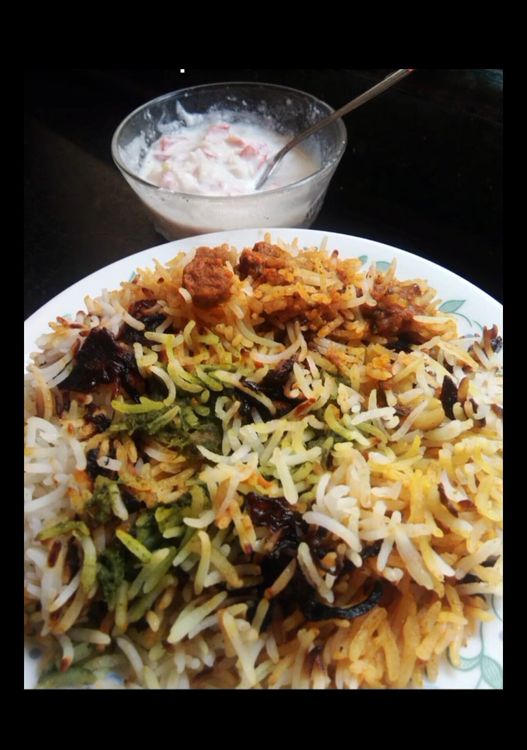

- Indian
- Vegetarian
- Lunch
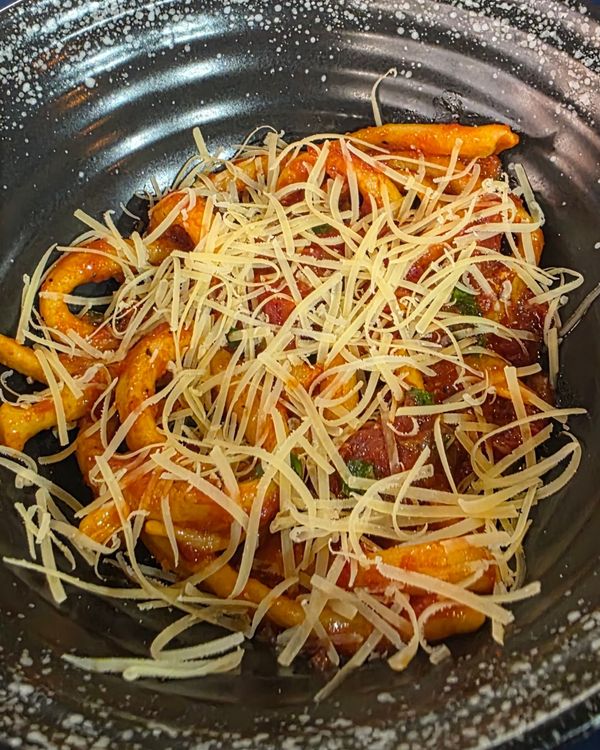
- Italian
- Vegetarian
- Lunch
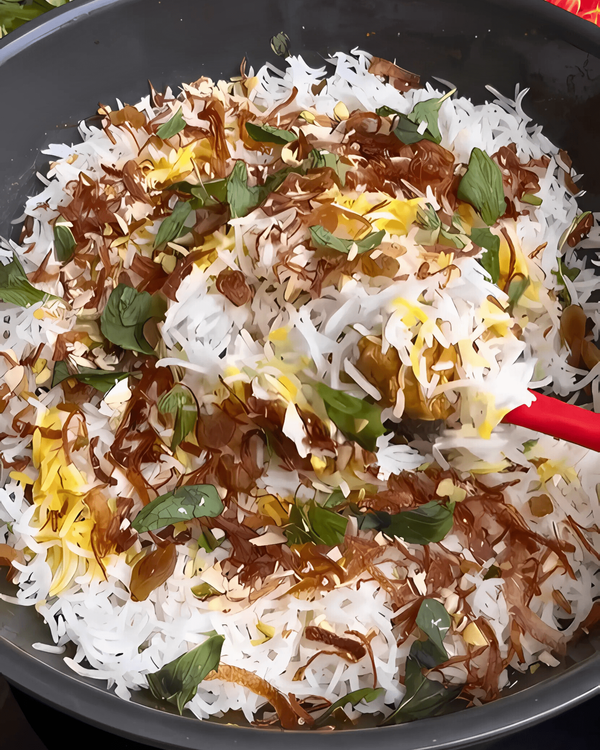

- Indian
- Non-Vegetarian
- Lunch
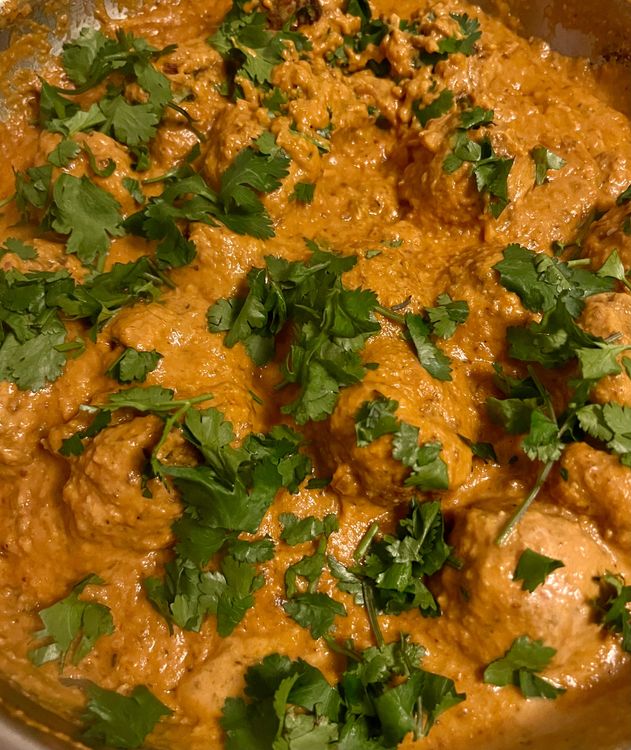

- Indian
- Vegetarian
- Lunch
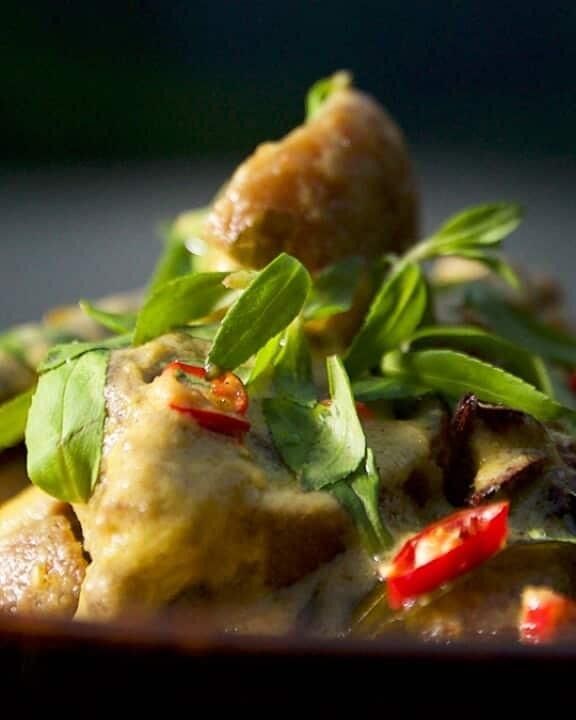
- Vietnamese
- Non-Vegetarian
- Lunch
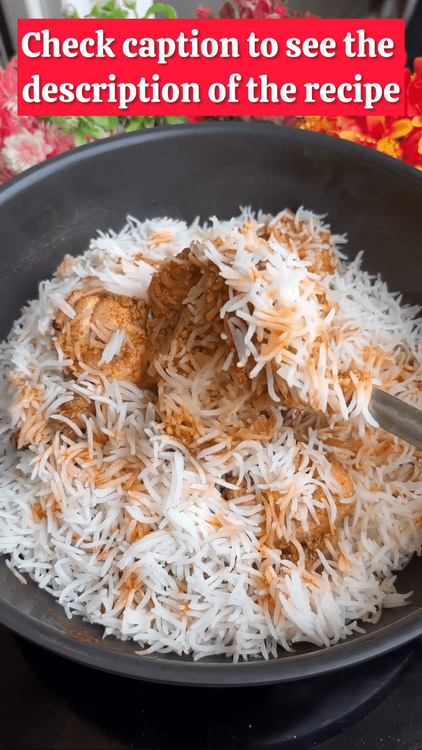
- Indian
- Non-Vegetarian
- Lunch
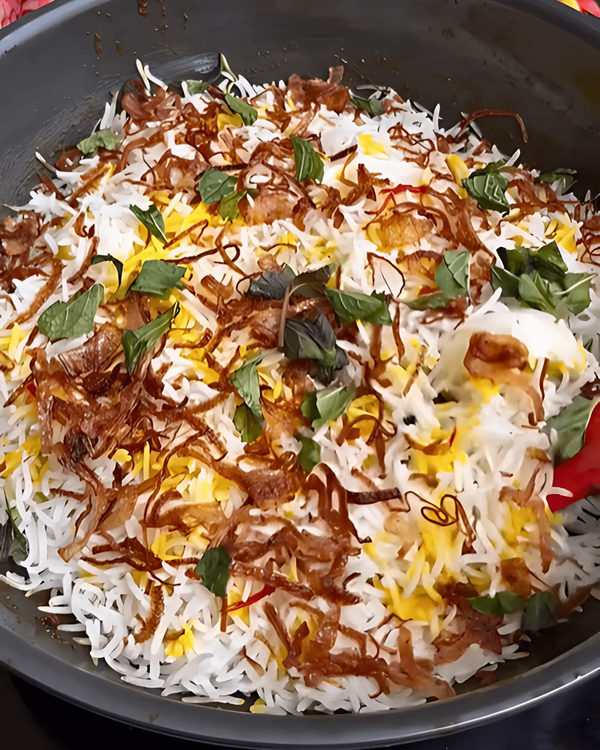
- Indian
- Non-Vegetarian
- Lunch


- Indian
- Non-Vegetarian
- Dinner
More Dinner Party Favourites
A few more dishes worth a place in your rotation — same techniques, different results. Standouts here include Coconut and Pineapple Tart and Mandarin Tart, plus Tropical Fruit Tart.

- Caribbean
- Vegetarian
- Dessert

- International
- Eggetarian
- Dessert

- International
- Eggetarian
- Dessert

- French
- Non-Vegetarian
- Lunch

- International
- Vegetarian
- Dessert
Planning and Timing a Dinner Party Menu
The most important dinner party rule is also the least exciting: write a timeline and work backwards from the time you want to eat. Identify which components of each dish can be made in advance — a marinade, a sauce base, a par-cooked biryani layer — and which must be done fresh. Aim to have only one element of the main course that requires active attention at service; everything else should be a matter of reheating, resting, or assembling.
Biryani and braises are the best-behaved dinner party main courses because they cook unattended, hold beautifully, and often improve if made the day before. A beef Wellington or a grilled salmon fillet must be cooked to order. Decide early which format suits your kitchen and your guest list. A cooked-to-order main for twelve is a stressful evening; a biryani for twelve is a joyful one.
A simple timing framework: two days before, confirm the guest list and shop for everything that is not perishable. The day before, make any marinades, braises, pasta sauces and desserts. The day of the dinner, prep vegetables, set the table and lay out serving dishes. One hour before guests arrive, finish any last cooking that holds well. At service, your only active cooking should be the final element — whether that is searing scallops, carving a Wellington, or ladling the biryani.
Making Salmon and Seafood Look and Taste Restaurant-Grade
The most common seafood dinner party mistake is overcooking. A salmon fillet, a scallop and a prawn all have a narrow window between perfect and overdone — often less than a minute. For salmon, cook skin-side down in a hot pan with a little oil for most of the time, then flip for just thirty seconds to a minute. The flesh should be opaque at the edge and still slightly translucent in the thickest part at the centre when you take it off the heat; the carry-over finishes it.
Scallops need a very hot pan, dry surfaces and patience. Pat them thoroughly dry, season just before cooking, and do not move them for ninety seconds to two minutes — you need a proper golden crust before you flip. Move them too early and they tear and steam. One flip, thirty seconds on the second side, straight to a warmed plate. A scallop is done the moment it feels just firm to the press; it should still have a little give.
For a seafood paella or a large crab and prawn risotto, the drama is in the presentation — the pan arriving at the table is the show. Have your mise en place completely ready before the rice goes in: stocks measured, proteins at room temperature, garnishes cut. Both dishes need continuous attention at the stove but reward the effort with something genuinely spectacular to serve.
Beef Wellington and Impressive Roasts: What Actually Goes Wrong
Beef Wellington fails in two ways: the pastry goes soggy from the moisture in the filling, or the beef is overcooked by the time the pastry is golden. Both are solvable. For a dry layer, use a duxelles (mushroom paste) cooked until completely dry — any residual moisture will steam the pastry. Chill the assembled Wellington in the fridge for at least thirty minutes, preferably overnight, before baking; the cold pastry holds its shape better in the hot oven.
Use a probe thermometer. For medium-rare, pull the Wellington when the centre reads 52–54°C — the temperature will rise to around 57°C during resting. Rest for ten minutes before cutting. This is the single most reliable instruction in this recipe and the most commonly skipped. A thermometer costs less than the beef fillet; use one.
For braised dishes — short ribs, lamb shoulder, braised beef cheek — the make-ahead case is even stronger. These dishes genuinely taste better the next day as the braising liquid reduces and the collagen in the meat gelatinises into a glossy, clingy sauce. Braise the day before, refrigerate overnight, skim the solidified fat from the surface, and reheat gently for thirty minutes before serving. You get a better dish and a stress-free evening.
Biryani and Grand Rice Dishes: Cooking for a Crowd
A properly made biryani is cooked in two stages: the rice is parboiled (cooked to sixty to seventy percent done), and the base — marinated meat or vegetables in a spiced gravy — is prepared separately. The two are then layered in a heavy pot and sealed with dough or a tight lid for the dum (slow steam) stage. The steam from the base finishes the rice and melds the flavours. Rushing either stage produces rice that is undercooked, mushy or poorly flavoured.
The right pot matters. A heavy Dutch oven or a thick-bottomed handi distributes heat evenly and prevents the bottom from scorching. The dum stage cooks over the lowest possible heat — even a heat diffuser under the pot is not overkill. Some cooks put the pot on a very low burner for the first ten minutes, then transfer to a 150°C oven for a further twenty to twenty-five. Both approaches work; the oven method is more forgiving.
For pasta dishes served to a party — a ragu ravioli, a pici with tomato and basil, a salmon cannelloni — the sauce always improves overnight and reheats gently without separating. The pasta itself must be cooked fresh at service, which is the one non-negotiable in a pasta main. Set a large pot of heavily salted water to boil well before dinner, and have a warm bowl and a little extra sauce waiting. Pasta waits for no one.
Pro Tips from the Test Kitchen
- Write a cooking timeline and work backwards from the time you want to serve — identify every component that can be made ahead.
- Use a probe thermometer for beef Wellington; pull at 52°C internal and rest ten minutes before slicing.
- Pat scallops completely dry before searing — any surface moisture prevents a golden crust from forming.
- Cook biryani duxelles-style mushroom duxelles or base until completely dry before layering to avoid a steamed, soggy result.
- Braise short ribs or lamb shoulder the day before — the dish improves overnight and the evening is stress-free.
- For salmon, cook skin-side down for most of the time and flip for just thirty seconds — it carries over off the heat.
- Chill a Wellington overnight in the fridge before baking so the cold pastry holds its shape in the hot oven.
- Have all mise en place ready before the rice goes into a risotto or paella — neither dish waits for a pause in prep.
- Rest all roasted meats and larger cuts for at least ten minutes before slicing — cutting too soon loses all the juices.
- Cook pasta at service, not in advance — it is the one element that will not hold; have everything else ready and waiting.
Frequently Asked Questions
What are the best dinner party recipes that can be made ahead?
Braises — short ribs, lamb shoulder, beef cheek — are the gold standard: they improve overnight and reheat with minimal effort. Biryani layers can be assembled and sealed the day before and then dum-cooked on the evening. Most pasta sauces improve after twenty-four hours in the fridge. Seafood is almost always better cooked fresh, but a salmon gravlax or crudo can be prepped hours ahead and held in the fridge. The key is identifying in each dish which components are time-stable and which need live cooking.
What is an impressive dinner party main that is not too difficult?
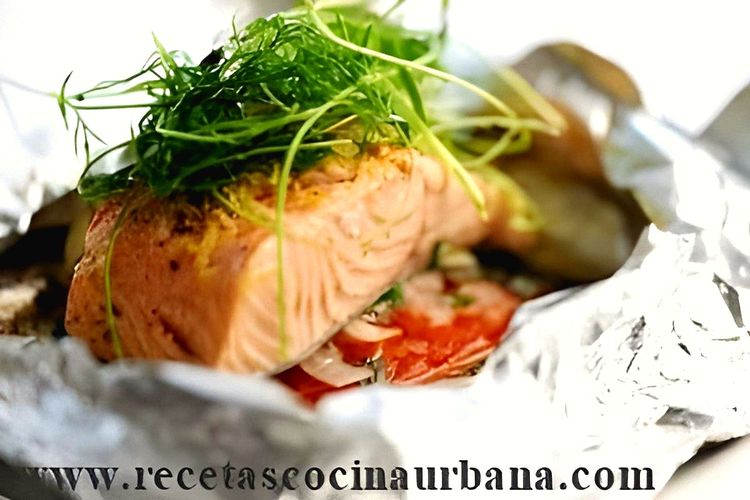
Salmon is consistently the best answer to this question. Lemon herb crusted salmon, a salmon papillote (en papillote, baked in parchment), or a well-seasoned grilled salmon all look spectacular and cook in fifteen to twenty minutes. The perceived difficulty is much higher than the actual effort. A biryani is another strong choice — it takes time but most of that time is unattended, and it feeds a crowd with a single pot.
How do you keep food warm during a dinner party?
A low oven at 60–70°C holds most roasted meats, braises and rice dishes for up to thirty minutes without drying them out. Cover loosely with foil to prevent surface drying. Pasta and seafood should not be held — cook them at the last moment. Warm serving dishes and bowls by filling with hot water, draining and drying before use; cold crockery drops the temperature of food within seconds. A resting board with a foil tent is sufficient for most roasted meats and fish.
How much food do I need per person for a dinner party?
As a general rule: 180–200 g of boneless protein per person for a main course, 250–300 g bone-in. For rice dishes like biryani or risotto, 80–100 g of dry rice per person. For pasta, 80–100 g per person as a main. Add roughly twenty percent for generous portions and potential second servings. Most braises and stews also lose volume by ten to fifteen percent during cooking, so factor that into the raw weight.
What dinner party recipes work best for dietary restrictions?
A well-built biryani can be made vegetarian without losing the drama. Salmon and seafood dishes naturally exclude red meat without feeling like compromises. A mushroom Wellington is a strong vegetarian centrepiece that impresses meat-eaters too. For gluten-free guests, biryani and most grilled protein dishes are naturally compliant. The safest approach is to plan the menu around one or two naturally inclusive dishes and serve accompaniments that everyone can eat, rather than making two separate meals.
Can you make beef Wellington the day before?
You can assemble it fully — including wrapping in pastry — and hold it overnight in the fridge, well-wrapped, before baking the next day. This actually improves it: the cold pastry holds its shape better in the oven and the duxelles has time to dry further, reducing the risk of a soggy base. Bake directly from the fridge, adding five minutes to the cooking time. Do not bake it the day before and reheat — reheated Wellington loses its pastry quality significantly.
What wines go with a dinner party menu featuring salmon and beef?
For salmon: a white Burgundy or good Chardonnay for the richer preparations; a Pinot Gris or Viognier for lighter herb-crusted versions. For beef Wellington or short ribs: a structured red with tannin — Bordeaux, Barolo, Rioja Reserva, or a good Australian Shiraz. If you are serving both, open the whites first with a starter and seafood course, then switch to red for the meat. A Pinot Noir bridges both if you want a single bottle for the table.
How do I make a dinner party biryani for a large group?
Scale up linearly on the rice and protein, but be cautious with spices — doubling the recipe does not always mean doubling the chilli or salt. The dum stage is the tricky part for large quantities: a very large pot holds heat unevenly. If cooking more than 1.5 kg of rice, use two pots rather than one enormous one. Have the layers ready in advance, seal and cook the dum stage for thirty to thirty-five minutes. Open at the table for maximum drama.
What is a good starter to serve before a dinner party main?
Salmon crudo or carpaccio with a citrus dressing is elegant, makes-ahead easily and takes no oven time. A simple soup — a roasted tomato bisque, a smooth parsnip and pear — can be made two days ahead and reheated. For a more substantial starter, a sharing board of cured meats, cheeses and pickles gives guests something to eat while you finish the main. The rule is: the more labour-intensive the main, the simpler the starter should be.
How do I time cooking multiple dishes at a dinner party?
Anchor your timing around the most time-sensitive element — usually the main protein — and schedule everything else relative to it. Write the times on a card: if dinner is at 8pm, Wellington goes in at 7:20, pasta water goes on at 7:40, sides come out of the oven at 7:50, rest begins at 7:55, and slicing at 8:05. Make-ahead items should already be done; starters should need only plating. A physical timeline on paper sounds fussy but is the single most effective tool for a relaxed evening.
The best dinner parties are remembered for the conversation, not the complexity of the cooking. The recipes in this collection are built to give you control over the most stressful part of hosting — the timing — so that by the time guests sit down, the kitchen is quiet and you are at the table with them.
Start with the cluster that matches your confidence and your crowd: a salmon centrepiece if you want something achievable and impressive, a biryani if you want to feed a large group with a single show-stopping pot, a beef dish if the occasion demands something genuinely special. Save the ones you want to return to in a Chefadora cookbook, and let this page be the reference you reach for every time someone says they are coming for dinner.
Related
- Dinner Party
- Entertaining
- Special Occasion
- Seafood
- Beef
- Biryani
- Impressive
Popular Searches
- Best dinner party recipes
- Easy dinner party recipes
- Quick dinner party recipes
- Healthy dinner party recipes
- Simple dinner party recipes
- Homemade dinner party recipes
- Delicious dinner party recipes
- Popular dinner party recipes
- dinner party ideas
- dinner party menu
- easy entertaining
Marnirni-apinthi Building, Lot Fourteen,
North Terrace, Adelaide, South Australia, 5000
Australia
