
Top 36 Chicken Wing Recipes: Buffalo, Crispy Baked, Grilled and Glazed
Updated June 29, 2026 · Curated by Chefadora
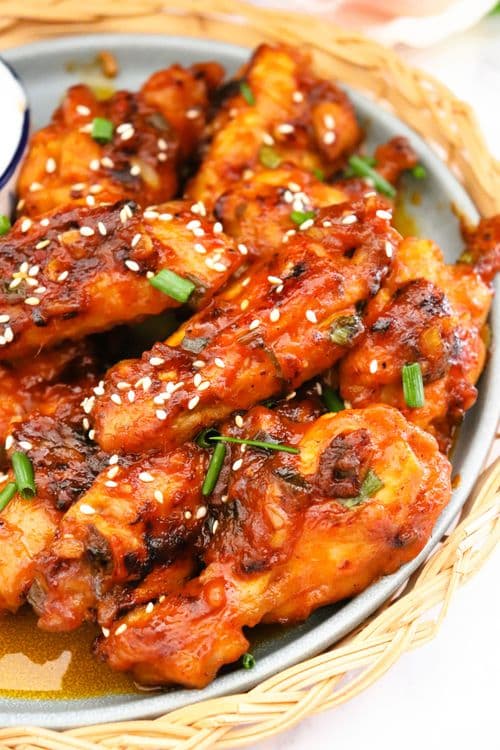
Chicken wing recipes are the most reliable crowd-pleaser in the book: cheap, fast, endlessly variable, and built for eating with your hands. The dishes below were chosen to show the full range a wing can cover — the classic buffalo toss, oven and air-fryer versions that crackle without a vat of oil, smoky grilled wings, and the sticky, lacquered glazes from Seoul to Nashville — rather than ten near-identical hot-sauce recipes.
What every great wing has in common, whatever the flavor, is skin that genuinely crisps. A wing is mostly skin, fat and collagen, and the magic happens when that fat renders out and the surface dries and blisters into a thin, shattering crust. Get that right and even a simple salt-and-pepper wing is a treat; get it wrong and no amount of sauce rescues pale, flabby, steamed skin. Almost every guide and tip on this page circles back to that one idea.
You will find four clusters here: buffalo and classic hot wings, crispy baked and air-fryer wings, grilled and smoked, and the global glazed group. The crisping technique is shared across all of them, so once you can turn out a properly crunchy wing in your oven or fryer, the sauce is just a choice — toss the same crisp base in buffalo, gochujang or honey garlic and you have three different dishes from one method.
Treat this as a working reference. Each recipe links to full ingredients and steps on Chefadora, and the guides below cover the decisions that actually decide the outcome — how to get crispy skin without deep-frying, how to break down and prep whole wings, how to build and time a glaze so it clings instead of sliding off, and how to cook them over fire without burning the sauce.
Buffalo & Classic Hot Wings
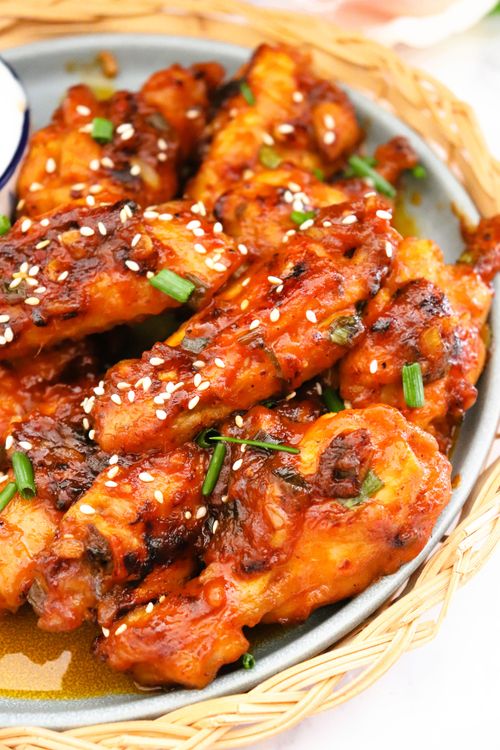
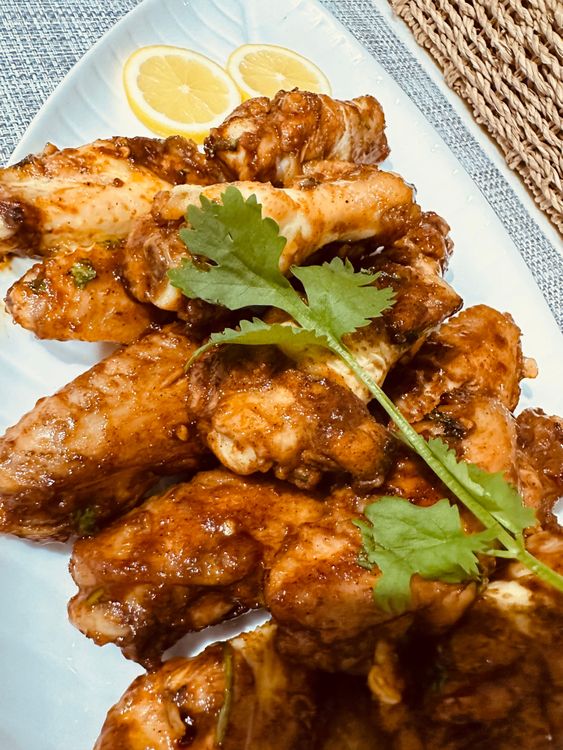
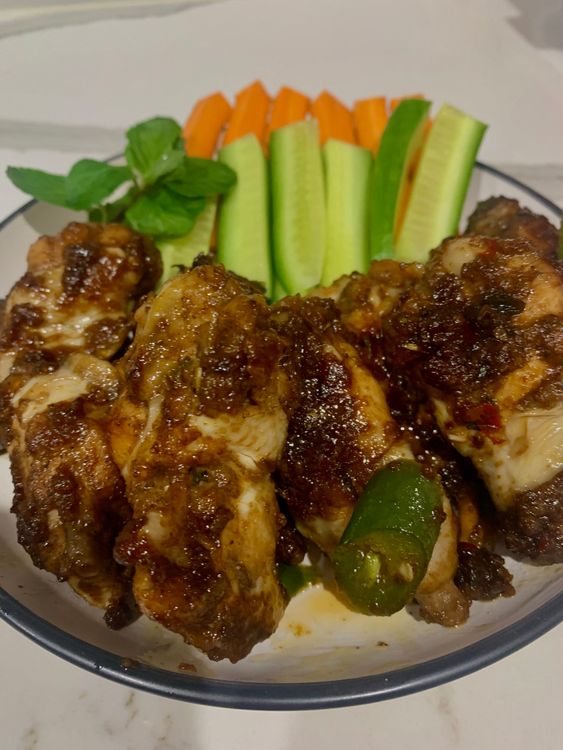
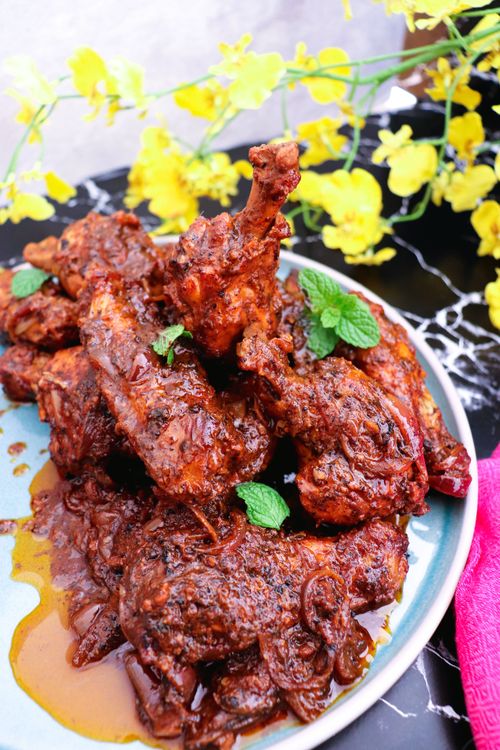
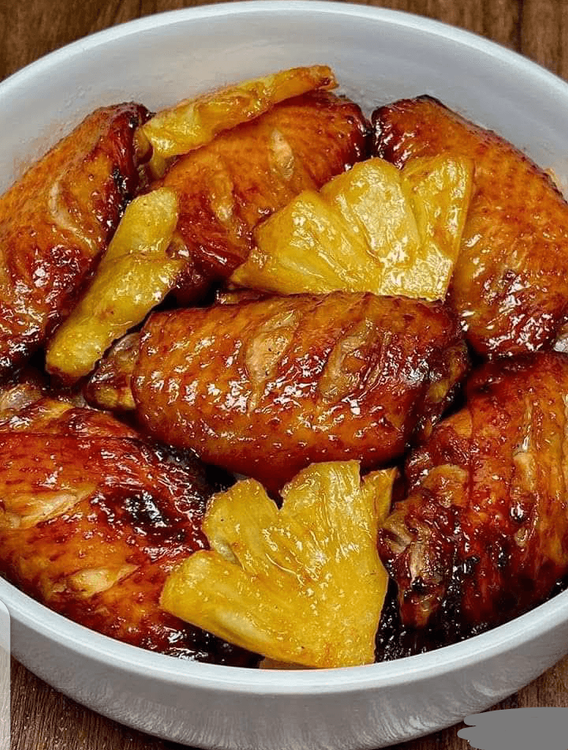
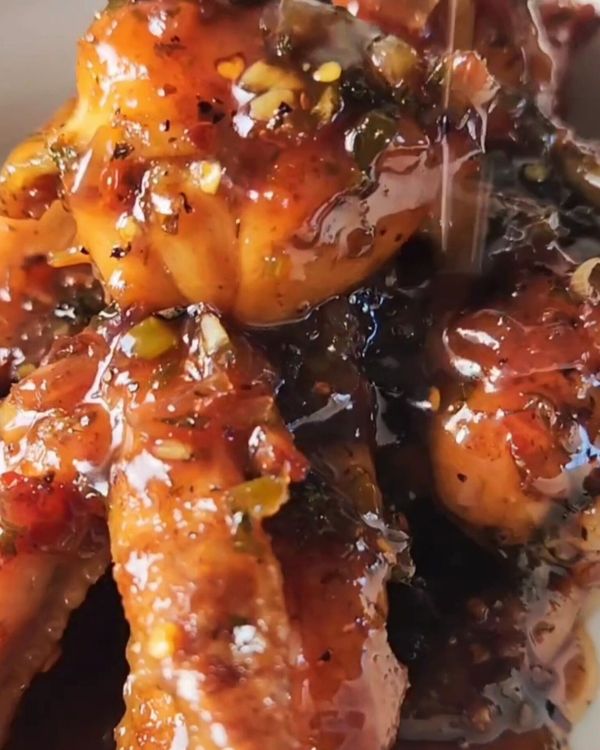
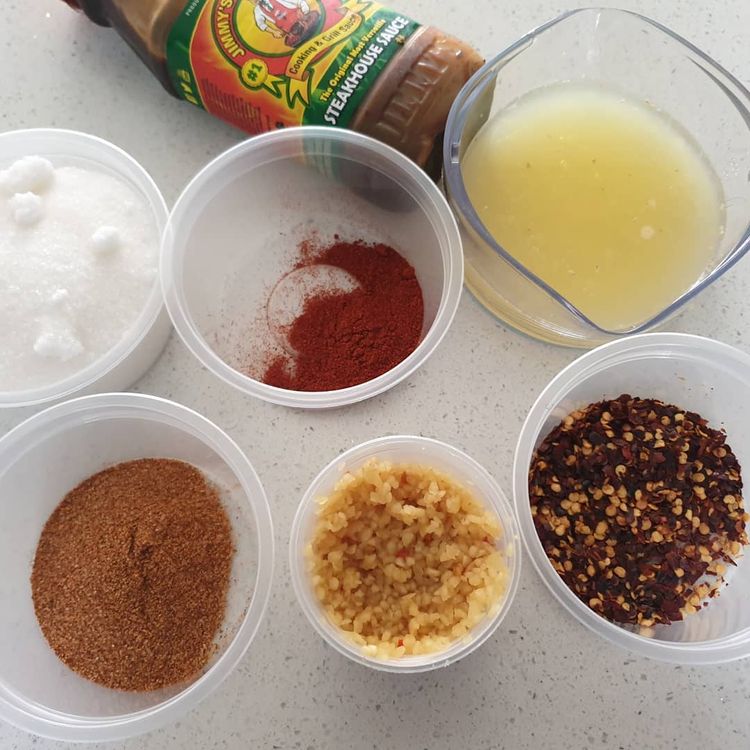
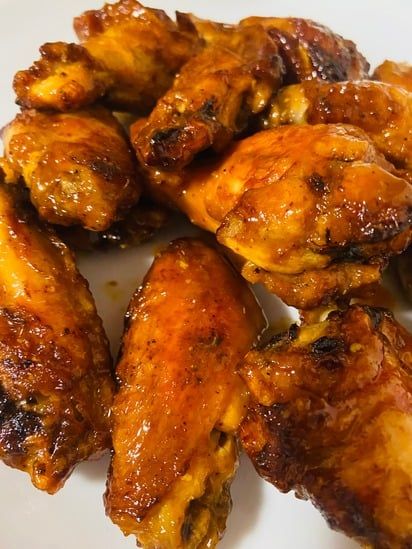
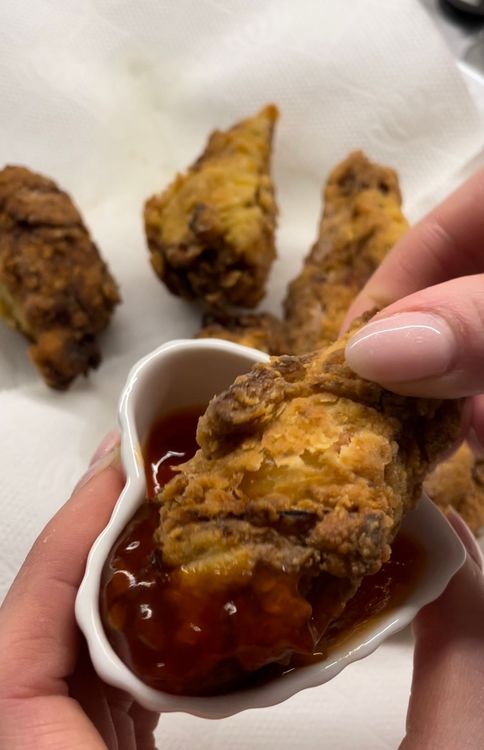
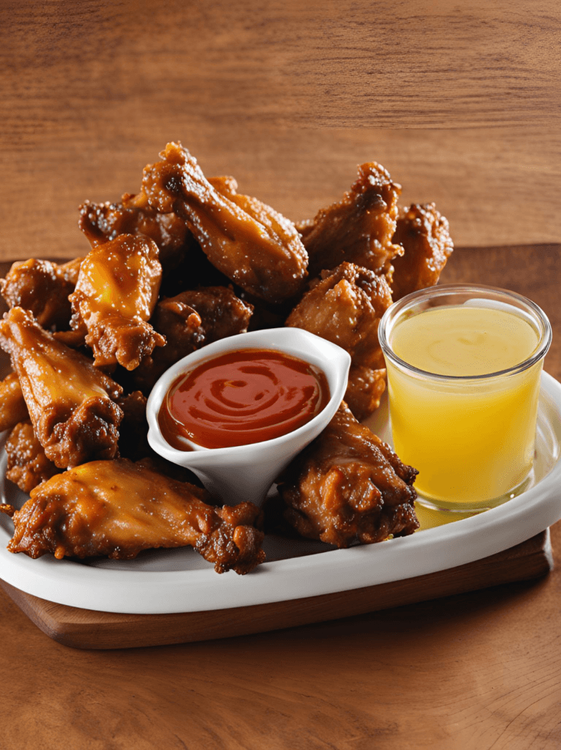
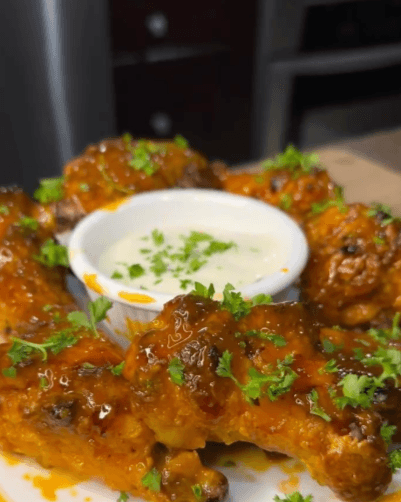
This is the wing that started the obsession, and getting it right is mostly about two things done in the right order: crisp the skin hard, then sauce it the instant it comes off the heat. The classic buffalo coating is an emulsion, not a marinade — a cayenne-forward hot sauce whisked into melted butter with a splash of vinegar until it turns glossy and pourable, mellowed just enough that the heat builds rather than burns. It only clings properly to skin that is genuinely crackling and still hot, so fry, roast or air-fry the wings until they shatter, tip them straight into a wide bowl, pour the warm sauce over, and toss fast so every piece is coated before the skin softens. The most common mistake is saucing limp, lukewarm wings, which leaves you with a soggy, puddled mess. Whether you go classic buffalo, fiery Nashville-style, or an atomic devil-hot version, the rhythm never changes — crunch first, sauce second, serve immediately with celery and a cool dip to balance the burn. Standouts here include Chicken Wings- Sweet, Spicy n Garlicky and Buffalo Wings , plus Sweet & Spicy Chicken Wings.

- Asian
- Non-Vegetarian
- Appetiser
- Indian
- Non-Vegetarian
- Appetiser
- Indian
- Non-Vegetarian
- Appetiser
- Indian
- Non-Vegetarian
- Appetiser
- Asian Fusion
- Non-Vegetarian
- Appetiser

- Fusion
- Non-Vegetarian
- Dinner
- American
- Non-Vegetarian
- Appetiser
- American
- Non-Vegetarian
- Appetiser
- American
- Non-Vegetarian
- Appetiser

- American
- Non-Vegetarian
- Appetiser
Baked & Air-Fryer Crispy Wings
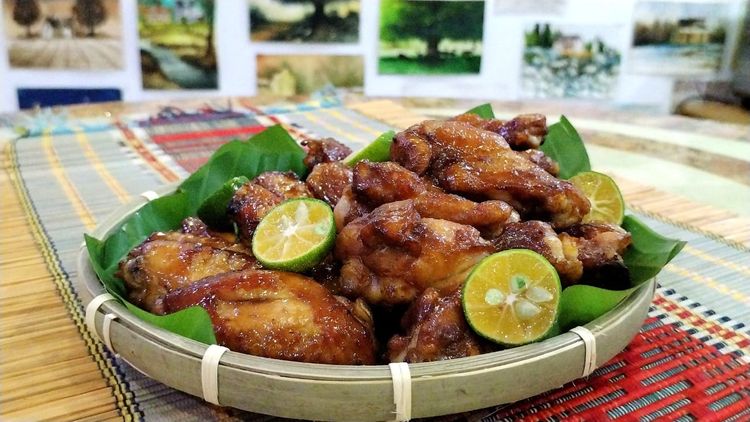
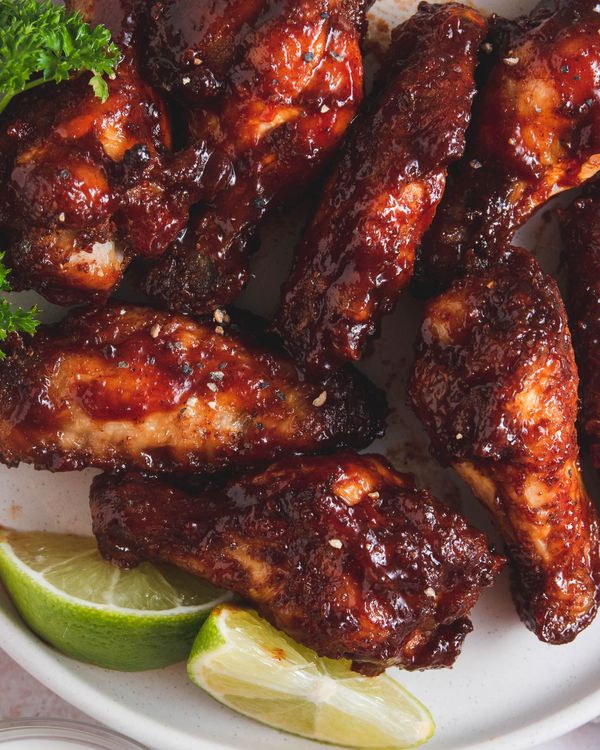
Here is the part people refuse to believe until they try it: oven and air-fryer wings can crackle just like deep-fried ones, no vat of oil required. The whole method rests on dryness and airflow. Pat the wings bone-dry, then air-dry them uncovered on a rack in the fridge if you have the time, because surface moisture has to boil off before any browning starts, and that lag is why rushed wings come out pale and flabby. The single biggest upgrade is a thin dusting of aluminum-free baking powder tossed in with the salt — it is alkaline, so it raises the skin's pH and blisters it into tiny crackling bubbles, the closest thing to fried you will get from dry heat. Cook on a wire rack over a sheet pan, or in a single uncrowded air-fryer layer, so hot air reaches every side instead of steaming the underside. Roast hot, around 220C/425F, and resist constant flipping. The result is shatteringly crisp wings with a fraction of the mess and grease. Standouts here include Oven baked chicken wings and Ching's Sriracha Baked Wings, plus Oven-Fried Chicken Wings with Sticky-Soy Glaze.
- Malaysian
- Non-Vegetarian
- Lunch
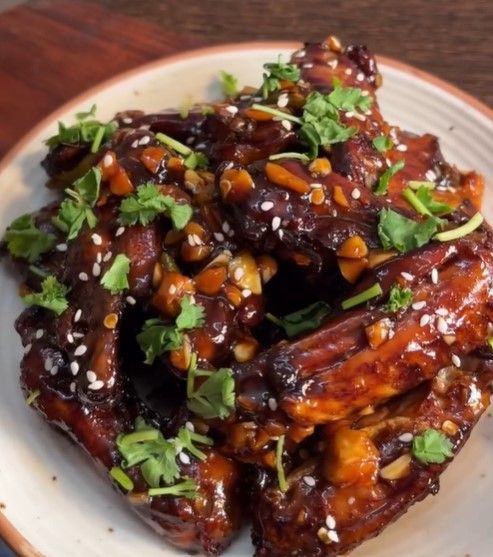

- Chinese
- Non-Vegetarian
- Appetiser
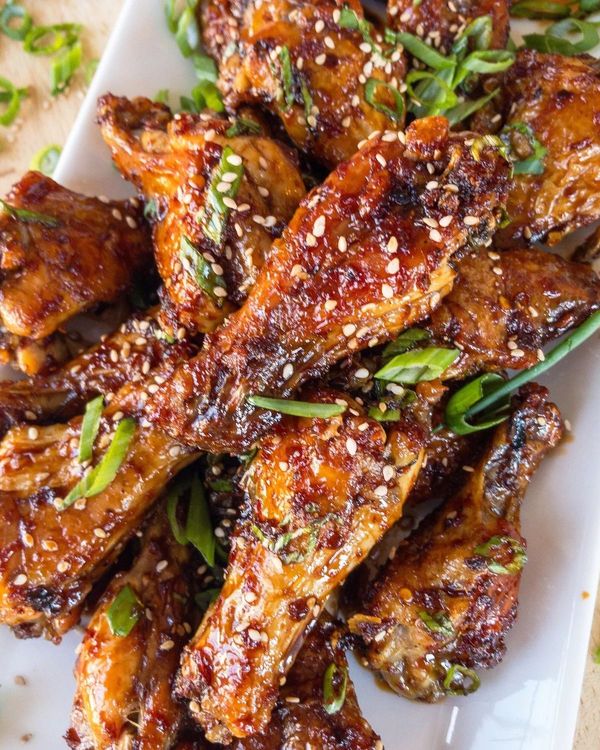
- Asian
- Non-Vegetarian
- Dinner
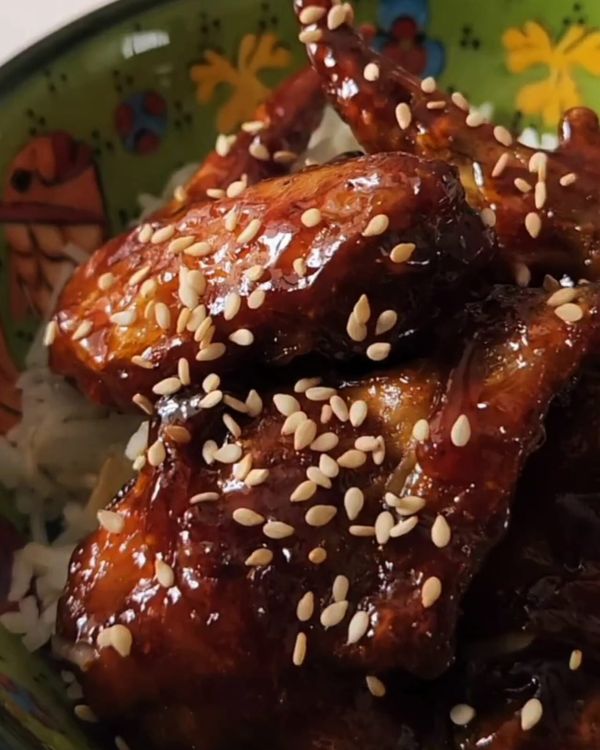
- American
- Non-Vegetarian
- Appetiser
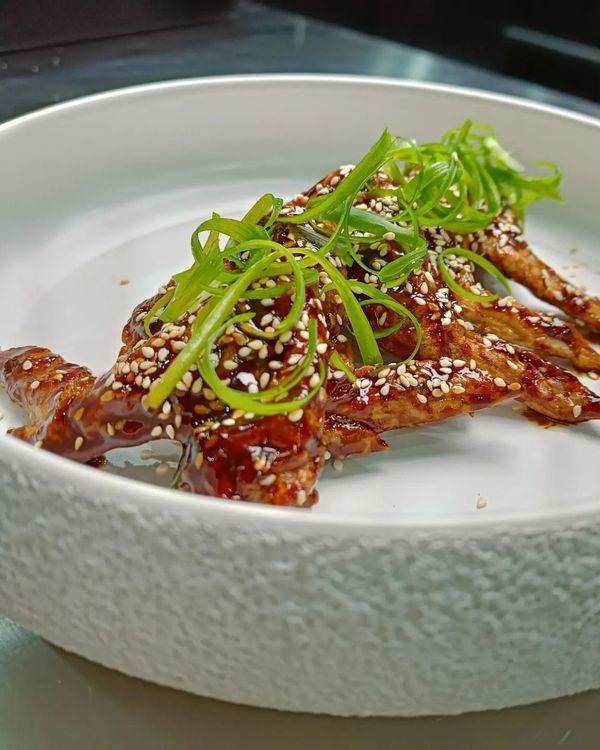

- Asian
- Non-Vegetarian
- Appetiser
- American
- Non-Vegetarian
- Appetiser
Grilled & Smoked Wings
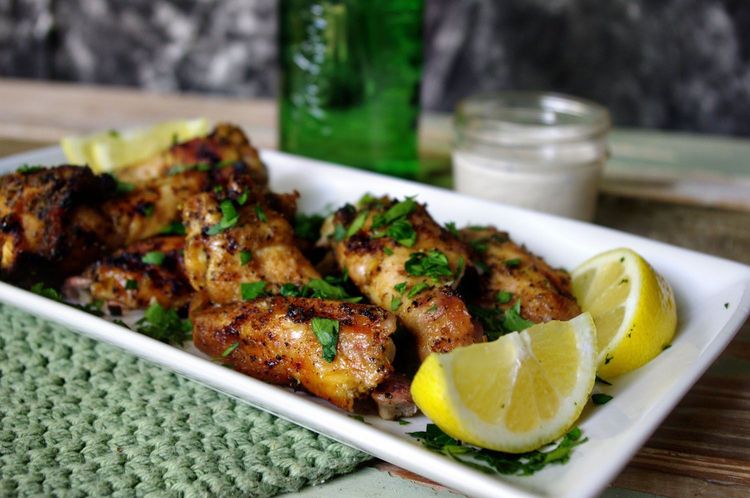
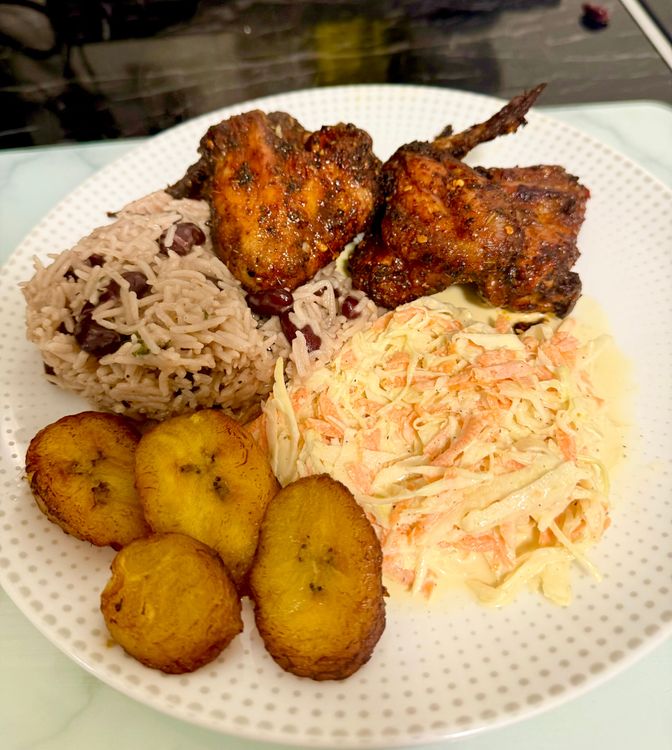
Cooking wings over live fire or low smoke trades the controlled crunch of frying for something deeper — rendered fat, char and woodsmoke doing the seasoning for you. The catch is heat control, because wings are fatty and that fat drips and flares, blackening the skin before the meat is done. The fix on a grill is two-zone cooking: render and sear briefly over direct heat, then slide the wings to the cooler indirect side to finish through gently under a closed lid, dodging flare-ups with your tongs. Smoking is the patient route, run low around 110-120C/225-250F so the wings drink in smoke and the fat renders, but low and slow alone leaves that famously soft, bendy skin. The answer is a finishing blast: crank the heat or move the wings over direct coals for the last few minutes to tighten and crackle the surface without losing any smoke flavor. Hold sugary glazes until the very end so they caramelize instead of burning, and lean on a thermometer rather than the clock — collagen-rich wings stay juicy well past 74C/165F. Standouts here include Smoked Lemon Pepper Wings and Jerk Chicken Wings with Rice n’ Peas and Coleslaw.

- American
- Non-Vegetarian
- Appetiser

- Caribbean
- Non-Vegetarian
- Lunch
Global Glazed Wings
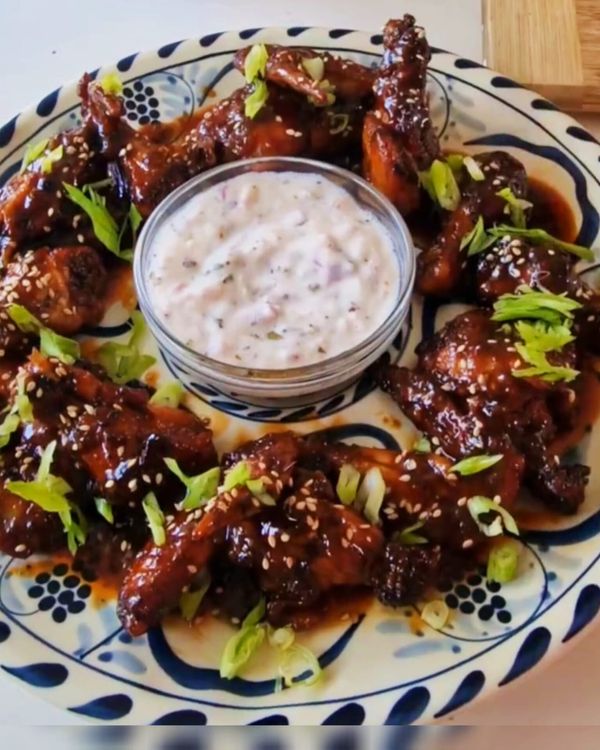
This is where wings get their passport, lacquered in sticky, glossy glazes from kitchens around the world — honey garlic, teriyaki, Korean gochujang, lemon pepper, soy-sesame and beyond. What unites them is that a glaze is a reduction, not a thin sauce: simmer honey, soy, gochujang or teriyaki until it thickens enough to coat the back of a spoon, balancing the sweetness with acid and salt — a splash of vinegar or lime, a hit of fish sauce or soy — so it never turns cloying. The crucial move is timing. These glazes are loaded with sugar, so they scorch if they go on early; brush or toss them in the last few minutes, or better, coat the crisp wings off the heat and give them one short blast back under the broiler or in the air fryer to set the glaze into a shiny lacquer. The most common slip is a glaze too thin to cling, which slides off and pools — tighten it with a quick cornstarch slurry and reduce it properly. Garlic-parmesan and dry lemon-pepper styles work the same way: crisp first, dress second, finish bright. Standouts here include Sweet Chilli Wings! and Balsamic Glazed Chicken Wings , plus Tamarind Glazed Chicken Wings.
- Indian
- Non-Vegetarian
- Appetiser
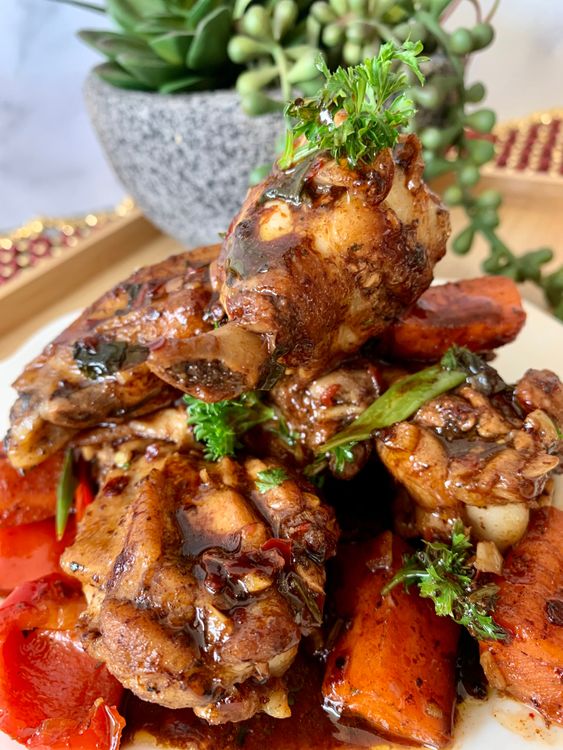
- Italian
- Non-Vegetarian
- Lunch
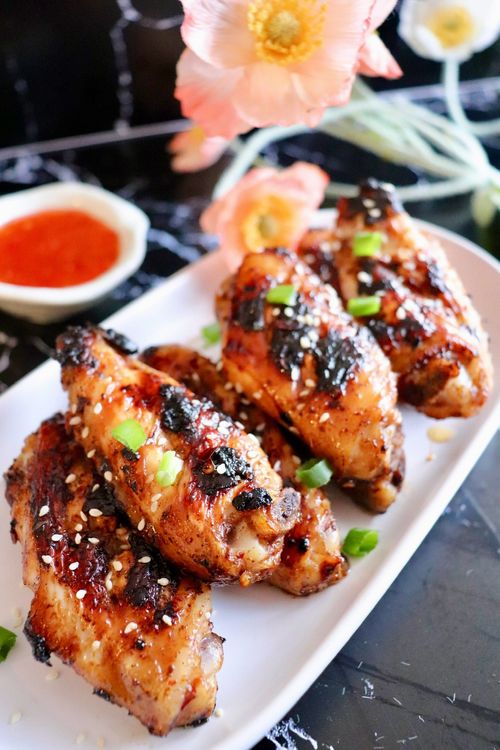
- Non-Vegetarian
- Side Dish
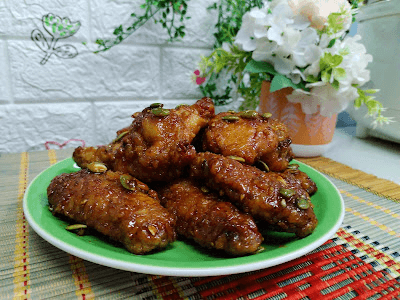
- Chinese
- Non-Vegetarian
- Appetiser
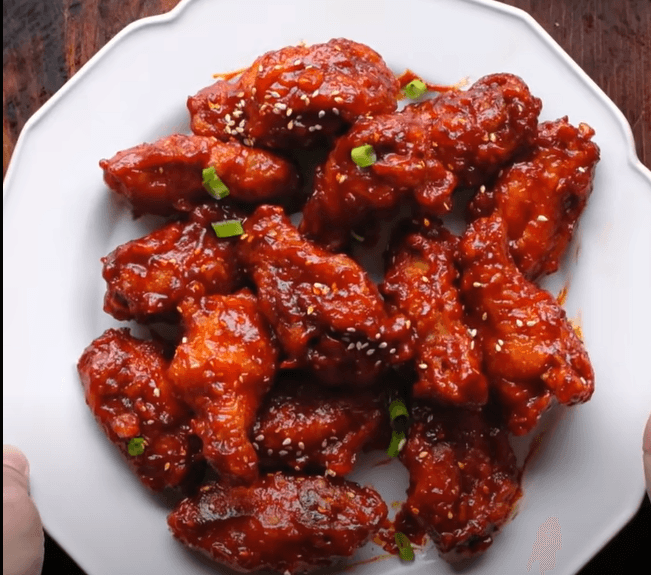

- Korean
- Non-Vegetarian
- Appetiser
More Chicken Wings Favourites
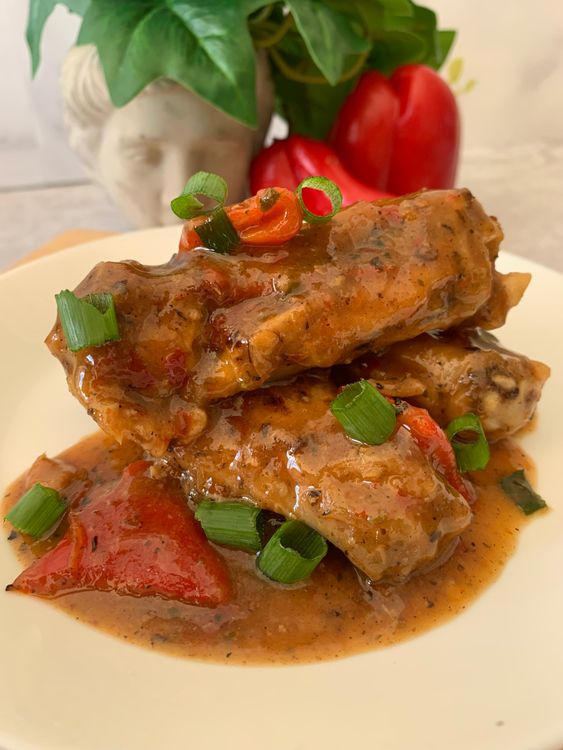
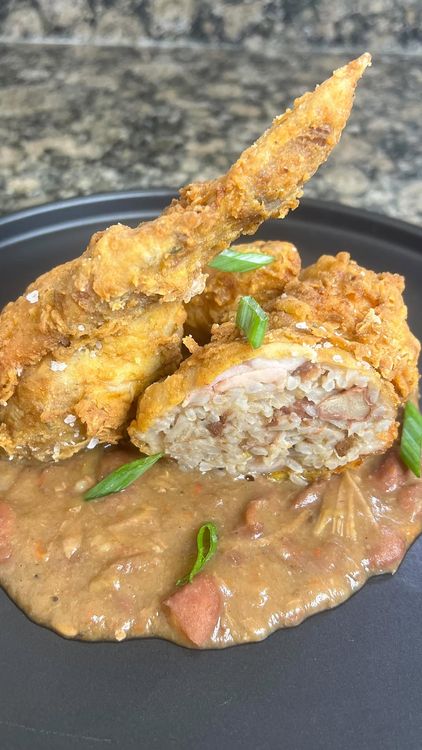
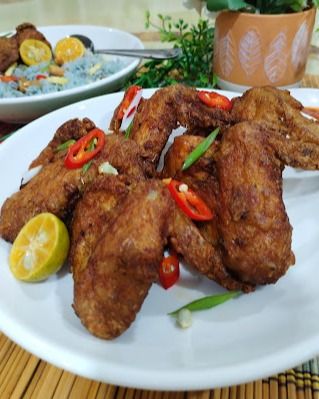
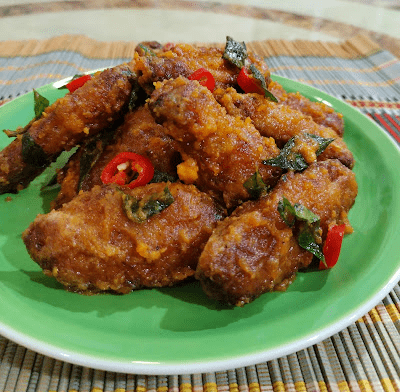
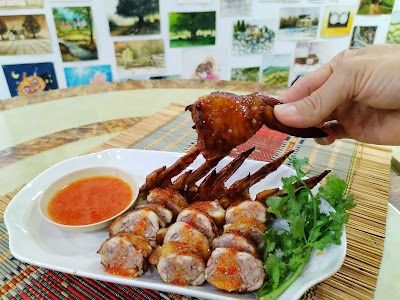
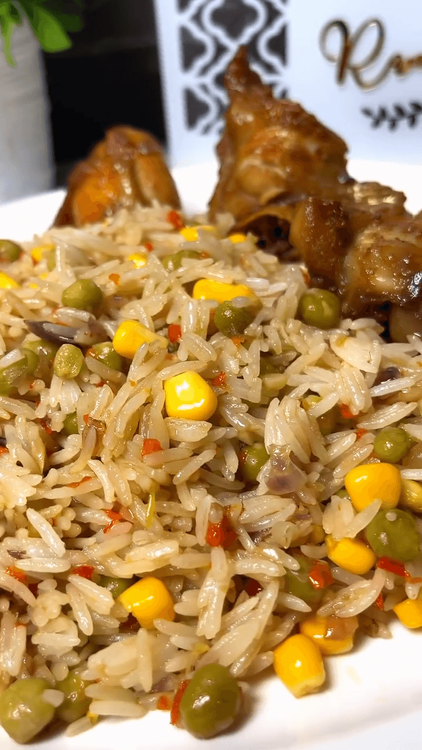
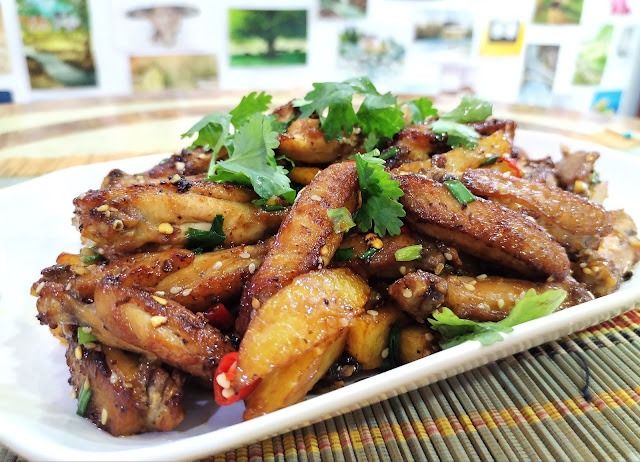
A handful of wings never quite fit a single bucket, and these are the ones worth keeping in your back pocket once the staples feel routine — dry-rubbed and barely sauced, brined and roasted whole, sticky-sweet hybrids that borrow from two traditions at once. They all lean on the same fundamentals you already know: dry the skin, use a rack and real heat, crisp first and dress second, and time any sugary coating so it sets rather than burns. Picking your next one is mostly about matching effort to the evening — reach for a simple salt-and-pepper or dry-rub batch when you want crackle in under an hour, and save the double-fried or low-smoked numbers for a weekend when you can give them the time they deserve. Pay attention to how the wings are cut and spaced, too, since drumettes run denser and a crowded pan steams everything pale. Think of this group as the natural next step after the classics, the wings that quietly earn a permanent spot in the rotation once you have tried them. Standouts here include Lemongrass Chicken Wings and Oregano Lemon Chicken Wings, plus Smothered Turkey Wings.
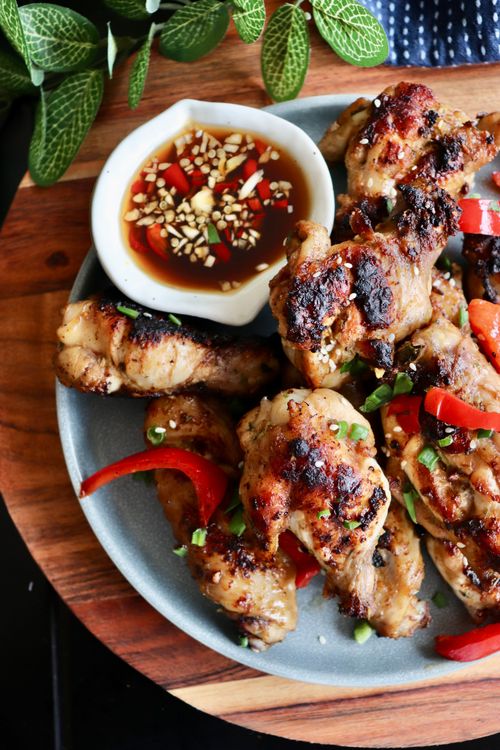
- Vietnamese
- Non-Vegetarian
- Appetiser
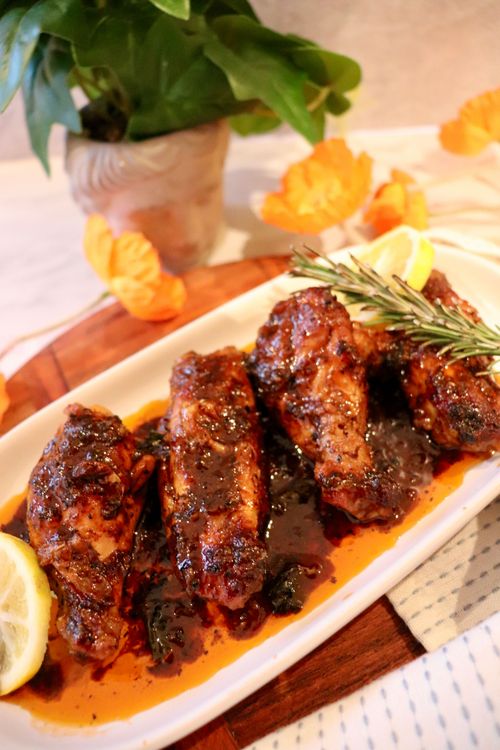
- Fusion
- Non-Vegetarian
- Appetiser
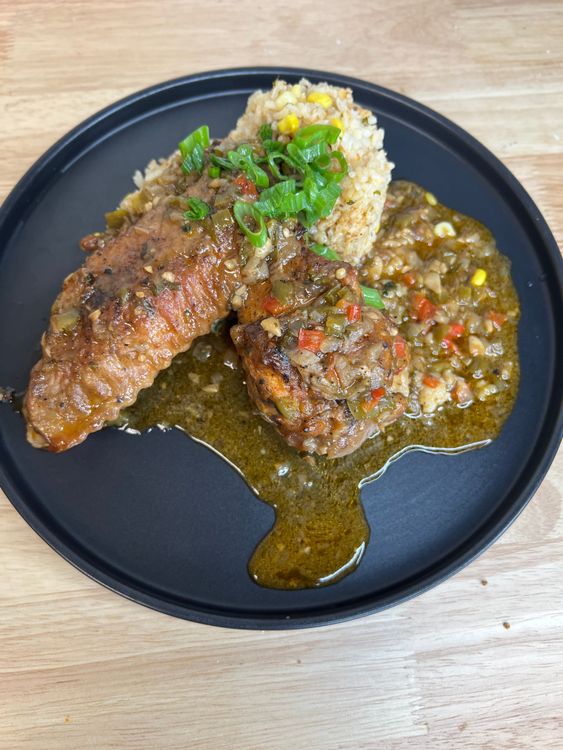
- American
- Non-Vegetarian
- Dinner
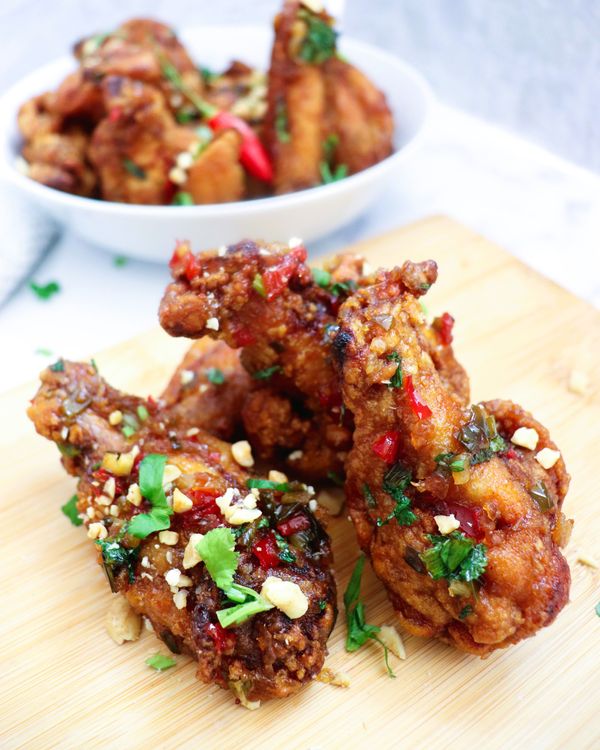
- Vietnamese
- Non-Vegetarian
- Appetiser
- Cajun
- Non-Vegetarian
- Dinner
- Southeast Asian
- Non-Vegetarian
- Dinner
- Asian
- Non-Vegetarian
- Lunch
- Chinese
- Non-Vegetarian
- Appetiser

- Middle Eastern
- Non-Vegetarian
- Main Course

- American
- Non-Vegetarian
- Dinner
- Chinese
- Non-Vegetarian
- Lunch
- American
- Non-Vegetarian
- Appetiser
The Secret to Crispy Skin (Without Deep-Frying)
Crispy skin starts long before the heat: it starts with dryness. Pat the wings bone-dry with paper towel, then, if you have the time, leave them uncovered on a rack in the fridge for a few hours or overnight. That cold, dry air pulls moisture out of the skin so it crisps instead of steams. Surface water is the enemy of crackle — it has to boil off before any browning can begin, and that lag is exactly why rushed, wet wings come out pale and rubbery.
The single best trick for oven and air-fryer wings is a light dusting of aluminum-free baking powder mixed into your salt and rub — roughly a teaspoon per pound. It is alkaline, so it raises the skin's pH and helps the proteins brown faster and the surface blister into tiny bubbles that shatter when you bite. Use baking powder, never baking soda, and keep the coat thin; too much leaves a metallic, chalky taste. Toss the wings until barely dusted and you will swear they were fried.
Then give them room and real heat. A wire rack over a sheet pan lets hot air reach the underside so wings crisp all the way around instead of stewing in their own rendered fat. In the air fryer, a single uncrowded layer does the same job. Roast hot — around 220C/425F, often nudged higher for the last few minutes — and resist the urge to flip constantly. Render low-and-slow first if a recipe calls for it, then blast the heat at the end to set the crust.
Buying, Splitting and Prepping Wings
A whole wing has three parts: the meaty drumette, the two-bone flat (or "wingette"), and the bony tip. Most recipes split the wing at the joints into drumettes and flats and discard or save the tips for stock. To split, find the joint, press your knife into the soft gap rather than trying to hack through bone, and it pops apart cleanly. Buying party wings already split saves the step; buying whole wings is cheaper and gives you tips for the stockpot.
Dry is everything, so build it into your prep. Pat the split wings thoroughly, and if you have brined or marinated them, dry them again before they meet heat — a wet marinade glazes nicely but will not crisp, so wipe off the excess or finish under high heat to drive the moisture off. For dry-rub wings, season generously and let them sit; salt draws moisture to the surface, which then dries back into a tacky layer that browns beautifully. Always rack the wings while they rest so air circulates underneath.
Even sizing matters more than people expect. Drumettes are denser than flats and take a little longer, so if you want everything done together, either give the drumettes a head start or pull the flats first. Bring wings close to room temperature before high-heat cooking so the skin renders evenly rather than seizing cold and browning in patches. And season in stages — a little salt early for penetration, the rub or sauce later for surface flavor.
Building Sauces and Glazes That Cling
There are two families of wing coating, and they behave differently. A buffalo-style sauce is an emulsion: hot sauce whisked with melted butter (and often a splash of vinegar and a pinch of garlic) until glossy and pourable. It clings because the butter sets slightly on the cool, crisp skin. A glaze is a reduction: honey, soy, gochujang or teriyaki simmered until it thickens enough to coat the back of a spoon. Both want to meet the wing late, never early, or the sugar burns and the crust goes soggy.
Timing is the whole trick. Toss buffalo wings in a wide bowl the instant they come off the heat, while the skin is hot and the sauce is warm, so it grips rather than slides. For sticky glazes, brush or toss in the last few minutes of cooking, or — better — toss off the heat and give them one short blast back under the broiler or in the air fryer to set the glaze into a lacquer without burning the sugar. A glaze added too early scorches before the wing is done.
Balance the coating before it ever touches a wing. Buffalo wants heat, tang and richness held in tension — taste and adjust the butter-to-hot-sauce ratio. Sweet glazes need acid and salt to keep them from cloying: a splash of vinegar or lime in honey garlic, fish sauce or soy in a Korean glaze, plenty of cracked pepper and zest in lemon pepper. A teaspoon of cornstarch slurry tightens a thin glaze fast. Finish dry-rub wings with a final dusting after cooking so the spice tastes fresh and bright.
Frying, Grilling and Smoking: Heat Control
Deep-frying gives the benchmark crunch. Hold the oil steady around 175-190C/350-375F and fry in small batches so the temperature does not crash — crowding is what makes fried wings greasy. Many cooks double-fry: a first lower-temp fry to cook through and render the fat, a rest, then a second hot fry to blister the skin. Drain on a rack, not paper, so steam escapes and the crust stays crisp, and salt or sauce the moment they come out.
On the grill, the killer is dripping fat flaring up and charring the skin black before the inside is done. Cook two-zone: sear and render over direct heat briefly, then move the wings to the cooler indirect side to finish through gently, lid down. Keep tongs handy to dodge flare-ups, and hold any sugary glaze until the final few minutes so it caramelizes rather than burns. Wings are forgiving on the grill because the fat self-bastes, but only if you keep them off scorching direct flame the whole time.
Smoking is the patient route to the deepest flavor. Run the smoker low, around 110-120C/225-250F, to render fat and soak in smoke, but know that low and slow alone gives you that famously soft, bendy "rubber" skin. The fix is a finishing blast — crank the heat to 200C/400F or move the wings over direct coals for the last few minutes to tighten and crisp the skin. A thermometer beats the clock everywhere here: pull wings at 74C/165F minimum, though wings are collagen-rich and stay juicy well past that, so a little extra does no harm.
Pro Tips from the Test Kitchen
- Pat wings bone-dry and air-dry them uncovered on a rack in the fridge — dry skin is the whole secret to crackle.
- Toss in aluminum-free baking powder (about 1 tsp per pound) with your salt; it blisters the skin crispy in the oven or air fryer.
- Use baking powder, never baking soda — and keep the coat thin, or it tastes metallic.
- Cook wings on a wire rack over a sheet pan so hot air crisps the underside instead of stewing it in fat.
- Never crowd the basket or pan; a single uncrowded layer is the difference between crisp and flabby.
- Split whole wings at the joint by pressing your knife into the soft gap, not hacking through bone.
- Toss buffalo sauce the instant wings leave the heat, while skin is hot, so it clings instead of sliding.
- Add sticky glazes only in the last few minutes — sugar scorches if it goes on early.
- Fry or smoke low first to render fat, then blast high heat at the end to set a crackling crust.
- Use a thermometer: pull wings at 74C/165F, but collagen-rich wings stay juicy a little past that.
Frequently Asked Questions
How do you get crispy skin on wings without frying?
Two moves do most of the work. First, dry the skin — pat the wings bone-dry and, ideally, air-dry them uncovered on a rack in the fridge for a few hours. Second, toss them with a thin dusting of aluminum-free baking powder mixed into the salt, which raises the skin's pH so it blisters and browns. Then roast or air-fry hot on a rack in a single uncrowded layer so air reaches every side.
Why does baking powder make wings crispy?
Baking powder is alkaline, so it raises the pH of the skin's surface. That speeds up browning and breaks down proteins into tiny bubbles, giving the skin a blistered, crackly texture that mimics deep-frying. It also helps draw moisture out. Use aluminum-free baking powder (not baking soda, which tastes soapy), about a teaspoon per pound, and keep the coat thin so there is no metallic aftertaste.
What is the difference between drumettes and flats?
A whole wing splits into three parts: the drumette (the single-bone section nearest the body, shaped like a tiny drumstick), the flat or wingette (the two-bone middle, with the prized tender meat between the bones), and the bony tip, usually discarded or saved for stock. Drumettes are meatier and take slightly longer to cook; flats are flatter and crisp up a touch faster. Most people enjoy both.
How do you make buffalo wing sauce?
Classic buffalo sauce is an emulsion of hot sauce and butter. Melt butter and whisk it into a cayenne-based hot sauce (Frank's is traditional) along with a splash of vinegar and a pinch of garlic powder until it is glossy and smooth. The butter mellows the heat and helps the sauce cling to crisp skin. Toss the cooked wings in it the moment they come off the heat, while both the wings and sauce are still hot.
Should you sauce wings before or after cooking?
After, almost always. Sauce and especially sugary glazes burn if they go on during a long, high-heat cook, and a wet coating stops the skin from crisping in the first place. Cook the wings until the skin is crackling, then toss them in buffalo sauce off the heat, or brush a sticky glaze on for just the last few minutes and give them one short blast to set it. Dry rubs are the exception and go on before cooking.
What temperature should chicken wings be cooked to?
Chicken is safe at an internal temperature of 74C/165F, measured in the thickest part without touching bone. But wings are full of collagen and fat that only break down with a bit more time, so they actually taste better cooked a little past that — to around 80-85C/175-185F — where the meat turns tender and juicy rather than tight. Because they are small, a thermometer beats the clock for accuracy.
How do you keep grilled wings from burning?
Cook two-zone. Render and sear the wings briefly over direct heat, then move them to the cooler, indirect side of the grill to finish cooking through with the lid down. The fat that drips off wings causes flare-ups that blacken the skin before the inside is done, so keeping them off scorching direct flame for most of the cook is key. Hold any sugary glaze until the final few minutes so it caramelizes instead of burning.
Why are my smoked wings rubbery?
Low-and-slow smoking renders fat and adds flavor but leaves the skin soft and bendy, because the temperature never gets high enough to crisp it. The fix is a finishing blast of high heat: crank the smoker to around 200C/400F, or move the wings over direct coals or into a hot oven or air fryer for the last few minutes. That tightens and crackles the skin while keeping all the smoke flavor you built low and slow.
Can you cook wings from frozen?
You can, but the results suffer. Frozen wings release a lot of water as they thaw in the heat, which steams the skin and ruins any chance of crisp. If you must, the air fryer handles it best: cook them through, then drain off the released moisture, pat them dry, and blast a second round at high heat. For genuinely crispy wings, thaw fully in the fridge and dry the skin thoroughly first — the dryness is everything.
How many wings should I make per person?
As a main, plan on about 6 to 8 wings (drumettes and flats together) per person; as an appetizer or part of a spread, 4 to 6 is plenty. Wings vanish fast at a party, and they are cheap, so erring high rarely hurts — leftovers reheat well in a hot oven or air fryer to re-crisp. Buy a little extra if you are serving a sticky glaze, since people tend to go back for more of those.
The thread running through every wing on this page is the same: crisp skin first, sauce second. Master the few moves in the guides — dry the skin, use the baking-powder trick, give the wings room and real heat, and time the sauce so it clings — and buffalo, baked, grilled and glazed all become variations on one reliable method rather than separate skills to learn.
Pick three to cook this week — a classic buffalo, a crispy baked batch and one sticky global glaze — and save your favorites to a Chefadora cookbook. Then work through the rest; this page is built to be the wing reference you actually come back to whenever there is a game, a crowd or a craving.
Related
Popular Searches
- Best chicken wing recipes
- Easy chicken wing recipes
- Quick chicken wing recipes
- Healthy chicken wing recipes
- Simple chicken wing recipes
- Homemade chicken wing recipes
- Delicious chicken wing recipes
- Popular chicken wing recipes
- buffalo wings
- crispy baked wings
- air fryer wings
Marnirni-apinthi Building, Lot Fourteen,
North Terrace, Adelaide, South Australia, 5000
Australia
