
Top 28 Lasagna Recipes: Classic Meat, Vegetable, White and Easy
Updated June 29, 2026 · Curated by Chefadora
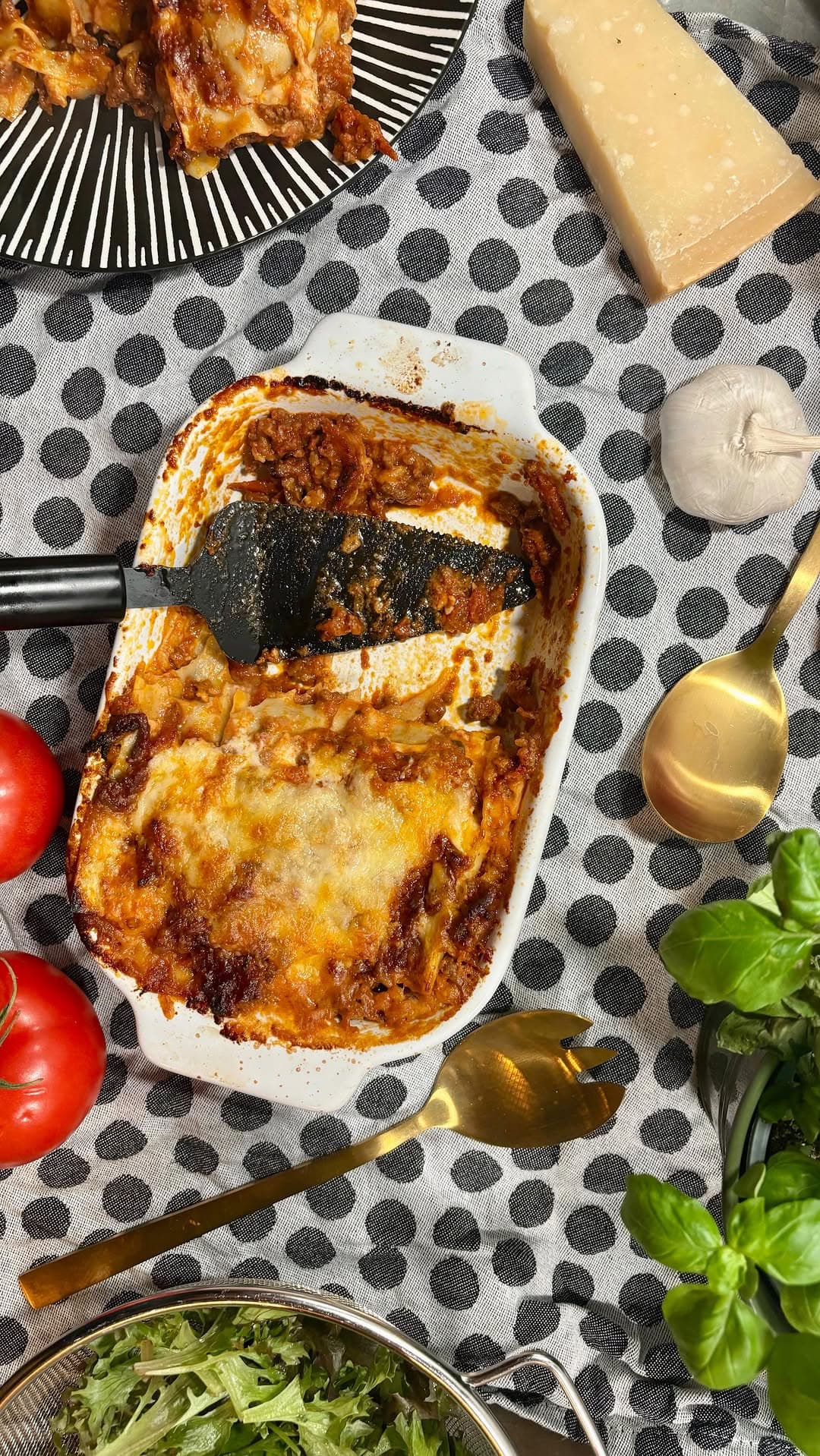
Lasagna recipes are the ultimate make-ahead comfort food: sheets of pasta layered with sauce and cheese, then baked until the top blisters and the edges crisp. The dishes below were chosen to show the dish's real range — a slow-simmered meat ragu, vegetable and spinach bakes, silky white and seafood versions, and the easy no-boil and skillet shortcuts — rather than ten near-identical trays of the same beef bake. Each is built to feed a crowd and reheat well.
What makes lasagna special is that it finishes cooking in the oven, so the dish is really an exercise in assembly and patience. The pasta keeps absorbing liquid as it bakes, the cheese melts and browns, and the layers set into something you can cut into clean squares. That also makes it forgiving: there is no last-minute timing, no sauce to emulsify at the stove. Build it well, bake it through, and the oven does the rest.
You will find four clusters here: classic meat lasagna, vegetable and spinach, the white and seafood group built on bechamel, and the easy no-boil, roll-up, skillet and soup versions. The logic is shared across all of them — a layer of sauce, then pasta, then filling and cheese, repeated — so once you have assembled one successfully, every other style is a variation on the same rhythm.
Treat this as a working reference. Each recipe links to full ingredients and steps on Chefadora, and the guides below cover the decisions that decide whether a lasagna comes out clean and layered or wet and collapsing — how to keep it saucy enough, how to make a bechamel that does not split, how to layer for structure, and why resting the baked dish before slicing matters more than almost anything else.
Classic Meat Lasagna
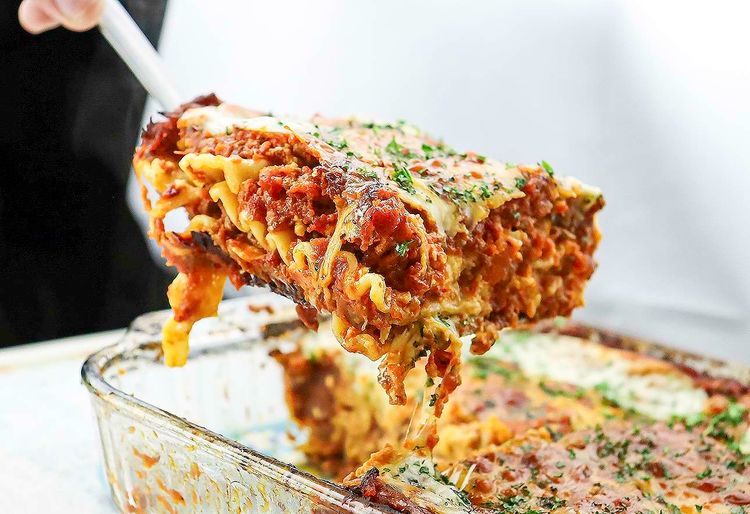
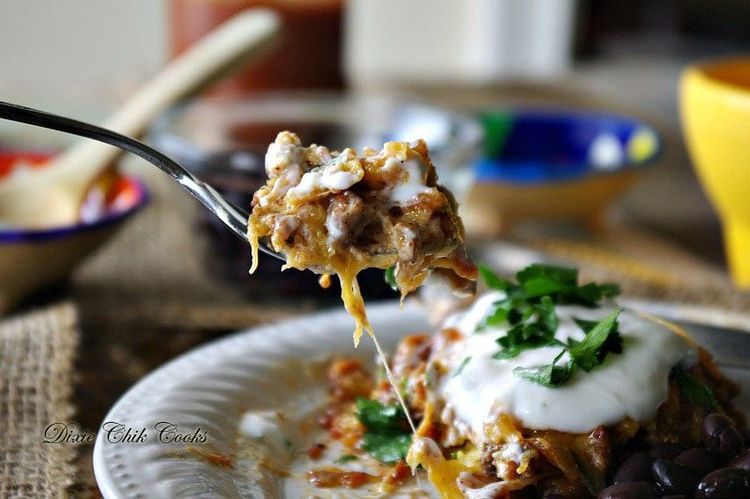
The version most people picture when they hear the word, and the one worth learning first, lives or dies on its sauce. A proper meat ragu is not a quick fry of mince in jarred sauce; it is browned meat, a soft soffritto of onion, carrot and celery, and tomatoes cooked down long and slow until they lose that raw, tinny edge and turn deep and jammy. Give it an hour at a bare simmer and it will out-cook a rushed twenty-minute version every time. Keep the sauce loose when it goes into the layers, because it reduces further in the oven, and a too-thick ragu is how you end up with a dry, chalky bake. Layer it in a consistent order, sauce then pasta then meat then cheese, and finish with a blanket of mozzarella and parmesan that blisters on top. The hardest part is patience: bake it through until it bubbles to the center, then rest it ten to twenty minutes before you cut, so the layers set into clean squares instead of sliding into a glorious heap. Standouts here include Leftover Bolognese Lasagna and Classic Lasagna, plus Beef Enchilada Lasagna.


- Italian
- Non-Vegetarian
- Dinner

- Italian
- Non-Vegetarian
- Dinner
- Mexican
- Non-Vegetarian
- Dinner

- Italian
- Non-Vegetarian
- Dinner
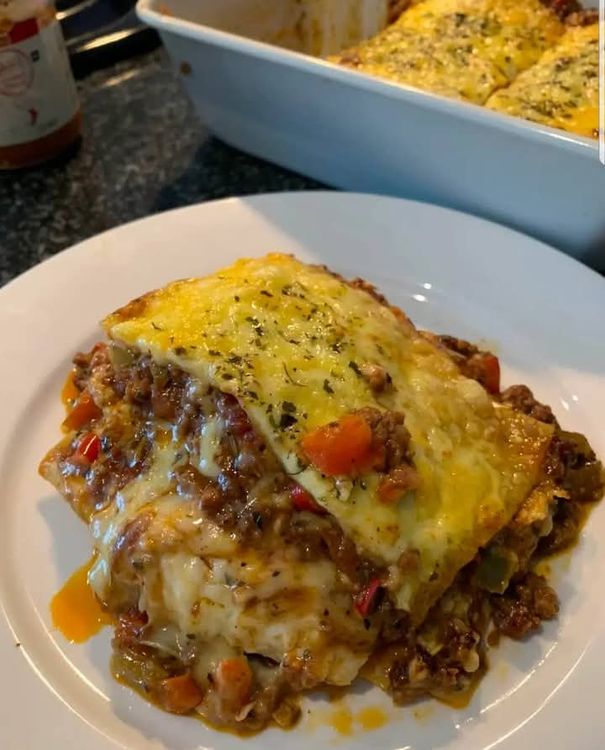
- Italian
- Non-Vegetarian
- Dinner
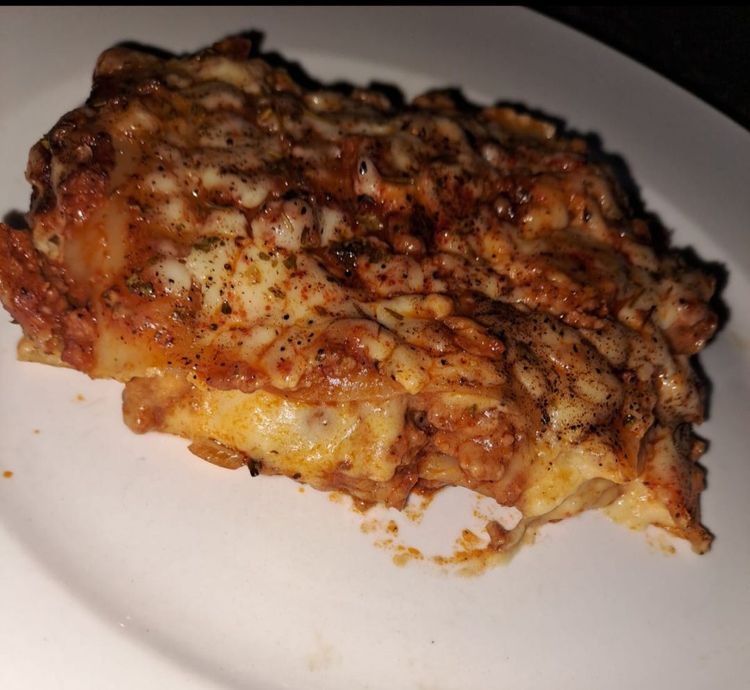
- South African
- Non-Vegetarian
- Dinner
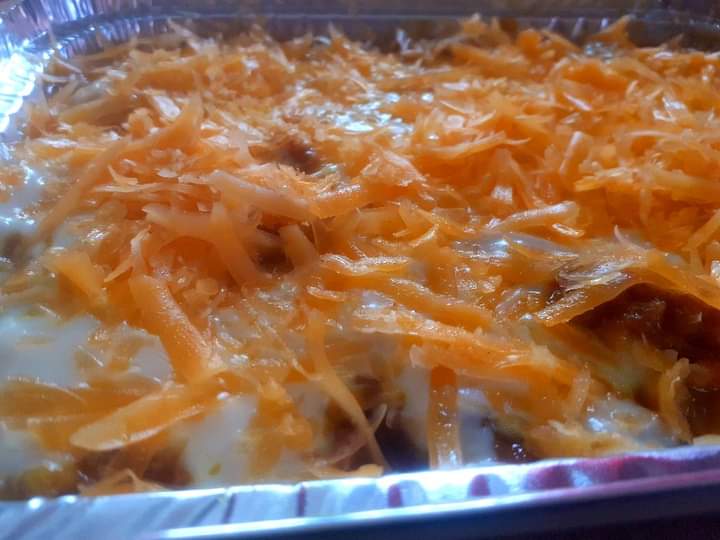

- Fusion
- Non-Vegetarian
- Dinner
Vegetable & Spinach Lasagna
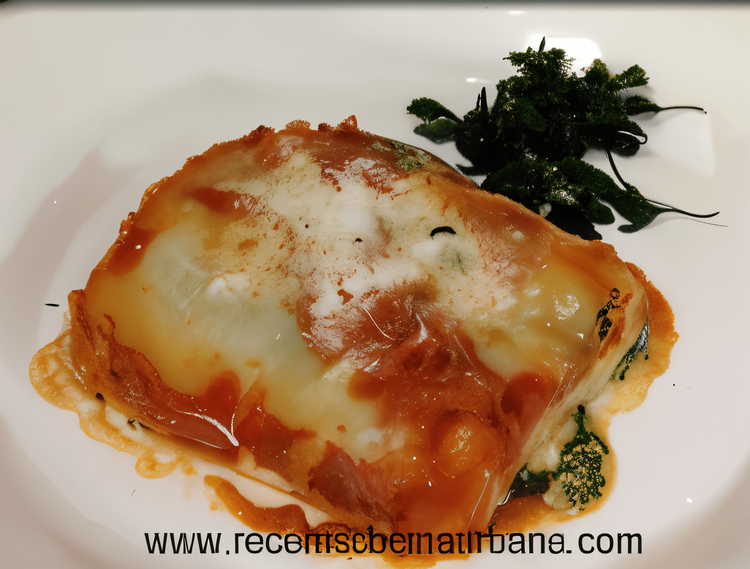
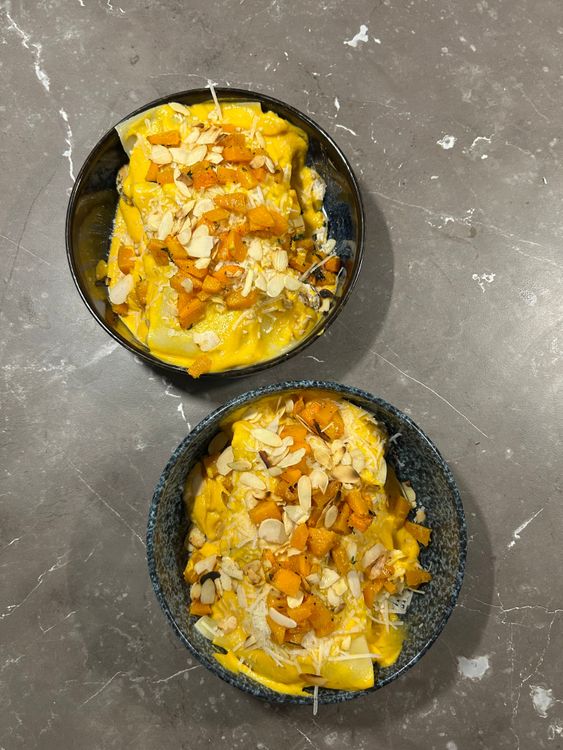
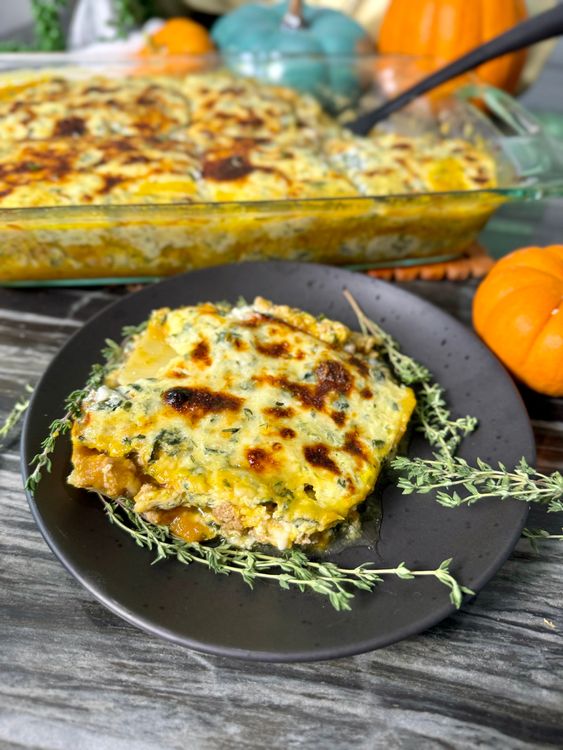
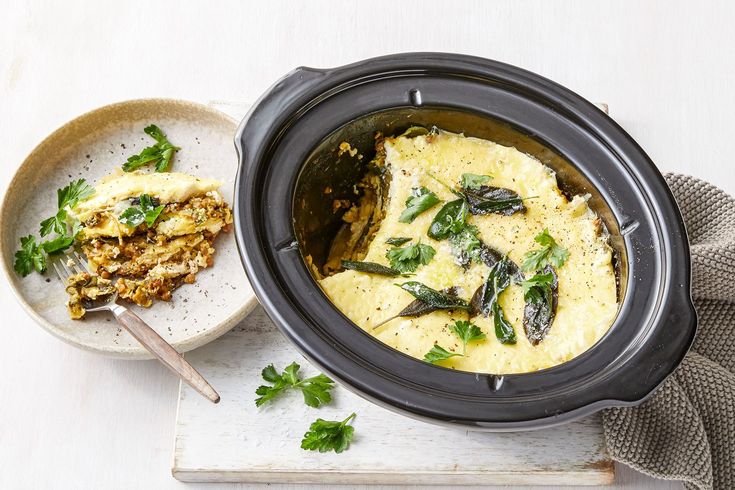
Take meat out of the equation and the whole dish becomes an exercise in seasoning and moisture control, because there are no meat juices to carry flavor and no fat to soak up stray water. The single biggest mistake here is layering raw or barely-cooked vegetables straight in: spinach, mushrooms, zucchini and eggplant all hold water, and that water leaks into the bake and leaves you with a soupy, sliding mess. The fix is to cook them down first, roasting or sauteing until they caramelize and the excess moisture has driven off, which also deepens their flavor enormously. A spinach-and-ricotta layer adds the creaminess meat would otherwise bring; drain the ricotta well and bind it with an egg so it sets cleanly. Season every single layer, lean on garlic, herbs and plenty of parmesan, and use a sauce with real backbone, whether a long-cooked tomato or a rich bechamel. Build it evenly to the corners, bake until bubbling through, and rest before slicing so the meat-free layers hold their shape on the plate. Standouts here include Vegetable Lasagna with Bechamel Sauce and Spinach and Ricotta Lasagna, plus Pumpkin Lasagna .
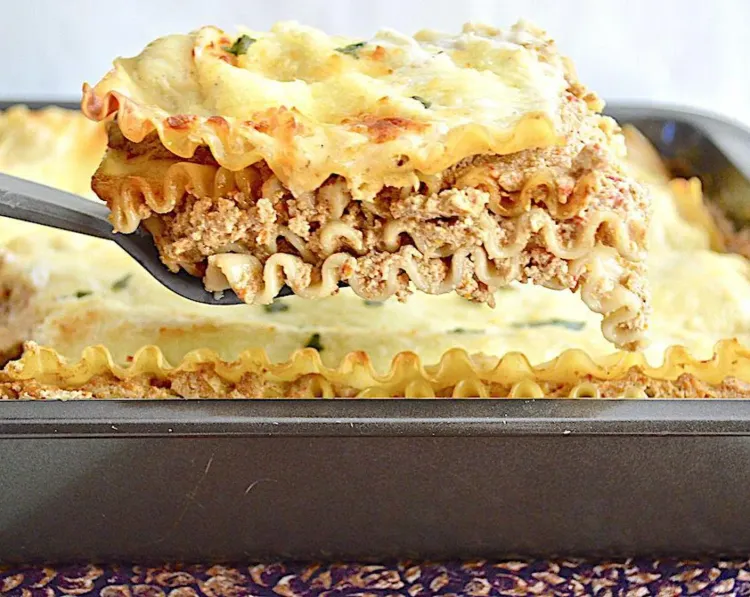

- Italian
- Vegetarian
- Dinner
- Italian
- Non-Vegetarian
- Lunch

- Vegetarian
- Lunch

- American
- Non-Vegetarian
- Dinner
- Italian
- Vegetarian
- Dinner
White & Seafood Lasagna
Leave the tomato out entirely and you arrive at the silkiest, most delicate end of the lasagna world, where a smooth bechamel does all the binding. This is the home of chicken alfredo lasagna, of mushroom-and-spinach bianco, and of seafood versions built on salmon, prawn or crab. The white sauce is the structure, so it has to be right: cook a pale butter-and-flour roux for a minute so it loses its raw taste, then whisk in warm milk gradually until it thickens to a sauce that coats a spoon but still pours freely. A stiff bechamel bakes into a pasty, claggy layer, so keep it loose, and season it with salt, pepper and a grating of nutmeg. Take the pan off the heat before stirring in cheese so it melts smooth rather than seizing. Seafood asks for a gentle hand because it overcooks fast, so fold it in barely cooked and let the bake finish it. Because there is no acidic tomato to cut the richness, these reward restraint and a good rest out of the oven before you cut clean, layered slices. Standouts here include Creamy Red Lasagna Soup and Tuna Lasagna, plus Chicken Alfredo Lasagna Rolls.
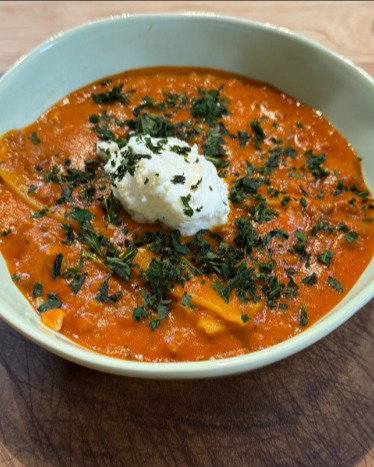

- Nut-Free
- Soup
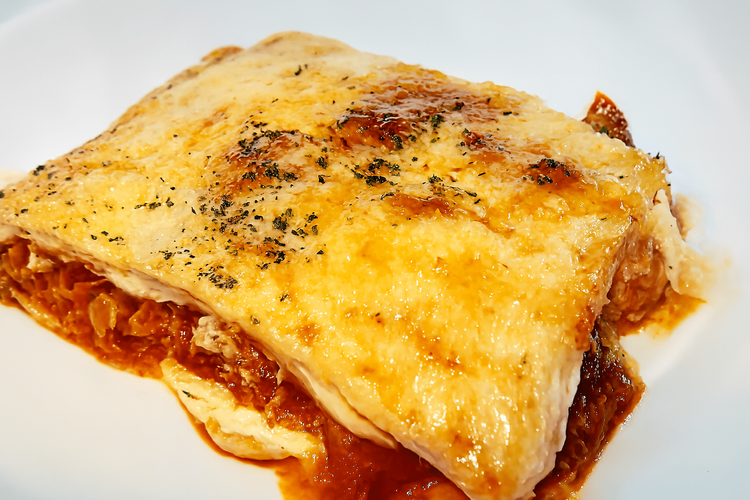
- Italian
- Pescatarian
- Lunch
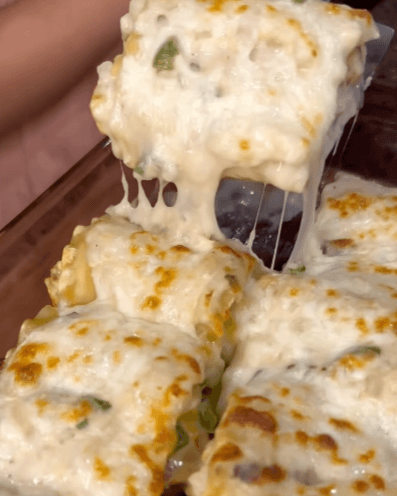

- Italian
- Non-Vegetarian
- Dinner
Easy, No-Boil & Skillet Lasagna
Not every lasagna needs an afternoon and a tower of layers, and this group is proof. No-boil (oven-ready) sheets skip the boiling step entirely, softening in the oven by drinking liquid straight from the sauce, so you keep the assembly extra saucy and cover it tightly to trap the steam that does the work. Roll-ups spread the filling along single sheets and roll them into tidy spirals that bake faster and portion themselves. Skillet and one-pan versions break the pasta into pieces and cook the whole thing on the stovetop, sauce and noodles together, for the flavor of lasagna in a fraction of the time and washing-up. And lasagna soup turns it into a bowl, with broken noodles simmered in a rich tomato-meat broth and a spoon of ricotta melting on top. The common thread is keeping things loose and well-seasoned, since shortcuts leave less margin for a dry or bland result. Choose by your evening: a skillet on a busy night, roll-ups when you want something a little special without the full layered assembly. Standouts here include The Easiest Lasagna Soup and Twenty Minute Lasagna Soup, plus Easy Lasagna Soup.
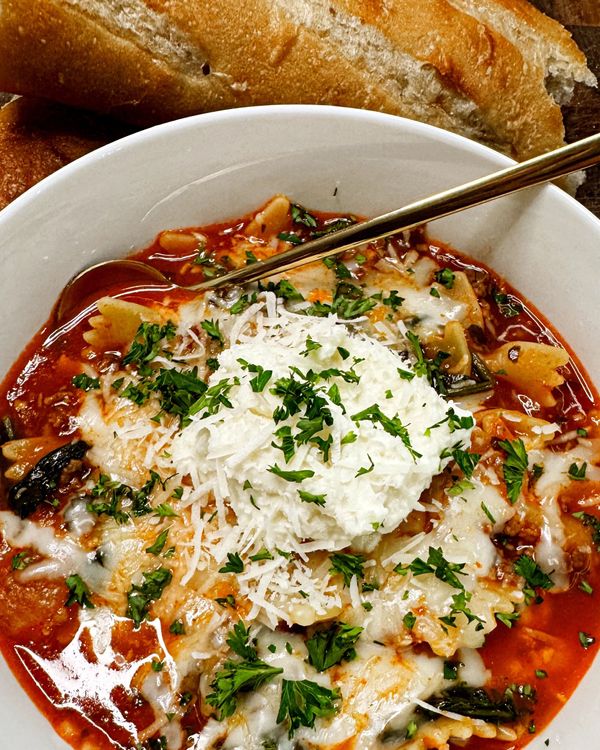

- Italian
- Non-Vegetarian
- Lunch
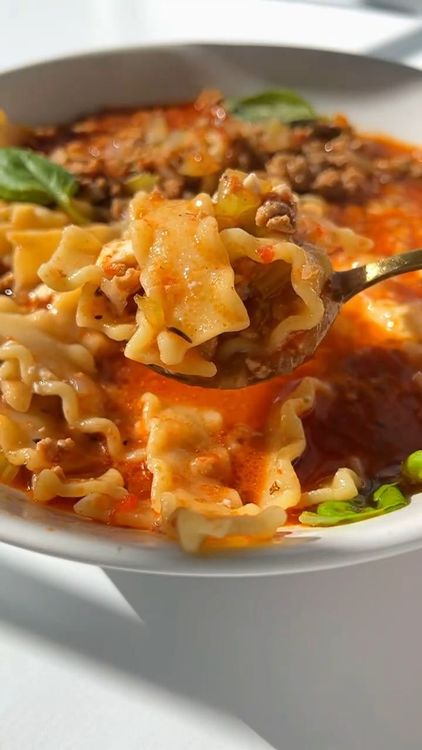
- Italian
- Non-Vegetarian
- Lunch
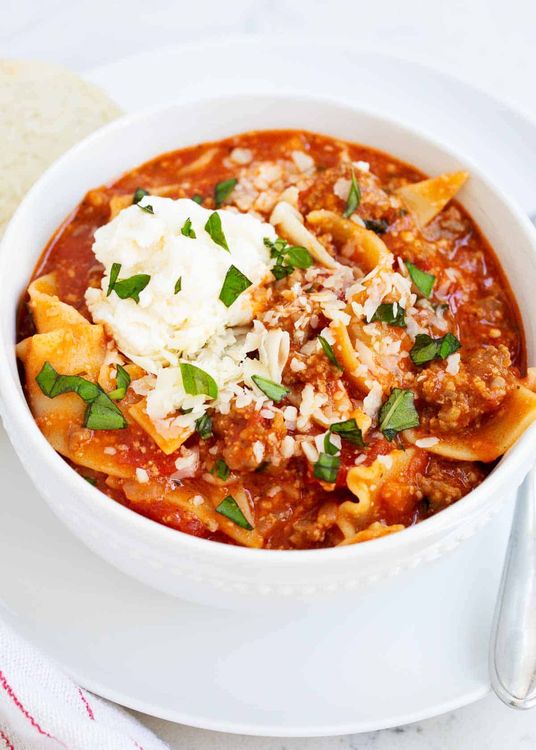
- Italian
- Non-Vegetarian
- Dinner
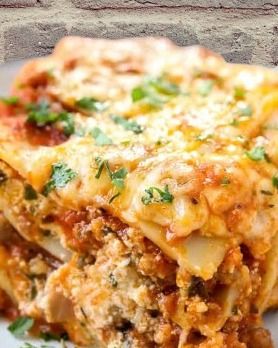
- Fusion
- Non-Vegetarian
- Lunch
More Lasagna Favourites
A handful of lasagnas never quite fit a single category, and these are the ones worth keeping in your back pocket once the classics feel routine. Think regional and global riffs, gluten-free and low-carb versions that swap pasta for sliced zucchini or eggplant, individual portions baked in ramekins or muffin tins, and clever crossovers that borrow the layered idea for entirely different flavors. They all lean on the same handful of moves you already know: keep it saucy so nothing bakes dry, cook any watery fillings down first, build the layers evenly to the corners, and bake until it bubbles right through to the center. Picking your next one is mostly about matching effort to mood and method to ingredient. A vegetable-sheet lasagna asks you to salt and drain the slices so they do not water out; an individual portion bakes faster and needs a closer eye. Whatever you choose, the rule that never changes is the rest at the end, those ten to twenty quiet minutes out of the oven that turn a molten tray into slices you can actually serve. Standouts here include Lasagna and Mexican Lasagna, plus Short-rib Lasagna.
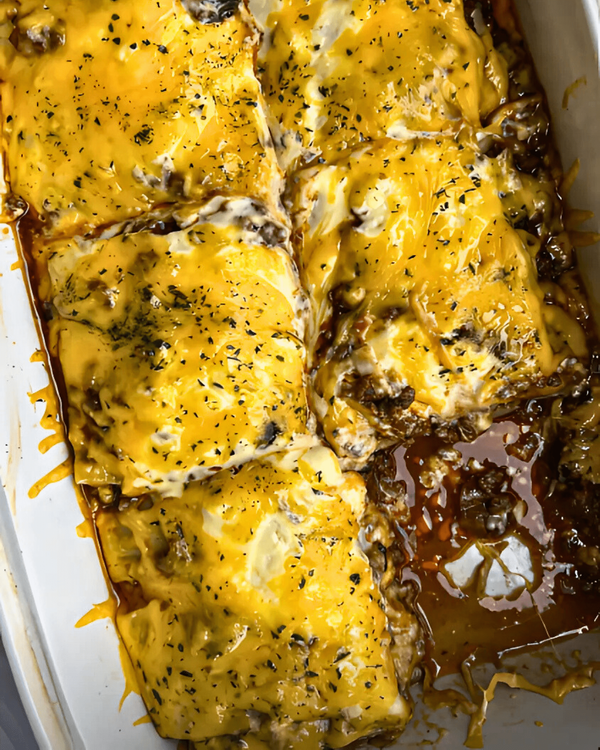
- Italian
- Non-Vegetarian
- Dinner

- Mexican
- Non-Vegetarian
- Dinner
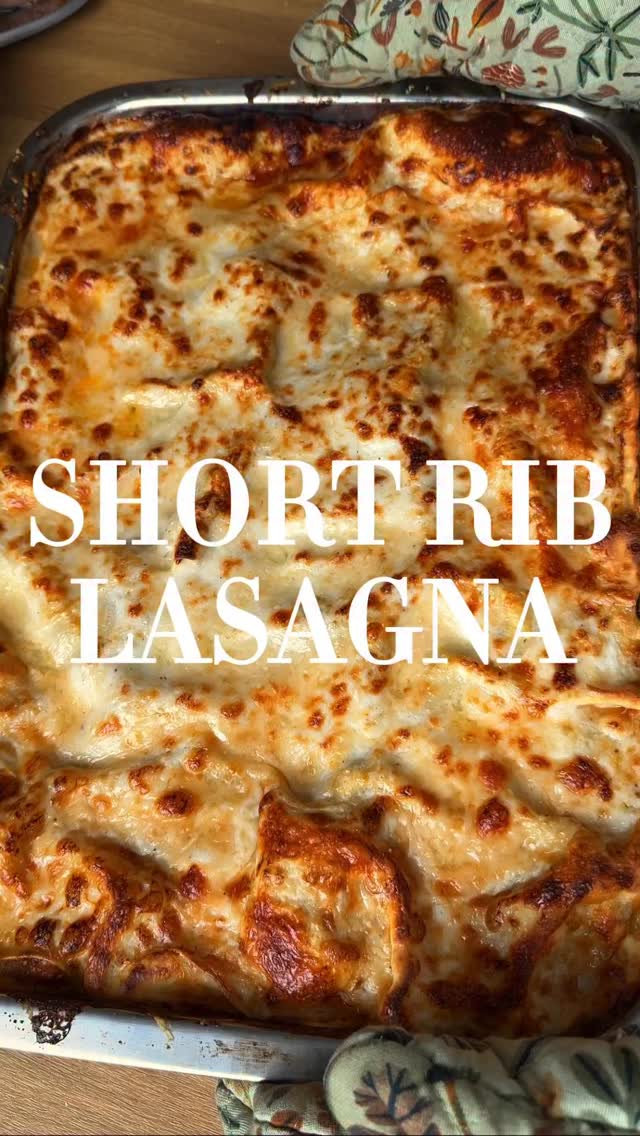

- Non-Vegetarian
- Dinner


- Non-Vegetarian
- Appetiser
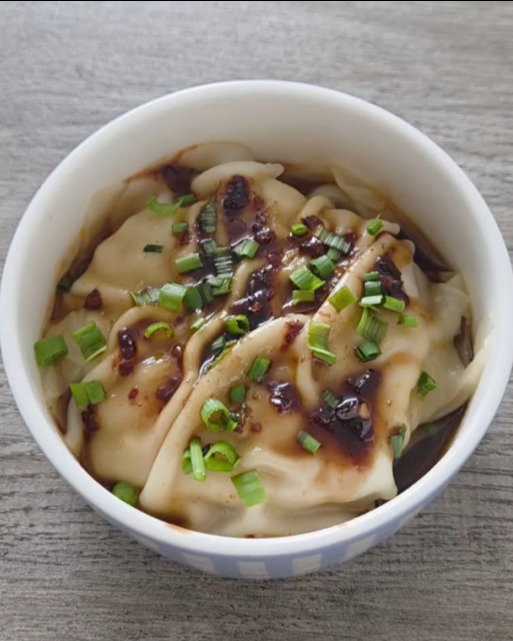

- Non-Vegetarian
- Main Course


- Italian
- Non-Vegetarian
- Dinner
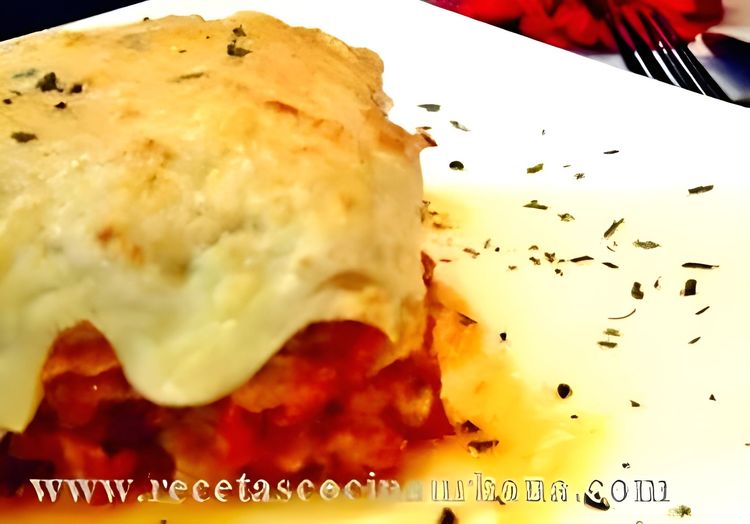
- Bolivian
- Non-Vegetarian
- Lunch


- Italian
- Non-Vegetarian
- Dinner
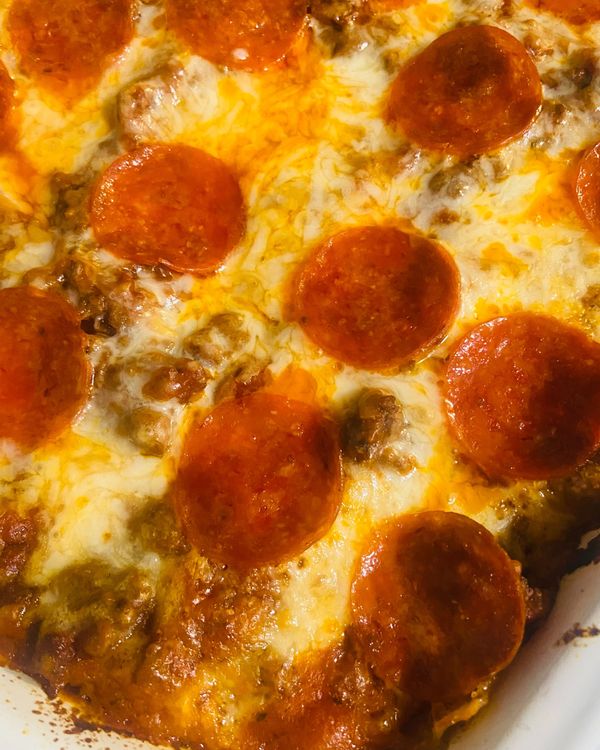
- Italian-American
- Non-Vegetarian
- Dinner
Sauce, Moisture and the No-Boil Question
Lasagna lives or dies on moisture. The pasta — whether boiled, no-boil or fresh — keeps drinking liquid as it bakes, so an assembly that looks perfect going in can come out dry and chalky. Keep the bake a little saucier than feels right, and always spread a thin layer of sauce on the bottom of the dish before the first sheet so the pasta does not stick or scorch. A dry lasagna almost always started with too little sauce, not too much.
No-boil (oven-ready) sheets are a genuine timesaver, but they need that extra liquid to soften: they pull moisture from the sauce as they cook, so a recipe written for boiled pasta will leave them hard at the edges. Either add a splash more sauce and a little water, or cover tightly with foil so trapped steam does the work. If you boil your own sheets, pull them a couple of minutes shy of al dente, since they finish in the oven, and lay them flat on oiled trays so they do not clump.
For meat ragu, build it like any good red sauce: brown the meat properly for flavor, soften onion, carrot and celery, then let the tomatoes cook down long and slow until they lose their raw, tinny edge and turn jammy. A ragu simmered an hour beats one rushed in twenty every time. Keep it loose rather than thick when it goes into the layers, because it will reduce further in the oven.
Bechamel and the Cheese Layers
A smooth bechamel (white sauce) is the backbone of white lasagne and the secret to a silkier meat one. Cook equal parts butter and flour into a pale roux for a minute or two so it does not taste of raw flour, then whisk in warm milk a little at a time, letting it thicken between additions so no lumps form. Season with salt, pepper and a grating of nutmeg, and keep it pourable — it should coat a spoon but still flow, because a stiff bechamel bakes into a pasty, claggy layer.
If a bechamel does split or goes lumpy, do not panic: whisk hard off the heat, or blitz it smooth with a stick blender. Take the pan off direct high heat before stirring in any cheese so it melts in rather than seizing into grainy clumps. The same goes for cream-based sauces, which can split at a hard boil. Make the sauce just loose enough to spread easily across each sheet without tearing it.
Classic Italian lasagne use a mix: a thin ricotta or bechamel layer for creaminess, mozzarella for the melt and stretch, and parmesan for savory depth and a browned top. Drain ricotta well — wet ricotta is a top cause of a watery bake — and bind it with an egg if you want firmer, cleaner layers. Save a generous handful of mozzarella and parmesan for the very top, where it crusts and bubbles into the part everyone fights over.
Layering for Structure
Layer in a consistent order and the lasagna holds together; layer haphazardly and it slides apart on the plate. Start with sauce on the base, then pasta, then filling (meat, vegetables or ricotta), then cheese, and repeat — finishing with pasta topped by sauce and cheese so the sheets underneath stay protected and moist. Overlap the pasta sheets only slightly; thick overlaps stay stodgy and undercooked in the middle.
Aim for even, moderate layers rather than one or two thick ones. Three to four layers in a standard dish gives you the classic stripe of pasta, sauce and cheese in every forkful, and lets the heat penetrate evenly so the center cooks through before the top burns. Spread each layer right to the corners — gaps are where the structure fails and the slices collapse.
Match the dish to the amount of filling so it is full but not overflowing, since lasagna bubbles up as it bakes and a too-full tray spills over and burns onto the oven floor. Set the dish on a baking tray to catch drips. Cover with foil (tented so it does not touch the cheese) for most of the bake to heat through without drying, then uncover for the last fifteen minutes to brown and bubble the top.
Baking, Resting and Make-Ahead
Bake at a moderate oven, around 180–190C/350–375F, until the lasagna is bubbling at the edges and the center is hot all the way through — a knife slid in should meet no resistance and come out hot. Uncovering for the final stretch is what gives you the burnished, blistered top; if it browns too fast, tent the foil back loosely. A lasagna that is bubbling only at the rim is still cold in the middle, so give it the full time.
Then the single most important step: rest it. Pull the lasagna from the oven and leave it ten to twenty minutes before you cut. This is not optional fussiness — resting lets the layers set and the sauce thicken so the slices hold their shape instead of sliding into a molten heap on the plate. Cutting straight from the oven is the number-one reason a lasagna ends up looking like a delicious mess rather than clean squares.
Lasagna is a star make-ahead dish. Assemble it a day ahead and refrigerate unbaked (add 15–20 minutes to the bake time from cold), or freeze it baked or unbaked for up to three months. It reheats beautifully — cover and warm gently so the edges do not dry out. Leftovers, if anything, taste better the next day once the flavors have settled and the layers firm up further in the fridge.
Pro Tips from the Test Kitchen
- Spread a thin layer of sauce on the bottom of the dish before the first pasta sheet so it does not stick or scorch.
- Keep the assembly saucier than feels right — the pasta drinks up liquid as it bakes, and a dry lasagna started with too little sauce.
- No-boil sheets need extra liquid and a tight foil cover to soften; a recipe written for boiled pasta will leave them hard.
- Boil your own sheets two minutes shy of al dente; they finish cooking in the oven.
- Drain ricotta well and bind it with an egg for cleaner, firmer layers — wet ricotta is a top cause of a watery bake.
- Cook bechamel until it just coats a spoon but still flows; a stiff white sauce bakes into a pasty layer.
- Take the pan off the heat before stirring cheese into a sauce so it melts smooth instead of seizing into clumps.
- Cover with tented foil for most of the bake, then uncover for the last 15 minutes to brown and blister the top.
- Set the dish on a baking tray — lasagna bubbles up and a full tray will spill over and burn onto the oven floor.
- Rest the baked lasagna 10–20 minutes before slicing so the layers set and you get clean squares, not a collapse.
Frequently Asked Questions
Why do you let lasagna rest before cutting?
Resting lets the layers set and the sauce thicken so the slices hold their shape instead of sliding apart. Straight from the oven a lasagna is molten and loose; ten to twenty minutes out of the heat firms the cheese and lets the pasta reabsorb liquid, so you can cut clean squares. Cutting too soon is the single most common reason a lasagna ends up looking like a delicious mess on the plate.
Do you have to boil lasagna noodles first?
Not always. No-boil (oven-ready) sheets soften in the oven by absorbing liquid from the sauce, so they save a step — but you must keep the assembly saucier and cover it tightly so trapped steam softens them fully. If you use regular sheets, boil them a couple of minutes short of al dente, since they finish cooking in the bake. Either way, more sauce is the safeguard against hard, chalky pasta.
How many layers should a lasagna have?
Three to four layers in a standard dish is the sweet spot. That gives you the classic stripe of pasta, sauce and cheese in every forkful while letting the heat reach the center before the top burns. Aim for even, moderate layers rather than one or two thick ones, overlap the sheets only slightly, and spread each layer right to the corners so the structure holds and the slices do not collapse.
Why is my lasagna watery or runny?
Usually too much moisture in the fillings rather than too much sauce. Wet ricotta and vegetables that release water as they cook are the main culprits, so drain ricotta well (bind it with an egg) and cook spinach, mushrooms or zucchini down first to drive off liquid. Also make sure the lasagna is baked through — undercooked layers stay soupy — and always rest it before cutting so the sauce thickens.
How do you make a vegetarian lasagna that is not bland?
Without meat juices to carry flavor, season every layer and build savory depth deliberately. Roast the vegetables first so they caramelize and lose excess water, lean on garlic, herbs and plenty of parmesan, and use a well-seasoned tomato sauce or a rich bechamel. A spinach-and-ricotta layer adds creaminess. The keys are cooking the vegetables down so they do not water out the bake and tasting as you build, the way you would a meat ragu.
What cheese is best for lasagna?
A combination works best. Mozzarella gives the melt and stretch, parmesan brings savory depth and a browned top, and ricotta (or a bechamel layer) adds creaminess between the pasta. Drain ricotta well so it does not water out, and save a generous handful of mozzarella and parmesan for the very top, where it crusts and bubbles. Classic Italian lasagne often skip ricotta entirely in favor of bechamel.
Can you make lasagna ahead of time?
Yes — it is one of the best make-ahead dishes. Assemble it fully and refrigerate unbaked for up to a day (add 15–20 minutes to the bake time from cold), or freeze it baked or unbaked for up to three months. It reheats beautifully covered, and leftovers often taste better the next day once the flavors settle and the layers firm up in the fridge. Just rest reheated portions briefly before serving.
What is white lasagna?
White lasagna (lasagna bianca) skips the tomato sauce and is built on bechamel instead. The silky white sauce binds the layers, often with chicken alfredo, mushrooms, spinach or seafood like salmon and prawn. Because the bechamel is the structure, cook it smooth and keep it loose enough to spread without tearing the pasta. It is richer and more delicate than a red-sauce lasagna, leaning on cheese and nutmeg rather than tomato for flavor.
How long do you bake lasagna and at what temperature?
A moderate oven of about 180–190C/350–375F for 40–50 minutes is typical — covered with foil for most of it, then uncovered for the last 15 minutes to brown the top. From cold or frozen, add 15–20 minutes or more. It is done when it is bubbling all the way to the center and a knife slid in comes out hot, not just bubbling at the rim. Then rest it before slicing.
What can I make instead of a full lasagna bake?
Plenty of easier versions deliver the same flavors faster. Lasagna roll-ups spread the filling on single sheets and roll them, baking in less time; skillet or one-pan lasagna breaks the pasta into a sauce and cooks it on the stove; lasagna soup turns the whole thing into a bowl with broken noodles and a dollop of ricotta on top. All skip the layered assembly while keeping the meat-sauce-and-cheese comfort, ideal for a weeknight.
The thread through every lasagna here is the same: keep it saucy, build a smooth sauce, layer it evenly, bake it all the way through, and — above all — rest it before you cut. Master those few moves and the style, whether classic meat, vegetable, white or a quick skillet version, is just a choice rather than a different skill.
Pick a couple to cook this week — a slow meat ragu for the weekend and an easy roll-up or skillet version for a weeknight — and save your favorites to a Chefadora cookbook. Then work through the rest; this page is built to be the lasagna reference you actually come back to.
Related
- Lasagna
- Pasta
- Italian
- Baked
- Comfort food
- Make ahead
- Dinner
- Vegetarian
Popular Searches
- Best lasagna recipes
- Easy lasagna recipes
- Quick lasagna recipes
- Healthy lasagna recipes
- Simple lasagna recipes
- Homemade lasagna recipes
- Delicious lasagna recipes
- Popular lasagna recipes
- meat lasagna
- vegetable lasagna
- easy lasagna recipe
Marnirni-apinthi Building, Lot Fourteen,
North Terrace, Adelaide, South Australia, 5000
Australia
