
Top 25 Spinach Recipes: Palak, Curries, Dips and Salads
Updated June 25, 2026 · Curated by Chefadora
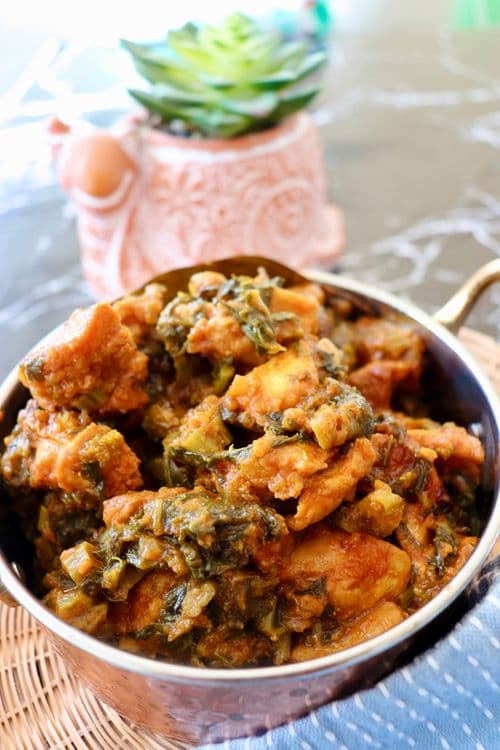
Spinach recipes cover an extraordinary range for such a humble green, from rich palak paneer and spinach dal to silky soups, vivid pasta, warm dips, crisp fritters and bright salads. The collection below shows that whole span, the spiced Indian saag and palak dishes alongside creamed spinach, spinach and ricotta pasta, and the smoothies and sautes that make the most of tender baby leaves. One leafy vegetable, cooked a dozen genuinely different ways.
What decides whether spinach shines is how you handle its water and its colour. Spinach is mostly water, so it collapses to a fraction of its volume the moment it hits heat, which is why a huge pile cooks down to a few spoonfuls. Wilt it fast over high heat, then squeeze it dry for dips and stuffings, or blanch and shock it in iced water to lock in that brilliant green for a smooth palak gravy. Treat the water right and everything else follows.
You will find the collection grouped into clusters, spinach curries, saag and dal, spinach soups and pasta, spinach dips and snacks, and spinach salads, smoothies and sides. Standout dishes range from a classic Palak Paneer and Dal Palak to a Creamy Spinach Soup, a warm Spinach Artichoke Dip and a fresh Spinach Smoothie, each built on the fundamentals the guides below lay out.
Treat this as a working reference. Each recipe links to full ingredients and steps on Chefadora, and the guides below cover what actually decides whether spinach is vivid or drab, silky or watery, mild or bitter, how to wilt and squeeze it, how to keep its colour and tame its tang, and how to use it across curries, soups, dips and salads so every dish turns out exactly right.
Spinach Curries, Saag & Dal
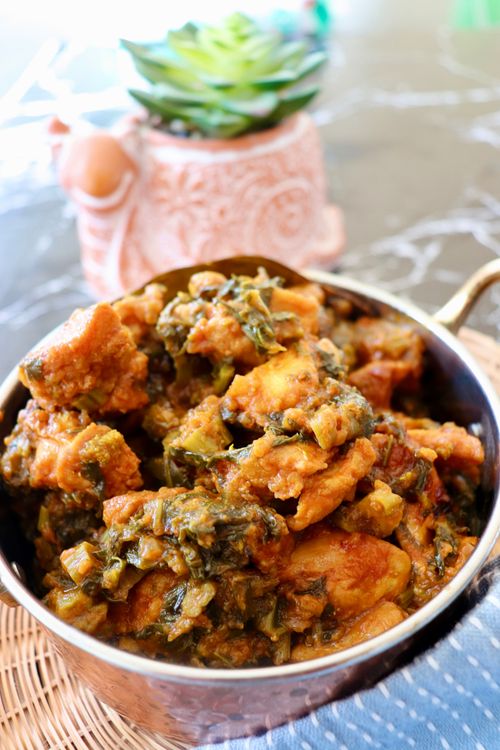
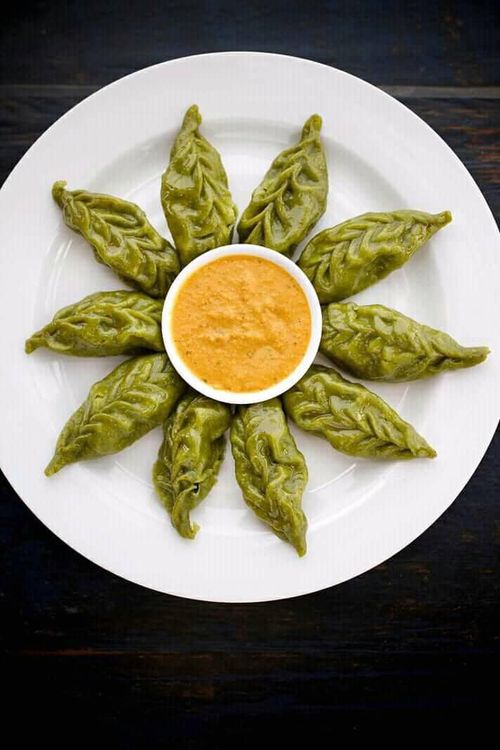
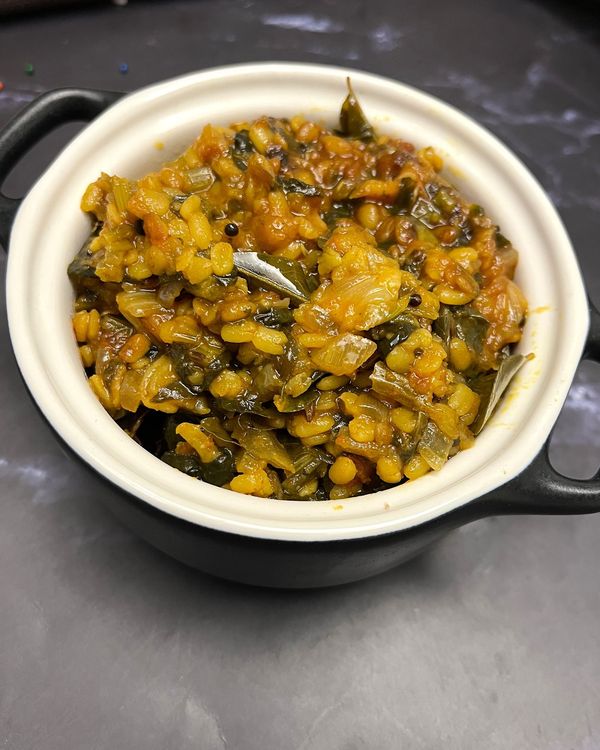
Spinach curries and dals are where this green does its richest, most comforting work, and the secret to all of them is keeping the colour while building real depth of flavour. For a smooth palak paneer or saag, blanch the leaves for barely thirty seconds and shock them in iced water before blending, so the puree goes in vivid emerald rather than dull olive. Build your base properly first, onions cooked soft and golden, ginger and garlic bloomed in hot fat, tomatoes reduced until the oil glistens at the edges, then fold the spinach in near the end and warm it gently rather than boiling it hard, which is what greys the colour and flattens the taste. Balance spinach's faint mineral bitterness with a little cream, ghee or butter and a squeeze of lemon, and finish with a pinch of garam masala or crushed kasuri methi for warmth. For dal palak and aloo palak, stir chopped leaves into the cooked lentils or potatoes in the last few minutes so they wilt without overcooking. Across all of them the rhythm holds: season the base before the spinach joins, add the green late, and keep the heat gentle so every dish stays bright and deep at once. Standouts here include Palak Chicken (Spinach Chicken Curry) and Paneer Spinach Momo, plus Easy Palak Paneer Bhurji .

- Indian
- Non-Vegetarian
- Lunch

- Nepalese
- Vegetarian
- Lunch

- Indian
- Vegetarian
- Dinner


- Non-Vegetarian
- Dinner

- Indian
- Vegan
- Lunch
Spinach Soups & Pasta
Spinach turns soups silky and pasta vividly green, and the trick in both is restraint with heat. For a smooth spinach soup, build and season the broth first, with onion, garlic, perhaps a potato for body, then stir the leaves in only at the very end so they wilt in a minute or two and keep their fresh colour. Blend it straight away and serve it promptly, because the green fades the longer it stands, and a swirl of cream rounds out spinach's mineral edge without burying it. For pasta, spinach plays two roles. Folded through a sauce, add the leaves off the worst of the heat and let the residual warmth wilt them so they stay bright in your alfredo, risotto or creamy garlic gnocchi. As a filling for ravioli, lasagna, cannelloni or quiche, the squeeze-dry rule is absolute, wilt or blanch the spinach, cool it, and wring out every drop before mixing it with ricotta or cheese, since any leftover water makes the filling sloppy and waterlogs the pasta around it. Spinach and a creamy cheese sauce are a classic pairing for good reason, the richness balances the green and the colour lifts the plate, so lean into cream, butter and a little nutmeg and add the spinach late. Standouts here include Mini Spinach Quiches and Spinach and Ricotta Lasagna, plus Spinach and Lentil Soup.


- French
- Eggetarian
- Appetiser
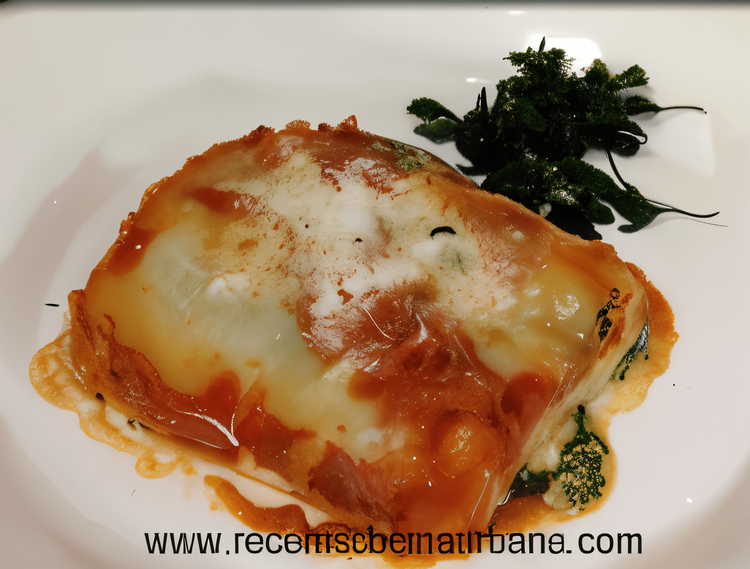
- Italian
- Non-Vegetarian
- Lunch
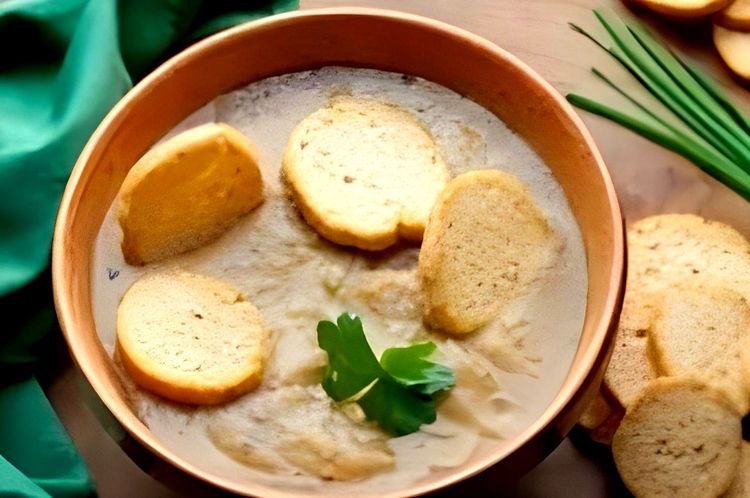
- International
- Non-Vegetarian
- Lunch
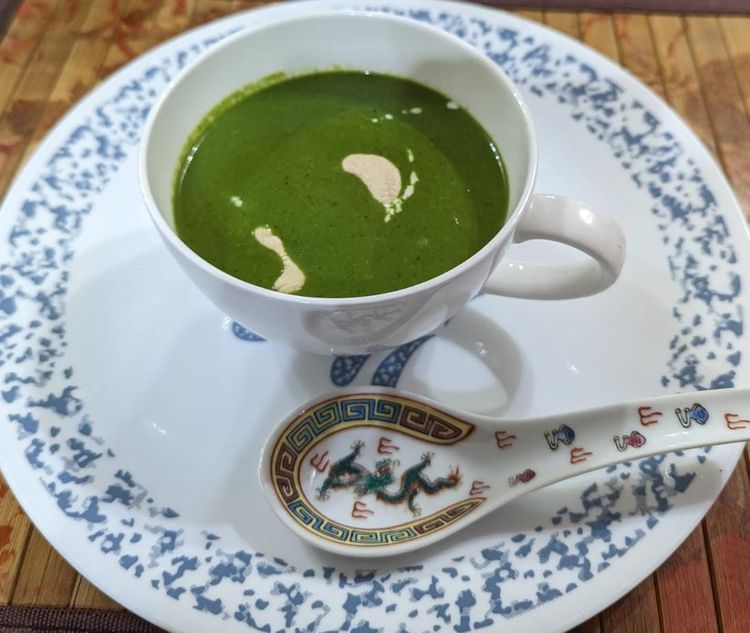

- Indian
- Vegetarian
- Appetiser


- Pescatarian
- Dinner
Spinach Dips & Snacks
Spinach dips and snacks live and die on one step, getting the greens genuinely dry. Whether you are making a warm spinach artichoke dip, crisp spinach pakoras and fritters, stuffed rolls and puffs, or spiced cutlets and tikkis, the wilted or blanched spinach must be squeezed hard in a clean towel or your hands until it gives up no more water, because a wet filling turns a dip soupy, makes fritters fall apart in the oil, and leaves snacks soggy rather than crisp. For a creamy dip, fold the dry, chopped spinach into a base of cheese, garlic and a little soured cream or yogurt, season boldly, and bake until bubbling and golden at the edges. For fritters and pakoras, mix the squeezed spinach with gram flour or breadcrumbs into a batter or dough thick enough to hold a soft peak, and fry in oil hot enough, around 350 degrees Fahrenheit, that the outside crisps before the inside goes greasy. For stuffed snacks, keep the spinach filling on the drier, well-seasoned side and seal the pastry or dough firmly so nothing leaks under heat. Across all of them, dryness plus bold seasoning plus properly hot fat or oven is the formula that turns a watery green into a crisp, savoury bite worth reaching for. Standouts here include Avocado, Spinach, and Egg Sandwiches with Aged Cheddar and Spinach-Artichoke Wonton Cups, plus Spinach-Stuffed Crescent Rolls.

- American
- Eggetarian
- Breakfast
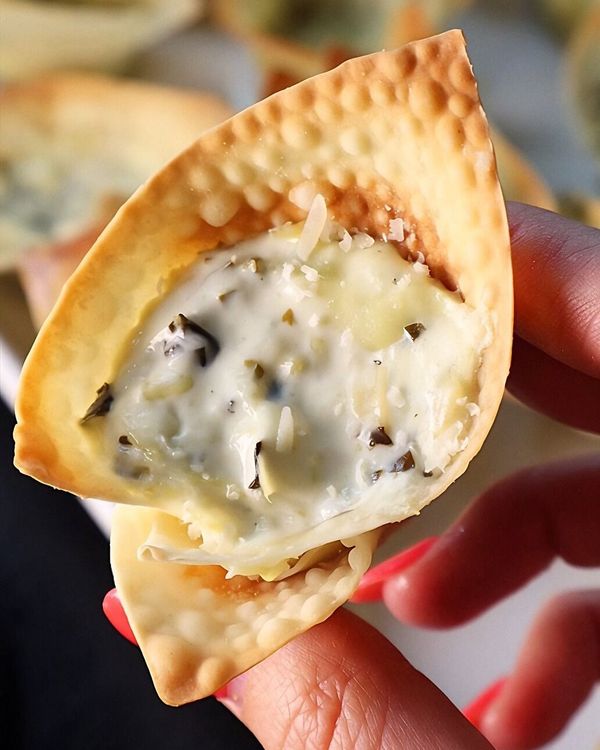

- American
- Vegetarian
- Appetiser

- International
- Eggetarian
- Dinner


- American
- Vegetarian
- Appetiser
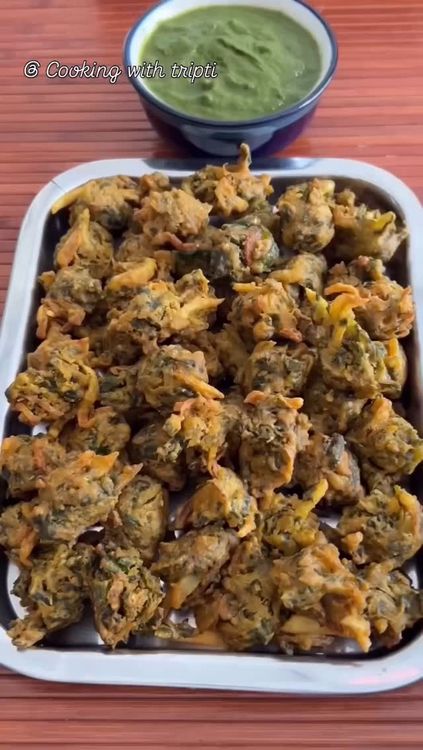

- Indian
- Vegetarian
- Snack
Spinach Salads, Smoothies & Sides
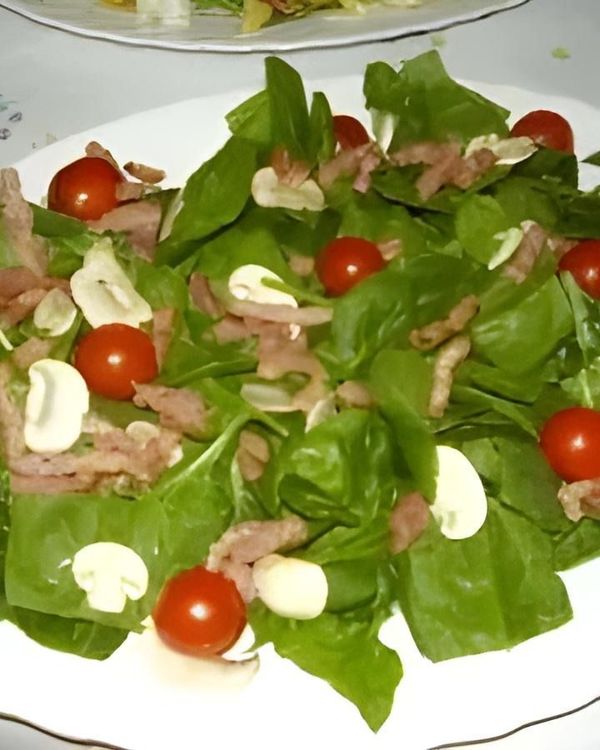
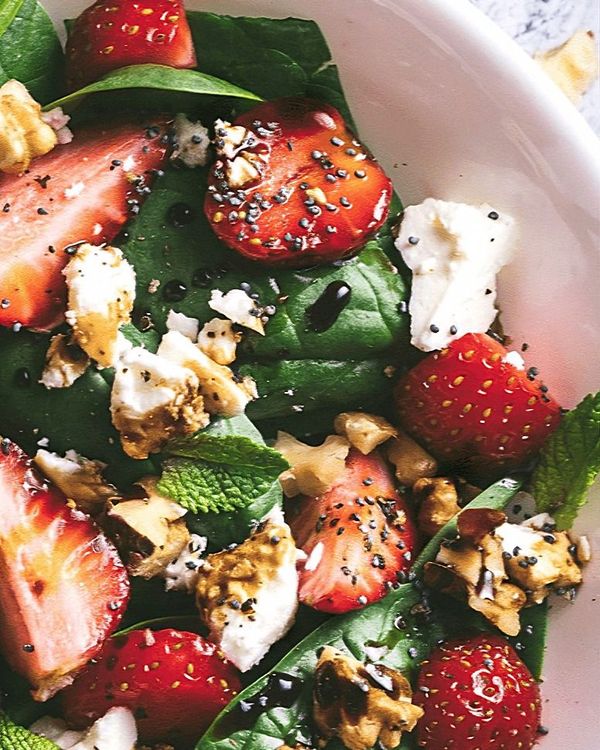
Raw or barely cooked, tender baby spinach is the star of salads, smoothies and quick sides, and here the goal is freshness rather than the long, patient cooking a curry asks for. For salads, choose young, mild baby spinach that needs no stripping, wash and dry it well so the dressing clings instead of sliding off, and dress it only at the last minute, since spinach wilts quickly once it meets acid and oil. Pair it with something sweet, something crunchy and something sharp, fruit, nuts or seeds, and a tangy vinaigrette, so each bite has contrast. For smoothies, baby spinach is the gentlest way to drink your greens, blending to nothing behind ripe banana, mango or berries, so start with a big handful of leaves whirled smooth with your liquid first, then add frozen fruit and a creamy base of yogurt or nut milk to round out any grassy edge. For quick sides, saute spinach with garlic for just a minute or two until it wilts, stir it through rice or fold it into a sabzi, or knead chopped leaves into a dough for green theplas and parathas. The principle throughout is to treat tender spinach lightly, raw, just-wilted or blended, so its colour stays vivid and its flavour sweet rather than cooked-down and tired. Standouts here include Spinach and Vegetable Cheela with Raita and Spinach Rice, plus Spinach Salad.

- Indian
- Vegetarian
- Breakfast
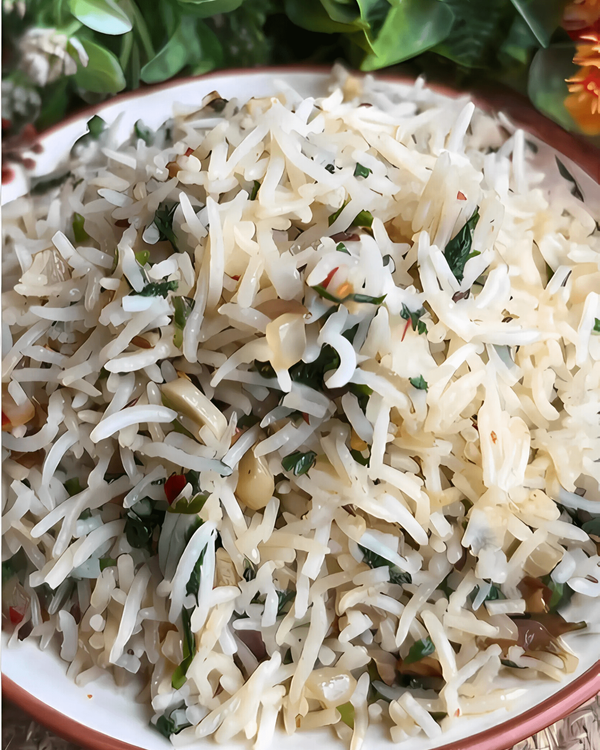

- Indian
- Vegetarian
- Lunch
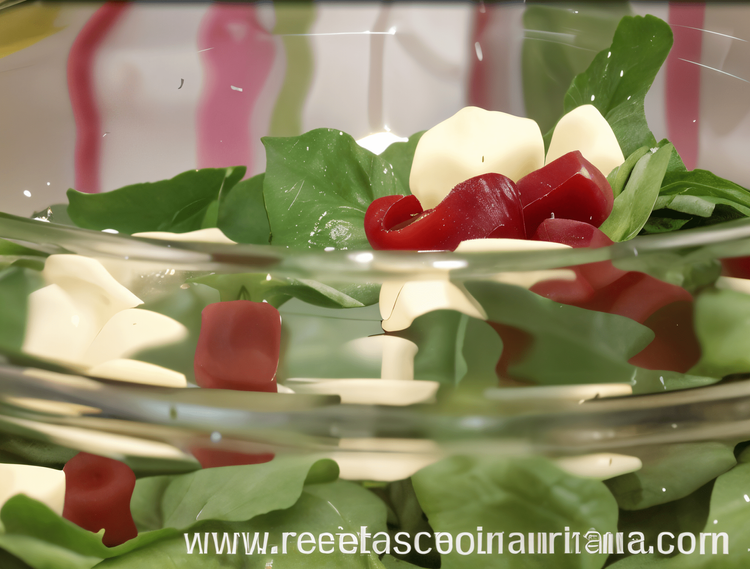
- Mediterranean
- Vegetarian
- Side Dish
- International
- Eggetarian
- Side Dish
- American
- Vegetarian
- Salad
More Spinach Favourites
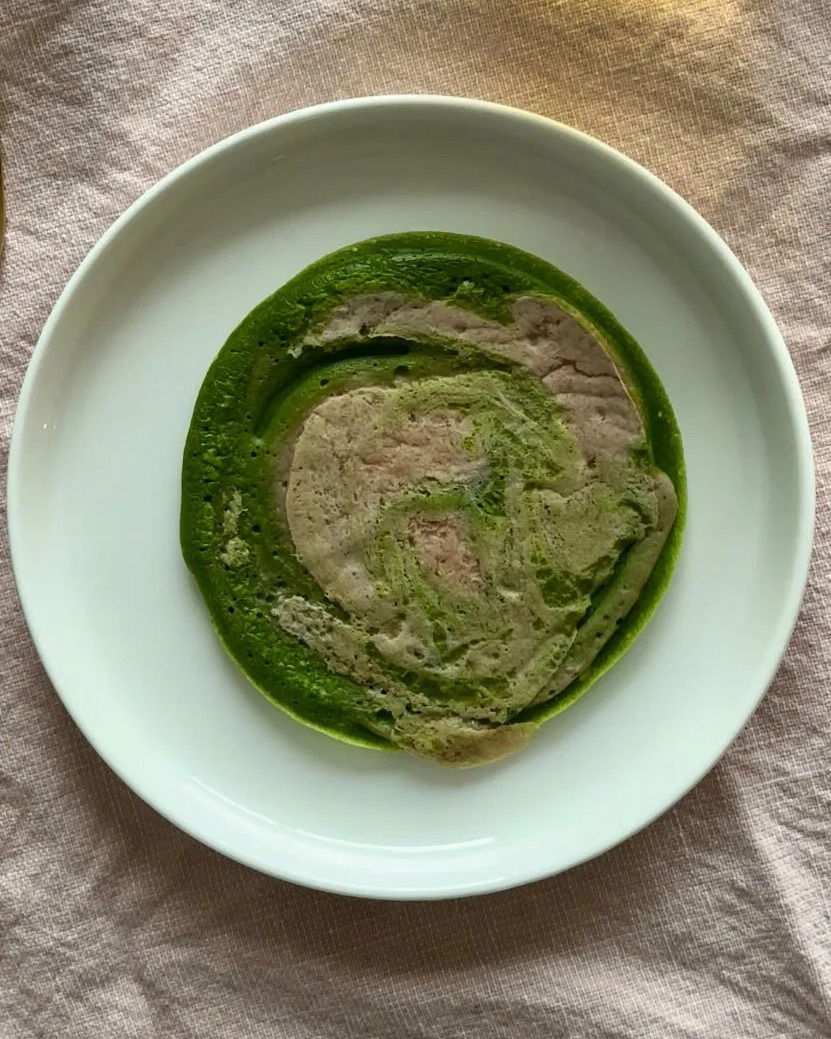
A handful of spinach dishes never quite fit a single cluster, and these are the ones worth keeping in your back pocket once the staples feel routine. They lean on the same fundamentals you already know, wilt fast and stop early, squeeze dry when moisture would spoil the texture, blanch and shock to hold the colour, and balance the mineral edge with a little fat and acid, but steer the green toward different cuisines and formats so it never tastes the same twice. To choose your next one, match effort to mood: reach for a quick saute, a raw salad or a blended smoothie on a busy night when you want freshness in minutes, and save the layered bakes, slow-built saags and fried snacks for when you have a little more time and counter space. Pay attention to which spinach you are using, too, since tender baby leaves want speed and a light hand while mature leaves can take a longer cook, and let that guide how you treat the pan. Think of this group as the natural next step after the classics, the recipes that quietly earn a regular spot in the rotation once you have tried them, and proof that one leafy green stretches from a smooth curry clear through to a crisp snack and a bright glass. Standouts here include Spinach mushroom butter less Omlette and Spinach and Raspberry Swirl Crepes, plus Spinach Pesto.


- Indian
- Eggetarian
- Breakfast

- French
- Eggetarian
- Breakfast

- Vegetarian
- Sauce & Condiment

- Italian
- Vegetarian
- Sauce & Condiment


- Eggetarian
- Main Course
Wilting, Blanching and Squeezing Spinach
The first thing to understand is just how much water spinach holds. A big bag wilts down to almost nothing, releasing liquid as it goes, so most spinach dishes depend on managing that. To wilt, drop washed leaves into a hot dry or barely oiled pan and toss for a minute or two until they collapse and turn glossy green, then stop, since spinach overcooks in seconds and turns khaki and slippery if you leave it longer than it needs.
For dips, fritters, stuffings and anywhere a wet filling would ruin the texture, the crucial step is squeezing. Wilt or blanch the spinach, let it cool, then press it hard in a clean towel or your hands to wring out every drop, a wilted handful gives up a surprising amount of liquid. Skip this and your spinach artichoke dip turns soupy, your cutlets fall apart, and your pasta filling leaks. Dry spinach is the difference between a tidy snack and a watery mess.
When colour matters most, blanch rather than just wilt. Plunge the leaves into boiling water for thirty seconds, then immediately into iced water, the shock stops the cooking and fixes that brilliant emerald green you want in a smooth palak gravy or a vivid pasta sauce. Squeeze the blanched spinach and blend it, and resist the urge to simmer the puree for long afterward, because prolonged heat is exactly what dulls that green to a sad, muddy olive.
Keeping Palak Green and Taming Bitterness
The vivid green of a good palak paneer is not luck, it is timing. Spinach loses its colour the longer it cooks, so the trick is to blanch and shock the leaves, blend them into a smooth puree, and add that puree to the gravy near the end rather than at the start. Build your onion, ginger, garlic and tomato base first, get it cooked down and seasoned, then fold in the spinach puree and warm it through gently, just enough to marry the flavours without boiling away the colour.
Spinach carries a faint mineral, slightly bitter edge from its oxalic acid, more noticeable in mature leaves than tender baby spinach. A little fat and acid balance it beautifully, which is why palak dishes lean on cream, ghee or butter, and a finishing squeeze of lemon or a swirl of cream lifts the whole pan. Aromatics help too, a tempering of cumin and garlic bloomed in ghee, a pinch of garam masala, or a crushed knob of ginger all round out any harshness and turn the green savoury.
Choose your spinach for the job. Tender baby spinach is mild and quick, ideal raw in salads and smoothies or barely wilted into pasta and dal, while larger mature spinach has more body and a stronger flavour that stands up to a long-cooked saag or a rich gravy. Either way, wash it thoroughly in several changes of water, since grit hides in the crinkles, and strip the tougher stems from mature leaves so the finished dish is smooth rather than stringy.
Spinach in Soups, Pasta and Beyond
In soups, spinach is best added late. Build and season the soup first, then stir in the leaves in the final minute or two so they wilt into the broth while keeping their colour and freshness, rather than simmering for ages and turning grey and slippery. For a smooth, vivid green soup, blend it immediately after the spinach wilts and serve it promptly, since the colour fades on long standing. A swirl of cream or a handful of potato gives body without burying the spinach flavour.
For pasta, spinach plays two roles, a wilted green folded through at the end, or a squeezed-dry filling for ravioli, lasagna and cannelloni alongside ricotta. When folding it through a sauce, add the leaves off the worst of the heat and let the residual warmth wilt them so they stay bright. For fillings, the squeeze-dry rule is absolute, any leftover water makes the filling sloppy and waterlogs the pasta around it. Spinach and a creamy cheese sauce, alfredo or a simple garlic cream, are a natural match.
Beyond the obvious, spinach slips into more dishes than most cooks expect. Stir chopped leaves into a dal in the last few minutes for spinach dal, fold them through scrambled eggs, rice or a quick sabzi, blend tender baby spinach raw into a smoothie where it vanishes behind banana and mango, or knead it into a dough for green theplas and parathas. The principle holds throughout, add raw or tender spinach late, cook mature spinach a little longer, and never let either one sit over heat once it has given you the colour and texture you want.
Pro Tips from the Test Kitchen
- A big bag of spinach wilts to almost nothing, so buy far more than looks sensible for a cooked dish.
- Wilt spinach fast over high heat for a minute or two, then stop, since it overcooks and turns slippery in seconds.
- Squeeze wilted or blanched spinach bone-dry for dips, fritters, cutlets and pasta fillings, or they turn watery.
- Blanch and shock spinach in iced water to lock in a brilliant green for palak gravy and pasta sauce.
- Add the spinach puree to palak paneer near the end and warm it gently so the colour stays vivid.
- Balance spinach's slight bitterness with a little fat (cream, ghee, butter) and a squeeze of lemon.
- Stir spinach into soups and dal in the last minute or two so it wilts without going grey.
- Use tender baby spinach raw in salads and smoothies; save mature spinach for long-cooked saag and curries.
- Wash spinach in several changes of water, as grit hides in the crinkled leaves, and strip tough stems.
- Blend raw baby spinach into smoothies with banana or mango, where it disappears behind the fruit.
Frequently Asked Questions
What are the best spinach recipes to start with?
Begin with the dishes that show off spinach at its simplest. A classic palak paneer or spinach dal teaches you how to wilt, blend and balance the greens, while a quick sauteed spinach or a baby-spinach salad needs almost no cooking at all. A creamy spinach soup and a warm spinach artichoke dip are easy crowd-pleasers, and a spinach smoothie is the gentlest introduction of all, since the leaves vanish behind the fruit. Plain, well-washed spinach is your most versatile starting point.
What are some easy spinach recipes for a weeknight?
For fast spinach recipes, lean on its quick-wilting nature. Stir a couple of handfuls into a simmering dal in the last few minutes for spinach dal, fold wilted leaves through pasta with a creamy garlic sauce, or saute them with garlic as a five-minute side. A baby-spinach salad needs only a dressing, and a spinach smoothie blends in seconds. Because spinach cooks down so fast, most of these are on the table in under twenty minutes with little more than one pan.
How do you keep palak paneer green?
Colour comes down to timing and heat. Blanch the spinach for about thirty seconds, then plunge it into iced water to fix the green, and blend it smooth. Build and season your onion, ginger, garlic and tomato base fully first, then fold the spinach puree in near the end and warm it through gently rather than boiling it. Prolonged cooking is what dulls spinach to a muddy olive, so add the puree late, heat it briefly, and serve the dish reasonably soon.
Why is my cooked spinach watery?
Spinach is mostly water and releases it as it wilts, so a dish goes watery when that liquid is not managed. For dips, fritters, cutlets and pasta fillings, wilt or blanch the spinach, let it cool, then squeeze it hard in a clean towel or your hands to wring out every drop before using it. In curries and soups, cook off excess liquid or add the spinach late. Dry spinach is the single biggest fix for a sloppy result.
How do you reduce the bitterness in spinach?
Spinach has a faint mineral, slightly bitter edge from its oxalic acid, stronger in mature leaves than tender baby spinach. Balance it with a little fat and acid, cream, ghee or butter softens it, and a finishing squeeze of lemon brightens the whole dish. Aromatics help too: a tempering of cumin and garlic in ghee, a pinch of garam masala, or fresh ginger all round out any harshness. Choosing young, tender leaves also gives you a milder, sweeter result.
Can you use frozen spinach in these recipes?
Yes, frozen spinach works well in cooked dishes like palak paneer, dal, soups, dips and fillings, where it is already blanched and just needs thawing. The key step is squeezing it thoroughly dry once thawed, as it holds a lot of water that will otherwise make the dish soupy. Frozen spinach is not suited to salads or anywhere you want raw, crisp leaves, but for curries and dips it is a genuine time-saver with very little compromise.
Is spinach healthy and does cooking it change that?
Spinach is one of the most nutritious greens, rich in iron, folate, vitamin K and antioxidants, and naturally very low in calories. Cooking it concentrates some nutrients and makes its iron and other minerals easier to absorb, partly by breaking down the oxalic acid that can bind them, though a little vitamin C is lost to heat. Eating spinach both raw in salads and smoothies and cooked into curries and soups gives you the best of both, and pairing it with a little fat helps absorption.
How do you store spinach so it stays fresh?
Keep fresh spinach loosely wrapped in a paper towel inside a bag or container in the fridge, where the towel absorbs excess moisture that would otherwise turn the leaves slimy. Do not wash it until you are ready to cook, since damp leaves spoil faster. Used this way it keeps for several days. To save spinach about to turn, wilt and squeeze it, then freeze in portions for curries and dips, where its slightly softer texture makes no difference at all.
Can you eat spinach raw, and which type is best?
Yes, tender baby spinach is delicious raw and is the type to choose for salads and smoothies, since it is mild, sweet and needs no stripping. Mature spinach has tougher, more pronounced leaves and a stronger, more mineral flavour that suits cooking better than raw eating. For salads, dress baby spinach just before serving so it does not wilt, and for smoothies, blend it raw with fruit and liquid until completely smooth so no grassy flecks remain.
The thread through every spinach recipe here is the same: respect how much water spinach holds and how fast it loses its colour. Wilt it briefly and squeeze it dry for dips and fillings, blanch and shock it to keep palak vivid, add it late to soups and dal, and balance its mineral edge with a little fat and acid. Master those and curries, soups, dips and salads all turn out bright, silky and full of flavour.
Pick a few spinach recipes to cook this week, a classic palak paneer, a quick spinach dal, a warm dip and a fresh salad or smoothie, and save your favourites to a Chefadora cookbook. From rich Indian saag to creamy soups and bright raw leaves, there is a spinach dish for every meal and mood; this page is built to be the spinach reference you keep coming back to.
Related
- Spinach
- Palak
- Vegetarian
- Healthy
- Indian
- Greens
- Curry
- Leafy greens
Popular Searches
- Best spinach recipes
- Easy spinach recipes
- Quick spinach recipes
- Healthy spinach recipes
- Simple spinach recipes
- Homemade spinach recipes
- Delicious spinach recipes
- Popular spinach recipes
- palak paneer
- spinach curry
- spinach dal
- creamed spinach
Marnirni-apinthi Building, Lot Fourteen,
North Terrace, Adelaide, South Australia, 5000
Australia
