
Top 25 Pumpkin Recipes: Sabzi, Soups, Pie and Bakes
Updated June 25, 2026 · Curated by Chefadora
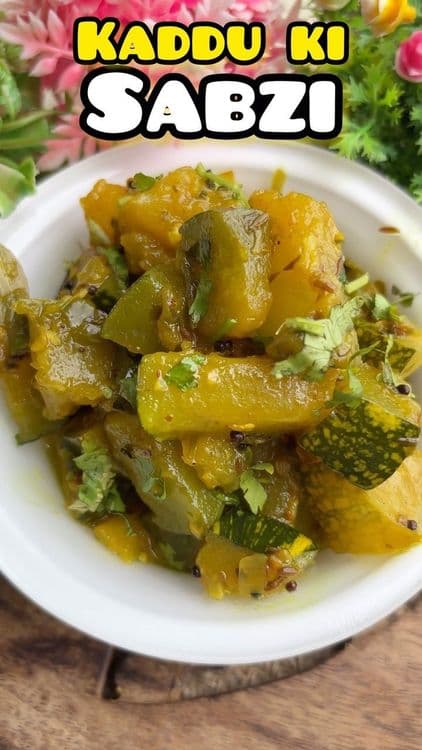
Pumpkin recipes stretch from the spiced everyday kaddu sabzi on an Indian thali to a velvety autumn soup, a classic pumpkin pie and a tin of crunchy roasted seeds. The collection below shows the full range of this sweet, dense winter squash — homestyle curries and erissery, blended soups and risotto, pie, cake and bread, and the snacks and specials that use up every last bit of the flesh and seeds. One humble gourd, sweet and savoury, all season long.
What makes pumpkin so adaptable is its natural sweetness and its high water content, and learning to manage both is the whole game. Roasting concentrates the flavour and drives off moisture, which is why roasted pumpkin makes deeper soups and firmer bakes than boiled. That same sweetness lets it swing savoury — balanced with chilli, tamarind and salt in a sabzi — or sweet, scented with cinnamon and nutmeg in a pie. Drain or cook down watery purée and the rest follows.
You will find the collection grouped into clusters — pumpkin curries and kaddu sabzi, soups, risotto and mains, pie, cake and sweet bakes, and snacks, seeds and specials. Standout dishes range from a khatta meetha kaddu and a Kerala erissery to a roasted pumpkin soup, a creamy risotto, a spiced pumpkin pie and bread, and a tray of salted roasted seeds, each built on the fundamentals the guides below lay out.
Treat this as a working reference. Each recipe links to full ingredients and steps on Chefadora, and the guides below cover what actually decides whether pumpkin turns out silky or watery, sweet or savoury, set or sloppy — choosing and prepping the right pumpkin, roasting and reducing it for depth, and balancing its sweetness so curries, soups, pies and snacks all turn out exactly right.
Pumpkin Curries & Kaddu Sabzi
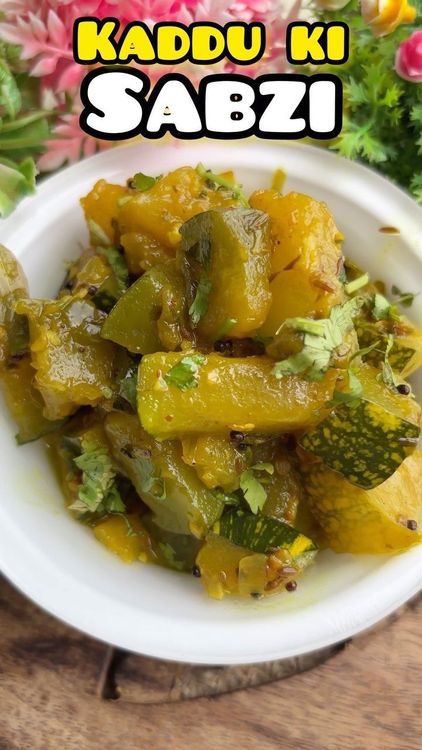
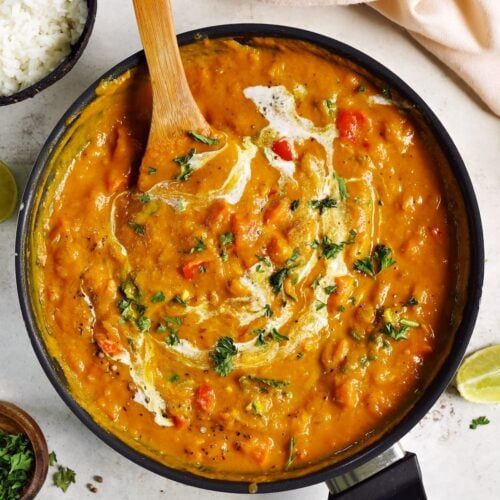
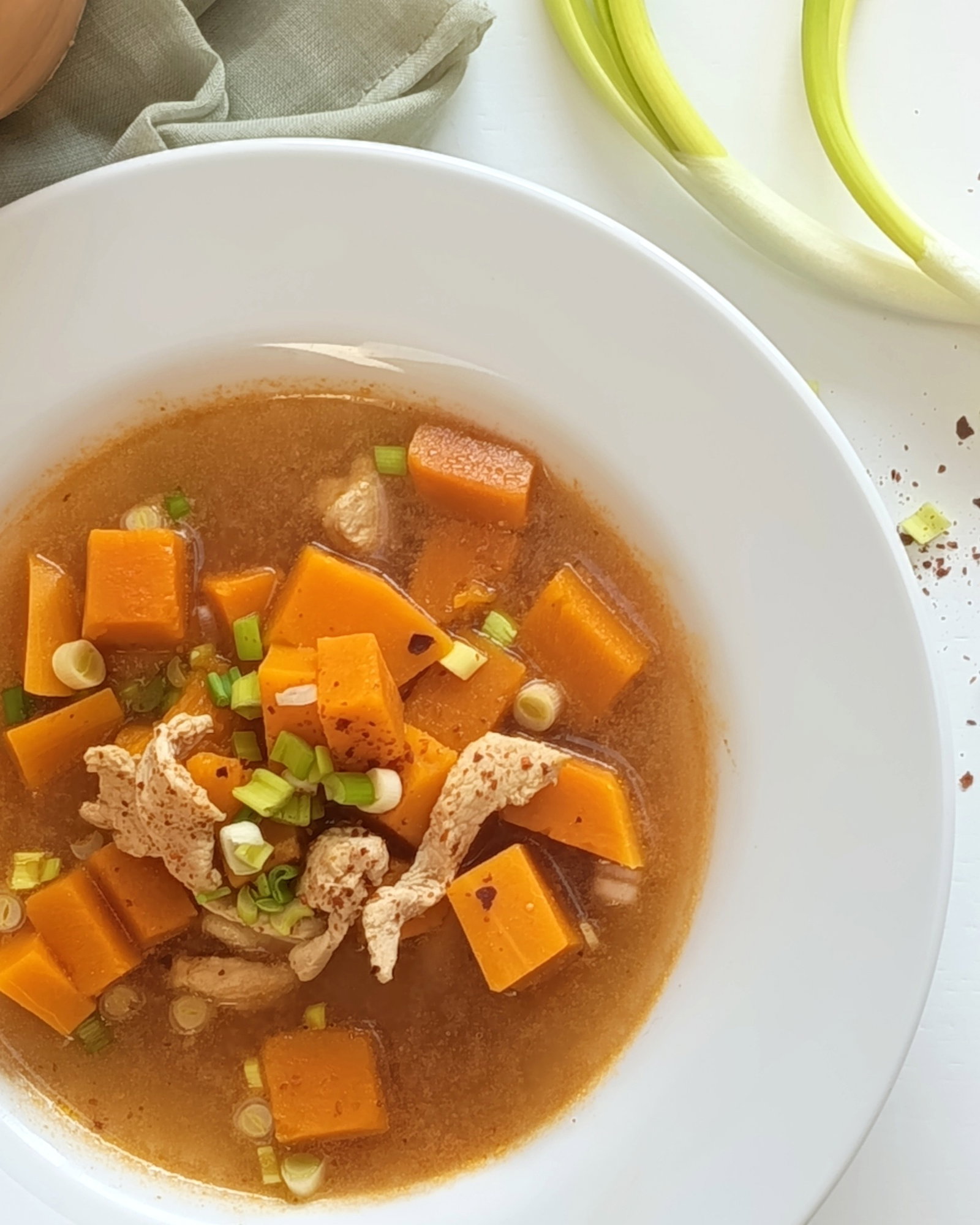
Indian pumpkin cooking is some of the most rewarding, because kaddu takes spice so well and cooks down fast into something soft and silky. The whole technique hangs on the tempering and on respecting the gourd's sweetness. Start by blooming whole spices — mustard or cumin seeds, dried red chilli, a pinch of fenugreek and a sprig of curry leaves — in hot oil or ghee until they crackle and smell toasted, around thirty to forty seconds, then pull the pan before they scorch and turn bitter. Add the cubed pumpkin, stir it through the spiced fat, and let it cook gently covered in its own moisture, since pumpkin releases plenty of water and rarely needs much extra. The most common mistake is boiling it hard or cooking it too long, which collapses the cubes into a watery mush; keep the heat moderate and check early, because it goes from firm to tender quickly. The signature move across khatta meetha kaddu, Kerala erissery and a dozen regional sabzis is balancing that natural sweetness with a deliberate hit of sourness and salt — tamarind, amchur or tomato against a little jaggery — so the dish reads bright and savoury rather than jammy. Finish with fresh coriander and you have everyday cooking at its best. Standouts here include Pumpkin Curry and Konkani Style Red Pumpkin Curry, plus Pumpkin Curry.

- Indian
- Vegan
- Lunch


- Vegan
- Main Course
- Thai
- Vegan
- Lunch

- Indian
- Vegan
- Dinner

- Thai
- Non-Vegetarian
- Dinner
Pumpkin Soups, Risotto & Mains
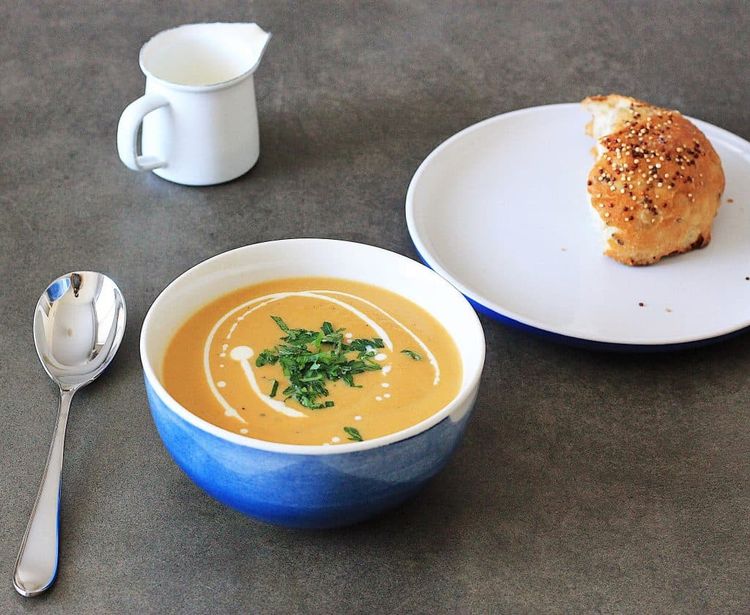
When pumpkin becomes the centre of the plate rather than a side, roasting is the step that changes everything. Dry heat caramelises the natural sugars and evaporates the water that otherwise leaves dishes thin and bland, so roast the pumpkin in oil and salt at a high heat until the edges brown and turn a little sticky before it goes anywhere near a pot. For soups, blend that roasted flesh with sautéed onion, garlic and warming spice and just enough stock to loosen it — the purée alone makes the soup velvety, so you need barely any cream. For risotto, stir roasted cubes or purée through at the end so the rice stays glossy and the pumpkin keeps its shape and colour. Pasta, ravioli, gnocchi and pumpkin bakes all lean on the same trick: concentrate the flavour first, then build a savoury frame around it. The classic error is letting the sweetness run unchecked, which makes a soup or sauce cloying; the fix is salt, a squeeze of acid and a savoury hit like parmesan or toasted seeds rather than more cream, which only mutes the dish. Get that balance right and pumpkin carries a main course with real depth and a gentle, comforting sweetness underneath. Standouts here include Pumpkin Ravioli with Brown Butter and Sage and Pumpkin & Butternut Soup, plus Pumpkin Pie Baked Oats.


- Eggetarian
- Main Course


- Non-Vegetarian
- Soup


- Vegetarian
- Breakfast
- Australian
- Vegan
- Lunch

- Asian
- Vegetarian
- Soup
Pumpkin Pie, Cake & Sweet Bakes
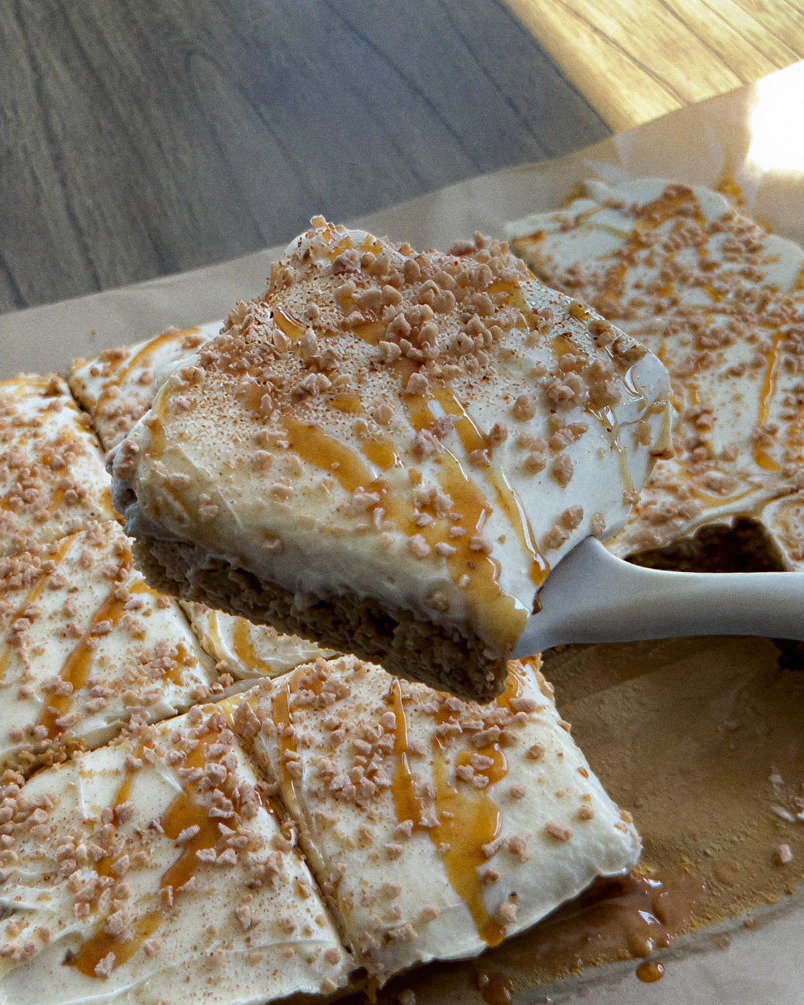
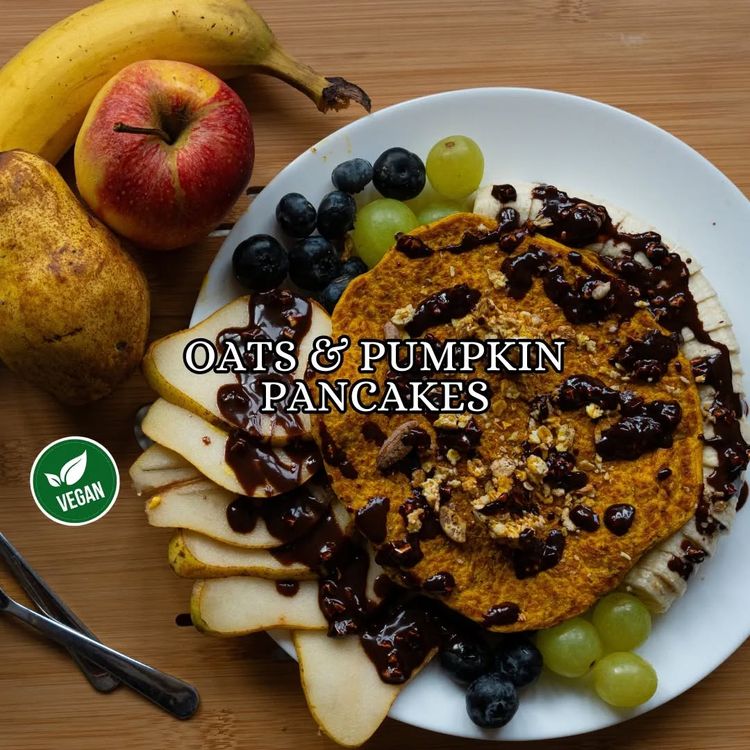
Pumpkin earns its place in baking because the purée brings moisture, warmth and a tender crumb that few other ingredients match — but that same wetness is the thing you have to manage. Whether you are making a classic spiced pie, a moist pumpkin bread, muffins, a cheesecake or an Indian-style halwa, start by getting your purée right: if it is looser than tinned, reduce it in a dry pan or let it drain through a sieve, because excess water makes pies weep and cakes sink. For pie, the custard should be smooth and the bake stopped while the centre still has a gentle wobble, since it firms as it cools and overbaking is what cracks the surface and turns the texture grainy. For breads, cakes and muffins, the trick is to fold the flour in just until combined; overmixing develops gluten and toughens what should be a soft, damp crumb. Lean into warming spice — cinnamon, nutmeg, ginger, clove, or cardamom in a halwa — to complement the squash's mellow sweetness, and balance with enough sugar and a pinch of salt so it reads rounded rather than flat. Done with a little care, pumpkin gives you bakes that stay moist for days and taste of the whole season in one bite. Standouts here include Pumpkin Poke Cake and Pumpkin Pie Overnight Oats, plus Pumpkin Pancakes.

- American
- Eggetarian
- Dessert

- Vegetarian
- Breakfast
- International
- Vegetarian
- Breakfast

- Vegan
- Dessert

- American
- Vegetarian
- Breakfast
Pumpkin Snacks, Seeds & Specials
This is the playful end of the pumpkin repertoire, where the gourd turns into snacks, sippers and clever bits that use up every last scrap. Start with the seeds, which most people throw away: rinse off the stringy pulp, dry them really well (damp seeds steam instead of crisping), toss with oil and salt, and roast low until golden and crunchy for a topping or a snack in their own right. The flesh, meanwhile, makes excellent fritters and pakoras — but only if you dry the grated or sliced pumpkin first and keep the batter thick, because a wet mix gives you flat, greasy fritters rather than crisp ones, and the oil needs to be properly hot so the outside sets fast. Pumpkin also blends into smoothies and that famous spiced latte, where a spoon of purée and a pinch of cinnamon, nutmeg and ginger do all the work, and folds into pancakes, waffles, hummus and dips for a savoury-sweet twist. The thread through all of them is managing moisture and leaning on warm spice. Treat this group as proof that one pumpkin can stretch from the seeds outward, leaving almost nothing behind and giving you something for every craving. Standouts here include Stuffed Pumpkin with Mixed Rice and Nuts and Pumpkin-Oat Waffles, plus Pumpkin Fritters.
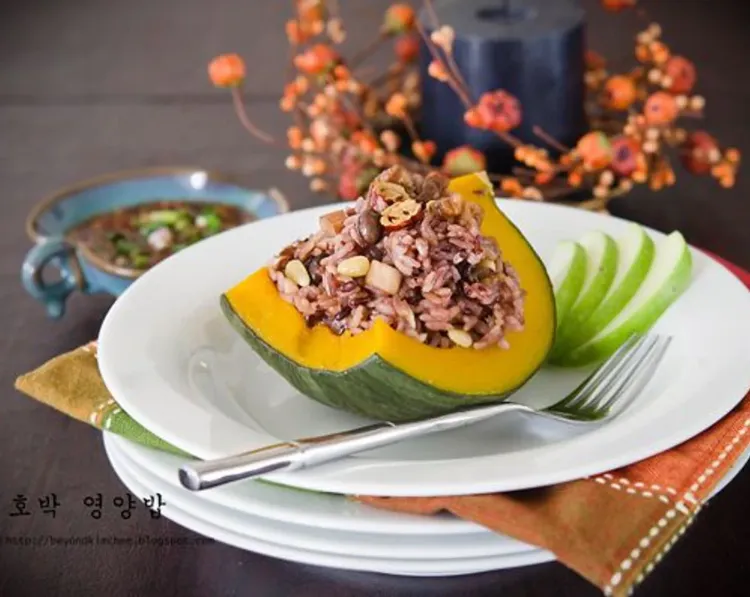
- Korean
- Vegan
- Dinner

- American
- Vegan
- Breakfast

- Valencian
- Vegan
- Snack
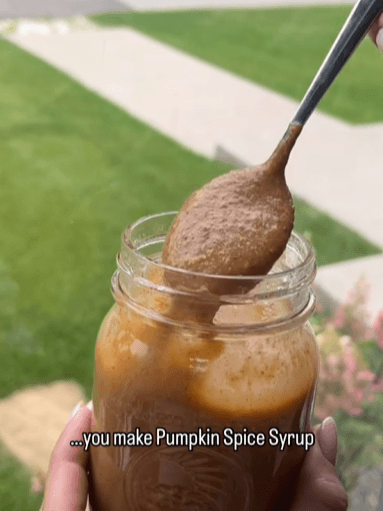

- American
- Vegetarian
- Sauce & Condiment

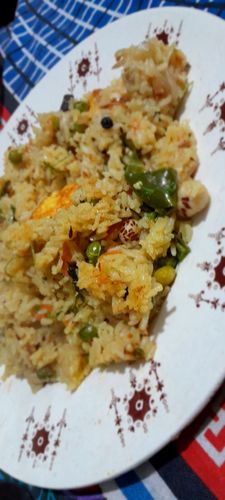
- Indian
- Vegetarian
- Appetiser
More Pumpkin Favourites
A few pumpkin dishes never quite fit a single bucket, and these are the ones worth keeping once the staples feel routine. They lean on the same handful of techniques you already know — a confident roast to concentrate the flesh, a crackling tadka to build savoury depth, a careful eye on moisture in anything baked — but steer them toward different textures and cuisines, so pumpkin never tastes the same twice. Picking your next one is mostly about matching effort to mood: reach for a quick sabzi, a blended soup or a tray of roasted seeds on a busy night when you want something on the table fast, and save the slow-built risottos, layered bakes and from-scratch pies for a weekend when you can let the flavours develop properly. Pay attention to how the pumpkin is cut and cooked, too, since small cubes soften and caramelise faster while larger wedges and whole halves hold their shape and stay custardy in the centre. Above all, keep tasting and balancing — a little more salt, a squeeze of acid, a touch of warm spice — because pumpkin's sweetness always wants a counterweight. Think of this group as the natural next step after the classics, the recipes that quietly earn a regular spot in the rotation once you have tried them. Standouts here include Pumpkin Lentil Bolognese with Spaghetti and Pumpkin & Smoked Salmon Quiche, plus Pumpkin Cream Cheese Danish.
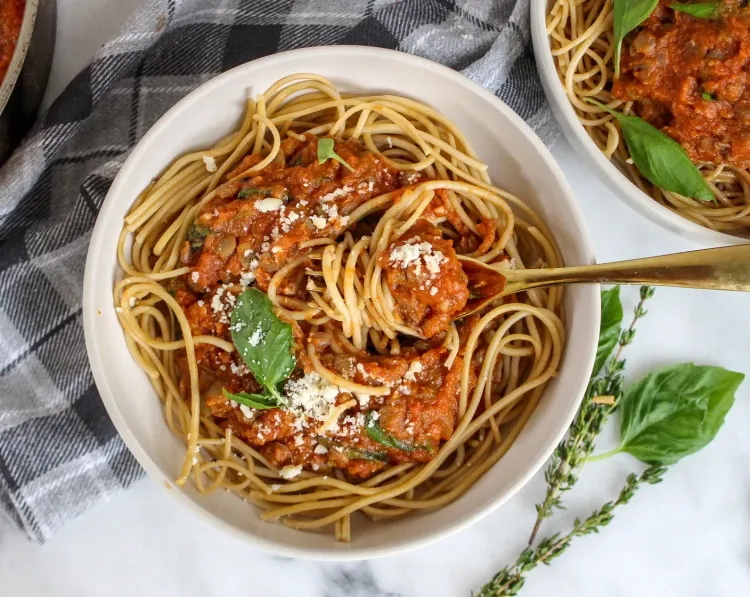
- Italian
- Vegan
- Dinner

- Pescatarian
- Lunch

- American
- Eggetarian
- Dessert


- Vegetarian
- Soup

- Vegetarian
- Dessert
Choosing and Prepping Pumpkin
Not all pumpkins cook alike, and matching the type to the dish saves a lot of grief. The big, watery carving pumpkins are bred for jack-o-lanterns, not the pot — their flesh is stringy and bland. For cooking, reach for smaller, denser squash: sugar or pie pumpkins, kabocha, butternut, or the orange-fleshed kaddu sold in Indian shops, all of which have sweeter, drier, more concentrated flesh. A good cooking pumpkin feels heavy for its size and sounds hollow when tapped.
Breaking one down is the part people dread, so make it easy on yourself. Microwave a whole small pumpkin for two to three minutes, or roast it briefly, to soften the skin before you cut, and use a heavy chef knife with the pumpkin steadied on a damp cloth. Halve it, scoop out the seeds and stringy pulp with a spoon (save the seeds for roasting), then either peel and cube the flesh for sabzis and soups or roast it in the skin and scoop it out after.
For purée, you can roast halved pumpkin cut-side down at around 200C until a knife slides in easily, roughly 40 to 50 minutes, then scoop and blend — far better flavoured than the boiled kind. Tinned pumpkin purée is a fine shortcut for bakes (just check it is plain pumpkin, not pie filling). Either way, if the purée looks loose, let it drain in a sieve or cook it down in a dry pan, because excess water is what ruins pies and dilutes curries.
Roasting and Building Depth
Roasting is the single biggest upgrade you can give almost any pumpkin dish. Dry heat caramelises the natural sugars and evaporates water, turning bland, wet flesh into something deeply sweet and concentrated. Toss cubes or wedges in a little oil and salt, spread them out so they roast rather than steam, and give them room on the tray at around 200C until the edges are browned and a little sticky, usually 25 to 35 minutes. Those caramelised edges carry most of the flavour.
For soups and risotto, that roasted depth means you need far less cream or stock to get a rich result — the pumpkin itself does the work. Blend roasted pumpkin with sautéed onion, garlic and warming spice into a velvety soup, or fold it through a risotto at the end so it stays glossy. A whisper of acid (lemon, a splash of vinegar) and a savoury hit (parmesan, a little stock, toasted seeds on top) keep all that sweetness in balance rather than cloying.
In Indian cooking, depth comes from the tadka rather than the oven, but the principle is the same — coax flavour out before the pumpkin softens to mush. Bloom mustard or cumin seeds, dried chilli and curry leaves in hot oil or ghee until they crackle and smell toasted, then add the pumpkin and let it cook gently in its own moisture, covered, until just tender. A pinch of jaggery and a squeeze of tamarind or amchur turn that sweetness into the signature sweet-sour balance of a khatta meetha kaddu.
Balancing Sweetness, Savoury and Bakes
Pumpkin is naturally sweet, and steering that sweetness is what separates a flat dish from a good one. In savoury cooking, lean hard on contrast: salt, chilli heat, sourness from tamarind, amchur, lemon or tomato, and aromatic spice all stop the sweetness from taking over. A kaddu sabzi without enough chilli and acid tastes one-note and jammy; with them, the sweetness becomes a pleasant background note that makes the spice pop rather than the whole point of the dish.
For soups and mains, balance the sweetness with savoury, salty and tangy elements — a good stock, parmesan or nutritional yeast, a swirl of yogurt or coconut milk, and a finish of acid and crunch. Warming spices (cumin, coriander, a little chilli, nutmeg, ginger) all flatter pumpkin without fighting it. If a soup tastes cloying, the fix is almost always more salt and a squeeze of lemon rather than more cream, which only mutes everything further.
In sweet bakes, the challenge flips to texture and moisture. Pumpkin purée is wet, so recipes are built around that — but if your purée is looser than tinned, reduce it first or your pie will weep and your bread will sink. For pie, bake until the centre is just set with a slight wobble, since it firms as it cools and overbaking cracks it. For cakes, breads and muffins, the purée keeps the crumb beautifully moist and tender, so do not overmix once the flour goes in.
Pro Tips from the Test Kitchen
- Cook with dense sugar or pie pumpkins, kabocha or orange kaddu — skip watery carving pumpkins, which are stringy and bland.
- Microwave or briefly roast a whole pumpkin to soften the skin before cutting it safely.
- Roast pumpkin rather than boiling it to concentrate sweetness and drive off water for deeper soups and bakes.
- Drain or cook down loose purée before baking, or pies weep and cakes turn soggy.
- Save and roast the seeds — rinse, dry well, toss with oil and salt, and bake until crisp.
- Balance pumpkin's sweetness in savoury dishes with chilli, salt and a sour note (tamarind, amchur or lemon).
- Bloom mustard or cumin seeds, chilli and curry leaves in hot fat before adding pumpkin for a kaddu sabzi.
- Add a pinch of jaggery and a squeeze of tamarind for the classic sweet-sour khatta meetha balance.
- Bake pumpkin pie until the centre is just set with a slight wobble — it firms as it cools.
- Fold pumpkin into risotto at the end so it stays glossy, and finish soups with acid and crunch rather than more cream.
Frequently Asked Questions
What are the best pumpkin recipes to start with?
Begin with the forgiving everyday wins: a spiced kaddu sabzi or khatta meetha pumpkin, a roasted pumpkin soup, and roasted pumpkin seeds from the scooped-out middle. These take little effort and show off pumpkin at its best. From there, branch into a creamy pumpkin risotto, a classic pumpkin pie, or a moist pumpkin bread. Use a dense cooking pumpkin or tinned purée, and roast rather than boil for the deepest flavour.
What kind of pumpkin is best for cooking?
Use small, dense, sweet varieties rather than big carving pumpkins, which are watery, stringy and bland. Sugar or pie pumpkins, kabocha and butternut all have firm, sweet, low-moisture flesh, as does the orange kaddu sold in Indian shops. A good cooking pumpkin feels heavy for its size. For bakes, tinned plain pumpkin purée is a reliable shortcut — just check the label says pumpkin only, not spiced pie filling.
How do you make pumpkin sabzi or kaddu that is not too sweet?
Pumpkin is naturally sweet, so balance is everything. Bloom mustard or cumin seeds, dried chilli and curry leaves in hot oil first, add the cubed pumpkin and cook it gently covered until just tender. Then season hard with salt, green chilli and a sour element — tamarind, amchur or tomato — so the sweetness sits in the background. The classic khatta meetha kaddu uses a pinch of jaggery against tamarind for a deliberate sweet-sour edge.
How do you make pumpkin soup velvety without lots of cream?
Roast the pumpkin first instead of boiling it, which concentrates the sweetness and gives the soup body. Blend the roasted flesh with sautéed onion, garlic and a little warming spice and enough stock to loosen it, and the purée alone makes the soup silky. Finish with a squeeze of lemon, plenty of salt, and a swirl of yogurt or coconut milk plus toasted seeds for crunch. A splash of cream is optional, not essential.
How do you stop pumpkin pie from being watery or cracking?
Watery pie comes from loose purée, so if yours is wetter than tinned, reduce it in a dry pan or let it drain through a sieve first. Cracks come from overbaking: pull the pie when the centre still has a slight wobble, because it carries on setting as it cools. Bake on a low shelf so the base cooks through, and cool it gradually rather than rushing it to the fridge, which can crack the surface.
Can you use tinned pumpkin purée instead of fresh?
Yes, and for bakes it is often easier and more consistent than fresh. Tinned purée is already cooked down and smooth, so pies, breads and muffins set reliably. Make sure it is plain pumpkin purée rather than pumpkin pie filling, which is pre-sweetened and spiced. For soups and curries fresh roasted pumpkin gives more flavour, but tinned works in a pinch — you may just want to deepen it with a little extra roasting or spice.
How do you roast pumpkin seeds?
Scoop the seeds from the centre, rinse off the stringy pulp, then dry them thoroughly — damp seeds steam instead of crisping. Toss with a little oil and salt (and spices if you like), spread them in a single layer, and roast at around 150 to 160C, stirring once or twice, until golden and crunchy, roughly 12 to 20 minutes depending on size. Let them cool fully to crisp up, then store airtight. They make a great topping for soups and salads.
Is pumpkin healthy?
Pumpkin is genuinely good for you — low in calories, high in fibre, and packed with beta-carotene (which gives the orange colour and converts to vitamin A), plus vitamin C and potassium. The seeds add protein, healthy fats, magnesium and zinc, so roasting and eating them is worth the small effort. How you cook it decides the rest: a vegetable sabzi or roasted soup keeps it wholesome, while a cream-and-sugar-laden pie is firmly a treat.
Can you make pumpkin recipes ahead of time?
Many keep beautifully. Roasted pumpkin and homemade purée store in the fridge for several days or freeze for months, so it is worth batch-roasting in season. Soups, curries and the kaddu sabzi often taste better the next day and reheat easily. Pumpkin breads and cakes stay moist for days thanks to the purée, and pie keeps a few days chilled. Roasted seeds last weeks in an airtight tin — only fritters and pancakes are best fresh and crisp.
The thread through every pumpkin recipe here is the same: choose a dense, sweet cooking pumpkin, roast or cook down the flesh to concentrate it and drive off water, and balance its natural sweetness — with chilli and sourness in savoury dishes, with spice and salt in sweet ones. Master those and sabzis, soups, pies and snacks all turn out silky, deep and set exactly as intended rather than watery or cloying.
Pick a few pumpkin recipes to cook this season — a spiced khatta meetha kaddu, a velvety roasted soup, a slice of pie and a tin of salted seeds — and save your favourites to a Chefadora cookbook. From the everyday thali to the festive table, one gourd carries the whole season; this page is built to be the pumpkin reference you keep coming back to.
Related
- Pumpkin
- Kaddu
- Vegetarian
- Soup
- Curry
- Autumn
- Baking
- Winter squash
Popular Searches
- Best pumpkin recipes
- Easy pumpkin recipes
- Quick pumpkin recipes
- Healthy pumpkin recipes
- Simple pumpkin recipes
- Homemade pumpkin recipes
- Delicious pumpkin recipes
- Popular pumpkin recipes
- pumpkin pie
- pumpkin soup
- pumpkin sabzi
- pumpkin bread
Marnirni-apinthi Building, Lot Fourteen,
North Terrace, Adelaide, South Australia, 5000
Australia
