
Top 23 Risotto Recipes: Mushroom, Seafood, Seasonal Vegetable and More
Updated June 29, 2026 · Curated by Chefadora
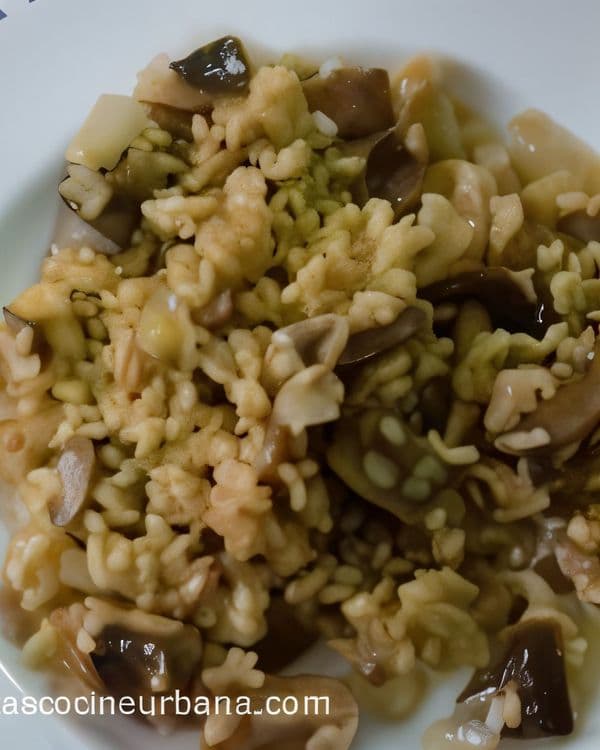
Risotto recipes are northern Italy's great trick: a handful of short, starchy rice, a pot of warm stock added one ladle at a time, and patient stirring that coaxes out a sauce so creamy you would swear there was cream in it, when there is none. The dishes below were chosen to show the dish's range — earthy mushroom, sweet seafood, bright seasonal vegetables and even hands-off baked versions — rather than ten variations on the same plate, so you come away with a method you can take anywhere.
What makes risotto special is the rice itself. Arborio, carnaroli and vialone nano are high-starch, short-grain varieties that release their surface starch slowly as you stir, building that signature velvet without any thickener at all. The grain stays firm at the centre while the edges turn creamy — the all'onda, "wave-like", texture Italians prize. Everything in these recipes is built around that one idea: warm stock added by the ladle, gentle and steady heat, and the constant gentle movement of a spoon that coaxes the starch out and turns a pot of plain rice into something rich and glossy.
You will find four clusters: mushroom and classic Parmesan, seafood, vegetable and seasonal, and baked or shortcut oven versions for nights with no time to stand at the stove. The core method is shared across all of them, so once you have cooked one good risotto the rest are simply a change of stock, vegetable or protein on the same reliable rhythm. Whether you reach for earthy porcini, sweet shellfish or roasted squash, the underlying moves never change, which is exactly what makes risotto so worth learning properly once.
Treat this as a working reference. Each recipe links to full ingredients and steps on Chefadora, and the guides below cover the decisions that decide whether a risotto turns out loose and luxurious or thick and gluey — which rice to buy and why you never rinse it, how to toast and deglaze the grains, how to ladle in warm stock and stir without overworking it, and how to finish it off the heat with butter and Parmesan so it pours like a slow wave onto the plate. Get those few things right and risotto stops being intimidating for good.
Mushroom & Classic Parmesan Risotto
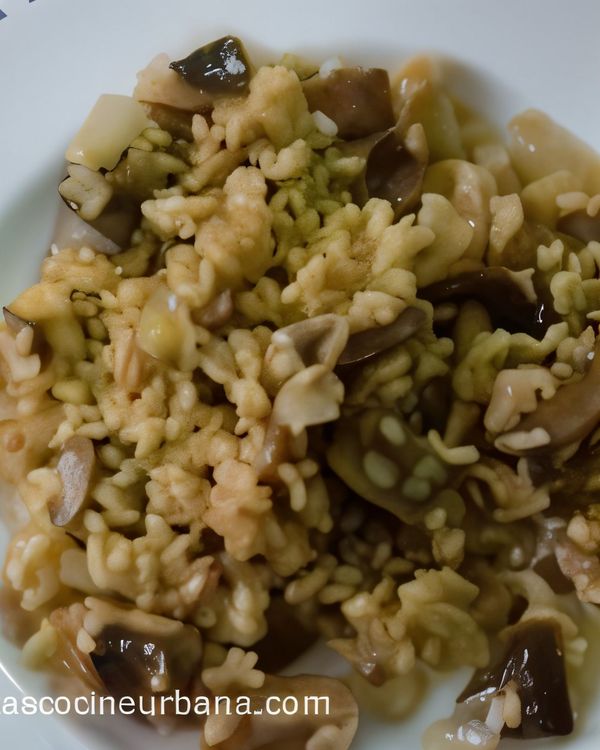
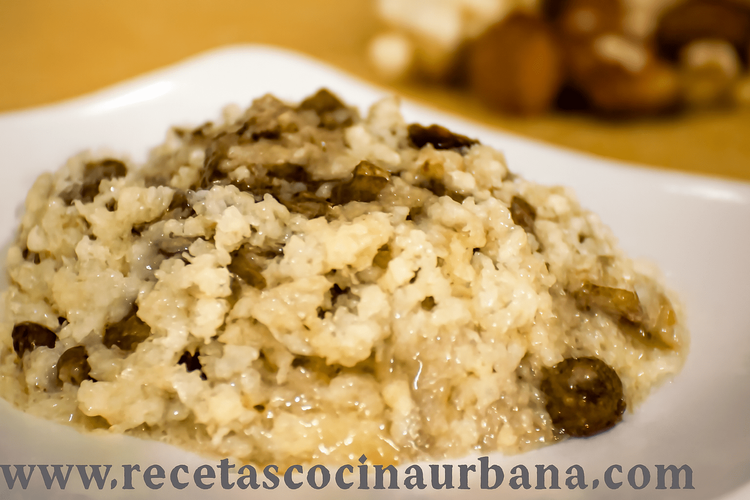
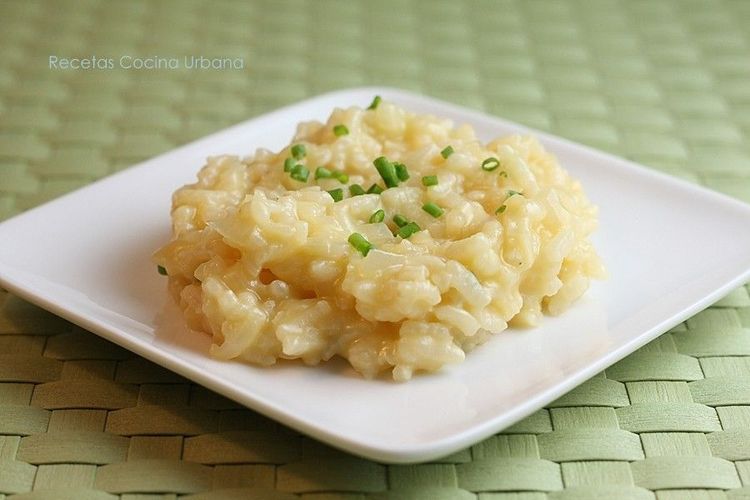
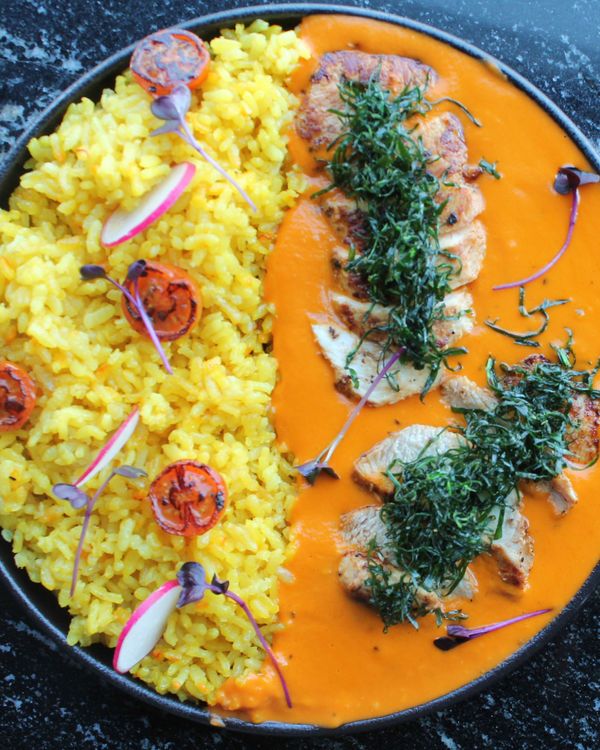
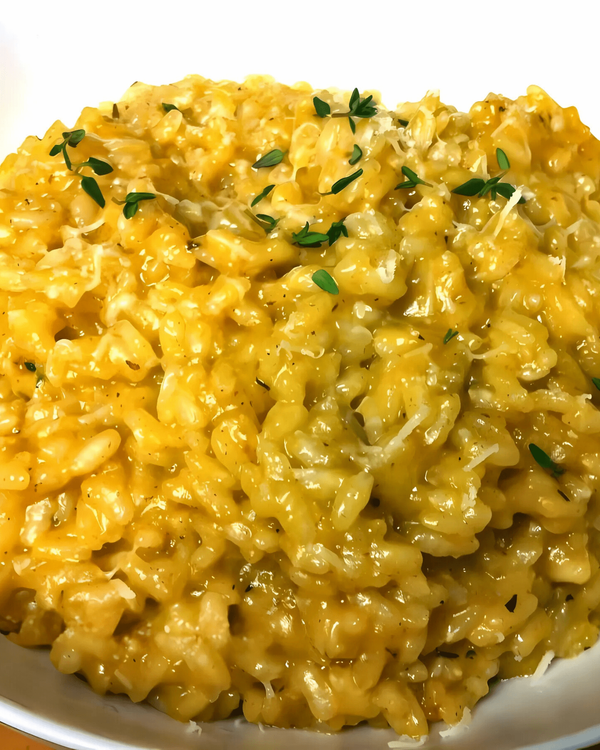
If you are going to learn one risotto, make it this group, because earthy mushroom and plain Parmesan are where the technique reveals itself most clearly. With no loud ingredient to hide behind, every step shows: the gentle soffritto of onion softened in butter, the toasting of the arborio until its edges turn translucent and pearly, the splash of white wine cooked off, and then warm stock ladled in one measure at a time while you stir. For mushrooms, sear them hard and separately first so they brown rather than weep into the rice, and steep a few dried porcini in the warm stock for a deeper, woodsier backbone. The most common stumble is rushing the stock, dumping it in all at once so the rice steams into soup instead of releasing its starch into a glossy sauce. Keep a steady, lively simmer, stir confidently but not frantically, and pull it at al dente with the faintest firm bite. Finish off the heat with cold butter and a generous handful of Parmesan beaten in until silky, and you have the dish every other version is built on. Standouts here include Mushroom Risotto with Parmesan and Mushroom Risotto, plus Wine Braised Short Ribs with Saffron Risotto.
- Italian
- Vegetarian
- Lunch


- Vegetarian
- Main Course


- Non-Vegetarian
- Dinner
- Italian
- Vegetarian
- Lunch

- Italian
- Vegetarian
- Lunch
- Italian
- Non-Vegetarian
- Dinner

- Italian-Indian Fusion
- Non-Vegetarian
- Lunch
- Italian
- Vegetarian
- Dinner
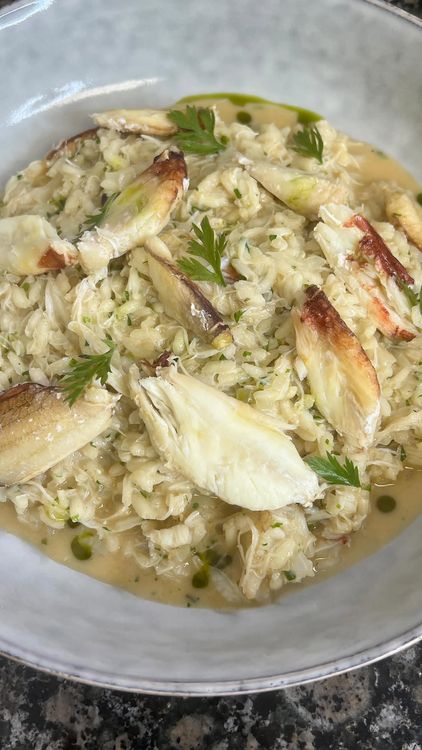
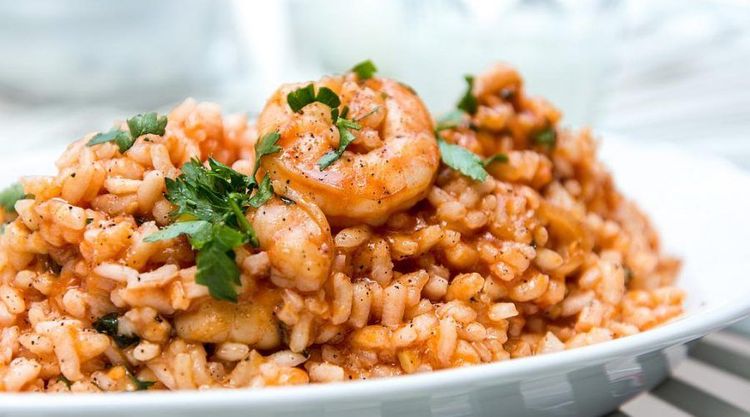
Seafood Risotto
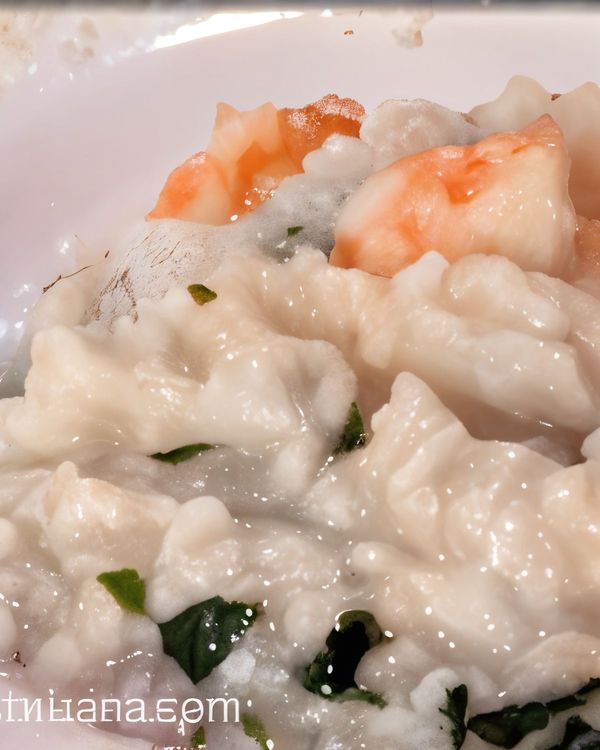
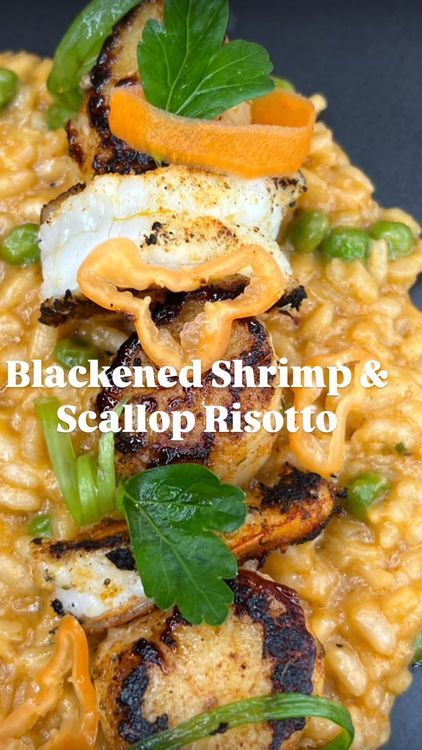
Seafood risotto is all about restraint at the finish, because shrimp, lobster, scallops and squid go from sweet and tender to rubbery in the span of a minute. Build the foundation exactly as you would any risotto, but swap in a quick shellfish stock simmered from prawn or lobster shells with a little tomato and aromatics, which gives the whole pot a fragrant, briny depth that water-thin stock never will. Cook the rice through the usual rhythm of ladled stock and steady stirring until it is just shy of done, then fold the delicate seafood in only for the last couple of minutes so the residual heat sets it gently. The classic error is adding the shellfish too early and overcooking it into something chewy and sad. Most Italian cooks skip the Parmesan here, since cheese can fight with sweet seafood; lean instead on a knob of butter, a squeeze of lemon, chopped parsley and perhaps a whisper of chilli or saffron. Keep it loose and all'onda, and serve the instant it is ready, while the seafood is at its peak. Standouts here include Pan-Seared Scallops on Creamy Tarragon Risotto and Risotto with Shrimp and Arugula, plus Lobster Risotto.
- Italian
- Pescatarian
- Lunch


- Non-Vegetarian
- Main Course
- Italian
- Pescatarian
- Dinner
- Italian
- Pescatarian
- Lunch
- Mediterranean
- Pescatarian
- Dinner
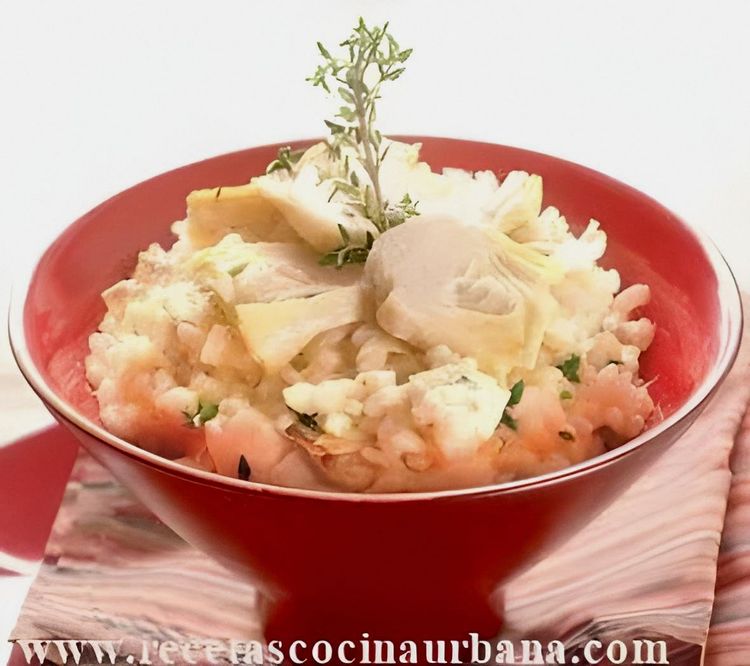
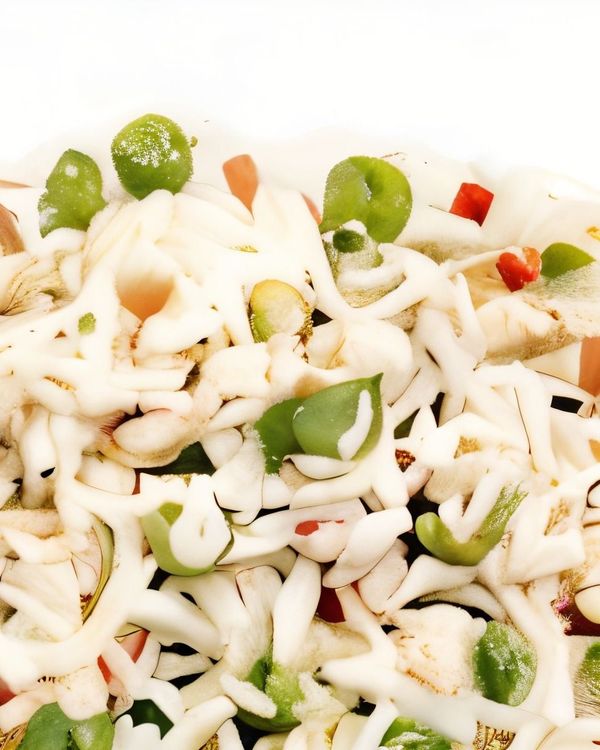
Vegetable & Seasonal Risotto
Vegetable risotto lives and dies on seasoning every layer and treating each vegetable on its own terms, since without meat or rich stock to carry the dish, the produce has to do the talking. Hardy, starchy vegetables like butternut squash and pumpkin can be roasted first and stirred through, half mashed into the rice for sweetness and colour and half left in tender chunks; beetroot does the same while staining the whole pot a dramatic crimson. Tender, bright vegetables — peas, asparagus tips, courgette, spinach — want the opposite treatment, added near the very end so they keep their colour, snap and freshness rather than turning grey and limp in the long simmer. Use a clean vegetable stock kept warm beside the pan, and season as you go because vegetables can take a confident hand with salt. The frequent misstep is treating every vegetable the same and either undercooking the squash or stewing the peas to mush. Finish with butter and Parmesan as usual, plus a scatter of fresh herbs, lemon zest or toasted seeds for contrast against the creamy base. Standouts here include Creamy Sun-Dried Tomato Risotto and Artichoke Heart Risotto, plus Sun-Dried Tomato Pesto Orzo Risotto.

- Vegetarian
- Dinner
- Italian
- Vegetarian
- Lunch

- Vegetarian
- Dinner
- Italian
- Non-Vegetarian
- Dinner
More Risotto Favourites
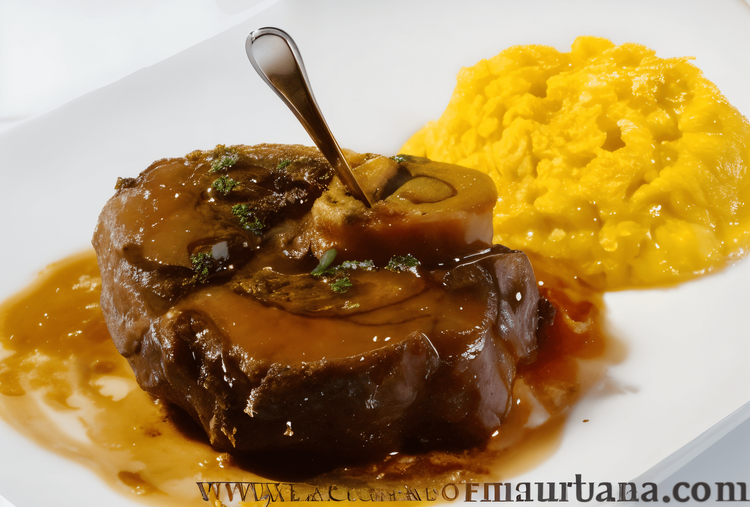
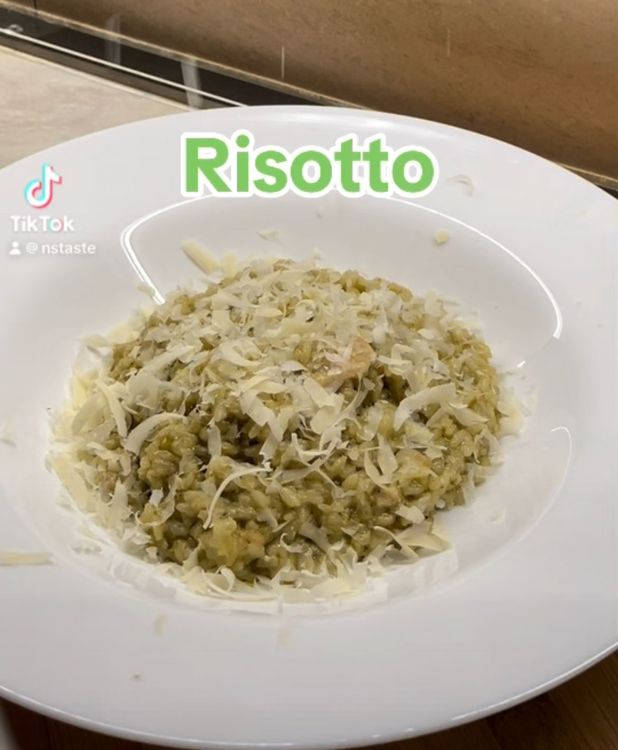
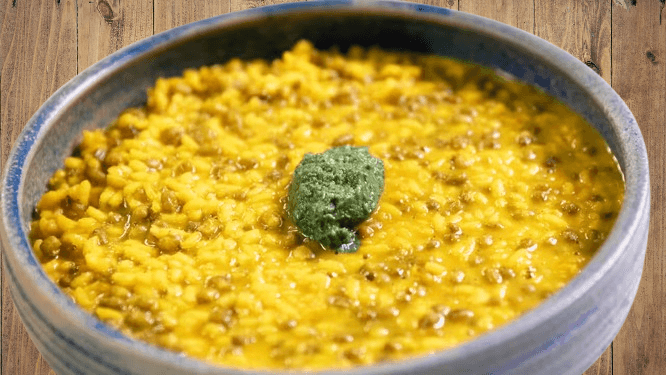
A handful of risottos never quite fit a single category, and these are the ones worth keeping in your back pocket once the staples feel routine — the saffron-stained Milanese, the squid-ink dramatics, the leftover risotto reborn as crisp fried arancini, the green herb-and-lemon numbers and the unexpected fruit or cheese variations. They all lean on exactly the same handful of techniques you already know: the gentle soffritto, the toasting of the rice, the deglaze, the slow ladling of warm stock, the steady stir and the off-heat beating-in of butter and cheese. What changes is the accent — a different stock, a bolder colour, a new finishing flourish. Choosing your next one is mostly about matching effort to mood: reach for a quick one-pan or baked version on a busy night, and save the more involved, multi-element risottos for a weekend when you can stand at the stove and enjoy the rhythm. Pay attention to consistency above all, keeping every one of them loose and all'onda. Think of this group as the natural next step after the classics, the recipes that quietly earn a regular spot in the rotation once you have tried them. Standouts here include Asian-Inspired Risotto and Broccoli Cheddar Risotto with Pan-Seared Chicken Thighs, plus Osso Buco with Risotto.


- Asian
- Vegan
- Dinner


- Gluten-Free
- Dinner
- Italian
- Non-Vegetarian
- Dinner
- Italian
- Non-Vegetarian
- Lunch
- Fusion
- Vegetarian
- Dinner
Choosing Your Rice and Stock
Risotto needs a high-starch, short-grain rice that can absorb a lot of liquid while staying firm at the centre. Arborio is the most widely sold and very forgiving; carnaroli holds its shape best and is the choice of many chefs; vialone nano cooks a touch quicker and suits seafood. Do not rinse it — that surface starch is exactly what you want for creaminess, so the cloudiness that washing removes is the whole point of the dish.
The stock is half the flavour, so make it good and, crucially, keep it warm in a separate pan beside the rice. Cold stock added to hot rice shocks the grains and stalls the cooking, lengthening the time and leaving you with uneven texture. Match the stock to the dish: a light vegetable or chicken stock for mushroom and Parmesan, a quick shellfish stock simmered from prawn shells for seafood, and a clean vegetable stock for the seasonal versions.
You will need roughly three to four cups of warm stock for every cup of rice, but treat that as a guide, not a rule — add it by feel, a ladle at a time, until the rice is creamy and just tender. Season the stock lightly rather than heavily, because it reduces and concentrates as the rice drinks it, and you will finish with salty Parmesan or cured seafood. Taste as you go and adjust at the end.
The Soffritto, Toasting and Deglazing
Almost every risotto starts the same way: a soffritto of finely diced onion or shallot softened gently in butter or oil until translucent but not browned. This is the quiet flavour base, so take your time and keep the heat moderate — browned onion turns the whole pot sweet and muddy in the wrong way. Garlic, if used, goes in late so it does not scorch in the dry pan before the rice arrives.
Next comes the tostatura, toasting the rice. Stir the dry arborio into the soffritto for a minute or two until the grains turn translucent at the edges with a pearly white centre and smell faintly nutty. This step seals the outside of each grain so it releases starch slowly and stays distinct rather than collapsing into porridge. Skipping it is the most common reason a home risotto turns gluey and loses its structure.
Then deglaze with a splash of dry white wine (or a little stock or vermouth), stirring until it has almost completely evaporated and the alcohol's sharpness has cooked off. The wine lifts the fond from the pan and adds a backbone of acidity that keeps a rich risotto from tasting flat. Only once the pan is nearly dry again do you begin adding the warm stock — never before.
Ladling Stock and Stirring
Here is the heart of risotto. Add the warm stock one ladle at a time, just enough to barely cover the rice, and stir steadily over a gentle, lively simmer. Wait until each addition is almost fully absorbed before adding the next — you should be able to draw a spoon across the pan and see the base for a moment. Flooding the rice with all the stock at once steams it rather than coaxing the starch out, and that is what gives you a soupy, structureless result.
Stirring is what releases the starch and builds the cream, but it does not need to be frantic or constant. Regular, confident stirring with a wooden spoon — agitating the grains against each other and the pan — is enough; over-stirring can actually break the grains and turn things pasty. Keep the heat at a steady simmer, not a hard boil, so the liquid reduces in step with the rice softening. The whole process takes about eighteen to twenty minutes for arborio.
Start tasting after about fifteen minutes. You want the grain just tender with the faintest firm bite at the very centre — al dente, never chalky or mushy. The texture should be loose and flowing, not stiff: if it mounds on the spoon it is too dry, so loosen with another splash of stock. Pull it from the heat while it is slightly looser than you want to serve, because it will keep thickening on the way to the plate.
The Mantecatura and Serving
The final flourish is the mantecatura, the off-heat beating-in of fat that turns a good risotto glossy and luxurious. Take the pan off the stove, drop in cold cubes of butter and a generous handful of finely grated Parmesan, and beat vigorously with the spoon for a minute until the risotto turns silky and emulsified. Doing this off the heat is what keeps the butter and cheese from splitting into a greasy slick — a key step too many home cooks rush.
Now check the consistency one last time. A proper risotto is all'onda — it should ripple like a wave and spread slowly when you shake the pan or spoon it onto a warm plate, settling flat rather than holding a peak. If it is too thick, loosen it with a final splash of hot stock; if too loose, a brief return to low heat firms it up. Serve it the moment it is right, in warmed shallow bowls, because risotto waits for no one.
Garnish lightly and in keeping with the dish: a little extra Parmesan and black pepper for mushroom and classic, chopped parsley and lemon zest for seafood, a scatter of herbs or toasted seeds for the vegetable versions. Risotto is at its best straight from the pan, so build the rest of the meal around serving it immediately rather than holding it warm, where it stiffens and dries within minutes.
Pro Tips from the Test Kitchen
- Use a high-starch short-grain rice — arborio, carnaroli or vialone nano — and never rinse it; that surface starch is the creaminess.
- Keep your stock warm in a pan beside the rice; cold stock shocks the grains and stalls the cooking.
- Toast the dry rice in the soffritto until the edges turn translucent — this is what keeps the grains distinct instead of gluey.
- Deglaze with a splash of dry white wine and let it cook off before the first ladle of stock goes in.
- Add stock one ladle at a time, waiting until each is nearly absorbed; flooding the pan steams the rice into soup.
- Stir steadily but not frantically — over-stirring breaks the grains and turns the risotto pasty.
- Hold a gentle, lively simmer, not a hard boil, so the liquid reduces in step with the rice softening.
- Start tasting at 15 minutes and pull it at al dente, with the faintest firm bite at the centre.
- Do the mantecatura — beat in cold butter and Parmesan off the heat — so the fat emulsifies instead of splitting.
- Serve it loose and all'onda the instant it is ready; risotto stiffens and dries if it sits.
Frequently Asked Questions
What rice is best for risotto?
A high-starch, short-grain Italian rice: arborio, carnaroli or vialone nano. They release surface starch slowly as you stir, which builds risotto's signature creaminess while the grain stays firm at the centre. Arborio is the most widely sold and very forgiving for beginners; carnaroli holds its shape best and is favoured by chefs. Never use long-grain or basmati — they will not give you that creamy texture.
Why do you not rinse risotto rice?
Because the cloudy starch on the surface of the grains is exactly what you want. As you stir and add stock, that starch dissolves into the liquid and thickens it into a glossy, creamy sauce with no cream needed. Rinsing washes it away and leaves you with a thin, separate-grained result more like a pilaf. Every other rice dish says rinse; risotto is the one exception.
Do you really have to stir risotto constantly?
Not constantly, but regularly. Stirring agitates the grains so they release their starch and build the creamy sauce, and it stops the rice catching on the pan. Steady, confident stirring with a wooden spoon is enough — frantic, non-stop stirring can actually break the grains and turn the risotto pasty. Stir often, keep a gentle simmer, and add each ladle of stock only when the last is nearly absorbed.
Why is my risotto gluey or mushy?
Usually overcooking, over-stirring, or skipping the toasting step. Risotto should be pulled at al dente — tender with a faint firm bite at the centre — because it keeps softening off the heat. Toast the dry rice first so the grains stay distinct, stir steadily rather than violently, and stop adding stock once it is creamy and just tender. Serving it loose, not stiff, also keeps it from setting into a gluey mass.
Can you make risotto without wine?
Yes. The splash of dry white wine adds acidity and depth, but you can replace it with an equal splash of warm stock, a little dry vermouth, or a squeeze of lemon stirred in at the end for brightness. Just deglaze the toasted rice with your chosen liquid and let it cook off before you start ladling in the stock. The risotto will be slightly less complex but still excellent.
What is the mantecatura?
It is the final step that makes risotto luxurious: off the heat, you vigorously beat in cold cubes of butter and a handful of grated Parmesan until the risotto turns glossy and silky. Doing it off the heat lets the fat emulsify into the starch rather than splitting into a greasy slick. This minute of beating is what separates a flat, stodgy risotto from a creamy, restaurant-quality one, so never skip it.
How much stock do I need for risotto?
Roughly three to four cups of warm stock for every cup of rice, but treat it as a guide rather than a precise measure. Add it a ladle at a time and judge by feel — you are done when the rice is creamy and just tender, however much that takes. Keep the stock warm and lightly seasoned, since it concentrates as the rice absorbs it and you will finish with salty Parmesan or seafood.
What does "all'onda" mean?
All'onda means "wave-like" in Italian, and it describes the ideal risotto texture. When you shake the pan or spoon it onto a plate, a proper risotto ripples and spreads slowly like a wave, settling flat rather than holding a stiff peak. It should be loose and flowing, not thick and clumpy. If your risotto mounds on the spoon, loosen it with a splash of hot stock until it moves.
Can you make risotto ahead of time?
Risotto is best served immediately, but restaurants use a trick: cook it to about three-quarters done, spread it thin on a tray to cool quickly, then finish with hot stock and the mantecatura to order. For home, a baked or oven risotto is the better make-ahead route. Fully cooked leftover risotto keeps a couple of days and is excellent shaped into arancini — fried rice balls — the next day.
Is risotto difficult to make?
No — it just asks for attention rather than skill. The method is simple and always the same: soften the onion, toast the rice, deglaze, then add warm stock a ladle at a time while stirring until creamy and al dente, and finish with butter and Parmesan off the heat. There is no tricky technique to master, only the patience to stand at the stove for about twenty minutes and taste as you go.
The thread through every risotto here is the same handful of moves: a gentle soffritto, toasted rice, a deglaze of wine, warm stock ladled in slowly with steady stirring, and a final beating of butter and Parmesan off the heat. Master that rhythm and the style — mushroom, seafood, seasonal vegetable or a hands-off bake — becomes a simple choice rather than a different skill.
Start with a classic Parmesan or mushroom risotto this week to learn the feel of the stock and the stir, then branch into a seafood or seasonal version, and keep a baked one for busy nights. Save your favourites to a Chefadora cookbook and work through the rest — this page is built to be the risotto reference you actually come back to.
Related
- Risotto
- Italian
- Rice
- Arborio
- Vegetarian
- Comfort food
- Dinner
Popular Searches
- Best risotto recipes
- Easy risotto recipes
- Quick risotto recipes
- Healthy risotto recipes
- Simple risotto recipes
- Homemade risotto recipes
- Delicious risotto recipes
- Popular risotto recipes
- mushroom risotto
- seafood risotto
- how to make risotto
Marnirni-apinthi Building, Lot Fourteen,
North Terrace, Adelaide, South Australia, 5000
Australia
