
Top 23 Casserole Recipes: Pasta Bakes, Gratins, One-Dish Dinners and Breakfast
Updated June 25, 2026 · Curated by Chefadora
Casserole recipes are the original one-dish dinner — everything assembled in a single baking dish, slid into the oven, and brought to the table golden and bubbling. The collection below shows the full range, from cheesy pasta bakes and creamy vegetable gratins to hearty rice-and-protein dinners and make-ahead breakfast bakes. One dish, very little washing up, and a meal that feeds a crowd or stretches across several nights of leftovers.
What makes a casserole work is balancing moisture and time in the oven. Pasta, rice and bread all keep drinking liquid as they bake, so the sauce that looks slightly too loose going in is exactly right coming out; a casserole that bakes dry was almost always under-sauced to begin with. Covering the dish for most of the bake steams everything tender, while uncovering at the end browns the top and crisps the cheese or crumb that makes the whole thing irresistible.
You will find the collection grouped into clusters — pasta and cheesy casseroles, vegetable and potato casseroles, rice and protein casseroles, and breakfast and special casseroles. Standout dishes range from a bubbling baked ziti and a classic mac and cheese to a creamy potato gratin, a cheesy vegetable bake, a comforting rice-and-bean dinner and an overnight breakfast strata, each built on the fundamentals the guides below lay out.
Treat this as a working reference. Each recipe links to full ingredients and steps on Chefadora, and the guides below cover what actually decides whether a casserole turns out creamy or dry, set or sloppy — getting the sauce-to-starch balance right, building a crisp golden top, and assembling and baking ahead so the dish is ready exactly when you need it.
Pasta & Cheesy Casseroles
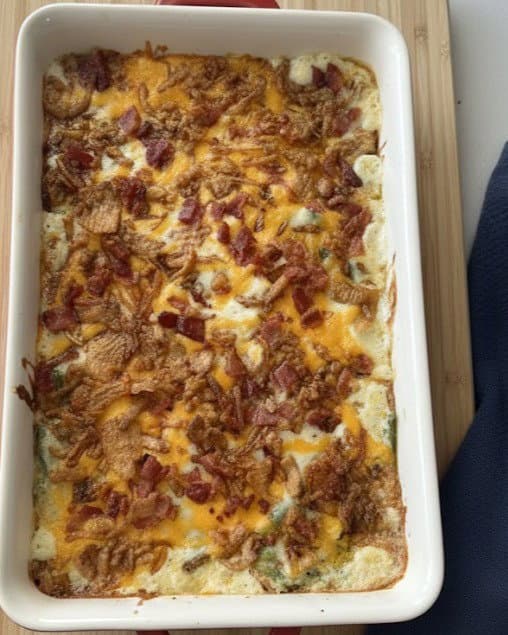
Pasta and cheese casseroles are the dishes most people picture when they hear the word casserole, and getting them right is mostly about restraint with the boiling pot and generosity with the sauce. Cook the pasta a good two minutes short of al dente, because it keeps softening and soaking up liquid as it bakes, and a noodle that was perfect on the stove turns bloated and mushy in the oven. Build the sauce loose, whether it is a silky bechamel, a rich tomato ragu, or a simple cream and stock mixture; it should look slightly too thin going in, since the pasta drinks it as everything bakes down to creamy. Season firmly, because the oven mutes salt, and lean on a blend of cheeses rather than one, a melter like mozzarella for stretch and a sharper cheddar or parmesan for browning and bite. Reserve some cheese for the top so it blisters golden, and cover with foil for most of the bake before uncovering to brown. Standouts here include a bubbling baked ziti, a classic creamy mac and cheese, a layered lasagne and a cheesy tortellini bake. Standouts here include Cheesy Green Bean Casserole and Easy Pasta and Meatball Casserole, plus Easy Vegetable and Tortellini Pasta Casserole.

- American
- Non-Vegetarian
- Dinner
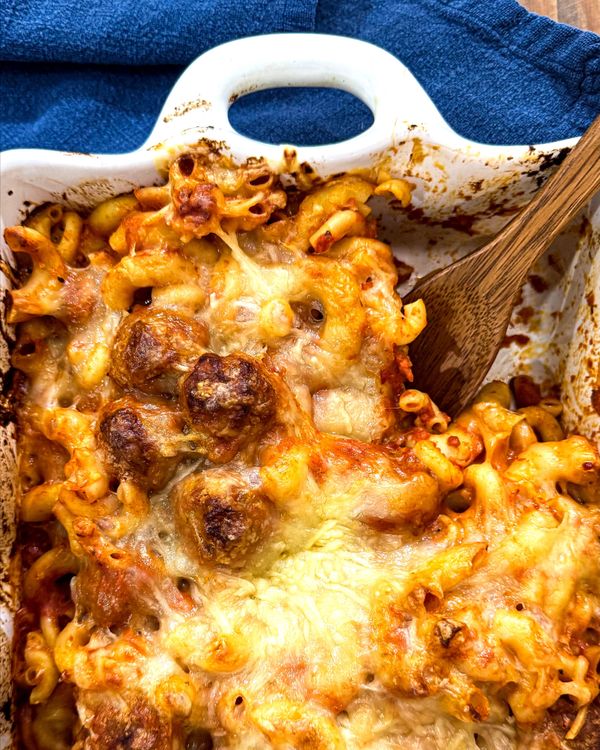

- American
- Non-Vegetarian
- Dinner
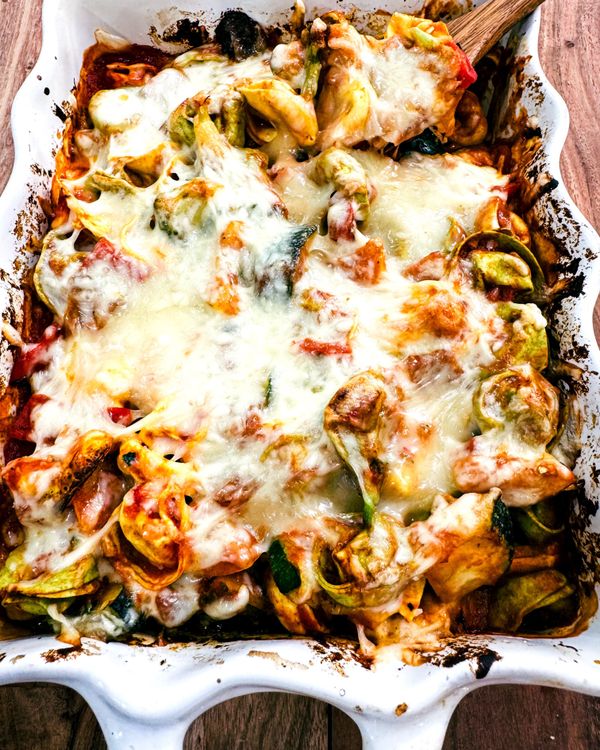
- Italian
- Vegetarian
- Dinner
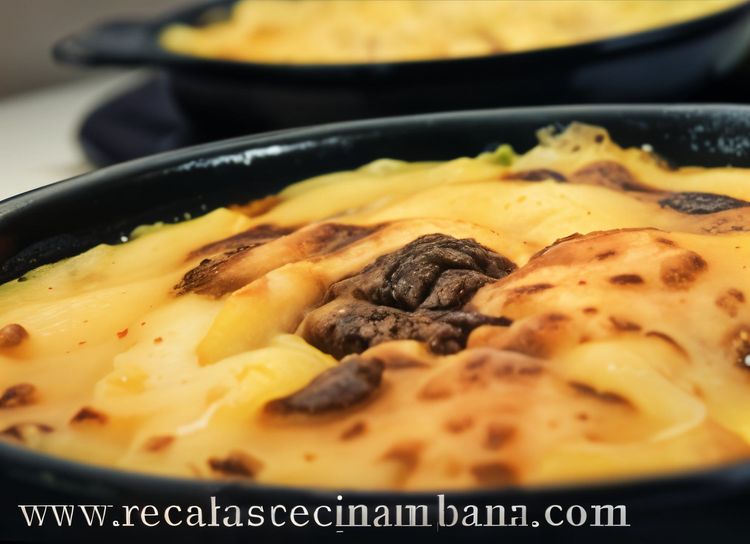
- International
- Pescatarian
- Lunch
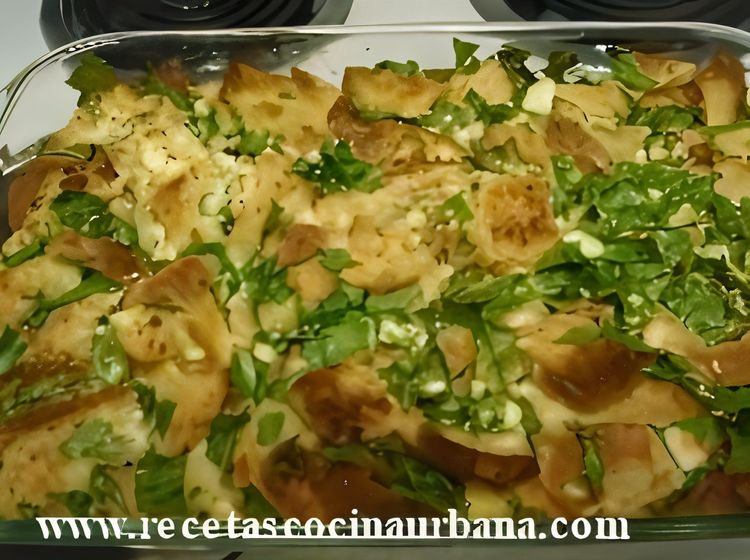
- International
- Eggetarian
- Lunch
Vegetable & Potato Casseroles
Vegetable and potato casseroles prove a one-dish bake does not need meat to feel like a proper, comforting dinner, but they ask for a little attention to water and slicing. Potatoes are the foundation of so many of them, and the key is even, thin slices so every layer cooks through at the same rate; a mandoline makes quick work of it. Keep the assembly saucy or well-buttered, because potatoes and vegetables both drink up liquid, and layer with cream, cheese or stock so nothing bakes dry. The biggest pitfall is watery vegetables: salt and drain or quickly saute courgette, mushrooms and tomatoes to drive off moisture first, and squeeze thawed frozen spinach and green beans bone-dry so they do not flood the dish. Cover for most of the bake to steam everything tender, then uncover at the end to brown the top and crisp the cheese or crumb. Let a gratin rest a few minutes before serving so it sets enough to slice cleanly. Standouts here include a creamy potato gratin, a cheesy broccoli bake, a classic green bean casserole and a golden hashbrown bake. Standouts here include Skillet Beef and Cornbread Casserole and Honey Butter Corn Casserole, plus Your Favorite Chicken and Broccoli Casserole.
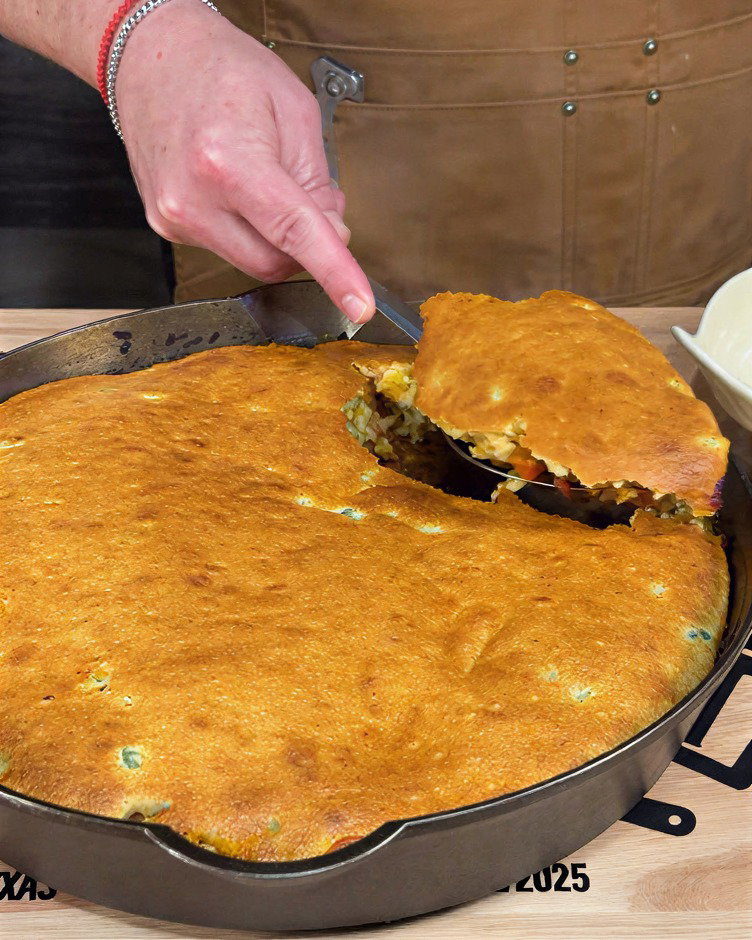

- Non-Vegetarian
- Dinner
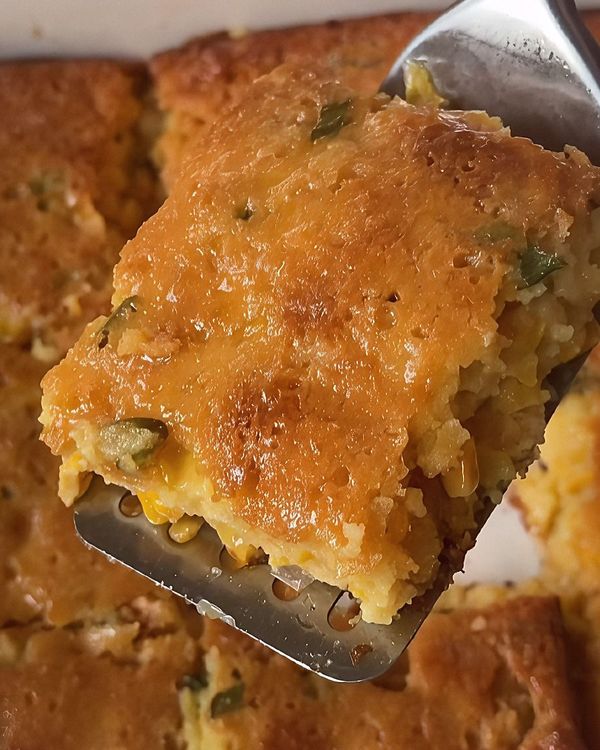

- American
- Eggetarian
- Lunch
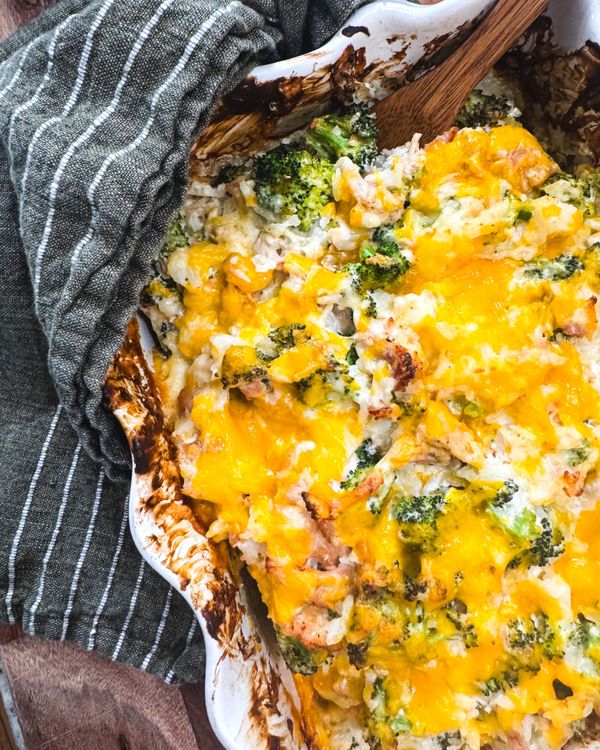
- American
- Non-Vegetarian
- Lunch
- European
- Vegetarian
- Lunch
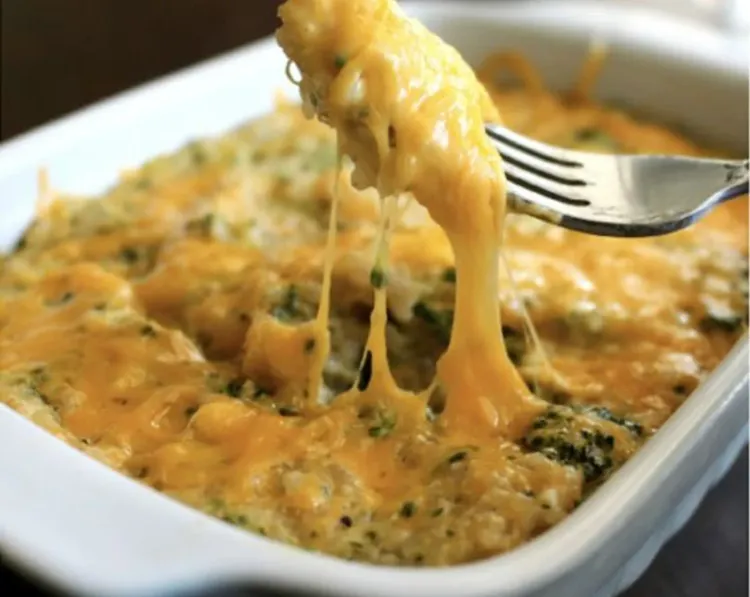
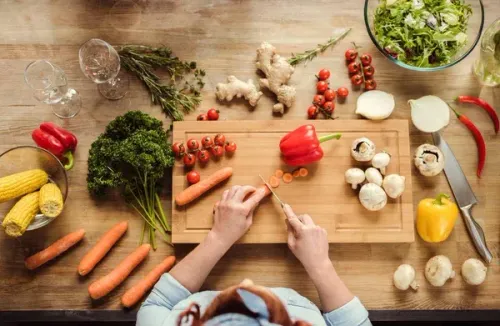
- American
- Non-Vegetarian
- Lunch
Rice & Protein Casseroles
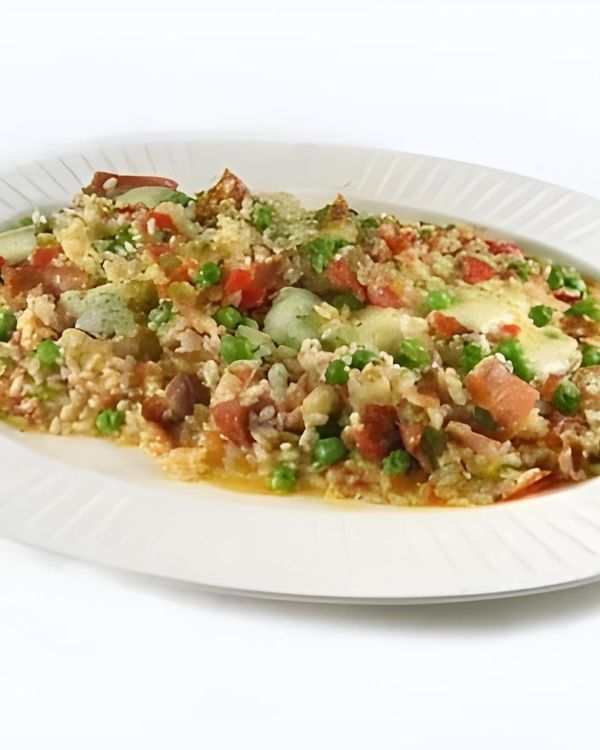
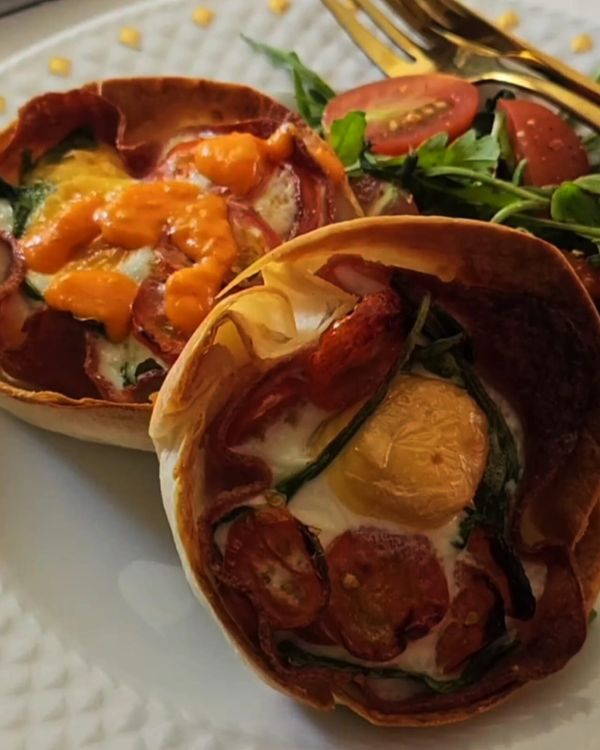
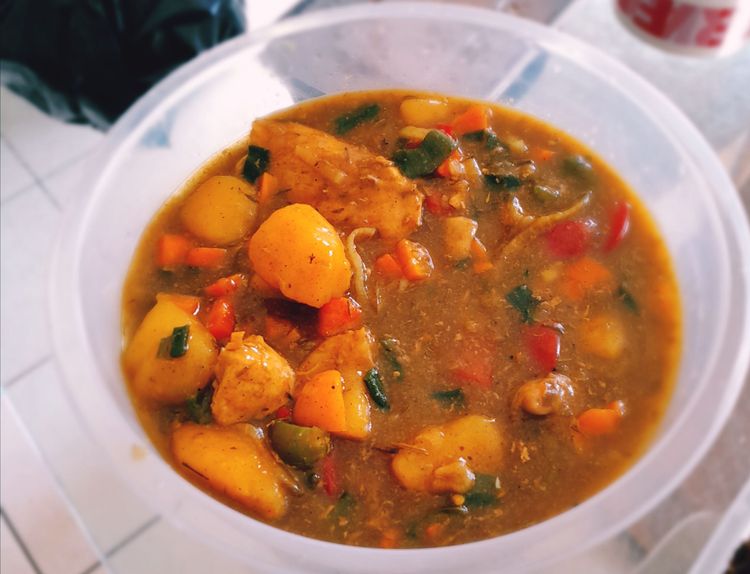
Rice and protein casseroles are the hearty, hands-off dinners you reach for when you want one dish to do everything, and the trick across all of them is matching the cook time of the grain to the protein. Par-cook rice to about seventy percent before it goes in, or use a generous, soupy ratio of liquid so it finishes tender in the oven rather than turning gluey or staying chalky. Season the liquid well, because rice is bland on its own and drinks up whatever flavour you give it. For the protein, lightly sear or brown chicken, paneer or beans first so they hold their texture and add depth, and fold quicker-cooking items like prawns or eggs in toward the end so they do not toughen. Keep the whole thing saucy with stock, cream, condensed soup or a tomato base, since rice and beans both absorb liquid greedily as they bake. Cover to steam, uncover to brown, and rest before serving. Standouts here include a comforting chicken and rice bake, a cheesy bean and rice casserole, a tuna-and-pasta style dinner and a spiced paneer rice bake. Standouts here include Rice Casserole and Simple Airfryer Egg Casserole, plus Chicken Casserole.
- International
- Vegetarian
- Lunch

- Fusion
- Non-Vegetarian
- Snack
- International
- Non-Vegetarian
- Dinner
Breakfast & Special Casseroles
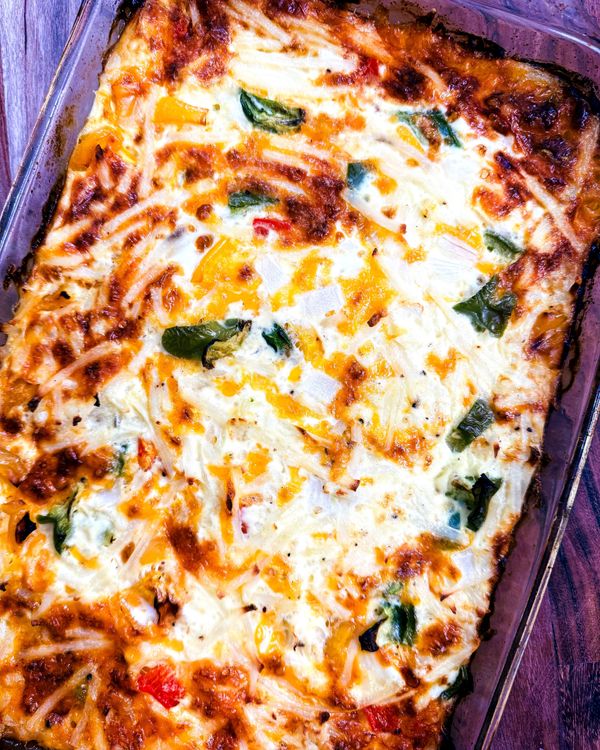
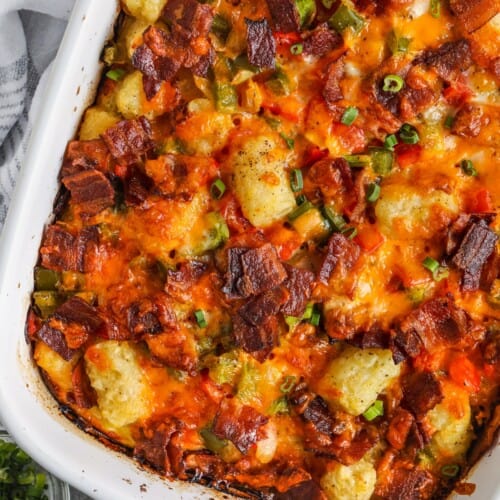
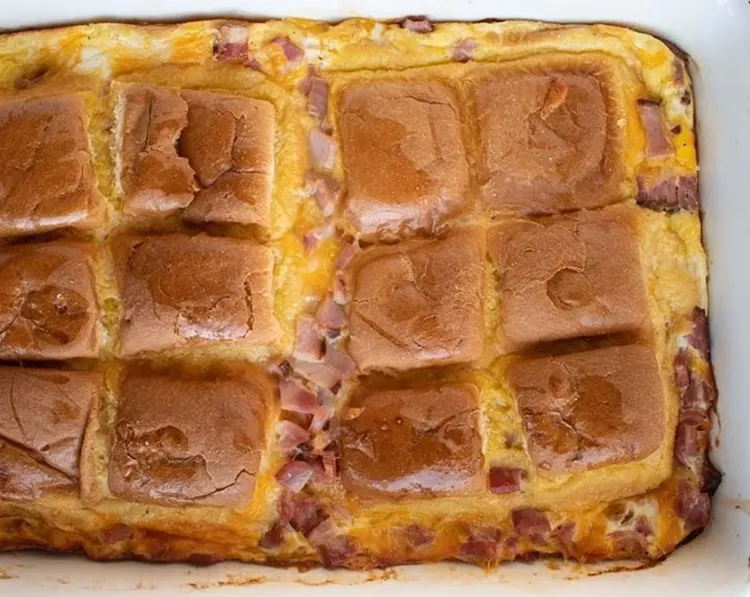
Breakfast and special casseroles are where the one-dish bake earns its keep for a crowd, whether that is a lazy weekend brunch or a festive table, and most of them are built to be assembled ahead. Egg and bread stratas are the classic move: cube day-old bread, pour over a seasoned custard of eggs and milk, and let it soak overnight so the bread drinks it all in and bakes into something even and set rather than dry on top and soggy underneath. Sausage, vegetables and cheese fold in easily, and a tater-tot or hashbrown layer gives a crisp, golden base. Special-occasion bakes like enchilada and taco casseroles, sweet potato bakes and overnight French toast all follow the same logic, build it the night before, refrigerate, and bake fresh in the morning. Bring the dish to room temperature while the oven heats so it cooks evenly, cover to set the centre, then uncover to crisp and brown the top. Standouts here include an overnight sausage and egg strata, a tater-tot breakfast bake, a cheesy enchilada casserole and a make-ahead French toast bake. Standouts here include Go To Breakfast Casserole and High Protein Breakfast Casserole, plus Tater Tot Breakfast Casserole.
- American
- Eggetarian
- Breakfast

- Non-Vegetarian
- Breakfast
- American
- Non-Vegetarian
- Breakfast
- American
- Non-Vegetarian
- Breakfast
More Casserole Favourites
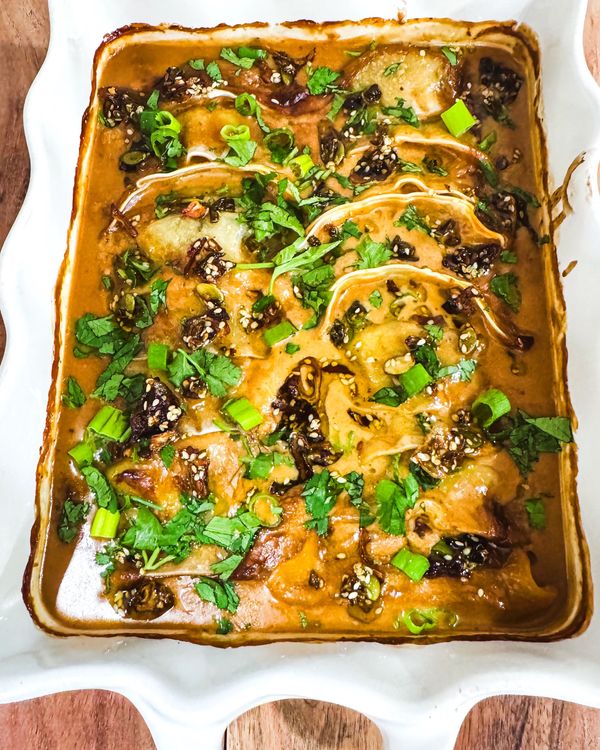
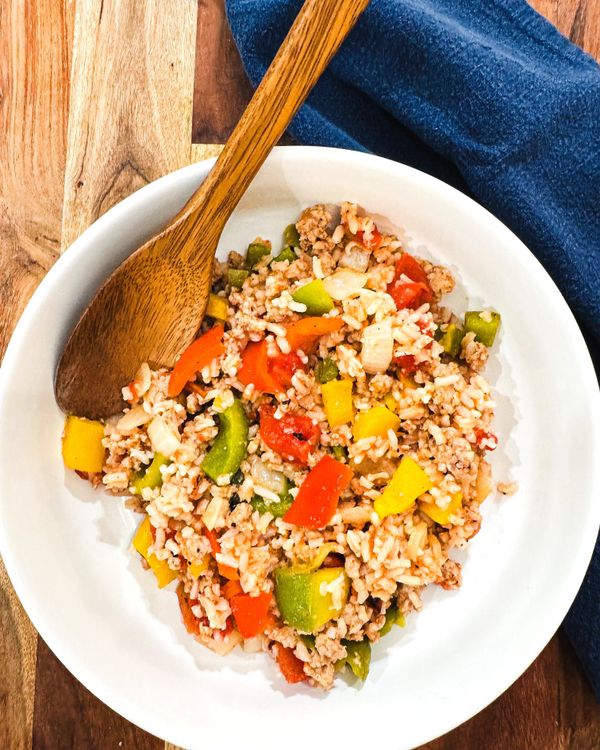
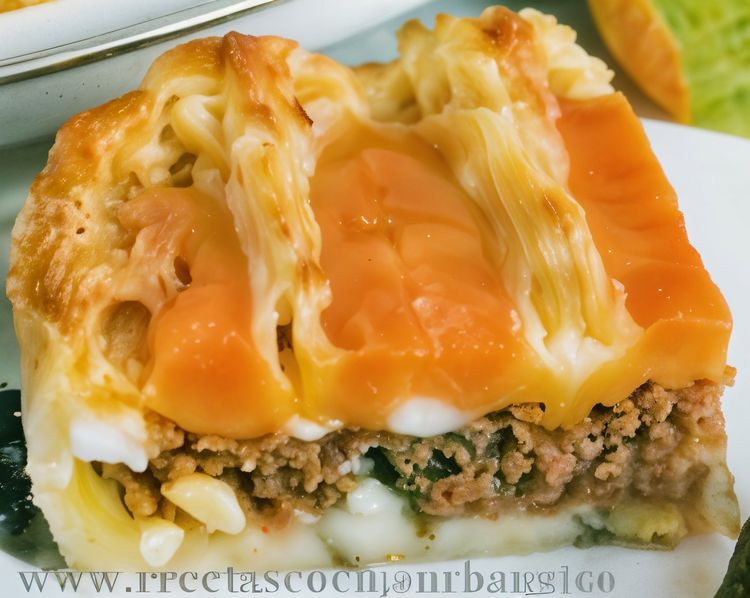
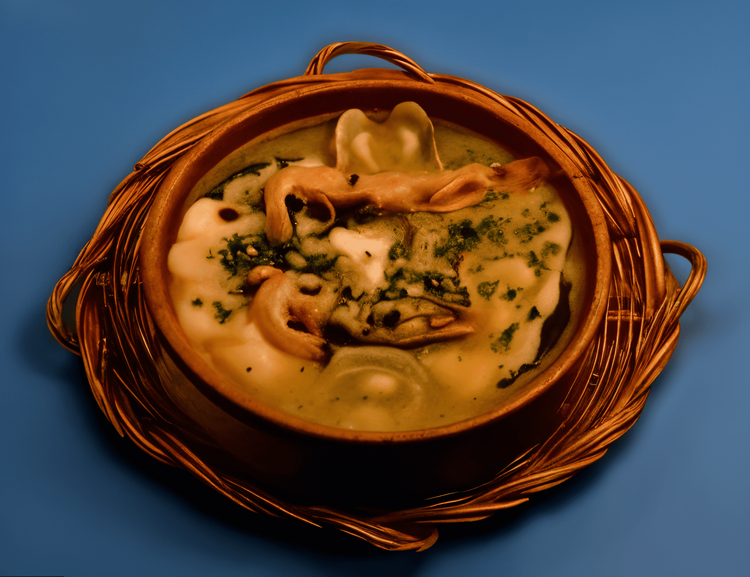
A handful of casseroles never quite fit a single bucket, and these are the ones worth keeping once the staples feel routine. They lean on the same fundamentals you already know, a loose, well-seasoned sauce binding a starch, a foil-covered bake to steam tender, and an uncovered finish to brown the top, but they wander across cuisines and formats, from saucy baked gnocchi to layered vegetable moussaka to a spiced biryani-style rice bake. Picking your next one is mostly about matching effort to your evening: reach for a quick assemble-and-bake dish on a busy night, and save the multi-layer, sauce-from-scratch numbers for a weekend when you can build each component properly. Pay attention to moisture above all, since the same rule governs every casserole here, keep it a touch looser than looks right and let the oven and a short rest do the rest. Think of this group as the natural next step after the classics, the dishes that quietly earn a regular spot in the rotation once you have tried them. Standouts here include Viral Pot Sticker Casserole and Simple Unstuffed Pepper Casserole, plus Ecuadorian-Style Seafood Casserole.
- Asian
- Vegan
- Dinner
- American
- Non-Vegetarian
- Lunch

- Ecuadorian
- Pescatarian
- Lunch
- International
- Non-Vegetarian
- Lunch
- European
- Non-Vegetarian
- Lunch
Getting the Sauce and Moisture Right
Moisture is the single thing that decides a casserole, because pasta, rice and bread all soak up liquid as they bake. Always undercook the starch — pasta to about two minutes shy of al dente, rice to roughly seventy percent — since it finishes cooking in the oven and drinks sauce as it goes. Make the sauce looser than feels right; a mixture that looks slightly soupy in the dish bakes down to creamy, while one that looks perfect going in comes out dry and stodgy.
Lean on a proper binding sauce rather than hoping cheese alone will hold things together. A simple bechamel (butter and flour cooked into a roux, then whisked with warm milk) coats every piece and bakes silky, while a can of condensed soup, a tin of tomatoes, or a quick cream-and-stock mixture all do the same job. Season it firmly before it goes in, because baking mutes salt, and whisk it smooth so there are no raw-flour streaks or lumps once it sets.
Watch out for ingredients that release water in the oven. Salt and drain watery vegetables like courgette, mushrooms and spinach, or saute them first to drive off liquid, so they do not flood the dish. Thaw and squeeze frozen vegetables and spinach dry. If a casserole still bakes a little loose, let it rest ten to fifteen minutes out of the oven before serving — that pause lets the sauce thicken and set so it scoops cleanly rather than running across the plate.
Building a Golden, Crisp Top
The crisp, bubbling top is what turns a baked dish into a casserole worth fighting over, and it comes from the right covering and the right heat. Cover the dish with foil for most of the bake so the inside steams tender without the top scorching, then pull the foil off for the last fifteen to twenty minutes so the surface browns and the cheese blisters. A brief blast under the grill at the very end takes a pale top to deeply golden, but watch it closely because it goes from perfect to burnt in under a minute.
Choose toppings that crisp rather than soften. A mix of buttered breadcrumbs (panko stays crunchiest), grated parmesan and a little melted butter gives a shatteringly crisp crust; crushed crackers, fried onions or crushed tortilla chips do the same with more flavour. Scatter them only over the parts you want crunchy, and add delicate toppings late so they toast rather than burn. For a cheesy top, a blend of a good melter like mozzarella with a sharper, browning cheese like cheddar or gruyere gives both the stretch and the colour.
Texture contrast is what keeps a casserole from feeling like baby food. Reserve a handful of cheese, crumb or fried onions to add in the final minutes so the top stays distinct from the soft, saucy middle. If you are reheating leftovers, do it uncovered in the oven rather than the microwave so the top re-crisps instead of going soggy. A scatter of fresh herbs, spring onion or a squeeze of lemon over the finished dish lifts all that richness and stops it feeling heavy.
Assembling and Baking Ahead
Casseroles are the best make-ahead dinner there is, because most of them assemble cold and bake when you need them. Build the whole dish, cover it tightly, and refrigerate for up to a day or two before baking; just add ten to fifteen minutes to the bake time since it starts fridge-cold, and let it sit on the counter while the oven heats so it warms through evenly. For egg-based breakfast bakes and bread stratas, assembling ahead is actually better — the bread soaks up the custard overnight and bakes into something far more even and set.
Most casseroles freeze well, which makes them ideal for batch cooking. Assemble in a freezer-safe dish, cool completely, and freeze unbaked; bake from frozen with foil on, adding plenty of extra time, or thaw overnight in the fridge first for a more even result. The exceptions are anything with a crisp topping or a delicate cream sauce — add breadcrumbs and fried onions fresh before baking rather than freezing them, since they go soggy, and be aware that cream-heavy sauces can split a little on thawing.
A few habits make ahead-baking foolproof. Slightly undercook every component if you know the dish will be reheated, so nothing turns to mush the second time around. Cool leftovers quickly and store them covered for three to four days. Reheat covered until hot through, then uncover to re-crisp the top. Label frozen casseroles with the dish, date and baking instructions, because a freezer full of unmarked foil parcels is a casserole graveyard, and most keep their quality for two to three months.
Pro Tips from the Test Kitchen
- Undercook pasta and rice by a couple of minutes — they finish cooking and soak up sauce in the oven.
- Make the sauce looser than looks right; casseroles drink liquid as they bake and a dry bake was under-sauced.
- Salt and drain or saute watery vegetables like courgette, mushrooms and spinach so they do not flood the dish.
- Squeeze thawed frozen spinach and vegetables bone-dry before they go in.
- Cover with foil for most of the bake to steam tender, then uncover at the end to brown the top.
- Top with panko, parmesan and melted butter for a crust that stays crisp rather than soggy.
- Blend a good melter like mozzarella with a browning cheese like cheddar for stretch and colour.
- Let a baked casserole rest ten to fifteen minutes so the sauce sets and it scoops cleanly.
- Assemble breakfast stratas the night before so the bread soaks up the custard and bakes evenly.
- Reheat leftovers uncovered in the oven, not the microwave, so the top crisps back up.
Frequently Asked Questions
What are the best casserole recipes for beginners?
Start with the forgiving classics: a baked ziti or mac and cheese, a simple chicken-and-rice bake, a cheesy potato gratin, or an overnight breakfast strata. These rely on a loose, well-seasoned sauce binding a starch and need little technique beyond assembling and baking. Cover with foil to steam tender, uncover to brown the top, and let it rest before serving. Once you have the sauce-to-starch balance, almost any casserole follows the same dependable rhythm.
What are the best casserole recipes to make ahead for a crowd?
The make-ahead champions are egg-and-bread stratas, baked pasta dishes like ziti and lasagne, potato gratins, and hearty rice-and-protein bakes, since all of them assemble cold and bake when needed. Build the dish, cover it tightly, and refrigerate up to a couple of days, adding ten to fifteen minutes to the bake time. Many also freeze well unbaked. Add crisp toppings like breadcrumbs or fried onions fresh before baking so they do not go soggy.
Why does my casserole turn out dry?
A dry casserole was almost always under-sauced, or the pasta and rice were fully cooked before baking and then kept drinking liquid in the oven. Undercook the starch by a couple of minutes and make the sauce looser than feels right — it should look slightly soupy going in. Cover the dish with foil for most of the bake to trap steam, and only uncover at the end to brown the top. Resting the dish briefly also helps the sauce settle.
How do you keep a casserole from being watery?
Watery casseroles usually come from vegetables releasing liquid in the oven. Salt and drain or quickly saute high-moisture vegetables like courgette, mushrooms, tomatoes and spinach first, and squeeze thawed frozen vegetables and spinach as dry as you can. Use a proper binding sauce such as a bechamel or a reduced cream-and-stock mixture rather than thin liquid, and let the finished casserole rest ten to fifteen minutes so the sauce thickens and sets before you serve it.
How do you get a crispy, golden top on a casserole?
Bake covered with foil for most of the time so the inside cooks through, then remove the foil for the last fifteen to twenty minutes so the surface browns. A buttered panko-and-parmesan crumb, crushed crackers or fried onions crisp beautifully, and a blend of mozzarella with a sharper cheese like cheddar both melts and colours. A short blast under the grill at the very end takes the top to deeply golden — just watch it closely, as it can scorch in under a minute.
Can you freeze a casserole?
Most casseroles freeze very well, which makes them perfect for batch cooking. Assemble in a freezer-safe dish, cool completely, and freeze unbaked, then bake from frozen with foil on (allowing plenty of extra time) or thaw overnight in the fridge first. Slightly undercook the components so they do not turn mushy on reheating. Add crisp toppings like breadcrumbs and fried onions fresh before baking rather than freezing them, and note that very cream-heavy sauces can split slightly when thawed.
What is the best cheese for a cheesy casserole?
Use a blend rather than one cheese. A good melter such as mozzarella, fontina or monterey jack gives the stretch and gooey pull, while a sharper, browning cheese like mature cheddar, gruyere or parmesan adds flavour and that golden, blistered top. Grate your own from a block where you can, since pre-shredded cheese is coated in starch that can make a sauce grainy. Stir most of the cheese through the dish and reserve a handful to scatter on top for the final bake.
How long do casseroles keep in the fridge?
A cooked casserole keeps three to four days covered in the fridge. Cool it quickly, store it airtight, and reheat until piping hot all the way through. For the best texture, reheat in the oven rather than the microwave, covered first to warm the middle and then uncovered to re-crisp the top. Unbaked, assembled casseroles also hold a day or two before baking. Anything with eggs or seafood is best eaten within a couple of days for safety and quality.
Do you cook pasta before adding it to a casserole?
Yes, but deliberately undercook it. Boil the pasta about two minutes short of al dente so it still has a firm bite, because it keeps cooking and absorbing sauce as the casserole bakes; fully cooked pasta turns soft and bloated. Some no-boil baked pastas and lasagne sheets skip the step entirely, relying on a generous, loose sauce to cook them through in the oven. Either way, the trick is enough liquid in the dish for the pasta to drink as it finishes.
The thread through every casserole recipe here is the same: keep the sauce a touch looser than looks right, undercook the pasta or rice so it finishes in the oven, cover to steam tender and uncover to brown, then rest before serving so everything sets. Master those and pasta bakes, gratins, one-dish dinners and breakfast strata all come out creamy, golden and scoopable exactly as intended.
Pick a few casserole recipes to cook this week — a bubbling baked pasta, a cheesy vegetable gratin and a make-ahead breakfast bake — and save your favourites to a Chefadora cookbook. A casserole feeds a crowd, reheats beautifully and asks for one dish and little fuss; this page is built to be the casserole reference you keep coming back to.
Related
- Casserole
- Baked
- Comfort food
- One dish
- Pasta
- Vegetarian
- Make ahead
- Cheesy
Popular Searches
- Best casserole recipes
- Easy casserole recipes
- Quick casserole recipes
- Healthy casserole recipes
- Simple casserole recipes
- Homemade casserole recipes
- Delicious casserole recipes
- Popular casserole recipes
- pasta casserole
- vegetable casserole
- chicken casserole
- breakfast casserole
Marnirni-apinthi Building, Lot Fourteen,
North Terrace, Adelaide, South Australia, 5000
Australia
