
Top 20 Sheet Pan Recipes: Easy Tray Bake Dinners for Busy Nights
Updated July 2, 2026 · Curated by Chefadora
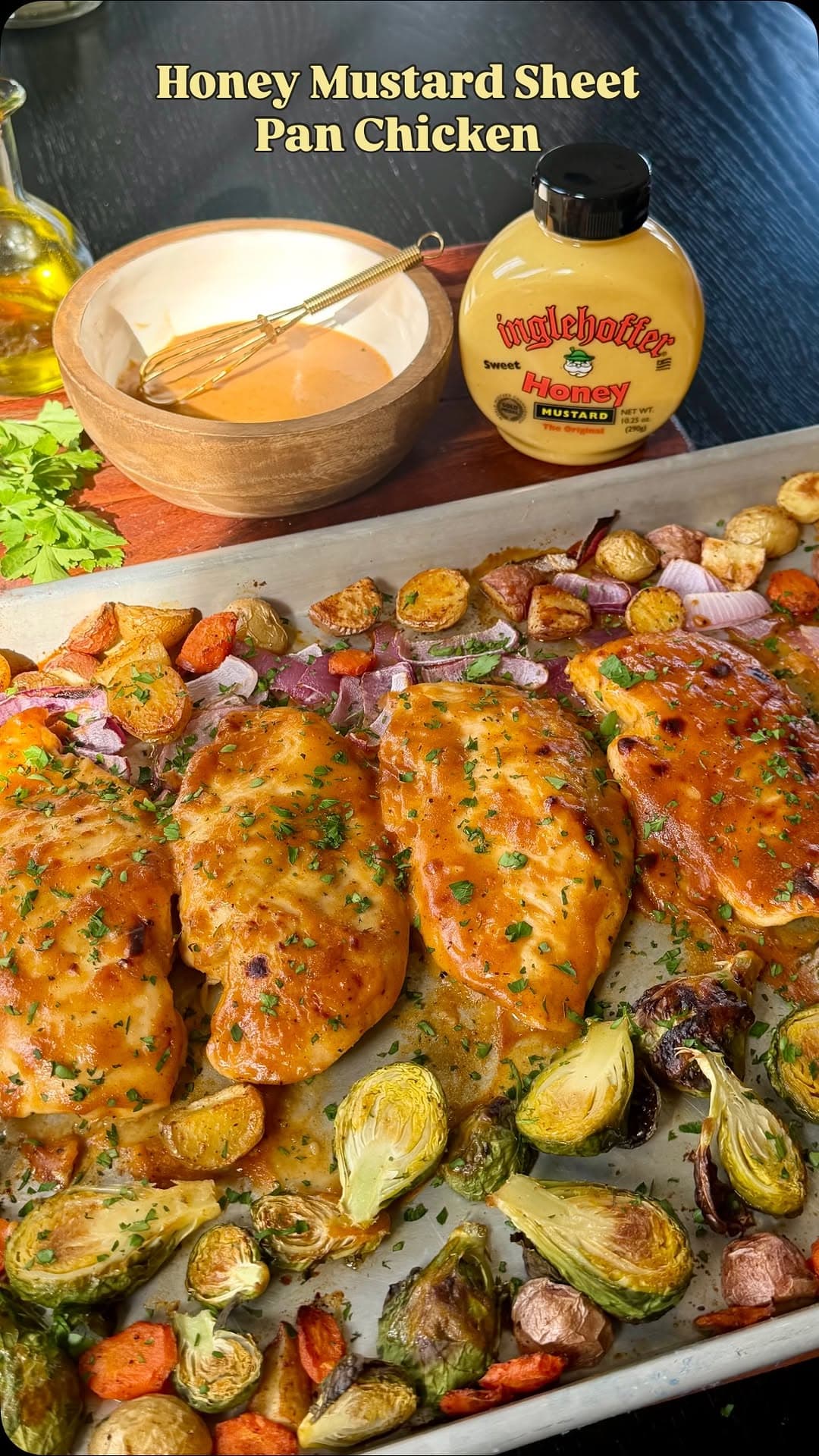
Sheet pan recipes turn dinner into one tray and one clean-up: protein and vegetables roast side by side in a hot oven, sharing juices and rendered fat as they go, so a full meal comes out of the oven at the same time it goes onto the table. The recipes gathered here — chicken dinners, beef and steak tray bakes, sausage and kebab trays, and lighter salmon and vegetable options — are grouped by protein so you can find exactly the kind of sheet pan dinner you are craving.
What makes the format work is timing rather than ingredients. Everything on the tray needs to finish cooking at roughly the same moment, which means cutting vegetables to match how long the protein needs and staggering additions so nothing goes in too early or too late. Get that right and a sheet pan dinner needs almost no attention once it is in the oven; get it wrong and you end up with dry chicken next to raw potatoes.
Below you will find four groups: chicken dinners, which are the most forgiving starting point; beef and steak trays, which usually want higher heat and less time; sausage and kebab dinners, which are already seasoned and roast evenly; and a lighter cluster of salmon, gnocchi and vegetarian trays that mostly cook faster than the rest.
Use this page as a working reference. Every recipe links through to full ingredients and steps on Chefadora, and the guides below cover the questions that decide whether a sheet pan dinner turns out properly roasted or just steamed — how to cut and space vegetables, how to time different proteins, and how to get real color without drying anything out.
Sheet Pan Chicken Dinners
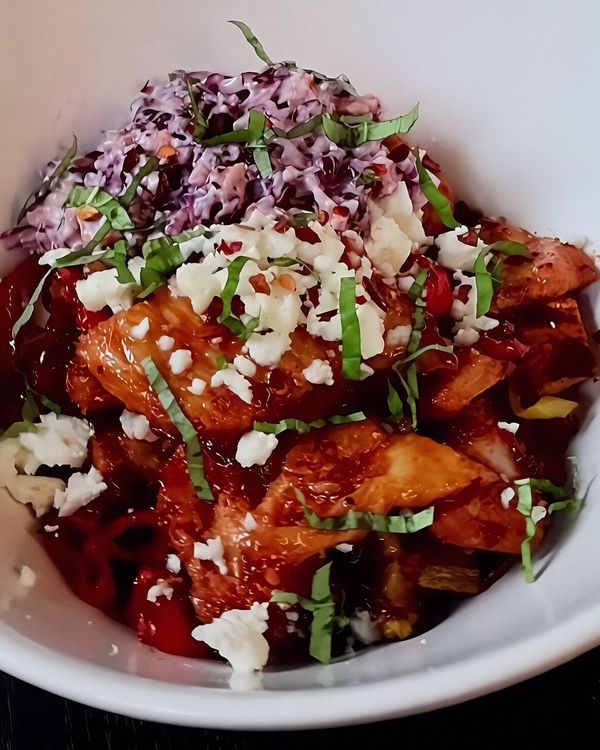
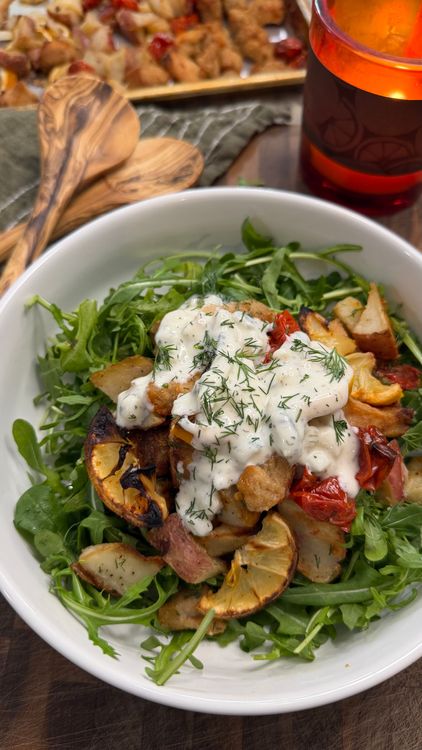
Chicken is the most forgiving place to start with sheet pan cooking, which is why it dominates this cluster. Bone-in thighs and drumsticks are particularly well suited to the format because their fat renders as they roast, basting the vegetables around them and keeping the meat itself moist even if the timing runs a few minutes long — a margin for error that boneless breasts do not offer. Cut vegetables to a size that roasts in roughly the same window as the chicken, and give denser vegetables like potatoes a head start if the chicken pieces are smaller or boneless. Glazes like honey mustard or hot honey belong on in the final stretch of cooking, brushed on once or twice so the sugar caramelizes without burning. A meat thermometer is the most reliable way to know a tray of chicken is done, since color alone can be misleading with a sauce or marinade on the surface. Once you have the basic method down — dense vegetables first, chicken and quicker vegetables layered in after, glaze at the end — it adapts easily to whatever seasoning or cuisine you are in the mood for that night. Standouts here include Honey Mustard Sheet Pan Chicken and Sheet Pan Hot Honey Chicken with Garlic Slaw, plus Greek Inspired Chicken and Potato Sheet Pan Dinner.


- American
- Non-Vegetarian
- Dinner
- American
- Non-Vegetarian
- Lunch

- Greek
- Non-Vegetarian
- Dinner
- American
- Non-Vegetarian
- Dinner
Sheet Pan Beef & Steak Dinners
Beef and steak sheet pan dinners move at a different pace than chicken — most cuts cook fast at high heat, which means the usual order of operations often flips, with vegetables going onto the tray first to soften and brown before the beef joins them for a shorter final stretch. This prevents the vegetables from being raw while a quick-cooking steak is already perfectly done, or the reverse: an overcooked steak sitting next to vegetables that needed longer than it did. A hot oven, 425°F or higher, gives beef the kind of char and color that a slower roast never quite achieves, and a brief rest after cooking — even just five minutes — makes a real difference to how juicy sliced steak turns out. Because beef benefits from bold, punchy flavors, this cluster leans on marinades and sauces like chimichurri, bulgogi glaze or a Thai peanut dressing rather than a simple oil-and-salt approach. Slice against the grain before serving for the most tender bite, and use any pan drippings as the base for a quick sauce rather than discarding them, since that is where most of the roasted flavor has concentrated. Standouts here include Sheet Pan Bulgogi-Style Beef and Sheet Pan Chimichurri Steak with Roasted Sweet Potatoes, plus Beef Smoked Sausage Sheet Pan Meal.
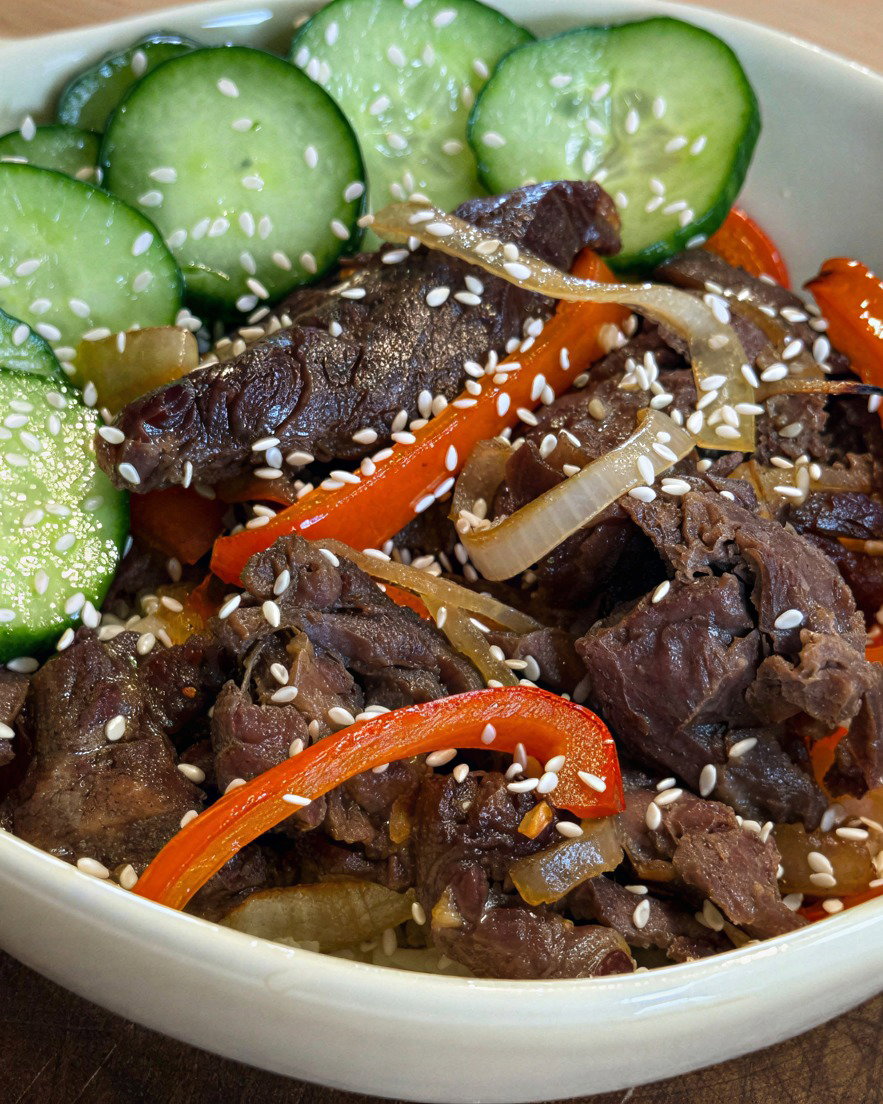

- Dairy-Free
- Dinner

- American
- Non-Vegetarian
- Dinner
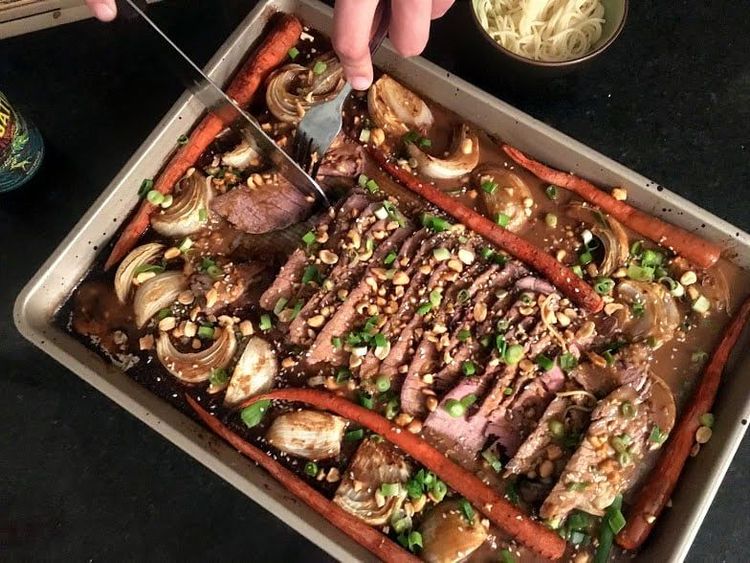

- Thai
- Non-Vegetarian
- Dinner
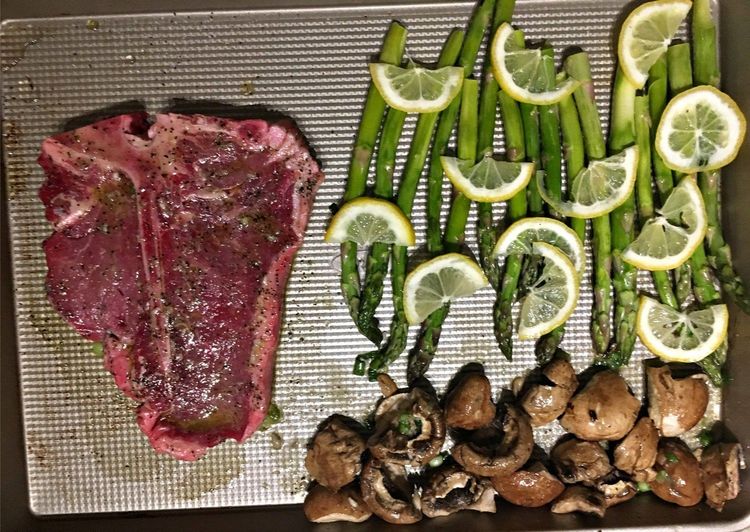
- American
- Non-Vegetarian
- Dinner
Sheet Pan Sausage & Kebab Dinners
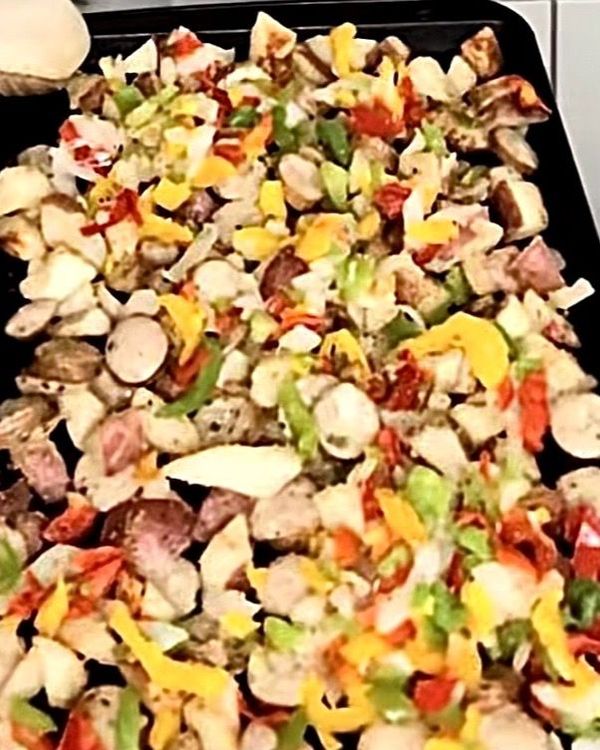
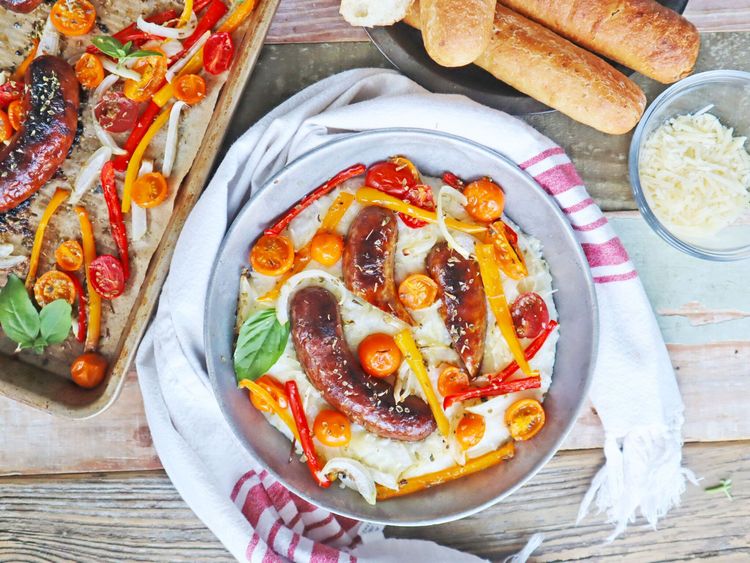
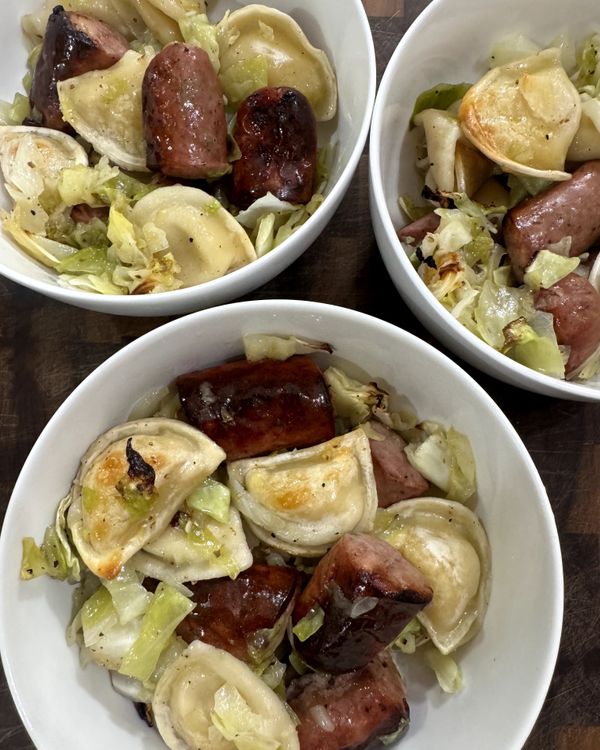
Sausage and kebab dinners are the easiest entry point into sheet pan cooking, because the protein arrives already seasoned and cooks fairly evenly whether it started raw or precooked. Whole or halved sausages roast well alongside potatoes, peppers and onions cut to a similar size, needing only enough time in a hot oven for the vegetables to soften and the sausage casing to crisp and split slightly at the edges. Kebabs, whether on skewers or simply cubed and scattered across the tray, benefit from a short marinade beforehand and a slightly shorter roast than a whole sausage, since smaller pieces of meat cook through faster. Because both are already flavorful, this cluster needs the least fussing over sauces or glazes — a squeeze of lemon or a dollop of yogurt at the end is often all that is required. It is also one of the more flexible clusters for substitution: once you know the basic ratio of sausage or kebab meat to vegetables and the rough oven time, you can swap in whatever vegetables are in the fridge without needing to rethink the method. Standouts here include Sticky Honey Garlic Sausage and Sweet Potato Meal Prep (One Pan) and Viral Sheet Pan Kebab Wraps (Oven Edition), plus Sheet Pan Sausage, Potatoes, and Peppers.

- Gluten-Free
- Lunch


- Non-Vegetarian
- Dinner
- American
- Non-Vegetarian
- Lunch

- Non-Vegetarian
- Dinner
- Italian
- Non-Vegetarian
- Dinner
- American
- Non-Vegetarian
- Dinner
Vegetarian & Seafood Sheet Pan Dishes
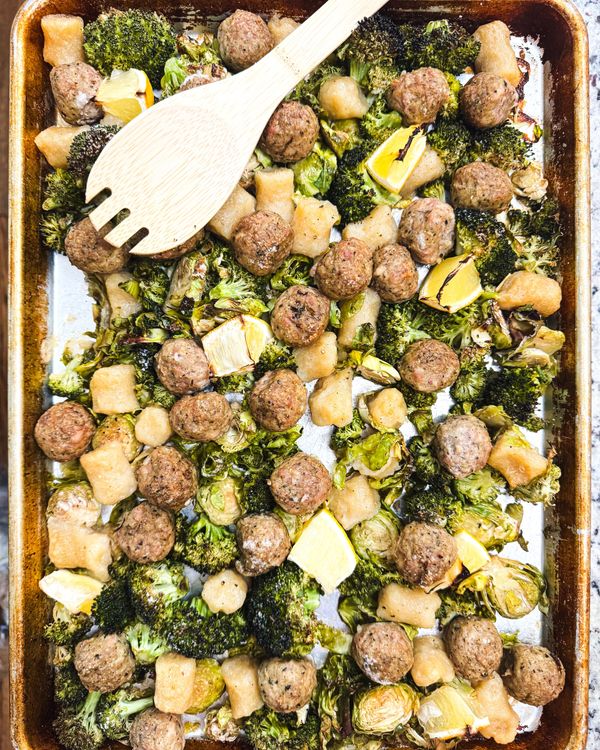
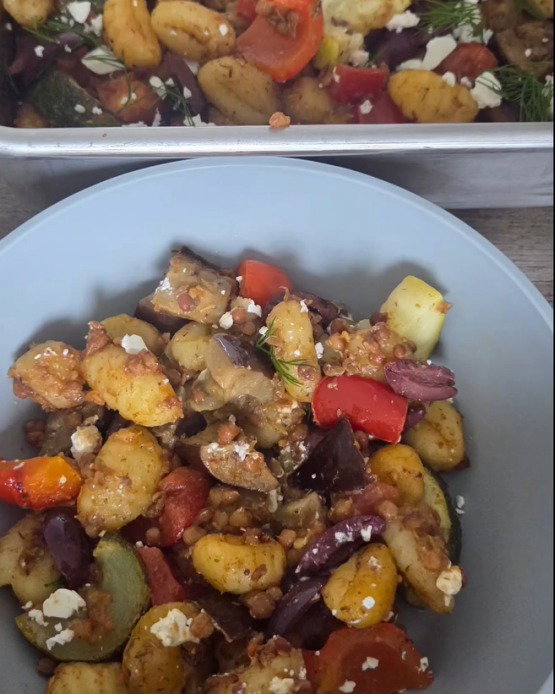
This cluster covers everything that is not a big cut of meat — salmon, gnocchi, soya chunks and paneer — and most of it roasts faster than beef, chicken or sausage, which makes it the quickest group on the page for a weeknight. Salmon in particular needs careful timing since it goes from perfectly cooked to dry in a short window; adding it to the tray after denser vegetables have had a head start, and pulling it the moment it flakes easily, keeps it from overcooking. Gnocchi roasts surprisingly well straight from the package, turning crisp on the outside while staying soft inside, and pairs naturally with roasted vegetables that need a similar amount of time. Plant-based proteins like soya chunks and paneer take well to a marinade or a rich sauce, since they are milder in flavor than meat and benefit from something bold brushed on before or during roasting. Because most of this cluster cooks quickly, it is also the most forgiving to combine into a single tray without much staggering, since the ingredients naturally roast at closer to the same rate. Standouts here include Sheet Pan Gnocchi and Sheet Pan Salmon with Sweet Chili Glaze and Roasted Veggies, plus Goat Cheese & Roasted Tomato Dip.

- Vegetarian
- Lunch


- Pescatarian
- Dinner
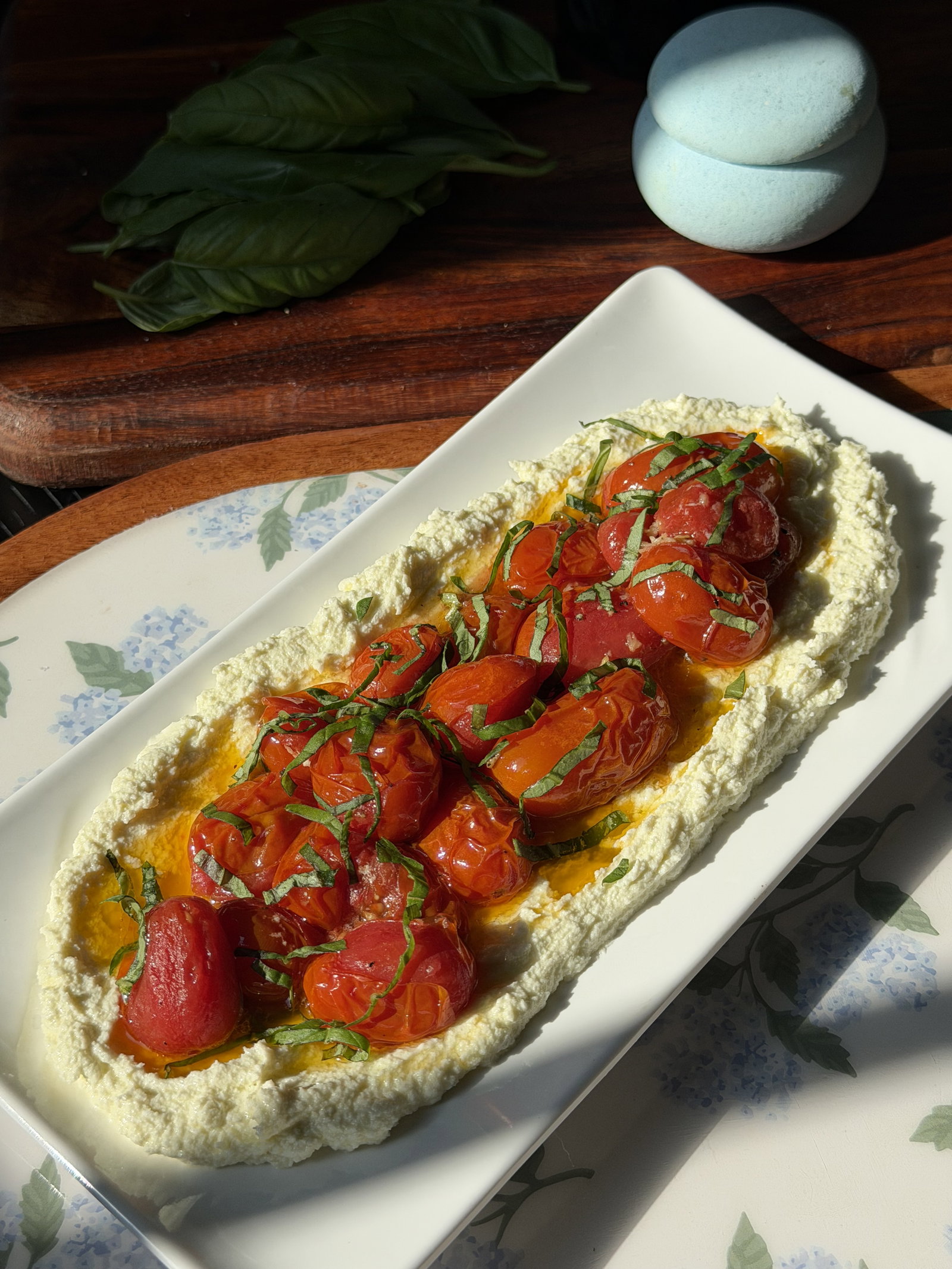
- Vegetarian
- Appetiser
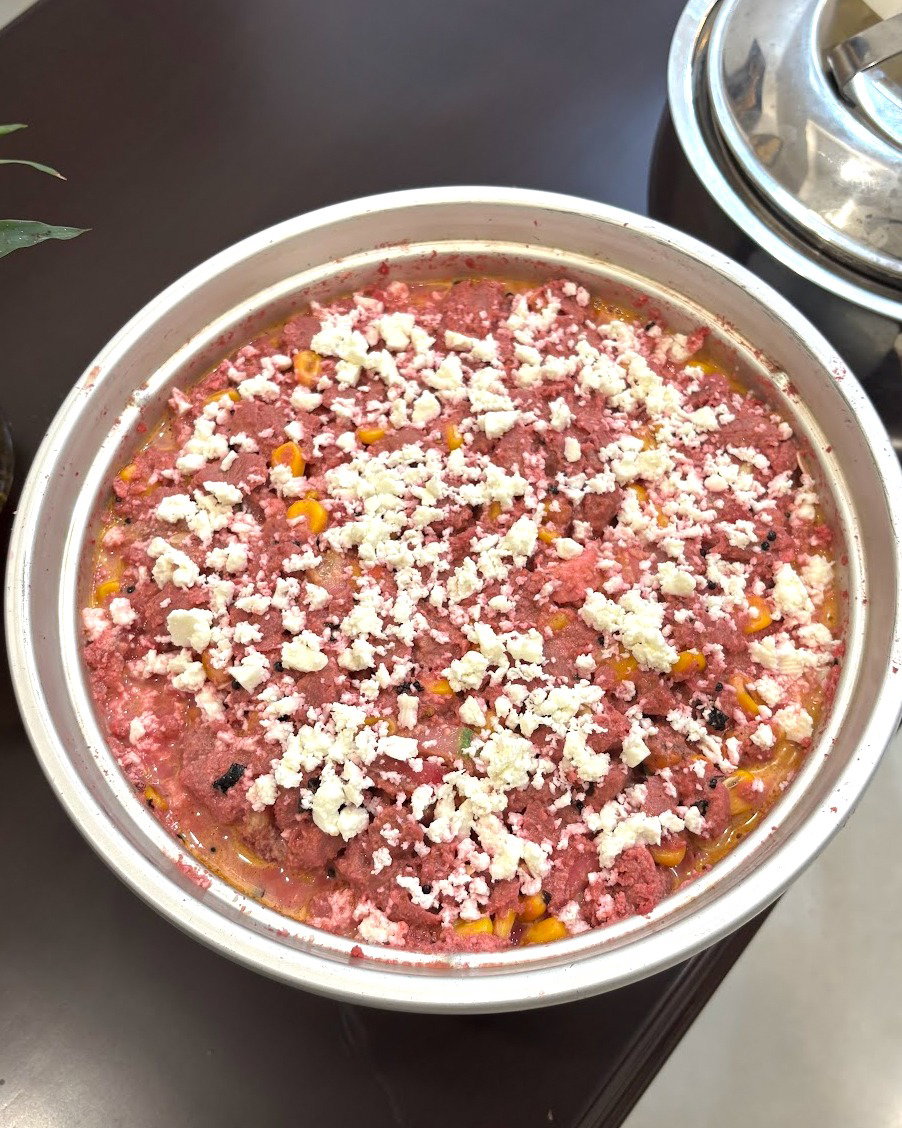

- Vegetarian
- Salad
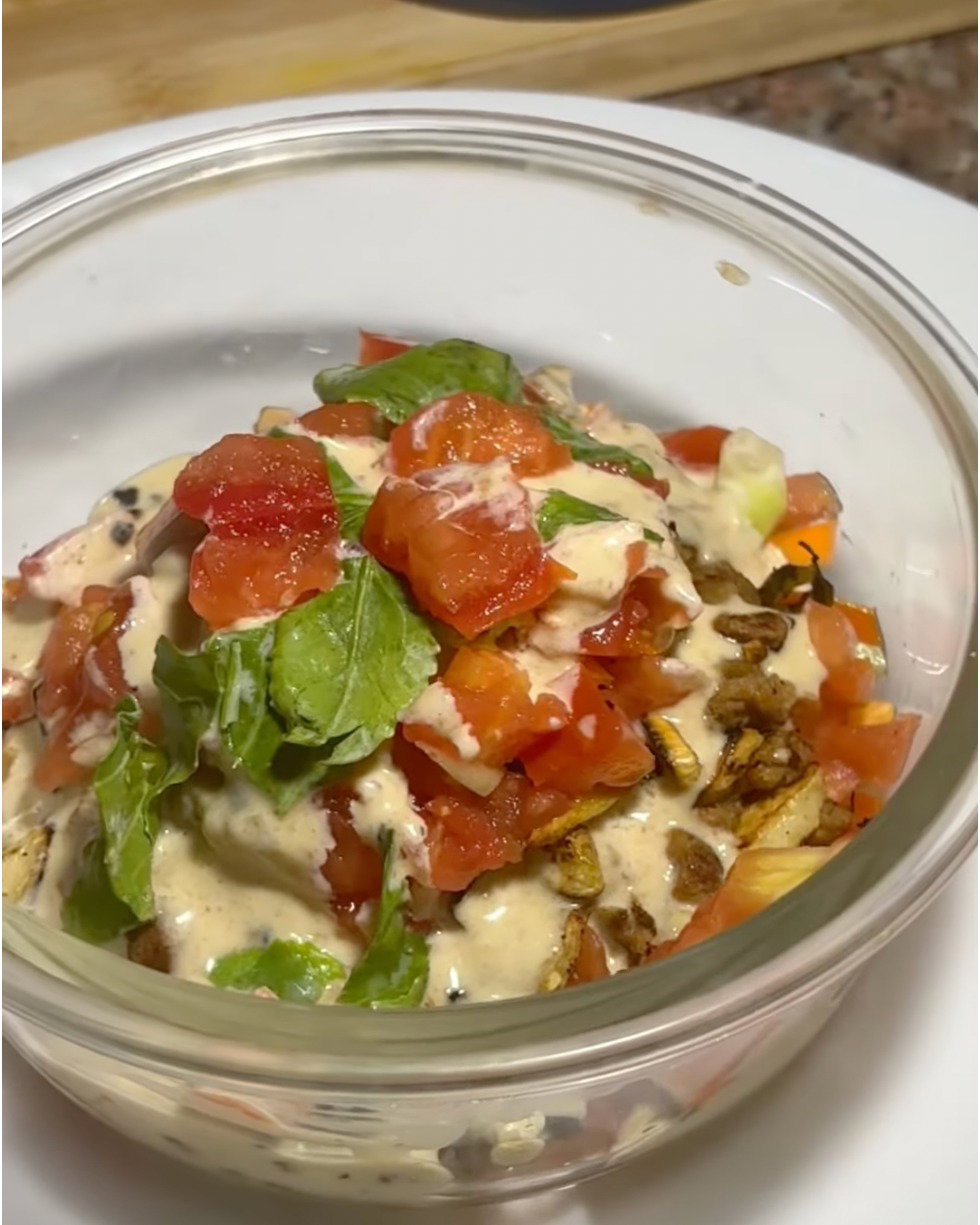
- Vegetarian
- Salad
Choosing and Prepping the Right Pan
A rimmed half-sheet pan — roughly 13 by 18 inches — is the standard size for most home ovens and most recipes in this collection. Anything smaller crowds the food, and crowding is the single biggest reason sheet pan dinners steam instead of roast: too many ingredients too close together trap moisture rather than letting it escape as steam into the oven.
Line the pan with parchment or foil for easier cleanup, but leave enough space between pieces of food that hot air can circulate around each one — as a rule of thumb, ingredients should not be touching. If everything does not fit with room to spare, use two pans rather than piling one pan high, and swap their oven rack positions halfway through if you are roasting on two levels at once.
A light coat of oil on the pan itself, not just the ingredients, helps prevent sticking and encourages better browning on the side facing the tray. Preheat the oven fully — including the pan itself in some recipes — before anything goes in, since food set on a cold or barely warm tray loses its head start and cooks less evenly than food that hits a hot surface immediately.
Timing Protein and Vegetables to Finish Together
The core skill in sheet pan cooking is staggering ingredients so everything is done at once. Dense, slow-roasting vegetables like potatoes and carrots usually need a ten to fifteen minute head start over quicker vegetables like bell peppers or zucchini, and often over the protein itself, depending on what it is and how it is cut.
Cut vegetables into similar-sized pieces so they cook at the same rate as each other, and match protein thickness to the vegetables it is roasting alongside — thin chicken cutlets and delicate salmon fillets cook fast and should go in later than a tray of root vegetables, while bone-in chicken thighs can often go in from the start alongside hardier vegetables.
When in doubt, roast vegetables solo for the first stretch and add the protein to the same hot pan partway through, rather than guessing at a single cook time for everything. This staggered approach is also what prevents the most common sheet pan failure: perfectly done protein sitting next to vegetables that are either raw or turned to mush.
Getting Real Roasting, Not Steaming
Sheet pan dinners roast best at a genuinely high oven temperature, usually 400 to 425°F, which is hotter than many home cooks default to. Lower temperatures give softer, paler results because the oven cannot drive off surface moisture fast enough before the food is cooked through, leaving vegetables gray rather than caramelized at the edges.
Pat protein dry before it goes on the tray, and do not overcrowd — both matter more for browning than the oven temperature itself. A wet surface or a packed pan both trap steam around the food, which is the difference between a sheet pan chicken thigh with crisp, golden skin and one that comes out pale and rubbery despite the same cook time.
For extra color on vegetables or a final char on protein, a few minutes under the broiler at the end of cooking finishes a tray far faster than simply roasting longer, and it is a good rescue move if everything is cooked through but still looks underwhelming. Watch closely under the broiler, since the same high heat that browns quickly also burns quickly.
Sauces, Glazes and Serving
Sticky glazes — honey mustard, chili-lime, hot honey — are best added in the last five to ten minutes of roasting rather than at the start, since sugar in a glaze burns well before the protein underneath is cooked through. Brush on the glaze, return the tray to the oven briefly, and repeat once more for a properly lacquered finish rather than a single thin coat.
Marinades, by contrast, work best applied well before roasting — thirty minutes to overnight in the fridge — so the flavor has time to penetrate rather than just sitting on the surface. Pat off excess marinade before the tray goes in the oven, since too much liquid on the pan is another common cause of steaming instead of roasting.
Once out of the oven, let a sheet pan dinner rest for a few minutes before serving, especially if it includes a larger cut of meat, so the juices settle rather than run out onto the tray. Finish with something fresh — a squeeze of lemon, chopped herbs, a spoon of yogurt or chimichurri — to brighten what is otherwise a tray of roasted, concentrated flavors.
Pro Tips from the Test Kitchen
- Cut vegetables into similar-sized pieces so they finish roasting at the same time as each other and the protein.
- Leave space between pieces of food on the tray — crowding traps steam and is the top reason sheet pan dinners turn out soft instead of browned.
- Preheat the oven fully, and preheat the pan itself for recipes that call for it, so food starts browning the moment it lands.
- Give dense vegetables like potatoes and carrots a head start before adding quicker-cooking vegetables or delicate protein.
- Roast at a genuinely high temperature, 400 to 425°F for most trays — lower heat steams food rather than browning it.
- Pat protein dry before it goes on the pan; surface moisture is what stops a good golden crust from forming.
- Brush on sticky glazes only in the last five to ten minutes of roasting so the sugar does not burn.
- Marinate ahead of time, then pat off excess liquid before roasting so the pan stays dry enough to brown.
- Finish under the broiler for a few minutes if a tray is cooked through but pale — watch it closely since it browns fast.
- Let a finished tray rest a few minutes before serving so the juices settle back into the meat instead of pooling on the pan.
Frequently Asked Questions
What temperature should I use for sheet pan recipes?
Most sheet pan dinners roast best between 400 and 425°F. This is hot enough to brown and caramelize the surface of both protein and vegetables before the inside overcooks, which is exactly the texture that separates a properly roasted tray from one that comes out soft and pale. Delicate proteins like fish can go slightly lower, while a final broiler blast at the end adds extra color to anything that needs it.
Why do my sheet pan vegetables come out soggy?
Soggy vegetables almost always mean overcrowding — too much food packed onto one tray traps steam that has nowhere to escape, so everything softens instead of browning. The fix is either using a bigger pan, splitting the same amount of food across two trays, or simply putting less on the pan at once. Excess moisture from a marinade or sauce added too early can cause the same problem.
Can I put raw meat and vegetables on the same sheet pan?
Yes, and it is the whole point of the format, but timing and food safety both matter. Cut vegetables and protein to sizes that finish cooking around the same time, and if raw meat sits directly on the pan before vegetables are added, make sure everything reaches a safe internal temperature and that any surface the raw meat touched is not reused for something that will not be cooked further.
How do I stop chicken from drying out on a sheet pan?
Bone-in, skin-on thighs are more forgiving than boneless breasts, since the bone and fat keep the meat moist through a longer roast. Whatever cut you use, roast at a high enough temperature that it browns quickly rather than sitting in the oven a long time, and pull it the moment it hits a safe internal temperature rather than roasting until it looks done by eye.
What is the difference between a sheet pan meal and a tray bake?
The terms are largely interchangeable — both describe a full meal roasted together on one flat pan. "Tray bake" is more common in British recipe writing, while "sheet pan" is the more common American term, but the technique, pan size and general approach are the same either way, and recipes under either name usually translate directly.
Do I need to line my sheet pan?
Lining with parchment or foil is not essential but makes cleanup considerably easier, especially for anything with a sticky glaze or marinade. Foil also reflects a little more heat, which can help vegetables brown, while parchment is better if you are worried about food sticking. Either way, a light coat of oil directly on the pan surface still helps prevent sticking and encourages browning.
Can I make sheet pan dinners ahead of time?
You can prep most of the way ahead — chop vegetables, marinate protein, even arrange everything on the tray — and refrigerate it until you are ready to roast. Cooking the tray itself ahead and reheating works for some dishes but tends to soften vegetables that were crisp the first time around, so where possible, prep ahead and roast just before serving for the best texture.
How long do sheet pan leftovers keep?
Most sheet pan dinners keep three to four days in an airtight container in the fridge. Reheat in the oven or air fryer rather than the microwave where possible, since dry heat brings back some of the original roasted texture instead of leaving everything soft. A few minutes at 375°F usually restores a tray far better than thirty seconds in the microwave.
What size sheet pan should I use?
A standard half-sheet pan, about 13 by 18 inches, fits most home ovens and most recipes in this collection without crowding. Quarter-sheet pans work for smaller portions, while a full-sheet pan is usually too large for a typical home oven. If a recipe's ingredients do not fit on one pan with room between pieces, it is better to split the food across two half-sheet pans than to overcrowd one.
Can I use a sheet pan for fish and delicate proteins?
Yes — salmon and other fish roast well on a sheet pan, usually at a slightly shorter time and sometimes a touch lower temperature than heartier proteins like chicken thighs or beef. Because fish cooks fast, it is often added to the tray later than vegetables that need a head start, and it is worth checking a few minutes early rather than risking it drying out.
Sheet pan recipes come down to timing and heat: cut ingredients so they finish together, give the oven room to actually roast rather than steam everything in a crowded pan, and add sticky glazes only near the end so they lacquer instead of burn. Get those basics right and chicken, beef, sausage and vegetable trays all turn out the same way — properly browned, evenly cooked, and ready in one pan.
Start with a forgiving chicken or sausage tray if you are new to the format, then work up to beef and steak dinners that need tighter timing. Save your favorites to a Chefadora cookbook, and keep this page close for the nights a real dinner needs to happen with only one pan to wash.
Related
- Sheet Pan
- Tray Bake
- One Pan Dinner
- Weeknight Dinner
- Roasted
- Easy Dinner
- Meal Prep
Popular Searches
- Best sheet pan recipes
- Easy sheet pan recipes
- Quick sheet pan recipes
- Healthy sheet pan recipes
- Simple sheet pan recipes
- Homemade sheet pan recipes
- Delicious sheet pan recipes
- Popular sheet pan recipes
- sheet pan dinners
- sheet pan meals
- tray bake recipes
Marnirni-apinthi Building, Lot Fourteen,
North Terrace, Adelaide, South Australia, 5000
Australia
