
63 South Indian Recipes: The Tiffin Plate, the Meals Plate and Everything Between
Updated July 16, 2026 · Curated by Chefadora
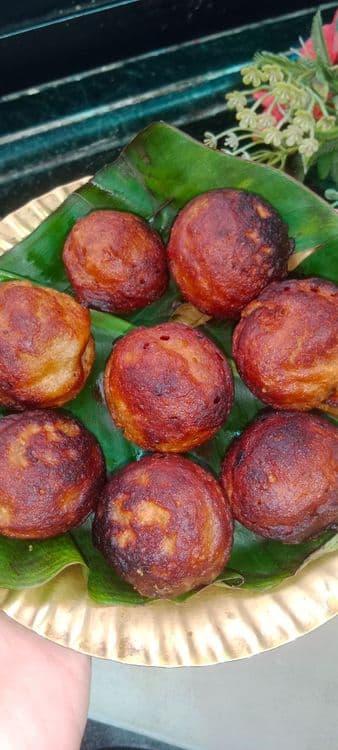
South Indian recipes cover four states, four languages and four fairly different ideas of what a good plate looks like. Tamil Nadu leans tangy and lentil-heavy. Karnataka slips a little jaggery into almost everything. Andhra and Telangana turn the chilli up until your ears ring. Kerala reaches for coconut milk and curry leaves in the same breath. What ties them together is rice and lentils, soaked and ground and left to ferment overnight, then steamed, griddled or fried the next morning.
I've grouped the 63 dishes here the way a home kitchen in the region actually runs: the light savoury plate before nine, the rice-and-gravy meal at noon, the pounded powders and dunking sauces that live in jars on the counter, and the sweet that only appears when someone has news. If the technique is new to you, read the fermentation and tempering guides below first. Get those two right and the rest follows on its own.
Tiffin Breakfasts: The South Indian Recipes You Eat Before Nine
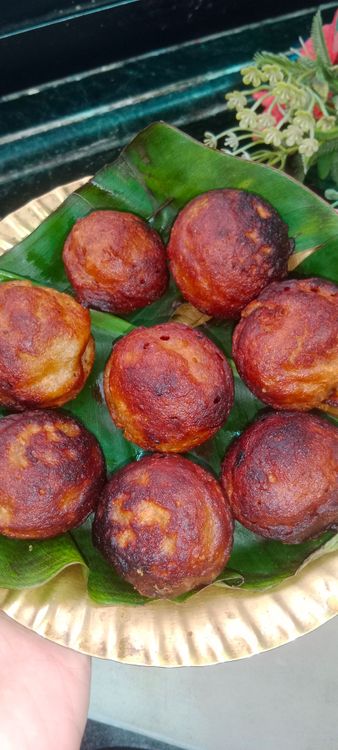
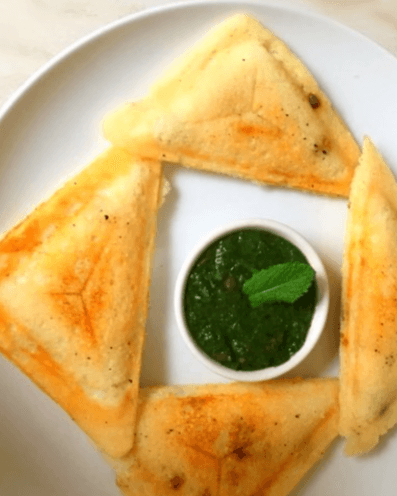
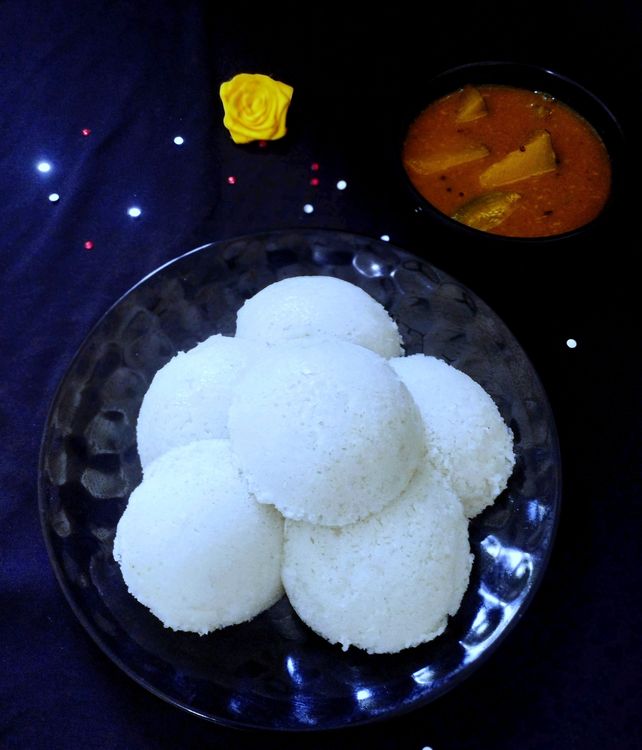
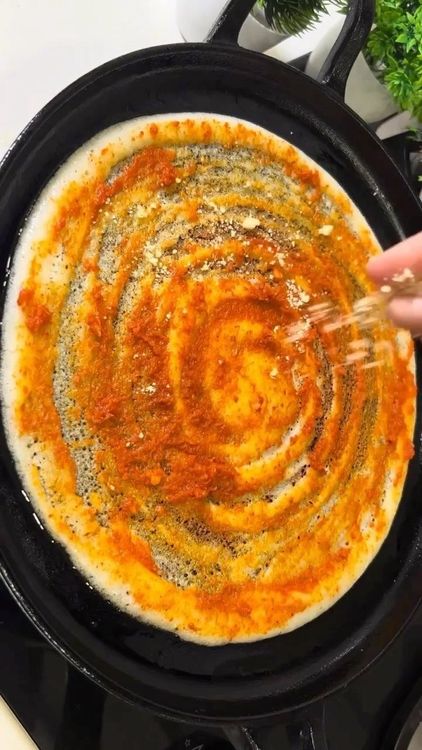
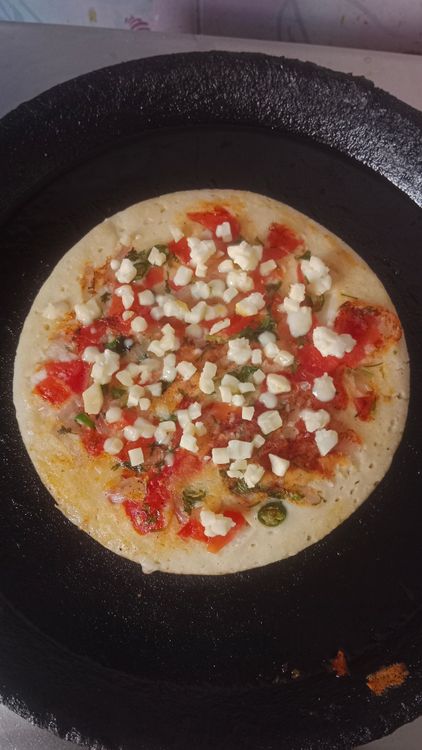
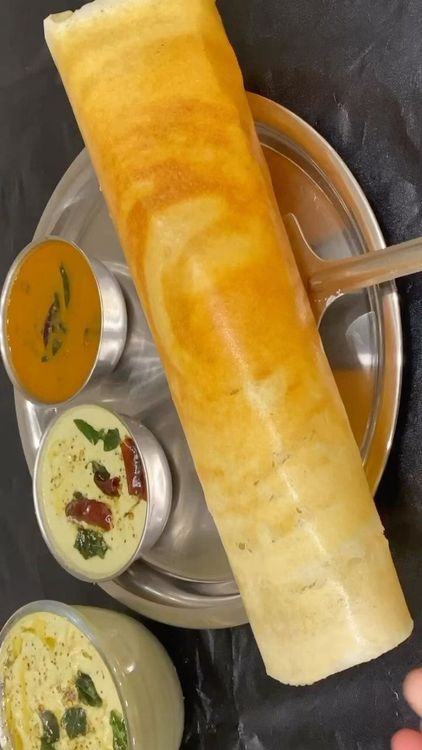
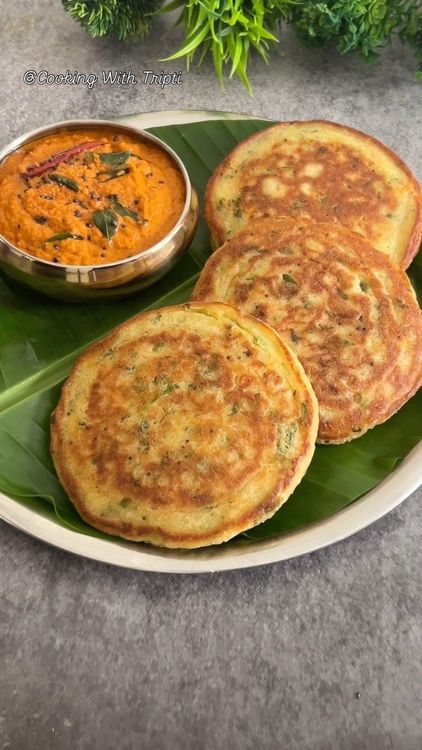
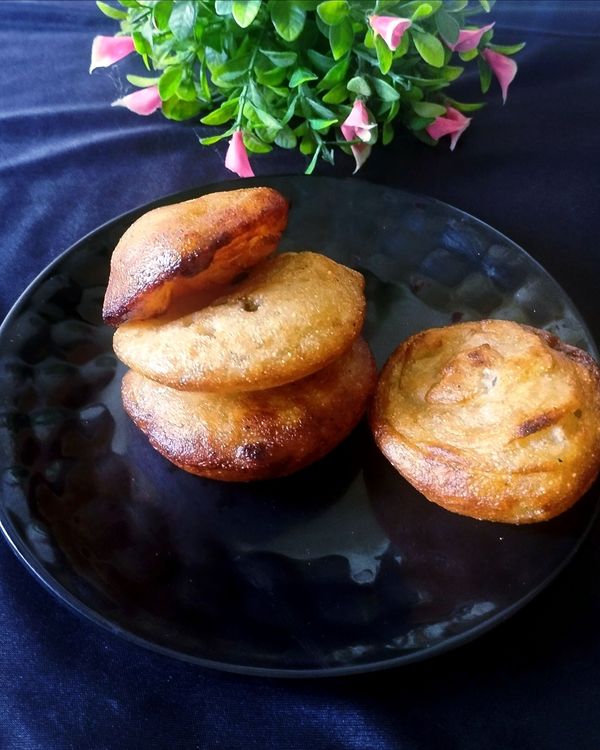
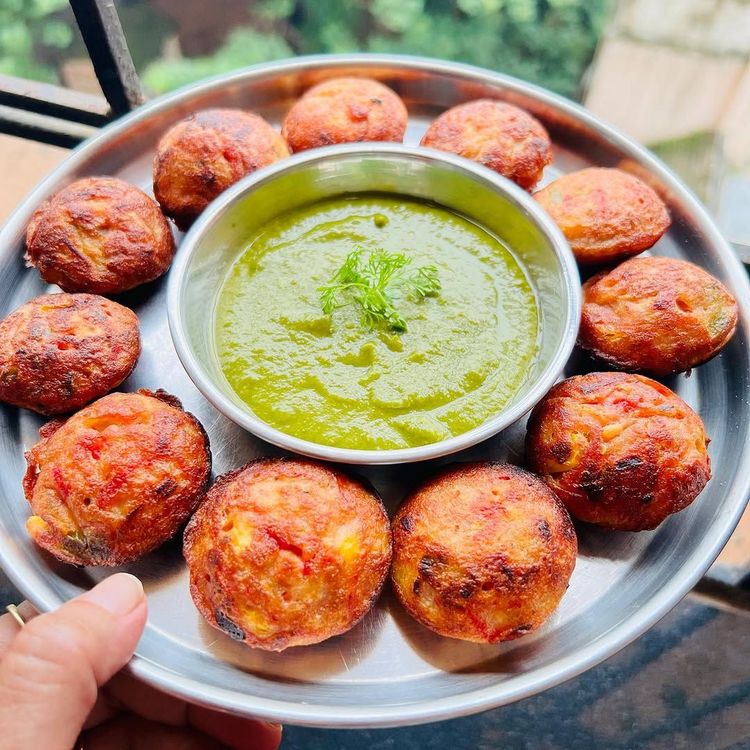
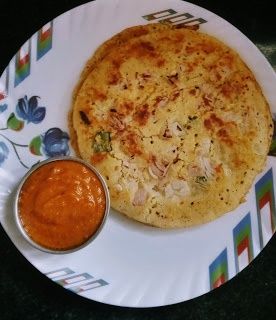
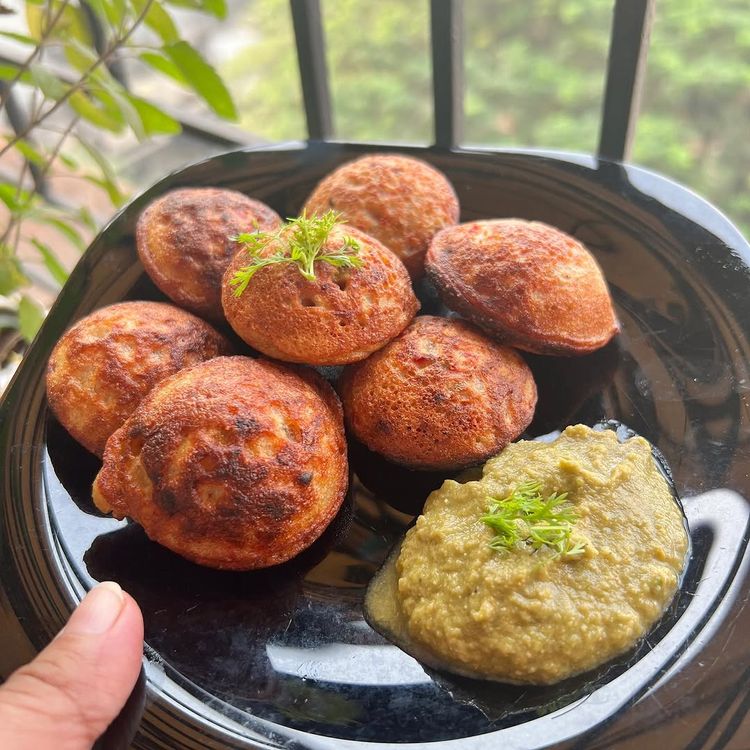
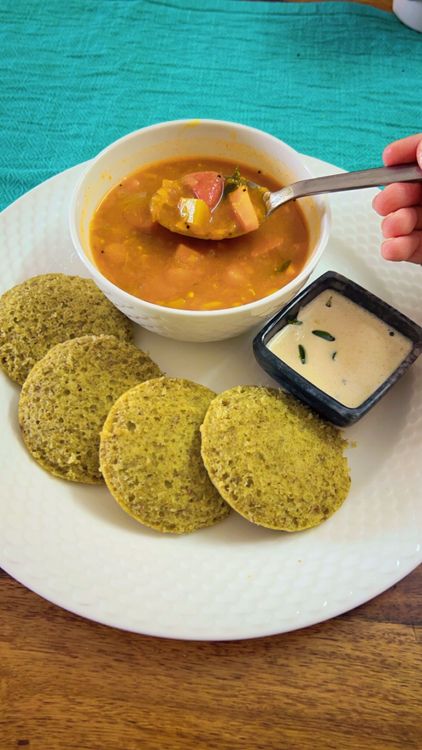
Tiffin is its own meal category, not breakfast exactly and not a snack either, just the light savoury thing you eat before nine or again at four. Almost everything in this section starts as a soaked, ground batter, which is why fermentation matters so much here. I've mixed the classic idli dosa recipes with the instant, no-wait ones on purpose, because a south indian breakfast on a Tuesday and one on a Sunday are simply not the same project.

- Indian
- Vegetarian
- Breakfast

- South Indian
- Vegetarian
- Breakfast

- Vegetarian
- Breakfast

- Vegan
- Breakfast
- Indian
- Vegan
- Breakfast

- Indo-Chinese
- Vegan
- Snack
- South Indian
- Vegan
- Breakfast
- South Indian
- Vegan
- Breakfast

- South Indian
- Vegetarian
- Breakfast
- Indian
- Vegan
- Breakfast

- South Indian
- Vegetarian
- Breakfast
- Indian
- Vegetarian
- Breakfast
- Indian
- Vegetarian
- Breakfast
- South Indian
- Vegetarian
- Breakfast
- Indian
- Vegetarian
- Snack
- Indian
- Vegan
- Breakfast
- South Indian
- Vegetarian
- Breakfast
- Indian
- Vegan
- Breakfast
Sambar, Rasam and the Lentil Gravies
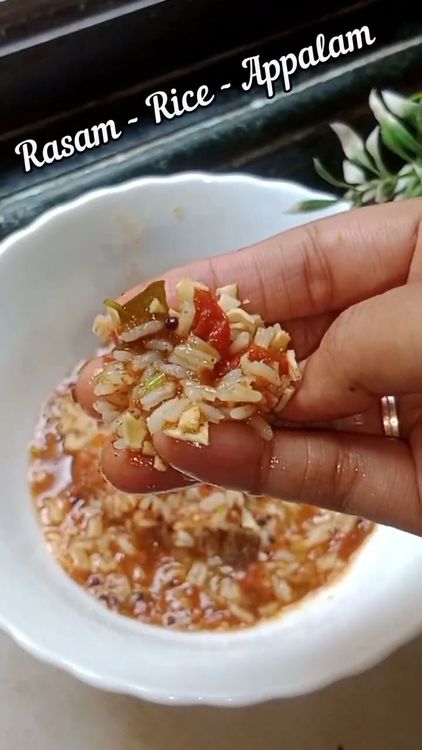
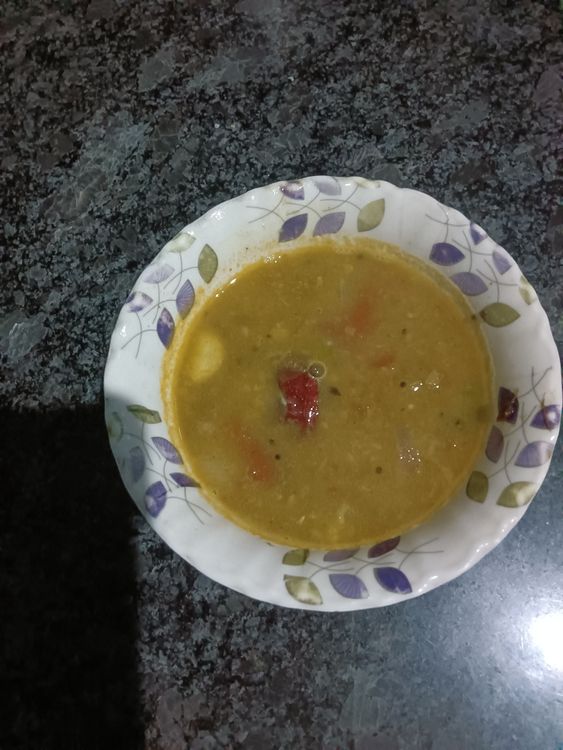
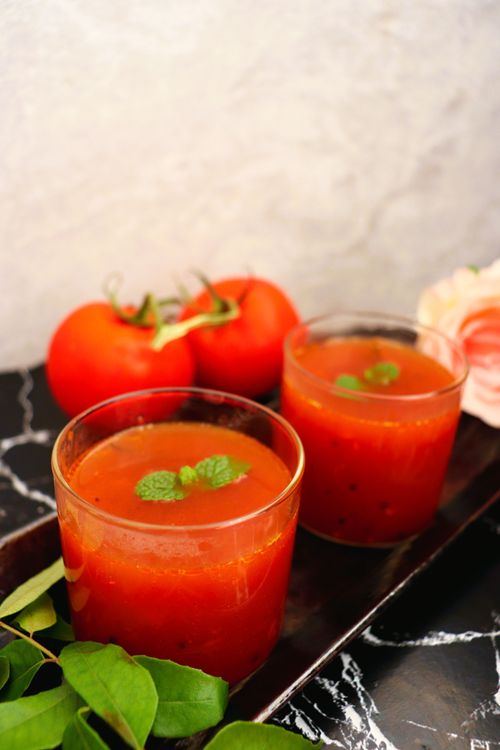
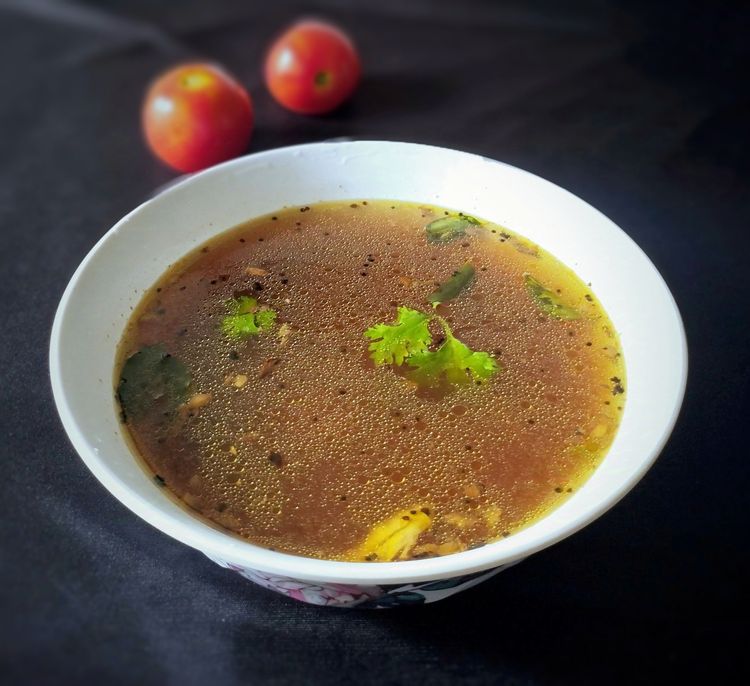
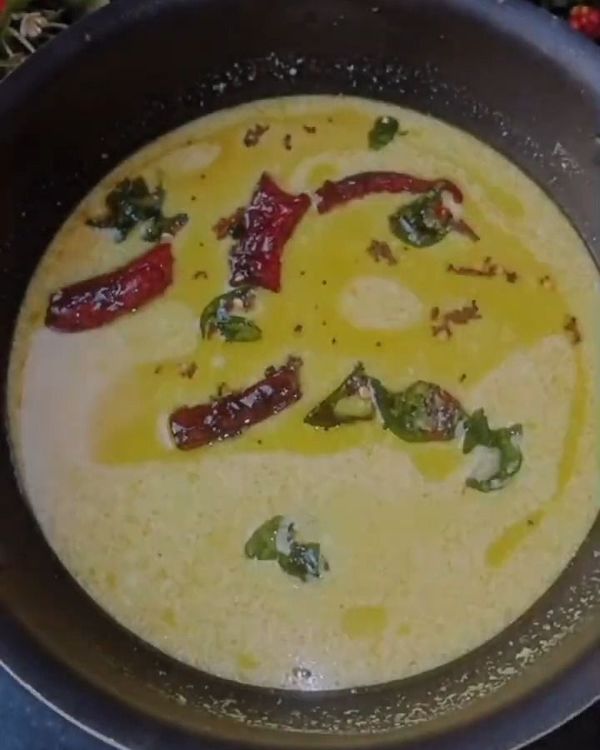
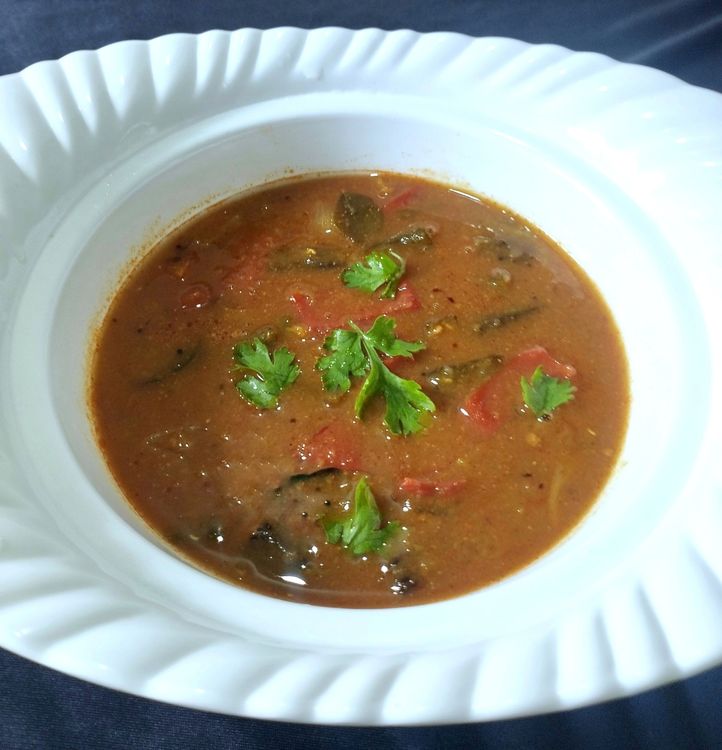
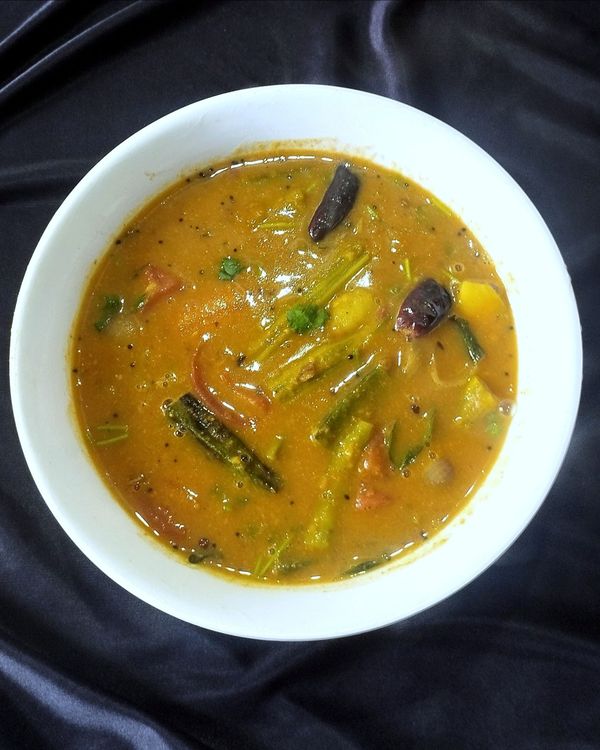
Sambar and rasam are not two versions of the same thing. Sambar is thick with toor dal and vegetables and goes over rice. Rasam is thin, peppery and drinkable, and it comes afterwards. Both lean on tamarind, and both finish with a tempering poured over at the end rather than stirred through. Most tamil recipes in this section want that tempering added off the boil — the aroma is the whole point, and heat destroys it.
- South Indian
- Vegan
- Lunch

- Indian
- Vegan
- Main Course

- Indian
- Vegan
- Main Course
- Indian
- Vegan
- Lunch
- South Indian
- Vegetarian
- Lunch
- Indian
- Vegan
- Breakfast
- South Indian
- Non-Vegetarian
- Breakfast

- South Indian
- Vegan
- Breakfast
Chutneys, Podis and the Jars on the Counter
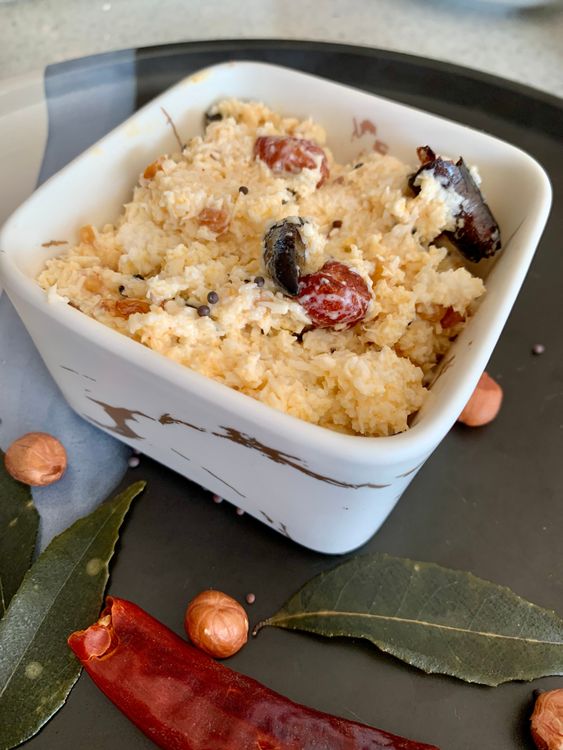
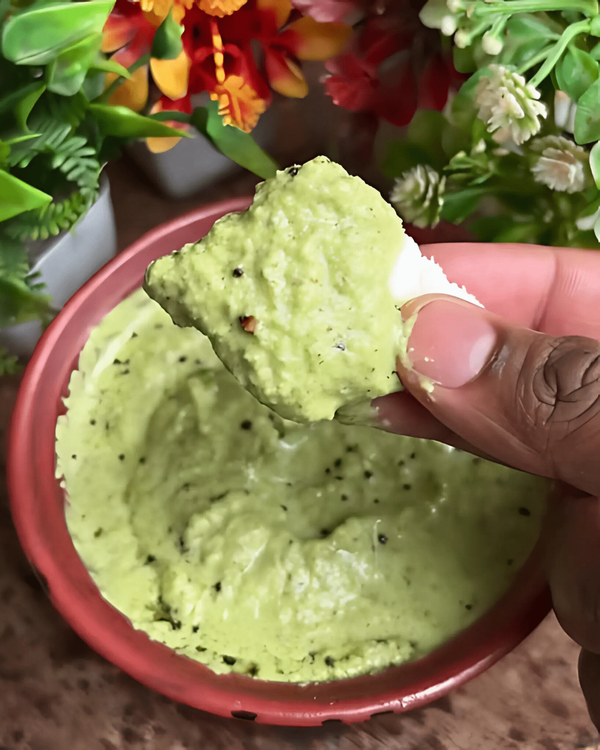
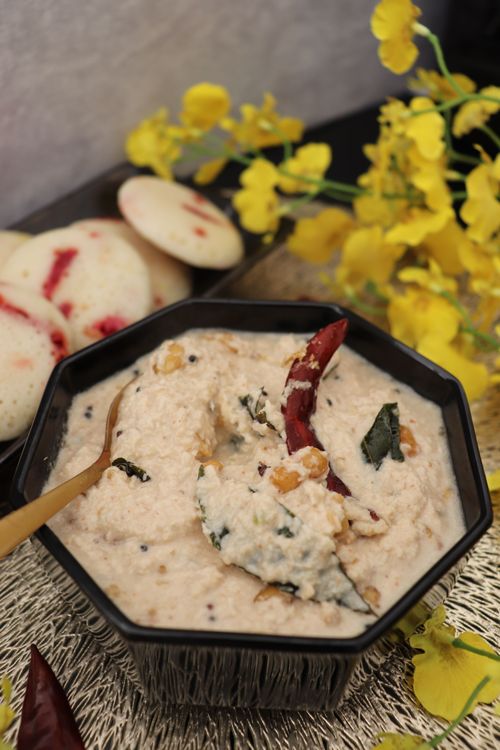
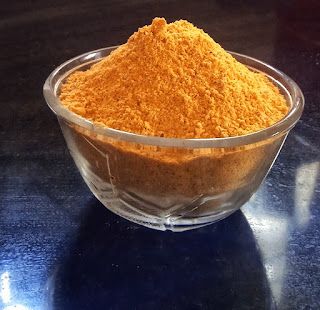
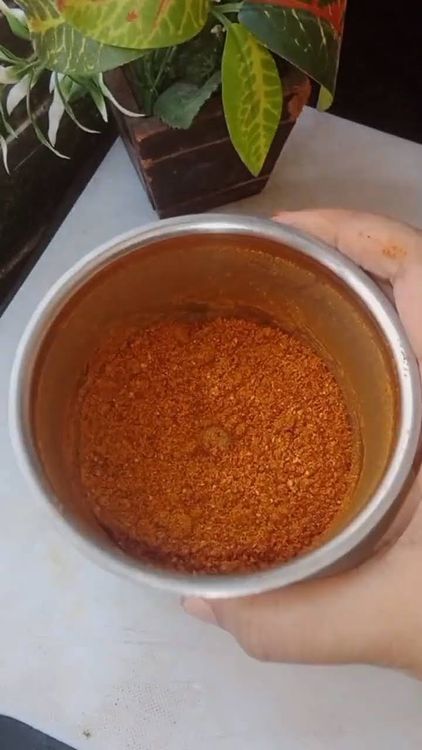
Every kitchen in the region keeps two things permanently stocked: a jar of dry podi, and something wet to dunk in. The wet ones are ground fresh and eaten within the day. The podis are dry-roasted, pounded coarse, and last a month. Coconut is the default base, roasted gram is the thickener, and the curry-leaf tempering poured over the top is not optional — it is half the flavour. Grind coarse, not smooth.
- Indian
- Vegetarian
- Side Dish

- South Indian
- Vegan
- Sauce & Condiment

- Indian
- Vegan
- Sauce & Condiment
- South Indian
- Vegetarian
- Side Dish

- South Indian
- Vegan
- Sauce & Condiment
- South Indian
- Vegan
- Sauce & Condiment
- South Indian
- Vegan
- Breakfast
- South Indian
- Vegan
- Sauce & Condiment
- Indian
- Vegan
- Sauce & Condiment
- South Indian
- Vegetarian
- Sauce & Condiment
- Indian
- Vegan
- Sauce & Condiment
Vada and Fried Snacks
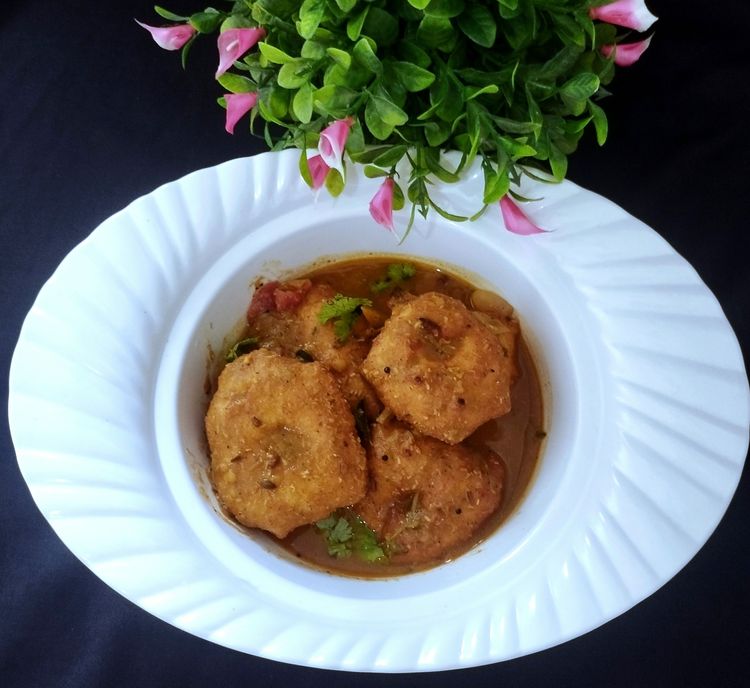
Vada covers two entirely different things: the urad dal ring, fried until it shatters, and the Maharashtrian potato fritter that ends up inside a bun. I've kept both here because that is how people actually eat, and the pav version turns up at every bus stand from Mumbai to Mangalore. The lentil ones live and die by batter aeration — beat until a spoonful floats in water, or you get dense pucks with an oily crumb.

- South Indian
- Vegan
- Breakfast

- Indian
- Vegan
- Snack

- South Indian
- Vegan
- Breakfast
- Indian
- Vegan
- Breakfast

- Indian
- Vegetarian
- Snack

- Vegan
- Snack
Rice Plates and Upma
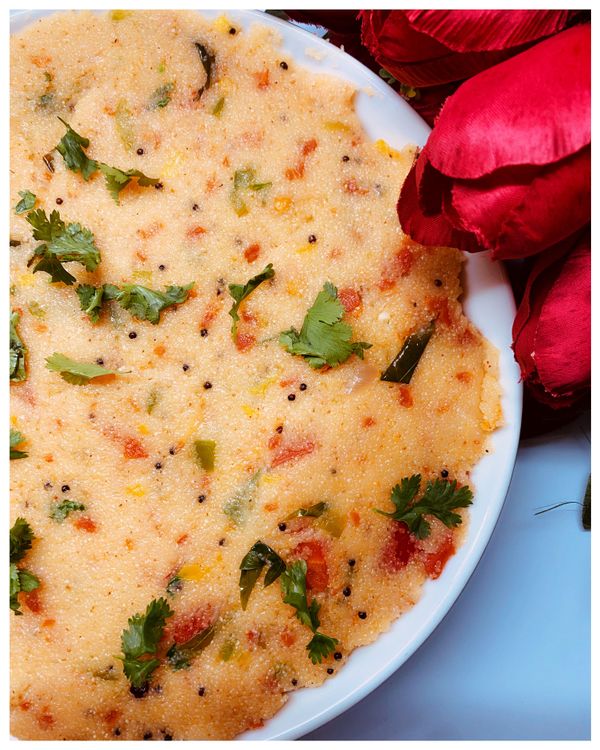
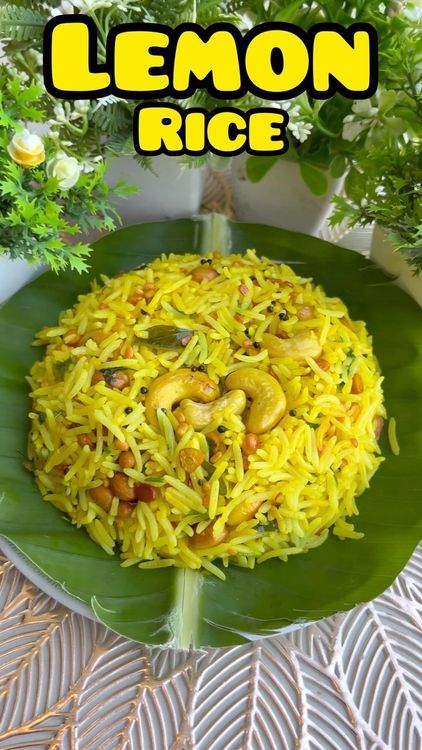
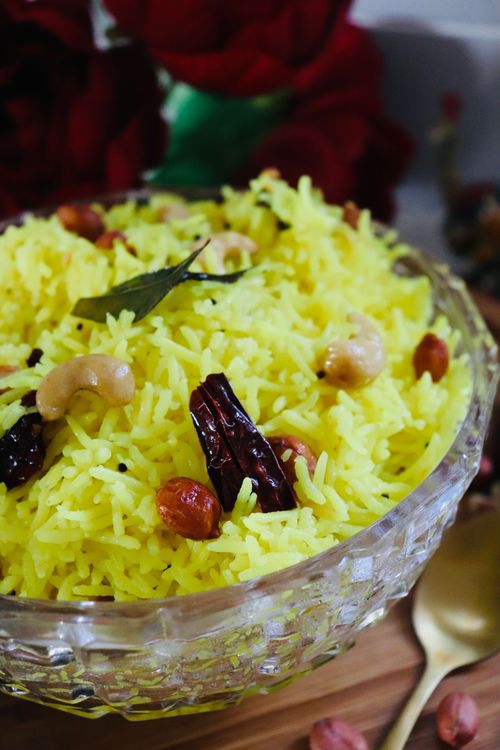
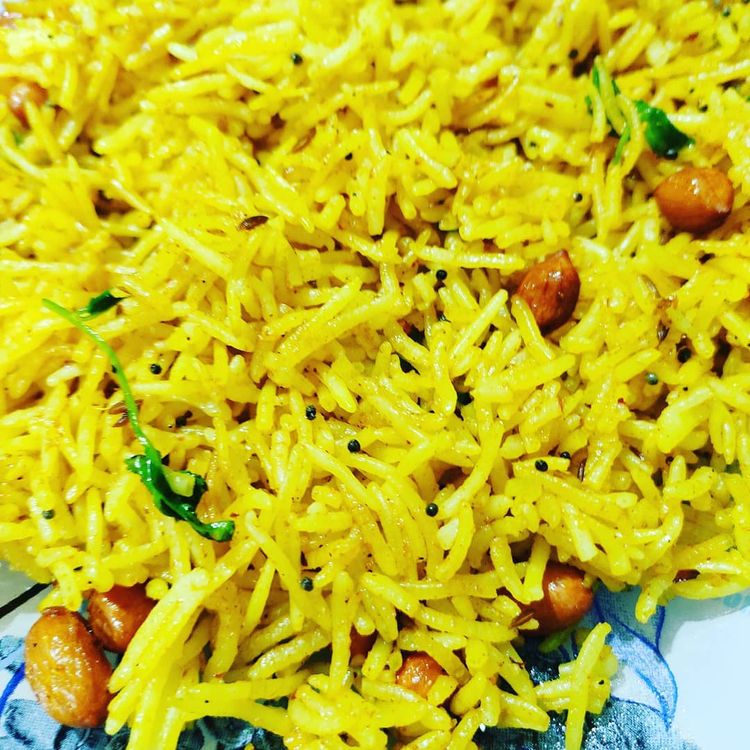
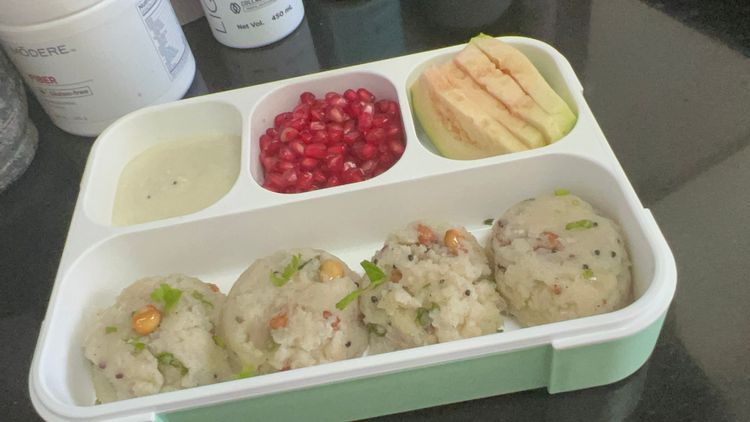
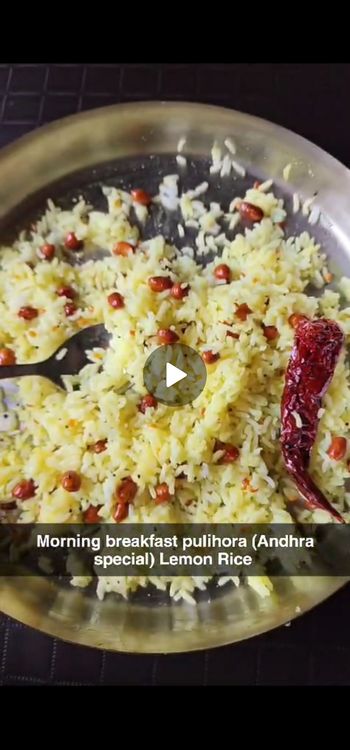
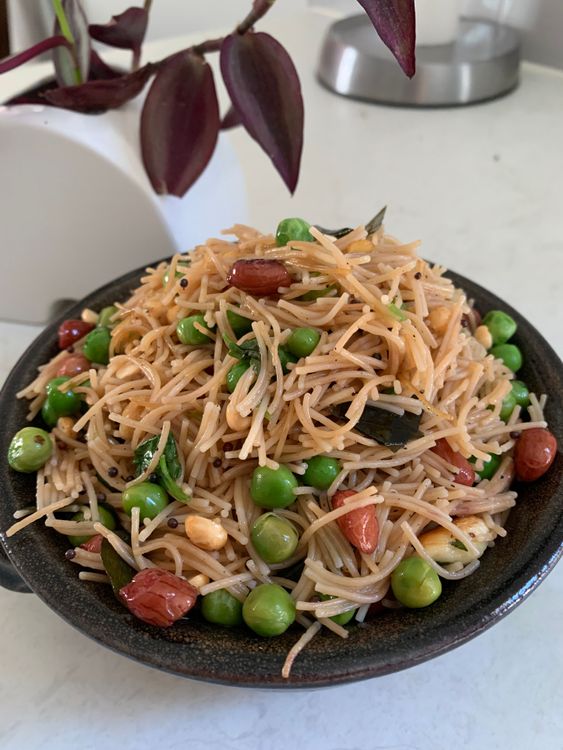
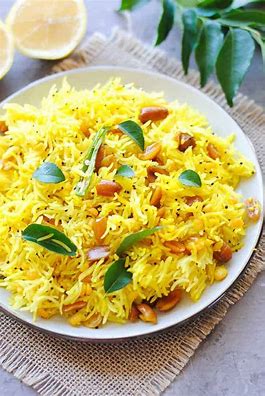
A south indian lunch is rice, a gravy, a dry vegetable and something crunchy — but the rice is rarely plain. Tempered rice plates like lemon rice and pulihora are lunchbox food by design, built to be eaten at room temperature four hours later. Upma belongs here too, semolina rather than rice, and it is the fastest hot thing you can put on a table. Cool your rice before tossing it; hot grains break and go pasty.

- Indian
- Vegan
- Breakfast

- Vegetarian
- Breakfast
- South Indian
- Vegan
- Lunch
- Indian
- Vegan
- Lunch

- South Indian
- Vegan
- Breakfast
- South Indian
- Vegan
- Dinner
- Indian
- Vegan
- Breakfast

- Indian
- Vegan
- Side Dish
- Indian
- Vegetarian
- Breakfast

- Indian
- Vegan
- Lunch
- Indian
- Vegan
- Lunch
- Indian
- Vegan
- Breakfast
Payasam and Sweets
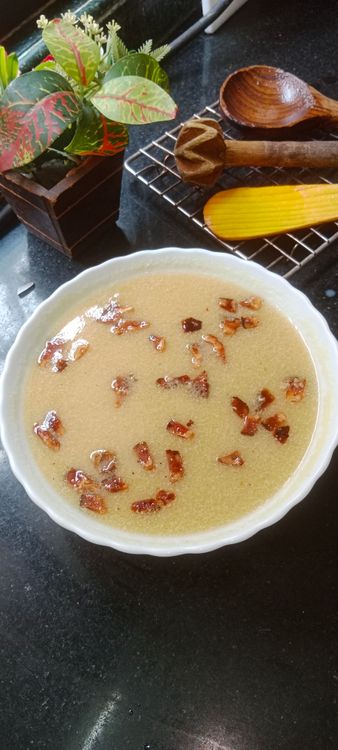
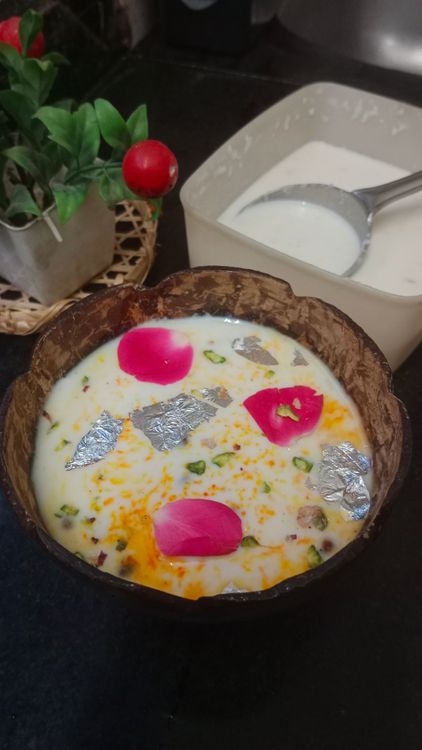
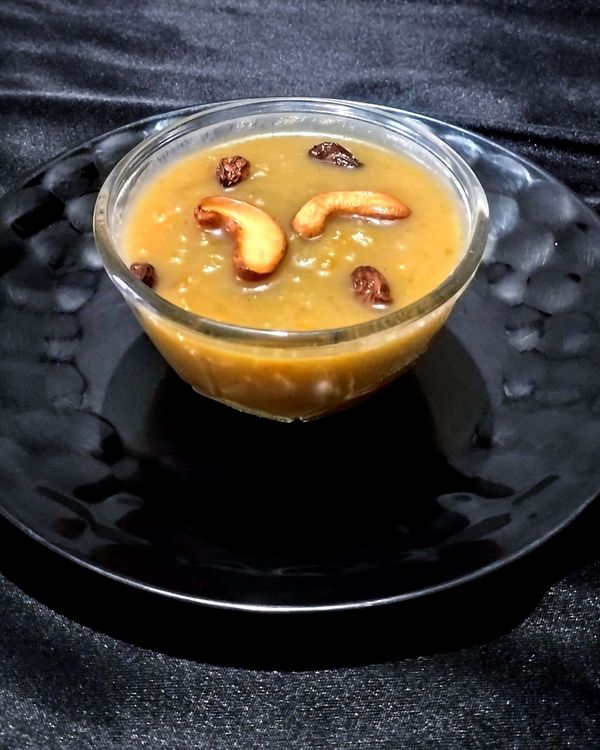
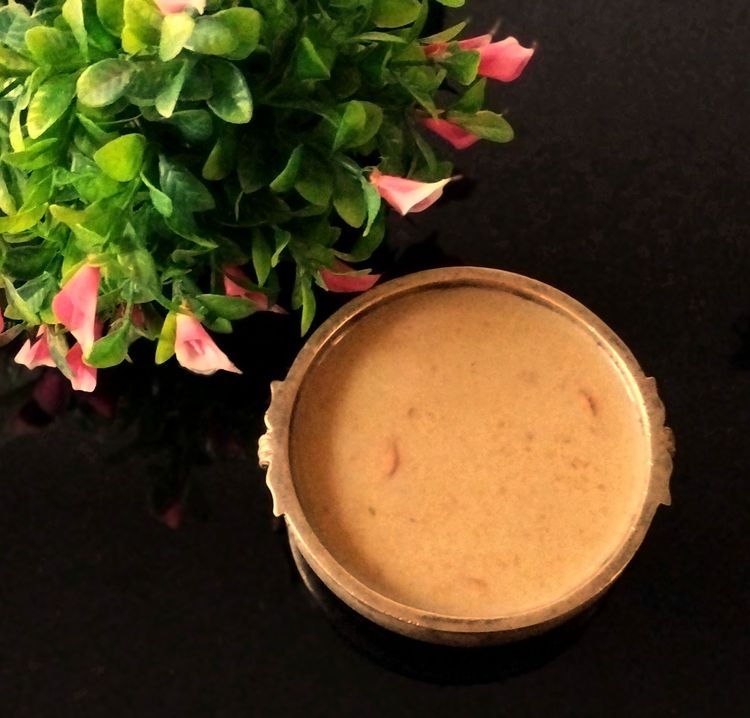
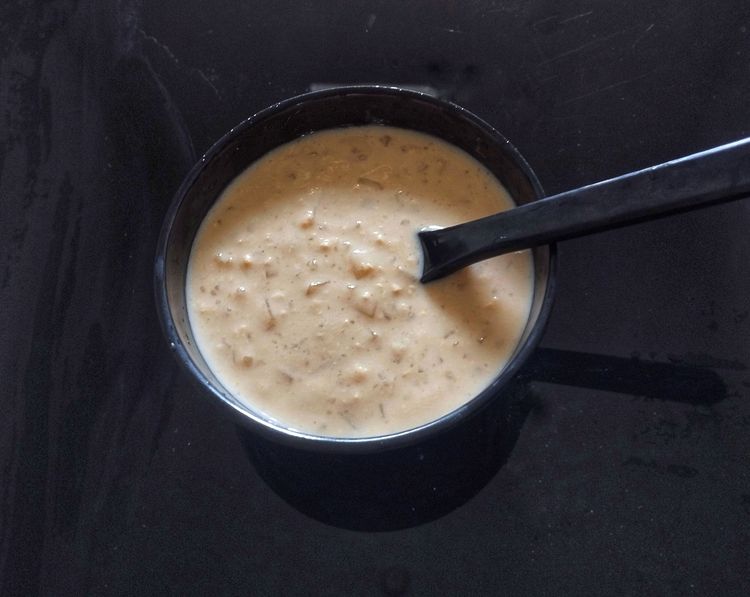
Payasam is not dessert in the Western sense. It arrives on the same plantain leaf as everything else, sometimes before the meal is finished, and at a sadya it is served early and eaten with your fingers. There are two families: the milk-based ones, thinner and cardamom-scented; and the jaggery-and-coconut-milk pradhamans from Kerala, darker and much heavier. One rule matters — jaggery and milk curdle together, so coconut milk goes in off the heat, at the end, always.

- Vegetarian
- Dessert
- Indian
- Vegetarian
- Dessert
- Indian
- Vegetarian
- Dessert
- South Indian
- Vegetarian
- Dessert
- Kerala
- Vegetarian
- Dessert
- Indian
- Vegetarian
- Dessert
The South Indian Breakfast Table
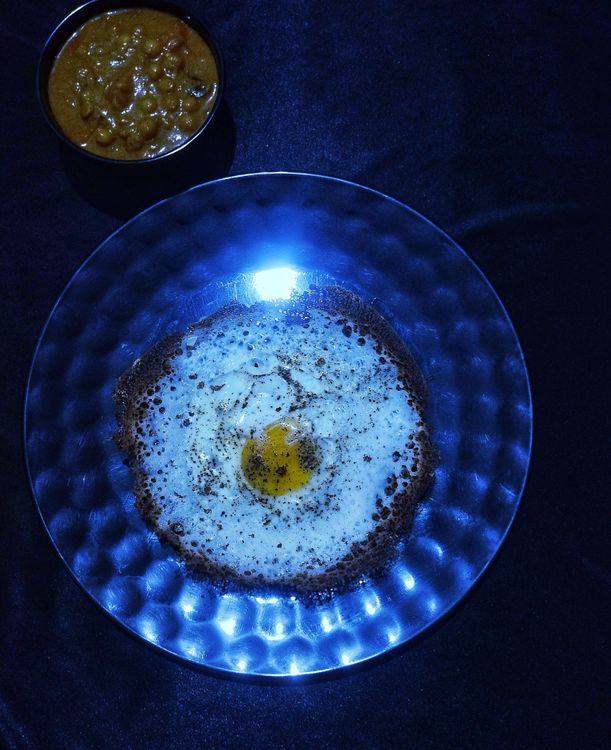
A south indian tiffin plate has a shape, and once you see it you cannot unsee it. There is a steamed or griddled carbohydrate — idli, dosa, uttapam, appam. There is something wet to dunk it in, usually a coconut chutney, often sambar. There is a dry podi with sesame oil stirred into it, for the days nobody made chutney. And there is coffee, filtered, in a steel tumbler. Nothing on that plate is heavy on its own. The plate is heavy together.
The four states arrange it differently. Tamil Nadu treats idli and a thin tiffin sambar as near-mandatory, and that sambar is deliberately sweeter and looser than the lunch version. Karnataka pushes toward rava-based things and Maddur vada, and slips jaggery into the chutney. Andhra brings the podi forward and makes it hotter than you expect. Kerala goes to appam and a coconut-milk batter, and eats it with a stew rather than a chutney.
What surprises people cooking this at home for the first time is the timeline. A weekend spread is a two-day job: soak in the morning, grind at night, ferment overnight, steam at eight. A weekday one is twenty minutes, because you either kept batter in the fridge or you are making an instant version with rava or leftover rice. Both are legitimate. Nobody in the region grinds fresh on a Wednesday.
Fermenting Idli and Dosa Batter
The ratio is the first thing people argue about and often the only thing. Four parts rice to one part whole urad dal is a safe idli batter; three to one gives you a softer idli and a worse dosa. Add a teaspoon of fenugreek to the urad while it soaks — it feeds the ferment, and it is why good idli smells faintly sweet rather than sour.
Soak them separately, four to six hours. Grind the urad first, cold, adding water in small pours, and stop when it is fluffy and holds a peak. That is where the air comes from — not from the ferment. Grind the rice second and coarser, to the texture of fine semolina. Fold the two together with your hand rather than a spoon; the warmth and the wild yeast on your skin genuinely help. Salt now if your kitchen is warm, afterwards if it is cold.
Then wait. Eight to twelve hours at around 30°C, in a container with double the headroom you think you need. It is done when it has risen, domed, and smells sour but not sharp — like yoghurt, not like vinegar. In a cold kitchen, an oven with only the light on works well. Overfermented batter goes flat and smells acetic; it makes terrible idli and excellent dosa, so make dosa. Most idli dosa recipes fail at grinding temperature, not at fermenting.
Tempering, Curry Leaves and Coconut
Tempering — tadka, talippu, oggarane, depending on who is talking — is the technique everything else depends on, and it takes ninety seconds. Heat oil or ghee until a single mustard seed dropped in cracks immediately. Add the rest of the mustard and wait for the popping to peak. Then urad and chana dal, until they go pale gold. Then curry leaves, which will spit at you. Then asafoetida, off the heat, because it burns in about four seconds.
The order is not negotiable, and it is just physics: each ingredient goes in at the point where the oil is the right temperature for it. Get it wrong and you get bitter dal or raw-tasting mustard. Fresh curry leaves are worth hunting down, because the dried ones have almost none of the citrus-and-camphor thing that makes tamil recipes taste like themselves. Freeze them on the stalk instead of drying them out.
Coconut is the third pillar. Fresh grated for chutney. For gravies, the thin second and third extractions of coconut milk do the actual cooking, and the thick first extraction goes in with the heat off, at the very end. Boil that thick milk and it splits. Desiccated coconut is not a real substitute in a chutney, though soaking it in warm water for ten minutes first gets you maybe seventy percent of the way there.
Pro Tips
- Beat vada batter until a small spoonful dropped into water floats within a couple of seconds. If it sinks, you have another two minutes of beating ahead of you, and this is the only test that reliably tells you.
- Cool cooked rice to room temperature before you toss it with a tempering. Hot grains break and go pasty, which is exactly why the lemon rice at a tiffin counter stays separate and grainy and yours does not.
- Add asafoetida off the heat, every single time. It burns in roughly four seconds and turns the whole tempering acrid, and there is no fixing a pan once that has happened.
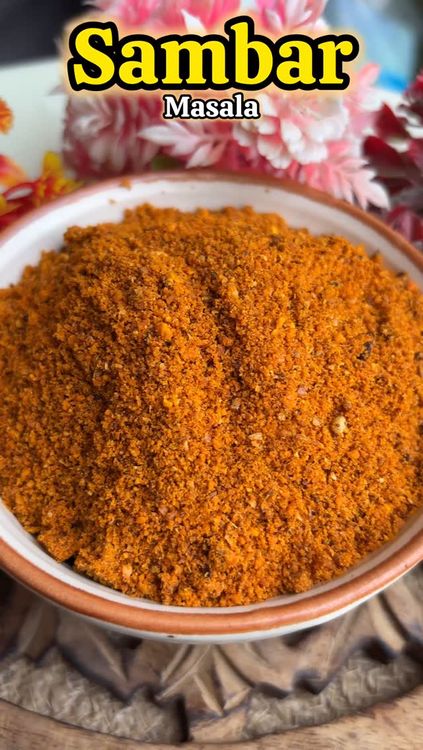
- Roast each dal separately when you make a podi or a sambar masala, and let everything cool completely before grinding. Warm spices grind to a paste and the powder turns gummy within a week.
- Coconut milk splits if you boil it. Thin extractions can simmer happily; the thick first extraction goes in with the heat off, stirred through and served straight away. Most tamil recipes are explicit about this, and it is worth obeying.
- Keep a jar of podi and a bottle of sesame oil on the counter. It turns leftover idli, a cold dosa or a bowl of plain rice into a meal in thirty seconds, with no cooking at all.
Frequently Asked Questions
What actually makes south indian food different from north indian cooking?
Rice instead of wheat, mostly. Lentils show up as a gravy — sambar, rasam — rather than as a side dal, and coconut and curry leaves do the aromatic work that cream and garam masala do further north. Fermentation is the other big one: the batters here are alive, and almost nothing north of the Deccan works that way.
How do I get a south indian breakfast on the table on a weekday?
Keep batter in the fridge. It holds four or five days and gets tangier, which is fine for dosa even when it is past its best for idli. Failing that, use an instant version: rava dosa, moong dal uttapam, or upma from a premix all go from nothing to plate in twenty minutes. Chutney takes ten. That is the whole trick.
Why does my idli come out dense and flat?
Almost always the grinding, not the ferment. Urad dal needs to be ground cold, with water added in small pours, until it is genuinely fluffy — that aeration is what lifts the idli in the steamer. If your grinder heats the batter, the proteins will not hold air. Overfermented batter does the same thing, so if it smells sharp, make dosa instead.
Is there a difference between sambar for idli and sambar for rice?
Yes, and it is worth respecting. Tiffin sambar is thinner, milder and slightly sweet, built for dunking, and it uses less tamarind plus a fresh-ground coconut masala. Rice sambar is thicker, more sour and vegetable-heavy, because it has to season an entire plate of rice. Plenty of tamil recipes treat them as two separate dishes, and they are right to.
Can I make any of this without a wet grinder?
For chutneys and podis, yes — a decent jar mixer is completely fine. For idli batter, a mixer works if you grind the urad in small batches with ice water and stop every thirty seconds to let it cool down. A stone grinder is better because it never heats the batter, but plenty of people manage with a blender and some patience.
What is the difference between appam, uttapam and dosa?
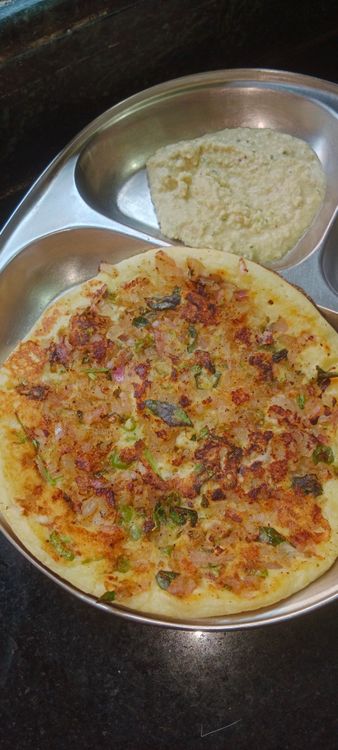
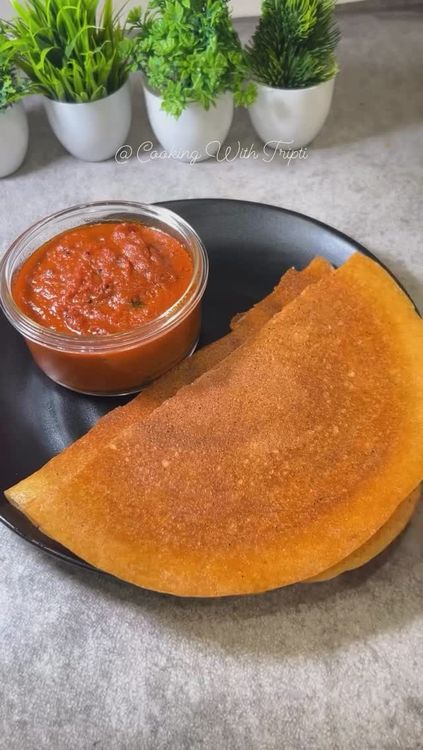
Dosa is spread thin and cooked crisp. Uttapam is poured thick and left alone, so the top steams while the base browns and any toppings get pressed in. Appam, in Kerala, is a fermented rice-and-coconut-milk batter swirled around a bowl-shaped pan: lacy at the rim, soft and thick in the middle. Same family, three textures.
How long do fresh chutneys and dry podis actually keep?
A fresh coconut chutney is a same-day thing. It turns by the next morning even refrigerated, though freezing it before the tempering goes on works better than you would expect. Podis are the opposite: dry-roasted and ground, they hold for a month in a sealed jar at room temperature, and longer still if you keep oil out of them.
Which south indian recipes should a complete beginner start with?
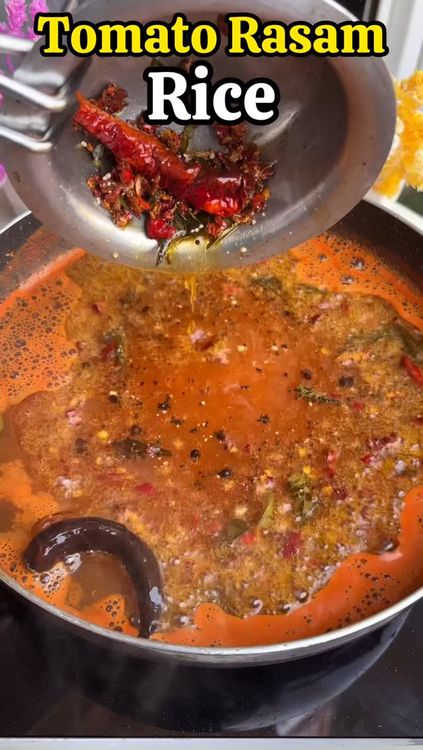
Lemon rice, coconut chutney and tomato rasam. None of them need fermentation, all three teach you tempering, and together they are most of a meal. Once the tempering order is muscle memory — mustard, dal, curry leaves, asafoetida off the heat — move on to upma, then rava dosa, then finally a fermented batter.
That is 63 south indian recipes, running from a twelve-minute mor rasam to an idli batter that wants two full days of your attention. Start with the tempering, since everything else here is built on top of it, then pick a lane: the tiffin plate, the rice-and-gravy meal, or the payasam. The four states will sort themselves out from there.
Related
- tamil recipes
- tiffin
- idli dosa
- sambar rasam
- coconut chutney
- payasam
Popular Searches
- Best south indian recipes
- Easy south indian recipes
- Quick south indian recipes
- Healthy south indian recipes
- Simple south indian recipes
- Homemade south indian recipes
- Delicious south indian recipes
- Popular south indian recipes
- south indian breakfast
- south indian tiffin
- idli dosa recipes
- south indian lunch
Marnirni-apinthi Building, Lot Fourteen,
North Terrace, Adelaide, South Australia, 5000
Australia
