
34 Ladoo Recipes for Diwali, Fasting Days, and Everyday Cravings
Updated July 15, 2026 · Curated by Chefadora
I grew up believing sweets came in exactly one shape: round. The 34 ladoo recipes here cover the whole spectrum I remember from my grandmother's steel dabbas — the sandy besan ladoo that crumbles the second you bite it, the syrup-soaked orange orbs bought by the kilo before Diwali, the sesame-and-jaggery ones handed out in January with a line about speaking sweetly, and the no-cook date-and-nut versions that have quietly taken over school lunchboxes.
What ties them together is technique, not ingredients. Almost every batch on this page follows the same arc: roast a base until it smells nutty, sweeten it with sugar, jaggery or syrup, add fat while everything is still warm, then roll before it sets. Learn that rhythm and you can improvise forever. The hard part is knowing when the roast is actually done, and how warm "warm" really needs to be.
They are sorted five ways below: gram flour, semolina and wheat, coconut, boondi and the savoury street cousins, and a big group built on nuts, seeds and millets. Times run from ten minutes to three hours.
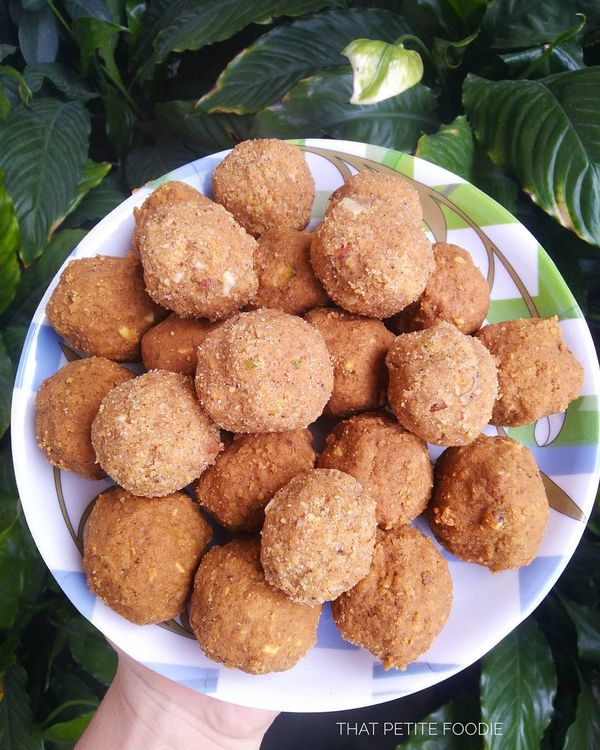
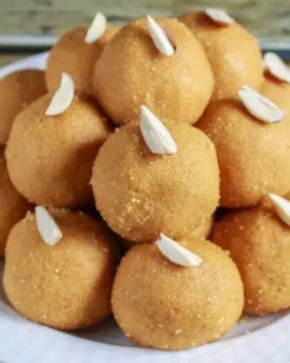
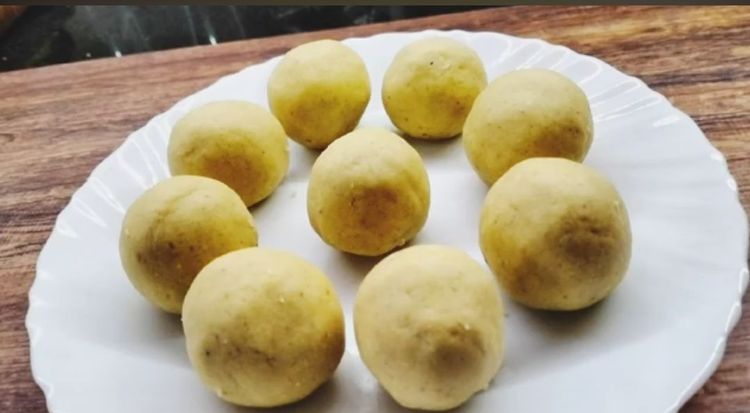
Besan Laddus: Roasted Gram Flour, Ghee, and Patience
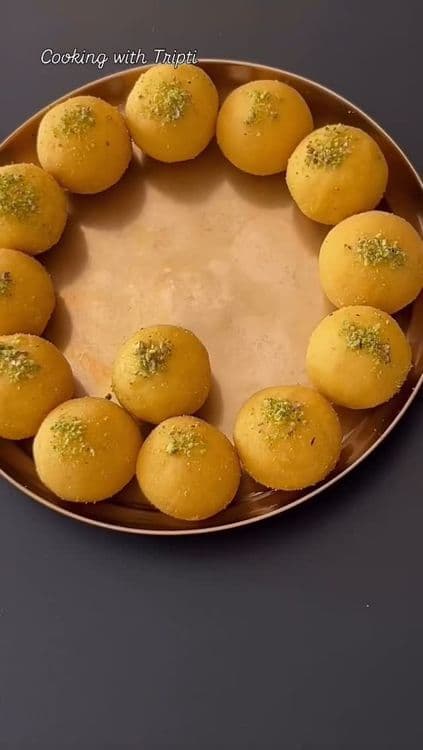
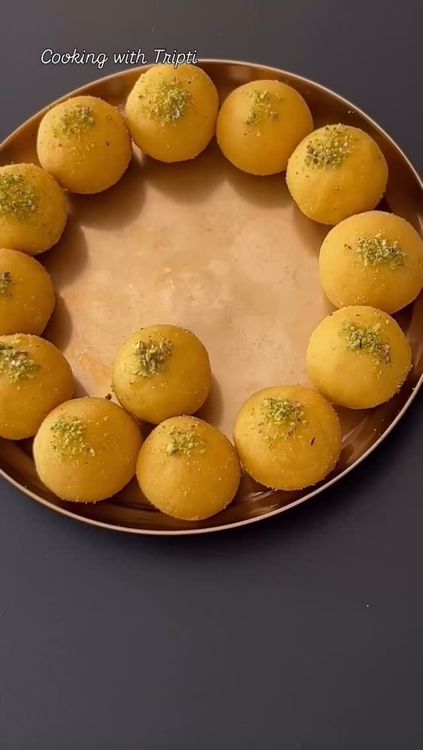
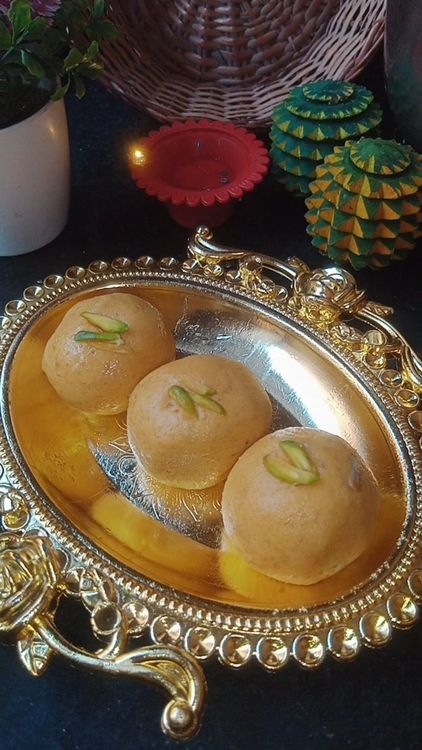
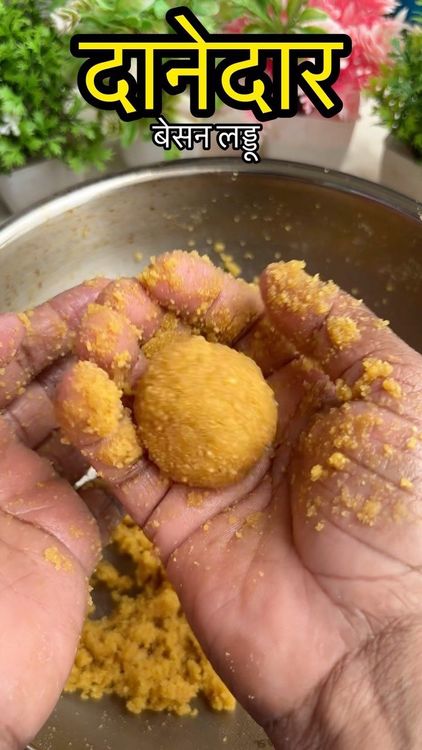
Gram flour is unforgiving. Under-roast it and the finished besan laddu tastes raw and chalky; push it too far and the ghee turns bitter. I keep the flame low and stir for a solid fifteen to twenty minutes, waiting for three signals in order: the mixture loosens and turns glossy, it darkens to the colour of wet sand, and the smell shifts from beany to roasted nut. Coarse flour gives the danedaar crumble; fine flour gives a dense, fudgy besan ladoo. Both are correct. They are simply different sweets.

- Indian
- Vegetarian
- Snack

- Indian
- Vegetarian
- Snack

- Indian
- Vegetarian
- Snack

- Indian
- Vegetarian
- Snack
- Vegetarian
- Dessert

- Indian
- Vegetarian
- Snack
Semolina and Wheat: The Grainy, Golden Half
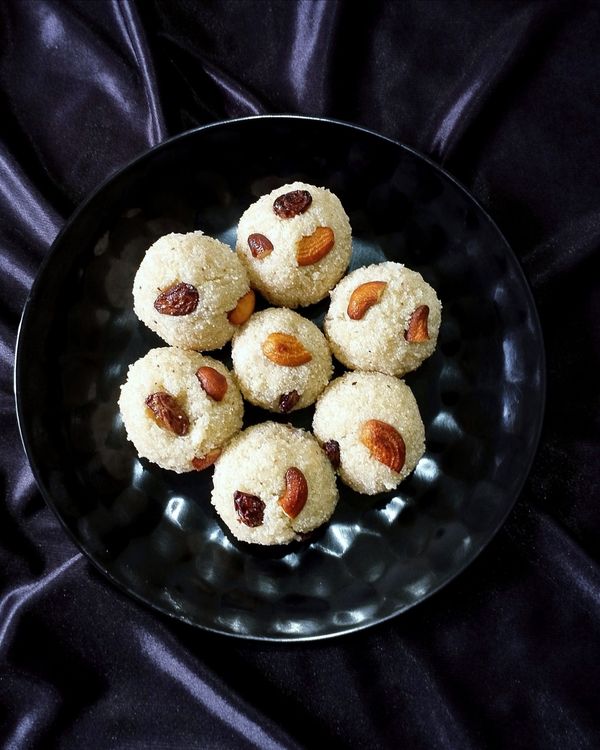
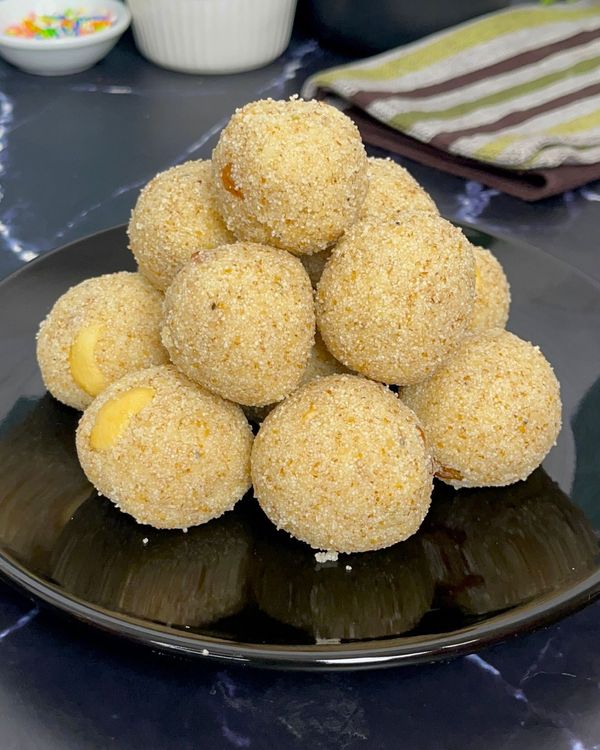
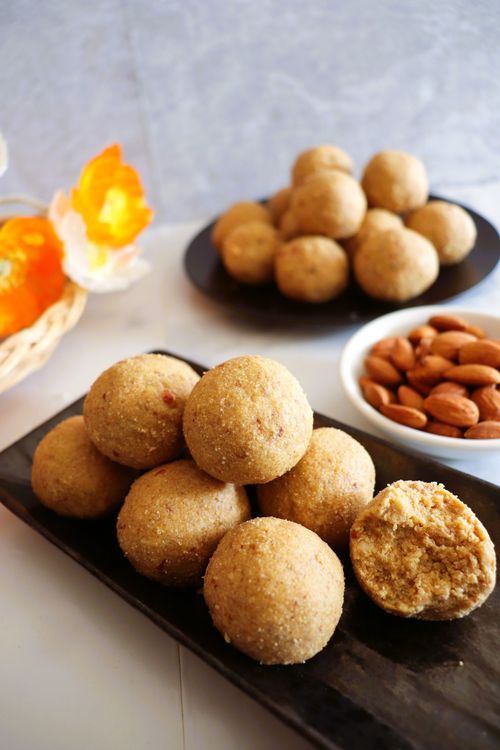
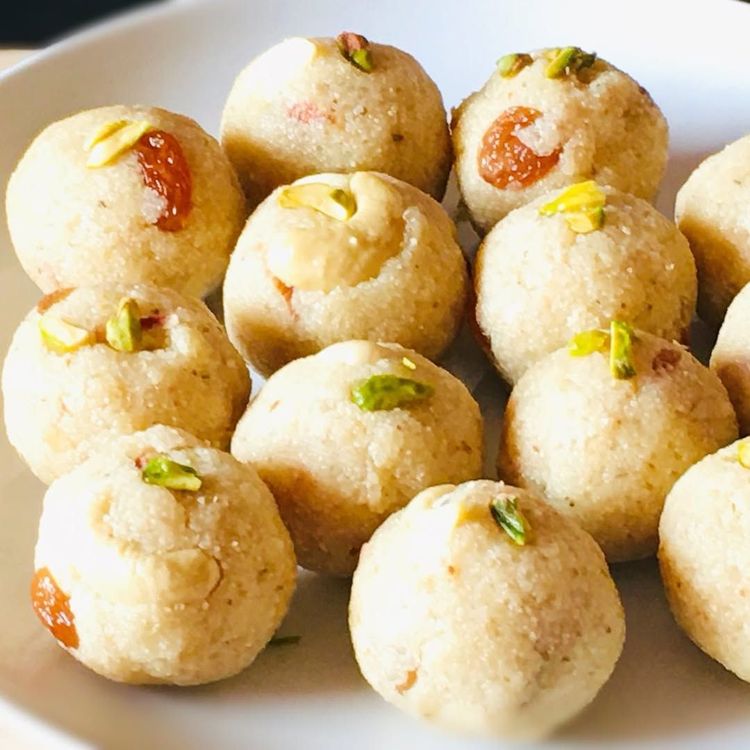
Rava laddu splits opinion. Some cooks bind roasted semolina with warm milk, which makes a soft, almost cake-like ball that has to be eaten within three days. Others use sugar syrup or ghee alone and get something drier that keeps for a fortnight. Both approaches are here. My rule: roast the suji until it goes a shade past pale and each grain feels separate and hot, then let it cool five minutes before any liquid goes in. Hot rava plus hot milk gives you paste, never a proper rava ladoo.
- Indian
- Vegetarian
- Snack

- Indian
- Vegetarian
- Snack

- Indian
- Vegetarian
- Snack

- Indian
- Vegetarian
- Snack
- Indian
- Vegetarian
- Snack
Coconut, Jaggery, and Fruit: The Fast Ones
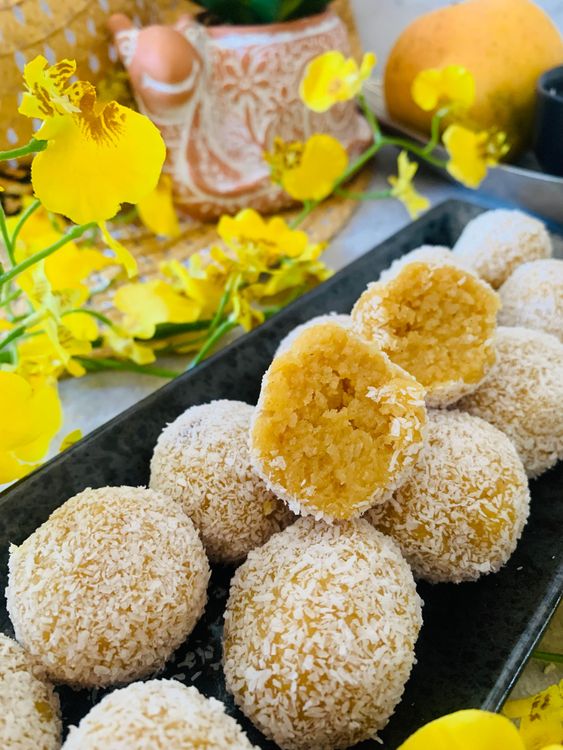
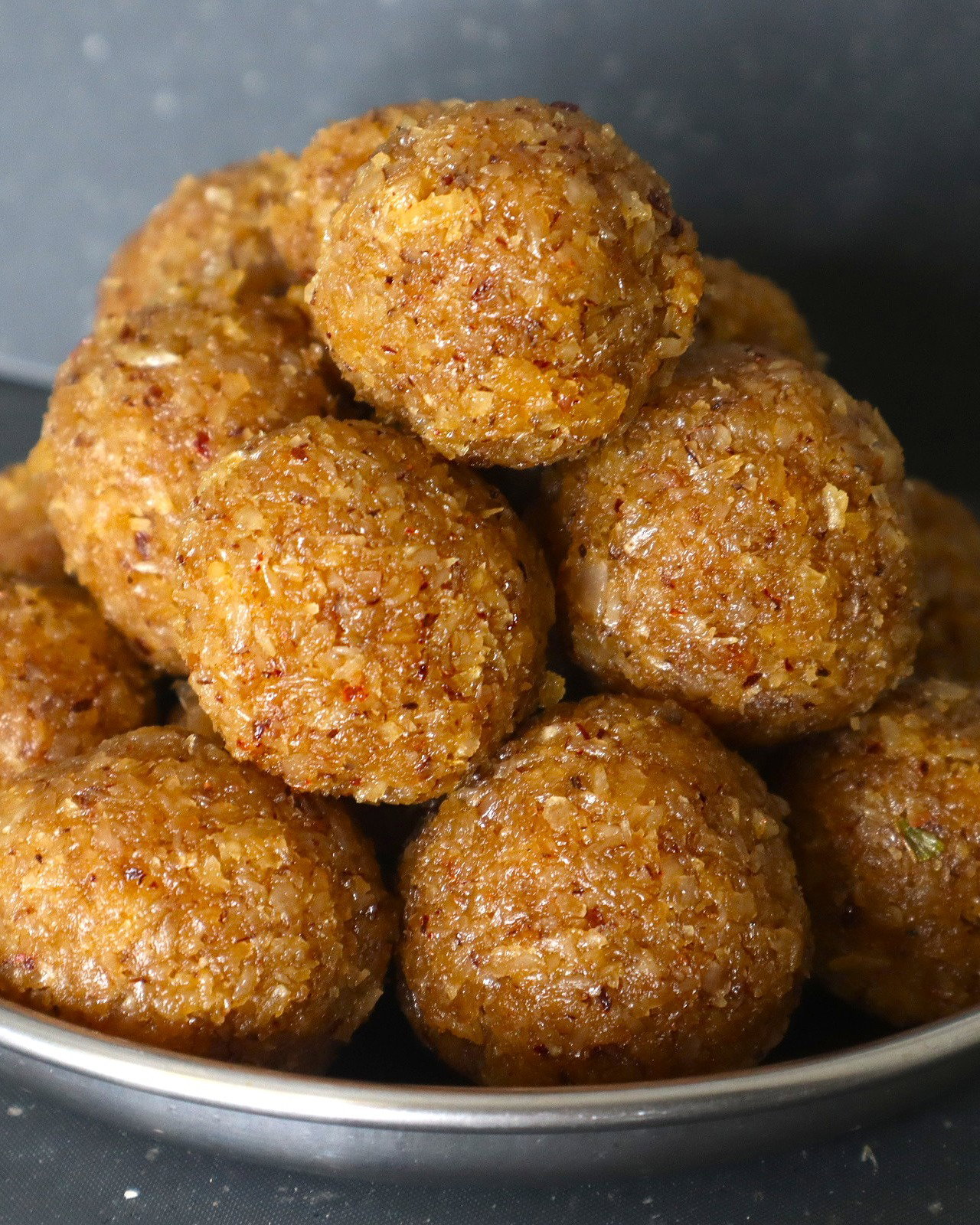
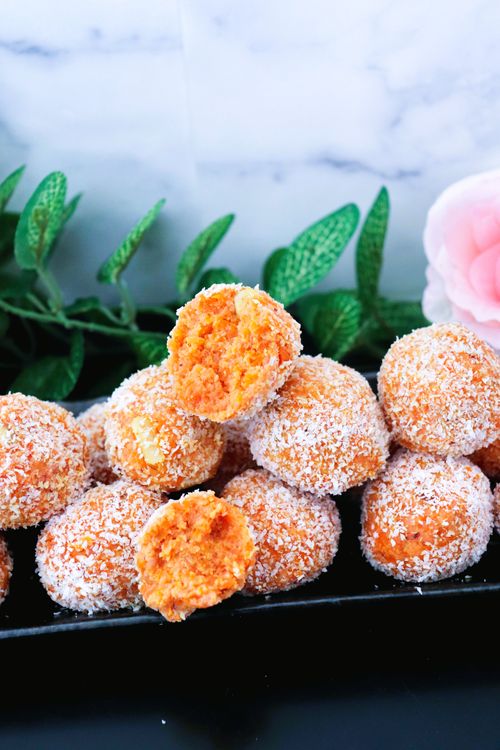
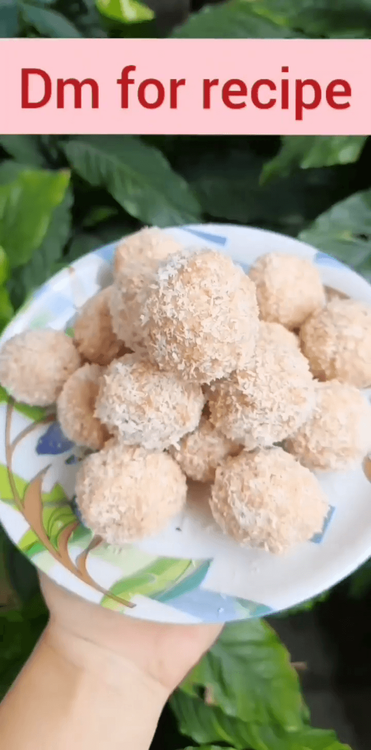
Fresh coconut and desiccated coconut are not interchangeable. Fresh grated coconut carries water, so a jaggery-set coconut laddu made with it stays juicy and wants eating inside two days. Desiccated coconut with condensed milk sets firm in fifteen minutes and survives a week in the fridge. If desiccated is all you have but you want that fresh texture, soak it in warm milk for ten minutes first. This whole group is beginner territory — the only real risk with a coconut ladoo is scorching the sugar.
- Indian
- Vegetarian
- Dessert
- Vegetarian
- Dessert

- Vegetarian
- Dessert
- Indian
- Vegetarian
- Snack
- Indian
- Vegetarian
- Snack
Boondi, Syrup, and the Savoury Street Cousins
This is the ambitious end of the page. A proper motichoor laddu means dropping thin gram-flour batter through a perforated jhara into medium-hot ghee, getting pearls no bigger than a peppercorn, then bathing them in one-string syrup and pressing them together while still warm. It takes practice, and your first tray will be uneven. Ram laddu and khatte laddu are the plot twist: same round shape, no sugar at all, fried moong dal soaked in tamarind water or buried under grated radish. A motichoor ladoo kheer handles the leftovers.
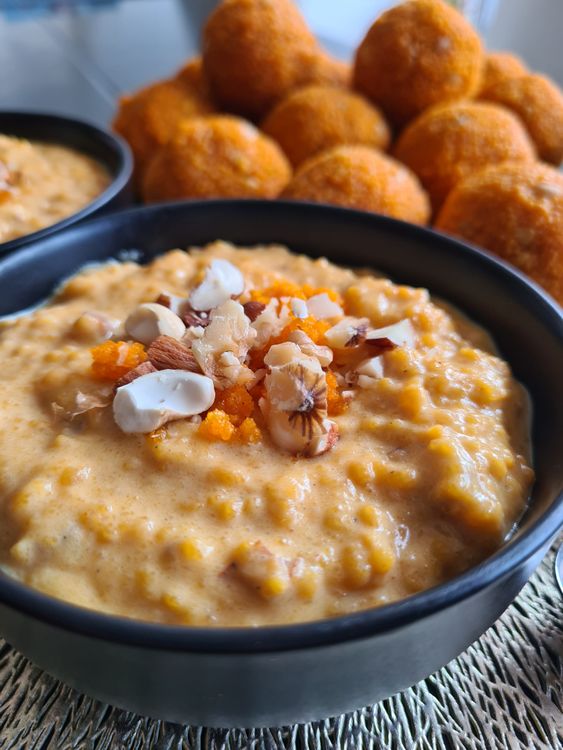
- Indian
- Vegetarian
- Dessert

- Indian
- Vegetarian
- Snack
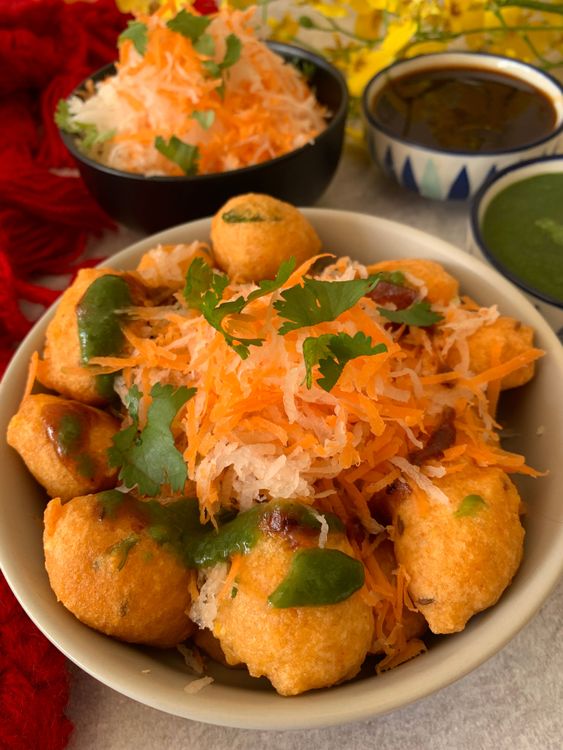
- Indian
- Vegan
- Appetiser
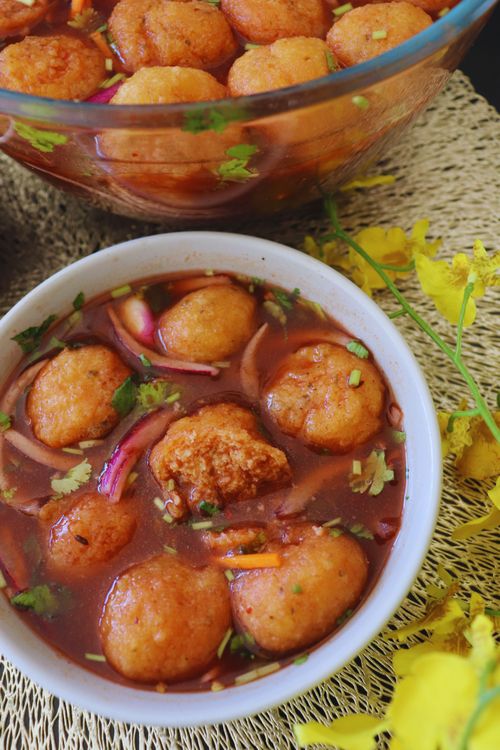
- Indian
- Vegan
- Appetiser

- Indian
- Vegetarian
- Dessert
Nut, Seed, and No-Cook Ladoo Recipes for Energy and Fasting
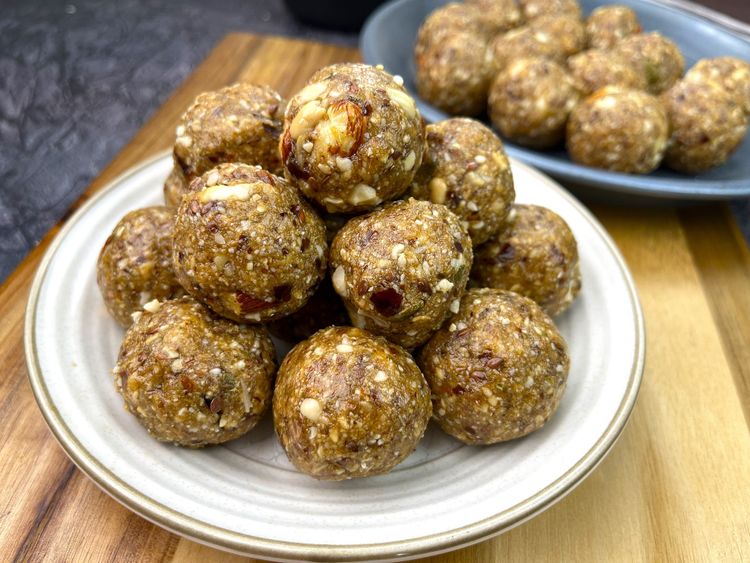
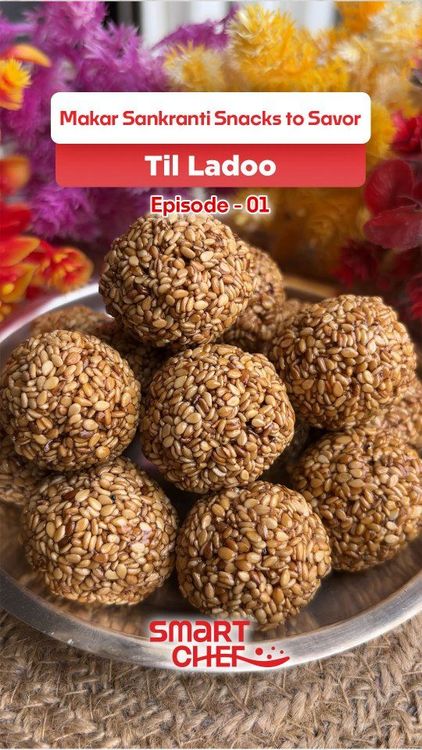
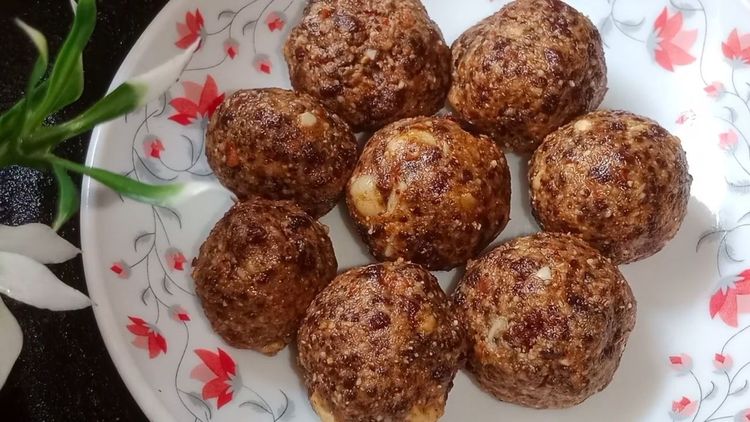
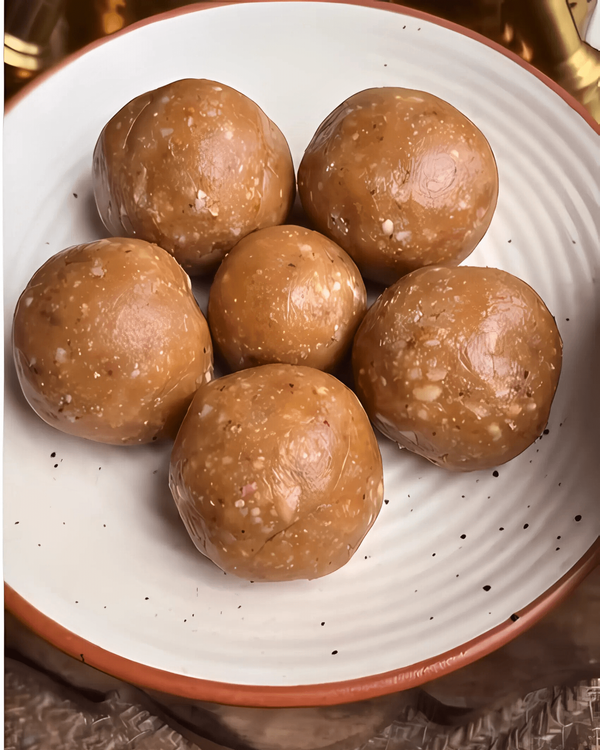
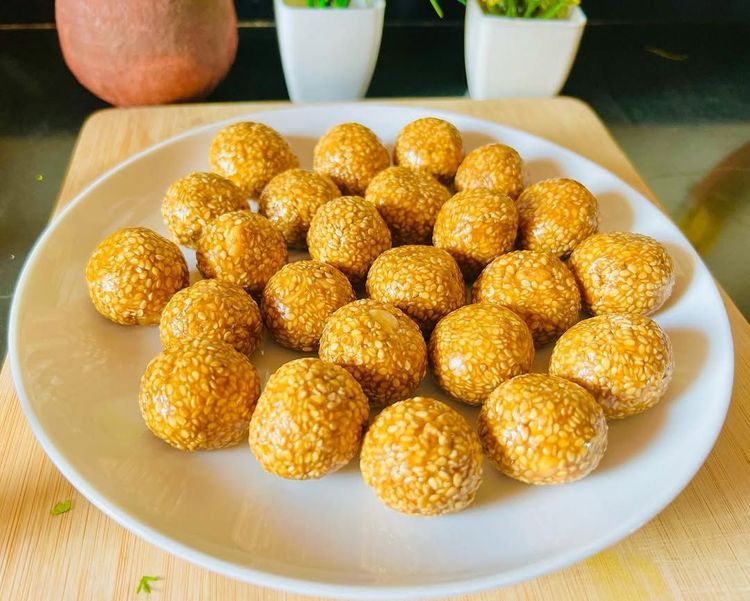
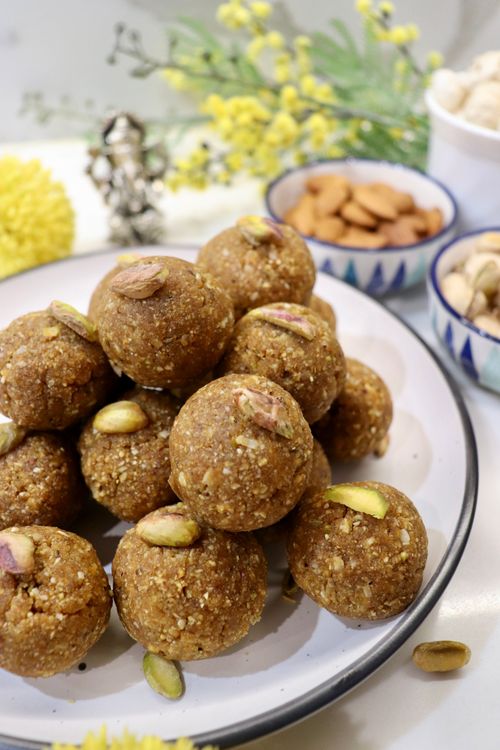
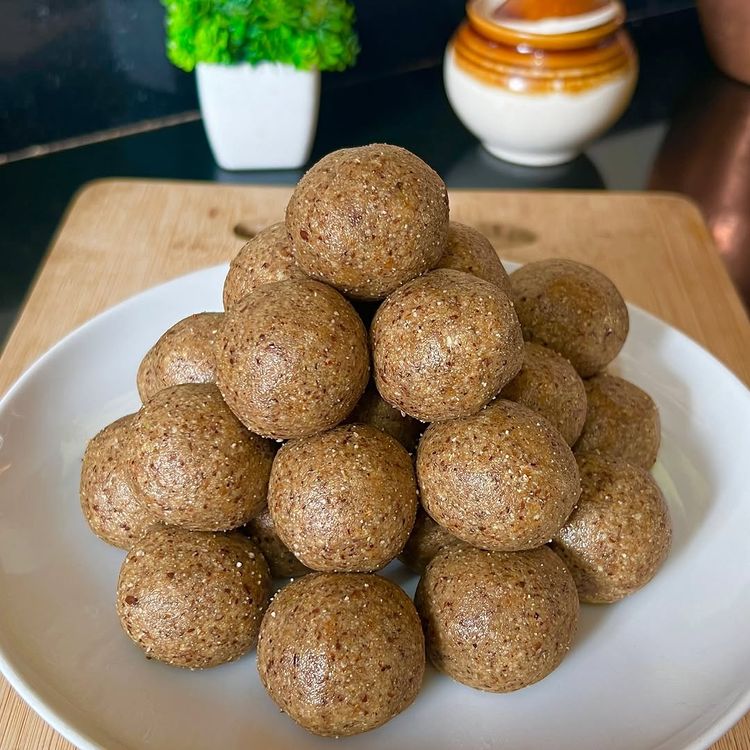
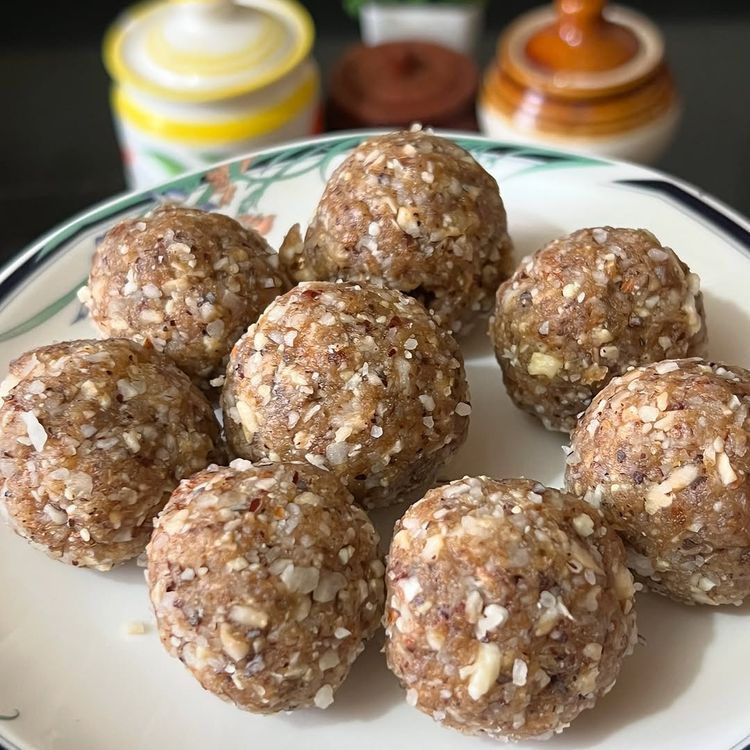
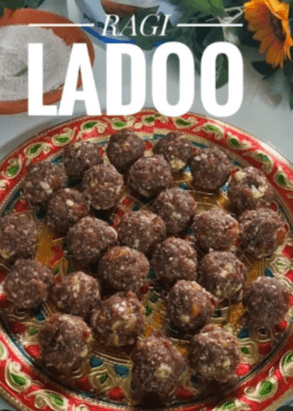
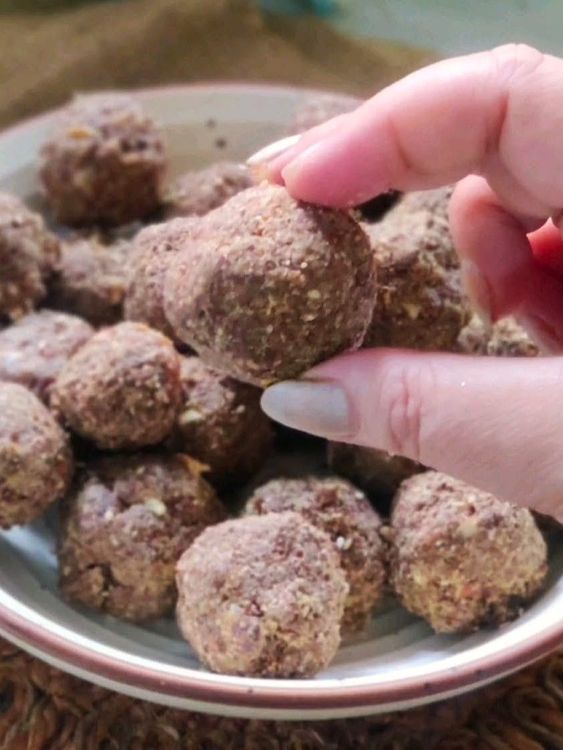
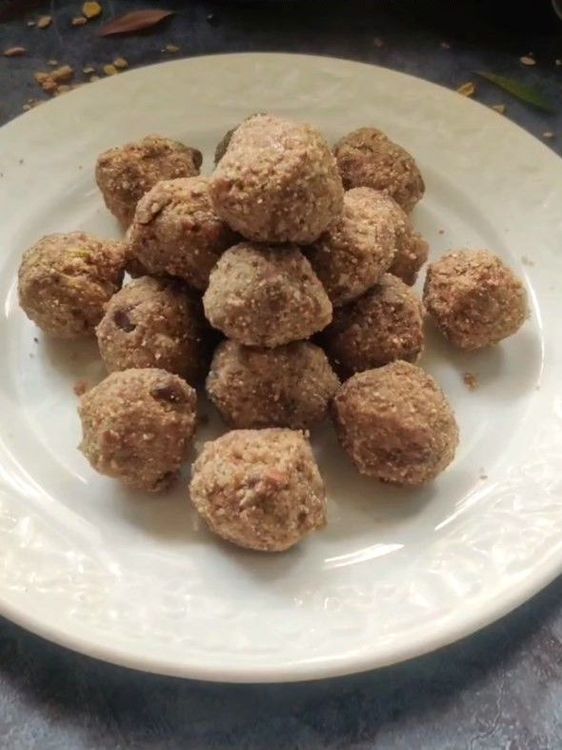
This is the biggest group and the one that has changed most in a decade. Dates and jaggery have shouldered out refined sugar; makhana, ragi and jackfruit seed have joined the old sesame and peanut standbys. Several need no stove at all — grind, press, roll, done in ten minutes flat. For Navratri and upvas, watch the base carefully: no wheat, no gram flour, no regular grain. Peanut, makhana, rajgira and singhara all pass. Sesame and jaggery belong to January and Sankranti, when the entire point is that they warm you from the inside.

- Vegetarian
- Snack
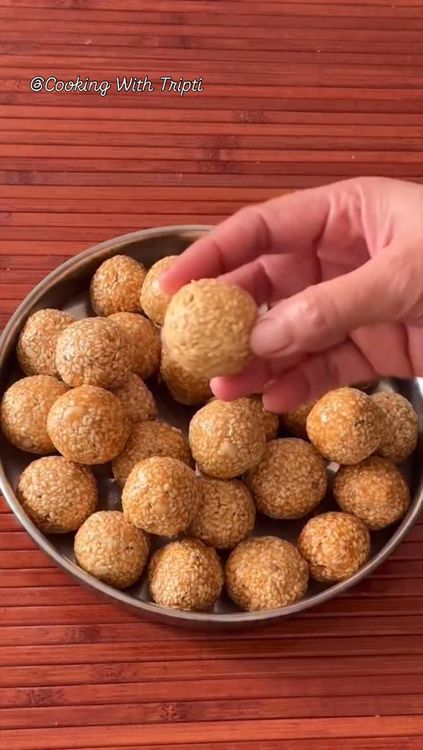
- Indian
- Vegetarian
- Snack
- Indian
- Vegetarian
- Snack
- Indian
- Vegetarian
- Snack
- Indian
- Vegetarian
- Dessert
- Indian
- Vegetarian
- Snack
- Indian
- Vegetarian
- Snack
- Indian
- Vegan
- Snack
- Indian
- Vegetarian
- Snack
- Indian
- Vegan
- Snack
- Indian
- Vegetarian
- Breakfast

- Indian
- Vegetarian
- Snack
- Indian
- Vegetarian
- Snack
How to Make Ladoo: The Four Stages Every Batch Shares
Once you see the pattern, how to make laddu stops being thirty separate procedures and becomes one method with variables. Stage one is always the roast. Whatever the base — gram flour, semolina, whole wheat, sesame, peanuts, makhana — it needs dry or ghee-assisted heat until the raw smell burns off completely. Low flame, constant movement, no shortcuts. For besan ladoo that means fifteen to twenty minutes while you watch for colour and gloss. For sesame it takes four minutes and you are listening for the pop rather than looking.
Stage two is the sweetener, and this choice decides your texture more than anything else. Powdered sugar stirred into a warm base gives a crumbly ball that shatters when bitten. Melted jaggery gives a chewy, faintly sticky one that hardens as it cools, so you roll fast or not at all. One-string sugar syrup, the boondi route, gives a wet, glossy set that stays soft for days.
Stage three is fat and temperature, and it is where most batches fail. Ghee both binds and carries flavour, but it only works inside a narrow window: too hot and the mixture slides apart in your palms, too cool and it refuses to come together at all. Warm enough to handle comfortably, not warm enough to sting — roughly bath-water heat against the back of your hand.
Stage four is the roll. Squeeze a fistful first. If it holds its shape, roll the lot. If it crumbles, add a teaspoon of melted ghee, never water — water is how you get mould by Thursday. Shape everything before the mixture cools, then leave the finished balls uncovered on a tray for an hour so they firm up properly.
Ghee, Jaggery, and Syrup: Choosing Your Binder
Ghee is the default and the safest. It sets solid at room temperature, which is the whole trick: the mixture stays loose while you work and firms as it cools. Use more than feels reasonable — a coconut ladoo or a semolina batch typically wants two to three tablespoons per cup of base. If you are short, warm the ghee first so it distributes instead of sitting in pockets. Cheap vanaspati will bind but tastes waxy afterwards, so it is not worth the saving.
Jaggery brings minerals, a molasses depth, and a real time limit. Melt it with a splash of water until it foams, then take it straight off the heat — boiled too long and it goes glassy and will crack your teeth. Dark jaggery suits sesame and peanut; pale jaggery suits coconut, where you do not want the colour muddied. Everything jaggery-set has to be rolled hot, so line up your bowls before you melt it.
Sugar syrup is the specialist. One-string consistency, tested by pinching a cooled drop between finger and thumb, is what a motichoor ladoo needs so the boondi drinks it without dissolving. Under-cooked syrup gives you a soggy heap; over-cooked crystallises overnight into something sandy.
Condensed milk and dates are the modern shortcuts, and they are honest ones. Both bring sweetness and binding in a single move, which is why the ten-minute no-cook batches lean on them. The trade-off is shelf life: anything with milk solids or fresh fruit belongs in the fridge and gets eaten within the week.
Buying, Storing, and Gifting: Shelf Life by Type
Buy your gram flour from a shop with turnover. Besan goes rancid quietly — it will not smell obviously off, it will just taste faintly bitter after roasting, and you will blame your technique. Ask for coarse ladoo besan if you want the danedaar crumble; ordinary fine besan is milled for batters and gives a denser, smoother besan ladoo. Sesame and nuts have the same problem: buy small quantities, store them in the freezer, and smell them before every batch.
Shelf life splits along one line — moisture. Anything dry-roasted and bound with ghee and sugar keeps two to three weeks in an airtight steel container at room temperature, no refrigeration needed. That covers gram flour, wheat and most seed batches. Anything with fresh coconut, milk, khoya or fruit lasts two to three days out, or a week refrigerated. A coconut ladoo made with desiccated flakes and condensed milk sits somewhere in between: five days, fridge.
For gifting, roll smaller than you think — around twenty-five grams, roughly a walnut. People eat two small ones happily and one large one guiltily. Let them sit uncovered for an hour first so the surface dries, then wrap individually in paper cases; stacked while warm, they weld into a single sad block by morning.
Freezing works better than most people expect. Ghee-and-jaggery batches freeze for three months with no texture loss at all. Thaw them on the counter for thirty minutes, never in a microwave, which melts the fat and leaves you with a puddle.
Pro Tips From Years of Burnt Batches
- Use a heavy kadai, never a thin nonstick pan. Gram flour and semolina both scorch in seconds over a hot spot, and by the time you smell it the bitterness has already spread through the whole batch. Weight in the base means the heat spreads evenly and gives you a few seconds of grace when you get distracted.
- Powder your sugar yourself and sieve it. Shop-bought icing sugar contains cornflour, which chalks the finish and dulls the flavour; thirty seconds in a dry grinder gives you a cleaner, finer powder. And never add sugar to a hot base — it melts, then recrystallises into gritty specks as everything cools.
- Rest the mixture before rolling. Five to ten minutes off the heat lets the fat redistribute and the base absorb moisture, and a batch that seemed hopelessly crumbly often comes together on its own. This is the single most useful habit I picked up, and it saves more batches than any added ghee ever will.
- For rava ladoo, drizzle the milk a teaspoon at a time and stop the moment a squeezed fistful holds. Semolina keeps drinking liquid for a minute or two after you add it, so a mixture that looks correct straight away will be sticky paste by the time you reach the last ball.
- Roll with slightly damp-free, ghee-smeared palms rather than wet hands. A film of ghee stops sticking without introducing water, and water is what turns a two-week sweet into a three-day one. Rub a little between your palms every four or five balls to keep the surfaces smooth.
- For motichoor ladoo, test the batter with one spoonful before committing the lot. It should fall through the jhara in clean round drops, not tails. Too thick and you get uneven lumps; too thin and it sprays. Adjust with a teaspoon of water at a time, and keep the ghee at a steady medium heat.
- Let the roasted flour cool to just-warm before you bind it — mixing while piping hot melts the fat too fast and the mixture turns greasy rather than crumbly.
- Grease your palms lightly and roll with a firm, steady pressure; over-working makes them dense, while too gentle a hand leaves them falling apart in the tin.
Frequently Asked Questions
Which of these ladoo recipes should a complete beginner start with?
Start with the plain coconut batch or the roasted gram dal one. Both use five ingredients, take under twenty-five minutes, and need no judgement about roast colour or syrup consistency — the two things that trip people up. Once you can feel when a mixture is ready to roll, move on to semolina, then gram flour, then boondi last.
Why does my besan ladoo taste raw or bitter?
Raw means under-roasting: the flour needs a full fifteen to twenty minutes on low heat until it loosens, darkens to wet-sand colour, and smells nutty rather than beany. Bitter usually means either scorching over too high a flame or stale flour that has gone rancid in the packet. Buy small quantities and roast patiently on the lowest flame you have.
Why won't my mixture hold its shape?
Almost always temperature. If it is too cool, the ghee has already set and cannot bind — warm the mixture gently and try again. If it is too hot, it slides apart in your hands, so rest it five minutes. If it is genuinely dry, add melted ghee a teaspoon at a time. Never add water; it invites mould within days.
How do I make rava ladoo that keeps longer than a few days?
Skip the milk. Milk-bound semolina is soft and lovely but perishable, giving you about three days. Bind with ghee alone, or with a one-string sugar syrup, and the same batch will keep two weeks in an airtight tin at room temperature. Roast the suji a shade darker for that route, since there is no milk to soften it.
Fresh or desiccated coconut for a coconut ladoo?
Fresh grated coconut with jaggery gives the juicy, chewy South Indian style, but the water content means two days of shelf life. Desiccated coconut with condensed milk sets firm in fifteen minutes and keeps a week refrigerated. For fresh texture from a dry packet, soak the flakes in warm milk for ten minutes before you start.
Can I make motichoor ladoo without a jhara?
You can improvise with a perforated steel skimmer or a colander with fine holes, but the pearls come out larger and less even, which is really boondi laddu rather than the fine-grained original. The shortcut version on this page is built for exactly that situation. If you make these more than once a year, buy the jhara — it costs very little.
Which ones are allowed during Navratri or upvas fasting?
Look for peanut, makhana, rajgira, singhara and coconut bases, plus anything sweetened with jaggery. Regular grains are out, so gram flour, semolina and wheat versions do not qualify. The instant vrat batch and the peanut upvas one were written specifically for fasting days, and both take under twenty minutes with no cooking involved.
What is the healthiest option here, and can I skip the sugar entirely?
The date-and-nut, makhana and ragi batches are the most nutrient-dense, and several skip refined sugar completely by leaning on dates or jaggery. Learning how to make ladoo with dates is worth the effort: blitz them into a paste, fold through roasted nuts and seeds, and press firmly. They are still calorie-dense, so treat them as fuel rather than diet food.
Thirty-four ladoo recipes is more than anyone needs, and that is exactly the point — pick two, make them until your hands know the feel of a mixture that is ready to roll, and all the rest stop being intimidating. My advice: one gram flour batch for the roasting practice, one no-cook batch for the weeks when you have no time to spare. Everything else on this page follows from those two.
Related
- diwali sweets
- indian sweets
- jaggery
- besan
- festival food
- no-cook desserts
Popular Searches
- Best ladoo recipes
- Easy ladoo recipes
- Quick ladoo recipes
- Healthy ladoo recipes
- Simple ladoo recipes
- Homemade ladoo recipes
- Delicious ladoo recipes
- Popular ladoo recipes
- besan ladoo
- rava ladoo
- coconut ladoo
- motichoor ladoo
Marnirni-apinthi Building, Lot Fourteen,
North Terrace, Adelaide, South Australia, 5000
Australia
