
22 Chilla Recipes for Fast, High-Protein Indian Breakfasts
Updated July 15, 2026 · Curated by Chefadora
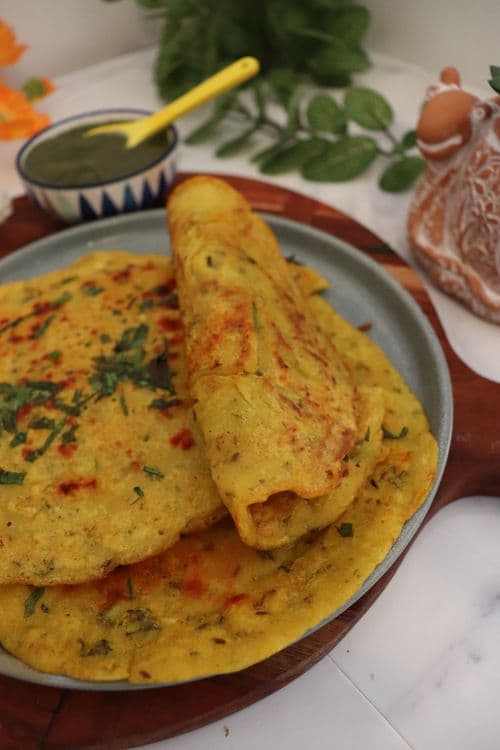
I keep a jar of soaked moong dal in the fridge most weeks, because the chilla recipes in this collection are what I fall back on when there are eleven minutes between waking up and needing to eat something real. A cheela is a savoury Indian pancake — ground lentils or gram flour, water, salt, whatever green is wilting in the crisper — poured thin onto a hot tawa and folded over. No fermenting, no yeast, no waiting for anything to rise.
The 22 dishes here come from Chefadora cooks across Punjab, Udupi and Maharashtra, and they split into families: moong dal chilla for protein, besan chilla for speed, vegetable-packed versions for using up odds and ends, sago for fasting days, and wholegrain batters built on oats, ragi and jowar.
I've grouped them by base ingredient so you can cook from what is already in your pantry, and added notes on batter thickness, tawa heat and fillings — the three things that decide whether you get lace-edged crisp or a sad, sticky disc.
Moong Dal Chilla: The High-Protein Classic
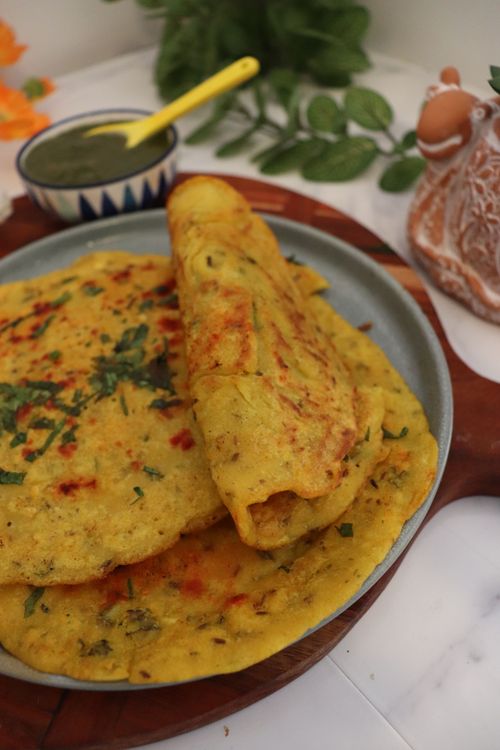
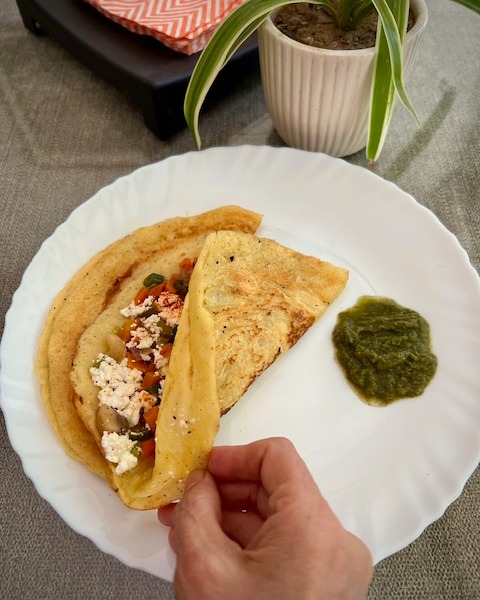
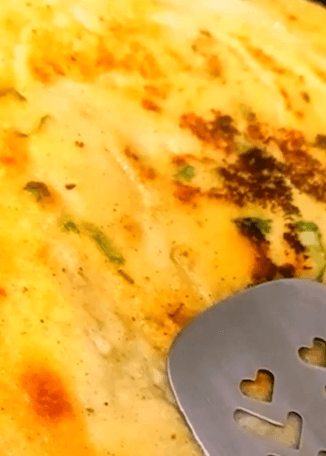
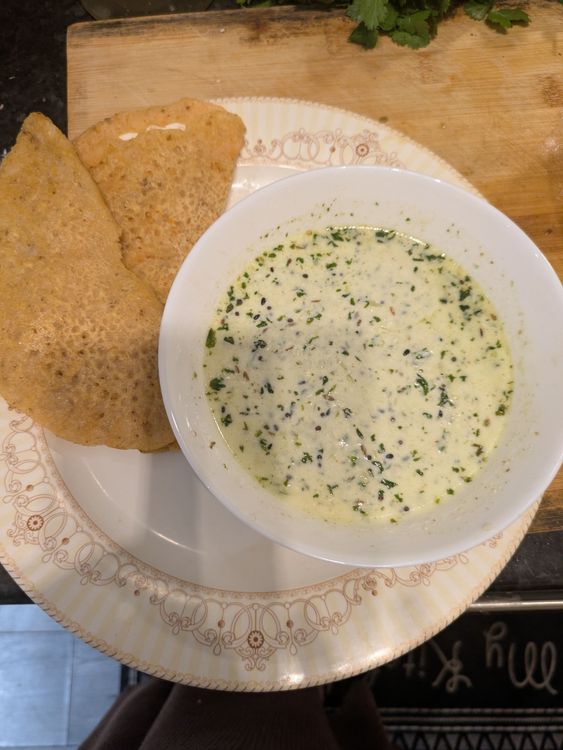
This is what most people mean when they say cheela without qualifying it. Split yellow moong, soaked three to four hours, ground with ginger and green chilli into a batter roughly the thickness of buttermilk. It cooks in ninety seconds a side and gives you around twelve grams of protein across two pancakes, which is why it outlives every diet fashion. Seven versions here, from a six-ingredient purist take to a paneer-stuffed one built for gym days. The batter keeps three days refrigerated — loosen it with a spoon of water before the second morning, because the dal drinks.

- Indian
- Vegan
- Breakfast


- Indian
- Vegetarian
- Breakfast
- Indian
- Vegetarian
- Breakfast


- Vegetarian
- Breakfast

- Indian
- Vegetarian
- Breakfast
- Indian
- Vegan
- Breakfast
- Indian
- Vegetarian
- Breakfast
Besan Cheela: Gram Flour, Ready in Fifteen Minutes
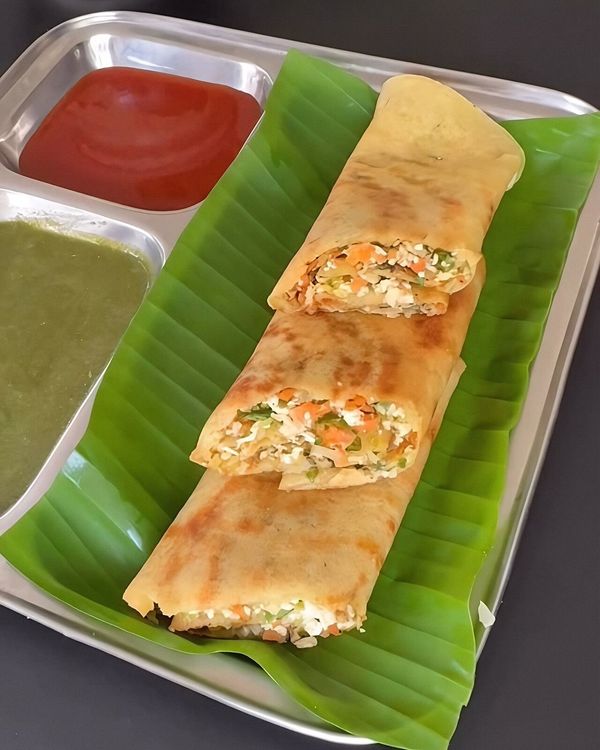
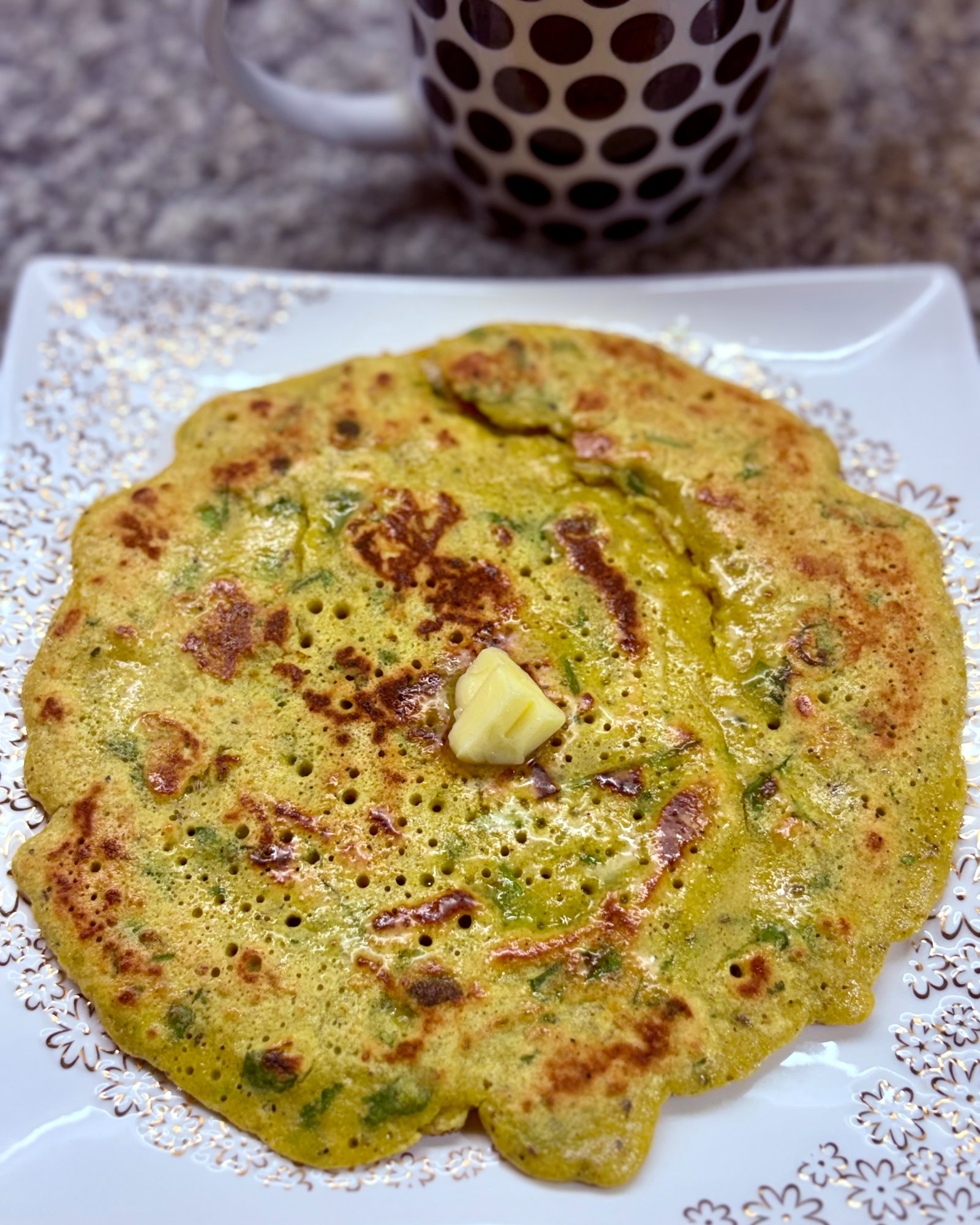
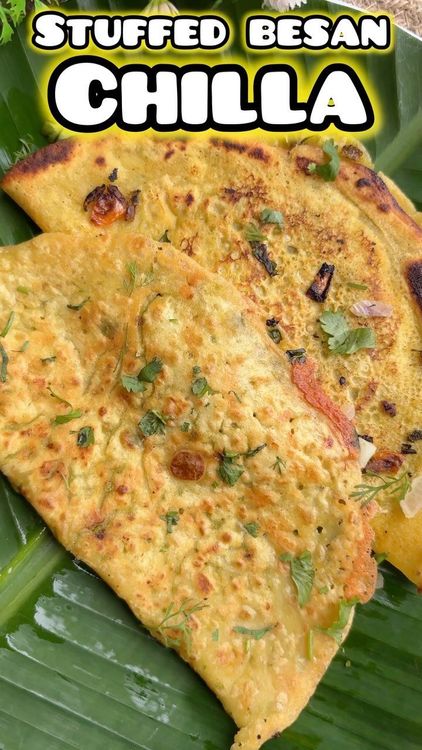
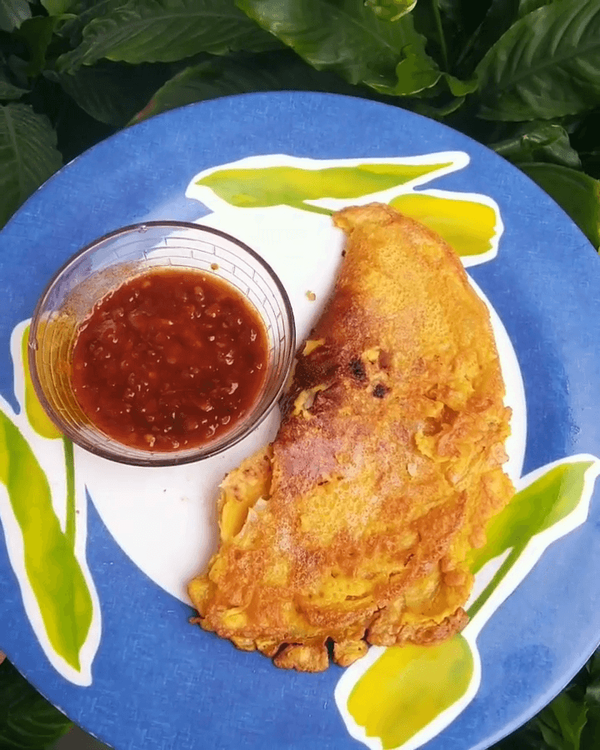
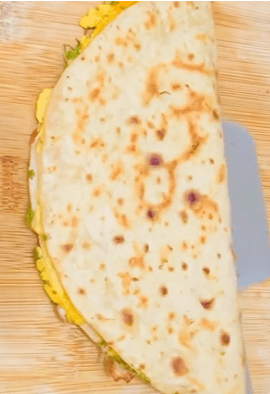
Gram flour needs no soaking and no grinder, which is the entire argument. Whisk besan with water, salt, ajwain and turmeric, rest it ten minutes while the flour hydrates, and you are cooking. A besan chilla browns faster than a dal batter and tastes savoury in a way that reads almost eggy — the veg omelette below fools people regularly. Five here, including a stuffed paneer version and a wrap that holds together in a lunchbox. Keep the mix looser than instinct suggests; gram flour thickens noticeably on standing.
- Indian
- Eggetarian
- Breakfast


- Indian
- Vegetarian
- Breakfast
- Indian
- Vegetarian
- Breakfast

- Indian
- Vegan
- Breakfast
- Indian
- Eggetarian
- Breakfast
Vegetable-Loaded and Stuffed Cheelas
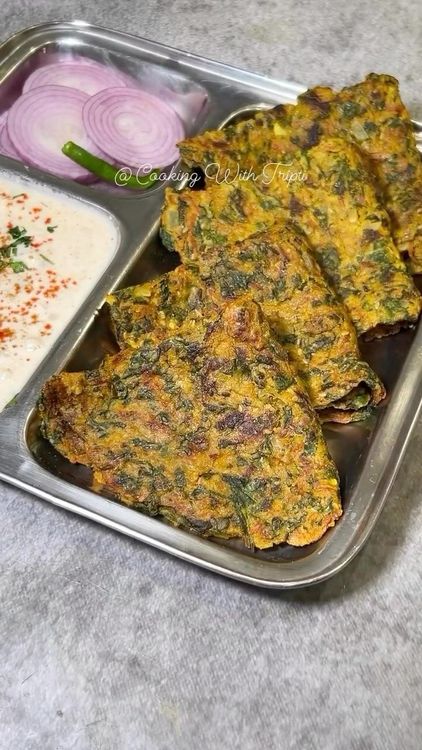
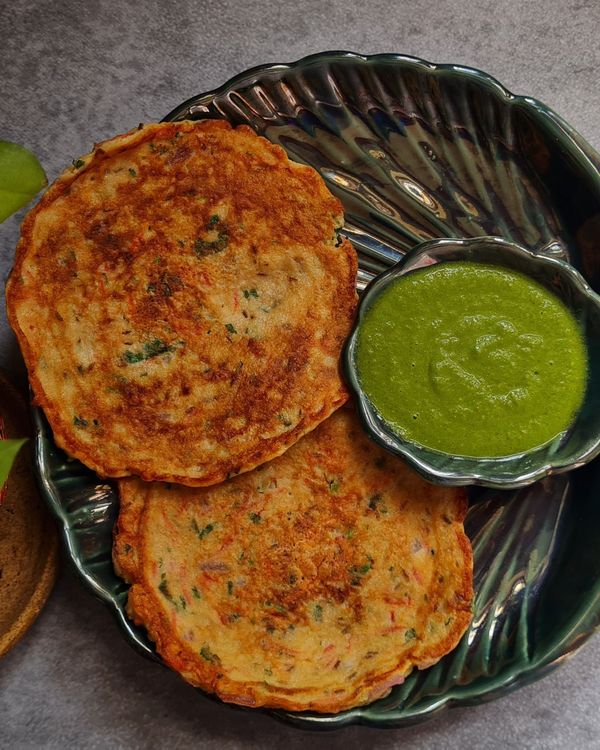
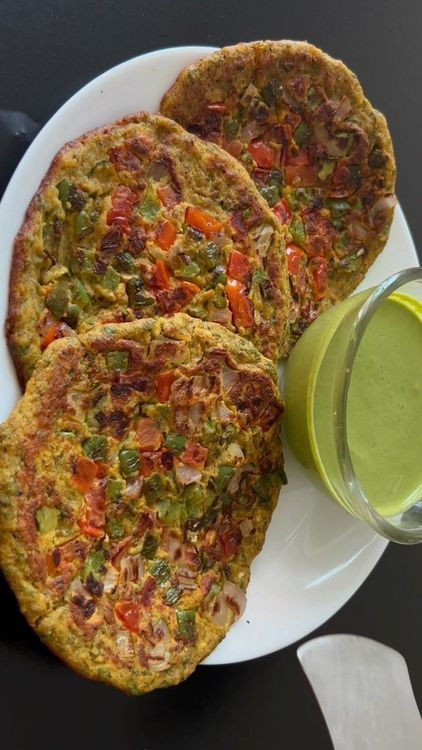
Grated vegetables do two things: they add water and they add sweetness. Manage the first and the second is a gift. Squeeze lauki and spinach in a cloth before folding them in, or you will spend the morning fighting a batter that spreads like soup. A vegetable chilla also cooks slightly slower, so drop the flame a notch and give it an extra thirty seconds a side. These three lean green — palak, sprouts, bottle gourd — and all of them take a sharp chutney or a cold raita well.
- Indian
- Vegetarian
- Breakfast

- Indian
- Eggetarian
- Breakfast
- Indian
- Vegetarian
- Breakfast
Rice, Poha, Suji and Sabudana Cheelas
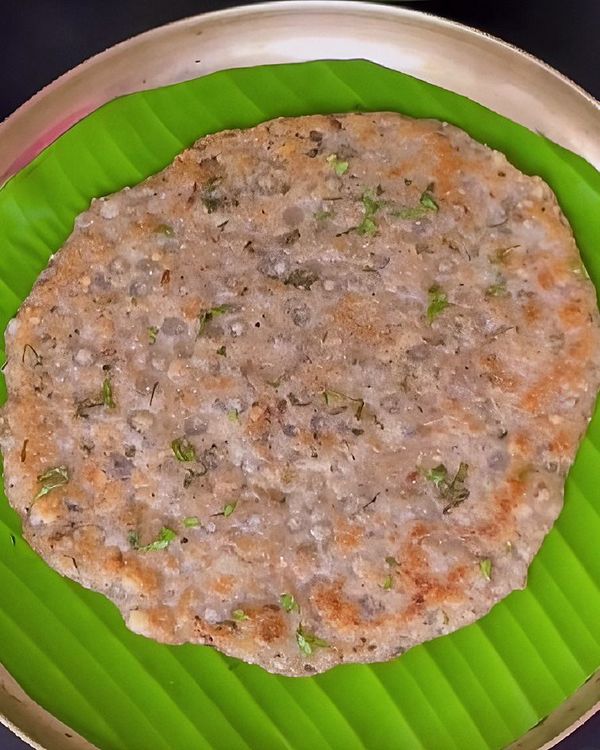
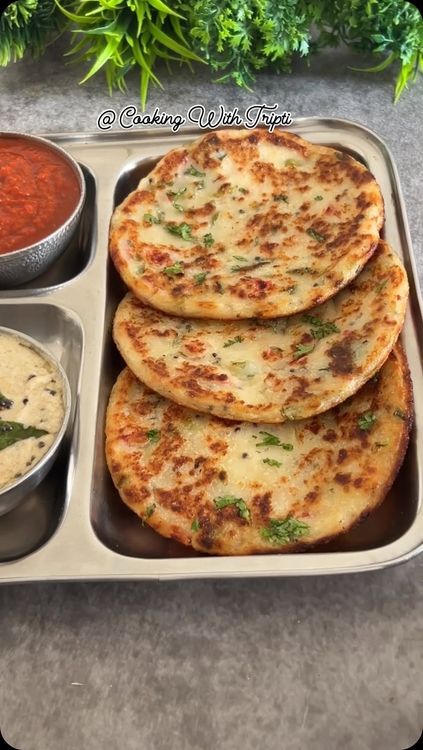
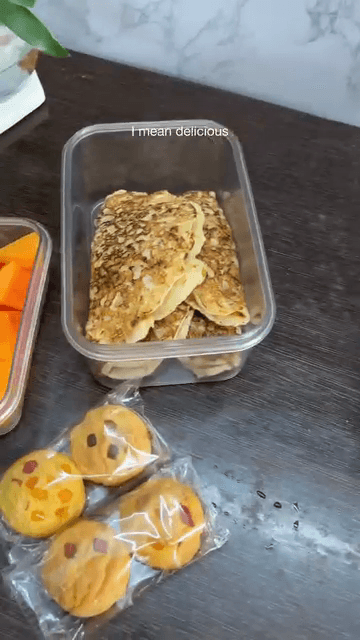
Rice, poha, suji and sago bring starch rather than protein, and they behave differently on the tawa: crisper edges, softer centres, faster browning. The sabudana chilla is the fasting entry here — sago and potato with sendha namak, no gram flour, no onion. The others are what you cook when the dal jar is empty and breakfast is fifteen minutes away. Poha needs a five-minute soak, suji needs ten to swell properly, and rice batter spreads more forgivingly than anything else in this collection.
- Indian
- Vegan
- Breakfast
- Indian
- Vegan
- Breakfast

- Indian
- Vegan
- Breakfast
- Indian
- Vegetarian
- Breakfast
Wholegrain Chilla Recipes: Oats, Ragi and Jowar
Oats, ragi and jowar shift the nutrition without wrecking the texture, provided you accept that they spread thicker than gram flour does. A healthy chilla built on finger millet or sorghum brings real fibre and minerals, and the nuttiness stands up to a strong chutney better than besan can. Grind oats fine before mixing or you will find raw flakes in the middle. All three here hold up in a lunchbox — the jowar one in particular stays sturdy for hours rather than going limp.
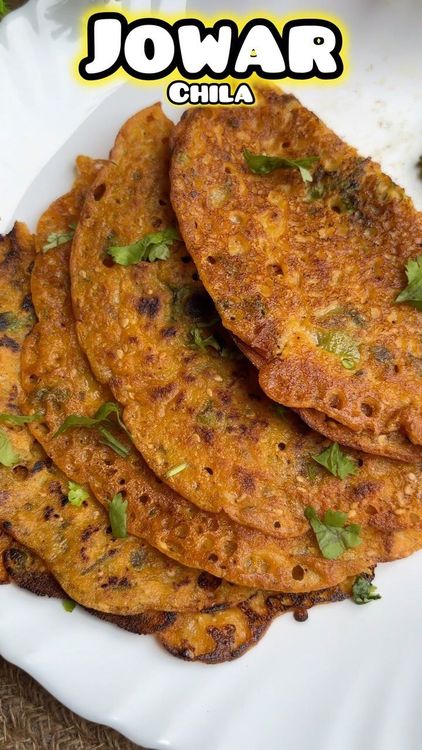
- Indian
- Vegetarian
- Breakfast
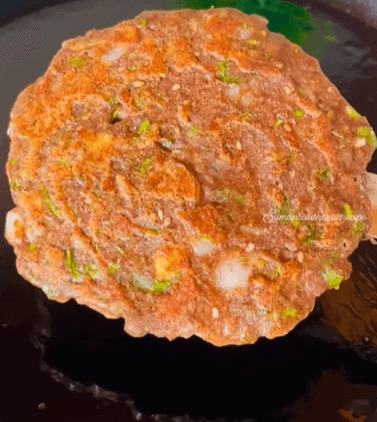
- Indian
- Vegan
- Breakfast
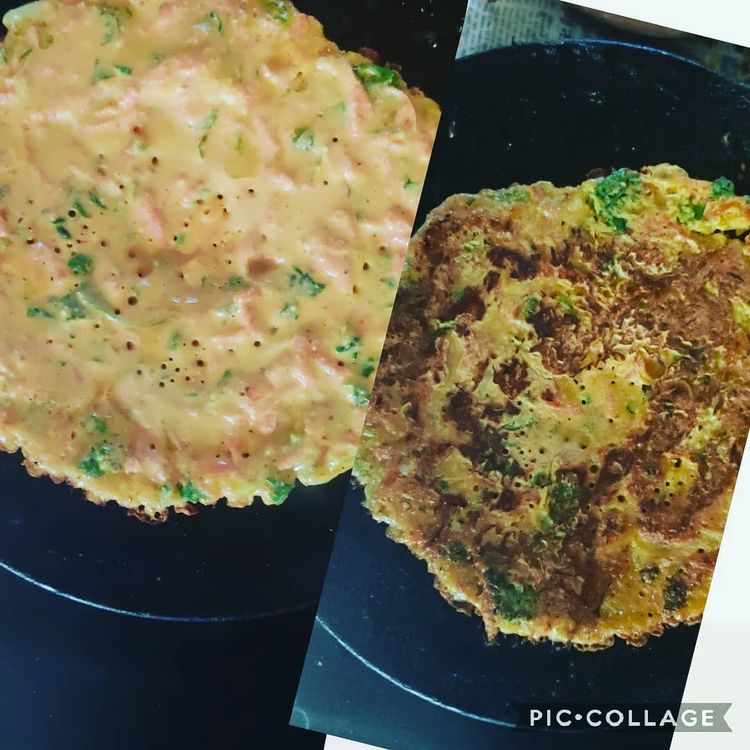

- Indian
- Vegan
- Breakfast
Batter Consistency & Resting
Consistency is the whole game. Pour a spoonful into the palm of your hand and tilt it — the batter should run off in a steady ribbon, not drop in a blob and not sheet away like water. For a moong dal chilla that means grinding the soaked dal with roughly a quarter cup of water per cup of dal, then thinning at the tawa, never at the grinder. Gram flour behaves differently: besan chilla batter thickens noticeably in the first ten minutes as the flour hydrates, so mix it slightly looser than you think you need and check it again just before the first pour.
Resting matters more for ground batters than for flour ones. Twenty minutes lets the dal particles swell and the salt draw out moisture, which softens the grain and gives you a pancake that folds instead of cracking down the middle. Anything past an hour at room temperature and lactic bacteria start working — a pleasant sourness at ninety minutes, an off tang at four hours. Refrigerate if you are going longer than that.
Salt late. Added at the grinder it pulls water out of the vegetables you will fold in later and leaves you with a puddle you cannot spread. I stir it in with the tempering, right before cooking. And skip baking soda entirely — anyone teaching you how to make chilla with soda is compensating for a batter that was too thick to begin with. Fix the water instead and the texture sorts itself out.
Getting Thin Crisp Edges on the Tawa
Heat first, oil second, batter third. A cast-iron or steel tawa needs a full four to five minutes over medium to reach an even temperature — the rim of a cold pan cooks slower than the middle, which is exactly why your first pancake comes out pale in a ring. Test with water: a drop should skitter and vanish in about two seconds. If it sits and boils, wait. If it evaporates instantly with a crack, you are too hot and the batter will seize before it spreads.
Spread from the centre outward in one continuous spiral, using the back of a ladle and light pressure. Hesitate and you will drag half-set batter into ridges that never smooth out. The trick nobody mentions: wipe the pan with a halved onion or a damp cloth between rounds. It drops the surface temperature by about thirty degrees and lifts off the burnt flecks that make the next one stick.
For genuinely lacy edges, drizzle oil around the rim once the top has just lost its wet shine — roughly forty seconds in — and then leave it alone. Every early flip costs you crispness, because you are trading contact time for anxiety. Wait until the edges lift and curl on their own, turn once, press gently with the spatula, and give it thirty seconds more. One flip, always.
Fillings, Chutneys & Serving
The rule for fillings is dry and pre-cooked. Raw onion, tomato and grated lauki all release water on the hot tawa and steam the underside of your pancake into softness. Squeeze grated vegetables in a cloth first, or sauté them for two minutes with salt and let them cool. For a vegetable chilla, I fold the mix into the batter rather than scattering it over the top — scattered pieces sit proud of the surface and burn while the batter beneath them is still raw.
Paneer stuffing wants seasoning that can stand up to a bland gram-flour base: crumbled paneer, chopped coriander, a fat pinch of chaat masala, and lime. Add it to one half only, after the top has set, then fold. Cheese works but goes rubbery on reheating, so treat it as a same-day move rather than something for the lunchbox.
Chutney is not optional. Coriander and mint ground with green chilli, a spoon of roasted chana dal for body, and enough lime that it stays bright green for two days in the fridge. For fasting versions, swap the chilli for black pepper and the salt for sendha namak. Thick curd on the side, a wedge of lime, sliced onion — that is the whole plate, and anything more starts becoming a thali.
Pro Tips
- Soak moong dal in warm water rather than cold — three hours instead of six, and the grind comes out smoother. Drain it properly before grinding, because residual soaking water is the single most common reason a batter turns out too thin to spread cleanly.
- Keep a small bowl of water beside the tawa. Batter thickens between rounds as the pan warms the bowl beside it, and a teaspoon stirred in before every third pour keeps the last pancake of the batch as thin as the first one was.
- Grate ginger rather than grinding it in. Ground fibres catch under the ladle and tear the spreading batter, while grated ginger disperses evenly and its heat comes through cleaner and sharper in the finished pancake. Same logic applies to green chilli.
- Cook on medium, always. High heat sets the surface before the centre cooks and leaves you with a raw, pasty middle under a browned skin. Ninety seconds a side on medium beats forty seconds on high every single time, without exception.
- Freeze the cooked pancakes, not the batter. Ground dal batter separates and turns grey after thawing. Stack cooked ones with parchment between, freeze them flat, and reheat straight from frozen on a dry tawa for ninety seconds a side.
- Taste the batter raw before you cook — a fingertip is enough, and the dal is harmless. Under-salted batter cannot be rescued once it is on the pan, and gram flour in particular needs considerably more salt than seems reasonable at the mixing bowl.
Frequently Asked Questions
What are the easiest chilla recipes for a complete beginner?
Start with a besan-based cheela — no soaking, no grinder, just gram flour whisked with water, salt and ajwain. You can mix it in four minutes and it is forgiving about thickness. Once you are comfortable spreading batter across a hot tawa, move on to the ground-dal versions, which reward technique but punish a rushed grind.
How long should I soak the moong dal before grinding?
Three to four hours in warm water for split yellow moong, or overnight in the fridge if that suits your schedule better. Any longer at room temperature and it begins to ferment, which shifts the flavour sour. A good moong dal chilla depends on the dal grinding to a smooth, aerated paste, and under-soaked lentils simply will not break down.
Can I make cheela without soaking or grinding anything?
Yes — that is the entire appeal of a besan chilla. Gram flour hydrates in about ten minutes, so cupboard to plate is fifteen. Suji, rice flour and poha versions are equally quick, though poha wants a five-minute soak to soften first. Keep gram flour, ajwain and turmeric stocked and you always have breakfast covered.
Do I need a nonstick pan, or will cast iron work?
Both work, but nonstick helps at the start. Cast iron gives better browning and crisper edges once properly seasoned, though learning how to make chilla on bare iron costs you a few sacrificial rounds while the surface builds up. Nonstick forgives a too-thick batter and a too-cold pan. Graduate to iron when your spreading feels confident.
Which of these suit Navratri or other fasting days?
The sabudana chilla is the obvious pick — sago, samak rice flour and boiled potato, with sendha namak instead of table salt and no onion, garlic or gram flour anywhere near it. Check whether your household allows peanuts and green chilli, since rules vary by family. Everything else here uses lentils or besan, both off-limits for strict vrat.
Are these genuinely useful for weight loss?
Reasonably, yes. A healthy chilla made from ground dal runs roughly 90 to 120 calories with about six grams of protein, and the fibre keeps you full well past mid-morning. The real variable is oil — a tablespoon per pancake roughly doubles the count. Brush on half a teaspoon, heat the tawa properly, and skip the cheese.
Can I make the batter ahead of time?
Ground dal batter holds three days refrigerated, gram flour batter two. Both thicken, so loosen with water and re-taste for salt before cooking, since chilled batter always reads flat. Do not freeze batter; the texture never recovers from it. If you want a week of breakfasts, cook the pancakes, cool them completely, then freeze them stacked with parchment.
What should I serve alongside for a proper meal?
Coriander-mint chutney and thick curd cover ninety percent of meals in my kitchen. For a fuller plate, add sliced onion with lime, or roll the pancake around paneer and salad leaves into a wrap for a lunchbox. Leftover sabzi works as a filling too — a spoonful of yesterday's aloo, warmed and folded in, and nobody complains.
That is twenty-two chilla recipes covering every pantry situation I have cooked out of — soaked dal on a slow Sunday, gram flour on a frantic Tuesday, sago on a fasting day. Get the batter thickness right and the tawa properly hot, and the rest is just deciding what you feel like folding in. Start with whatever is already sitting in your kitchen.
Related
- besan cheela
- moong dal
- indian breakfast
- high protein vegetarian
- tawa snacks
- navratri fasting
Popular Searches
- Best chilla recipes
- Easy chilla recipes
- Quick chilla recipes
- Healthy chilla recipes
- Simple chilla recipes
- Homemade chilla recipes
- Delicious chilla recipes
- Popular chilla recipes
- moong dal chilla
- besan chilla
- how to make chilla
- vegetable chilla
Marnirni-apinthi Building, Lot Fourteen,
North Terrace, Adelaide, South Australia, 5000
Australia
