
Top 45 Pressure Cooker Recipes: Dals, Curries, Stews and One-Pot Meals
Updated June 30, 2026 · Curated by Chefadora
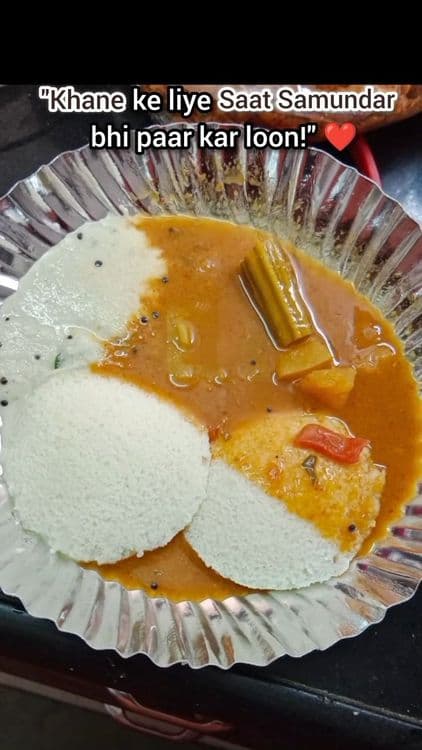
Pressure cooker recipes are the solution to the most common cooking problem: not enough time. What takes two hours on the hob takes twenty minutes under pressure — dried chickpeas become tender, tough goat curry turns fall-off-the-bone, and a pot of dal that usually needs watching becomes a completely hands-off task. The collection here covers the full range of what a pressure cooker does best, from Indian dals and stews to international one-pot meals.
The stovetop pressure cooker and the electric Instant Pot work on the same principle — steam trapped under pressure raises the boiling point of water and cooks food faster at higher temperatures. The difference is control: stovetop models are faster and run hotter, while electric models are programmable, have a keep-warm function and are gentler for delicate dishes. Both appear in this collection; the timing notes in each recipe reflect the type.
You will find four clusters here: the dals and legumes that are arguably the pressure cooker's best use case, rich meat curries and stews that benefit from high pressure turning tough cuts tender, soups and one-pot rice dishes that make a complete meal, and vegetable sides and dishes that would otherwise need long cooking on the stove. Together they cover weeknight dinners, batch cooking and special-occasion stews.
The guides below address the questions that come up most often with pressure cooking — liquid ratios, timing, what to do when the seal does not hold, and how to adapt stovetop recipes to an Instant Pot. Use them alongside the recipes to get confident with the technique rather than nervous about it.
Pressure Cooker Dals & Legumes
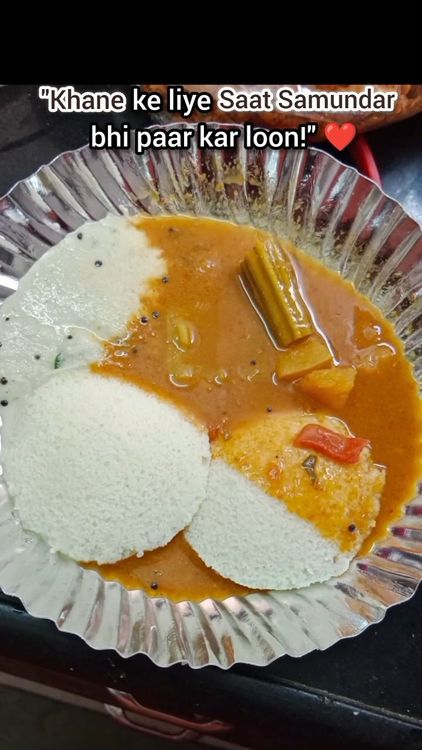
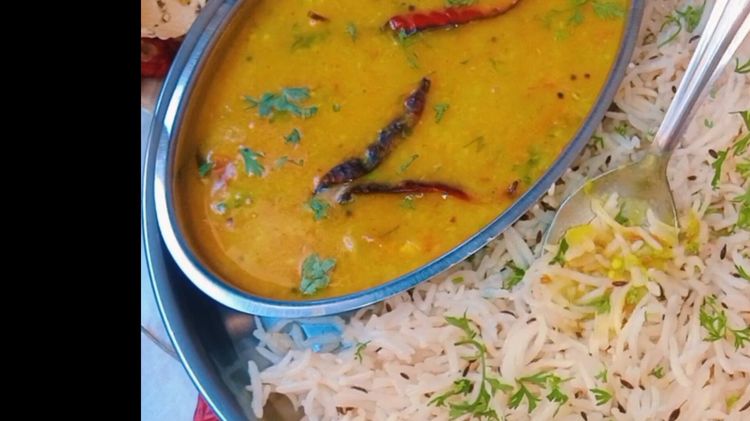
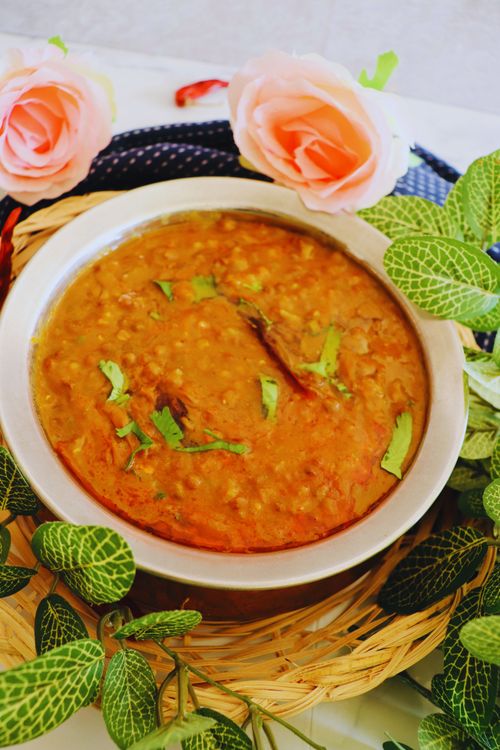
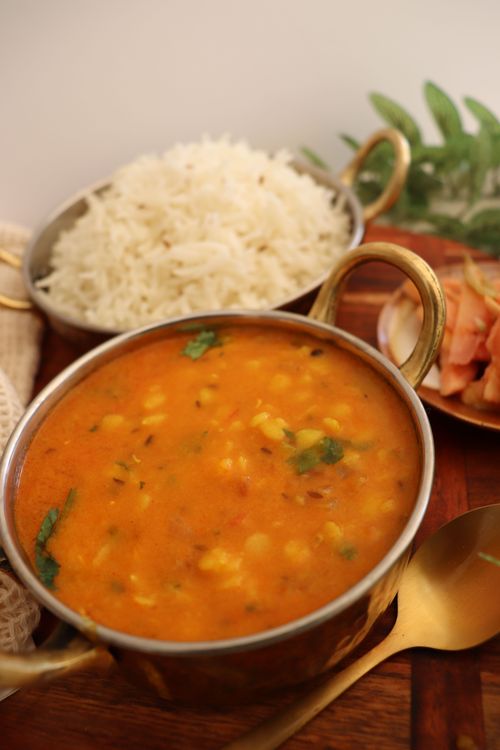
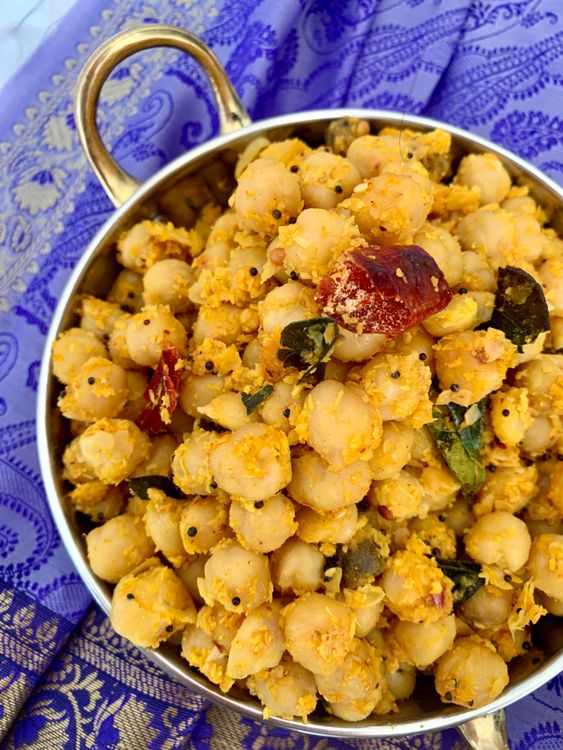
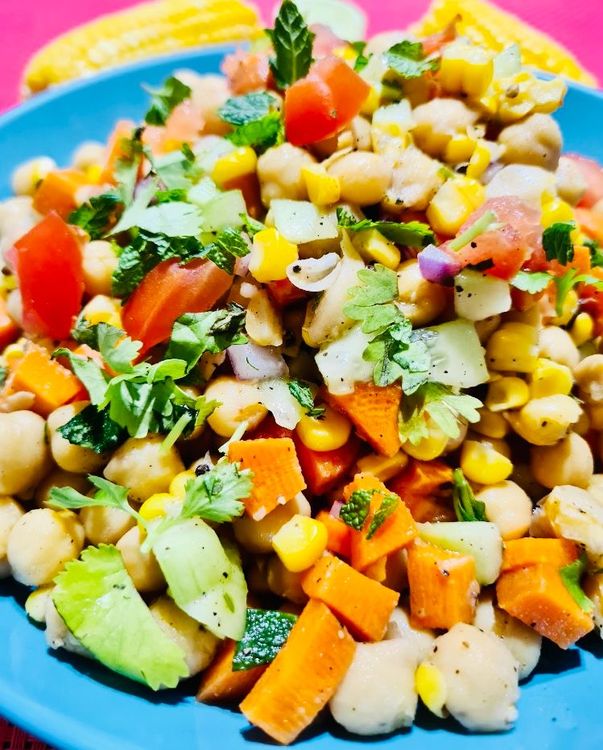
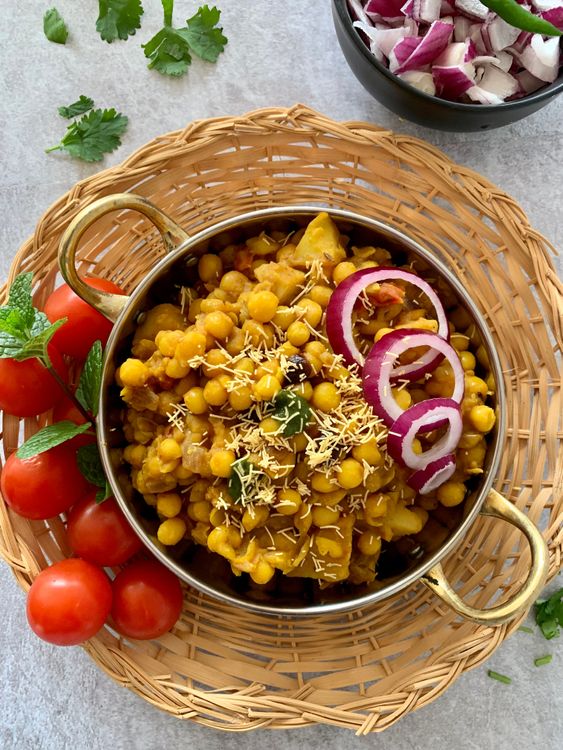
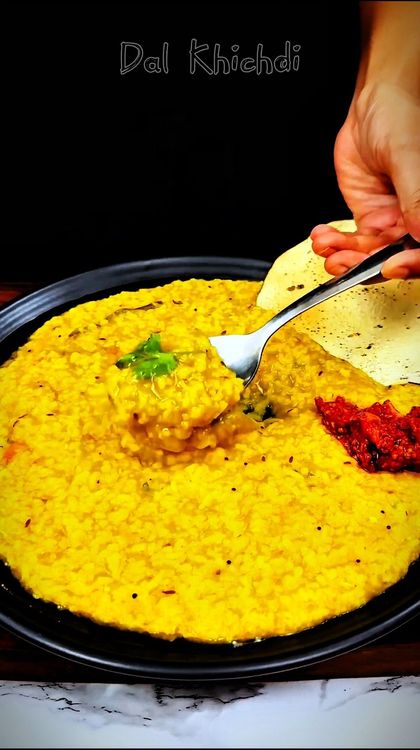
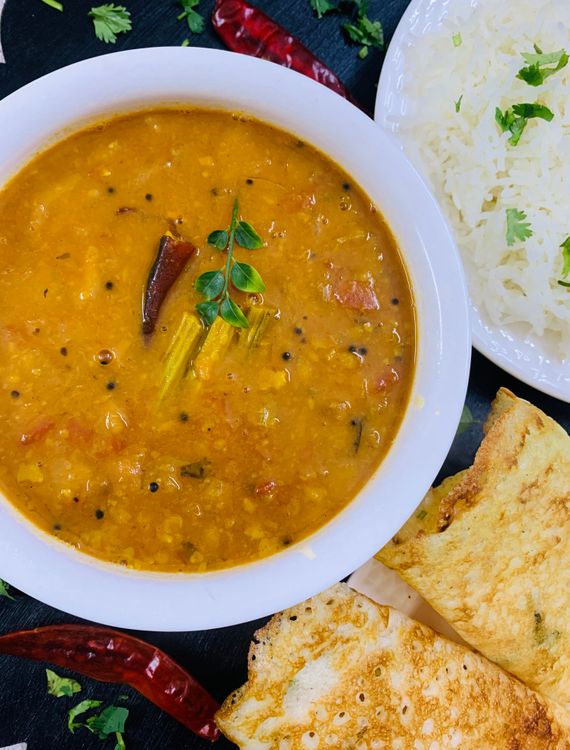
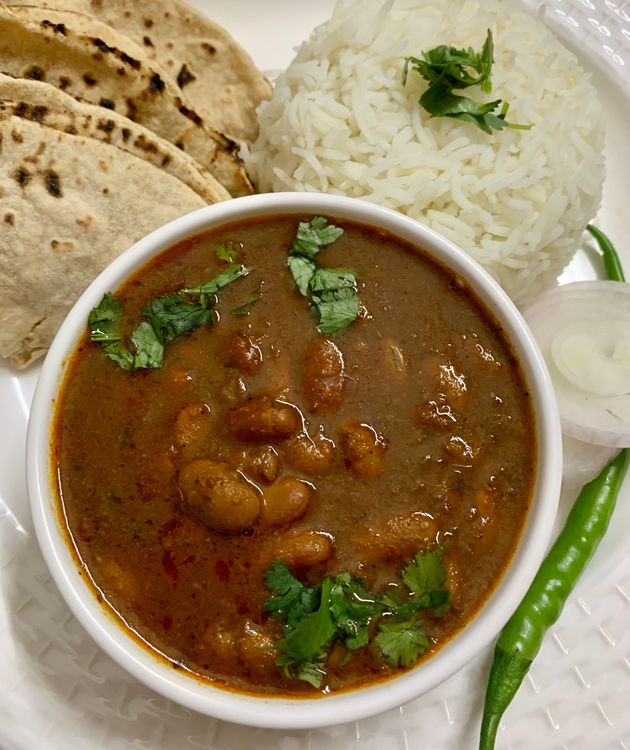
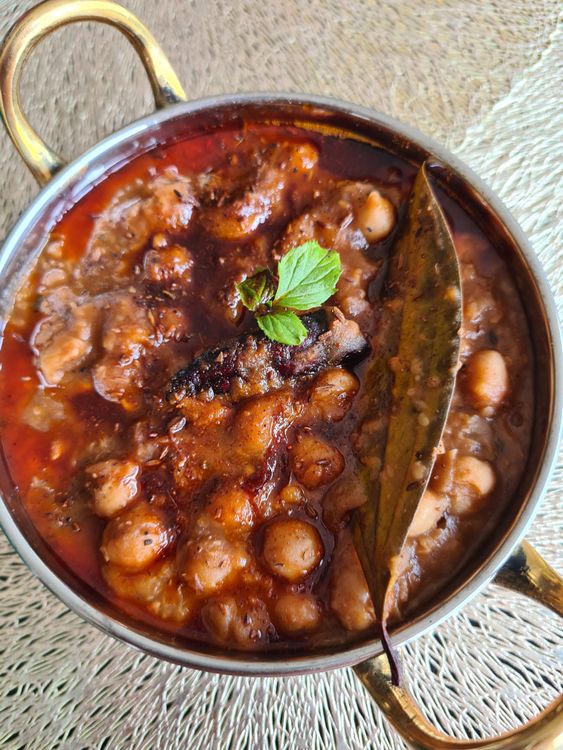
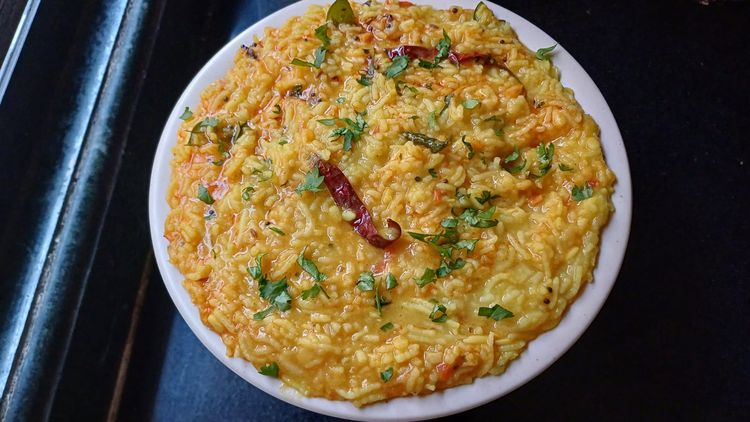
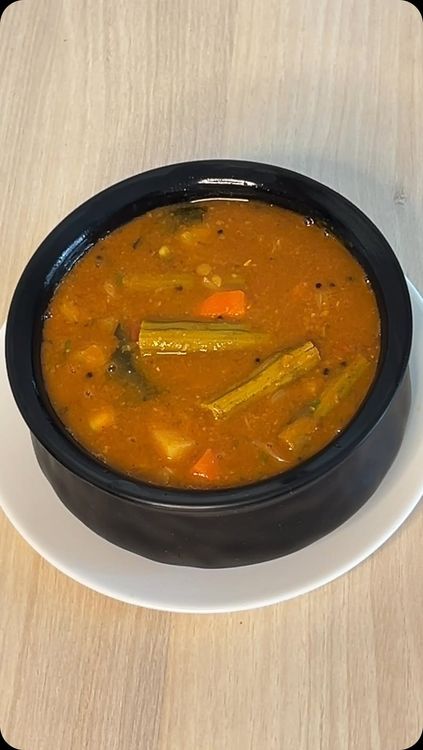
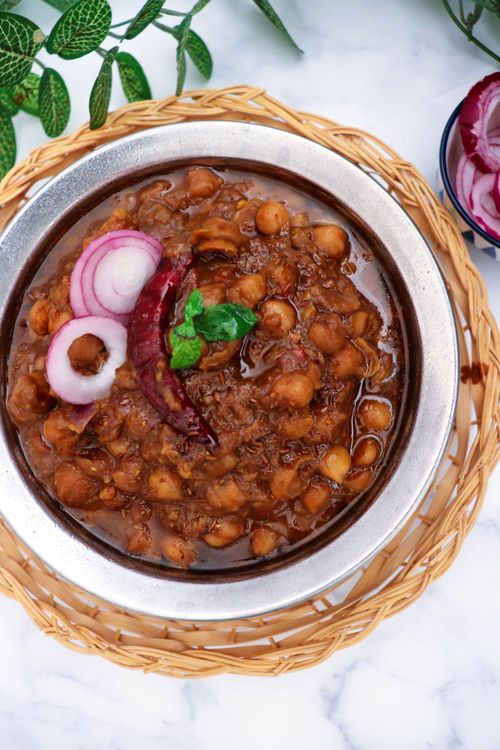
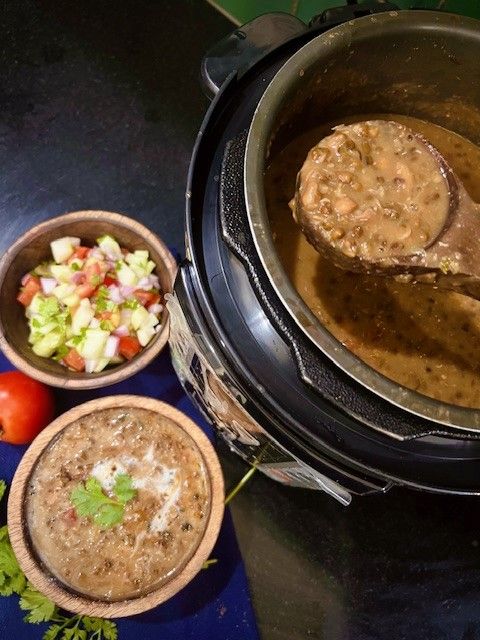
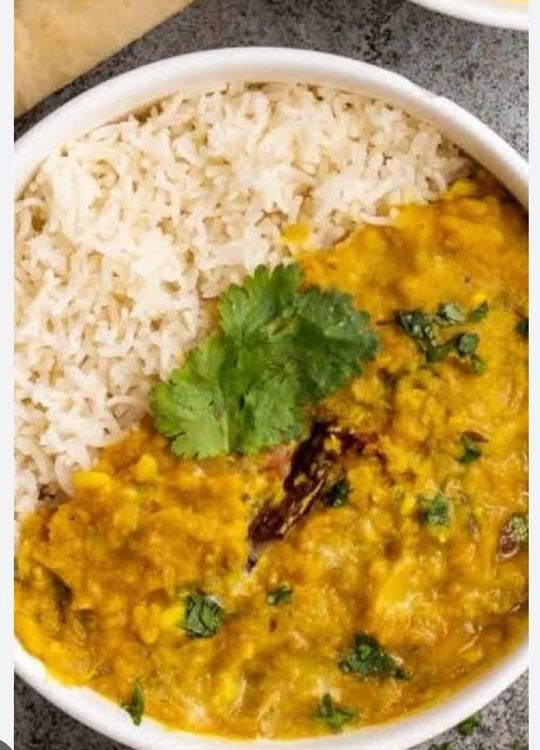
Dals and legumes are where the pressure cooker earns its place in every Indian kitchen — and increasingly in kitchens everywhere. A pot of toor dal that would take forty-five minutes of simmering on the hob, needing occasional stirring and monitoring, takes eight to ten minutes under pressure and needs no attention at all. The same logic applies to whole chickpeas, kidney beans, channa dal, urad dal and the full range of Indian legume cooking. What the pressure cooker does is not just save time — it creates a texture in lentils and beans that is harder to achieve on the stovetop: completely tender throughout with a slightly collapsed creaminess that makes a dal genuinely silky rather than grainy. The recipes here span classic Indian dals (toor, masoor, arhar, channa), sambhar, khichdi, Punjabi channa masala, rajma and a few international bean dishes. The cluster intro principle: rinse legumes thoroughly, never fill the pot past the halfway mark with expanding beans, and add salt only after pressure cooking to keep skins from toughening. Standouts here include Instant Tiffin Sambhar and Instant Dal Fry Tadka, plus Masoor Dal (Brown Lentil Curry).

- Indian
- Non-Vegetarian
- Lunch
- Indian
- Vegetarian
- Lunch

- Indian
- Vegetarian
- Lunch
- Indian
- Vegetarian
- Lunch
- Indian
- Vegan
- Appetiser

- Indian
- Vegan
- Dinner
- Vegan
- Appetiser
- Indian
- Vegan
- Snack
- Indian
- Vegetarian
- Breakfast
- Indian
- Non-Vegetarian
- Lunch
- Indian
- Vegan
- Lunch
- Indian
- Vegetarian
- Lunch
- Indian
- Vegetarian
- Lunch

- Indian
- Vegan
- Lunch
- Indian
- Vegetarian
- Dinner
- Indian
- Vegetarian
- Lunch
- Indian
- Vegetarian
- Lunch

- American
- Gluten-Free
- Lunch
Pressure Cooker Meat Curries & Stews
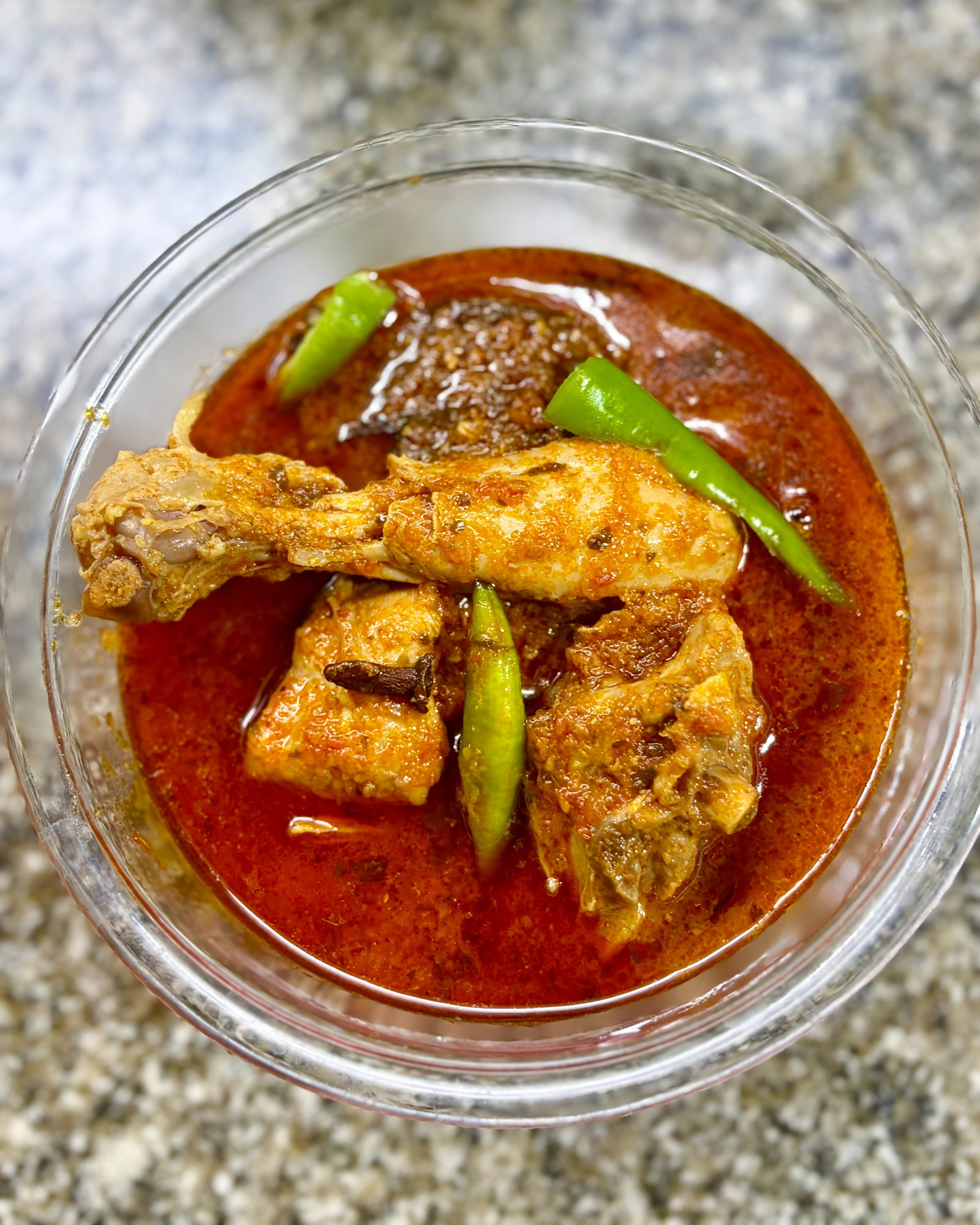
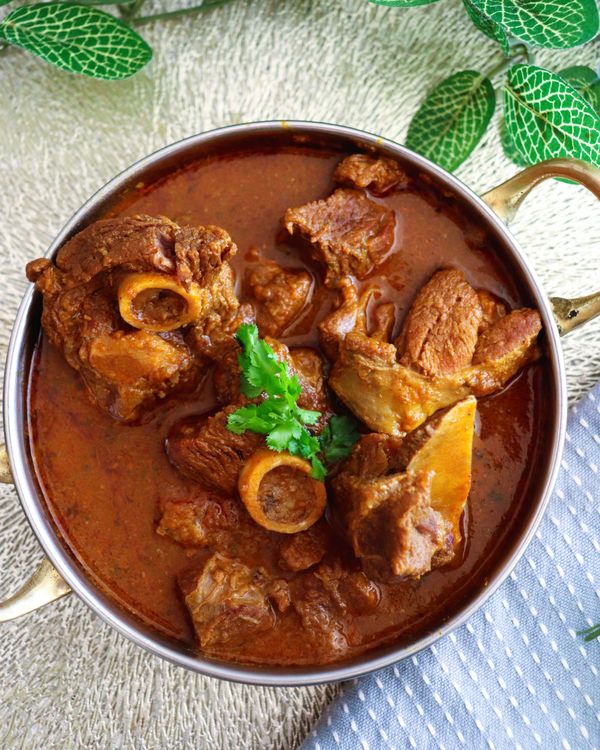
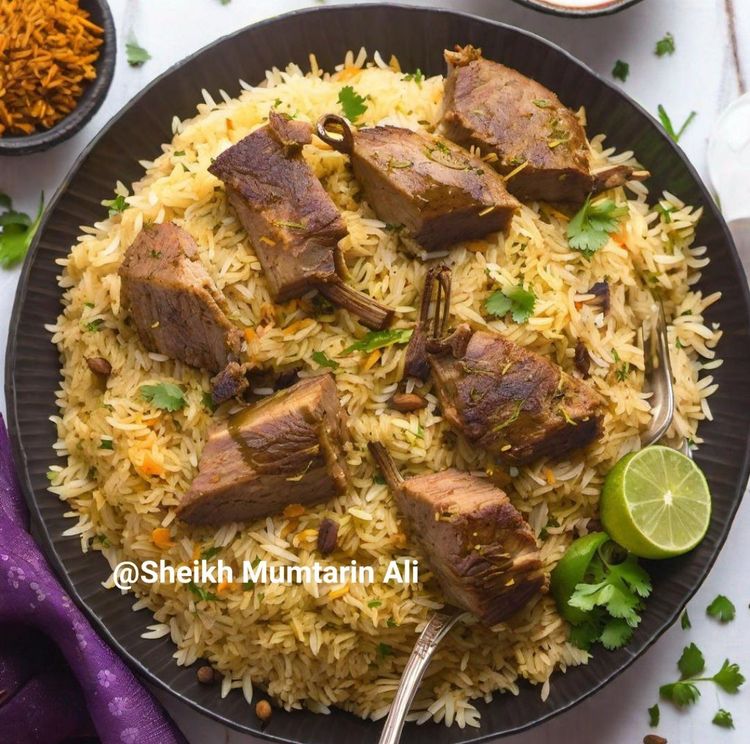
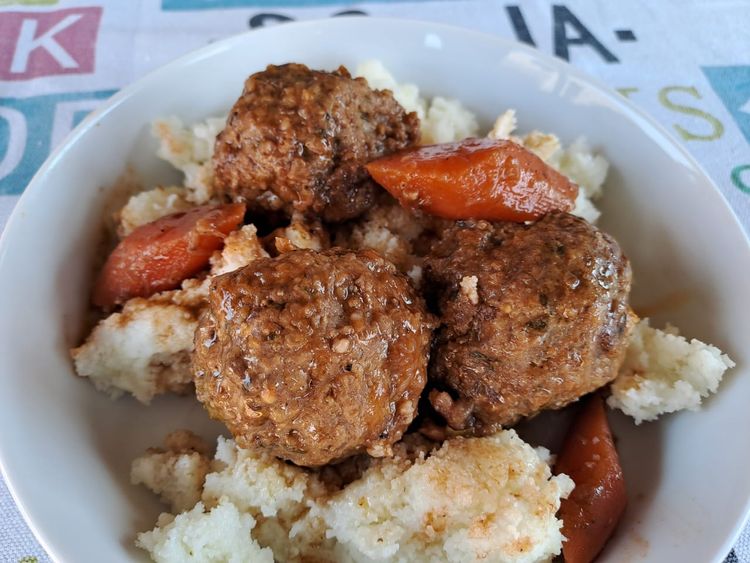
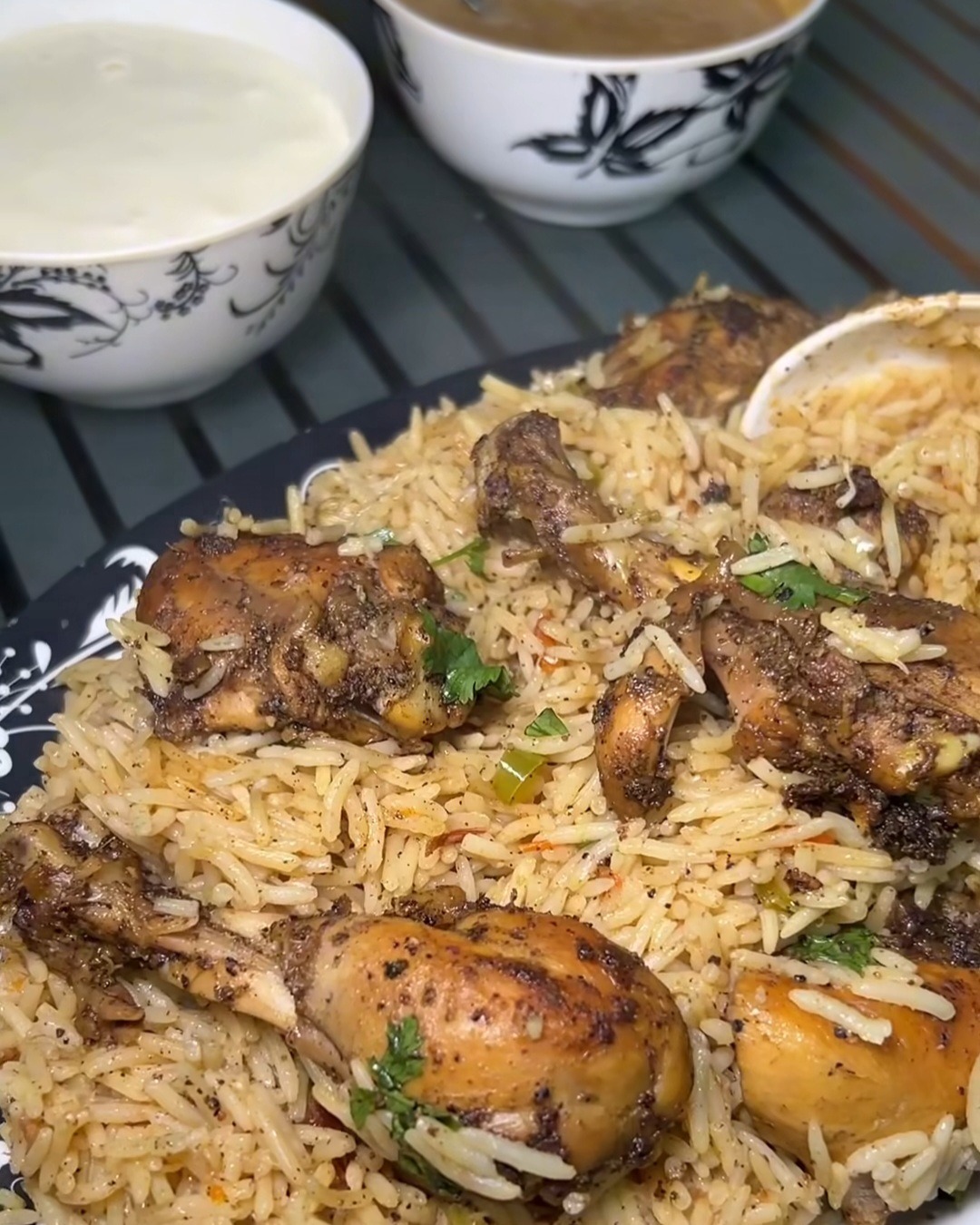
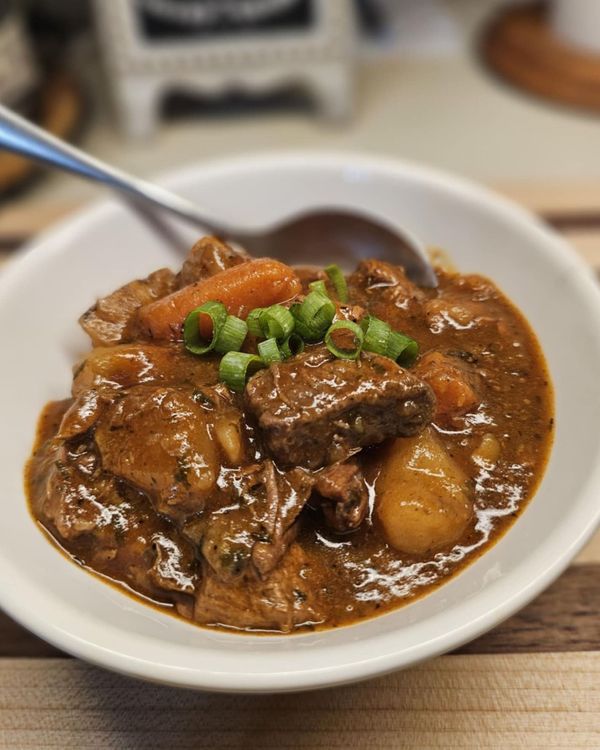
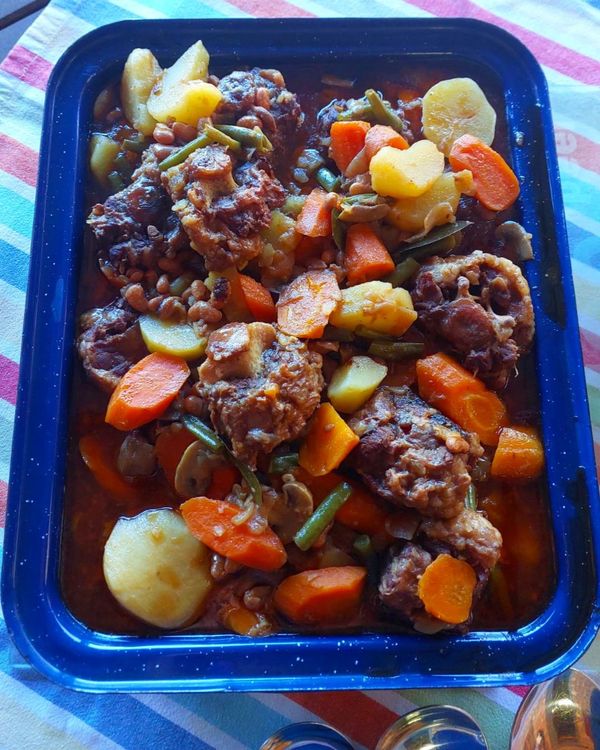
Tough cuts of meat — bone-in goat, beef oxtail, pork shin — are the pressure cooker's other great victory. Cuts that need four to six hours on the hob or in the oven to become tender take thirty to sixty minutes under pressure, and the result is indistinguishable from long-braised cooking because the mechanism is the same: collagen converts to gelatin, fat renders and the cooking liquid becomes rich and sticky. Dhaba-style mutton curry, Himachali khatta mutton, beef rendang (adapted for the Instant Pot), oxtail stew and venison meatballs are all here — dishes with deep cultural roots in slow cooking that translate beautifully to the pressure cooker without losing character. The key technique for meat: always brown in batches over high heat before sealing the lid, and always natural-release (not quick-release) so the meat fibres relax back rather than tightening when the pressure drops suddenly. Pressure-cooked meat curries, like all braises, taste significantly better the next day. Standouts here include Indonesian Oxtail Soup (Sop Buntut) and Indonesian Beef Stew (Rendang) — with Instant Pot, plus One-Pot Chicken Curry (Pressure Cooked).


- Gluten-Free
- Soup

- Vegetarian
- Dinner
- Non-Vegetarian
- Lunch
- Indian
- Non-Vegetarian
- Lunch
- Indian
- Non-Vegetarian
- Lunch
- South African
- Non-Vegetarian
- Lunch
- Middle Eastern
- Non-Vegetarian
- Dinner

- Indian
- Non-Vegetarian
- Dinner
- American
- Gluten-Free
- Lunch
- South African
- Non-Vegetarian
- Dinner
Pressure Cooker Soups & One-Pot Meals
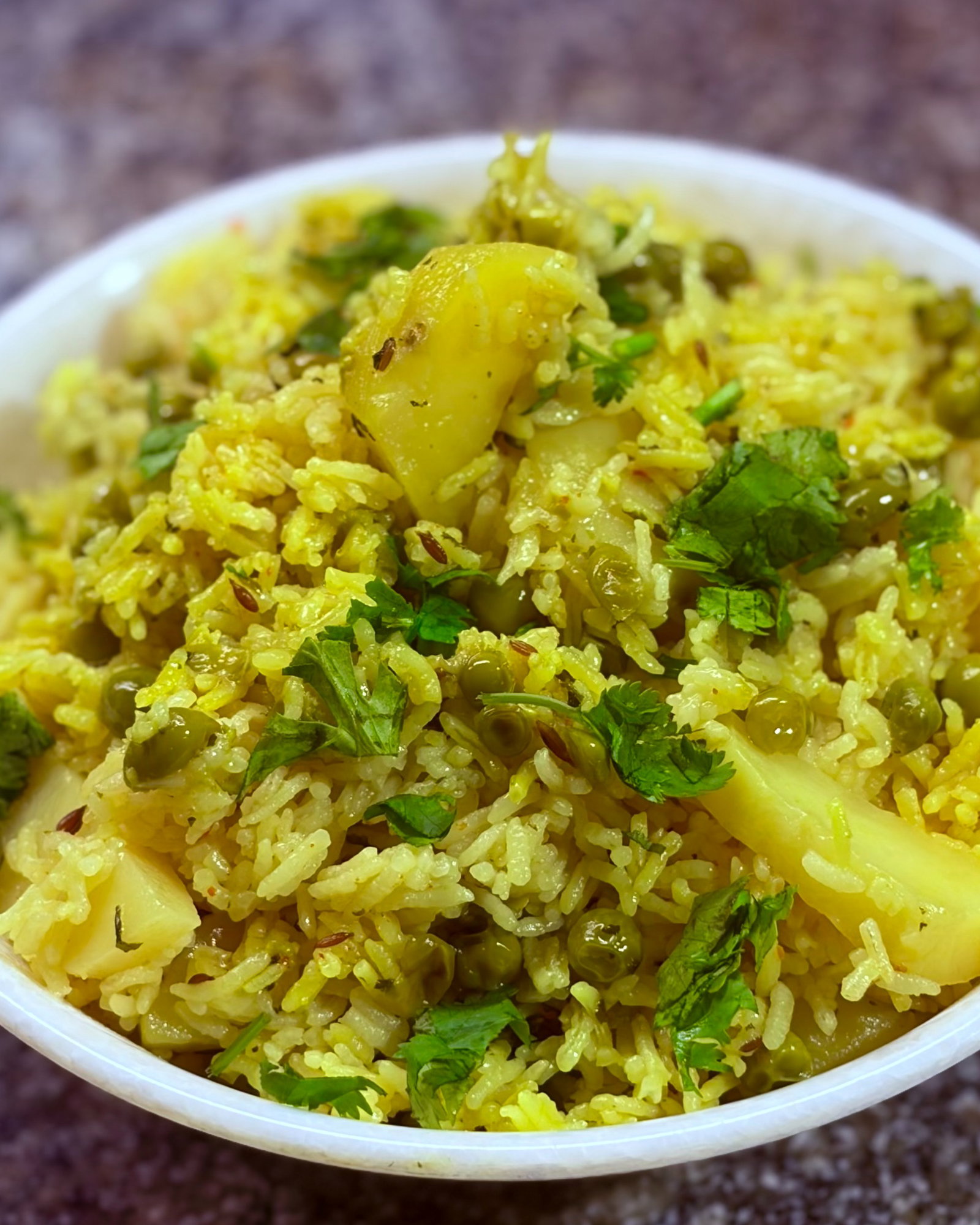
Soups, pulao and one-pot rice dishes are ideally suited to the pressure cooker because the sealed environment traps all the steam and flavour that would otherwise escape. A classic tomato soup, a chicken sweetcorn noodle soup, sambhar, and Indonesian oxtail soup all come together in one vessel with no lid-lifting and no stock reduction required. Rice dishes like mutton yakhni pulao and achari paneer biryani use the pressure cooker to infuse the rice with the cooking liquid in a way that produces more flavour per grain than open-pot cooking. The pav bhaji recipe in this cluster uses the pressure cooker for the vegetable base — mashing vegetables that have cooked to complete softness under pressure produces a smoother, more integrated texture than stovetop methods. The one-pot principle reduces washing up to a single vessel, which is reason enough to use the pressure cooker even when speed is not the priority. Standouts here include Classic Tomato Soup and Chicken Sweetcorn Noodles Soup , plus Achari Paneer Biryani.
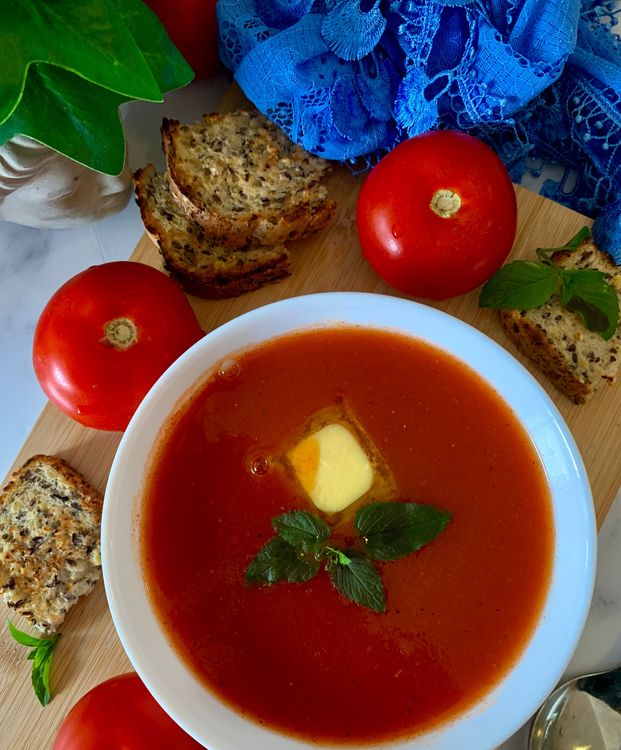
- Indian
- Vegetarian
- Appetiser
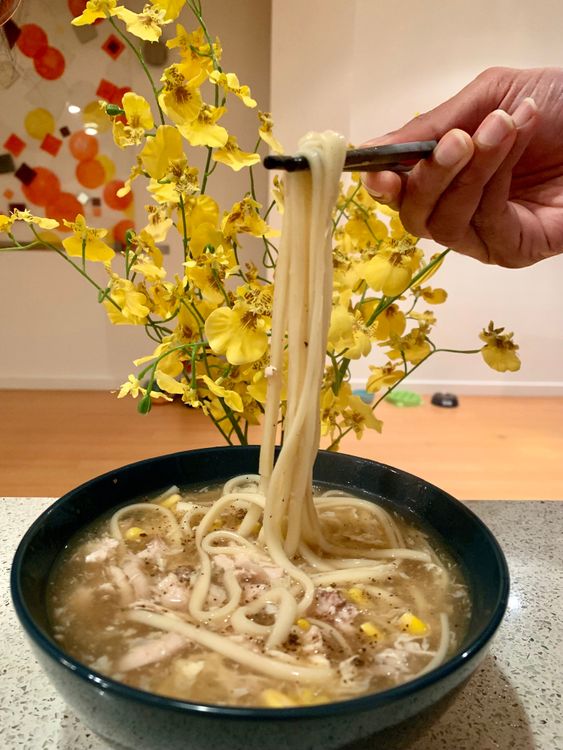
- Chinese
- Non-Vegetarian
- Appetiser
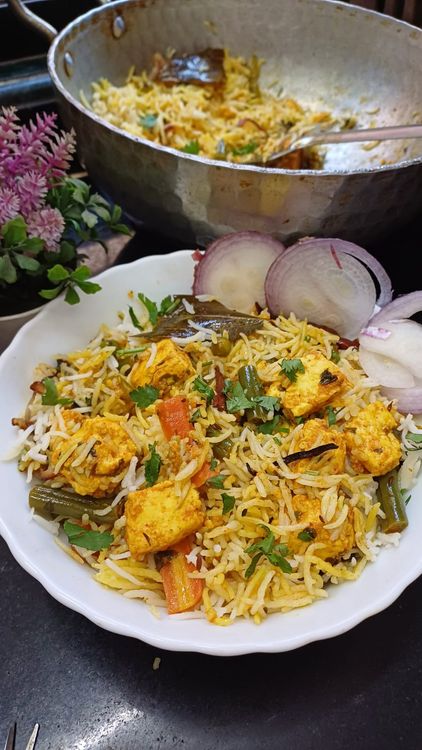
- Indian
- Vegetarian
- Lunch
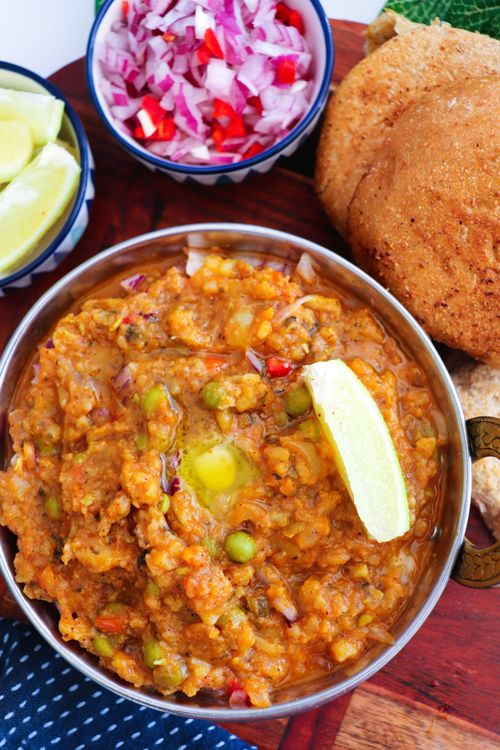
- Indian
- Vegetarian
- Breakfast
- Indian
- Vegetarian
- Dinner
Pressure Cooker Vegetables & Sides
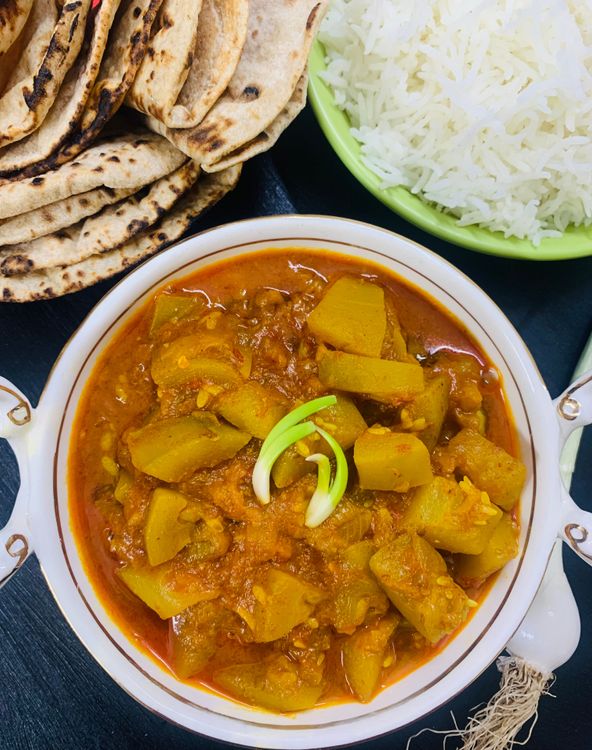
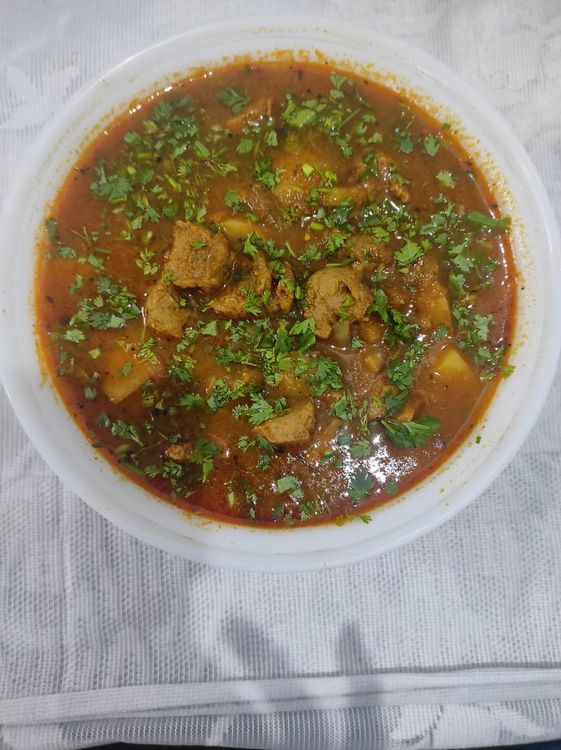
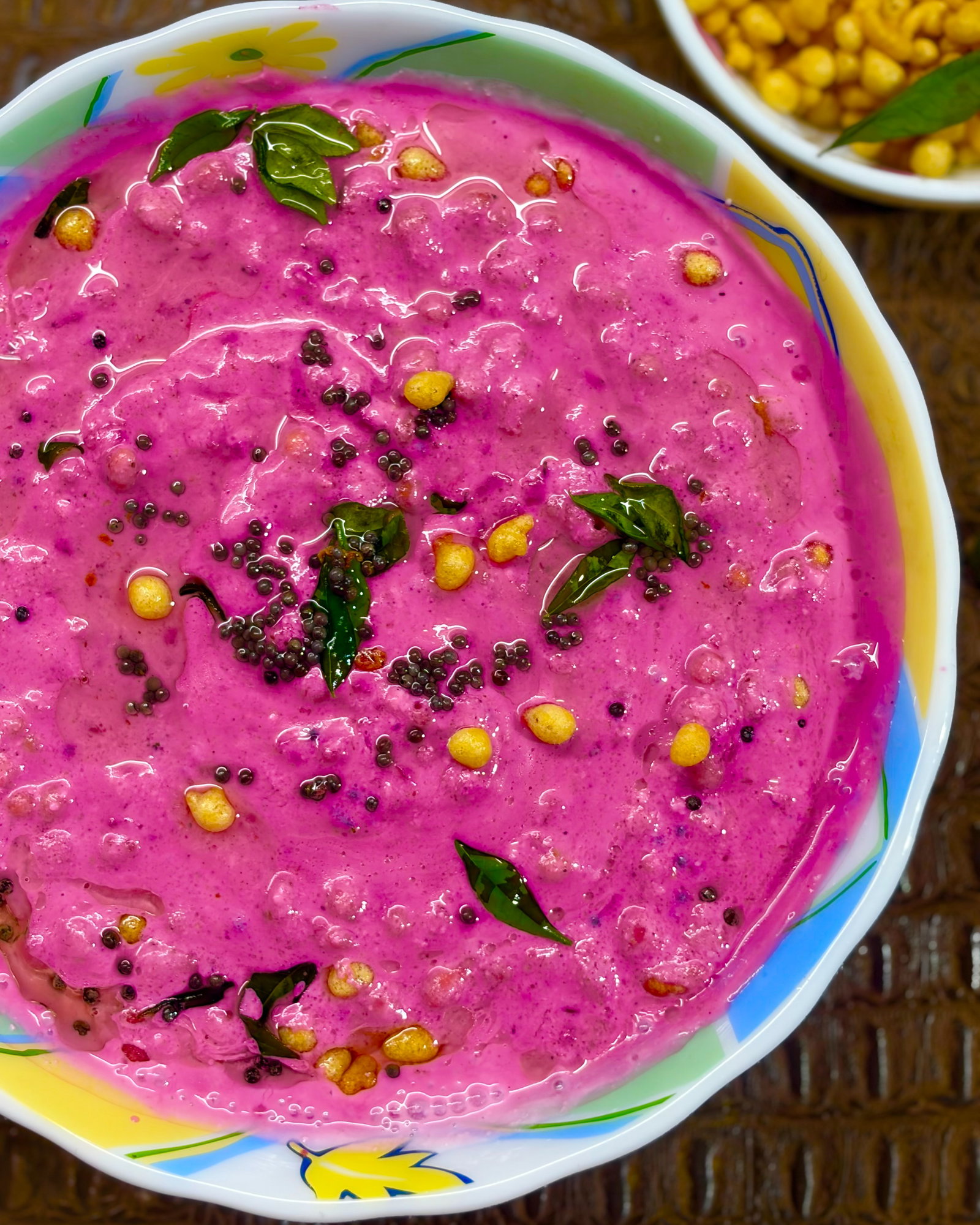
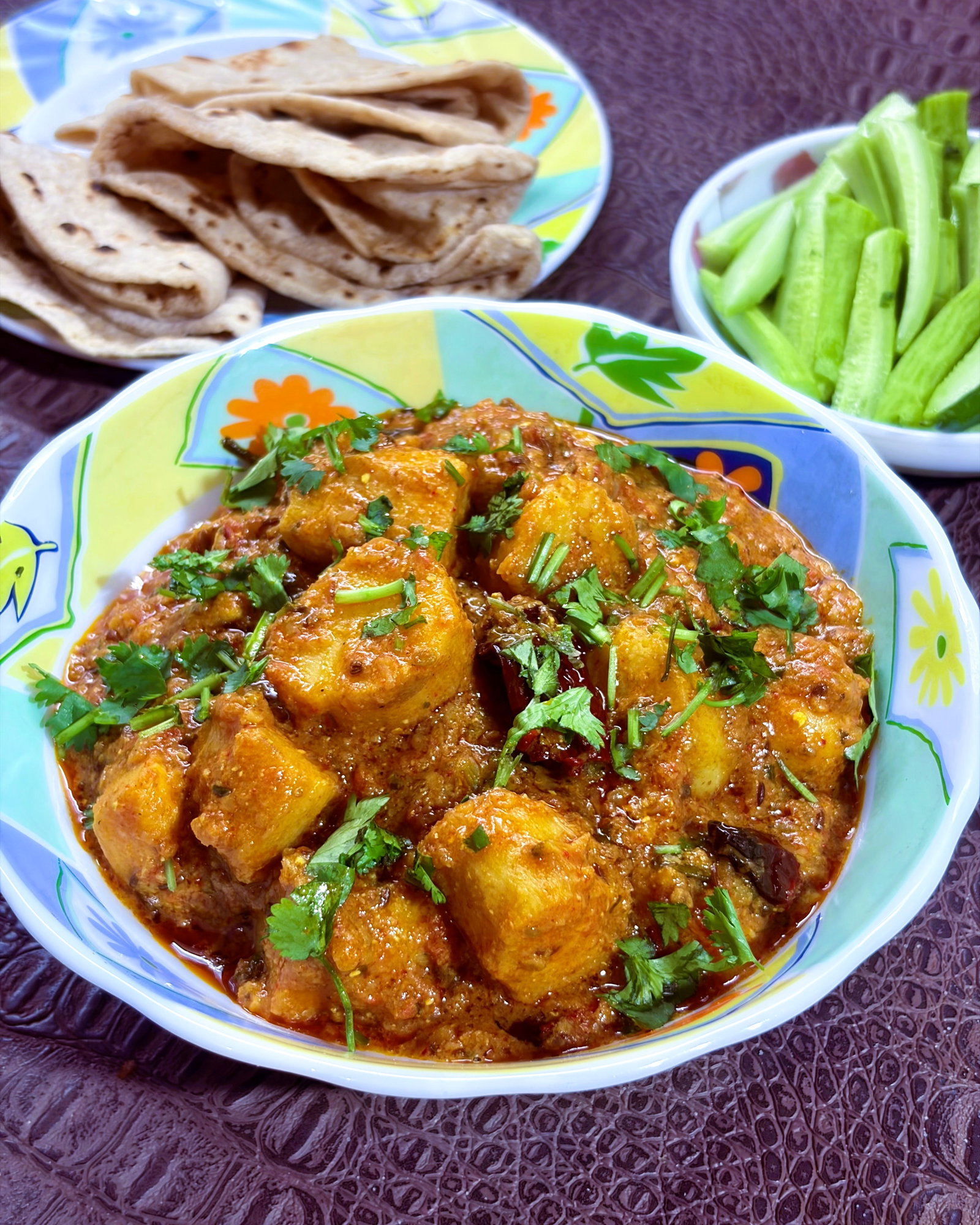
Vegetables that take time on the stovetop — bottle gourd, beetroot, potatoes, arbi — cook to tender in three to eight minutes under pressure, making them viable for weeknight side dishes rather than weekend cooking projects. The pressure cooker is also particularly useful for dishes that combine vegetables with legumes (aloo matar, soya chunks with potato gravy) where the two components have different cooking times: the legumes benefit from pressure cooking while the vegetables are added after, cooking in the residual heat. Raitas in this cluster use the pressure cooker not for the yoghurt itself but for the vegetables and boondi base — beetroot raita is an example where the dramatic colour comes from properly cooked beetroot. A note on vegetable timing: be conservative. Three to four minutes is usually enough for most gourds; potatoes take five to six. One extra minute can tip a vegetable from tender to mushy, and there is no rescue for overcooked vegetables the way there is for undercooked ones. Standouts here include Bottle Gourd Curry (Lauki Sabzi) and Soya chunks and Potato Gravy ( Nutri Aloo ), plus Healthy Boondi Raita.
- Indian
- Vegetarian
- Lunch

- Indian
- Vegan
- Lunch
- Indian
- Vegetarian
- Snack
- Indian
- Vegetarian
- Dinner

- Indian
- Vegetarian
- Side Dish

- Indian
- Eggetarian
- Dinner
More Pressure Cooker Favourites
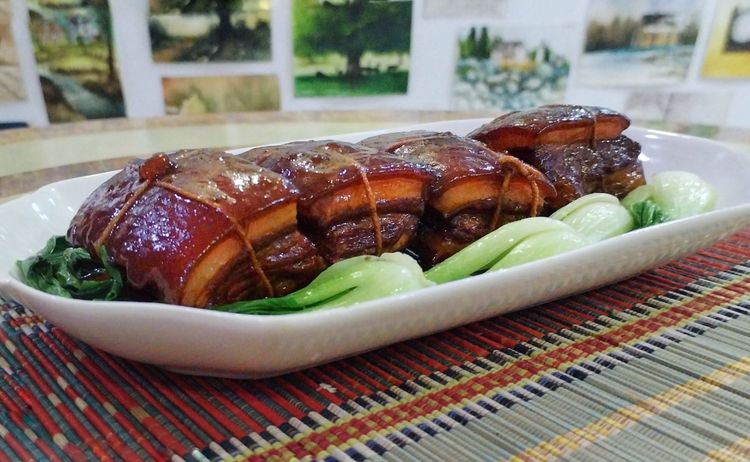
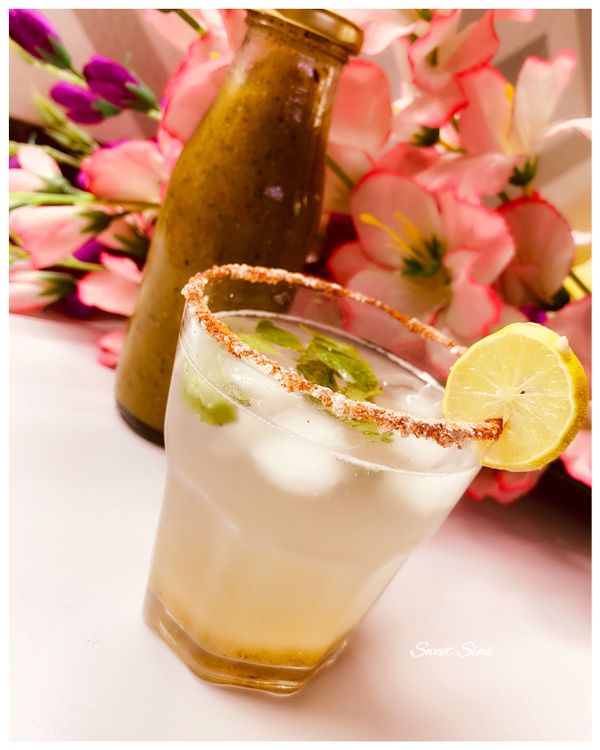
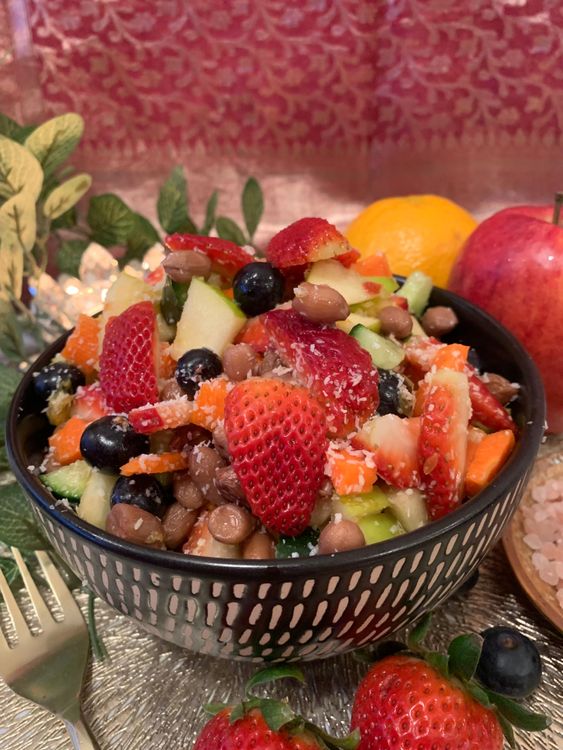
A few more dishes worth a place in your rotation — same techniques, different results. Standouts here include Dong Po Rou (东坡肉) and AAM PANNA, plus Chilli Orange Fruit Salad.
- Chinese
- Non-Vegetarian
- Lunch

- Indian
- Vegan
- Appetiser
- Indian
- Vegetarian
- Appetiser
- Indian
- Vegan
- Snack

- Indian
- Eggetarian
- Dessert

- Indian
- Vegan
- Beverage
Liquid Ratios and Getting the Pressure Right
Every pressure cooker needs a minimum amount of liquid to generate steam — typically around 250 ml (one cup) for most models, though always check your manual. Too little liquid and the cooker will not come to pressure or will scorch the bottom; too much and you dilute the flavours of a curry or stew that needs concentration. For soups, use the full recipe liquid. For curries and dals, use the minimum required plus whatever the recipe specifies.
Starchy ingredients — lentils, rice, split peas — absorb a lot of liquid and can thicken dramatically under pressure, sometimes causing the pressure release valve to sputter. With these, rinse well before cooking (rinsed starch reduces foaming), fill the pot no more than halfway, and use the natural pressure release rather than a quick release to give the starch time to settle before you open the lid.
Adjusting for altitude matters more than most people realise. At altitudes above 1000 m, water boils at a lower temperature even under pressure, so food takes longer. A general rule is to increase cooking time by five percent for every 300 m above sea level. If your lentils or beans are consistently coming out undercooked, altitude adjustment (or simply adding a few more minutes) is often the answer.
Timing for Dals, Meat and Vegetables
The most useful investment with pressure cooking is a reliable timing chart, because times vary significantly by ingredient. Toor dal and masoor dal (split lentils): 8–10 minutes on high pressure. Channa dal and urad dal: 15–18 minutes. Whole dried chickpeas (soaked): 20–25 minutes. Unsoaked dried chickpeas: 35–40 minutes. Rajma (kidney beans, soaked): 25–30 minutes. Soaking dried legumes overnight always shortens cooking time significantly.
For meat, timing depends on cut and size. Bone-in goat or mutton: 25–30 minutes for tender curry. Beef short ribs or oxtail: 45–60 minutes for fall-off-the-bone. Chicken pieces (bone-in): 12–15 minutes, though many cooks prefer a shorter 10 minutes to avoid dry chicken. Venison and tougher game meats: 30–40 minutes depending on cut. Always natural-release for meat; a sudden pressure drop tightens the fibres.
Vegetables are where over-cooking happens most often. Root vegetables like potato and beetroot: 6–8 minutes. Bottle gourd (lauki) and other soft gourds: 3–4 minutes. Most vegetables added to a dal or curry cook in the residual heat after pressure is released, so it is often best to cook the base under pressure and stir vegetables in at the end.
Adapting Stovetop Recipes for the Instant Pot
Most stovetop pressure cooker recipes convert to the Instant Pot with two main adjustments: reduce the cooking time by about 25 percent (the Instant Pot runs at slightly lower pressure than most stovetop models), and increase the liquid slightly (the Instant Pot does not lose steam during cooking the way a stovetop model does, so evaporation is minimal). A curry that calls for 30 minutes on the stovetop pressure cooker is usually done in 20–22 minutes in the Instant Pot on high pressure.
The Instant Pot's sauté function is useful for browning aromatics and building the spice base before switching to pressure mode — you do not need to dirty a separate pan. Use sauté on "more" (high heat) for onions and "normal" (medium) once the tomatoes go in. Deglazing with a little water before sealing avoids the "burn" warning that comes when dried spices or tomato paste stick to the bottom.
One category that works better on the stovetop pressure cooker: anything you want to reduce and concentrate after pressure cooking. The Instant Pot's keep-warm mode is too gentle to drive off liquid efficiently, while a stovetop model can be left open on the hob to reduce the sauce. For the Instant Pot, reduce with the sauté function on "more" after pressure, stirring to avoid scorching.
Batch Cooking and Storing Pressure-Cooker Meals
Pressure cookers are ideal for batch cooking because they make large quantities quickly. Dals double or triple without changing cooking time; stews scale well within the pot's fill limit (never above two-thirds full for liquids, half full for expanding foods like beans). Cook a large batch on Sunday, portion into containers and refrigerate for the week — dal, in particular, reheats beautifully and often tastes better on day two.
For freezing, pressure-cooked dals, legumes, curries and stews all freeze excellently for two to three months. Cool completely before portioning into freezer bags or containers, leave a centimetre of headspace, and label with the date and dish name. Thaw overnight in the fridge or reheat from frozen in a saucepan with a splash of water on low heat. Rice and pulao are better made fresh — frozen cooked rice goes grainy on reheating.
The pressure cooker also excels at rehydrating dried foods quickly: soaking is optional for most legumes if you add fifteen to twenty minutes to the cooking time, and dried mushrooms or pulses that normally need overnight soaking can go in dry with extra liquid. This is the real time-saving for weeknight batch cooking — no planning ahead required.
Pro Tips from the Test Kitchen
- Always use at least one cup (250 ml) of liquid in the pressure cooker to generate enough steam — check your model's minimum.
- Rinse lentils and split peas before cooking to reduce foaming and prevent the valve from sputtering.
- Never fill the pot more than two-thirds full with liquid, or half full with foods that expand (beans, rice, grains).
- Natural pressure release is best for meat — a sudden release tightens the muscle fibres and makes tender cuts chewy.
- Use the sauté function on the Instant Pot to brown aromatics before sealing; deglaze with water to avoid the burn warning.
- Soaked dried beans cook 15–20 minutes faster than unsoaked — overnight soaking is worth the minimal planning effort.
- Add salt to dals at the end of pressure cooking, not before — salt toughens the skin of legumes when cooked under pressure.
- Reduce the stovetop pressure cooker time by about 25% when converting to the Instant Pot, and add a splash more liquid.
- Dal and stew almost always taste better reheated the next day as the spices continue to meld overnight.
- Cook rice and legumes separately rather than together if they have very different cooking times to avoid one being overcooked.
Frequently Asked Questions
What is the best thing to cook in a pressure cooker?
Dried legumes (dals, chickpeas, kidney beans) and tough cuts of meat (goat, beef, oxtail) are where a pressure cooker transforms the cooking experience most dramatically. Lentils that would take 45 minutes on the hob take 10–15 minutes under pressure. Bone-in mutton that would need two hours of simmering is tender in 25–30 minutes. One-pot rice dishes and hearty soups also come out beautifully.
What is the difference between a pressure cooker and an Instant Pot?
A stovetop pressure cooker is a manual pot that you place on the hob, adjust the heat yourself, and time from when the whistle sounds or the pressure indicator rises. An Instant Pot is an electric multi-cooker with a sealed lid that automates the pressure cycle, has preset programmes, a sauté function and a keep-warm mode. Both use the same principle; stovetop models run hotter and are faster, while Instant Pots are programmable and more beginner-friendly.
How much water do you put in a pressure cooker?
Always check your model's manual, but most pressure cookers require a minimum of 250 ml (one cup) of liquid to generate enough steam to come to pressure. For soups and dals, the recipe liquid usually well exceeds this minimum. For curries, you may need to add a small amount of water beyond what the recipe calls for on the stovetop. Never exceed two-thirds of the pot's capacity with liquid.
Do I need to soak beans before pressure cooking?
Soaking is not strictly required, but it reduces cooking time by 15–20 minutes and makes beans easier to digest. If you forget to soak, add the extra time and increase your liquid slightly. Hard legumes like whole chickpeas and kidney beans particularly benefit from soaking; split lentils (masoor, toor) do not need it at all since they cook quickly regardless. Always discard the soaking water and use fresh water for cooking.
How do I convert a regular recipe for a pressure cooker?
Reduce the cooking liquid by about 25 percent (no evaporation under pressure), and reduce the cooking time to roughly one-third of the original. A braise that takes 90 minutes on the hob takes about 30 minutes under pressure. For the Instant Pot specifically, reduce stovetop pressure cooker times by a further 25 percent. Always start with less time — you can add more, but you cannot undo overcooked food.
Why does my pressure cooker take a long time to come to pressure?
Several common causes: the sealing ring is not seated properly (remove and reseat it), the lid is not locked correctly, the vent valve is in the wrong position (should be sealed, not venting), or there is not enough liquid to generate steam. For an Instant Pot, a "burn" message usually means food is stuck to the bottom — deglaze before pressurising. Cold ingredients straight from the fridge also add several minutes to come-to-pressure time.
Can you overcook food in a pressure cooker?
Absolutely — pressure cooking concentrates time, so a few minutes over can mean the difference between tender and mushy. Vegetables in particular go from perfectly cooked to disintegrated quickly; add them after pressure cooking whenever possible. Chicken breast overcooks even faster than on the stovetop, so keep times conservative (10 minutes maximum) and use natural release. Start with the lower end of the suggested range and add time if needed.
What recipes are good for an Instant Pot beginner?
Start with the dishes where pressure cooking has the most dramatic payoff and the least risk of overcooking: a simple toor dal or masoor dal (hard to ruin, ready in minutes), a chicken curry with bone-in pieces (forgiving), or a sambhar. These build confidence with the machine — how it comes to pressure, when to use natural versus quick release — before moving to more time-sensitive dishes like rice or vegetables.
Is pressure cooking healthy?
Pressure cooking is generally considered one of the healthier cooking methods. The shorter cooking times preserve more water-soluble vitamins (particularly vitamin C and B vitamins) than long boiling. Because food cooks quickly in its own moisture, there is less need for added fat. Legumes become more digestible under pressure as complex starches break down. The higher temperature does break down some heat-sensitive nutrients, but overall the nutritional profile compares favourably to long stovetop cooking.
Can I cook rice in a pressure cooker?
Yes, rice cooks well in a pressure cooker, though it is one of the easier ways to overcook it. The standard ratio for white rice is 1:1.25 (rice to water) in a stovetop cooker on high pressure for 5–6 minutes followed by natural release. In an Instant Pot, use a 1:1 ratio and 3 minutes on high pressure with 10 minutes natural release. The sealed environment means the rice steams perfectly — but one extra minute tips it from fluffy to stodgy.
A pressure cooker changes the maths of cooking — tasks that require planning and hours of simmering become weeknight possibilities. The dals, curries, stews and one-pot meals in this collection are the dishes that benefit most from the technique: legumes that cook from scratch without soaking, meat that turns fall-off-the-bone tender, flavours that develop in a fraction of the usual time.
Pick a dal as your entry point — it is the simplest proof of how transformative the technique is. Then work through the meat stews and one-pot meals. Save favourites to a Chefadora cookbook and use the timing guide until the numbers feel intuitive. Once they do, you will reach for the pressure cooker before any other pot.
Related
- Pressure cooker
- Instant Pot
- One-pot
- Dal
- Curry
- Quick meals
- Batch cooking
Popular Searches
- Best pressure cooker recipes
- Easy pressure cooker recipes
- Quick pressure cooker recipes
- Healthy pressure cooker recipes
- Simple pressure cooker recipes
- Homemade pressure cooker recipes
- Delicious pressure cooker recipes
- Popular pressure cooker recipes
- instant pot recipes
- pressure cooker meals
- quick pressure cooker
Marnirni-apinthi Building, Lot Fourteen,
North Terrace, Adelaide, South Australia, 5000
Australia
