
Top 32 Gluten Free Desserts Recipes: Desserts, Bread, Dinners and More
Updated June 29, 2026 · Curated by Chefadora
Gluten-free recipes have come a long way from the dry, sandy, fall-apart reputation they earned a decade ago. The dishes here were chosen to prove that point: fudgy brownies and chewy cookies, a sandwich loaf that actually slices, weeknight dinners that need no apology, and breakfasts you would happily serve anyone at the table. Some are naturally free of wheat and never missed it; others are careful swaps where the right flour blend and a pinch of the right binder do the work that gluten used to.
Gluten is the stretchy protein network that gives wheat baking its chew, its rise and its structure, so removing it is not a simple substitution. A cup-for-cup swap of one lone flour almost never works, because rice flour is gritty, almond flour is fatty and oat flour is soft, and none of them alone behaves like wheat. The answer is a blend that balances starch, protein and fibre, plus a small amount of xanthan or psyllium to mimic the elasticity gluten provided. Get that foundation right and the rest of the recipe falls into line.
You will find four clusters here: desserts and baking, where gluten-free arguably shines brightest; dinners and mains, where most dishes are naturally compliant once you watch the sauces; breads and sides, the category that demands the most technique; and breakfast and snacks, the easiest place to start. The same handful of ideas about flour blends, hydration and binders runs through all of them, so learning one section makes the next easier.
Treat this as a working reference rather than a one-time read. Each recipe links to full ingredients and steps on Chefadora, and the guides below cover the decisions that decide whether a gluten-free bake turns out tender or crumbly: how to build or buy a flour blend, when and how much xanthan to use, how to handle wetter doughs, and where hidden gluten sneaks into an otherwise safe meal.
Gluten-Free Desserts & Baking
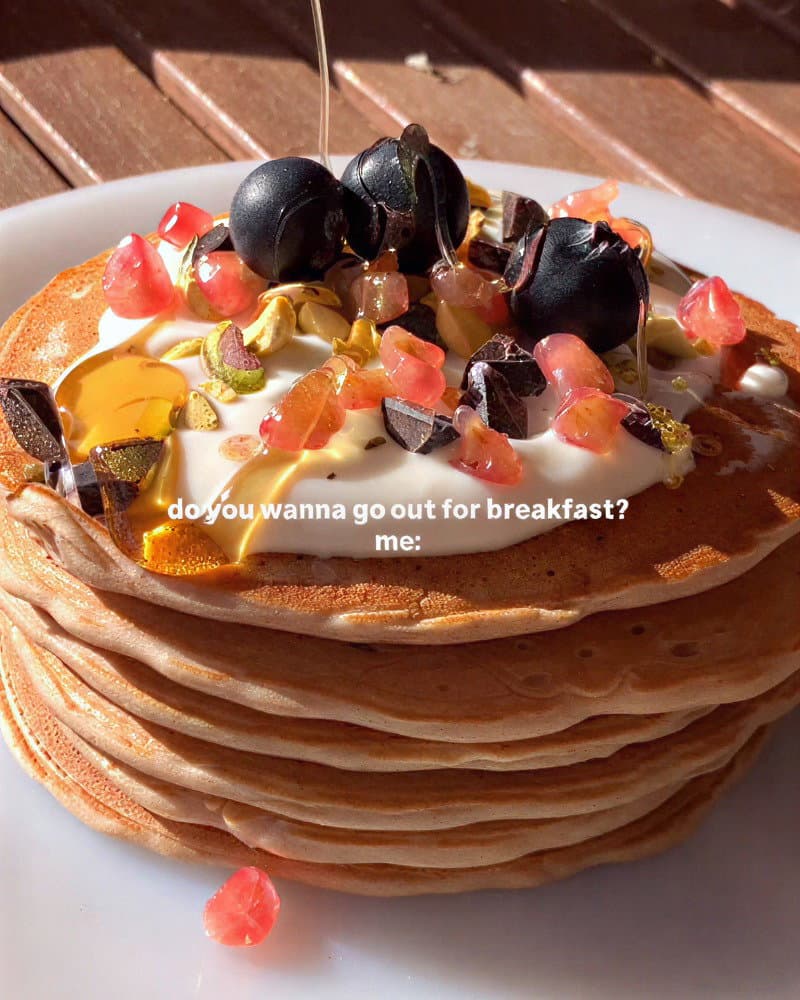
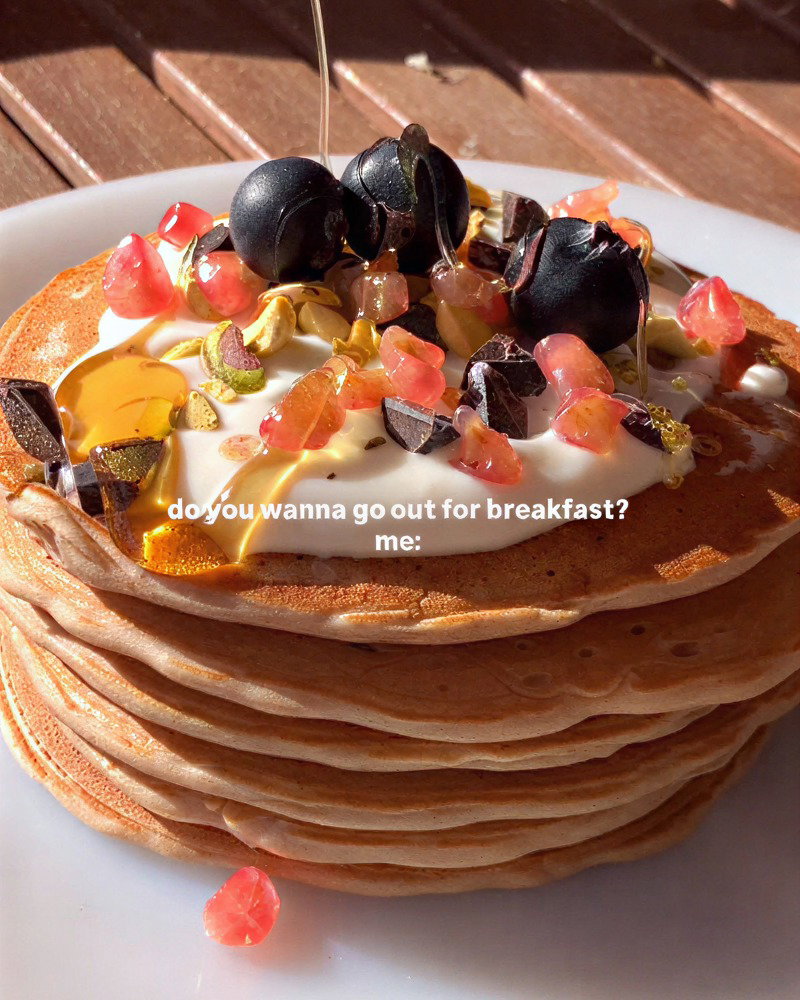
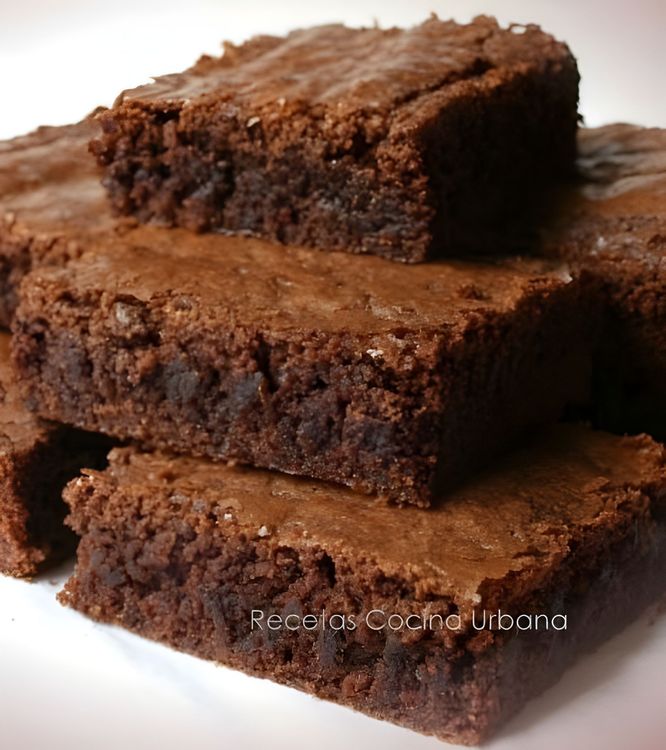
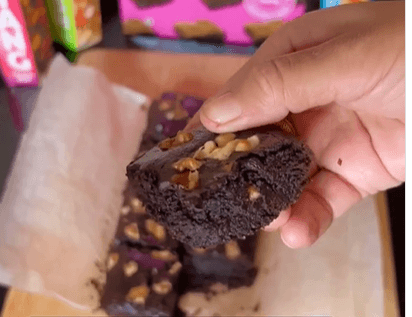
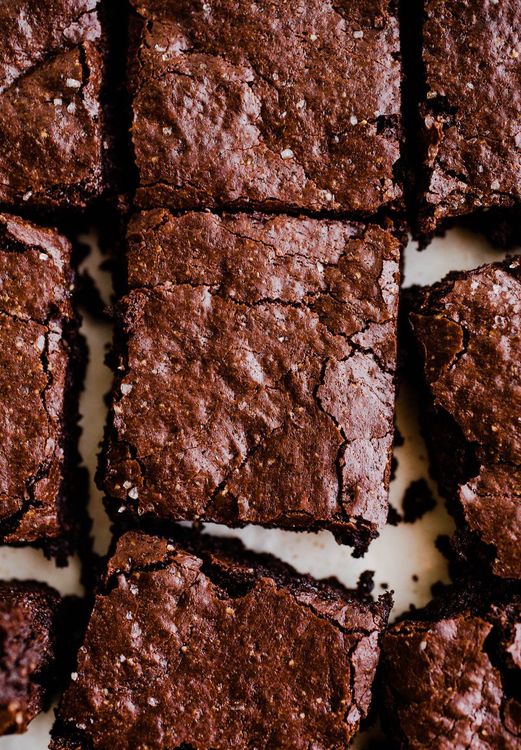
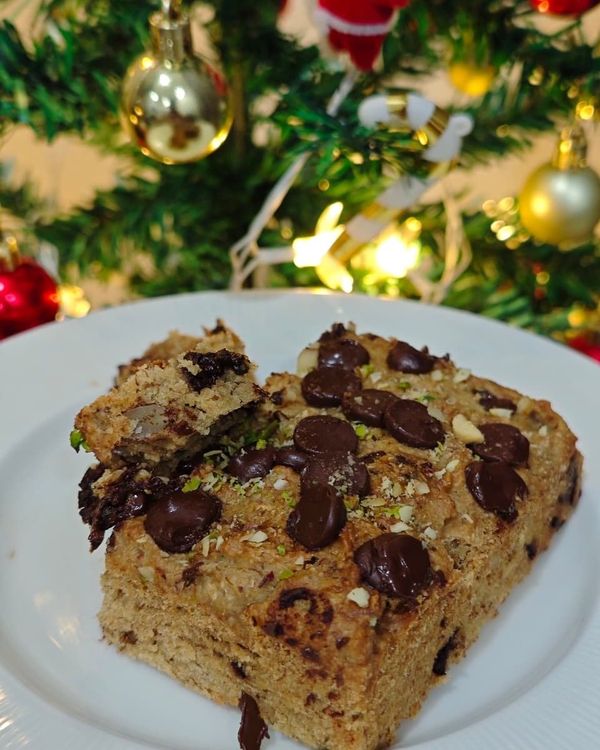
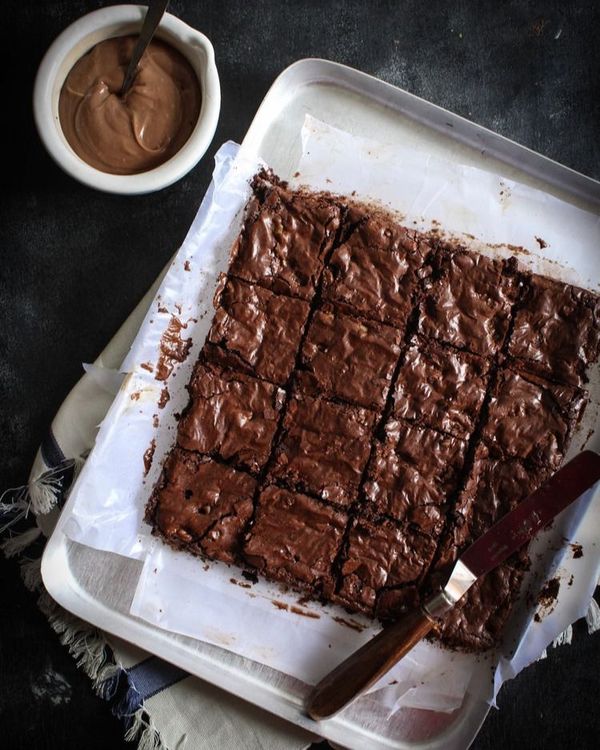
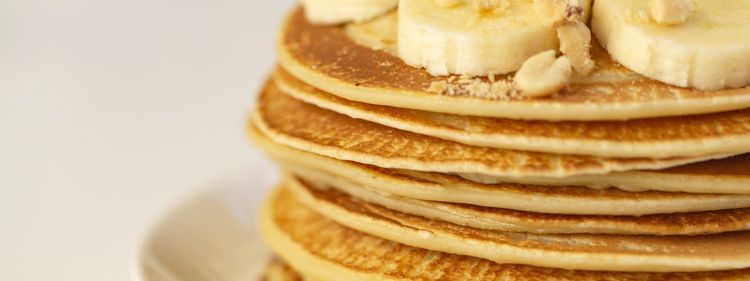
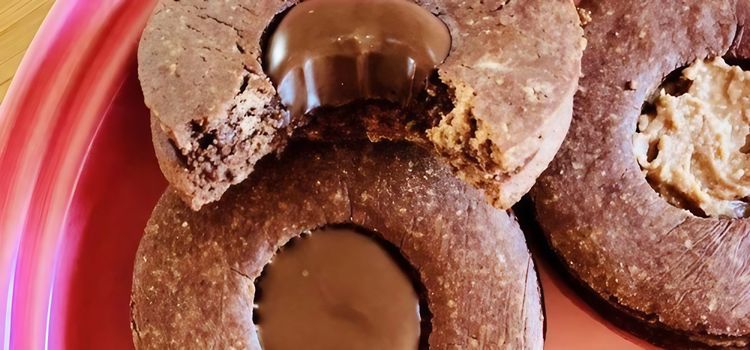
Gluten-free desserts are where this whole way of cooking finally gets to show off, because so many of the best ones never needed wheat to begin with. Flourless chocolate cake, meringues, macaroons and dense almond-flour bakes rely on eggs, fat and sugar for structure, so they come out rich and tender with no special tricks at all. When you do need a flour blend, the rules are simple but firm: weigh rather than scoop, since gluten-free flours vary so much in density, and use only a small amount of xanthan, around a quarter teaspoon per cup, so the crumb holds without turning gummy. The single most common mistake here is treating xanthan like flour and adding too much, which gives you a heavy, springy bite instead of a soft one. Let your batter rest twenty minutes before baking so the flours hydrate and lose their grittiness, chill cookie dough so it does not spread into greasy puddles, and resist cutting into anything warm, because gluten-free bakes set as they cool. Get those few habits right and brownies, cookies, cakes and tarts come out every bit as good as their wheat versions. Standouts here include Gluten-Free Easy Pancakes and Gluten Free McDonald’s Inspired Apple Pie, plus BEST Gluten Free Brownies.

- Gluten-Free
- Breakfast

- Vegetarian
- Dessert


- Eggetarian
- Dessert

- Indian
- Vegetarian
- Breakfast

- Asian
- Vegetarian
- Appetiser
- American
- Eggetarian
- Snack
- Indian
- Vegetarian
- Dessert
- American
- Eggetarian
- Snack

- Indian
- Vegetarian
- Snack

- International
- Vegetarian
- Snack
- International
- Vegetarian
- Snack

- American
- Eggetarian
- Dessert
- American
- Vegan
- Snack

- Italian
- Eggetarian
- Snack

- Kenyan
- Nut-Free
- Breakfast

- American
- Gluten-Free
- Snack
Gluten-Free Dinners & Mains
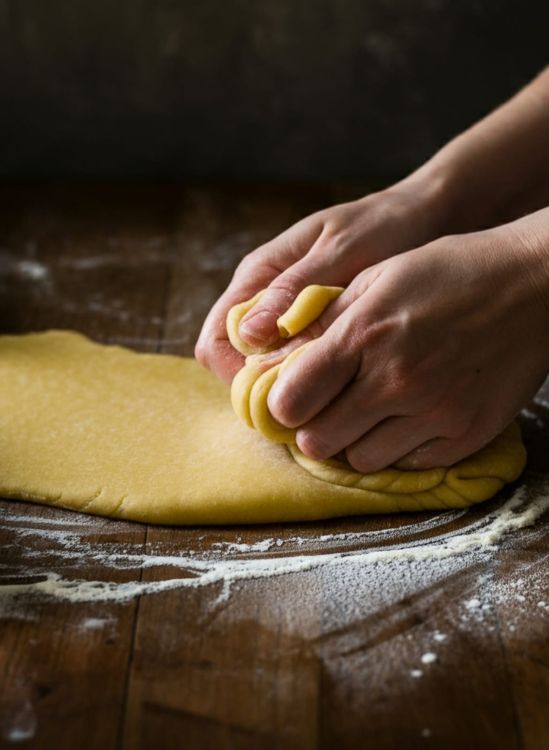
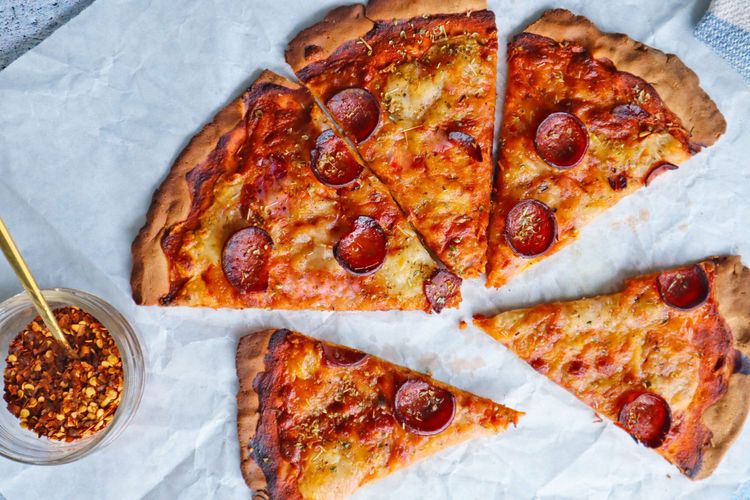
Here is the reassuring part: most dinners are already gluten-free, and you barely have to think about it. Roast chicken, grilled fish, curries, risotto, stir-fries and rice bowls are naturally compliant, so the work is less about replacing wheat and more about catching where it hides. The usual culprits are the supporting cast rather than the main event: soy sauce, stock cubes, ready-made spice blends, marinades and the flour used to thicken a gravy or coat something for frying. Swap in tamari or a certified gluten-free soy sauce, thicken sauces with a cornflour slurry instead of a roux, and reach for cornmeal, rice flour or a gluten-free crumb when you want a crisp coating. For pasta and pizza nights, the modern gluten-free options are genuinely good, but cook gluten-free pasta a touch under and rinse off excess starch so it does not turn gluey, and prebake a gluten-free pizza base before topping so it crisps rather than steams. Read labels on anything processed, keep a clean board and utensils if you are cooking for a real intolerance, and most weeknight plates need almost no adapting at all. Standouts here include Gluten-Free Pasta Dough and Healthy, Low-Carb, Gluten-Free Eggplant Mini Pizzas, plus The BEST Gluten-Free Pizza Dough.

- Italian
- Eggetarian
- Lunch

- American
- Gluten-Free
- Lunch

- Vegetarian
- Breakfast
Gluten-Free Breads & Sides
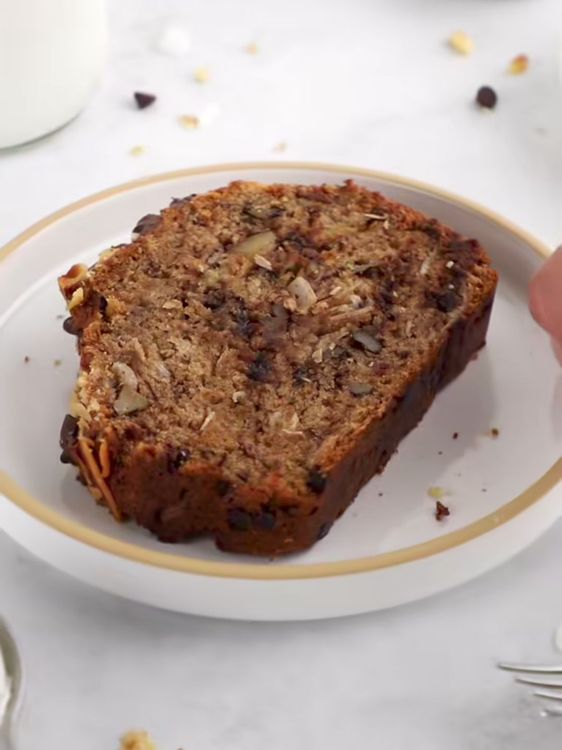
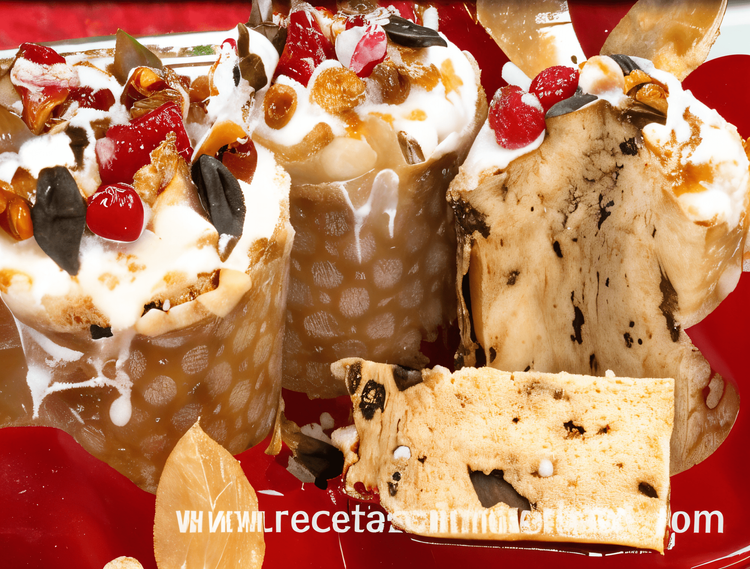
Bread is the category that scares people off gluten-free baking, and the one where technique pays off most dramatically once you understand it. The first thing to accept is that gluten-free bread dough is not dough in the wheat sense at all: with no gluten to develop, it behaves like a thick, sticky batter, so you beat it for a couple of minutes to distribute the binder and aerate it rather than kneading it into a smooth ball. If yours looks like a firm, workable wheat dough, it is far too dry and will bake into a heavy brick. The binder choice matters enormously here. Xanthan alone leaves yeast breads dense, so reach for psyllium husk, gelled in water first, which builds the stretchy, shapeable structure that gives you an open crumb and a loaf you can actually slice. Hydration runs high, so do not panic at a wet batter, and let it proof somewhere warm since gluten-free doughs rise once and do not benefit from a long second prove. The hardest rule to follow is the simplest: cool the loaf completely, ideally over an hour, before you cut it, or the inside turns gummy. The same logic carries flatbreads, rolls, focaccia and cornbread. Standouts here include Gluten-Free Banana Bread and Gluten Free & Low FODMAP Sausage Rolls, plus Gluten-Free Christmas Sweet Bread.

- Gluten-Free
- Dessert

- Non-Vegetarian
- Snack
- International
- Eggetarian
- Snack
More Gluten-Free Favourites
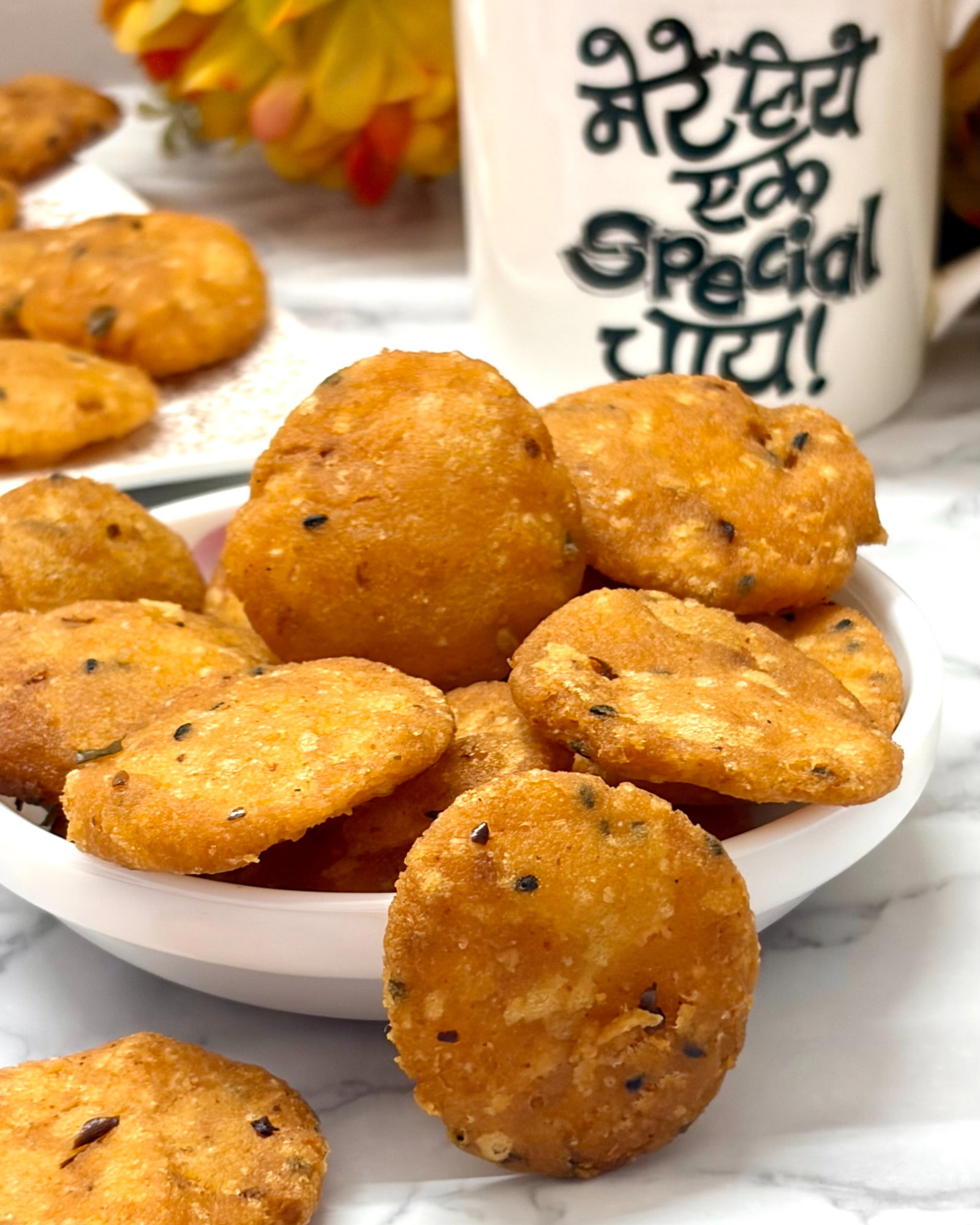
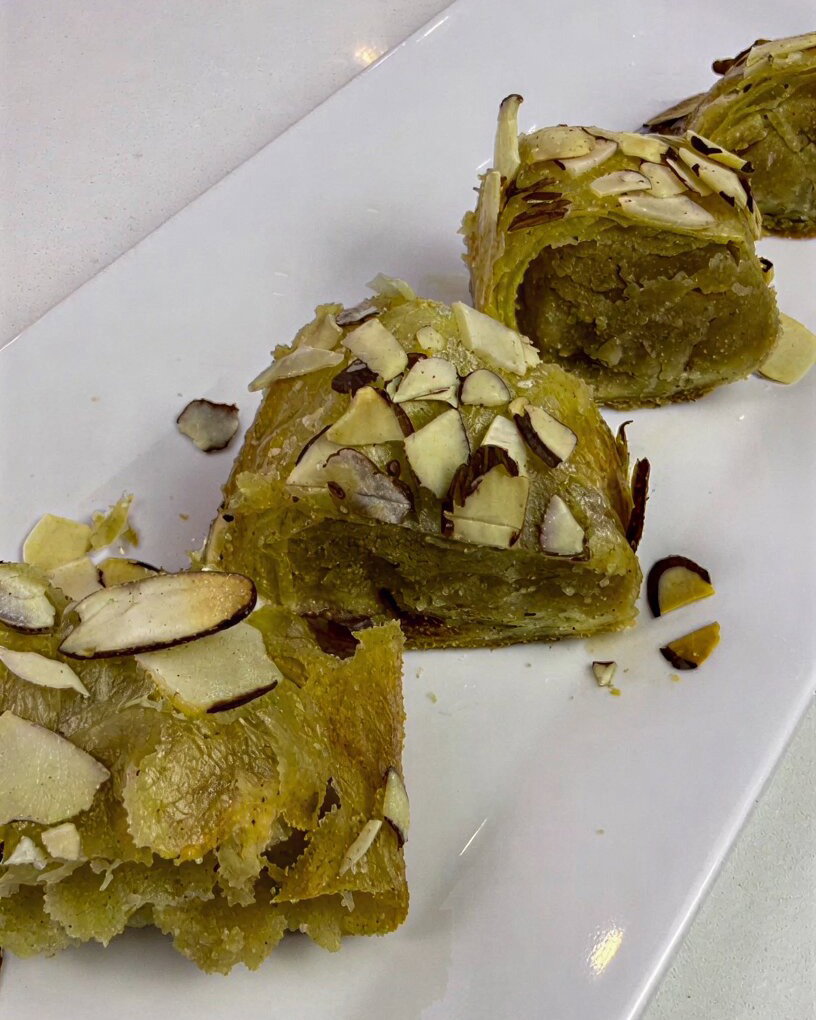
A few dishes never sit neatly in a single category, and these are the ones worth keeping in your back pocket once the staples feel routine. They lean on the same handful of ideas you already know — a balanced flour blend, the right dose of binder, generous hydration and a patient cool-down — but push them toward different textures and occasions, so gluten-free never tastes like the same compromise twice. Picking your next one is mostly about matching effort to mood: reach for a naturally gluten-free bake or a simple swap on a busy night, and save the yeast breads and laminated, fussier projects for a weekend when you can let a dough proof and a loaf cool properly. Pay attention to the binder as you branch out, since a cake, a cookie and a sandwich loaf each want a different amount and even a different type, and to your flours, since weighing rather than scooping keeps results consistent across recipes. Think of this group as the natural next step after the basics, the recipes that quietly earn a regular spot in the rotation once you have proven to yourself that gluten-free can be every bit as good. Standouts here include Rice Mathri (Gluten-Free) and Gluten-Free Almond “Croissant” (Rice Paper Hack!), plus Healthy, Low-Carb, Gluten-Free Sweet Potato Avocado Toast.

- Vegetarian
- Snack

- Eggetarian
- Snack

- Vegan
- Main Course
- Fusion
- Vegetarian
- Snack

- Non-Vegetarian
- Sauce & Condiment
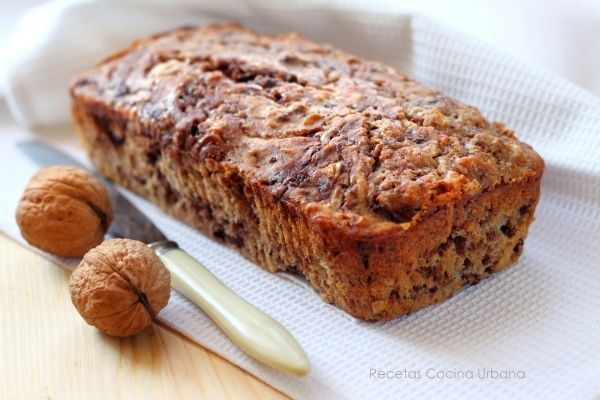
- American
- Eggetarian
- Dessert
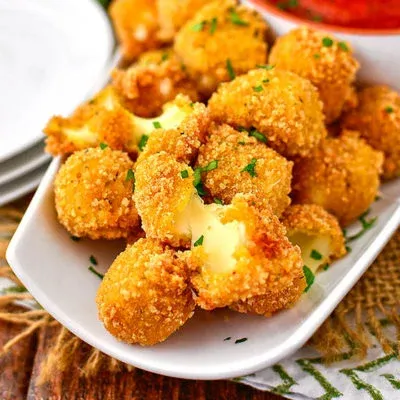
- Italian
- Eggetarian
- Appetiser
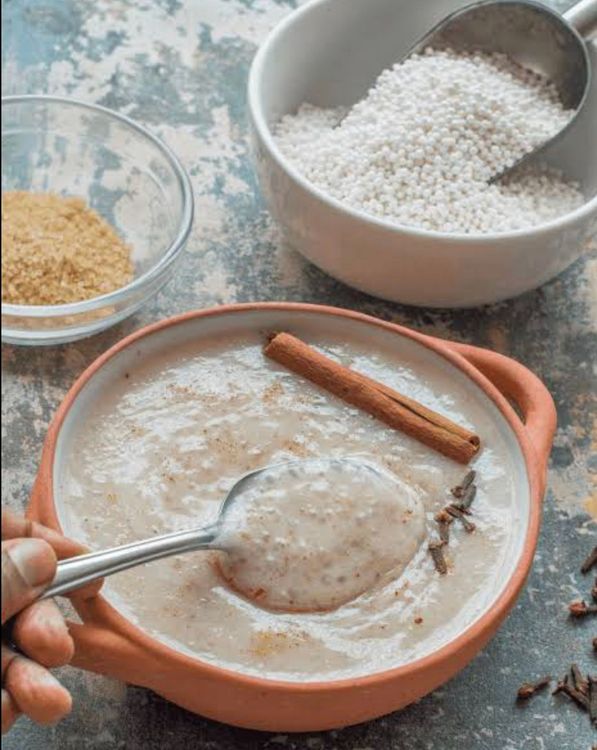

- Fusion
- Vegetarian
- Dessert
Building a Gluten-Free Flour Blend That Works
No single gluten-free flour replaces wheat, so the foundation of good baking is a balanced blend. A reliable all-purpose mix combines a light base of rice or sorghum flour, a starch for tenderness and lift such as tapioca or potato starch, and a smaller amount of a higher-protein flour like millet or sorghum for body. A common workable ratio is roughly 70 percent whole-grain and base flours to 30 percent pure starch by weight. Buy a quality cup-for-cup blend if you would rather skip the math, but read the label for whether it already contains a binder.
Weigh, do not scoop. Gluten-free flours vary wildly in density, and a packed cup of one can weigh half again as much as a fluffy cup of another, which is why metric weights matter far more here than in wheat baking. A kitchen scale is the single best upgrade for consistent results. Whisk your blend thoroughly before measuring, because the heavier starches settle to the bottom of the bag and an unmixed scoop throws the whole formula off.
Hydration runs higher in gluten-free baking. Rice and starch flours drink liquid slowly, so batters that look correct often firm up and dry out as they rest. Two fixes help: let the batter or dough sit 20 to 30 minutes before baking so the flours fully hydrate and the grittiness softens, and expect to add a touch more liquid than a wheat recipe would call for. A slightly wetter, almost pourable batter usually bakes into a more tender crumb than one you have stiffened to look familiar.
Xanthan, Psyllium and the Binder Question
Binders replace the elasticity and structure that gluten provided, and getting the amount right is the difference between a cake that holds together and one that crumbles on the fork. Xanthan gum is the workhorse: a tiny quantity creates a gel that traps gas and gives the crumb cohesion. As a starting guide, use about a quarter teaspoon per cup of flour for cakes and cookies, half a teaspoon per cup for muffins and quick breads, and closer to three-quarters to a full teaspoon per cup for yeast breads that need real structure.
More is not better. Overdo xanthan and the result turns gummy, dense and slightly slimy, with a heavy, springy texture that never quite bakes through. If your gluten-free bakes feel rubbery rather than crumbly, the binder is almost always the culprit, not the flour. Many commercial blends already include xanthan, so check before you add more — doubling up is the most common beginner mistake and the fastest route to a gluey loaf.
Psyllium husk is the better choice for yeast breads, where it builds a stretchy, dough-like structure that xanthan alone cannot, giving you something you can actually shape and that holds an open crumb. Whisk psyllium into the water first and let it gel before combining with the dry mix. Ground flax or chia seeds in water make a decent egg-style binder for vegan bakes, while eggs themselves are a powerful natural binder. Match the binder to the job: gentle gel for cakes, real structure for bread.
Handling Gluten-Free Doughs and Batters
Forget everything you know about kneading. Gluten-free bread dough has no gluten to develop, so it behaves like a thick, sticky batter rather than a smooth, elastic ball, and trying to knead it just frustrates you. Beat it instead, with a stand mixer or sturdy spoon for a couple of minutes to distribute the binder and aerate, then scrape it into the pan and smooth the top with a wet spatula. If your dough looks like a stiff wheat dough, it is too dry and will bake heavy.
Cookies and pastry want the opposite of overworking. Chill the dough before baking so the fats firm up and the flours finish hydrating, which keeps gluten-free cookies from spreading into thin, greasy puddles and gives pastry a workable, less crumbly feel. Roll pie and tart dough between two sheets of parchment rather than on a floured counter, since there is no gluten to hold it together and it will crack and tear if you fight it on a bare surface.
Let baked goods cool fully before you cut them. This is the rule gluten-free bakers break most often, and it costs them. Without gluten, the structure sets as it cools, and slicing a warm gluten-free loaf or bar leaves you with a gummy, collapsed mess that tasted underbaked when it was actually fine. Cool bread completely on a rack, ideally for an hour or more, before the first slice. Patience at the end saves an otherwise good bake.
Pro Tips from the Test Kitchen
- Weigh your flours — gluten-free blends vary so much in density that a scooped cup throws off the whole recipe.
- Whisk a gluten-free flour blend before measuring; the heavy starches settle to the bottom of the bag.
- Use about 1/4 tsp xanthan per cup of flour for cakes and cookies, and up to 1 tsp per cup for yeast bread.
- If a blend already lists xanthan, do not add more — doubling up is the fastest route to a gummy bake.
- Let batters rest 20–30 minutes before baking so the flours hydrate and the grittiness softens.
- Use psyllium husk, not xanthan, for yeast breads — it builds the stretchy structure you can actually shape.
- Treat gluten-free bread dough like a thick batter: beat it, do not knead it, then smooth it into the pan.
- Chill cookie and pastry dough so it does not spread into greasy puddles and is easier to handle.
- Cool gluten-free loaves and bars completely before slicing, or they turn gummy and look underbaked.
- Watch hidden gluten in soy sauce, stock cubes and gravy thickeners; swap in tamari and cornflour slurries.
Frequently Asked Questions
Why are my gluten-free bakes dry and crumbly?
Usually too little binder, too little liquid, or both. Without gluten, xanthan or psyllium is what holds the crumb together, so check you used enough for the type of bake. Gluten-free flours also drink more liquid, so add a touch extra and let the batter rest 20 to 30 minutes before baking. Cutting into a loaf before it cools fully makes it seem worse than it is.
What is the best flour for gluten-free baking?
There is no single best one — the answer is a blend. A good all-purpose mix combines a base like rice or sorghum flour, a starch such as tapioca or potato for tenderness, and a higher-protein flour for body, often with xanthan added. A quality cup-for-cup blend takes the guesswork out. For specific bakes, almond flour suits dense cakes and oat flour suits soft, tender textures.
Do I always need xanthan gum?
Not always. Naturally gluten-free recipes like flourless chocolate cake, meringues, macaroons and many almond-flour bakes hold together with eggs and fat alone. You need a binder mainly when you are replacing wheat flour in cakes, cookies and especially breads. Check your flour blend first, because many already contain xanthan, and adding more on top makes the result gummy.
Can I substitute a gluten-free blend cup-for-cup for wheat flour?
With a true cup-for-cup blend that already contains a binder, often yes, with small adjustments. Expect to add slightly more liquid, rest the batter so it hydrates, and accept that texture may differ a little. Substituting a single gluten-free flour like plain rice or almond flour cup-for-cup rarely works, because each behaves so differently from wheat on its own.
Are oats gluten-free?
Oats are naturally free of gluten, but they are frequently grown and milled alongside wheat, so they are often cross-contaminated. For anyone with coeliac disease, only oats specifically labelled gluten-free or certified are safe. If you are simply avoiding wheat by preference the risk is lower, but for a medical need always choose the certified product. The same caution applies to oat flour.
Why is my gluten-free bread gummy in the middle?
The two usual causes are too much binder and cutting it too soon. Excess xanthan turns the crumb dense and slimy, so use the lower end of the range and switch to psyllium for yeast breads. Just as important, gluten-free bread keeps setting as it cools, so a loaf sliced warm always looks underbaked. Bake fully, then cool completely on a rack before cutting.
What dinners are naturally gluten-free?
Plenty. Roast or grilled meats and fish, most curries, risotto, stir-fries with tamari, rice and corn-based dishes, frittatas, and naturally compliant tacos and bowls all work without any special flour. The trick is watching the supporting cast: thickened sauces, marinades, stock cubes, soy sauce and breaded coatings are where wheat hides. Swap those out and the main dish is usually fine as is.
How do I keep gluten-free cookies from spreading too much?
Chill the dough for at least 30 minutes, and longer is better. This firms the fats and lets the flours hydrate so the cookies hold their shape instead of melting into thin, greasy puddles. Make sure your binder is present, do not over-soften the butter, and bake on a cool sheet. If they still spread, add a tablespoon more flour blend or a little extra binder.
Can I make gluten-free baking vegan too?
Yes, though you are removing two structure-builders at once, so lean on stronger binders. Psyllium husk gel and flax or chia eggs do well in breads and denser bakes, while aquafaba can lighten things like meringues and cakes. Expect to test and adjust more than usual. Naturally egg-light recipes such as oat-based bakes, crumbles and many cookies convert to vegan most easily.
How do I avoid cross-contamination at home?
For a true gluten intolerance, treat it as part of the recipe. Use a dedicated toaster or toaster bags, clean boards and utensils thoroughly between uses, store gluten-free flours separately, and prepare gluten-free food first on a freshly wiped surface. Watch shared condiment jars where crumbs collect. For a household preference rather than coeliac disease, normal kitchen hygiene is generally enough.
The thread through every gluten-free recipe here is the same: a thoughtful flour blend, the right amount of binder, and a little patience with hydration and cooling. Master those few ideas from the guides — build the blend, dose the xanthan or psyllium correctly, treat the dough as a batter, and let things cool fully — and desserts, breads, dinners and breakfasts all stop being a compromise.
Pick three to cook this week — a fudgy dessert, a real loaf of bread and an easy weeknight dinner — and save your favorites to a Chefadora cookbook. Then work through the rest; this page is built to be the gluten-free reference you actually come back to.
Related
- Gluten-Free
- Baking
- Desserts
- Bread
- Healthy
- Dairy-Free
- Celiac
- Vegetarian
Popular Searches
- Best gluten free desserts
- Easy gluten free desserts
- Quick gluten free desserts
- Healthy gluten free desserts
- Simple gluten free desserts
- Homemade gluten free desserts
- Delicious gluten free desserts
- Popular gluten free desserts
- gluten free baking
- gluten free cookies
- gluten-free bread recipes
Marnirni-apinthi Building, Lot Fourteen,
North Terrace, Adelaide, South Australia, 5000
Australia
