
Top 30 High Protein Recipes: Chicken, Beef, Bowls and More
Updated June 22, 2026 · Curated by Chefadora
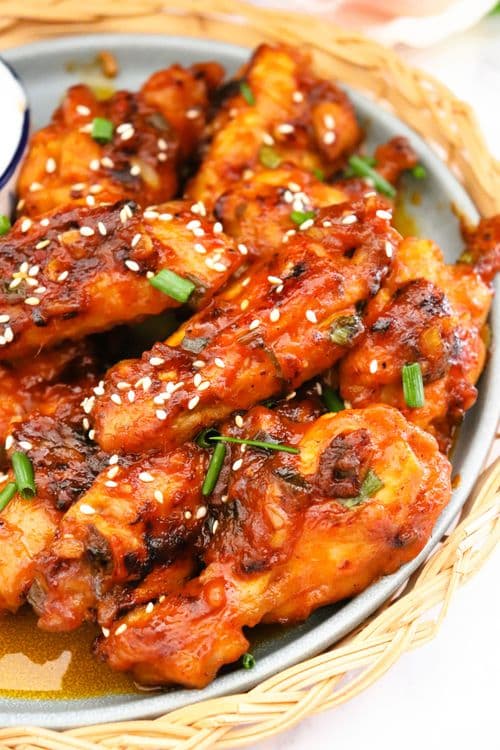
High protein recipes are the simplest lever for eating that actually keeps you full, builds muscle and steadies energy — and the dishes below prove it does not have to mean plain chicken and rice. The collection spans juicy chicken and wings, seared steak and slow goat curry, protein-packed bowls, and the eggs, paneer and tofu that carry serious protein without any meat at all.
The principle behind high-protein cooking is straightforward: build each meal around a genuine protein source and treat the carbs and fat as supporting players. What separates a good high-protein dish from a grim one is technique — cooking lean proteins so they stay juicy, seasoning aggressively, and balancing the plate so it satisfies rather than feeling like a punishment. Get those right and hitting twenty to forty grams a meal is effortless.
You will find the collection grouped into clusters — chicken and poultry, beef and lamb, eggs and plant protein, protein bowls and rice, and high-protein snacks and sandwiches. Standout dishes range from Sweet & Spicy Chicken Wings and Bulgogi Beef Rice Bowls to a Steak & Egg Breakfast Sandwich, each built to deliver protein without sacrificing flavour.
Treat this as a working reference. Each recipe links to full ingredients and steps on Chefadora, and the guides below cover what actually matters for high-protein eating — keeping lean proteins moist, hitting your protein target across the day, and prepping ahead so the high-protein option is always the easy one.
High-Protein Chicken & Poultry
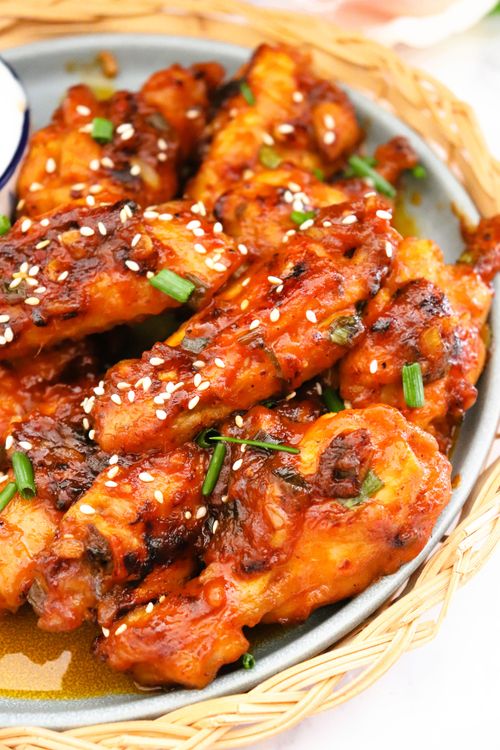
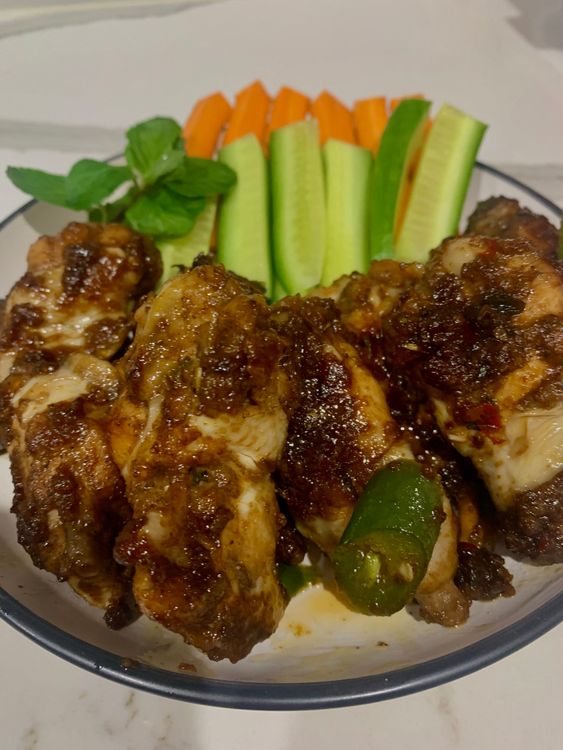
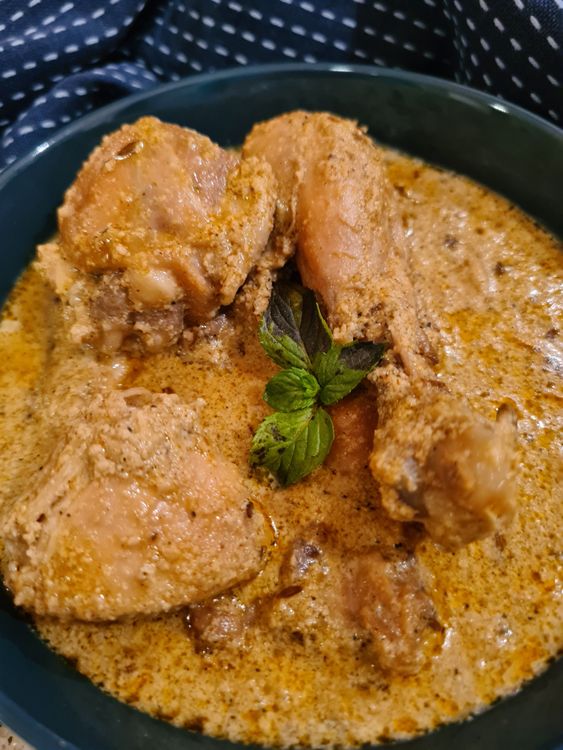
Chicken is the backbone of most high-protein cooking for good reason: it is lean, endlessly versatile and packs serious protein per bite. The trick is keeping it juicy, because dry, overcooked chicken is the single biggest reason people give up on high-protein eating. Cook it to an internal 74C/165F and pull it the instant it gets there rather than trusting the clock, and rest it a few minutes so the juices settle back into the meat instead of running onto the board. A quick brine or a yogurt marinade buys real insurance, seasoning the meat throughout and keeping it moist even if you slightly overshoot. Pounding a breast to an even thickness helps it cook uniformly so the thin end is not leather by the time the thick end is done, and slicing against the grain keeps every piece tender. From wings to tandoori to a simple seared breast, the same rules apply, and once they are habit you get reliably juicy, high-protein chicken every time. Standouts here include Chicken Wings- Sweet, Spicy n Garlicky and Sweet & Spicy Chicken Wings, plus Milk Chicken .

- Asian
- Non-Vegetarian
- Appetiser
- Indian
- Non-Vegetarian
- Appetiser
- Indian
- Non-Vegetarian
- Lunch
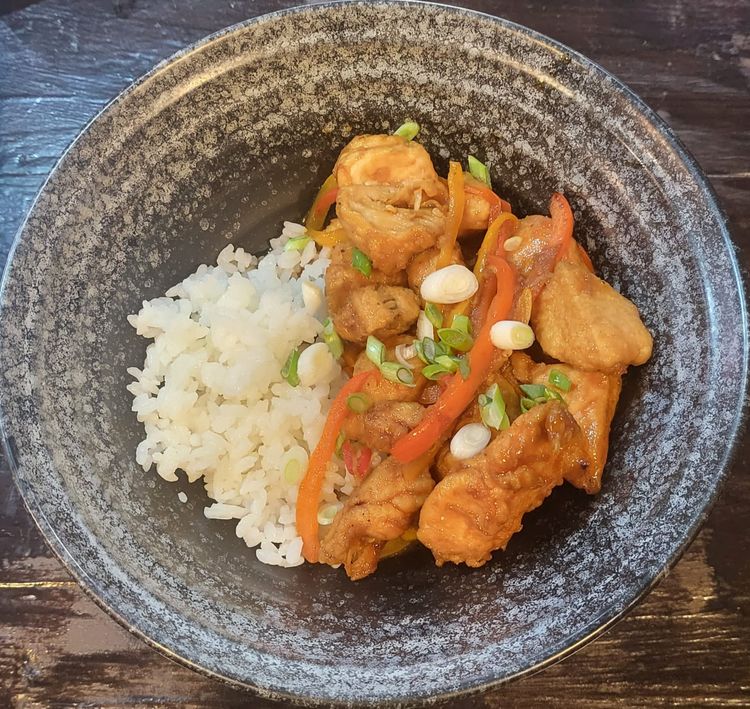

- Chinese
- Non-Vegetarian
- Lunch
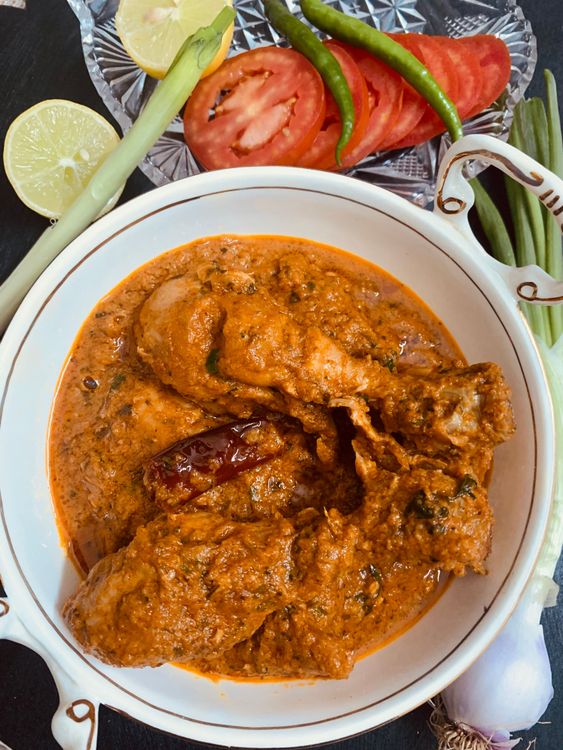
- Indian
- Non-Vegetarian
- Lunch
Beef, Steak & Lamb
Red meat delivers the highest protein hit per bite in this collection, and cooking it well is mostly about heat and rest. Get the pan or grill genuinely hot and sear hard to build a deep, savoury crust, then cook to your preferred doneness rather than past it — around 54C/130F for medium-rare steak — and let it rest five to ten minutes so the juices redistribute instead of spilling out the moment you cut. Slicing against the grain is non-negotiable, since it shortens the muscle fibres and makes even leaner cuts eat tender. Tougher, collagen-rich cuts like goat and mutton want the opposite approach: a long, gentle braise that breaks them down into something fork-tender and deeply flavoured, perfect for curries and stews. Season aggressively, because red meat can take it, and lean on bold marinades and spice rubs. Whether it is a quick steak, a smash burger or a slow gosht, these are the dishes that make a high-protein plate feel like a genuine treat. Standouts here include Lahori Karahi Mutton and Balti Gosht (Goat Curry), plus Crispy Beef Chow Mein.

- Indian
- Non-Vegetarian
- Lunch
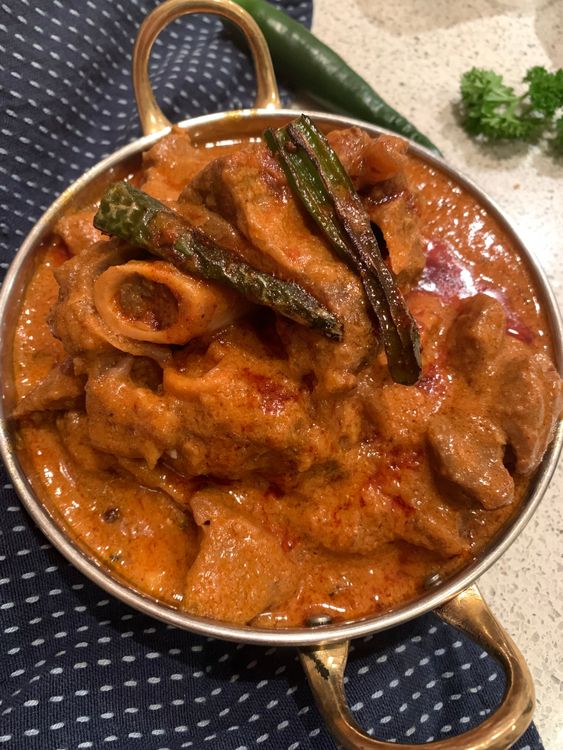
- Indian
- Non-Vegetarian
- Lunch
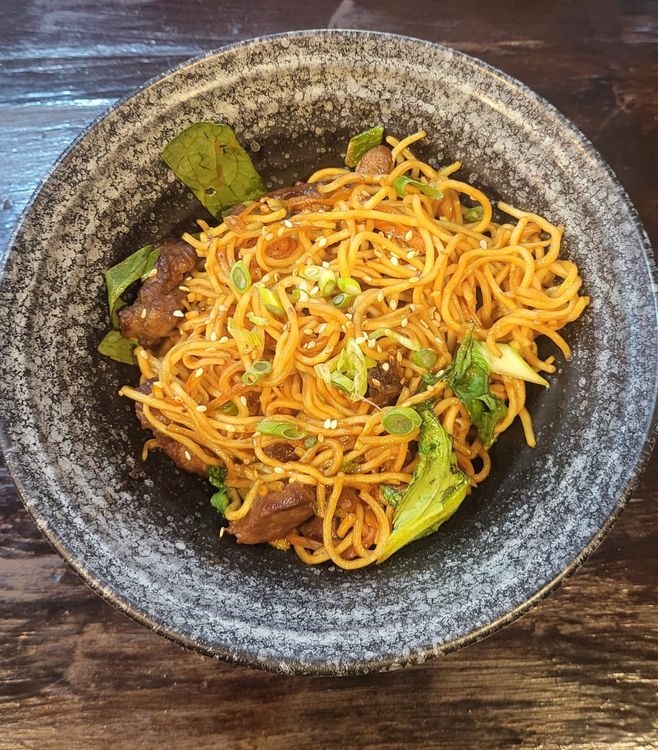
- Chinese
- Dairy-Free
- Lunch
Eggs, Paneer & Plant Protein
This is the vegetarian engine room of high-protein eating, and it carries every bit as much protein as meat when you lean on it properly. Eggs are the most flexible, scrambled, boiled or folded into anything, while paneer and tofu take spice and a hard sear beautifully and bring real substance to a plate. The keys are simple: press tofu to expel its water before searing so it browns and crisps instead of steaming and falling apart, and bring paneer to room temperature so it colours rather than seizing and weeping in a cold pan. Lentils, chickpeas and beans round out the group, and combining them with a grain — dal with rice or roti, beans with bread — gives a complete amino acid profile, which is exactly why those pairings anchor so many traditional vegetarian diets. Season boldly, because these proteins are mild and happily soak up flavour, and you will never miss the meat on a well-built plate. Standouts here include Instant Khoya (Mawa) – Quick & Easy with Milk Powder and One-Pan Sausage, Egg & Cheese Bagel, plus Paneer Pizza.
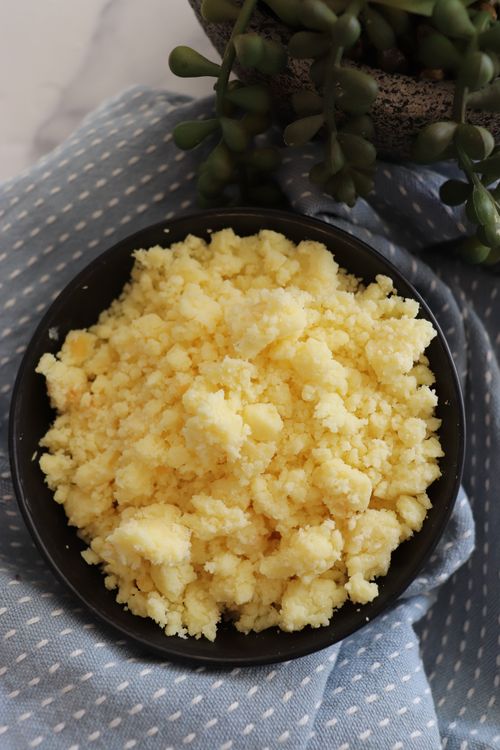
- Indian
- Vegetarian
- Dessert
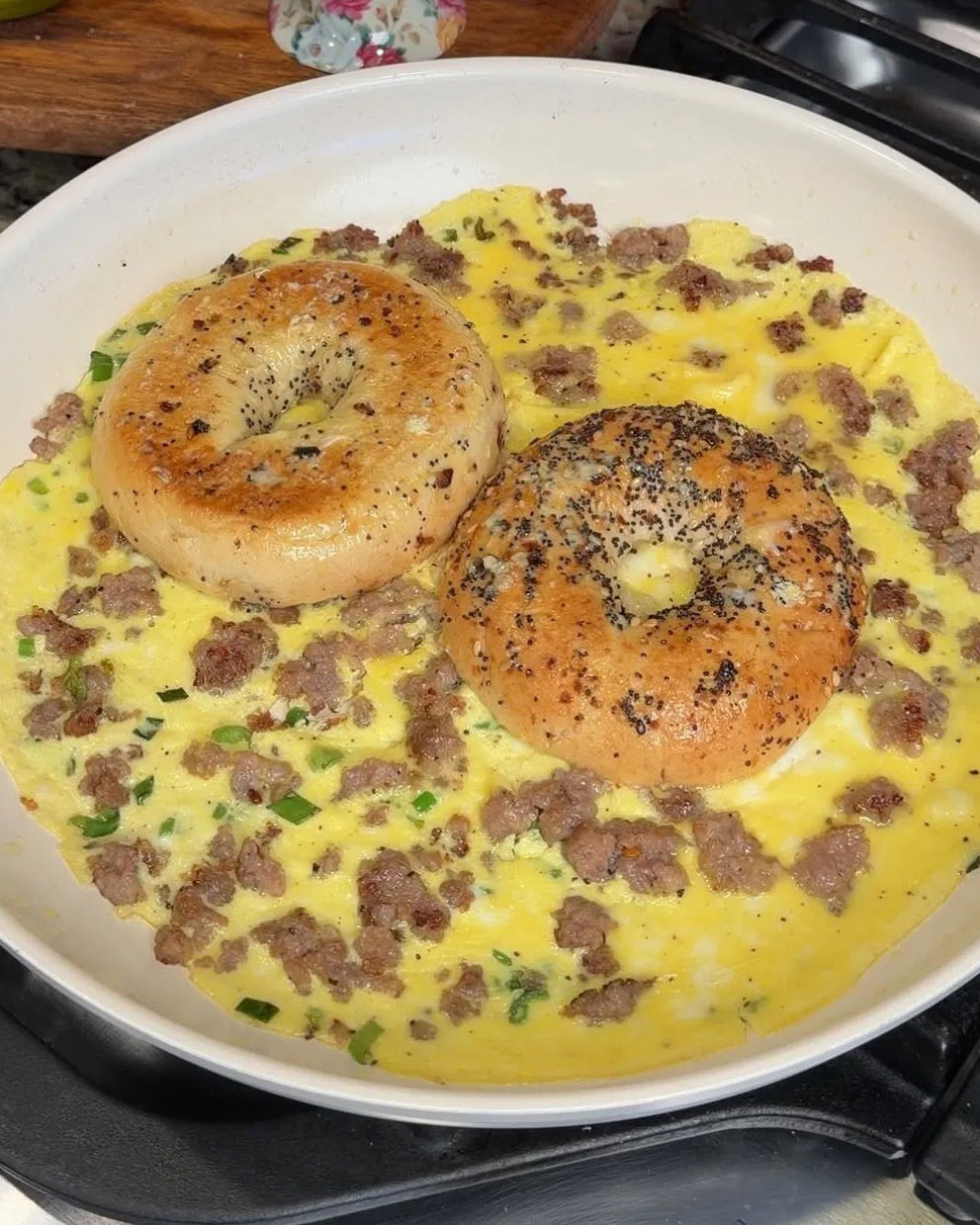

- American
- Non-Vegetarian
- Breakfast
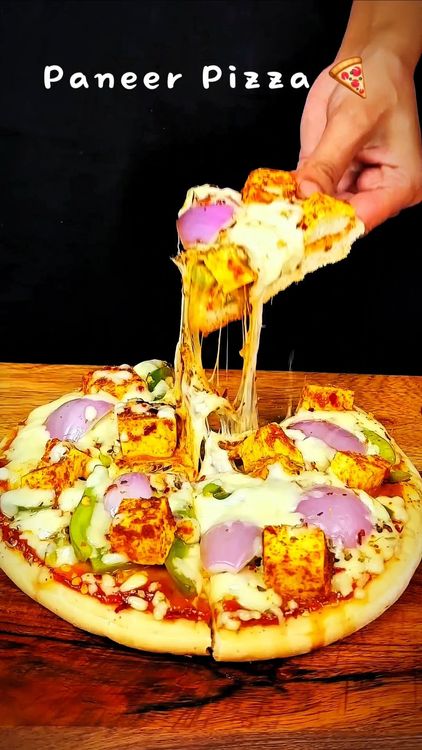
- Indian
- Vegetarian
- Lunch
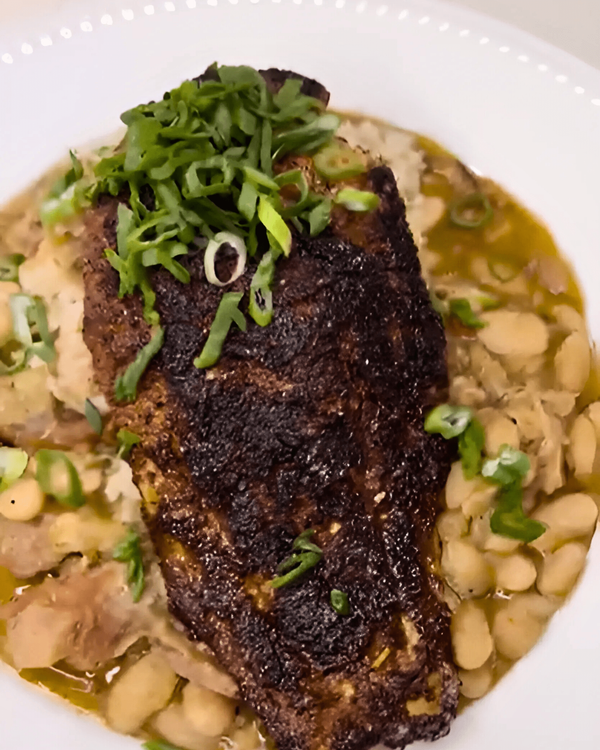
- Creole
- Non-Vegetarian
- Lunch
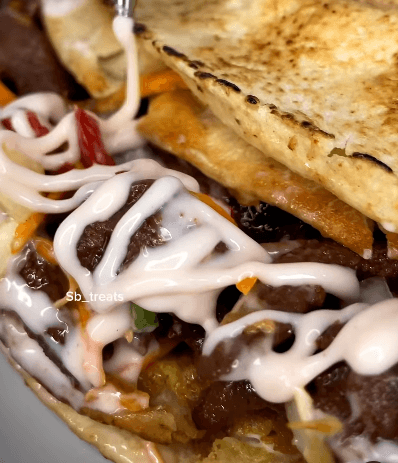

- Middle Eastern
- Non-Vegetarian
- Lunch
Protein Bowls, Rice & Noodles
Protein bowls are how you hit your macros in a single, satisfying dish, and the formula is reliable once you have it: a lean protein, a smart carbohydrate like rice, quinoa or sweet potato, a generous pile of vegetables, and a sauce that ties it all together. The mistake is letting the carb dominate; flip the proportions so the protein and vegetables lead and the grain is a supporting player, and the bowl keeps you full far longer. Cook your grains so they stay separate and fluffy, and dress everything generously, because a dry bowl is a sad one and a good sauce is what makes you want to eat it again. Noodles and rice plates fit here too, built the same way around a real protein hit rather than a mountain of refined carbs. Because the components keep and recombine well, bowls are the natural home of high-protein meal prep — cook once, assemble all week, and never eat the same plate twice. Standouts here include Malabar Biryani and Greek Orzo Pasta Salad, plus BBQ Tri-Tip Fried Rice.
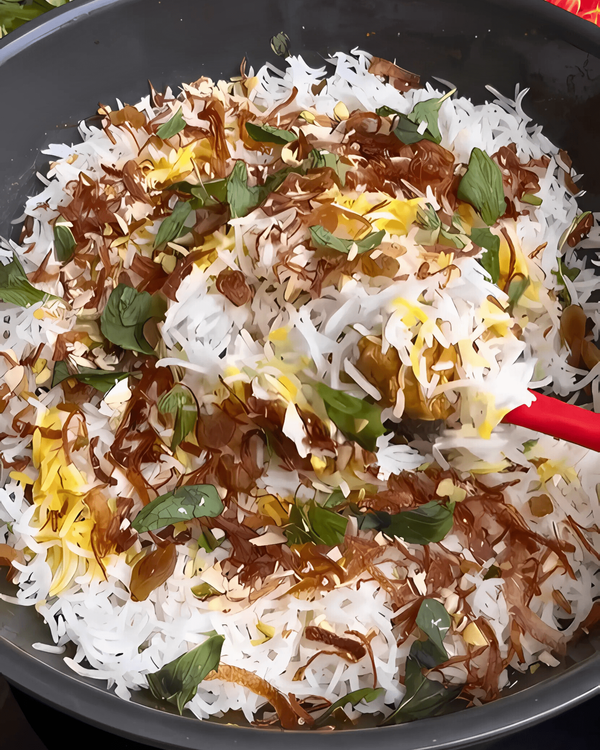

- Indian
- Non-Vegetarian
- Lunch

- Mediterranean
- Non-Vegetarian
- Lunch
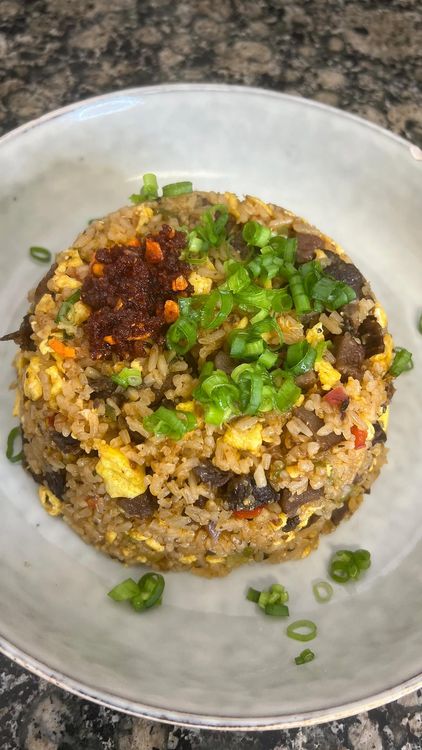
- Asian
- Non-Vegetarian
- Lunch
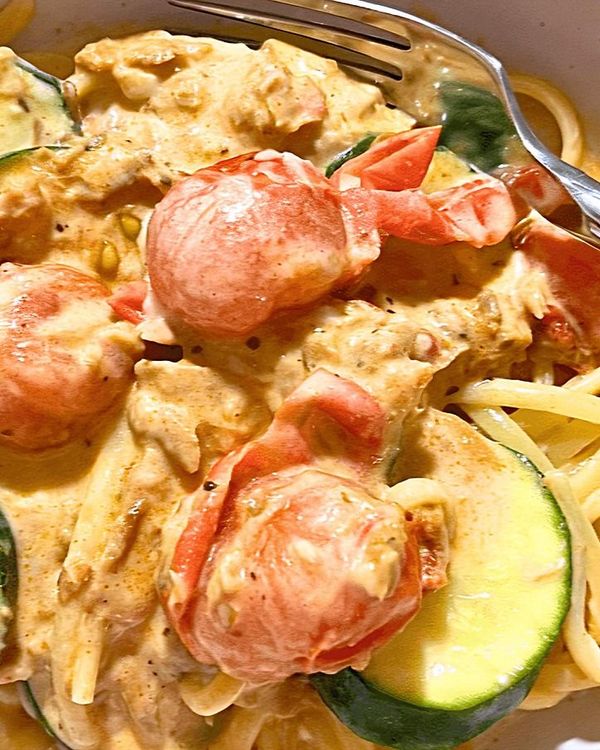
- Italian
- Vegetarian
- Lunch
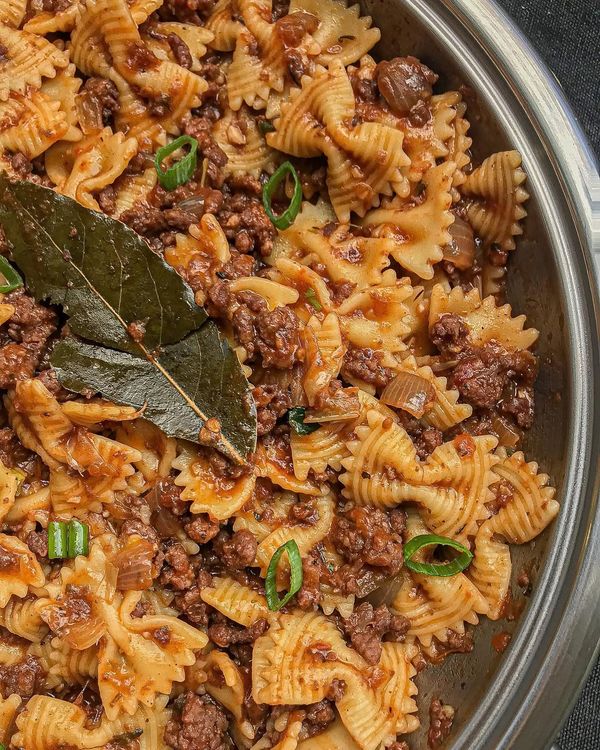
- Italian
- Non-Vegetarian
- Dinner
Protein Snacks, Sandwiches & Sides
Between-meal hunger is where high-protein eating quietly falls apart, so this group is about keeping a real protein hit within reach: sandwiches and wraps built on lean fillings, dumplings, and snackable bites that hold you over. The principle is to make the protein, not the bread, the star — pile in chicken, egg, paneer or beans and treat the carrier as a vehicle rather than the meal. A smart base helps, whether that is a wholegrain wrap, a lean protein folded into a melt, or a handful of something dense and satisfying. Many of these travel and reheat well, which makes them the difference between reaching for a high-protein option and grabbing whatever is closest when hunger hits. Season generously and lean on texture and sauce so a quick protein snack feels like a genuine treat rather than a compromise. Keep a couple prepped and the gap between meals stops derailing the whole day. Standouts here include Xiao Long Bao (Soup Dumplings) and Pesto Burrata Sandwich with Prosciutto & Balsamic Glaze, plus Gua Bao (pork belly steamed buns).
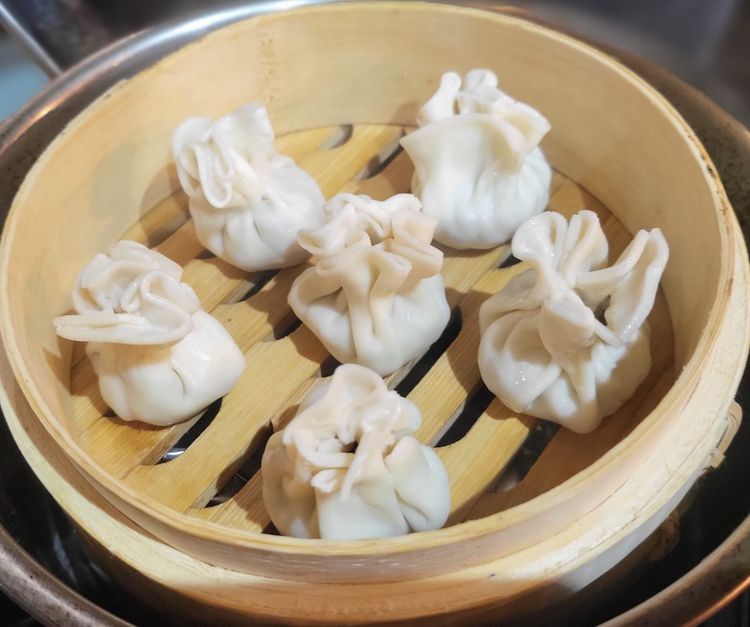
- Chinese
- Dairy-Free
- Appetiser
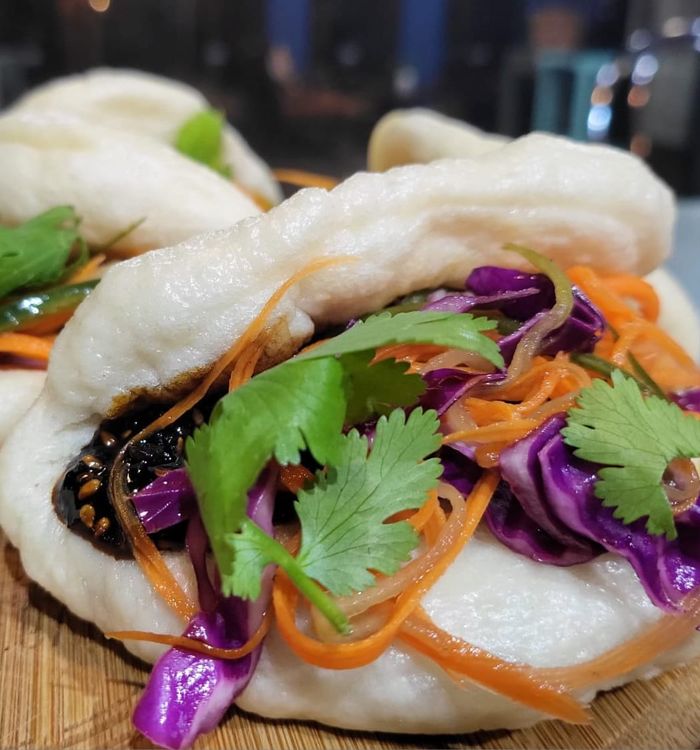
- Chinese
- Dairy-Free
- Lunch
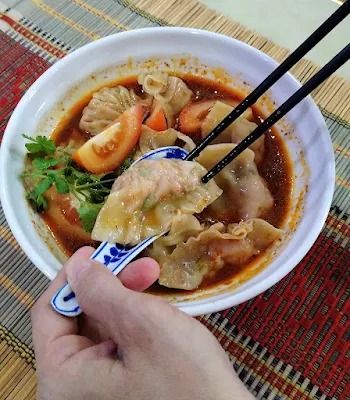
- Malaysian
- Non-Vegetarian
- Lunch
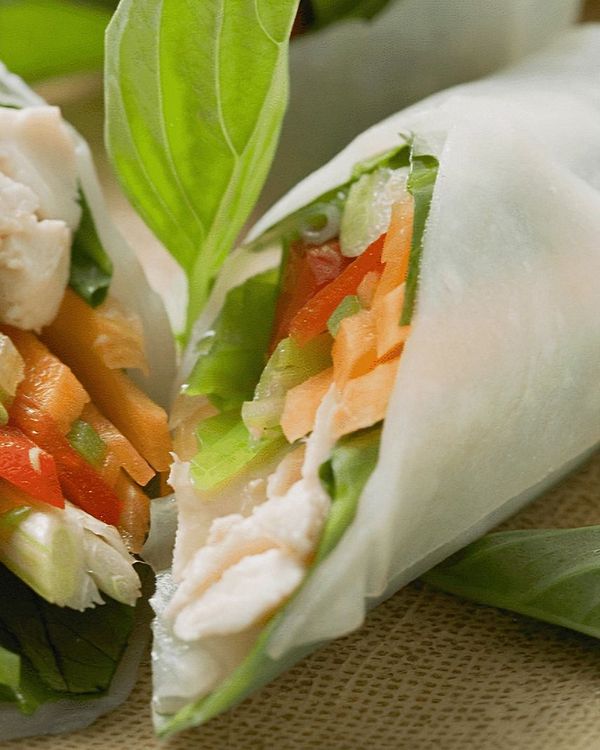
- Vietnamese
- Non-Vegetarian
- Lunch
More High Protein Favourites
Beyond the main categories, high-protein cooking sprawls into all sorts of dishes that do not fit a single box, and this group gathers them — the cross-cuisine plates, the clever combinations, and the protein-forward one-offs worth a place in the rotation. They all rest on the same fundamentals as everything above: anchor the plate with a genuine protein, cook lean cuts to temperature so they stay juicy, and balance the meal with smart carbs and plenty of vegetables so it satisfies rather than feeling like a chore. Choosing your next cook is mostly about matching effort to the day, a fast sear or assembly on a busy evening versus a slow braise when you have time to let a tougher cut turn tender. Pay attention to how you spread protein across the day rather than loading it all into one meal, and prep flexible components you can recombine. Build a handful of reliable favourites, then branch out one dish at a time until eating well stops taking any thought at all. Standouts here include Slow Cooker Sweet Barbecue Pork Ribs and Ravioli Lasagna Bake, plus Hyderabadi Lal Murg.
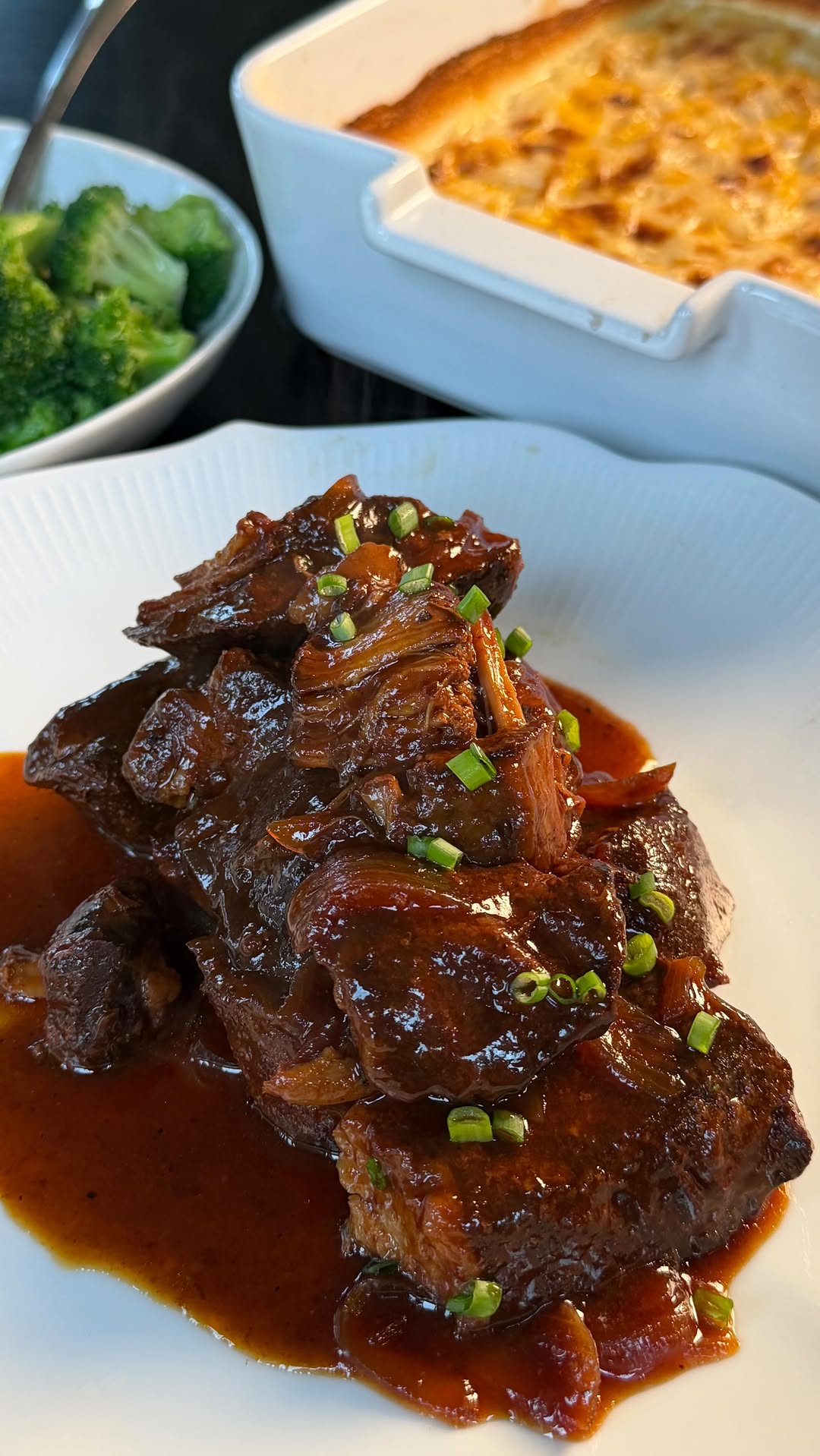
- American
- Non-Vegetarian
- Dinner

- Italian
- Non-Vegetarian
- Dinner
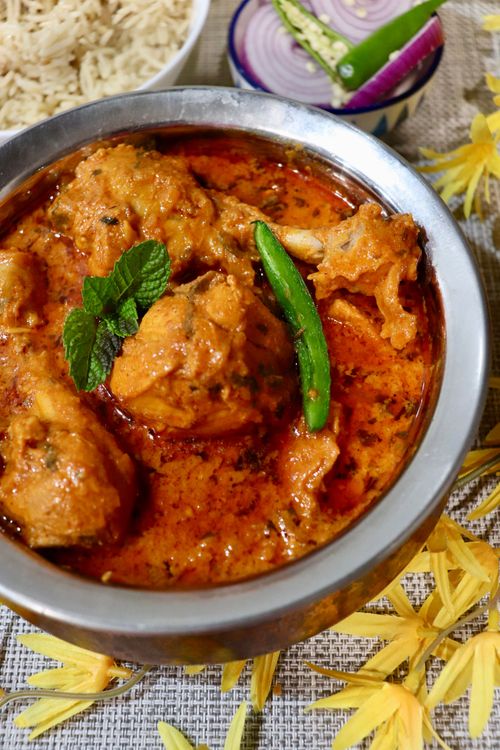
- Indian
- Non-Vegetarian
- Dinner
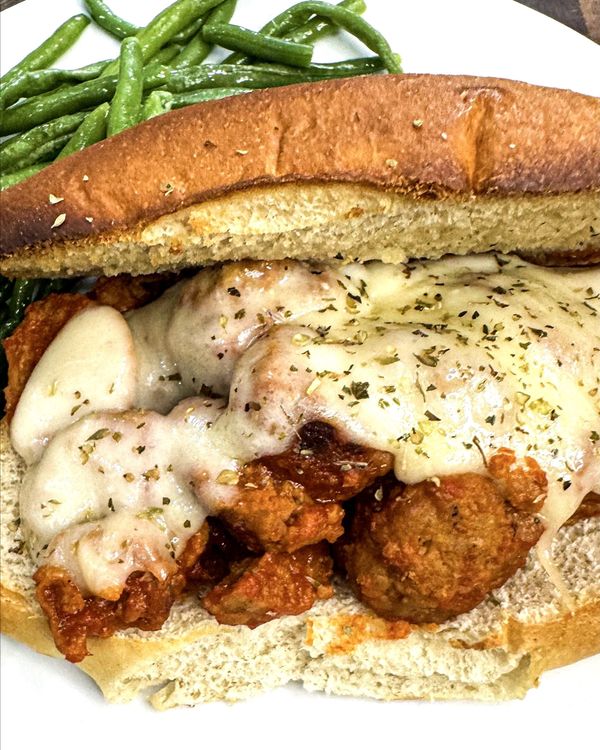

- American
- Non-Vegetarian
- Lunch
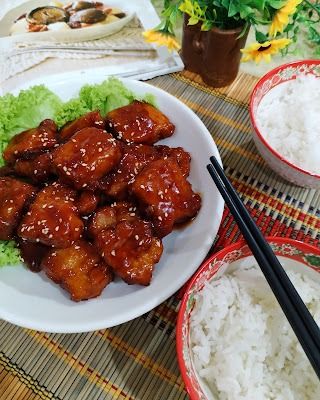
- Chinese
- Non-Vegetarian
- Lunch
Cooking Lean Protein Without Drying It Out
The biggest failure mode in high-protein cooking is dry, overcooked meat, and the fix is temperature, not time. Cook chicken breast to an internal 74C/165F and pull it the moment it gets there; cook steak to your target (around 54C/130F for medium-rare) and rest it five to ten minutes so the juices redistribute. A cheap instant-read thermometer is the single best upgrade you can make for protein that stays juicy.
Brining and marinating buy you insurance. A quick brine (salt water, fifteen to thirty minutes) or a yogurt marinade keeps lean chicken and pork moist even if you slightly overcook them, and adds flavour throughout rather than just on the surface. For very lean cuts, a higher-heat sear followed by a gentler finish — or the reverse — gives you a crust without overcooking the centre.
Slice against the grain. Even a perfectly cooked steak or chicken breast eats tough if you cut along the muscle fibres; slicing across them shortens those fibres and makes every bite tender. For plant proteins, press tofu to expel water before searing and bring paneer to room temperature so it browns rather than seizing and weeping.
Hitting Your Protein Target Across the Day
Most people aiming to build or maintain muscle do best spreading protein across meals rather than loading it all at dinner — roughly twenty to forty grams per meal, depending on your size and goals. Anchoring each meal with a clear protein source (a palm-sized portion of meat, fish, a couple of eggs, a cup of dairy or a generous serving of legumes) is a simpler mental model than counting every gram.
Lean on protein-dense staples that fit your diet: chicken breast, lean beef, fish and eggs for omnivores; Greek yogurt, paneer, tofu, tempeh, lentils, chickpeas and edamame for vegetarians. Combining plant proteins — beans with rice, dal with roti — gives a complete amino acid profile, which is why those pairings anchor so many traditional vegetarian diets.
Balance matters as much as the protein number. A bowl with a lean protein, a smart carb (rice, quinoa, sweet potato) and plenty of vegetables keeps you full far longer than protein alone, and a little healthy fat — avocado, nuts, olive oil — makes it satisfying. The goal is a plate you actually want to eat again, not a joyless stack of macros.
Meal Prep and Make-Ahead Protein
The high-protein option wins when it is the convenient one, so batch-cook your proteins. Roast a tray of chicken thighs, hard-boil a dozen eggs, cook a pot of lentils or a batch of seared paneer at the start of the week, and the rest of each meal becomes assembly. Cooked proteins keep three to four days refrigerated, and many freeze well in portions.
Store smart to keep things juicy on reheat. Slightly undercook proteins destined for reheating, since they cook further when warmed, and store them in a little of their cooking juices or sauce rather than dry. Reheat gently and only to warm through, because a second hard blast of heat is what turns leftover chicken rubbery.
Build flexible components rather than rigid meals: a protein, a grain, a sauce and some vegetables you can recombine into bowls, wraps and plates all week. That way the same roast chicken becomes a rice bowl one day and a sandwich the next, which keeps high-protein eating sustainable instead of monotonous — the real reason most people abandon it.
Pro Tips from the Test Kitchen
- Cook to temperature, not the clock — chicken to 74C/165F, steak to your target, then rest it.
- A quick brine or yogurt marinade keeps lean chicken and pork juicy even if slightly overcooked.
- Always slice meat against the grain so even lean cuts eat tender.
- Spread protein across meals (≈20–40g each) rather than loading it all at dinner.
- Anchor every plate with a clear protein, then build carbs and veg around it.
- Combine plant proteins — beans + rice, dal + roti — for a complete amino acid profile.
- Press tofu and room-temp paneer before searing so they brown instead of weeping.
- Batch-cook proteins weekly so the high-protein choice is the convenient one.
- Slightly undercook proteins you will reheat, and store them in sauce or juices to stay moist.
- Build flexible components (protein, grain, sauce, veg) you can recombine into bowls and wraps.
Frequently Asked Questions
What are the best high protein recipes for beginners?
Start with forgiving, protein-dense basics: baked or pan-seared chicken thighs, a simple egg scramble or omelette, a lentil dal, or a yogurt-and-fruit bowl. These deliver serious protein with little technique and reheat well for meal prep. Once cooking a juicy chicken breast and a pot of lentils feels automatic, protein bowls, marinated steak and bigger-batch meals are easy next steps.
How much protein should a meal have?
For most people building or maintaining muscle, roughly 20 to 40 grams per meal works well, spread across the day rather than loaded into one sitting. A practical guide without counting grams: a palm-sized portion of meat or fish, two to three eggs, a cup of Greek yogurt, or a generous serving of lentils or beans. Adjust up or down based on your size, activity and goals.
What are good high protein vegetarian options?
Plenty — paneer, tofu, tempeh, Greek yogurt, eggs, lentils, chickpeas, beans, edamame and seitan all carry serious protein. Combining plant sources, such as beans with rice or dal with roti, gives a complete amino acid profile. Many traditional vegetarian dishes are already high in protein; leaning on legumes and dairy makes hitting your target without meat genuinely easy.
How do you keep chicken breast moist and high in protein?
Cook it to an internal 74C/165F and no further, then rest it a few minutes before slicing — overcooking is what dries it out. A quick brine or yogurt marinade adds insurance and flavour, and slicing against the grain keeps every bite tender. Pounding the breast to an even thickness also helps it cook evenly so the thin end is not leather by the time the thick end is done.
Can high protein meals help with weight loss?
They can, because protein is the most satiating macronutrient — it keeps you full longer and helps preserve muscle while you lose fat, so more of the weight lost is fat rather than muscle. Building meals around protein and vegetables naturally crowds out empty calories. It is not magic, though; total calories still matter, but a high-protein approach makes eating less feel far easier.
What are easy high protein meal prep ideas?
Batch-cook a protein and a grain, then assemble. Roast a tray of chicken thighs, hard-boil eggs, cook a pot of lentils or sear a batch of paneer, pair with cooked rice or quinoa and roasted vegetables, and portion into bowls. Store proteins in a little sauce so they reheat moist. The same components recombine into bowls, wraps and plates all week, which keeps it from getting boring.
Is it better to get protein from meat or plants?
Both work; the best source is the one that fits your diet and that you will eat consistently. Animal proteins are complete and very protein-dense per gram, while plant proteins bring fibre and other nutrients and, combined sensibly, cover all the amino acids. A mix of both suits most people. Vegetarians and vegans hit their targets easily by leaning on legumes, soy, dairy and eggs.
How do you add protein to a meal without meat?
Stir in or top with high-protein additions: Greek yogurt, a couple of eggs, paneer or tofu cubes, a handful of lentils or chickpeas, edamame, hemp or pumpkin seeds, or a scoop of unflavoured protein where it fits. Swapping a refined grain for quinoa or adding beans to rice bumps protein too. Small additions across the day add up faster than one giant protein hit.
The thread through every high protein recipe here is the same: anchor the plate with a real protein, cook it to temperature so it stays juicy, and balance it with smart carbs and vegetables so it actually satisfies. Master those and chicken, beef, eggs, paneer and protein bowls all become effortless ways to hit your target.
Pick a few high protein recipes to cook this week — a tray of chicken, a protein bowl and a vegetarian option — and save your favourites to a Chefadora cookbook. Batch what you can; this page is built to be the high-protein reference you reach for when you want to eat well without thinking hard.
Related
- High protein
- Chicken
- Meal prep
- Healthy
- Fitness
- Bowls
- Vegetarian
- Dinner
Popular Searches
- Best high protein recipes
- Easy high protein recipes
- Quick high protein recipes
- Healthy high protein recipes
- Simple high protein recipes
- Homemade high protein recipes
- Delicious high protein recipes
- Popular high protein recipes
- high protein meals
- high protein meal prep
- high protein dinner
- high protein lunch
Marnirni-apinthi Building, Lot Fourteen,
North Terrace, Adelaide, South Australia, 5000
Australia
