
Top 15 Ramen Recipes: Tonkotsu, Shoyu, Spicy and More
Updated June 29, 2026 · Curated by Chefadora
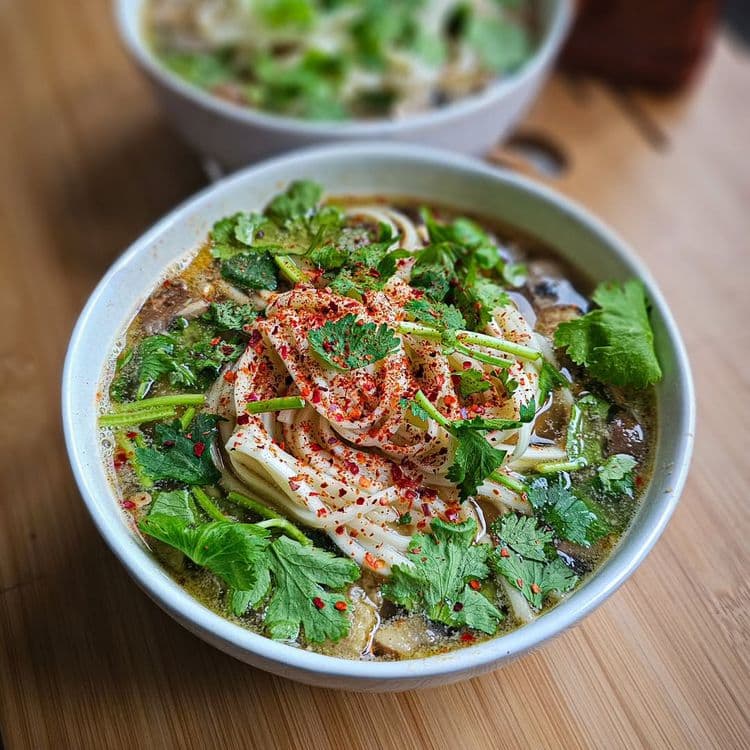
Ramen recipes cover far more ground than the dorm-room packet suggests: at heart this is a Japanese noodle soup built from four moving parts — a broth, a concentrated seasoning called tare, a finishing aromatic oil, and the springy alkaline noodles themselves — assembled fresh in the bowl. The recipes below were chosen to show that whole range, from a slow, milky tonkotsu you simmer for hours to a spicy bowl thrown together in fifteen minutes, plus chilled summer noodles and meat-free versions worth cooking for their own sake.
What makes ramen so satisfying to cook is that the bowl is assembled, not boiled together. The broth gives body, the tare carries the salt and depth, the aroma oil sits on top and hits your nose first, and the noodles bring the chew. Understand those layers separately and you can mix and match endlessly — the same chicken broth becomes shoyu, miso or shio depending only on the tare you spoon into the bowl. That modularity is the secret the seasoning packet hides.
You will find four clusters here: the long-simmered tonkotsu and broth-based bowls, quick and easy weeknight ramen built on upgraded instant noodles, the spicy lineup from tantanmen to fire noodles, and a vegetarian-and-cold group covering miso veg, mazemen and chilled hiyashi. The technique scales across all of them, so a shortcut bowl on a Tuesday teaches you moves you will use in a weekend project.
Treat this as a working reference rather than a single recipe. Each dish links to full ingredients and steps on Chefadora, and the guides below cover the decisions that actually decide whether a bowl tastes flat or restaurant-deep — how to build broth and tare, how to cook the noodles so they stay springy, how to nail the soft jammy egg, and how to assemble everything hot and fast so nothing goes soggy.
Quick & Easy Ramen
The fastest way to ruin a weeknight ramen is to trust the seasoning packet, and the fastest way to fix it is to throw that packet away and build the bowl yourself. The noodles in an instant pack are genuinely fine; what lets them down is the dusty, one-note powder, so cook them just shy of done in plenty of plain water, drain off the cloudy starch, and lower them into a bowl you have actually seasoned. A respectable shortcut broth comes together in twenty minutes from good chicken stock fortified with a piece of kombu, a handful of dried shiitake, a knob of ginger and a splash of soy and mirin, and a spoon of miso or a soy-based tare in the bottom of the bowl gives it backbone. The move that separates a fifteen-minute bowl from a sad one is treating it like the real thing: warm the bowl, float an aroma oil, slide in a soft jammy egg, and pile on whatever fresh and crunchy toppings you have — scallion, corn, bean sprouts, leftover roast meat. Build it hot and fast and serve it immediately, because even instant noodles bloat the moment they sit. Standouts here include Easy Vegan Ramen and Easy Sausage and Vegetable Ramen Stir-Fry, plus Maggie Ramen Hack.
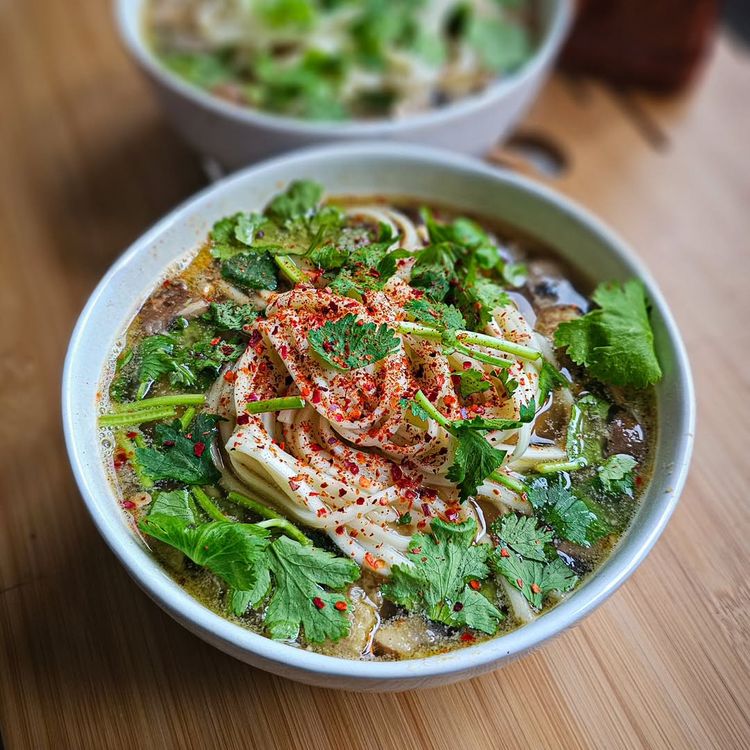
- Japanese
- Vegan
- Lunch
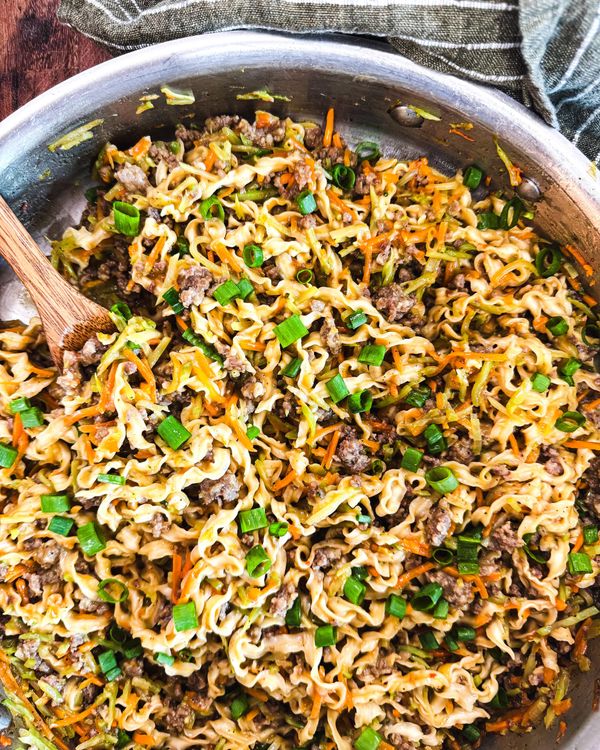

- Asian
- Non-Vegetarian
- Lunch
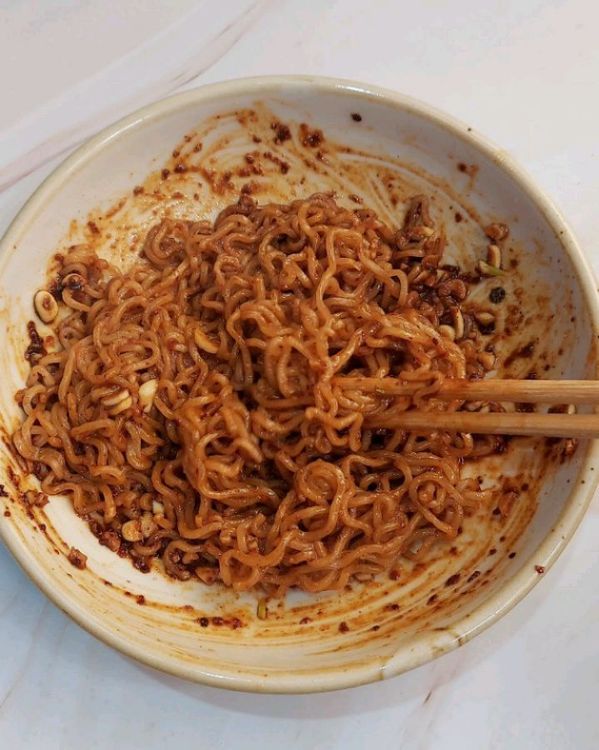
- Asian
- Vegan
- Snack
Spicy Ramen
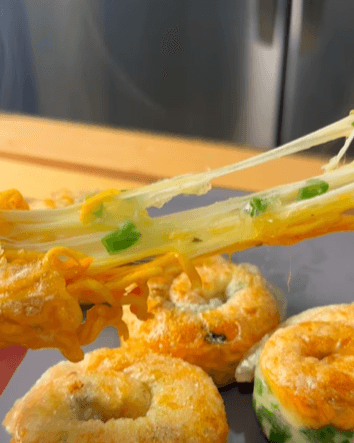
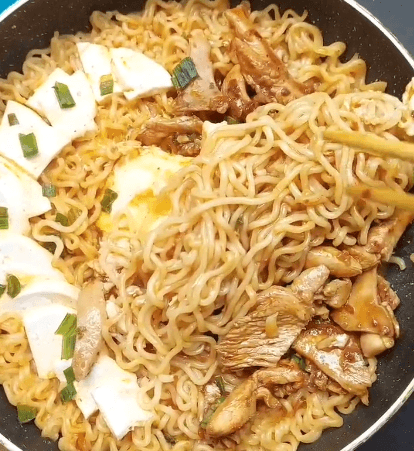
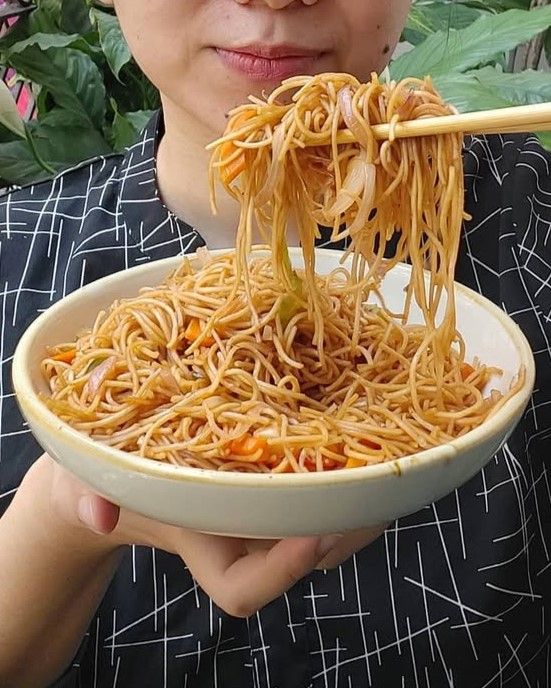
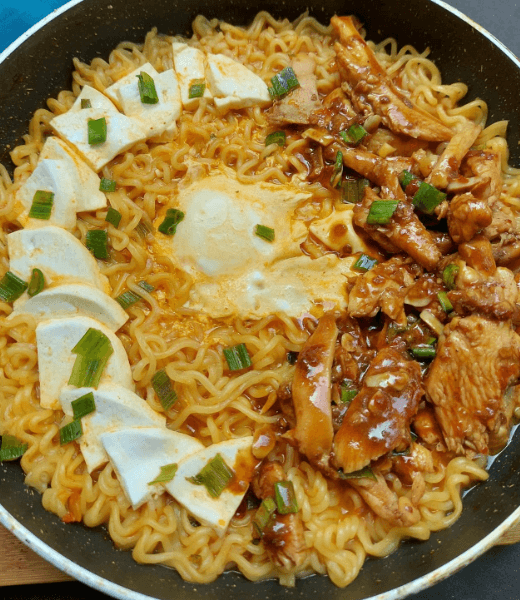
Spicy ramen is not about brute force; the best fiery bowls build warmth in layers so the heat is complex and lingering rather than a single blunt burn. Start with fragrance — a chilli oil or rayu floated on top — then go deep with a fermented base like gochujang or doubanjiang (chilli-bean paste) stirred into the tare, where the fermentation adds savory depth alongside the heat. A spoon of sesame paste rounds the sharp edges and gives body, which is exactly the trick behind tantanmen, the Japanese take on Sichuan dan dan noodles, where ground pork, chilli oil and a nutty sesame broth come together. For buldak-style fire noodles the heat comes sweet and sticky from a gochujang-and-sugar sauce that clings to drained noodles rather than sitting in soup. The mistake to avoid is dumping raw chilli powder into everything, which scorches your throat without building flavor; reach instead for oil-based and fermented chilli sources that carry aroma and umami. Temper the burn with the usual ramen comforts — a jammy egg, sesame, scallion and a little fat — and the bowl reads as deeply warming rather than merely punishing. Standouts here include Cheesy Spicy Ramen Rice Paper Spirals with Furikake Mayo and Kimchi Ramen, plus Chili Oil Ramen Noodles.

- Japanese
- Eggetarian
- Appetiser
- Korean
- Nut-Free
- Dinner
- Indian
- Vegetarian
- Breakfast
- Asian
- Nut-Free
- Lunch
Vegetarian & Cold Ramen
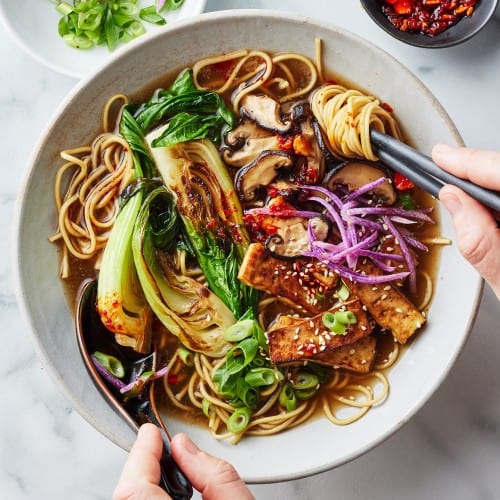
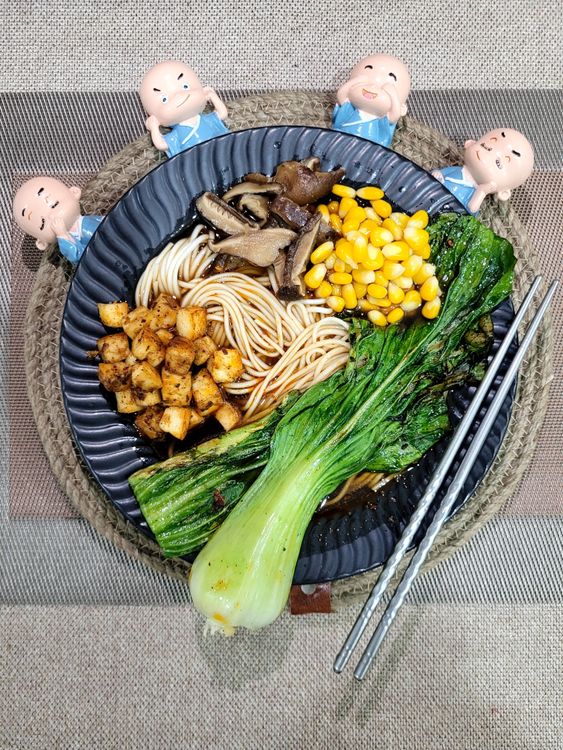
This cluster proves ramen is far bigger than a steaming bowl of pork-bone soup. On the vegetarian side, the whole game is umami without meat, and the answer is a kombu-and-dried-shiitake broth, which together carry a savory depth that genuinely stands in for the usual bones. Fortify it with miso, soy and a little sesame, then add fat for body — sesame oil, a spoon of tahini, or soy milk for a creamy tonkotsu-style bowl — and top with seared tofu, mushrooms, corn and greens. The cold and brothless styles change the format entirely. Mazemen is sauced rather than soupy: the noodles are tossed with a concentrated, intense dressing and toppings, so you mix every mouthful. Tsukemen serves chilled noodles alongside a thick, hot dipping broth. And hiyashi chuka is the summer classic, iced noodles in a bright soy-vinegar-sesame dressing with cucumber, egg and tomato. Across all the chilled versions, rinsing the cooked noodles under cold water is non-negotiable — it firms the bite and washes off the starch that would otherwise glue them into a clump on the plate. Standouts here include Vegan Ramen and Vegetarian Ramen Bowl Recipe.
- Japanese
- Vegan
- Dinner

- Asian
- Vegetarian
- Main Course
More Ramen Favourites
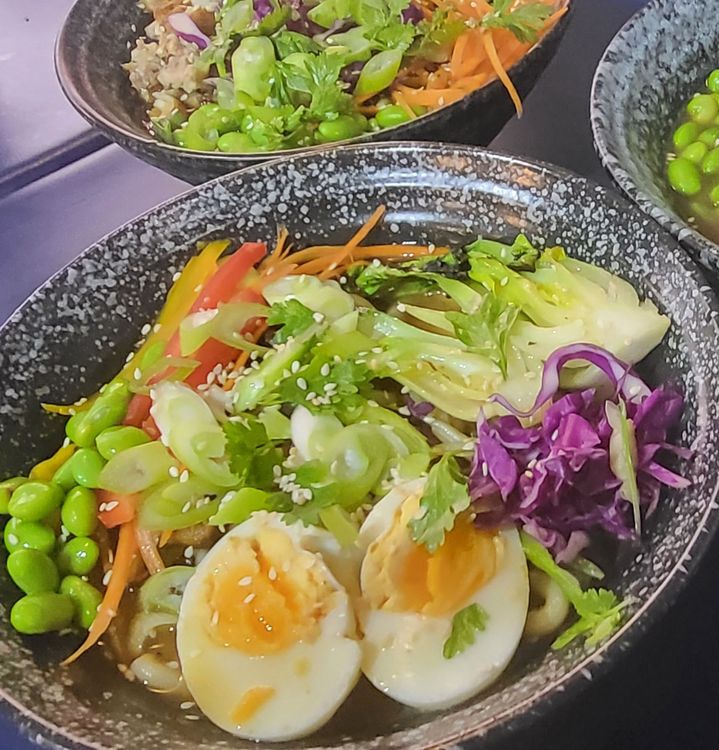
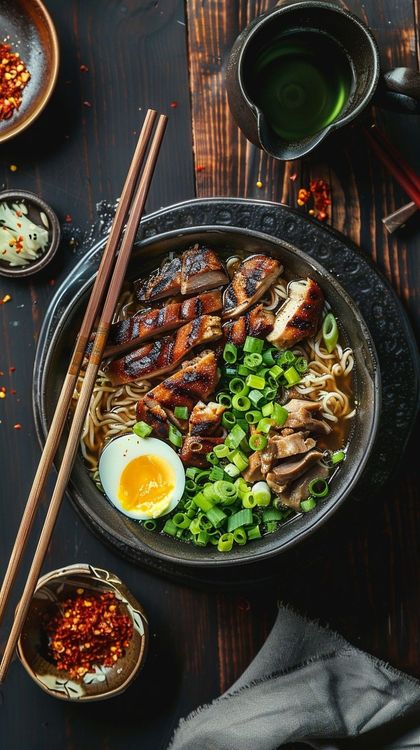
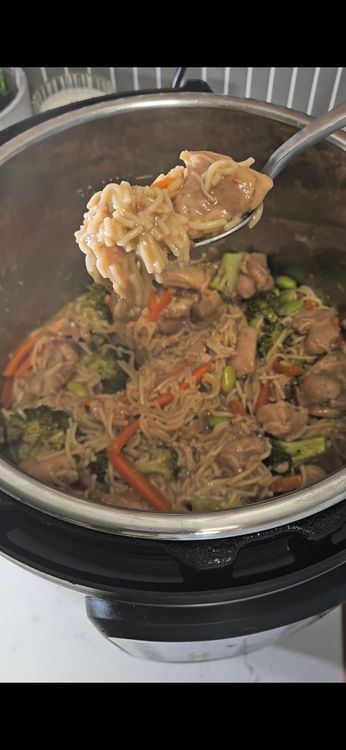
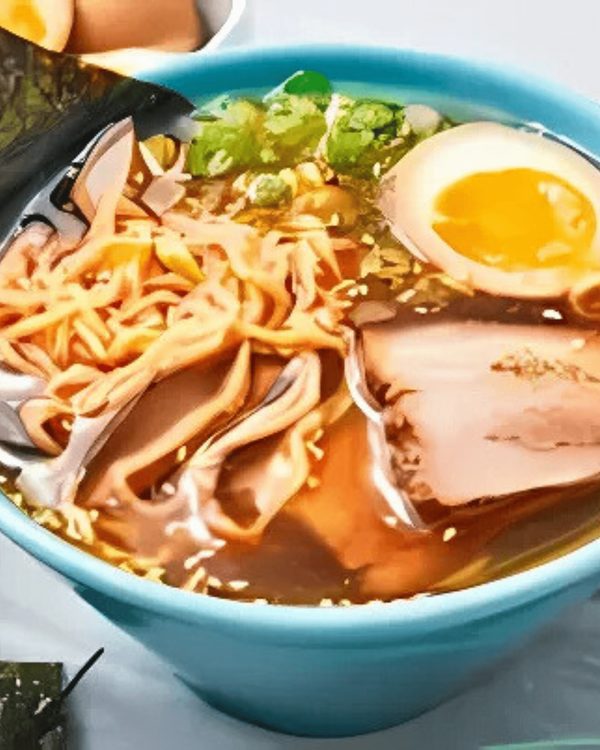
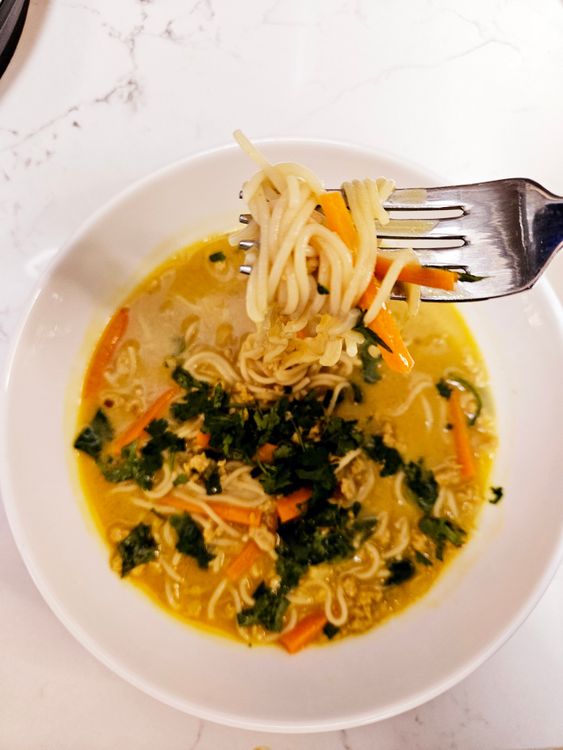
A handful of bowls never fit neatly into one category, and these are the ones worth keeping in your rotation once the staples feel routine. They lean on the same core moves you already know — a broth for body, a tare for seasoning, an aroma oil on top, and noodles cooked separately and pulled while firm — but steer them toward different regional accents, proteins and textures, so no two bowls taste the same. Picking your next one is mostly about matching effort to your evening: reach for a shortcut broth and upgraded instant noodles on a busy night when you want depth in fifteen minutes, and save the long-boiled, slow-braised projects for a weekend when you can let a tonkotsu simmer for hours and a slab of chashu braise low and slow. Pay attention to the small finishing details that punch above their weight — a properly warmed bowl, a spoon of fragrant oil floated on the surface, a jammy egg marinated the day before — because those are what make a home bowl smell and taste restaurant-real. Think of this group as the natural next step after the classics, the bowls that quietly earn a permanent place once you have tried them. Standouts here include Ramen and Ramen, plus Slow Cooker Chicken Ramen Noodles.

- Japanese
- Non-Vegetarian
- Lunch

- Asian
- Non-Vegetarian
- Lunch
- Korean
- Dairy-Free
- Dinner
- Asian
- Non-Vegetarian
- Lunch

- Japanese
- Non-Vegetarian
- Dinner
Broth and Tare: The Two Halves of Flavor
Ramen soup is two things working together: the broth (the liquid base) and the tare (a concentrated salty seasoning spooned into the bowl before the broth goes in). The broth supplies body and aroma — a clear chicken or dashi for lighter bowls, or pork bones boiled hard for hours to emulsify the fat and collagen into a milky, creamy tonkotsu. The tare supplies the actual seasoning and is what defines the style: a soy-based tare makes shoyu, a fermented soybean paste makes miso, and a simple salt-forward tare makes shio.
Keeping them separate is the whole trick, because it lets you season each bowl precisely and reuse one broth across several styles. Start by putting two to three tablespoons of tare in the bottom of the bowl, then pour the hot broth over and taste — adjust with a splash more tare rather than dumping salt into the whole pot. For tonkotsu, a rolling, almost violent boil is what breaks down the bones and emulsifies the fat; for clear shoyu and shio, you want the opposite, a bare simmer that keeps the broth clean and translucent.
If you do not have hours, a strong shortcut broth still beats the packet by a mile: good chicken stock fortified with a piece of kombu, a handful of dried shiitake, a knob of ginger and a splash of soy and mirin, simmered twenty minutes, gives you a respectable base. The point is to control the salt with tare at the bowl stage and to layer umami — kombu, shiitake, dried fish, soy, miso — so the soup tastes deep rather than merely salty.
Cooking the Noodles Right
Ramen noodles are made with kansui, an alkaline salt that gives them their springy bite, yellow color and faint distinctive aroma — it is what separates a ramen noodle from plain pasta. Always cook them in a separate pot of plenty of unsalted boiling water, not in the broth, because the starch they shed would cloud and thicken your carefully made soup. Drain them well and lower them straight into the waiting bowl of hot broth.
Timing is unforgiving, so treat the bowl like a relay: have your broth hot, your tare and toppings ready, and only then drop the noodles. Fresh ramen noodles cook in a minute or two, dried a little longer; pull them a touch firmer than you think, because they keep softening in the hot soup all the way to the table. Overcooked, bloated noodles are the single most common thing that drags a homemade bowl down.
Even with instant noodles, the same logic applies — cook them just shy of done, drain off the cloudy starch water, and build the bowl with your own broth and tare rather than the packet. For brothless styles like mazemen and the dipping noodles of tsukemen, cook the noodles, then rinse and chill or toss them in a little oil so they stay loose and distinct rather than clumping into a single mass on the plate.
Toppings: The Egg, Chashu and Aroma Oil
The soft, jammy ajitama egg is the topping people obsess over, and it is mostly about timing and a marinade. Boil eggs straight from the fridge for exactly six to seven minutes for a set white and a molten orange center, shock them in ice water, peel gently, then steep them for a few hours (or overnight) in a mix of soy, mirin and a little of the broth. The marinade seasons the white and tints it amber; the ice bath is what makes peeling clean.
Chashu — rolled pork belly braised slowly in soy, sake, mirin and sugar until meltingly tender, then sliced thin and lightly seared — is the classic protein, but the same braise works on pork shoulder or chicken thigh. Make it ahead; it keeps for days and improves as it sits in its braising liquid, which doubles as a ready-made tare. Slice it cold and torch or sear the slices just before serving so the fat softens and the edges catch.
The aroma oil is the finishing flourish most home cooks skip, and it is what makes a bowl smell restaurant-real. A spoonful of fragrant oil floated on top — scallion oil, garlic-infused mayu (black garlic oil), or a chilli oil for spicy bowls — hits your nose before the first slurp and carries flavor across the surface. Round the bowl out with thin scallion, blanched bean sprouts, nori, menma (fermented bamboo) and a scatter of sesame, adding the fresh and crunchy toppings last so they do not wilt.
Assembling and Serving the Bowl
A ramen bowl comes together in seconds once everything is prepped, so do all your work first: warm the bowls with hot water, get the broth simmering, line up tare, oil and toppings, marinate the eggs hours ahead, and slice the chashu. Service is a fast sequence — tare in the bowl, hot broth poured over and stirred, drained noodles laid in and lifted toward the surface with chopsticks, then toppings arranged on top. Done in order, it takes under a minute.
Heat is everything, because a lukewarm bowl tastes flat and the fat congeals. Pre-warming the bowl is not fussiness; a cold ceramic bowl can drop your broth ten degrees instantly. Pour broth that is genuinely hot, work quickly, and serve the moment it is built. Ramen is meant to be eaten right away — slurped, even, which both cools each bite and aerates the broth across your palate — not photographed for ten minutes while the noodles bloat.
Balance the bowl by tasting as you assemble: the broth should be a touch saltier than you would sip on its own, because the noodles and toppings dilute it. If it tastes flat, add tare, not water; if too sharp, a little more plain broth or a knob of fat rounds it. Arrange the toppings in tidy zones rather than scattering them so each one keeps its texture, and serve with a spoon for the soup and an empty bowl for shells if there are eggs.
Pro Tips from the Test Kitchen
- Keep broth and tare separate — season each bowl with tare so one broth can become shoyu, miso or shio.
- Boil pork bones hard and long for tonkotsu; the violent boil is what emulsifies the fat into a milky, creamy soup.
- Cook noodles in a separate pot of plain water, never in the broth, so they do not cloud and thicken your soup.
- Pull the noodles a touch firmer than you think — they keep softening in the hot broth right up to the table.
- Boil fridge-cold eggs 6–7 minutes, ice-bath them, then marinate in soy and mirin for a jammy amber ajitama.
- Make chashu ahead; it improves resting in its braise, and the leftover liquid doubles as a ready-made tare.
- Float a spoon of aroma oil — scallion, black garlic mayu or chilli — on top; it hits your nose before the first slurp.
- Pre-warm the bowl with hot water; cold ceramic can drop your broth ten degrees the instant you pour.
- Build spicy bowls in layers — chilli oil, gochujang, doubanjiang and sesame — for warmth that lingers rather than blunt burn.
- Even with instant noodles, ditch the packet: use your own tare and broth and you have a real bowl in fifteen minutes.
Frequently Asked Questions
What is the difference between tonkotsu, shoyu, miso and shio ramen?
They differ in broth and tare. Tonkotsu refers to the broth — pork bones boiled hard until milky and rich. Shoyu, miso and shio refer to the tare, the seasoning spooned into the bowl: shoyu is soy-based, miso uses fermented soybean paste, and shio is a clean salt seasoning. You can pair a given broth with any tare, which is why one good stock can produce several styles.
How do you make tonkotsu broth creamy?
A hard, rolling boil over many hours is the secret. Unlike clear broths that you simmer gently, tonkotsu needs an aggressive boil so the collagen, marrow and fat from the pork bones break down and emulsify into the water, turning it milky white and giving it that signature body. Blanch the bones first to remove scum, then boil eight to twelve hours, topping up with hot water. Gentle simmering leaves it thin and clear.
Why should I cook ramen noodles separately from the broth?
Ramen noodles shed a lot of surface starch as they cook, and boiling them in your broth would cloud it and turn it gluey, wasting the soup you worked to make clear and balanced. Cook them in a separate pot of plenty of plain water, drain well, then lower them into the waiting bowl of hot broth. This keeps the soup clean and lets you control the noodle texture precisely.
What is tare and why does it matter?
Tare is the concentrated salty seasoning base spooned into the bottom of the bowl before the broth is poured over. It carries most of the actual salt and umami and is what defines the ramen style — soy-based for shoyu, miso paste for miso, salt-forward for shio. Keeping the tare separate from the broth lets you season each bowl precisely and turn a single neutral broth into several different bowls.
How do you make the perfect jammy ramen egg?
Lower fridge-cold eggs into boiling water and cook exactly six to seven minutes for a set white and a molten, custardy orange yolk. Shock them immediately in ice water to stop the cooking and make peeling clean, peel gently, then steep them several hours or overnight in a mix of soy, mirin and a splash of broth. The marinade seasons the white and tints it amber. Precise timing is everything.
Can I make good ramen from instant noodles?
Absolutely — the noodles in an instant pack are fine; it is the seasoning packet that lets them down. Cook the noodles just shy of done in plain water, drain off the starchy water, and build the bowl with your own broth and tare: a fortified stock, a spoon of miso or soy, an aroma oil, a jammy egg and fresh toppings. You will have a genuinely good bowl in about fifteen minutes.
What is the difference between ramen, mazemen and tsukemen?
All three use the same alkaline noodles. Ramen is the classic noodles-in-broth bowl. Mazemen (also mazesoba) is brothless — the noodles are tossed with a concentrated, intense sauce and toppings, so you mix rather than slurp soup. Tsukemen serves the noodles and a thick, concentrated dipping broth separately, often chilled noodles with hot broth, so you dip each mouthful. The flavors run more concentrated in the brothless and dipping styles.
How do I make ramen spicy without it just being painful?
Build heat in layers rather than dumping in one fierce chilli. Start with a chilli oil or rayu for fragrance, add gochujang or doubanjiang (fermented chilli-bean paste) into the tare for depth, a little sesame paste to round it, and finish with fresh chilli or a buldak-style sauce if you want fire. Layered heat from fermented and oil-based sources tastes warm and complex and lingers, where raw chilli powder alone just burns.
Can ramen be vegetarian or vegan?
Yes, and a good vegetable bowl is deeply satisfying. Build the broth on kombu and dried shiitake for a powerful umami base, fortify with miso, soy and a little sesame, and add fat for body — sesame oil, a spoon of tahini, or a soy-milk-enriched broth for a creamy tonkotsu-style soup. Top with seared tofu, mushrooms, corn, greens and a soy-marinated egg if vegetarian. The kombu-shiitake combination is what carries the savory depth meat would otherwise give.
What is cold ramen and when do you eat it?
Cold ramen, or hiyashi chuka, is a chilled summer dish: noodles cooked, rinsed and iced, then dressed in a tangy soy-vinegar-sesame sauce and topped with strips of cucumber, ham, egg and tomato. It is bright and refreshing rather than rich and warming, eaten in hot weather. Tsukemen also often pairs chilled noodles with a hot dipping broth. Rinsing the noodles cold is key — it firms the bite and washes off the starch that would make them stick.
The thread running through every ramen recipe here is the same handful of layers: a broth for body, a tare for seasoning, an aroma oil on top and springy noodles cooked separately and pulled while still firm. Get those four working together — and master the jammy egg and a good chashu — and the style, whether milky tonkotsu, fiery tantanmen or a chilled summer bowl, becomes a choice rather than a different skill.
Start with a quick upgraded instant bowl this week to drill the assembly, then set aside a weekend for a proper long-simmered broth, and save your favorites to a Chefadora cookbook. Work through the spicy and meat-free bowls from there; this page is built to be the ramen reference you keep coming back to.
Related
- Ramen
- Noodles
- Japanese
- Soup
- Spicy
- Comfort Food
- Asian
- Dinner
Popular Searches
- Best ramen recipes
- Easy ramen recipes
- Quick ramen recipes
- Healthy ramen recipes
- Simple ramen recipes
- Homemade ramen recipes
- Delicious ramen recipes
- Popular ramen recipes
- tonkotsu ramen
- spicy ramen
- easy ramen recipe
Marnirni-apinthi Building, Lot Fourteen,
North Terrace, Adelaide, South Australia, 5000
Australia
