
Top 12 Spaghetti Pasta Sauce Recipes: Marinara, Meat, Creamy and More
Updated June 29, 2026 · Curated by Chefadora
A great spaghetti pasta sauce recipe is the difference between a bowl of noodles and a meal you actually look forward to. The collection below is built around the four sauces that anchor most kitchens: a bright tomato marinara, a long-simmered meat ragu, a silky cream sauce, and a quick garlic-and-oil or pesto. Rather than ten near-identical red sauces, each cluster shows a distinct technique so you walk away able to cook the style, not just follow one set of steps.
Spaghetti rewards a sauce that grabs hold of it. Long strands have a lot of surface area, so the goal in every cluster is a sauce that clings rather than pools at the bottom of the plate. That comes down to a few repeatable moves — salting the water properly, pulling the pasta a minute early, and finishing it in the pan with a splash of starchy cooking water so the sauce and noodles emulsify into one glossy thing.
You will find four clusters here: tomato and marinara sauces, meat sauces like bolognese and ragu, creamy sauces from alfredo to carbonara, and the garlic-oil and pesto family. The underlying skills overlap across all of them, so once you have nailed the marry-in-the-pan step on a simple marinara, every other sauce on this page gets noticeably easier and more consistent.
Treat this as a working reference rather than a one-time read. Every recipe links to full ingredients and steps on Chefadora, and the guides below cover the decisions that quietly decide whether dinner is restaurant-good or just fine — how to cook the spaghetti itself, how to build flavor in a tomato base, how to keep a cream sauce from breaking, and how to add the chicken and proteins that turn a sauce into a complete plate.
Tomato & Marinara Sauces
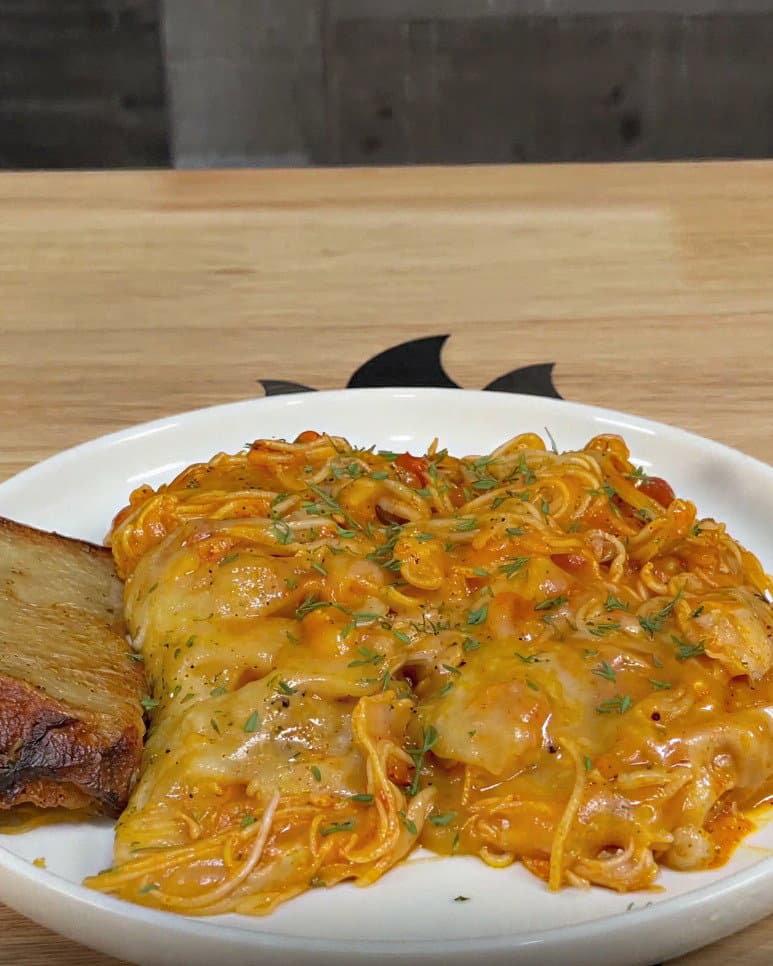
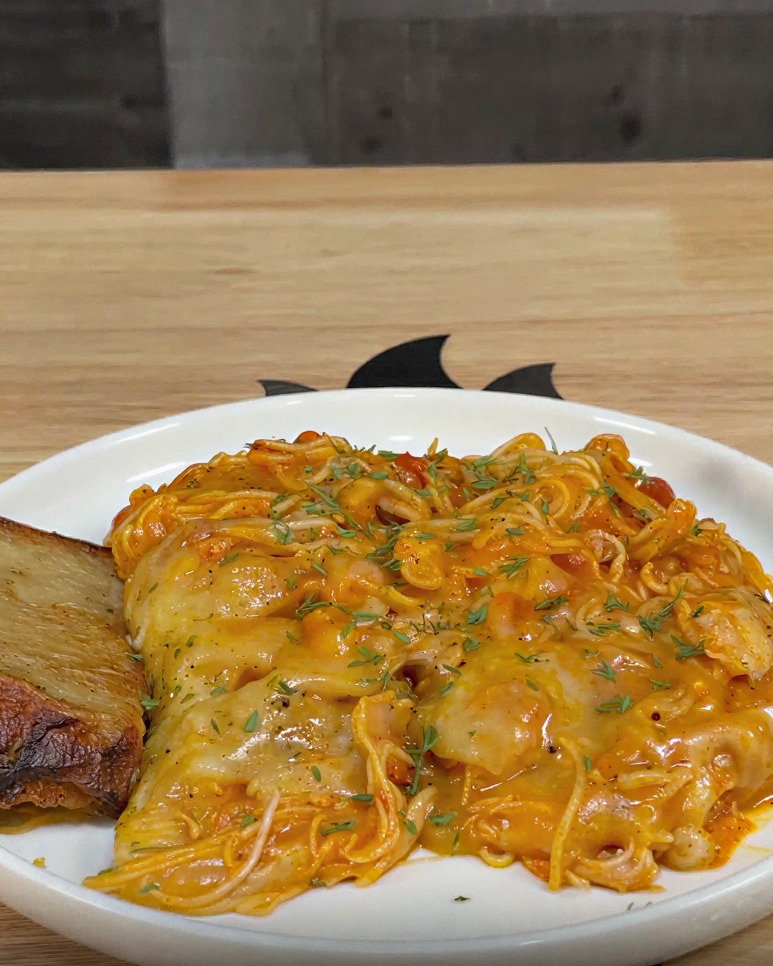
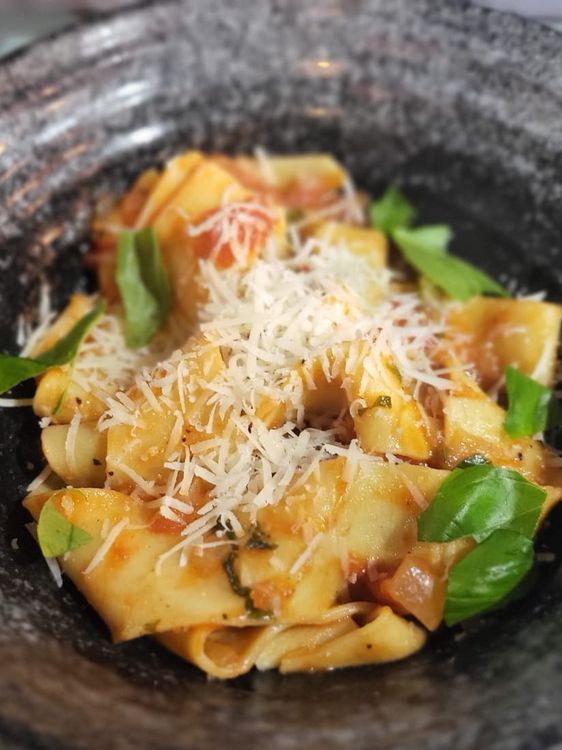
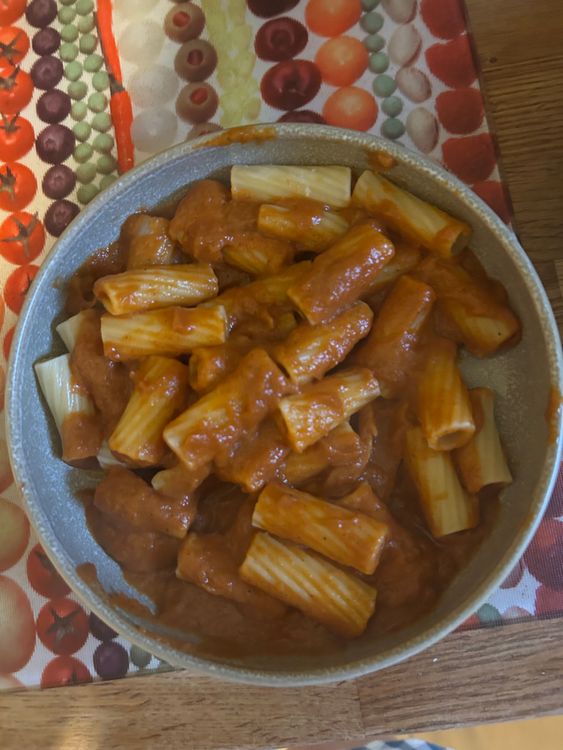
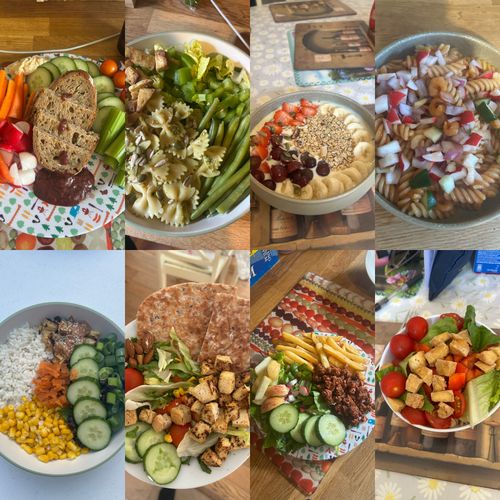
Tomato sauces are where most cooks start, and a good one is gloriously simple: warm olive oil, garlic taken just to pale gold, and tomatoes simmered until they reduce into something deep and clinging. The single biggest mistake is impatience. A thin, watery sauce slides straight off the spaghetti, so let it bubble uncovered for twenty to thirty minutes until it thickens and the oil pools at the edges, and crush canned whole peeled tomatoes by hand rather than reaching for the watery diced kind. Season in stages, salting early to draw flavor out and adding only a pinch of sugar if the tomatoes taste sharp, then taste as you go. Burnt garlic is the other classic stumble; it turns the whole pot bitter, so pull it off the heat the moment it smells fragrant. Finish with torn basil, a knob of butter for roundness, or chilli flakes for an arrabbiata, and always marry the drained spaghetti into the sauce for the last minute with a splash of pasta water so every strand glosses over. Standouts here include Magic Chicken Marinara Dump Pasta (Angel Hair Version) and Paparadelle Marinara (Tomato & Basil Sauce), plus Tomato Pasta Sauce.

- Nut-Free
- Dinner

- Italian
- Eggetarian
- Dinner
- Italian
- Vegetarian
- Lunch
Meat Sauces: Bolognese & Ragu
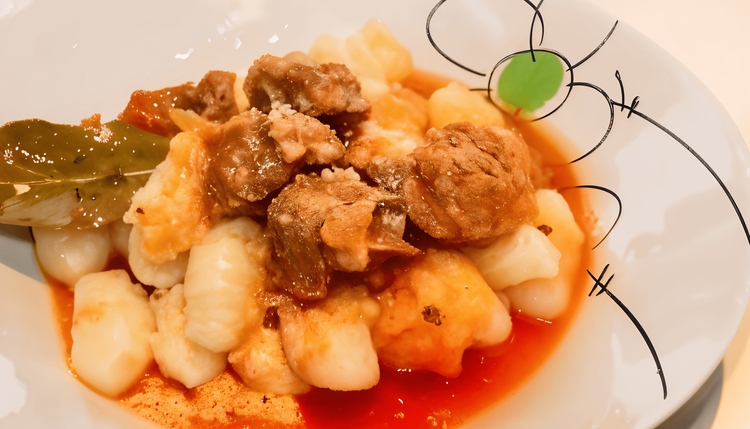
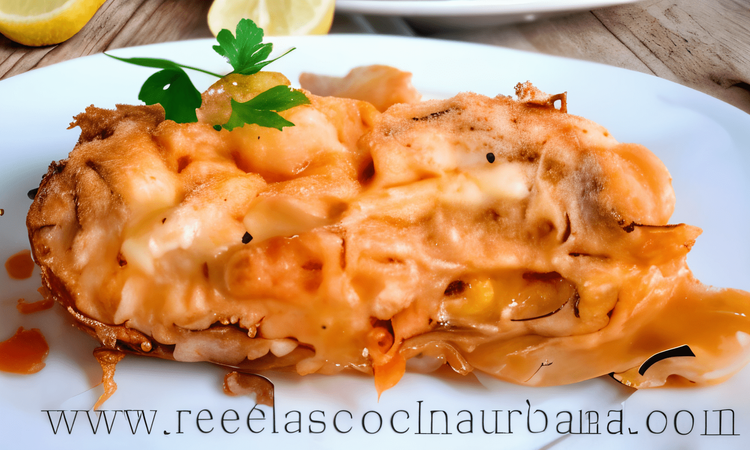
Meat sauces are about patience and a hard sear. Bolognese, ragu and a Sunday meat gravy all start the same way: a soffritto of finely diced onion, carrot and celery sweated slow in fat, then meat browned aggressively until a deep crust forms before you break it up. That fond is the flavor, so resist crowding the pan or stirring too soon, which steams the meat gray instead of browning it. Deglaze with wine or a splash of the tomatoes to lift every browned bit, add your tomatoes and a little milk for a classic bolognese, then drop the heat right down and let it tick over for an hour or more. A long, lazy simmer is what turns a rough sauce glossy and concentrated, so this is not the place to rush. Season at the end, since reduction concentrates salt, and finish with grated parmesan. Toss the spaghetti through the sauce with a ladle of pasta water rather than spooning it on top, and the strands carry the meat in every forkful. Standouts here include The BEST Pasta Bolognese and Gnocchi with Sausage Bolognese Sauce, plus Baked Macaroni with Bolognese Sauce.
- Italian
- Non-Vegetarian
- Dinner
- Italian
- Non-Vegetarian
- Lunch
Creamy Sauces: Alfredo, Vodka & Carbonara
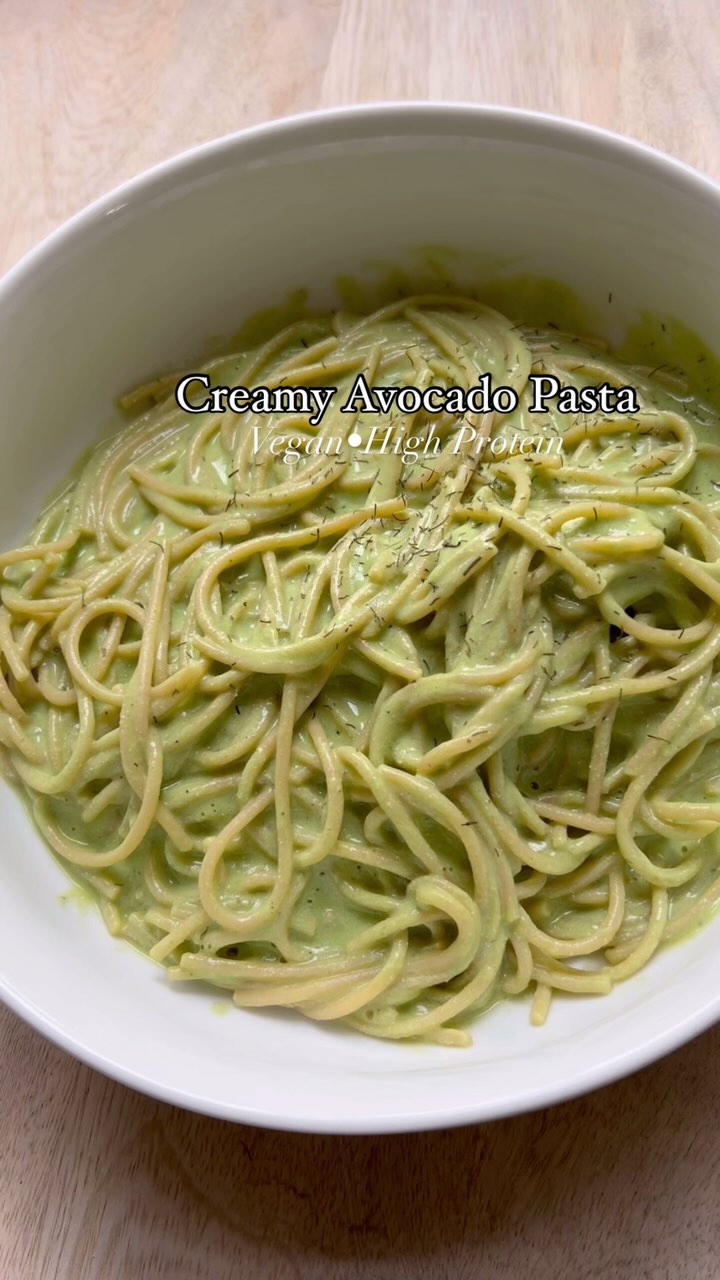
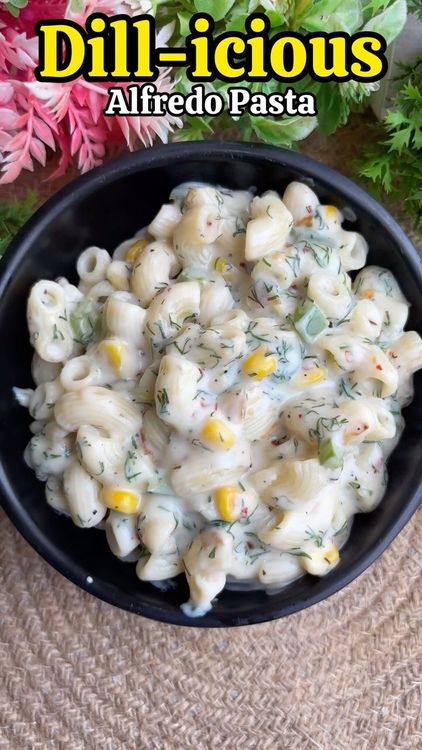
Creamy sauces look luxurious and intimidate people, but they all hinge on one humble thing: starchy pasta water and gentle heat. Alfredo, carbonara, cacio e pepe and vodka sauce split the moment they boil too hard, because high heat separates the fat from the dairy and leaves you with a greasy, grainy slick instead of a glossy coat. The fix is to build the emulsion off the boil. For alfredo, beat grated parmesan into melted butter and a little hot pasta water until it forms a sauce that coats a spoon. For carbonara, take the pan well off the heat and toss the hot spaghetti through whisked egg, pecorino and black pepper so it turns custardy rather than scrambled, loosening with pasta water as needed. Keep cream-based sauces at a bare bubble and stir cheese in off the heat. If a sauce ever starts to break, pull it from the burner immediately and whisk in a splash of cold pasta water, which often rescues a borderline emulsion before it is too late. Standouts here include Creamy Avocado and Tofu Pasta Sauce and Creamy White Wine Pasta Sauce, plus Dill-icious Alfredo Pasta.

- Vegetarian
- Lunch


- Italian
- Vegetarian
- Dinner

- Italian
- Vegetarian
- Lunch
- Italian
- Vegetarian
- Sauce & Condiment
More Pasta Sauce Favourites
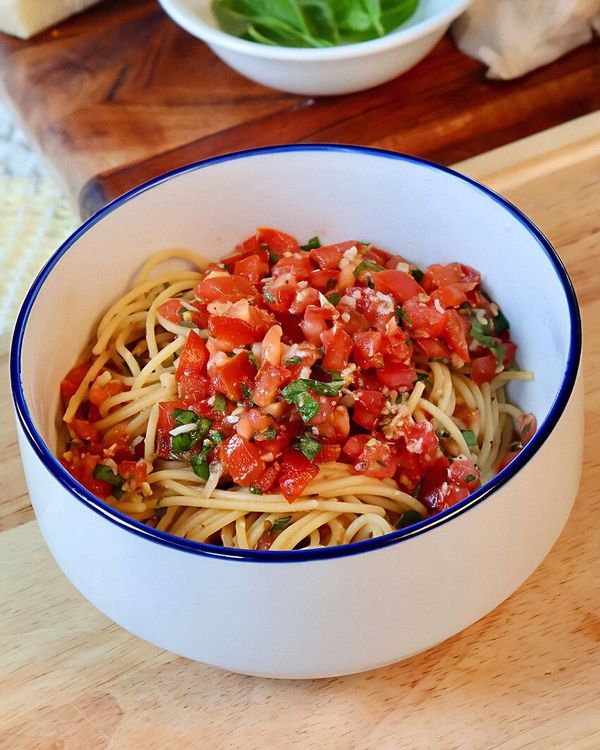
A few sauces never sit neatly in a single category, and these are the ones worth keeping once the staples feel routine. They lean on the same handful of techniques you already know — a well-built base, a hard sear, an emulsion pulled together with starchy pasta water — but steer them toward different textures and flavors, so the spaghetti never tastes quite the same twice. Picking your next one is mostly about matching effort to mood: reach for a quick oil-based or fresh-tomato toss on a busy night when you want dinner in fifteen minutes, and save the slow-simmered meat sauces and richer cream numbers for a weekend when you can let things reduce properly. Pay attention to how you finish, too, since the marry-in-the-pan step matters even more for these less familiar sauces. Whatever you cook, salt the water well, pull the spaghetti early, and keep a cup of cooking water on hand. Think of this group as the natural next step after the classics, the recipes that quietly earn a regular place in the weeknight rotation once you have tried them. Standouts here include No-Cook Summer Pasta Sauce and Italian Pasta Sauce.

- Italian
- Vegetarian
- Lunch
- Italian
- Non-Vegetarian
- Sauce & Condiment
Cooking the Spaghetti Itself
Start with a big pot and well-salted water — it should taste like the sea, roughly a tablespoon of salt per few liters. This is your only chance to season the pasta from the inside, and under-salted water is the single most common reason a finished dish tastes flat no matter how good the sauce is. Bring it to a rolling boil before the spaghetti goes in, and stir in the first minute so the strands do not clump or weld to the bottom.
Cook to just shy of al dente, usually a minute or two less than the box says, because the pasta will finish in the sauce. Bite a strand to check: you want a thin, pale core still firm at the center. Before you drain, reserve at least a cup of the cloudy cooking water — that starch is the glue that lets a sauce cling and emulsify, and you will reach for it in nearly every recipe on this page.
Never rinse spaghetti after draining; rinsing strips the surface starch that helps sauce adhere and drops the temperature you need for the final toss. The exception is a cold pasta salad. For everything hot, drain and move the spaghetti straight into the warm sauce, then loosen with reserved water a splash at a time until it slides and coats. Tongs, not a colander dump, give you the control to marry the two properly.
Building a Deep Tomato Base
The best tomato sauces start with restraint, not a long ingredient list. Warm good olive oil, add thinly sliced or crushed garlic, and let it turn pale gold and fragrant without browning — burnt garlic turns bitter and there is no rescuing it. From there, canned whole peeled tomatoes (San Marzano if you can get them) crushed by hand beat most fresh supermarket tomatoes outside of high summer, because they are picked and packed ripe.
Let the sauce actually reduce. A thin, watery tomato sauce slides right off the spaghetti, so simmer it uncovered at a steady bubble until it thickens and the oil starts to pool at the edges, usually twenty to thirty minutes for a simple marinara. Season in stages — salt early to draw out flavor, then a pinch of sugar only if the tomatoes are sharp — and taste as it goes rather than dumping everything in at the start.
Finish with aromatics off or near the heat so they stay vivid: a handful of torn basil, a knob of butter for roundness, or a hit of chilli flakes for an arrabbiata. Whatever you do, marry the drained spaghetti into the sauce for the last minute over the heat with a splash of pasta water, tossing hard so every strand glosses over. A sauce served on top of plain noodles always tastes more separate than one finished together.
Keeping Cream Sauces from Breaking
Emulsified sauces — alfredo, carbonara, cacio e pepe, vodka — all fail the same way: too much direct heat splits the fat from the dairy and you get a greasy, grainy mess. The fix is gentle heat and starchy pasta water. For a true alfredo, melt butter, add a little hot pasta water, then beat in grated parmesan off the boil until it forms a glossy emulsion that coats the back of a spoon, rather than relying on a flood of heavy cream.
Carbonara is the trickiest because it is thickened with raw egg, which scrambles if it touches a hot pan. Whisk the eggs with grated pecorino and plenty of black pepper, take the pan well off the heat, then toss the hot spaghetti and rendered guanciale through the egg mixture, loosening with pasta water until it turns into a silky, custardy sauce. If it looks dry, add water; if it looks loose, a few seconds of residual pan warmth will set it.
For cream-based sauces that do include cream, like a vodka or a mushroom cream, keep the simmer to a bare bubble and stir in the cheese off the heat. Add the spaghetti and a ladle of pasta water and toss until the sauce tightens around the strands. If a sauce ever starts to break, pull it from the heat immediately and whisk in a splash of cold pasta water — that often pulls a borderline emulsion back together.
Adding Chicken, Sausage and Other Proteins
Chicken is the most-requested addition, and the key is cooking it separately so it browns instead of steaming in the sauce. Slice or cube it, pat it dry, season well, and sear it hard in a hot pan until golden, then set it aside and build the sauce in the same pan to capture the browned fond. Fold the chicken back in at the end to warm through — a creamy chicken spaghetti or a chicken marinara both work beautifully this way.
For meat sauces, the browning is the flavor. Spread ground beef, pork or sausage in a hot, wide pan and leave it undisturbed until a deep crust forms before breaking it up — crowding and stirring too soon makes it gray and boiled rather than browned. Drain excess fat if there is a lot, deglaze the pan with wine or a splash of the tomatoes so none of that fond is wasted, and build the sauce from there.
Seafood and delicate proteins want the opposite touch. Shrimp curl and toughen in a couple of minutes, so add them to a finished sauce just long enough to turn opaque. Meatballs are better browned first then simmered gently in the sauce to cook through and trade flavor both ways. Whatever the protein, taste and re-season after it goes in, since meat and chicken soak up salt and can leave an otherwise perfect sauce tasting underseasoned.
Pro Tips from the Test Kitchen
- Salt the pasta water until it tastes like the sea — it is your only chance to season the spaghetti from within.
- Pull the spaghetti a minute or two early and finish it in the sauce so the two emulsify into one glossy plate.
- Always reserve a cup of starchy pasta water before draining; it is the glue that makes sauce cling.
- Never rinse hot spaghetti — rinsing strips the surface starch that helps sauce adhere.
- Cook garlic only to pale gold; burnt garlic turns bitter and there is no fixing it.
- Crush canned whole peeled tomatoes by hand for the best texture and flavor over most off-season fresh ones.
- Reduce tomato sauce until the oil pools at the edges so it coats rather than slides off the strands.
- For alfredo, emulsify butter, cheese and pasta water off the boil instead of leaning on a flood of cream.
- Make carbonara off the heat — toss hot pasta into the egg-cheese mix so it turns custardy, not scrambled.
- Sear chicken and brown meat separately for color and fond, then build the sauce in the same pan.
Frequently Asked Questions
How do you get sauce to stick to spaghetti?
Finish the pasta in the sauce instead of pouring sauce over plain noodles. Pull the spaghetti a minute early, drain it but keep a cup of the starchy cooking water, then toss the strands in the sauce over the heat for a minute, loosening with that water until it turns glossy and clings. The starch and the brief cooking together are what bind sauce to every strand.
What is the best pasta sauce for spaghetti?
It depends on the night. A simple tomato marinara is the most versatile and fastest from scratch; a long-simmered meat ragu like bolognese is the comfort classic; a silky carbonara or alfredo feels indulgent; and a garlic-and-oil aglio e olio is the quickest real sauce of all. This collection covers all four so you can match the sauce to your time and mood.
Can I add chicken to spaghetti sauce?
Yes, and it is one of the most popular additions. Cook the chicken separately first — slice or cube it, pat it dry, season it and sear it golden in a hot pan — then set it aside and build the sauce, folding the chicken back in at the end to warm through. Cooking it apart keeps it browned and juicy rather than gray and steamed in the sauce.
Why is my spaghetti sauce watery?
Either it has not reduced enough or excess pasta water diluted it. Simmer tomato sauces uncovered at a steady bubble until they thicken and the oil pools at the edges, usually twenty to thirty minutes. When you marry the pasta in, add the reserved cooking water a splash at a time rather than all at once, and remember the sauce keeps tightening as it sits off the heat.
How do you keep alfredo or cream sauce from breaking?
Heat is the enemy. Emulsified sauces split when the fat separates from the dairy under a hard boil, so keep the heat gentle and stir cheese in off the boil with a little starchy pasta water. If a sauce starts to look greasy or grainy, pull it from the heat at once and whisk in a splash of cold pasta water, which often pulls a borderline emulsion back together.
What is the difference between marinara and spaghetti sauce?
Marinara is a quick, bright tomato sauce of tomatoes, garlic, olive oil and herbs, simmered just long enough to thicken. "Spaghetti sauce" is a looser term that often means a longer-cooked, heartier tomato sauce, frequently with meat. In other words, marinara is one type of spaghetti sauce — the fast, meatless, garlicky one — while a meat sauce or ragu is the richer, slow-cooked cousin.
Should I rinse spaghetti after cooking?
No, not for hot dishes. Rinsing washes away the surface starch that helps sauce grip the strands and it cools the pasta down right when you want it hot for the final toss. Drain it and move it straight into the warm sauce. The only time to rinse is for a cold pasta salad, where you want the noodles chilled and separate rather than saucy and clinging.
How much sauce do I need for spaghetti?
A good rule is roughly a cup to a cup and a half of sauce per pound of dry spaghetti, but the amount matters less than the finish. Italian portions tend to use less sauce than American ones because the pasta is tossed in it rather than buried under it. Start lighter, marry the pasta in the pan, and add reserved pasta water to stretch and gloss the sauce so it coats every strand.
Can I make spaghetti sauce ahead of time?
Tomato and meat sauces actually improve overnight as the flavors meld, so they are ideal make-ahead. Cool them quickly, refrigerate for three to four days or freeze for up to three months, and reheat gently. Cream and egg-based sauces like alfredo and carbonara are the exception — they are best made fresh and tossed with the pasta immediately, since reheating tends to split or stiffen them.
What can I add to jarred pasta sauce to make it better?
A few minutes of work transforms a jar. Sweat garlic and onion in olive oil first and tip the sauce in to simmer; brown some ground meat or sausage for depth; add a splash of red wine or a knob of butter to round the acidity; and finish with fresh basil, chilli flakes or grated parmesan. Most of all, simmer it to reduce slightly and marry the spaghetti into it rather than spooning it over the top.
The thread through every spaghetti pasta sauce recipe here is the same: a sauce is only as good as the way it meets the pasta. Salt the water, cook the strands just shy of done, keep a cup of that starchy water, and finish the spaghetti in the sauce so the two become one glossy, clinging plate rather than noodles wearing a topping.
Pick three to cook this week — a quick marinara, a slow meat ragu, and one creamy or garlic-oil sauce — and save the ones you love to a Chefadora cookbook. Then work through the rest. This page is built to be the spaghetti sauce reference you keep coming back to, weeknight after weeknight.
Related
- Spaghetti
- Pasta
- Italian
- Tomato Sauce
- Bolognese
- Dinner
- Weeknight
- Comfort Food
Popular Searches
- Best spaghetti pasta sauce recipe
- Easy spaghetti pasta sauce recipe
- Quick spaghetti pasta sauce recipe
- Healthy spaghetti pasta sauce recipe
- Simple spaghetti pasta sauce recipe
- Homemade spaghetti pasta sauce recipe
- Delicious spaghetti pasta sauce recipe
- Popular spaghetti pasta sauce recipe
- chicken pasta spaghetti recipes
- spaghetti with pasta sauce
- spaghetti pasta
Marnirni-apinthi Building, Lot Fourteen,
North Terrace, Adelaide, South Australia, 5000
Australia
