
18 Turmeric Powder Recipes to Brighten Every Meal
Updated July 7, 2026 · Curated by Chefadora
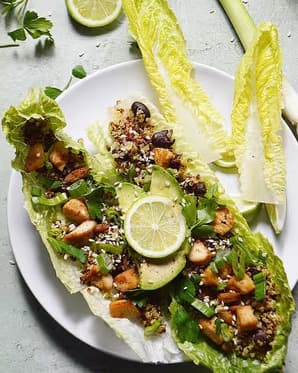
If a jar of golden spice is quietly aging in your pantry, these turmeric powder recipes will finally put it to work in the tastiest way possible. I've pulled together 18 dishes that lean on haldi for color, warmth and that gentle earthy bitterness it's loved for — from a bowl of coconut-ginger lentil soup to fragrant yellow rice, frothy turmeric coffee and a bright ginger-orange juice. Turmeric is one of the most versatile spices in any kitchen, and a little truly goes a long way.
Below you'll find the collection sorted into four easy groups: curries and sabzis, golden drinks, rice and grains, and warming soups and wellness bites. Each recipe is a real, tested dish from the Chefadora community, so you can cook straight off the list without any guesswork. I've also packed in guides on how much turmeric to use and when, why black pepper matters so much, the difference between fresh and powdered root, and how to keep those stubborn yellow stains off your counters and hands.
Turmeric Curries & Sabzis
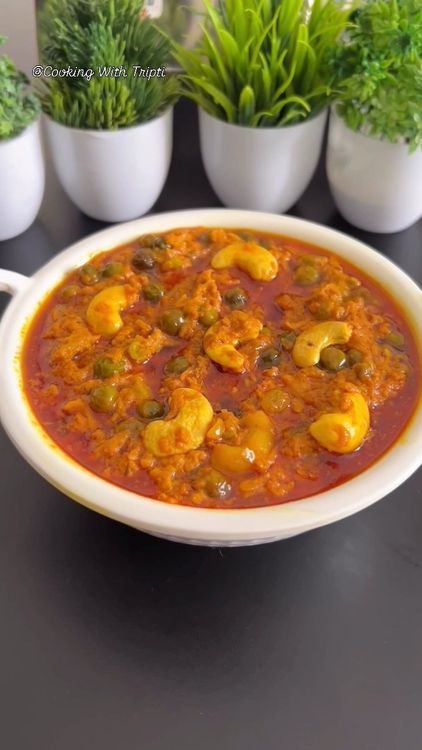
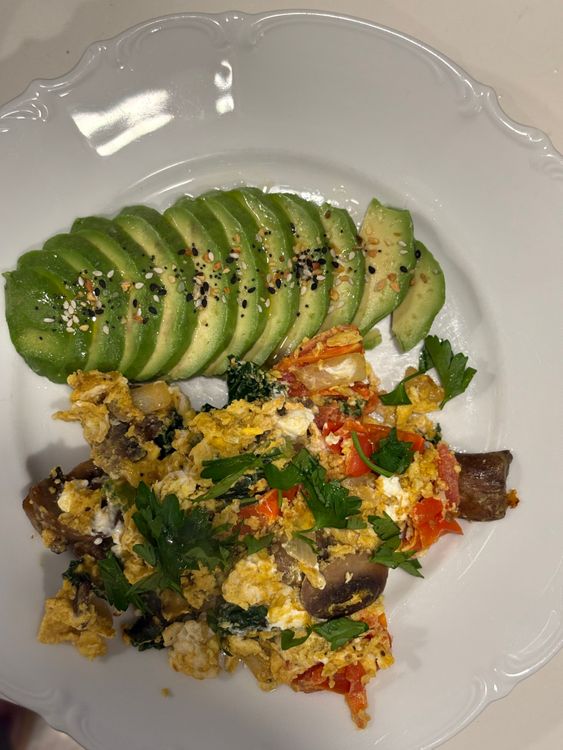
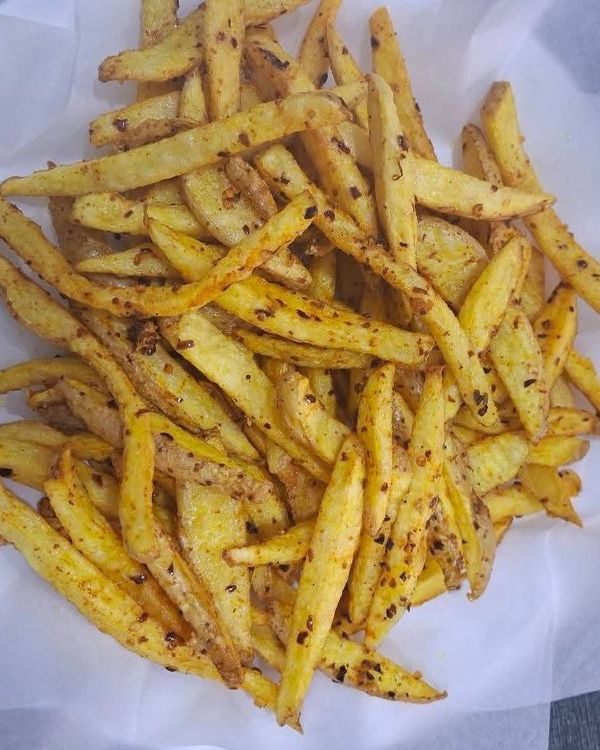
Turmeric truly shines in savory, everyday cooking, where it tints oil gold and lays down a mellow, earthy base note before the other spices arrive. This first group gathers the sabzis, wraps and skillet dishes that treat haldi as a foundation rather than a garnish. You'll notice most of them start the same way: a pinch of turmeric bloomed in hot oil or ghee, which wakes up its color and tames any raw bitterness. From a Rajasthani fresh-turmeric sabji to a quick veggie omelette and crisp spiced potato chips, these are the dishes I reach for on busy weeknights. Keep the heat moderate — turmeric scorches fast and turns acrid if the pan runs too hot. Pair any of them with plain rice or warm flatbread and you have a complete, comforting meal on the table in well under an hour.


- Fusion
- Non-Vegetarian
- Dinner

- Indian
- Vegetarian
- Lunch

- Eggetarian
- Breakfast
- Irish
- Vegan
- Snack
Golden Milk & Turmeric Drinks
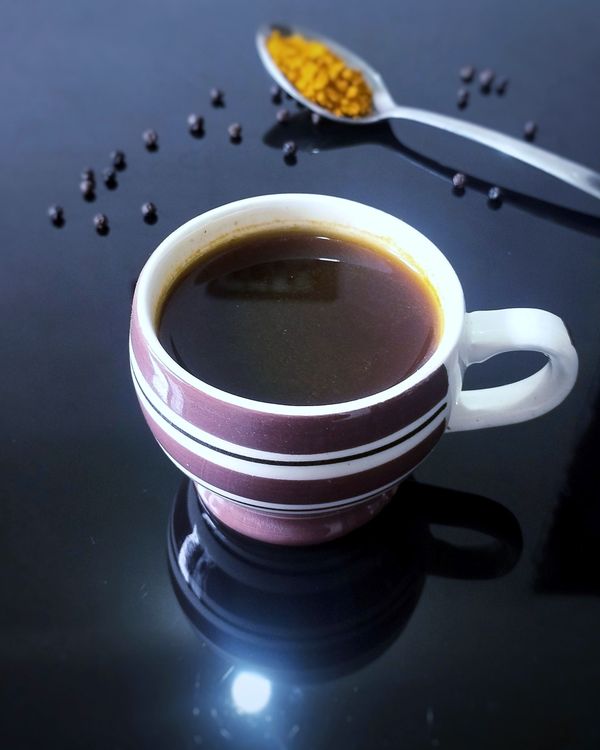
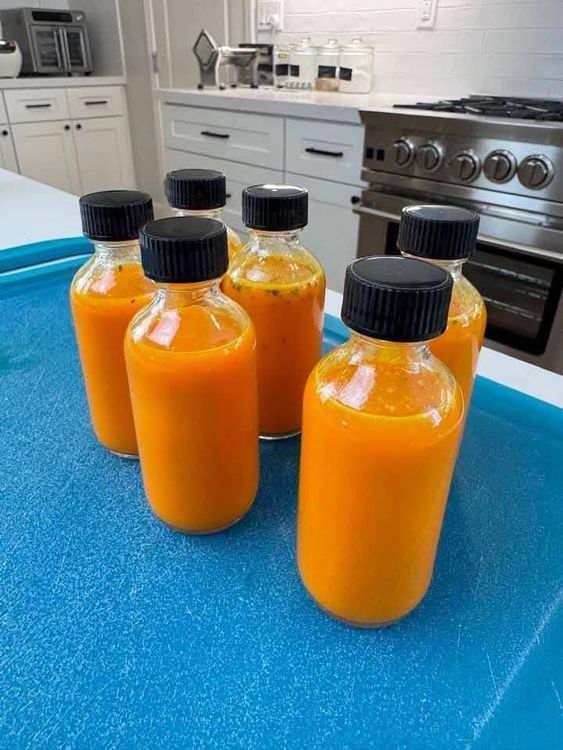
Golden milk gets all the press, but turmeric earns its keep across a whole range of drinks — hot, cold, sweet and bracingly tart. The trick with any turmeric beverage is balance: a small measure of the spice, a squeeze of citrus or a knob of ginger to lift it, and something creamy or sweet to round out the finish. Always add a crack of black pepper, since its piperine helps your body absorb the curcumin in turmeric. This group runs from a warming spiced coffee to a zingy ginger-orange juice and a protein-rich pineapple smoothie. Serve them well-chilled or steaming hot, and stir often, because turmeric loves to settle at the bottom of the glass. A concentrated wellness shot version — turmeric, ginger, lemon and a pinch of pepper in a small glass — is a popular way to start the morning, too.
- Global
- Vegetarian
- Breakfast
- International
- Vegan
- Snack

- International
- Vegetarian
- Breakfast
Turmeric Powder Recipes for Rice & Grains
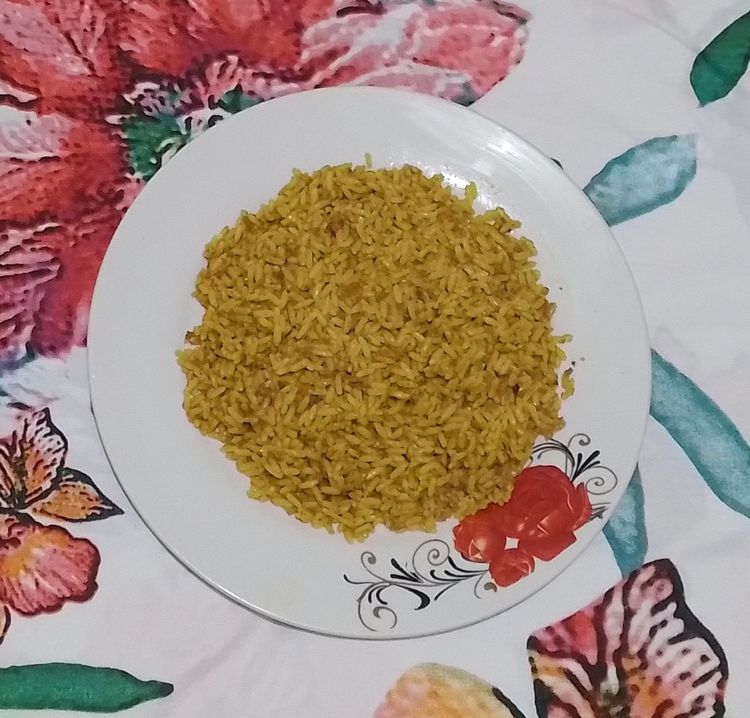
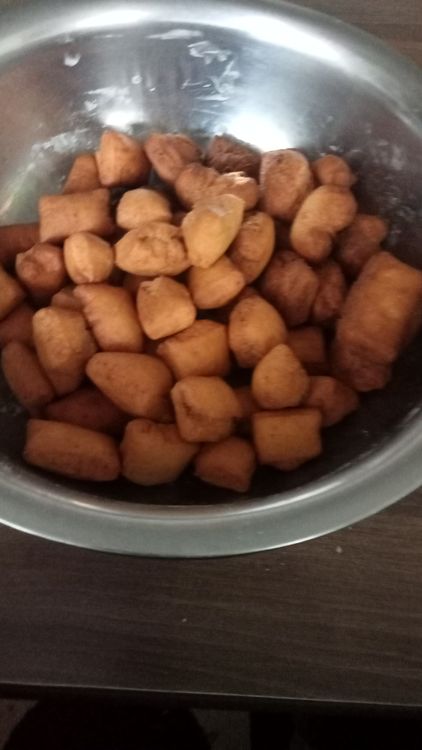
Nothing shows off turmeric like a pot of glowing yellow rice. Just a quarter-teaspoon per cup of grains turns plain basmati into a golden, faintly peppery side that pairs with almost anything you set beside it. The dishes here span continents — Malaysian turmeric chicken rice, Persian lamb over saffron-gold rice, a Caribbean rice with corned beef and pumpkin, plus grain-based treats like sweet turmeric-leaf idli and East African mandazi. Add the powder to the cooking water or bloom it in oil with whole spices before the rice goes in for the deepest color. Whether you use a pot, a rice cooker or a pressure cooker, keep the ratio gentle so the flavor stays savory rather than medicinal. A bay leaf, a cinnamon stick or a few cloves in the pot alongside the turmeric turns an ordinary side into something fragrant enough to serve on its own.


- Indian
- Vegan
- Dessert

- Thai
- Non-Vegetarian
- Lunch


- Non-Vegetarian
- Dinner
- Fusion
- Non-Vegetarian
- Lunch

- Fusion
- Non-Vegetarian
- Lunch


- Indian
- Non-Vegetarian
- Dinner

- East African
- Eggetarian
- Breakfast
Turmeric Soups & Wellness Dishes
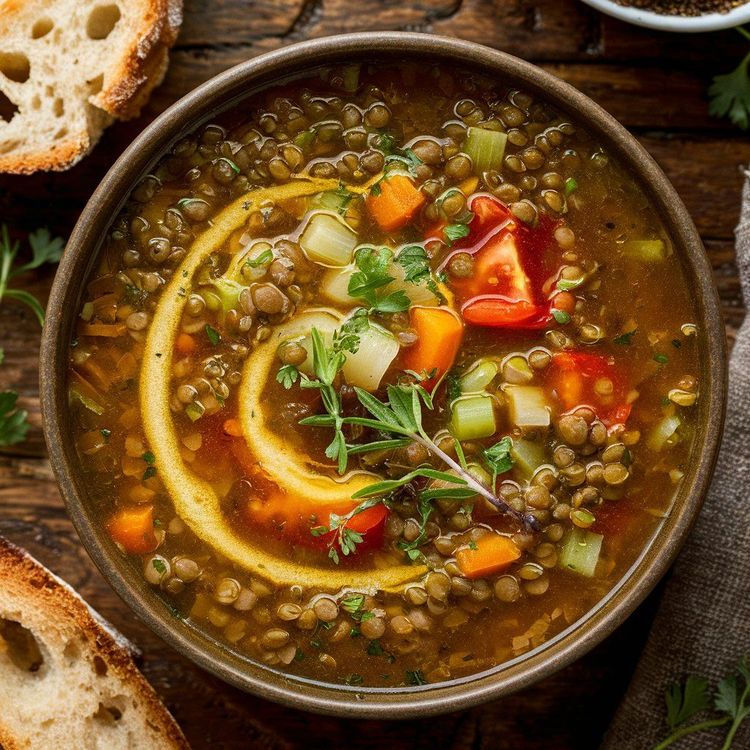
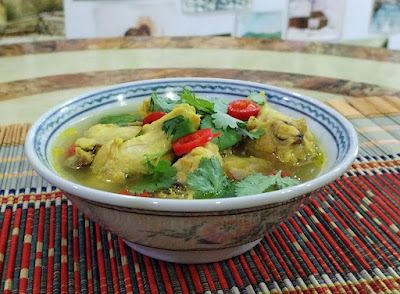
When the weather turns or a cold is circling, this is the group I cook from most. Turmeric's warm, anti-inflammatory reputation makes it a natural fit for brothy soups and immunity-minded bites, and it blends beautifully with ginger, coconut and sweet carrot. A coconut-lentil soup and a Thai-style turmeric chicken soup anchor the savory side, while a silky carrot soup and a chewy ginger-amla-turmeric candy round things out for snacking. Simmer turmeric low and slow here so it melts into the broth without any harshness. A finishing squeeze of lemon and a pinch of pepper brighten every bowl and, once again, help your body make the most of the spice's golden compounds. Most of these keep for days in the fridge and reheat gently, so they're ideal for batch-cooking a week of easy, feel-good lunches.
- Fusion
- Vegan
- Lunch
- Thai
- Non-Vegetarian
- Lunch


- Comfort Food
- Vegan
- Soup
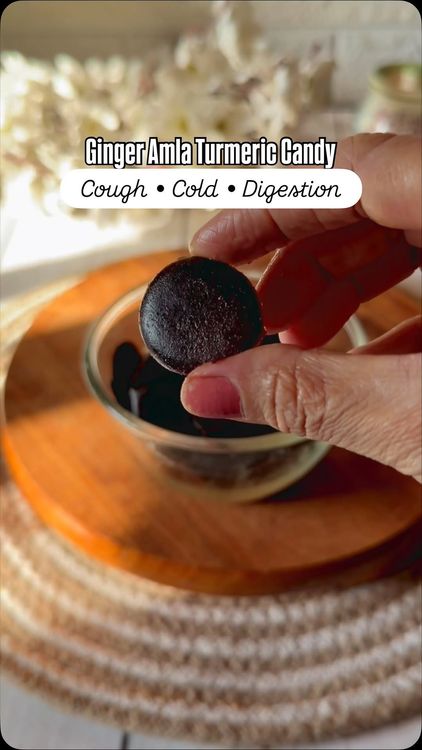
- Indian
- Vegan
- Snack
Cooking with Turmeric Powder (How Much & When)
A little turmeric goes a very long way, and the single biggest mistake I see is people dumping in a heaping spoonful and ending up with a bitter, muddy dish. As a rule of thumb, start with about a quarter to half a teaspoon of powder per four servings. For a pot of rice, a quarter-teaspoon per cup of dry grain gives you that classic golden color without any medicinal edge. You can always add more later, but you can't take it back out once it's in.
Timing matters just as much as quantity. Turmeric's flavor and color bloom best in fat, so the classic technique is to add it to hot oil or ghee alongside your other ground spices for just a few seconds before the onions, garlic or liquid go in. This quick bloom mellows the raw, dusty bitterness and deepens the color into something rich and glowing. Be careful, though — turmeric burns quickly and turns sharply acrid, so keep the heat moderate and never let it sit in a smoking-hot, empty pan.
For drinks and no-cook recipes like smoothies, juices and wellness shots, whisk the powder into a splash of warm liquid first, or blend it hard, so it doesn't clump or sink to the bottom. A tiny pinch of black pepper and a source of fat — milk, coconut or nut butter — both improve the flavor and help your body absorb turmeric's active compound. When you're unsure, under-season; you're aiming for gentle warmth and beautiful color here, not a spice you can taste all on its own. And if you do overdo it, don't panic — a spoonful of yogurt, a splash of coconut milk or a little extra acid can pull a too-bitter dish back into balance.
Turmeric Health Benefits & Black Pepper
Turmeric owes much of its reputation to curcumin, the golden compound responsible for both its color and its widely studied anti-inflammatory and antioxidant properties. Traditional kitchens across South Asia have leaned on haldi for centuries — in warm milk for a cold, in fresh-root sabjis through winter, and in tonics meant to soothe aches and support digestion. While turmeric isn't a cure-all, working it into everyday meals is an easy, low-risk way to enjoy a spice with a genuinely long culinary and medicinal history behind it.
Here's the catch: curcumin is notoriously difficult for the body to absorb on its own. This is exactly where black pepper earns its place in nearly every recipe on this page. Piperine, the compound that gives pepper its pungency, can dramatically increase curcumin absorption when the two are eaten together. That's why golden milk, turmeric shots and even savory sabzis almost always include a crack of pepper — it isn't just there for heat, it's quietly doing real work behind the scenes.
Fat helps too, since curcumin is fat-soluble. Pairing turmeric with coconut milk, ghee, whole milk or even a little oil makes its compounds far more available to you, which is another reason those creamy lattes and coconut soups are so beloved. If you're reaching for turmeric more for wellness than for flavor, a warm drink with both pepper and a little fat is your best bet. As always, check with a doctor before using large or supplemental amounts, especially if you're pregnant or taking blood thinners. The amounts used in ordinary cooking, though, are gentle and perfectly safe for most people to enjoy every day.
Fresh vs Powdered Turmeric
Fresh turmeric root and dried powder are related but not truly interchangeable, and knowing when to reach for each will sharpen your cooking. Fresh turmeric looks like a small, knobbly cousin of ginger with vivid orange flesh. It's brighter, juicier and more peppery than the powder, with a resinous, almost citrusy aroma you simply can't get from a jar. It stars in dishes like kacchi haldi ki sabji and steamed turmeric-leaf patoli, where its distinctive character is the entire point.
Dried powder, on the other hand, is concentrated, shelf-stable and endlessly convenient. It dissolves smoothly into rice, soups, drinks and spice blends, and it's what the vast majority of everyday recipes call for. If a recipe lists powder and you only have fresh, a rough conversion is one tablespoon of grated fresh root for every teaspoon of powder — though the flavors won't match exactly. Going the other way, powder delivers more color per spoonful, so use a noticeably lighter hand than you might expect.
Fresh turmeric will stain your hands and cutting board an alarming yellow-orange, so wear gloves and grate it on something you don't mind discoloring. It keeps in the fridge for a couple of weeks or freezes well for months. Powder wins on convenience and consistency; fresh wins on aroma and brightness. For most of the rice, drink and soup recipes in this collection, good-quality powder is all you need — save the fresh root for the traditional dishes that are built around it. If you can find both, keeping a jar of powder for weeknights and a knob of fresh root for special sabjis gives you the best of both worlds.
Storing Turmeric & Avoiding Stains
Turmeric powder is hardy, but it isn't immortal. Like all ground spices, it slowly loses color and aroma with exposure to air, light and heat. Keep it in an airtight jar in a cool, dark cupboard — never on a sunny counter or on a shelf above the stove — and it will hold its punch for a year or more. If your powder smells dusty and flat rather than warm and earthy, or its color has faded from vivid gold to pale mustard, it's a clear sign the jar is past its prime.
Buy in quantities you'll realistically use within a year, and give the jar a quick sniff before cooking, since a lively aroma is your single best freshness test. Whole dried turmeric fingers last even longer and can be ground fresh as needed, though most home cooks find that good powder is perfectly reliable. Store fresh root loosely wrapped in the fridge, or peel, grate and freeze it in small portions so you always have some on hand for traditional dishes.
Now, the stains. Turmeric will happily dye your counters, plastic containers, wooden spoons and fingertips a stubborn yellow. Wipe up spills the moment they happen, and clean stained surfaces with a paste of baking soda, or a little dish soap followed by a stint in sunlight, which helps break the pigment down. For fabric, rinse in cold water quickly and keep it away from heat until the stain lifts. Wooden and plastic tools may hold a faint tint forever — I keep one spoon set aside just for turmeric and have made peace with its permanent golden glow. A quick tip: rub a cut lemon or a little oil over stained hands before washing, and the color lifts far more easily than with soap and water alone.
Pro Tips for Cooking with Turmeric
- Always bloom turmeric in hot oil or ghee for a few seconds before adding any liquid — it deepens the color and cooks off that raw, bitter edge.
- Add a crack of black pepper to any turmeric dish or drink; the piperine helps your body absorb far more of turmeric's curcumin.
- For yellow rice, stick to roughly a quarter-teaspoon of powder per cup of dry grain so the flavor stays savory rather than medicinal.
- Keep the heat moderate whenever you toast turmeric — it scorches in seconds and turns unpleasantly acrid the moment it burns.
- Whisk turmeric into a splash of warm liquid before adding it to smoothies or lattes so it blends in smoothly instead of clumping.
- Wear gloves and use a dedicated cutting board for fresh turmeric root, and wipe up any spills fast to avoid stubborn stains.
- Pair turmeric with a source of fat like coconut milk, ghee or whole milk, since its key compounds are fat-soluble and absorb far better that way.
Frequently Asked Questions
What are the best turmeric powder recipes for beginners?
Start simple. Golden turmeric rice, a quick veggie omelette and a warming turmeric coffee are the most forgiving turmeric powder recipes to learn, since they use just a pinch of the spice and hard-to-ruin techniques. Once you're comfortable with how much haldi to add and exactly when, move on to coconut-lentil soup or a golden milk latte for a bit more depth and flavor.
How do you make tea with turmeric powder?
Simmer about a quarter-teaspoon of turmeric with fresh ginger in two cups of water for roughly five minutes, then strain it. Add a squeeze of lemon, a little honey and a small crack of black pepper, which helps your body absorb the curcumin. For a creamier version, stir in warm milk to make golden milk. Keep the spice measure small so the tea stays fragrant rather than bitter, and sweeten to taste at the very end.
How much turmeric should I use in a recipe?
Usually less than you think. For most savory dishes serving four, a quarter to half a teaspoon of powder is plenty, and for rice, aim for a quarter-teaspoon per cup of dry grain. Turmeric is potent in both color and flavor, and too much quickly turns a dish bitter and muddy. You can always stir in a little more, so start light and taste as you go. Remember that powder is far more concentrated than fresh root, so recipes calling for grated turmeric need only a fraction of that amount in powder form.
Why is black pepper added to turmeric dishes?
Black pepper contains piperine, a compound that can significantly boost your body's absorption of curcumin, turmeric's main active ingredient. On its own, curcumin is poorly absorbed, so even a small pinch of pepper makes a real difference. That's why golden milk, turmeric shots and traditional sabzis nearly always include it. Adding a little fat, like coconut milk or ghee, helps as well, since curcumin is fat-soluble.
Can I use fresh turmeric instead of powder?
Yes, though the two aren't identical. Fresh root is brighter, juicier and more peppery, while powder is concentrated and convenient. As a rough guide, swap about one tablespoon of grated fresh turmeric for each teaspoon of powder, and expect a slightly different, more aromatic result. Fresh works wonderfully in traditional dishes like haldi sabji, while powder is much easier for rice, drinks and everyday spice blends. Whichever you choose, remember to add a source of fat and a little black pepper to get the most from it.
Does turmeric really have health benefits?
Turmeric contains curcumin, which research links to anti-inflammatory and antioxidant effects, and it carries a long history in traditional wellness cooking. It's best thought of as a healthy everyday spice rather than a medicine. Eating it alongside black pepper and a little fat noticeably improves absorption. If you're considering large or supplemental doses, check with a doctor first, especially during pregnancy or if you take blood thinners.
How do I get turmeric stains out?
Act fast. Wipe spills on counters immediately, then treat lingering stains with a baking-soda paste or a little dish soap left to sit in sunlight, which helps break down the pigment. For fabric, rinse in cold water quickly and keep it away from heat until the color lifts. Wooden and plastic tools may hold a faint yellow tint permanently, so many cooks keep a spoon set aside just for turmeric.
How should I store turmeric powder to keep it fresh?
Keep turmeric in an airtight jar somewhere cool and dark, away from sunlight, heat and moisture — never above the stove. Stored well, it holds its color and aroma for a year or more. Trust your nose: if it smells flat and dusty instead of warm and earthy, or the gold has faded to pale mustard, it's time to replace it. Only buy amounts you'll realistically finish within a year, and keep the lid sealed tightly between uses so moisture from a steamy kitchen can't creep in and dull it.
However you use that golden jar, there's a dish here to suit the mood — a quick smoothie, a comforting bowl of soup, or a fragrant plate of yellow rice for guests. Cook a few, learn just how little turmeric you actually need, and you'll soon reach for it on instinct. Bookmark the ones you love, keep that black pepper close, and let this golden spice earn its permanent spot on your shelf. Happy cooking, and do mind those stains.
Save this collection of turmeric powder recipes and come back whenever you need a fresh idea for the week ahead.
Related
- turmeric
- haldi
- golden milk
- turmeric rice
- anti-inflammatory
- indian recipes
Popular Searches
- Best turmeric powder recipes
- Easy turmeric powder recipes
- Quick turmeric powder recipes
- Healthy turmeric powder recipes
- Simple turmeric powder recipes
- Homemade turmeric powder recipes
- Delicious turmeric powder recipes
- Popular turmeric powder recipes
- turmeric recipes
- turmeric milk
- golden milk recipe
- turmeric rice
Marnirni-apinthi Building, Lot Fourteen,
North Terrace, Adelaide, South Australia, 5000
Australia
