
13 Kadhi Recipes Worth Simmering All Afternoon
Updated July 15, 2026 · Curated by Chefadora
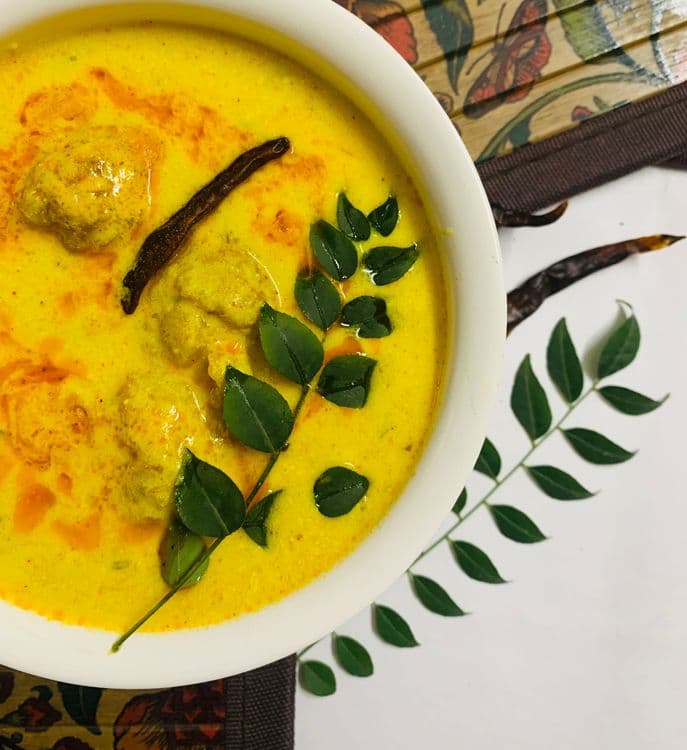
My mother judged a cook by one thing: whether the yogurt broke. Kadhi recipes look forgiving — yogurt, gram flour, water, a fistful of spices — and then the pot splits into grainy curds ten minutes in and you are eating soup with lumps in it. The fix is not a secret ingredient. It is heat management, and about five minutes of stirring you cannot skip.
The thirteen bowls here run wider than most people expect. There is the thick northern kadhi pakora, deep gold and properly sour, with onion fritters soaking until they go spongy. There is Goan futi, barely cooked and drunk cold in May. There is a Konkani one sharpened with cumin, a smoky Khandeshi pot, a fasting bowl for Navratri, and two built on packet boondi.
Learning how to make kadhi properly is really learning one technique and then choosing your region. I have grouped these by how they behave in a kitchen — what you fry first, how long the pot needs, what you pour it over. Start with whichever matches your evening.
Punjabi-Style Kadhi Recipes with Golden Pakora
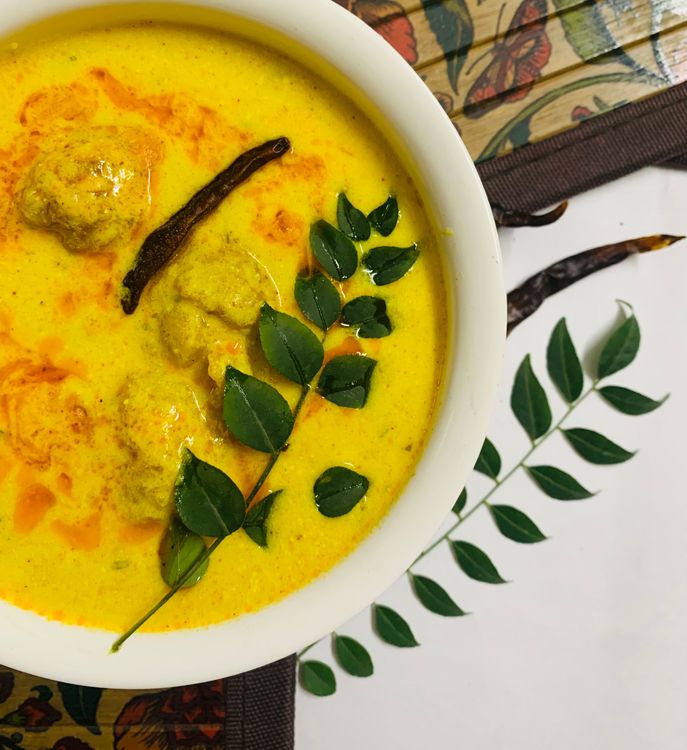
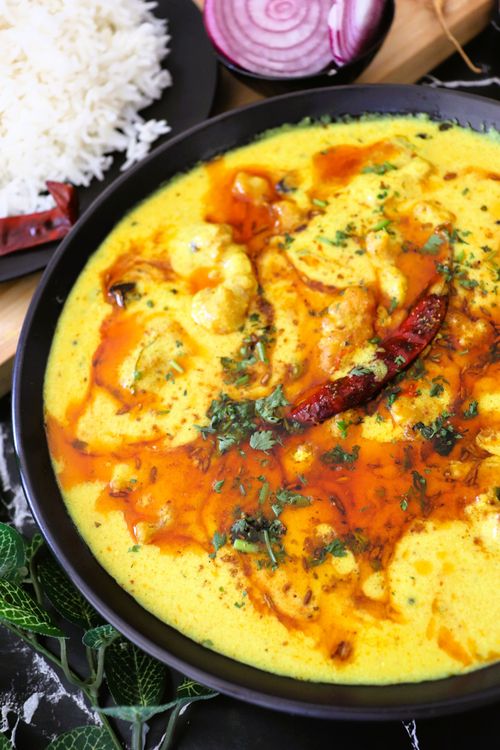
This is the long one. A proper punjabi kadhi wants an hour minimum, because the gram flour has to lose its raw, chalky edge and the sourness has to round out — rushing it gives you a pot that tastes like wet flour paste. Fry the onion fritters first and cool them on a wire rack, not paper, so they stay crisp on the outside. Slide them in during the last fifteen minutes: any earlier and they dissolve, any later and they stay dry in the middle. All four of these simmer low and slow, and every one tastes better the next day, once the tang has settled and the spices have gone soft.

- Indian
- Vegetarian
- Lunch
- Punjabi
- Vegetarian
- Lunch


- Indian
- Vegetarian
- Lunch
- Indian
- Vegetarian
- Lunch
Quick Weeknight Bowls You Can Simmer in Half an Hour
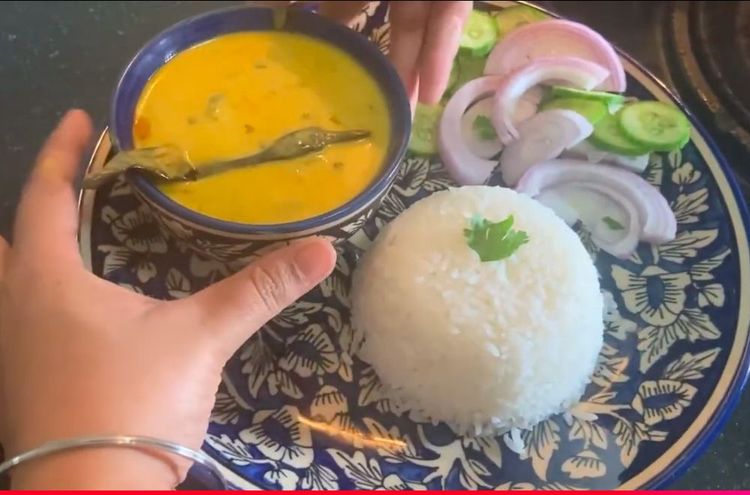
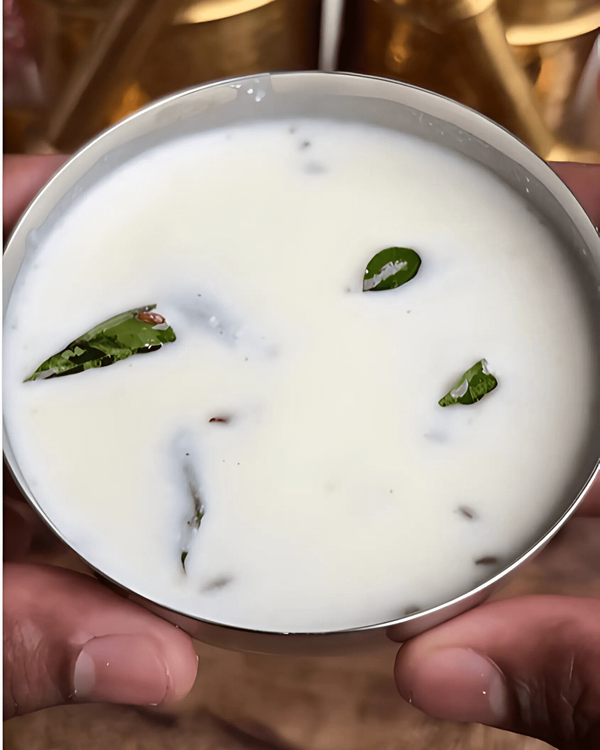
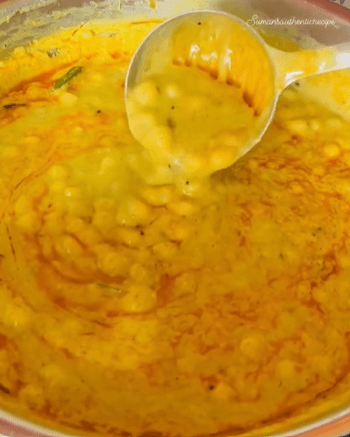
Not every night has an hour in it. These three land in ten to forty minutes because they skip the frying stage entirely or lean on something already sitting in the pantry. The onion version builds its body from sliced onion softened in the tempering rather than dumplings, which cuts a good half hour off the clock. The upvas bowl is essentially thinned yogurt, cumin and a hot ghee tadka poured over the top — ten minutes, no grain flour at all, which is exactly why it works during Navratri fasting. The hara masala one hides a green chutney in it, so it arrives on the table looking like you planned it all along.

- Indian
- Vegetarian
- Lunch

- Indian
- Vegetarian
- Side Dish
- Indian
- Vegetarian
- Lunch
Boondi and Dal Dumpling Variations
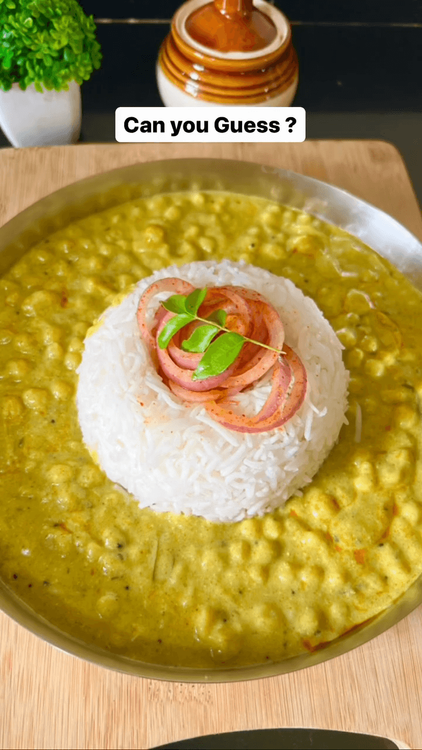
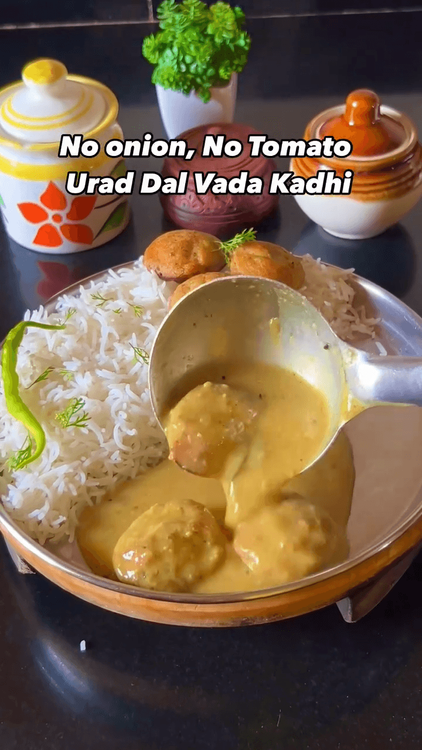
Boondi is the shortcut I use most. Those little fried chickpea-flour pearls behave exactly like miniature fritters — they drink up the sour broth and turn plush — except somebody else already fried them and they are sitting in a packet in your cupboard. Drop them in off the heat, wait four minutes, serve; any longer and they slide into mush. The urad dal version goes the other way entirely. You soak, grind and fry your own vada, which is a genuine weekend job, but the dumplings come out lighter and slightly chewy in a way boondi never quite manages. No tomato and no onion either — it is a satvik pot, and it is better for the restraint.
- Indian
- Vegetarian
- Dinner
- Indian
- Vegan
- Dinner
Coastal and Regional Styles, from Goa to Khandesh
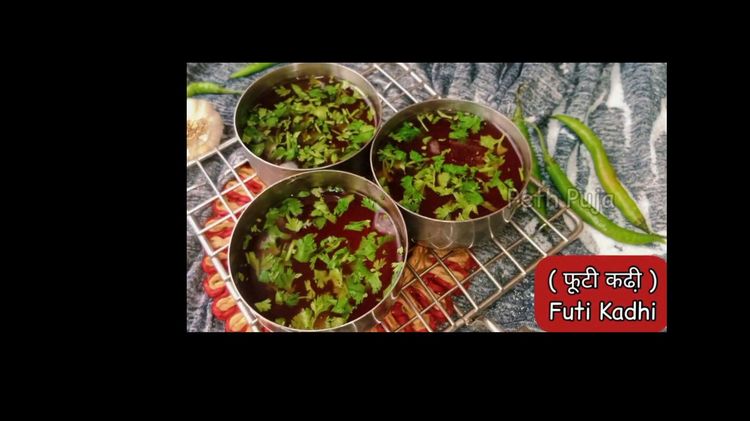
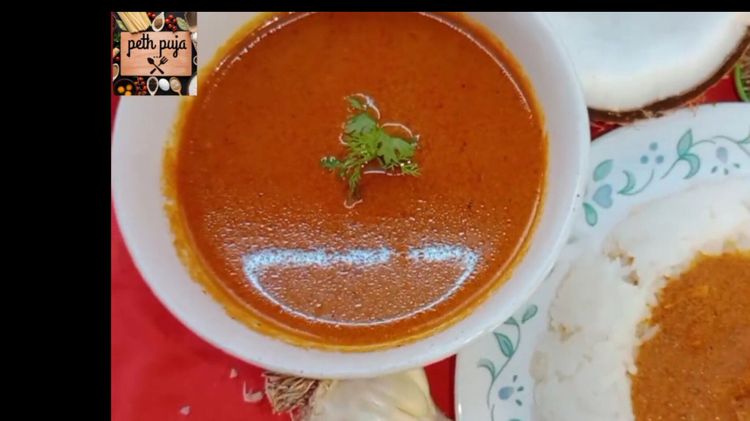
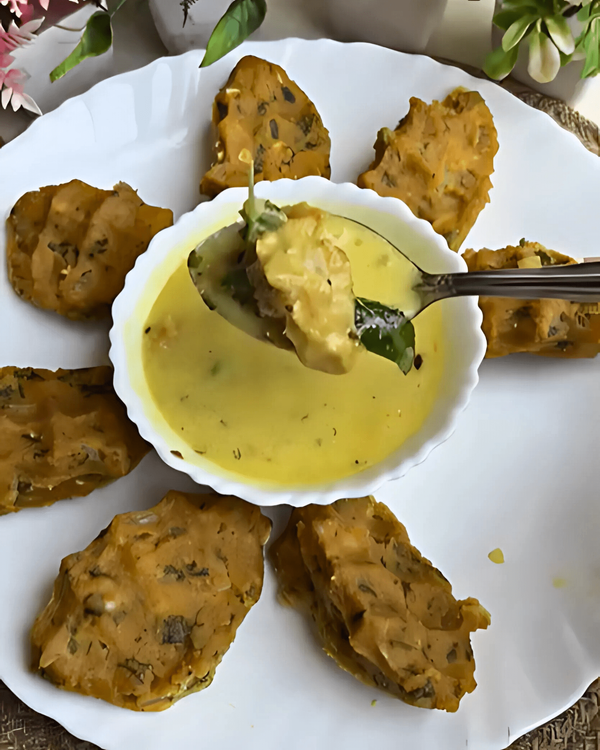
Head south and west and the whole idea changes shape. Goan futi is not a curry at all — it is a chilled, thin, faintly sweet drink of coconut milk, kokum and green chilli that lives in the fridge through the hot months and gets poured over ice in the afternoon. Two versions here, one ten minutes, one twenty. The Konkani jeeri meeri leans hard on cumin and cracked black pepper with almost no chilli heat, thin enough to sip from the bowl. Khandeshi funke, from northern Maharashtra, is the outlier: smoky, dark with garlic and dried red chilli, and closer to a rustic dal than anything you would ladle over rice.


- Goan
- Vegan
- Appetiser
- Goan
- Vegan
- Appetiser
- Konkani
- Vegan
- Main Course
- Indian
- Vegetarian
- Lunch
Yogurt & Besan Without Curdling
Every split pot comes from the same mistake: cold, sour yogurt meeting a hot pan with nothing to protect it. Yogurt is a protein suspension, and protein tightens and squeezes out water when it is shocked. So do three things. Use yogurt that is a day or two old and properly sour, but not so old it has gone watery on top. Take it out of the fridge twenty minutes before you start. And never add it to hot oil.
The gram flour is your insurance. Whisk it into the yogurt while both are cold — start with two tablespoons of flour to a cup of yogurt for a besan kadhi with real body — and beat until there is not a single lump left. Lumps are not cosmetic. Each one is a pocket of dry flour that will never hydrate and will taste raw in the finished bowl. Then add water a little at a time, still whisking, until it runs like thin cream. The starch coats the proteins and stops them clumping when the heat arrives.
Now the part people rush. Pour the mixture into the pan and stir constantly over medium heat until it comes to a full boil — five to seven minutes. Do not walk away, do not cover it, do not stop stirring. Once it has boiled properly the emulsion is stable, and you can drop the flame to a whisper and leave it alone for an hour. If it does break, pull it off the heat and blitz it with a stick blender. It will not be perfect, but nobody at the table will say a word.
Punjabi vs Gujarati vs Sindhi Kadhi
These three share four ingredients and almost nothing else. Punjabi kadhi is thick — spoon-coating, nearly a gravy — deeply sour, yellow with turmeric, and it carries onion fritters that soak until they are spongy. It is a full meal poured over rice, not a side dish, and it is usually the only thing on the plate. The flour ratio is high, roughly two tablespoons to a cup of yogurt, and the simmer is long, an hour at minimum, because that is what takes the raw edge off.
Gujarati kadhi is the opposite in every way. It is thin enough to drink, pale, barely thickened, and — this is the part that startles people the first time — sweetened with jaggery. Sour and sweet sit against each other, ginger and green chilli go in raw rather than fried, and the whole thing is done in fifteen minutes flat. It is served alongside khichdi as a hot, pourable counterpoint, not as the main event, which is why the flour is measured in spoonfuls rather than cupfuls. No dumplings, ever. Adding them would be missing the point entirely.
Sindhi kadhi is the odd one out, because it contains no yogurt at all. The sourness comes from tamarind, the flour is roasted in oil first until it smells nutty, and vegetables — drumstick, okra, carrot, potato — go in whole. It tastes closer to a sambar than to either of the others. None of these is the authentic one. They are three different dishes that happen to share a name, and the region you learned to cook in decides which pot feels like home.
The Tempering
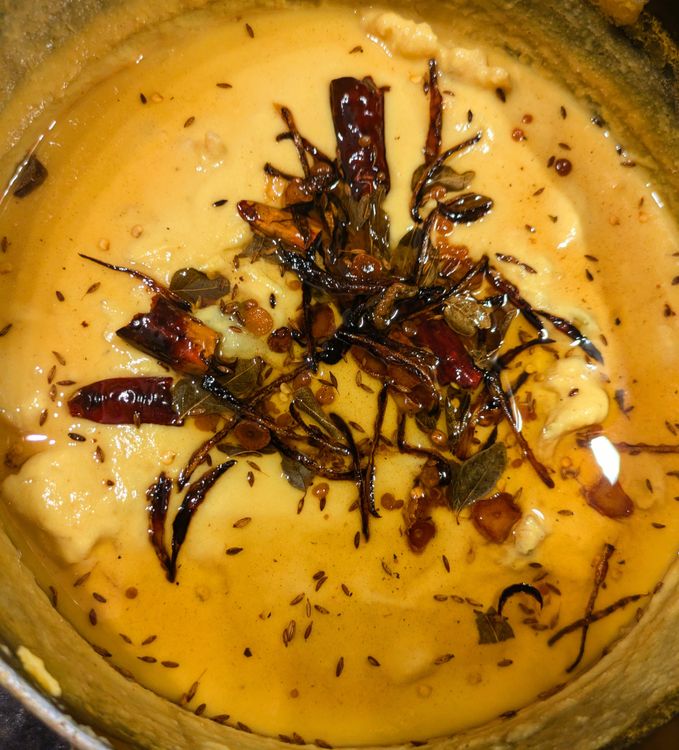
The tadka is not a garnish. It is the second half of the recipe, and in most regional versions it does more for the flavour than anything in the pot. Heat two tablespoons of ghee — ghee, not oil, if you can — until a cumin seed dropped in sizzles immediately and floats. Too cool and the spices stew and go bitter; too hot and the chilli scorches in a second and the whole thing tastes of ash.
Order matters, and it is always the same logic: whole spices that need heat first, delicate things last. Cumin and mustard seeds go in and pop for ten seconds. Then a pinch of asafoetida, which needs oil to bloom but burns in about five. Dried red chillies, broken in half so the seeds get out, for another five. Garlic wants slightly longer and should go pale gold, never brown. Curry leaves last — they will spit, so stand back — and then it comes off the heat immediately, because the residual warmth in the ghee is enough to finish them.
Some cooks pour it in and stir it through. I do not. I pour it over each bowl at the table, so the ghee sits on the surface in an orange slick and the first spoonful is all curry leaf and chilli. For a thick northern pot, add a spoon of Kashmiri chilli powder to the ghee off the heat — it brings almost no burn, but the colour is worth the extra ten seconds. The Khandeshi version goes further and chars whole garlic until it is properly smoky. Make the tadka last, while the rice rests, never in advance.
Serving with Rice & Khichdi
Plain steamed rice, slightly overcooked, is the correct partner and I will not be talked out of it. Not basmati standing up in separate grains — you want short or medium grain that clumps a little, so it holds the sour broth instead of letting it run to the edge of the plate. Make the rice while the pot simmers; it should be warm, not scalding, when it hits the plate. Cold rice seizes the ghee on contact and the whole thing turns claggy.
Khichdi is the other half of the tradition, specifically a soft moong dal khichdi cooked to the point of collapse. In Gujarat the pairing is a fixed institution — thin, sweet-sour gujarati kadhi ladled over khichdi, a spoon of ghee melting into it, and nothing else on the plate but a wedge of lime and some pickle. It is what people make when they are ill, and what they make when they are tired, which tells you most of what you need to know about it.
For the thick northern bowls, treat it like a curry: rice in the centre, a ladle over the top, plain sliced onion with lemon on the side, and something crunchy — papad, or a blistered green chilli. Roti works less well than people think; the broth is too thin to scoop and you end up chasing it around the plate. Leftovers thicken overnight, so loosen them with a splash of water and a proper re-boil on the stove rather than a microwave, and fry a fresh tempering to finish. The old one goes flat and tastes tired.
Pro Tips
- Whisk the gram flour into cold yogurt, never warm, and beat it completely smooth before a single drop of water goes in. Every lump you leave behind is a pocket of raw flour that will still taste raw an hour later, and no amount of simmering will find it and fix it for you.
- Salt at the end, not the start. Salt pulls water out of the yogurt proteins and makes an early split far more likely, and the pot reduces by a third as it simmers, so you would end up over-salting anyway. Taste it in the last five minutes, once the texture is already settled.
- Let it boil once, properly and uncovered, while you stir without stopping. That first boil is what sets the emulsion for good. After it has happened, the pot can sit on the lowest flame for an hour with the lid ajar and nothing at all will go wrong while your back is turned.
- Fry your fritters ahead and cool them on a wire rack, never on paper towels. Paper traps steam underneath and turns the bottoms soggy, and soggy dumplings disintegrate the moment they meet hot liquid, leaving you with grit in the broth instead of pillows in it.
- If it tastes flat rather than sour, it is not salt it needs — it is acid. A squeeze of lemon off the heat lifts a dull pot faster than anything else in the kitchen. Amchur or a spoon of tamarind pulp does the same job with a rounder, less bright edge to it.
- Yogurt that is too fresh simply will not do the job. Leave it covered on the counter overnight if you have to; a mild, sweet supermarket tub gives you a bland bowl that no amount of chilli, ginger or tempering will ever rescue. Sourness is the entire architecture of the dish.
- Make it a day ahead whenever you can. It thickens, the sourness rounds out, the flour finishes hydrating and the spices soften into each other — just add a splash of water when you reheat it, bring it back to a gentle boil, and always fry a fresh tempering to go on top.
Frequently Asked Questions
Why does my kadhi split, and can I fix it?
Almost always cold yogurt hitting a hot pan, or salt going in too early. Whisk gram flour into cold yogurt first, add water gradually, then stir constantly over medium heat until it reaches a full boil — that boil is what stabilises the emulsion. If it has already broken, pull it off the heat and blitz it smooth with a stick blender. It will taste completely fine.
How to make kadhi if I have no gram flour?
You can thicken with rice flour or a spoonful of cornflour, but be honest about what you lose — gram flour is not just a thickener, it brings a nutty, faintly bitter savouriness that nothing else copies. A better answer is the fasting bowl in this collection: yogurt, cumin and a ghee tadka, no flour anywhere, and genuinely good on its own terms rather than as a substitute for something.
What is the difference between kadhi pakora and plain besan kadhi?
The broth is identical. One has onion fritters dropped in for the last fifteen minutes, where they soak up liquid and turn spongy; the other is just the sour, silky base poured over rice. The fritters add half an hour of work and turn a side dish into dinner on their own. Packet boondi is the honest shortcut — much the same effect, none of the frying, and nobody has ever complained.
Is punjabi kadhi supposed to be sweet?
No — that is gujarati kadhi, which takes jaggery and is meant to be thin and sweet-sour. The northern pot is thick, savoury and firmly sour, and adding sugar to it would confuse everyone at the table. If you have only ever had the sweet version and quietly disliked it, try the thick Punjabi style before writing the whole dish off. They are barely the same food.
Can I use store-bought yogurt straight from the fridge?
You can, but let it sit out for twenty minutes and taste it first. Supermarket yogurt is usually too mild, and mildness is the real enemy here — the entire dish is built on sourness. If it tastes sweet, leave it covered on the counter overnight to develop, or add a squeeze of lemon at the end to compensate. Greek yogurt works if you thin it properly.
How long do these kadhi recipes keep in the fridge?
Three days, and most of them improve on day two once the tang has settled. It thickens as it sits, so loosen it with a splash of water and bring it back to a gentle boil rather than a microwave blast. Always fry a fresh tempering for reheated leftovers; the old ghee and curry leaves go flat and taste tired. Freezing splits it, so do not bother.
What can I use instead of pakora for texture?
Packet boondi is the one I reach for — drop it in off the heat, give it four minutes, and it behaves like a miniature fritter for a fraction of the effort. Fried urad dal vada work too and come out lighter, though you are back to soaking and grinding. Even a handful of roasted peanuts adds crunch if you are eating a bowl of it on its own.
Is this a curry or a drink?
Both, depending on where you are standing. In Punjab it is thick enough to eat with a spoon over rice, and it anchors the whole meal by itself. On the Goan coast, futi is chilled coconut milk and kokum, poured over ice and drunk in the afternoon heat — no yogurt, no flour, barely any cooking at all. Two dishes, one name, six hundred miles apart.
Thirteen kadhi recipes, and the only thing they truly share is patience with a whisk. Start with the boondi one if you are new to it — forty-five minutes, twelve ingredients, and genuinely hard to ruin. Then work up to the ninety-minute Punjabi pot on a Sunday, when there is nowhere else to be and the tang has time to settle into itself.
Related
- punjabi
- besan
- yogurt curry
- comfort food
- vegetarian
- indian
Popular Searches
- Best kadhi recipes
- Easy kadhi recipes
- Quick kadhi recipes
- Healthy kadhi recipes
- Simple kadhi recipes
- Homemade kadhi recipes
- Delicious kadhi recipes
- Popular kadhi recipes
- punjabi kadhi
- gujarati kadhi
- kadhi pakora
- how to make kadhi
Marnirni-apinthi Building, Lot Fourteen,
North Terrace, Adelaide, South Australia, 5000
Australia
