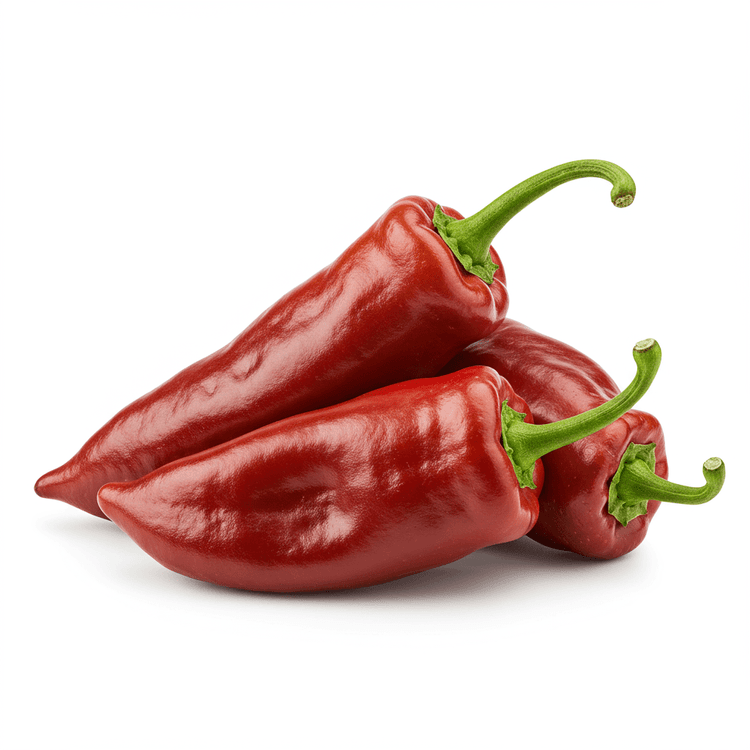
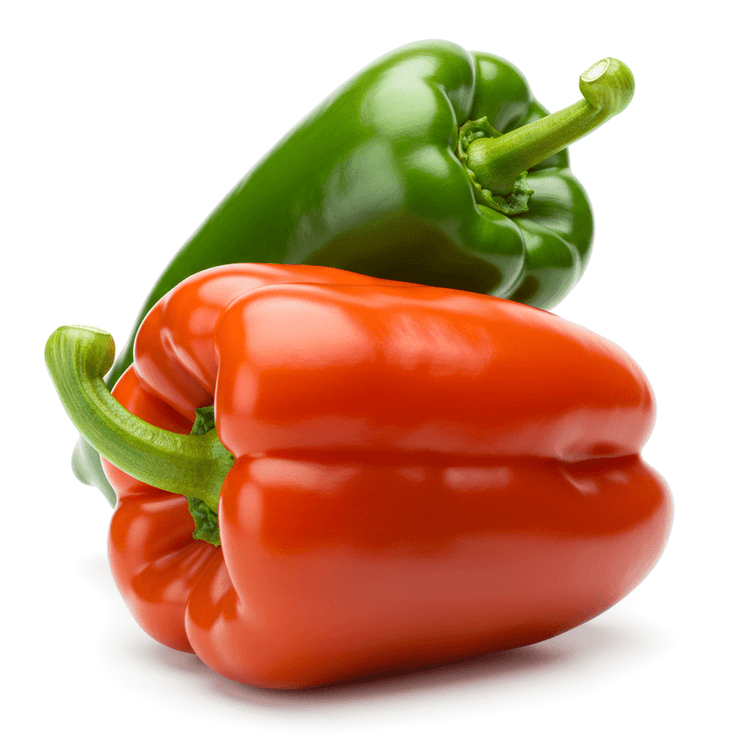
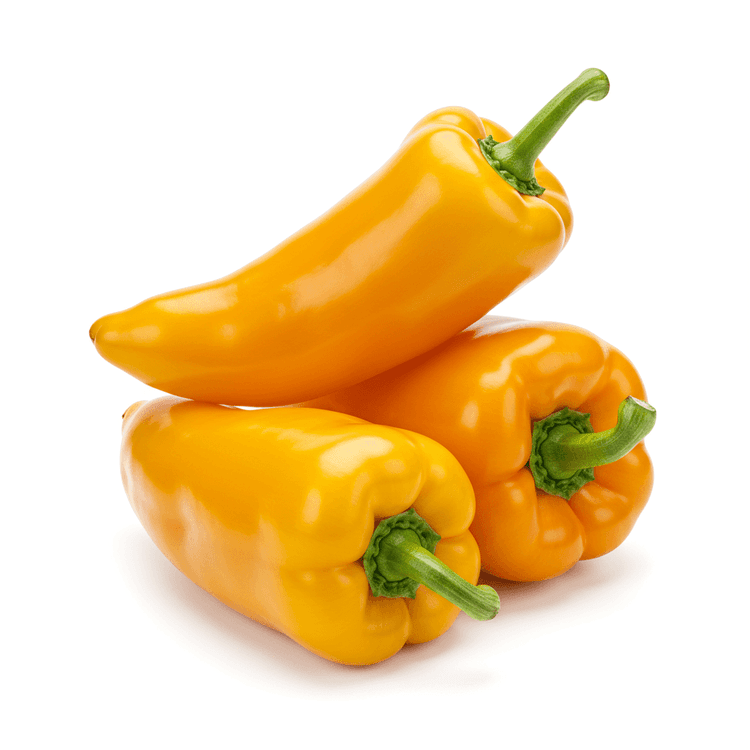
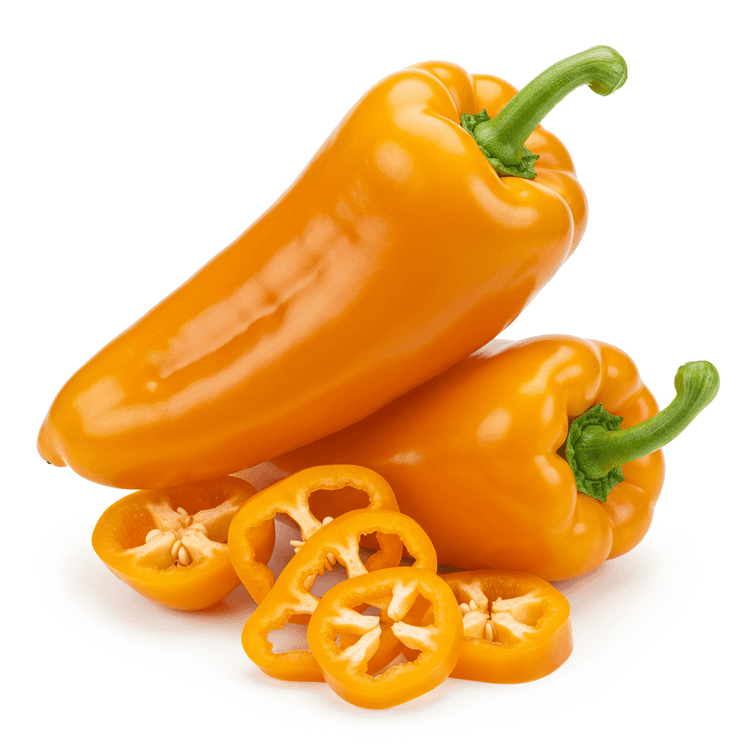
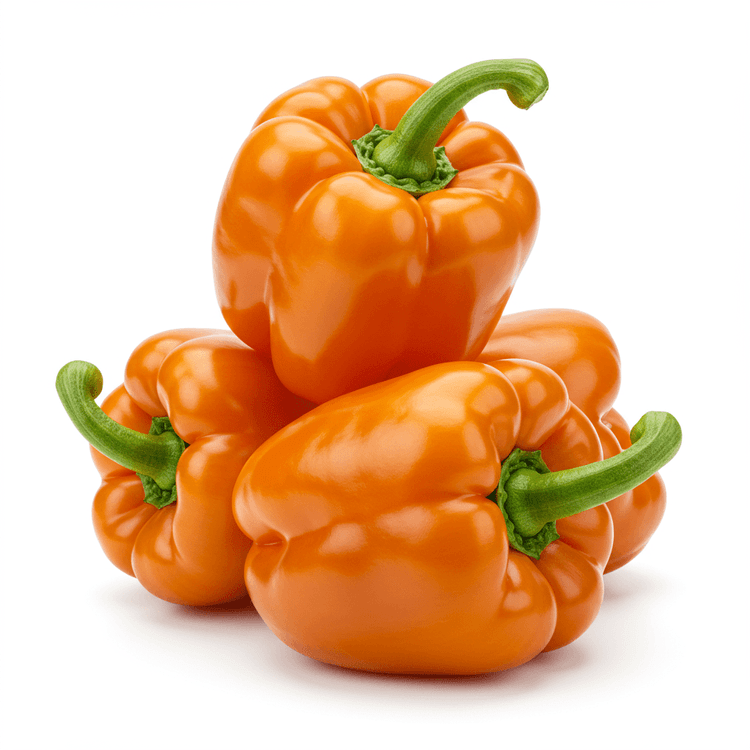
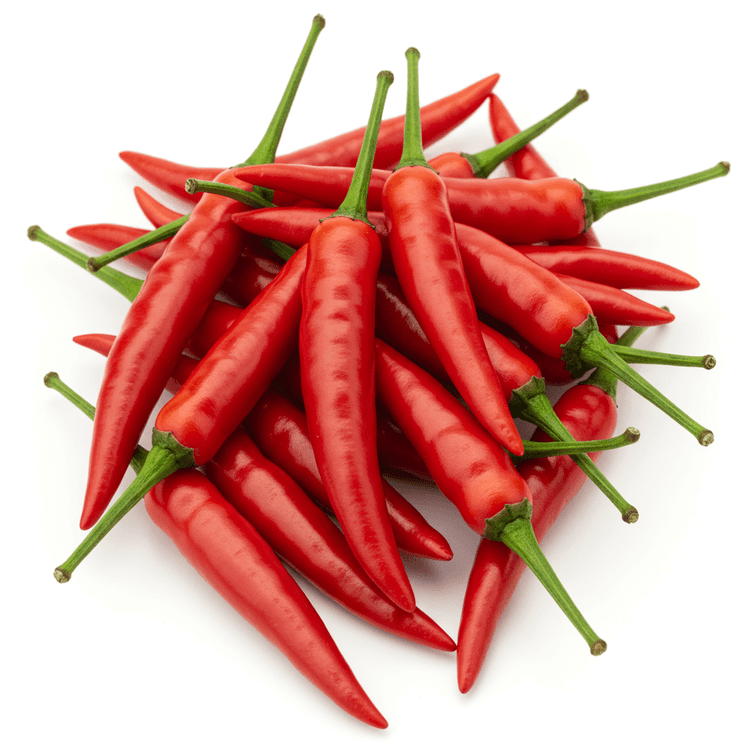
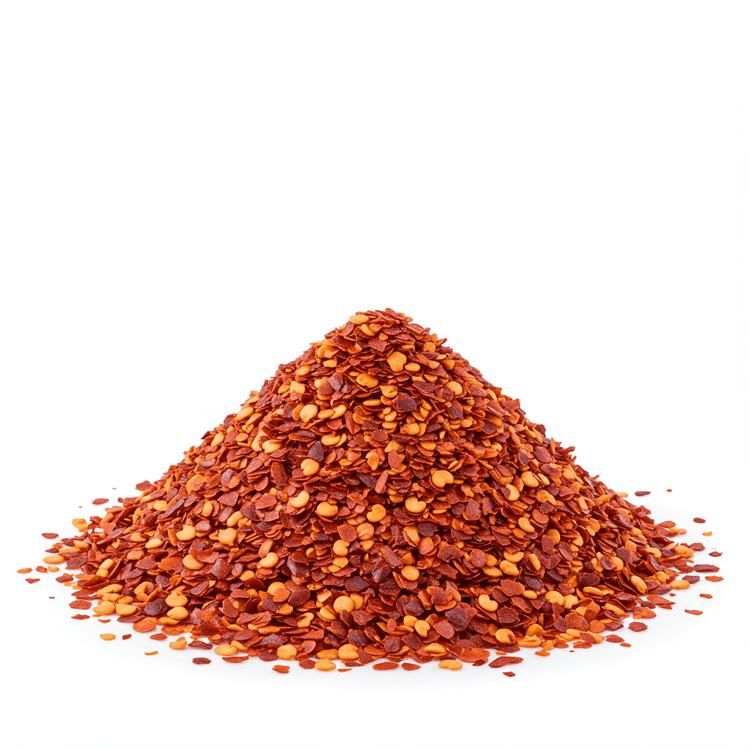
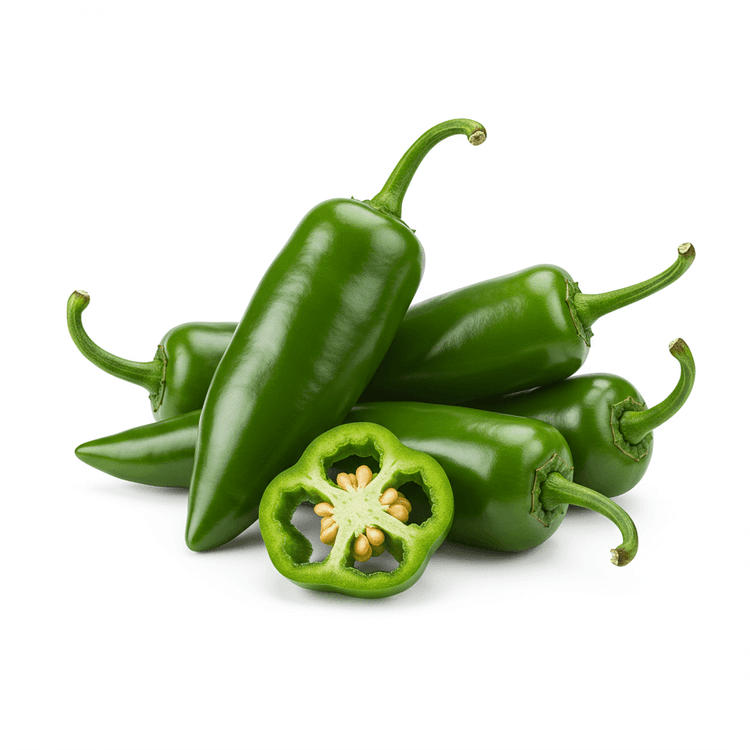
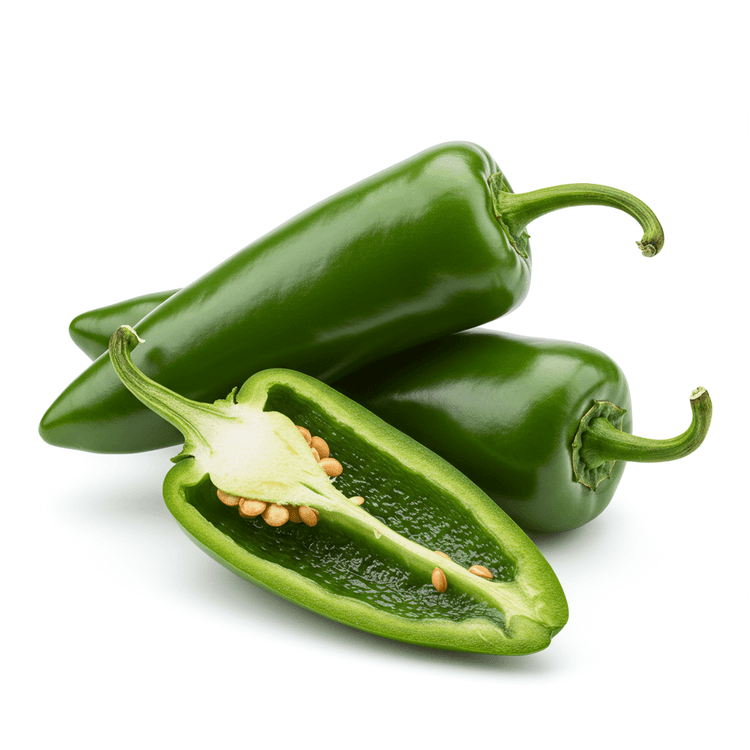
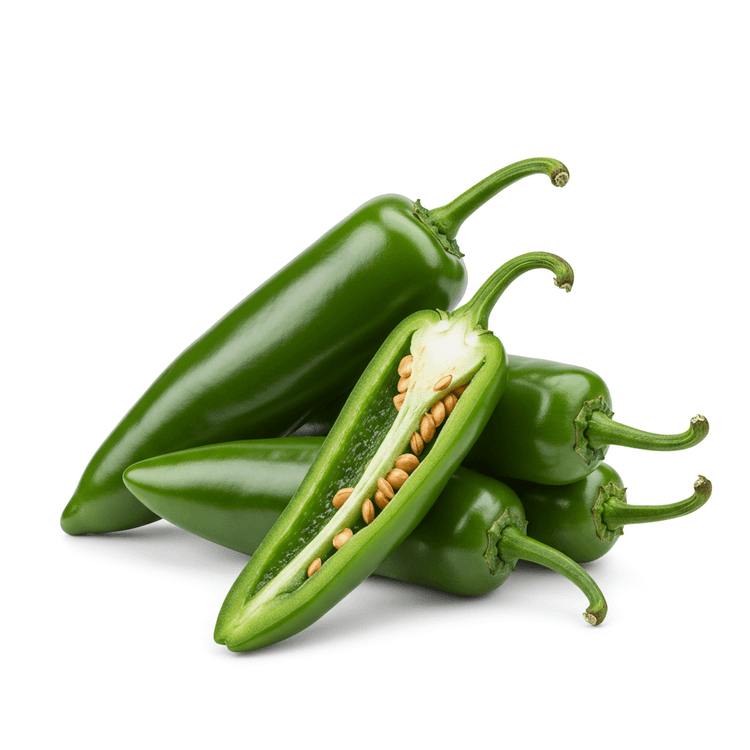
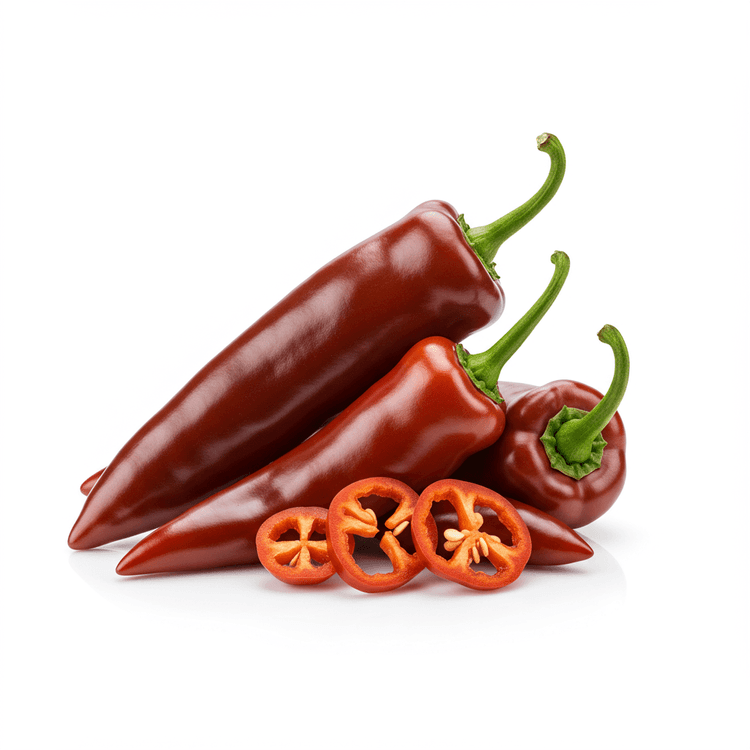
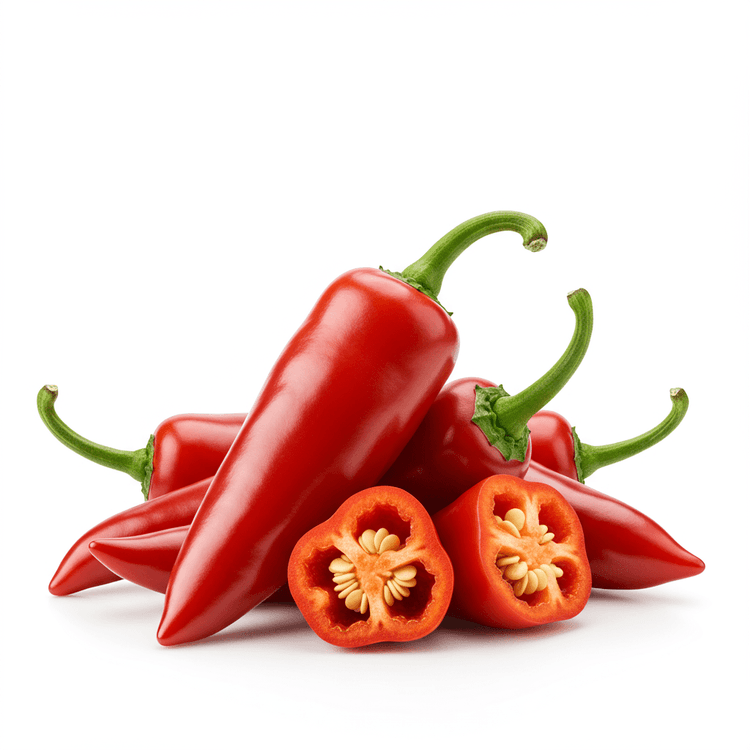
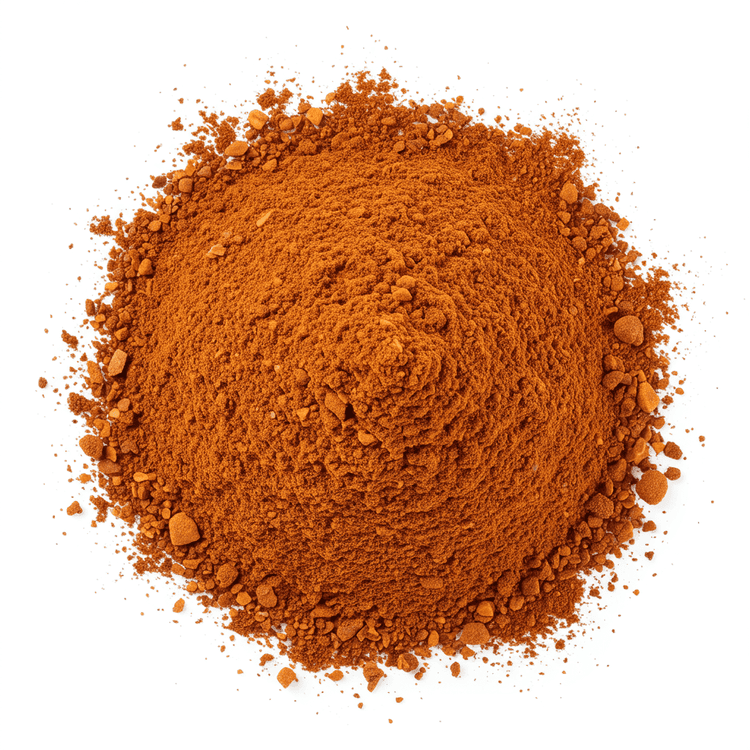
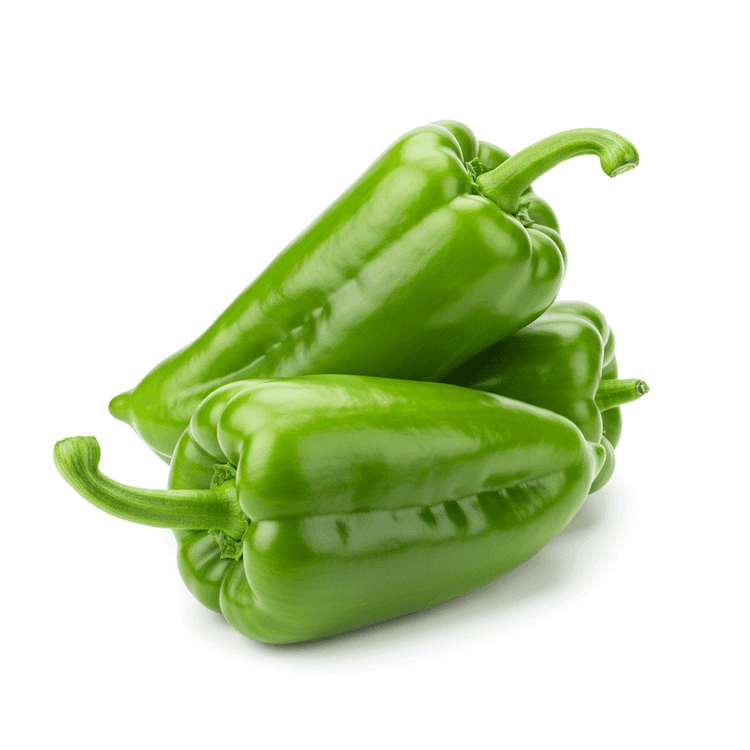
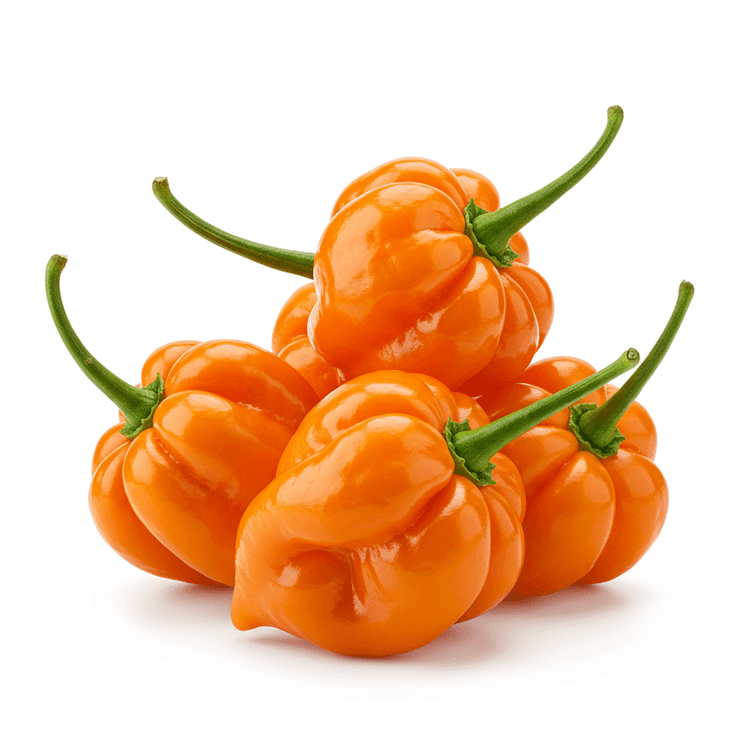
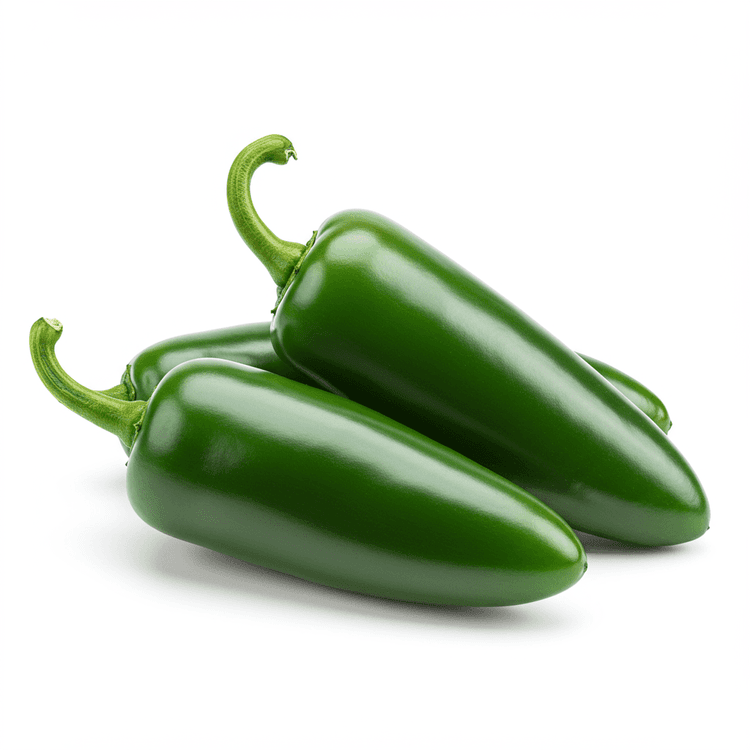
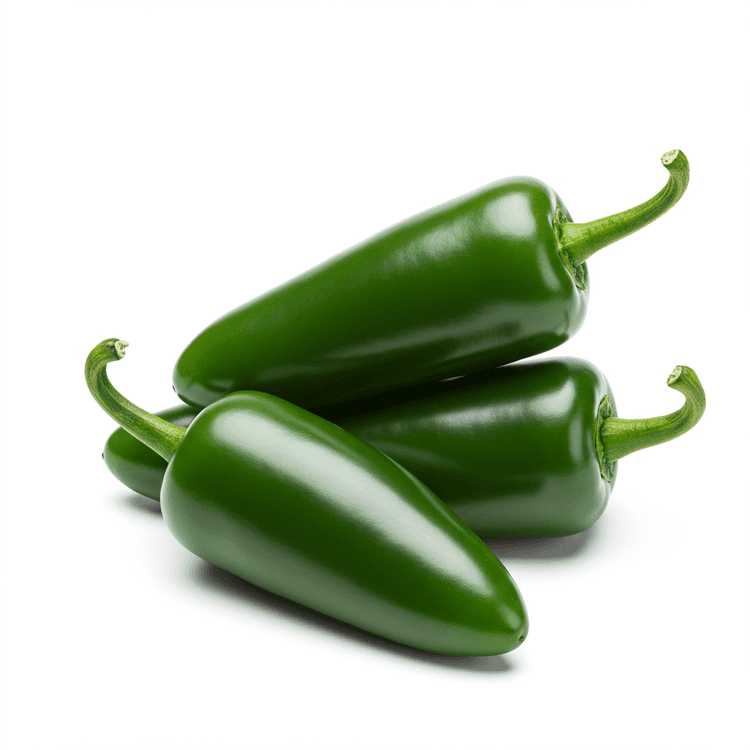
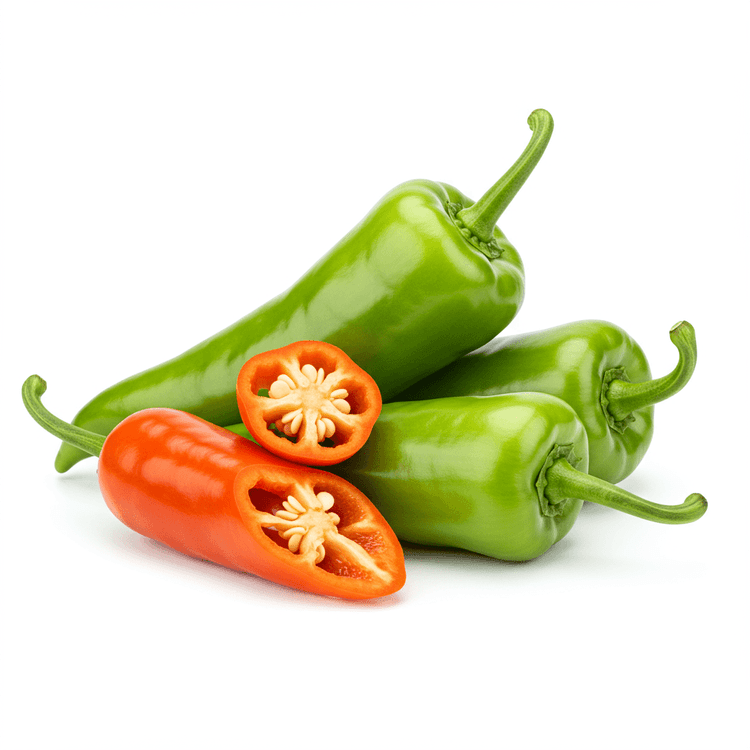
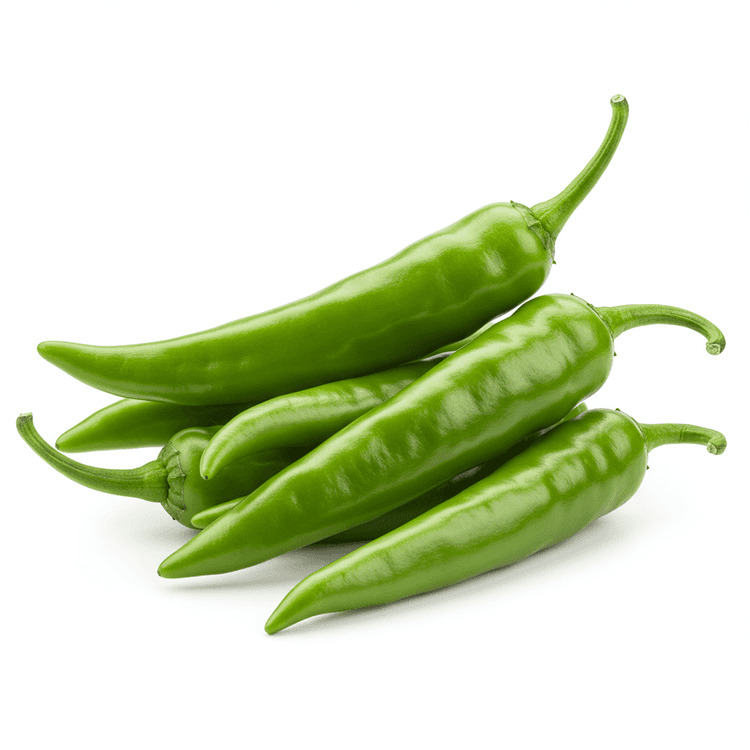
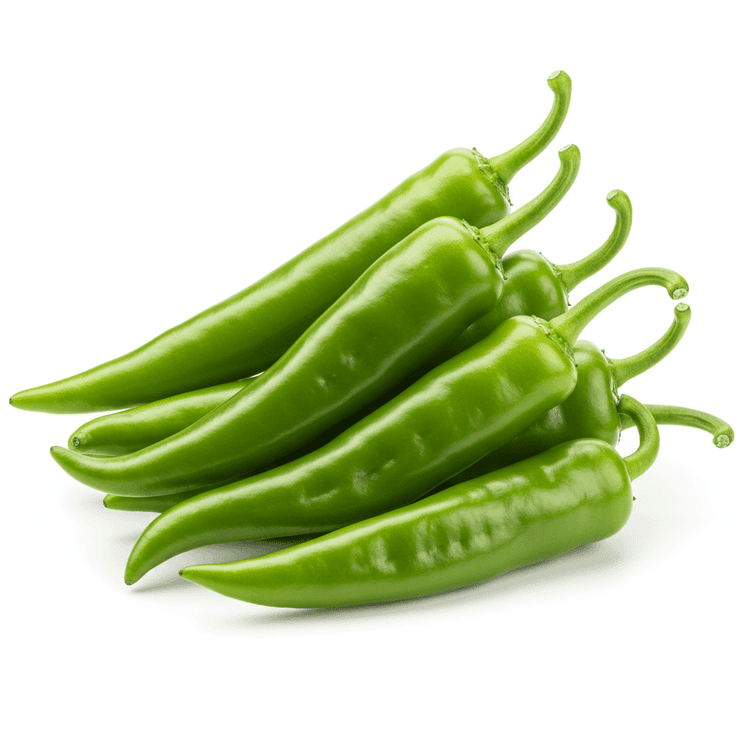
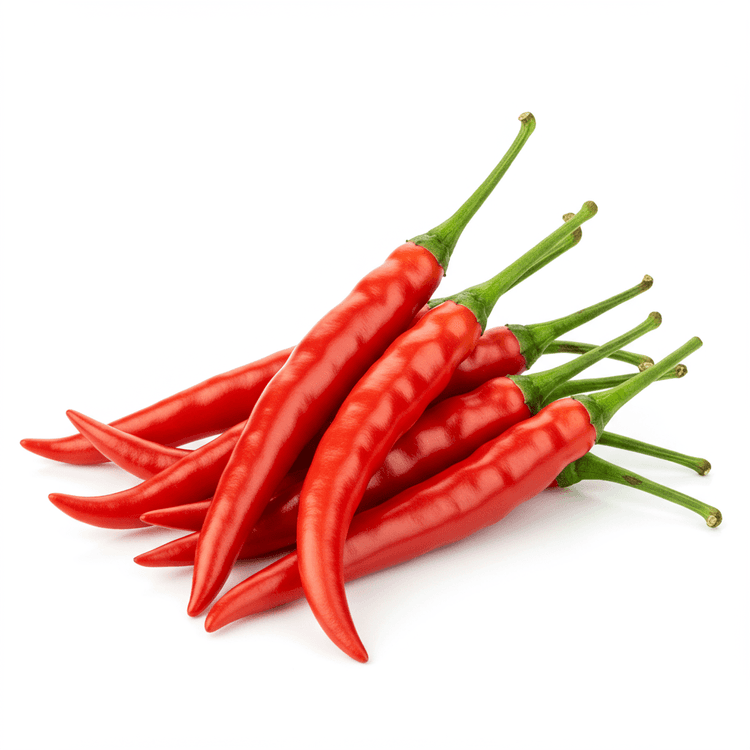
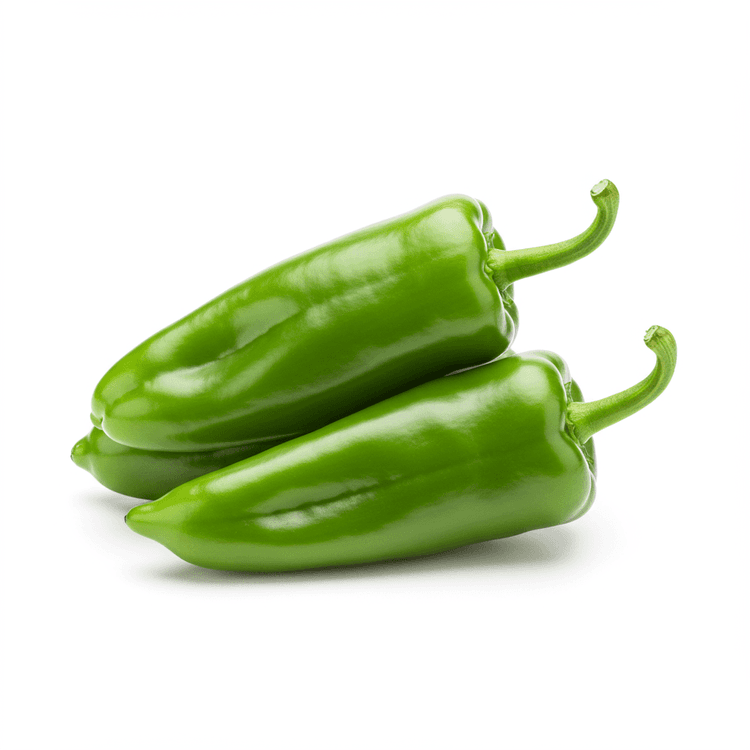
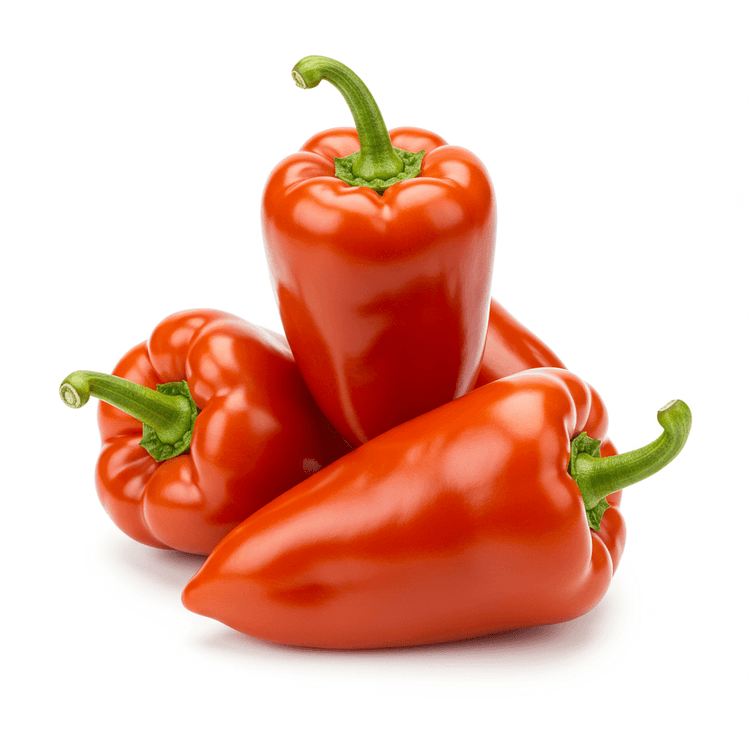
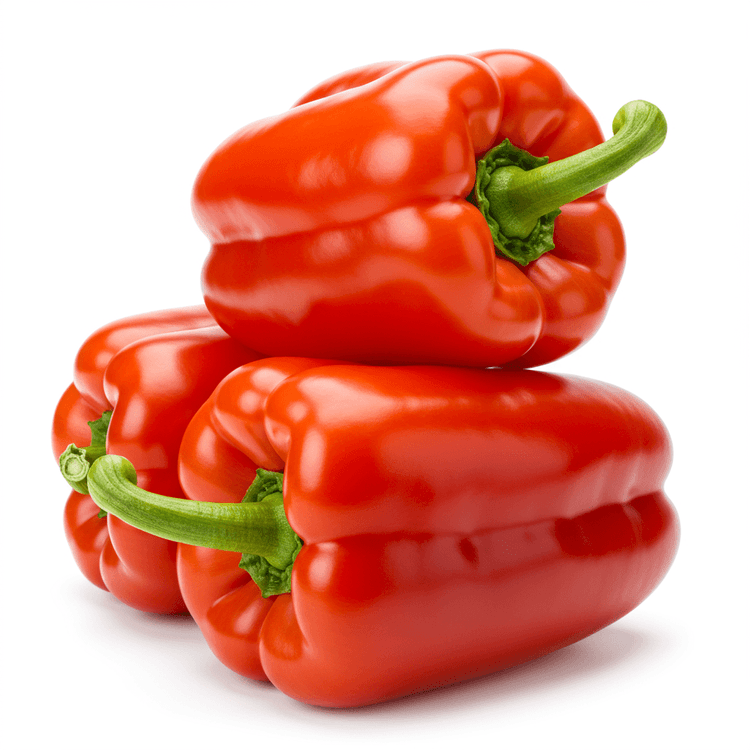
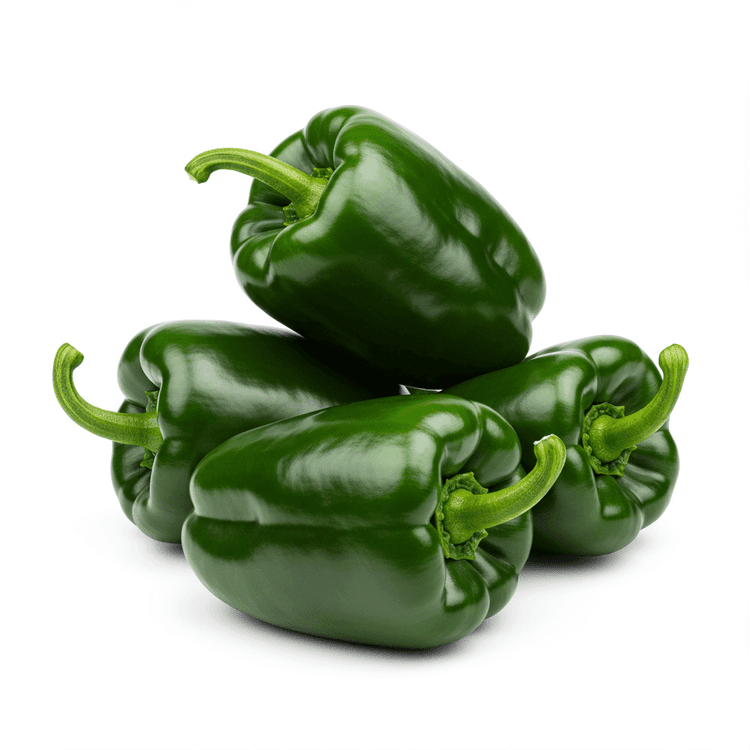
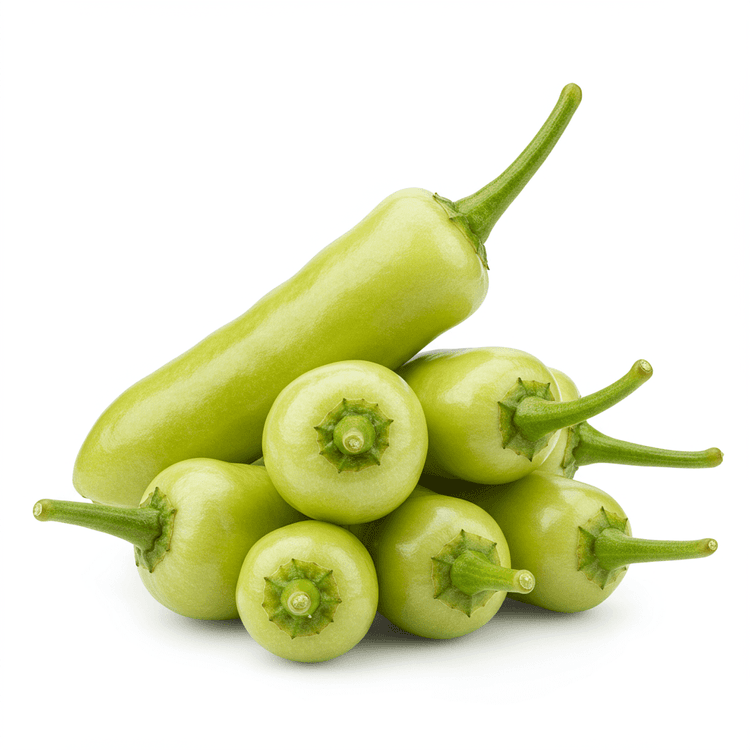
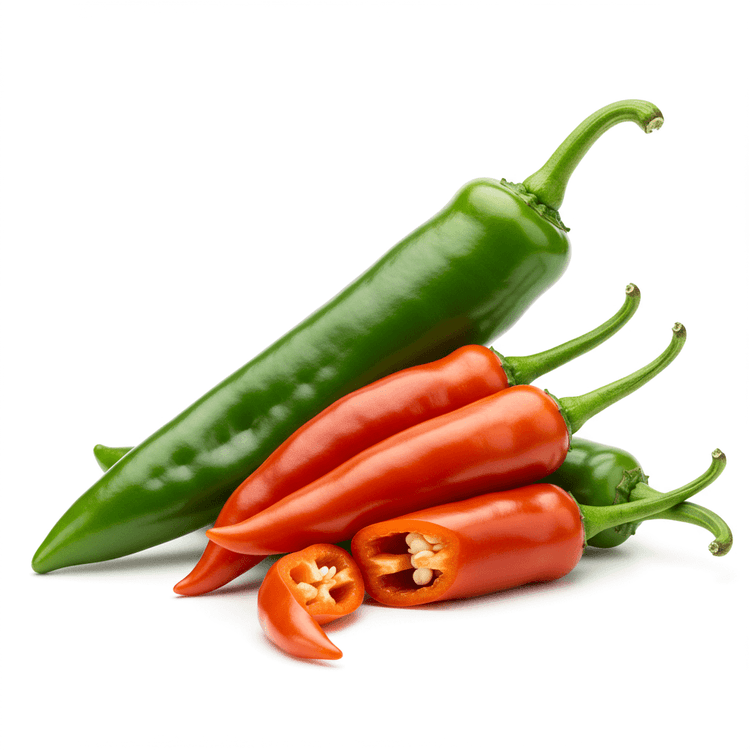
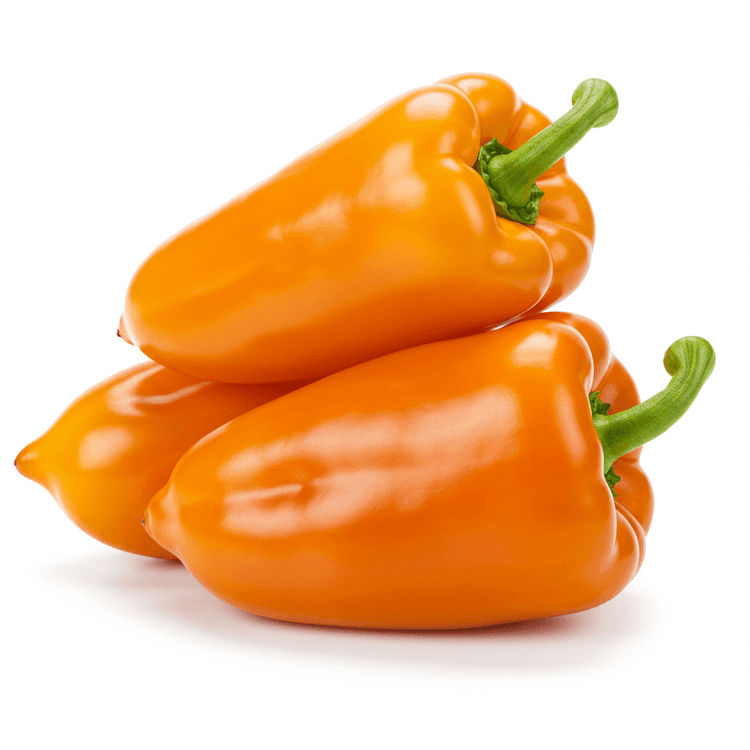
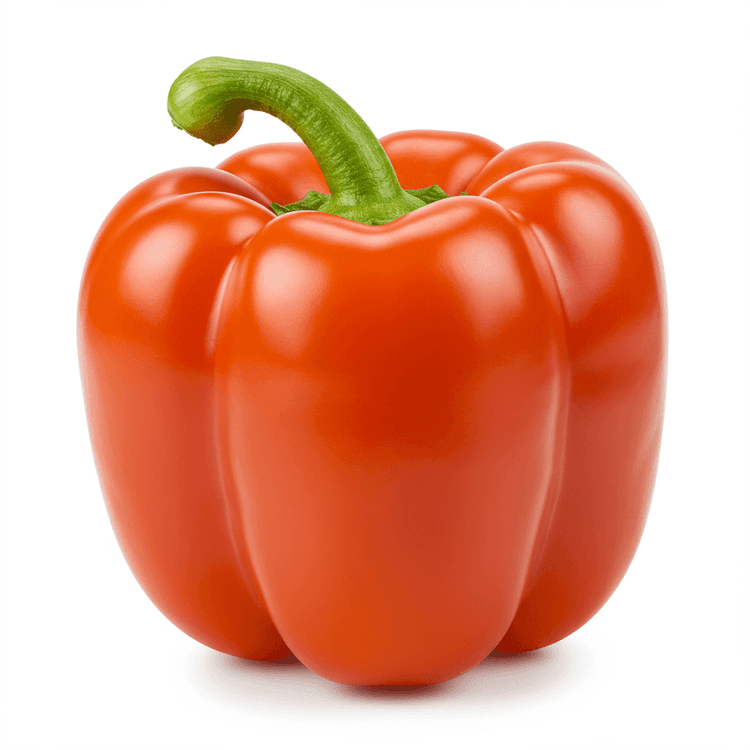
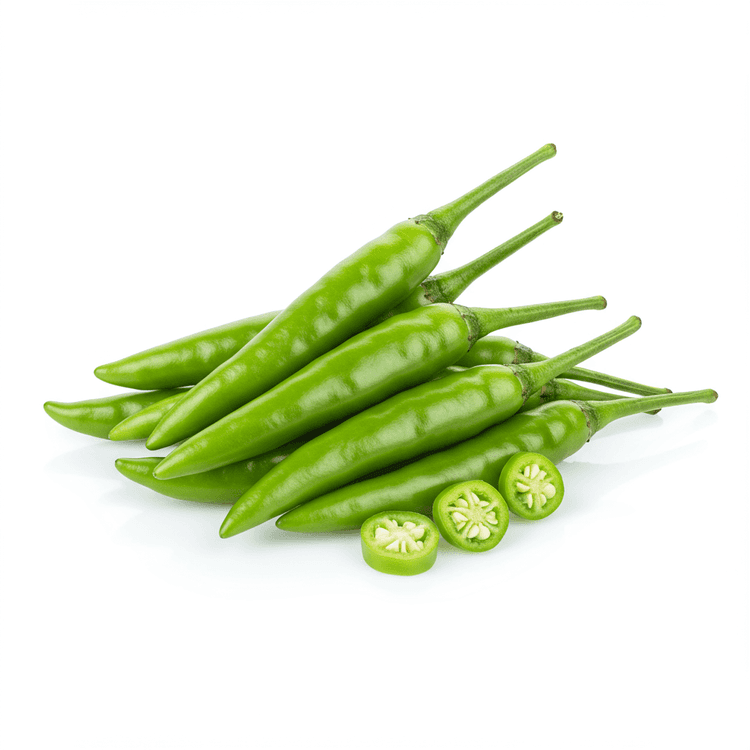
Peppers! From the fiery habanero to the sweet bell pepper, this vibrant family of fruits (yes, fruits!) adds flavor, color, and a nutritional punch to cuisines worldwide. But beyond their culinary appeal, peppers offer a wealth of health benefits that make them a fantastic addition to any balanced diet.
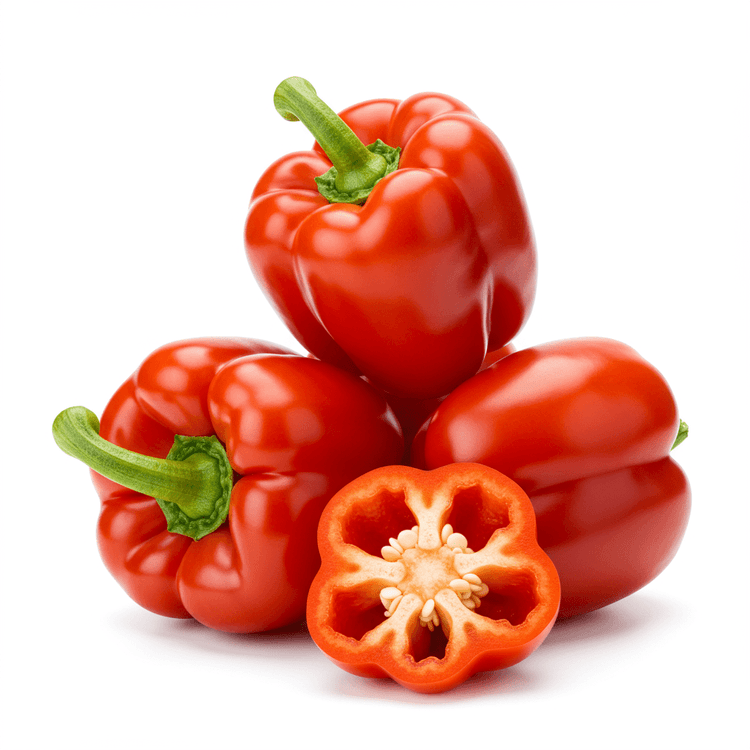
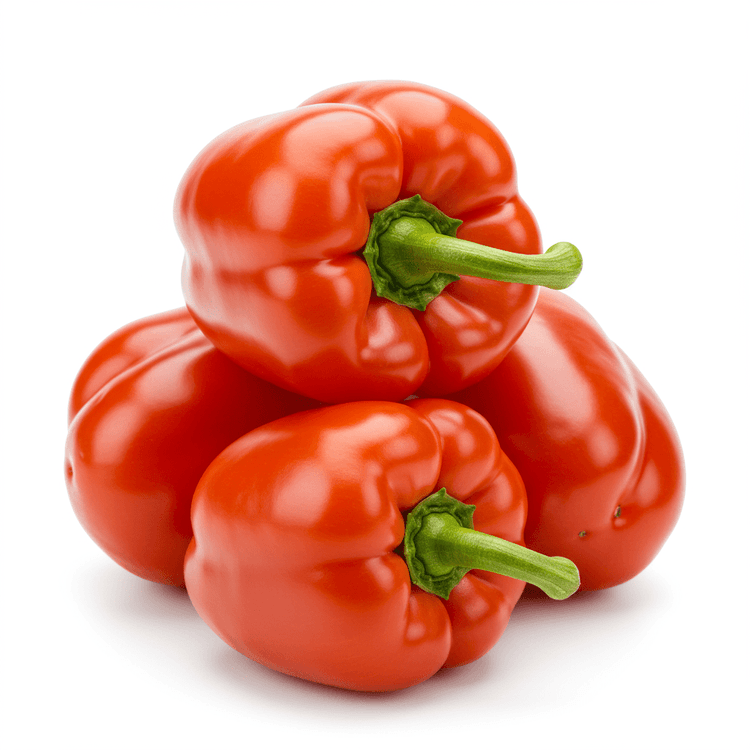
One of the most significant benefits of peppers is their impressive vitamin C content. Red bell peppers, in particular, are nutritional powerhouses, boasting even more vitamin C than oranges! This essential vitamin is a potent antioxidant, helping to protect your body against cell damage caused by free radicals. It also plays a crucial role in collagen production, supporting healthy skin, bones, and connective tissues. Beyond vitamin C, peppers are also rich in vitamin A, crucial for vision, immune function, and cell growth. You'll also find a good dose of vitamin B6, essential for brain development and function, and vitamin K, vital for blood clotting and bone health.
Peppers also contain various carotenoids, including beta-carotene, lutein, and zeaxanthin, all of which are powerful antioxidants with specific health benefits. Beta-carotene is converted into vitamin A in the body, while lutein and zeaxanthin are linked to improved eye health, potentially reducing the risk of age-related macular degeneration and cataracts.
Culinary applications of peppers are incredibly diverse. Bell peppers are staples in stir-fries, salads, stuffed pepper dishes, and roasted vegetable medleys. Their sweetness pairs well with savory ingredients like onions, garlic, and meats. Hot peppers, on the other hand, add a fiery kick to sauces, salsas, chili, and curries. Whether you're roasting them, grilling them, stuffing them, or simply chopping them raw, peppers offer endless possibilities for flavor enhancement.
Popular dishes featuring peppers include classic stuffed peppers with rice and meat filling, fajitas with sautéed bell peppers and onions, spicy chili con carne, and various types of salsa. In many cuisines, peppers are pickled, fermented, or dried to preserve them and create unique flavor profiles. Consider adding them to omelets, frittatas, or even blended into creamy soups for an added layer of flavor and nutrition.
Peppers are essential for a balanced diet due to their high concentration of vitamins, minerals, and antioxidants while being relatively low in calories. They contribute to overall wellness by supporting immune function, protecting against cellular damage, promoting healthy vision, and contributing to healthy skin. Their versatility in the kitchen makes them an easy and delicious way to boost your nutrient intake and add vibrancy to your meals. So, embrace the pepper, explore its diverse varieties, and reap the numerous health benefits this colorful fruit has to offer! ||
Pepper are an essential part of a healthy diet, providing a wide range of nutrients and health benefits. Explore our collection of pepper ingredients.